

 English











































































































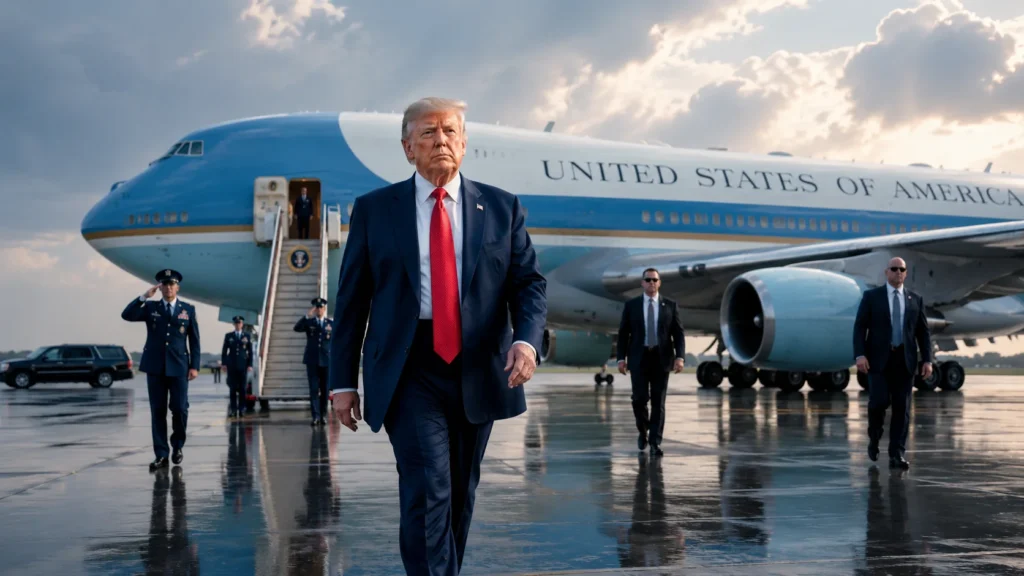
























Trump Threatened Kharg Island. Oil Hit $94. The Doubt Was His
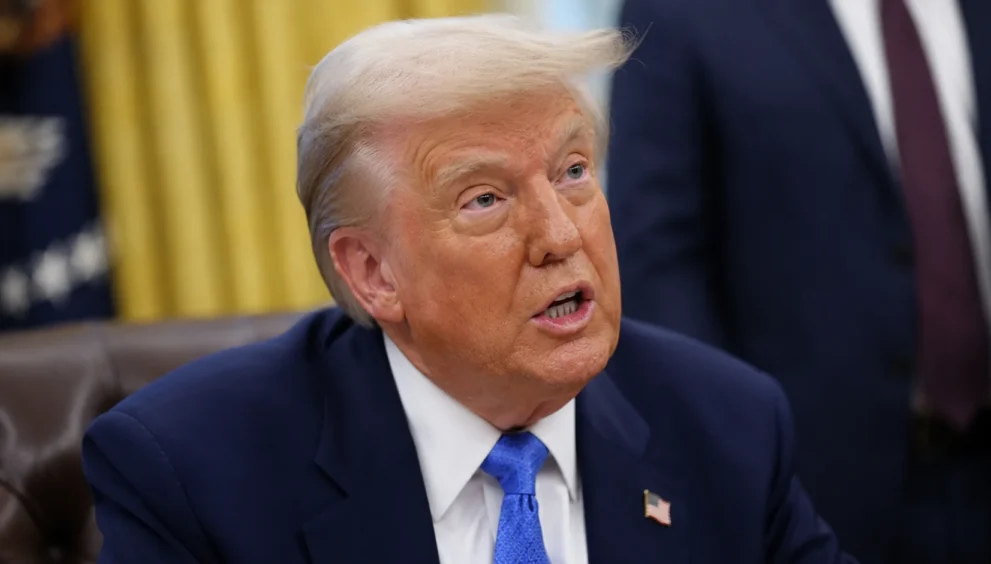
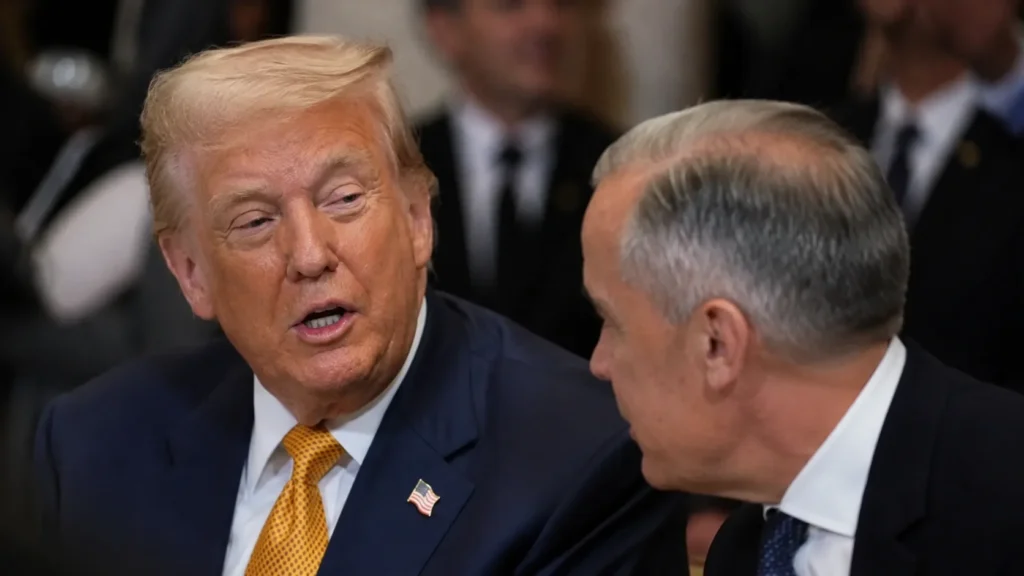
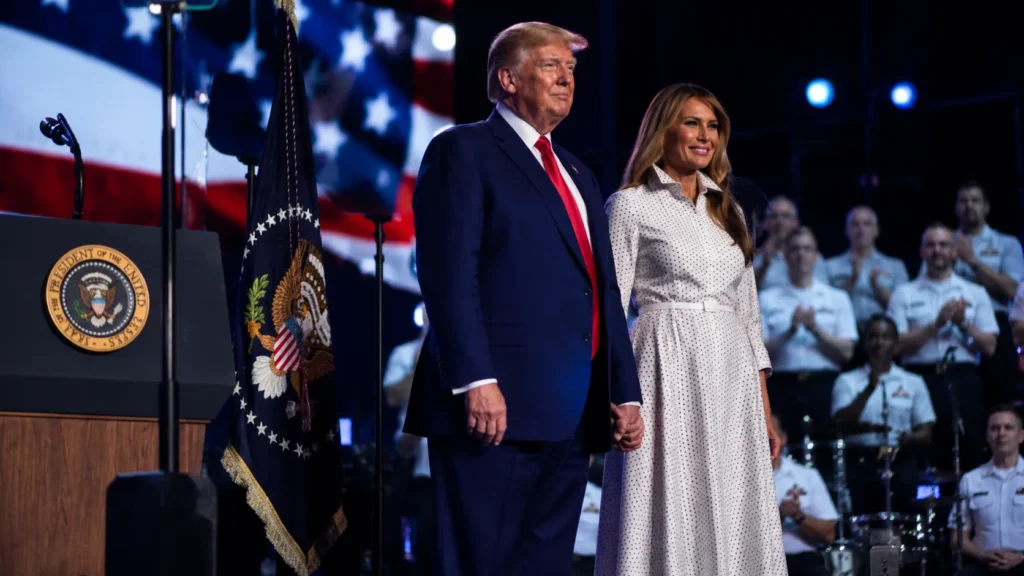
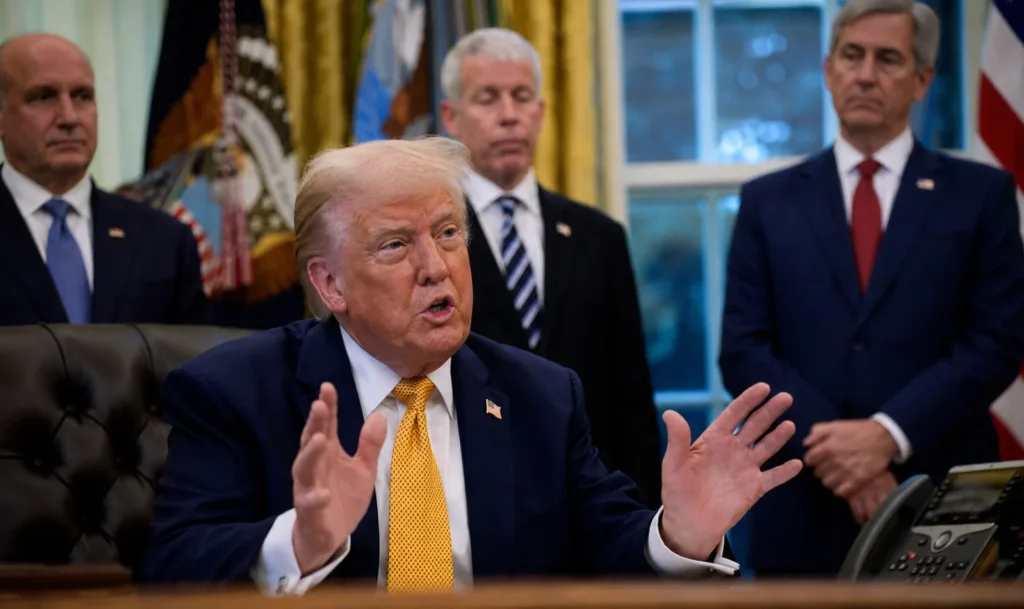
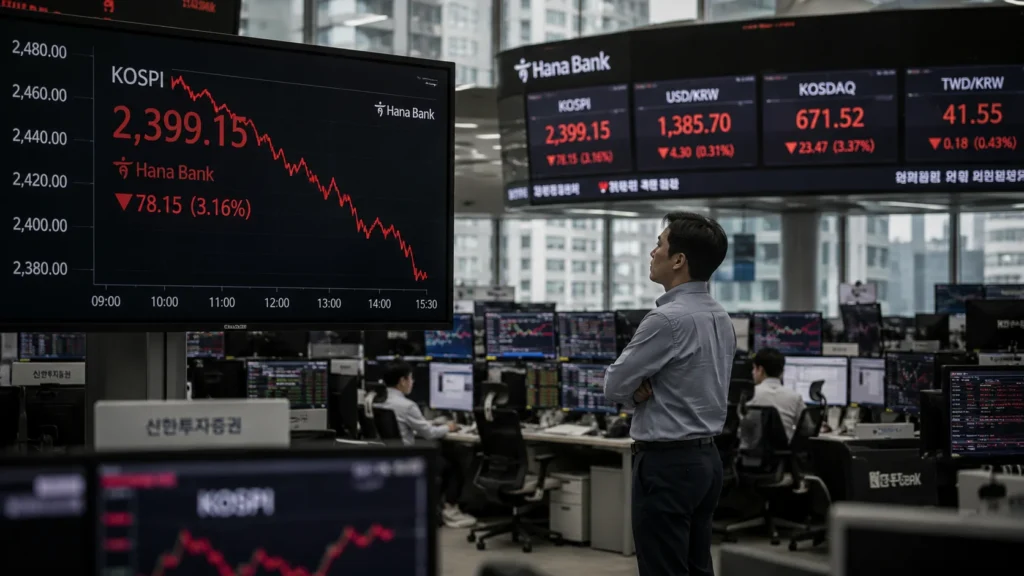
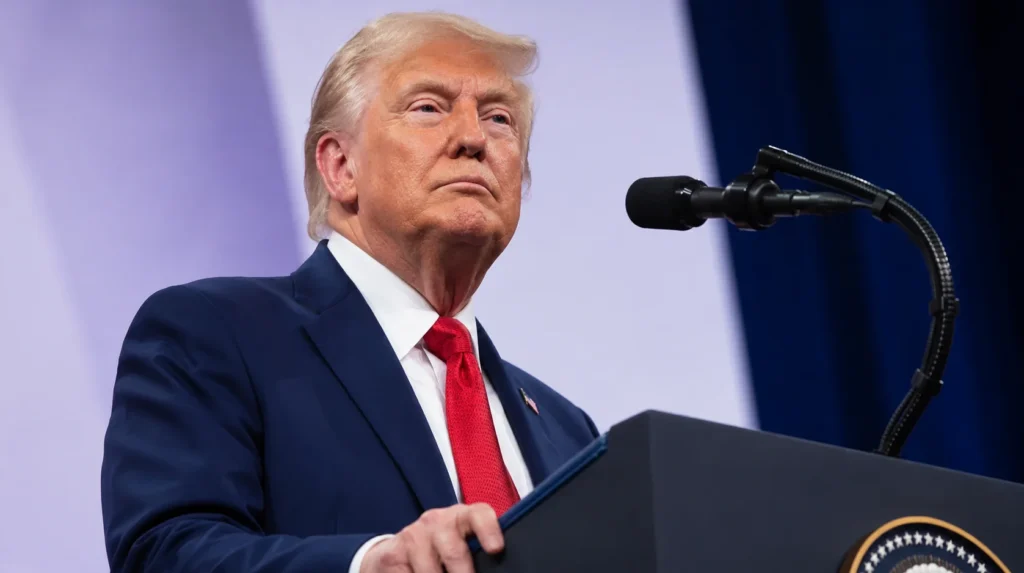
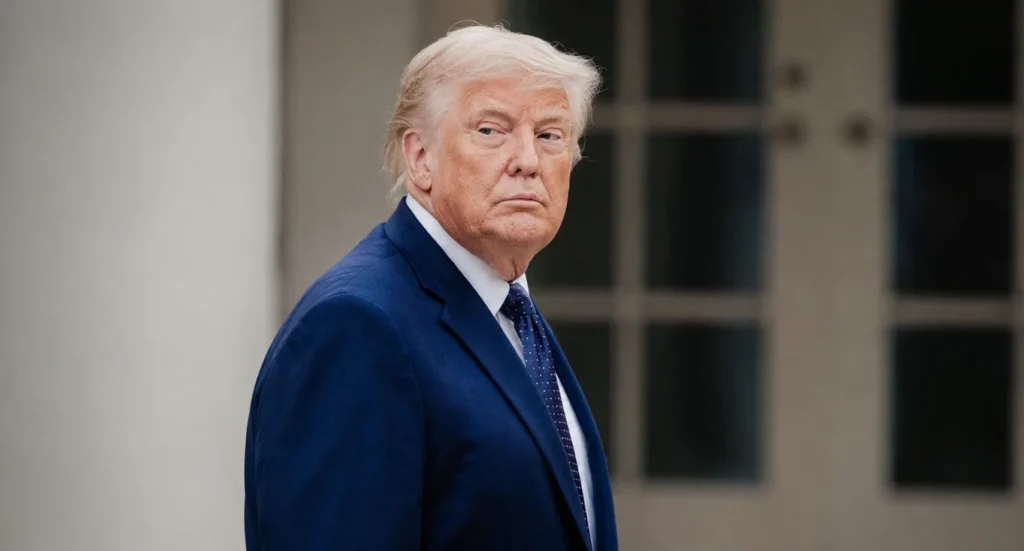
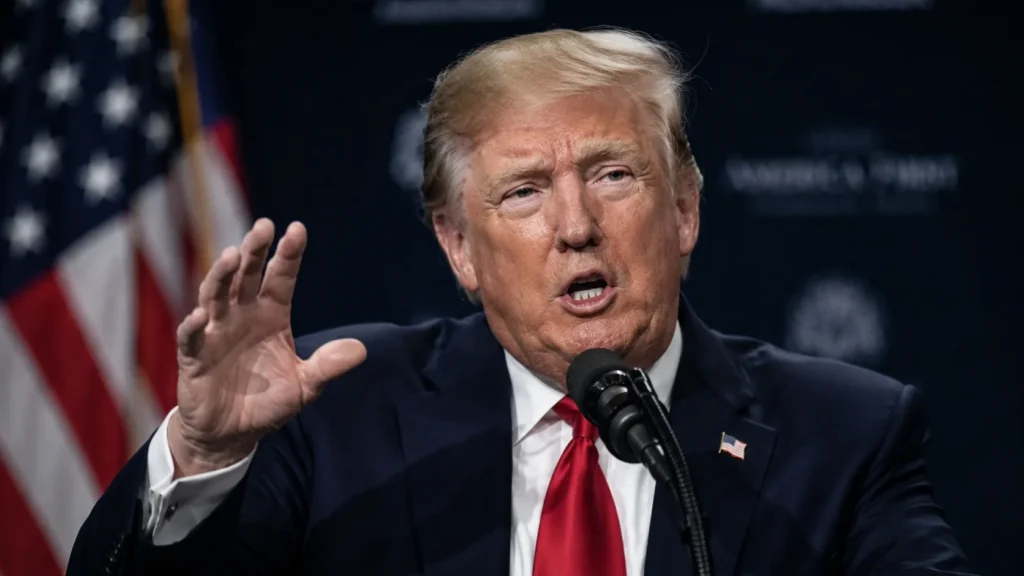
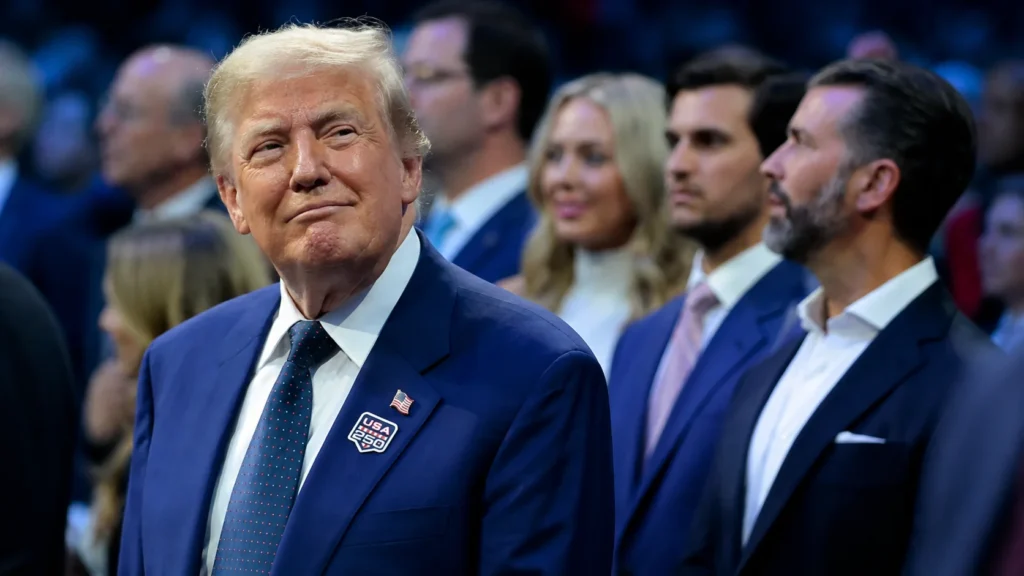
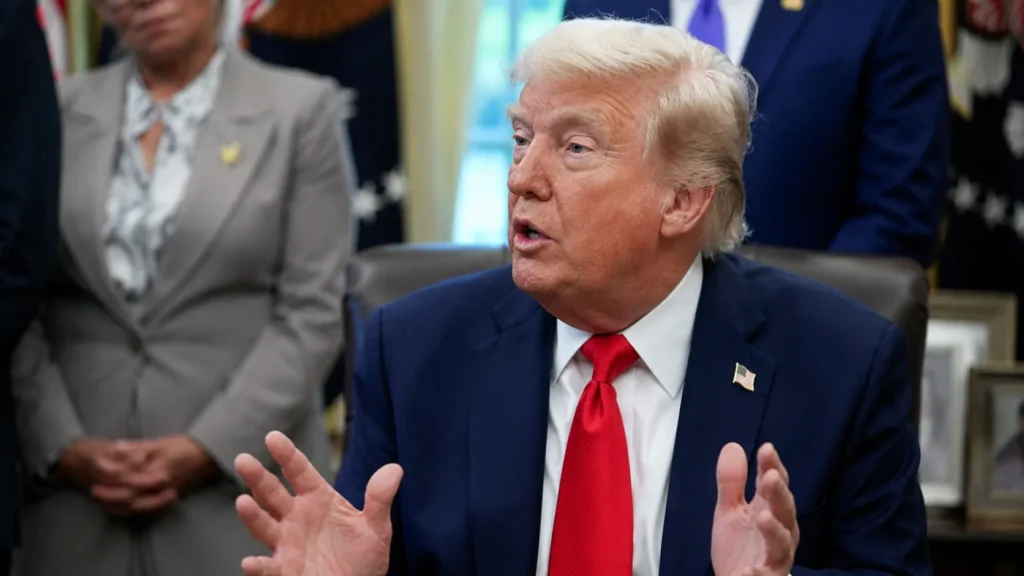
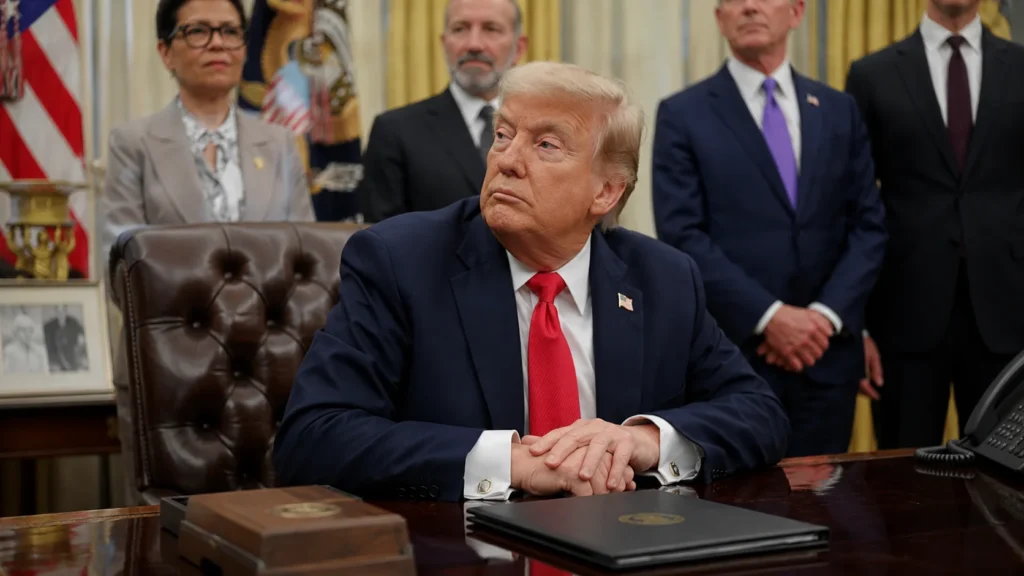
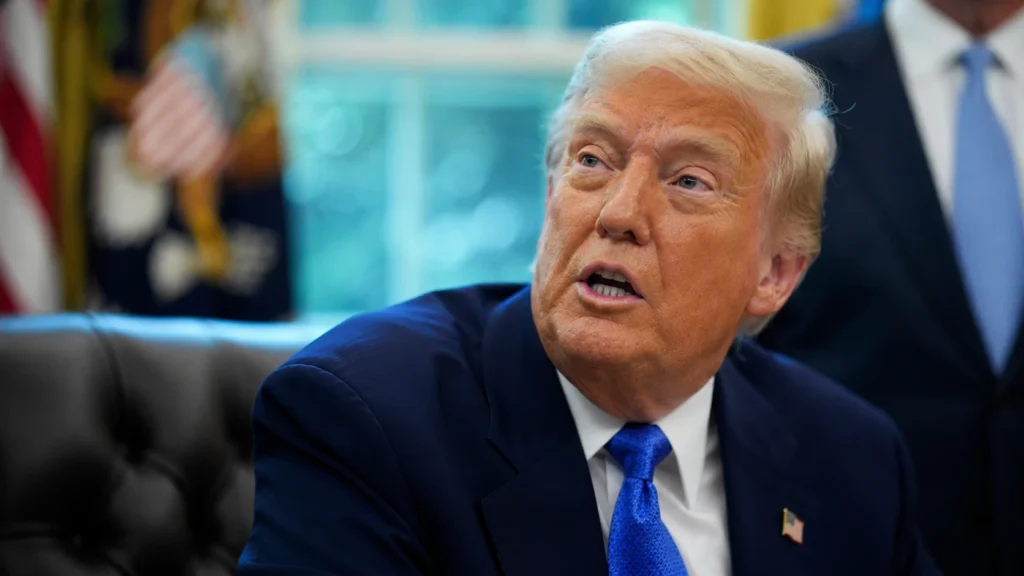
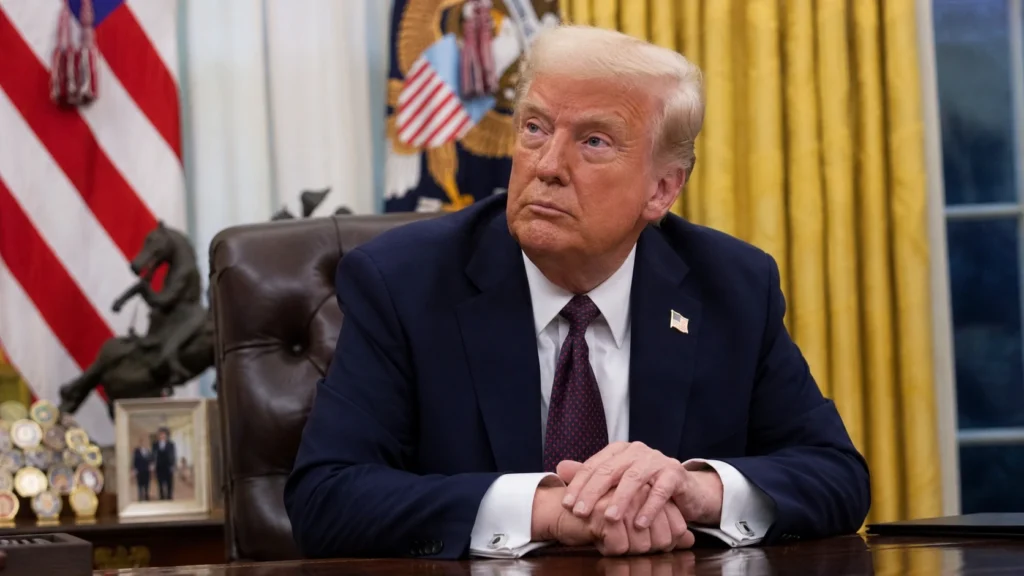
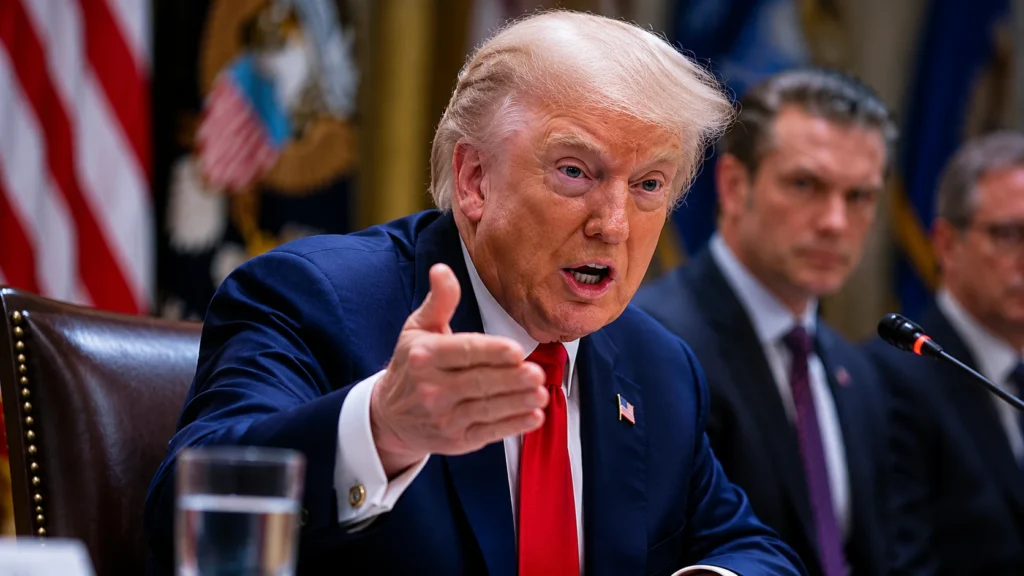
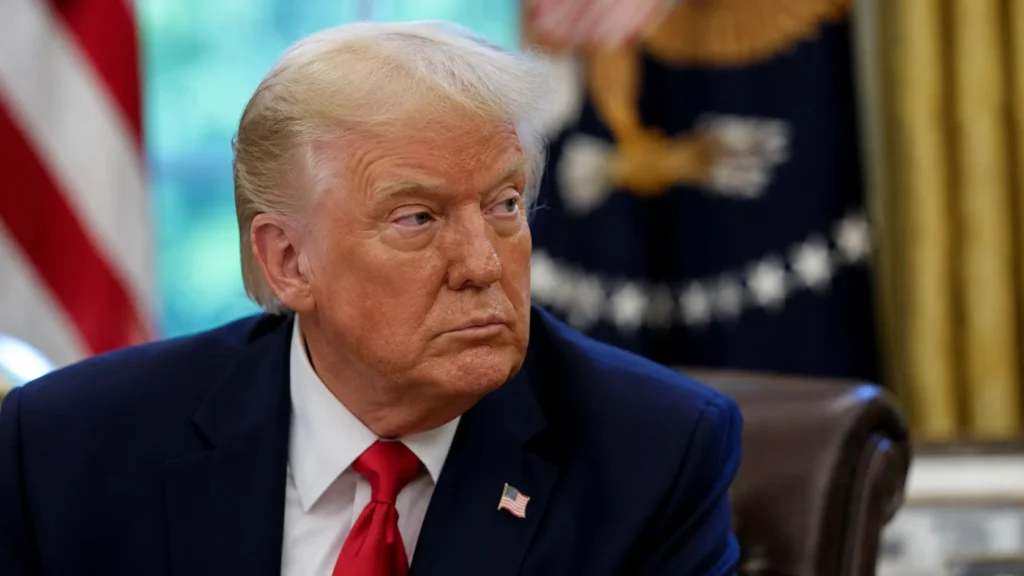
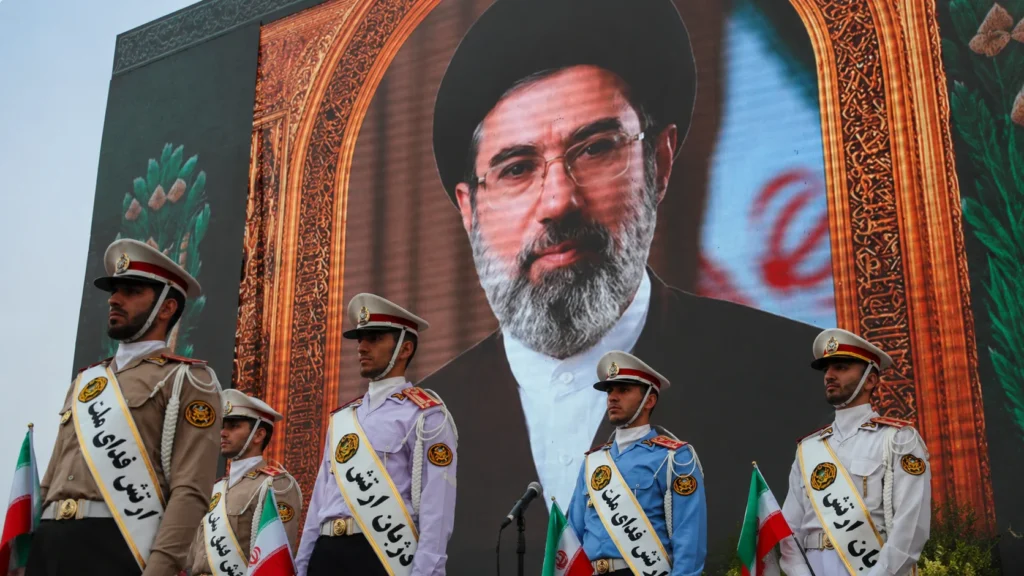
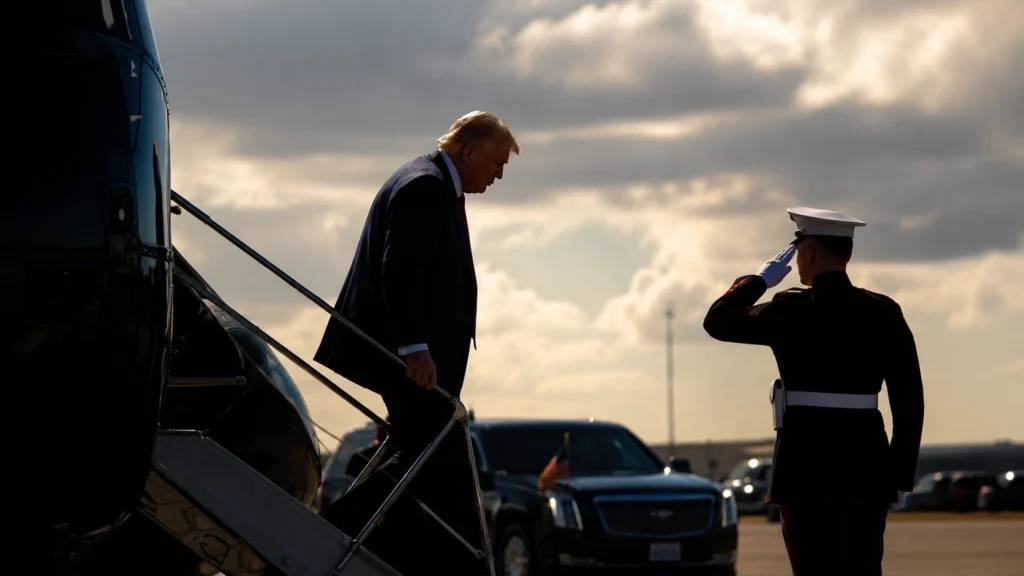
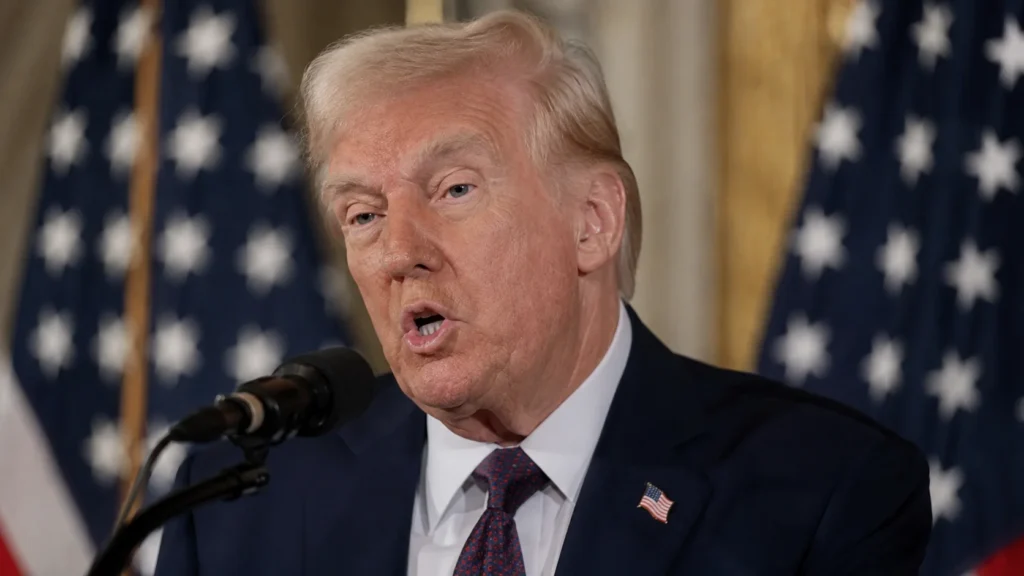
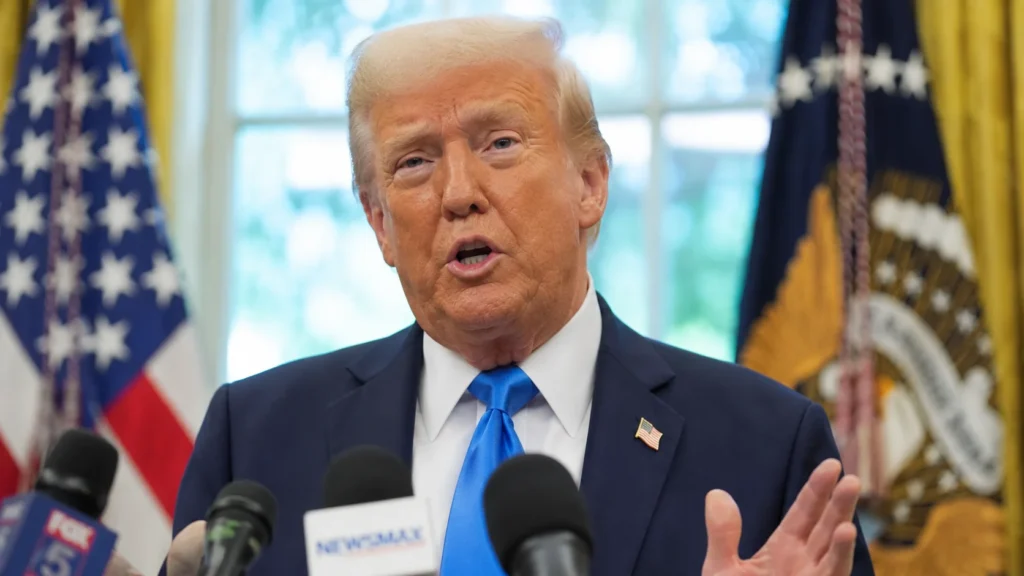
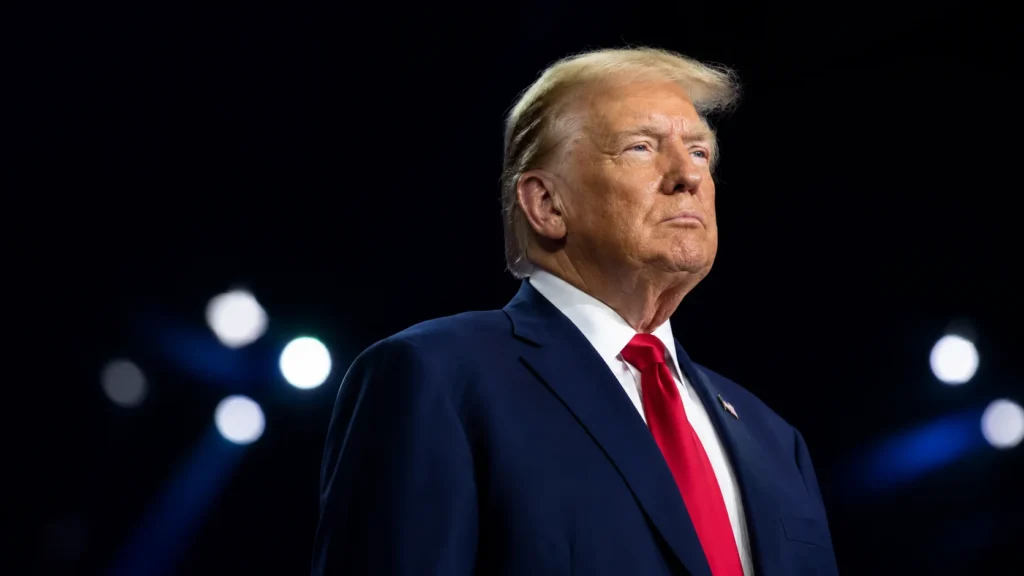
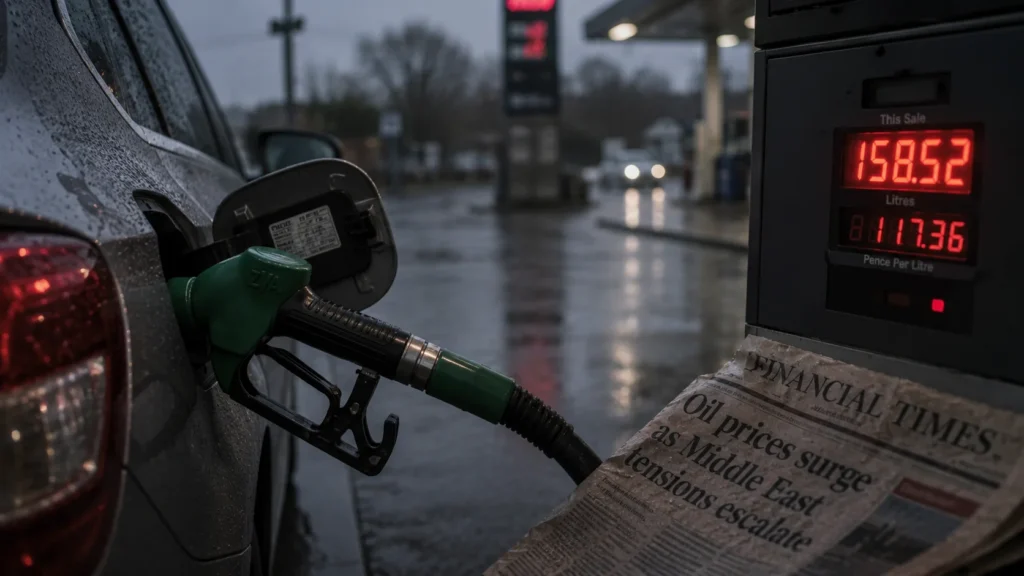
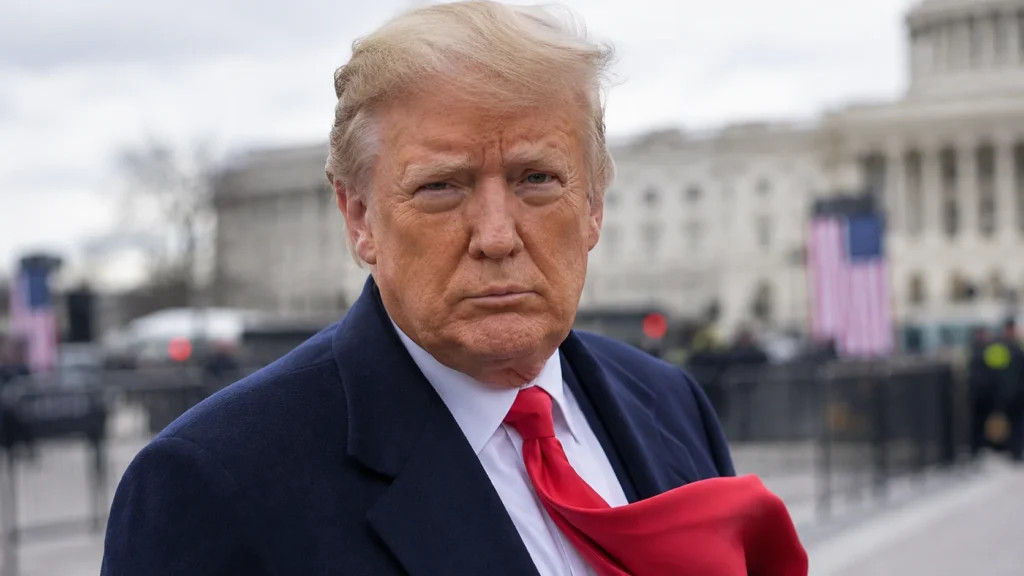
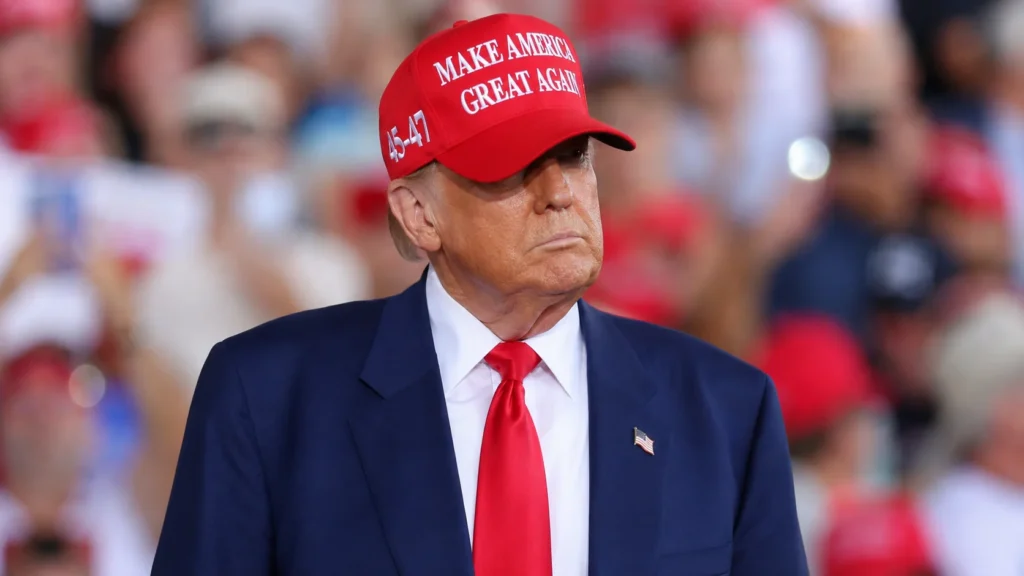
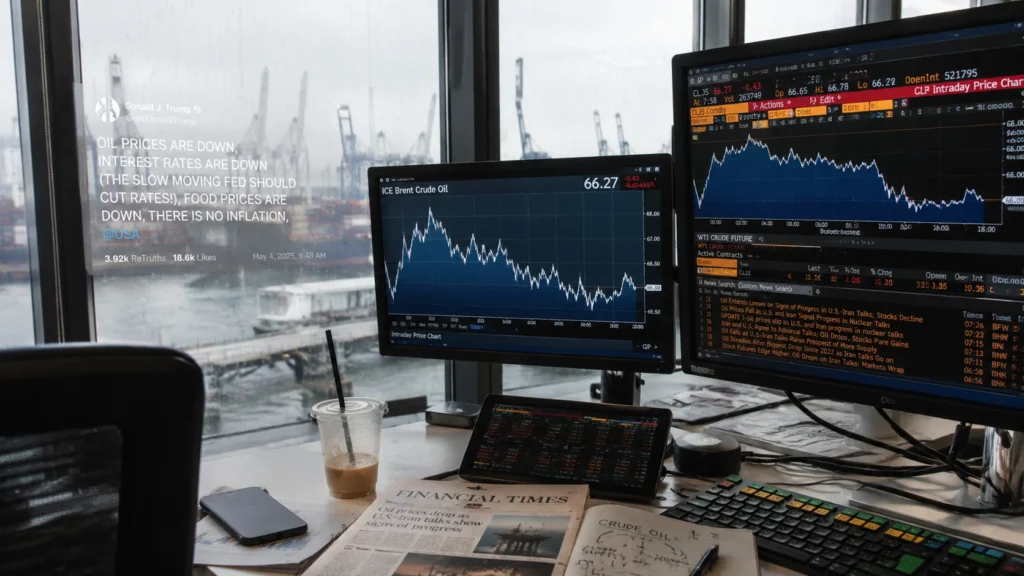
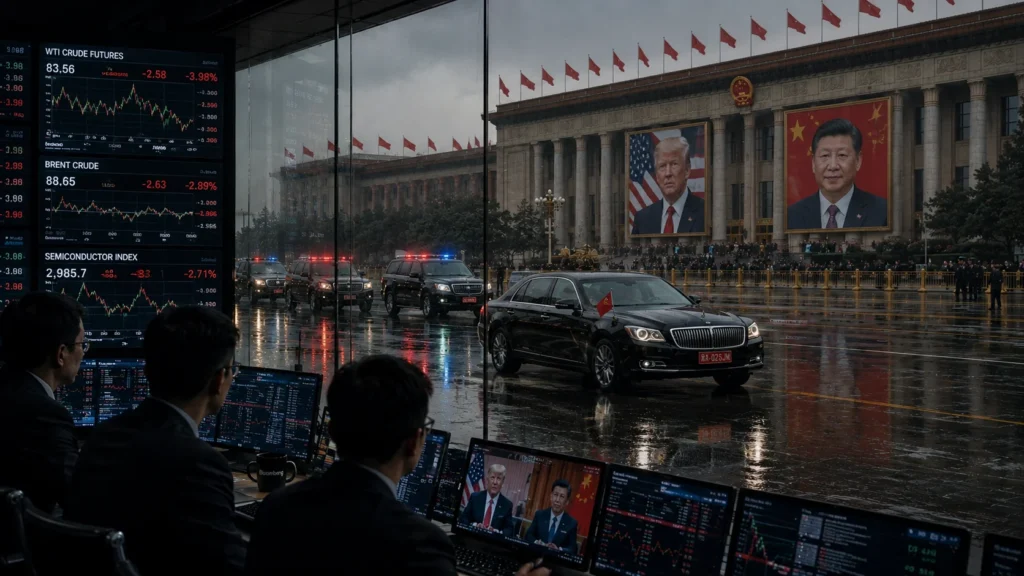
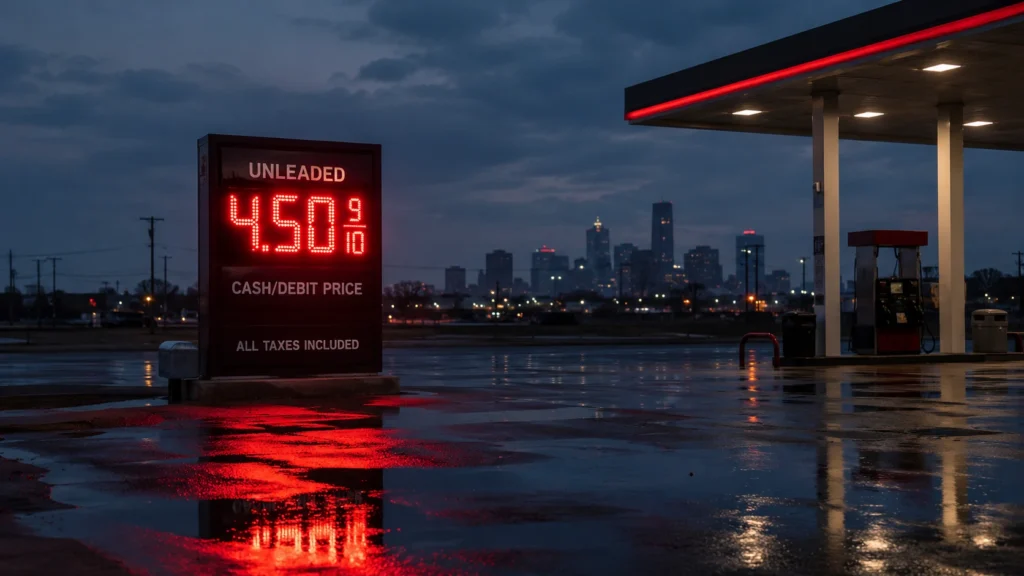
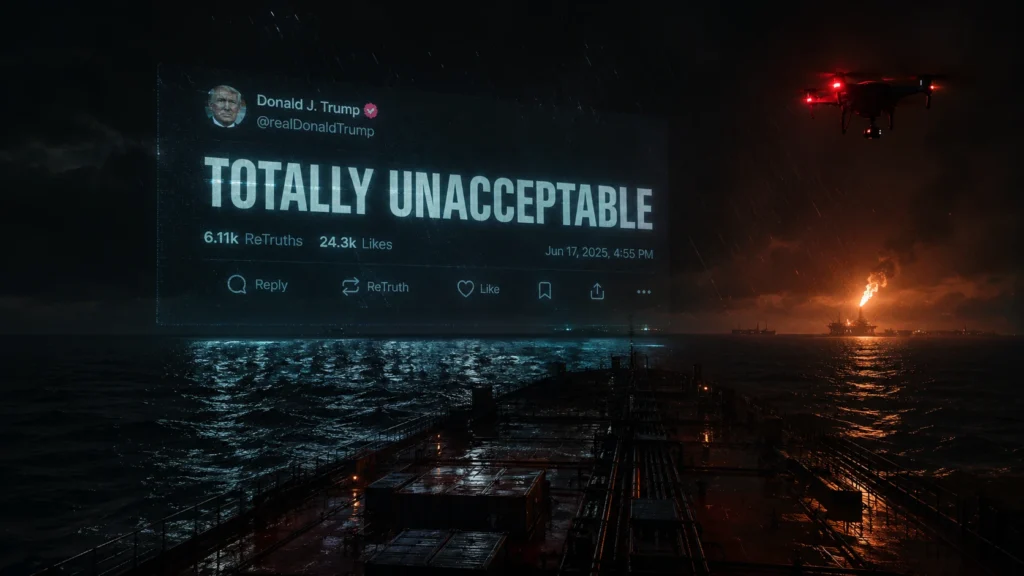
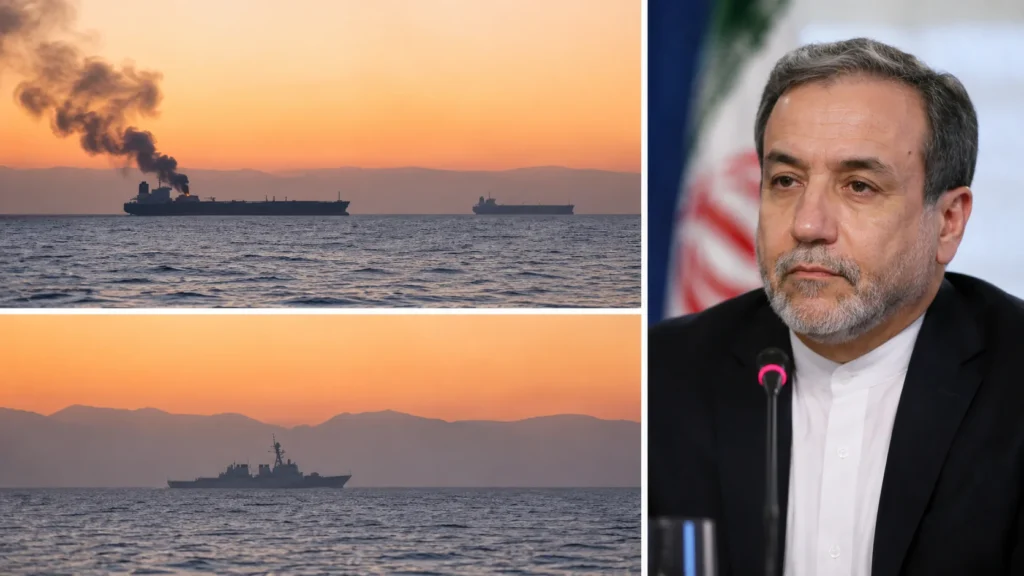
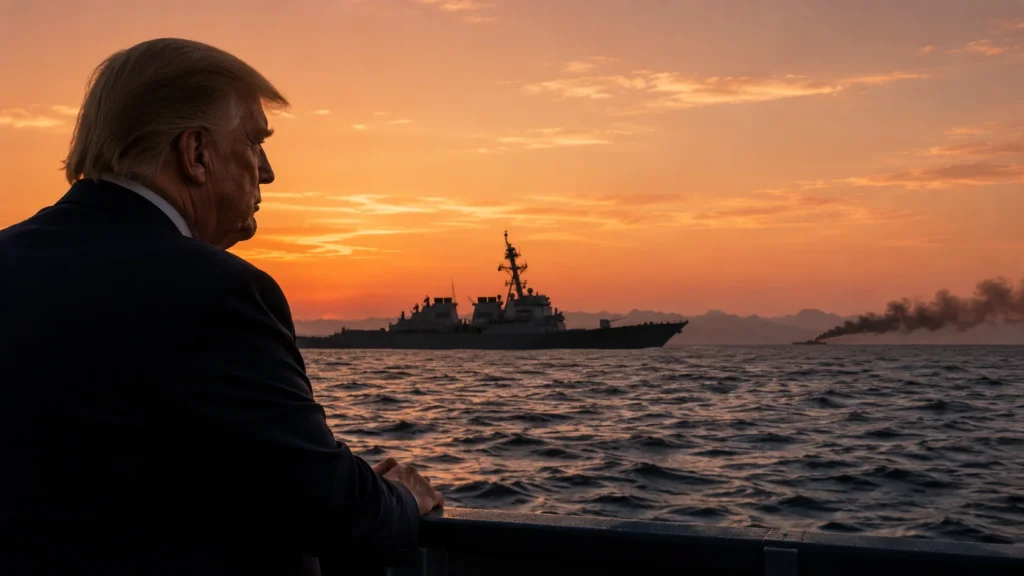
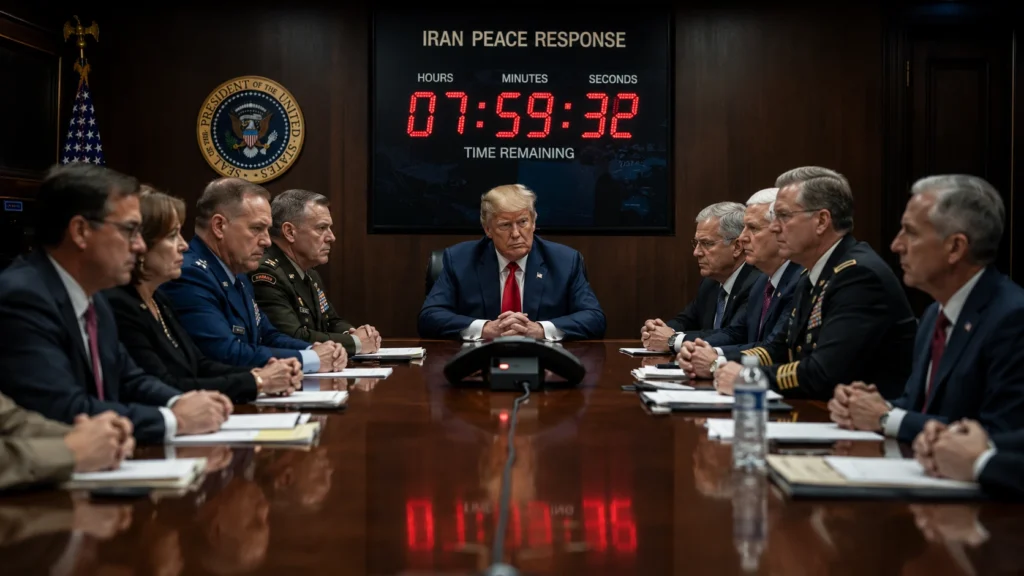
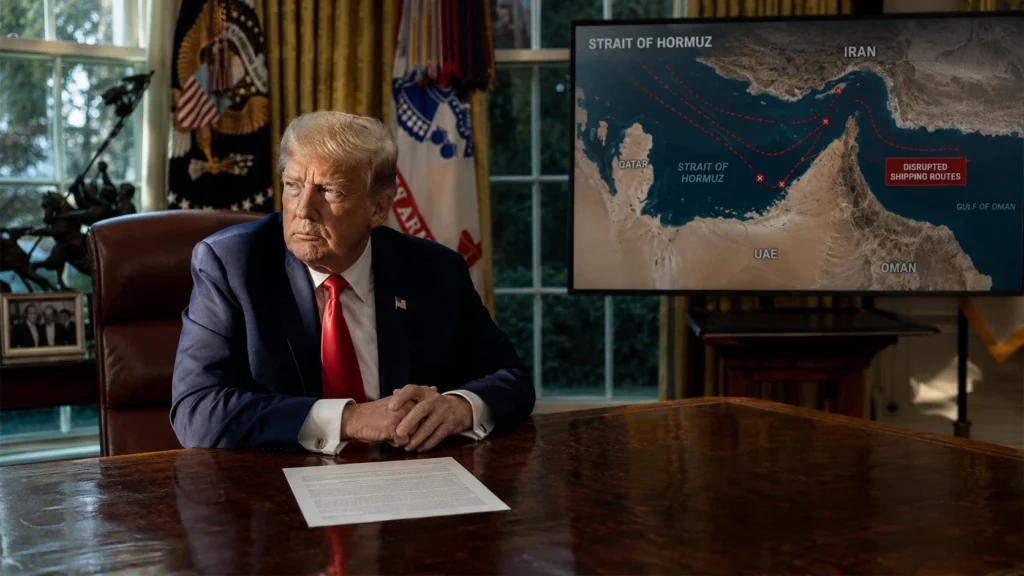
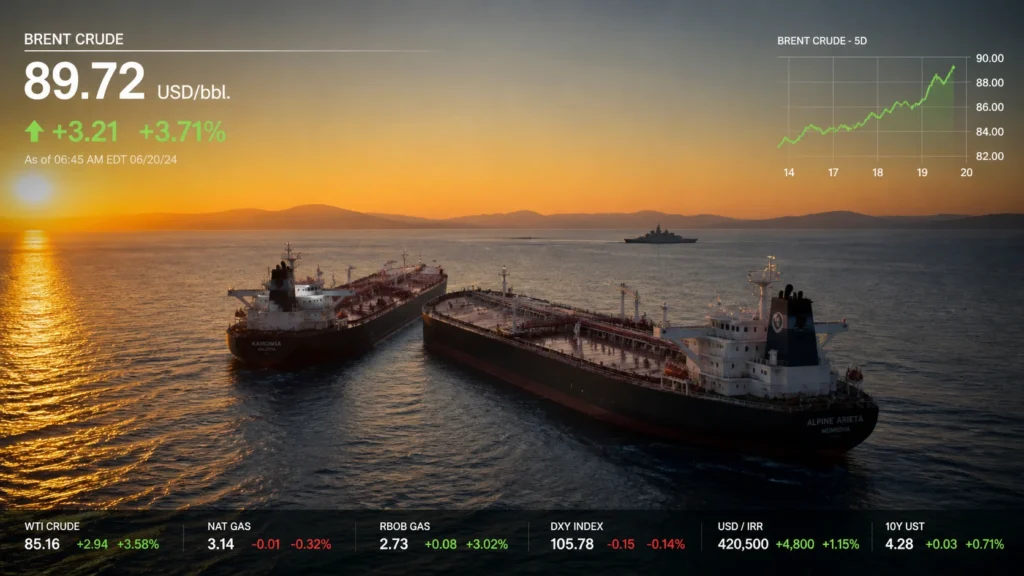
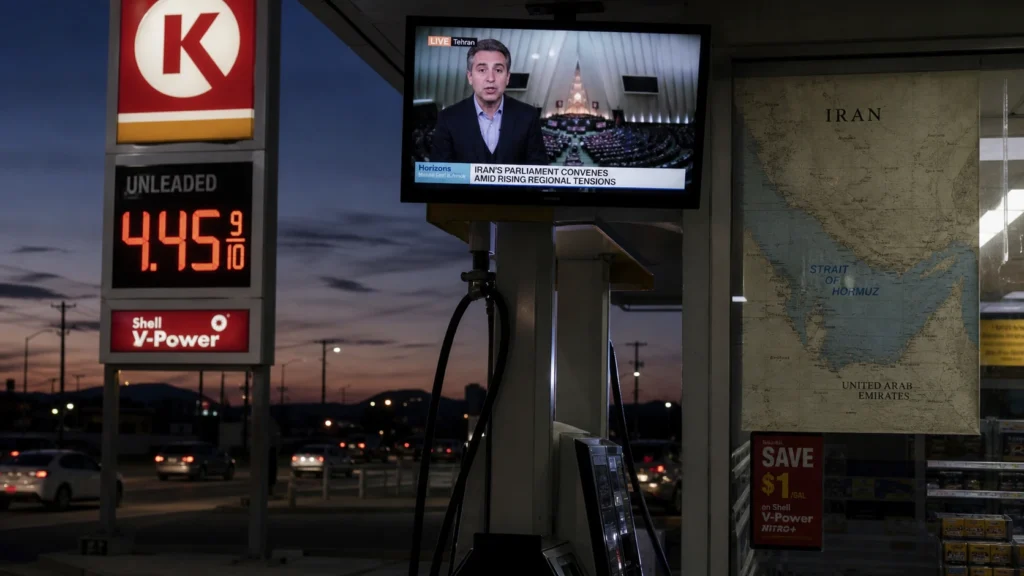
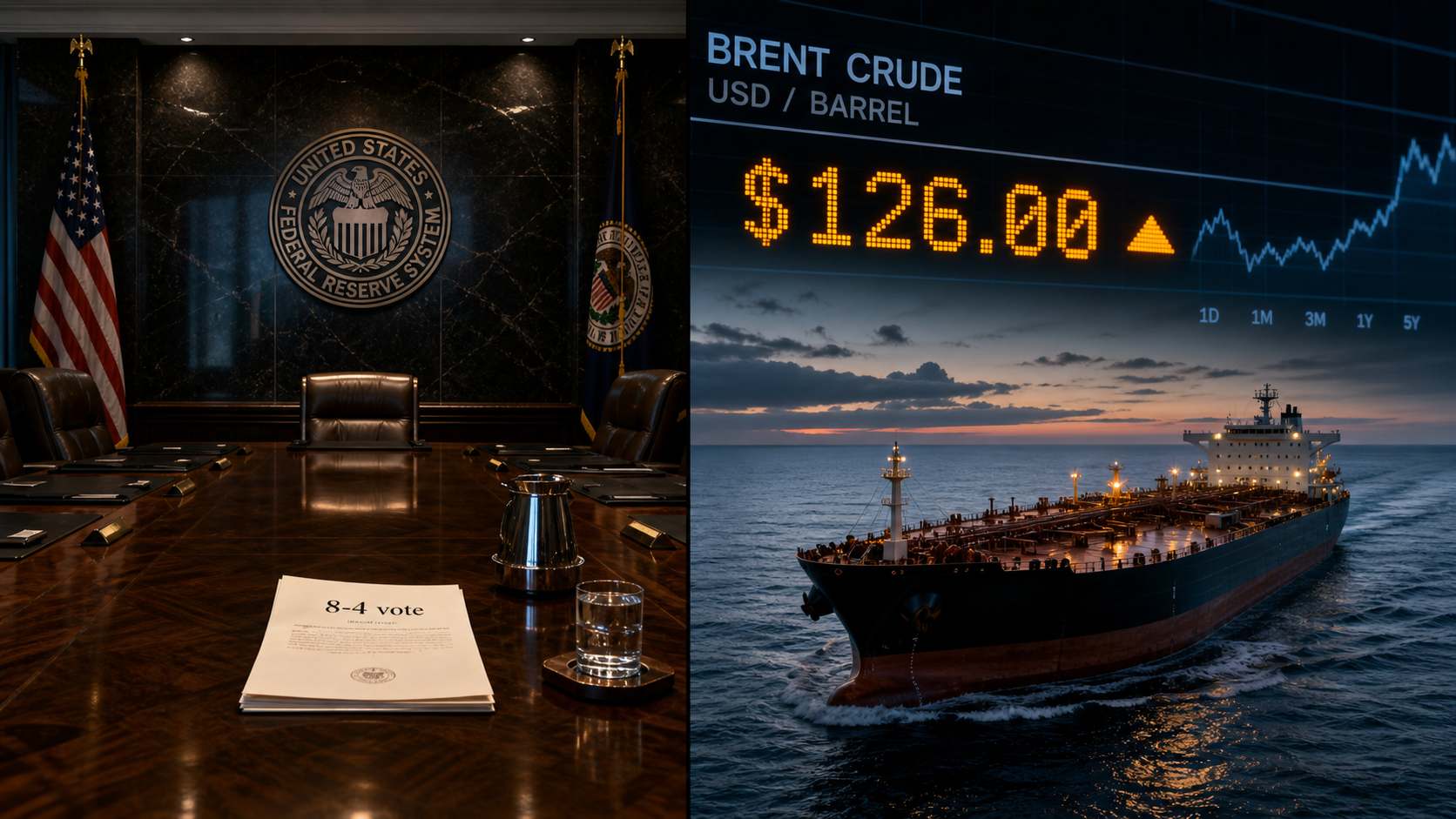
Brent crude jumped $2 in minutes. The number on the screen hit $94.16 before settling. The trigger was not a strike. It was a Truth Social post. Donald Trump wrote that the US would hit Iran “very hard tonight” and would “assume total control” of Iran’s oil and gas markets. Then he named the target: Kharg Island, the small terminal off Iran’s coast that processes the vast majority of the country’s crude exports. He added a qualifier: “I’m not sure the country has the appetite for it.”
The markets did not wait for the appetite question to resolve. They priced the threat. Then they waited for explosions.
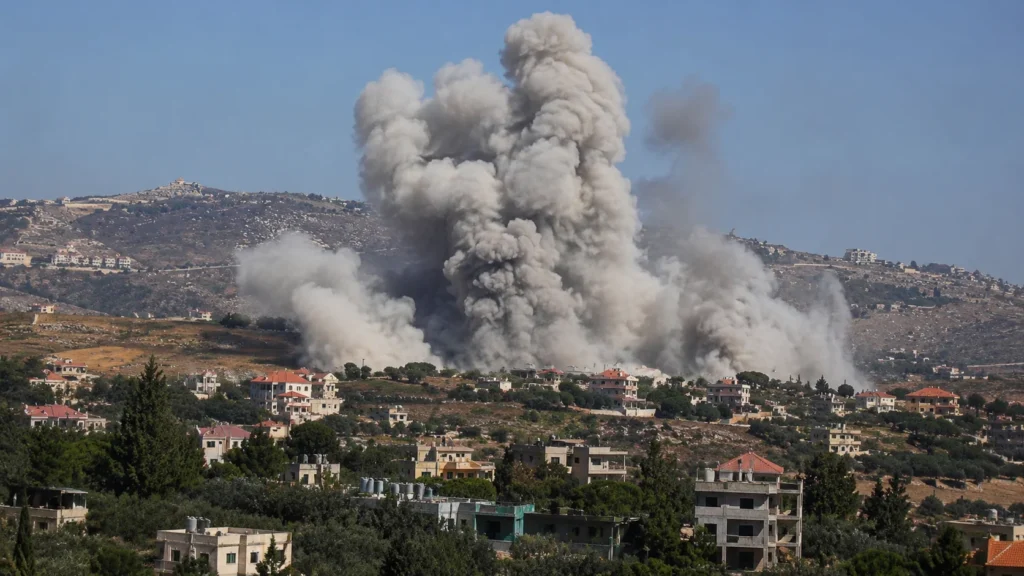
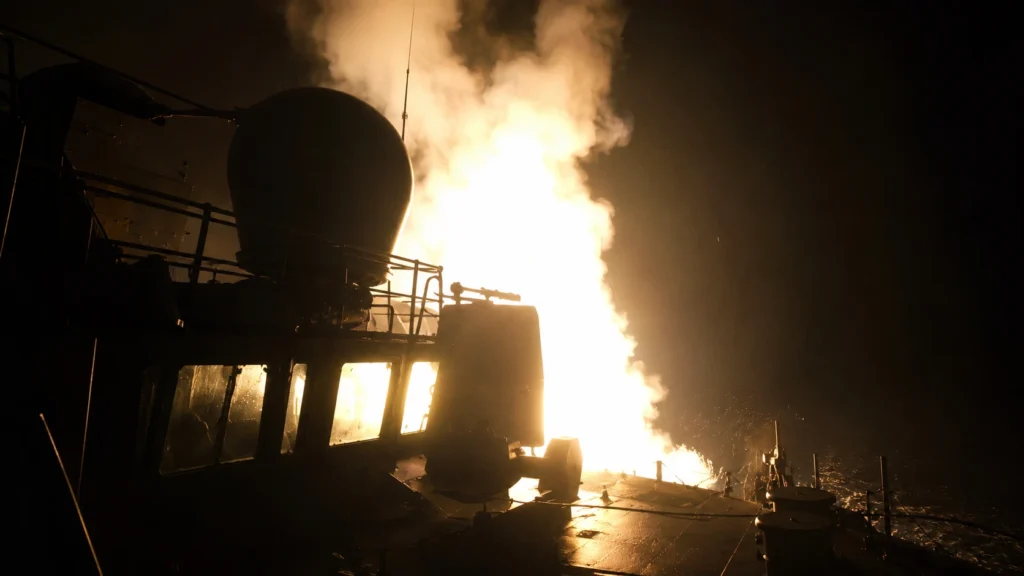
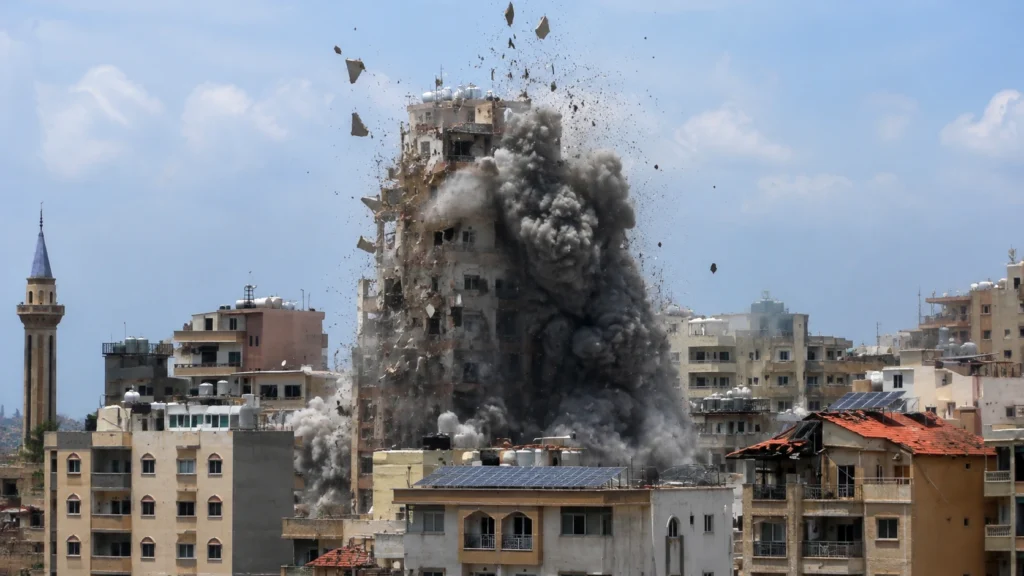
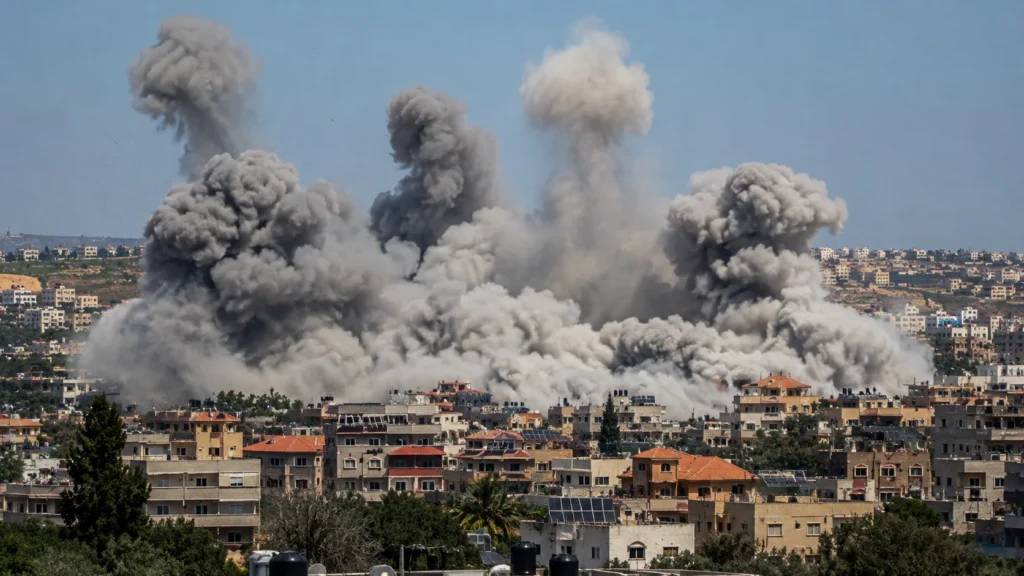
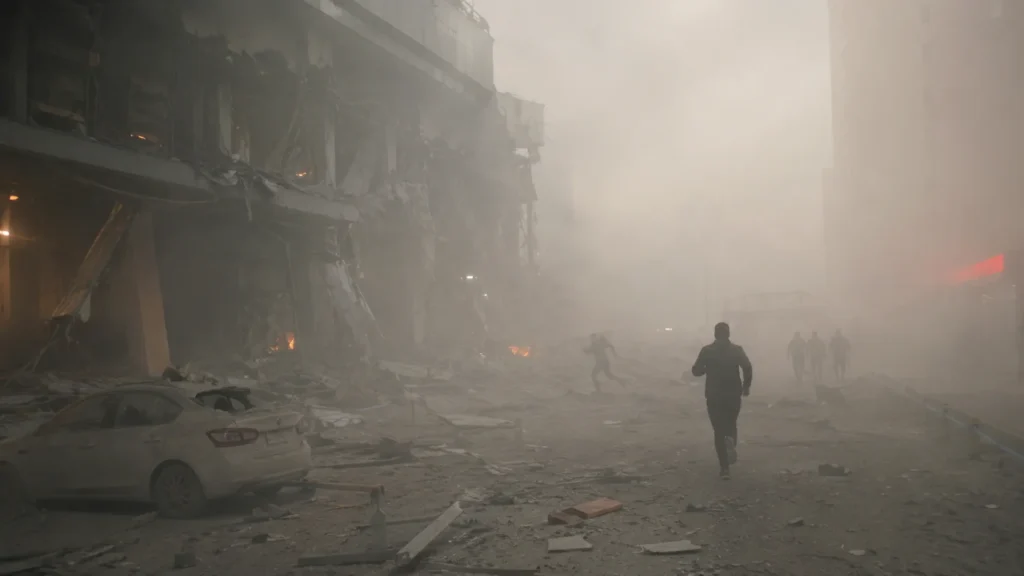
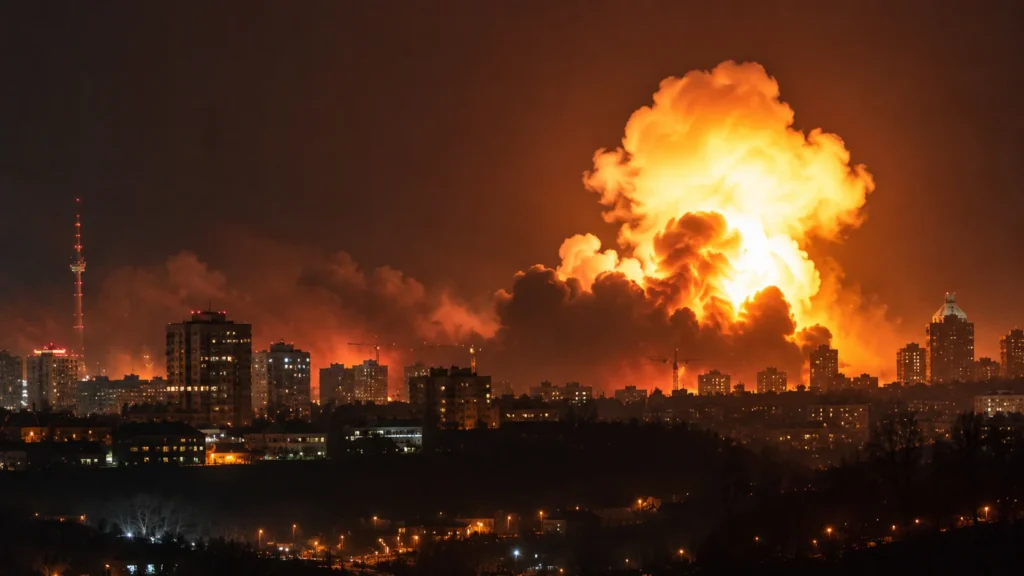
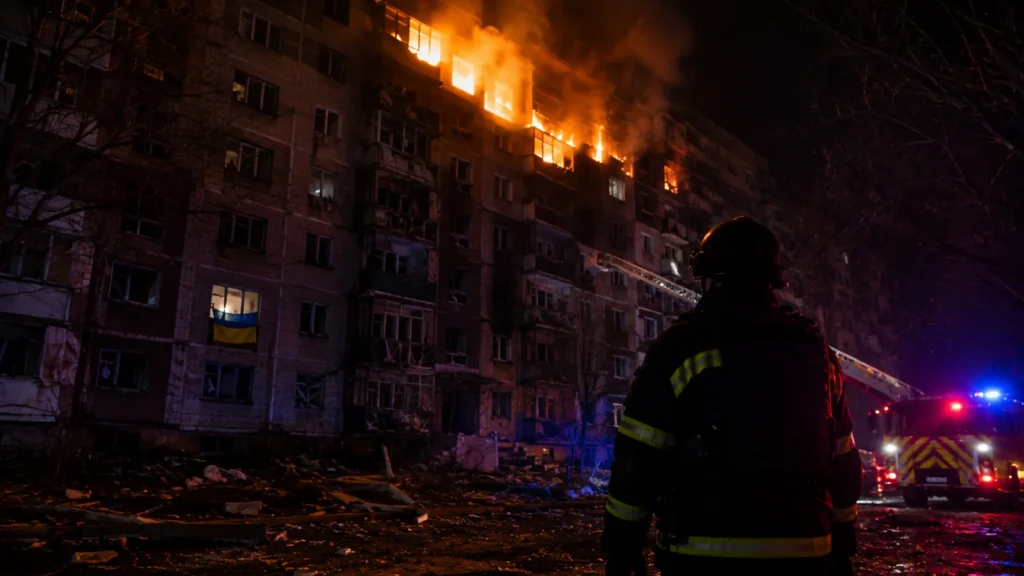
The explosions, according to Iranian semi-official media, arrived near the city of Sirik, which borders the Strait of Hormuz. Neither the US nor Iran confirmed strikes at the time of reporting. The BBC could not independently verify the reports. The pattern held: claims, counterclaims, and oil prices adjusting in the gap between them.
This is not an isolated event. This is a structural shift in how energy infrastructure becomes a declared military objective—and what happens when a president names his target before his military reaches it.
The Blockade and Its Escalation
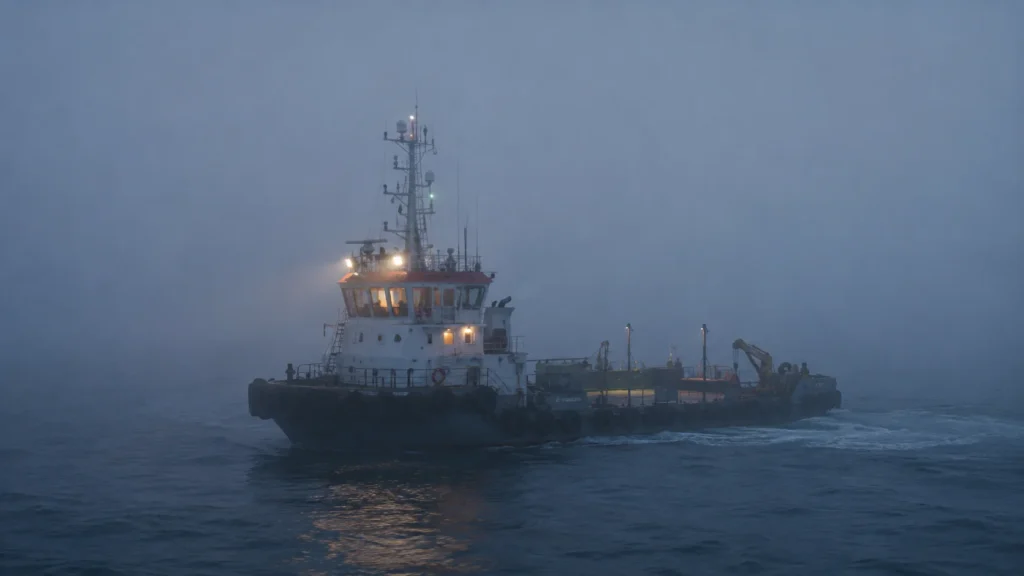
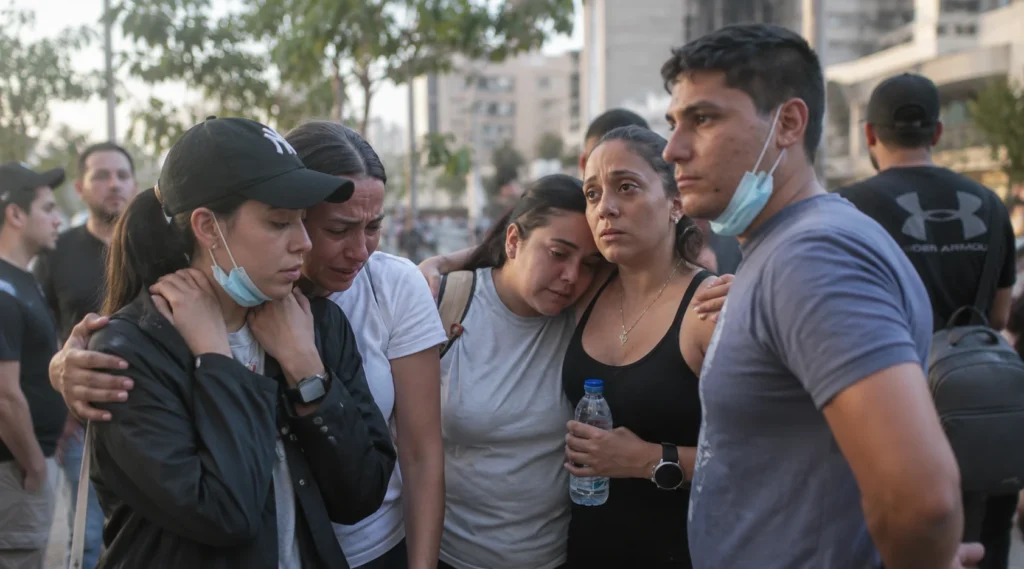
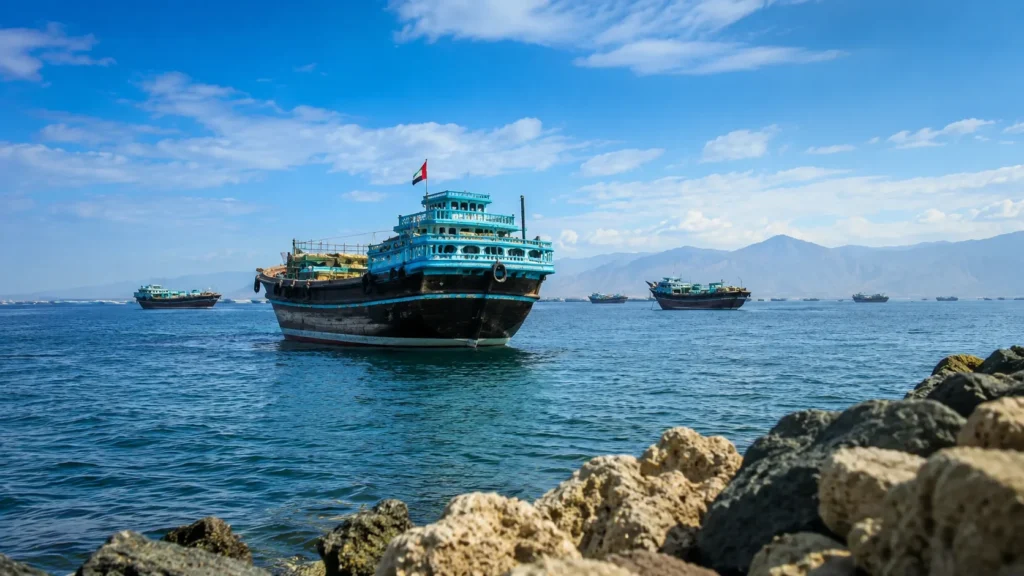
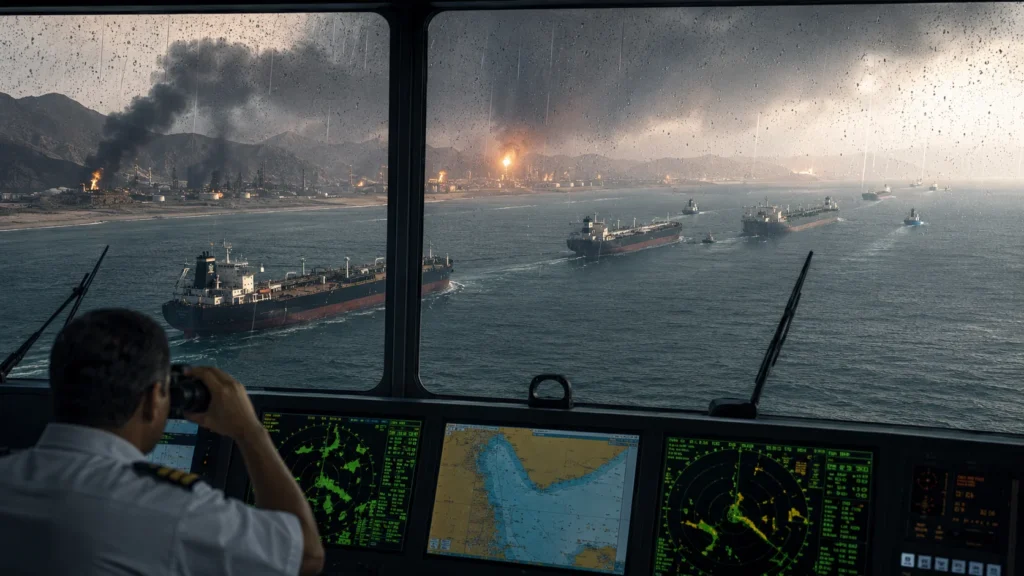
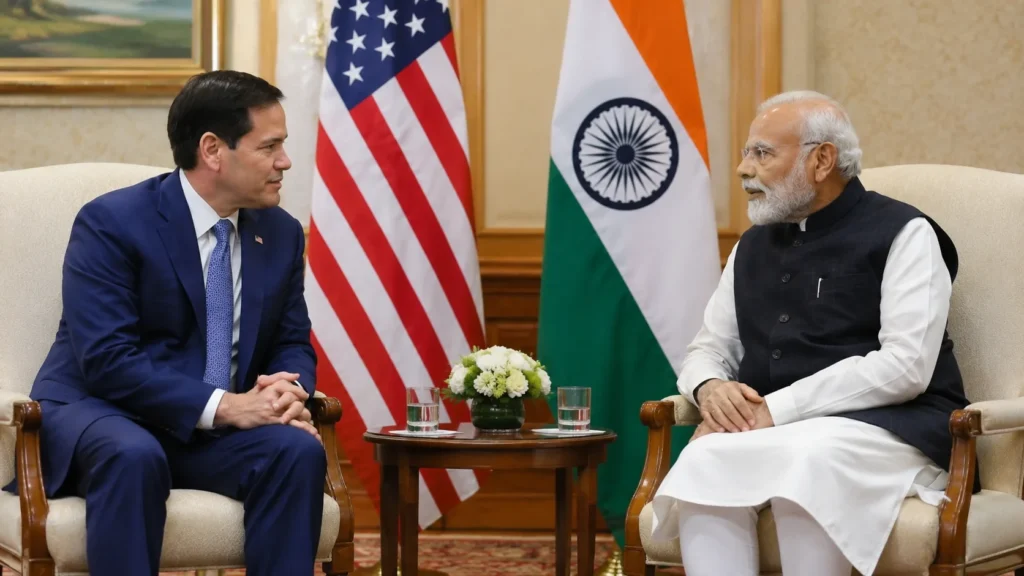
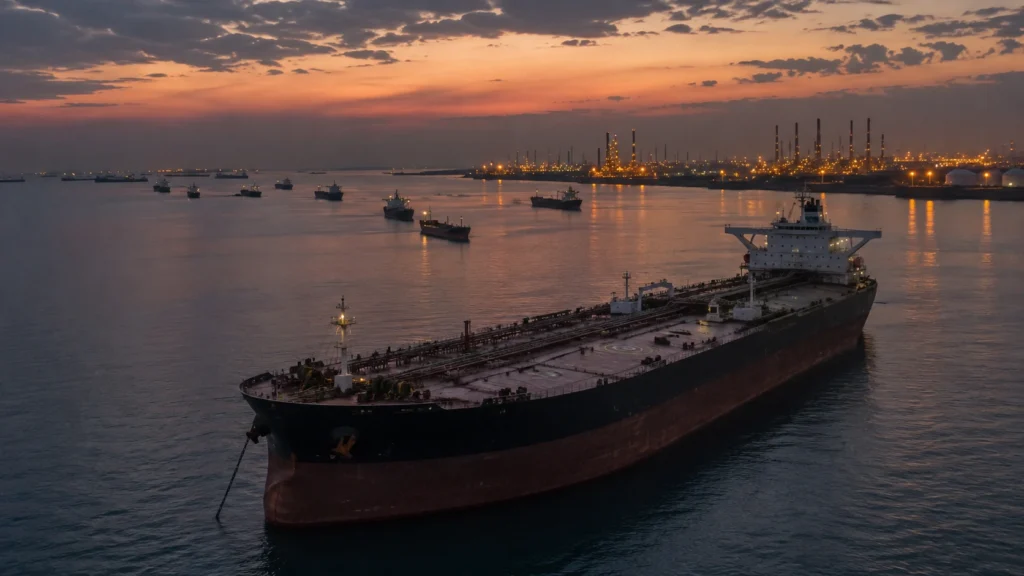
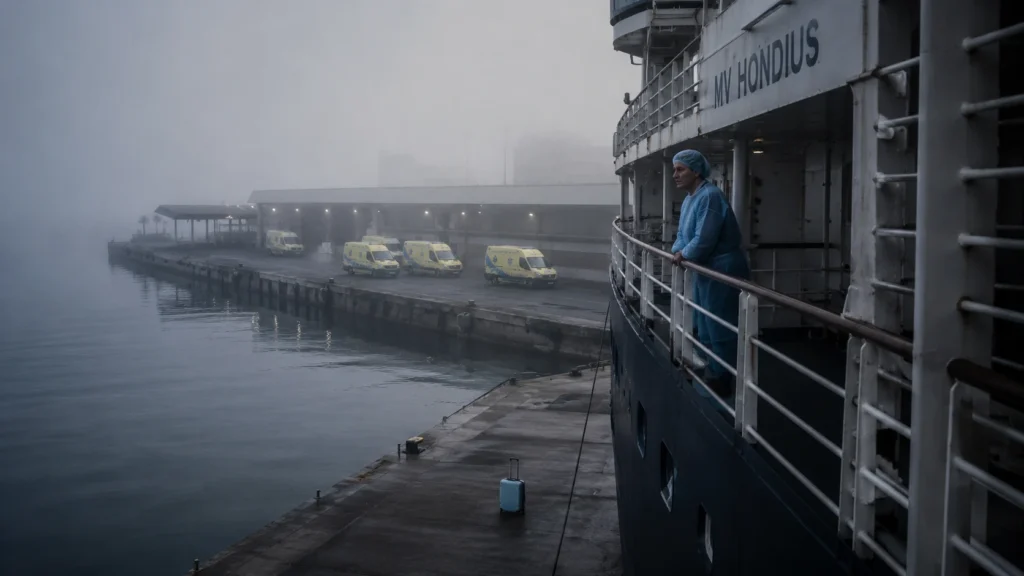
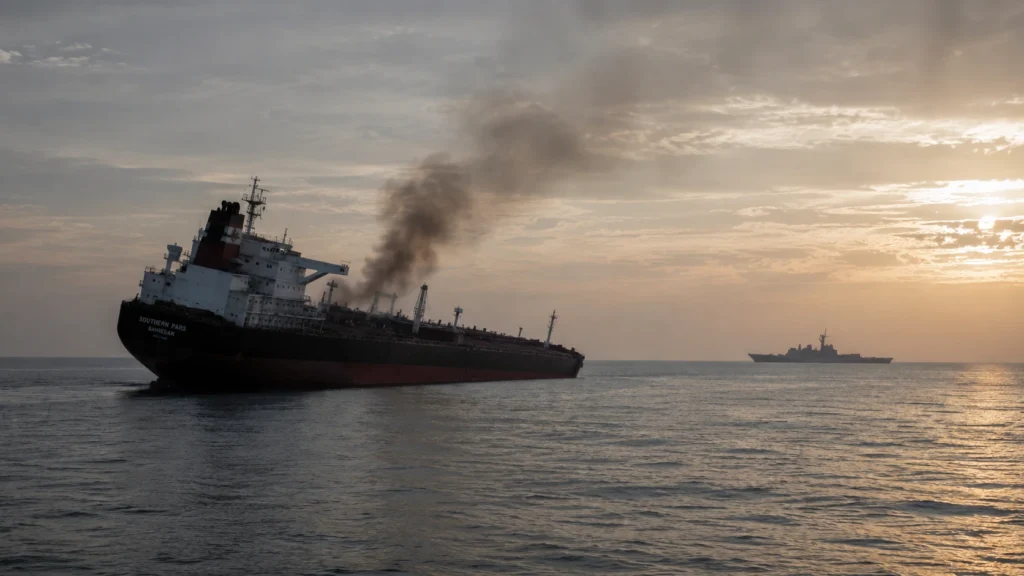
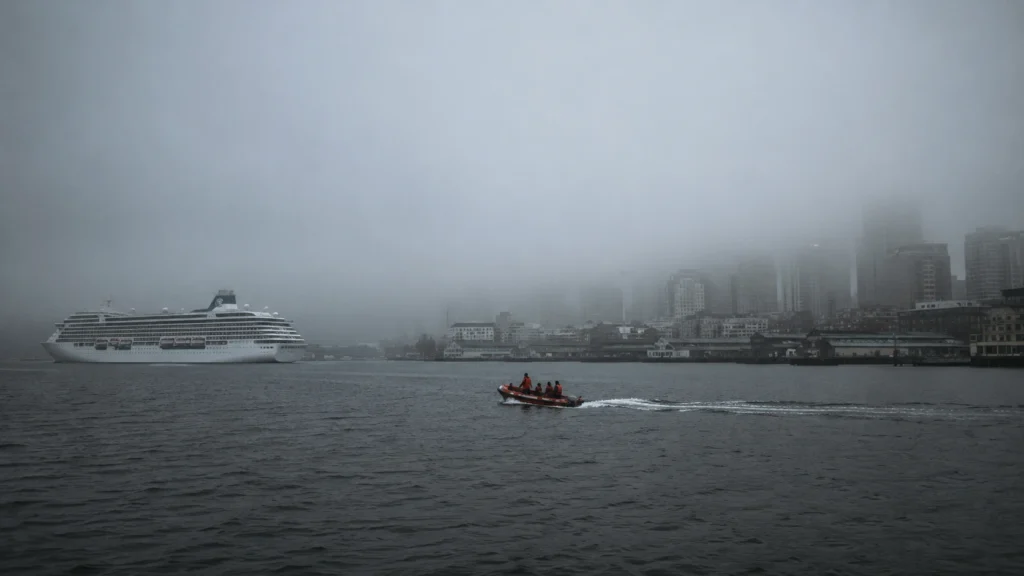
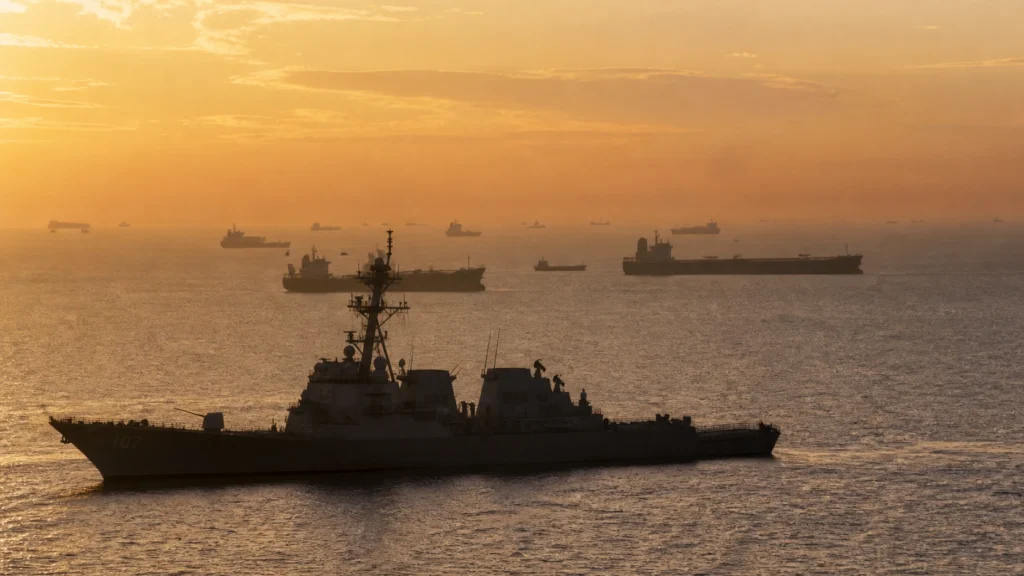
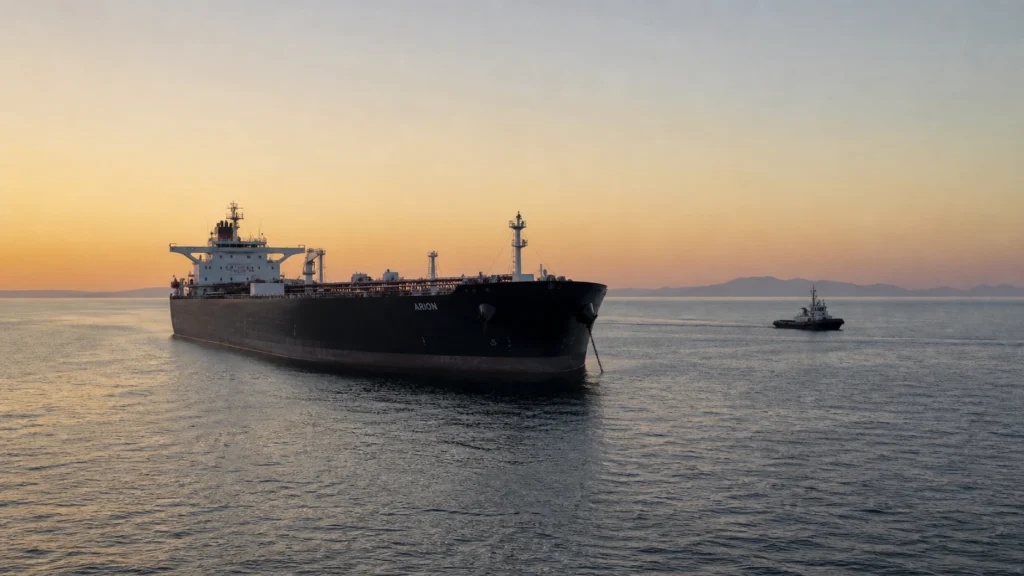
The US established a blockade of Iranian ports on April 13. Since then, according to Centcom, American forces have redirected 134 ships, disabled eight non-compliant vessels, and allowed 42 humanitarian ships to pass. On Wednesday, a US strike on the Palau-flagged tanker Settebello killed three Indian sailors—deck cadet Aditya Sharma, engine fitter Shivanand Chaurasia, and chief engineer Patnala Suresh. India summoned the US deputy chief of mission in New Delhi to lodge a “strong protest.” The sailors’ families received the news across an ocean. Ramji Chaurasiya, father of Shivanand, told Reuters his son had left home eight or nine months ago. “Everything was alright when we last spoke.”
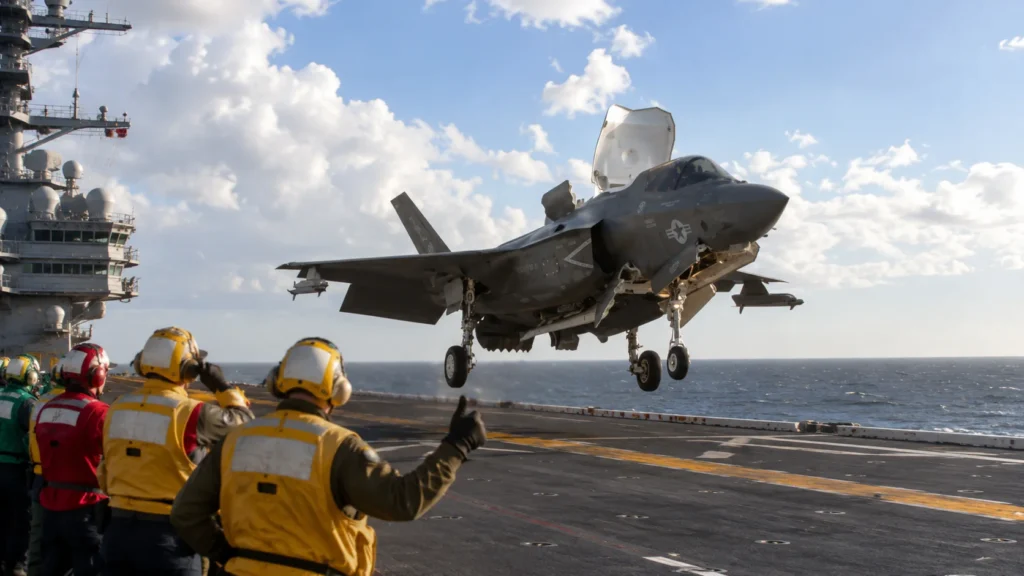
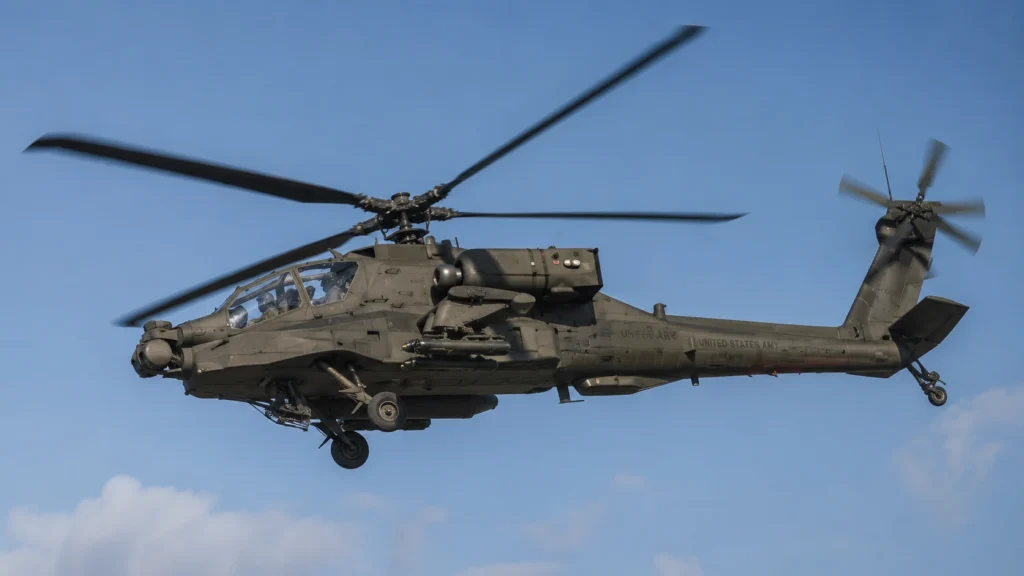
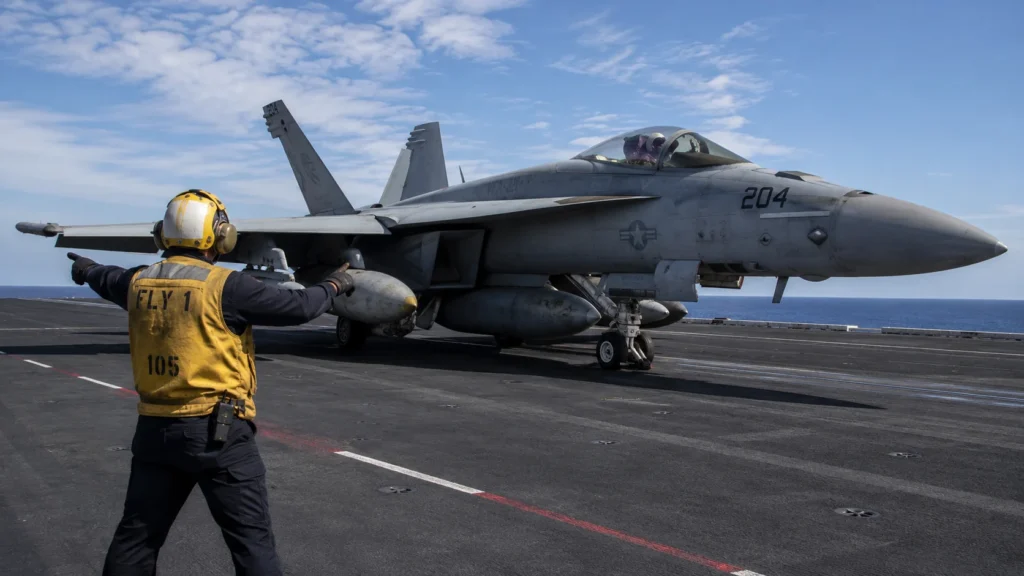
On Thursday, the US confirmed strikes on two more vessels—the Marivex and the Jalveer—in the Gulf of Oman. The Jalveer carried 20 Indian sailors, all reportedly safe. Centcom said the ship “violated the blockade” by attempting to transport Iranian oil. A Hellfire missile disabled its engine room. The precision of the weapon contrasted with the bluntness of the diplomatic fallout.
Then Trump posted.
The threat to seize Kharg Island is not new. Trump has raised it repeatedly since the conflict began. On March 13, the US struck the island’s military targets while sparing its oil infrastructure. The distinction—military, yes, energy no—held then. Thursday’s post erased it. “At some point in the not-too-distant future, we will be taking Kharg Island and other oil infrastructure points.” The “not too distant future” is not a timeline. It is a signal.
The Island and Its Meaning
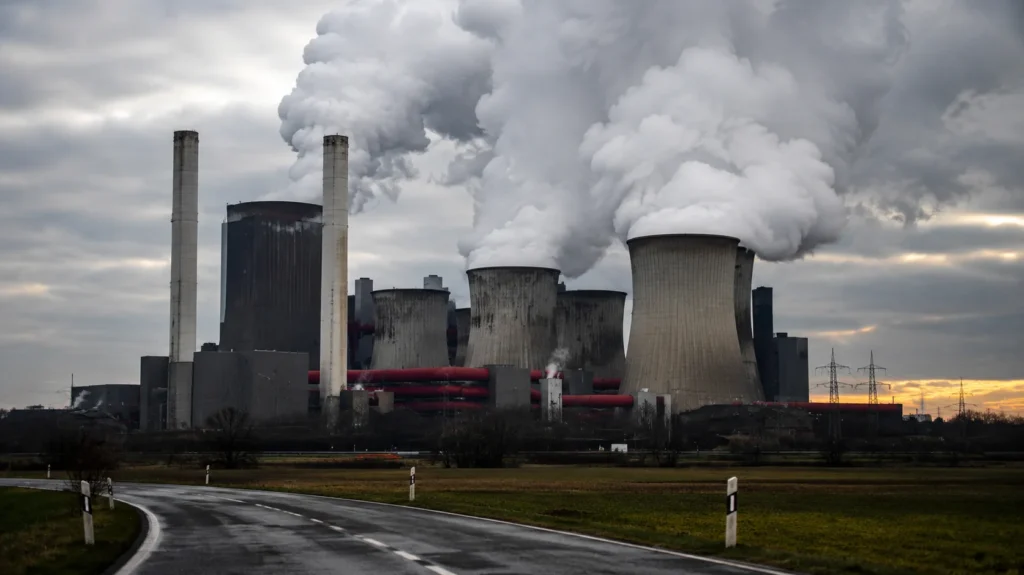
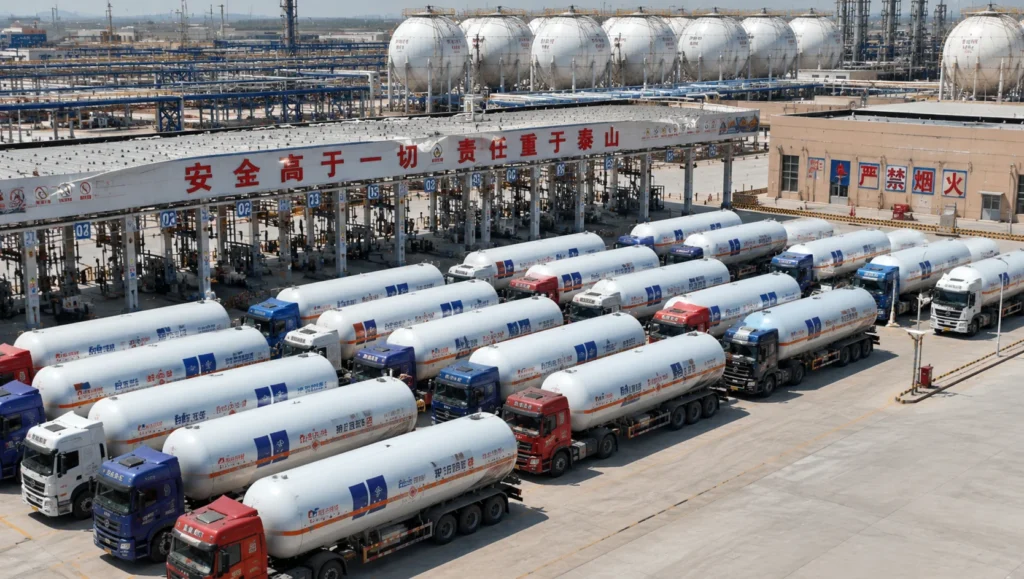
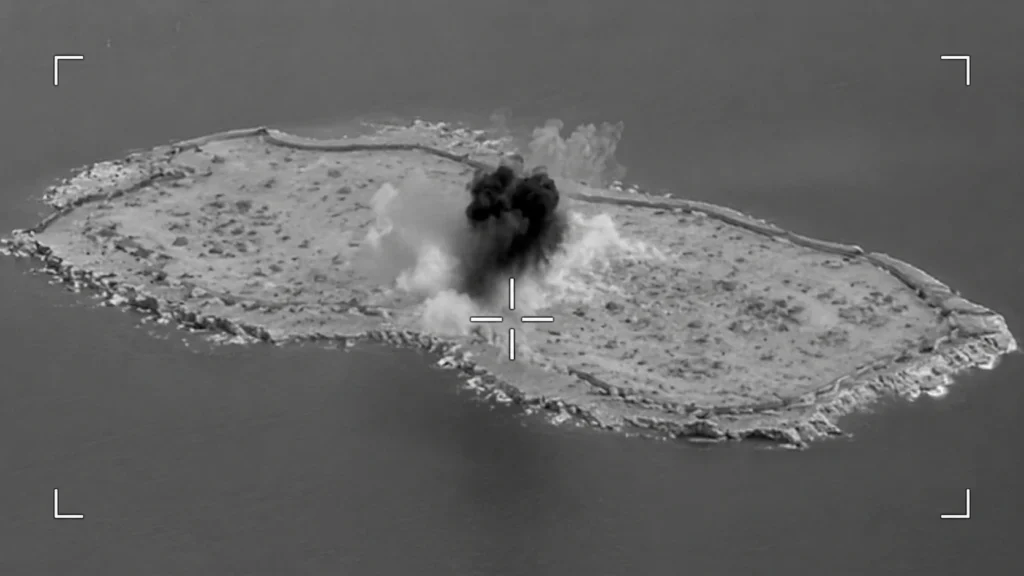
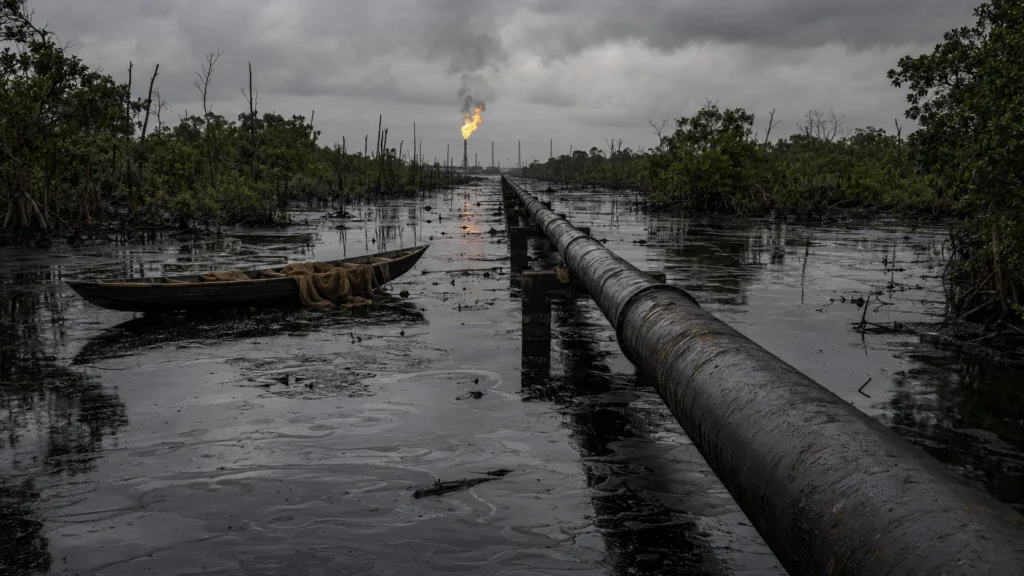
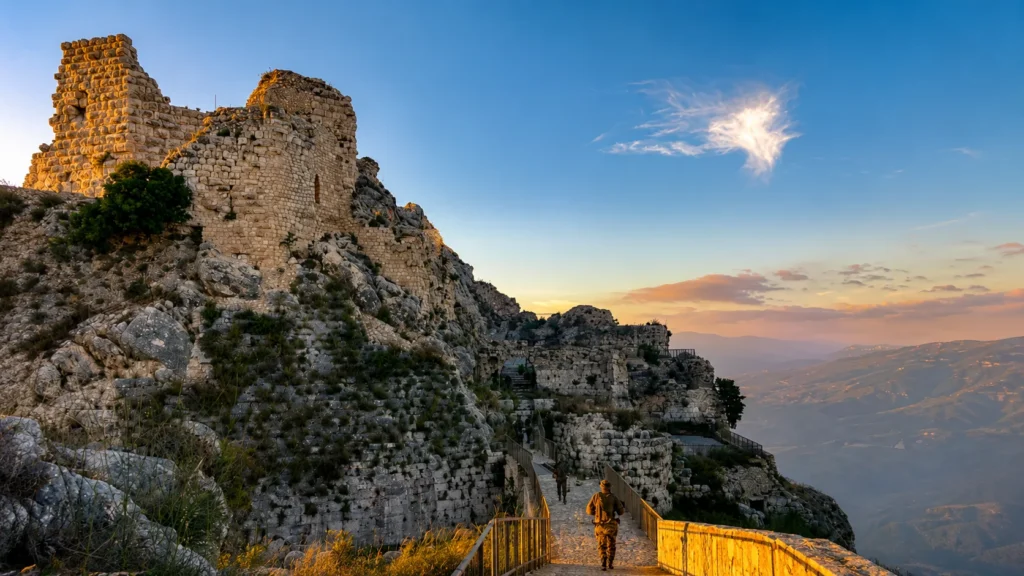
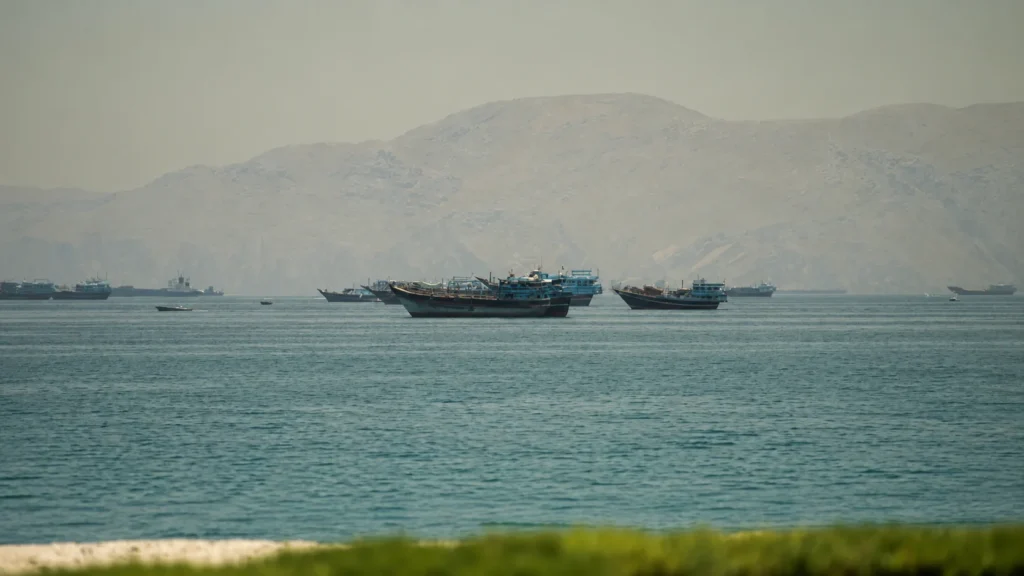
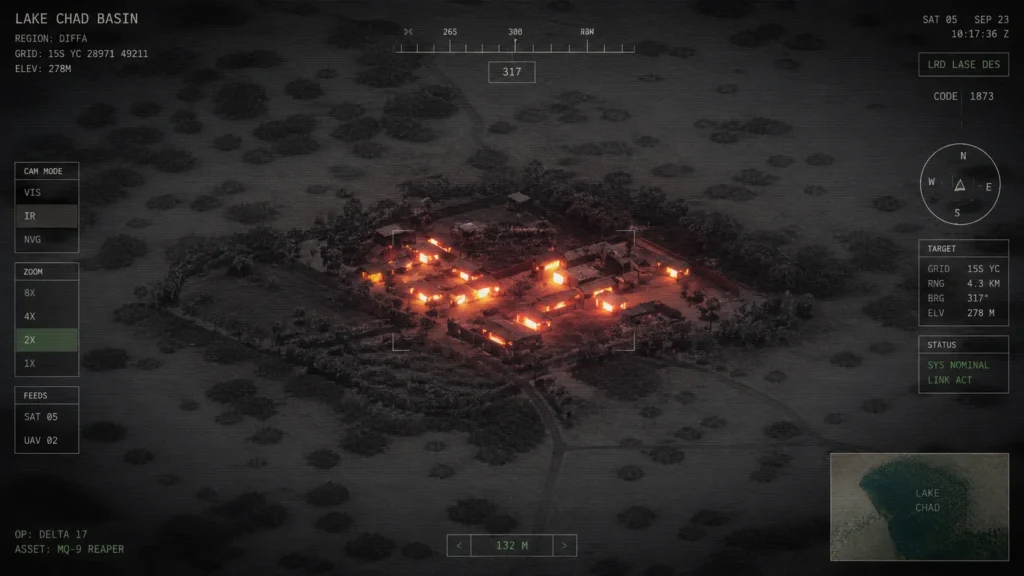
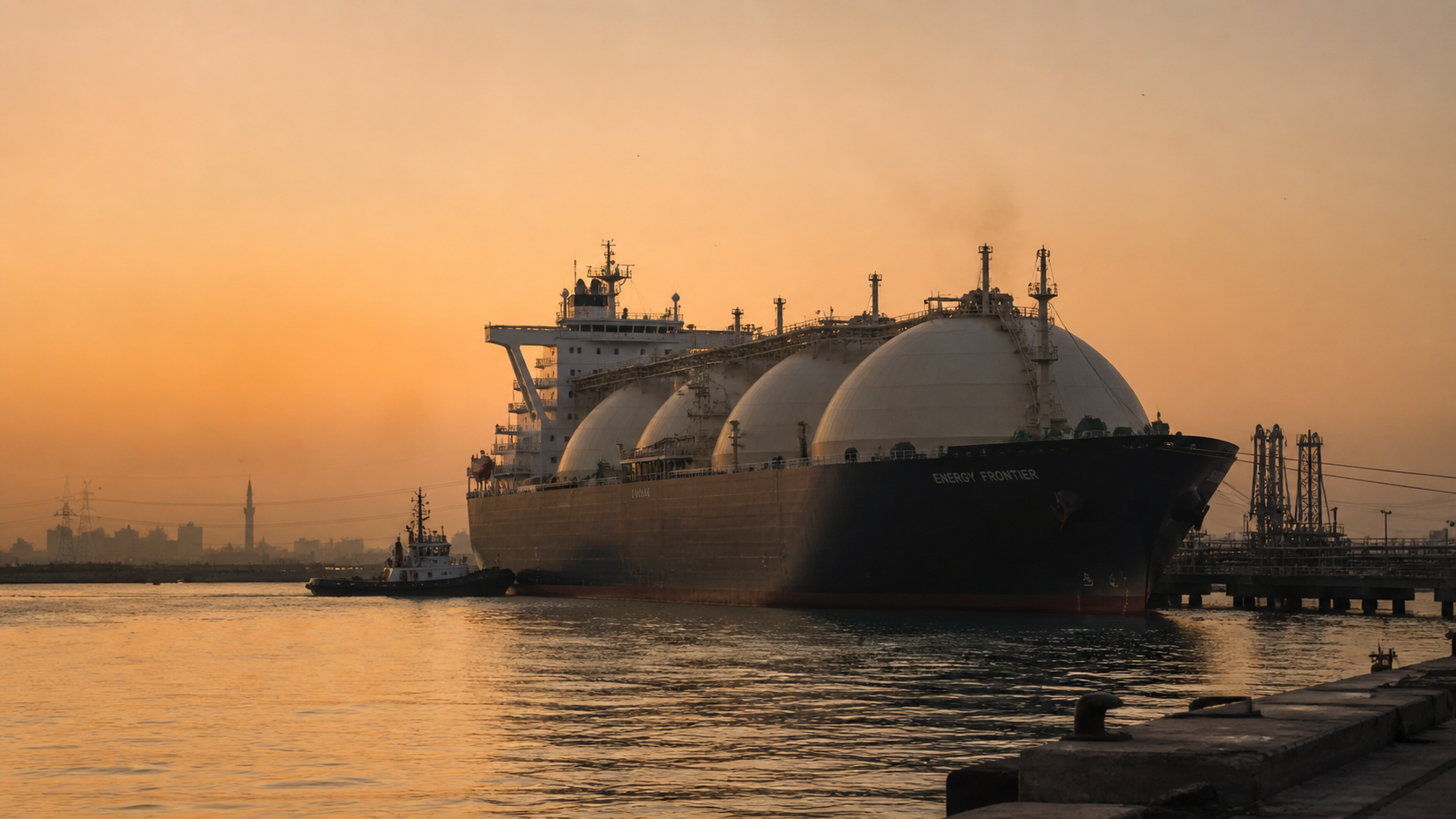
Kharg Island sits roughly 25 kilometers off the Iranian coast. It measures about eight kilometers long. It contains an airport, accommodation for workers, and the southern half of the island given over entirely to oil processing—more than 50 large white storage containers, two jetties for tankers, and an air defense complex. It is Iran’s economic lifeline. Taking it would choke off Iran’s oil exports and provide a platform for strikes against the mainland.
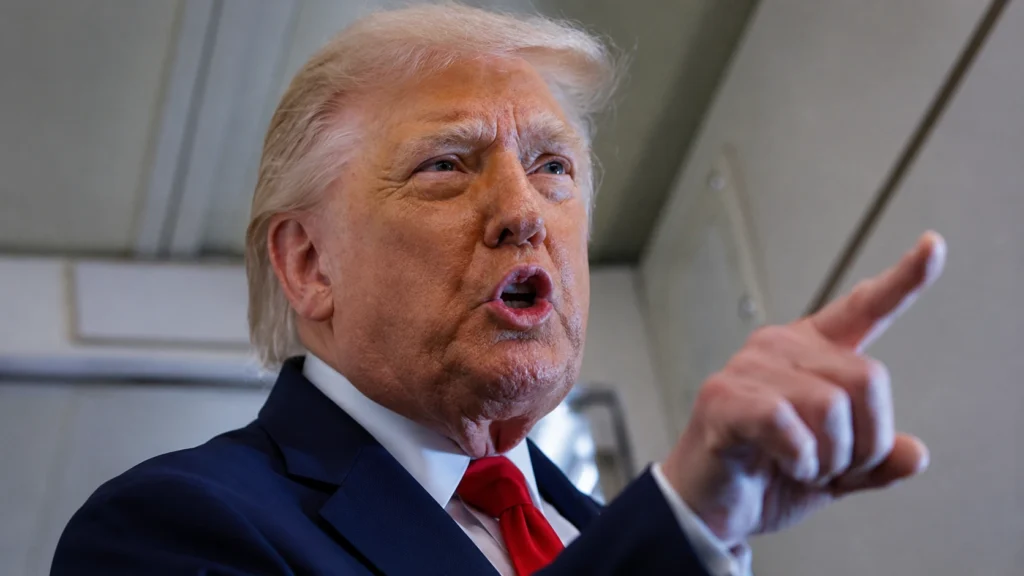
The operational challenge is considerable. A US landing force would need to move through naval vessels or airborne forces across significant distances. The island is defended. The taking would not be quick. Trump acknowledged the difficulty in his Fox & Friends call: “I’m not sure the country has the stomach for it, as good as it is.”
The sentence is strange. A president threatening a military operation while simultaneously doubting public support for it. The dissonance is not inconsistency. It is a president calibrating between the rhetoric of escalation and the politics of a war-weary electorate. The bombs fell. The words hedged.
The Regionalization Deepens
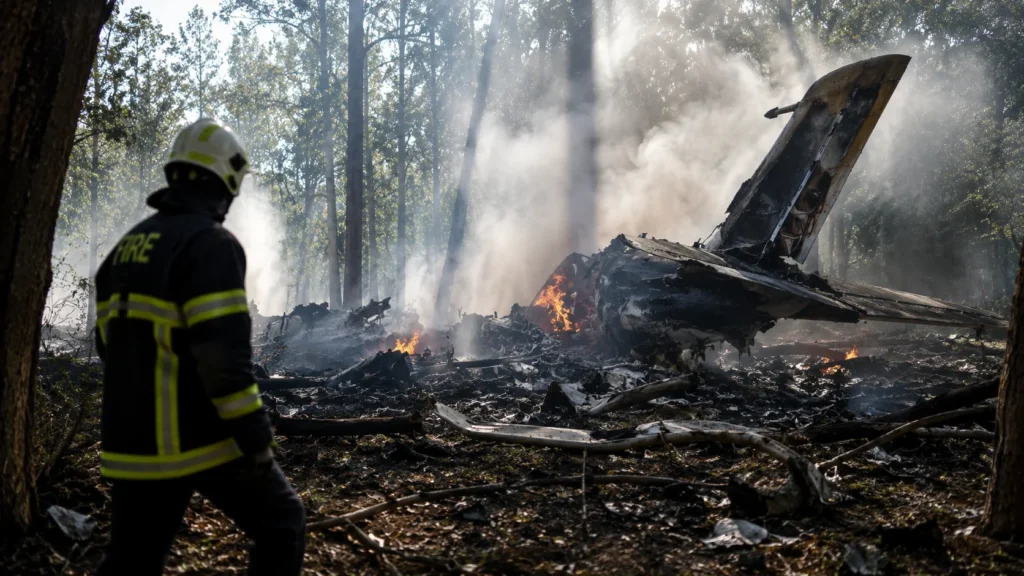
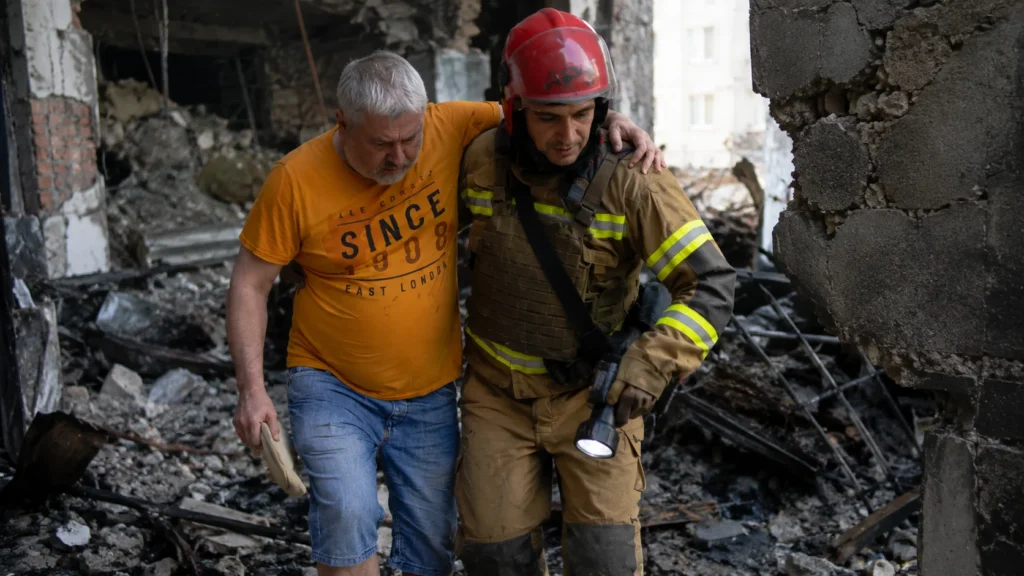
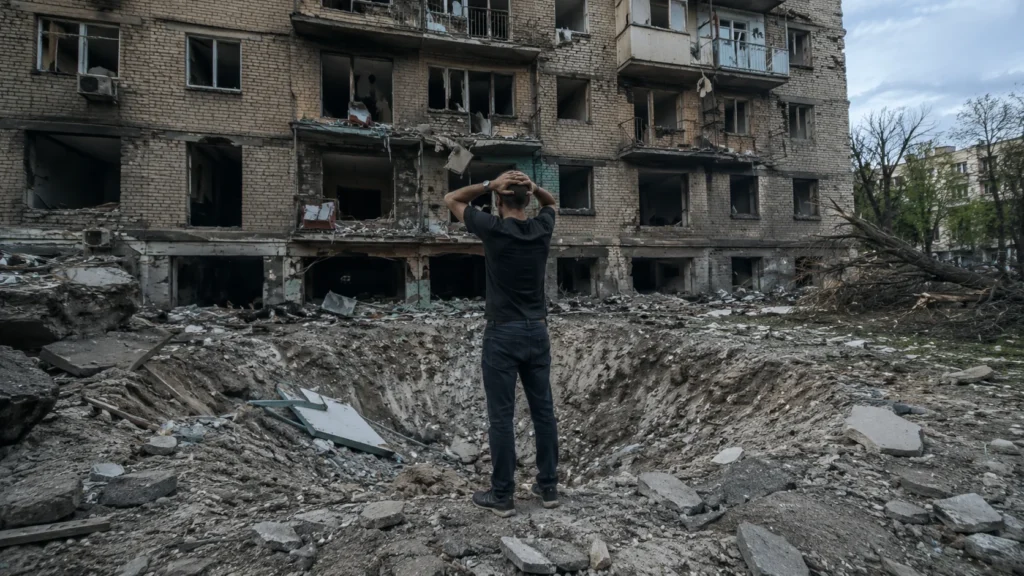
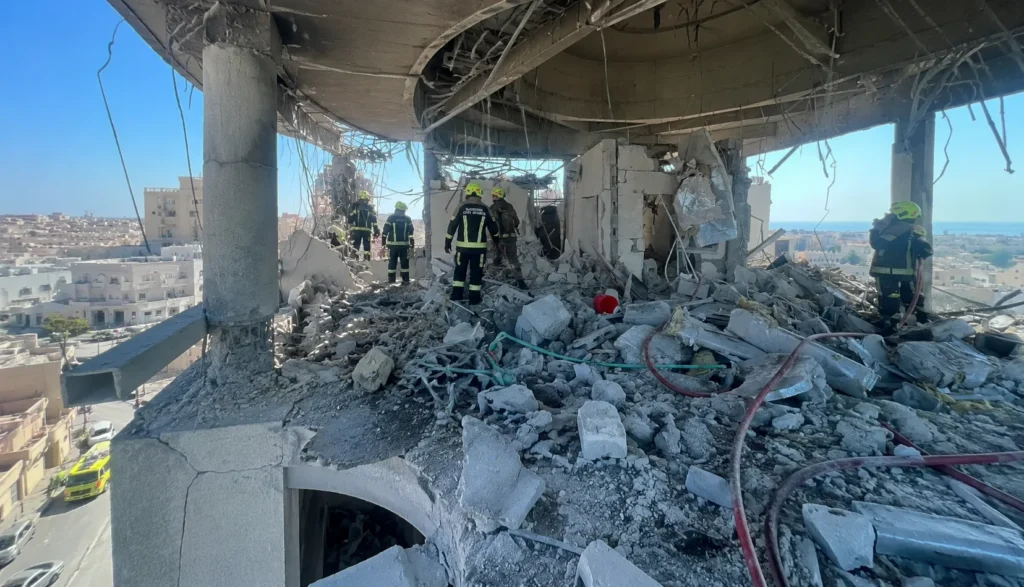
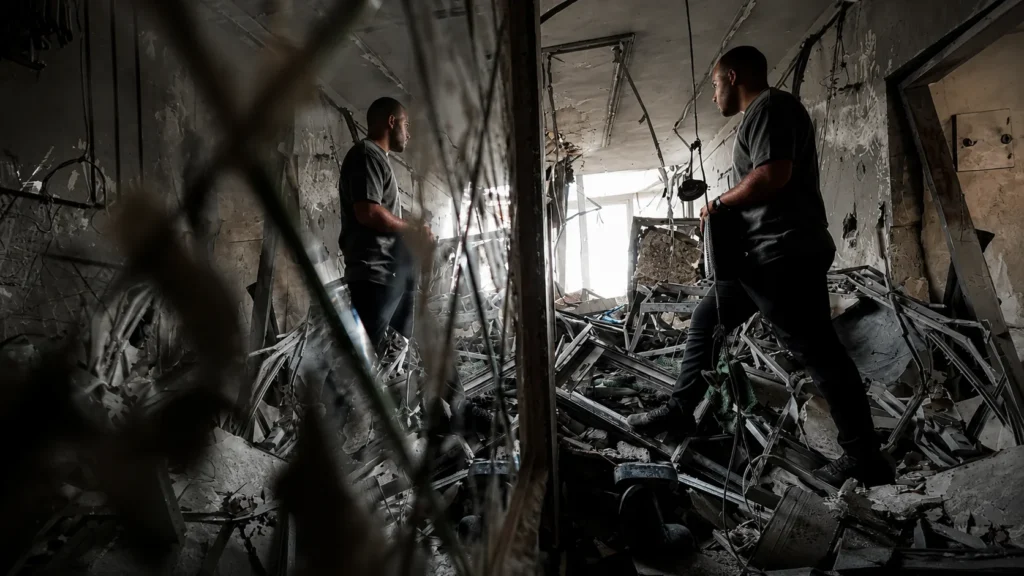
Iran’s foreign ministry declared the ceasefire “practically meaningless.” The IRGC struck US bases in Bahrain, Kuwait, and Jordan. An 11-year-old girl was injured in a drone attack on Bahrain, local authorities reported. Homes and cars sustained damage. Firefighters extinguished the remaining flames. Jordan shot down 20 Iranian missiles. Kuwait’s military engaged “hostile aerial targets.”
The geography of the conflict now includes residential neighborhoods in Gulf states that did not choose this war. The girl in Bahrain did not choose it. The families of the three Indian sailors did not choose it. The 18,000 Indian sailors stranded in the Gulf region—13 Indian-flagged vessels among them—did not choose it.
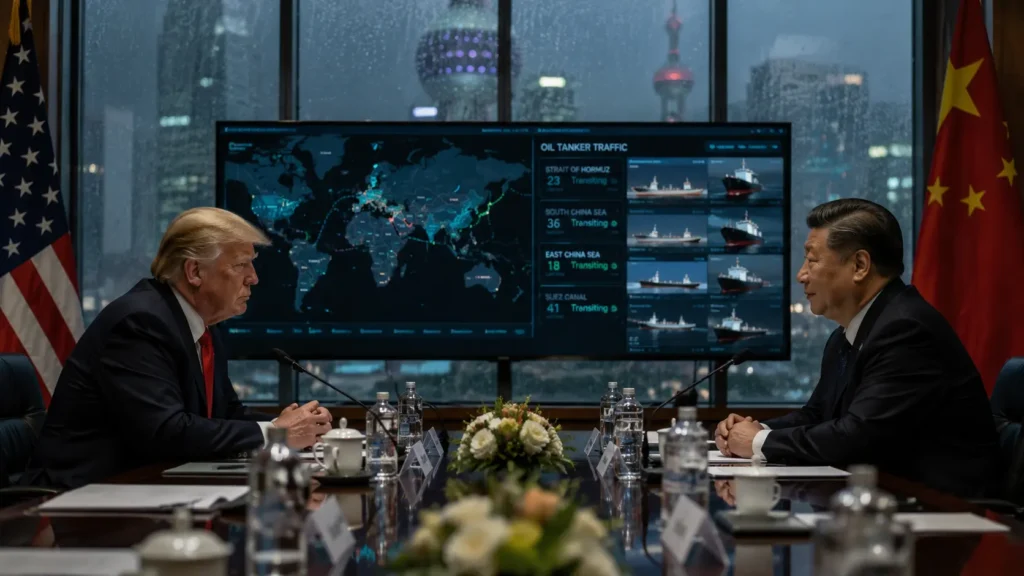
India’s foreign ministry described the repeated attacks on commercial vessels as “deeply worrisome.” Pakistan’s interior minister held “important meetings” with senior Iranian leaders. Russia warned that new strikes would harm the world economy. China said resorting to force “will only further aggravate tensions.” Turkey called for a halt. Saudi Arabia called for de-escalation and fresh negotiations mediated by Pakistan and Qatar. The calls accumulated. The strikes continued.
The Information War Inside the Shooting War
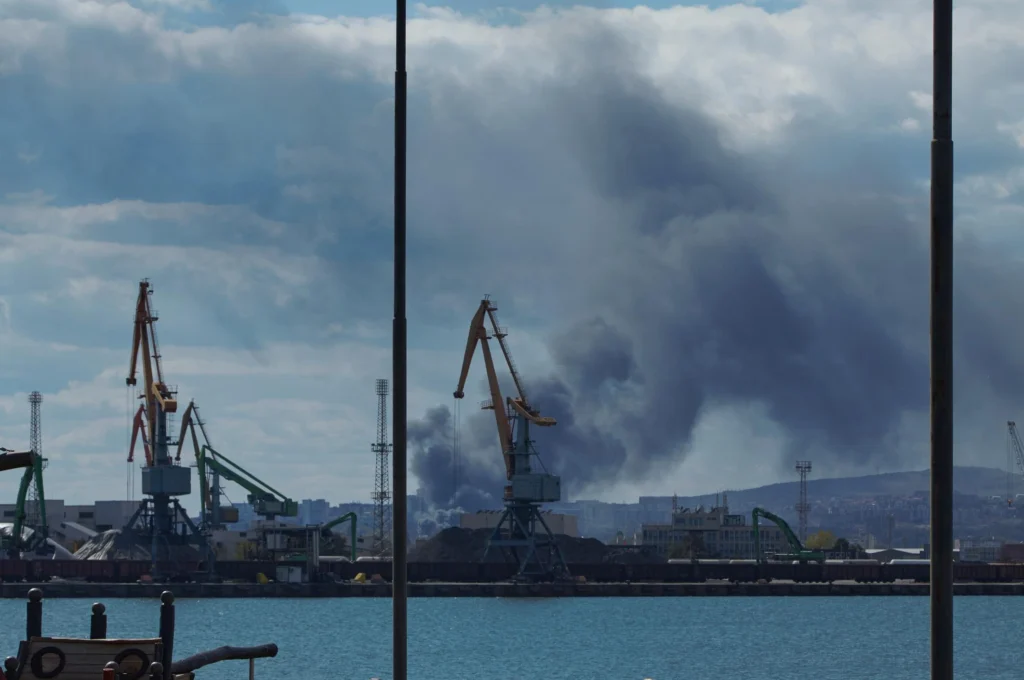
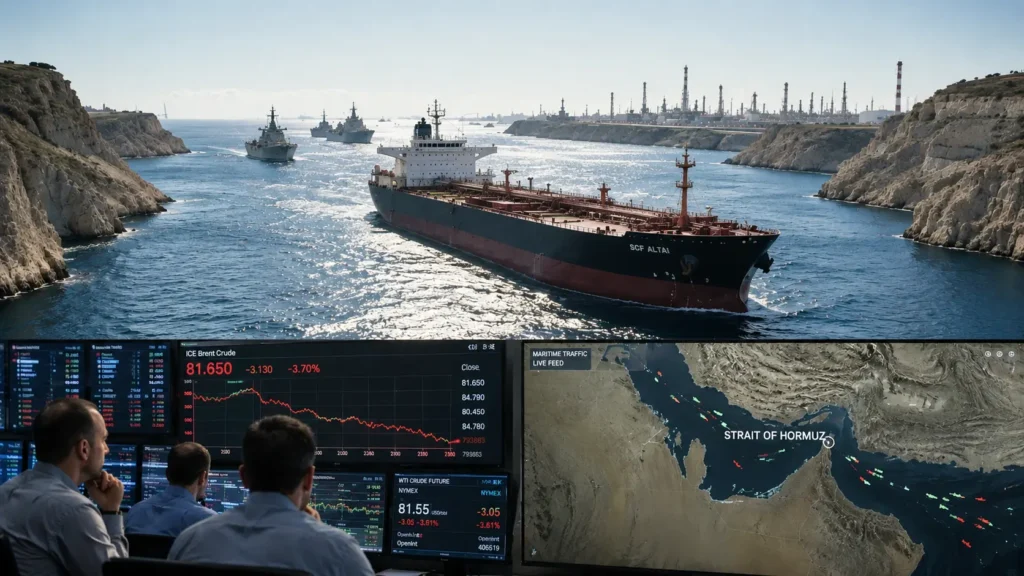
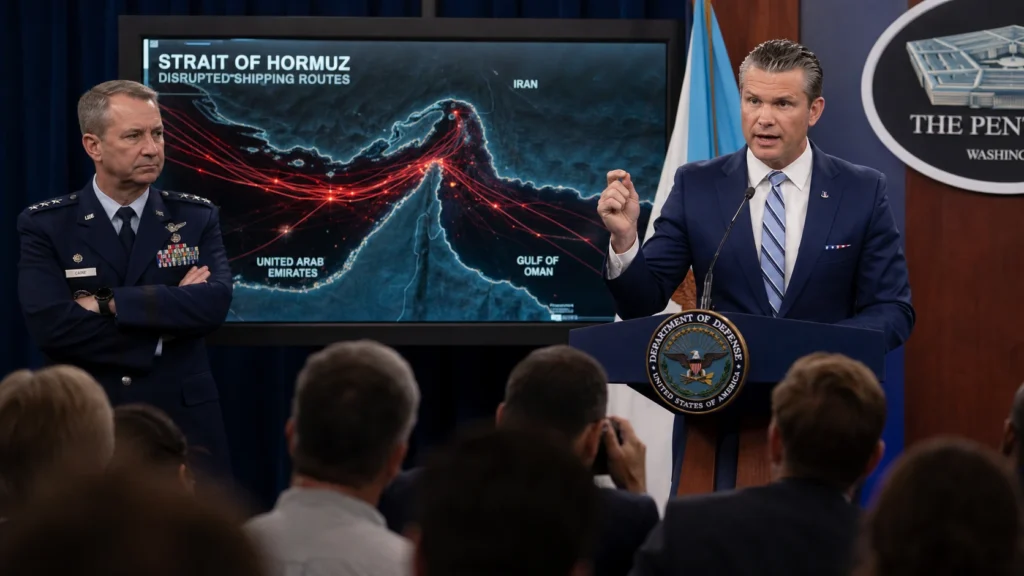
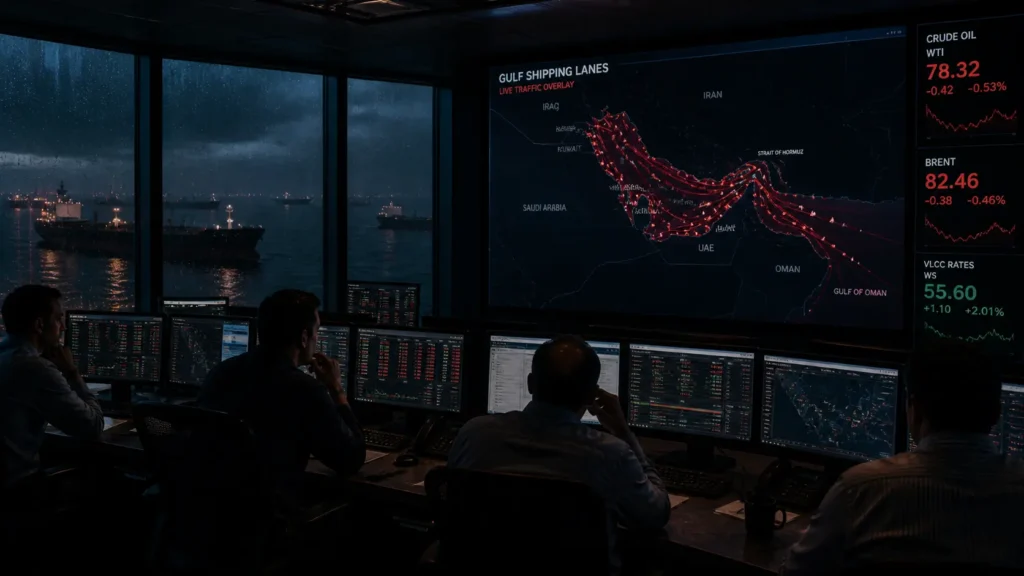
The Strait of Hormuz remains simultaneously open and closed, depending on which government you ask. Iranian state media reported the strait was “completely closed to all types of vessels.” Centcom denied it: “Commercial ships are continuing to transit in and out of the Strait of Hormuz tonight.”
Both claims cannot be true. Both claims serve strategic purposes. The Iranian claim reinforces the narrative that Tehran controls the waterway and can choke global energy flows at will. The American claim reinforces the narrative that the blockade is effective and commerce continues under US protection. The shipping companies caught between them must assess the risk without reliable information. The insurance premiums reflect the uncertainty. The oil price embeds the risk.
Trump claimed on Wednesday that the US military had helped 200 commercial ships pass through the strait as part of a “secret mission.” No details followed. The claim sat alongside the blockade, the disabled ships, the rising death toll, and the threat to seize Kharg Island. The narrative fragments. The pieces do not cohere.
Who Gains, Who Loses
The power recalibration is visible across multiple axes.
Iran loses material infrastructure with each US strike. Centcom claims Iran’s navy, air force, radar, anti-aircraft, and most offensive capabilities are “GONE.” The claim is unverifiable. The strikes are real. But Iran gains something less tangible: the ability to impose costs on US allies and on global energy markets while absorbing punishment. The IRGC struck three countries in a single morning. The ceasefire is a phrase, not a fact.
The United States demonstrates overwhelming military capability and simultaneously reveals its political limits. Trump’s doubt about the country’s “stomach” for seizing Kharg Island is a vulnerability stated aloud. Adversaries listen. Allies listen. Markets listen. The president who threatens total control of Iranian oil markets also questions whether Americans will support the operation required to achieve it.
India, Pakistan, and other regional powers lose the ability to stay outside the conflict. Indian sailors died. Indian ships remain stranded. The diplomatic protests register. The leverage to change the trajectory does not.
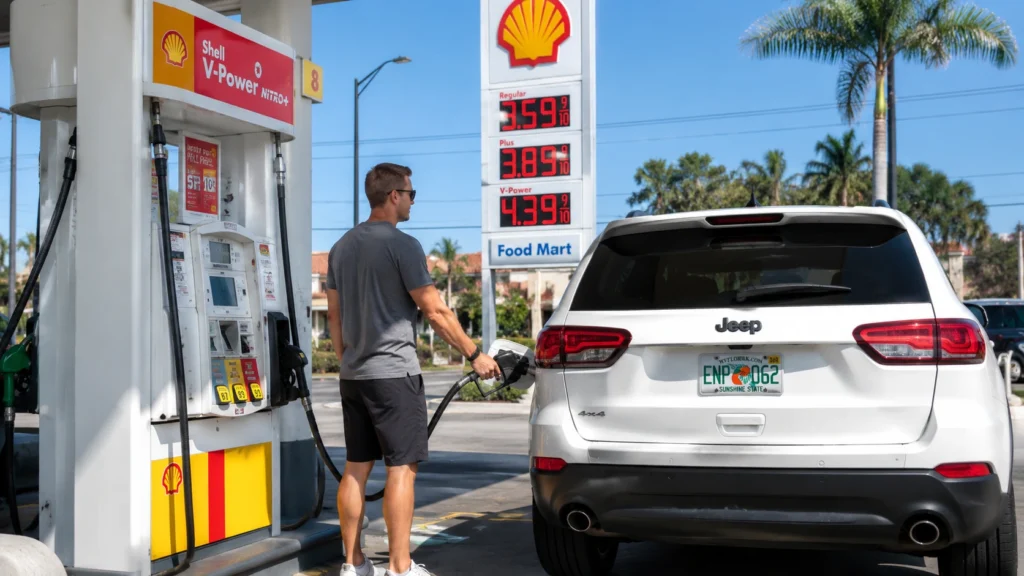
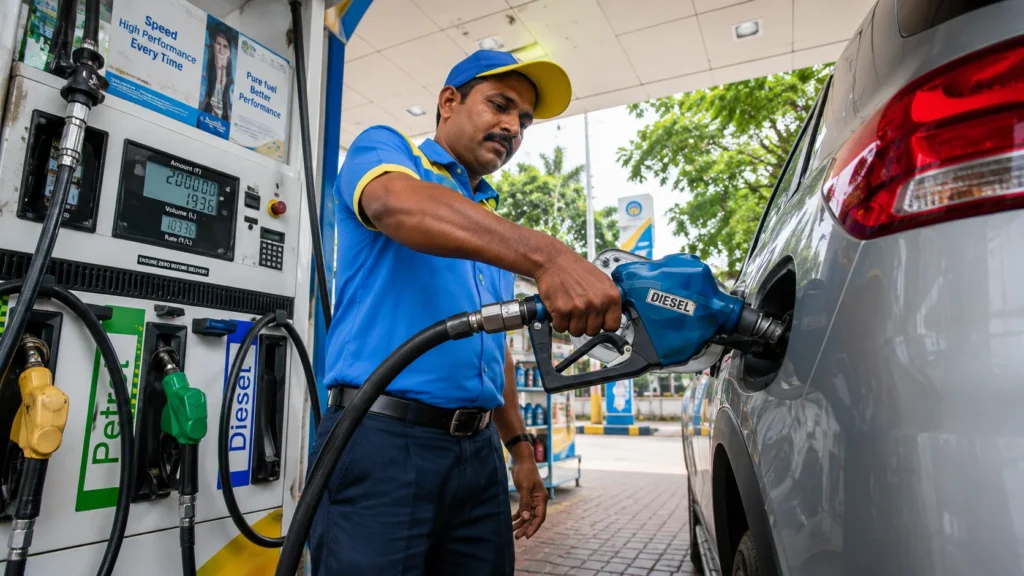
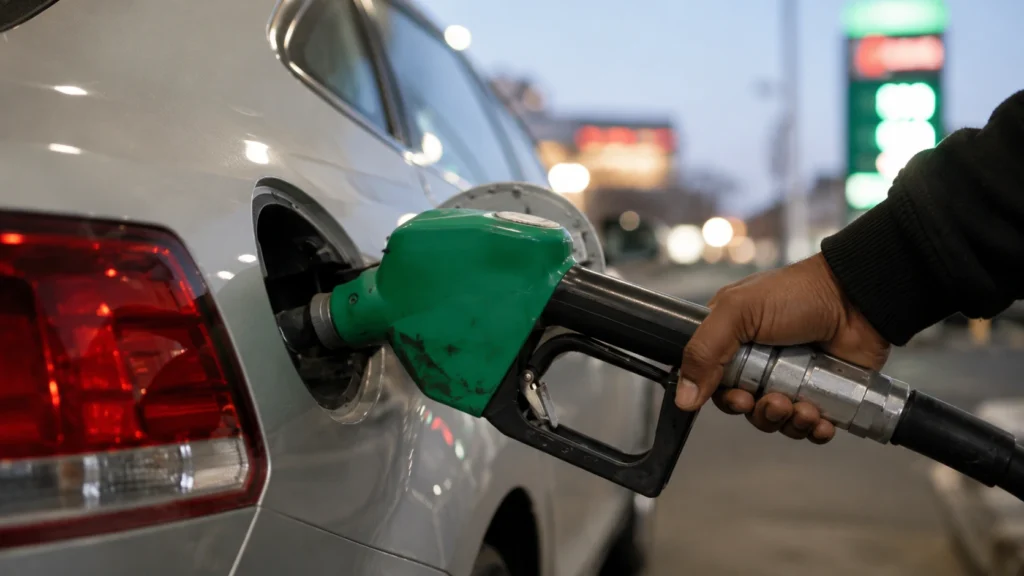
Global energy consumers lose out on prices. Brent crude at $94 and climbing is a tax on every economy that imports oil. The Strait of Hormuz, whether open, closed, or somewhere in between, now carries a risk premium that will not dissipate while the threats continue. Trump’s Truth Social post moved the market faster than any pipeline disruption could. The weaponization of the statement is complete.
The 12-Month Trajectory
The path ahead narrows around Kharg Island. If Trump orders the seizure, the conflict enters a new phase—not strikes and counterstrikes, but territorial occupation of Iran’s primary economic asset. The operation would be the largest US military action in the Gulf in decades. The consequences would cascade through energy markets, alliance politics, and the domestic American debate about foreign entanglements.
If Trump does not order the seizure, the threat itself functions as a form of escalation. Naming the target signals intent. Markets price the probability. Iran fortifies the island. The next round of negotiations, mediated by Qatar and Pakistan, will take place in the shadow of an unexecuted threat. The threat may prove more useful than the operation itself.
The indicators to watch are specific: whether the US strikes Kharg Island’s oil infrastructure rather than its military installations, whether additional commercial vessels are disabled in the blockade, and whether the Indian government’s protest produces any change in US rules of engagement. The three sailors’ bodies are being returned to India. The diplomatic cost of their deaths has not finished accruing.