

 English









































































































































































































































Trump Says He’s Sending 5000 Troops to Poland, Deepening Confusion Over US Military Deployments to Europe
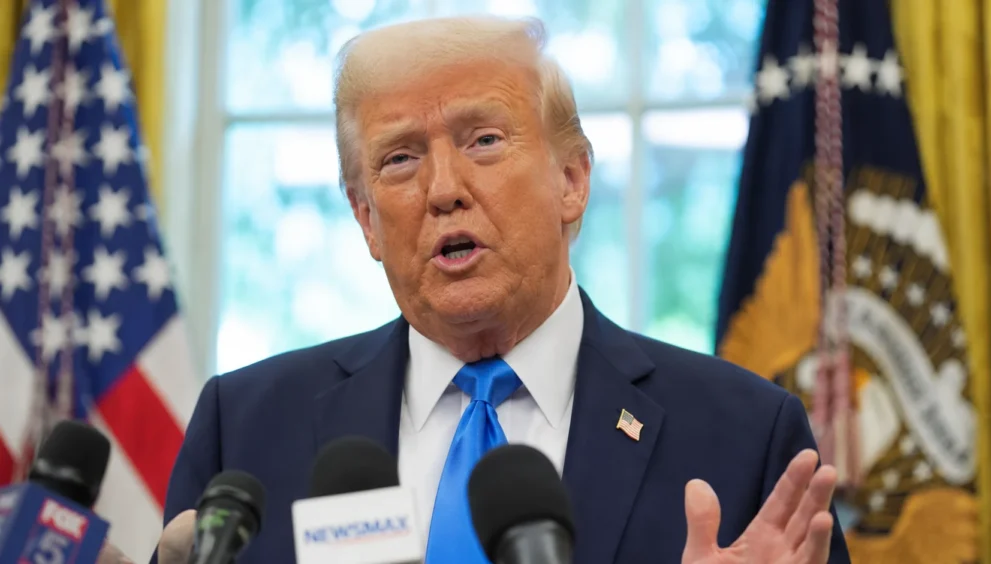
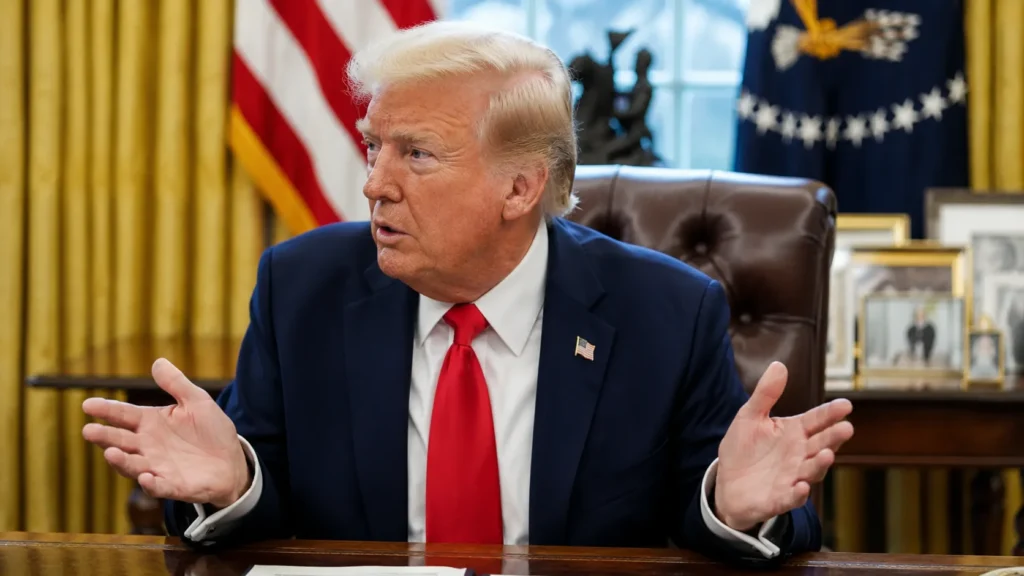
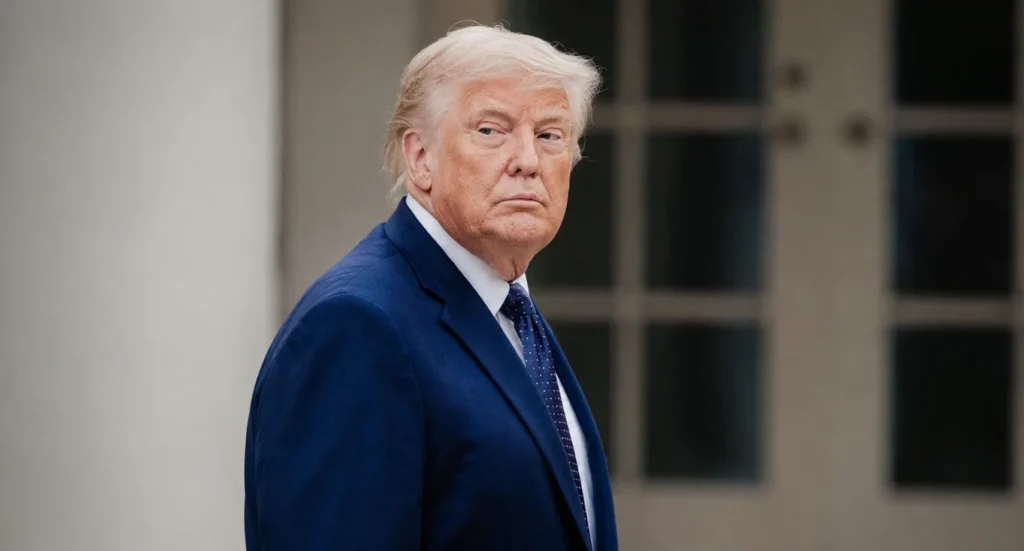
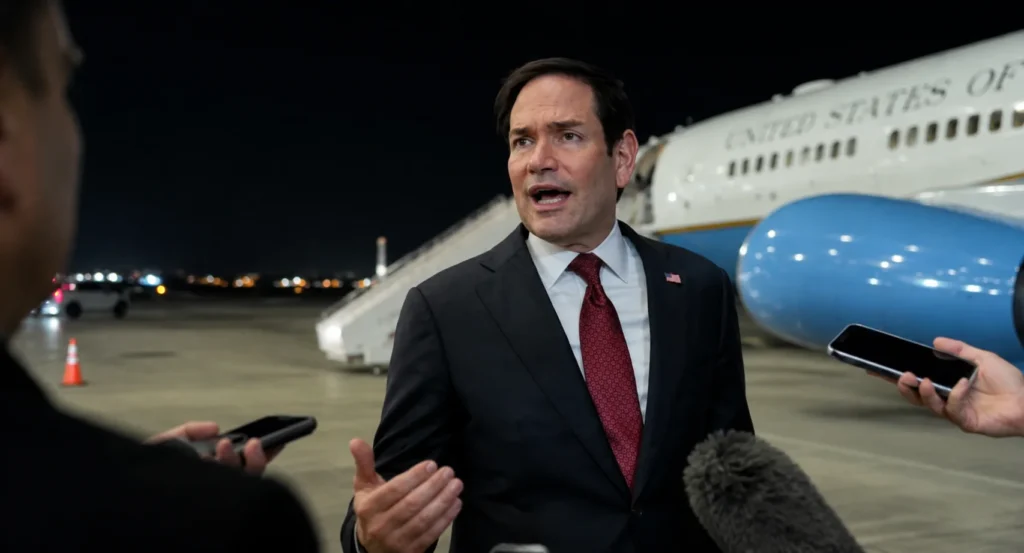
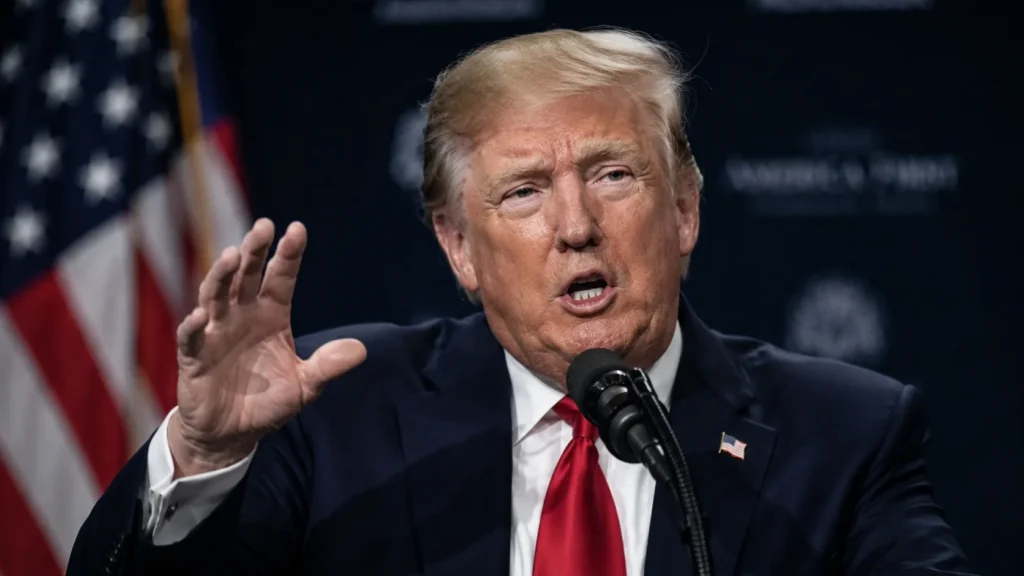
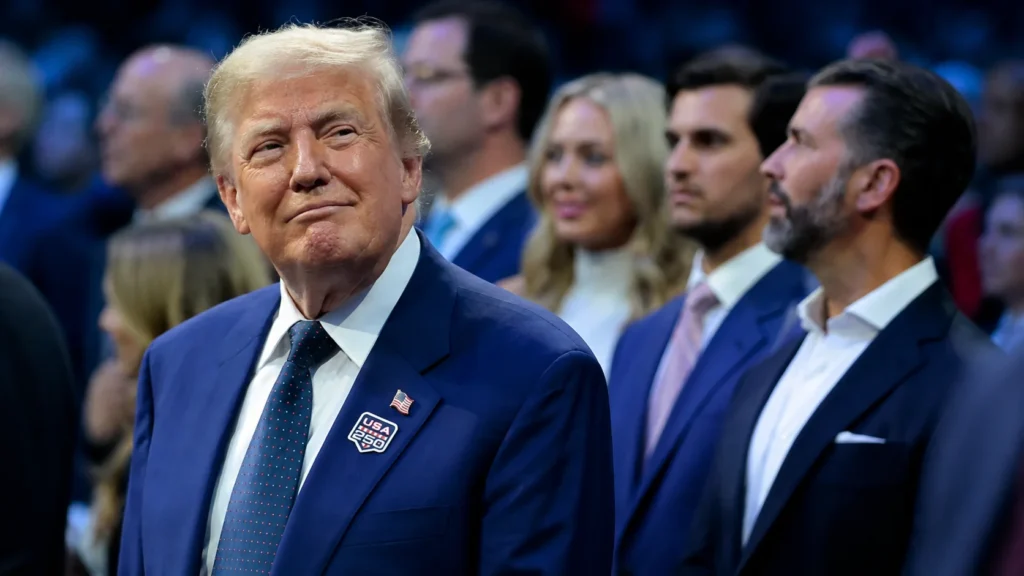
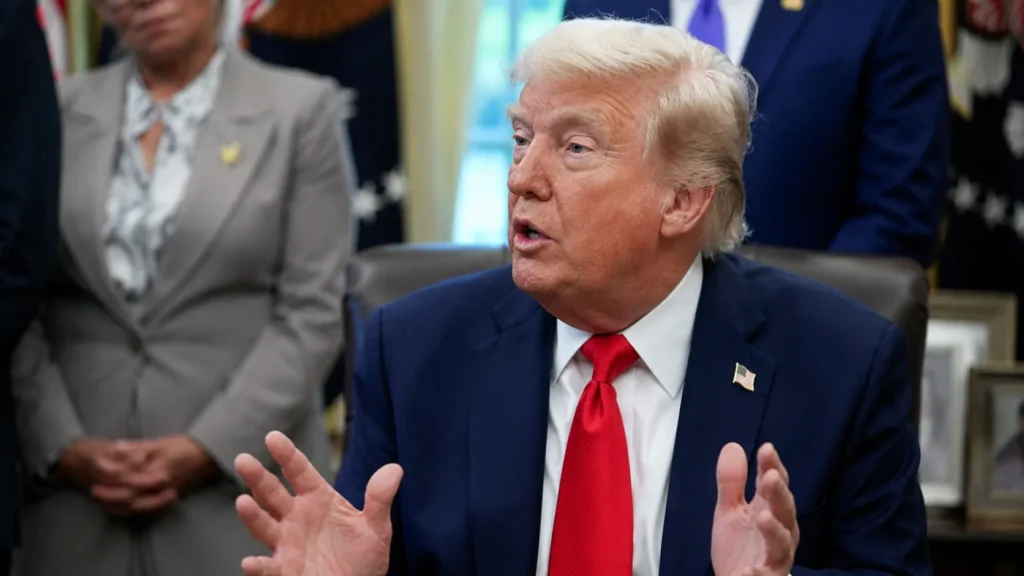
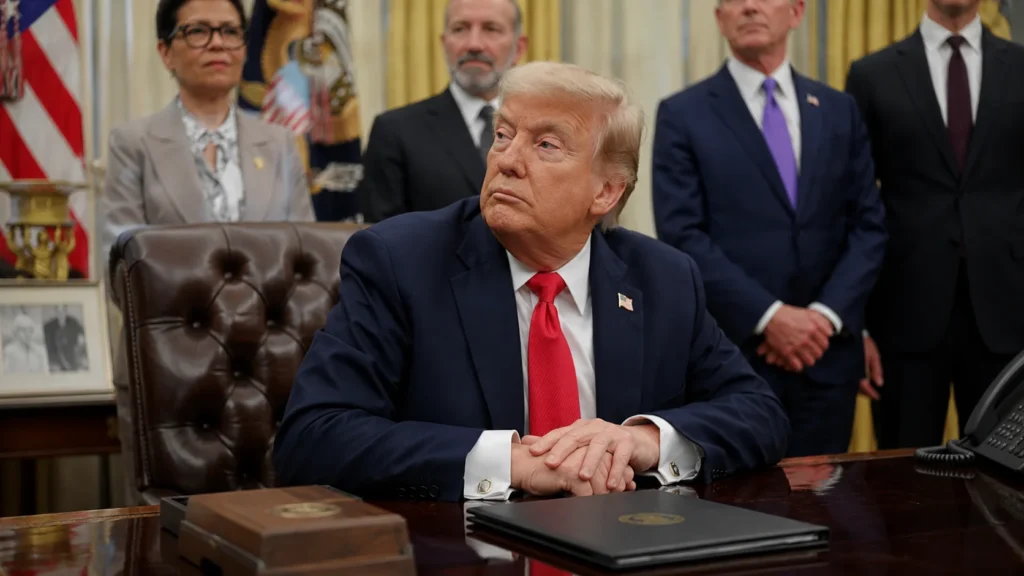
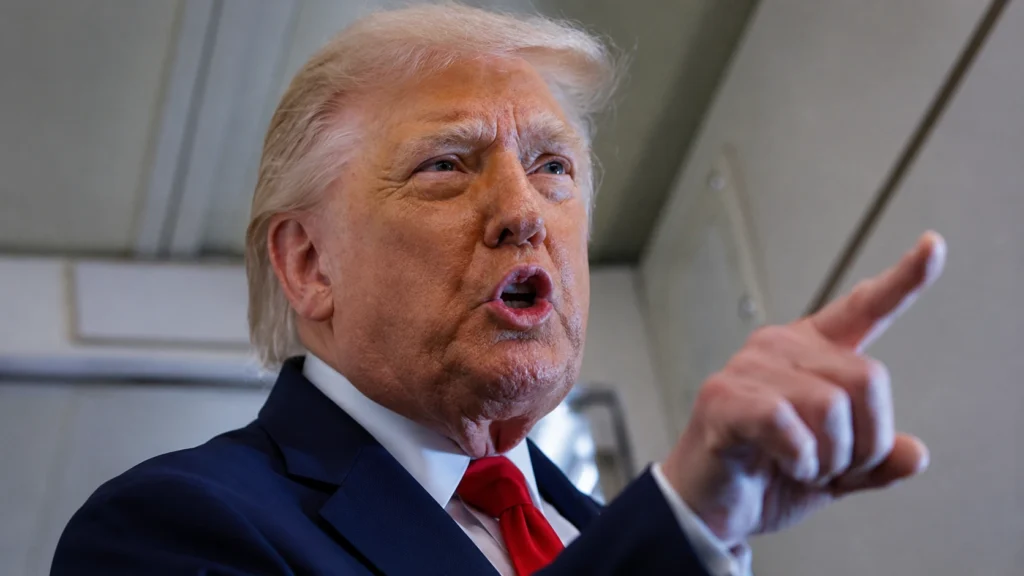
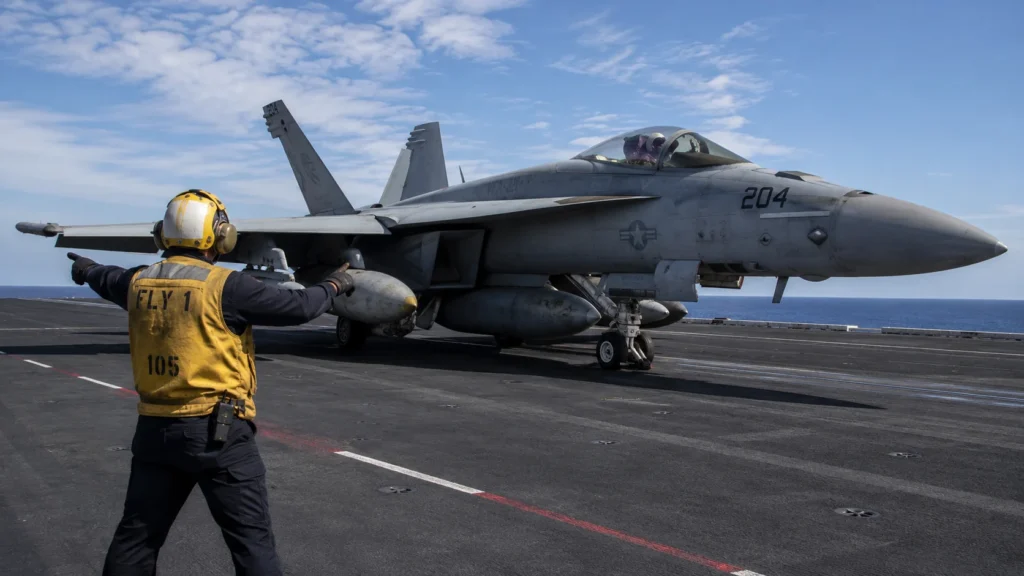
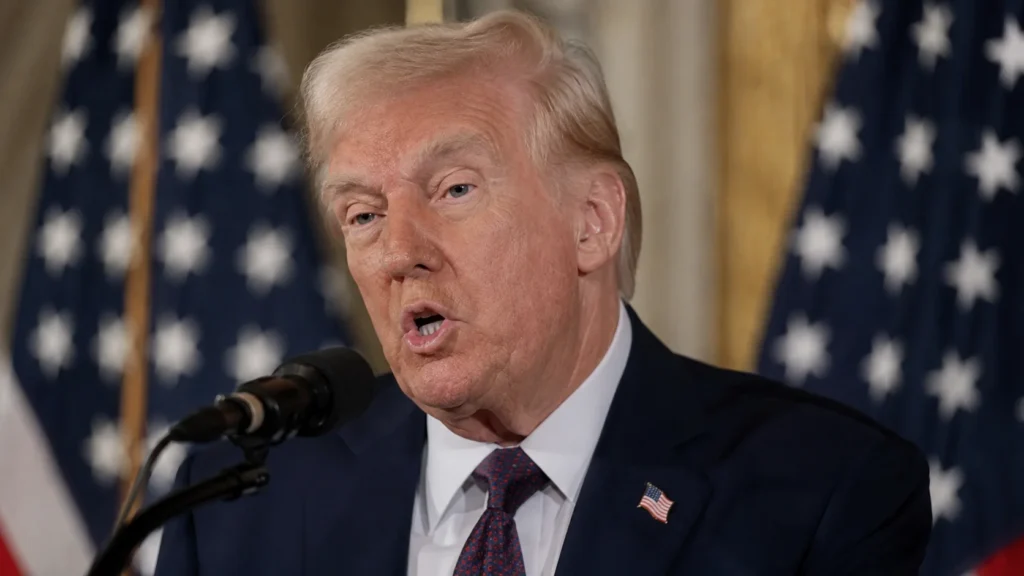
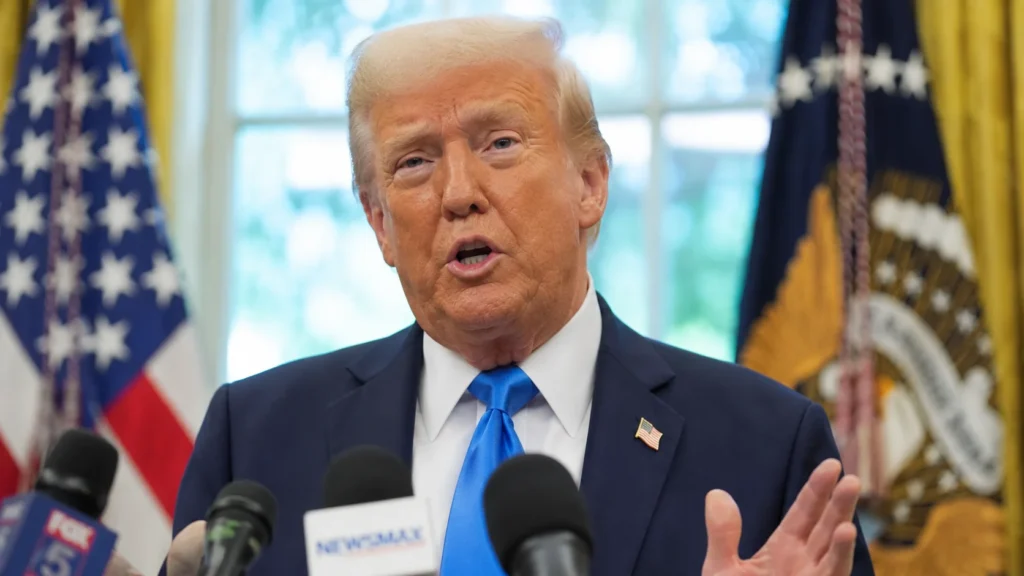
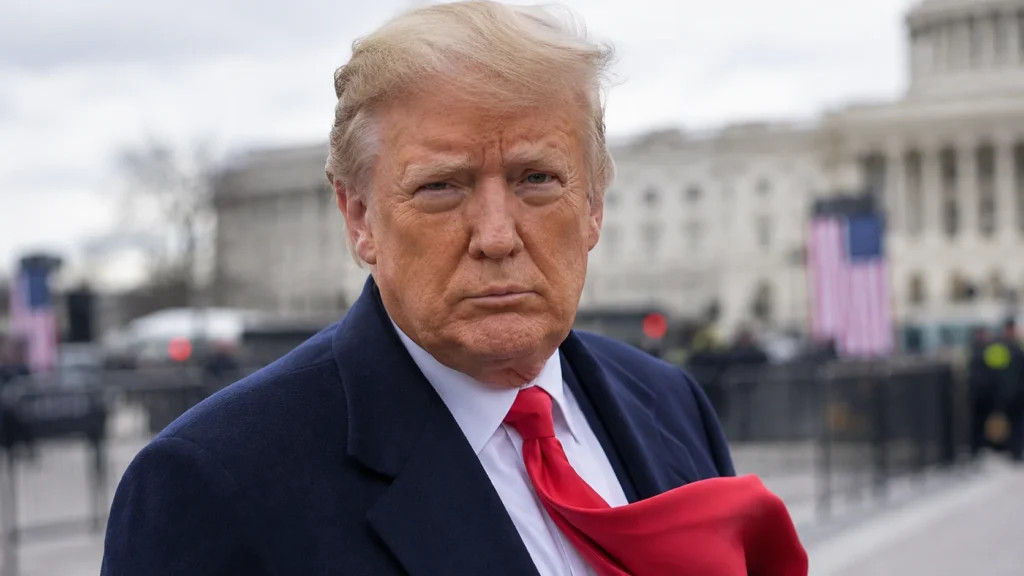
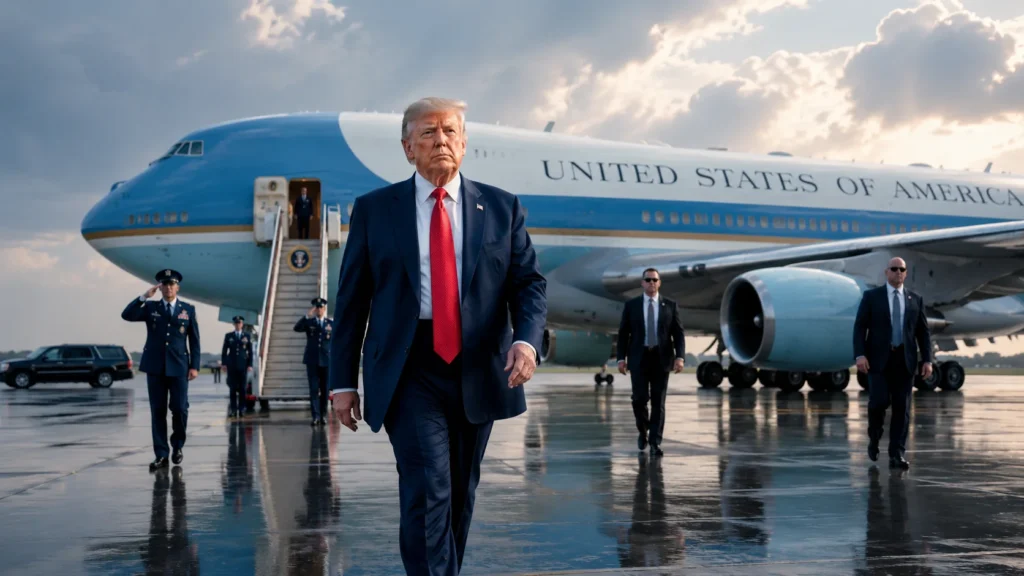
Trump says he’s sending 5000 troops to Poland, deepening confusion over US military deployments to Europe. The announcement landed Thursday on Truth Social. One week earlier, Defense Secretary Pete Hegseth had canceled the scheduled rotation of roughly 5,000 soldiers through Poland. The Pentagon referred questions to the White House. The White House did not respond. Nobody can say whether the net number of U.S. troops in Europe is going up, down, or sideways.
The Timeline: Two Orders, One Week, Total Confusion
May 14, 2025
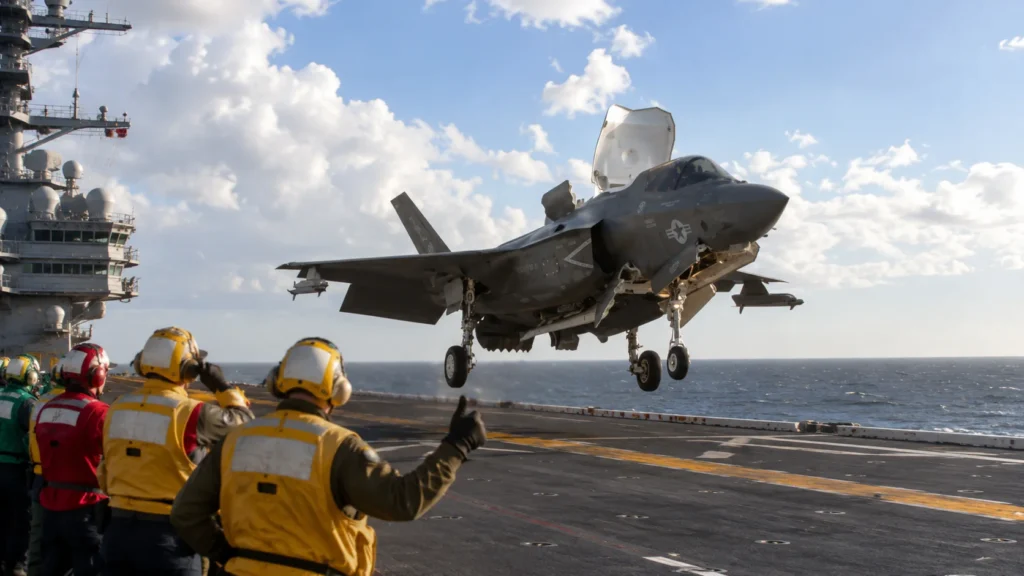
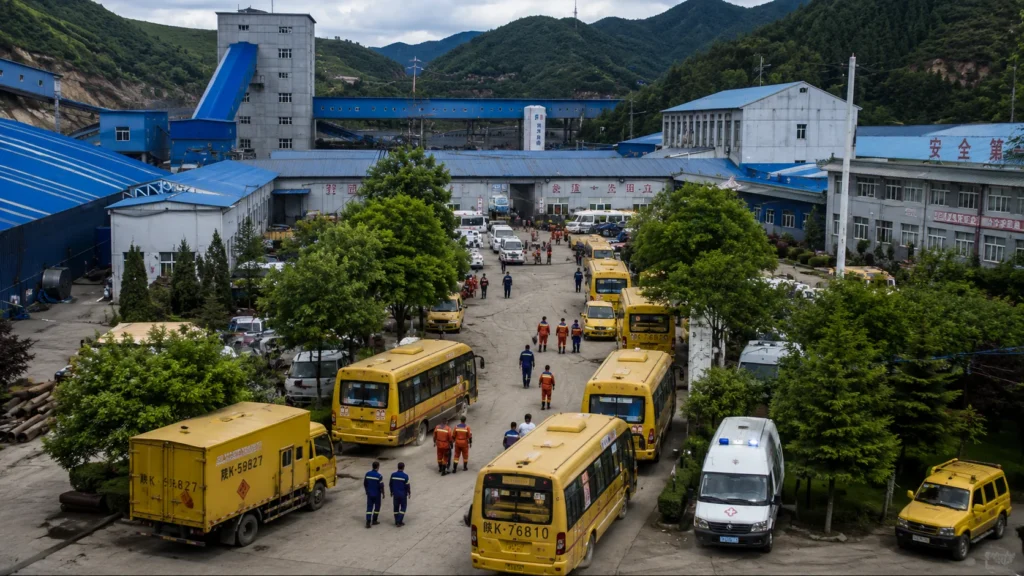
Hegseth signed a memo halting the deployment of the 2nd Armored Brigade Combat Team, 1st Cavalry Division, roughly 4,700 soldiers, slated to rotate through Poland, the Baltic states, and Romania. Some troops had already arrived in Europe. They were ordered back. The memo also canceled a long-range fires battalion bound for Germany, over 500 soldiers. The Defense Department statement cited frustration with European allies who “have not stepped up when America needed them.”
May 15, 2025
Republican Rep. Don Bacon tore into the decision at a House Armed Services Committee hearing, calling it “reprehensible, it’s an embarrassment to our country what we just did to Poland.” He said Warsaw had been “blindsided.” Congress had not been consulted.
May 21, 2025
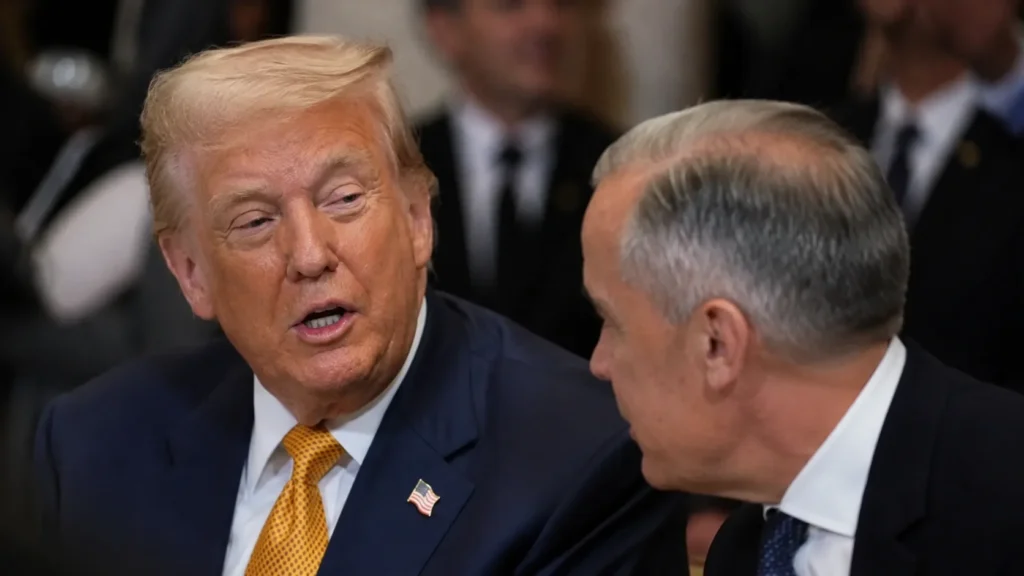
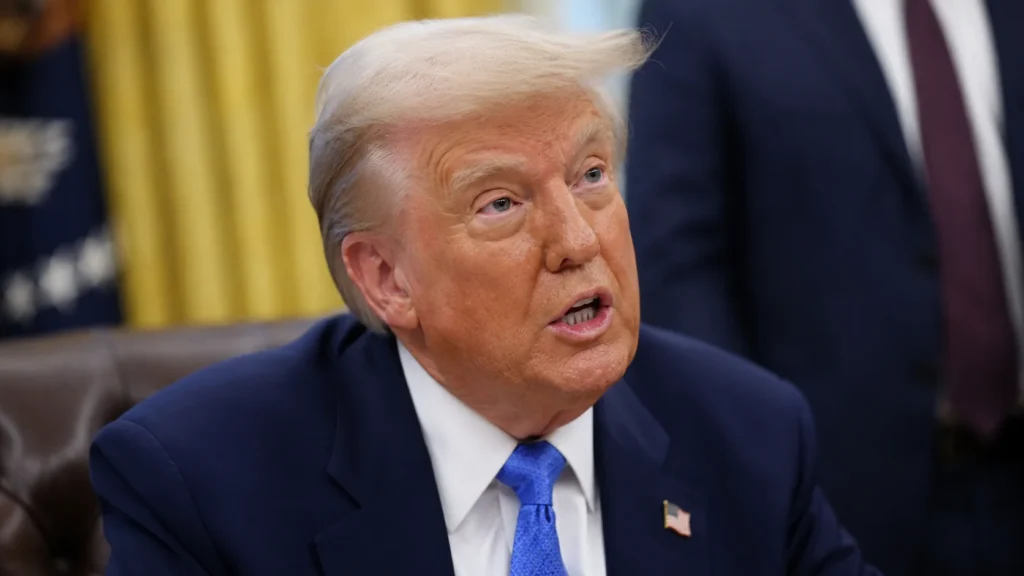
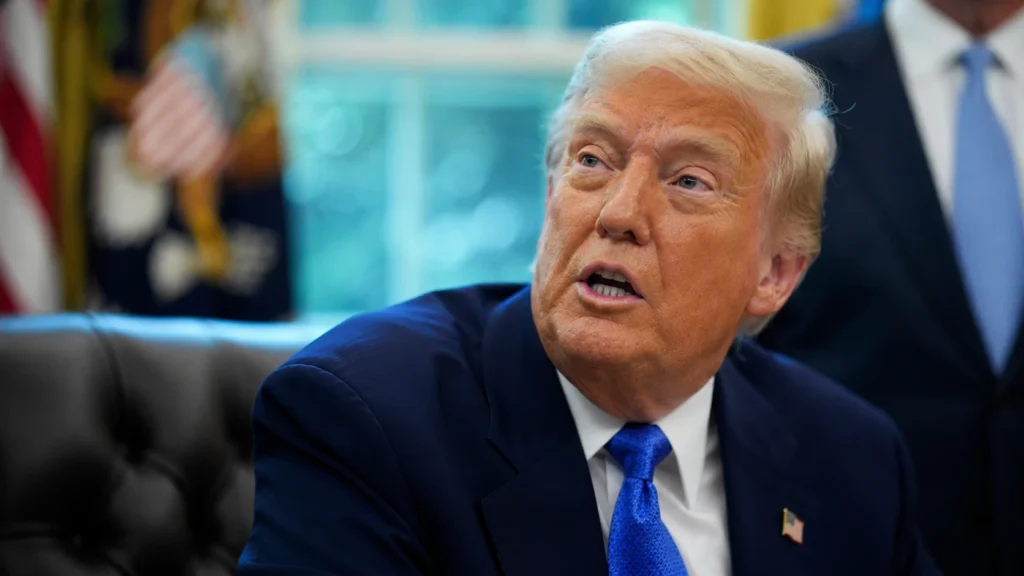
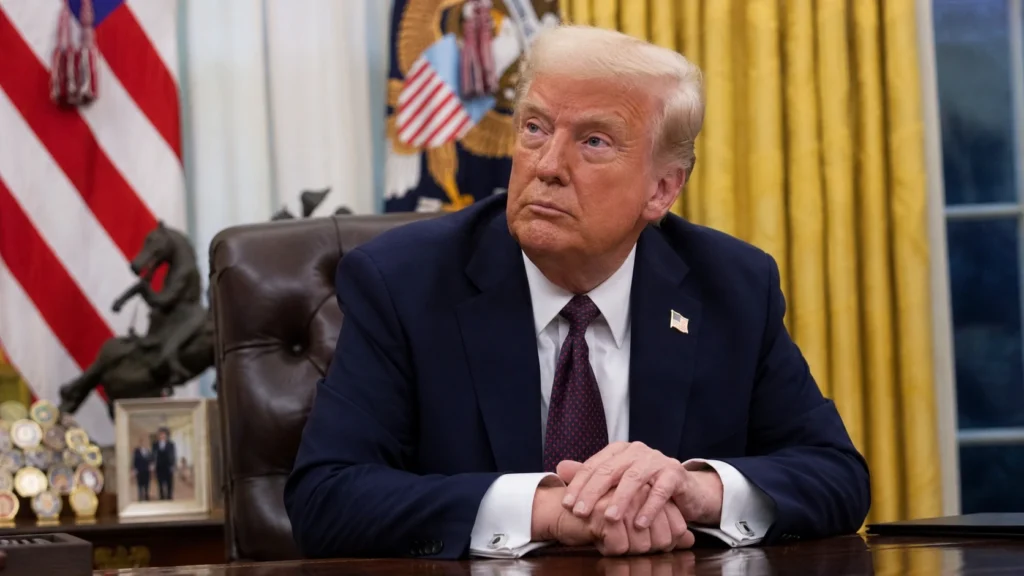
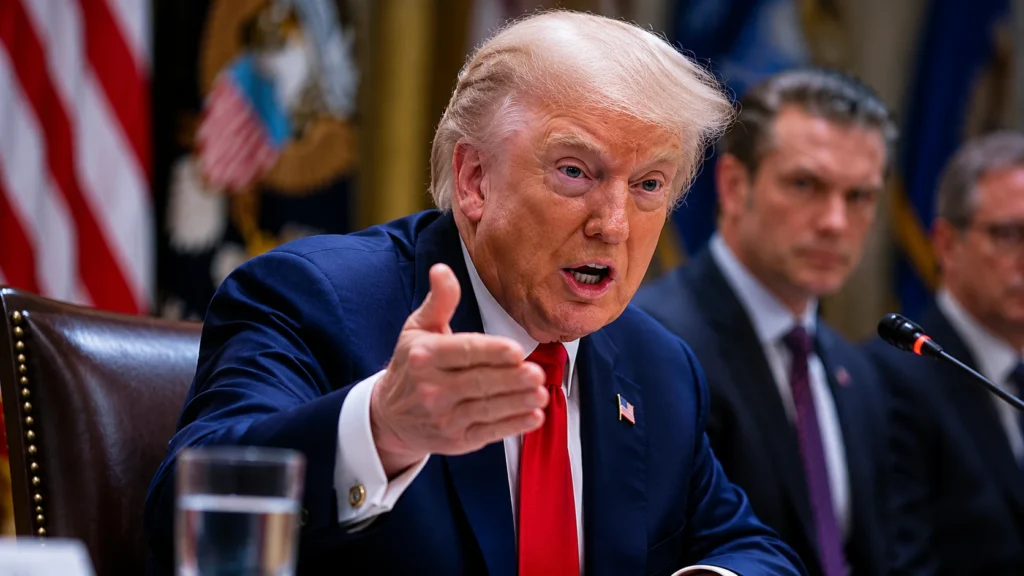
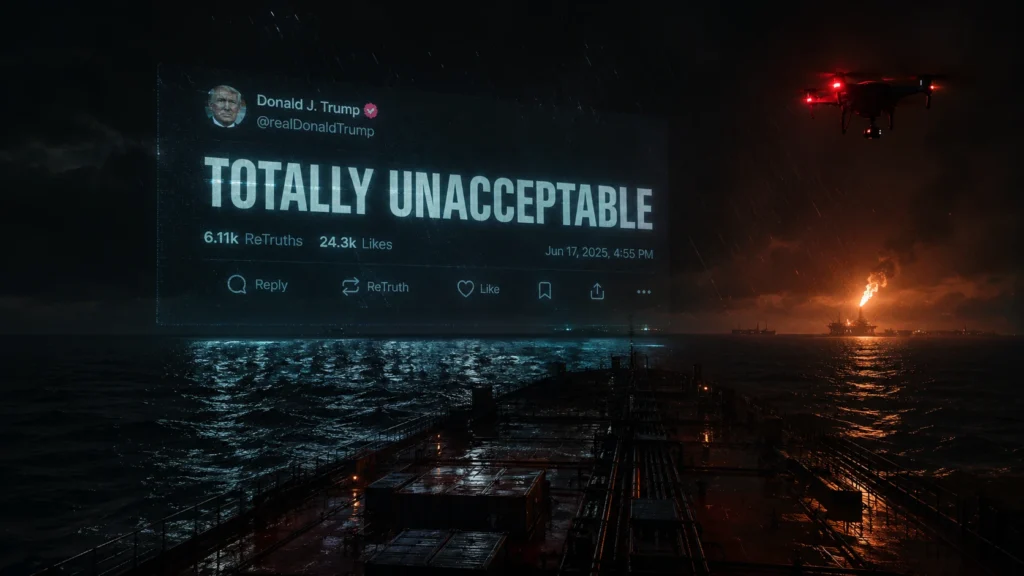
Trump posted: “Based on the successful Election of the now President of Poland, Karol Nawrocki, who I was proud to Endorse, and our relationship with him, I am pleased to announce that the United States will be sending an additional 5,000 Troops to Poland.” Hours later, Nawrocki thanked Trump on X, calling the alliance “a vital pillar of security for every Polish home.”
The numbers are nearly identical. The White House won’t say if these are the same troops redirected or new troops from somewhere else. The Pentagon won’t clarify the net change in Europe.
As earlier coverage of Trump’s transactional NATO policy documented, troop levels increasingly track personal relationships with the president rather than strategic reviews.
Why Poland Gets Troops, and Germany Lost Them
The reasoning is not hidden. Trump made it explicit.
Poland’s President Nawrocki, a right-wing populist, won the election in June 2025. Trump endorsed him. Nawrocki visited the Oval Office in September and thanked him publicly. The troop announcement explicitly referenced that relationship and that endorsement.
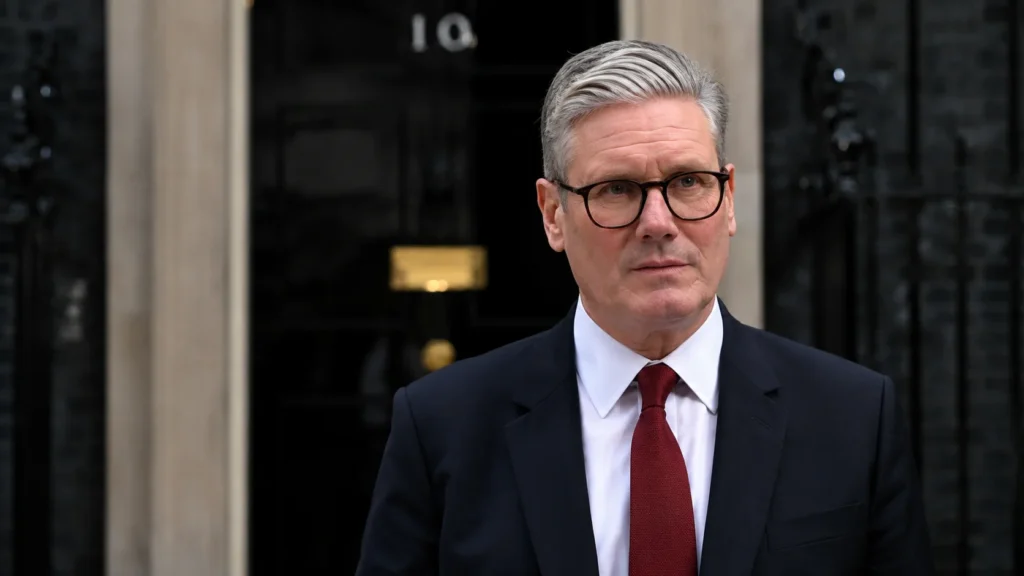
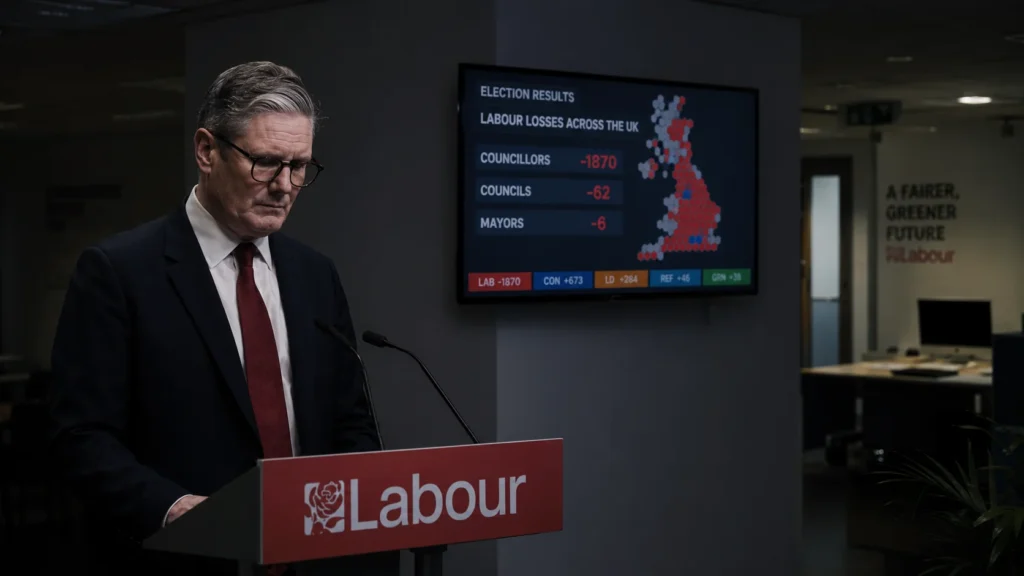
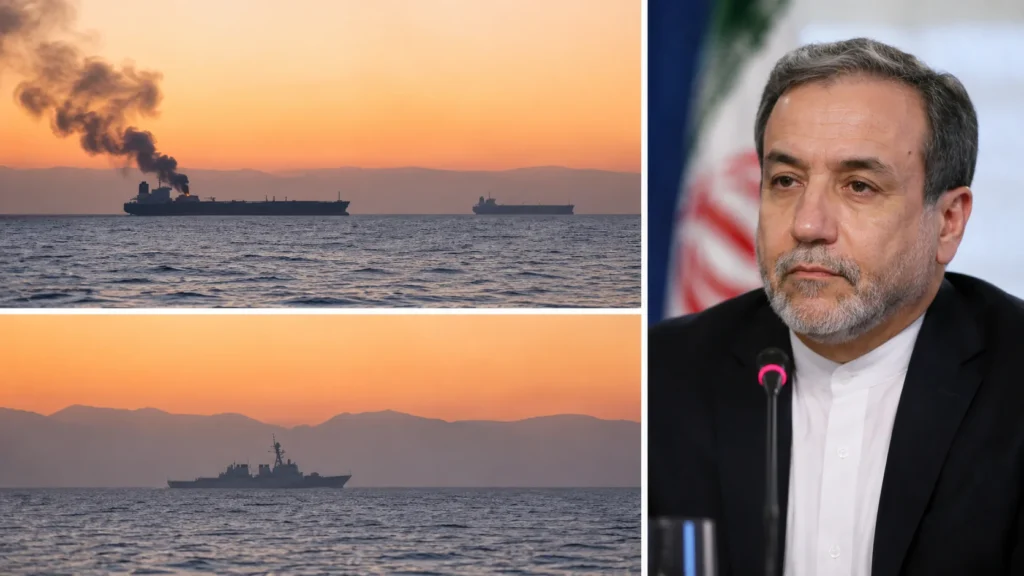
Germany lost 5,000 troops earlier this month. The trigger: Chancellor Friedrich Merz said the United States was being “humiliated” in its war with Iran. Trump did not frame the withdrawal as strategic. He framed it as a response to criticism.
The pattern is now visible to every NATO capital. Public alignment with the president brings troops. Public criticism brings withdrawals. Alliance commitments, once governed by treaty and strategic necessity, now operate partly as executive patronage.
Three Questions Nobody Can Answer
Where do these troops come from?
The canceled brigade combat team was already funded and scheduled. If Trump’s 5,000 are the same soldiers repackaged, the net number in Europe hasn’t changed. If they’re additional, the Army must pull them from other commitments, such as Korea, the Middle East, or stateside readiness. The Pentagon is not saying.
What is the actual troop count in Poland?
The U.S. typically keeps about 10,000 troops in Poland through U.S. Army Garrison Poland, established in 2023. These include rotational armored units, aviation, and logistics personnel supporting Ukraine aid. The U.S. Army Garrison Poland official page lists current units but does not reflect the May 14 cancellation or the May 21 announcement. The real number is unknown.
What does Moscow see?
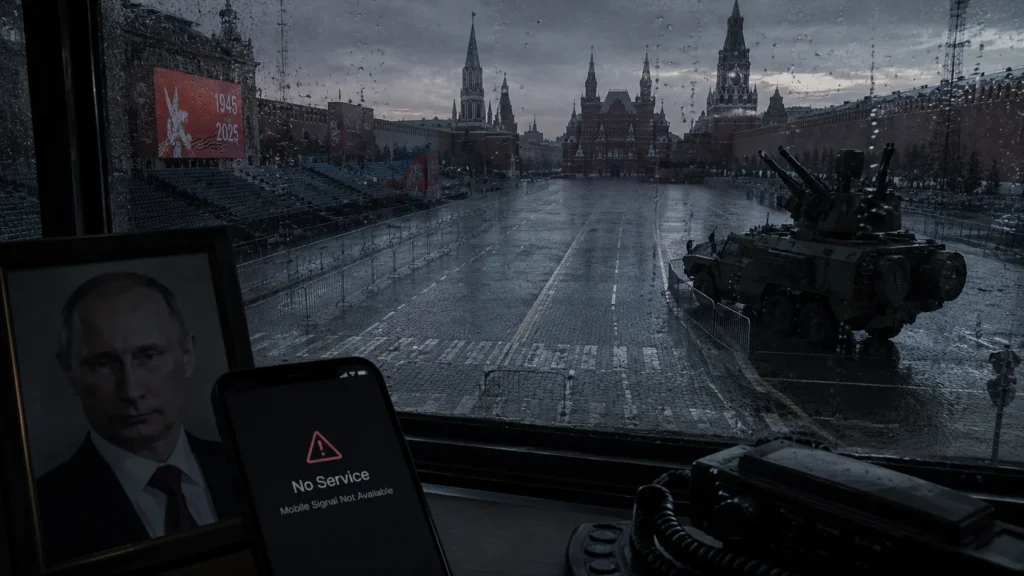
Deterrence requires predictability. Russia must believe U.S. forces will stay and fight. A deployment announced on social media and contradicted by a Pentagon memo seven days earlier erodes that belief. The ambiguity that keeps allies off-balance also confuses adversaries. In deterrence theory, uncertainty helps the aggressor test resolve. It hurts the defender trying to demonstrate it.
Written by a defense policy correspondent who has covered U.S. force posture in Europe since the 2022 Russian invasion of Ukraine, including the establishment of the permanent U.S. Army Garrison Poland in 2023.