

 English
































































































































































































































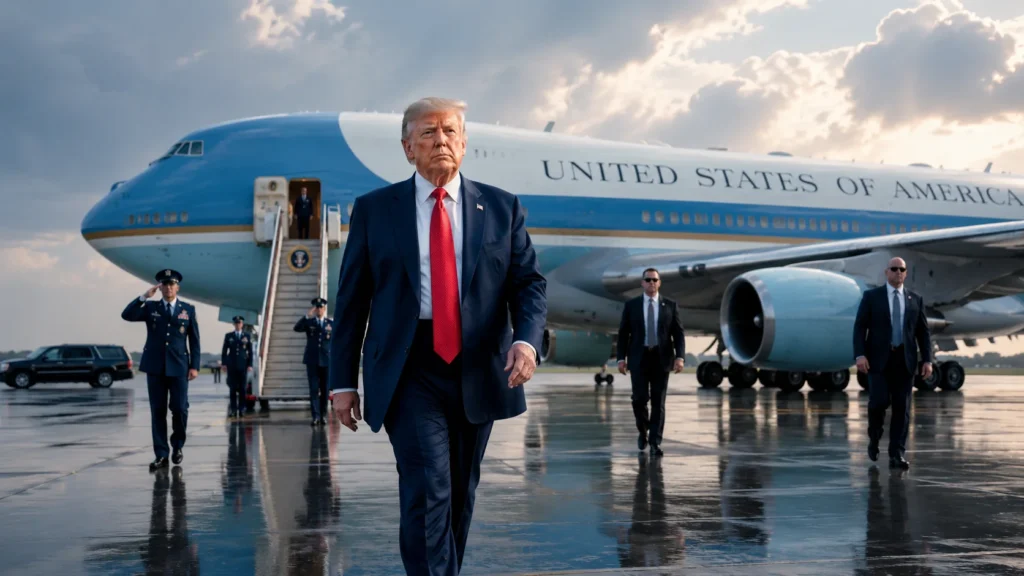
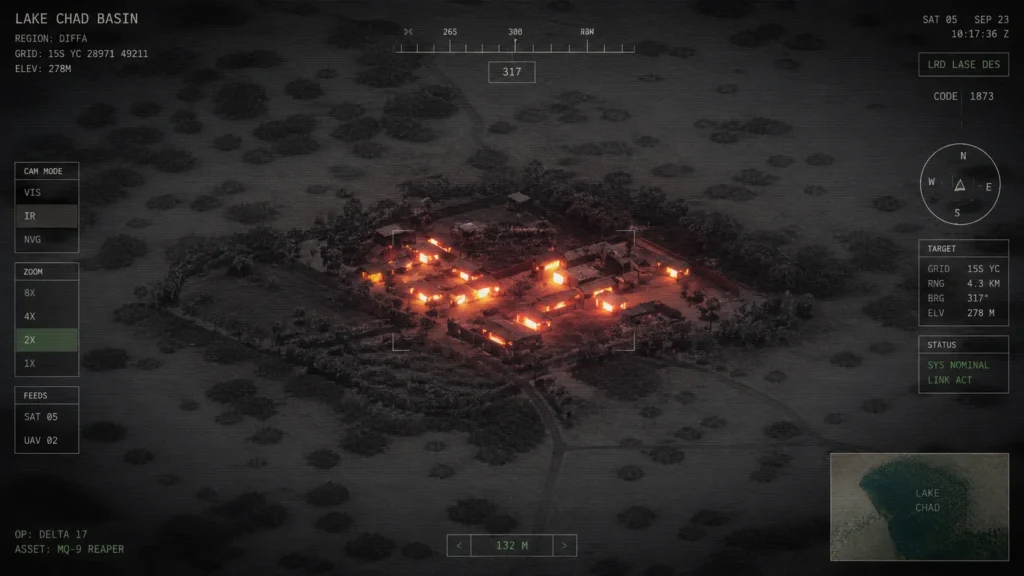





































































Congress Just Rebuked Trump’s Iran War. It Doesn’t Have the Power to Stop It.
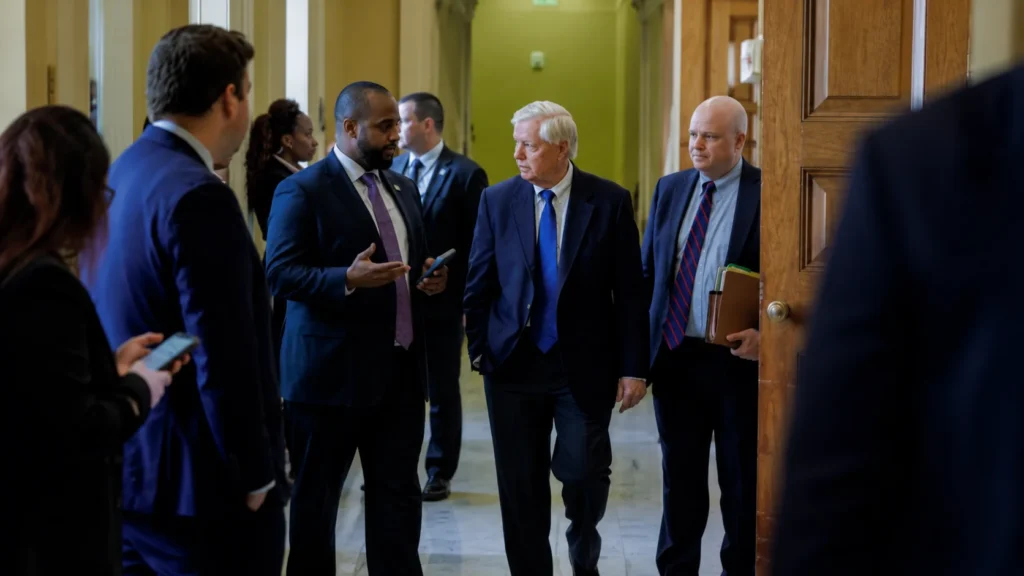
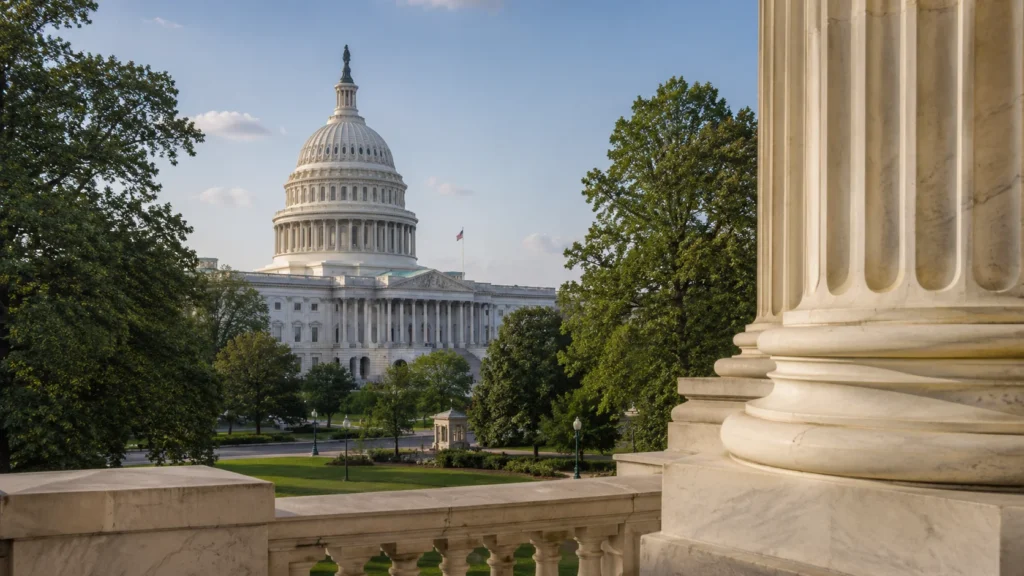
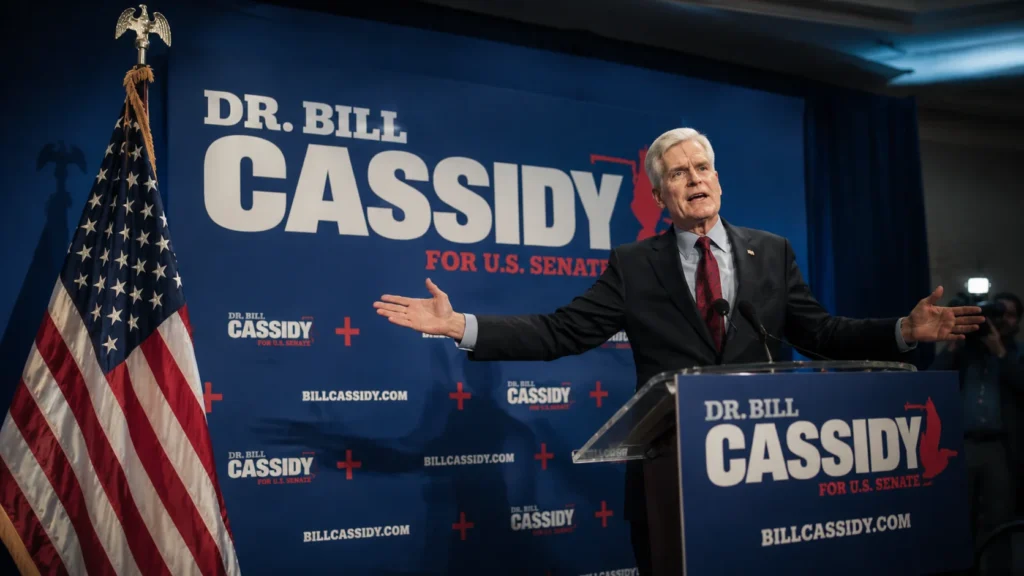
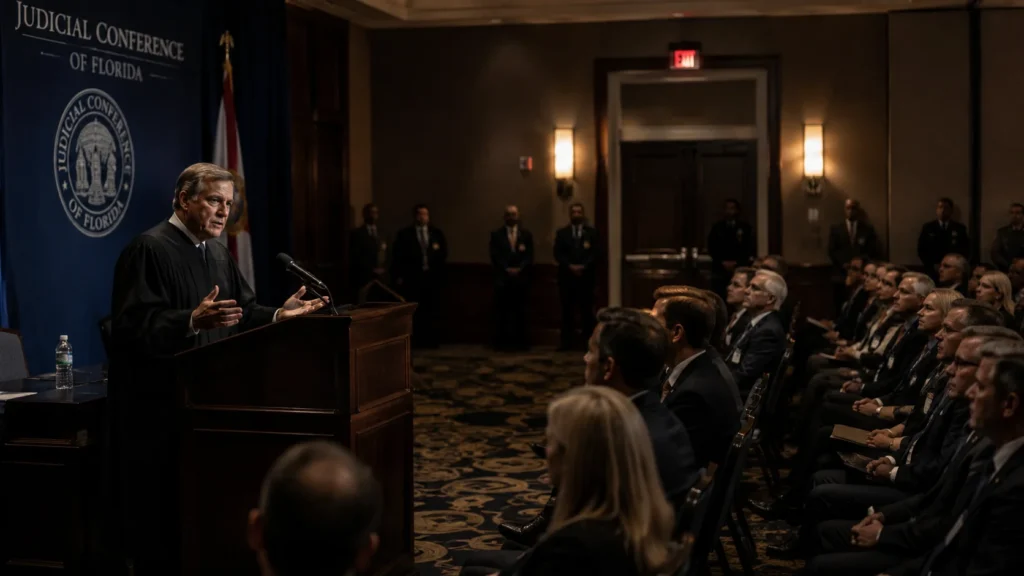
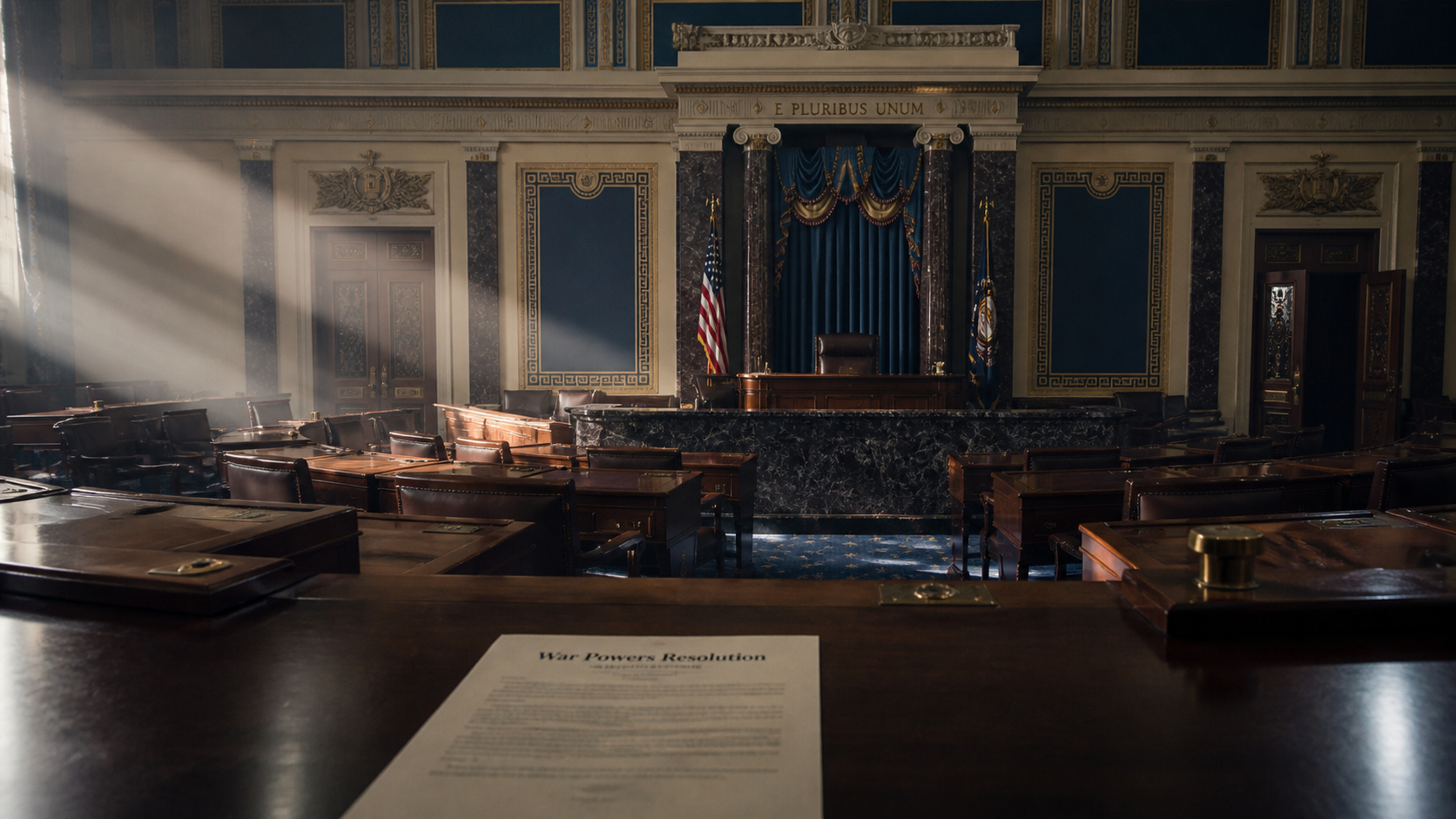
The vote was 50-48. Four Republicans crossed the aisle. Rand Paul. Lisa Murkowski. Susan Collins. Bill Cassidy. One Democrat, John Fetterman, voted no. The Republican-controlled Senate had just approved a measure instructing President Donald Trump to halt the war in Iran or seek congressional approval before continuing military action. The House passed the same resolution earlier this month. For the first time since the War Powers Resolution of 1973, both chambers of Congress have approved a concurrent resolution directing a president to end a military action.
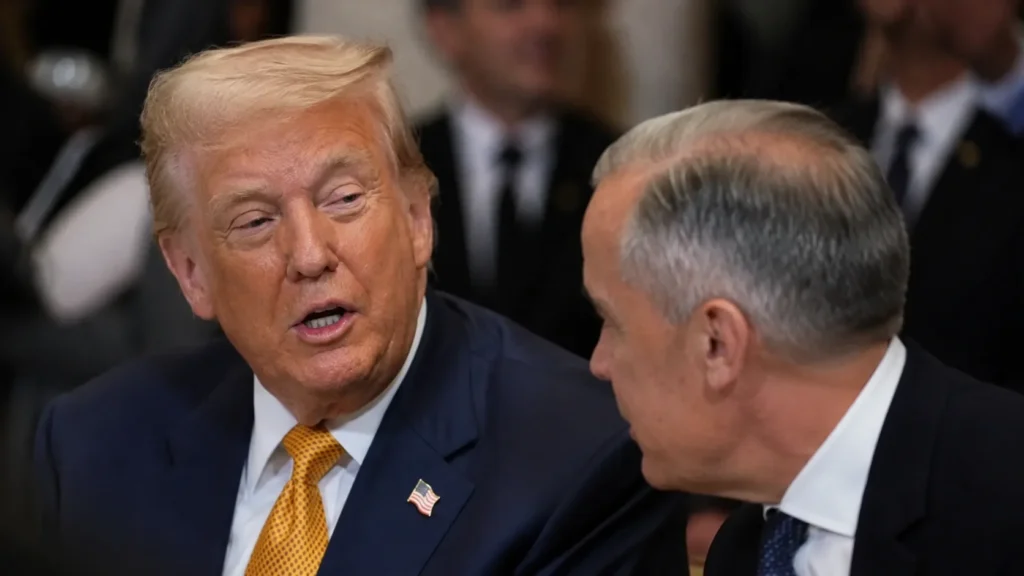
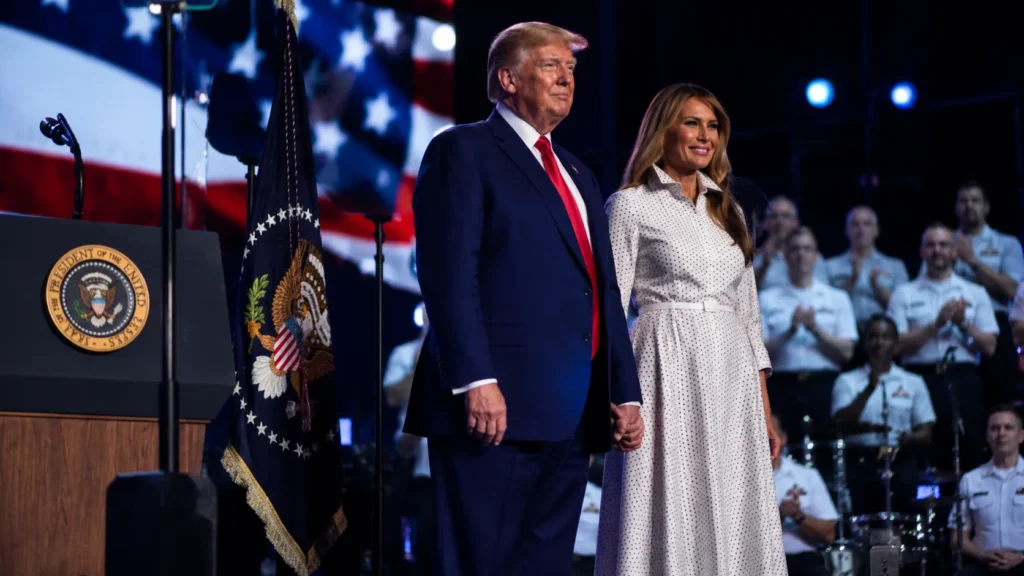
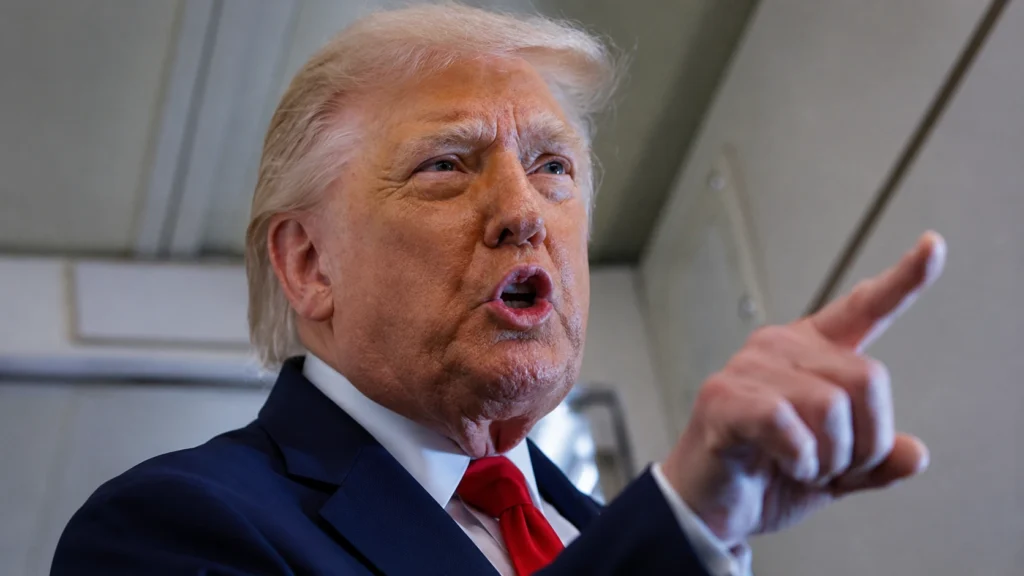
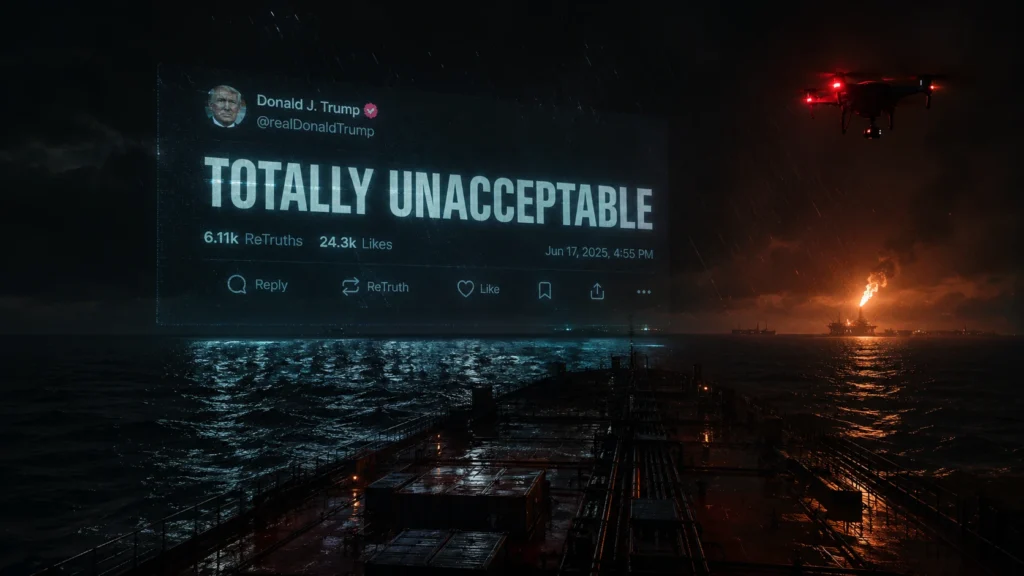
Trump responded on Truth Social within hours: “So, I have Iran on the ‘ropes,’ ready to go down for the fall… and the U.S. Senate decides to have a poorly timed and meaningless War Powers Act Vote.”
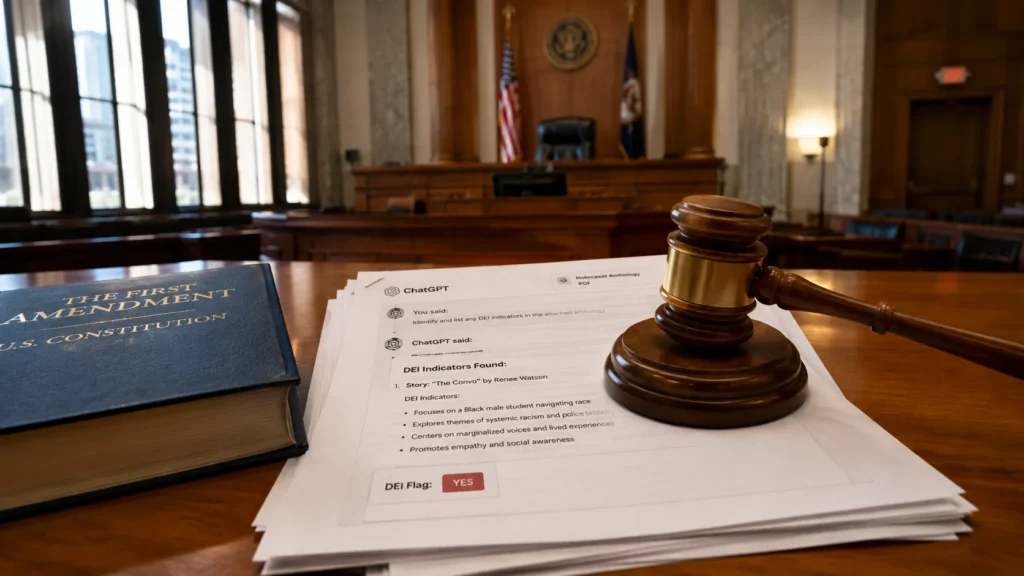
He is not wrong about the meaninglessness. The resolution is a concurrent measure—it expresses the will of Congress but does not go to the president for signature and carries no legal force. It will not stop the war. It will not constrain the president. It is, as Middle East analyst Laura Blumenfeld told the BBC, “more of a slap on a wrist than a handcuff.”
But this is not a story about legislative mechanics. This is a story about Executive Power vs Legislative Authority—the widening gap between what Congress says it wants and what it can actually compel, and the gap is where the midterm elections will be fought.
The War Powers Resolution at 53: An Instrument That Stopped Working
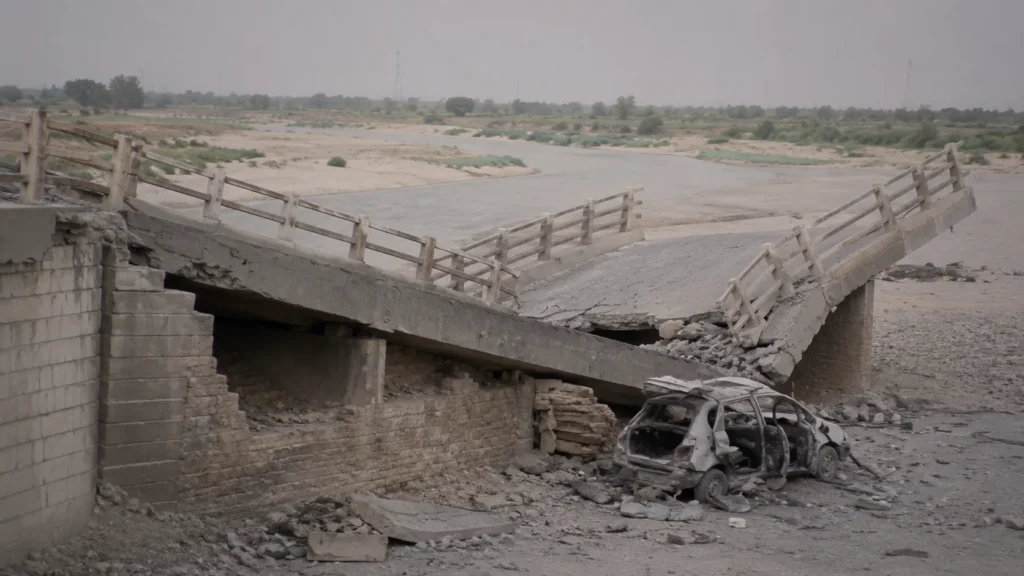
The War Powers Resolution of 1973 requires congressional approval for military actions lasting more than 60 days. The US-Israel strikes on Iran began on 28 February. The White House argues that the ceasefire agreed on 7 April reset the clock. The argument is legally convenient and constitutionally untested. A federal law designed to constrain executive war-making now depends on the executive’s interpretation of when a war stops and starts.
The Pentagon asked Congress for roughly $80 billion on Tuesday, most of it to pay for the Iran conflict. The same day, the Senate held its tenth war powers vote since the war began—all forced by Democrats, all largely symbolic. The pattern is established: Congress funds the war while simultaneously voting to express disapproval of it. The contradiction is not hypocrisy. It is structural. The power of the purse is real but slow. The War Powers Resolution is fast but toothless. Between the two, the president operates with near-total operational freedom.
A White House official told the BBC that with the ceasefire in place, “there are no hostilities from which to withdraw American forces.” The argument is elegant. The war is over, legally speaking, because the administration says it is over. The 60,000 US troops in the region are no longer engaged in hostilities because the administration defines them as not engaged in hostilities. The resolution instructing the president to end a war he has already declared ended cannot constrain him. The circle is closed.
The Republican Fracture: Four Senators and a Midterm
The four Republican defectors are the story beneath the story. Paul is a longstanding anti-interventionist whose vote was predictable. Murkowski, Collins, and Cassidy are not. They represent a faction of the party that has grown uneasy with the war’s unpopularity as petrol prices remain elevated and the midterm elections approach in November.
Republicans hold slender majorities in both chambers. The House vote earlier this month passed 215-208 with four Republican defections. A White House official noted the Senate resolution only passed because two Republicans—Mitch McConnell and Dave McCormick—were absent. The implication was that a full chamber would have killed it. The implication is also a confession of vulnerability. A two-vote margin in the Senate is not a firewall. It is a warning.
The resolution was the latest in a series of Republican defections from the White House. The party has rejected Trump’s proposed $1.8 billion “anti-weaponisation” fund. It has approved Ukraine aid over administration objections. The fractures are not yet a split. They are becoming a pattern. The midterms will determine whether the pattern hardens into something more consequential.
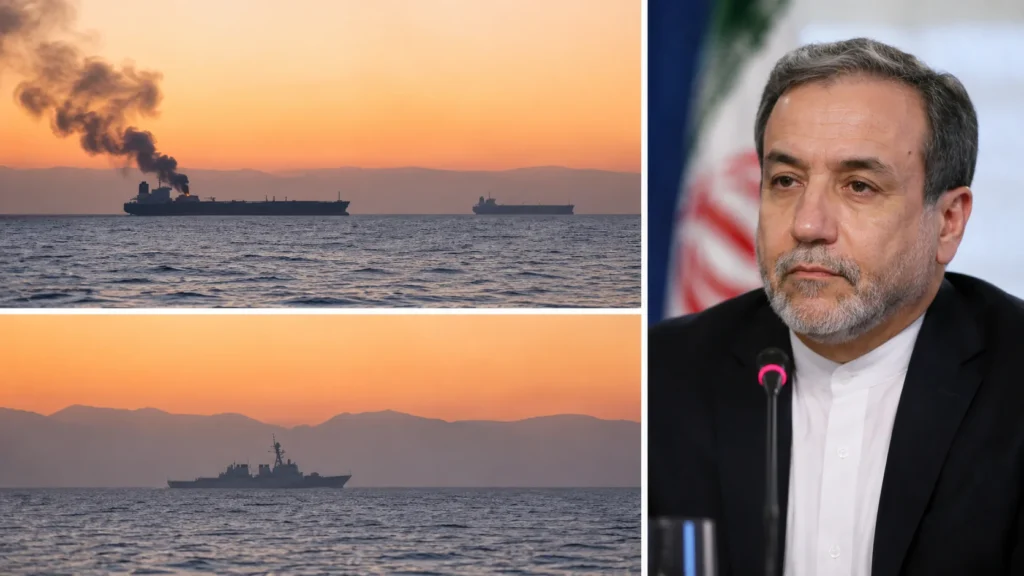
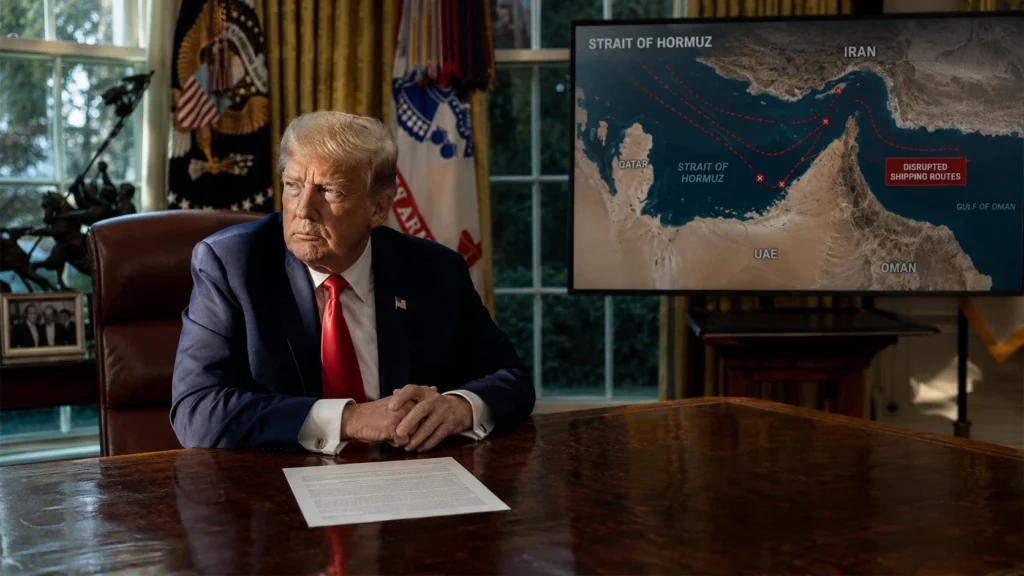
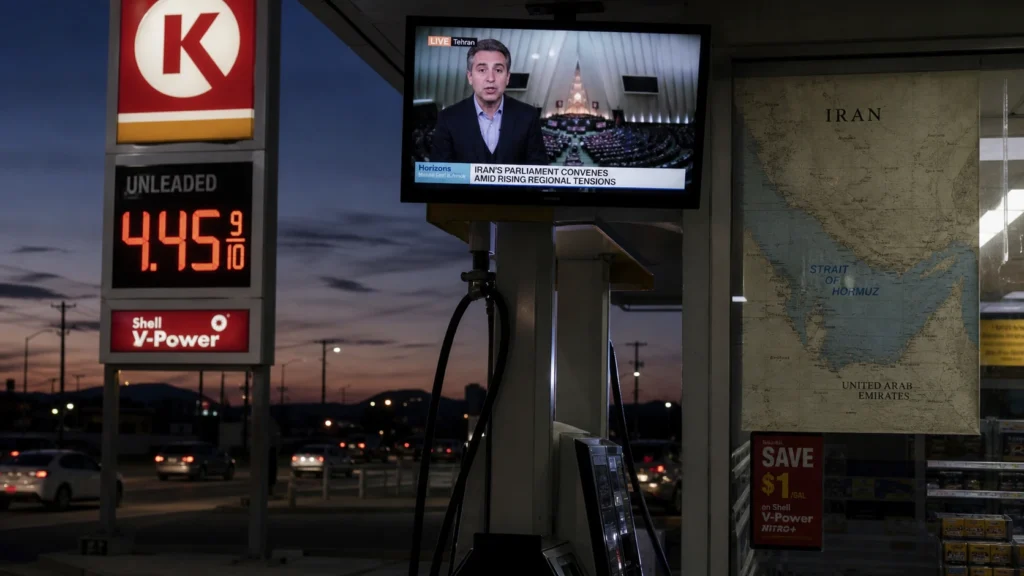
The human pressure layer is straightforward. Petrol prices spiked when the Strait of Hormuz closed. They have retreated but not recovered. Voters feel the cost of the war every time they fill their tanks. The administration has a peace deal to sell. The peace deal is fragile—the US and Iran are publicly contradicting each other on nuclear inspections and strait tolls—but it provides a narrative. The war is ending. The pain was temporary. The narrative competes with the price at the pump. The pump usually wins.
Power Recalibration: Who Gained What
Congress gains a precedent but no power. The concurrent resolution establishes that both chambers can pass a war powers measure for the first time in 53 years. It also establishes that such a measure can be ignored without consequence. The precedent cuts both ways. Future Congresses will cite this vote as proof that the legislature can act. Future presidents will cite its ineffectiveness as proof that it does not matter.
The executive gains confirmation of its autonomy. Trump’s response—”poorly timed and meaningless”—is an accurate description of the resolution’s legal effect. The White House has now demonstrated that it can prosecute a five-month war, negotiate a ceasefire, commit to a 60-day final agreement framework, and request $80 billion in additional funding, all while Congress passes resolutions that change nothing. The imbalance is not new. It has rarely been this explicit.
The Republican Party gains an internal fault line. The four defectors are not a caucus. They are not yet a movement. But they are a signal to donors, primary challengers, and general election voters that the party’s relationship with the president on foreign policy is contested. The midterms will measure how much that contestation costs.
The anti-war movement gains a symbolic victory and a strategic problem. The resolution passed. The war continues. Organizing around congressional war powers votes requires convincing voters that the votes matter even when they do not change policy. That is a difficult argument to sustain across an election cycle. The ceasefire complicates it further. The war is unpopular. The peace, however fragile, is popular. The argument that Congress should reassert its authority competes with the relief that the shooting has stopped.
Strategic Outlook: The Midterm Convergence
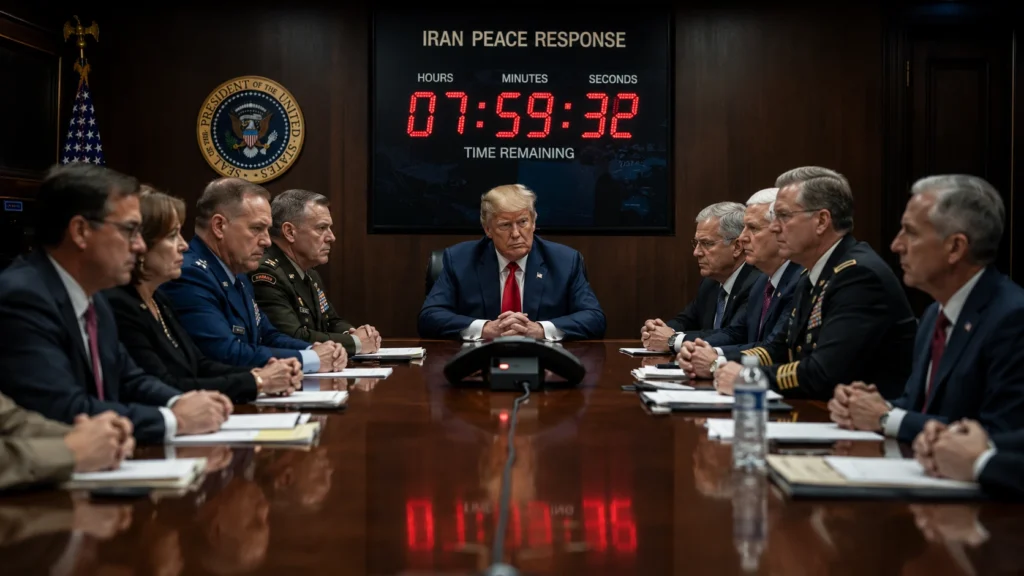
The 60-day clock on the final agreement with Iran runs alongside the November midterm calendar. If the deal holds—if inspections proceed, if the strait remains open, if petrol prices stabilise—the president can campaign on having ended a war he started. The War Powers Resolution becomes a footnote.
If the deal fractures—if Iran denies inspections, if the toll dispute escalates, if the strait closes again—the Republican defectors become the nucleus of a larger revolt. The war’s unpopularity has not dissipated. It has been suppressed by the ceasefire. A breakdown would release it.
The deeper structural question is whether the War Powers Resolution can be reformed to carry legal force, or whether the imbalance between executive war-making and legislative oversight has become permanent. This Congress will not answer that question. The next one might have to.