

 English



































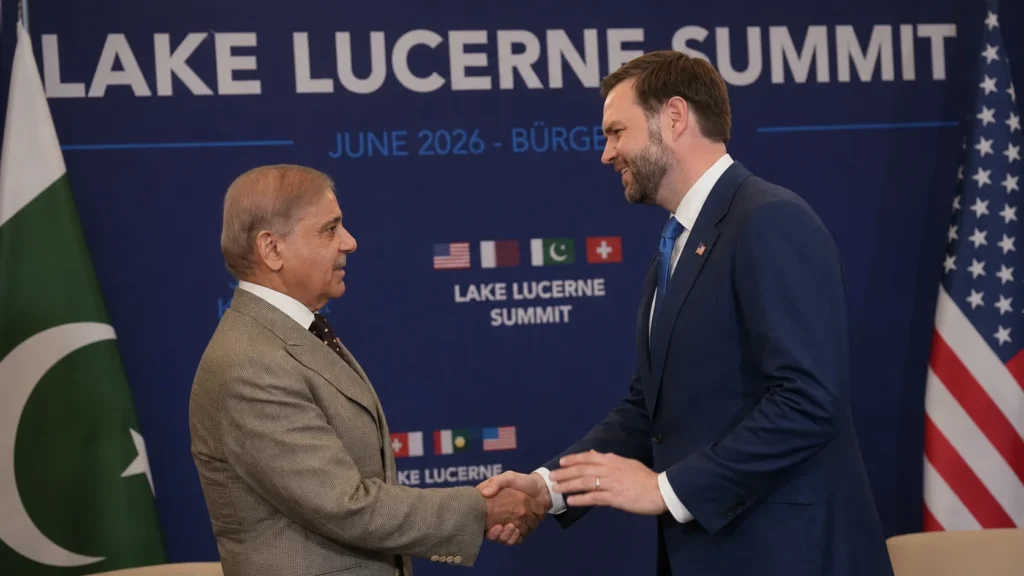





































































































































US and Iran Very Close to Deal but Not There Yet, Vance Says
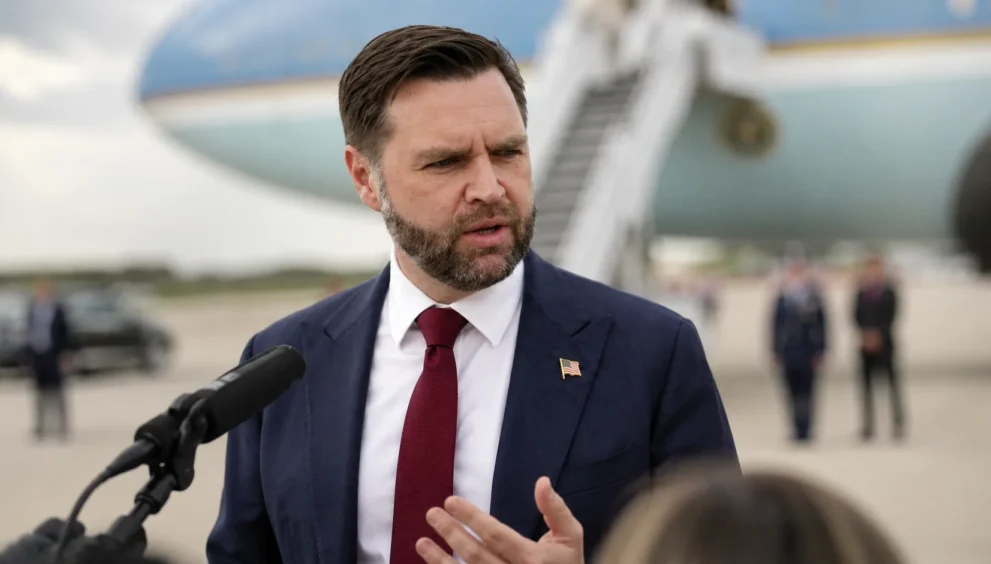
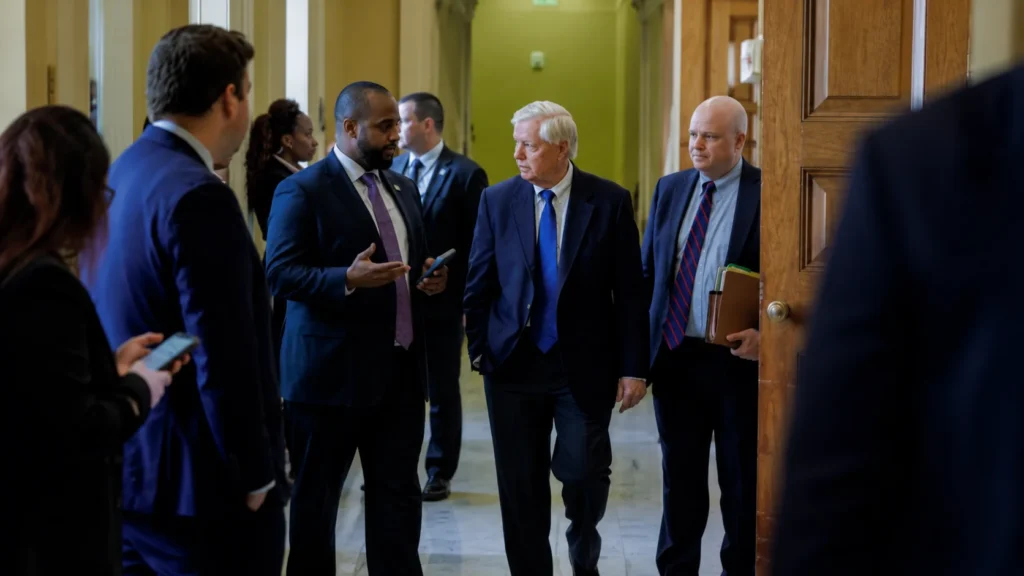
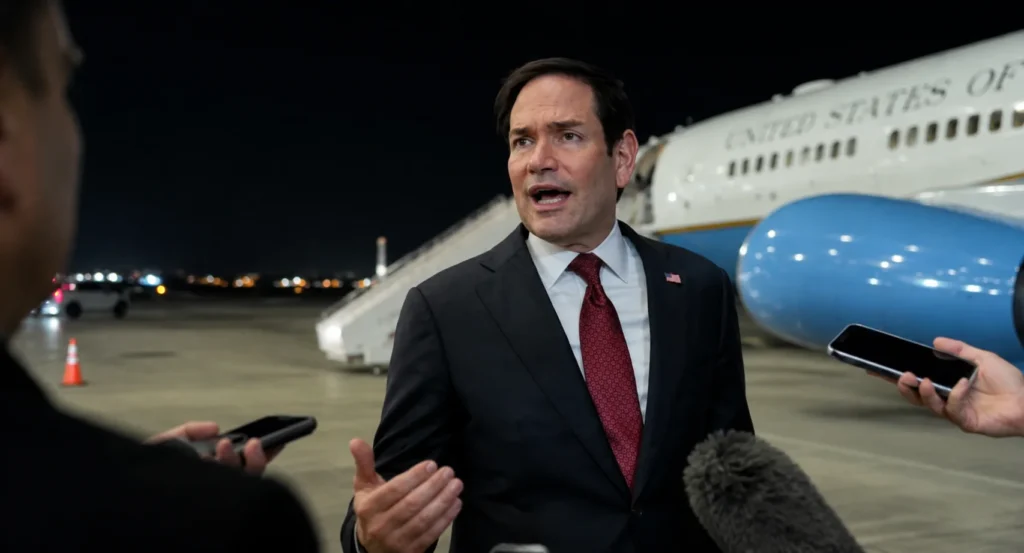
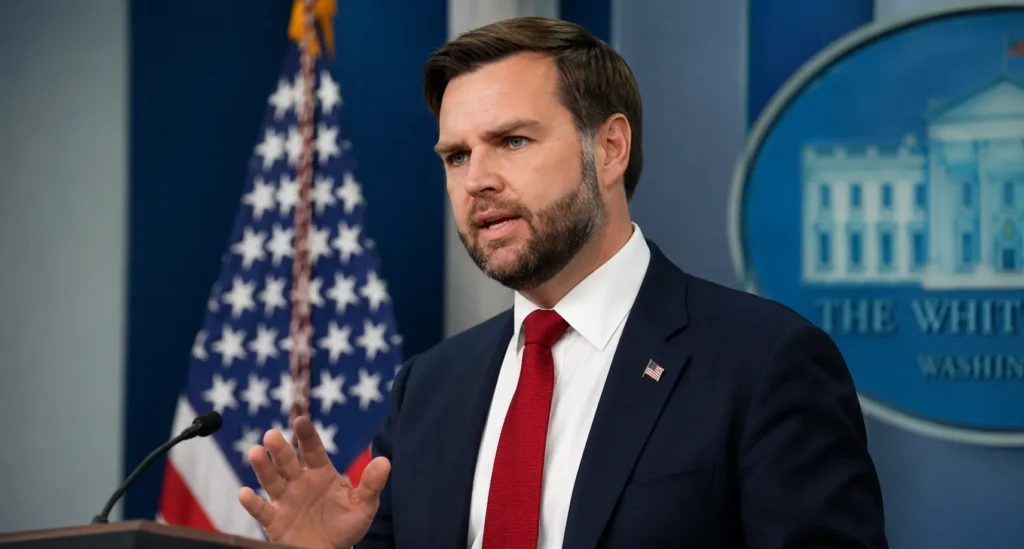
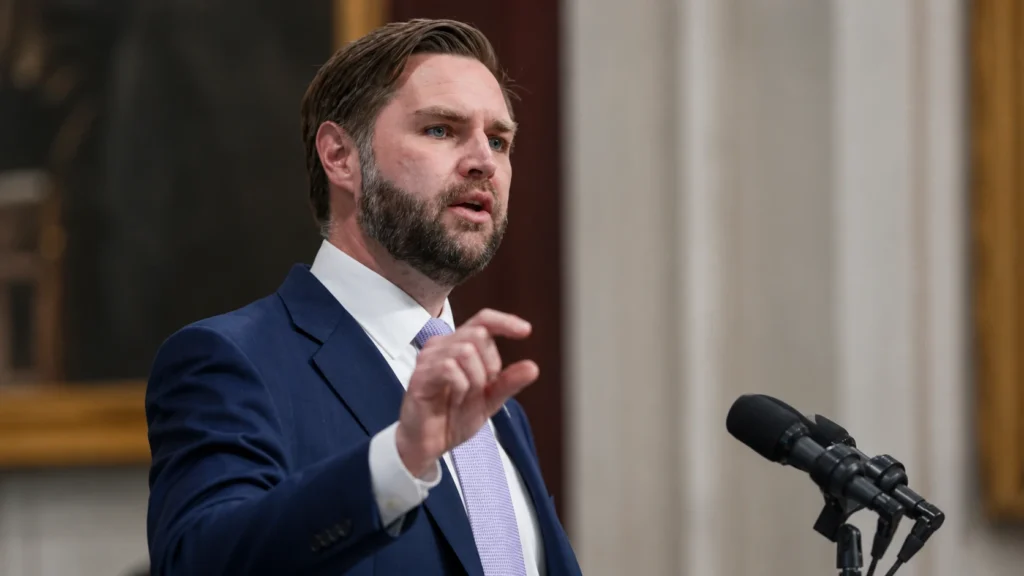
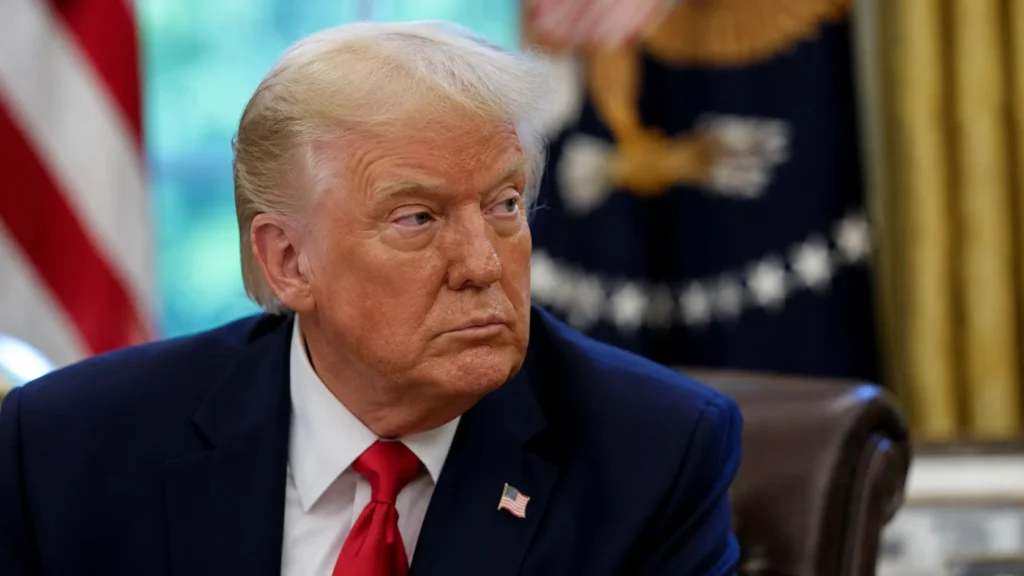
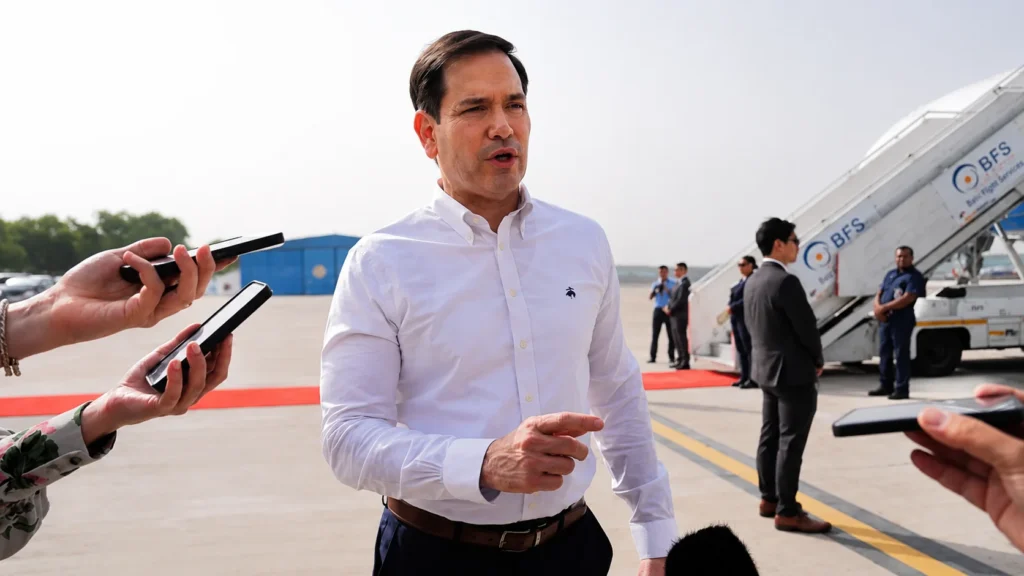
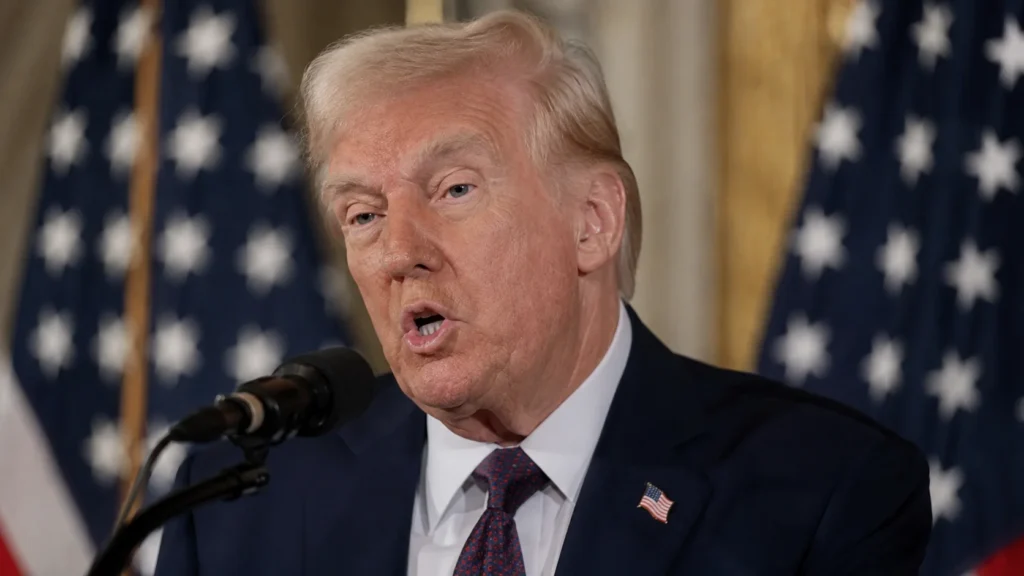
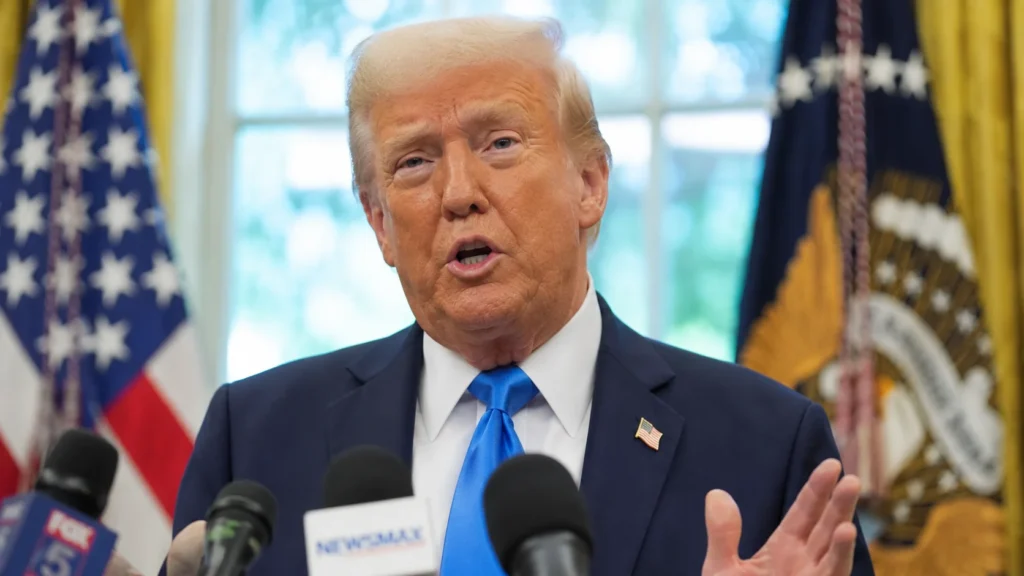
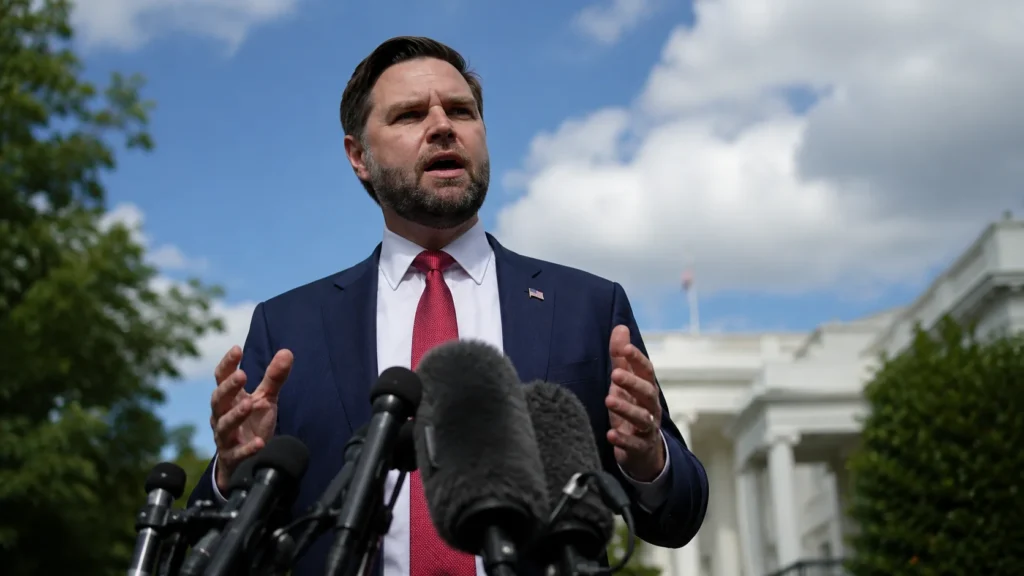
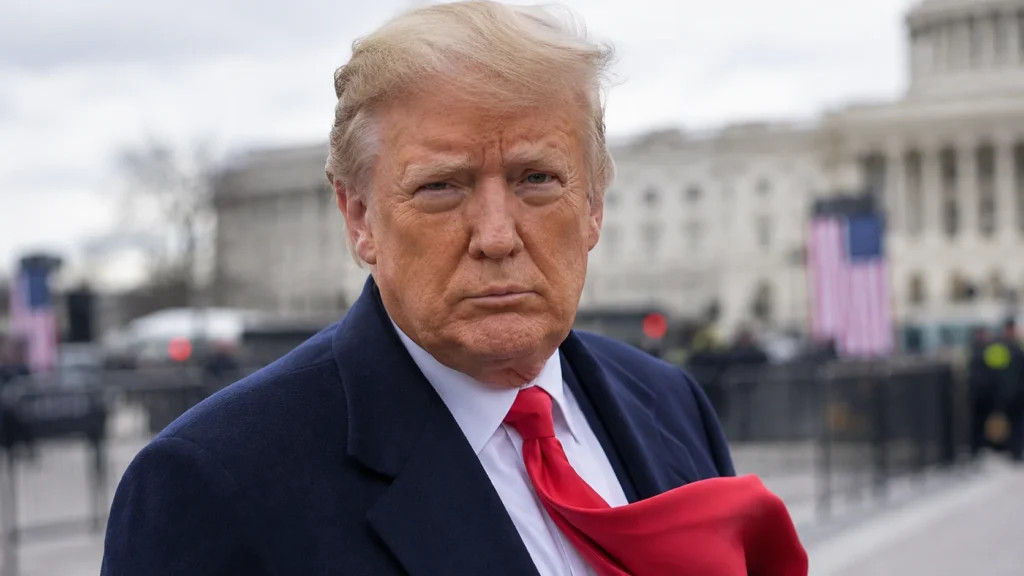
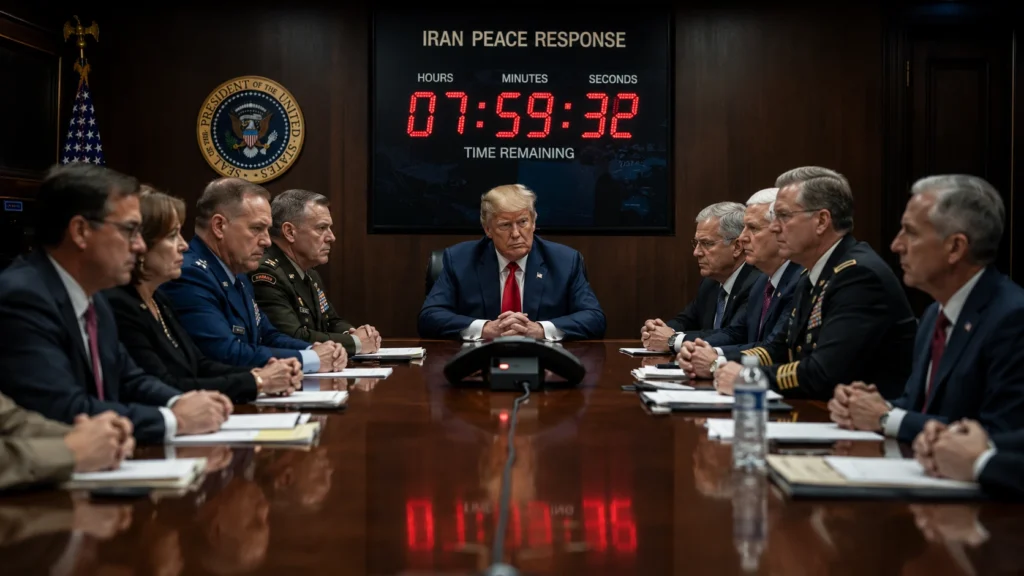
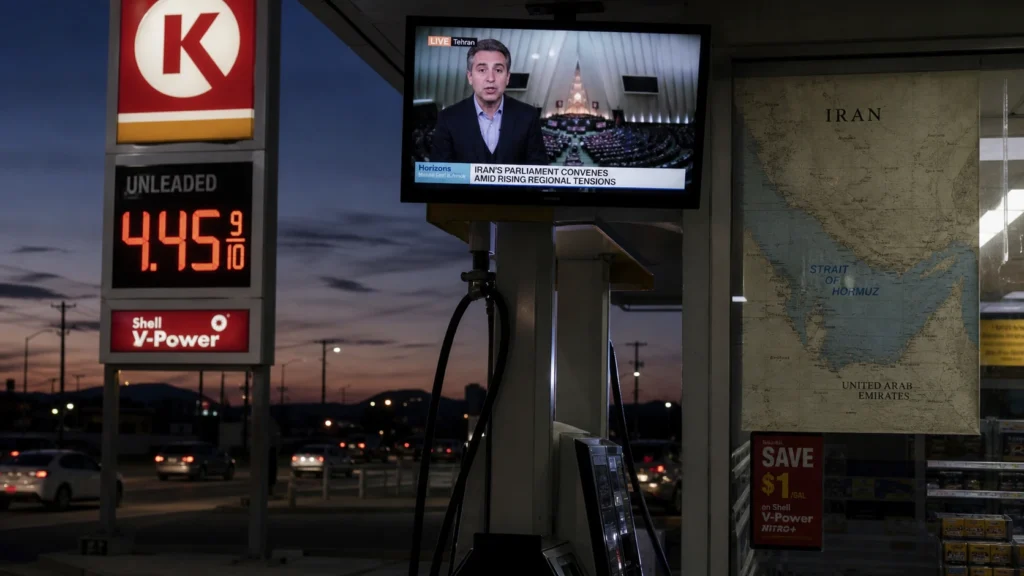
US and Iran very close to deal but not there yet, Vance says as the vice-president told reporters on Thursday evening that negotiators were “going back and forth on a couple of language points,” including the “question of enrichment,” and declined to say “when or if” the two sides would finalise an agreement. Treasury Secretary Scott Bessent earlier declined to confirm a deal had been reached, telling the White House briefing: “It’s always a mistake to get out ahead of the president.” Axios reported that President Donald Trump had been briefed on the proposal but did not immediately sign off and would take a couple of days to consider it. The reported deal would extend the ceasefire for 60 days and launch talks on the future of Iran’s nuclear programme.
What Vance Said
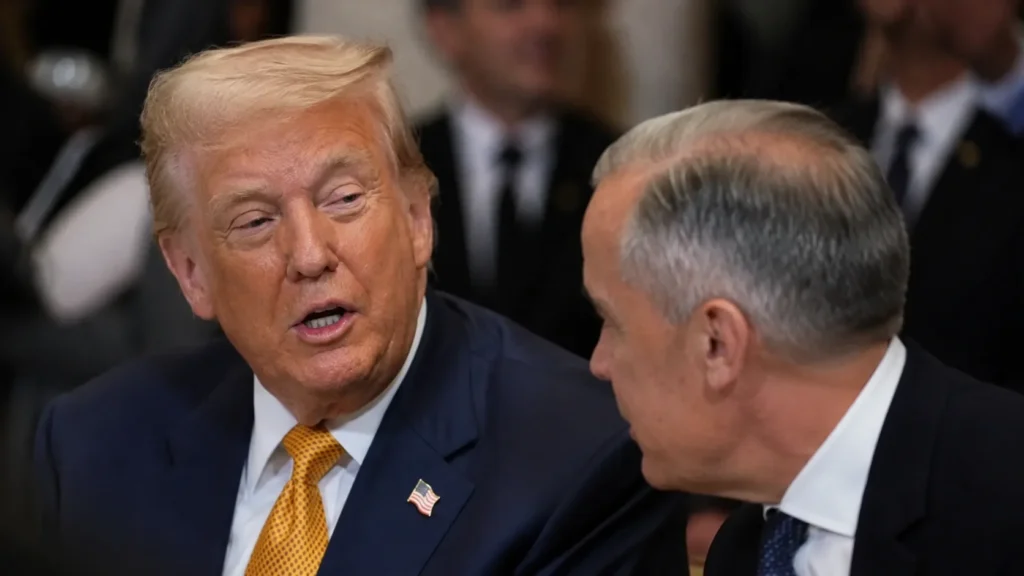
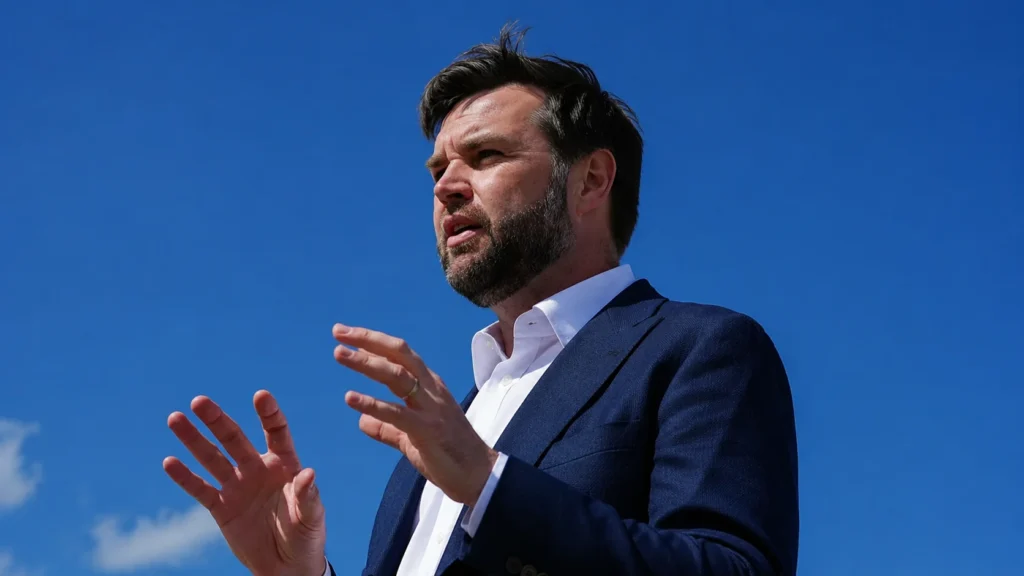
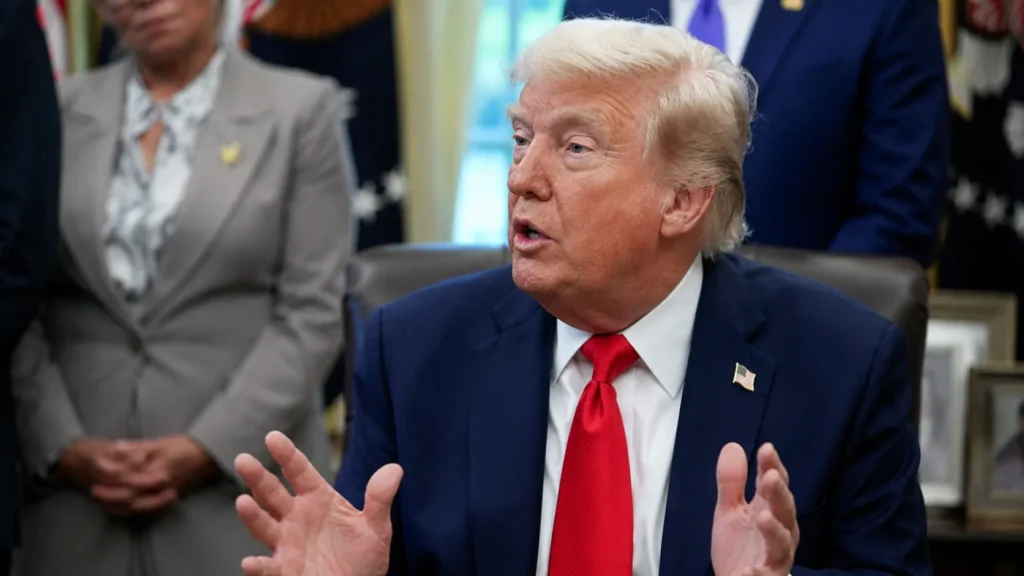
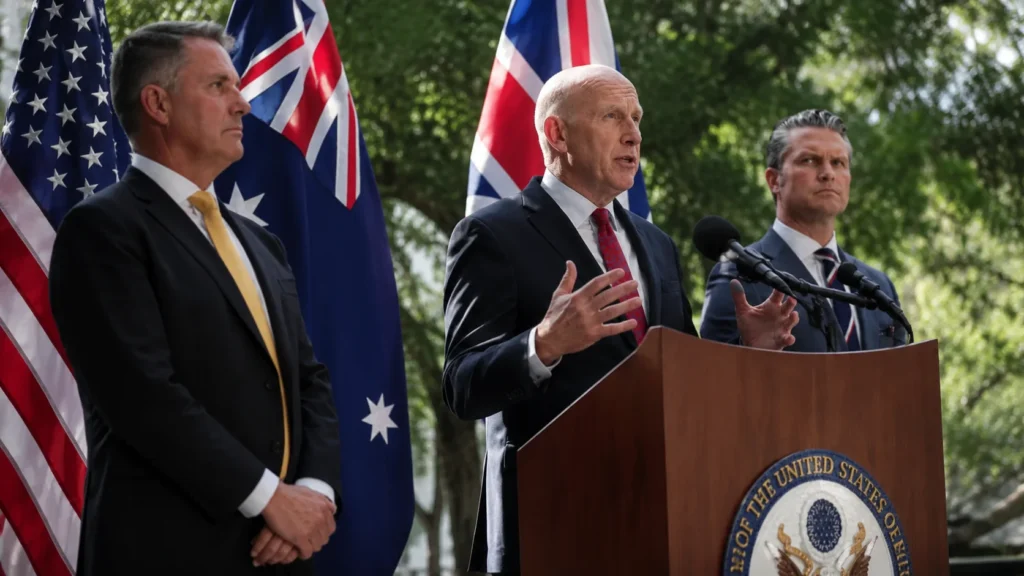
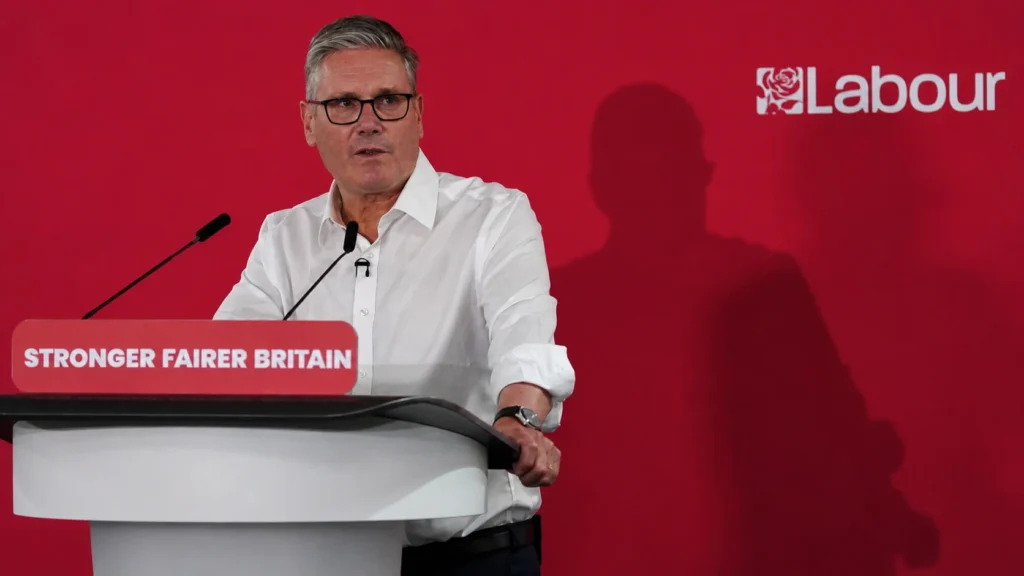
Vance struck an optimistic but cautious tone as he addressed reporters in Washington, D.C. “We’re not there yet, but we’re very close, and we’re going to keep on working at it,” he said. The vice-president said the US believed the Iranians were negotiating in “good faith” Vice-President’s Office press briefing, 29 May 2026.
The unresolved language points centre on the “question of enrichment,” Vance confirmed. The US has long demanded that Iran stop producing highly enriched uranium and dispose of its existing stockpile, which at 60% purity sits a short technical step from weapons-grade. Trump has suggested the US could take the material, or that the two countries could dilute it together in place or in a third location.
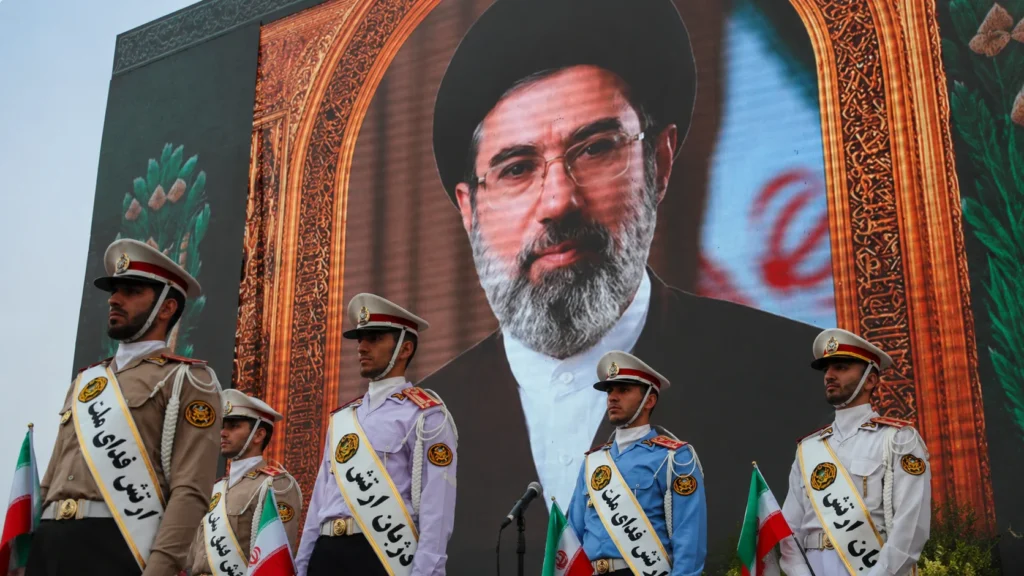
Iran’s semi-official Tasnim news agency reported the deal had not been finalised or confirmed. On Wednesday, Iranian state media had published elements of what they described as an unofficial draft of a 14-point memorandum. The White House called that document a “complete fabrication” White House statement, 28 May 2026.
Iran’s 14-point memorandum leak — what Tehran wants from the deal
What the Reported Deal Includes
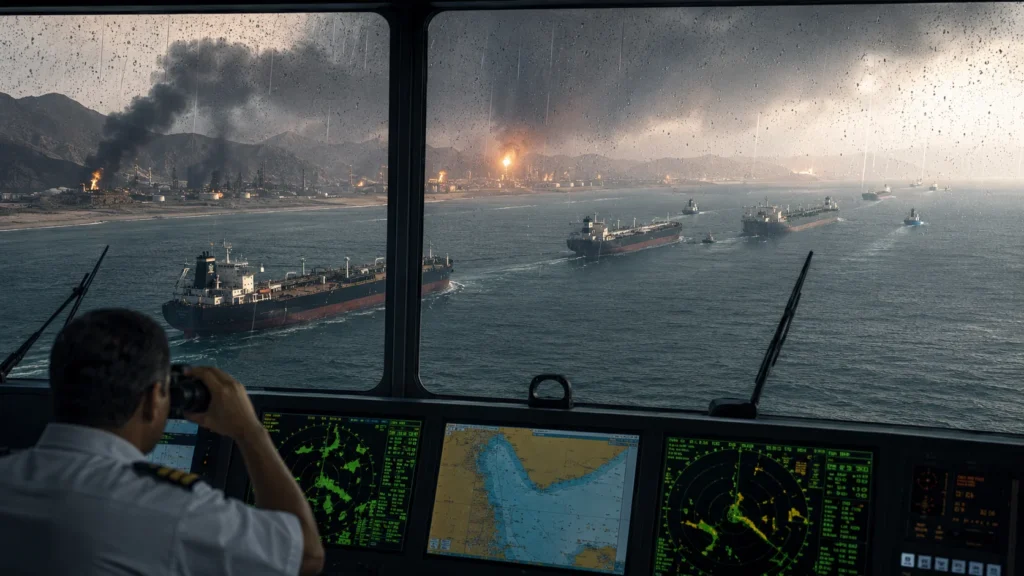
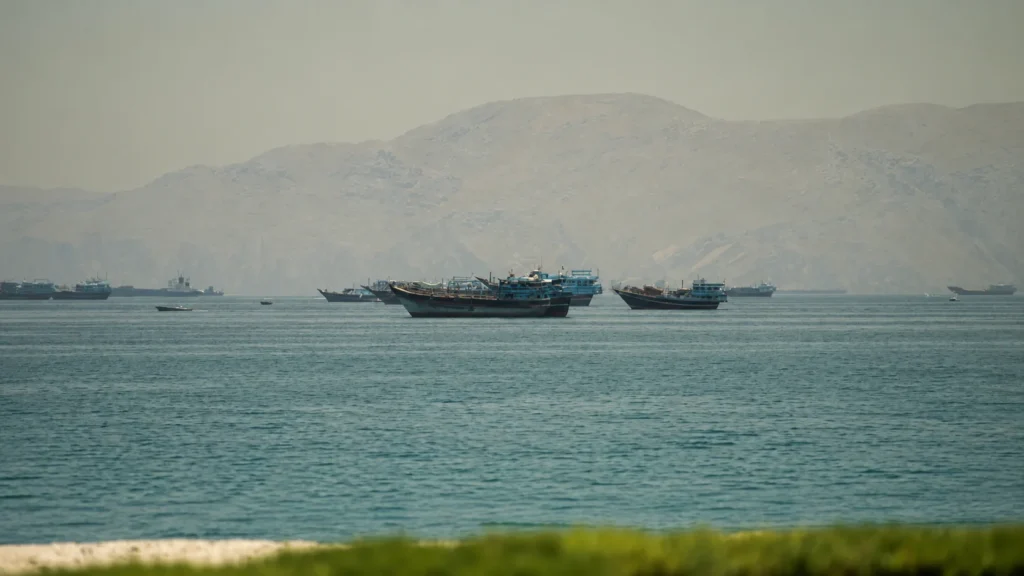
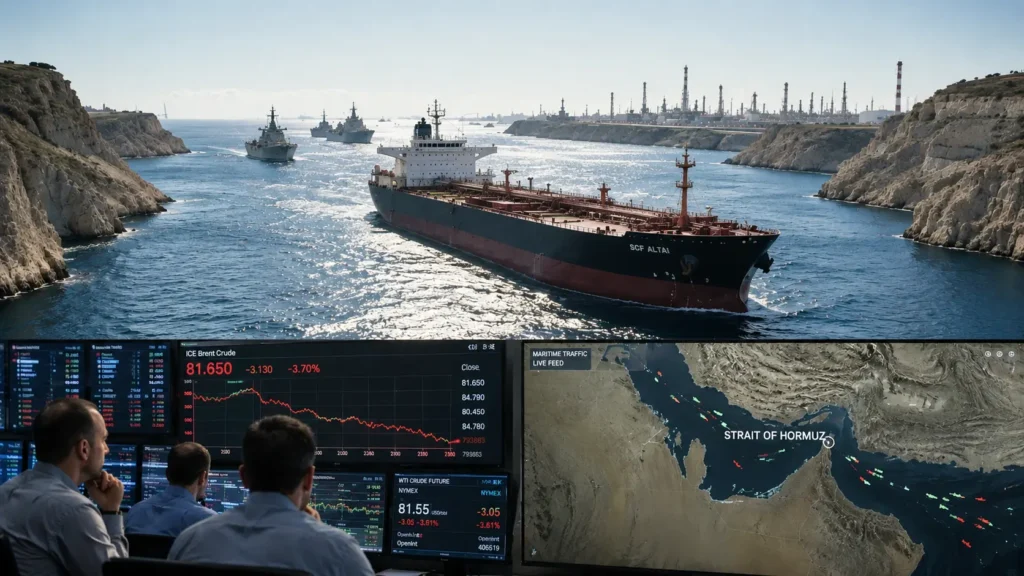
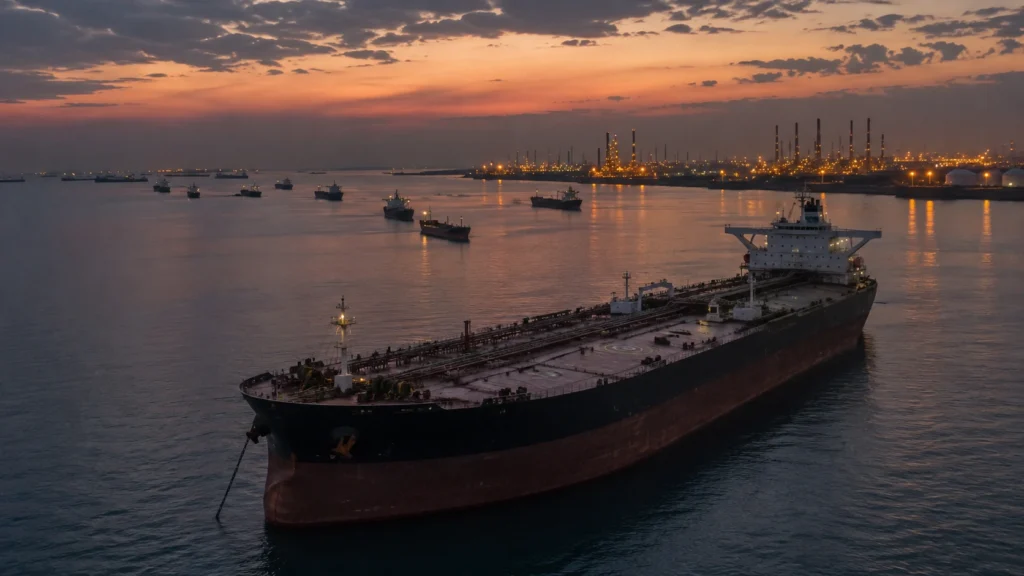
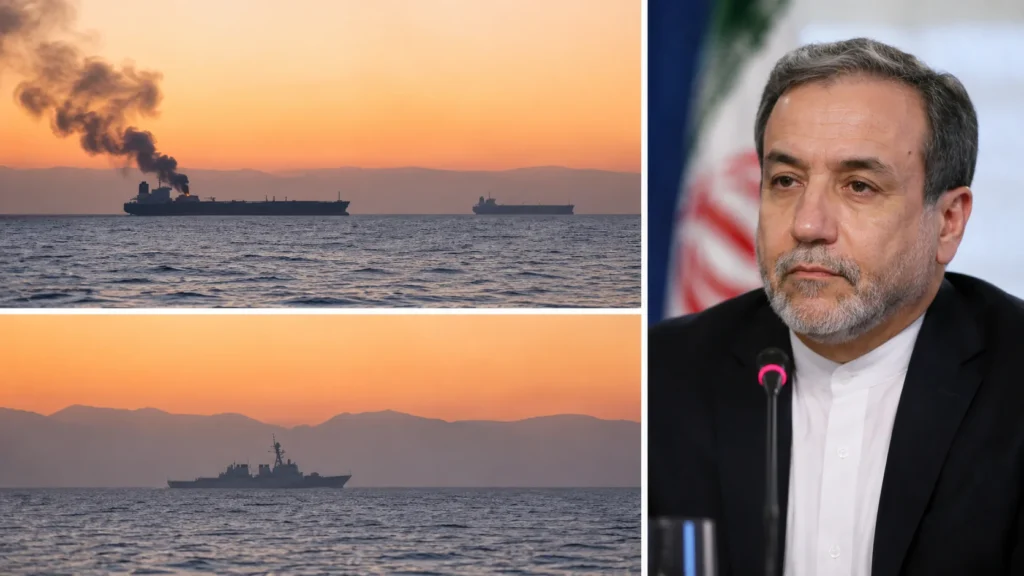
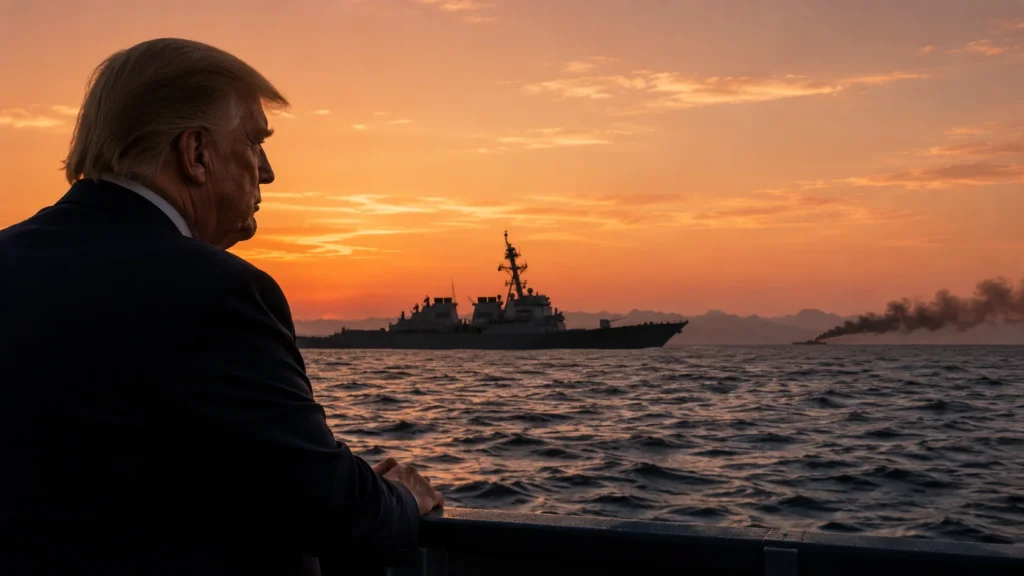
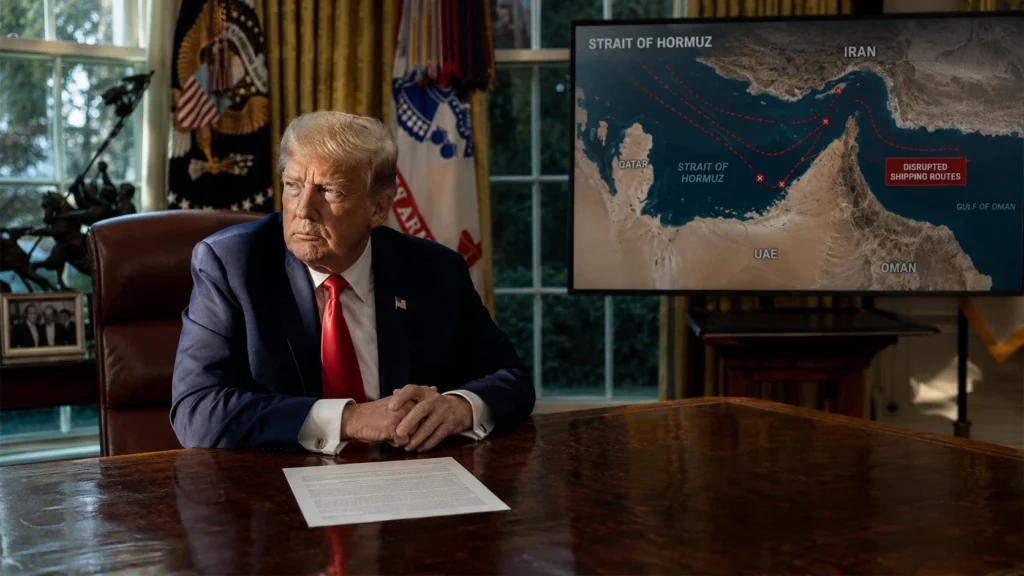
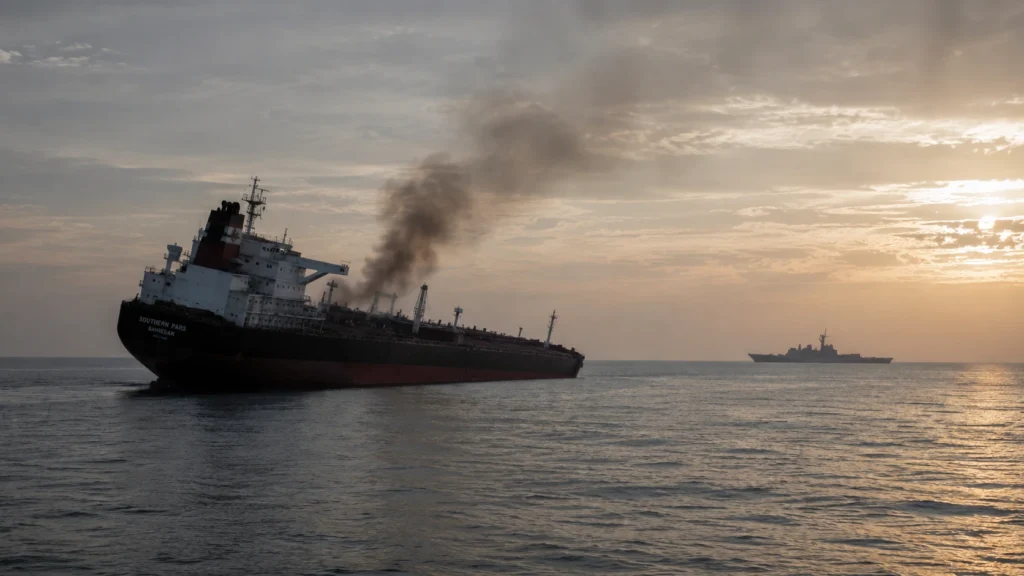
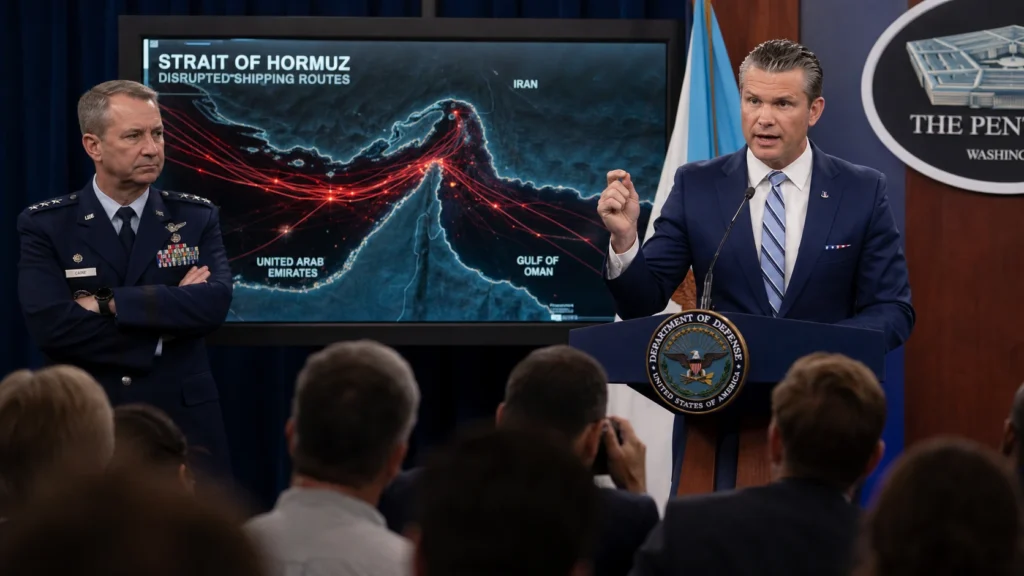
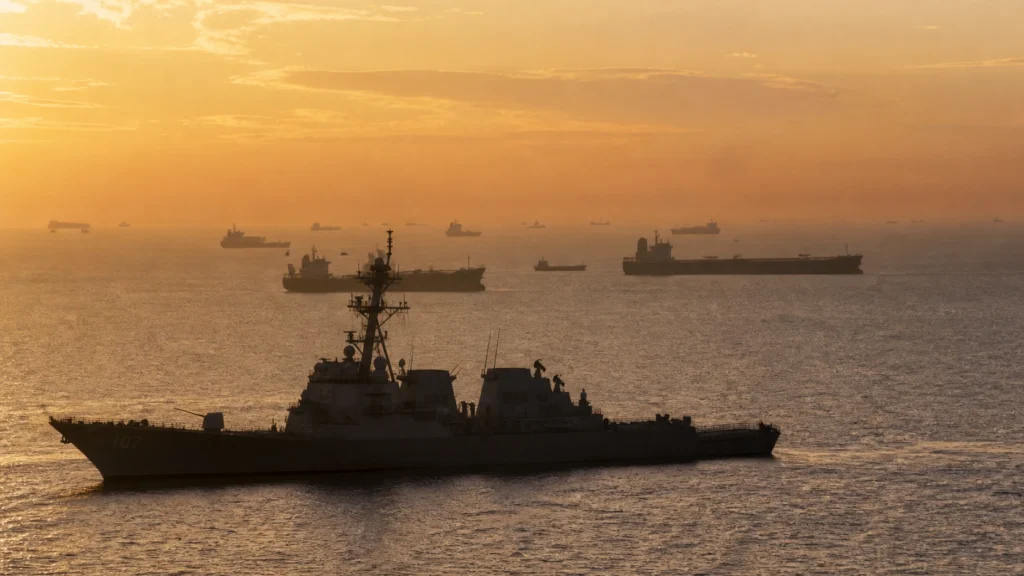
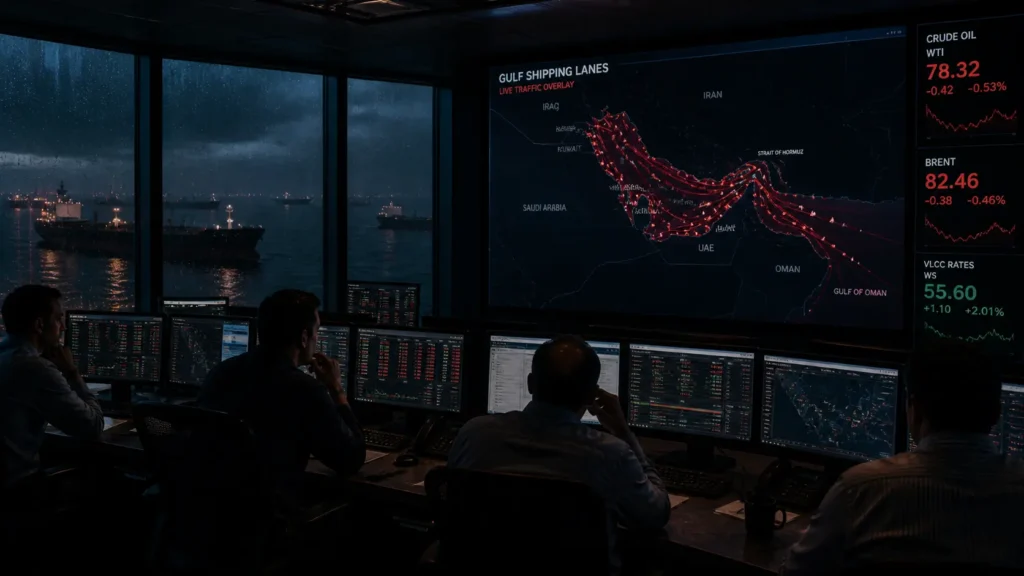
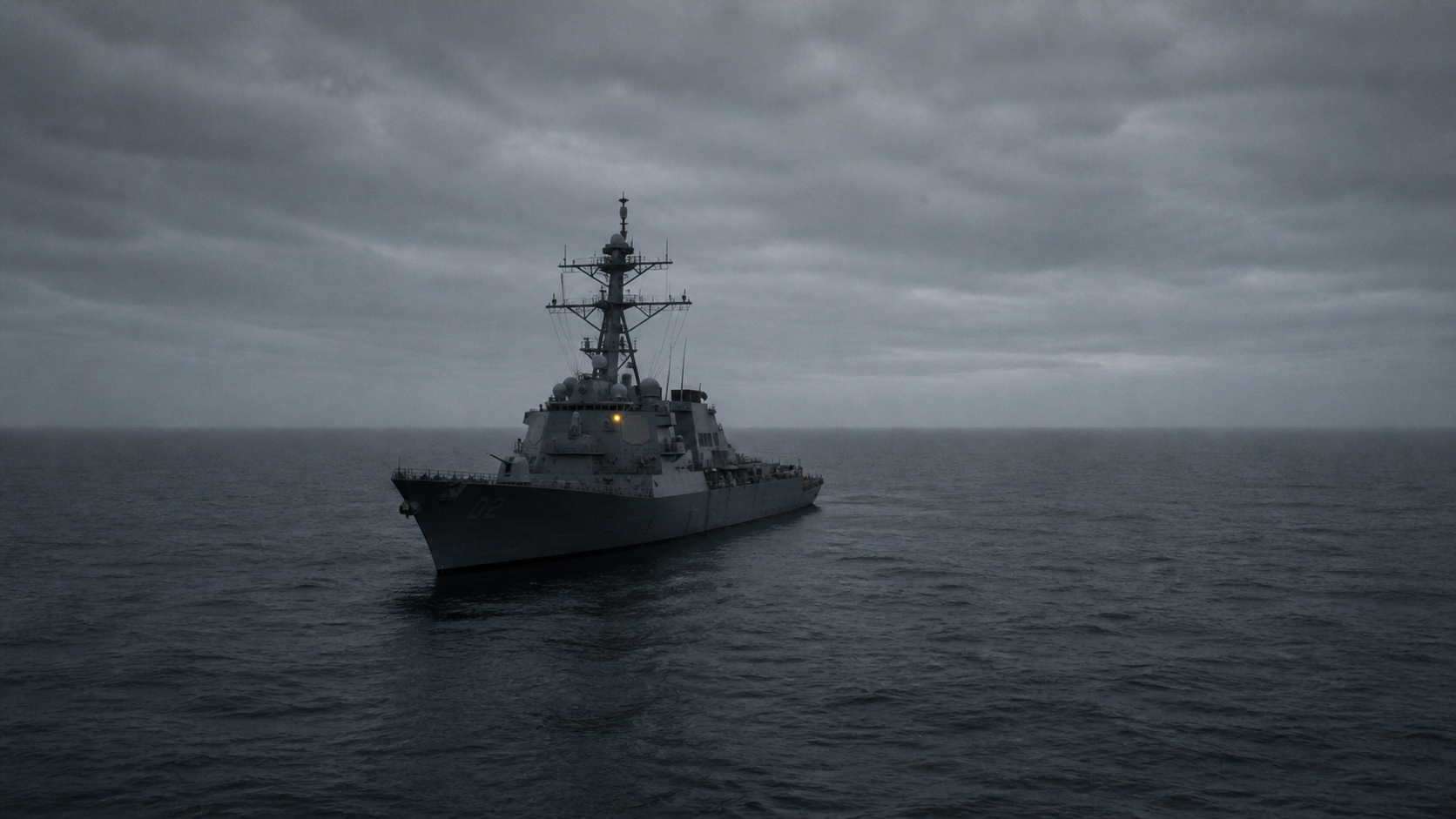
Axios, which first reported the tentative agreement on Thursday, said the deal could allow “unrestricted” passage through the Strait of Hormuz, with Iran given 30 days to remove mines from the narrow shipping passageway. The US would lift its naval blockade and issue sanctions waivers, allowing Iran to resume oil sales Axios report on Iran deal framework, 29 May 2026.
The 60-day ceasefire extension would allow US and Iranian teams to discuss more complex issues, particularly Iran’s nuclear programme and remaining stockpile of highly enriched uranium.
Trump has faced mounting pressure to end the war, including from Gulf state allies, Democrats who oppose it, and some Republicans in Congress who have raised concerns about the length of the conflict. Polls show 64% of Americans believe the war was the wrong decision, and November’s midterm elections are approaching.
Trump and other officials have warned that “option B,” a return to combat operations, remains on the table if negotiations fail.
Are the US and Iran close to peace or sliding back to war? our earlier analysis
The Ceasefire Under Strain
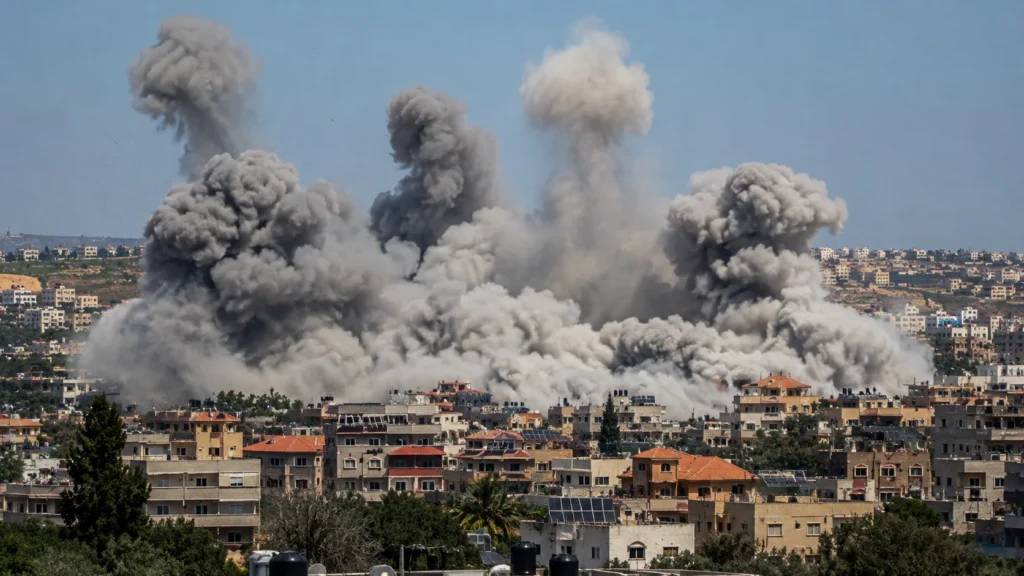
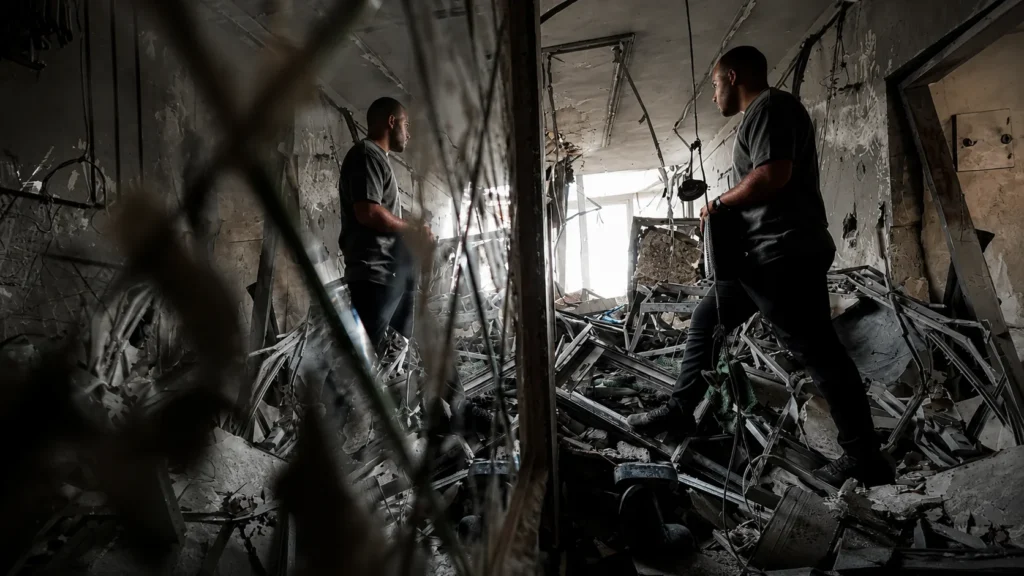
While diplomatic progress was reported, both sides continued to accuse each other of violating the fragile ceasefire in place since 8 April.
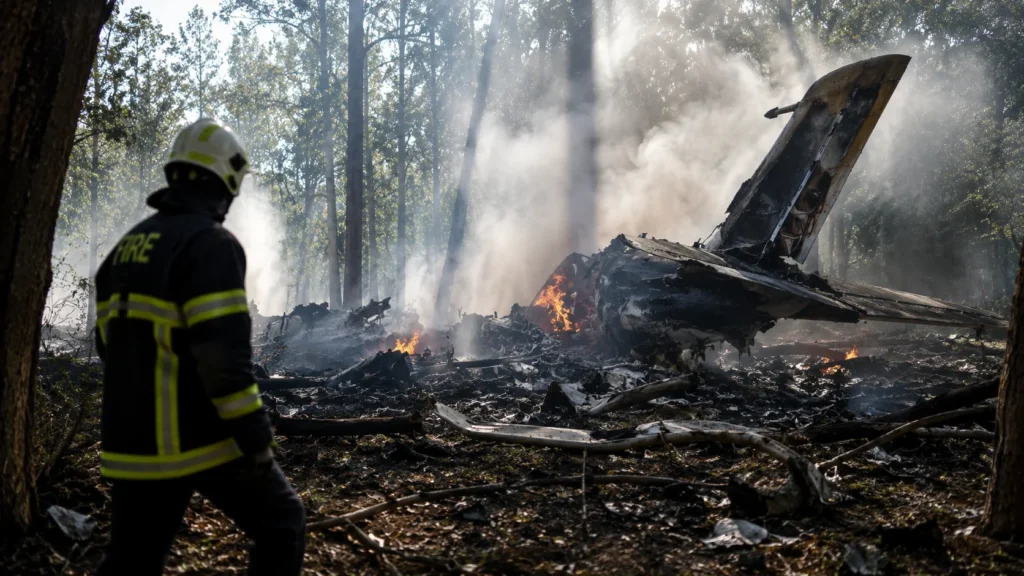
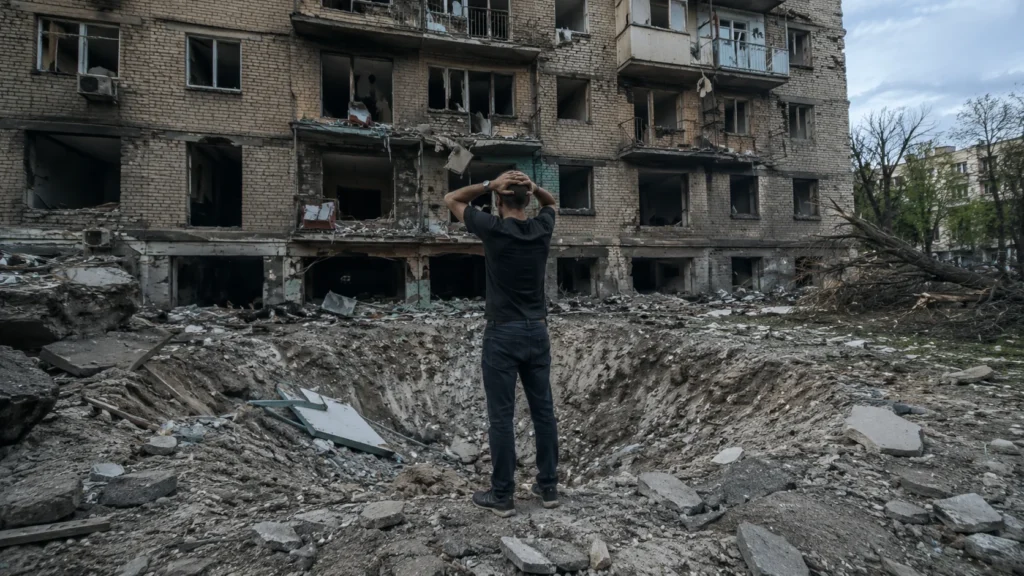
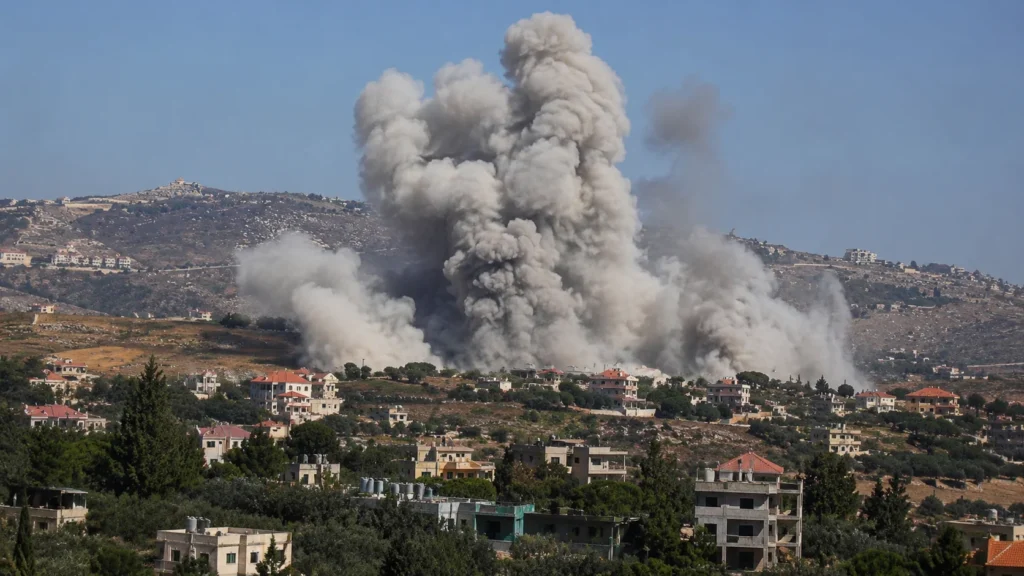
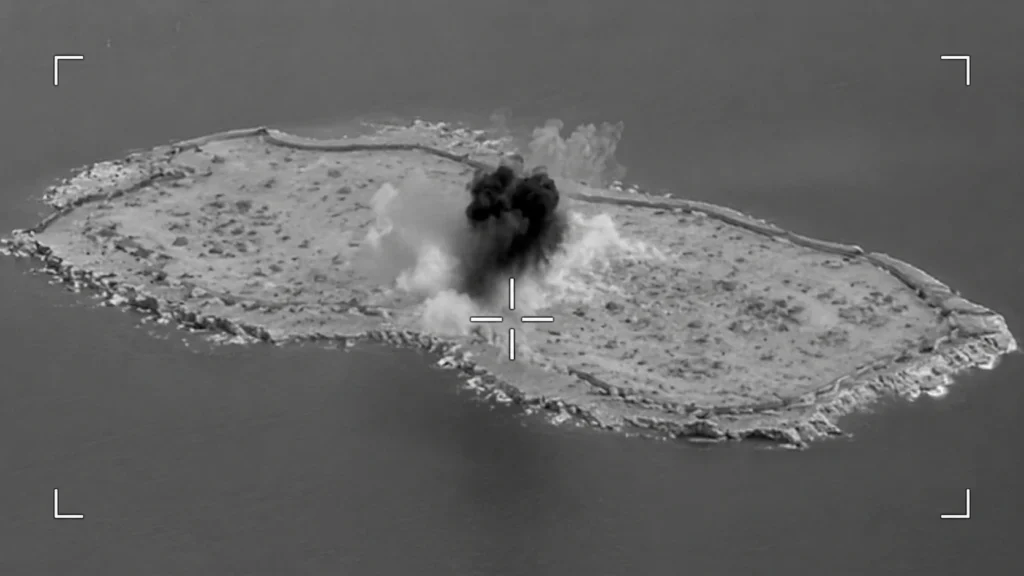
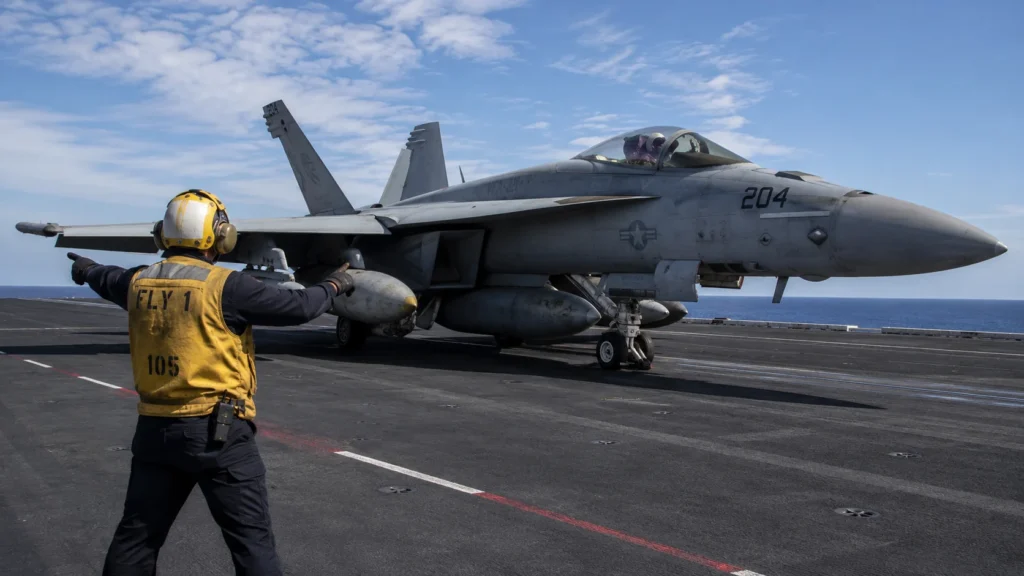
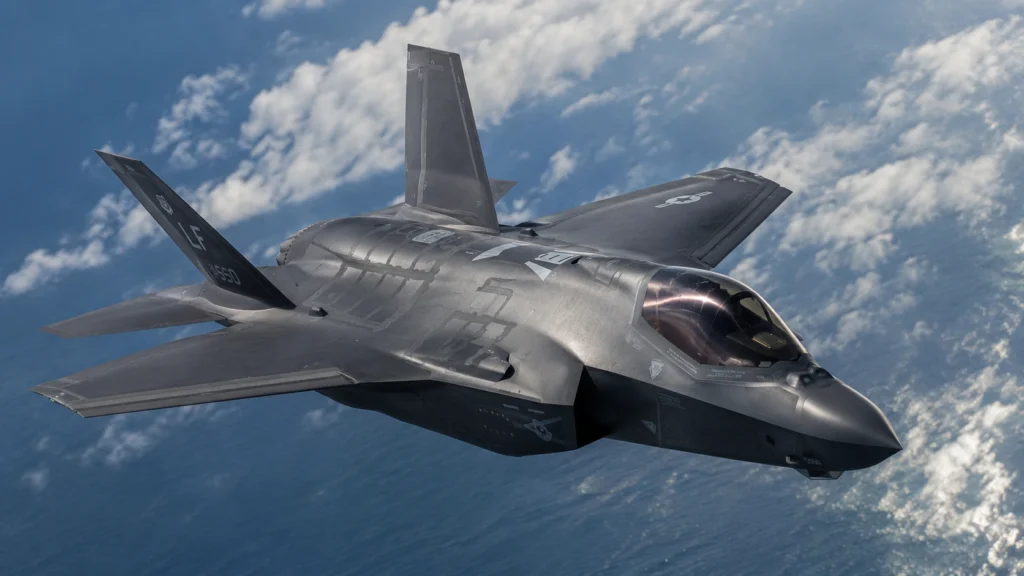
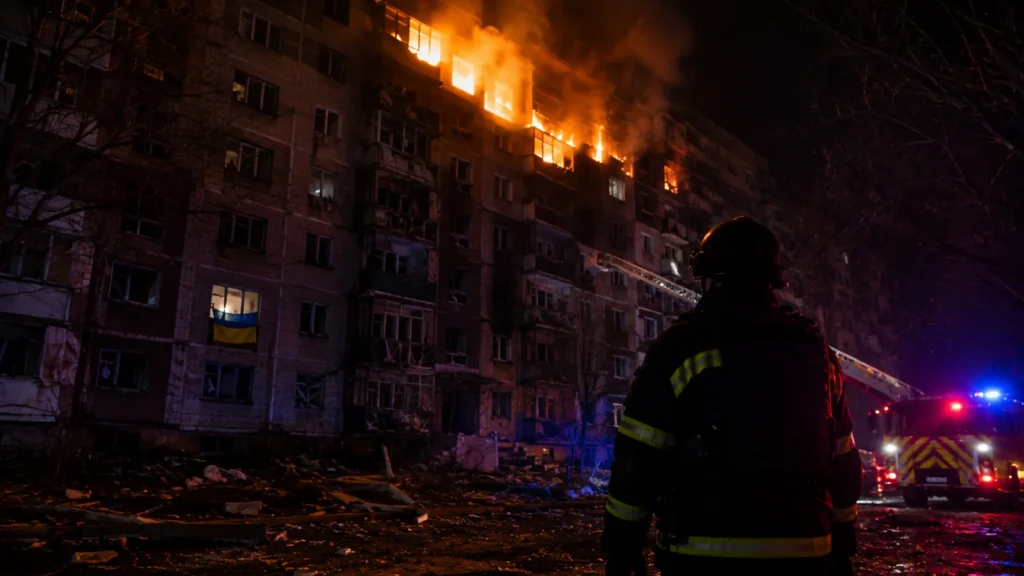
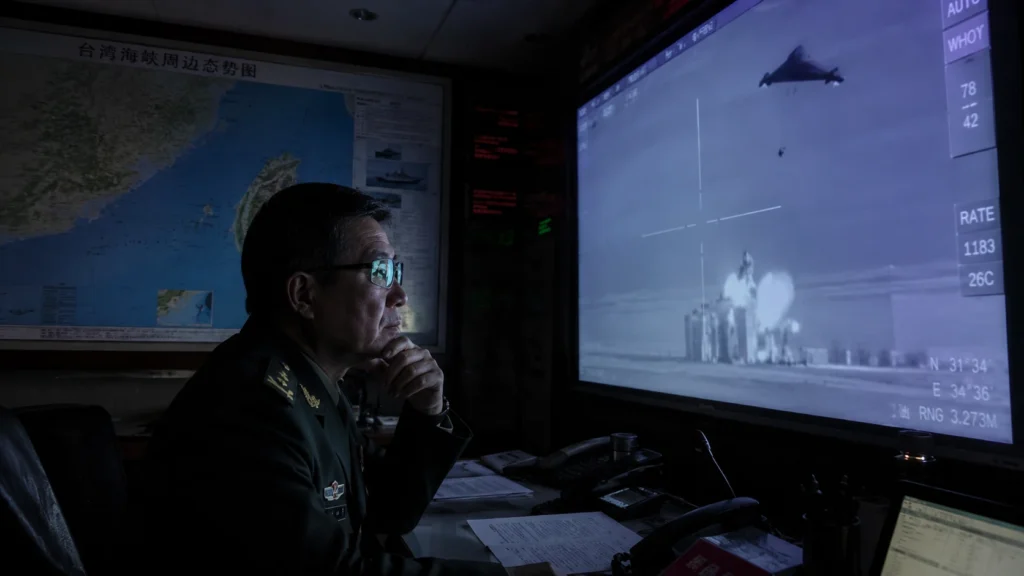
Iran’s Islamic Revolutionary Guard Corps said it targeted a US base in the region on Thursday after fresh US strikes on southern Iran overnight. Iranian state media reported that the country’s forces had taken down a US aircraft, possibly a drone.
US Central Command flatly rejected the reports, stating: “No US aircraft were shot down. All US air assets are accounted for” US Central Command statement, 29 May 2026.
The IRGC’s claim serves Iran’s domestic audience. Centcom’s denial serves US military credibility. Neither alters the language points on enrichment being negotiated through diplomatic channels. The dual track military exchanges continue, while talks advance is now deeply institutionalised.
Iran says it targeted American base after fresh US strikes, the dual track explained
The Approval Architecture
Bessent’s response to a question about whether any eventual peace deal includes “reconstruction” for Iran was telling: “We’ve got to get to the deal before we get to the other side.”
The statement refuses to discuss post-deal scenarios before the deal exists. It also refuses to commit to post-deal scenarios at all. The message to Iran is to sign first and discuss reconstruction later. The message to domestic hawks is that no reconstruction has been promised.
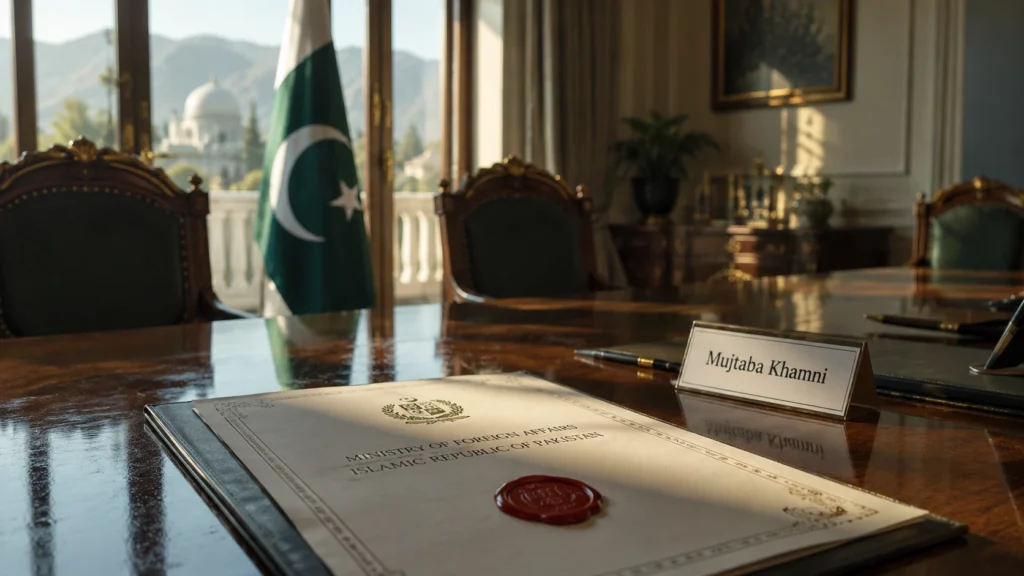
The approval problem is structural. Trump must manage a Republican caucus split between hawks who want the war finished militarily and pragmatists who want it finished politically, plus an Israeli prime minister who demands dismantlement. Iran’s Supreme Leader must manage an IRGC whose constitutional mission does not permit the strategic concessions a final deal requires, and an economy that needs sanctions relief to survive.
Since the initial ceasefire came into effect on 8 April, Trump has repeatedly suggested the two sides are close to a deal. So far, there have been no substantive results.
US-Iran Deal Framework 2026
Are the US and Iran close to a deal?
Vice-President Vance says the two sides are “very close” but “not there yet.” Language points on uranium enrichment remain unresolved. Axios reports Trump will take several days to consider the framework.
What is in the reported deal?
The framework reportedly includes a 60-day ceasefire extension, unrestricted passage through the Strait of Hormuz, 30 days for Iran to clear mines, the US lifting its naval blockade, and sanctions waivers allowing Iran to resume oil sales.
What are the sticking points?
The “question of enrichment” is the key unresolved issue. The US wants Iran to stop producing highly enriched uranium and dispose of its existing stockpile. Where and how that happens remains under negotiation.
Did Iran shoot down a US aircraft?
No. US Central Command said no US aircraft were shot down and all US air assets are accounted for. Iranian state media had claimed a US aircraft was taken down.
When will a deal be signed?
Trump is expected to take a couple of days to consider the framework. Neither side has confirmed a signing date. Vance declined to say “when or if” an agreement would be finalised.
Written by the Foreign Desk, drawing on Vice-President Vance’s press briefing, White House statements, Axios reporting, US Central Command announcements, and Iranian semi-official media. The desk has covered every phase of the US-Iran conflict since the 28 February airstrikes.
Source: Vice-President’s Office, White House, Axios, US Central Command, Tasnim News Agency