

 English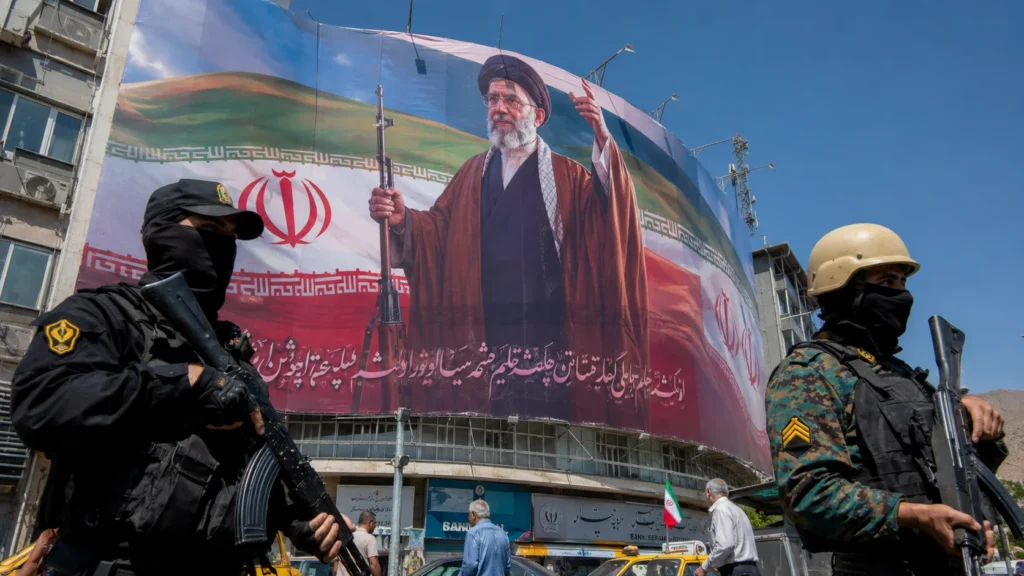

























































































































































Zelensky’s Letter to Putin Reshapes the Ukraine War’s Logic
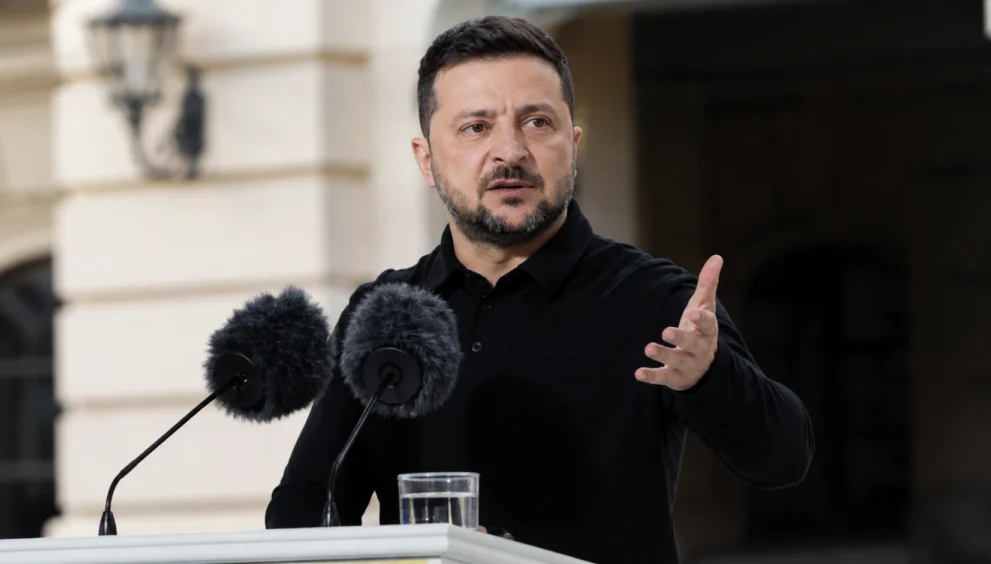
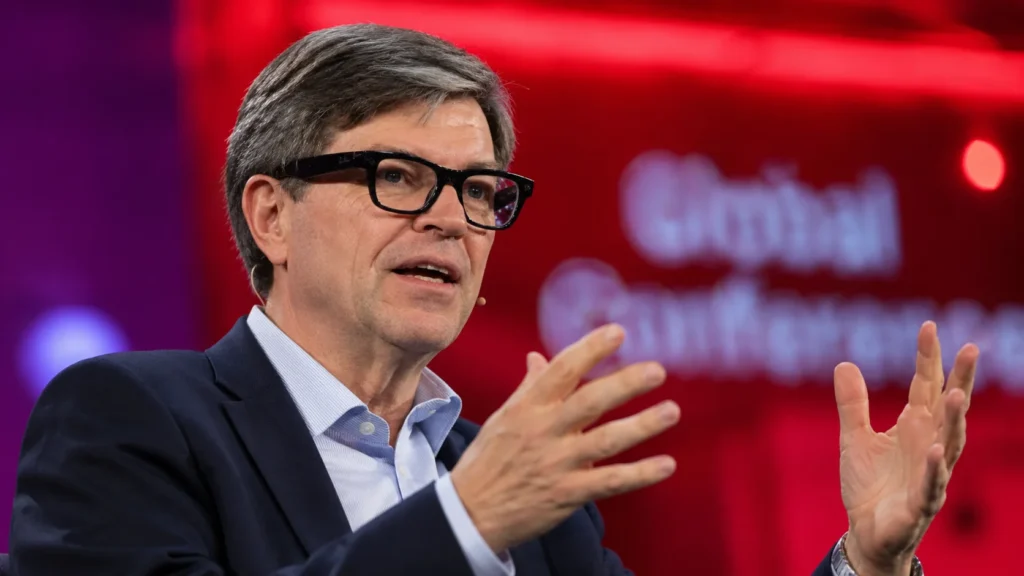
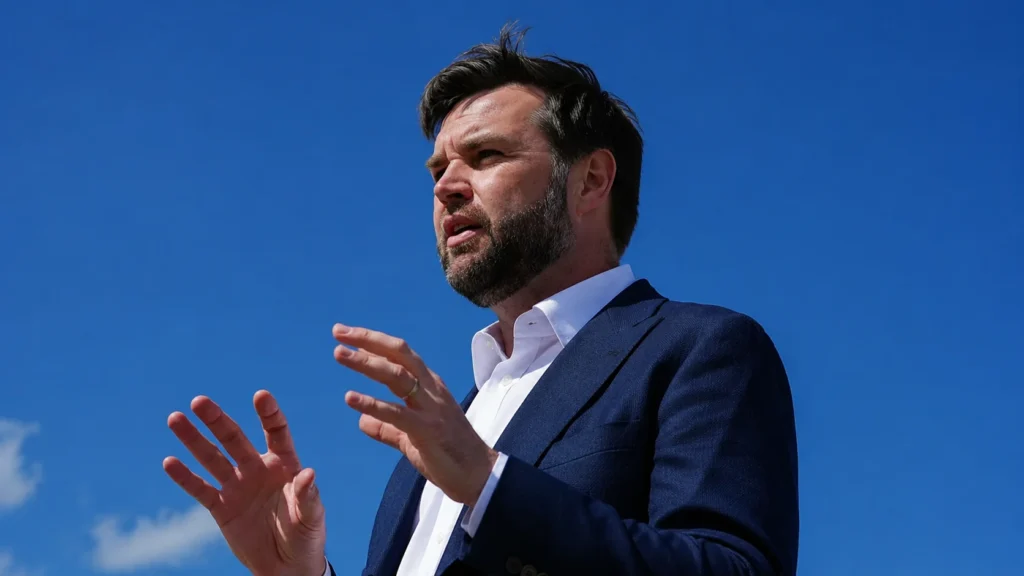
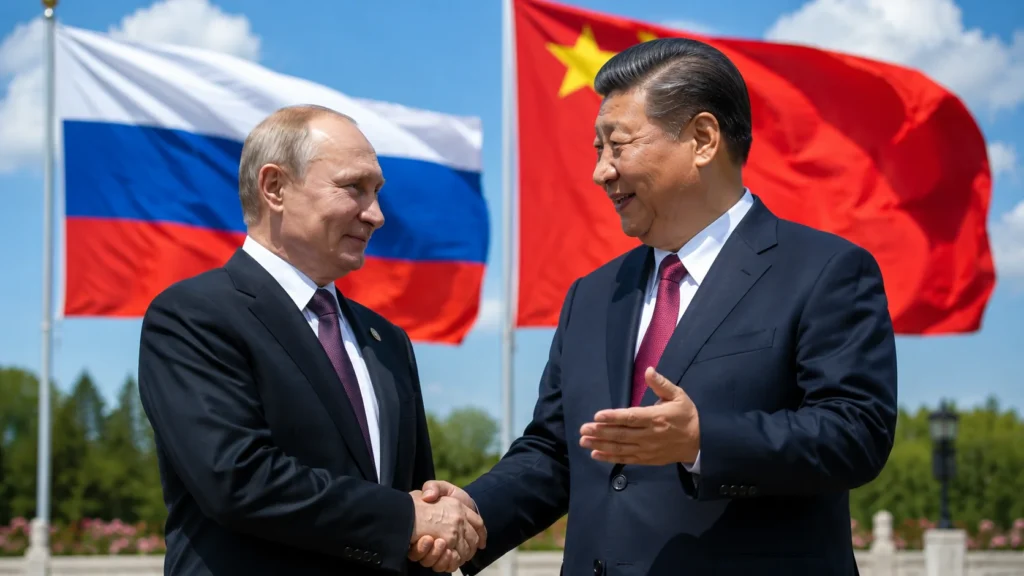
The letter landed on Thursday. By evening, Putin was at a St. Petersburg forum, eyebrows raised, questioning whether Zelensky even counts as a legitimate negotiating partner. The choreography looked familiar. The substance didn’t.
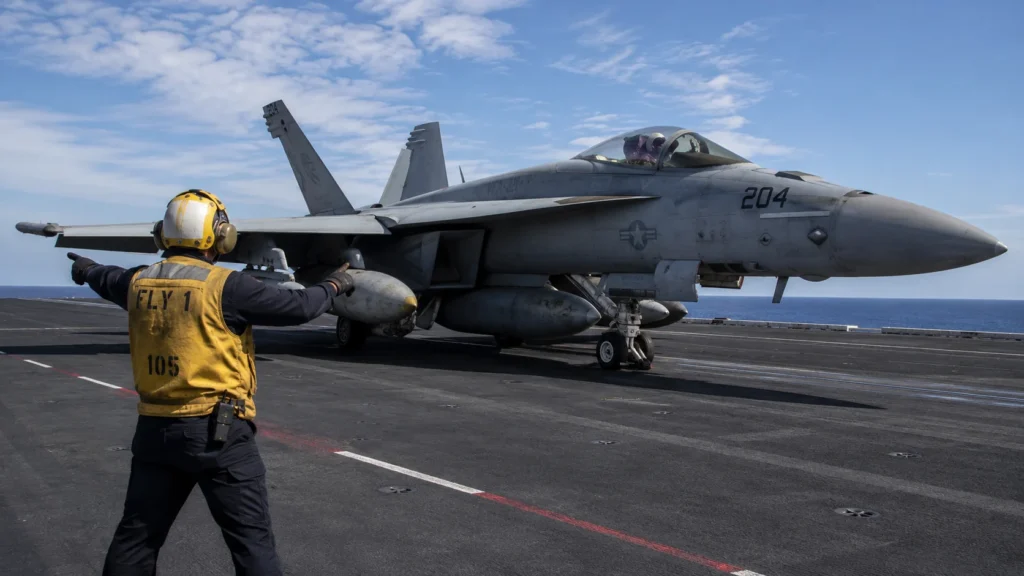
Kyiv publicly acknowledged what diplomats whisper: American strategic attention has shifted to Iran. Zelensky’s 1,800-word open letter—released June 5, 2026—didn’t just propose face-to-face talks. It signaled Ukraine would no longer wait for Washington’s gaze to return eastward. “It would be wrong to simply wait,” Zelensky wrote, “until the war in Europe returns to the centre of its attention.” A sentence no Ukrainian president would have drafted two years ago.
What’s Actually New Here
Zelensky has offered direct talks before. The Kremlin has rejected them before. What changed this week is the framing.
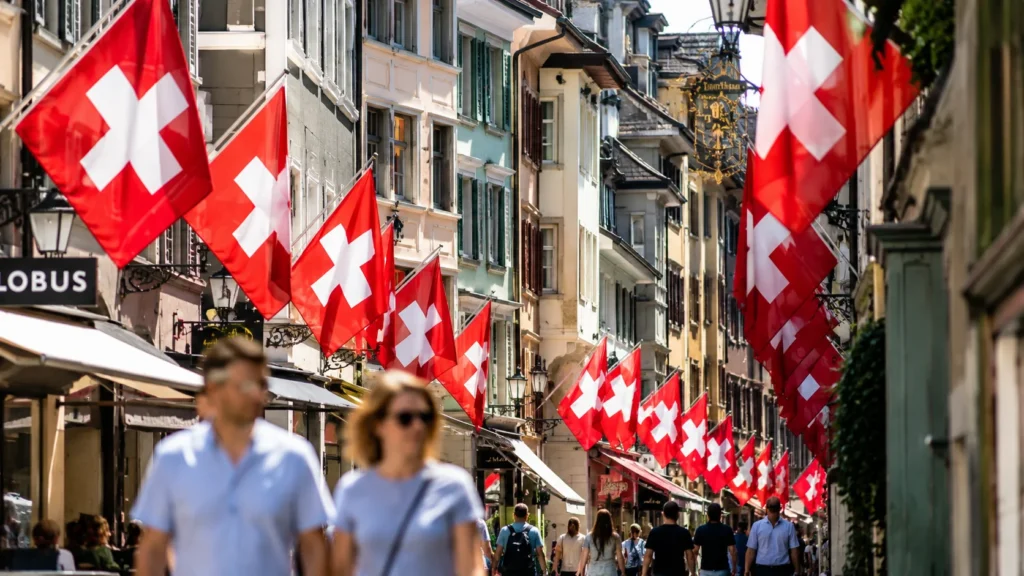
The letter named three pressures simultaneously. It spoke to Russian civilians about petrol shortages, drone anxiety, and war fatigue—an information operation aimed at an audience of one as much as an audience of millions. It offered a ceasefire during negotiations, which Putin ruled out within hours. And it proposed Switzerland or Turkey as neutral ground, a signal that Kyiv will meet anywhere except Moscow.
The Kremlin’s response to previous Ukrainian peace overtures followed a familiar script: Zelensky can come to Moscow. Come to me. I dictate terms.
But the mocking tone—Zelensky noting “after 26 years in power, age is beginning to take its toll” on Putin—transformed a diplomatic note into something sharper. Psychological pressure. Publicly applied.
Why Iran Matters to This Story
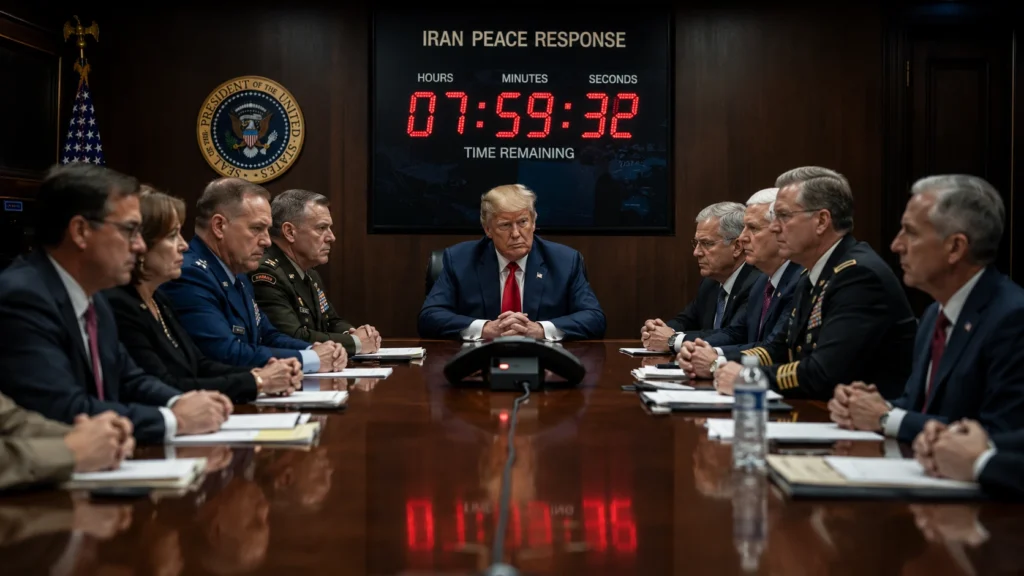
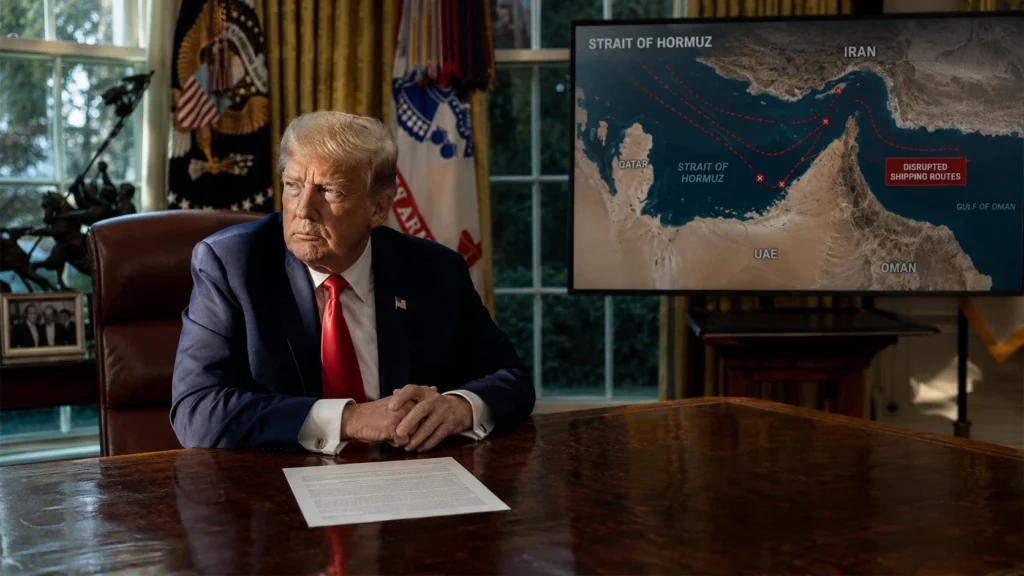
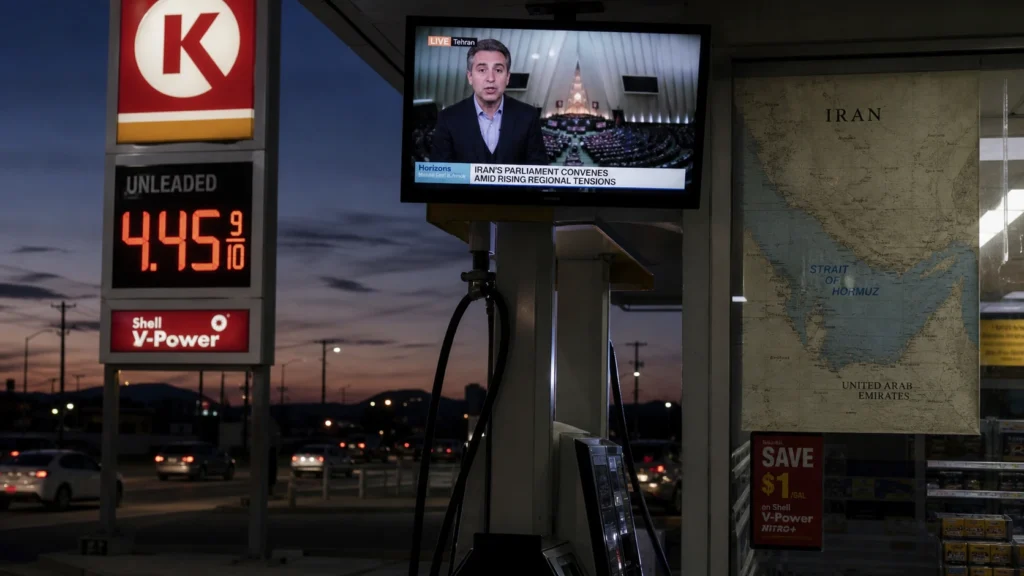
The letter’s most revealing passage openly acknowledged American bandwidth scarcity. “The US is fully focused on the issue of Iran.” That’s not a complaint. It’s a strategic diagnosis.
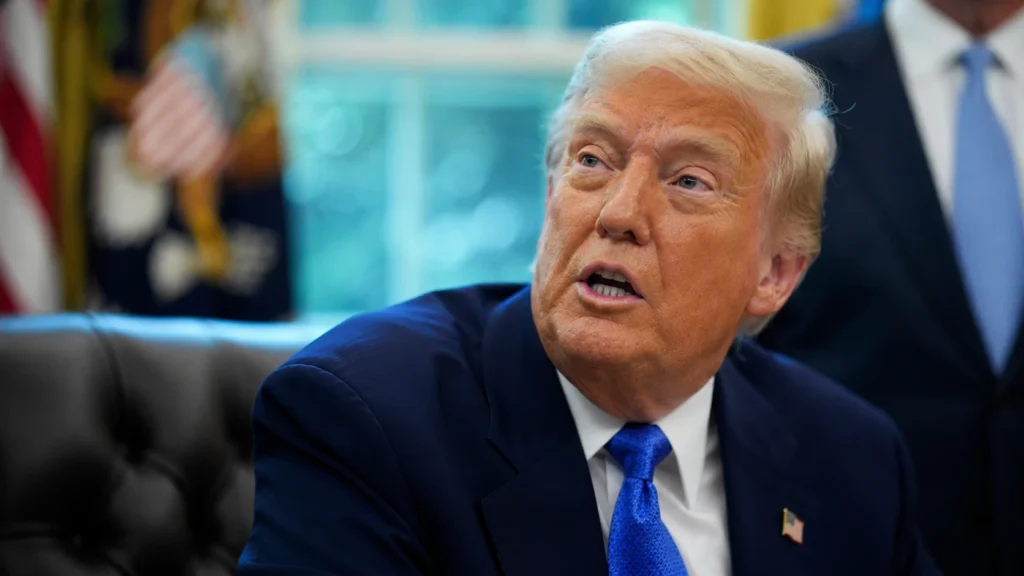
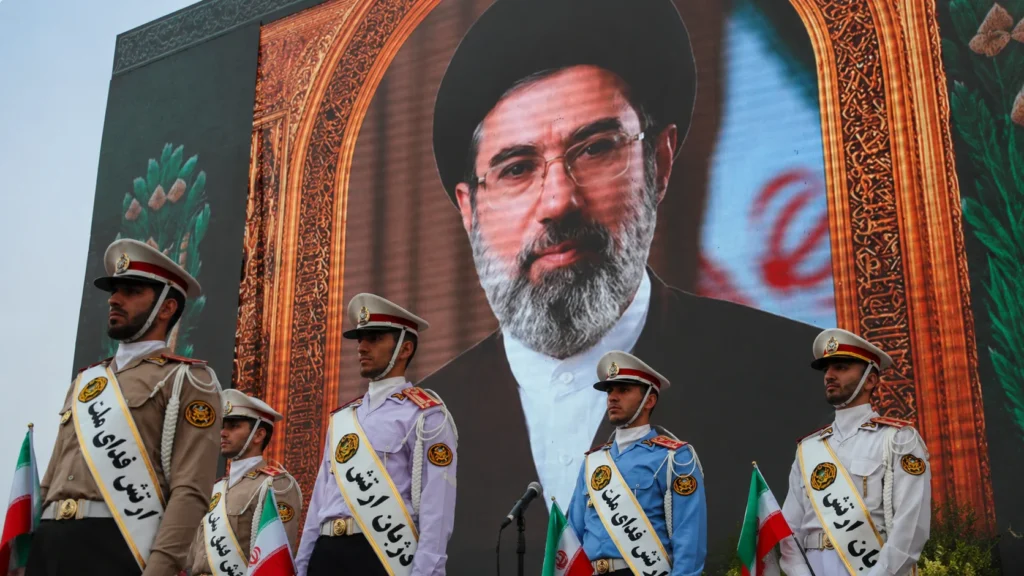
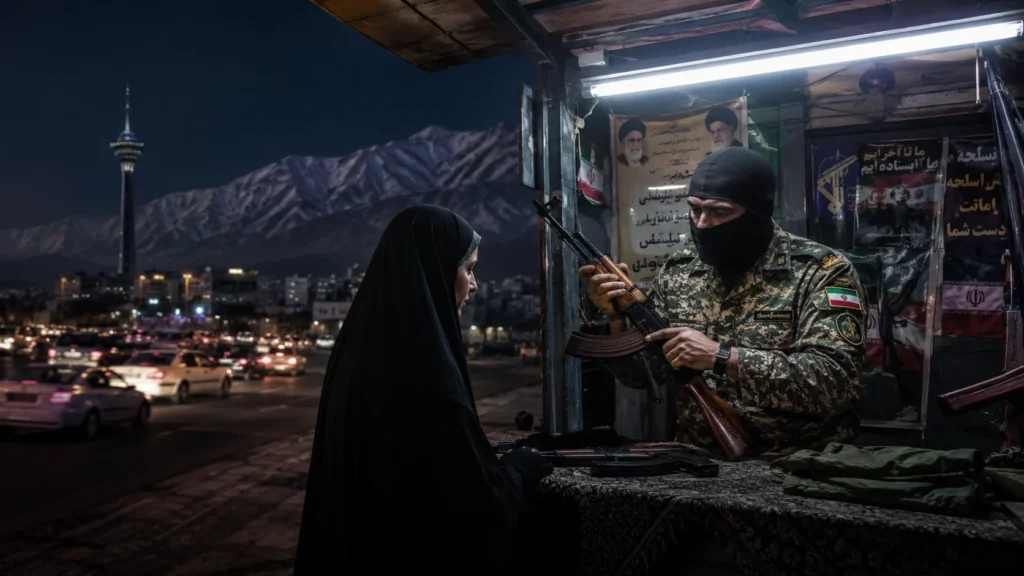
As our analysis of Trump’s Iran nuclear negotiations detailed last month, Washington’s diplomatic machinery now runs primarily on Tehran time. The International Atomic Energy Agency’s IAEA quarterly report on Iranian enrichment activities, June 2026 confirmed enrichment levels approaching weapons-grade thresholds. That dossier consumes the National Security Council’s calendar.
For Kyiv, the math becomes unforgiving. American diplomatic calories spent on Iran mean fewer calories available for Ukraine. Zelensky’s letter reads like an attempt to lock in a negotiating framework before that calorie deficit widens further.
The Kremlin’s Contradictory Signals
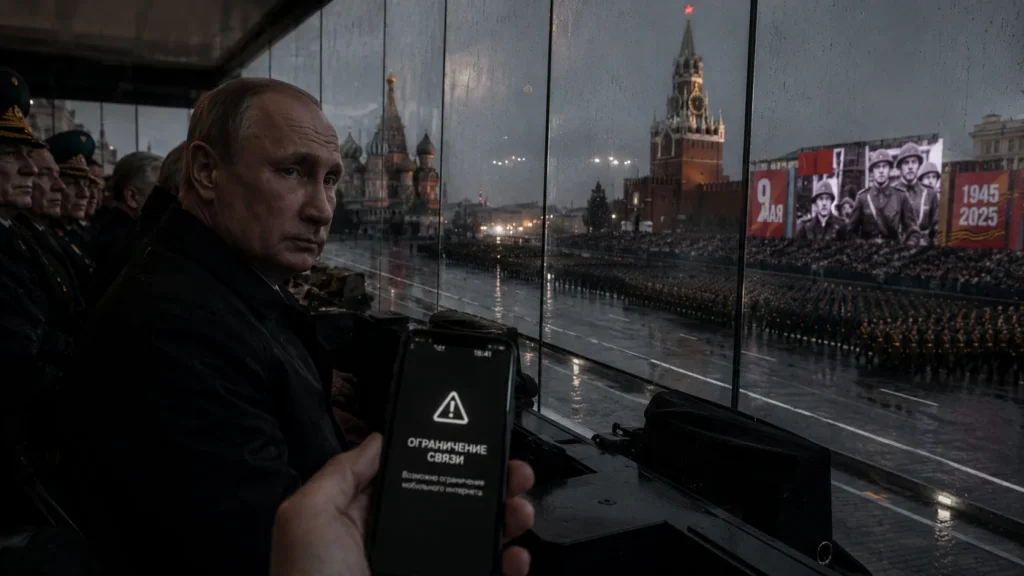
Putin, speaking Thursday at the St. Petersburg International Economic Forum, struck two notes that don’t harmonize. He said he remained “prepared and willing to reach an agreement with Ukraine.” Then he questioned Zelensky’s legitimacy as a negotiating partner.
This isn’t an inconsistency. It’s positioning.
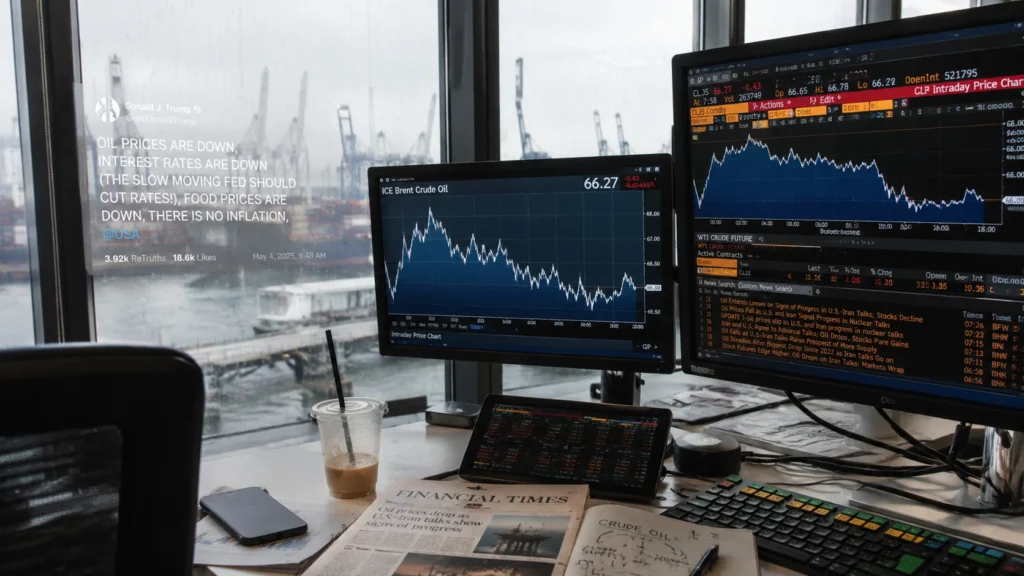
The domestic economic pressures reshaping Russia’s war calculations matter more than Putin’s public statements. Inflation in Russia hit 9.3% year-on-year as of Rosstat official consumer price index data, May 2026. Fuel shortages have spread beyond border regions. The letter’s references to Russian war fatigue weren’t random—they targeted known vulnerabilities in Putin’s domestic compact.
Putin suggested the EU could persuade Zelensky to surrender territory. That line functions as a wedge. Moscow reads European fractures—energy costs, industrial contraction, political fatigue—and calculates fracture points.
FAQ Section
Why did Zelensky send an open letter instead of a private diplomatic channel?
The letter targeted multiple audiences. It addressed Putin directly while reaching Russian civilians through media coverage. It signaled to Washington and European capitals that Kyiv will generate its own diplomatic momentum rather than wait for American attention to return from Iran. The public format also constrains the Kremlin’s ability to misrepresent Ukraine’s position.
What are Putin’s stated conditions for ending the war?
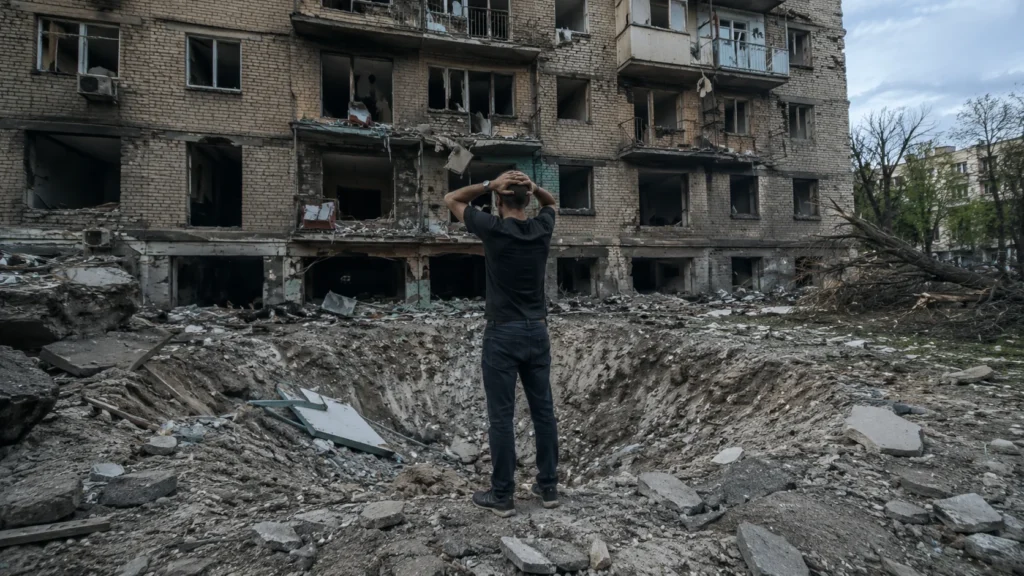
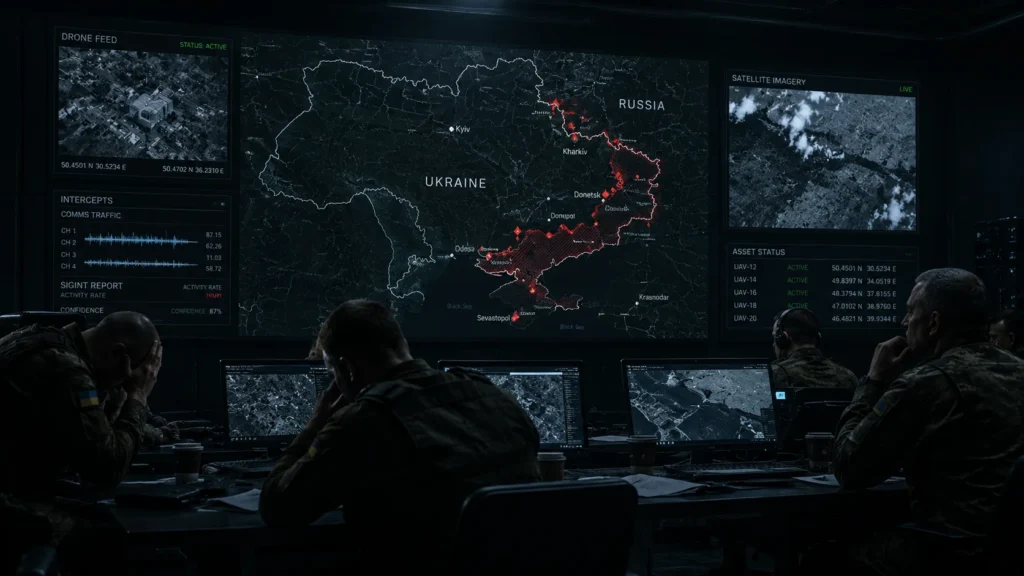
Putin’s longstanding demands require Ukraine to withdraw from four partially occupied regions—Donetsk, Luhansk, Kherson, and Zaporizhzhia—and abandon its NATO membership efforts. Ukraine has ruled out territorial concessions, arguing they would embolden future Russian invasions as occurred in 2022 following the 2014 annexation of Crimea.
Why does Iran affect the trajectory of the Ukraine war?
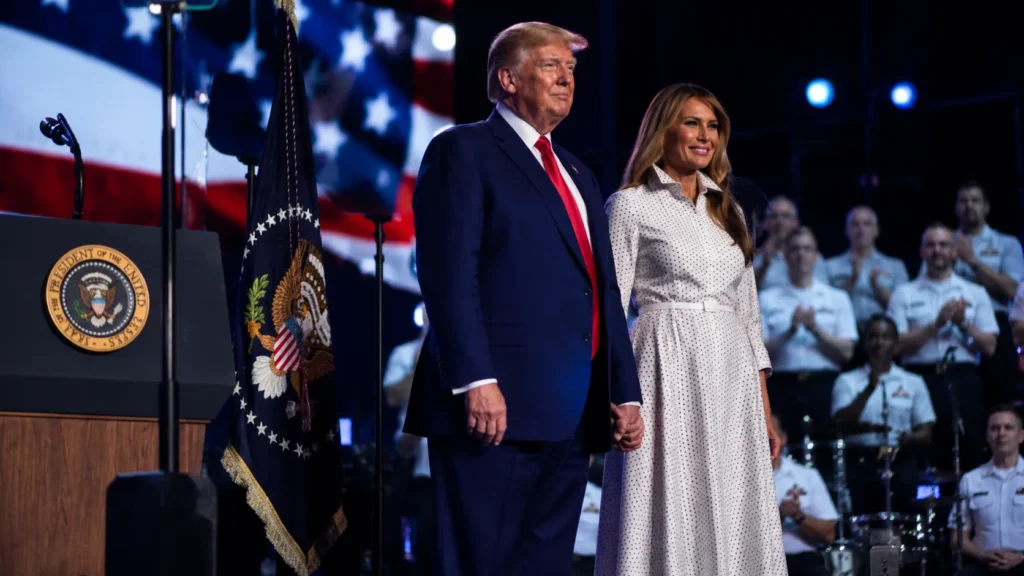
The Trump administration’s diplomatic focus on Iran’s nuclear program absorbs senior officials’ time, attention, and political capital. Ukraine’s leverage depends partly on sustained American engagement. When Washington’s strategic bandwidth tilts toward Tehran, Kyiv’s agenda-setting power diminishes. Zelensky’s letter acknowledged this structural reality explicitly.
Where could face-to-face talks take place?
Zelensky proposed Switzerland or Turkey as neutral venues. The Kremlin’s counteroffer—Moscow—preserves Putin’s domestic narrative of sovereignty and control. Previous peace talks in Geneva, Abu Dhabi, and Istanbul produced no breakthrough. The venue question itself functions as a negotiating signal before any substantive discussions begin.
What has changed in Russia’s domestic situation?
Economic indicators show mounting strain. Year-on-year inflation approached double digits in spring 2026. Ukrainian drone strikes reach St. Petersburg’s outskirts. Military recruitment continues absorbing working-age men from regional economies. Zelensky’s letter named these pressures explicitly, testing for cracks in the Kremlin’s domestic narrative control.
What to Watch Over Six Months
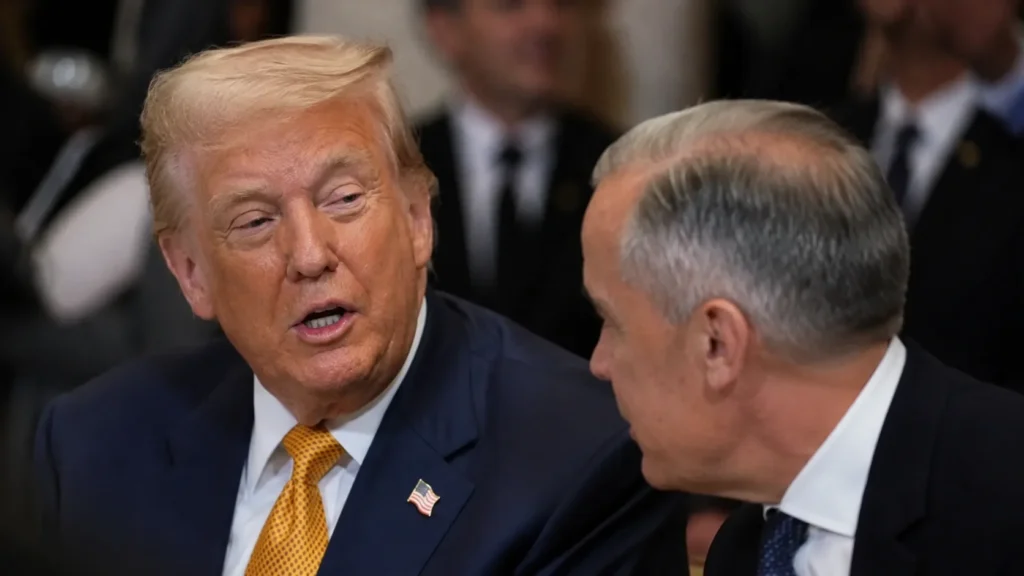
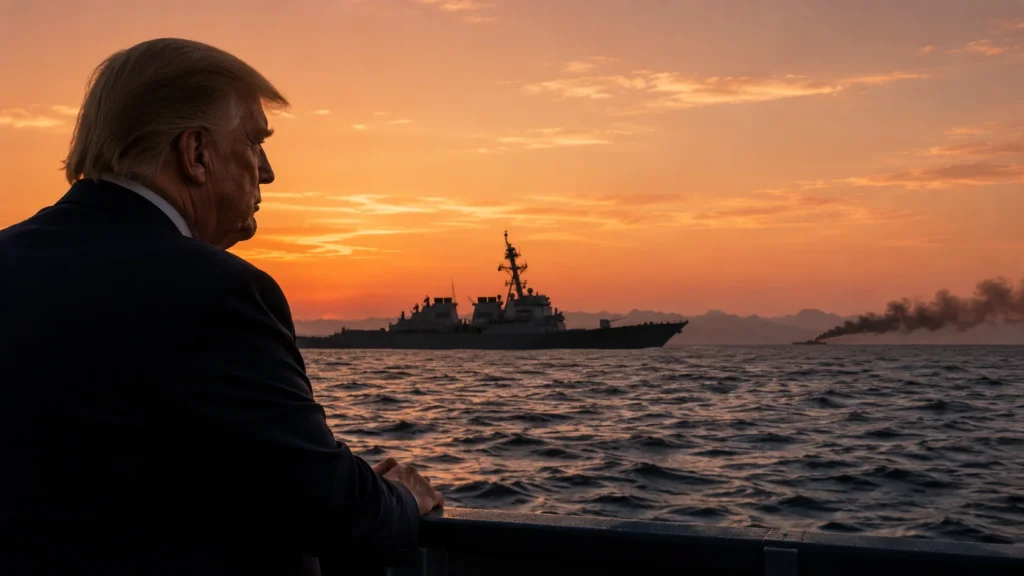
The Trump administration’s Iran negotiation tempo will set the pace for everything else. If nuclear talks advance, Ukraine’s diplomatic window narrows. If they stall, European security may regain Washington’s attention.
Putin’s domestic price stability matters more than his territorial rhetoric. Economic pressure, not battlefield shifts, historically opens genuine negotiating space in prolonged conflicts.
Zelensky’s willingness to write another letter—perhaps more conciliatory, perhaps less—will signal whether this strategy yields results or dies in the inbox.
Written by the Foreign Desk, which has covered Ukraine-Russia diplomacy since the 2014 annexation of Crimea through the 2022 full-scale invasion and subsequent attempts at negotiated settlement.