

 English




















































































































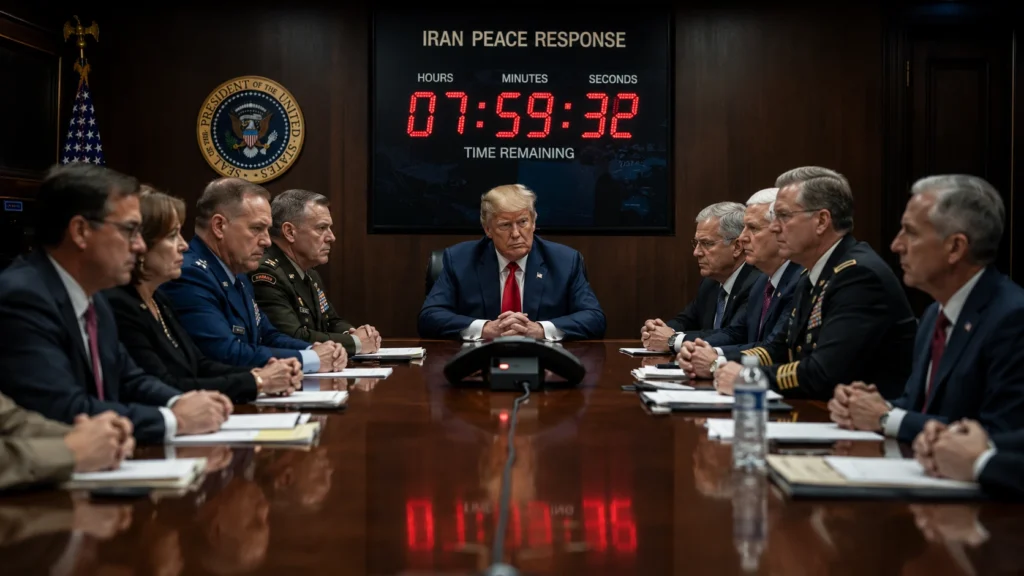





Trump Warns Clock Ticking for Iran as Peace Talks Stall Completely
Published: 17 May 2026 | Source: Truth Social, Mehr News Agency, Tasnim News Agency
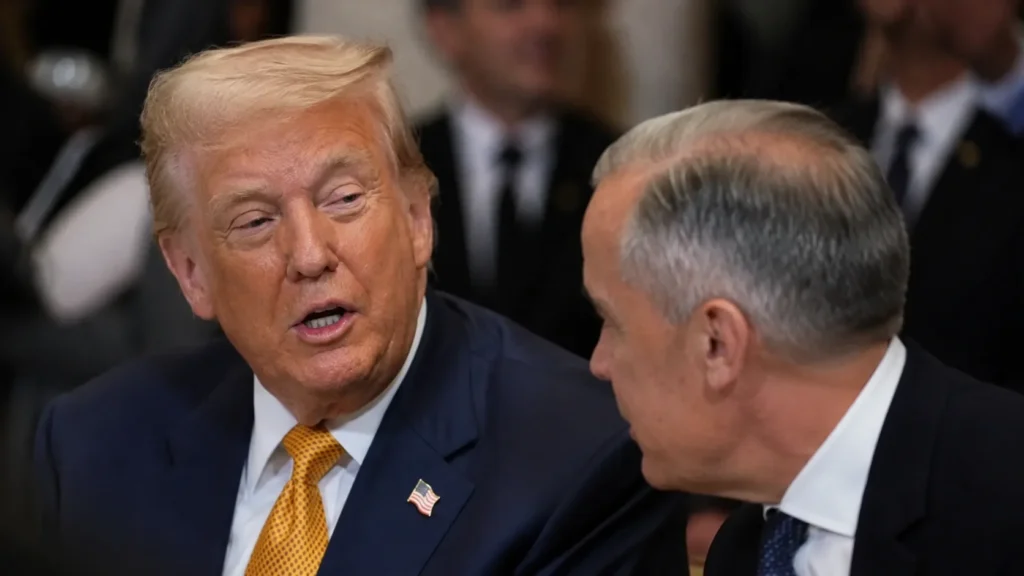
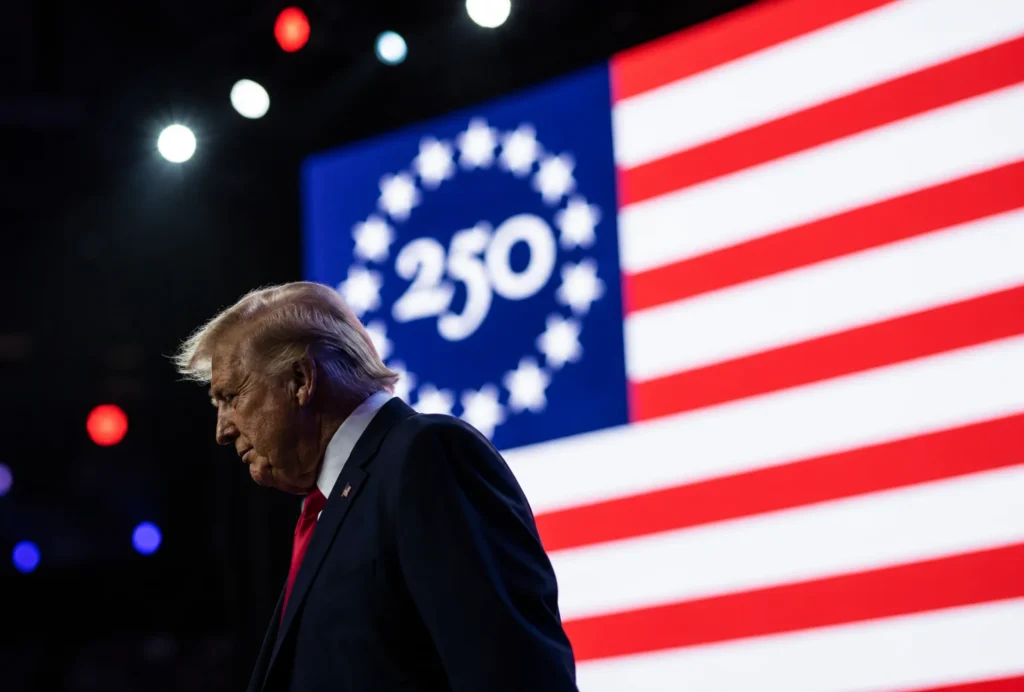
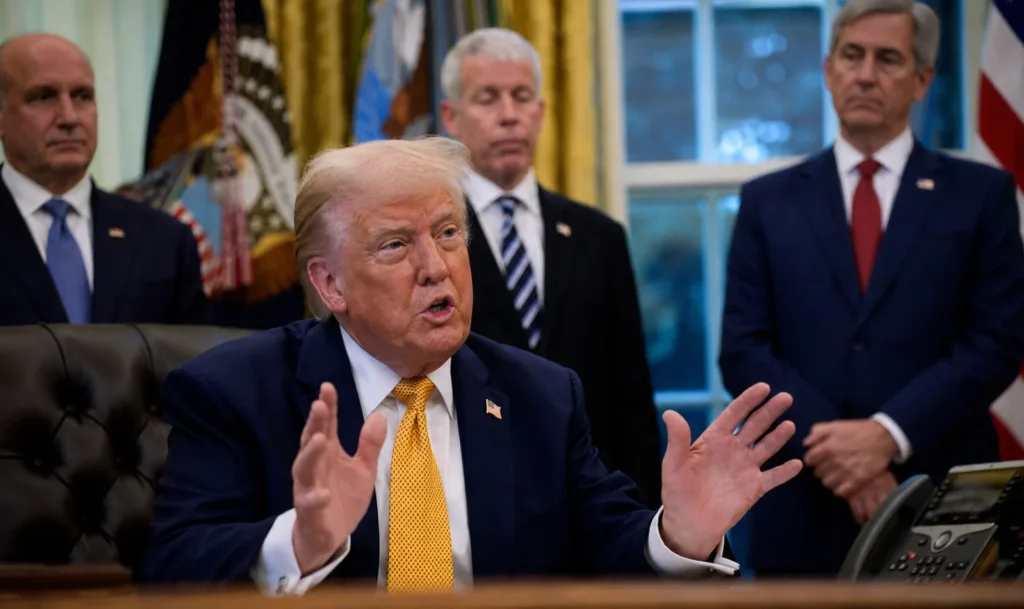
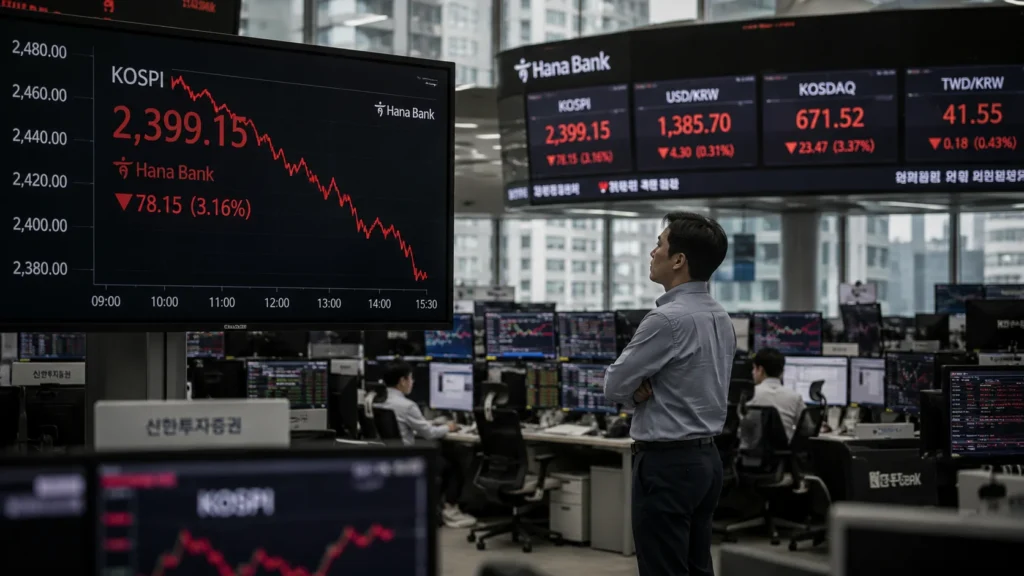
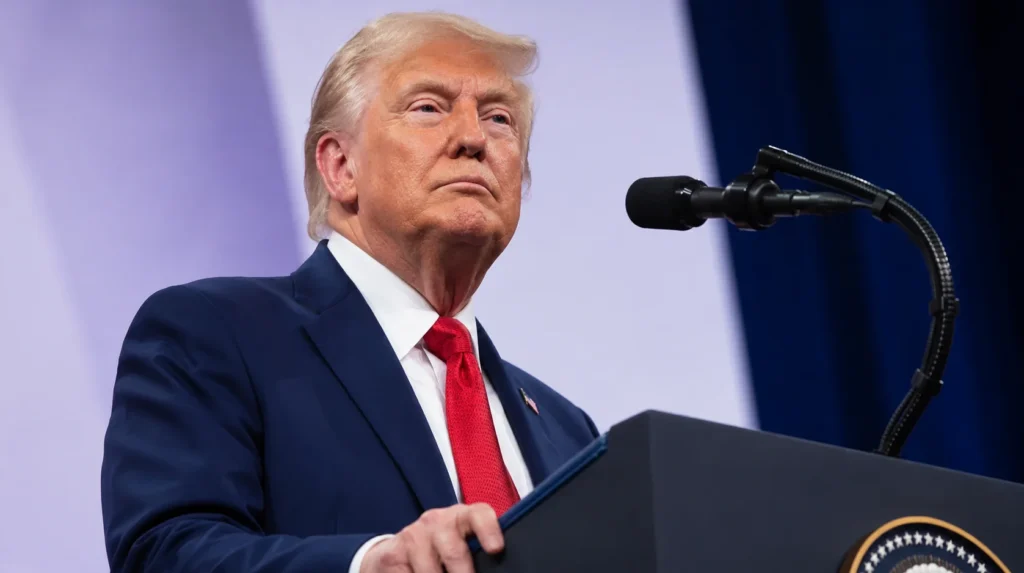
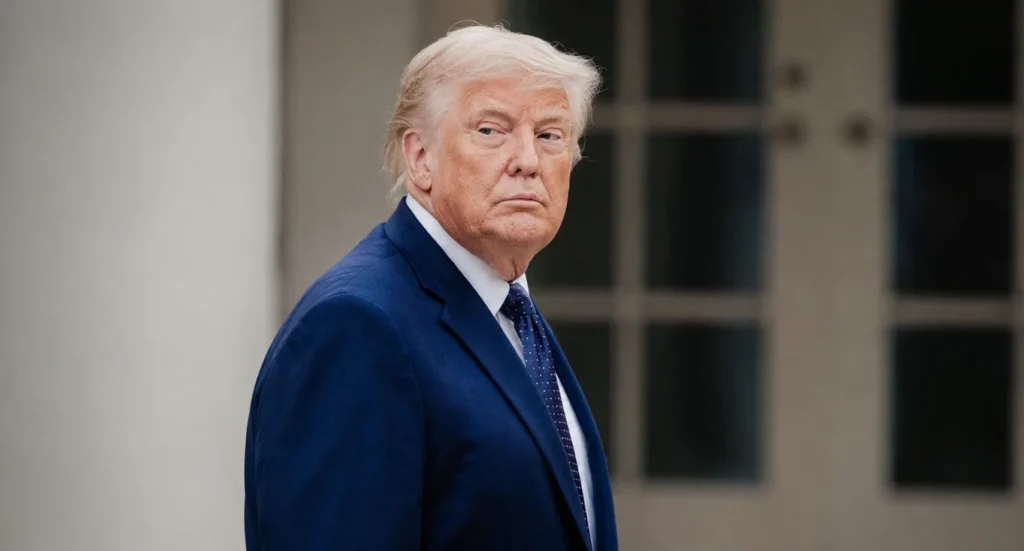
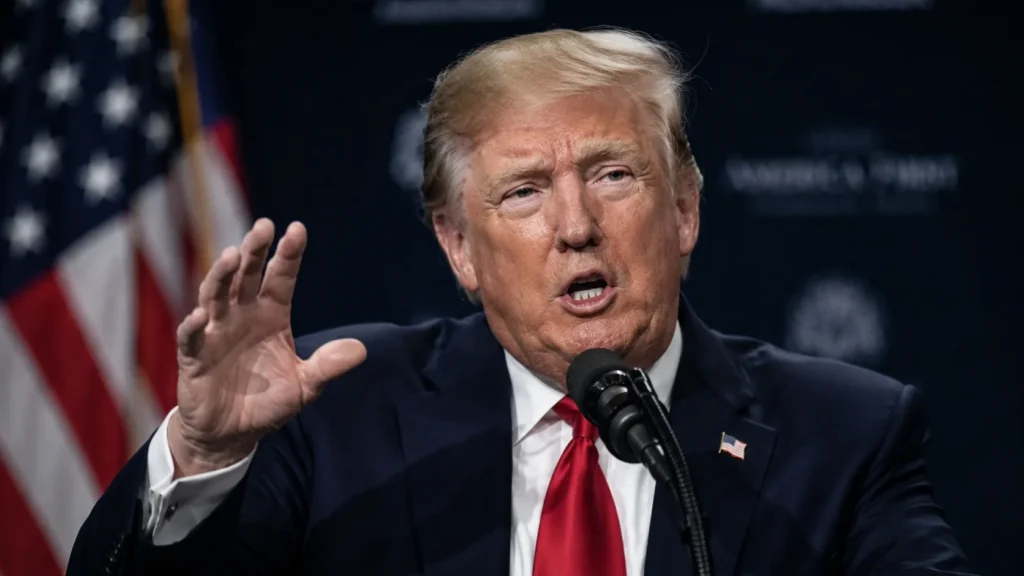
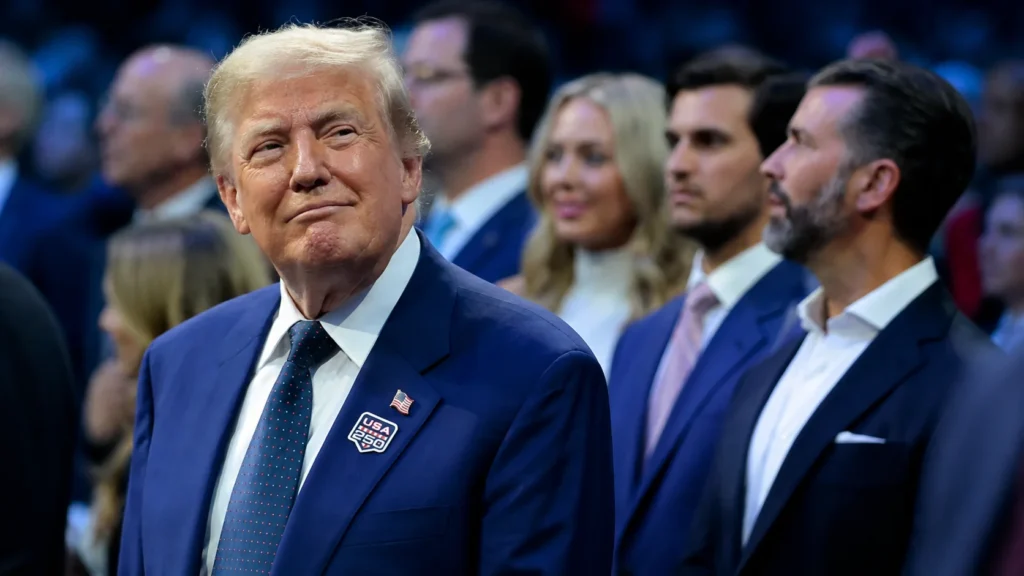
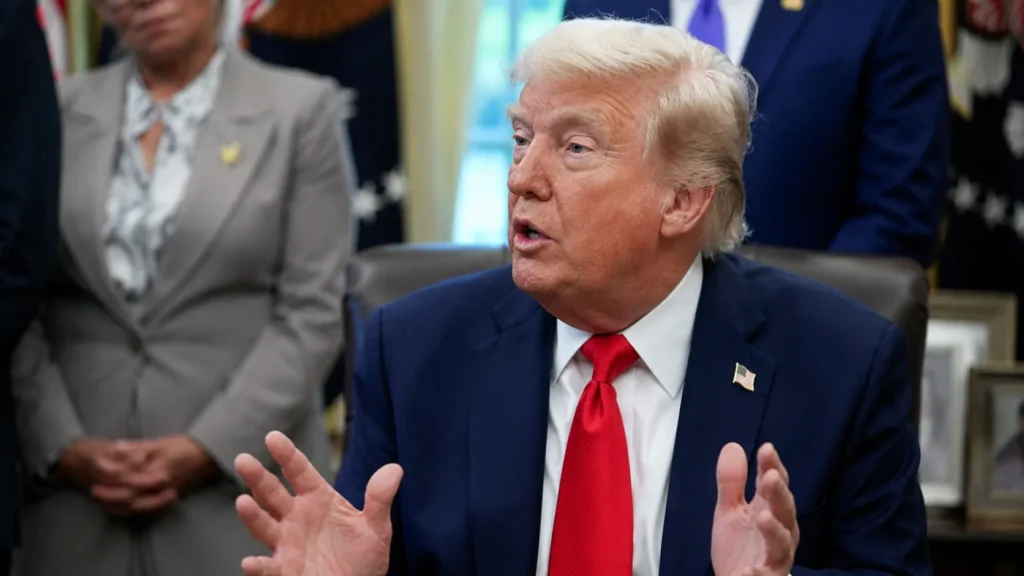
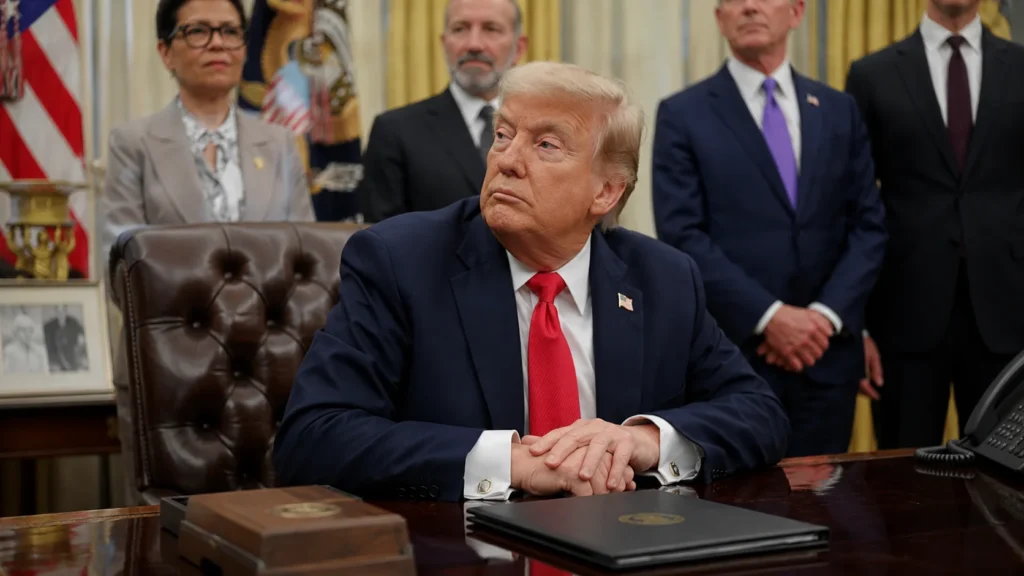
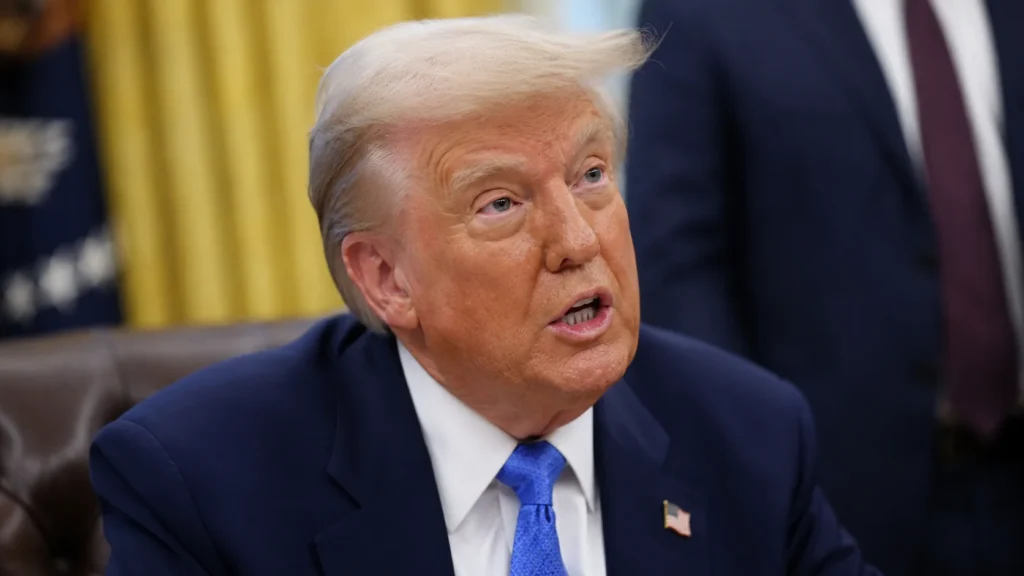
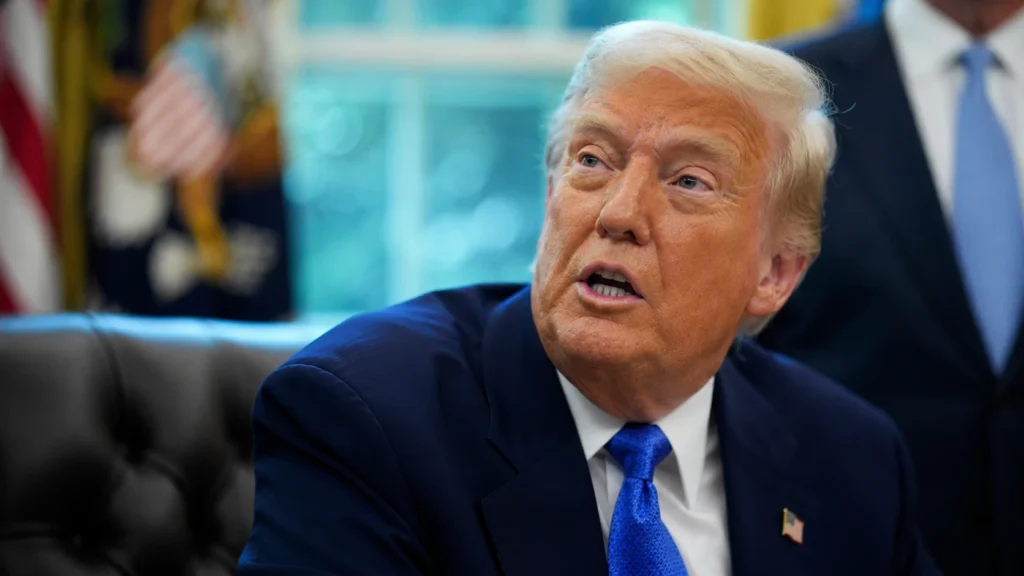
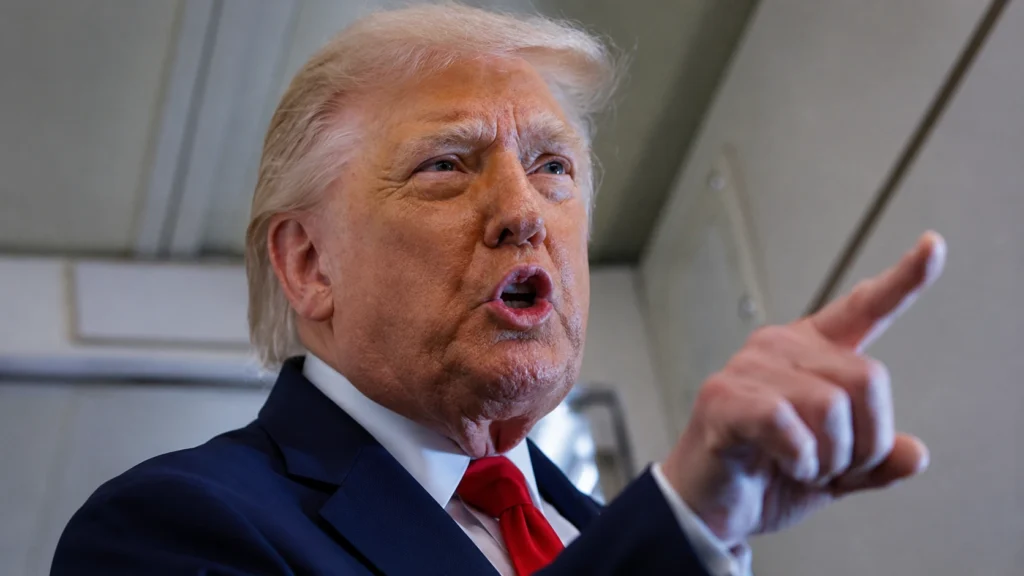
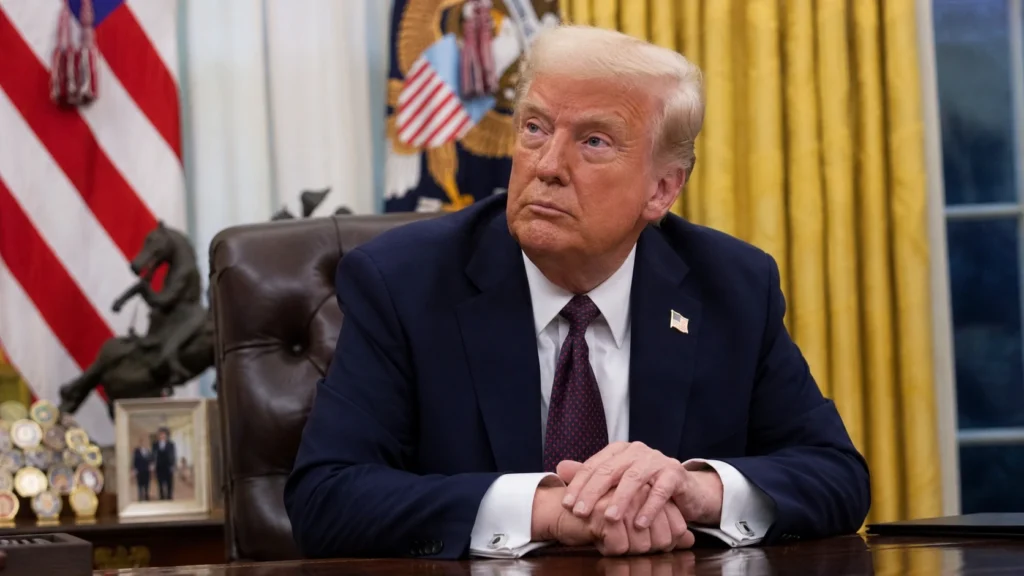
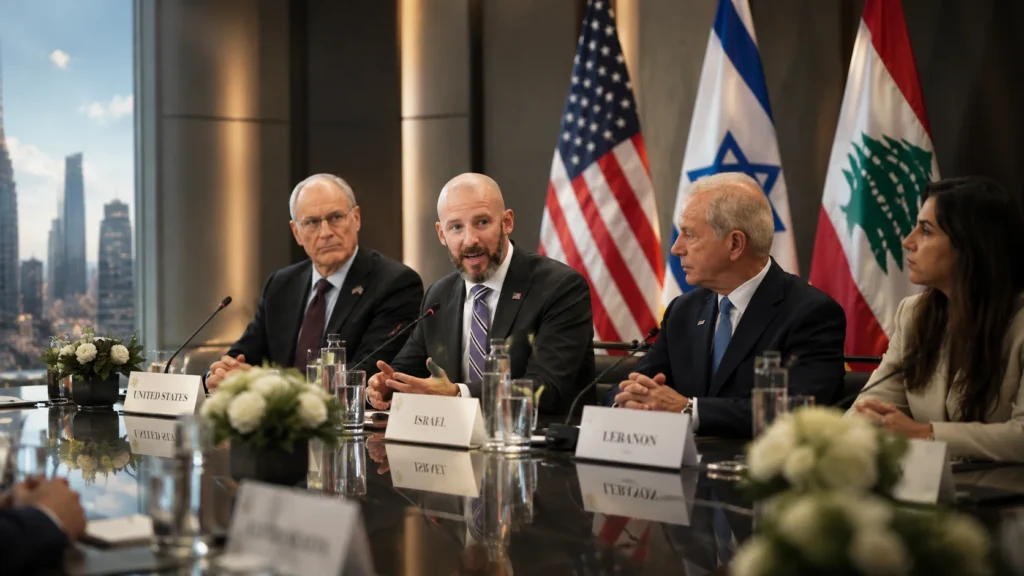
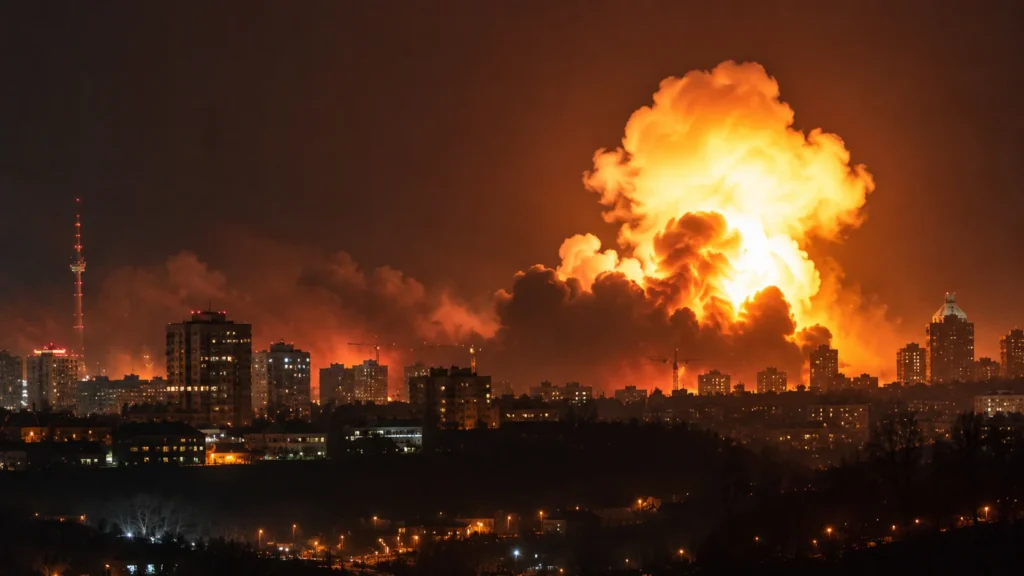
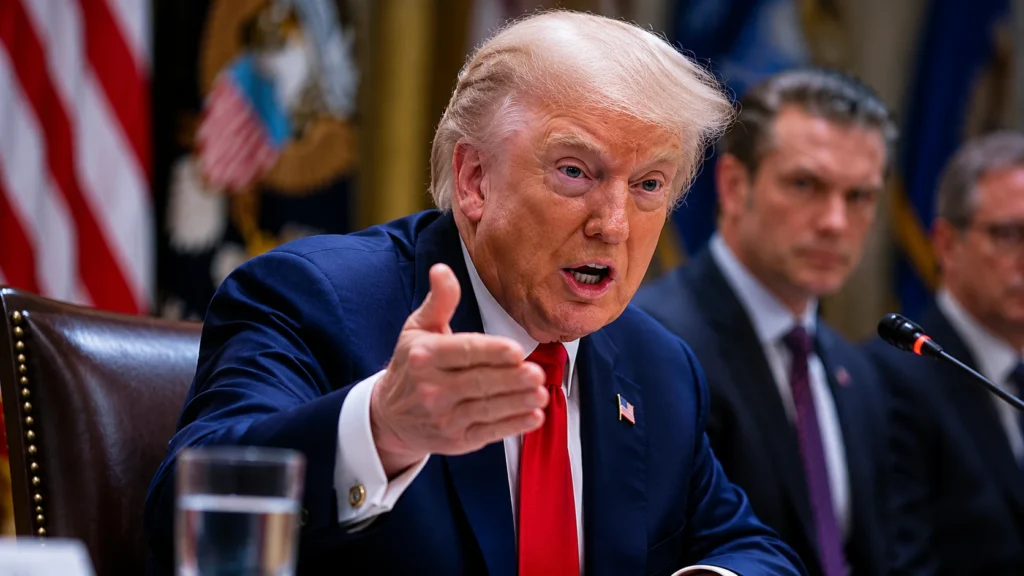
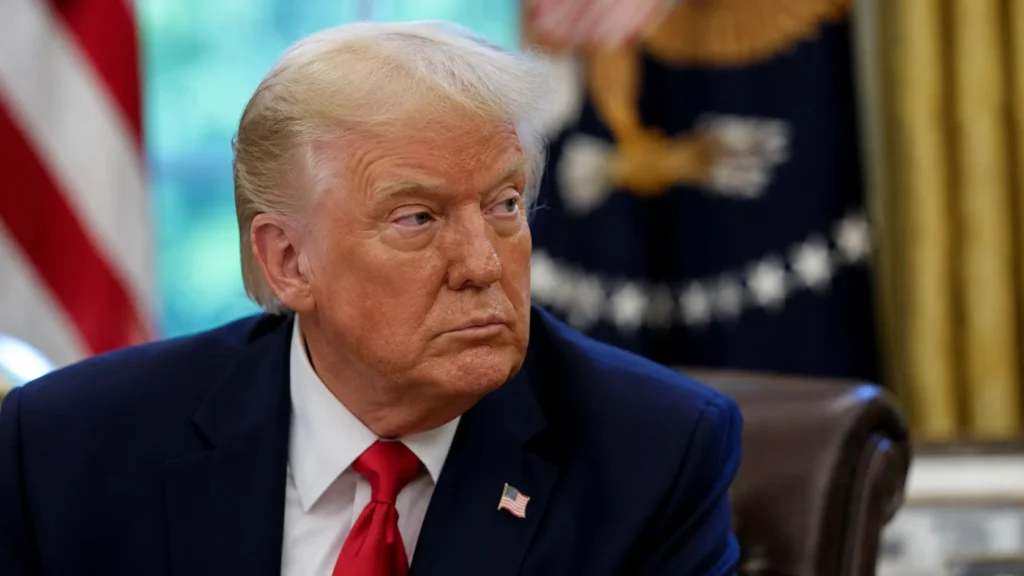
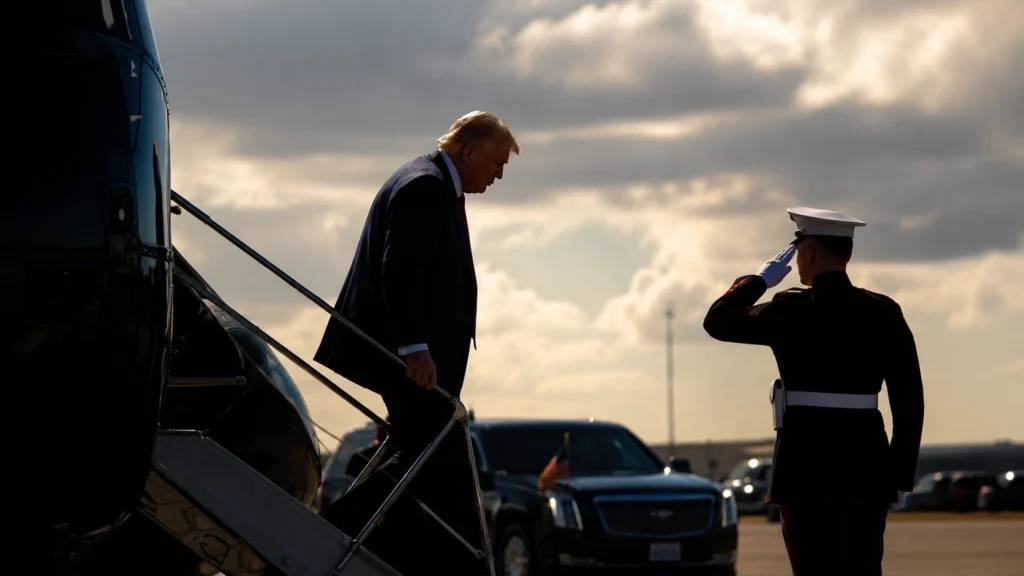
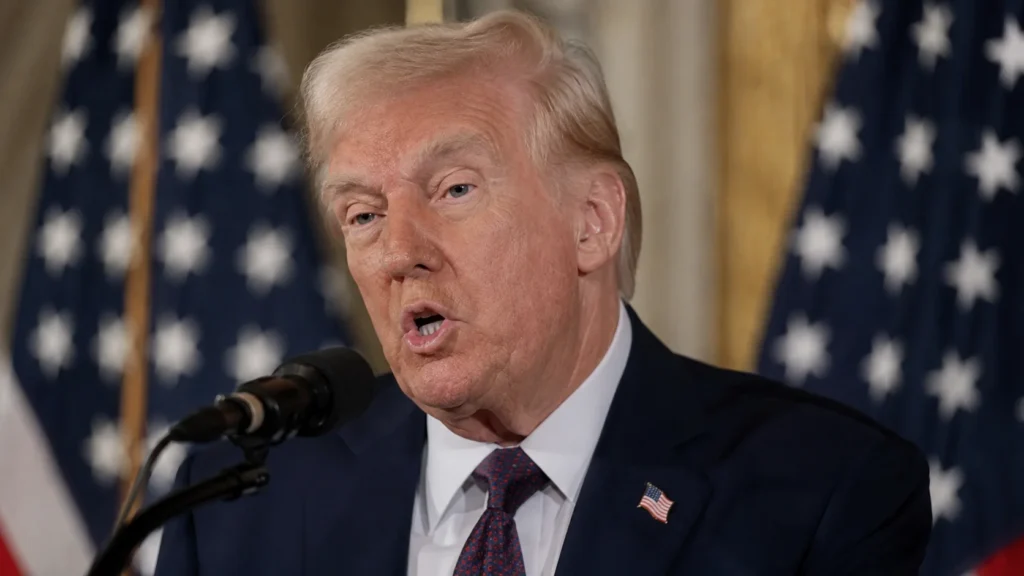
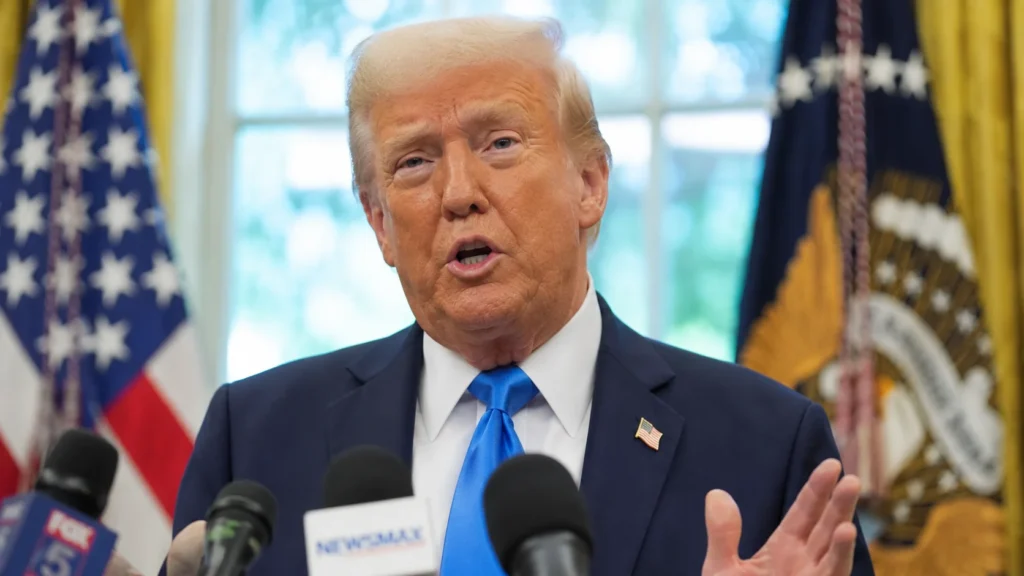
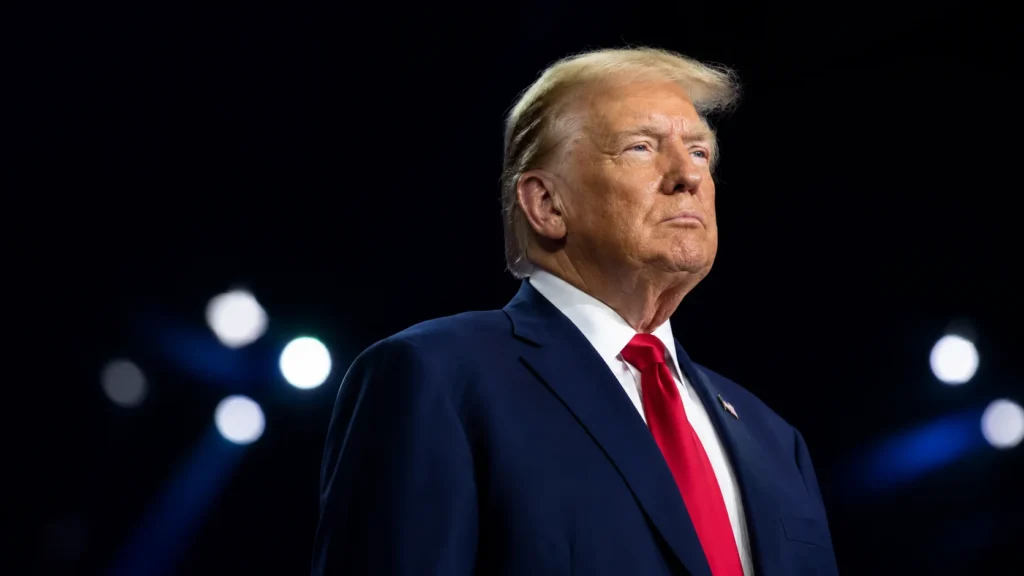
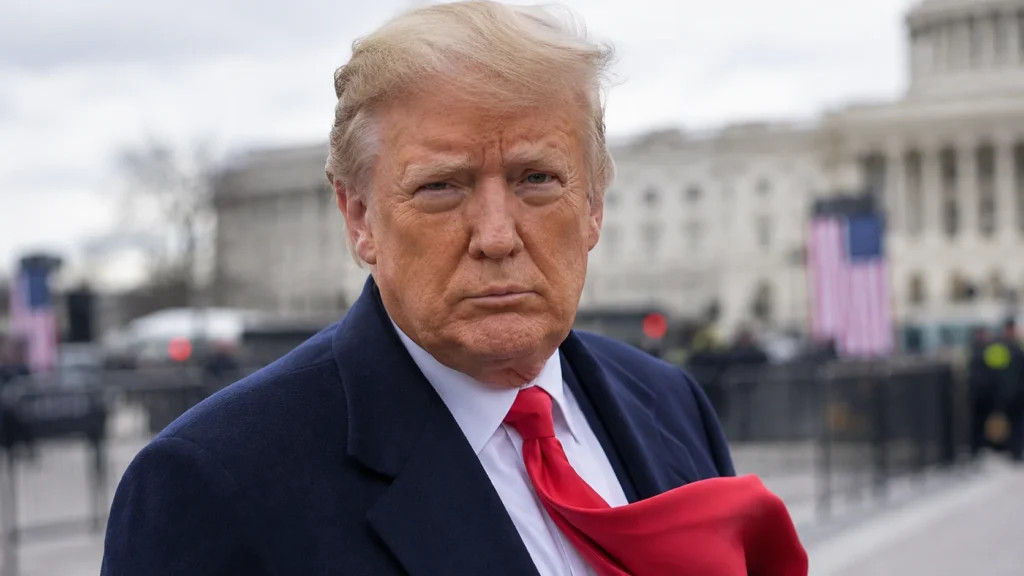
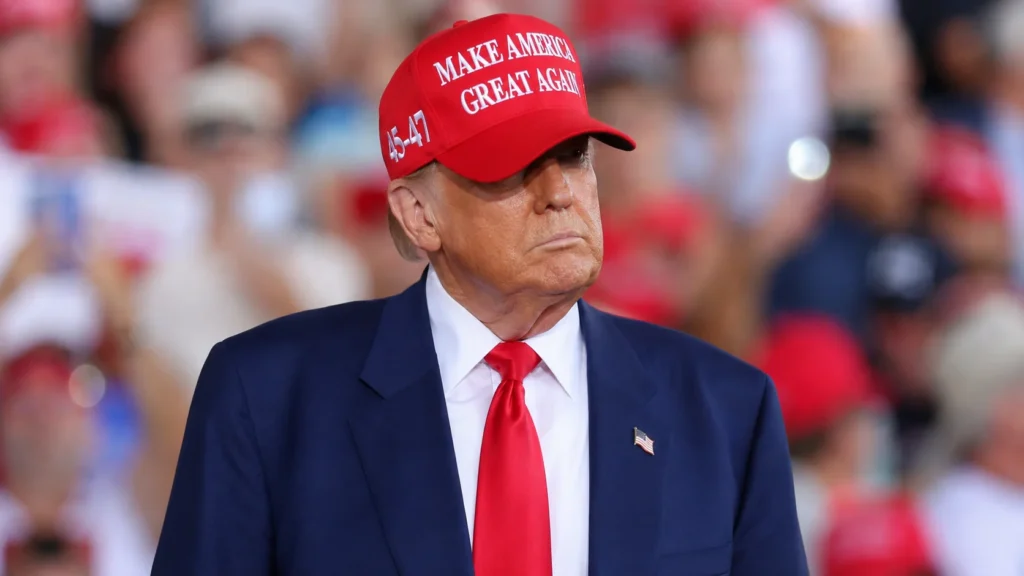
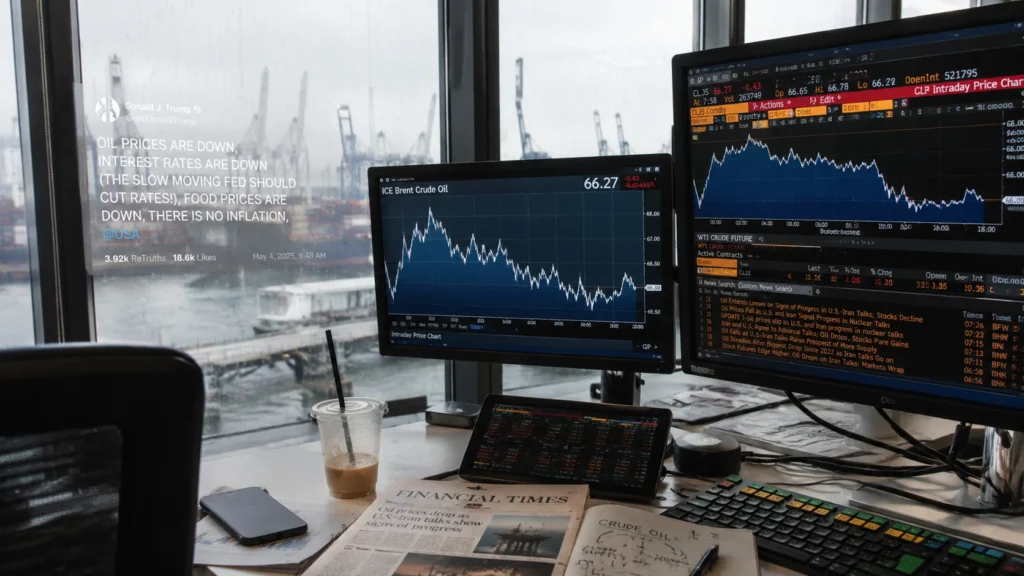
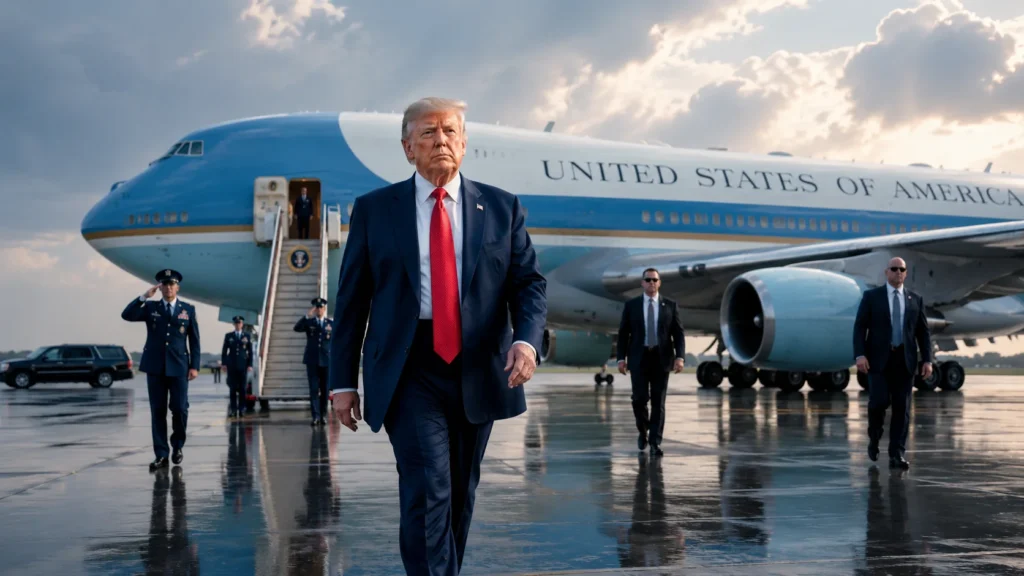
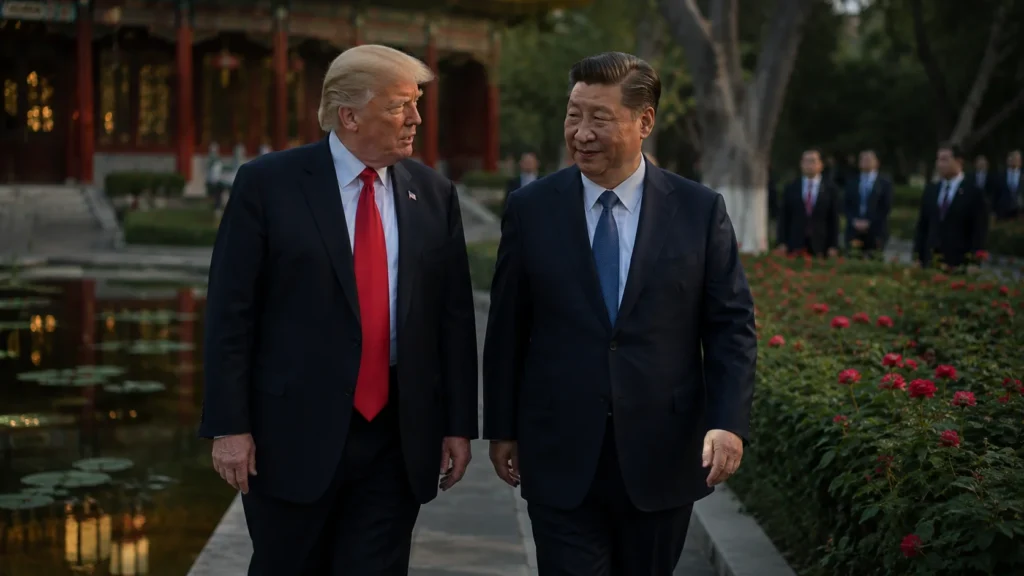
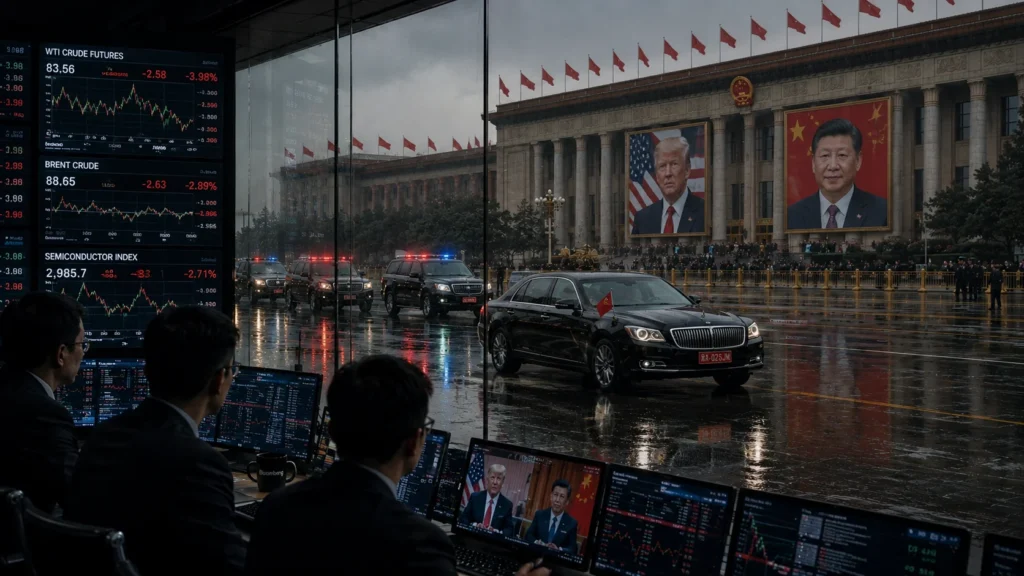
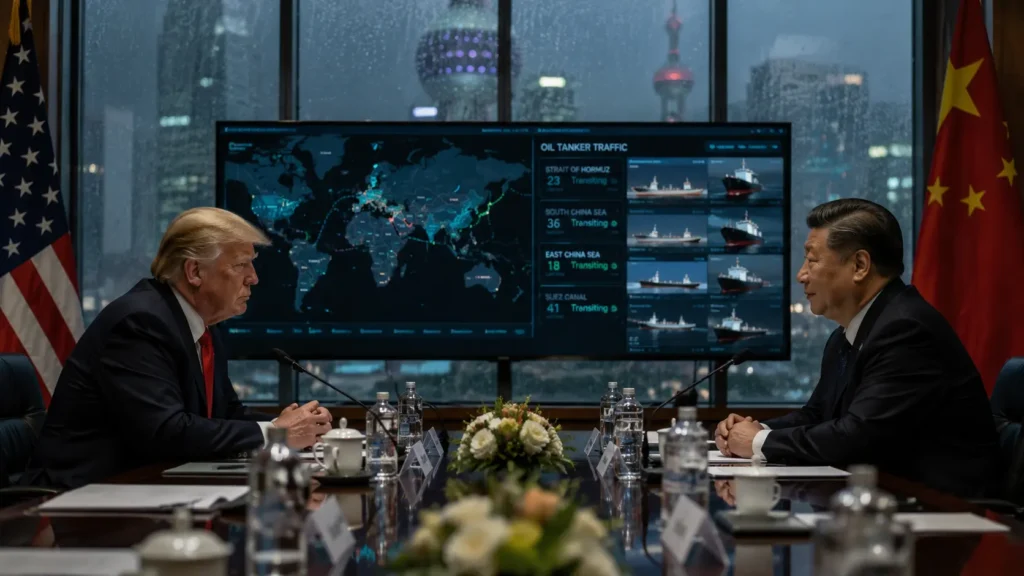
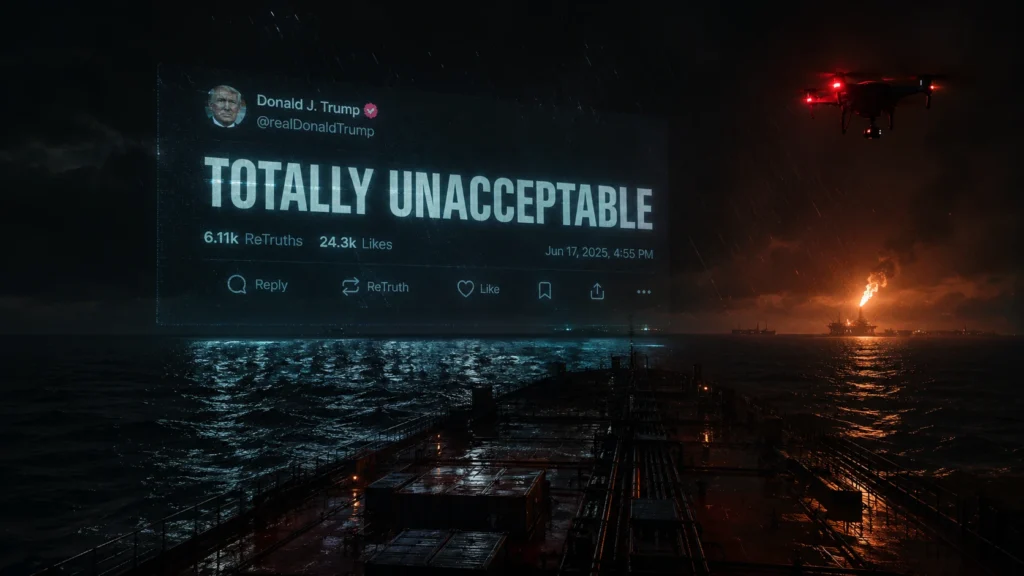
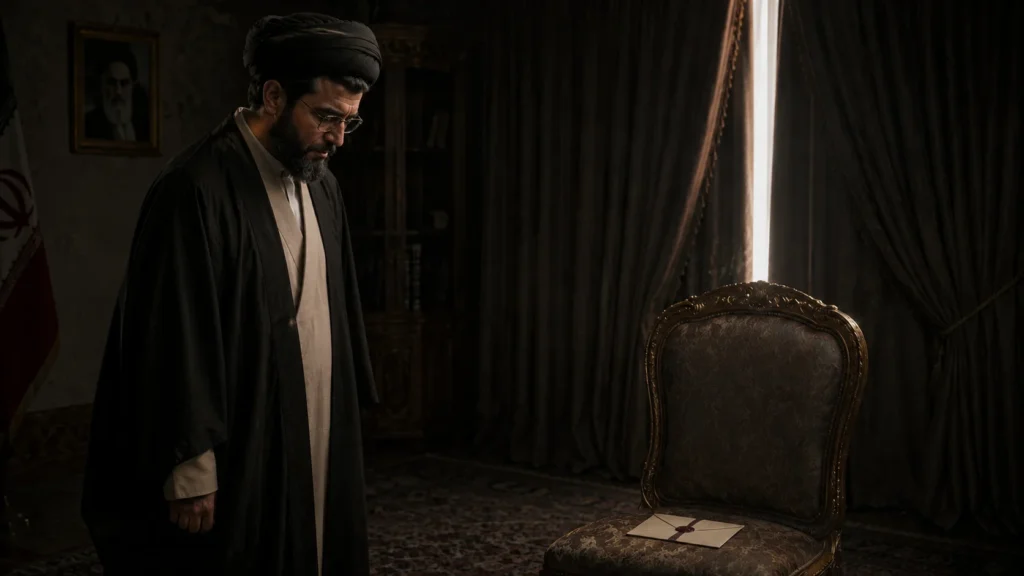
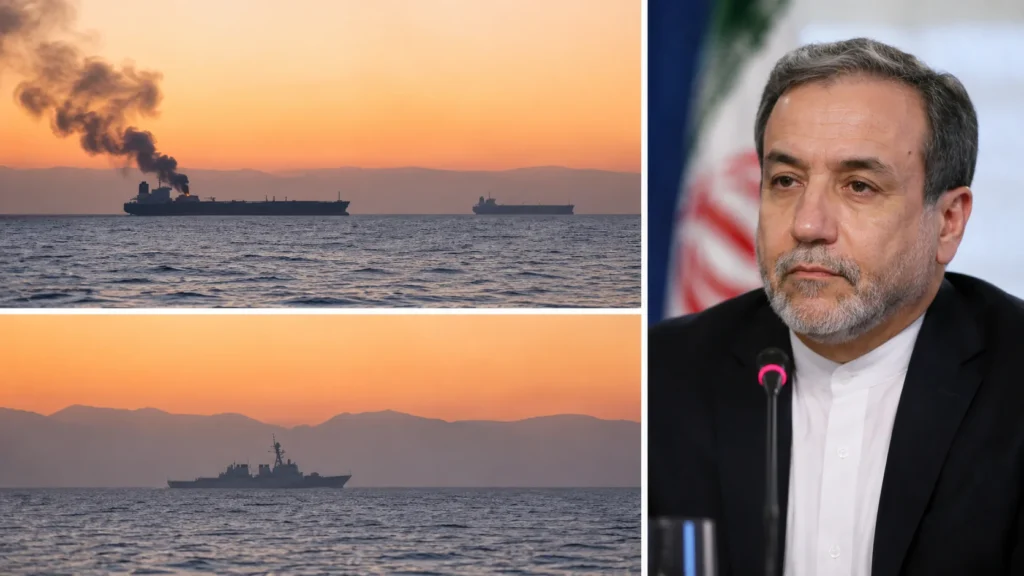
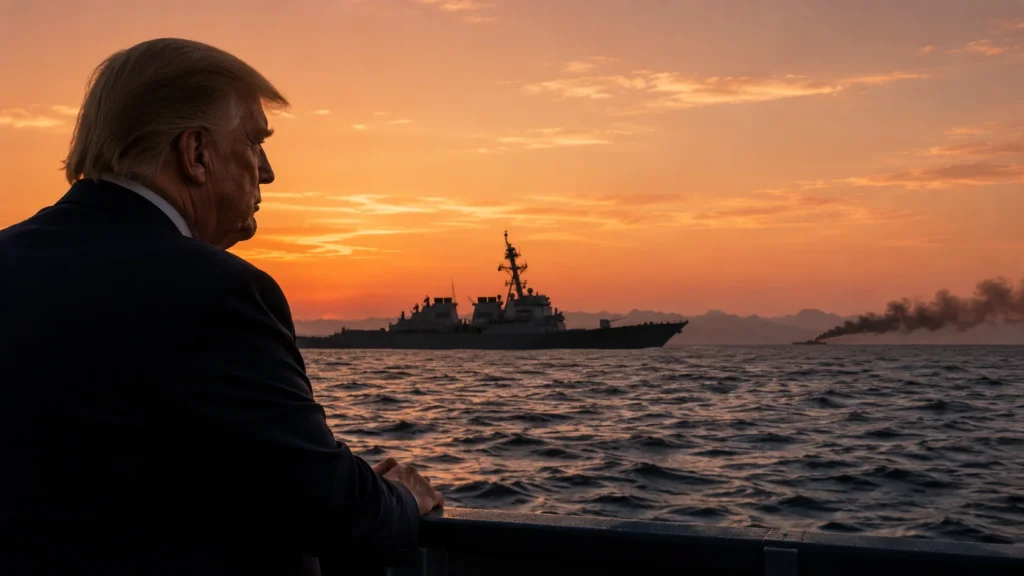
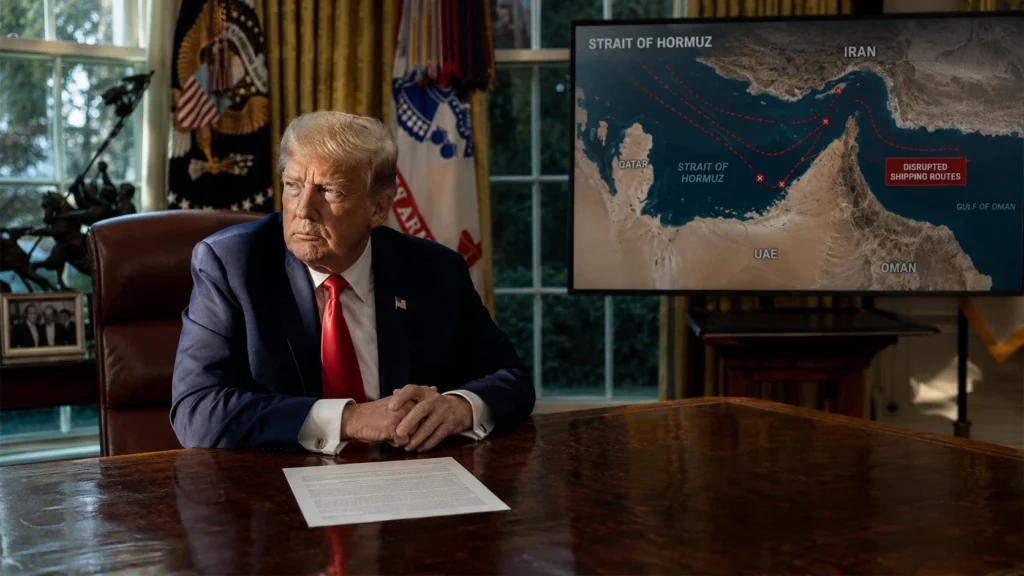
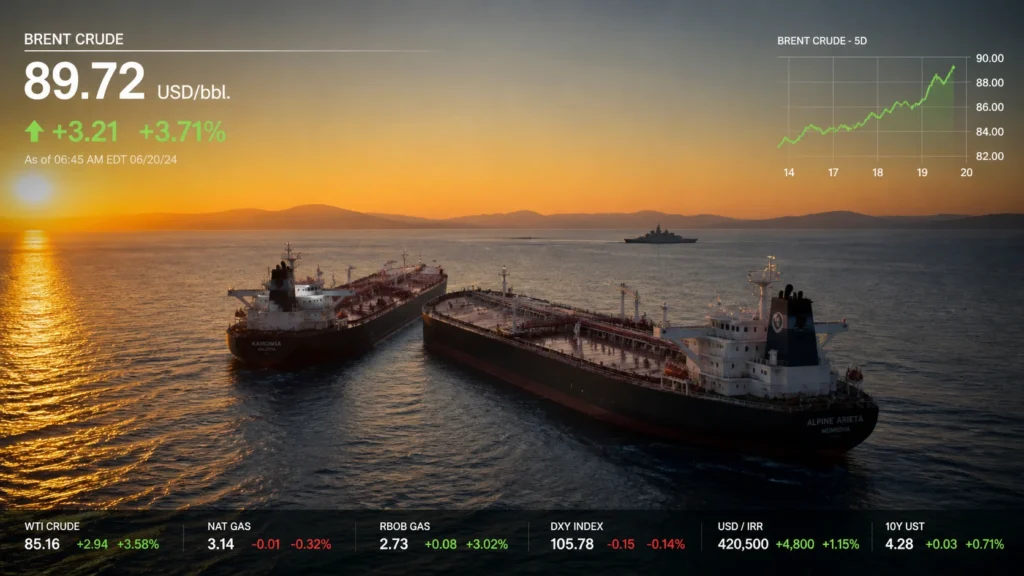
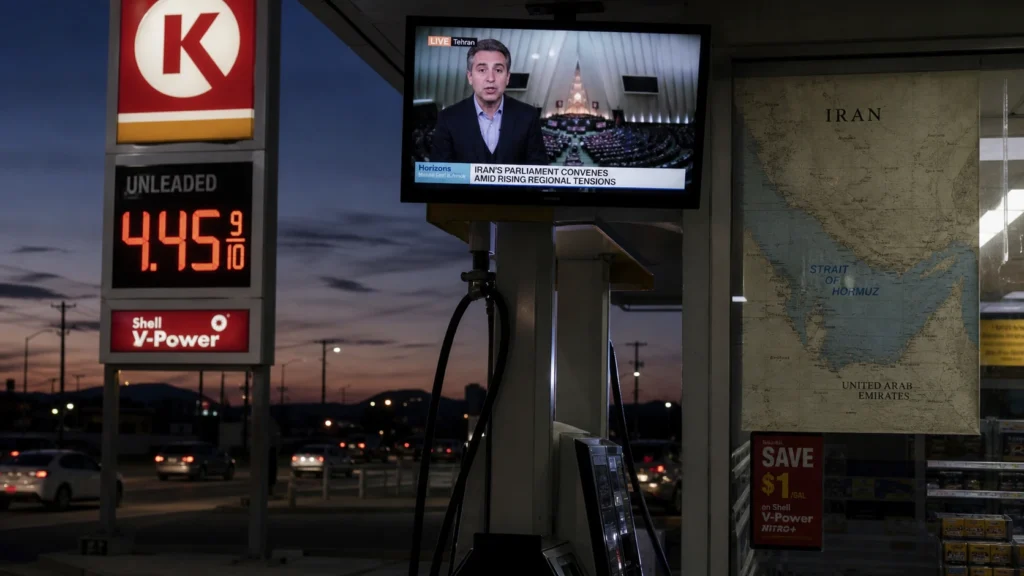
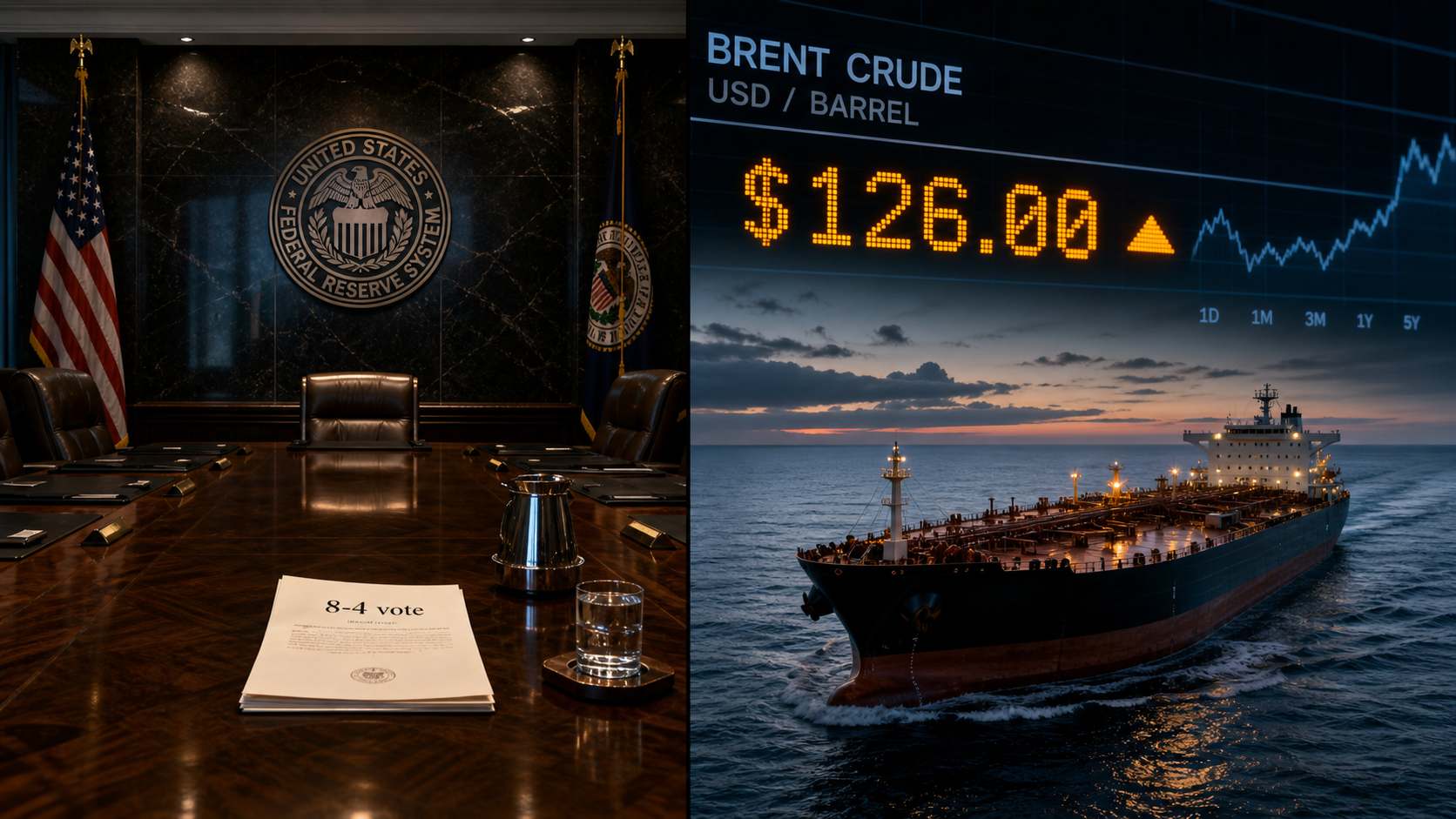
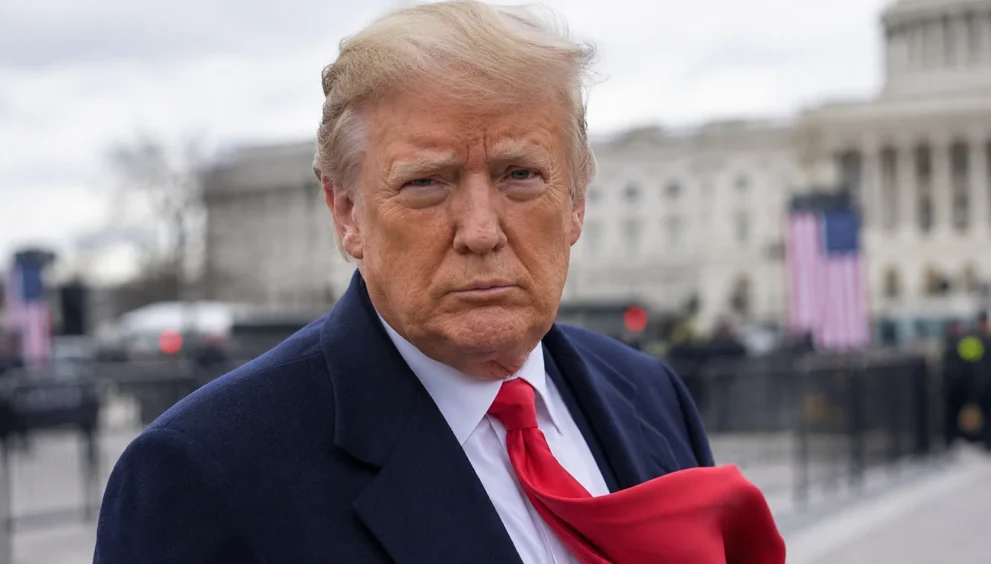
WASHINGTON, DC — Trump warns clock ticking for Iran in a caps-lock Truth Social post Sunday that sent Brent crude up $2.40 within 25 minutes, as ceasefire negotiations mediated by Pakistan ground to an impasse over Tehran’s demand for formal sovereignty over the Strait of Hormuz. The president told Iran to “get moving, FAST, or there won’t be anything left of them” hours before a scheduled call with Israeli Prime Minister Benjamin Netanyahu. The 8 April truce, already on what Trump calls “massive life support,” now faces outright collapse with both sides accusing the other of refusing meaningful concessions.
What Each Side Is Demanding
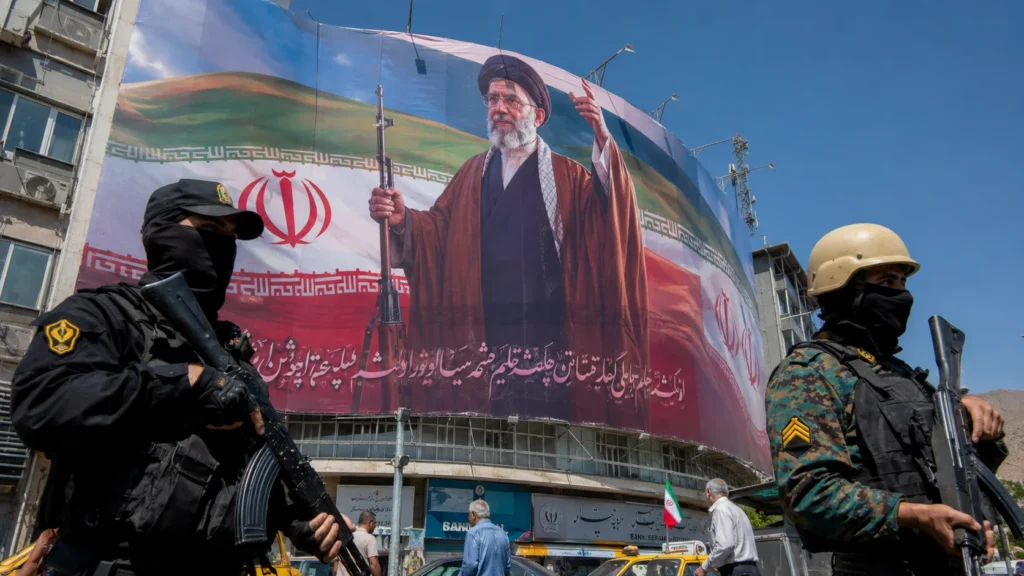
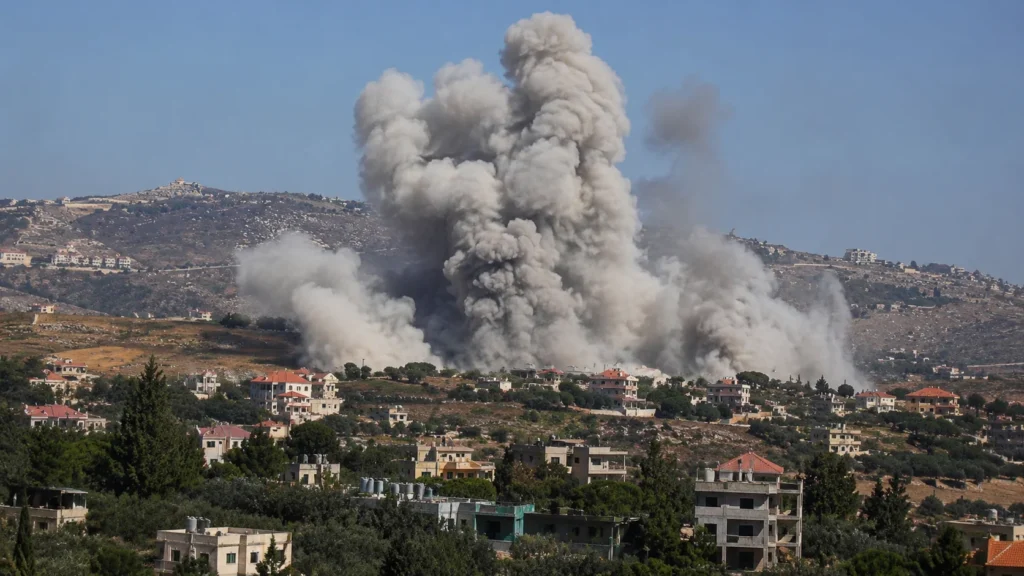
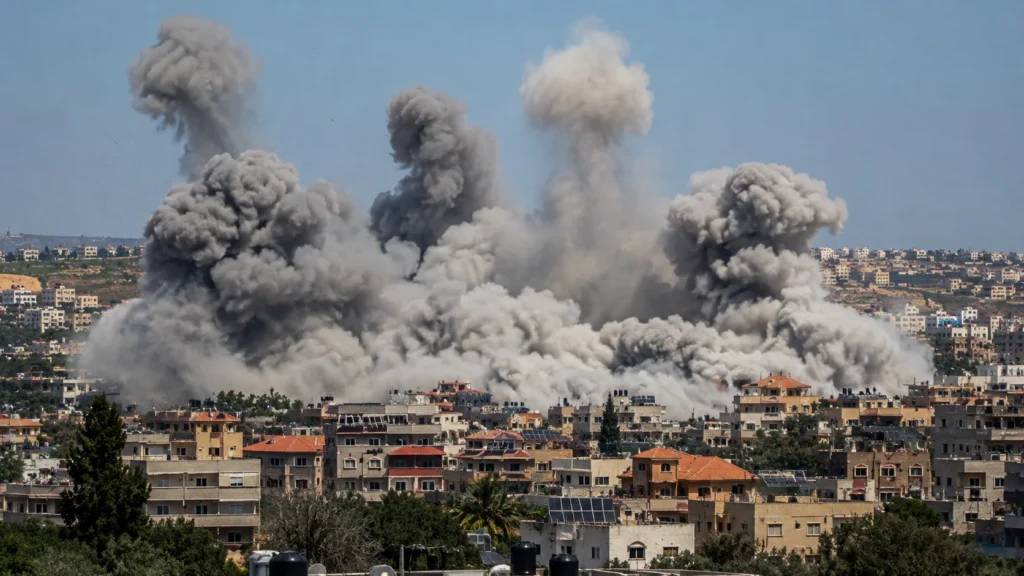
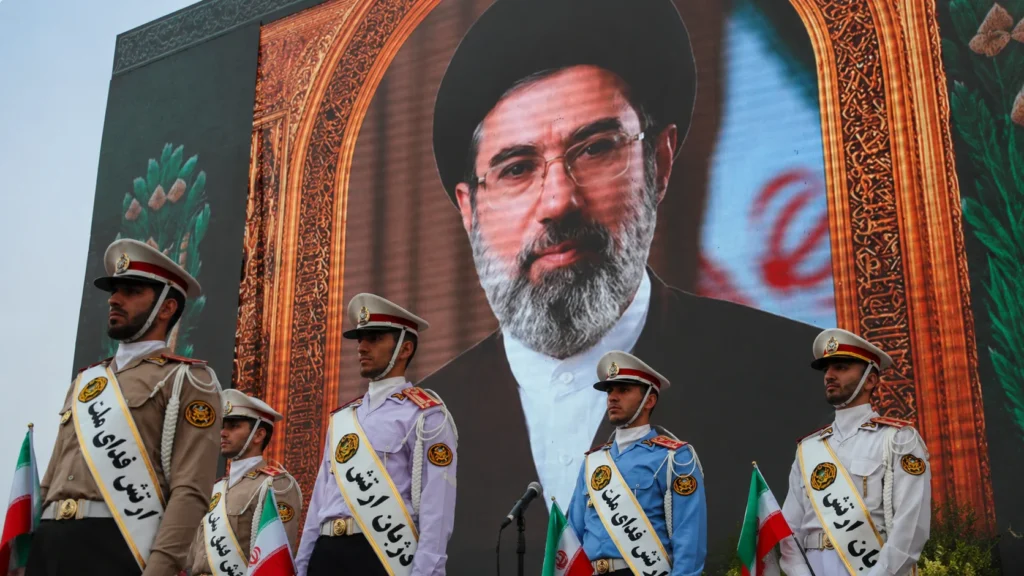
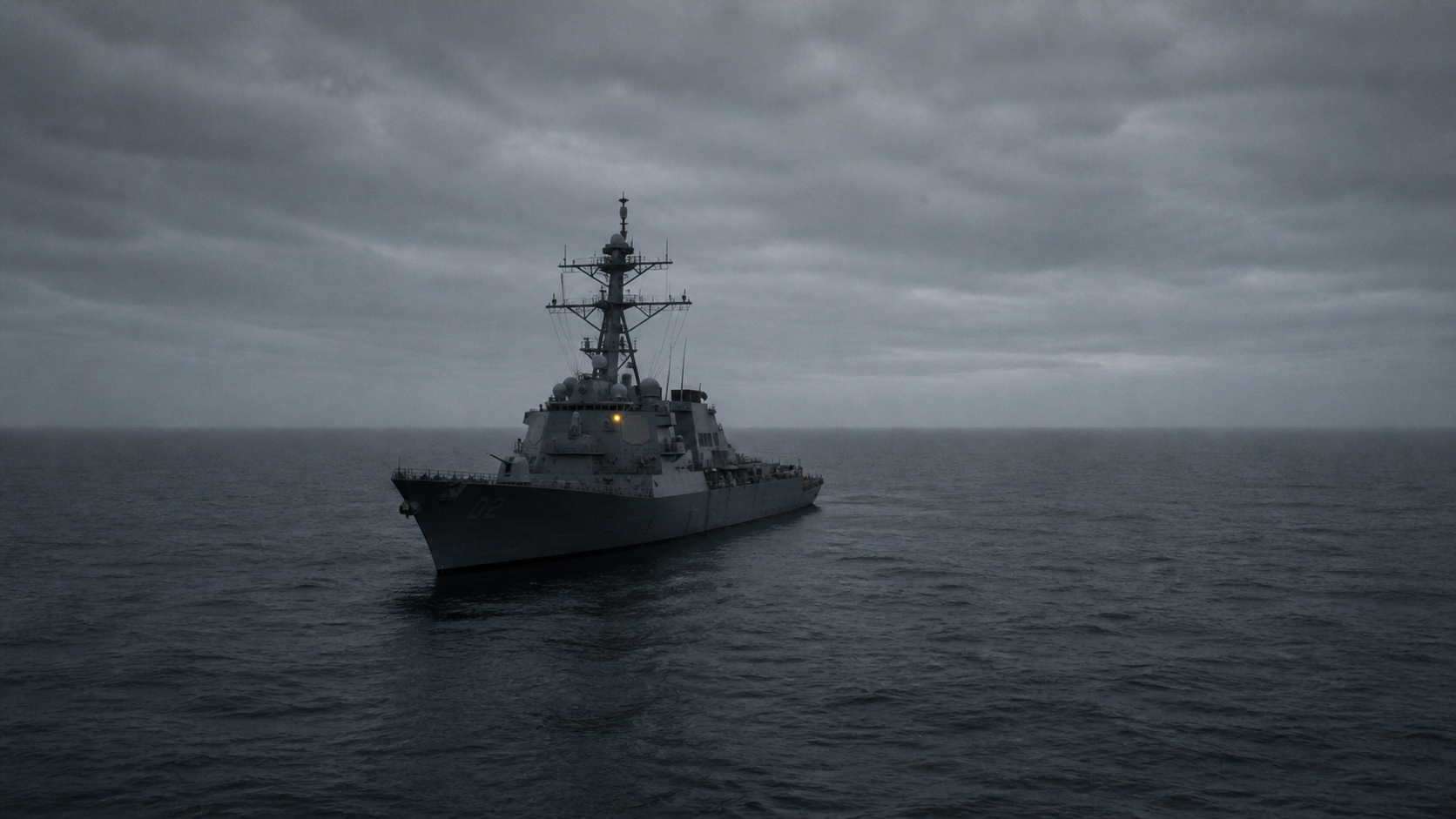
The Iranian proposal, transmitted through Pakistani intermediaries, contains four core demands according to the semi-official Tasnim news agency Tasnim News Agency report, May 2026. Tehran wants an immediate end to the war on all fronts — including Israeli operations against Iran-backed Hezbollah in Lebanon. It demands a halt to the US naval blockade of Iranian ports. It seeks guarantees of no further attacks on Iranian territory. And it insists on formal recognition of Iranian sovereignty over the Strait of Hormuz.
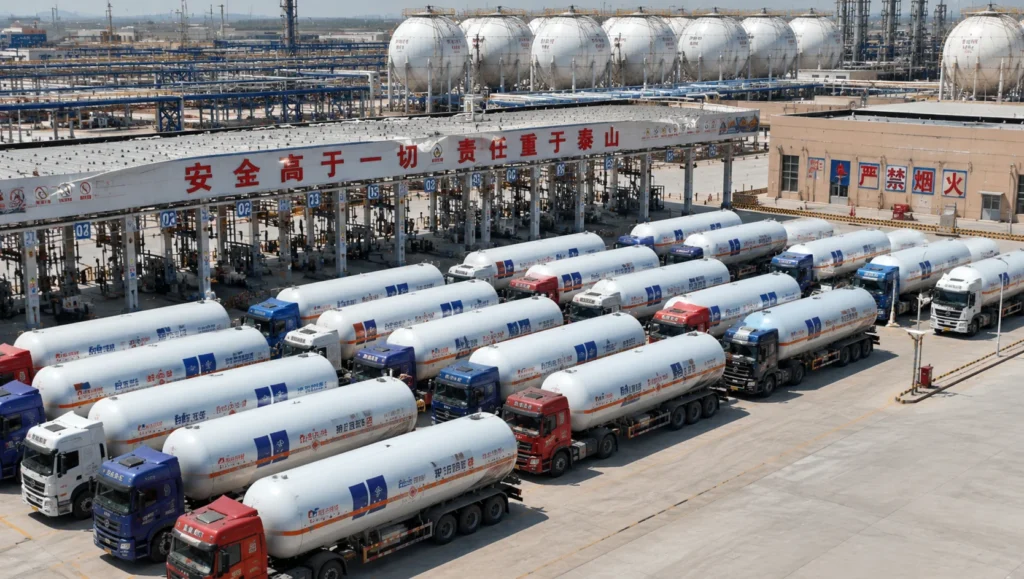
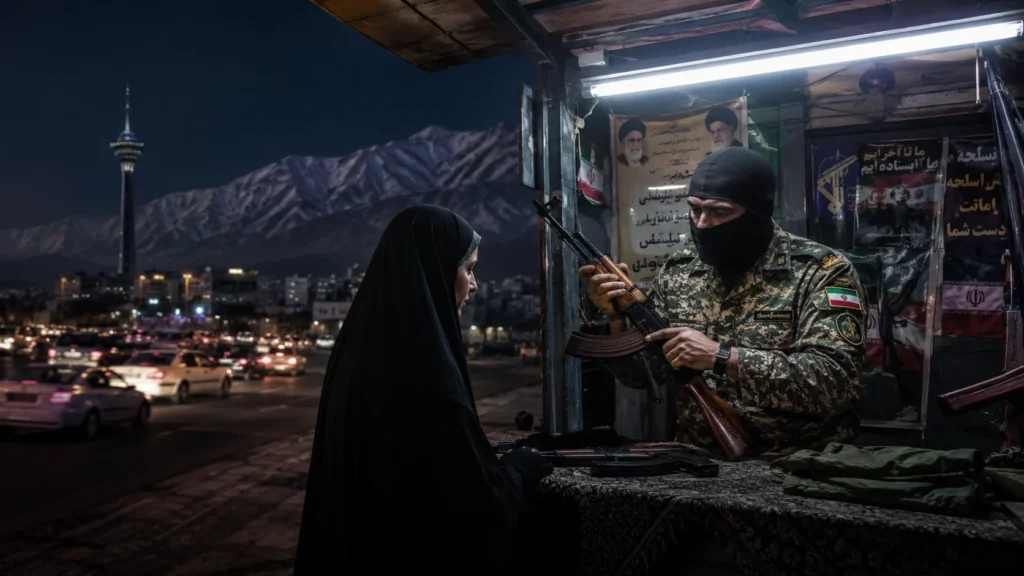
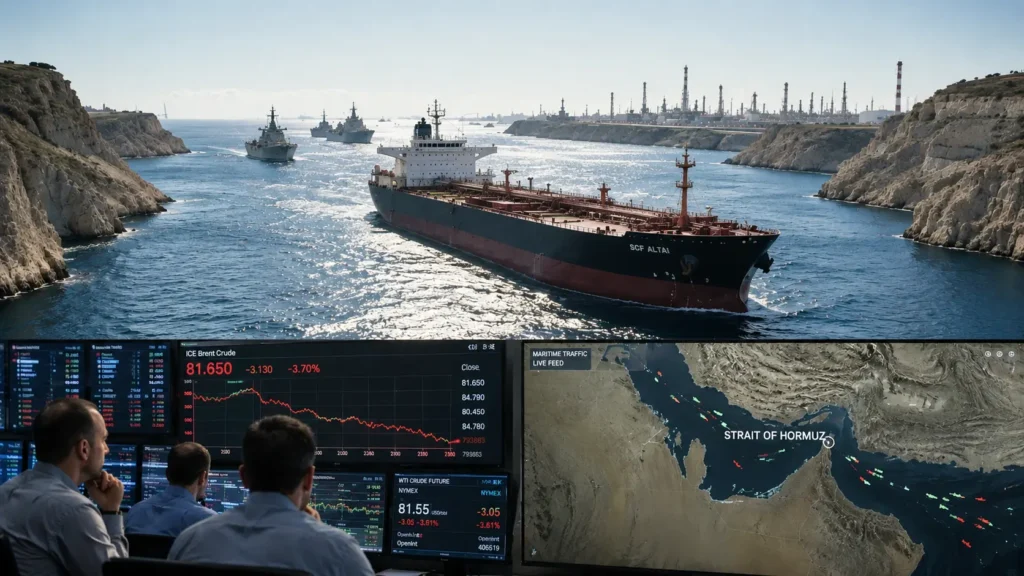
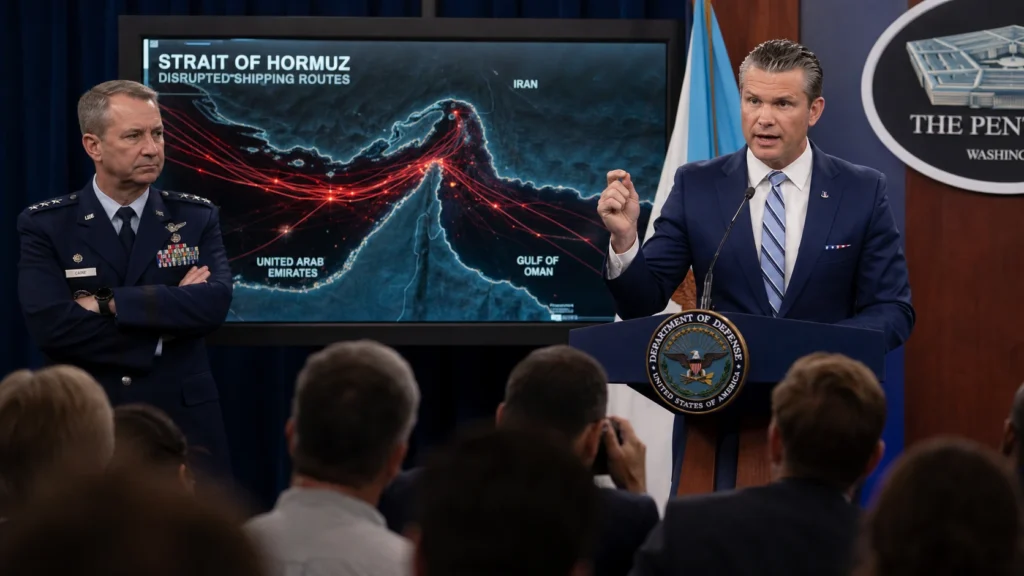
That last demand represents the most consequential structural shift. Iran is not simply seeking a cessation of hostilities. It wants the diplomatic text to codify what its Revolutionary Guard Corps has already imposed by force: conditional, permission-based access to the waterway through which a significant proportion of global oil, gas, and fertiliser flows.
The US counter, according to Iranian media reports, contained no concrete concessions. Mehr news agency, a semi-official outlet, warned this would produce an “impasse in the negotiations” Mehr News Agency report, May 2026. Iran’s foreign ministry spokesperson Esmail Baghaei described the Iranian proposal as “responsible” and “generous.” Washington called it “totally unacceptable.”
How Iran’s constabulary action in the Strait of Hormuz is reshaping global shipping
The Nuclear Dimension: A Quiet Concession
Trump signalled on Friday that he would accept a 20-year suspension of Iran’s nuclear programme rather than its total elimination. This marks a significant departure from the administration’s previous position demanding complete dismantlement.
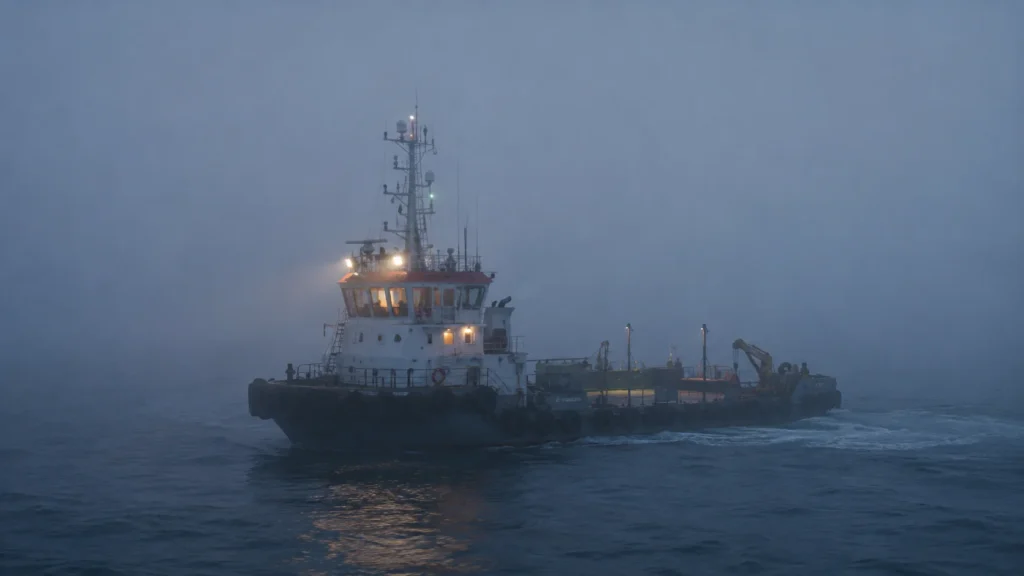
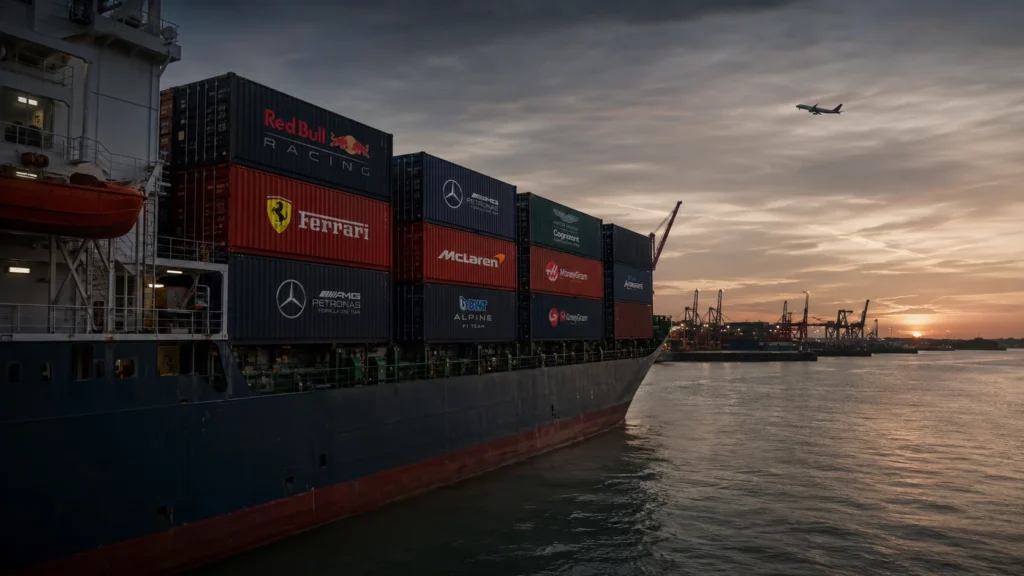
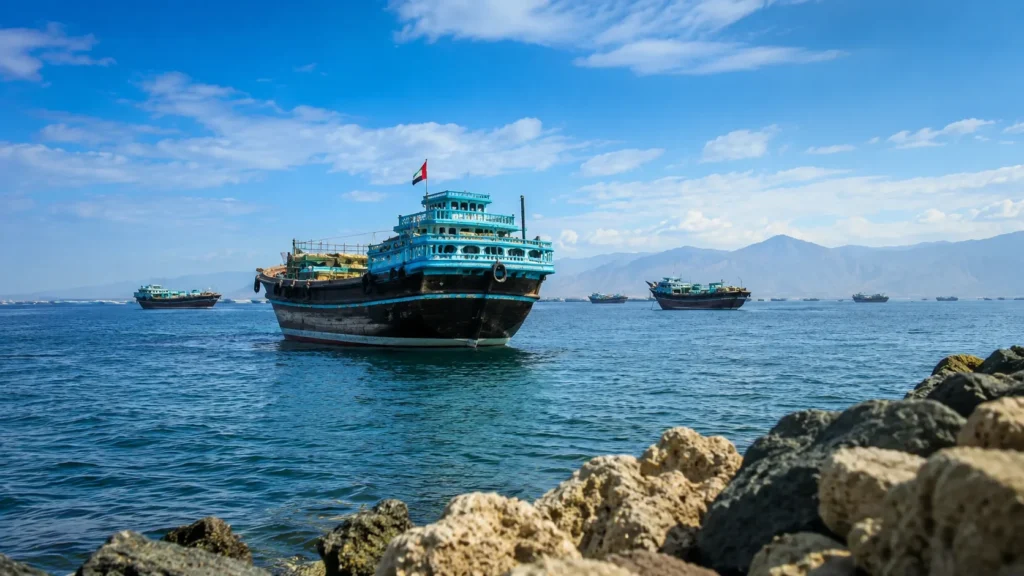
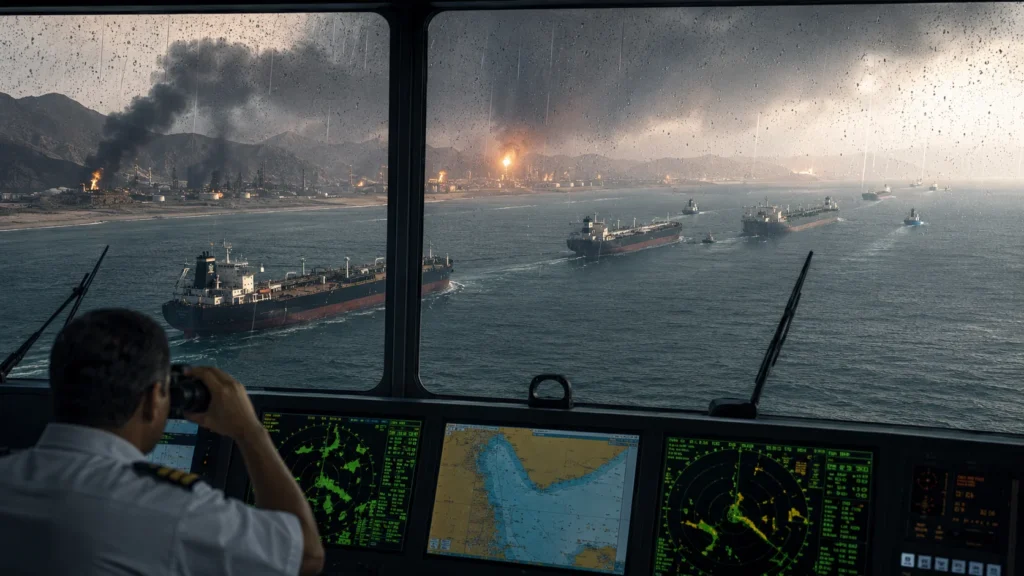
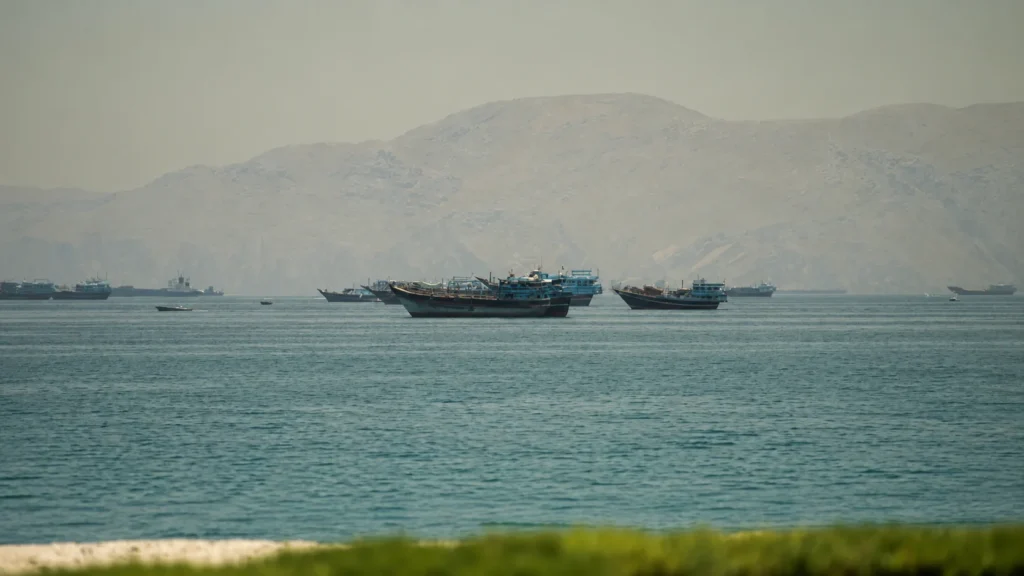
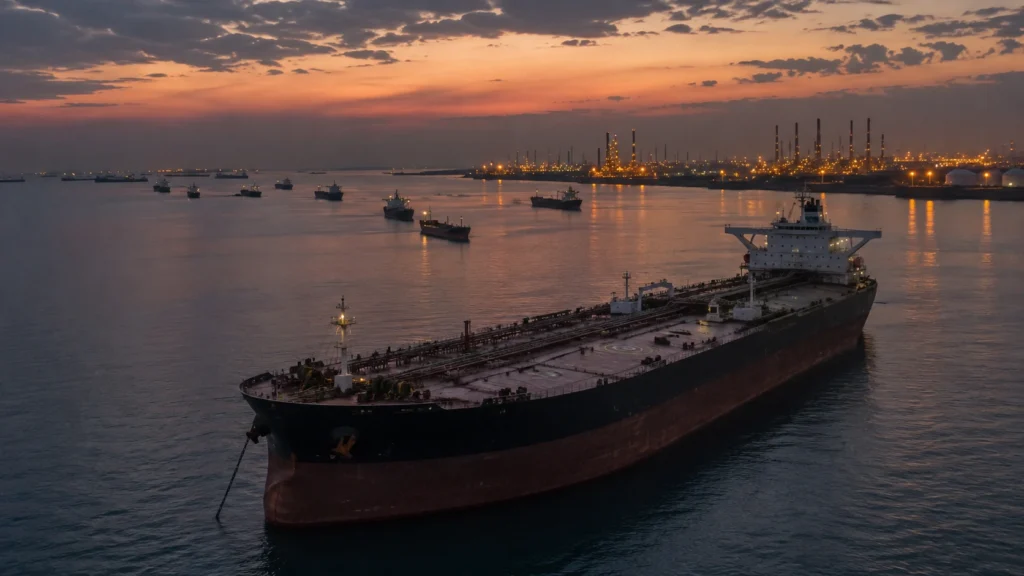
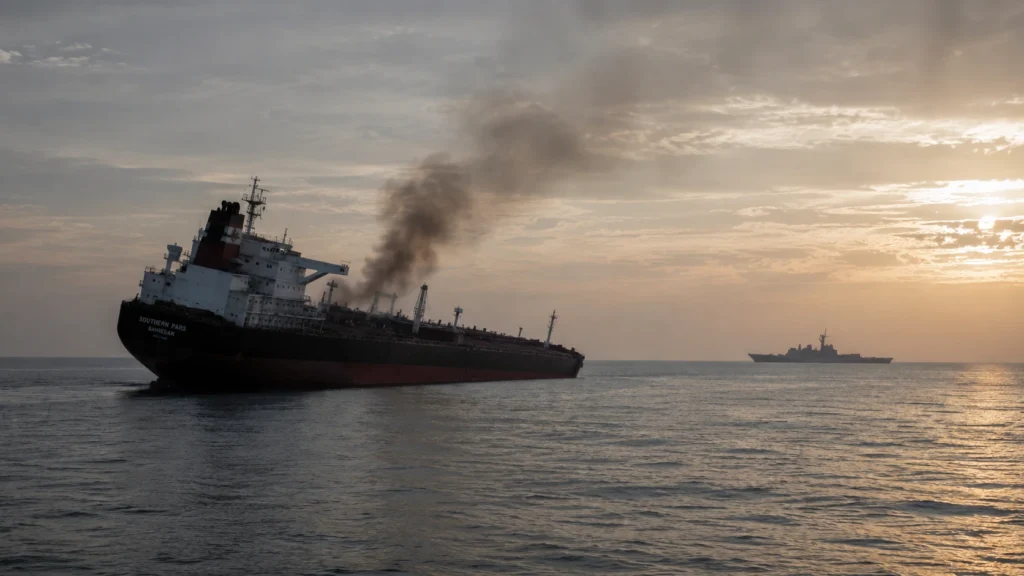
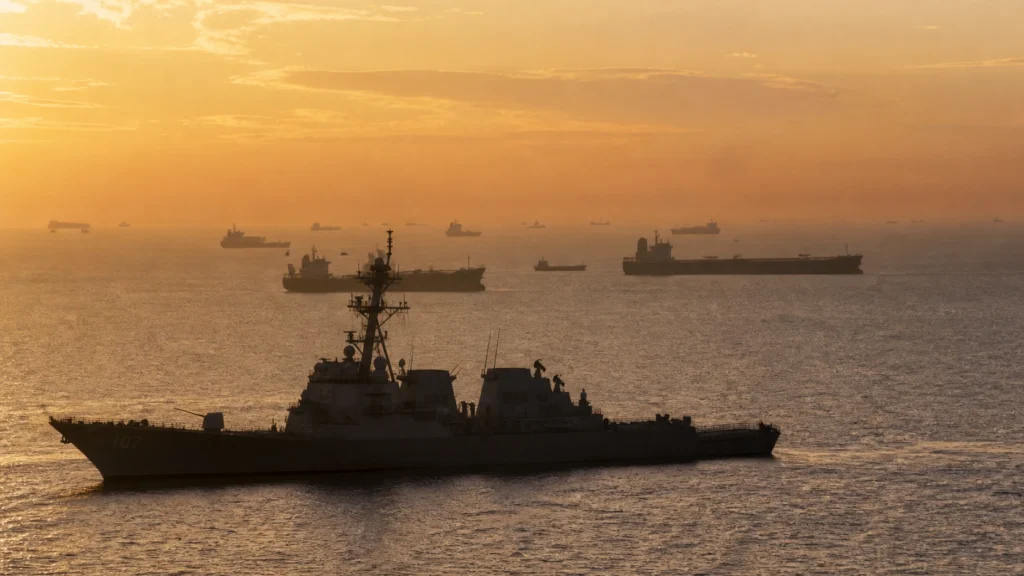
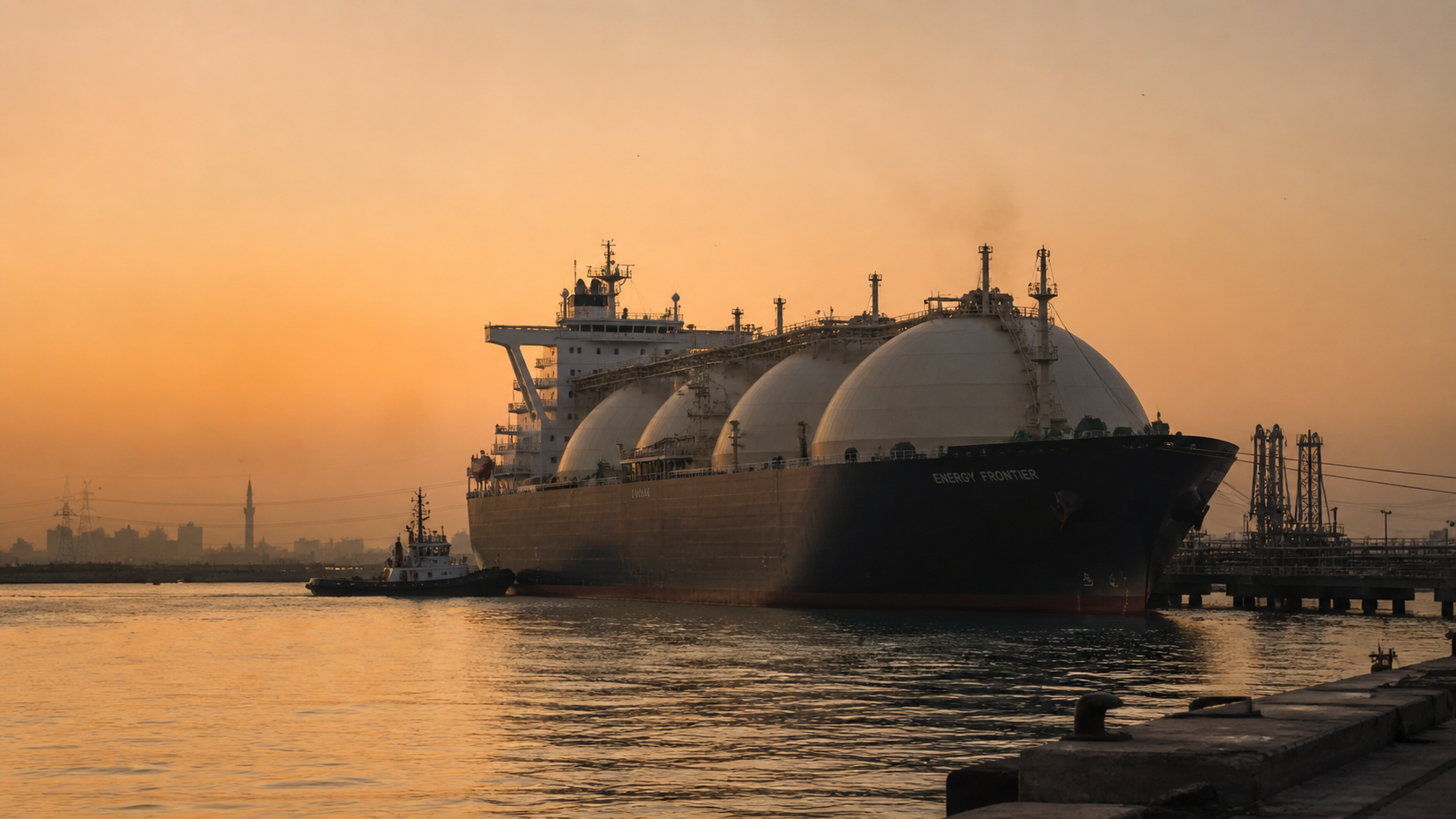
The shift is substantively large and politically delicate. A 20-year horizon pushes the nuclear file beyond any conceivable Trump presidency, beyond the current Netanyahu government, and beyond the immediate electoral cycles of both allies. The concession reveals the internal calculus in Washington: the Strait of Hormuz crisis, with 850 ships and 20,000 seafarers trapped inside the Gulf, now exerts more immediate pressure on US decision-making than the nuclear timeline.
But concessions cut both ways. Tehran reads movable red lines as proof that economic and military pressure on Washington — via the Strait, via oil markets, via the attrition of a stalled ceasefire — produces strategic flexibility. In negotiations structured around sovereignty claims, that reading is a vulnerability for the party that moved first.
Why Pakistan’s Mediation Role Matters
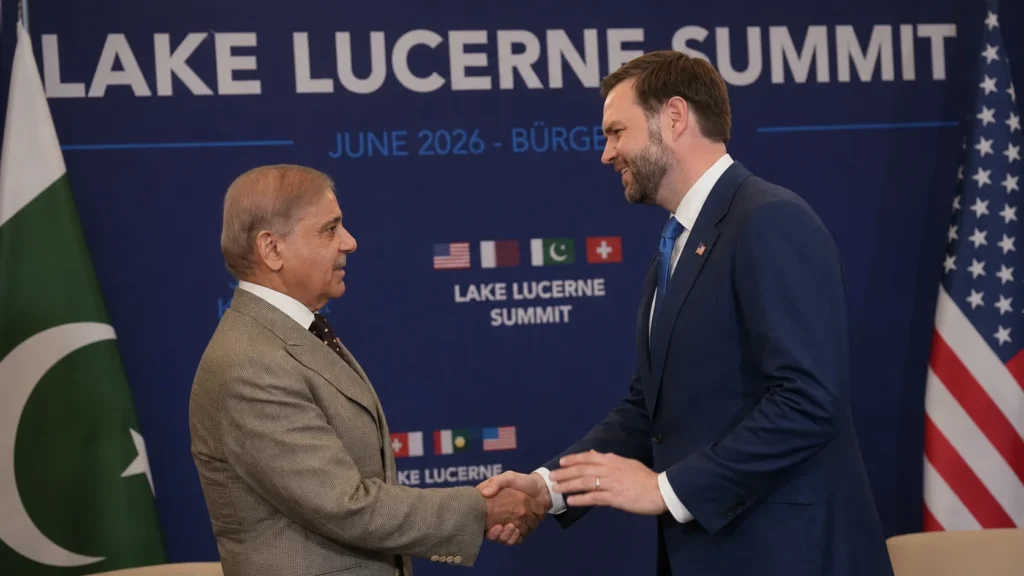
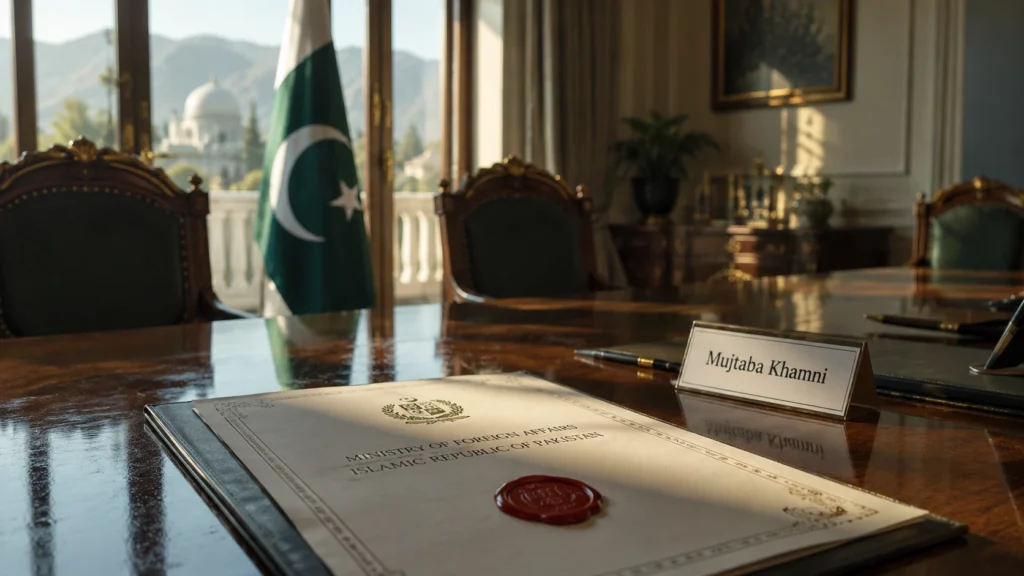
Pakistan’s position as the sole diplomatic channel between Washington and Tehran elevates Islamabad’s relevance in ways that extend beyond this conflict. A nuclear-armed state with deep economic exposure to Gulf stability and its own historically complex relationship with Tehran now holds the procedural keys to the most consequential US-Iran negotiation since the 2015 nuclear deal.
The format itself — indirect talks, proposals relayed through intermediaries — structurally advantages the party with more strategic patience and less domestic pressure to produce a visible win. Right now, the Trump warns clock ticking for Iran rhetoric suggests that the party is not in Washington. Iran’s state-linked media infrastructure calmly narrates American inflexibility. The tempo of escalation remains in Tehran’s hands because the tempo of diplomatic expectation remains on the American side.
The broader pattern: non-Western mediation is building parallel institutional capacity precisely as Western military dominance proves insufficient to compel outcomes. The Strait of Hormuz crisis and the DR Congo Ebola emergency are not separate stories. They are signals of the same structural redistribution of problem-solving authority.
Pakistan’s emerging role as diplomatic bridge in Middle East conflicts
The Human Cost: 20,000 Seafarers in Limbo
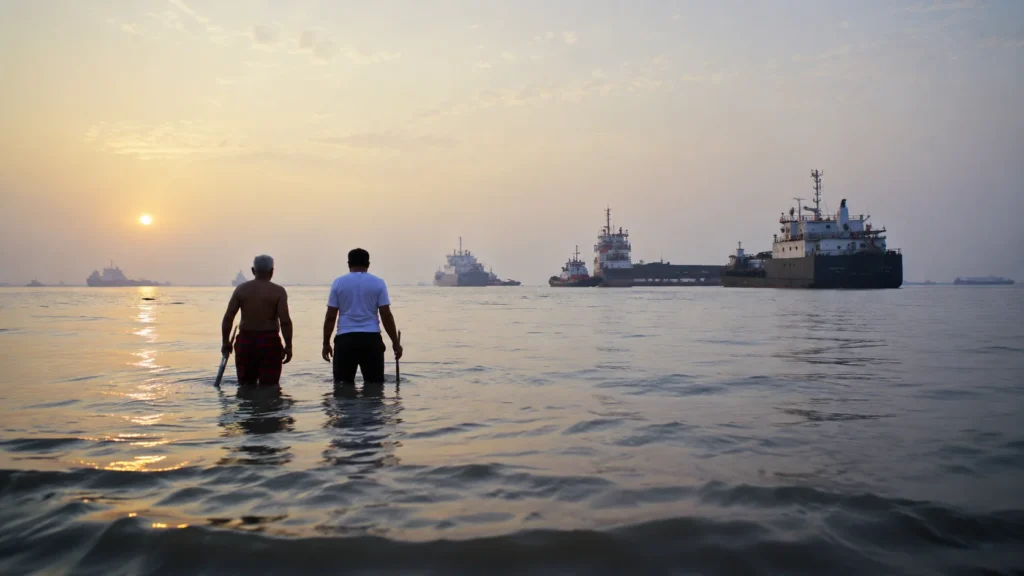
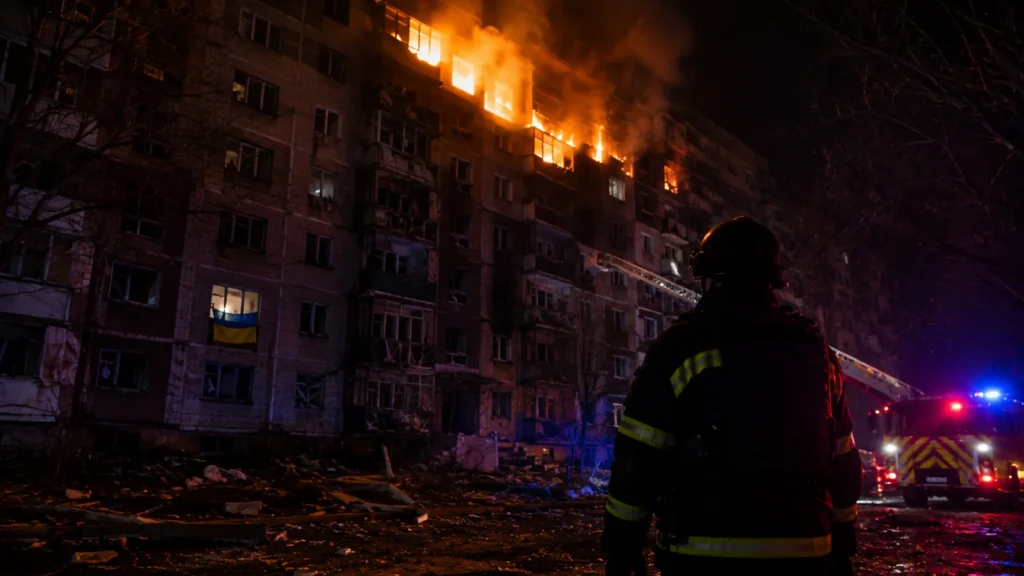
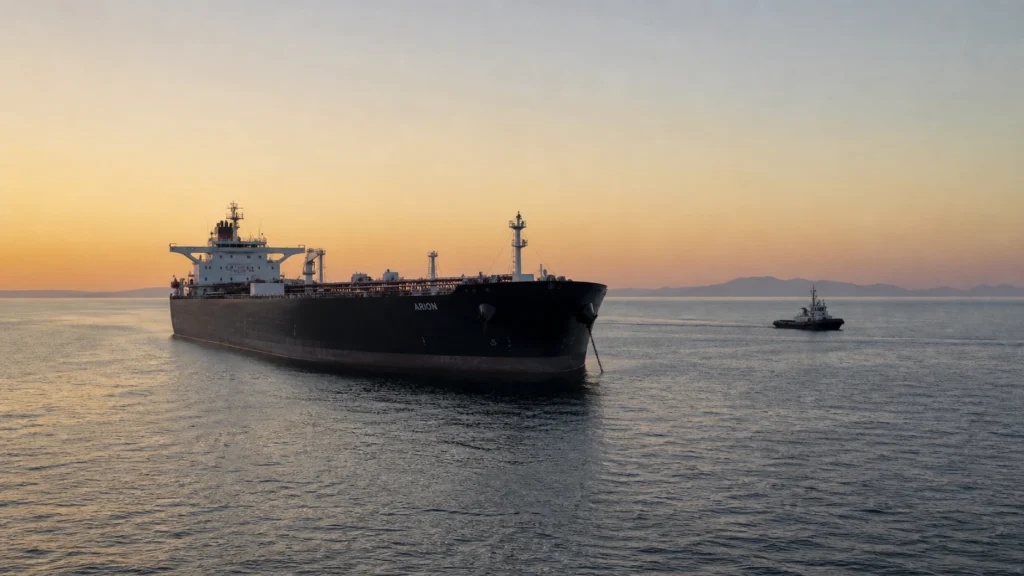
The shipping crews trapped on 850 vessels inside the Gulf remain the invisible transmission mechanism of this crisis. Their contract rotations are frozen. Their families remain unseen. Every Truth Social post that resets market expectations resets its return dates too.
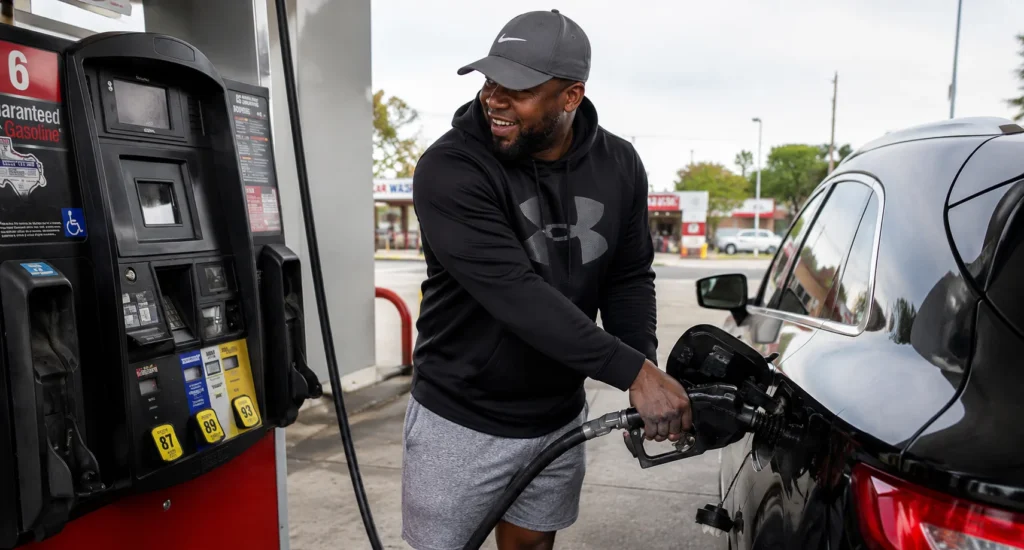
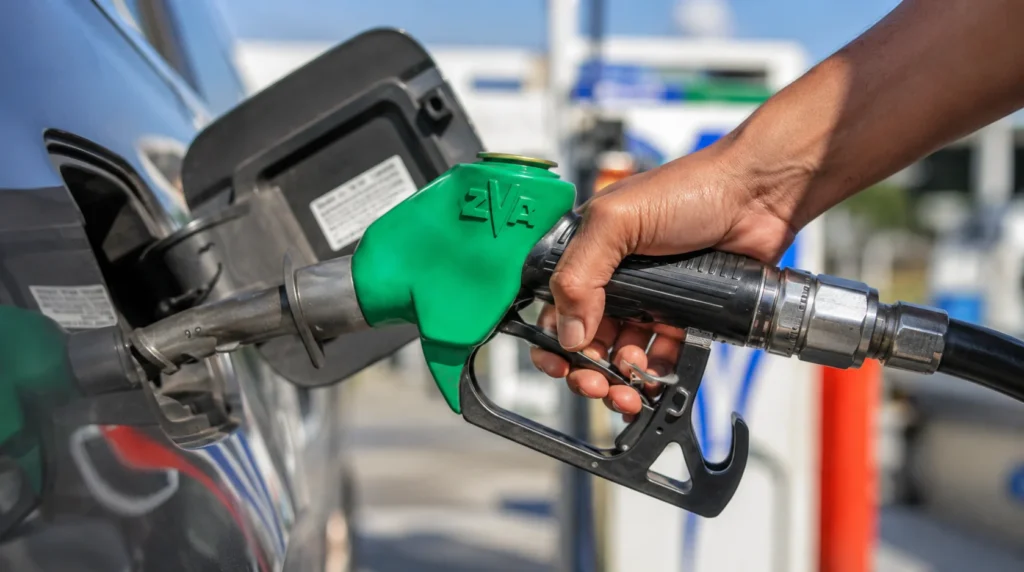
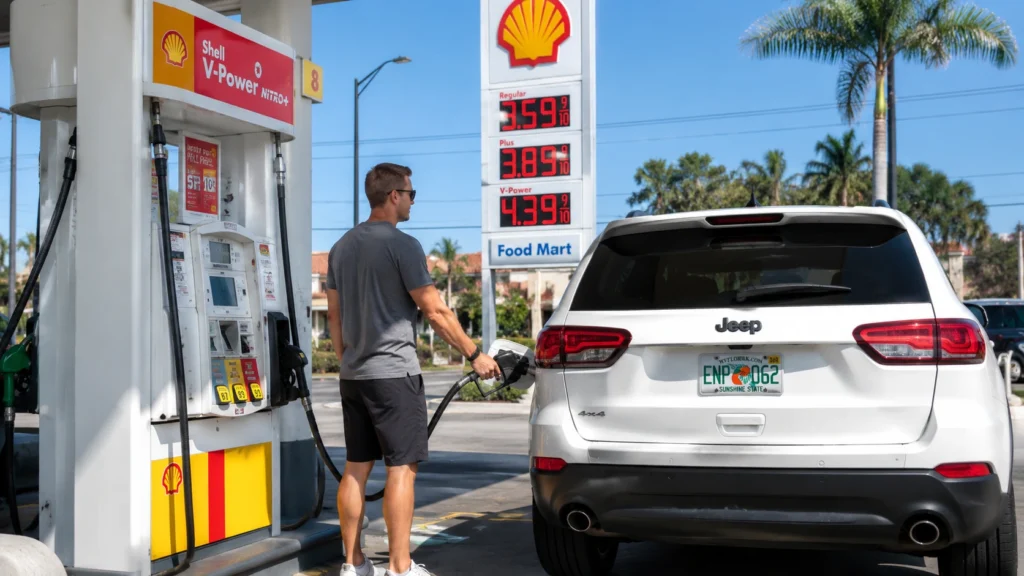
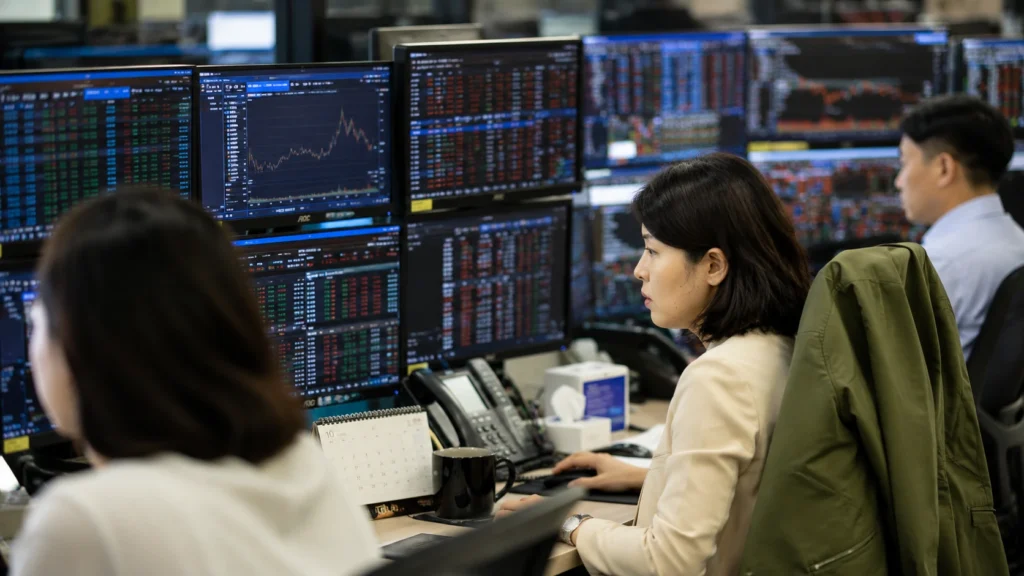
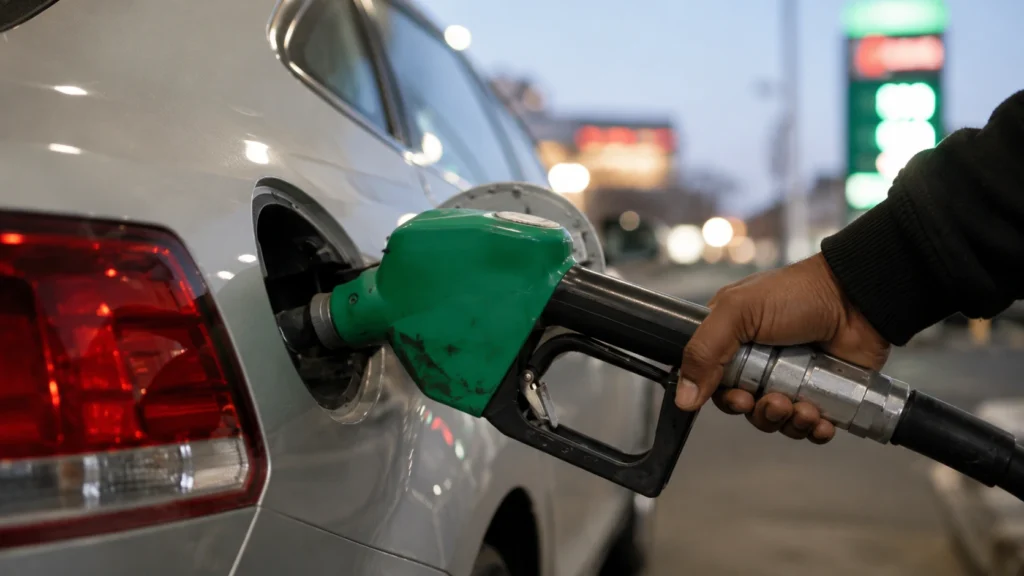
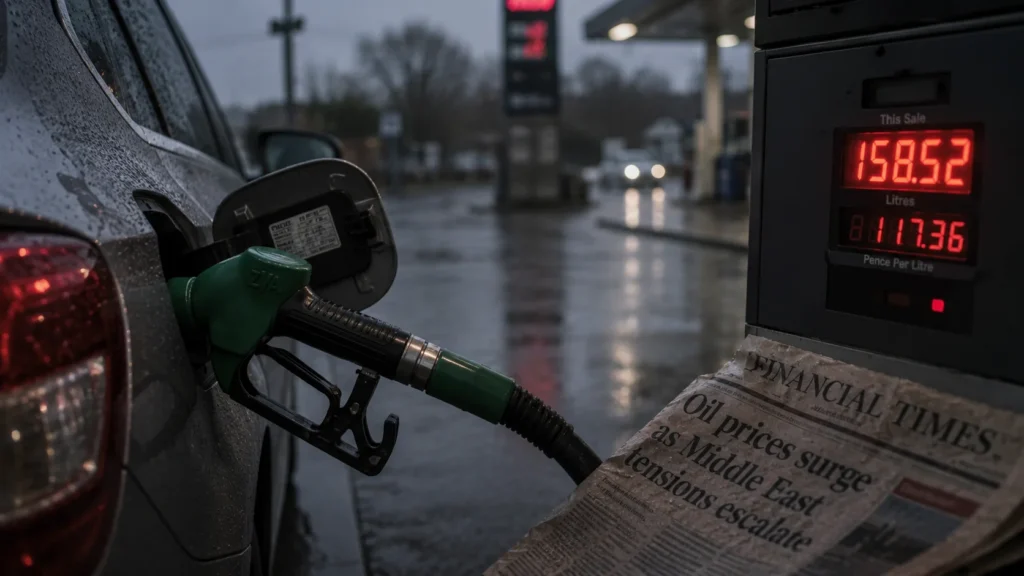
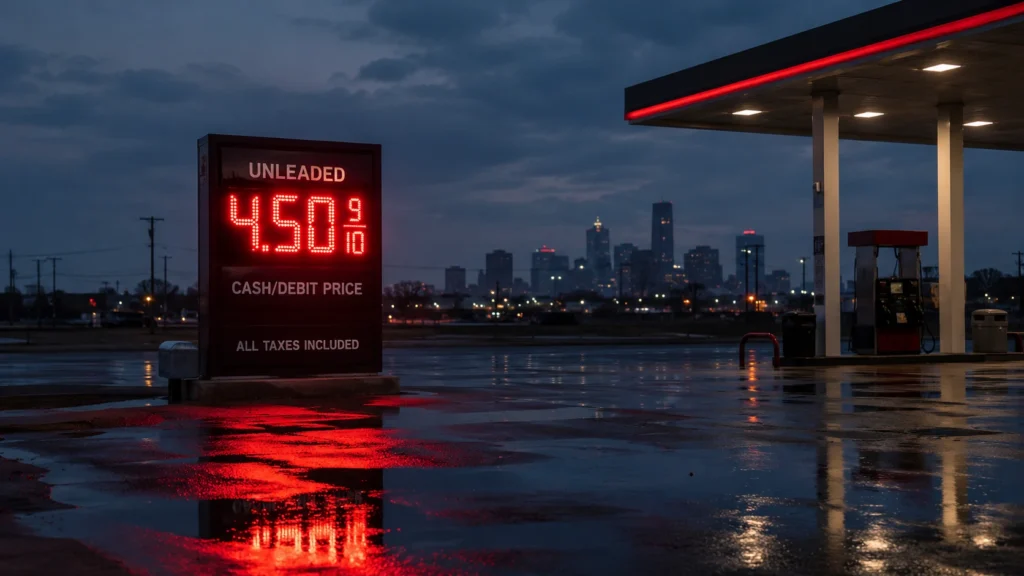
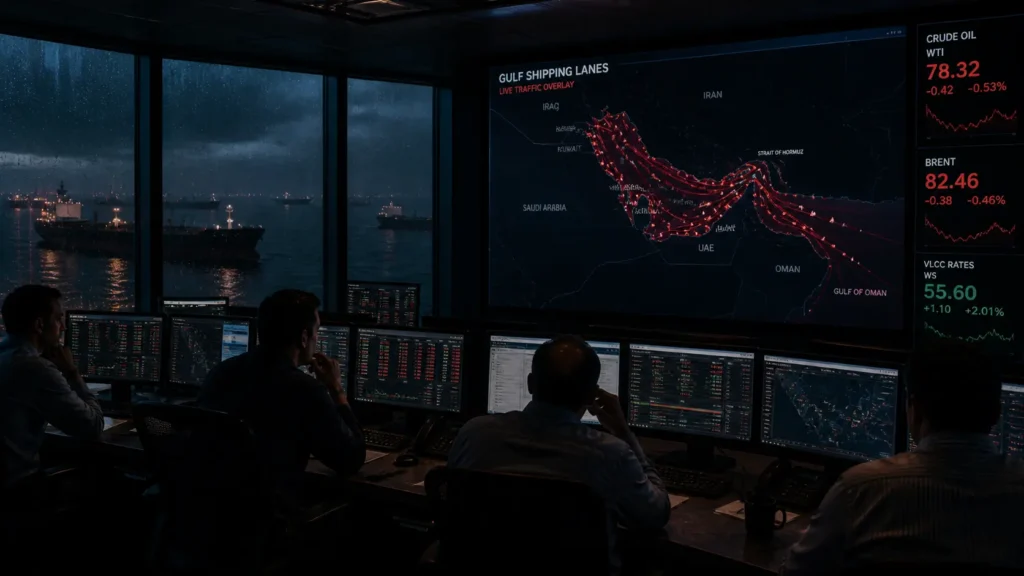
Brent crude added $2.40 in the 25 minutes after Trump’s post landed at 06:47 Washington time on Sunday. That price movement is not abstract. It translates into higher fuel costs for households, higher fertiliser costs for farmers, and higher freight costs for every goods movement dependent on Gulf energy. The gap between the diplomatic language of “impasse” and the lived reality of a deckhand calculating how many months his salary can sustain a household in Manila is where great-power brinkmanship becomes ordinary human cost.
International Maritime Organization guidance on crew welfare during conflict zones
Written by the Foreign Desk, drawing on official statements from the White House, Iranian foreign ministry briefings via Mehr and Tasnim news agencies, and market data from Brent crude trading on 17 May 2026. The desk has covered US-Iran relations and Middle East geopolitics for over two decades.