

 English





















































































































































































































































Trump’s Mortality Talk Reshapes GOP Strategy
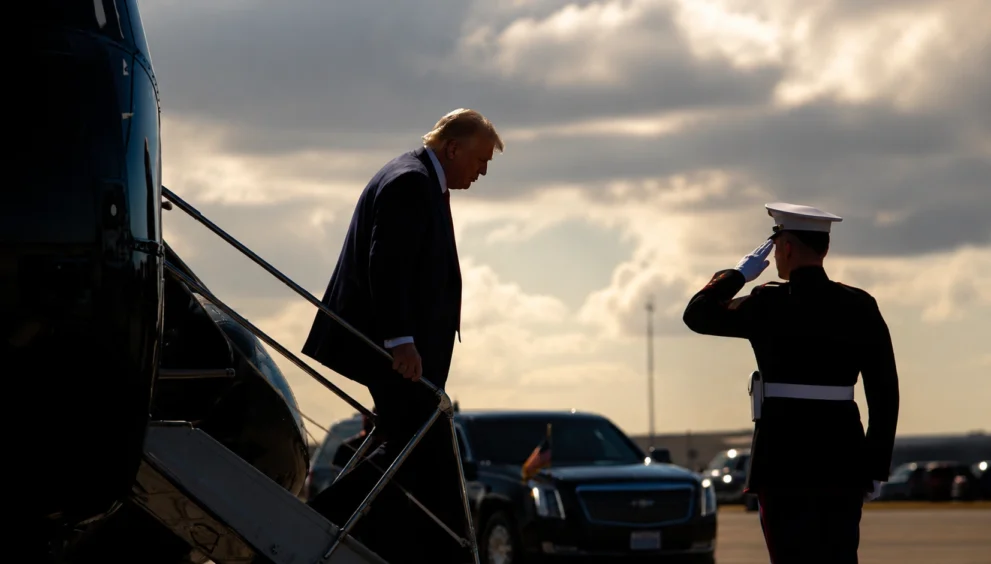
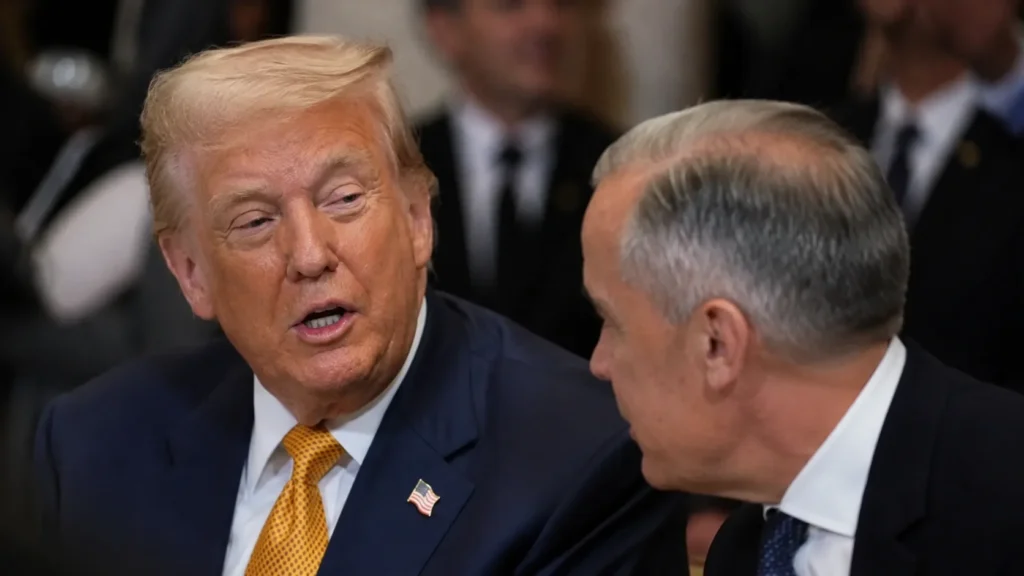
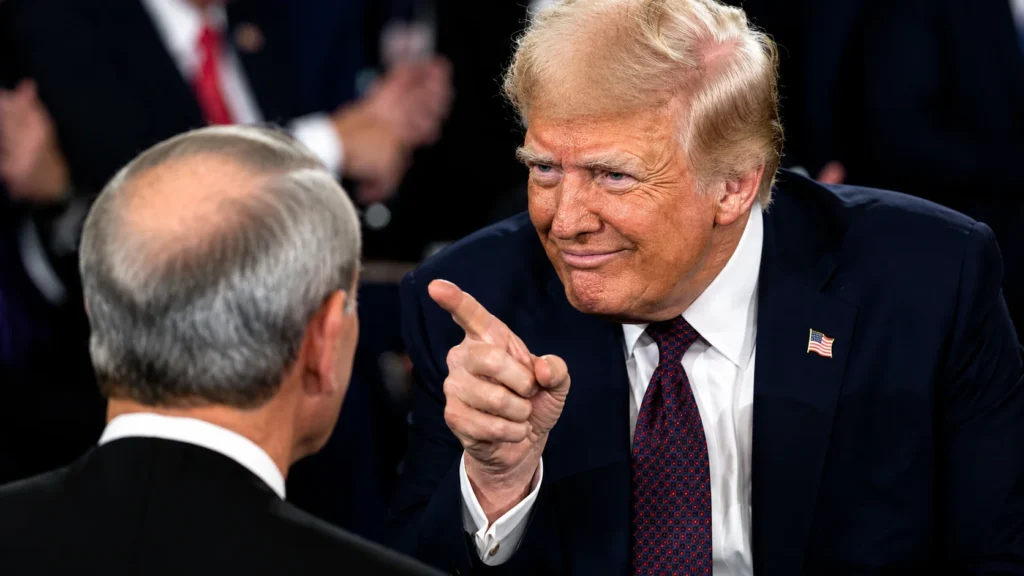
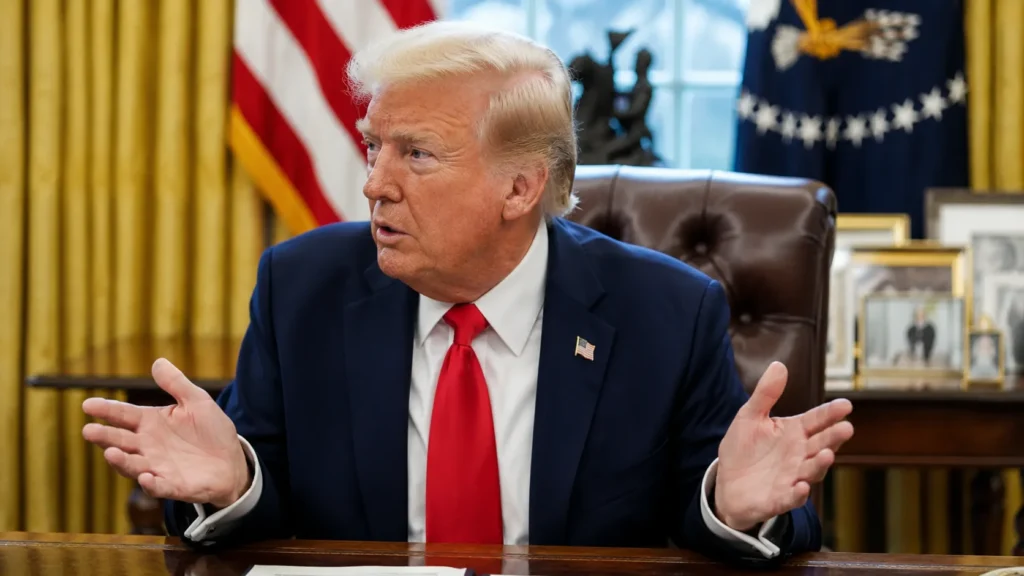
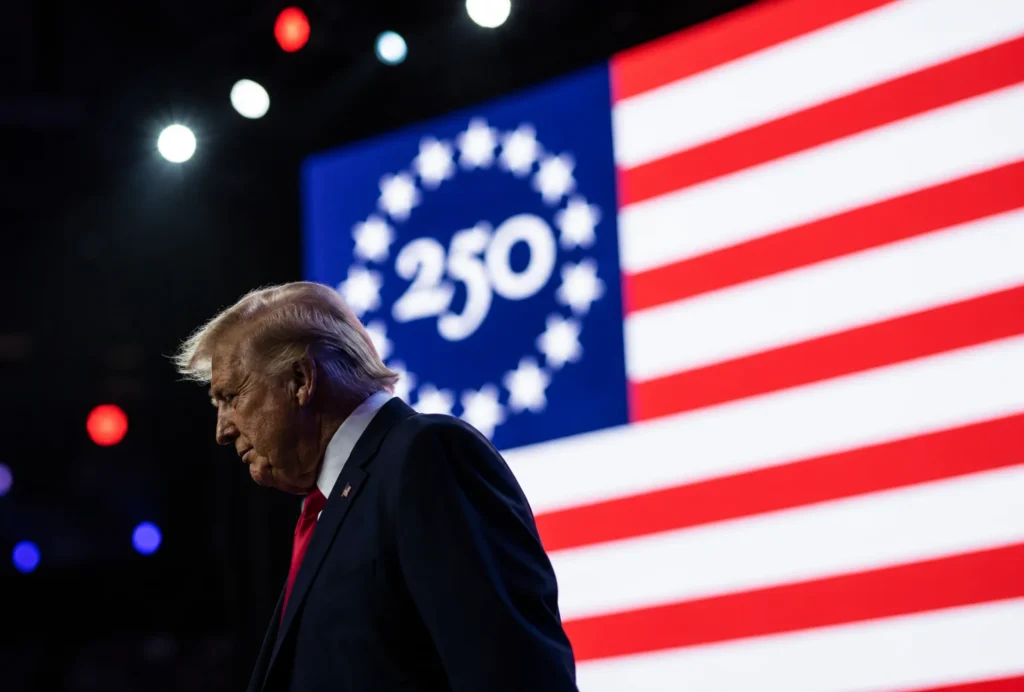
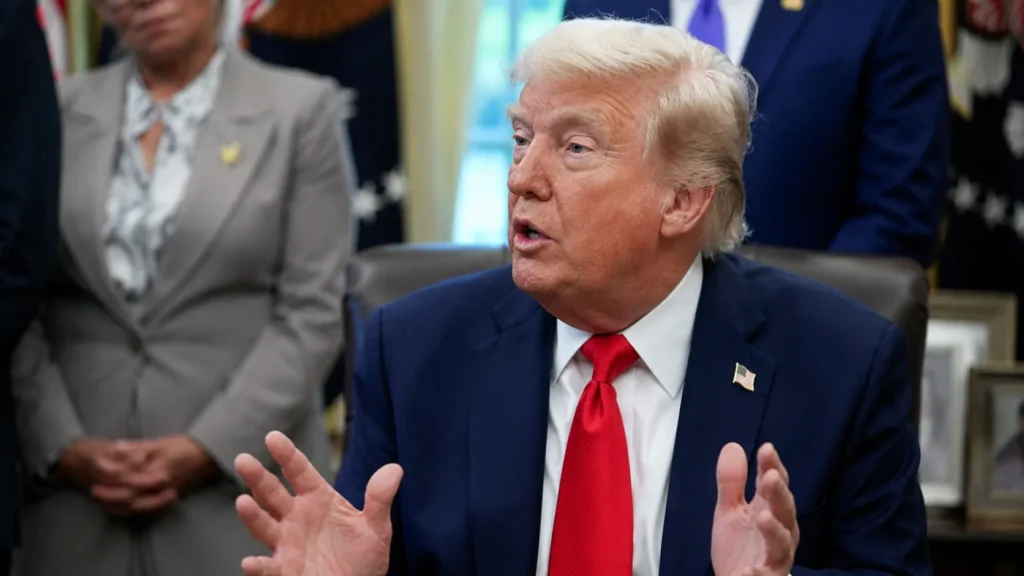
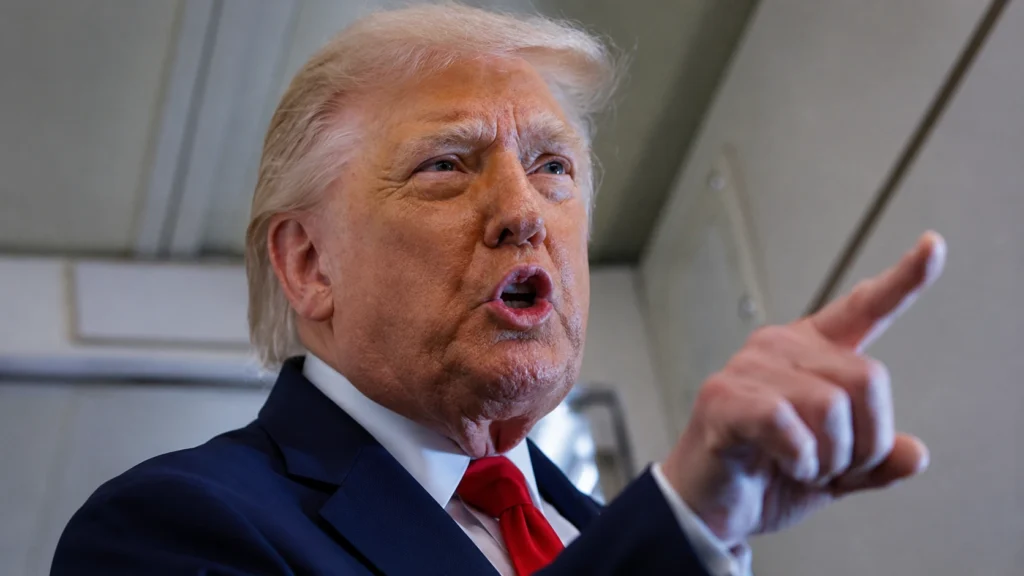
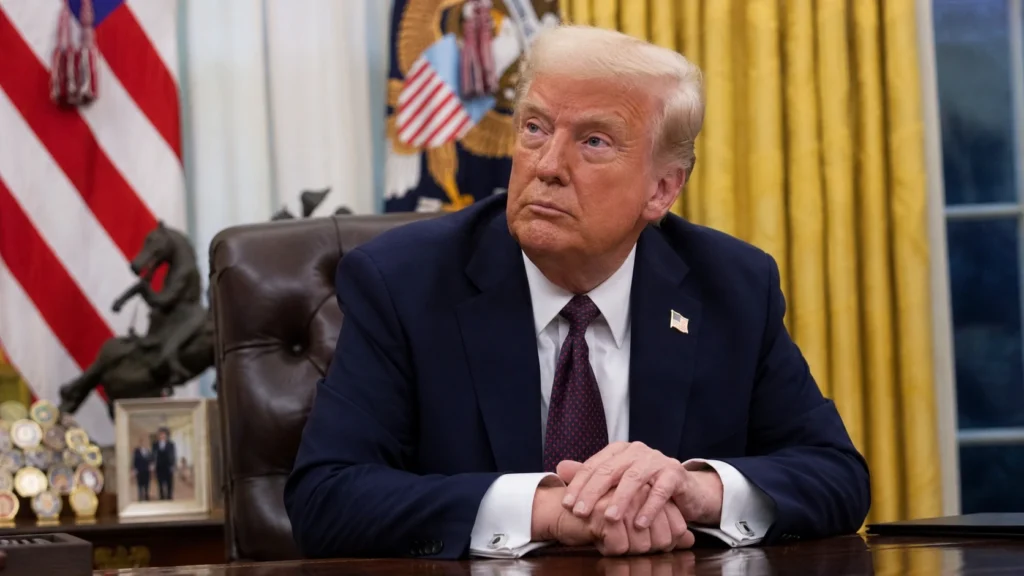
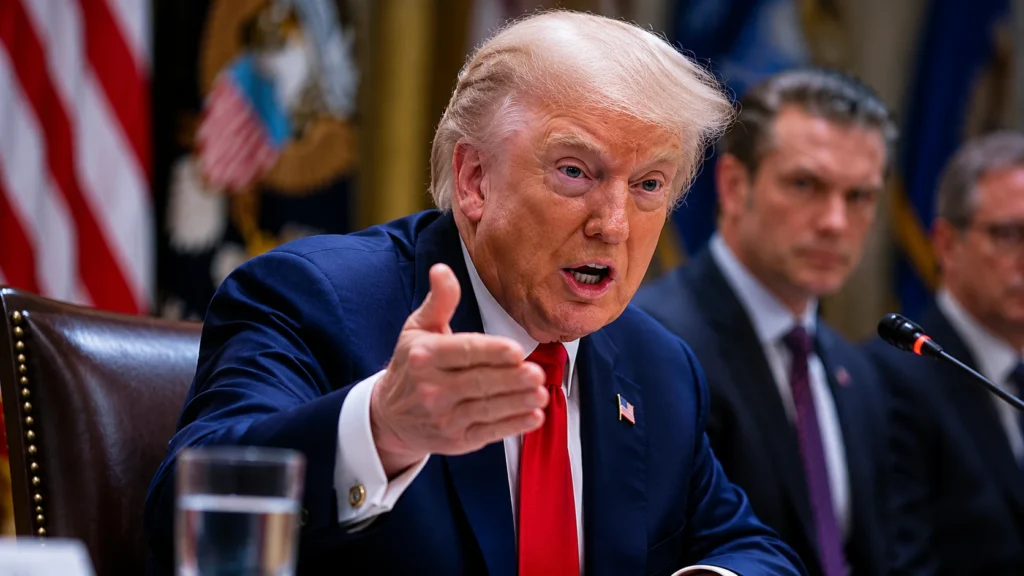
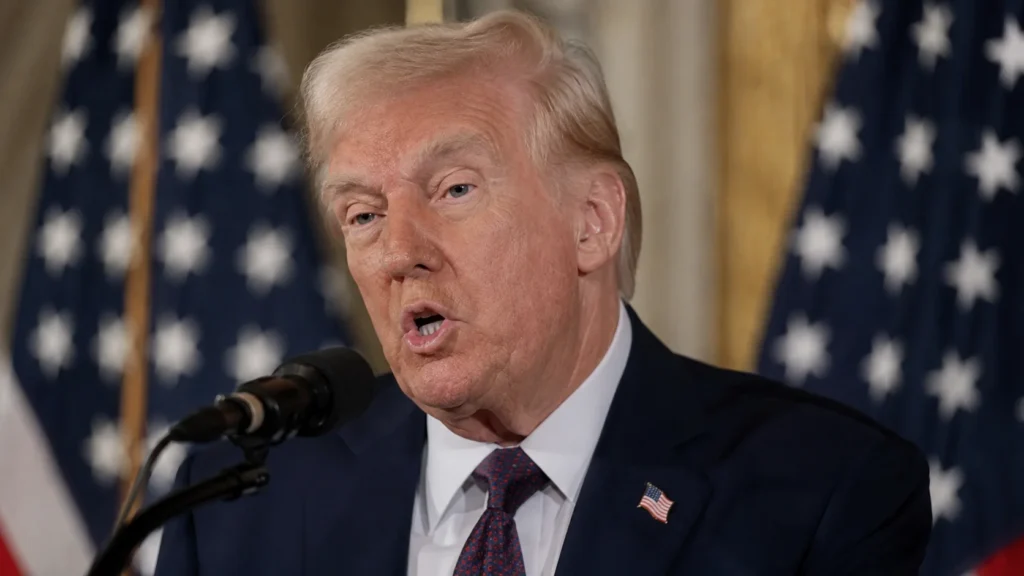
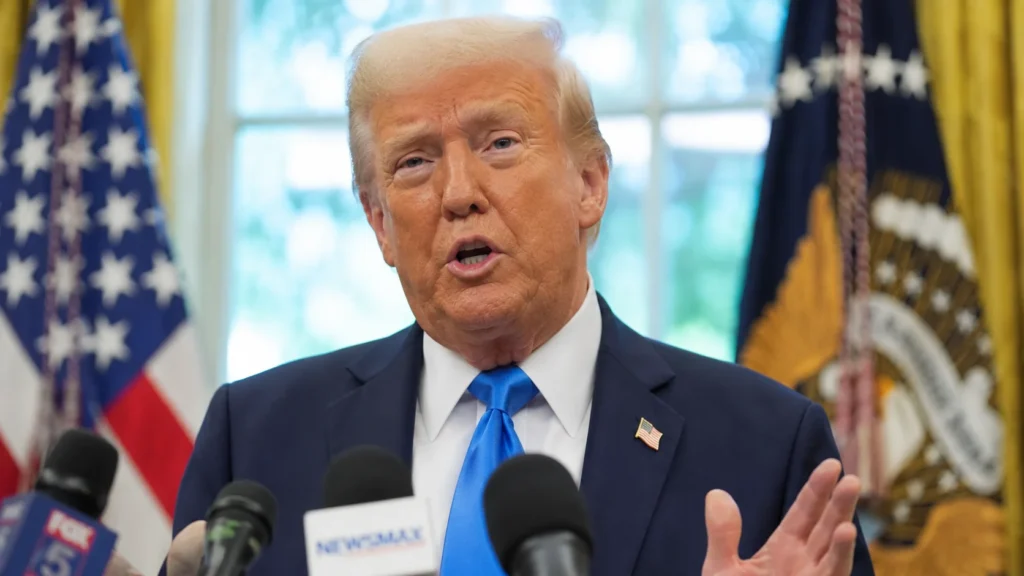
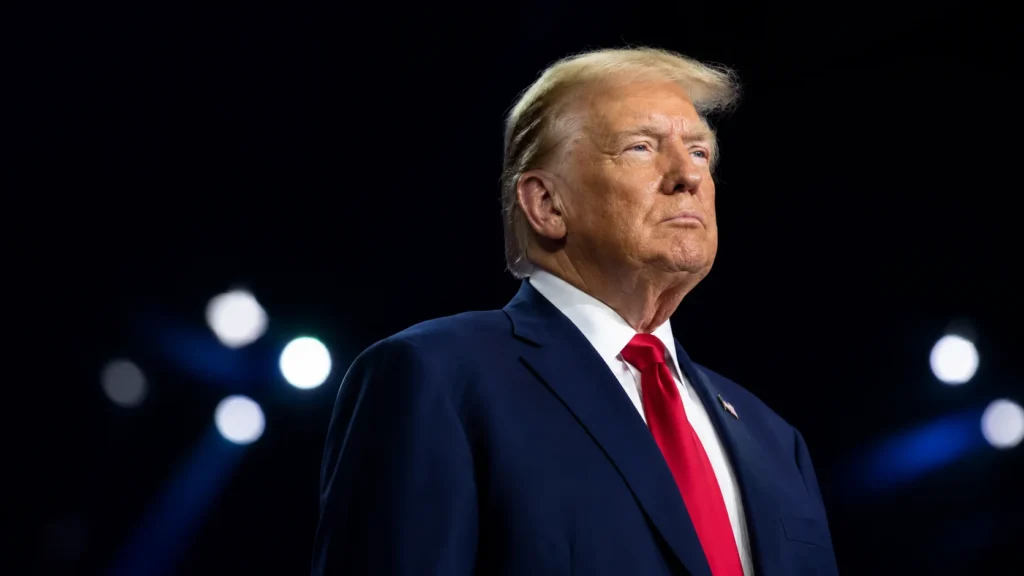
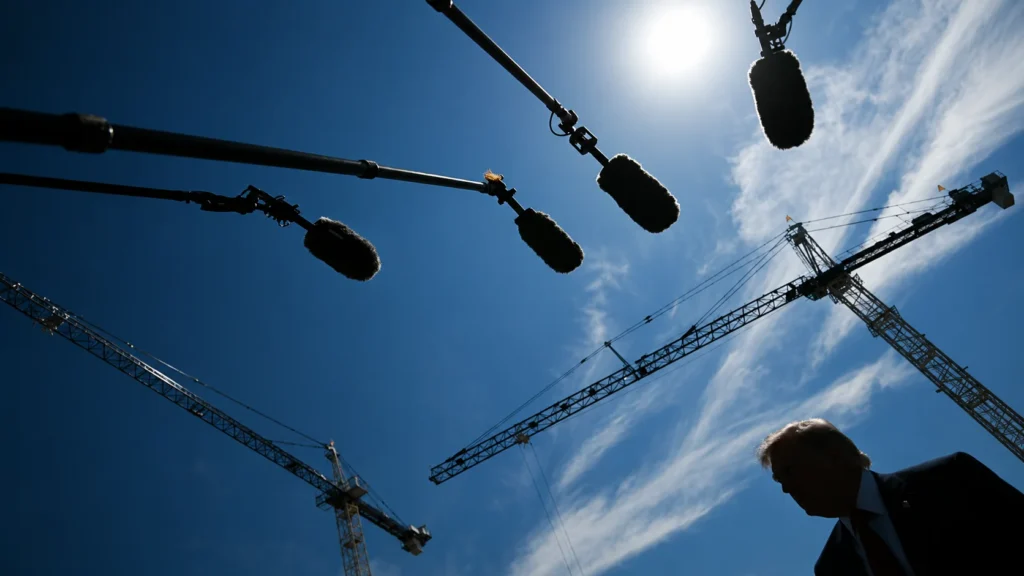
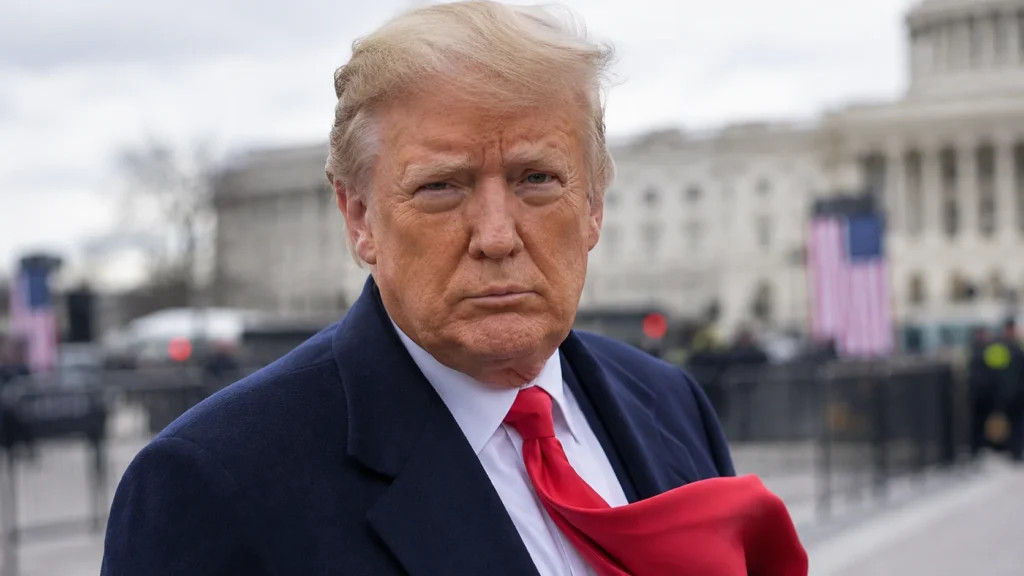
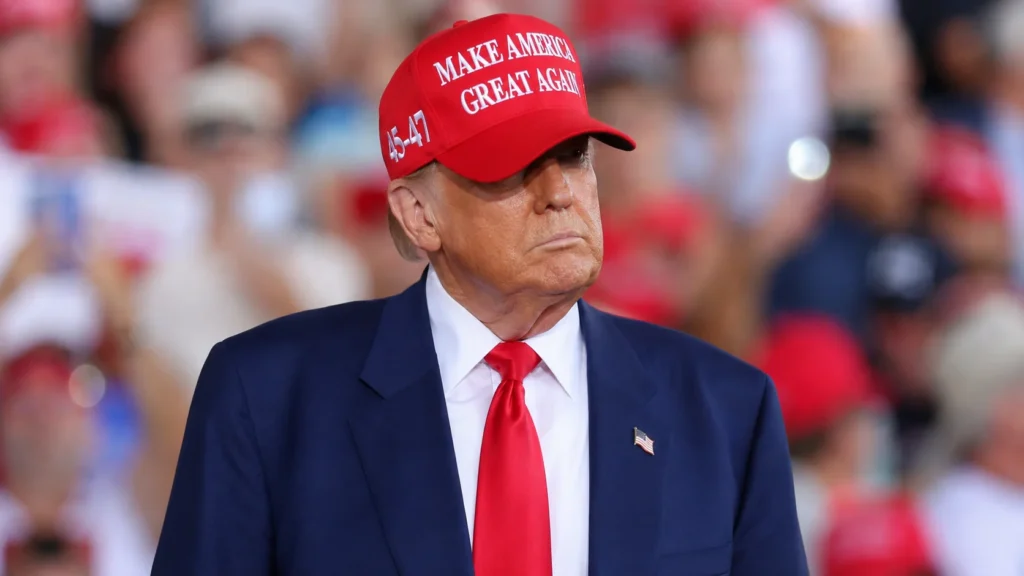
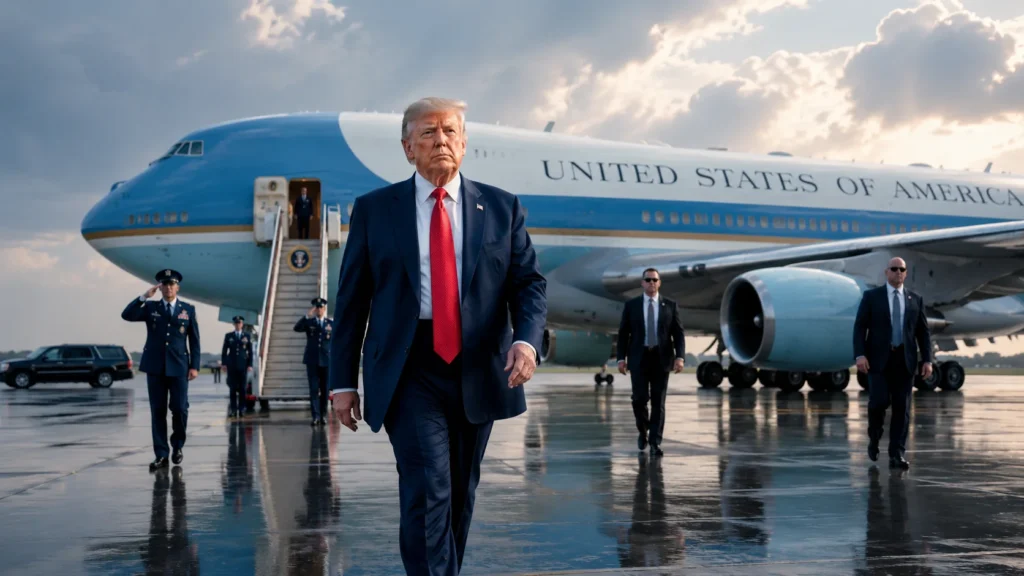
Donald Trump walked into another medical evaluation this week carrying more than a health file. He carried a political contradiction. The oldest president ever inaugurated continues to project force and stamina while increasingly discussing assassination threats, aging, and limited time in office. That tension now shapes Republican strategy, donor calculations, and White House messaging ahead of the 2026 midterm cycle.
The issue no longer centers only on Trump’s health. It centers on what his public rhetoric signals about power inside the Republican Party and the future stability of a movement built heavily around one figure.
Why Trump’s Comments Matter More Than His Medical Report
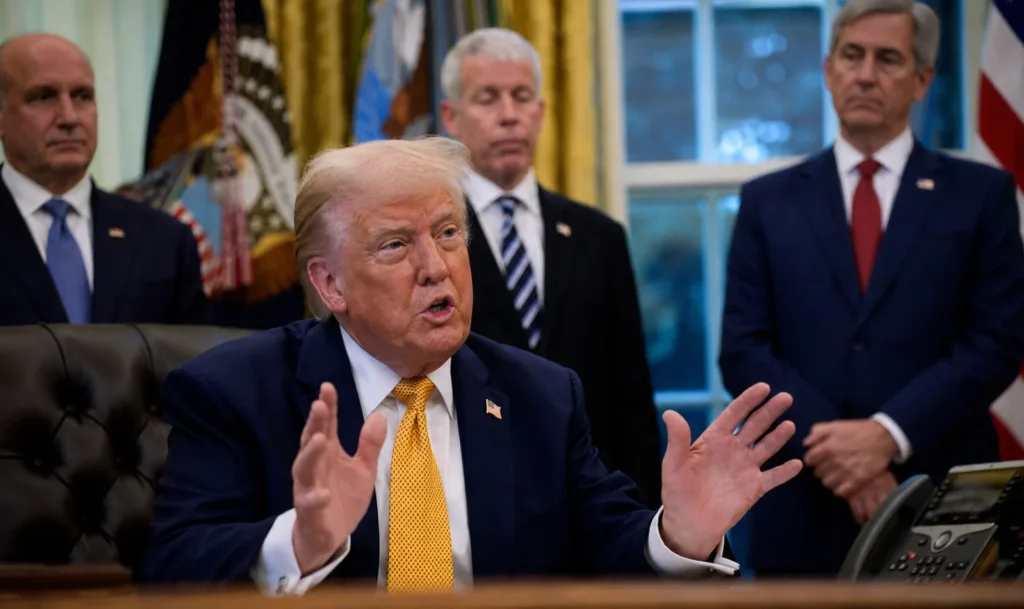
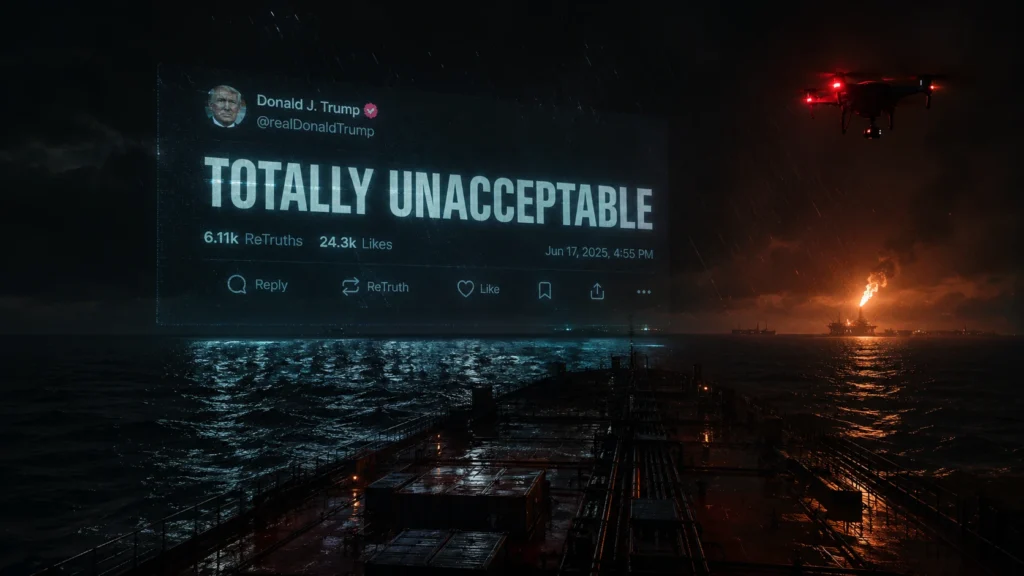
Trump’s physicians have repeatedly described him as healthy enough to serve. Yet his own remarks keep shifting attention back toward mortality and vulnerability. During a White House event earlier this year, Trump told supporters, “I don’t know how long I’ll be around.” The statement landed differently because it came after multiple assassination threats and growing scrutiny around his physical condition.
That changed the conversation.
Republican officials now face two realities at once. Trump still dominates the party base, fundraising machinery, and conservative media attention. But major political networks rarely wait for formal transitions. They prepare early.
As previous analysis of Republican succession politics showed during earlier leadership battles, donor circles and congressional allies often reposition quietly long before public fractures appear.
The White House has attempted to control the narrative carefully. Officials acknowledged Trump’s chronic venous insufficiency and aspirin use after visible bruising and swelling drew public attention. According to White House physician health memorandum, doctors also conducted imaging scans to rule out cardiovascular complications.
Short sentences. Limited detail. Strategic ambiguity.
That communication style matters because presidents choose how much medical information voters actually see. Congress never created mandatory transparency standards for presidential health disclosures, leaving every administration free to shape its own narrative.
The Real Shift Happening Inside the GOP
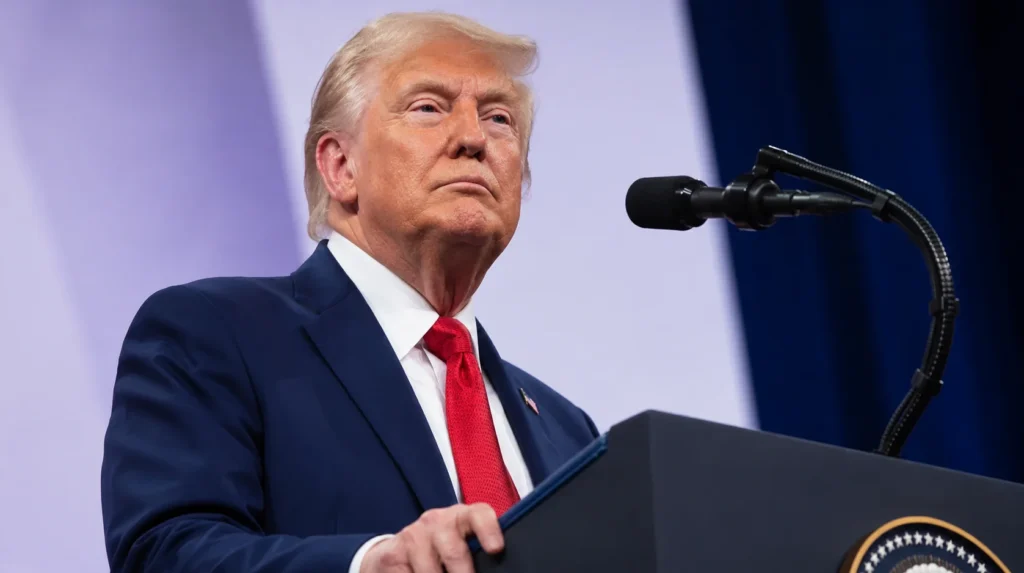
Trump’s comments about security threats carry political weight beyond personal safety. They remind Republican operatives that the movement’s structure still depends heavily on one individual.
That creates pressure points.
Potential successors cannot openly challenge Trump without risking backlash from his base. At the same time, governors, senators, and conservative advocacy groups cannot ignore the possibility of sudden political disruption. Several Republican figures have already increased national travel schedules during 2025 while expanding donor relationships outside Trump’s immediate orbit.
Watch the staffing moves. Not the speeches.
The pattern resembles earlier moments in presidential politics when aging leaders forced parties into quiet transition planning. After President Ronald Reagan left office in 1989, debates around age and cognitive decline reshaped how campaigns handled medical disclosure for decades. Then came President Joe Biden’s 2024 withdrawal from the presidential race after mounting concerns over debate performances and voter confidence.
Different parties. Same institutional anxiety.
According to a July 2025 Pew Research Center survey, 61% of Americans said presidential age and health now factor more heavily into voting decisions than they did ten years ago. That statistic explains why both parties increasingly treat physical stamina as political messaging instead of private biography.
How the White House Turns Visibility Into Authority
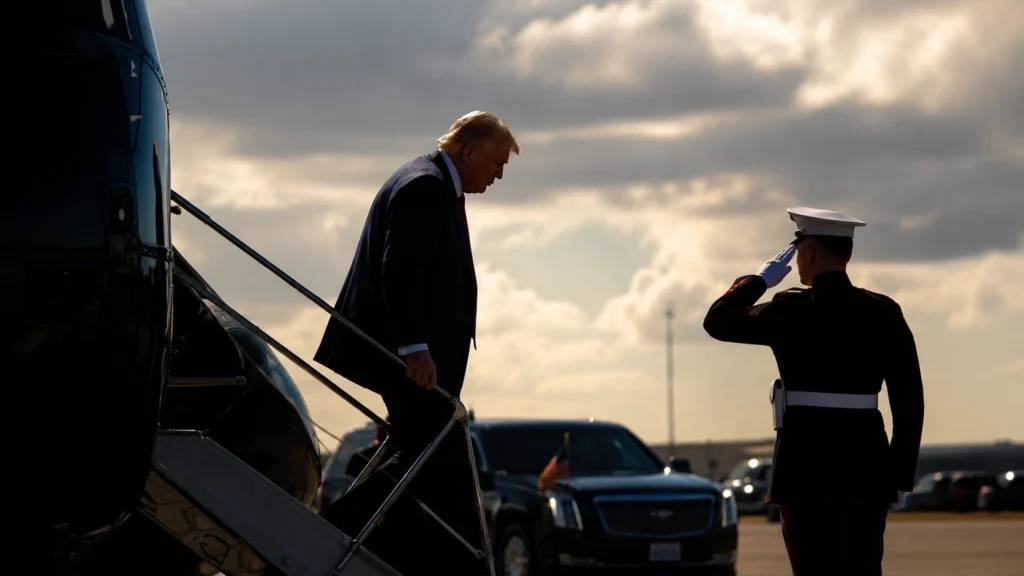
Modern presidencies rely on performance almost as much as policy. Trump’s aides regularly highlight late-night meetings, long travel days, and unscripted public appearances because visibility itself reinforces authority.
But reassurance campaigns consume energy.
A White House focused on proving presidential stamina often spends less time building policy momentum. Staff attention shifts toward optics management, scheduling control, and rapid-response communications. Security threats intensify that pattern further.
According to U.S. Secret Service annual protective operations report, threats against federal officials rose sharply after 2020, forcing tighter operational controls around presidential appearances and travel logistics.
So the presidency changes shape.
Presidents facing persistent security concerns reduce spontaneity. They centralize decision-making among smaller trusted groups. Public events become more controlled. The office starts prioritizing continuity management alongside governance.
Quietly.
What This Means for 2026
Trump still commands Republican primary voters more effectively than any rival. No challenger currently matches his influence across fundraising, grassroots organizing, or conservative media ecosystems.
Still, the next year could expose a deeper divide inside the GOP: loyalty versus durability.
Some Republican lawmakers want total alignment with Trump heading into the midterms. Others increasingly focus on protecting Senate and House candidates from overdependence on one political figure. That balancing act could shape campaign financing, candidate recruitment, and messaging strategies through 2026.
Democrats face risks too. Their criticism of Republican personality politics collides with their own recent struggles around aging leadership. Voters now judge presidential fitness through visual perception as much as policy outcomes.
That dynamic will not disappear after Trump.
As coverage of presidential age debates in the 2024 election explored, American politics has entered a phase where succession planning, medical transparency, and executive stamina operate as core electoral issues rather than background concerns.
And both parties know it.
FAQ
Why are Trump’s health comments politically important?
Trump’s remarks matter because they influence how donors, lawmakers, and Republican strategists evaluate long-term party leadership and electoral stability.
Has the White House released Trump’s medical records?
The White House released selected physician summaries and health updates, but presidents are not legally required to disclose full medical records.
How does presidential age affect elections?
Polling from organizations like the Pew Research Center shows voters increasingly consider age, stamina, and cognitive fitness when evaluating presidential candidates.
Are Republicans preparing for a post-Trump future?
Publicly, most Republican leaders remain aligned with Trump. Privately, many political networks appear to be expanding relationships with potential future party leaders.
Why do assassination threats matter politically?
Security threats affect presidential scheduling, visibility, travel, and decision-making. They can also intensify discussions around continuity and succession planning inside political parties.
Author Bio:
Written by Daniel Mercer, a senior political analyst covering presidential power, congressional strategy, and party realignment for more than 12 years. His reporting focuses on institutional change inside American politics.