

 English


















































































































































































































































































































































EPA Chemical Reviews Spark Science Independence Clash
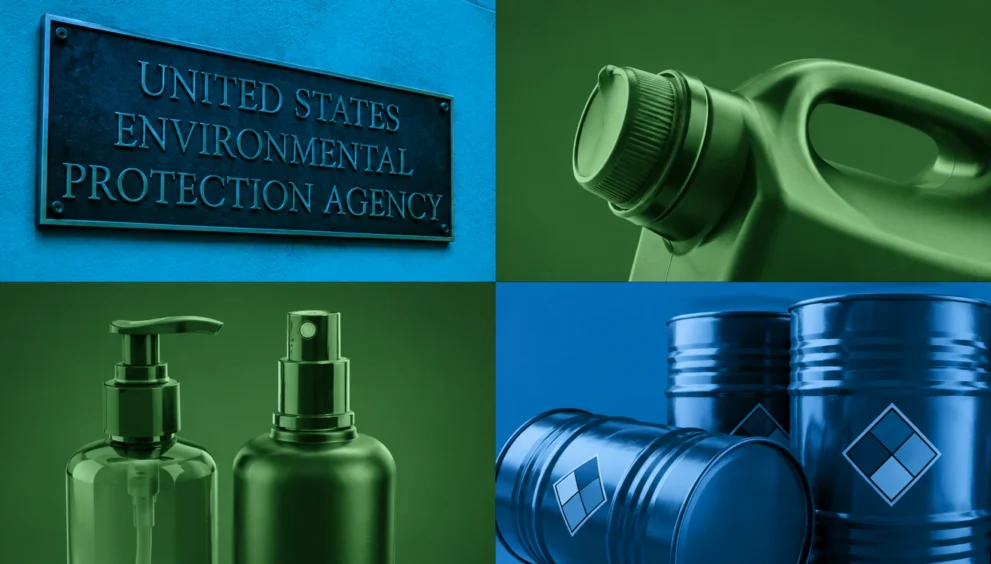
The debate over EPA chemical reviews has intensified as questions grow about who controls scientific judgment inside the agency. On one side, career scientists defend long-standing risk assessment methods. On the other hand, political leadership pushes for tighter oversight and “realistic” exposure models.
The result is a quiet institutional struggle unfolding inside one of the United States’ most influential regulatory bodies, where science and policy no longer stay neatly separated.
Institutional Science Under Pressure
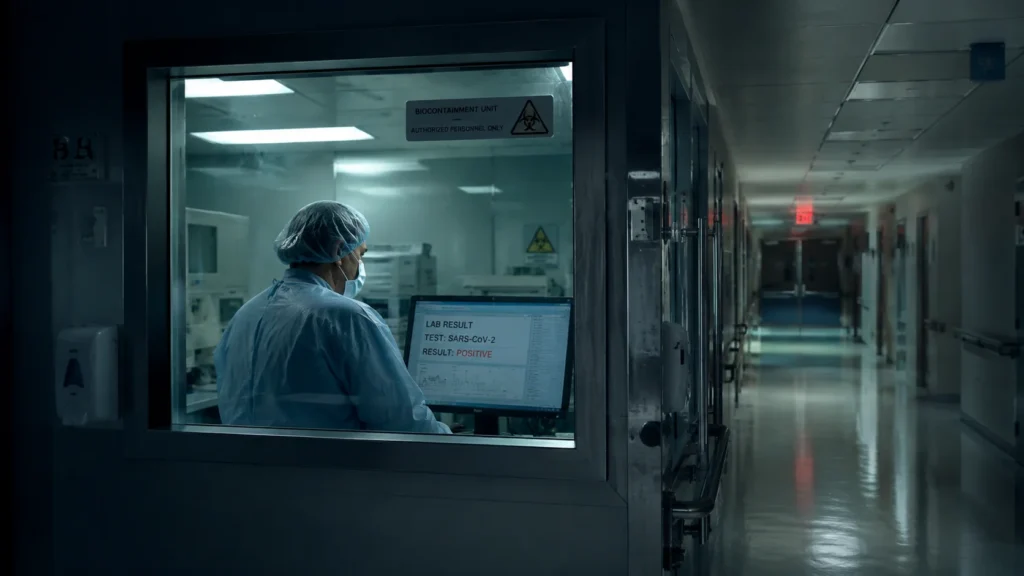
Career scientists inside the Environmental Protection Agency argue that chemical risk assessments are increasingly reviewed before completion. According to internal accounts cited by CNN, supervisors have begun challenging exposure assumptions earlier in the process, particularly when analyses involve vulnerable populations.
A senior EPA toxicologist, speaking anonymously to CNN, described the shift as “a narrowing of scientific space before conclusions are even formed.”
Traditionally, scientific review acted as a buffer between politics and regulation. Scientists evaluated hazards; leadership set policy direction. That separation shaped decades of chemical safety decisions in the United States.
Now that the buffer appears thinner.
For example, employees report increased scrutiny of draft assessments that suggest elevated health risks from common industrial chemicals. In some cases, reviewers are asked to rework models before the publication-stage peer review even begins.
As EPA regulatory framework history showed in previous coverage, this separation of roles has historically helped maintain trust in federal environmental science.
Political Leadership and “Gold-Standard Science”
EPA leadership rejects claims of political interference. Officials argue the agency is pursuing “gold-standard science” that avoids overly conservative assumptions about chemical exposure.
They claim earlier models sometimes exaggerated risk by relying on worst-case scenarios that do not reflect real-world usage patterns.
A spokesperson for the agency said the goal is “transparent, reproducible, and policy-relevant science that reflects actual exposure conditions.”
The shift also includes reduced reliance on the Integrated Risk Information System (IRIS), a long-standing EPA program used to evaluate chemical hazards. Authority appears to be moving toward individual program offices, many of which are led by political appointees.
According to EPA official chemical assessment program overview, these offices play a central role in determining regulatory thresholds that affect industrial compliance and consumer safety standards.
The Tension: Who Defines Scientific Reality?
The conflict is not about a single chemical or regulation. It is about control.
EPA chemical reviews influence decisions tied to billions of dollars in compliance costs, product redesigns, and litigation exposure. A shift in risk classification can reshape entire industrial supply chains.
One internal estimate cited in the file suggests regulatory findings affect “billions of dollars in economic activity” annually.
Short sentence. High stakes.
Supporters of stronger oversight argue that elected officials should have final authority over regulatory interpretation. Critics counter that scientific independence prevents short-term political pressure from distorting long-term health protections.
The tension becomes sharper when agencies reassess foundational assumptions—like acceptable exposure levels for children or cumulative chemical risks across populations.
As US environmental regulatory oversight debate highlighted in earlier reporting, this conflict has surfaced repeatedly across different administrations, but rarely inside core scientific workflows.
What Happens Next
Three pressure points will shape the next phase:
First, litigation. Advocacy groups are expected to challenge revised assessments in federal court.
Second, internal resistance. Career scientists may escalate concerns through whistleblower channels or congressional oversight committees.
Third, precedent-setting procedures. Any procedural changes introduced now could persist across future administrations, altering how EPA chemical reviews are conducted for years.
External oversight bodies may also step in. Congressional oversight hearings on environmental regulation could become a key arena where scientific authority is tested against political direction.
Fragmented authority. Rising scrutiny. Ongoing tension.
FAQ
What are EPA chemical reviews?
They are scientific assessments used to evaluate health risks from exposure to industrial and environmental chemicals.
Why are EPA chemical reviews controversial now?
Concerns have emerged that political leadership is influencing how scientific risk is defined and reviewed before final assessment.
Does political oversight affect scientific independence?
Critics argue that increased early-stage review by leadership can narrow scientific interpretation, while officials say it improves accuracy and relevance.
What is IRIS in the EPA process?
The Integrated Risk Information System is a long-standing EPA program used to assess chemical toxicity and exposure risks.
Author Bio
Written by a senior environmental policy analyst with over 10 years of experience covering regulatory science, governance structures, and public health risk frameworks.