

 English















































































































































































































Ford Rehires Human Engineers After AI Quality Checks Fall Short
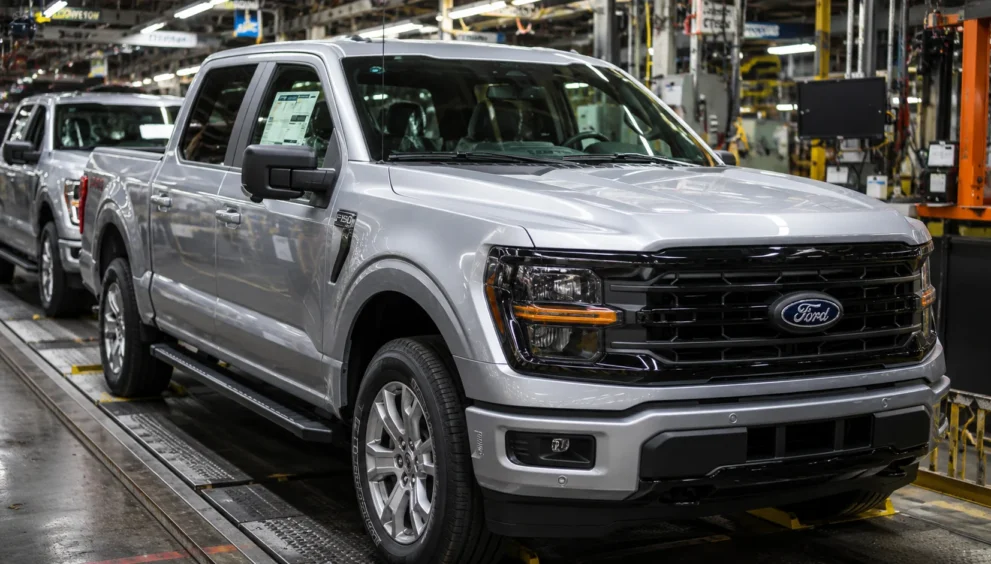
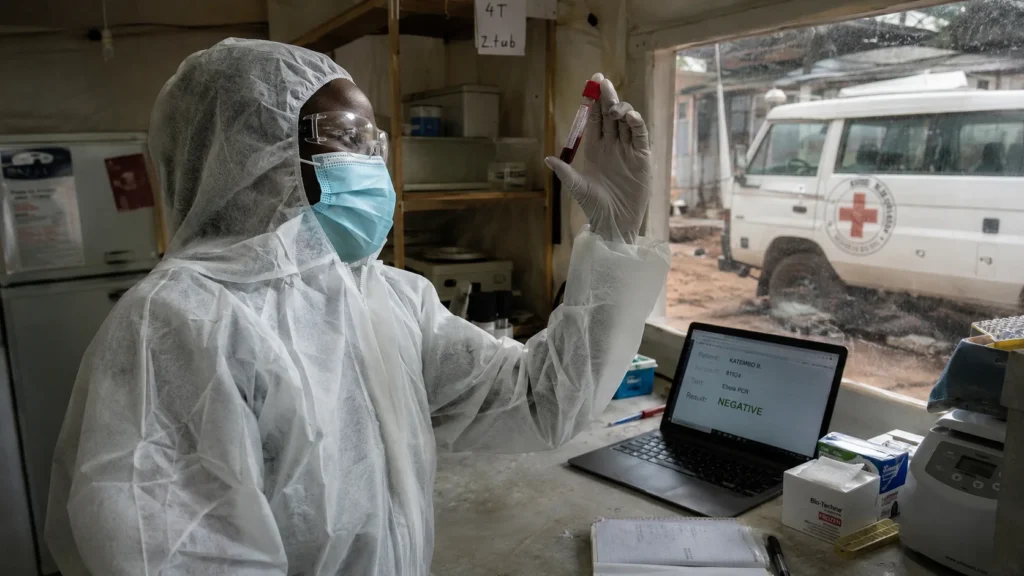
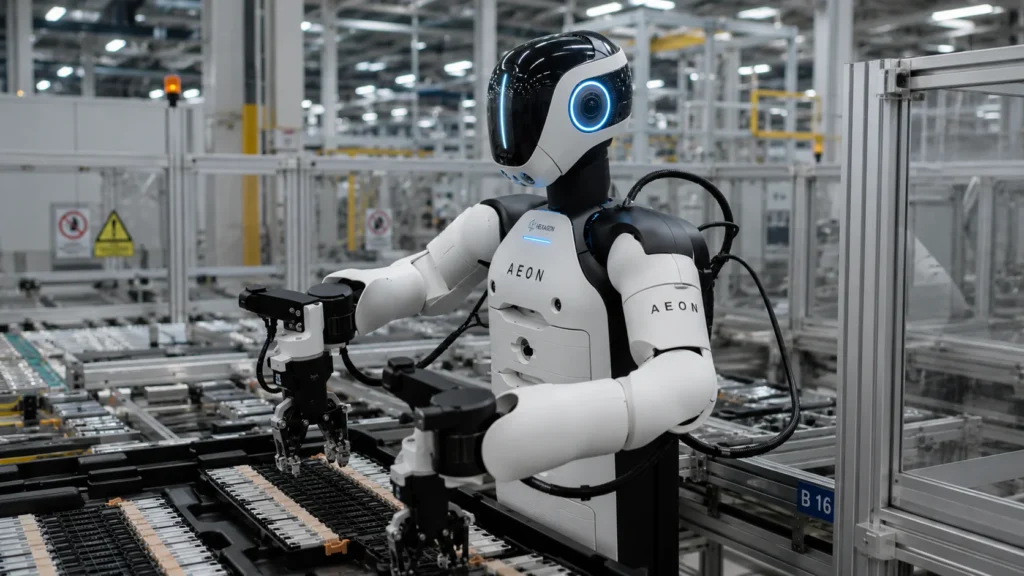
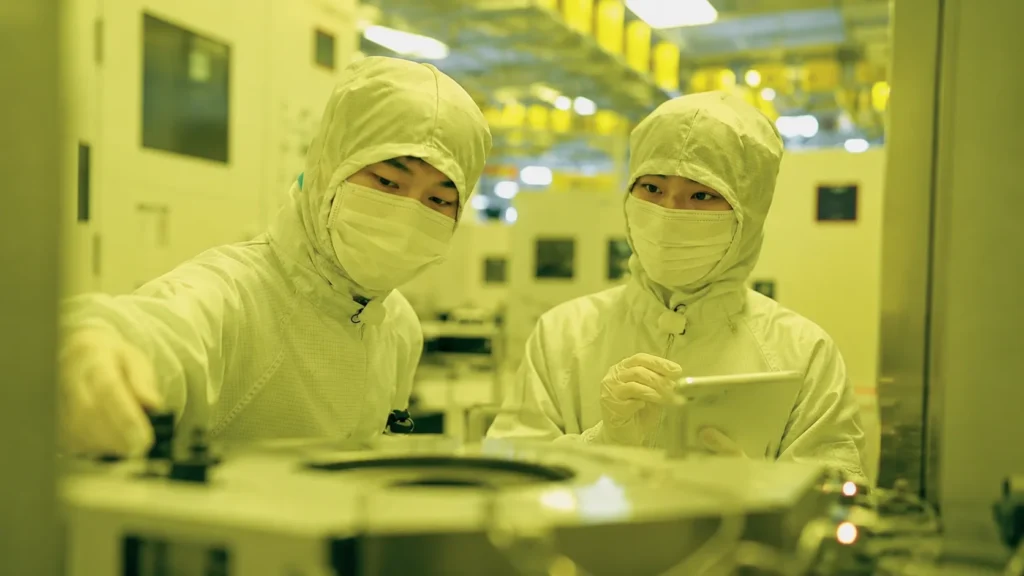
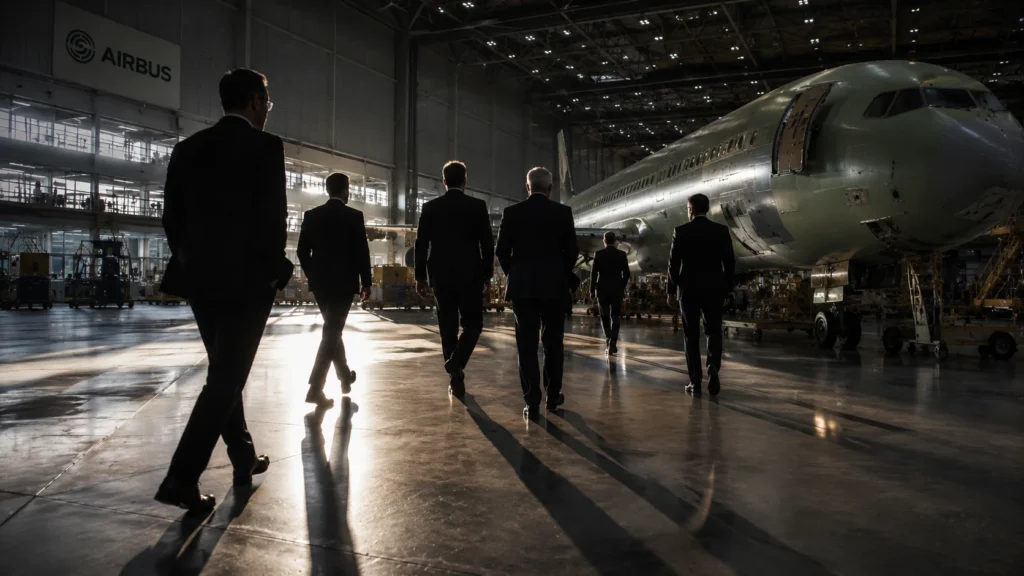
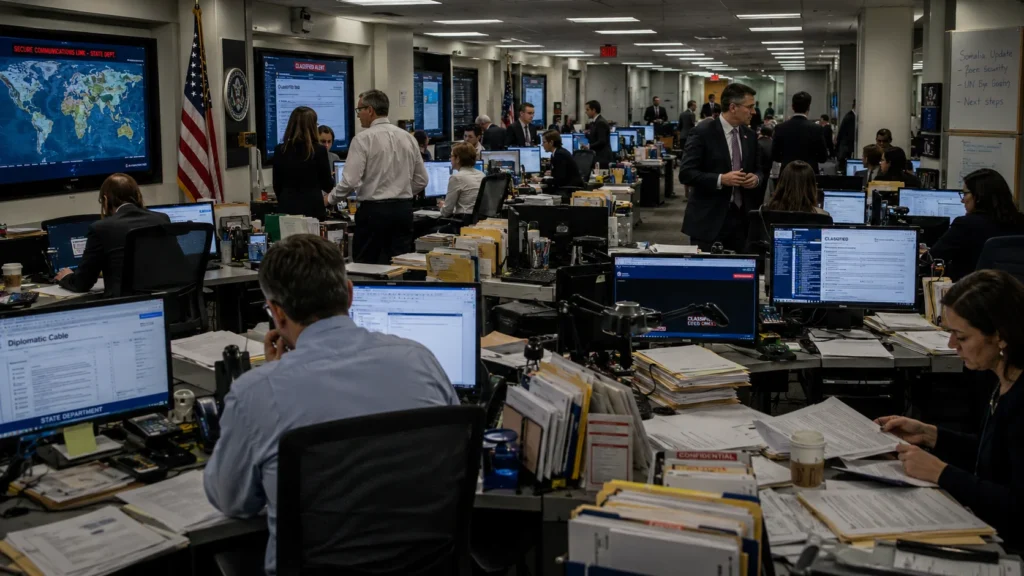
DETROIT — Ford has rehired more than 300 veteran quality inspectors after its artificial intelligence systems failed to match the expertise of experienced human engineers, the company disclosed on Wednesday. The US automaker had deployed 900 AI-powered cameras across its plants to detect defects, with chief operating officer Kumar Galhotra telling investors in October that the company was “deploying AI across the entire industrial system.” CEO Jim Farley had said last June that “AI will leave a lot of white-collar people behind.” But Charles Poon, vice president of vehicle hardware engineering, told reporters the automated tools lacked the training and expertise of veteran technicians—many of whom had left the company before their knowledge could be used to improve the technology.
“Mistakenly, we thought that by just introducing artificial intelligence and ingesting the design requirements that we had, that would produce a high-quality product,” Poon said. The company credited the rehiring as part of a “significant talent refresh” that helped it return to the top of the JD Power Initial Quality Study for the first time since 2010.
What Went Wrong
Poon told reporters that the AI-driven quality checks had failed to live up to expectations because the systems were trained on incomplete information. “Artificial intelligence is a fantastic tool, but it’s only as good as the information you use to train it,” he said, according to Bloomberg. “Over prior years, we didn’t pay as much attention as we should have to the experience of our most knowledgeable engineers who have been with us through many product cycles.”
The veteran engineers had left Ford before their knowledge could be captured and used to improve the AI systems. The algorithms could process design requirements but could not apply the judgment that comes from decades of experience across multiple product cycles. Poon said the rehired workers have since been reintroduced to train the company’s systems and mentor younger employees.
“We recognised that for us to enhance some of our automation and machine learning and artificial intelligence tools, we needed to ensure that they were trained by the most experienced individuals,” Poon said.
According to Bloomberg’s reporting on Ford’s AI quality control challenges and the rehiring of veteran engineers, the company’s experience demonstrates a broader limitation in the automation thesis: machine learning systems require training data generated by experts, and when those experts leave before their knowledge is captured, the systems underperform.
As our analysis of AI implementation challenges in manufacturing and industrial settings has documented, the gap between the theoretical capabilities of automated quality control and the practical requirements of production-line inspection has been a recurring theme across the automotive sector.
The Quality Turnaround
Ford’s admission of its AI challenges came as the company announced it had returned to the top of the JD Power Initial Quality Study, an industry benchmark it had not led since 2010. The company said it was now the number one mainstream automaker in the ranking.
In a press release, Ford said: “Reaching best-in-class quality required a significant talent refresh.” This involved replacing senior leaders across engineering, supply chain, and manufacturing, as well as hiring roughly 300 veteran engineers “who carry the hard-earned wisdom of decades of design.”
The sequence is notable. Ford adopted AI for quality checks. Quality declined or failed to improve sufficiently. The company rehired the humans it had lost. Quality rose to the top of the JD Power rankings. The company itself attributes the improvement to the talent refresh.
According to Ford’s official press release on the JD Power Initial Quality Study ranking and the talent refresh programme, the return to the top of the rankings represents the culmination of a multi-year effort to address quality issues.
The Broader Implications
Ford’s experience does not mean AI has failed in manufacturing. It means the technology requires the humans it was supposed to replace in order to function effectively. The 300 rehired inspectors are now training on the systems that were intended to make them redundant. They are mentoring younger workers. The automation story has not ended. It has changed shape.
The CEO’s statement that AI would “leave a lot of white-collar people behind” has been contradicted by the operational reality that the company needed those people back. The cameras could see defects. They could not understand what they were seeing in the way an inspector with three decades of experience could.
For the broader manufacturing sector, the lesson is that the sequencing of automation matters. Automate before capturing institutional knowledge, and the automation underperforms. Capture the knowledge first, and the automation has something useful to learn from.
As our coverage of workforce strategy and the retention of institutional knowledge in manufacturing has tracked, the companies that retained their most experienced workers during the automation push may now have a competitive advantage over those that followed Ford’s initial path of shedding expertise.
FAQ
Why did Ford rehire human engineers?
Ford’s AI-powered quality control cameras, deployed across 900 locations in its plants, failed to match the expertise of experienced human inspectors. The company rehired more than 300 veteran engineers to train the AI systems and mentor younger workers.
What did Ford’s executives say about AI previously?
CEO Jim Farley said last June that “AI will leave a lot of white-collar people behind.” COO Kumar Galhotra told investors in October that Ford was “deploying AI across the entire industrial system.”
What did the vice president say went wrong?
Charles Poon, VP of vehicle hardware engineering, said: “Mistakenly, we thought that by just introducing artificial intelligence and ingesting the design requirements that we had, that would produce a high-quality product.” He said the company failed to capture the knowledge of veteran engineers before they left.
What is the JD Power Initial Quality Study?
It is an industry benchmark used to measure vehicle quality. Ford returned to the top of the ranking for the first time since 2010, which it credited partly to the rehiring of veteran engineers.
Is Ford still using AI for quality control?
Yes. The rehired engineers are now training the AI systems to improve their performance. The company has not abandoned automation but has acknowledged it requires human expertise to function effectively.