

 English












































































































































































































































































Oil Prices Jump After US Launches New Attacks on Iran

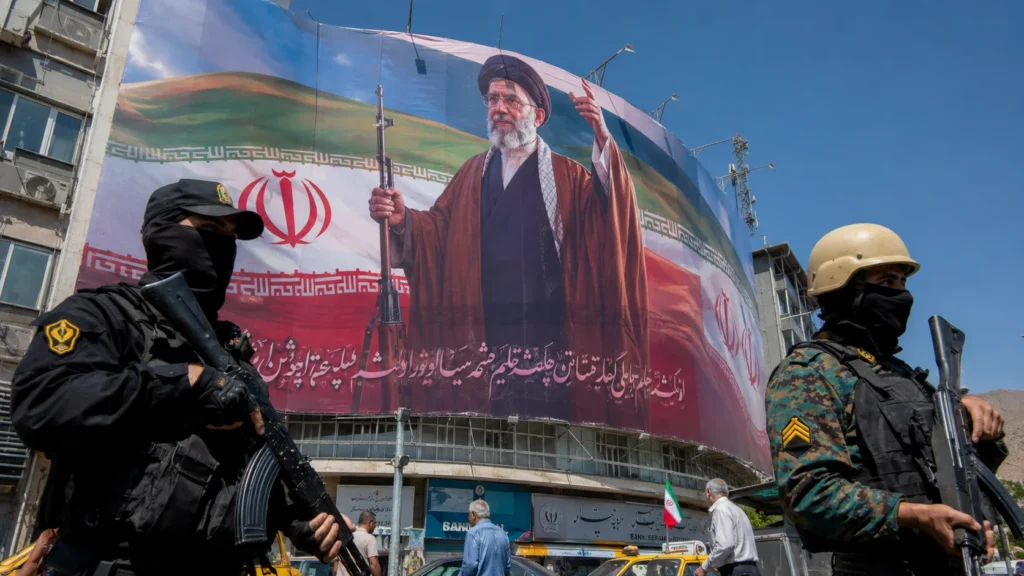
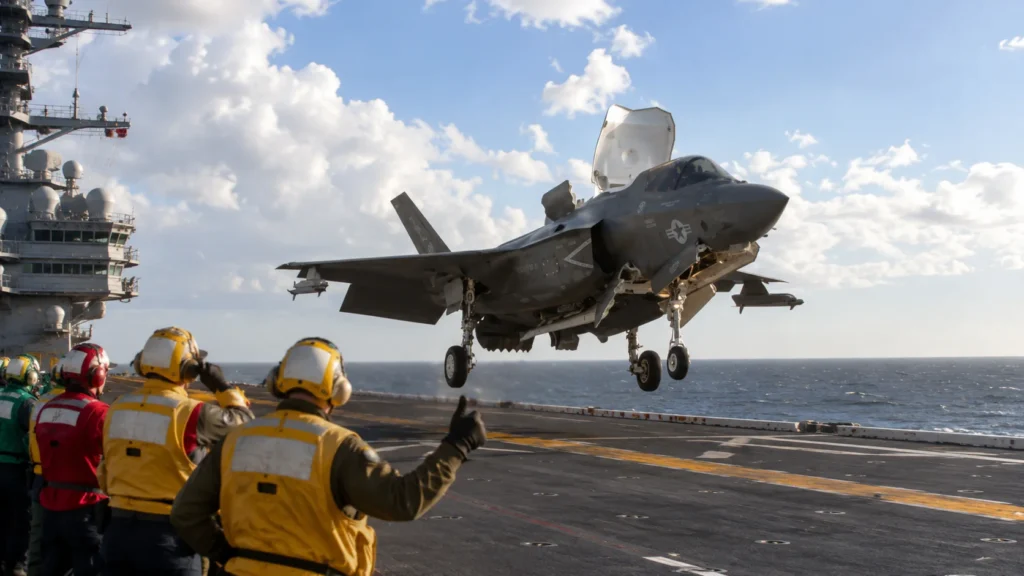
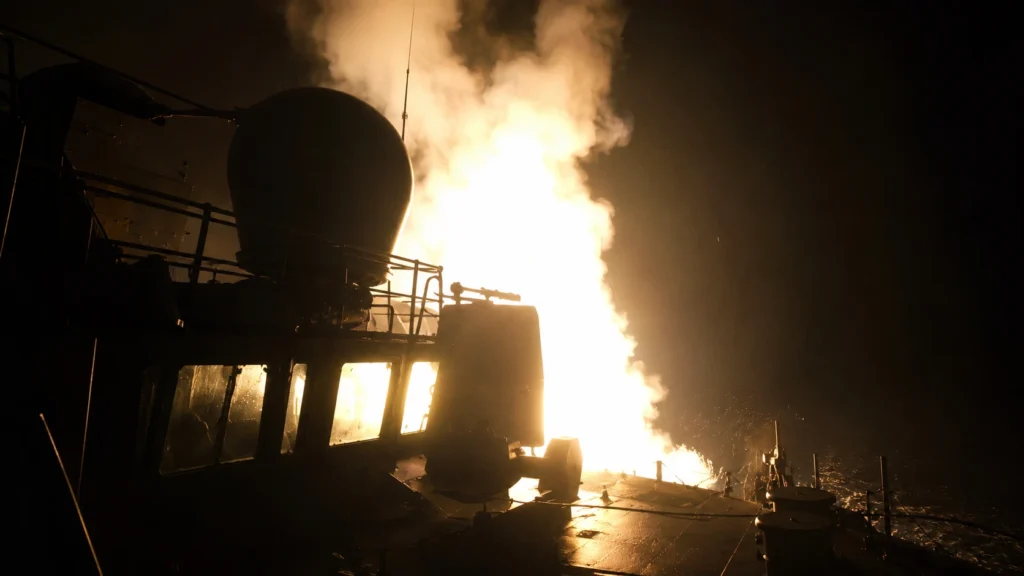
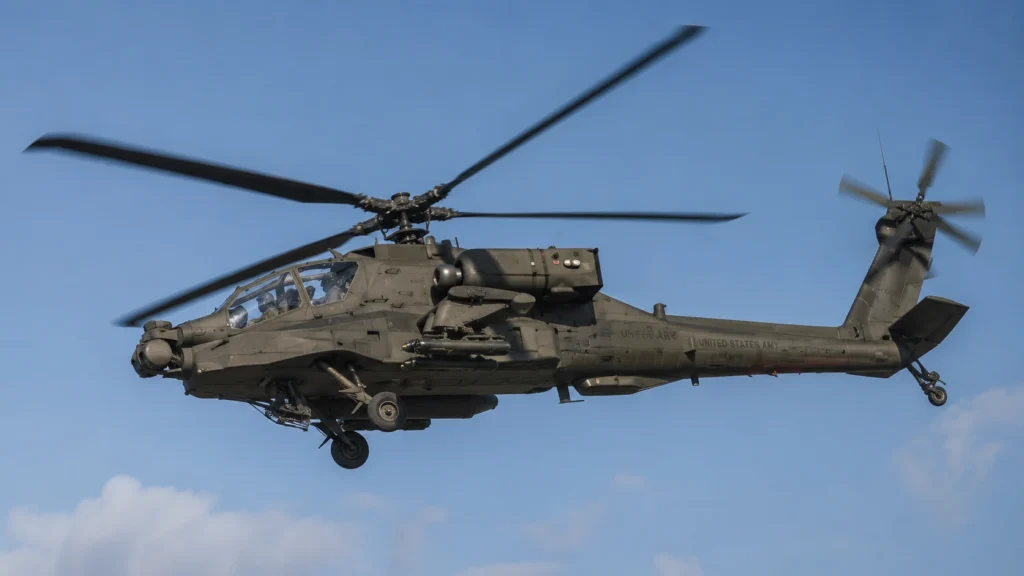
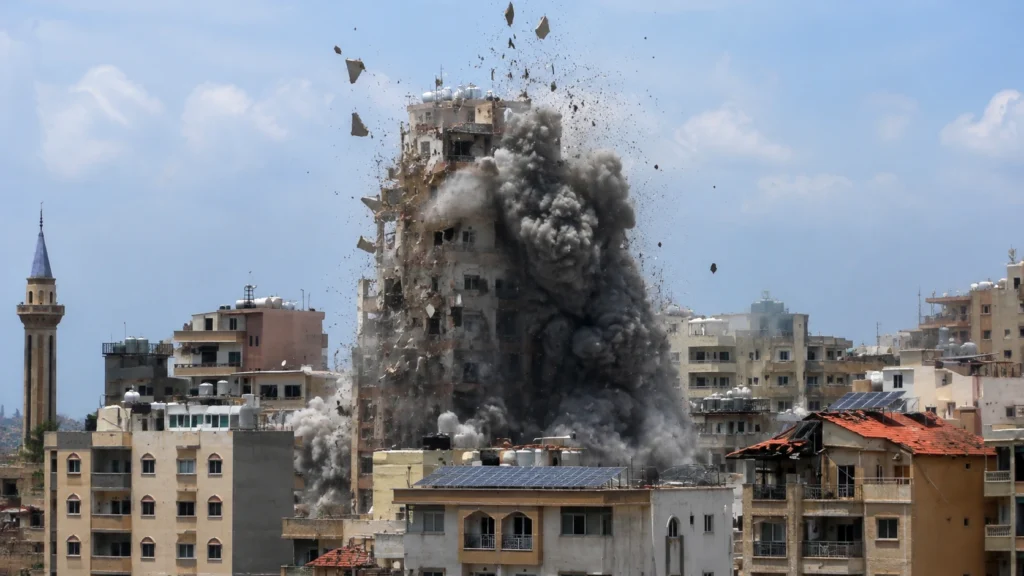
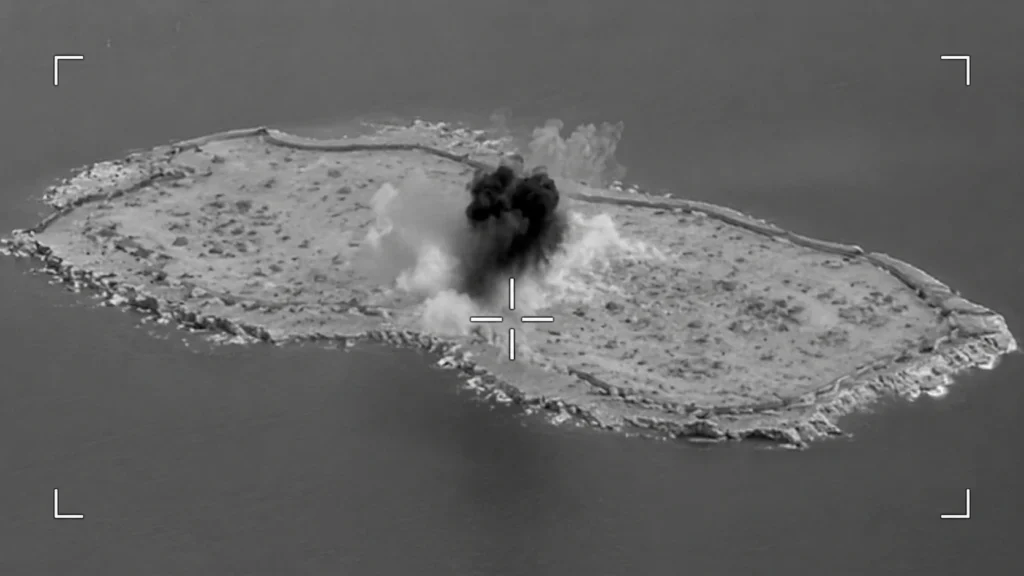
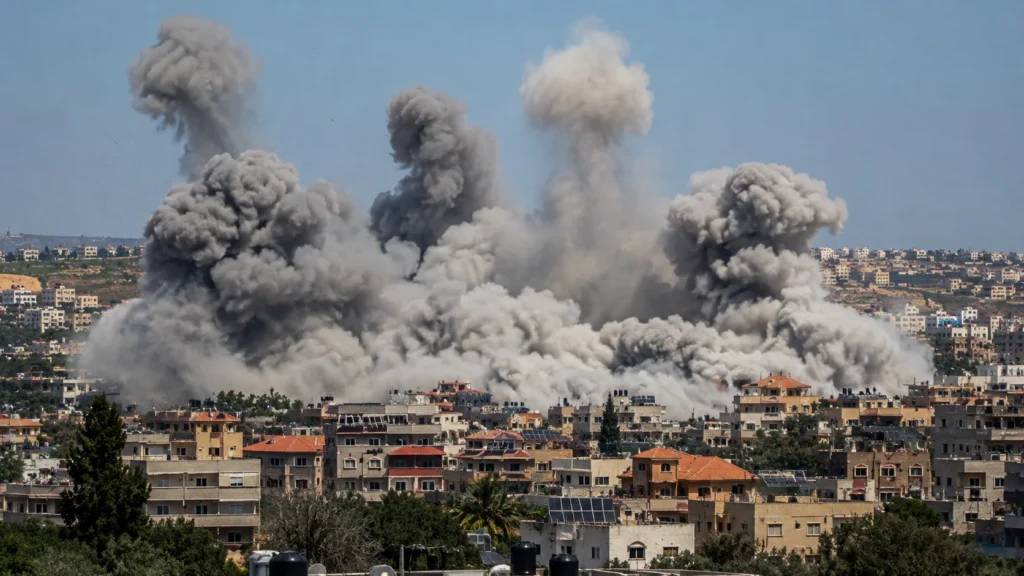
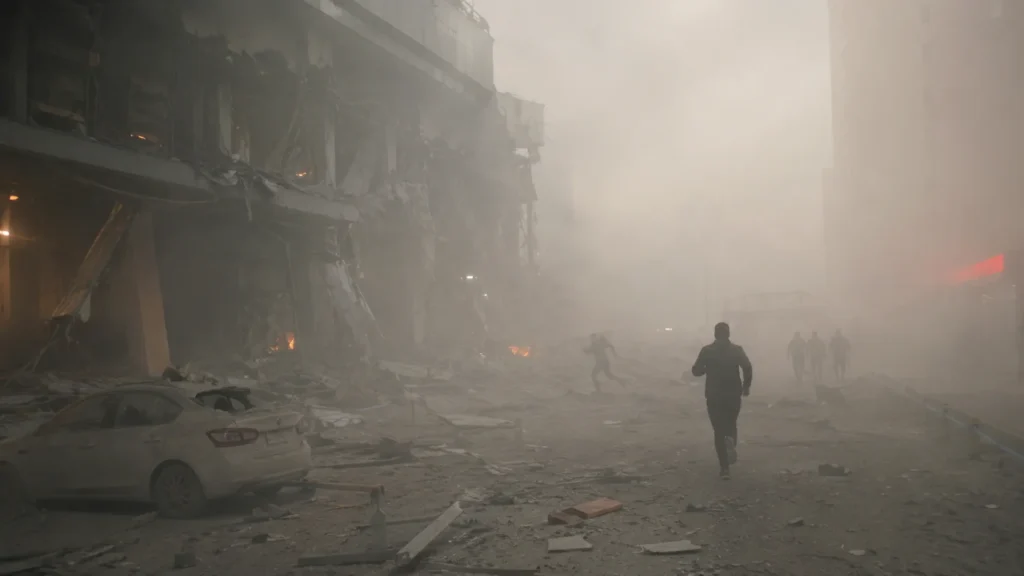
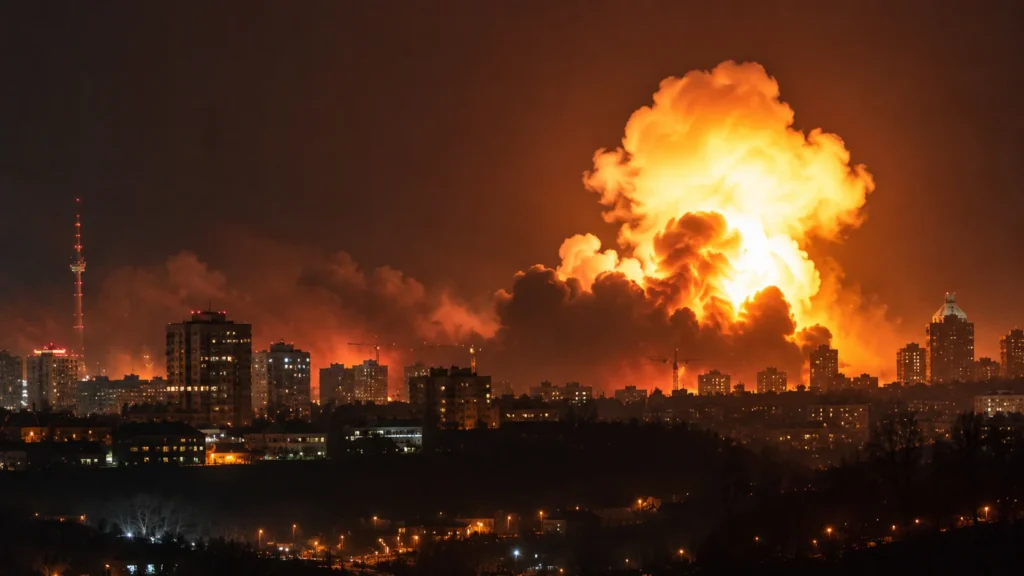
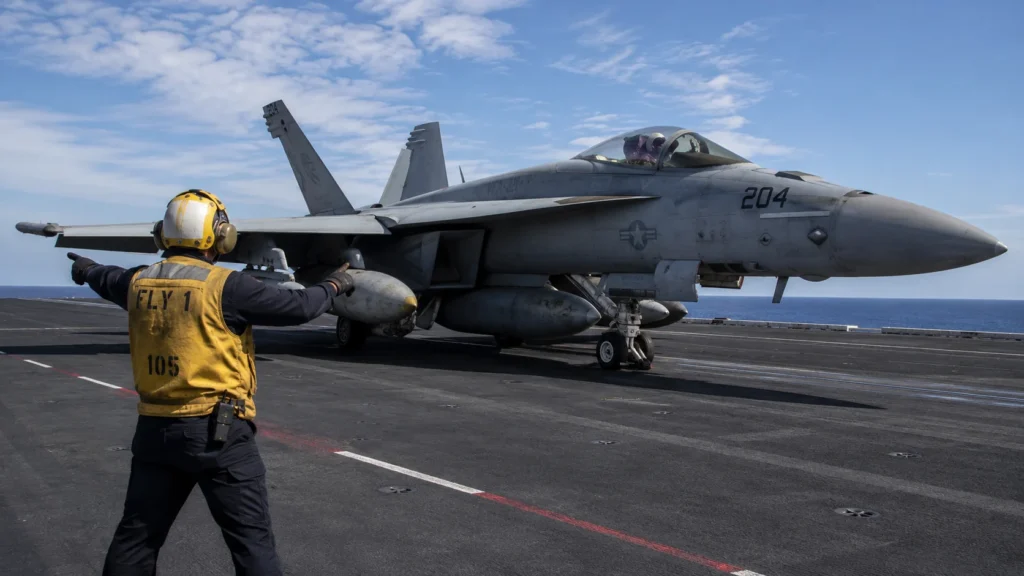
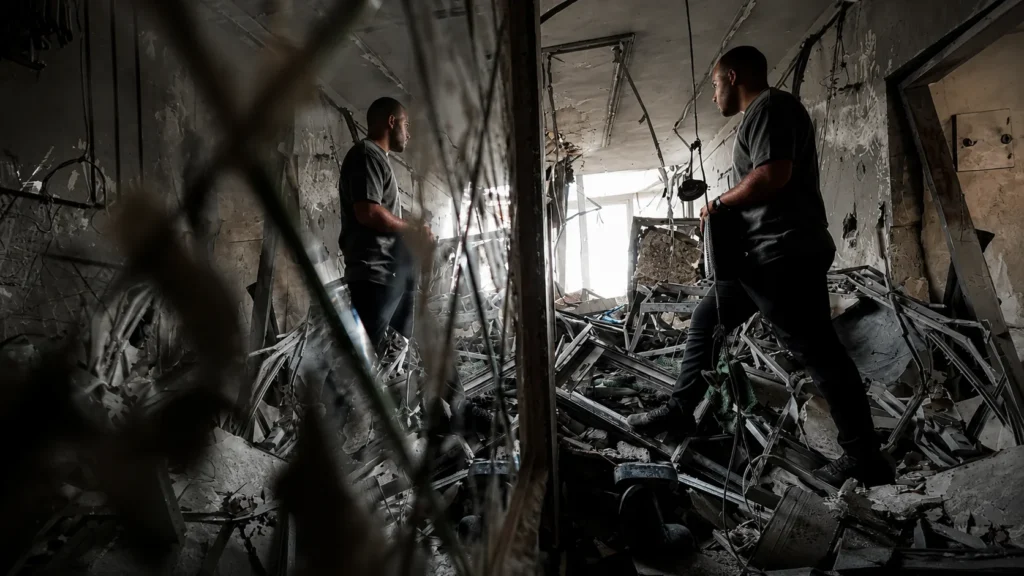
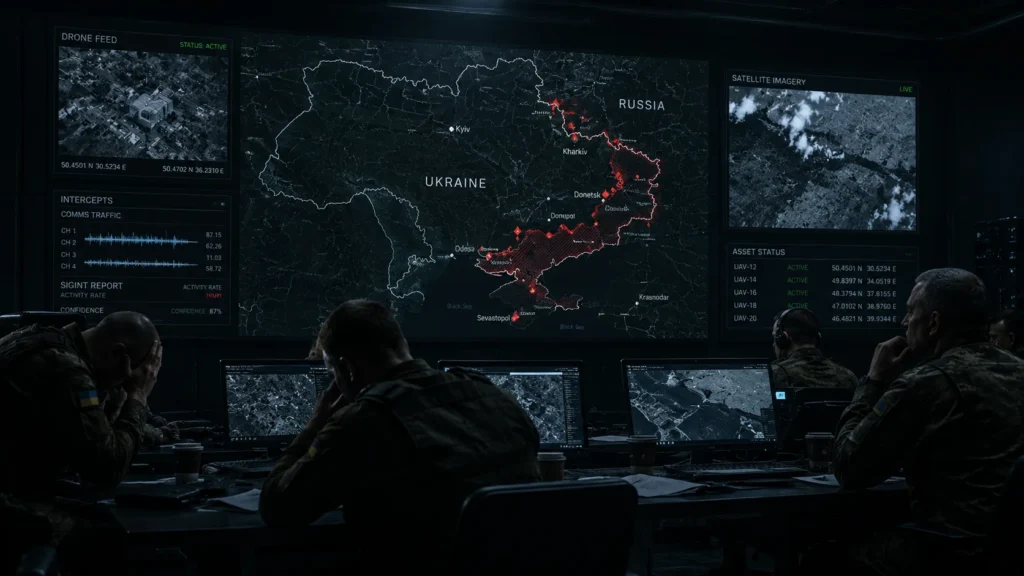
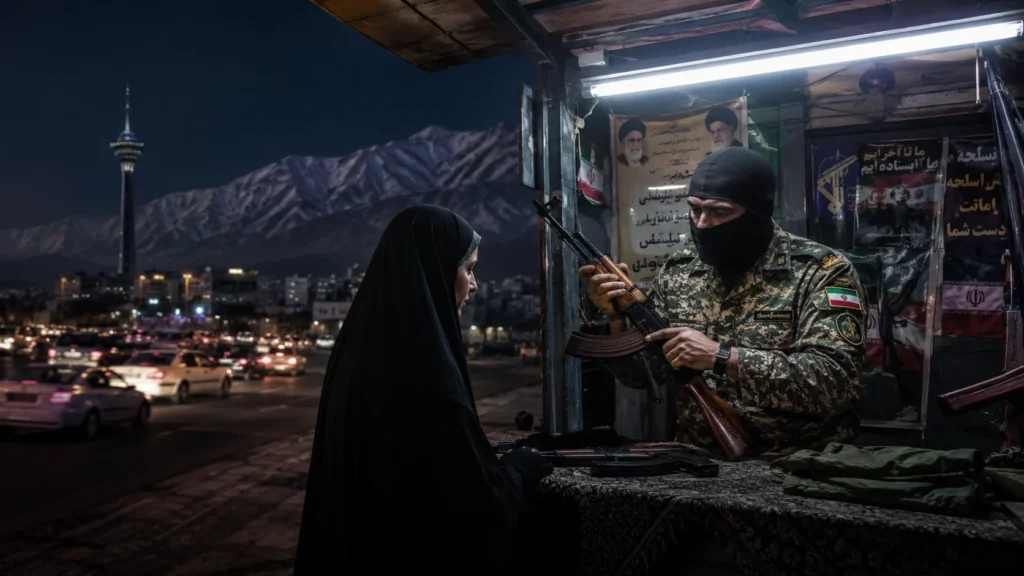
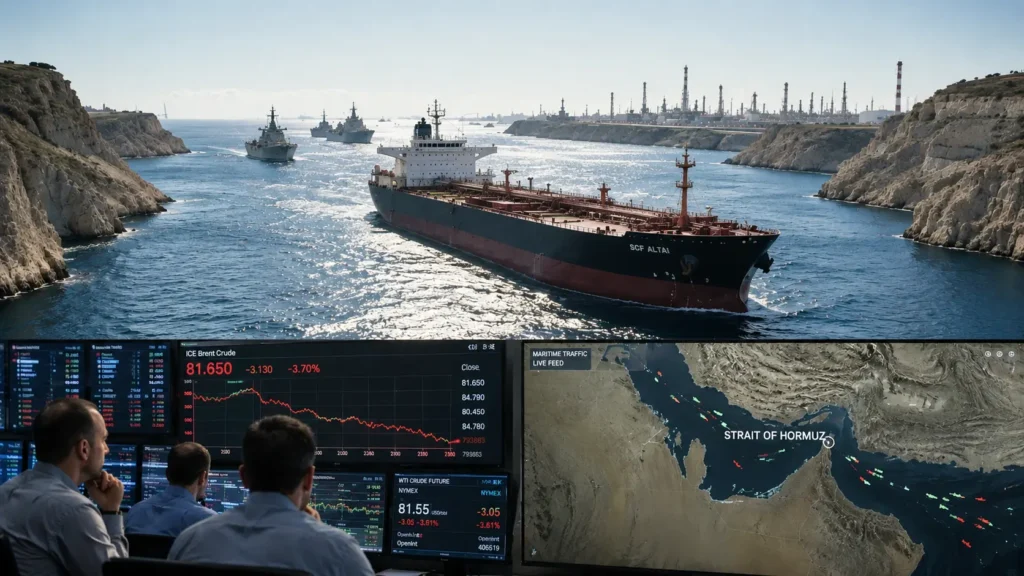
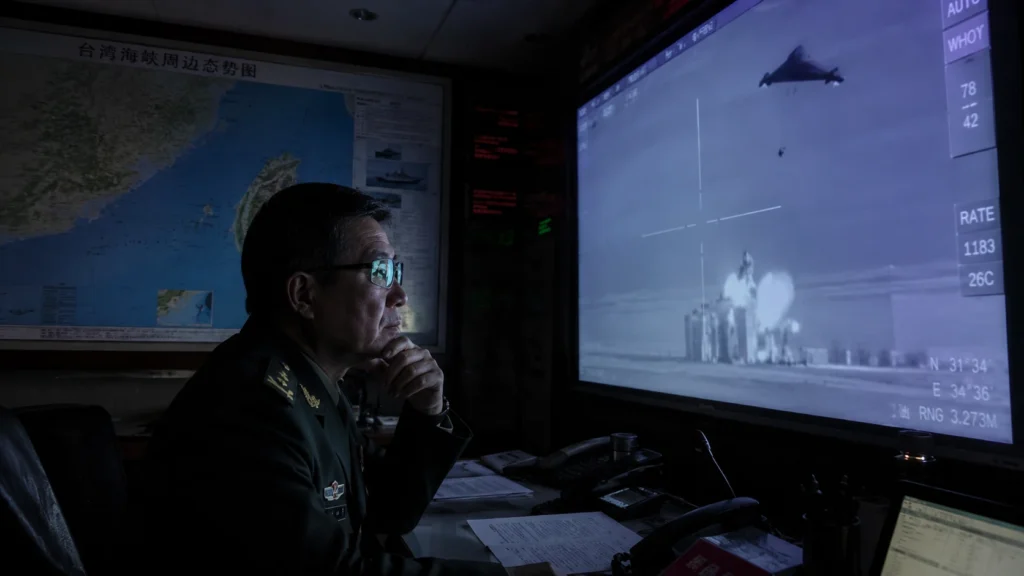
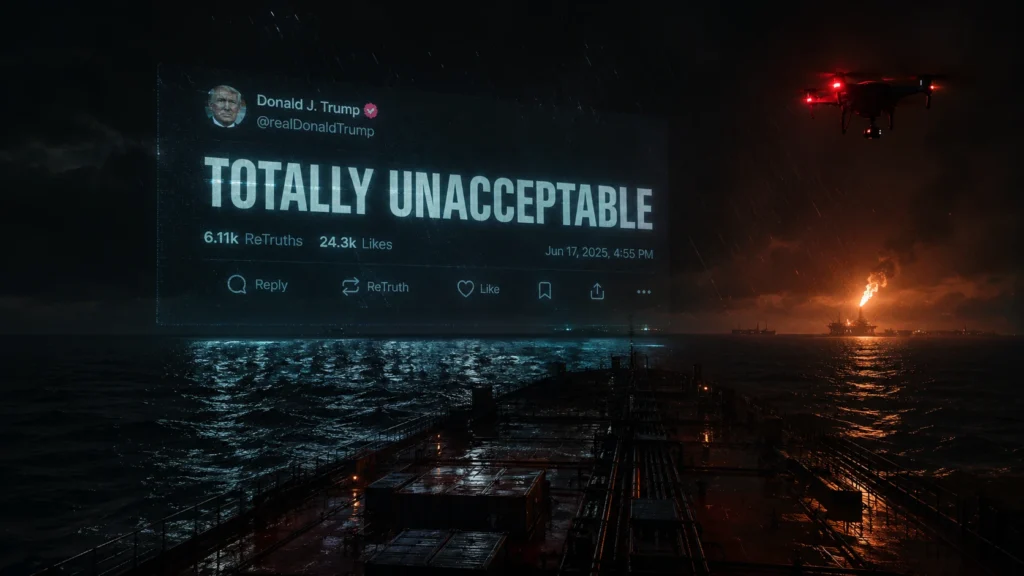
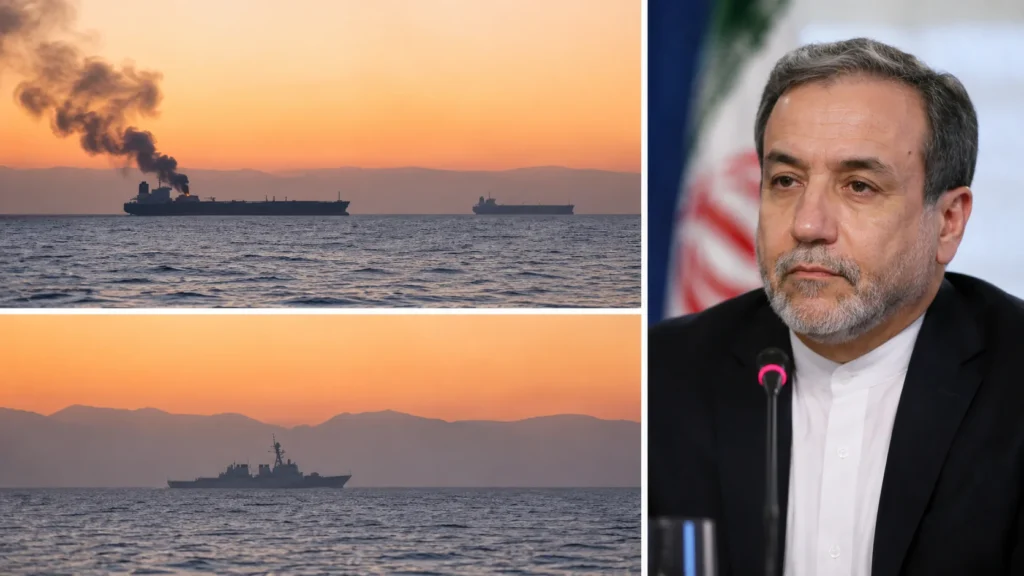
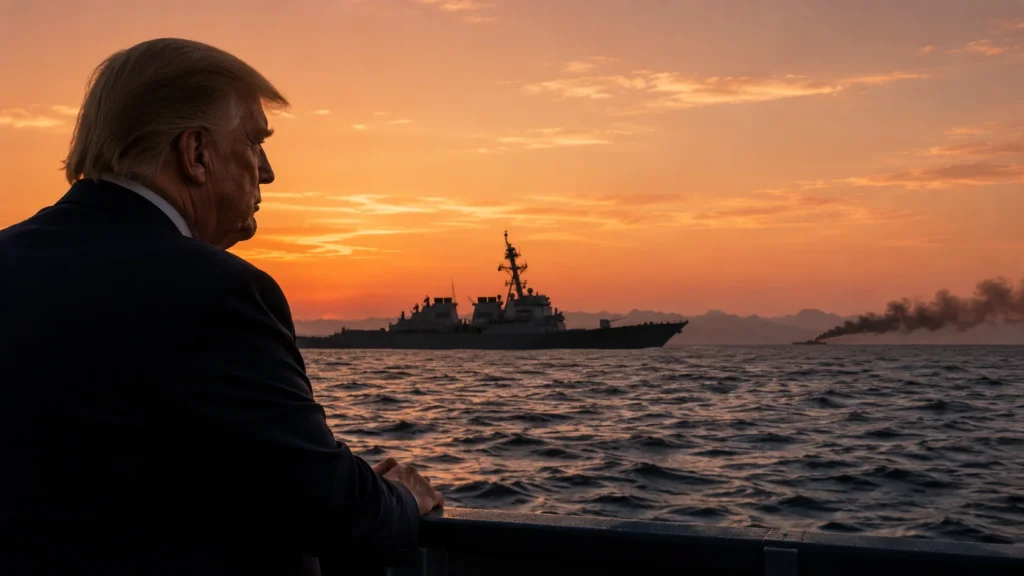
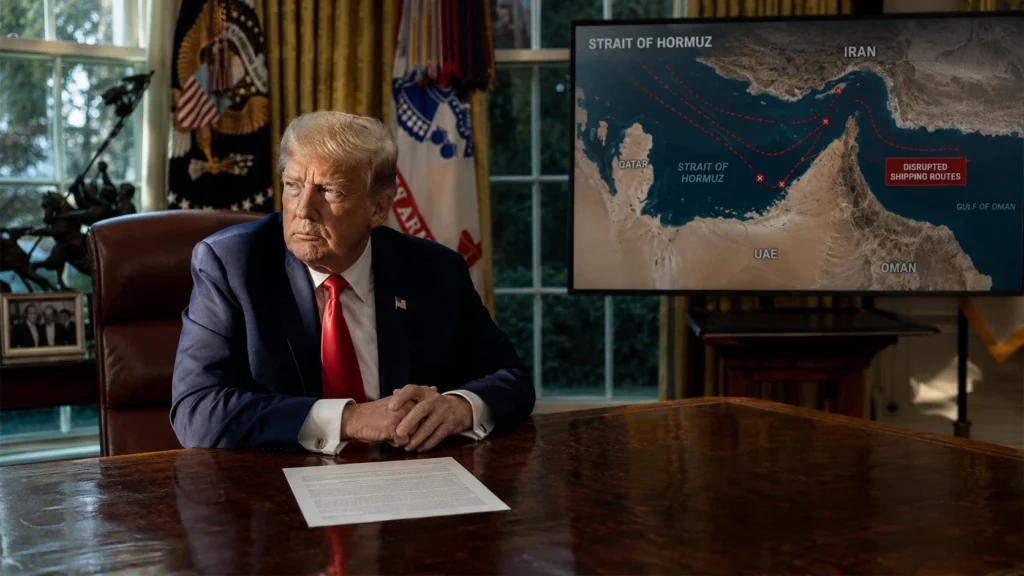
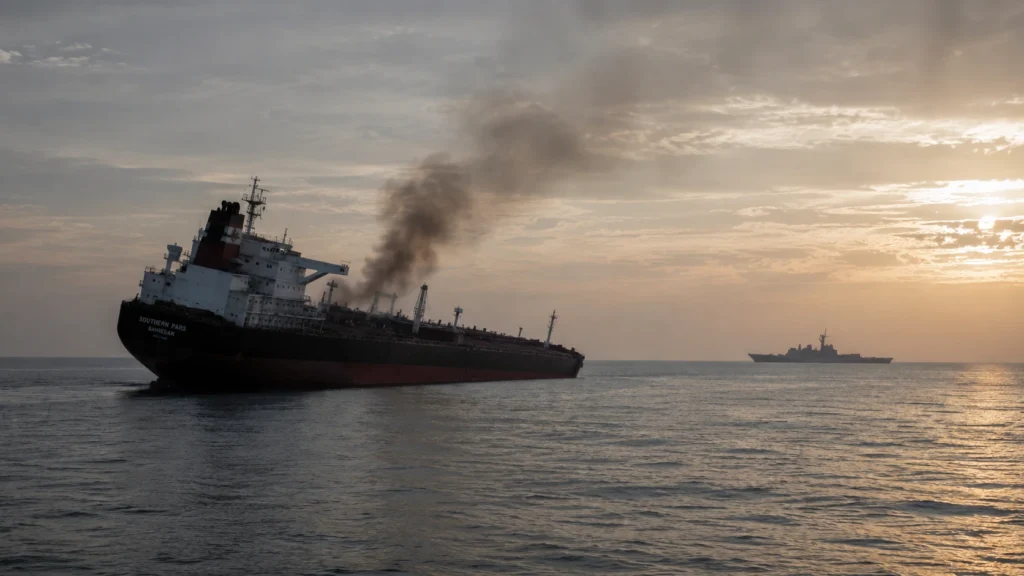
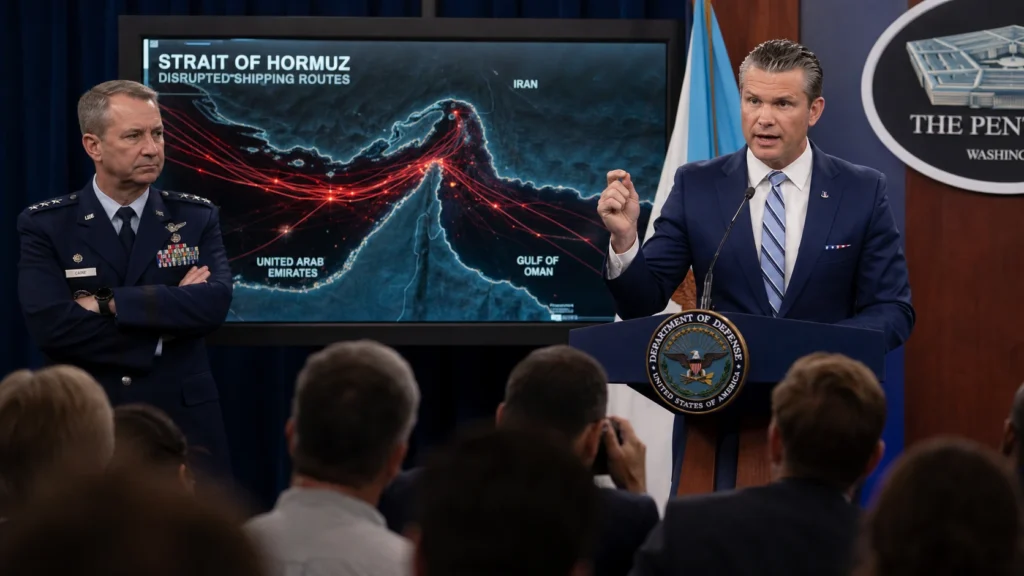
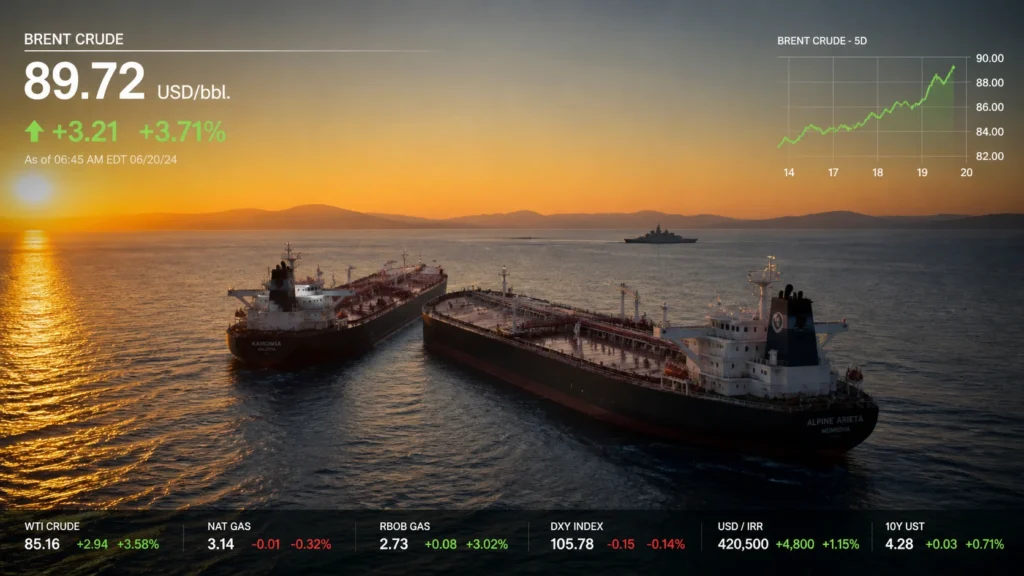
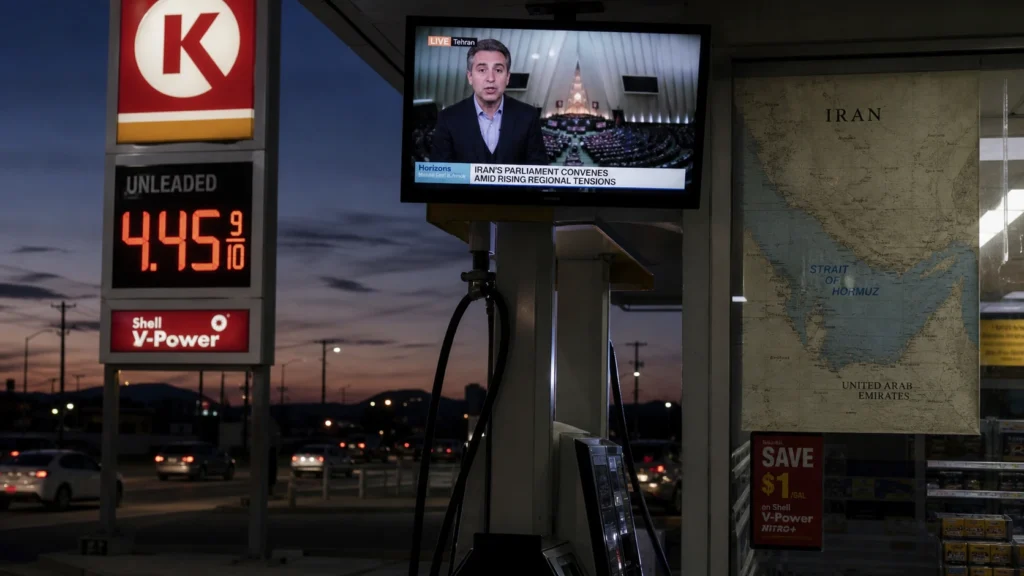
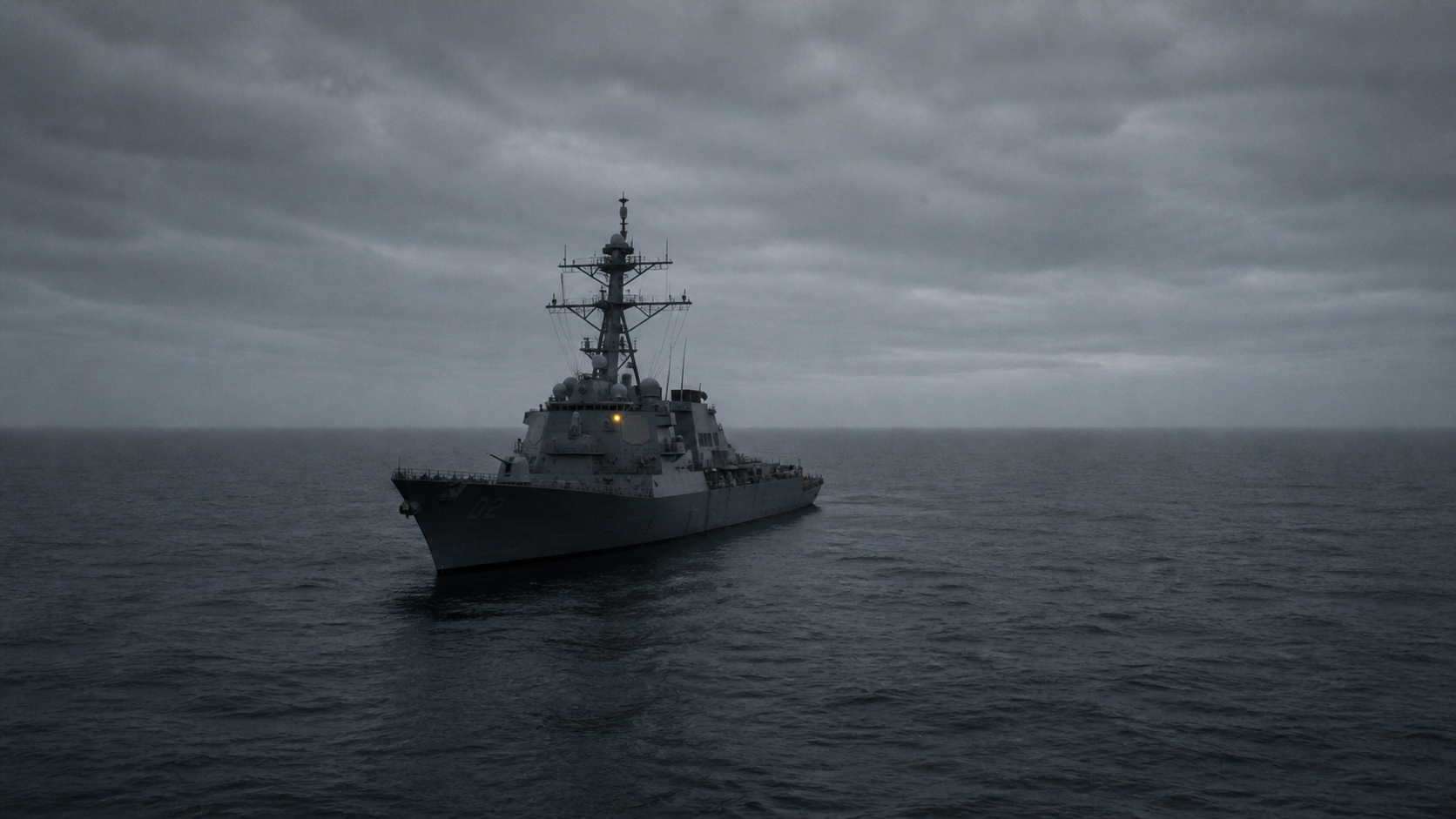
Oil prices jump after US launches new attacks on Iran as global benchmark Brent crude rose 3.75% to 97.83 a barrel and US−traded crude climbed 497.83 a barrel and US−traded crude climbed 492.22 on Thursday. The US Central Command confirmed its forces struck a military site in Bandar Abbas, a strategic port city on the Strait of Hormuz, and shot down four Iranian drones “that posed a threat around the Strait of Hormuz.” The strikes mark the second time in three days that Washington has attacked targets in Iran during a ceasefire that has been in place since 8 April. Iran called the new attacks “a grave violation of the ceasefire” and said it “will not leave any act of hostility unanswered.”
Oil Prices Jump After US Launches New Attacks on Iran — What Happened
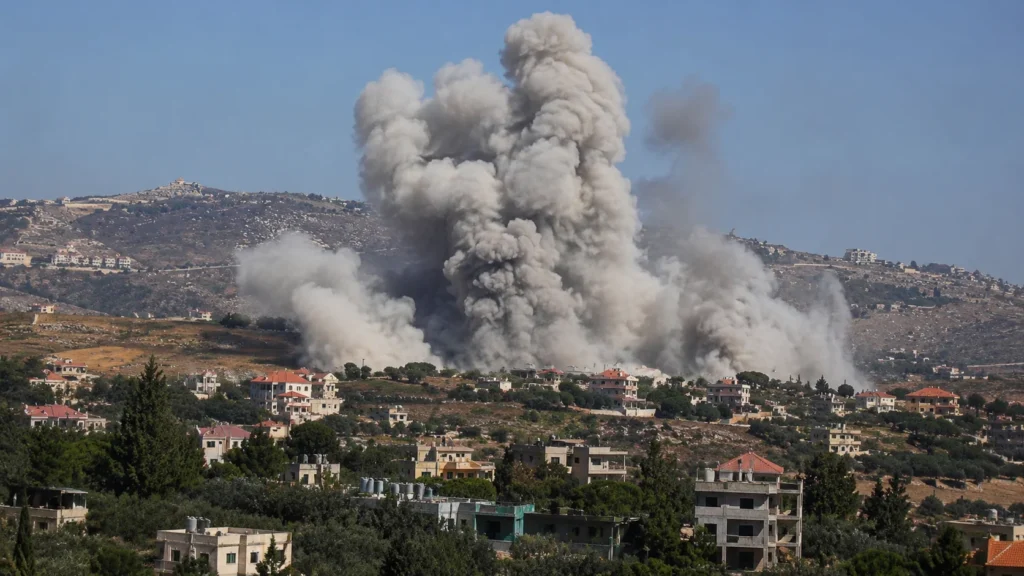
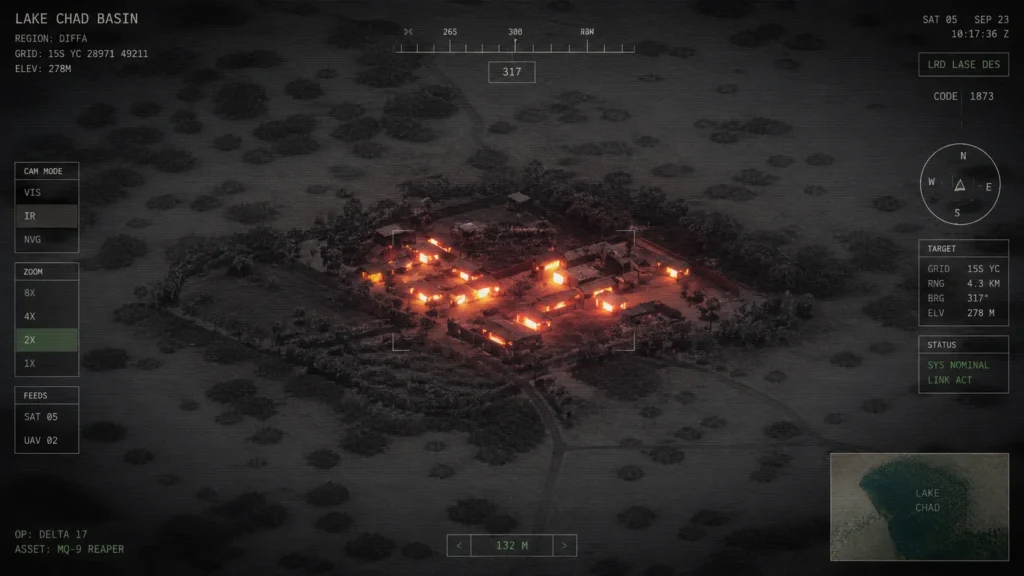
Centcom confirmed the strikes targeted a military site in Bandar Abbas, the same southern port city struck earlier in the week. On Monday, US forces targeted Iranian missile sites and boats attempting to lay mines. Thursday’s operation added the downing of four Iranian drones to the military action.
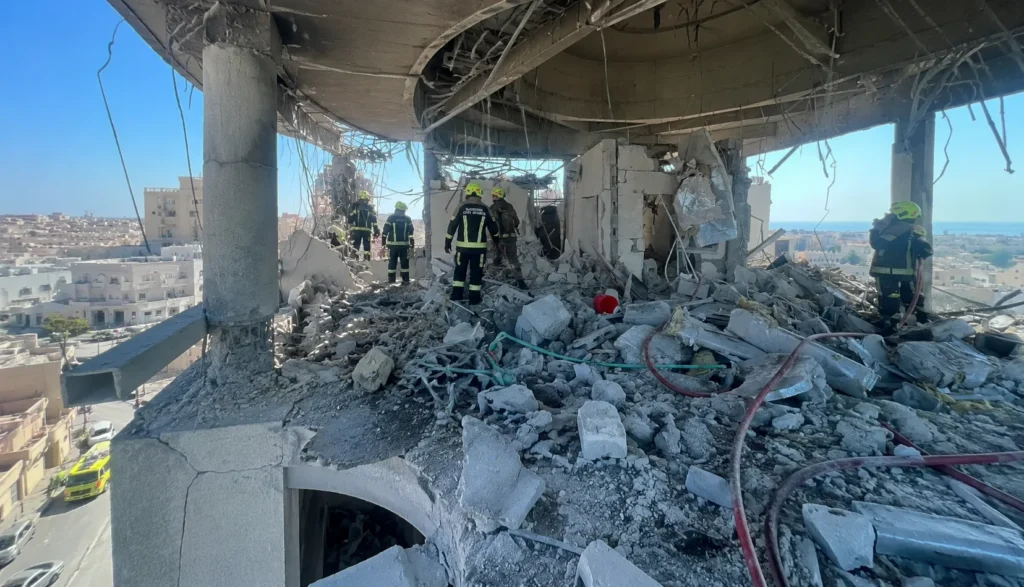
Kuwait’s military announced on Thursday it was intercepting “hostile missile and drone threats” without providing further details, suggesting the conflict is spilling into the airspace of neighbouring states Kuwait Military statement, 28 May 2026.
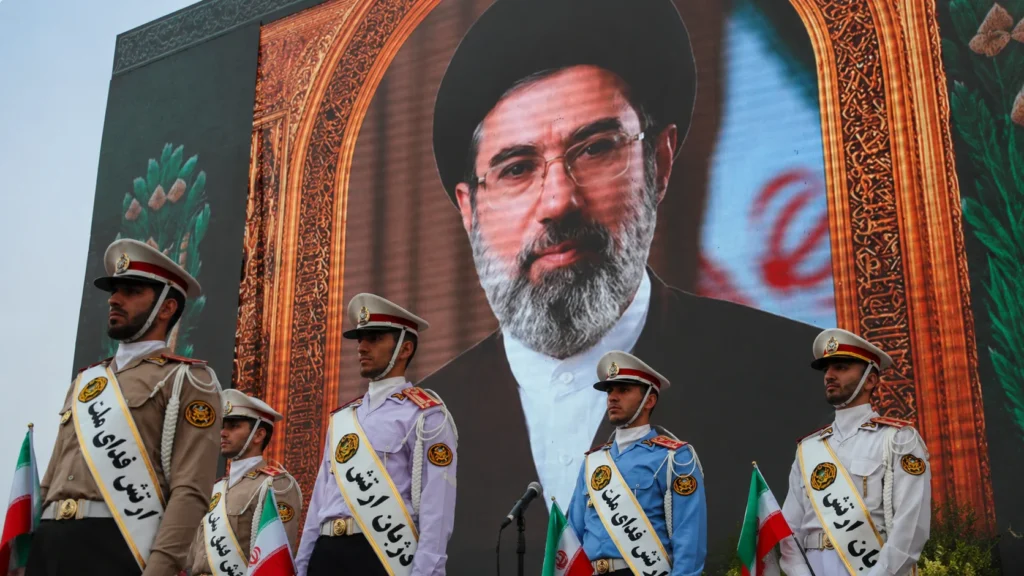
Iran’s response echoed its condemnation of Monday’s strikes. “Without a doubt, the Islamic Republic of Iran will not leave any evil unanswered and will not hesitate to defend the Iranian nation,” the Iranian foreign ministry said after the earlier attacks Iranian Foreign Ministry statement, 26 May 2026.
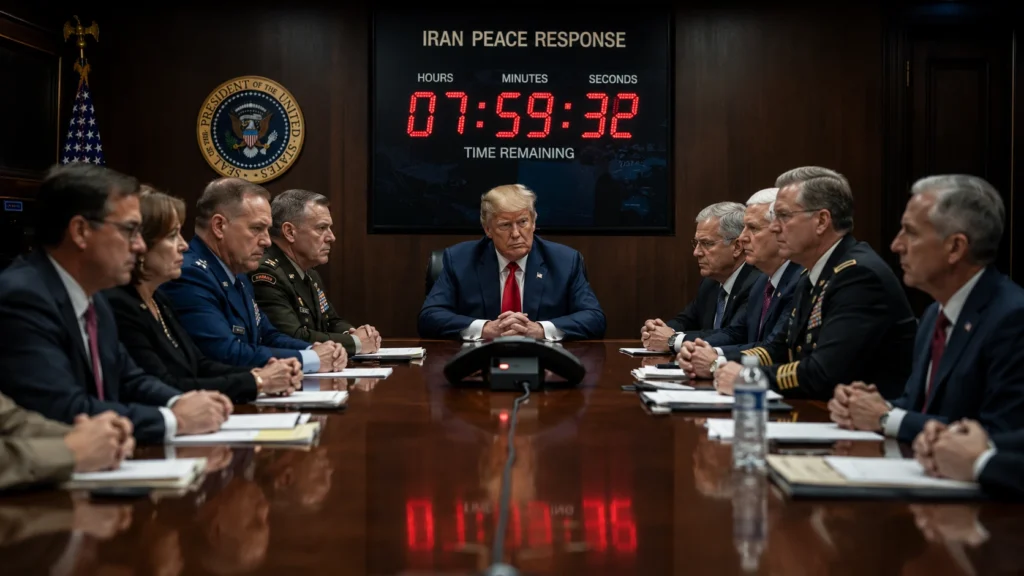
The strikes come as negotiations continue in Doha through Qatari mediators, where a 60-day ceasefire extension, the reopening of the Strait of Hormuz, and a framework for nuclear talks are being discussed.
US launches new strikes on Iran targeting missile sites and boats — our earlier analysis
Oil Prices Jump After US Launches New Attacks on Iran — The Market Impact
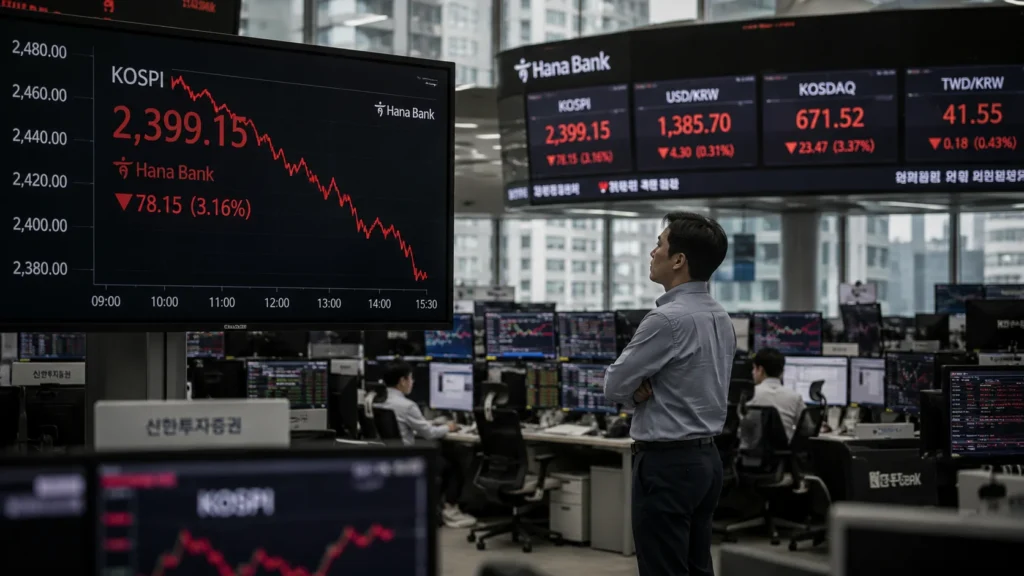
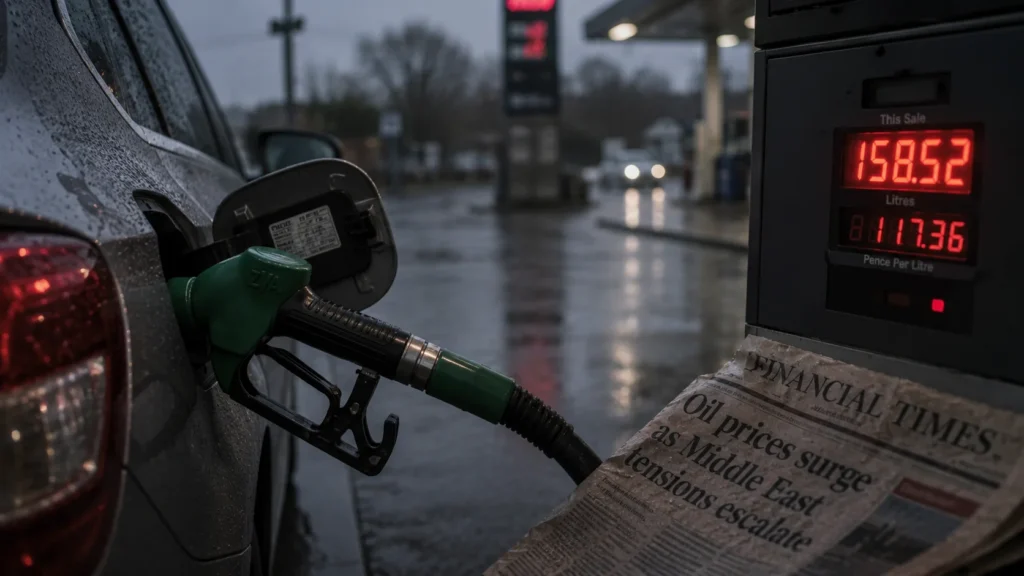
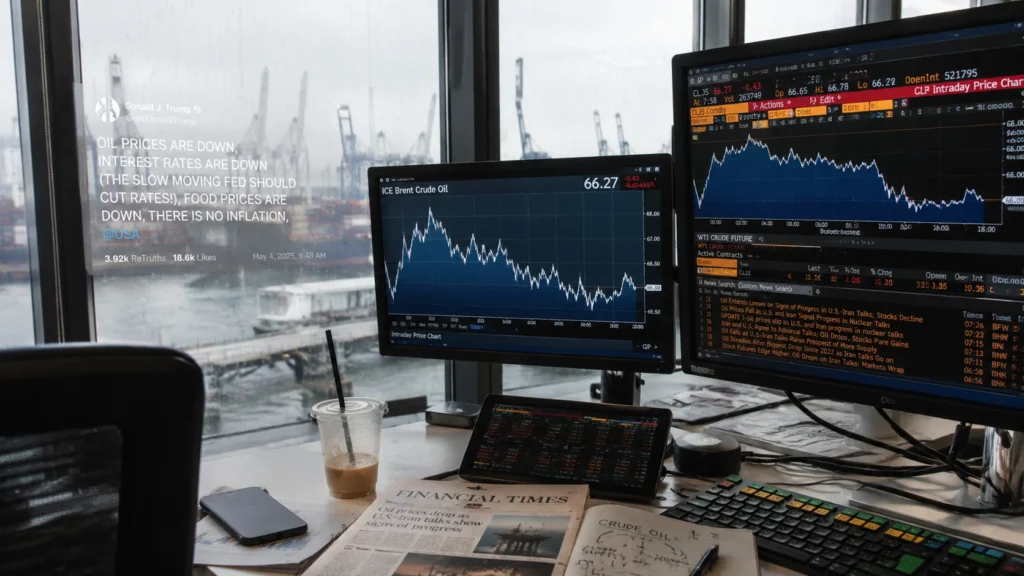
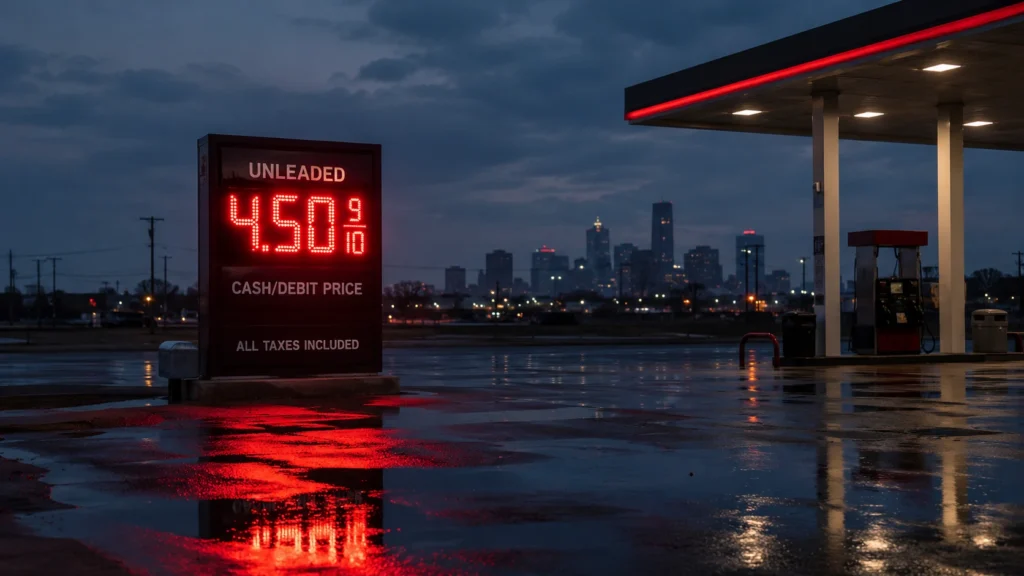
The oil price rise erased much of the decline earlier in the week, when Brent crude fell 5.5% to $97.70 on hopes that a peace deal was imminent. The whipsaw — a 5.5% drop followed by a 3.75% rise within four trading days — reflects the market’s struggle to price risk in a dual-track environment where diplomatic talks and military strikes are occurring simultaneously.
Global energy prices have swung sharply since the conflict began with US-Israeli airstrikes on 28 February. Brent crude was trading close to 120 a barrel after Iran effectively closed the Strait of Hormuz, through which about one − fifth of the world′s oil and liquefied natural gas normally passes. Before the war, Brent was trading at around 120 barrels after Iran effectively closed the Strait of Hormuz, through which about one-fifth of the world’s oil and liquefied natural gas normally passes.
′
Soil and liquefied natural gas normally pass. Before the war,Brent was trading close to 70.
The cost of oil had fallen sharply earlier this week on hopes that a deal would soon be reached to reopen the strait. The latest strikes have reversed that optimism.
Oil prices slide on hopes of US-Iran peace deal — what the market got wrong

Oil Prices Jump After US Launches New Attacks on Iran — The Supply Chain Reality
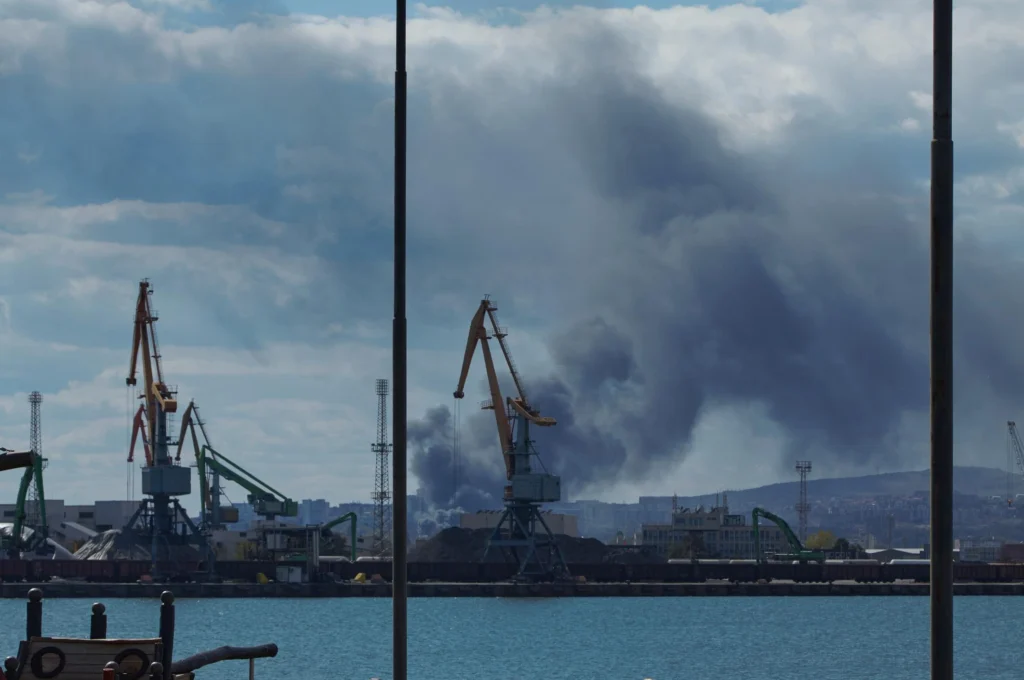
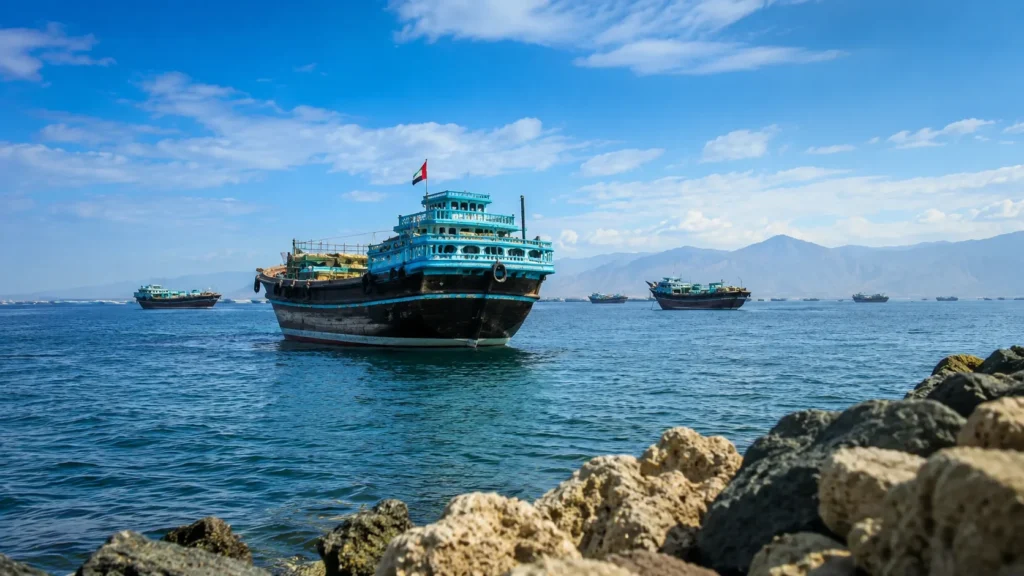
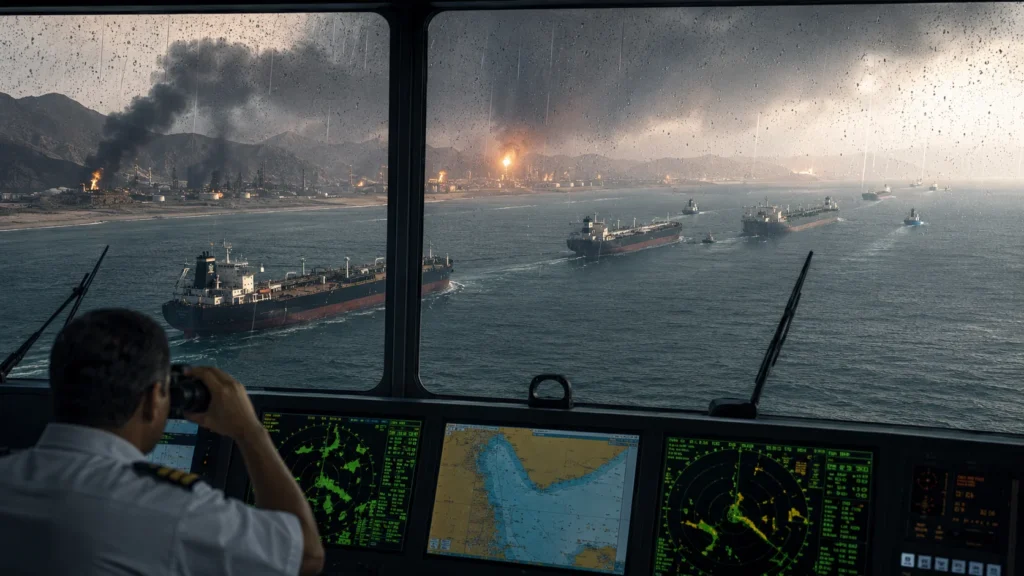
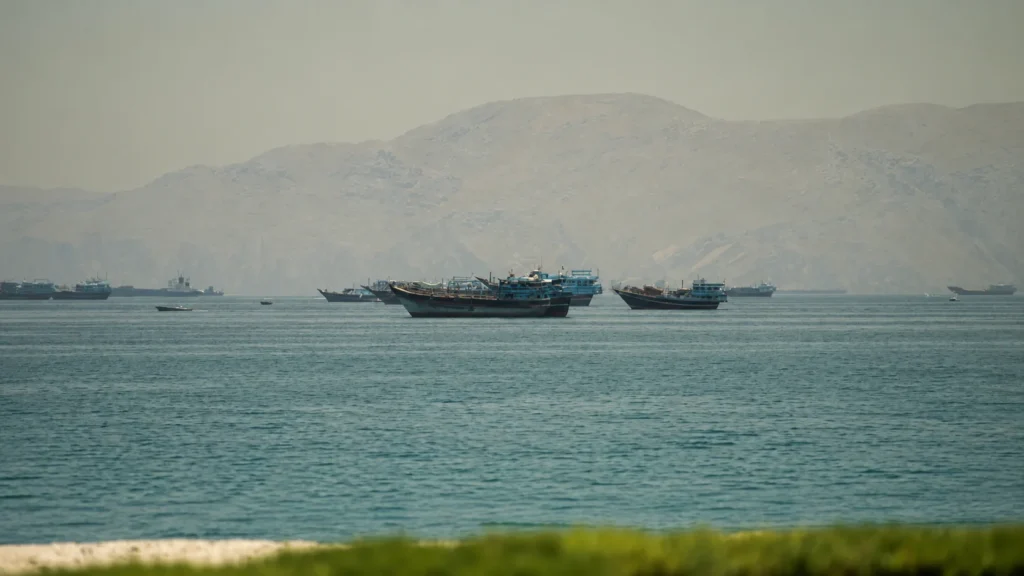
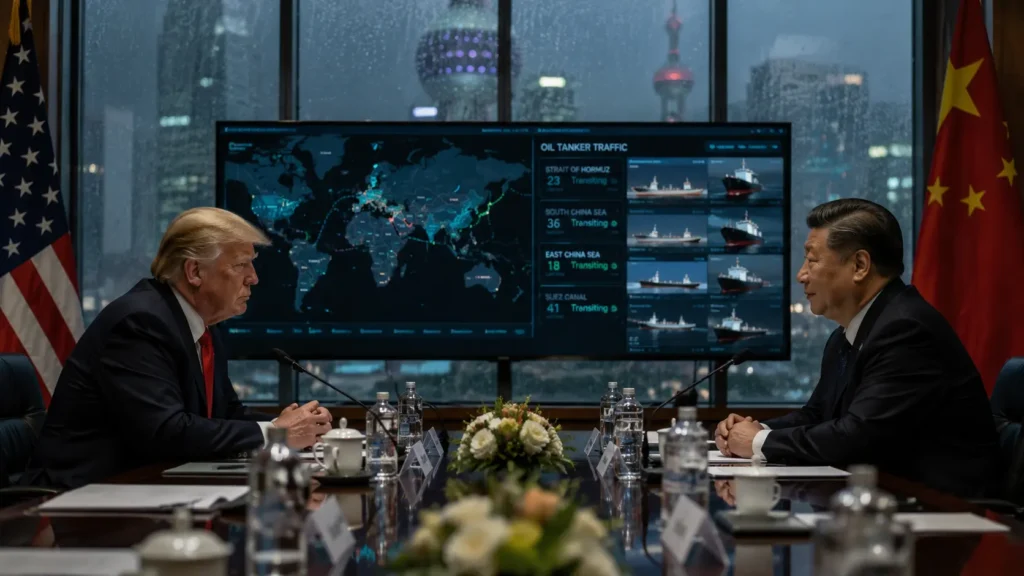
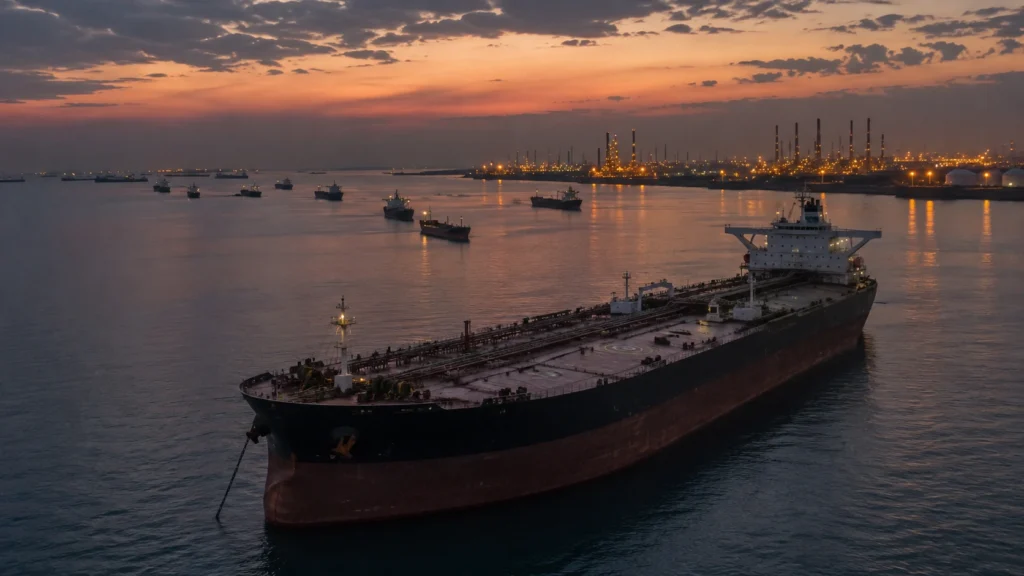
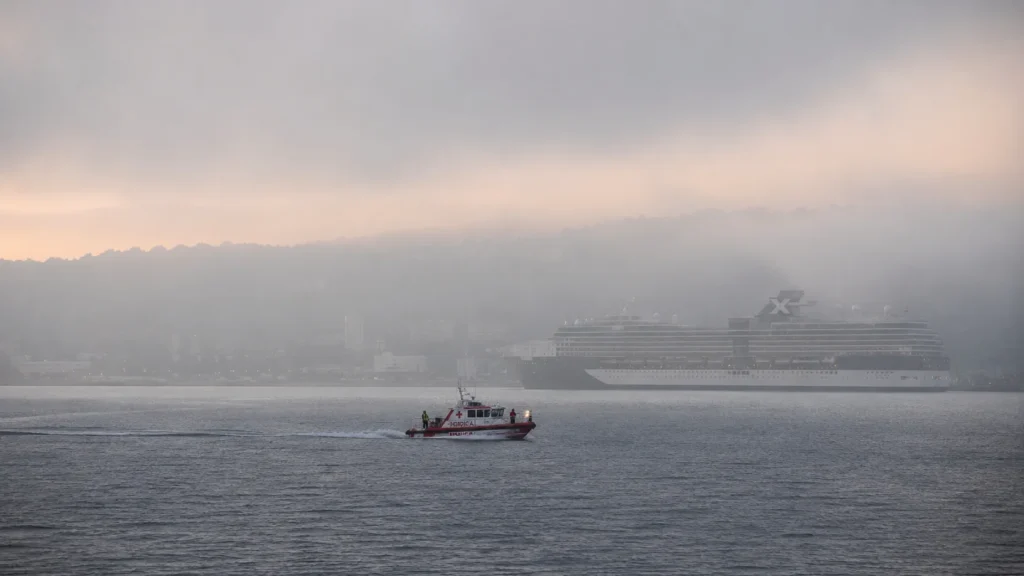
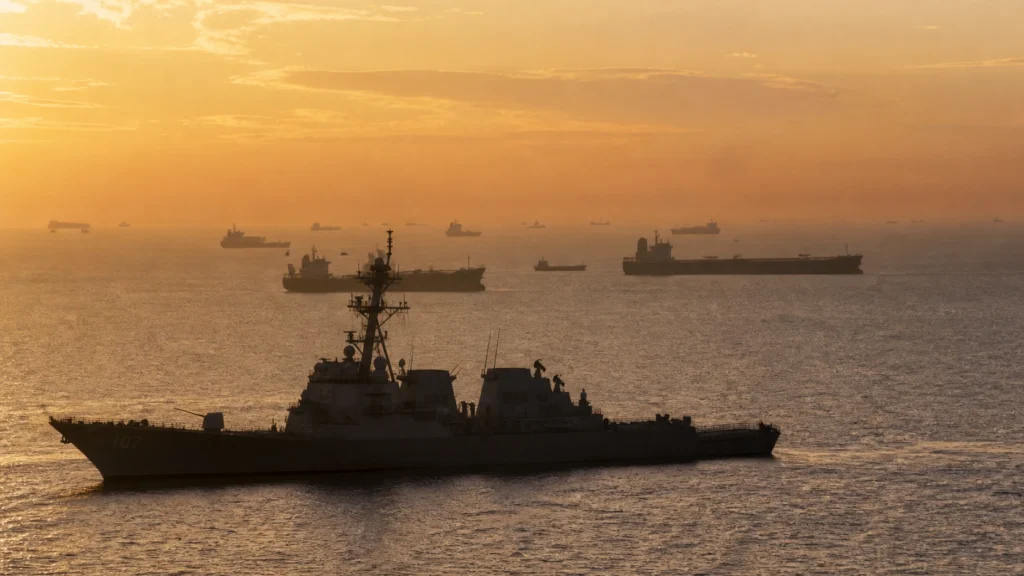
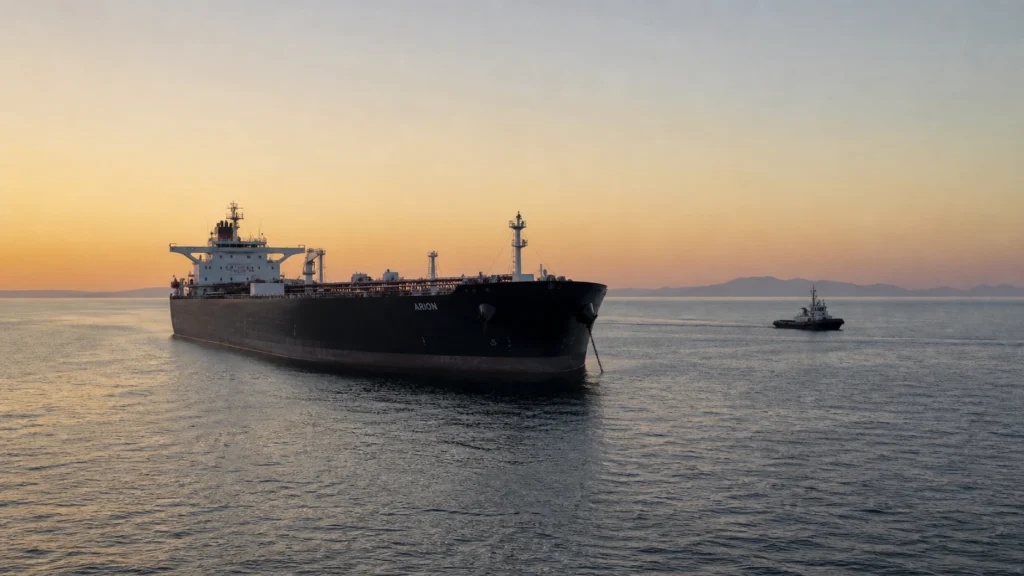
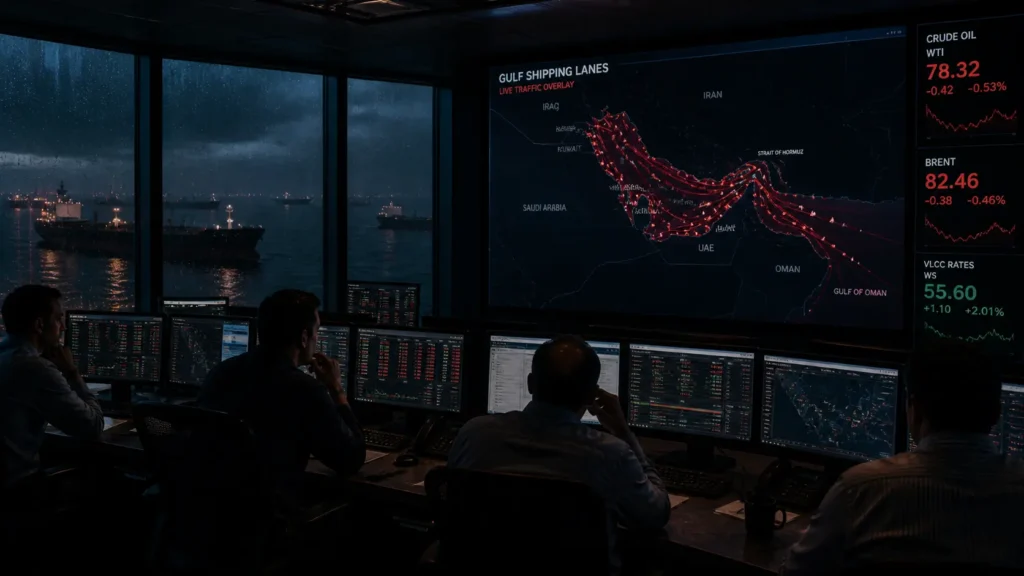
The operational situation beneath the price swings remains unchanged. The Strait of Hormuz remains conditionally closed. Approximately 850 merchant vessels and 20,000 seafarers remain trapped inside the Gulf.
Lars Jensen, chief executive of Vespucci Maritime and a former Maersk director, told the BBC earlier this week that even if a deal were announced, the shipping industry would remain “cautious and hesitant” for months BBC Radio 4 Today programme interview, 25 May 2026.
The mines must be cleared. Insurance premiums must fall. Iranian patrol boats must credibly signal that conditional access has ended. The strikes on Bandar Abbas make those conditions less likely to be met in the near term.
The market’s Thursday repricing is a correction of the premature optimism that drove Monday’s decline. The peace dividend was priced before peace had arrived. The war risk is now being priced before the war has resumed.
The Strait of Hormuz crisis — how a waterway became a sovereignty laboratory
Oil Prices Jump After US Launches New Attacks on Iran
Why did oil prices jump on Thursday?
Brent crude rose 3.75% after the US struck a military site in Bandar Abbas and shot down four Iranian drones. It was the second US strike on Iran in three days, reversing market optimism from earlier in the week.
Where is Bandar Abbas?
Bandar Abbas is a southern Iranian port city on the Strait of Hormuz, home to an Iranian naval base. It is strategically significant because of its location on the key waterway through which one-fifth of global oil passes.
Is the ceasefire still in place?
Yes, the ceasefire has been in place since 8 April. However, the US has conducted strikes during it, which it describes as “self-defence.” Iran calls them a “grave violation.”
What is happening to oil prices?
Brent crude is at 97.83, up from around 97.83, up from around 70 before the war began in February, but down from the $120 peak reached earlier in the conflict. Prices have been volatile as markets react to both diplomatic progress and military escalation.
Are peace talks still happening?
Yes. Negotiations continue in Doha through Qatari mediators. A 60-day ceasefire extension, the reopening of the Strait of Hormuz, and a framework for nuclear talks are being discussed.
Written by the Commodities Desk, drawing on US Central Command statements, Brent crude pricing data, Kuwait Military announcements, and Vespucci Maritime analysis. The desk has covered global energy markets and Gulf geopolitics for over 20 years.
Source: US Central Command, Brent Crude Pricing, Kuwait Military, Vespucci Maritime