

 English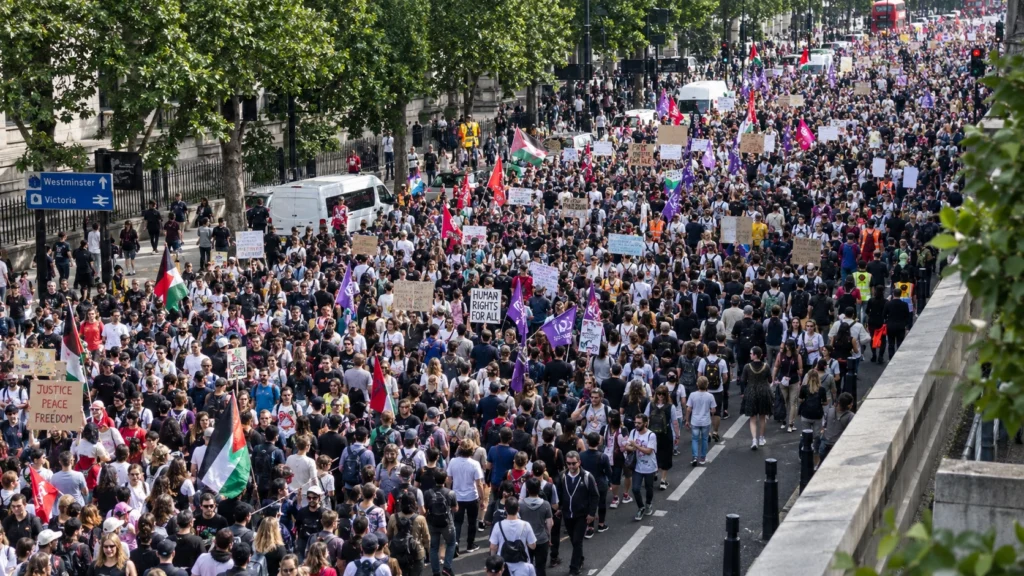



























































































































The Dance Floor Died. The Pop Girls Noticed Before We Did.
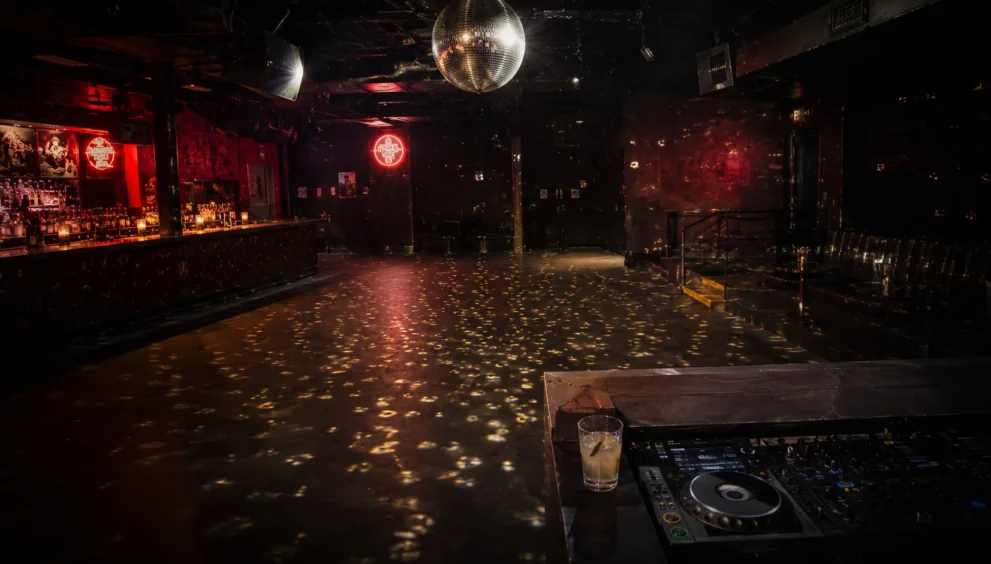
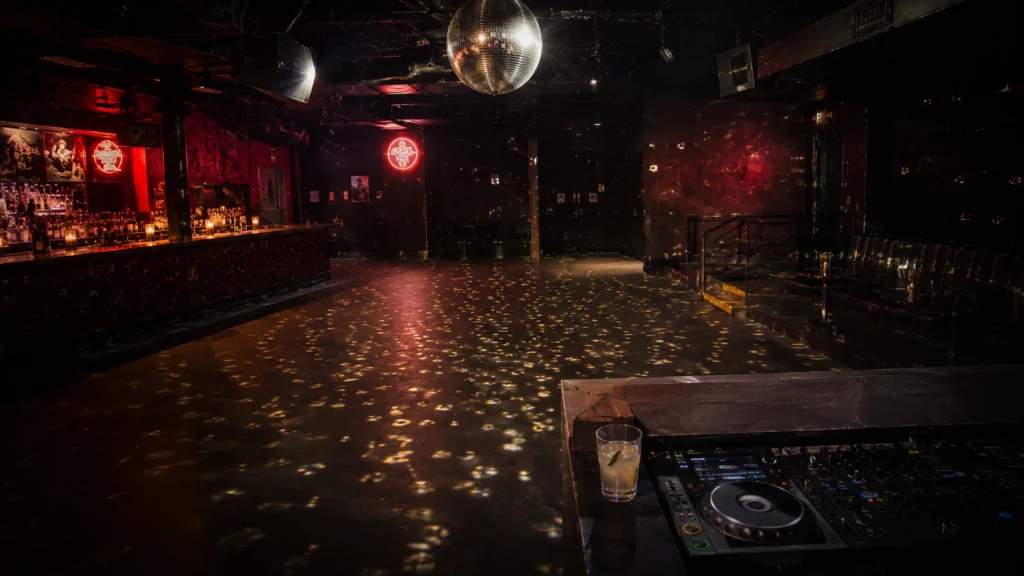
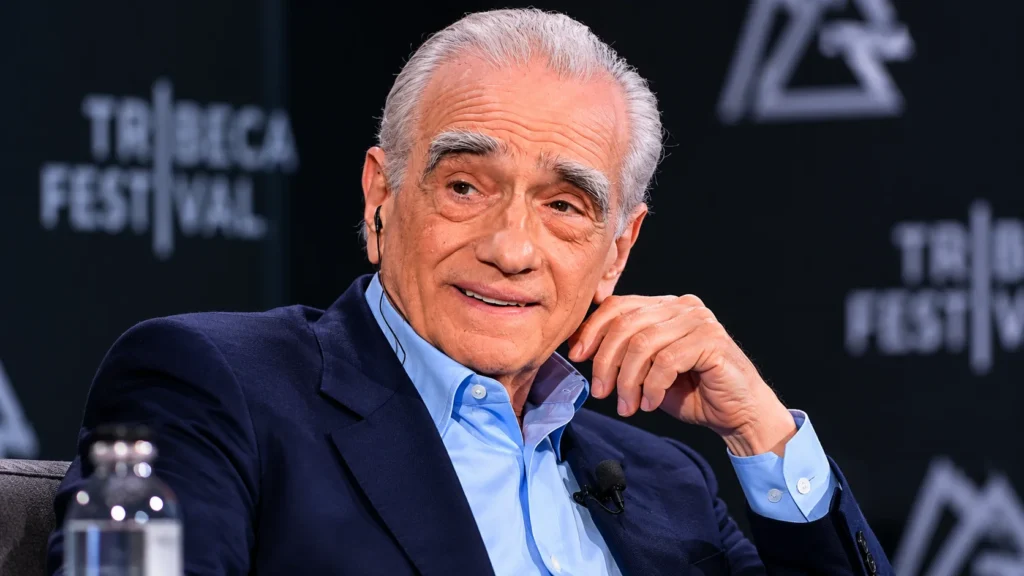
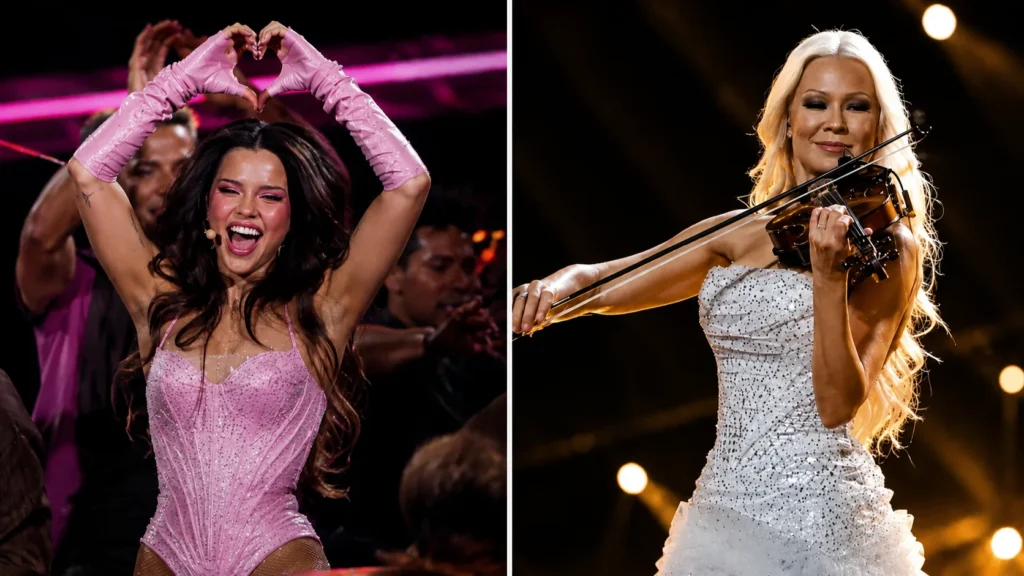
The beat is still there. Slower. Simpler. Charli XCX, who spent last summer demanding we dance all night in sweaty euphoria, now sings that the dance floor is dead. Not dying. Dead. “We’re walking on a runway that goes straight to hell,” she announces on “SS26,” her latest single. The cover of her new album Music, Fashion, Film features John Cale, Marc Jacobs, and Martin Scorsese in black and white, glowering. The title names the things that were supposed to save us. The thesis, according to the single, is that nothing will.
Olivia Rodrigo has soured on romance. “It don’t matter how your love feels anymore / It’ll never be the cure,” she sings on material from her forthcoming album You Seem Pretty Sad for a Girl So in Love. Love was the subject. Now love is a sickness. Lust will kill you. The grungy triumph of her earlier work has curdled into something that does not even pretend to believe in rescue.
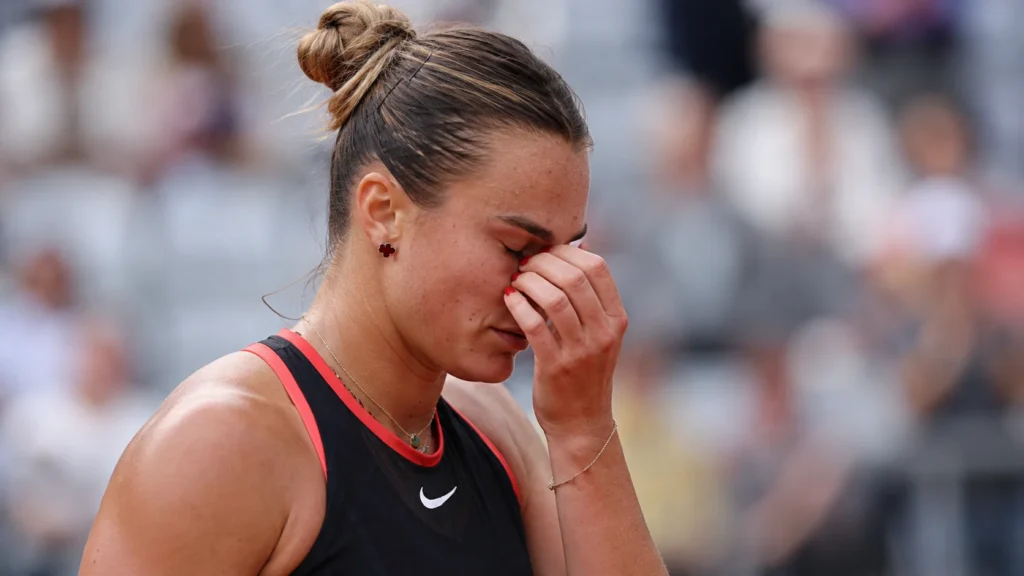
Ariana Grande, possessor of one of the most powerful vocal instruments in pop music, has gone deliberately flat. “It’s all bad news,” she drones on “Hate That I Made You Love Me,” the most downbeat single in nearly 15 years of stardom. The whistle tones are absent. The sticky choruses are absent. The energy required to belt has been withdrawn. New York Magazine called it “one of her worst.” The assessment missed the point. She is not trying.
Madonna, 67, has promised a sequel to Confessions on a Dance Floor for early July. “The dance floor is not just a place—it’s a threshold,” she posted. “A ritualistic space where movement replaces language.” She has made music through wars, political unrest, financial collapse. The terrors of 2026 do not faze her. “If your dance floor feels dead,” she wrote in another post, “Maybe you’re playing the wrong music.”
The line is a diagnosis. It is also a challenge. The young pop stars are not playing the wrong music. They are playing the music that matches the moment. The moment is not asking for escapism. It is asking for acknowledgment. The gap between what audiences say they want and what they actually need has never been wider. The pop girls are betting that this summer, the need is for something that sounds like the inside of a head that has stopped expecting good news.
But beneath the surface, something else was happening. The rejection of the party was not a failure of imagination. It was an emotional recalibration. Pop music has always functioned as a barometer of the culture’s internal weather. The barometer just dropped. The girls are not depressed. They are honest. The honesty is what makes the music feel so uncomfortable to listen to.
The Death of the Song of the Summer
The song of the summer is a contract. The artist provides an upbeat, pool-party-friendly earworm. The audience provides mass embrace. The contract has held for decades. A few summers ago, the slots filled with “Espresso,” “Not Like Us,” “Hot to Go!”—songs designed for collective joy, for the specific physical experience of hearing a chorus hit while holding a drink in hot weather.
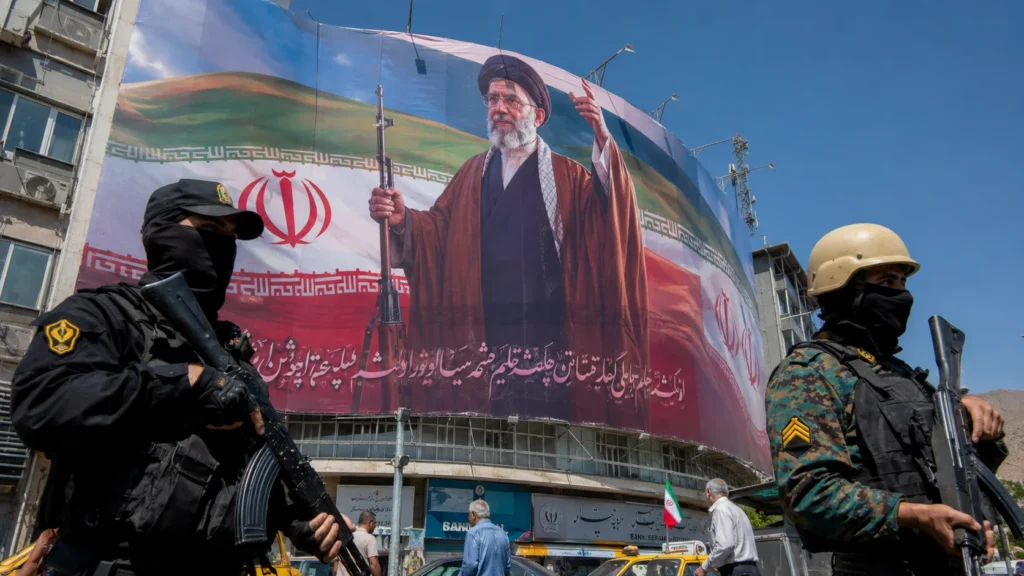
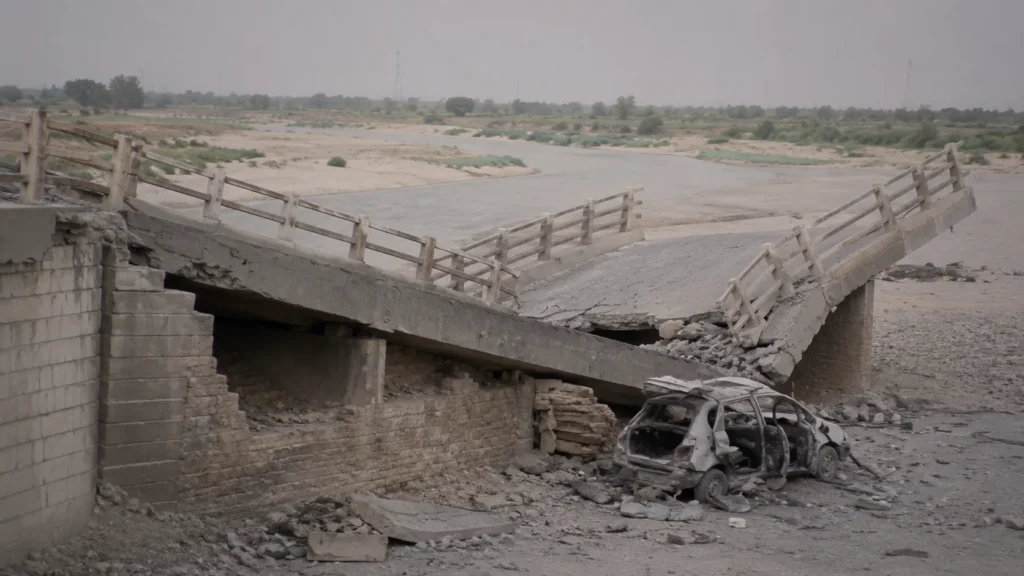
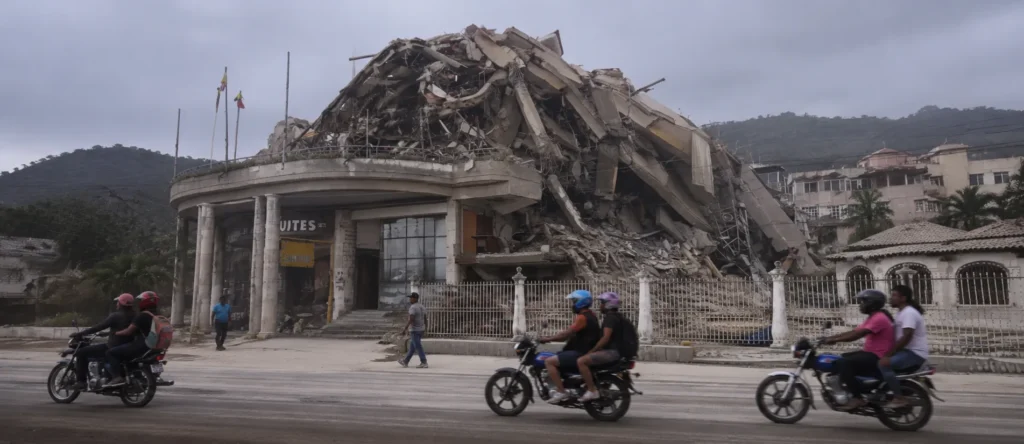
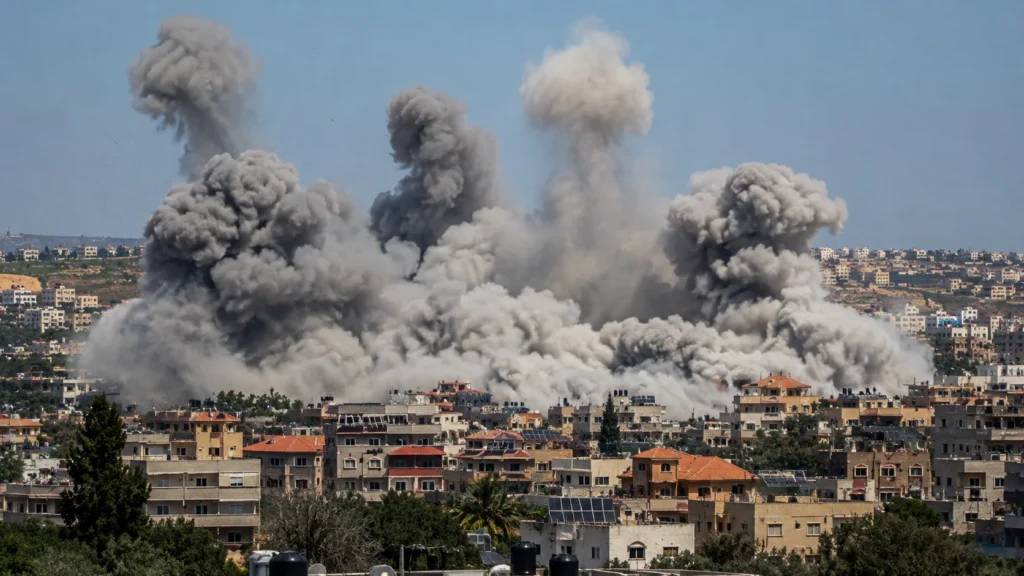
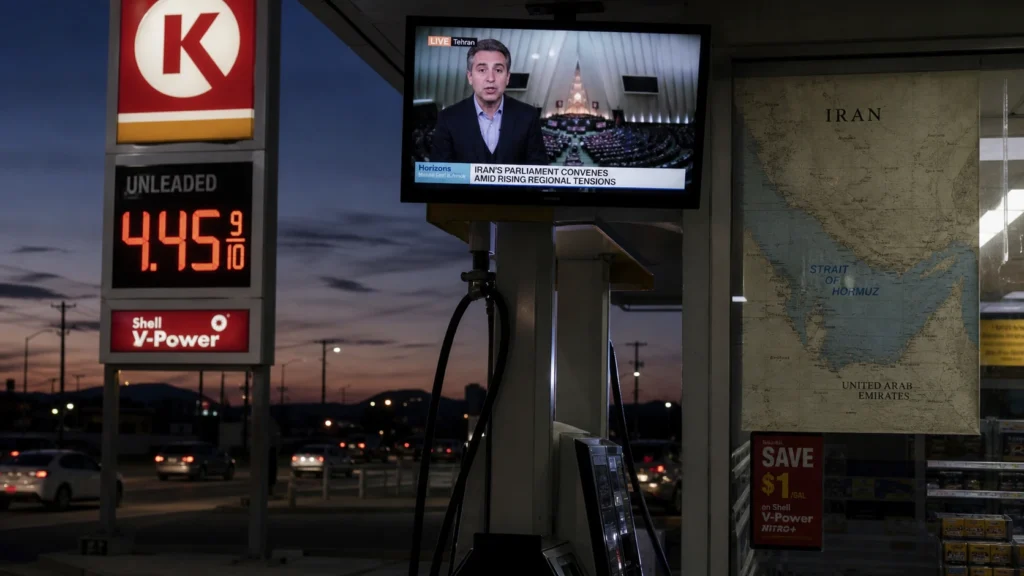
That contract has been broken. Charli’s “Rock Music” contains a line about “real incestuous vibes.” It is not a song of the summer. It is not trying to be. The rejection is explicit. The dance floor is dead. The runway goes to hell. The club classic cannot do much about the war in Iran, the economy on the verge of collapse, the sweltering nights that confirm the planet is overheating.
Fans have noticed. Anthony Fantano of the Needle Drop, a devoted Charli follower, called “Rock Music” “disappointing.” Another self-professed fan described it as “straight-up rotten ass cheeks.” The criticism is aesthetic—the beat is too simple, the lyrics too elementary—but the discomfort beneath it is emotional. Fans came to Charli for release. She offered resignation. The gap between expectation and delivery is the gap between wanting to dance and knowing there is no point.
The Madonna Option
Madonna occupies a different position. She has lived through enough calamities that the current ones do not surprise her. She made Confessions on a Dance Floor in 2005, during a different war, a different political crisis, a different wave of despair. The album was not a denial of the world outside the club. It was an argument that the club could hold its own against the world outside.
Her Instagram posts for a credit card rewards company—of all things—contain the closest thing to a counter-manifesto. “The dance floor is not just a place—it’s a threshold. A ritualistic space where movement replaces language.” The language is mystical. The theology is disco. The belief is that collective physical joy performs a function that individual despair cannot reach.
The young pop stars are not making that argument. They are making a different one. The function of pop music, in their current understanding, is not to provide escape from reality but to sit inside it with the listener. Charli is not telling you to forget the apocalypse. She is telling you she has seen it too. Rodrigo is not telling you love heals. She is telling you it doesn’t. Grande is not telling you to sing along. She is telling you she cannot summon the energy to make you.
What the Audience Actually Wants
The split in the fan response is instructive. Some listeners want the old contract honoured—give us the bangers, give us the release, give us the summer. Others are discovering that they do not want a frothy anthem because a frothy anthem feels like a lie. The dissonance between a song about incestuous vibes and a pool party is the point. The dissonance is the message.
Pop music has always been a lagging indicator of cultural mood. The songs that dominate a summer tell you what the culture needed six months earlier, when they were written and produced. The songs Charli, Rodrigo, and Grande are releasing now were made during a period of escalating war, economic precarity, and climate breakdown. They sound like it. The surprise is not that the music is bleak. The surprise is that anyone expected it to be otherwise.
The question that will resolve over the next three months is whether audiences adjust their expectations to meet the music, or whether the music is punished for failing to meet the expectations. Fantano’s disappointment and the anonymous fan’s “rotten ass cheeks” verdict are early indicators. Madonna’s album will provide a control group. If Confessions Part II succeeds, it will mean the appetite for escapism still exists—just not for escapism delivered by artists who no longer believe in it.
The Power Shift
The recalibration is visible across the pop economy.
Charli, Rodrigo, and Grande gain something by refusing the contract. They gain the ability to make music that matches their internal weather rather than the market’s demand. The risk is that the market punishes them for it. The reward is that the audience that stays will stay for the right reasons—not because the songs make them feel better, but because the songs make them feel understood.
Madonna gains the opportunity to reclaim territory the younger artists have ceded. If the dance floor is dead, the person who revives it becomes its sole proprietor. The 67-year-old icon positioning herself as the guardian of collective joy against a generation of morose superstars is a narrative that writes itself. The music will either support it or it won’t.
The audience loses the song of the summer and gains something harder to name. The songs this summer will not provide escape. They will provide accompaniment. The difference is the difference between being told everything will be alright and being told someone else is in the room while everything falls apart. The first is a lie. The second is a form of care.
What Changes Now
The summer will unfold without a unifying anthem. The clubs will still open. The pools will still fill. The music playing will be slower, sadder, more honest than the season traditionally allows. Some people will hate it. Some people will find that it matches the way they actually feel, which they had not admitted to themselves until a pop song said it first.
The longer question is whether this is a single-season aberration or a structural shift. If the conditions that produced the bleak music persist—war, economic instability, climate collapse—the music will continue to reflect them. The contract may not be reinstated. The song of the summer may be a genre that died in 2025, replaced by something that does not ask you to forget.
Madonna’s album lands in July. The dance floor will get its advocate. The question is whether anyone still wants to dance, or whether the threshold she describes has been crossed in the other direction—away from the ritual, toward the silence, toward the room where the music is quiet and the news is still bad and someone is singing about it without pretending otherwise.