

 English





















































































































































































































































































































































Humanoid Robots the Future of Car Making, Says BMW
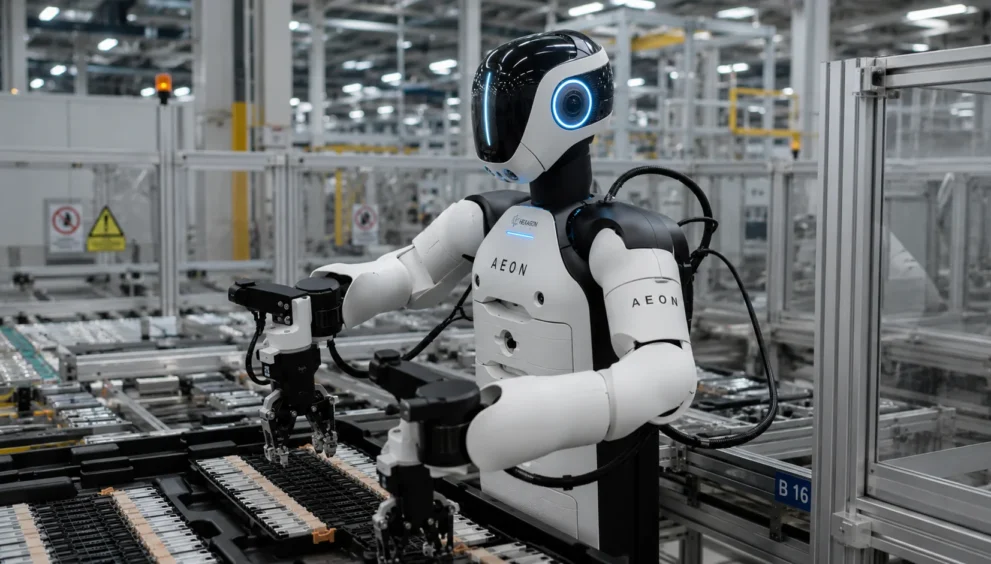
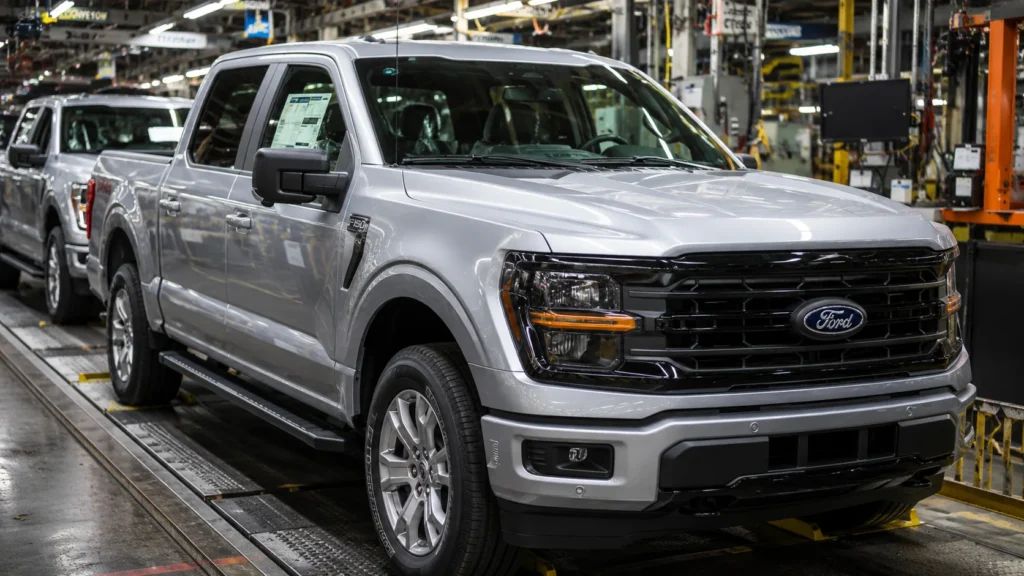
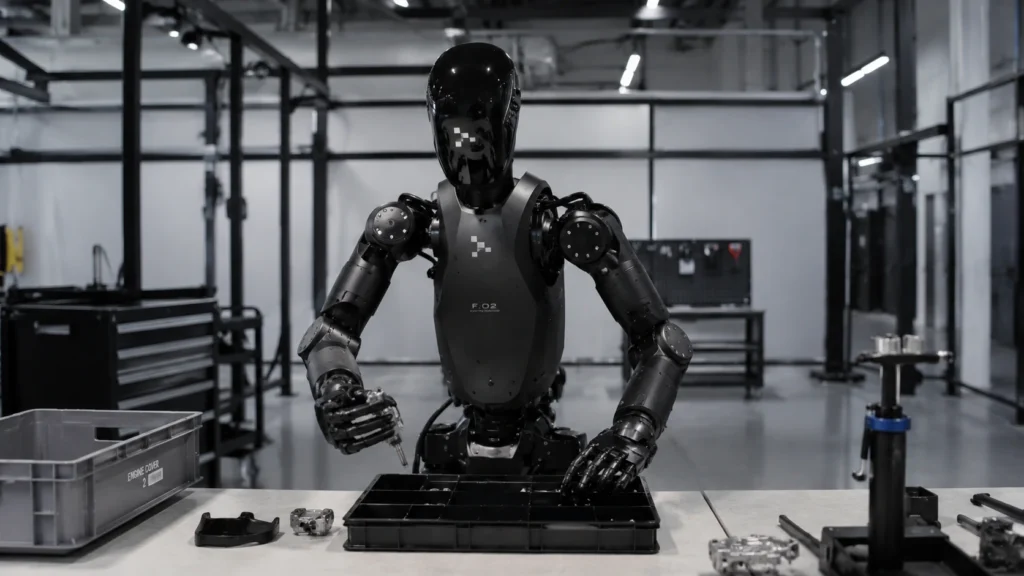
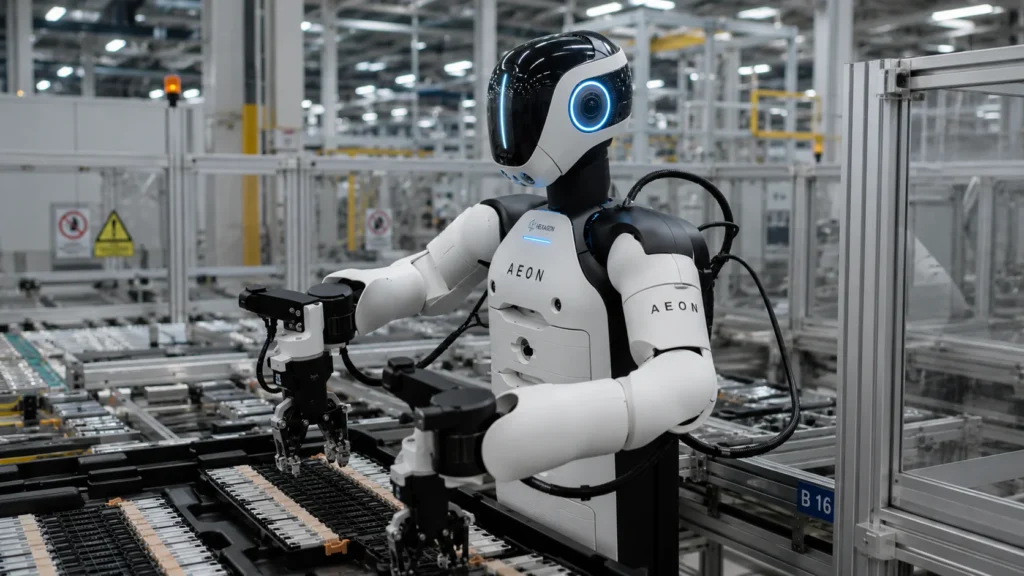
For the first time, BMW will use humanoid robots the future of car making in Europe, with two Aeon robots made by Hexagon Robotics planned to enter production at the Leipzig factory from this summer. The robots, which stand 1.65 metres tall and weigh 60 kilograms, will feed parts to manufacturing tools and carry out pick-and-place tasks for battery assembly. “This will be the future of automotive production,” said Michael Nikolaides, BMW’s head of process management and digitalisation. The move follows successful trials of the Figure O2 humanoid robot at BMW’s Spartanburg plant in the United States, where it helped build 30,000 Model X3 cars at human speed.
Why Humanoid Robots Now
Robot arms and other automation have served the car industry for decades. The shift to human-shaped robots reflects a fundamental change in the economics of automation, according to Bill Ray, distinguished VP analyst at Gartner.
“When a robot costs 17 million, you’d reorganise your factory around the robot, but it doesn’t anymore,” Ray said. “So now you want to fit it into your existing way of working” Gartner analysis, May 2026.
The cost of industrial robots has fallen, while it remains expensive to redesign assembly lines. The humanoid form allows a robot to slot into workstations designed for humans without requiring the factory to be reconfigured. “If you have a humanoid form, you can pretty much set it to any workplace where a human is working today because it has the same size and the same capabilities,” Nikolaides said.
The Aeon robot is equipped with 21 sensors, including cameras, radar, a microphone, and force and torque sensors for manipulation. It has a top speed of 2.4 metres per second and can carry 15 kilograms for short periods or 8 kilograms continuously. Its battery lasts three hours, and it can swap its own battery in about three minutes.
The rise of humanoid robots: how imitation learning is transforming industrial automation
The Training Revolution
The speed at which Aeon can learn new tasks represents a strategic shift in robotics. Arnaud Robert, president of robotics at Hexagon, identified imitation learning as the breakthrough: the robot watches a human perform a task and replicates it, cutting training time from months to days.
“The best translation from the human to the robot is when the teacher and the student have the same form factor,” Robert said Hexagon Robotics statement, May 2026.
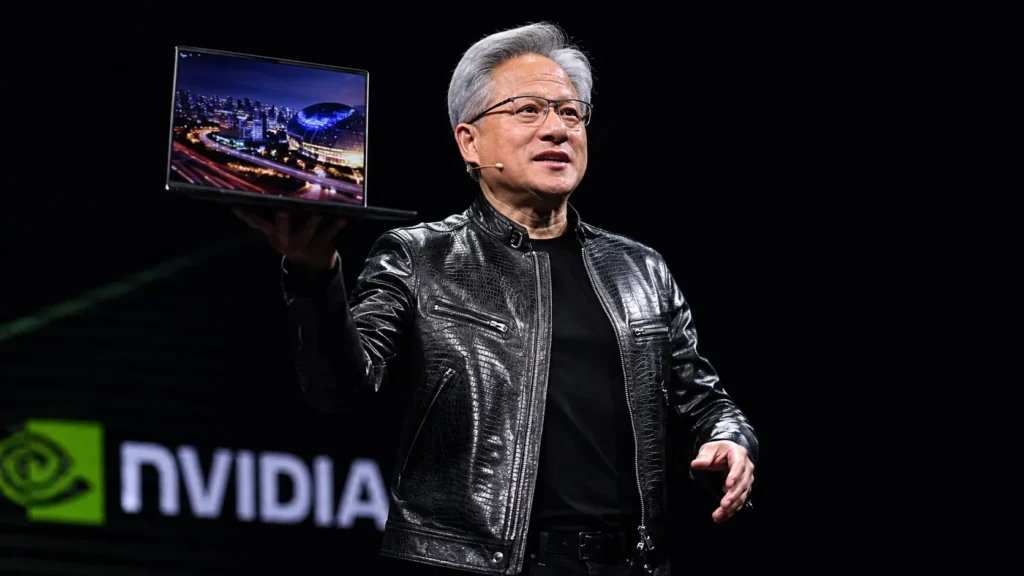
The Aeon robots were trained using a combination of teleoperation, sensors on humans capturing movement data, and simulation in a digital twin of the factory using software from Nvidia. The simulation approach, called reinforcement learning, allowed the robot to repeatedly practise tasks and identify the most promising solutions.
Robert said the ultimate scenario, a robot watching someone pack boxes and joining in, is “probably something that’s a year or two out.” Ray at Gartner estimates that within three to five years, a robot will be able to take simple voice instructions to carry out a task effectively.
How Nvidia’s digital twin technology is accelerating robot training
The Competitive Landscape
BMW is not alone. Toyota plans to use Digit humanoid robots from Agility Robotics following a successful trial. Hyundai, a majority shareholder in Boston Dynamics, has announced plans to use Atlas humanoid robots and already deploys Spot robots for industrial inspection. China’s Xiaomi has tested two of its own humanoid robots in electric vehicle production.
BMW’s experience with the Figure O2 robot in the US provided a critical operational insight beyond speed. “If you changed the position of the sheet metal a little bit or you shift it, or you tilt it, with a standardised industry robot, you would have a failure,” Nikolaides said. “These humanoid robots can analyse that, and they will just keep on working.”
The ability to tolerate variance — a part slightly out of position, a fixture not perfectly aligned — distinguishes AI-driven humanoid robots from traditional industrial machinery. It eliminates the cost of controlling the environment that is embedded in every conventional automation investment.
The global race for humanoid robots in automotive manufacturing
The Labour Question
Nikolaides framed the robots as a response to labour shortages rather than a replacement for existing workers. “We know that staff will be short in a matter of years, and humanised robots help,” he said.
He cited historical precedent: “When we automated the production of cars in the ’70s, everybody said this would lead to a lot of job losses, but the opposite was the case. There were new jobs created by this new technology, and that’s the way we look at [humanoid robots].”
Ray offered a cautionary note on expectations. “The primary use case for a humanoid robot today is to walk on stage and artificially inflate your share price,” he said. “When you see a humanoid robot walking, you assume it can run, it can climb, it can jump. It can’t do any of those things, but your brain fills in those gaps.”
The Aeon robot does not walk; it uses wheels. Ray noted that companies deploying humanoid robots often find that giving them names helps human workers accept mistakes. “If it doesn’t have a name, it’s a machine. If it gets it wrong, it’s broken. If it has a name, then people expect it to make mistakes. People forgive it.”
BMW Humanoid Robots 2026
What will the BMW robots do?
The Aeon robots will feed parts to manufacturing tools and carry out pick-and-place tasks for battery assembly at the Leipzig factory. They are designed to work alongside humans in existing workstations.
Who makes the robots?
The Aeon robots are made by Hexagon Robotics. BMW has also tested the Figure O2 robot from Figure at its US plant in Spartanburg.
How do the robots learn new tasks?
The robots use imitation learning, watching humans perform tasks through video or movement sensors. Training time has been reduced from months to days. The robots were also trained using Nvidia software in a digital twin of the factory.
Are other carmakers using humanoid robots?
Yes. Toyota plans to use Digit robots from Agility Robotics. Hyundai has announced plans for Atlas robots from Boston Dynamics. Xiaomi has tested its own humanoid robots in EV production.
Will the robots replace human workers?
BMW says the robots will help address anticipated labour shortages and take on repetitive or physically challenging work. The company says it expects new jobs to be created by the technology, as happened with previous automation waves.
Written by the Business Desk, drawing on BMW Group announcements, Hexagon Robotics statements, and Gartner analysis. The desk has covered automotive manufacturing and industrial automation for over 15 years.
Source: BMW Group, Hexagon Robotics, Gartner