

 English






































































































































































































Iran Hits Two UAE Tankers in Strait of Hormuz as US Strikes Iran Again
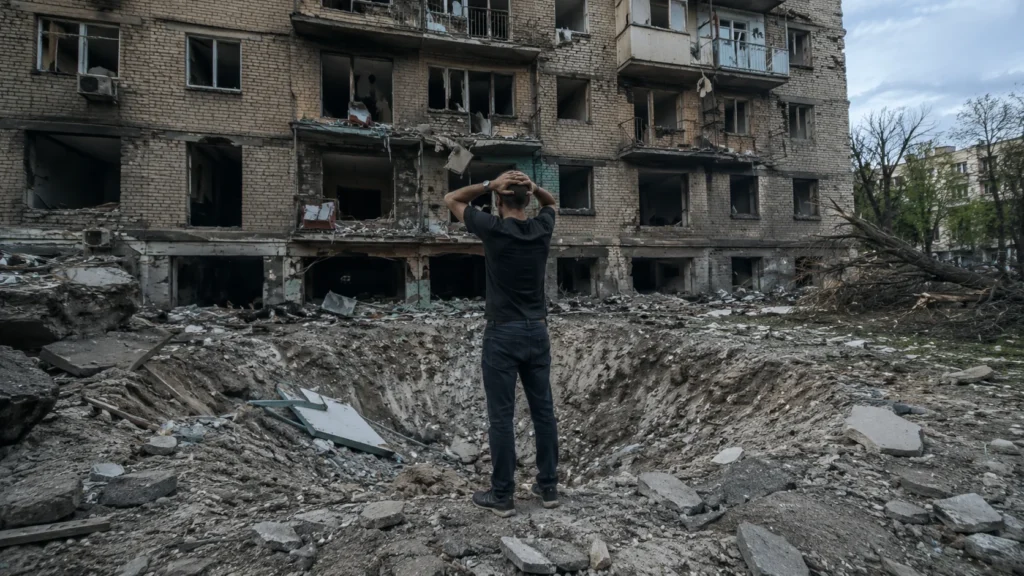
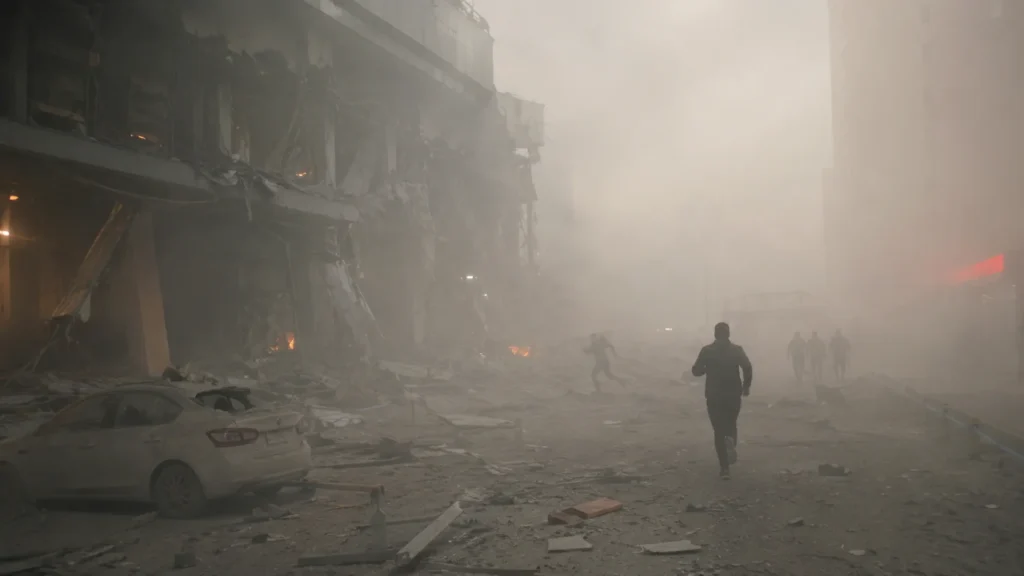
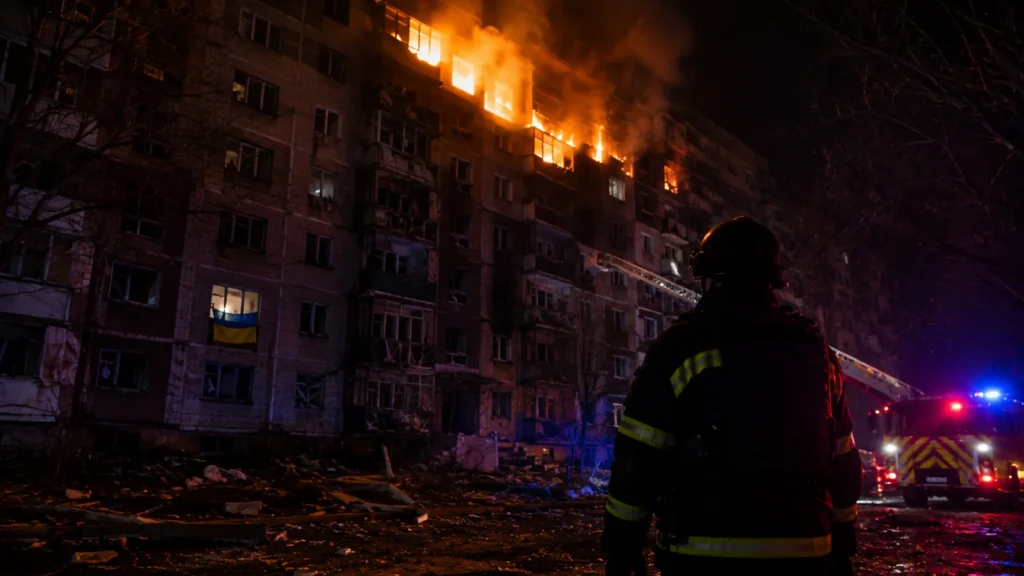
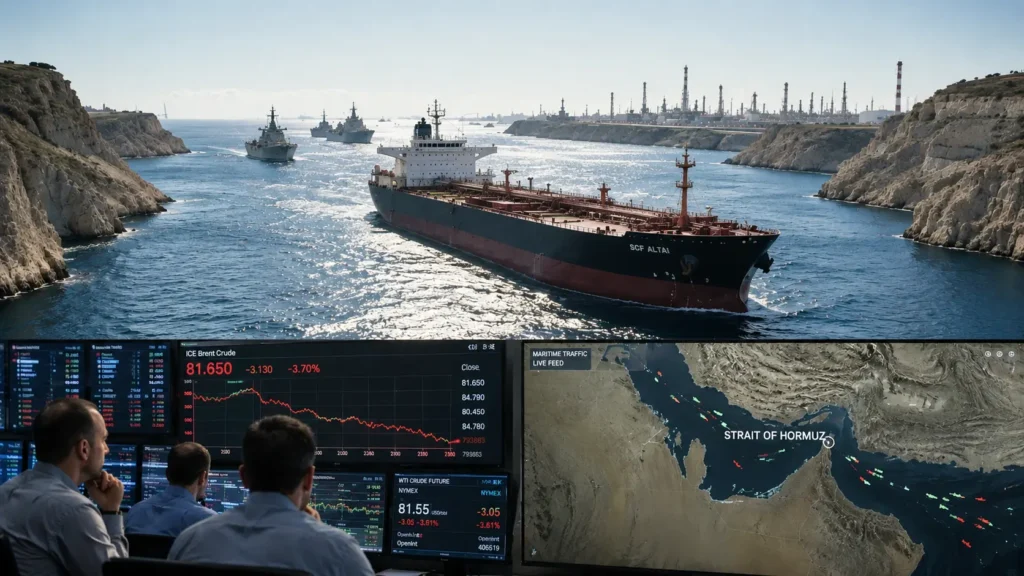
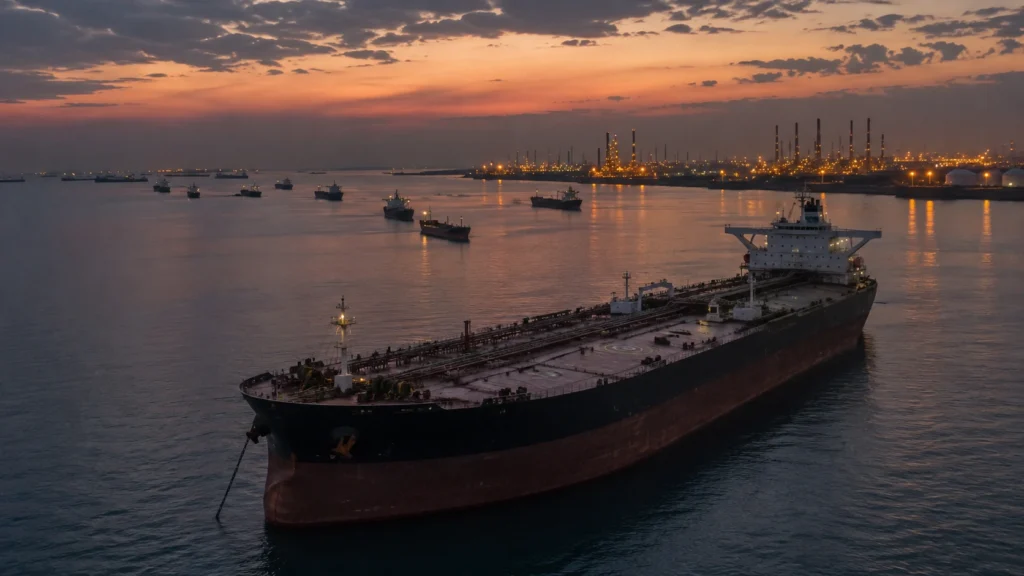
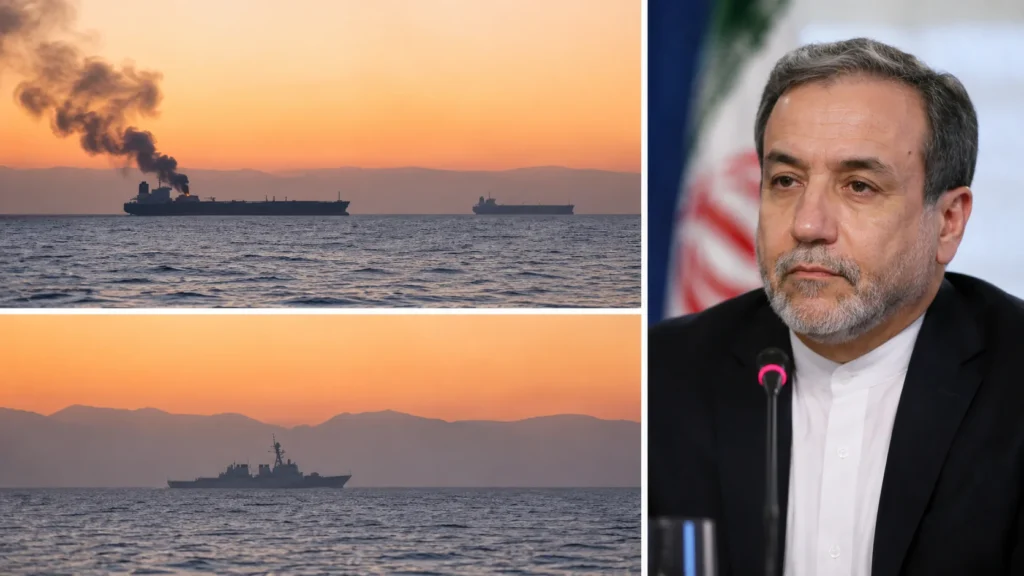
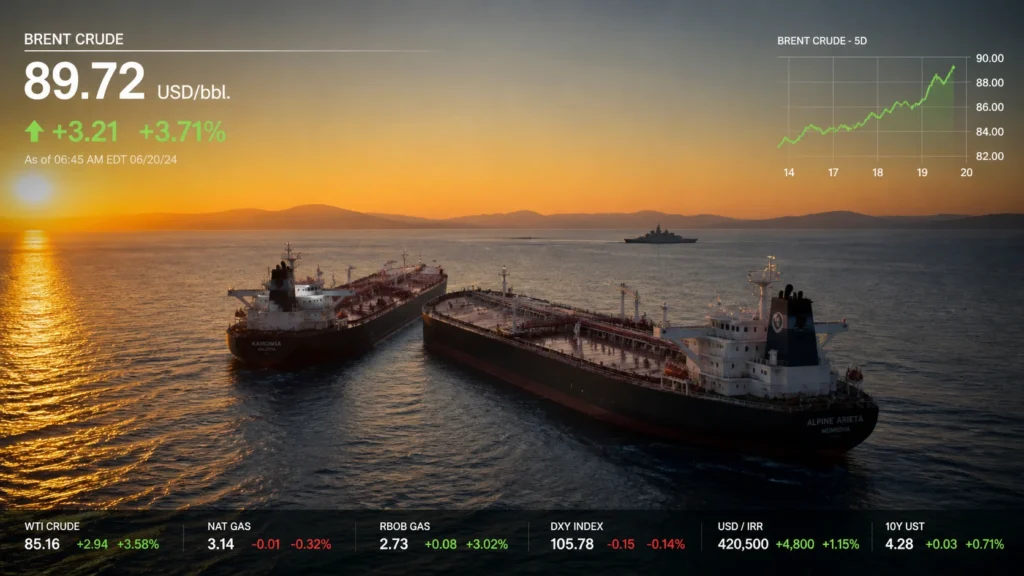
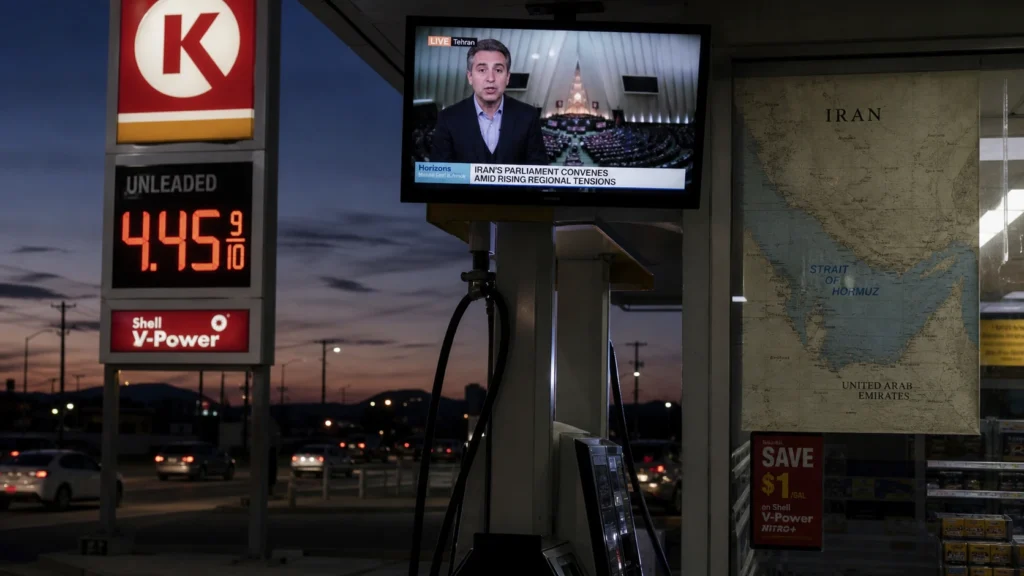
Iran’s Islamic Revolutionary Guard Corps has struck two UAE-flagged tankers in the Strait of Hormuz, killing an Indian crew member and injuring eight others, as the United States carried out a third consecutive night of strikes against Iranian military targets. The UAE Ministry of Defence condemned the attacks as “brazen” and a “serious violation” of international law, reserving its “full right to respond.” The US military said it hit targets in Bushehr, Chah Bahar, Jask, Konarak, Abu Musa, and Bandar Abbas to “further degrade Iran’s ability to attack commercial shipping.” Brent crude oil prices rose 9% on Monday and climbed further in Asian trading on Tuesday.
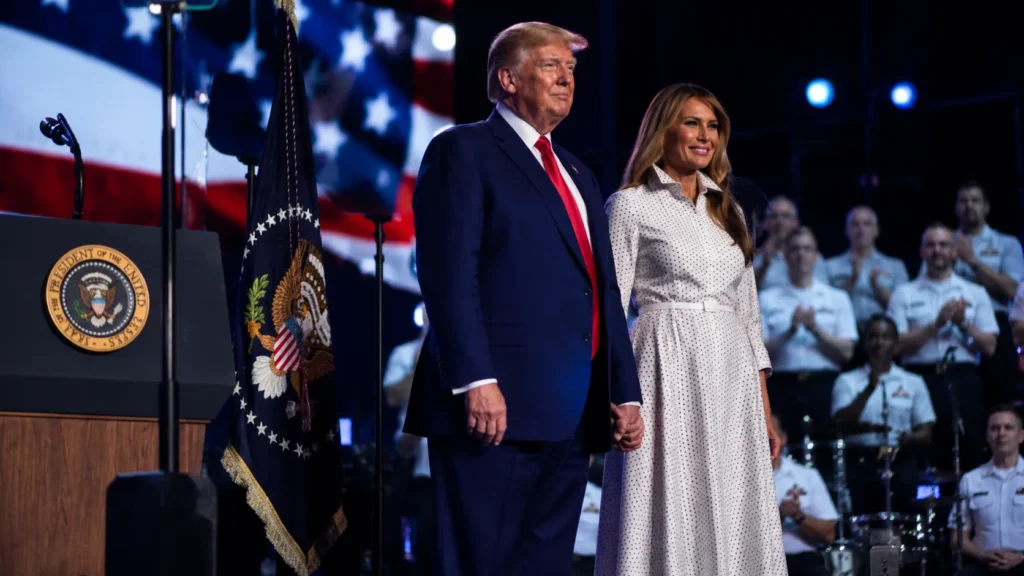
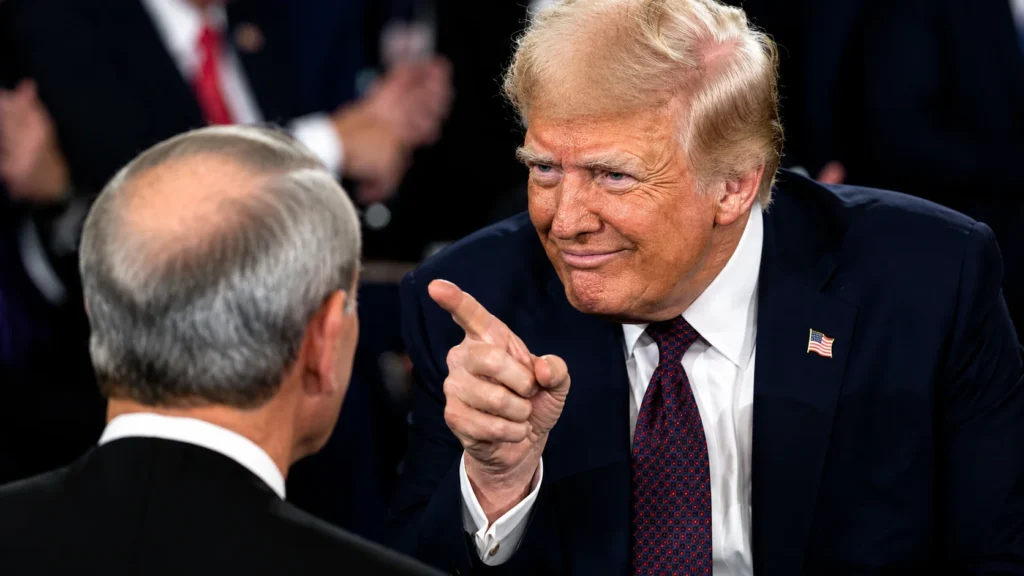
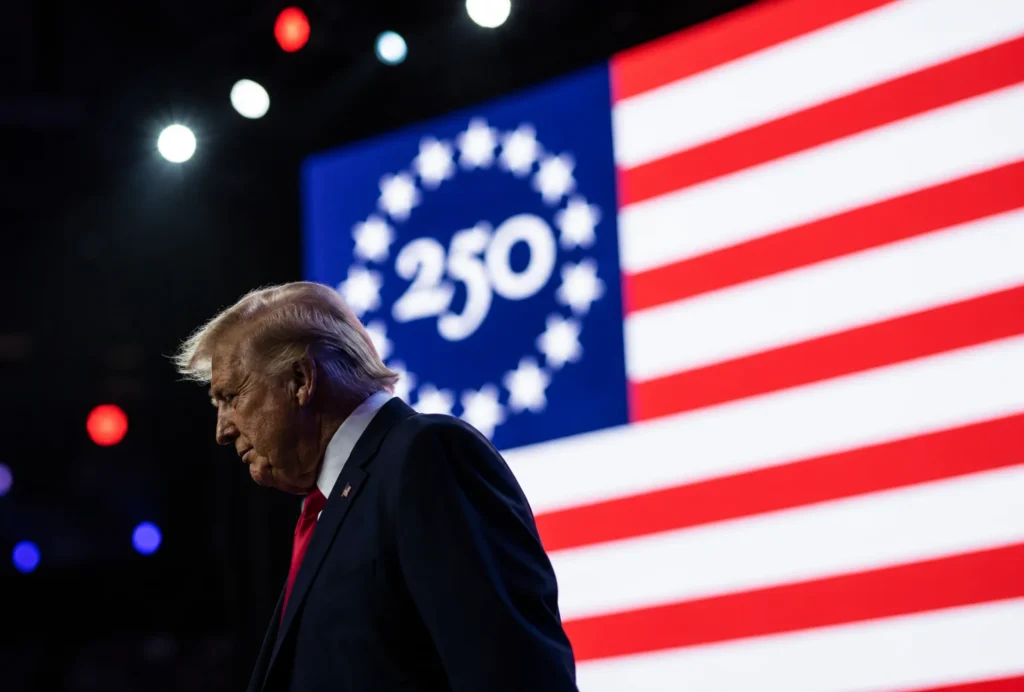
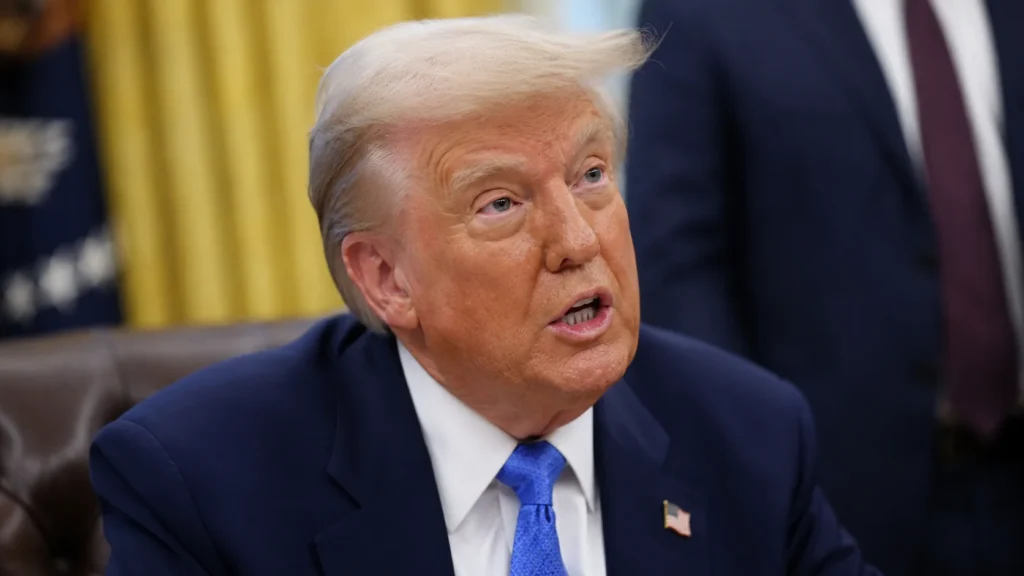
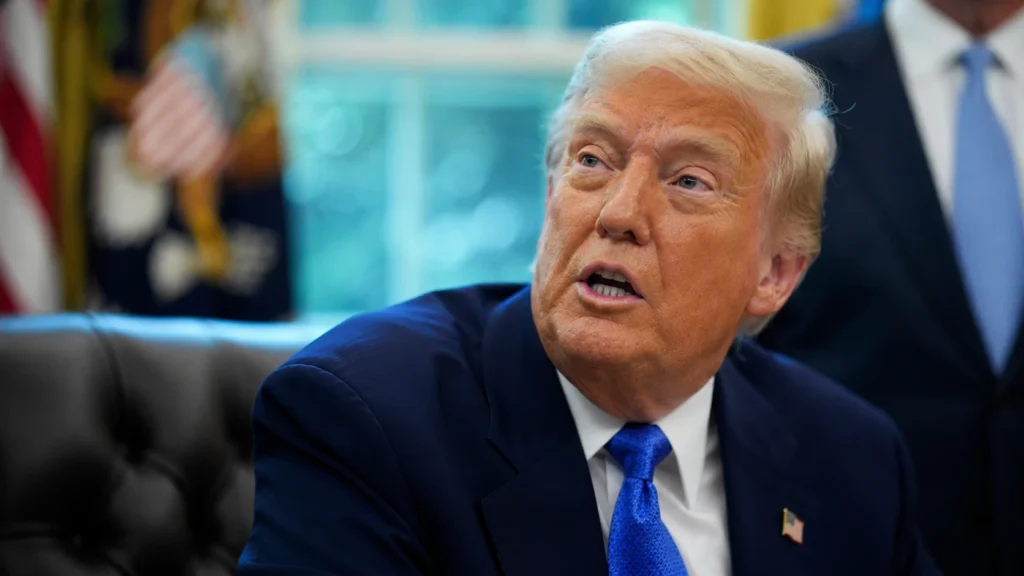
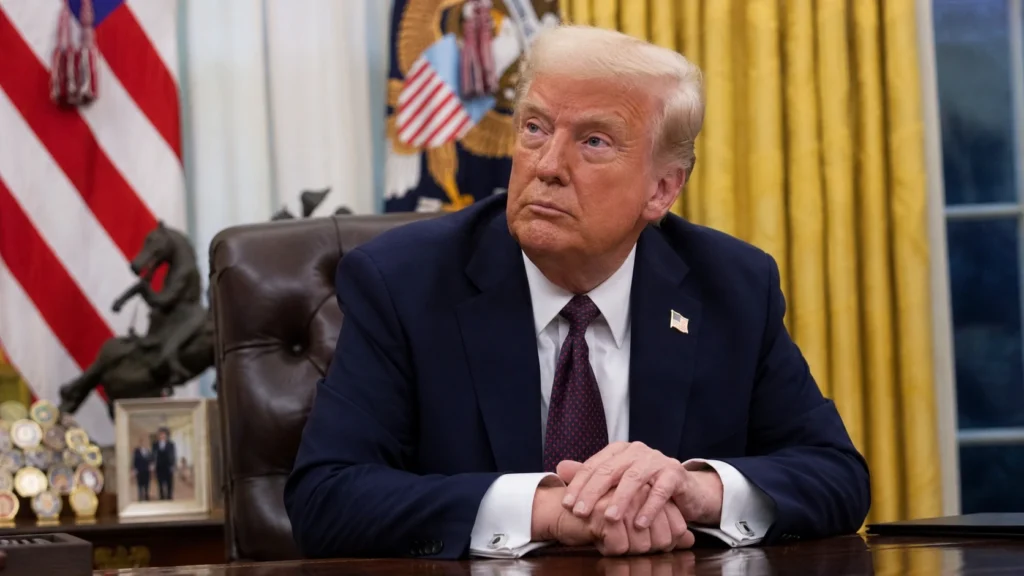
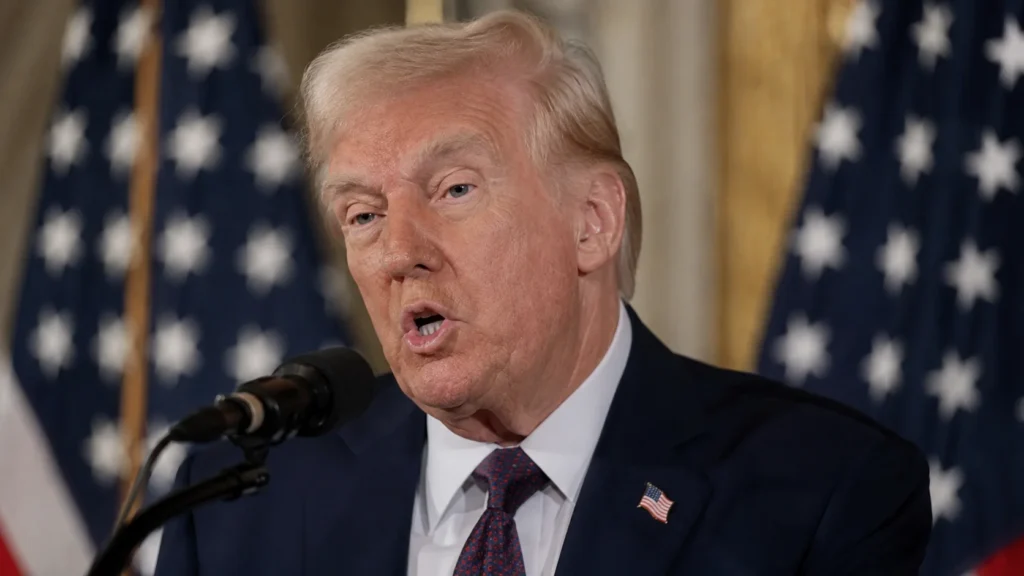
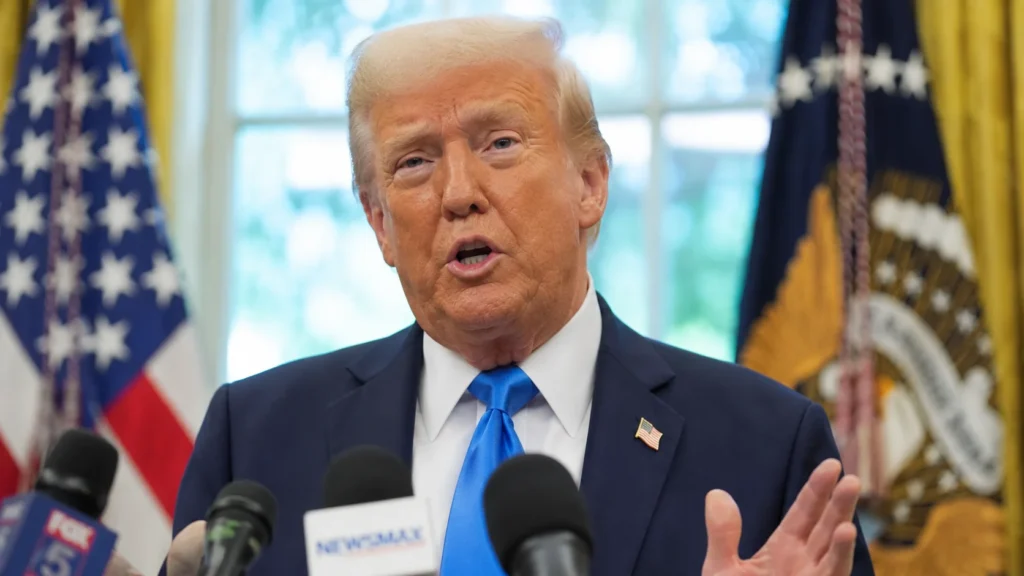
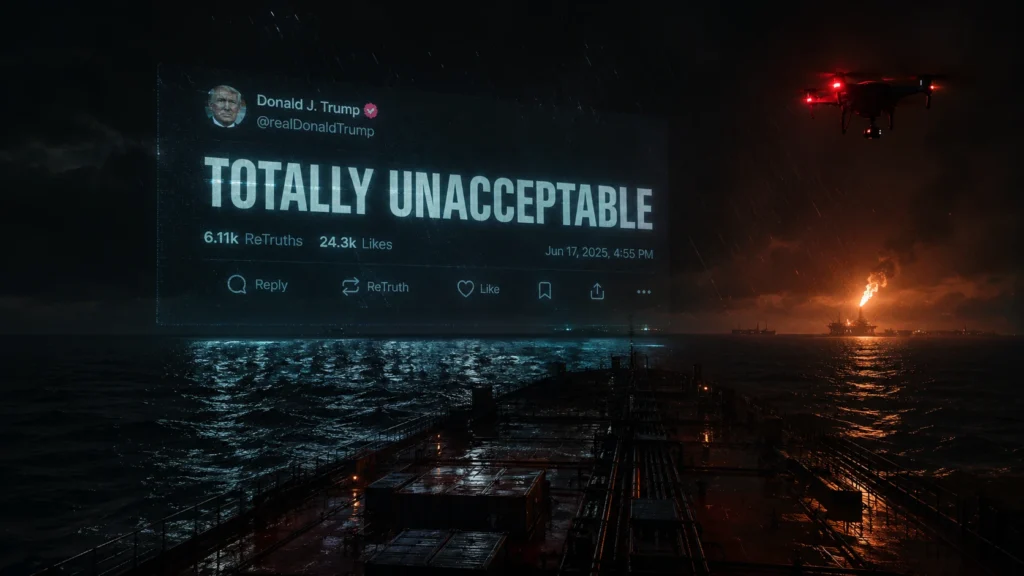
The escalation came as President Donald Trump announced the US would reimpose its naval blockade of Iranian ports and impose a 20% toll on all cargo transiting the strait. The International Maritime Organization said there is “no legal basis” for such a charge. Iran’s foreign minister responded with a mocking social media post, saying Iran had “always been the GUARDIAN of the Strait and will remain so FOREVER.”
The Tanker Attacks
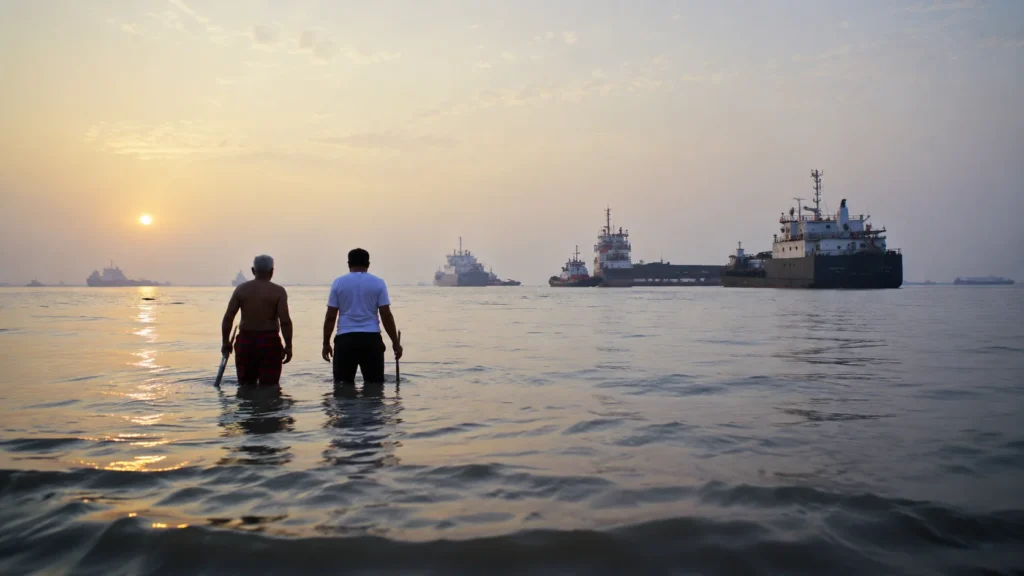
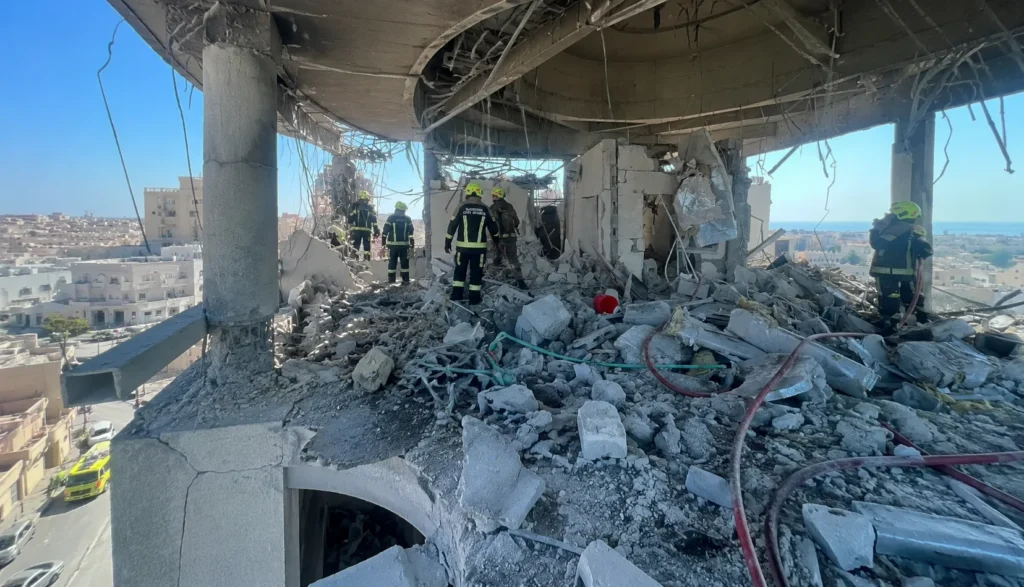
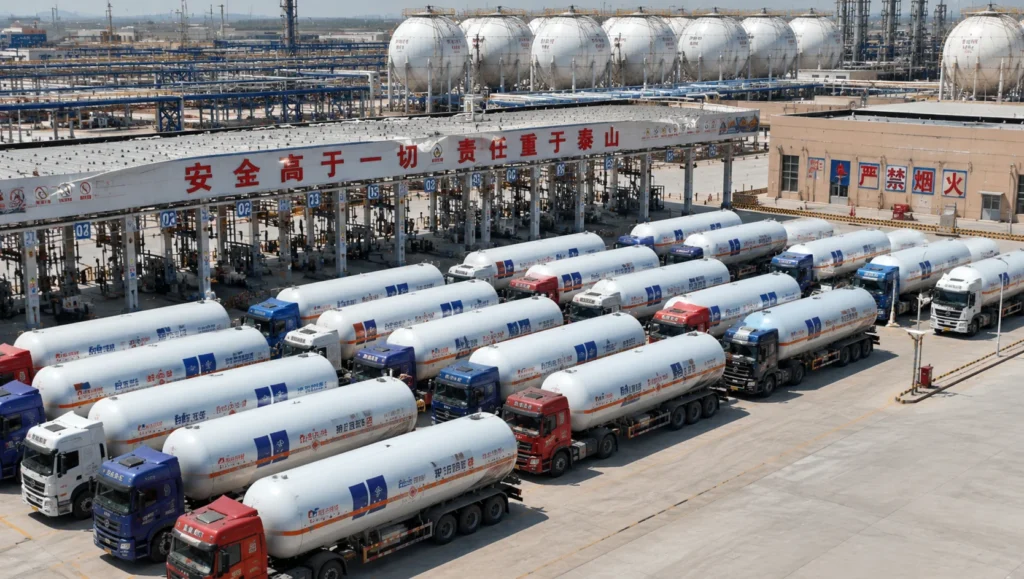
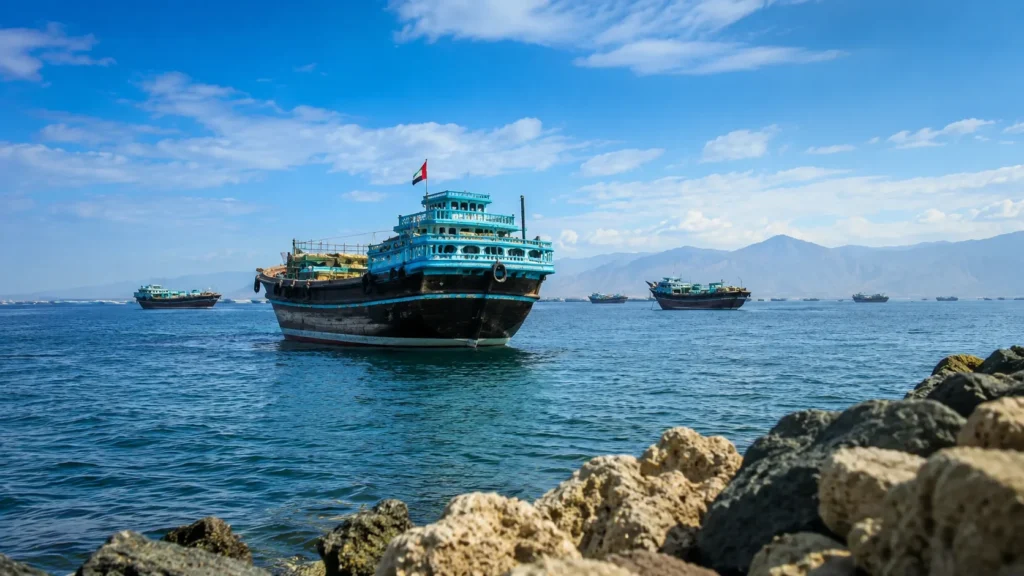
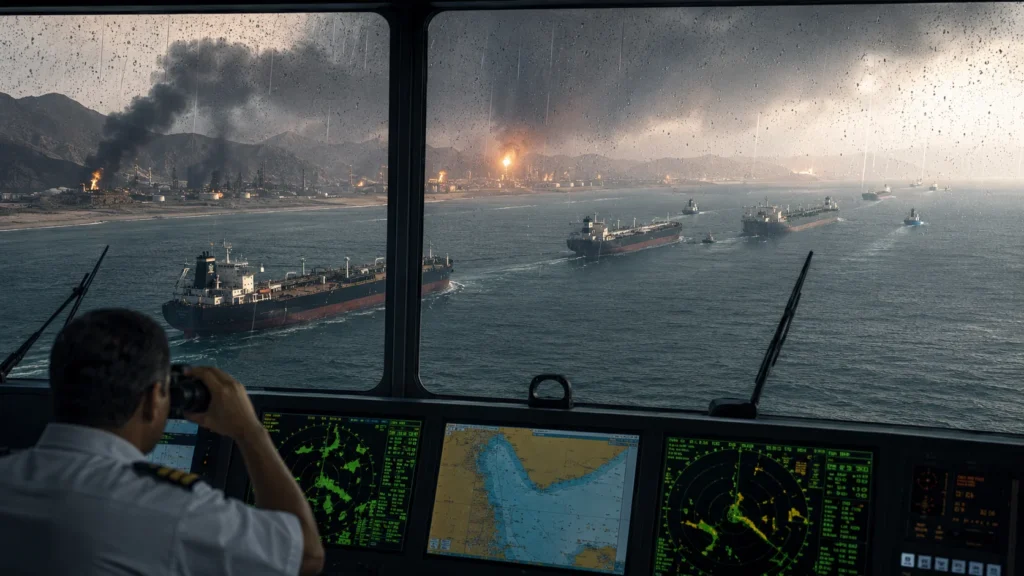
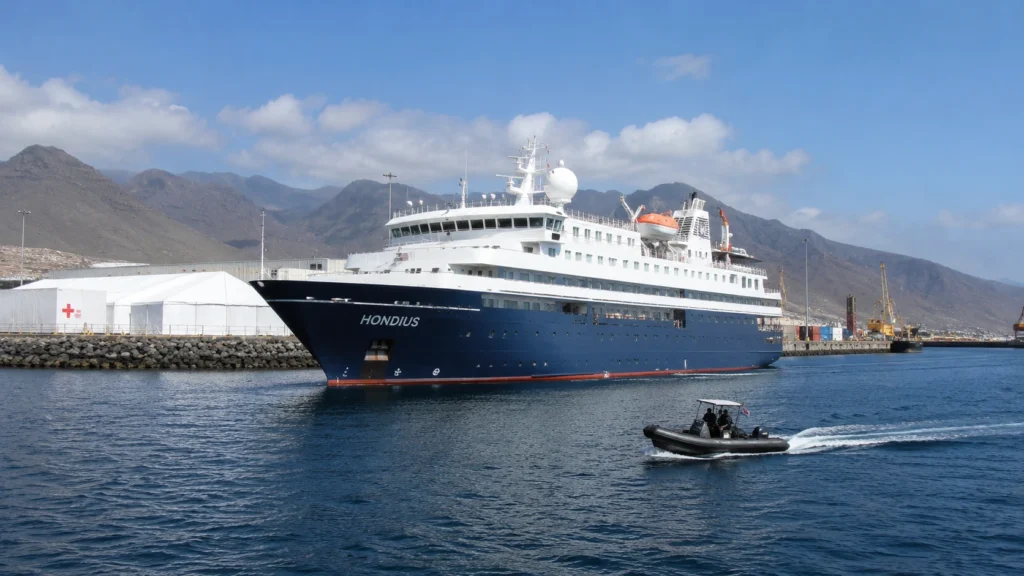
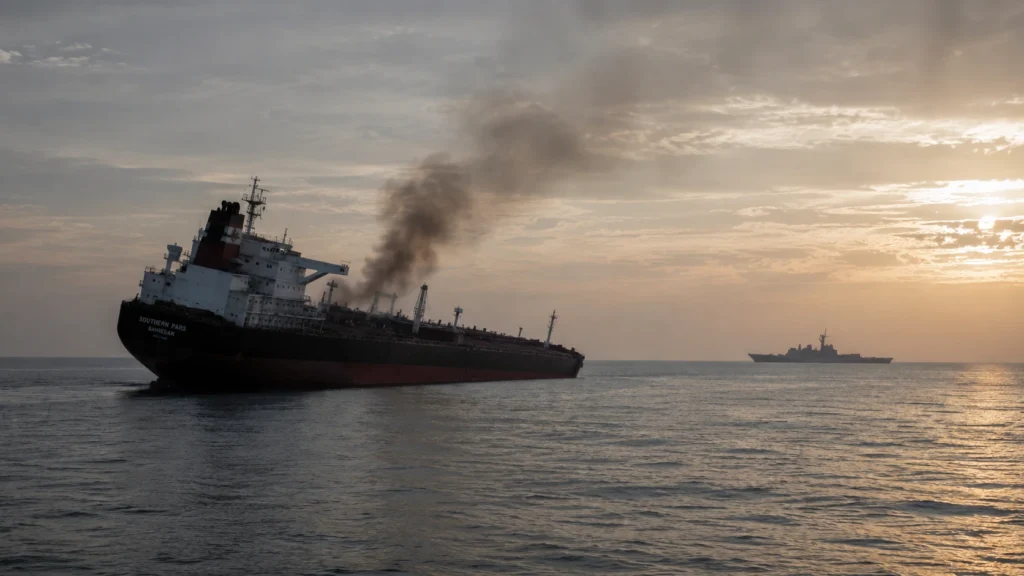
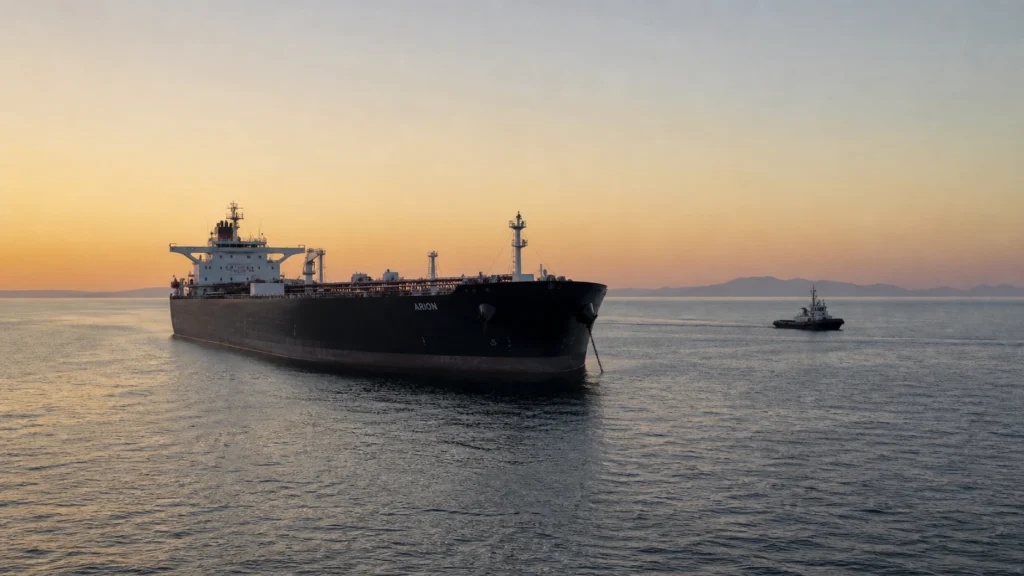
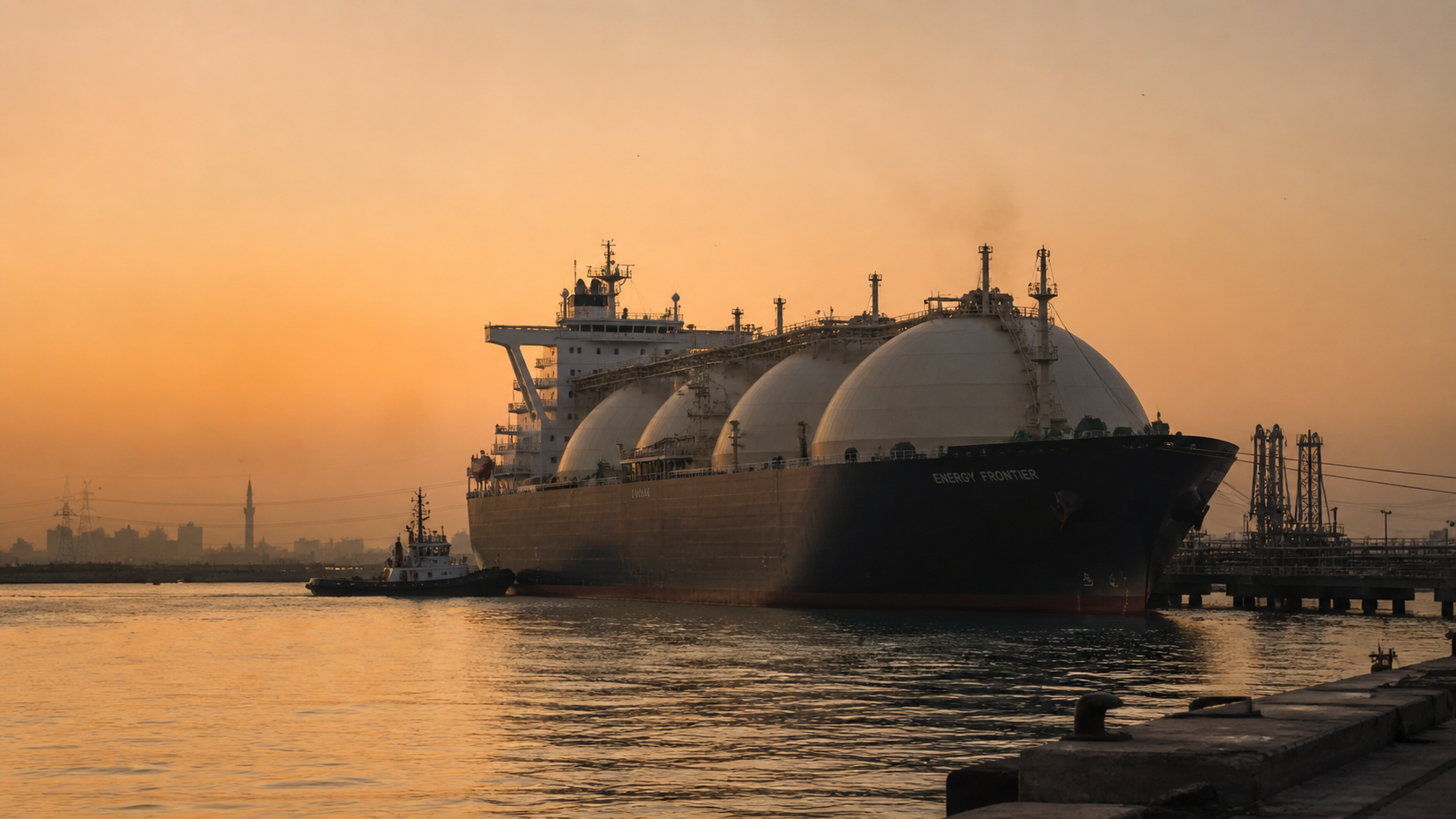
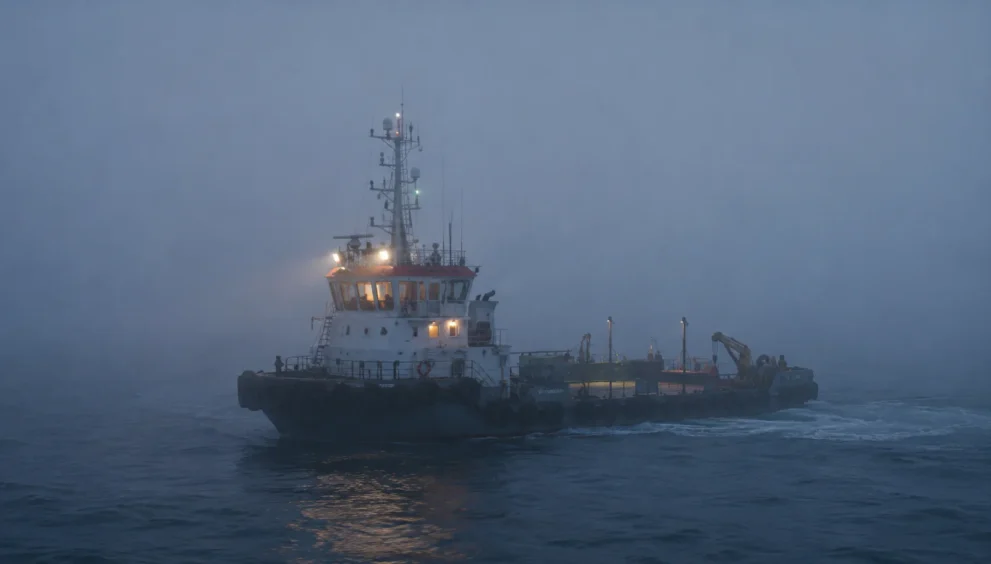
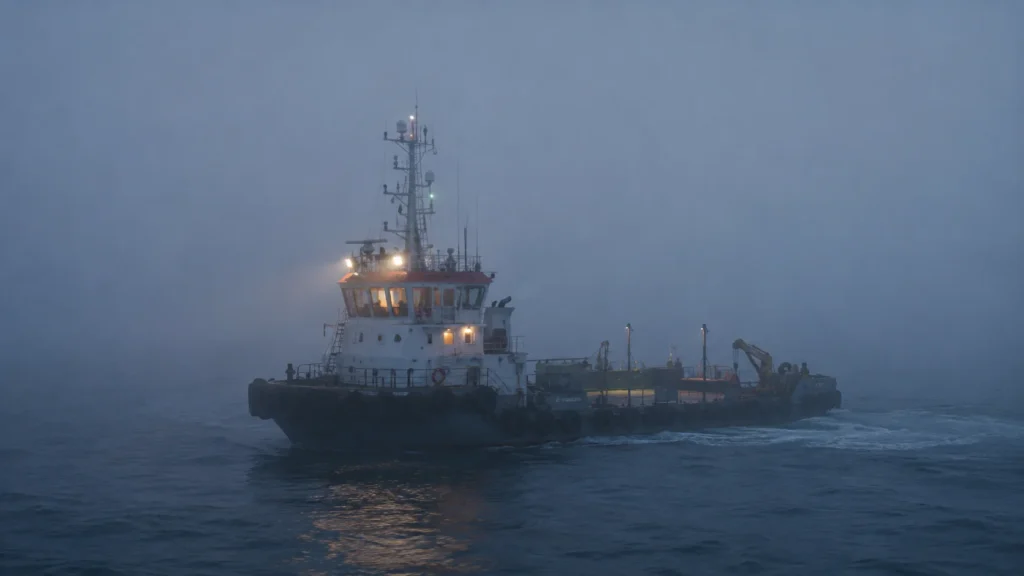
The IRGC confirmed it struck the crude tanker Mombasa B and the LNG tanker Al Bahiya, saying both vessels had ignored warnings, turned off their navigation systems, and attempted to pass through a mined route. The UAE said the attacks occurred while the ships were transiting in Omani waters.
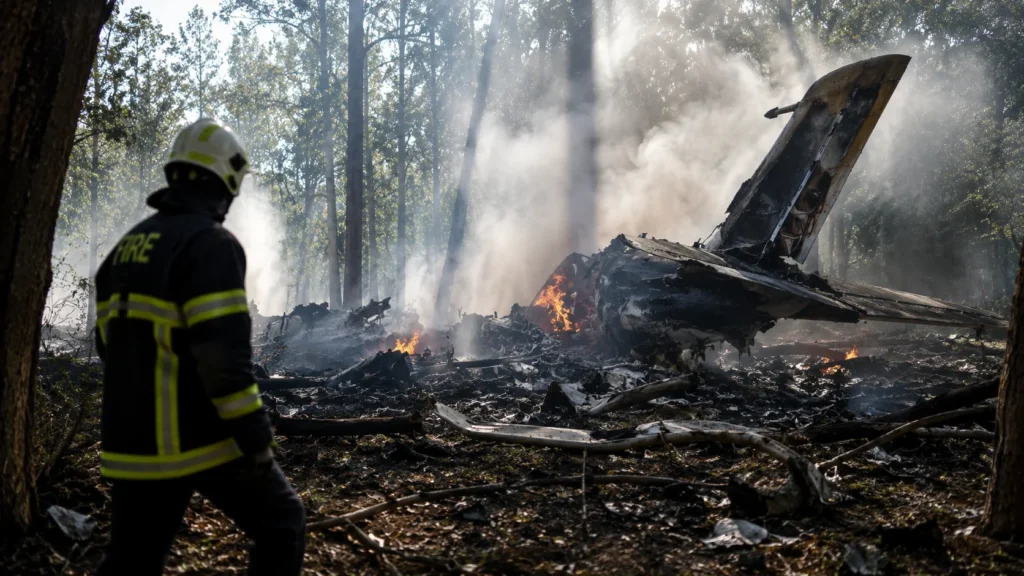
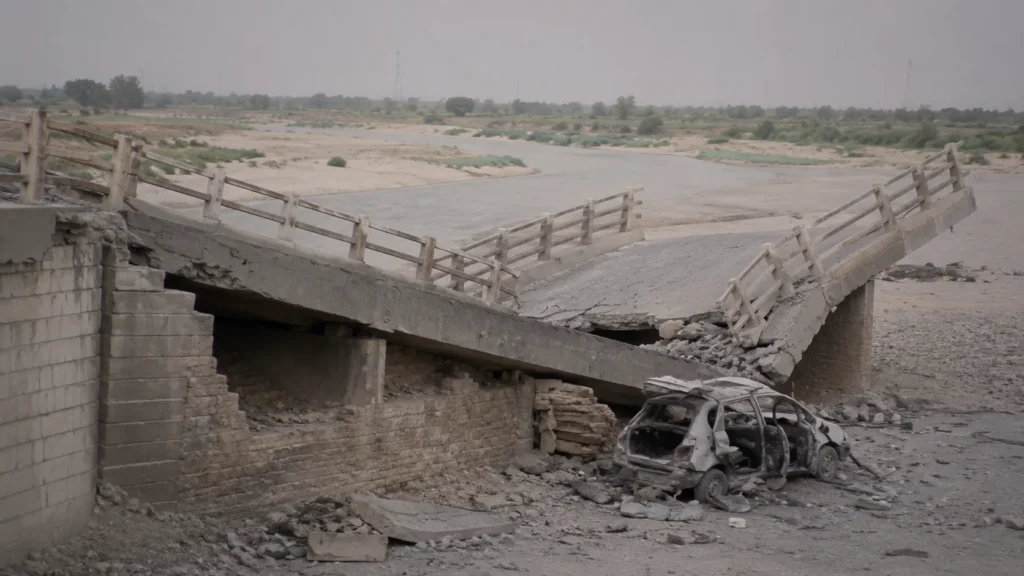
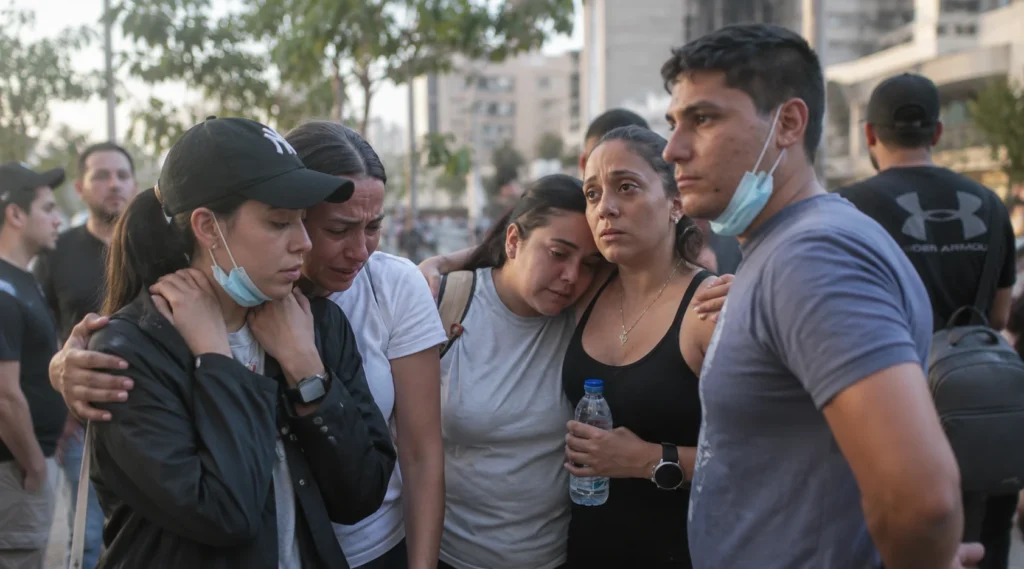
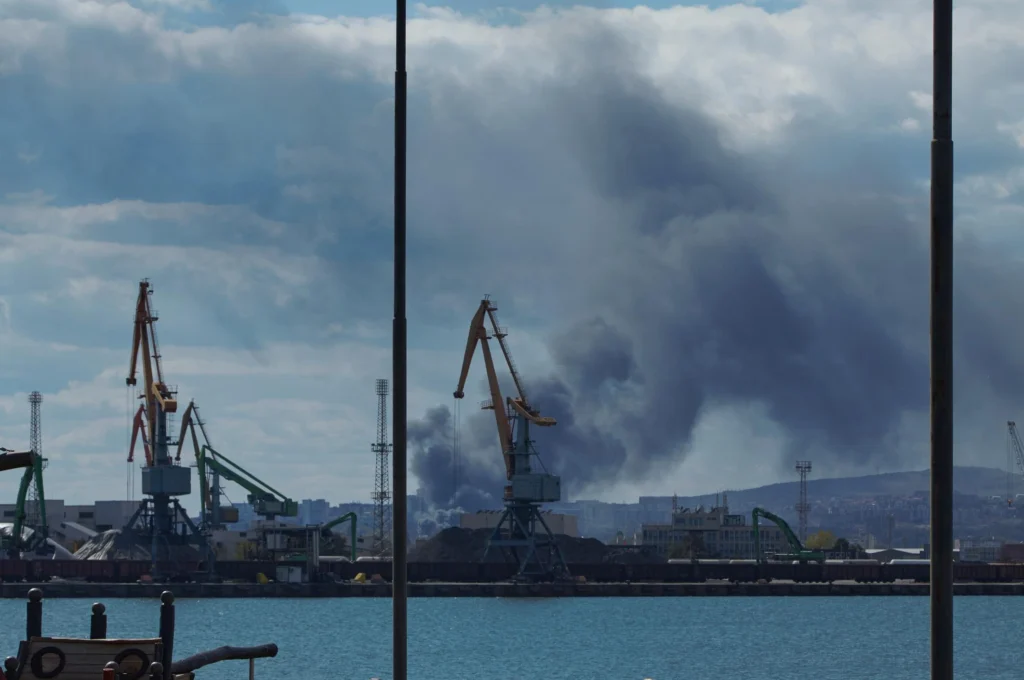
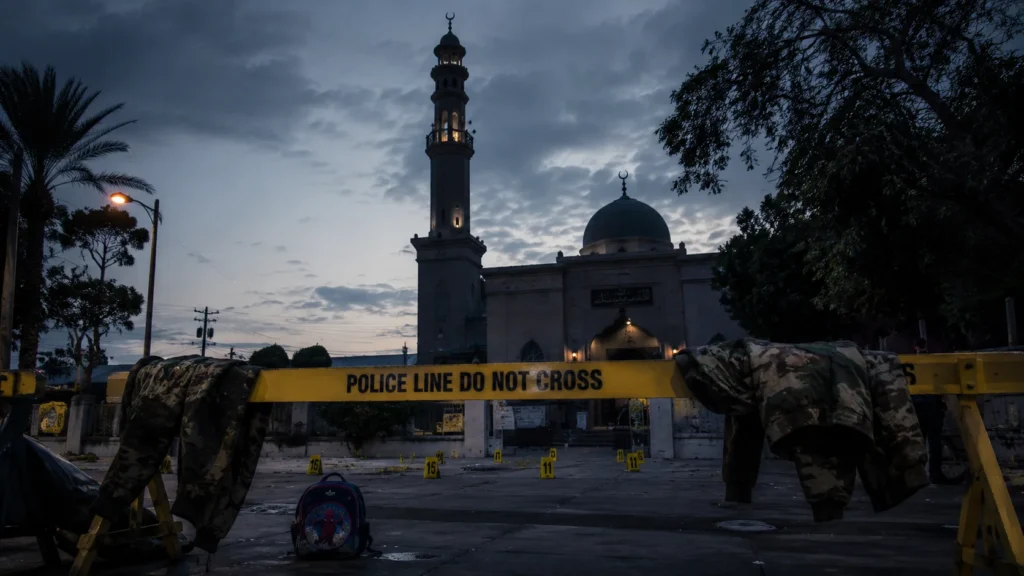
An Indian crew member was killed. Eight others were injured—six Indian nationals and two Ukrainians. Both tankers were damaged and fires broke out on board. It is the first confirmed fatality in the tanker war since the current escalation began.
BBC Verify reconstructed the vessels’ recent movements using satellite imagery. Mombasa B had not been publicly transmitting its location for more than 10 days before the attack. It departed from the Zirku oil terminal in the UAE on 2 July, bound for Khor Fakkan. Satellite imagery showed the vessel conducting a ship-to-ship transfer with another tanker off the coast of Fujairah on 8 July. Maritime intelligence firm TankerTrackers said Mombasa B was loaded with 1.9 million barrels of Emirati oil.
Al Bahiya had not been broadcasting its location for more than 14 days. Its last known position appeared to be off the coast of western India, but analysis by TankerTrackers and satellite imagery indicated it was near Ras Laffan in the Gulf on 22 June—suggesting its publicly available location data had been spoofed.
The UAE Ministry of Defence said it condemns the “brazen” attacks and described them as a “clear breach” of international law, adding that the country reserves its “full right to respond” with “all necessary measures.”
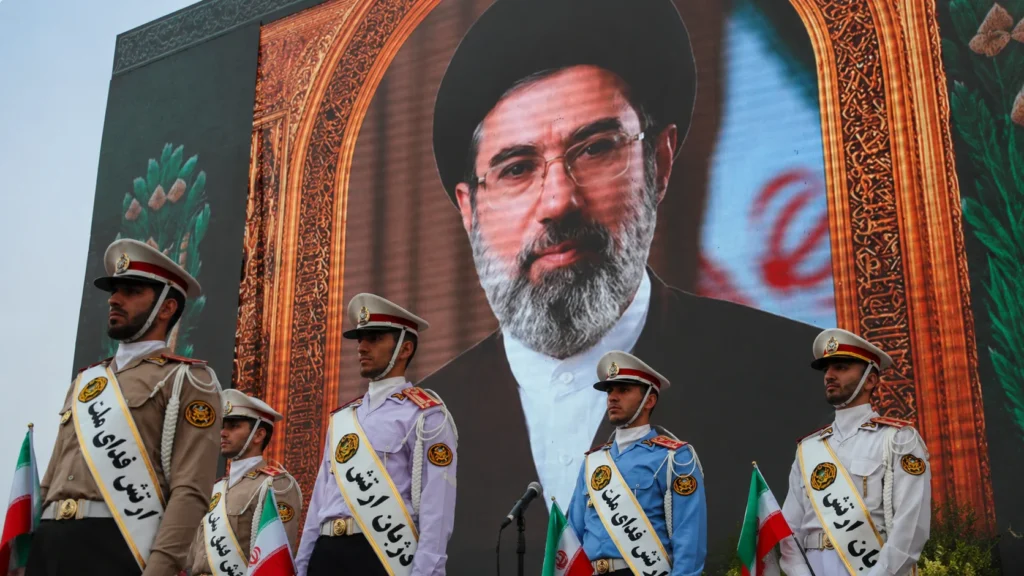
According to UAE Ministry of Defence statement on the tanker attacks and IRGC confirmation via Telegram, the IRGC warned that “co-operation with the aggressor enemy” would lead to “regret, damage and delays in opening the strait—as well as the creation of an energy crisis in the world.”
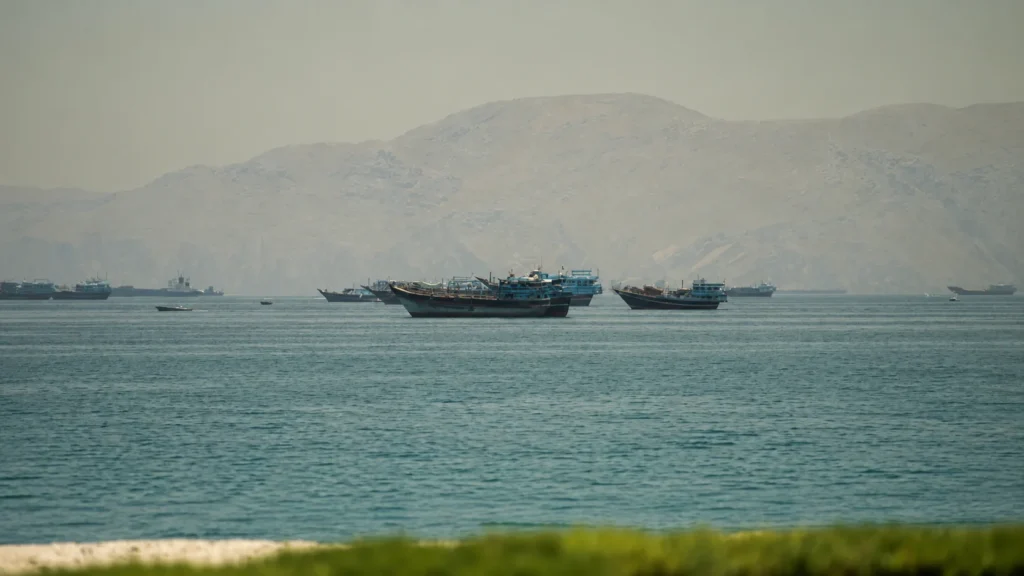
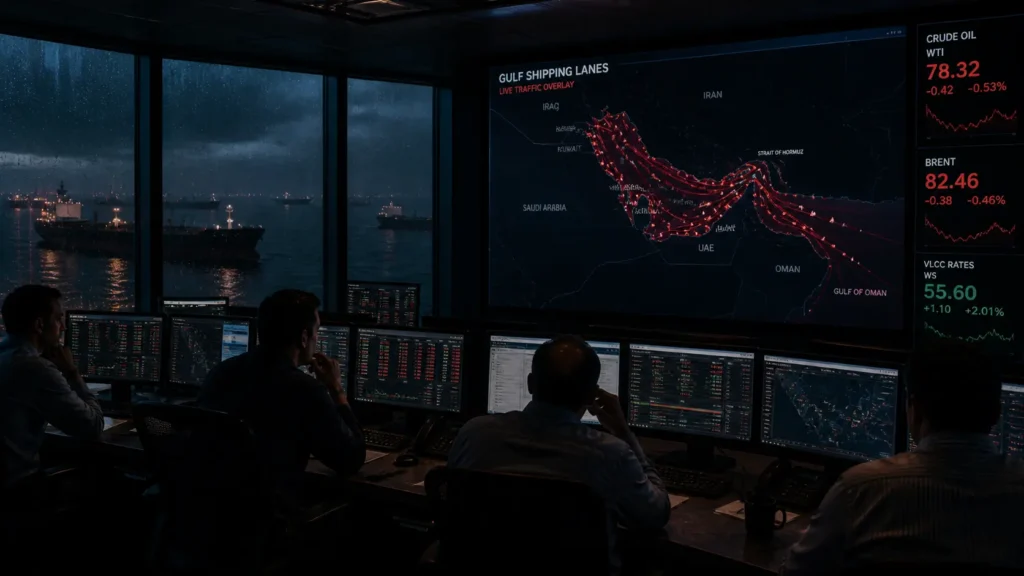
As our analysis of the escalating conflict in the Strait of Hormuz and its impact on global energy markets has documented, the waterway carries approximately 20% of the world’s oil and liquefied natural gas. The dispute over its control threatens to derail efforts to end the war.
The US Strikes and Blockade
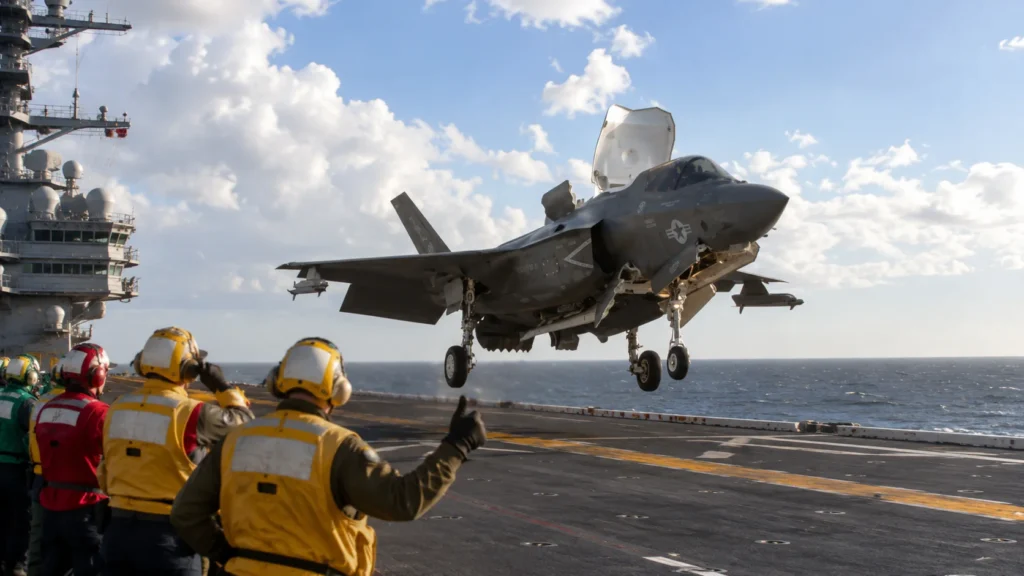
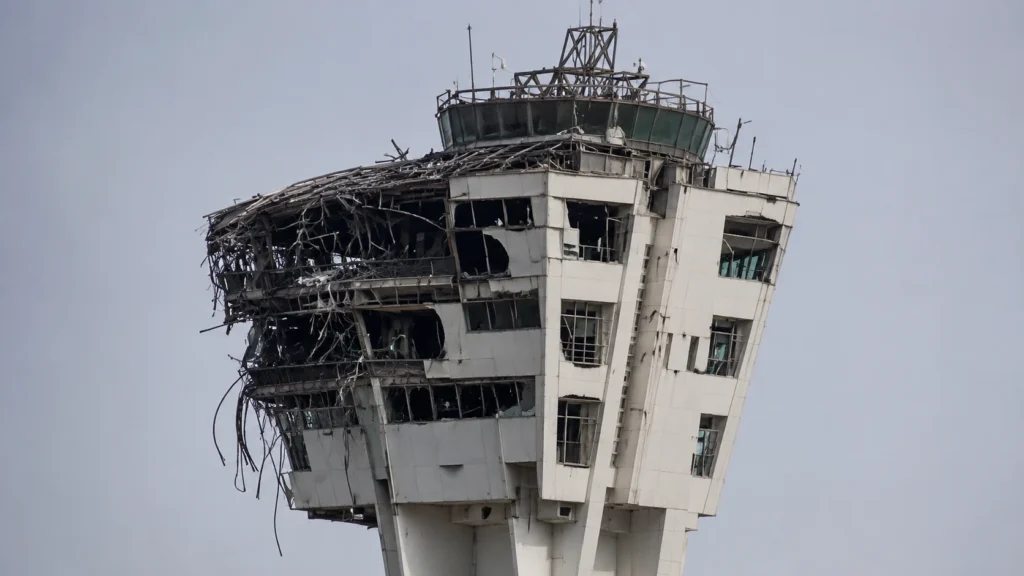
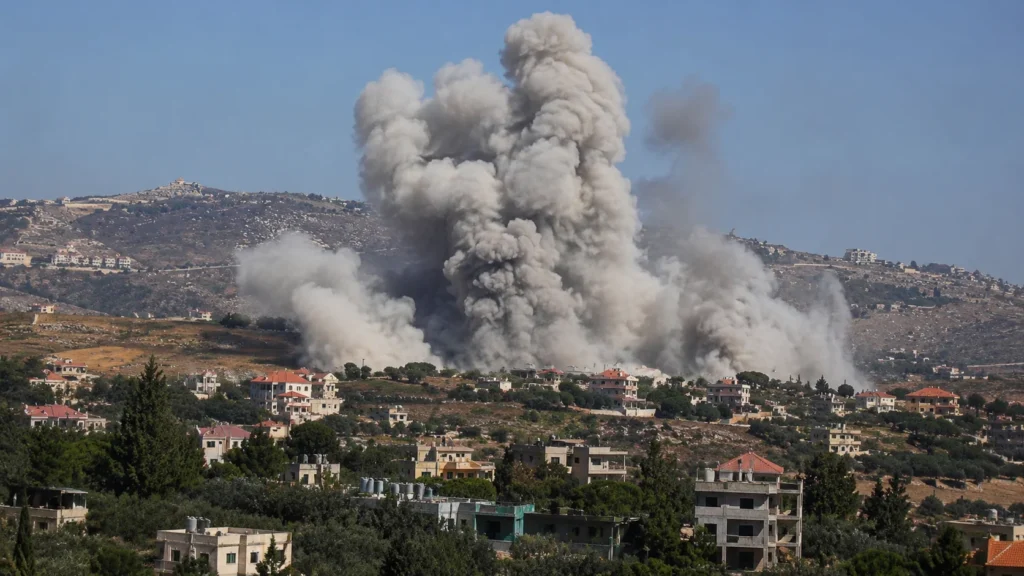
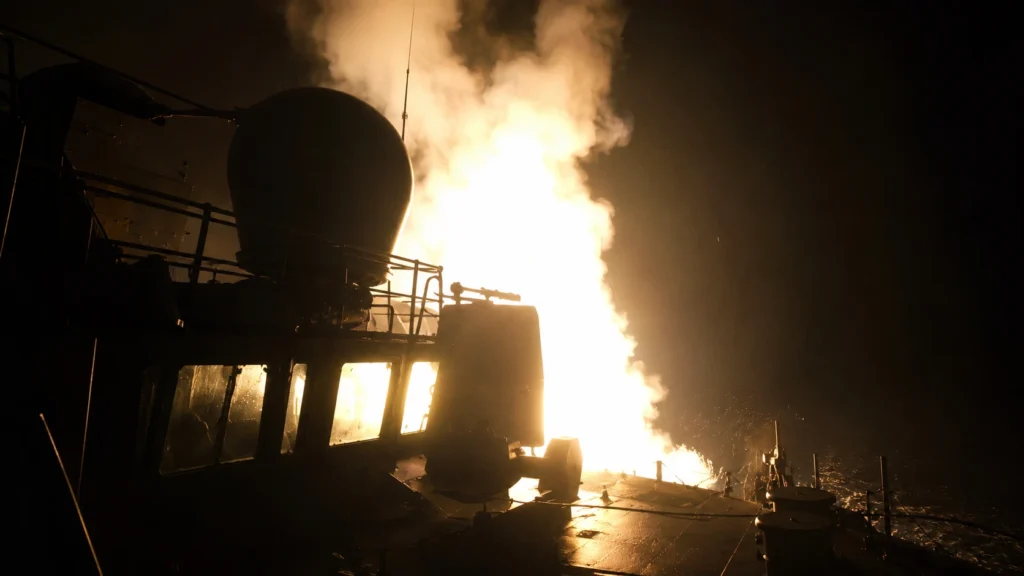
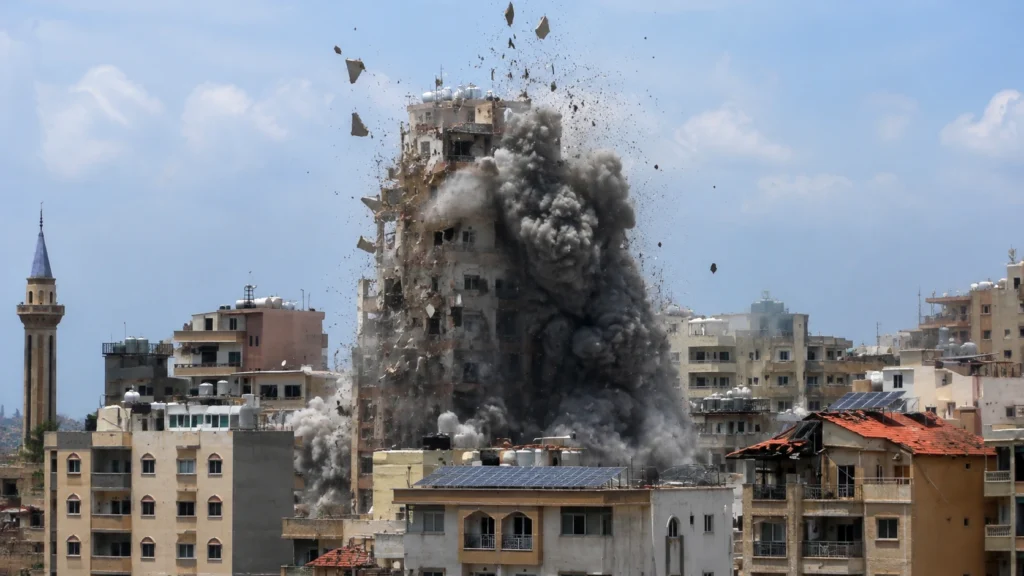
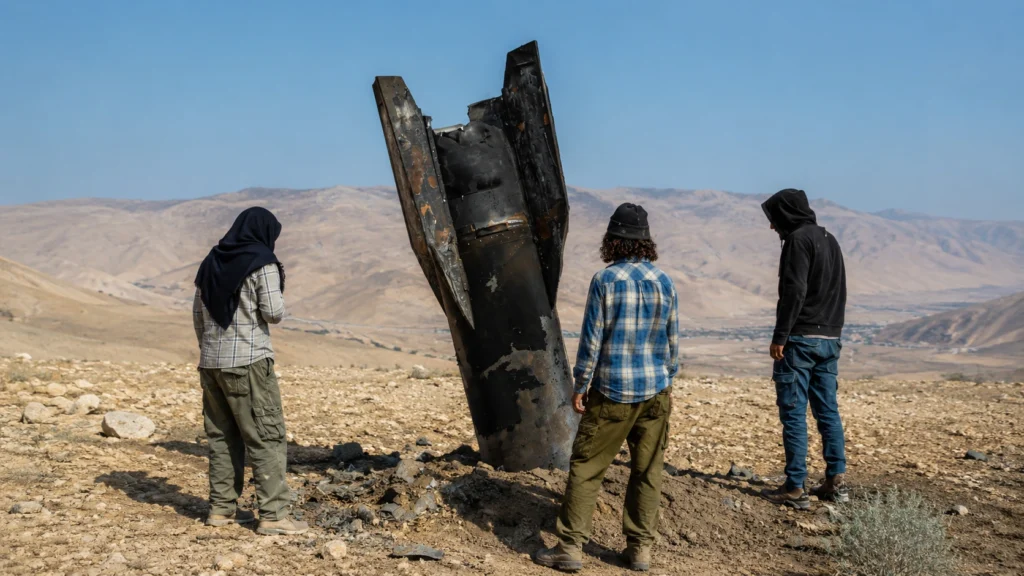
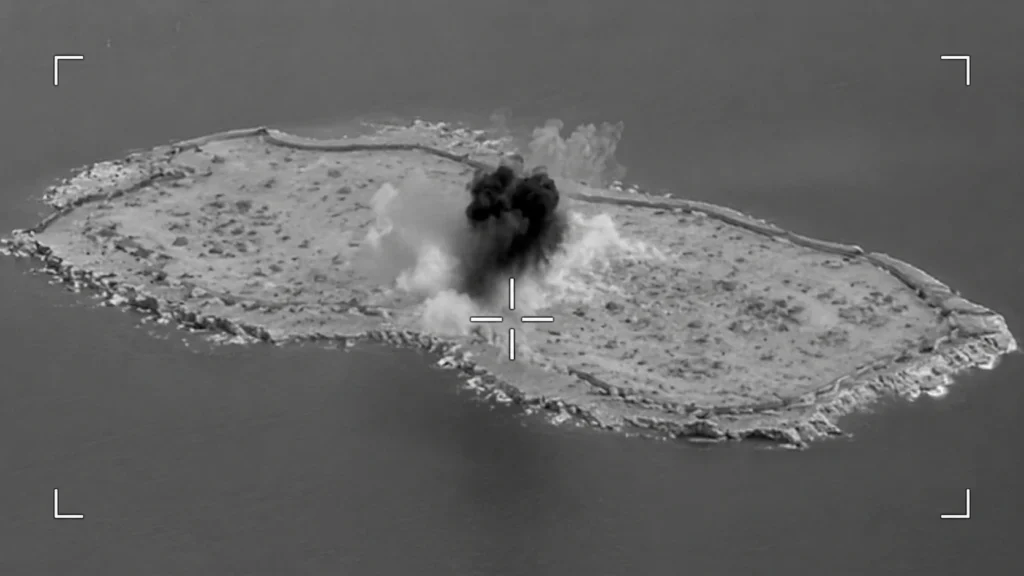
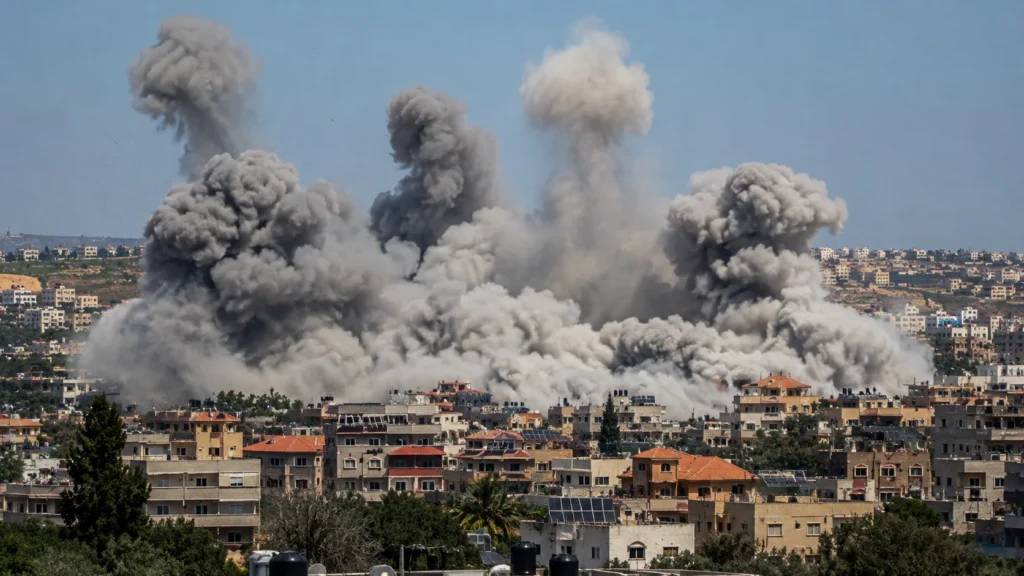
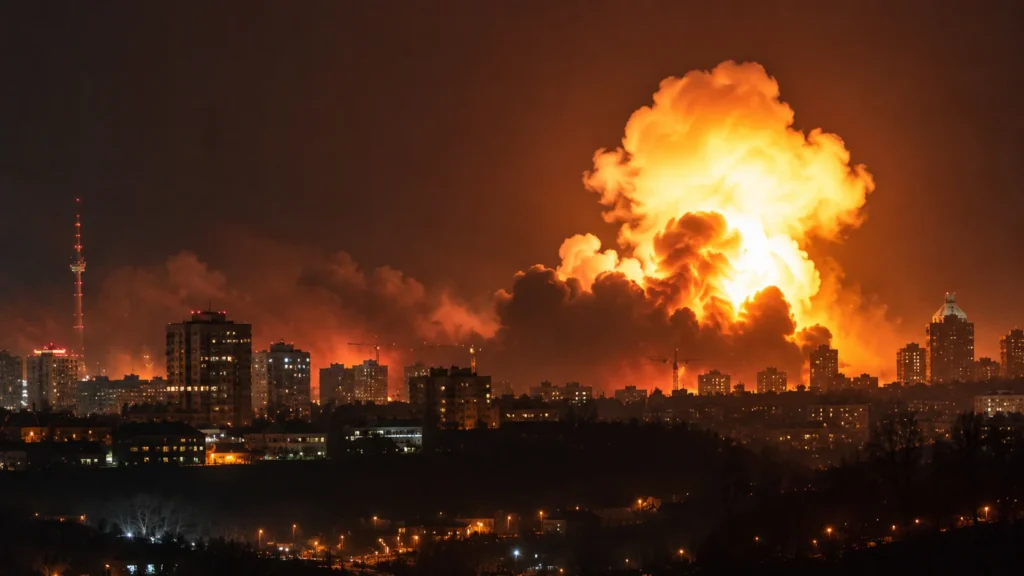
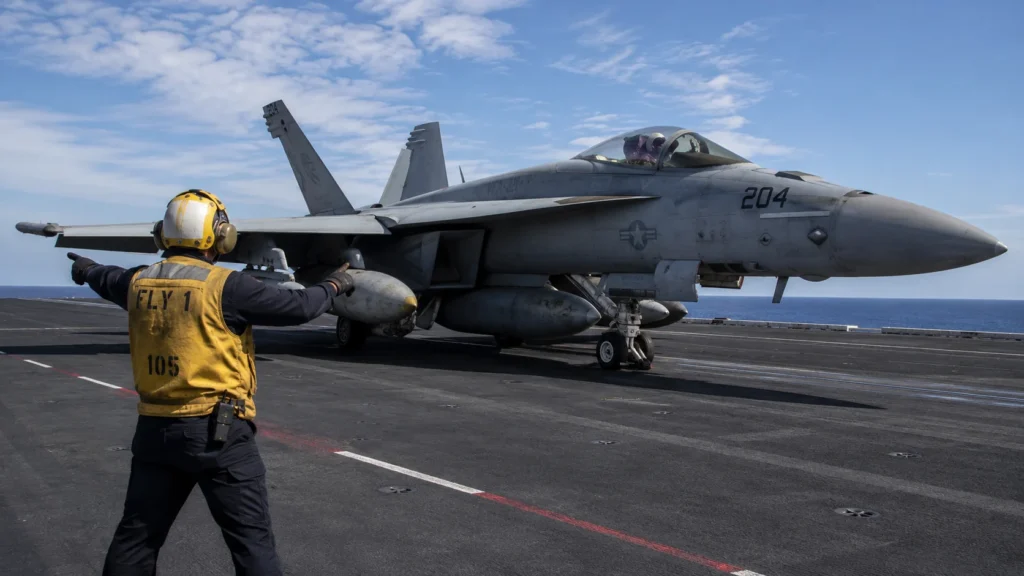
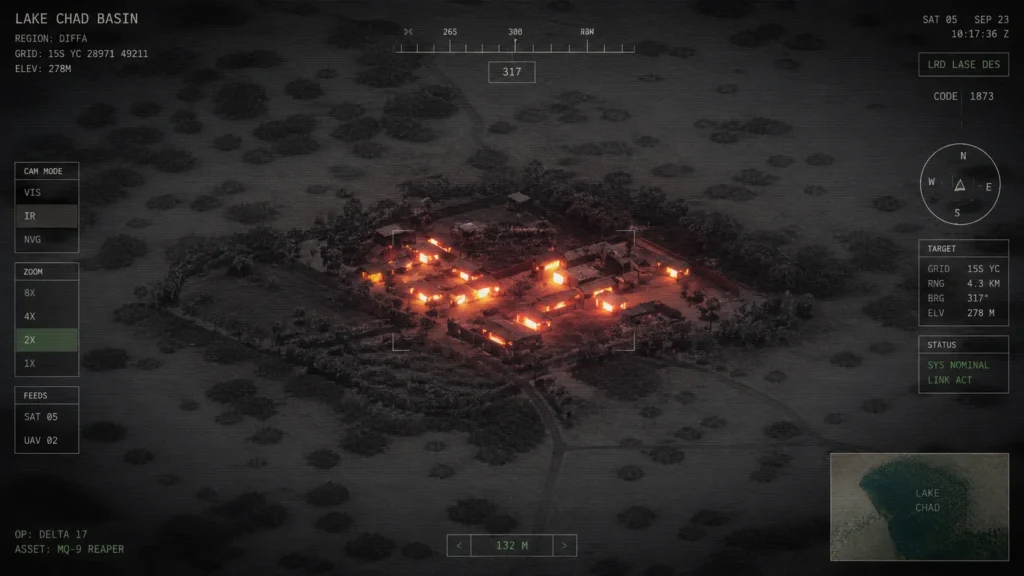
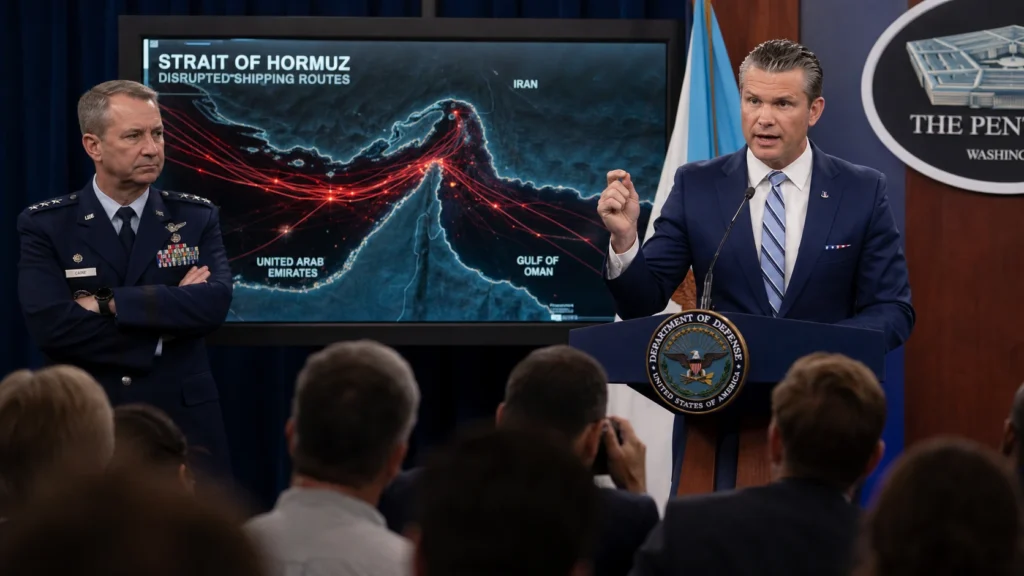
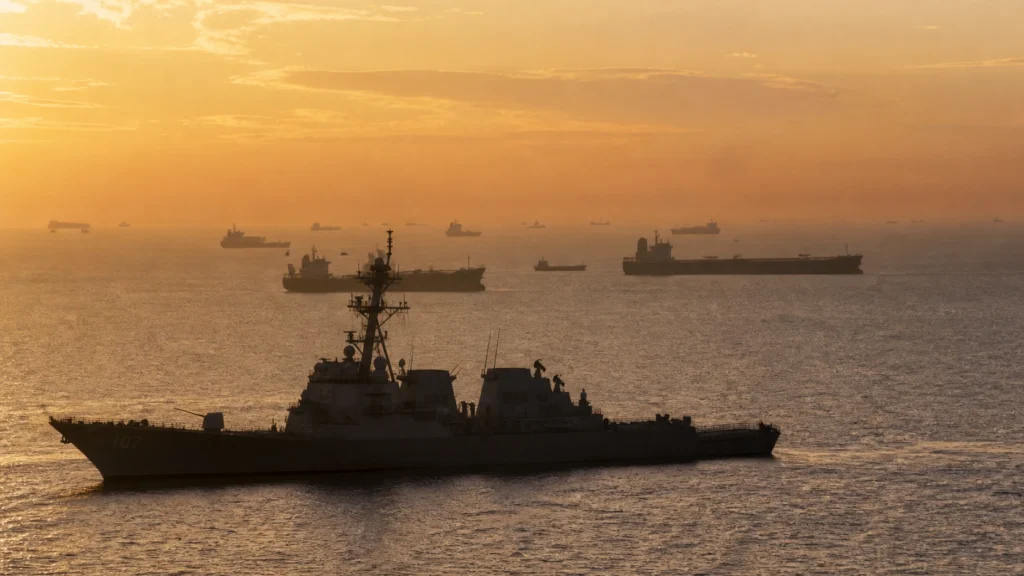
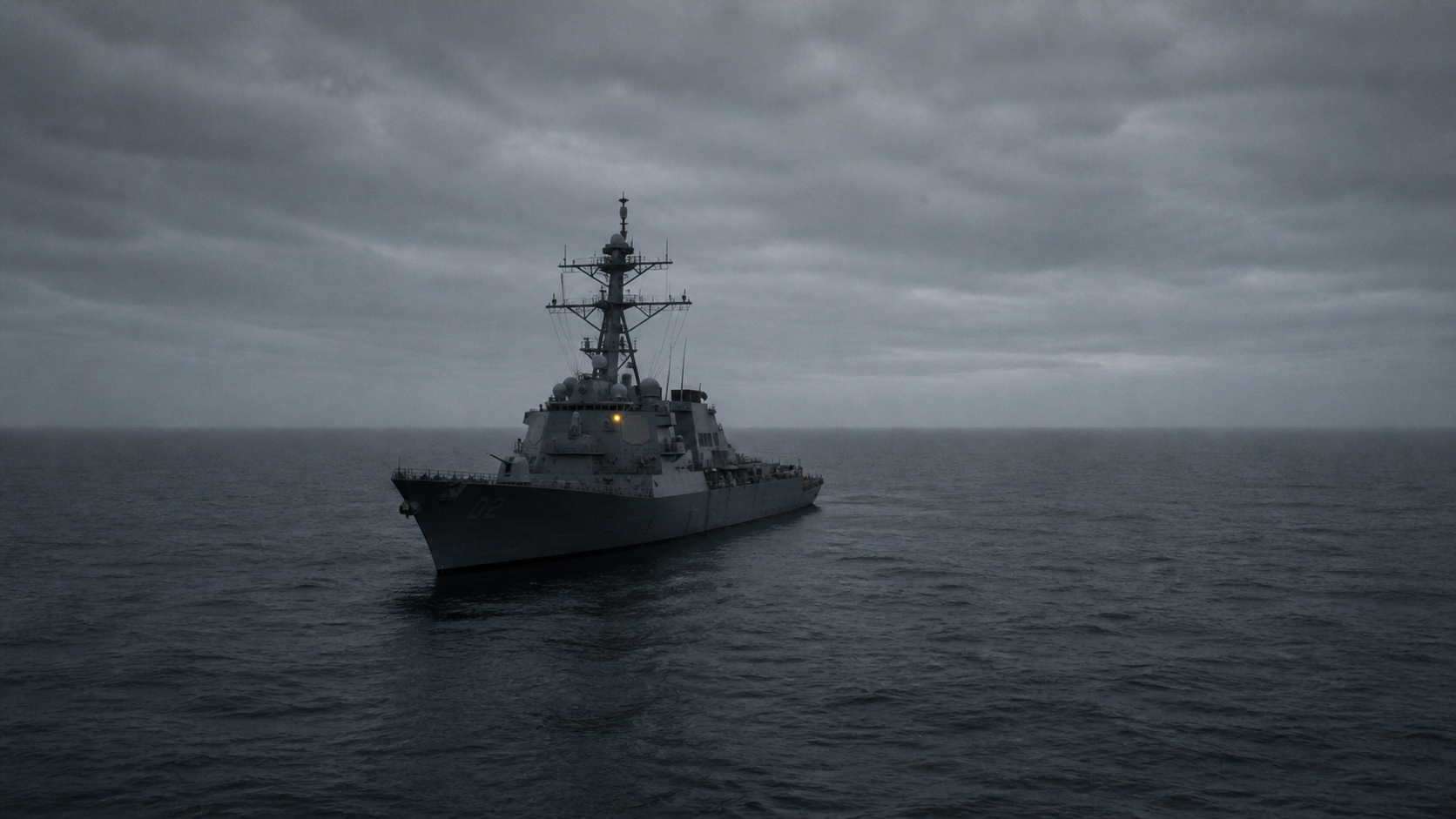
US Central Command said its third consecutive night of strikes used “precision munitions” to target Iranian coastal defence systems, missile and drone sites, and maritime capabilities. The strikes hit locations in Bushehr, Chah Bahar, Jask, Konarak, Abu Musa, and Bandar Abbas.
Centcom said it will continue “imposing a heavy cost on Iranian forces and degrade their ability to attack innocent civilians and commercial shipping in the Strait of Hormuz.”
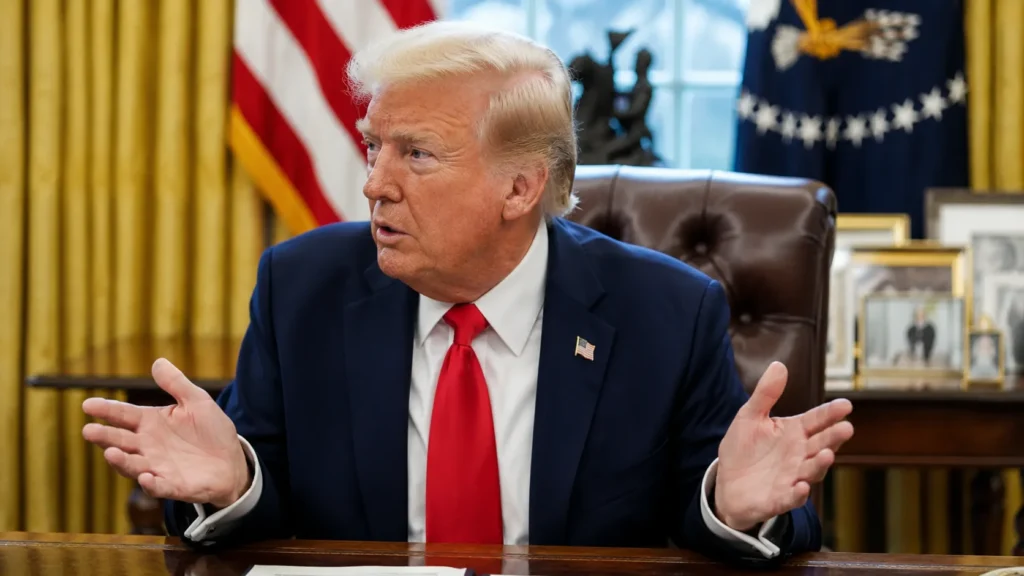
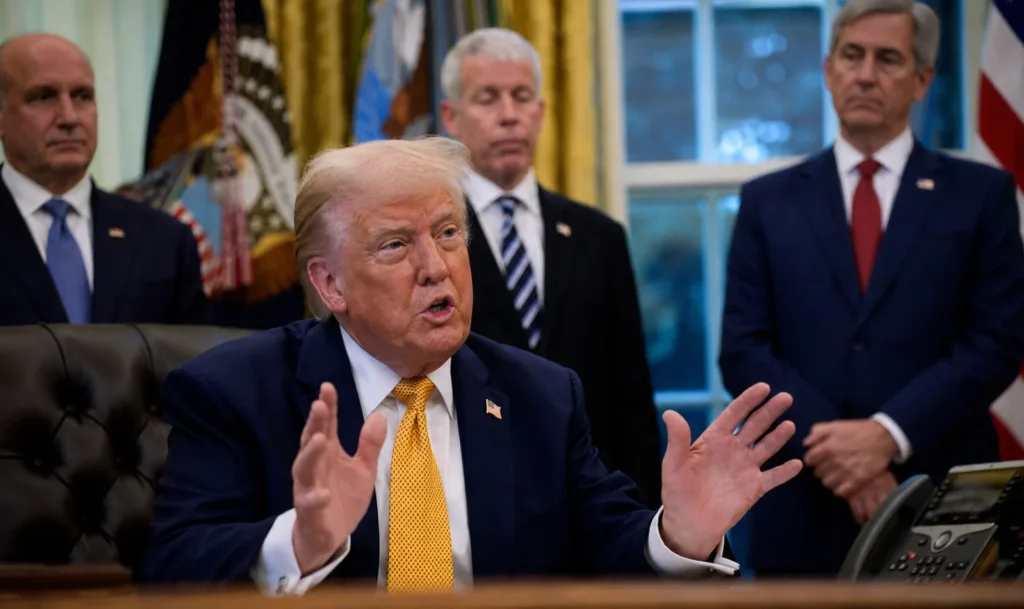
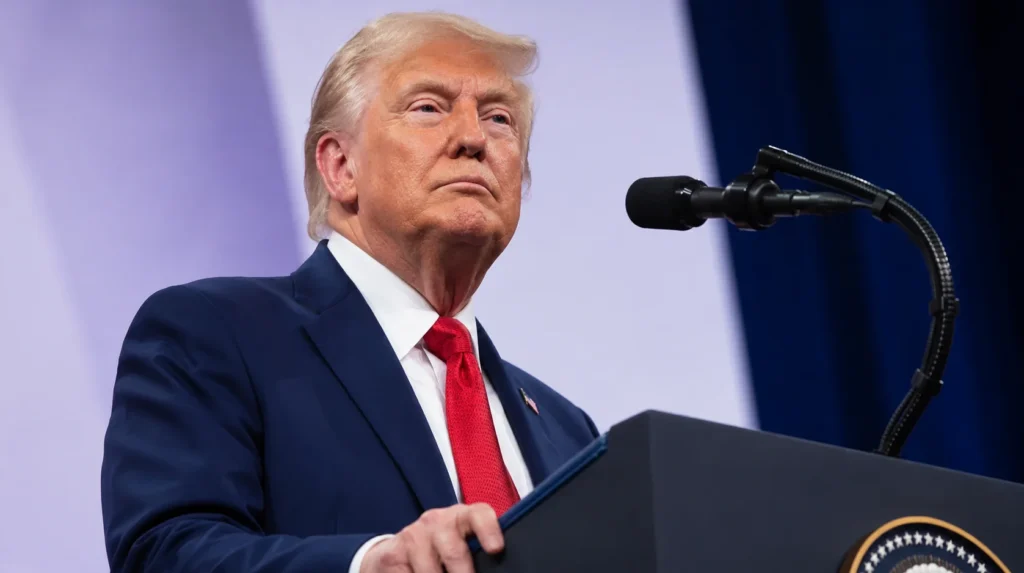
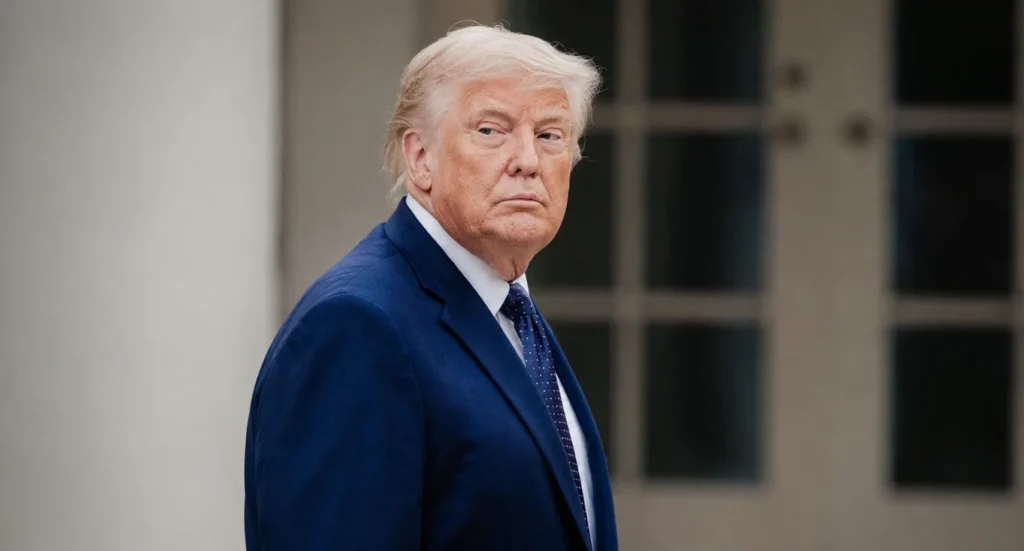
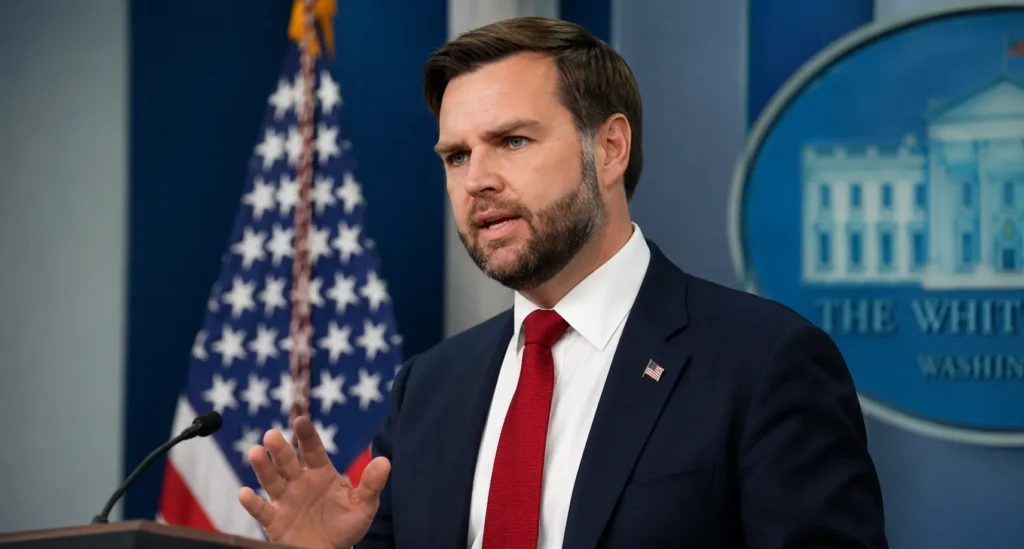
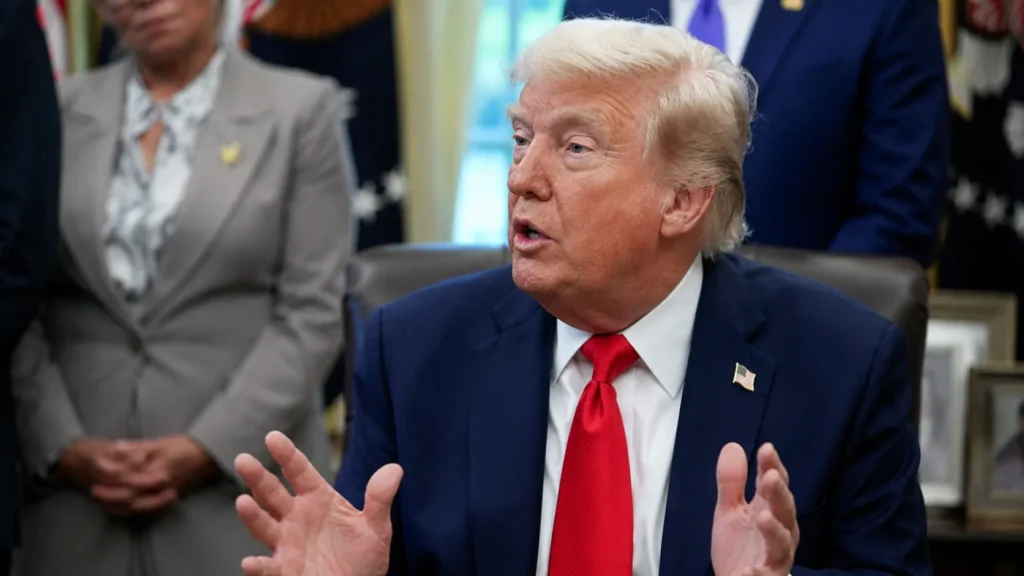
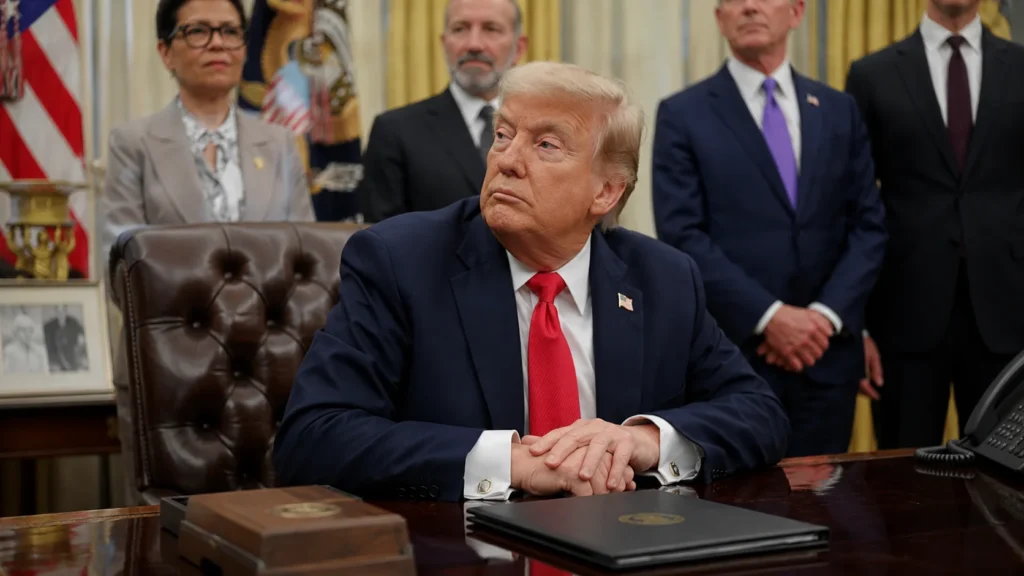
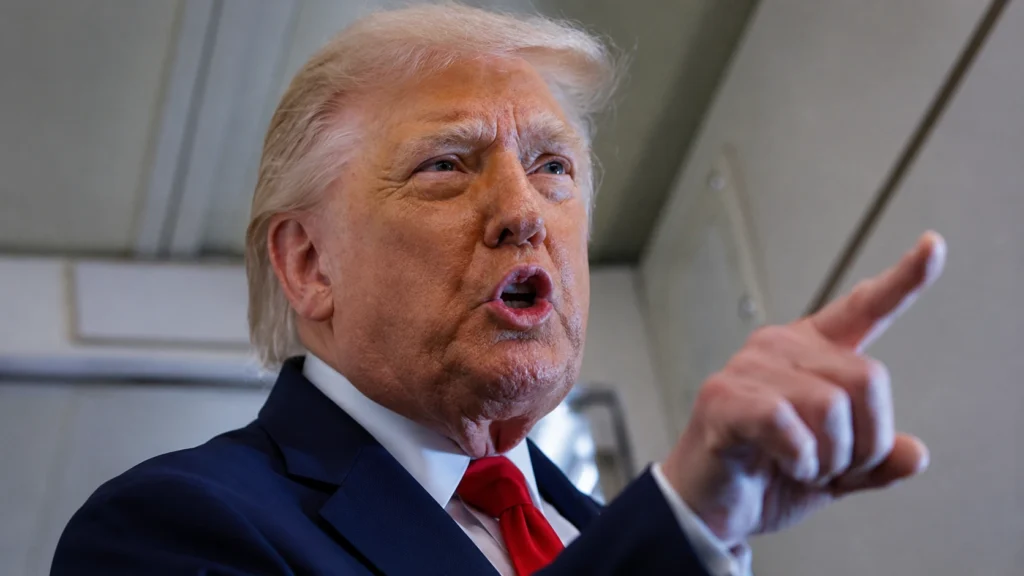
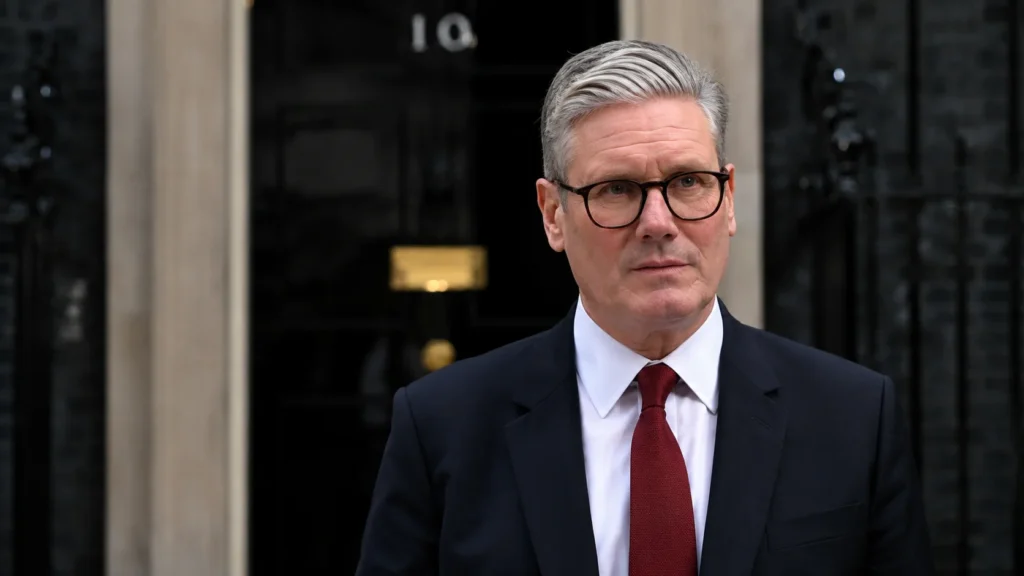
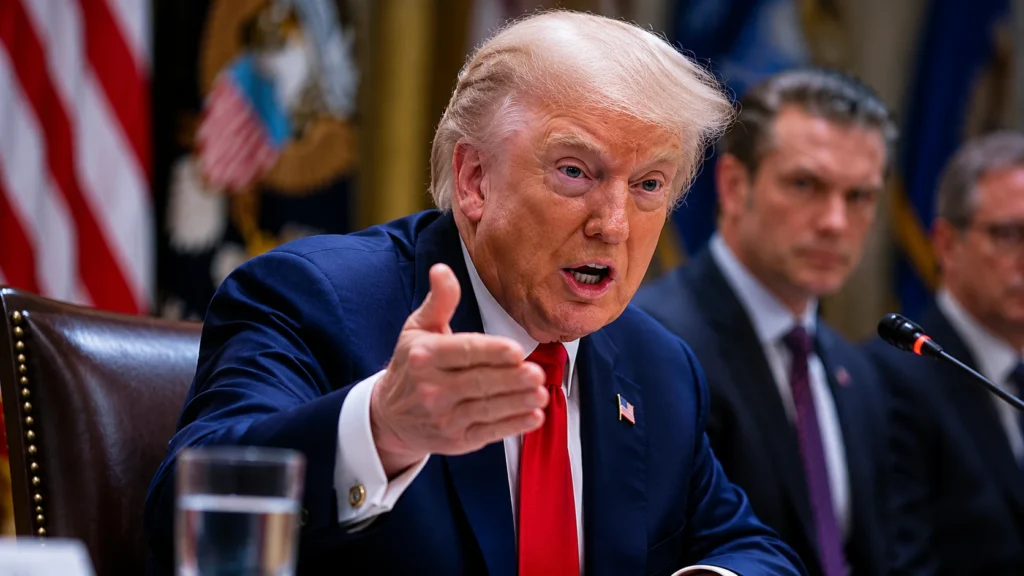
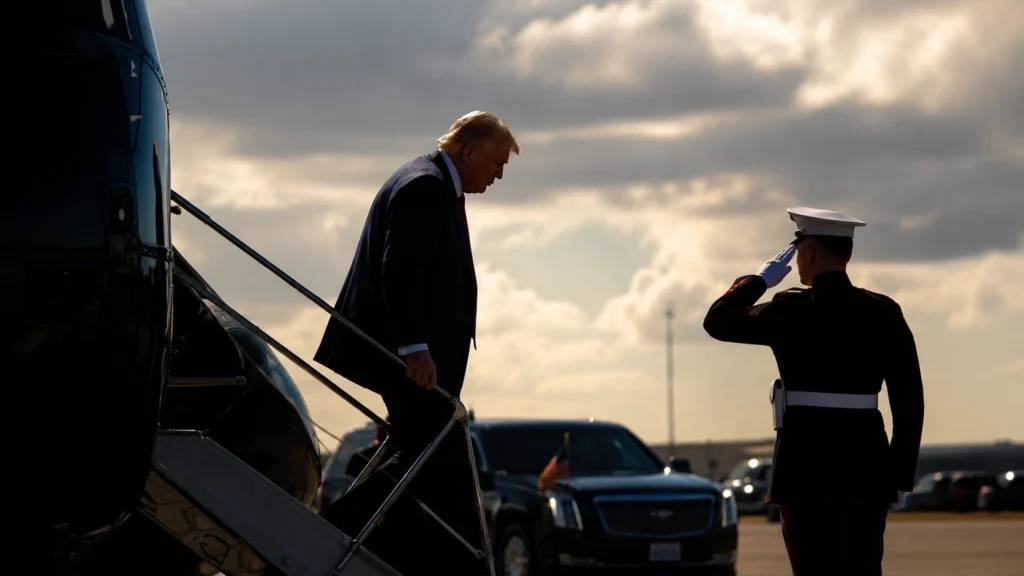
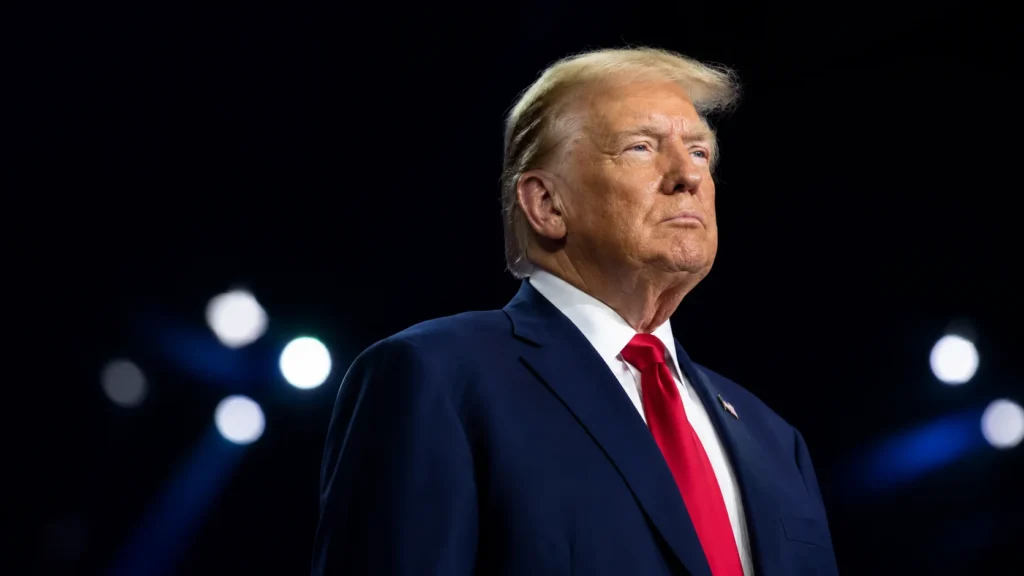
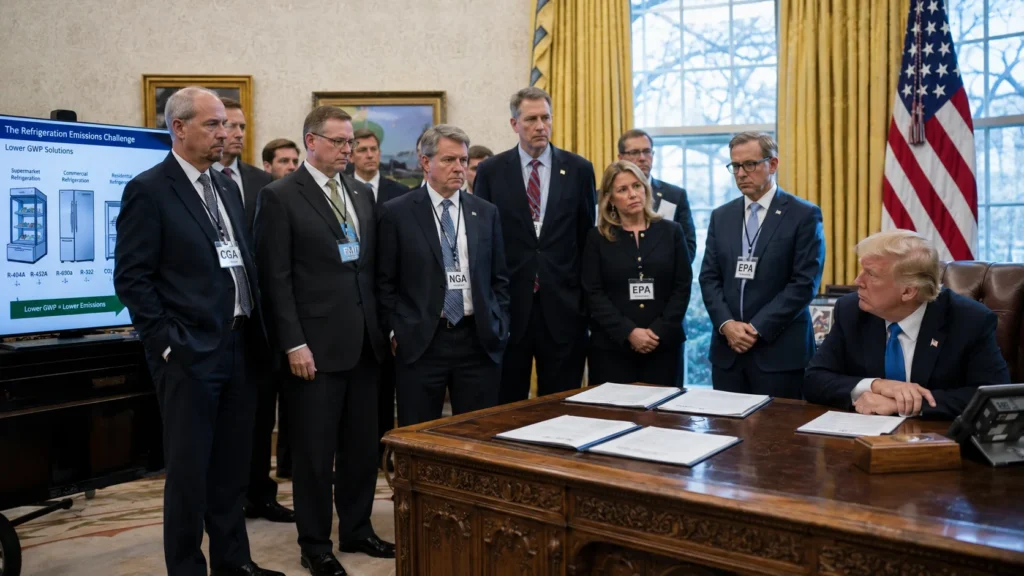
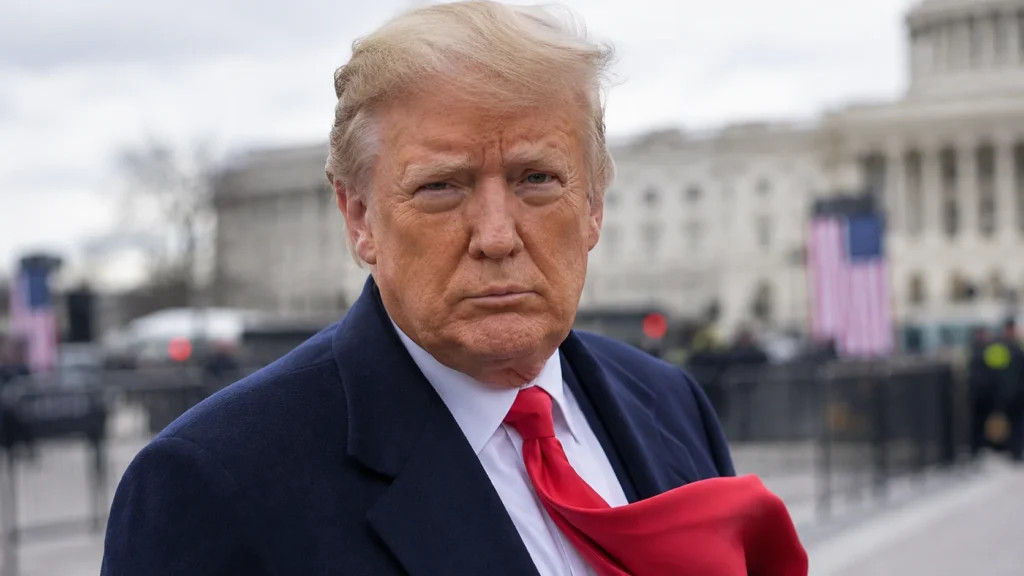
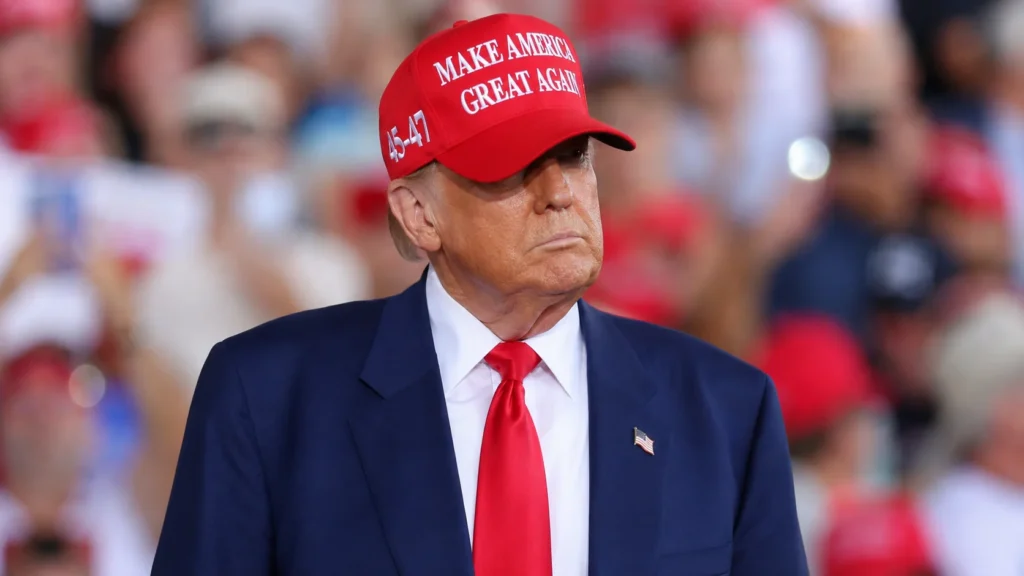
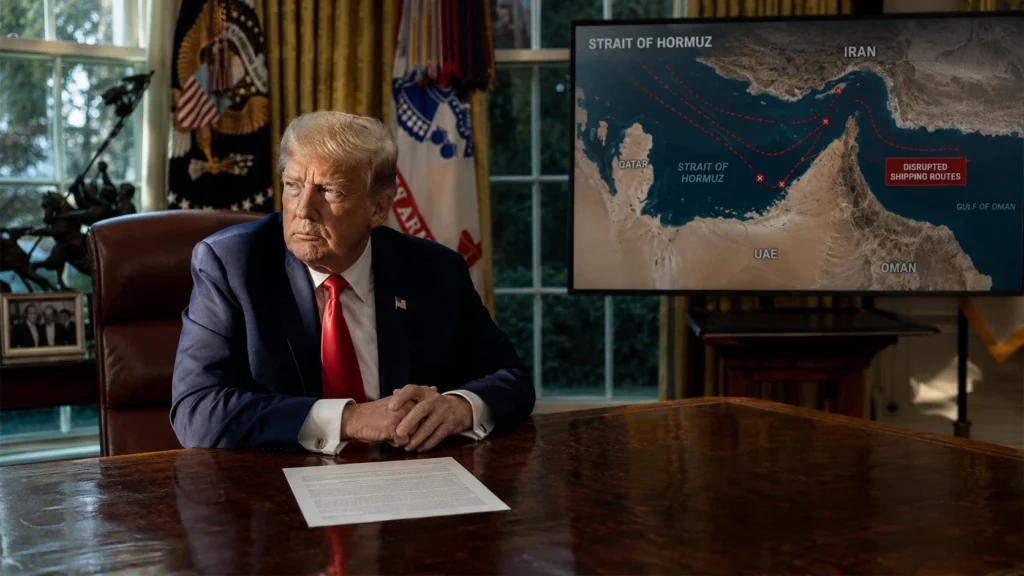
President Trump announced on Monday that the US would reimpose its naval blockade of Iranian ports and impose a 20% charge on all cargo shipped through the strait. He said the toll would go towards covering the costs of “providing safety and security to this very volatile section of the World.” The blockade will be enforced by Centcom and comes into effect at 16:00 Eastern Time (20:00 GMT) on Tuesday.
The International Maritime Organization responded that it has “always been consistent” in its stance against fees for passage through international straits. “There is no legal basis through which to introduce mandatory tolls simply to transit through a strait,” a spokesperson said.
Richard Meade, editor of the shipping journal Lloyd’s List, told the BBC that a fully laden gas carrier or oil tanker could face charges of $16 million to $17 million per transit under Trump’s proposed toll. Iranian fees, by comparison, began in the range of $1 million to $2 million and later fell to about $100,000 to $200,000 per ship. Meade said insurance costs will also be “skyrocketing” as the conflict escalates.
According to IMO spokesperson statement on Strait of Hormuz tolls and Richard Meade Lloyd’s List toll estimates, the US proposal is unprecedented in scale and has no basis in international maritime law.
Oil Prices and the Wider Conflict
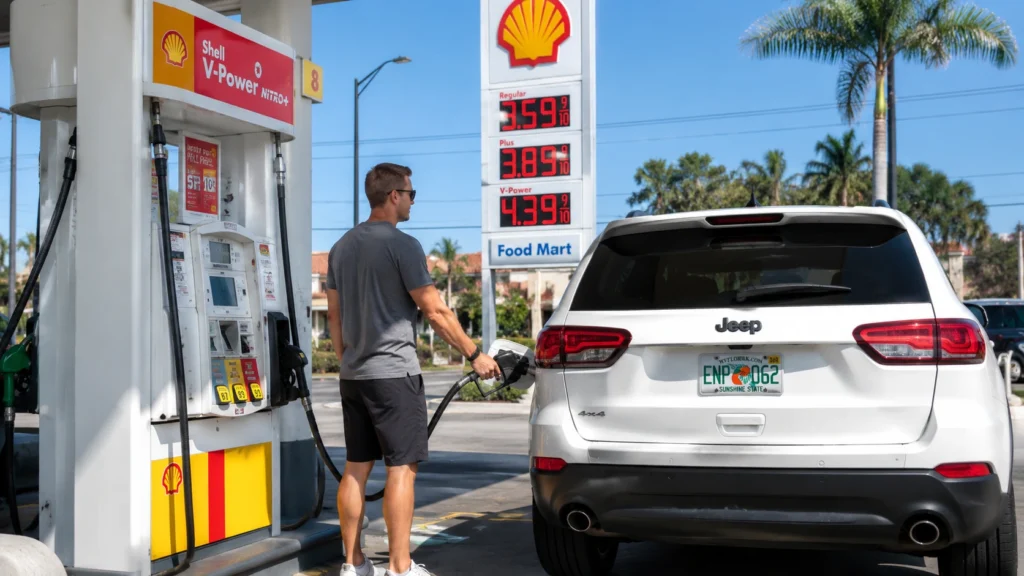
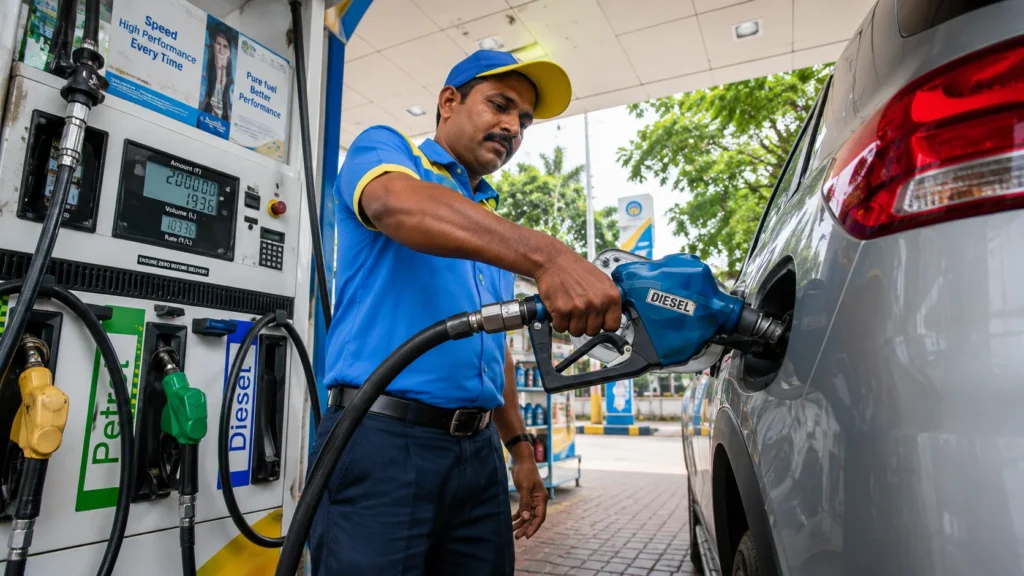
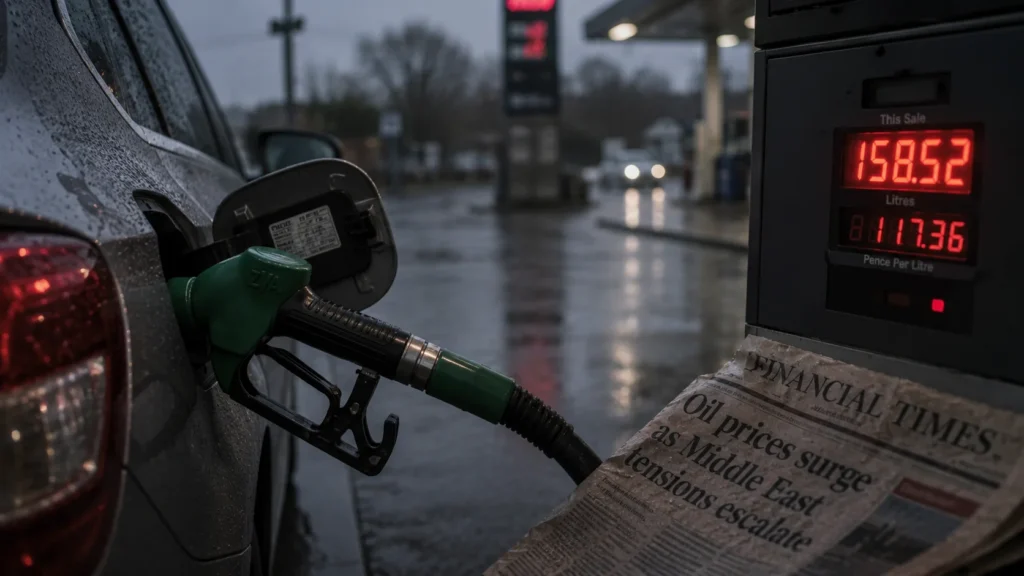
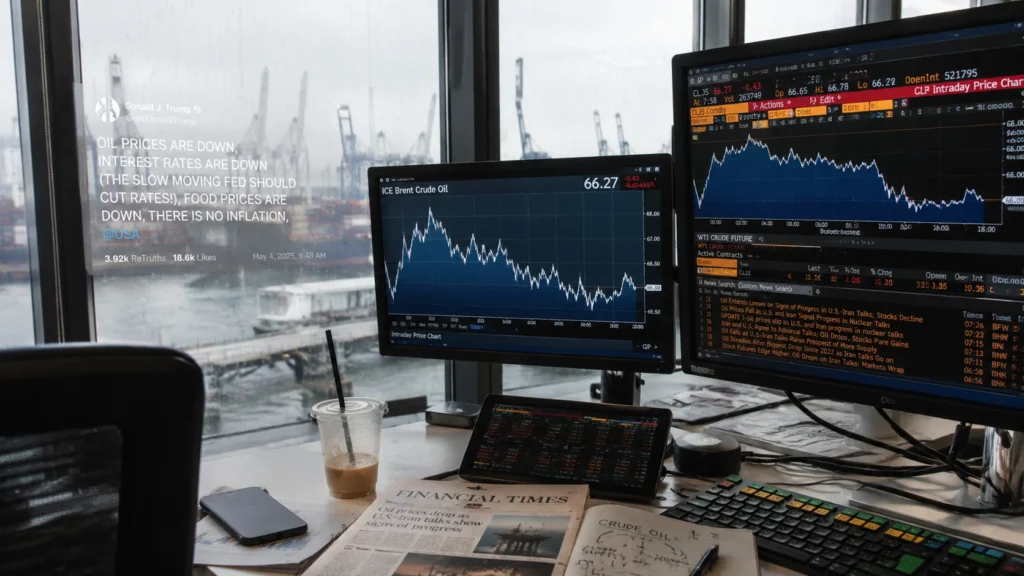
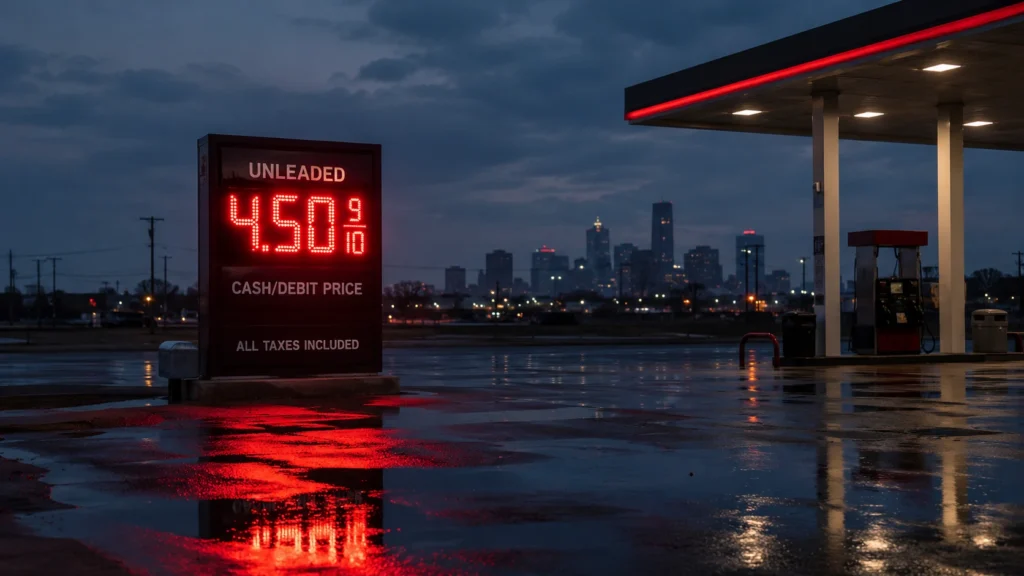
Brent crude rose 9% on Monday to above $84 a barrel, and climbed a further 1.9% in Asian trading on Tuesday to $84.87. Prices remain below the $120 peak reached in April, when the strait was effectively closed, but the direction is sharply upward.
The conflict is spreading beyond the strait. Iran-backed Houthi rebels in Yemen said they had targeted Saudi Arabia’s Abha International Airport with ballistic missiles and drones, responding to what they called “Saudi aggression” against Sanaa International Airport. The Saudi-led coalition said its air defences had intercepted ballistic missiles launched towards the southern region.
Mehran Kamrava, professor of government at Georgetown University in Qatar, told the BBC that Iran’s proxy network—including Hamas, Hezbollah, and the Houthis—is in “disarray, or at least militarily depleted” due to the war. He said Iran “cannot go toe-to-toe militarily with the United States, and so it wants to turn the military conflict into an economic one.”
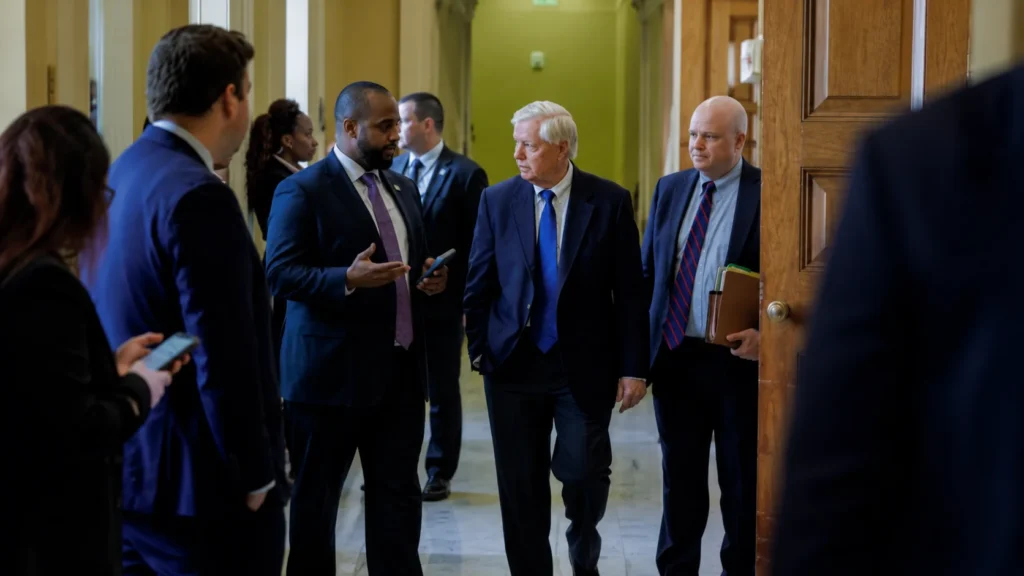
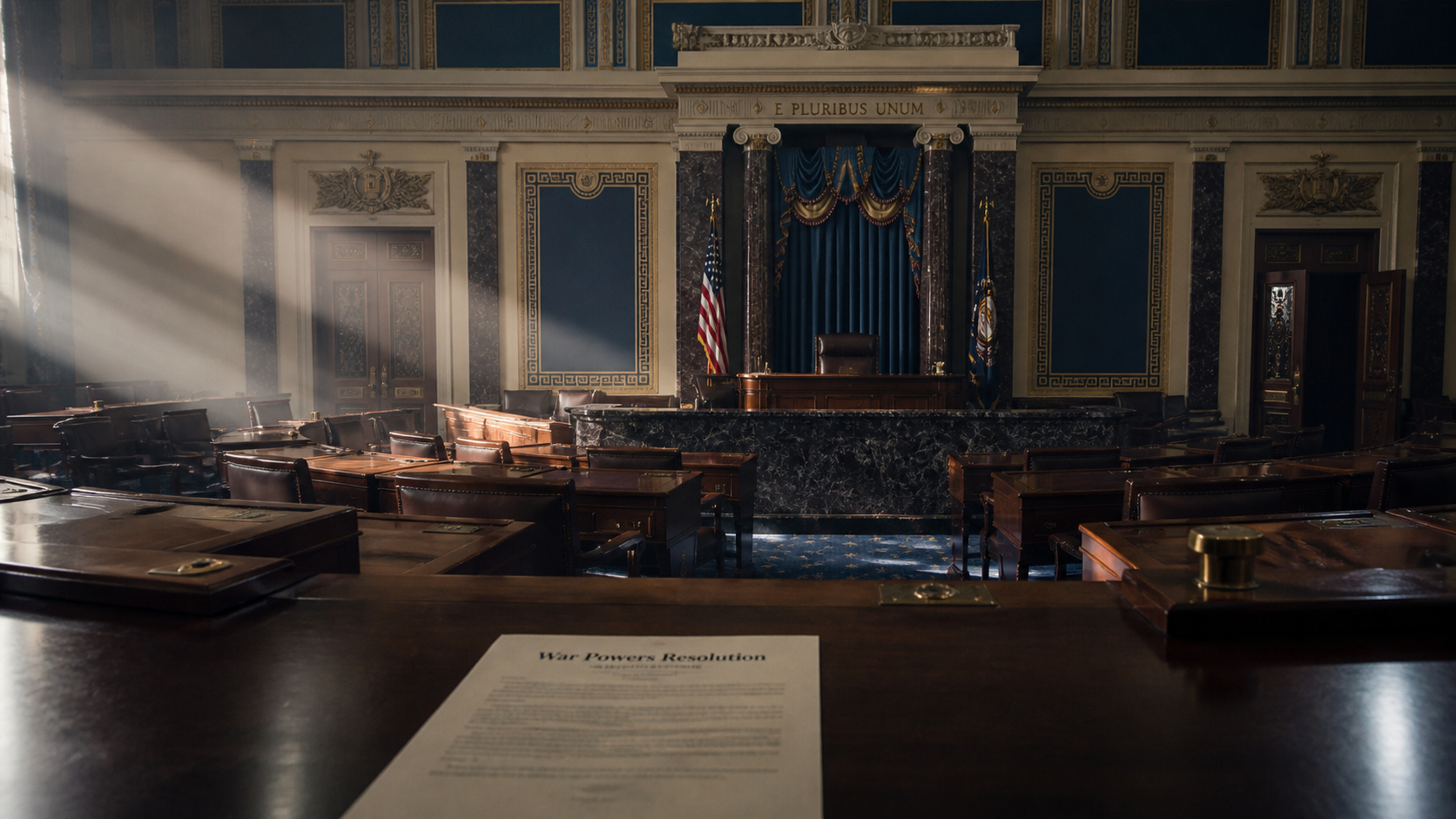
The Trump administration formally notified Congress on 10 July that military activities against Iran had resumed on 7 July. In a letter to Senator Chuck Grassley, the president pro tempore of the Senate, Trump described the strikes as “limited, measured, planned, and executed in a manner designed to minimize civilian casualties.”
As our coverage of the Iran war and the collapse of the US-Iran memorandum of understanding has tracked, neither side has formally declared the 17 June agreement dead, but both are behaving as if it is.
FAQ
What happened to the two tankers?
Iran’s IRGC struck the UAE-flagged crude tanker Mombasa B and the LNG tanker Al Bahiya with cruise missiles. One Indian crew member was killed and eight others were injured. The IRGC said the ships had turned off navigation systems and tried to pass through a mined route.
What is the US blockade?
President Trump announced the US is reimposing a naval blockade of Iranian ports, effective Tuesday. The blockade will stop “Iran’s ships or customers” from entering or leaving the strait. The US will also impose a 20% toll on all cargo transiting the waterway.
Is the toll legal?
The International Maritime Organization says there is “no legal basis” for mandatory tolls on ships transiting an international strait. The mechanism for collecting the toll remains unclear.
How many nights of US strikes have there been?
Three consecutive nights. The latest strikes hit targets in Bushehr, Chah Bahar, Jask, Konarak, Abu Musa, and Bandar Abbas. The US says the strikes are designed to degrade Iran’s ability to attack commercial shipping.
What is happening to oil prices?
Brent crude rose 9% on Monday and climbed further on Tuesday to about $85 a barrel. Prices remain below the $120 peak reached in April but are rising sharply.