

 English




















































































































































































































































































The War Powers Deadline Passed. Congress Did Nothing.
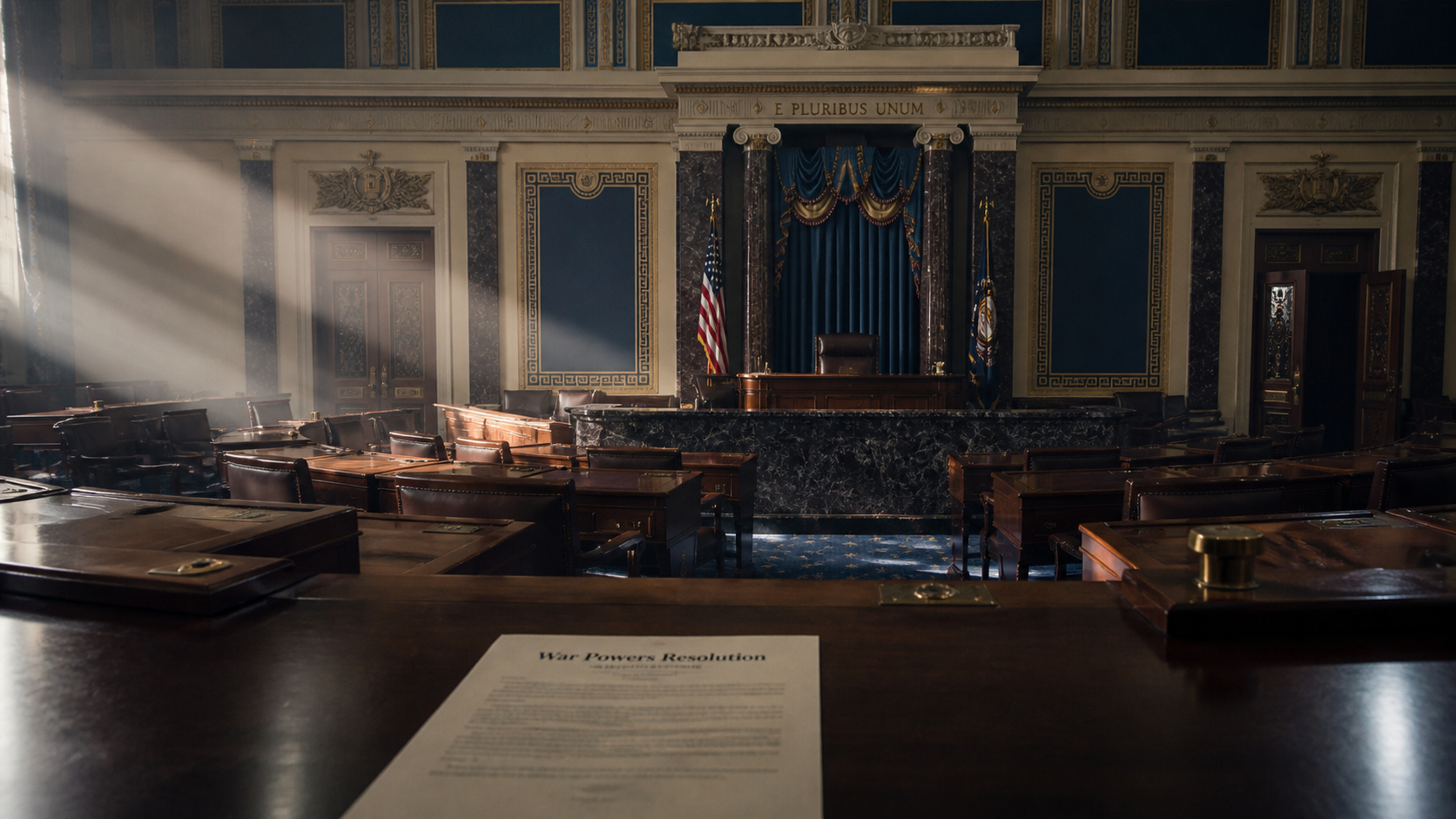
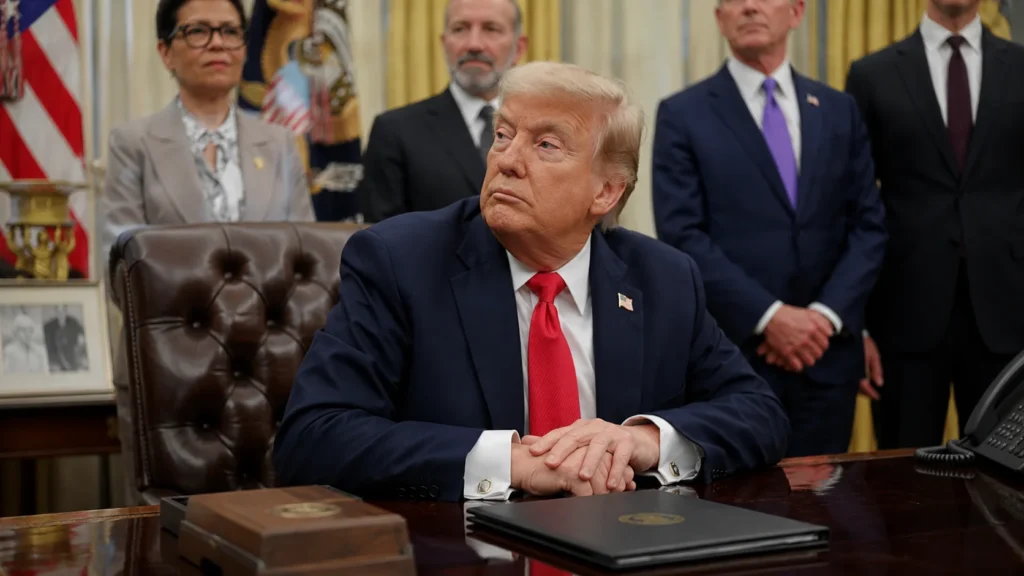
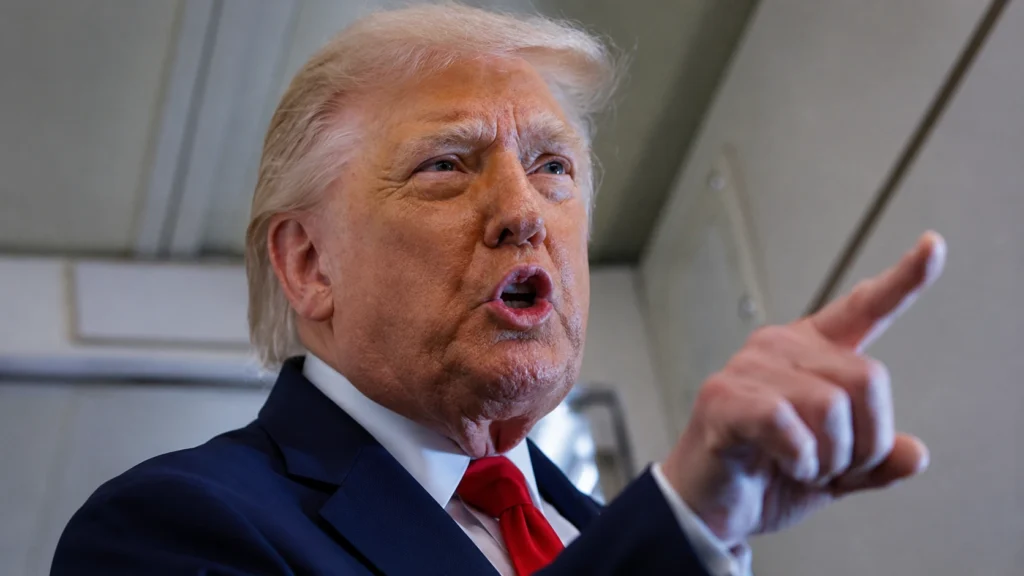
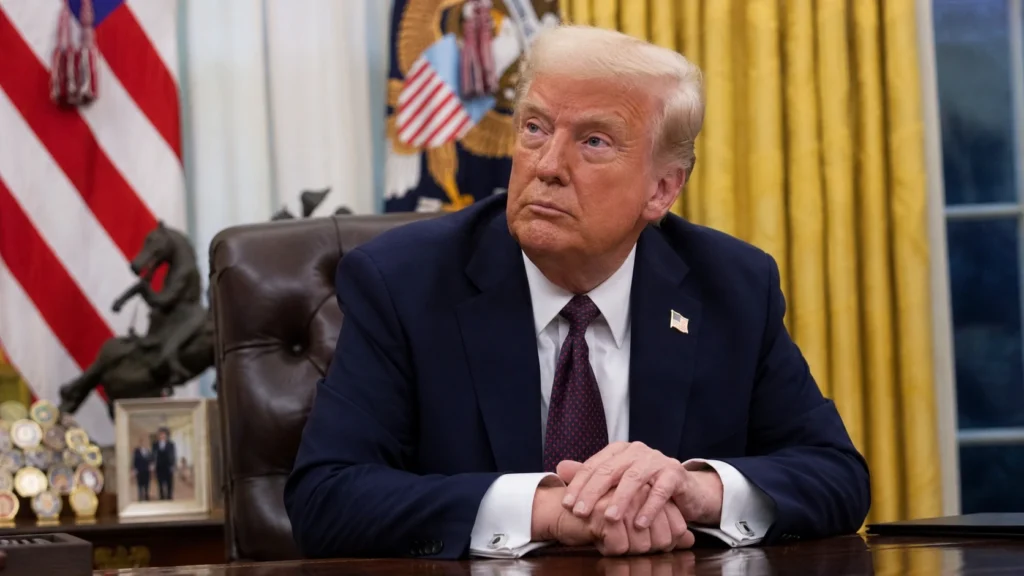
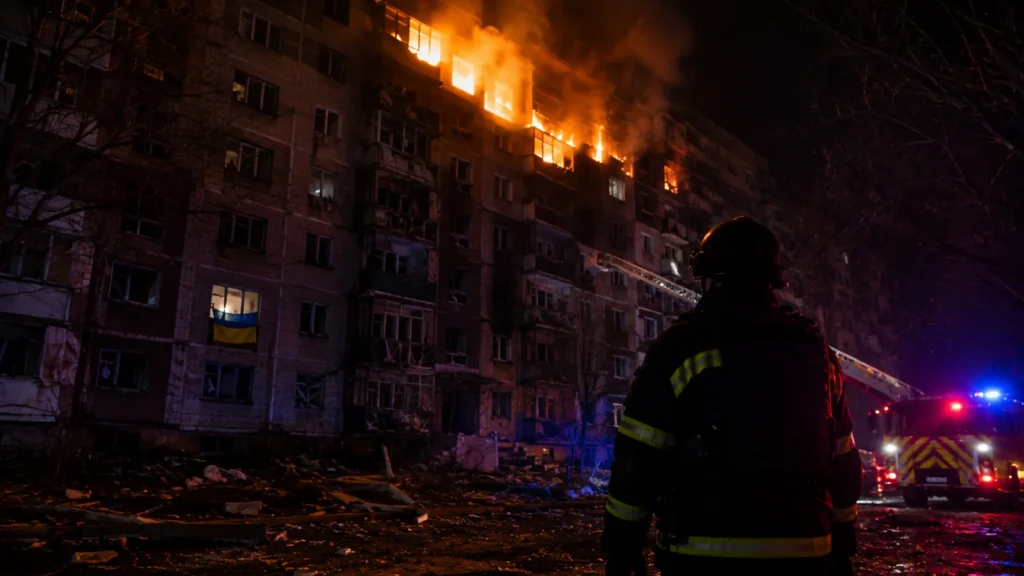
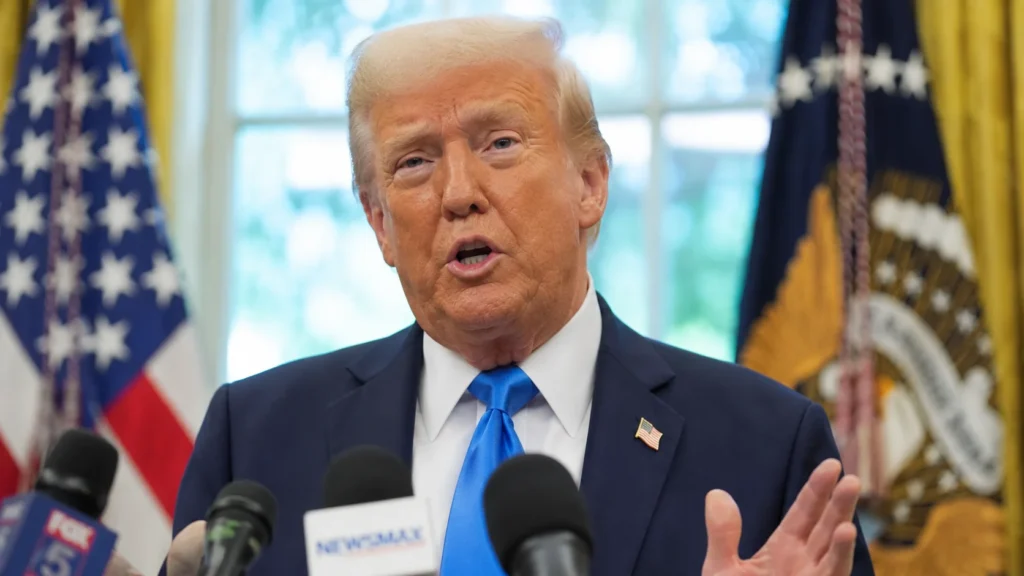
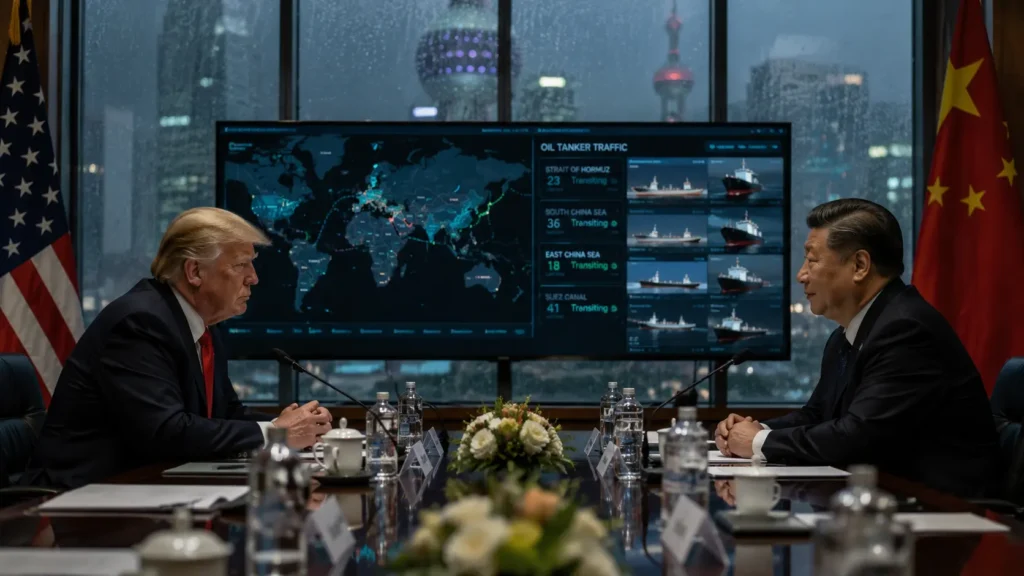
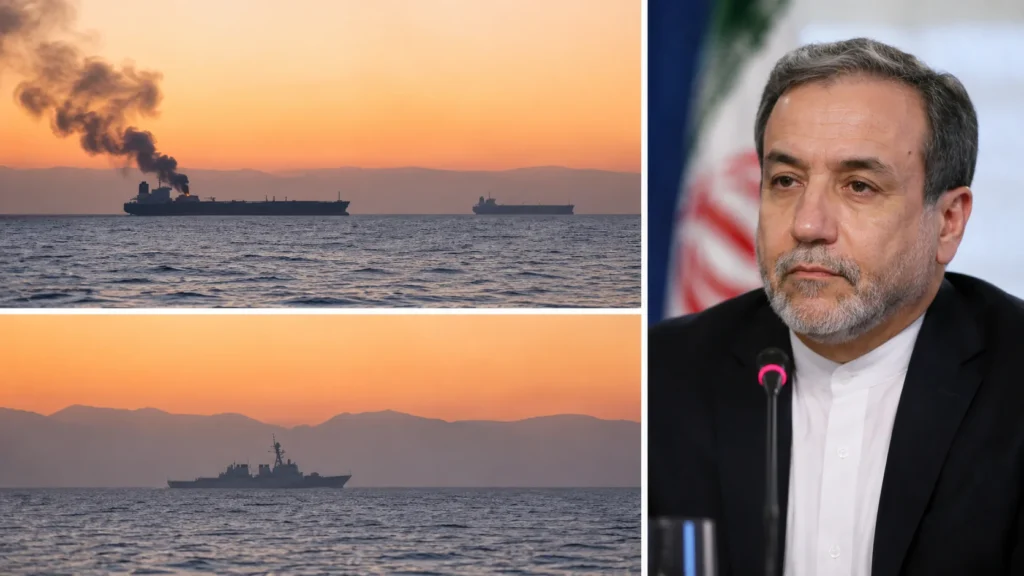
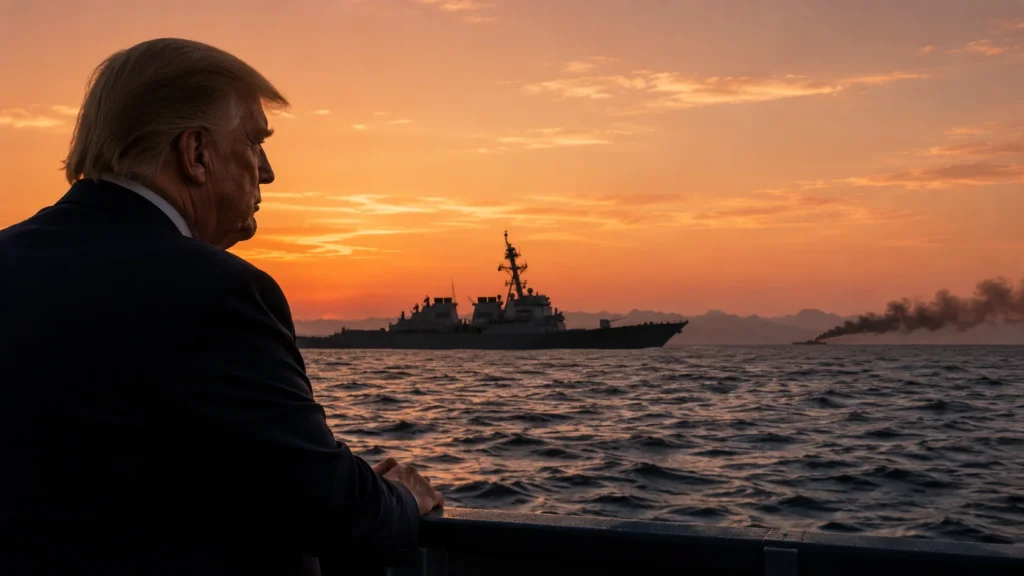
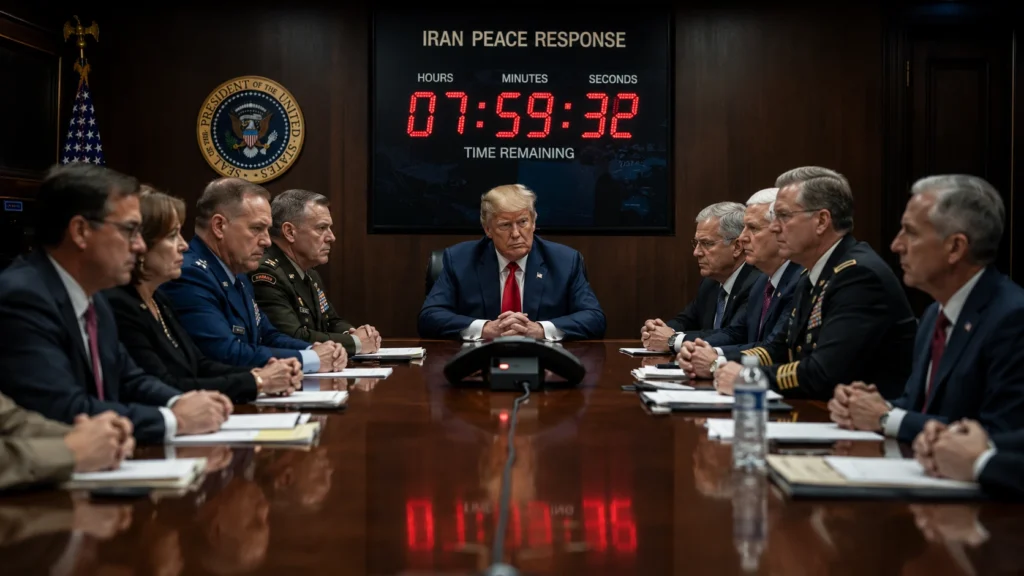
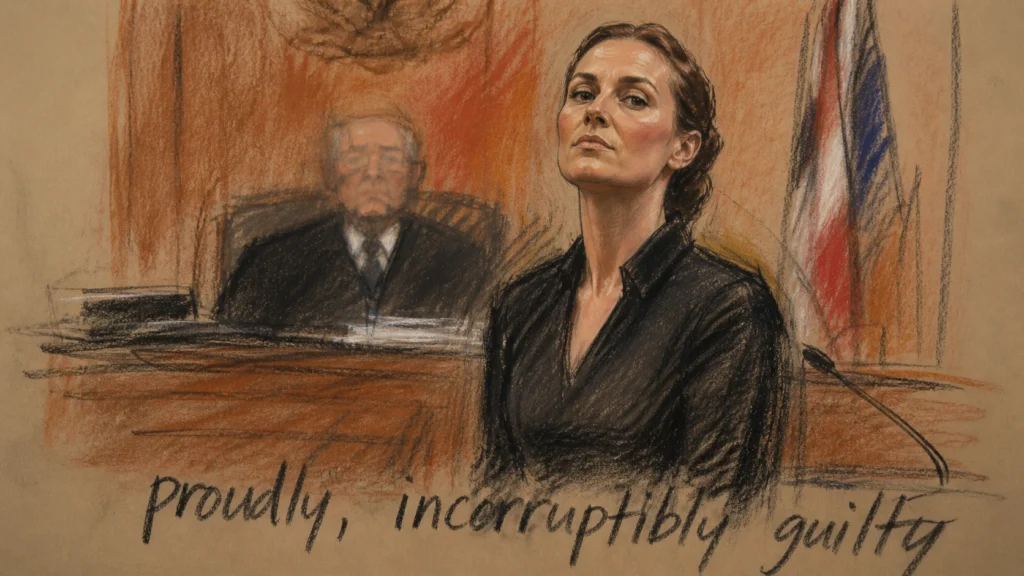
The deadline arrived on Friday. It passed without ceremony. No vote. No authorization. No extension request from the White House. A senior administration official used a single word to describe the state of hostilities between the United States and Iran: “terminated.”
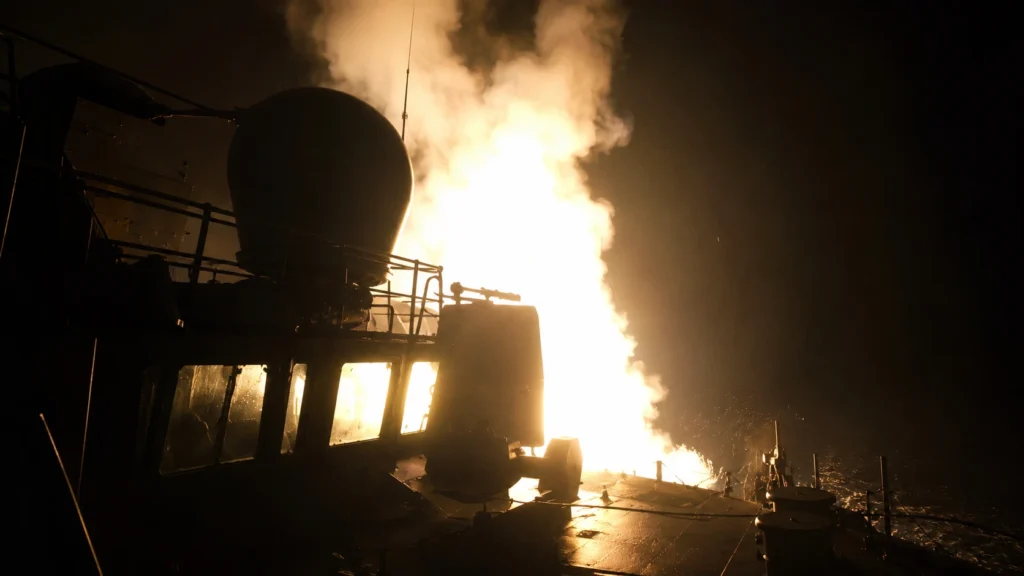
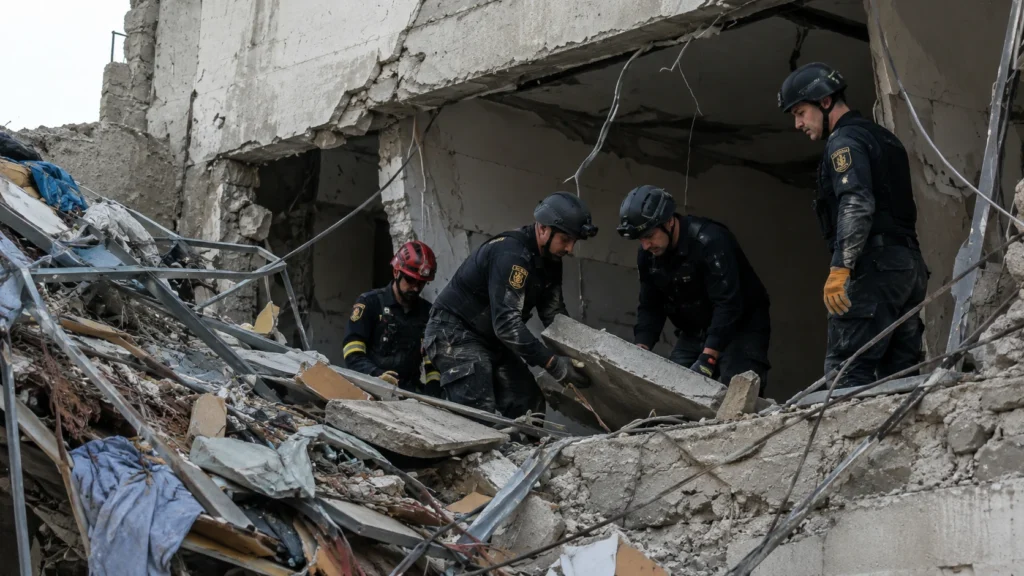
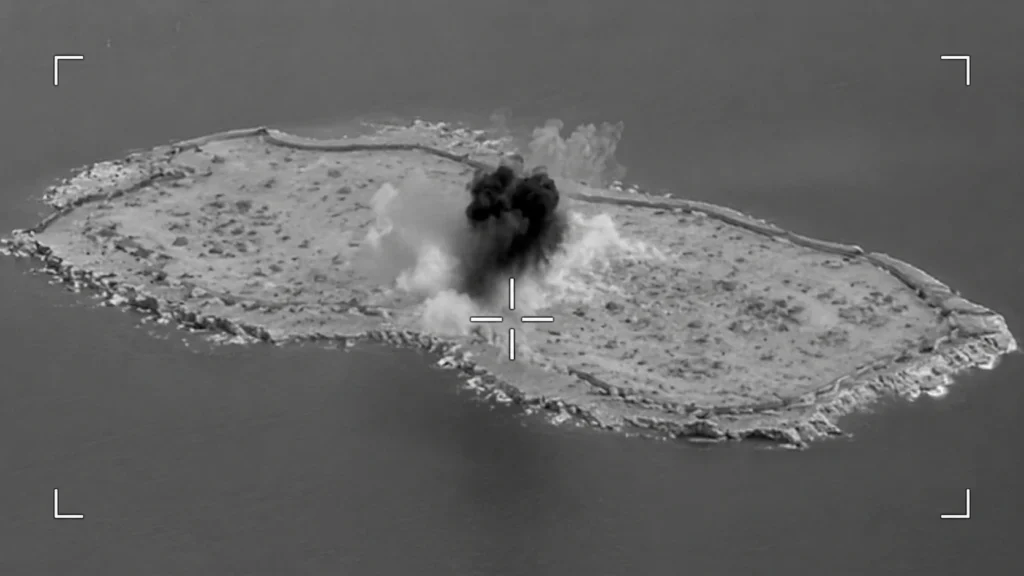
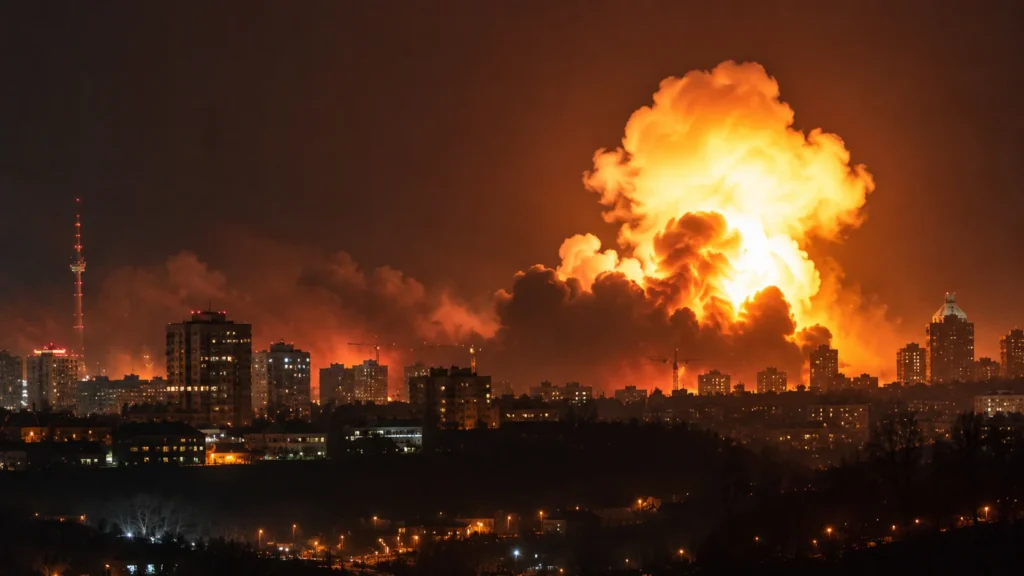
Three weeks without an exchange of fire. A ceasefire that began in early April, fragile but holding. The 60-day clock under the War Powers Resolution of 1973 required the president to end military operations or secure congressional authorization. The administration chose a third path: declare the war already over and let the deadline expire like a calendar reminder nobody bothered to dismiss.
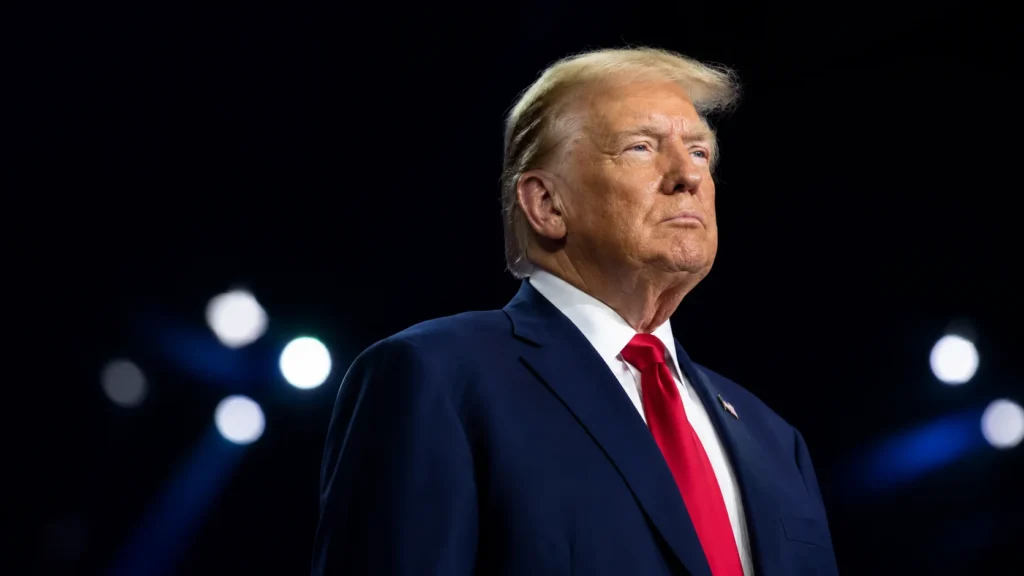
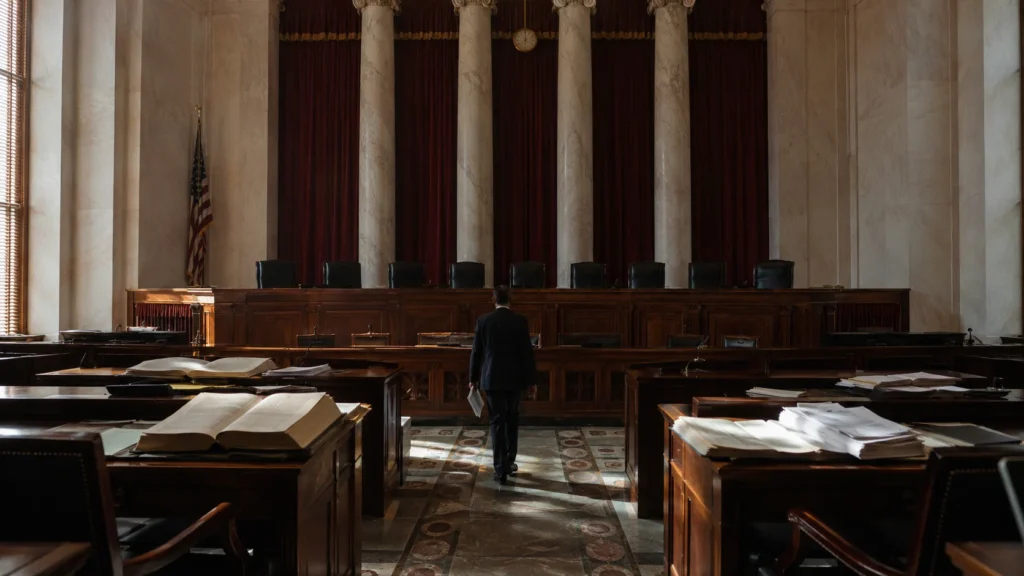
This is not a legal footnote. The Core Friction Axis is Executive Power vs Congressional Authority. The administration asserted that a ceasefire equals termination. Congress declined to test that assertion. The institutional imbalance that the War Powers Resolution was designed to correct remains uncorrected.
The constitutional dodge
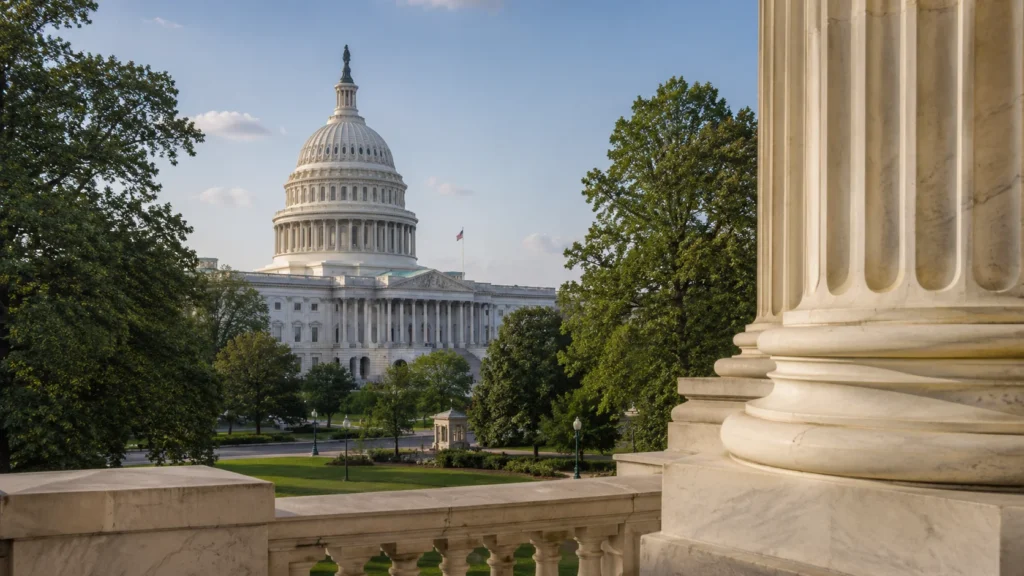
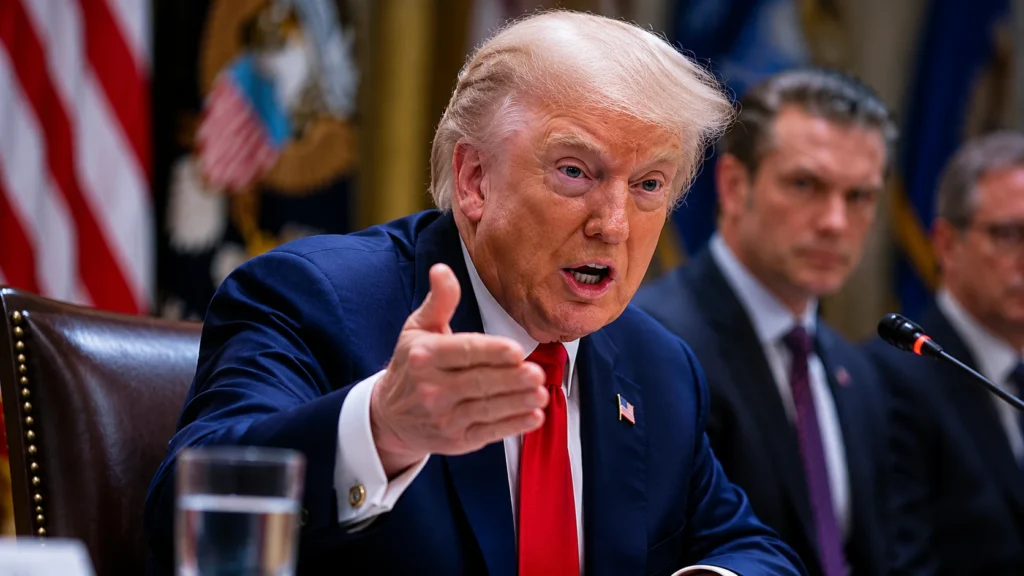
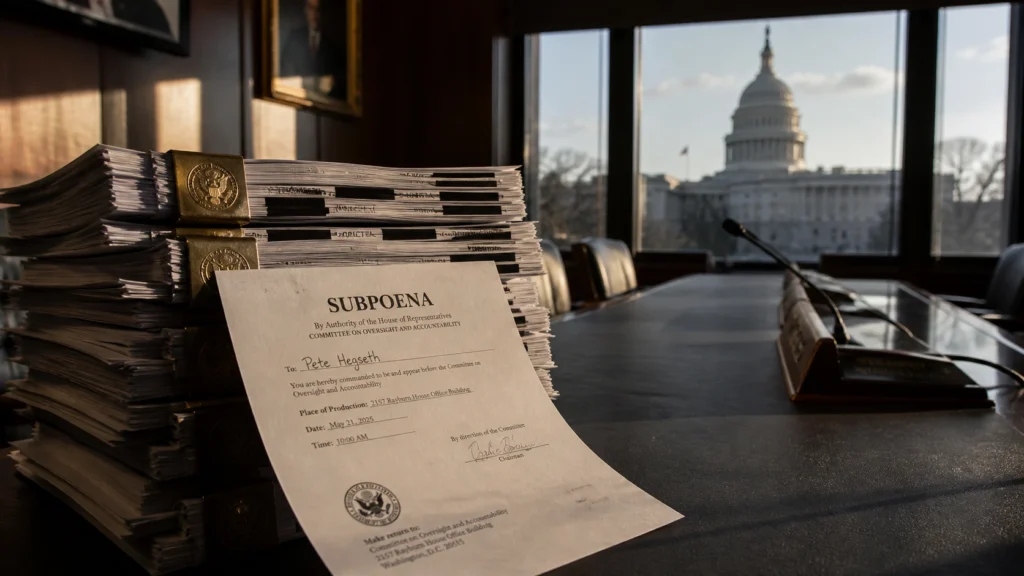
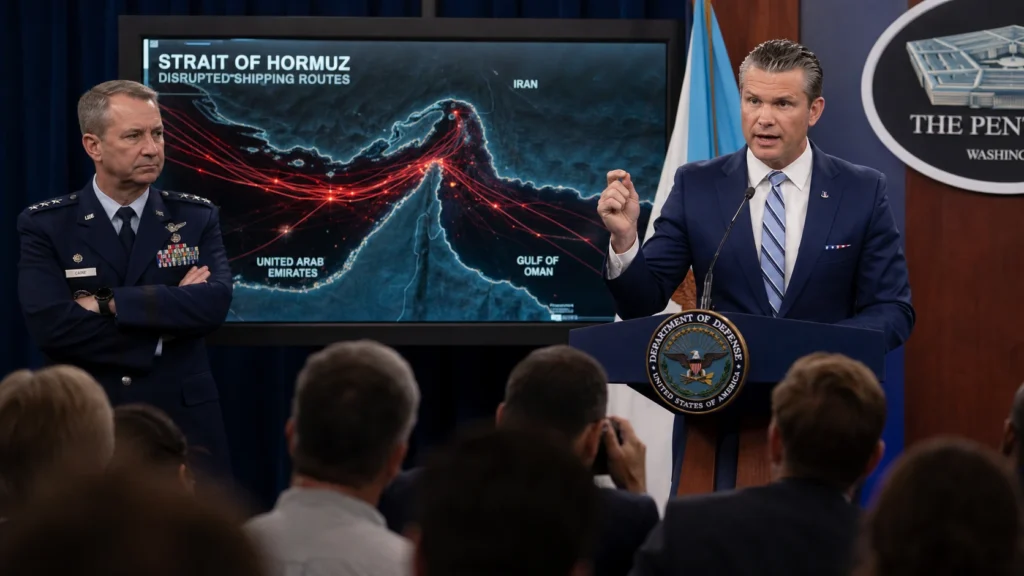
The defense secretary, Pete Hegseth, testified earlier on Capitol Hill that the 60-day clock “paused” during the ceasefire. Not expired. Paused. The administration’s Thursday statement sharpened that ambiguity into something more definitive: hostilities “have terminated.”
The distinction matters enormously. If the war is over, congressional authorization is moot. The president conducted military operations, achieved a ceasefire, and concluded the campaign—all within the window the War Powers Resolution allows. Congress had no role because no role was required.
If the war is not over—if the ceasefire collapses, if Hormuz remains closed, if the underlying conflict persists—then the administration’s legal framing looks less like an interpretation and more like an evasion. The constitutional order depends on which description proves accurate.
Why Congress stayed quiet
The Republican Senate majority leader, John Thune, stated the obvious: “I don’t see that.” He was referring to a vote on authorizing military force. He didn’t see it. His conference wasn’t asking for it. The political calculation was straightforward.
Authorizing a war that the administration insists has terminated makes no sense. Opposing an authorization when gas prices remain elevated and public frustration is mounting, carries its own risks. Doing nothing—letting the deadline pass, letting the ceasefire hold, letting the legal ambiguity persist—offered the path of least political resistance.
The sixth Democratic war powers resolution failed Thursday, 47-50. Two Republicans voted in favor: Susan Collins and Rand Paul. One Democrat opposed: John Fetterman. The pattern held. Party lines. Narrow margins. No resolution.
Republican fractures are barely visible
The Republican coalition is not unified. It is passively aligned—held together by inertia and the political cost of breaking ranks.
Kevin Cramer said he would vote for authorization if Trump asked. He also questioned whether the War Powers Resolution itself is constitutional. Lisa Murkowski went further, promising to introduce a limited authorization for the use of military force when the Senate returns from recess—if the administration hasn’t presented what she called a “credible plan.”
“I do not believe we should engage in open-ended military action without clear accountability,” Murkowski said. “Congress has a role.”
The statement is unremarkable as constitutional theory. It is remarkable only because a Republican senator said it publicly while her party’s leadership was letting a war powers deadline expire without action.
The House precedent
The House had already demonstrated how narrow the path to resolution had become. Greg Meeks’s war powers resolution failed 213-214 earlier this month. One vote. Three Democrats who had opposed a previous resolution in March—Cuellar, Landsman, and Vargas—switched to support. Jared Golden remained the sole Democratic no. Thomas Massie remained the lone Republican yes.
The margin would have been tighter still if Warren Davidson hadn’t switched from yes to “present.” The math communicated what the speeches didn’t: the House could not muster a majority to constrain the president’s war-making authority. The Senate couldn’t either. The institutional check existed on paper. Not in practice.
The human pressure layer
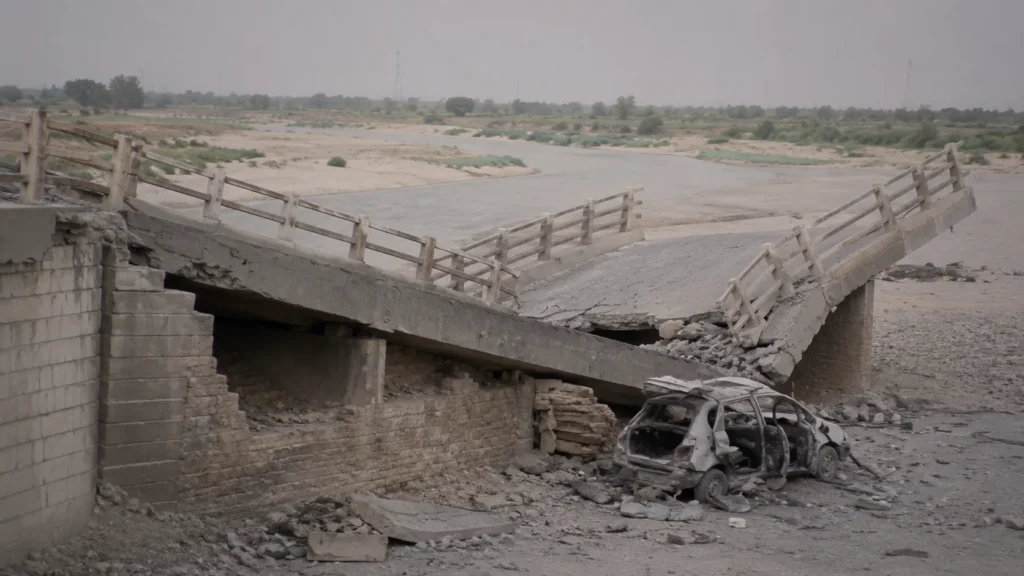
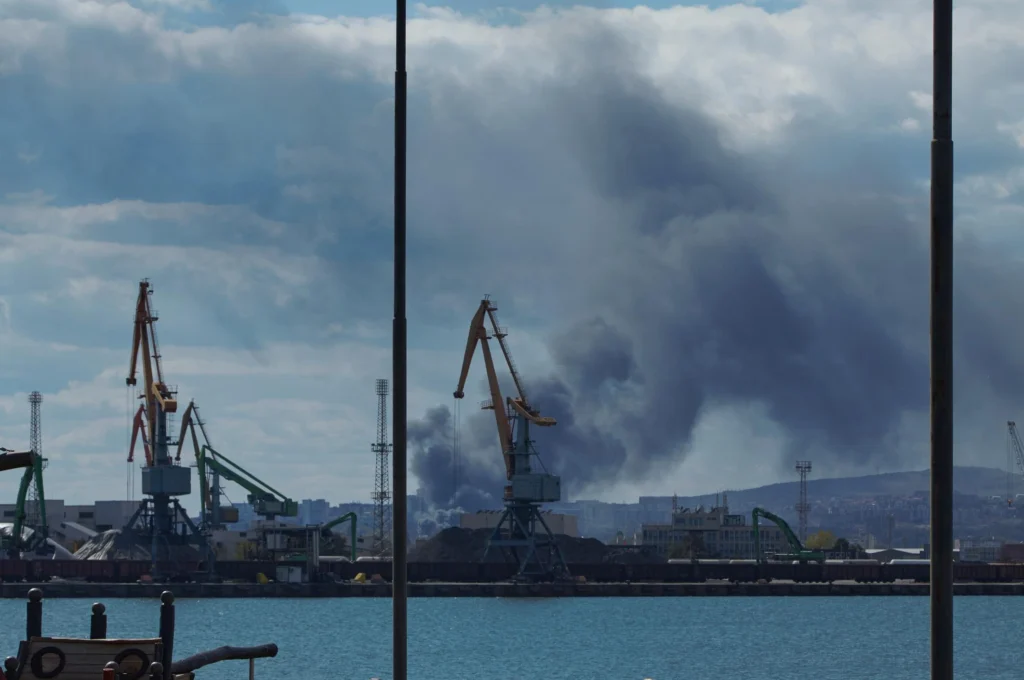
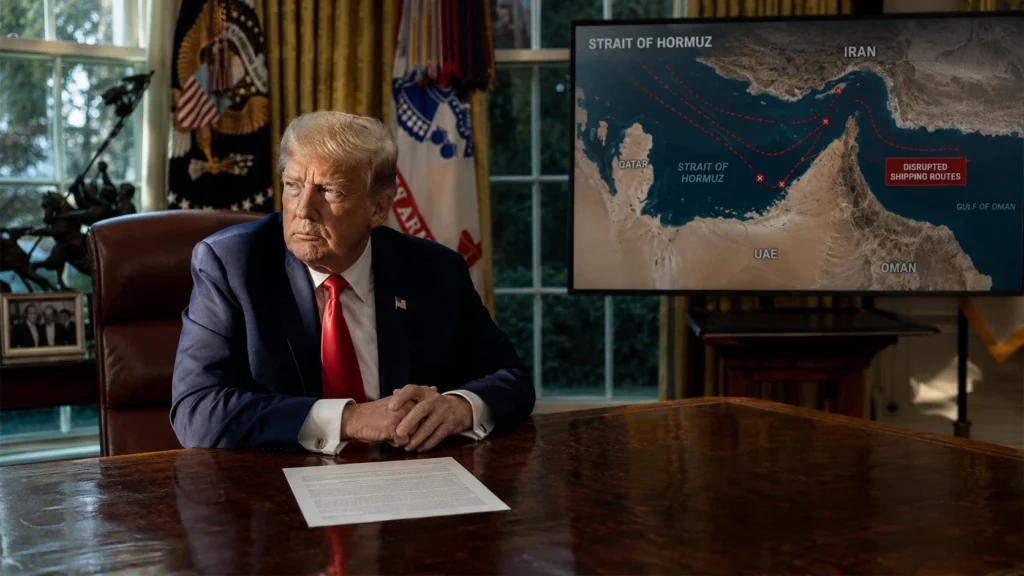
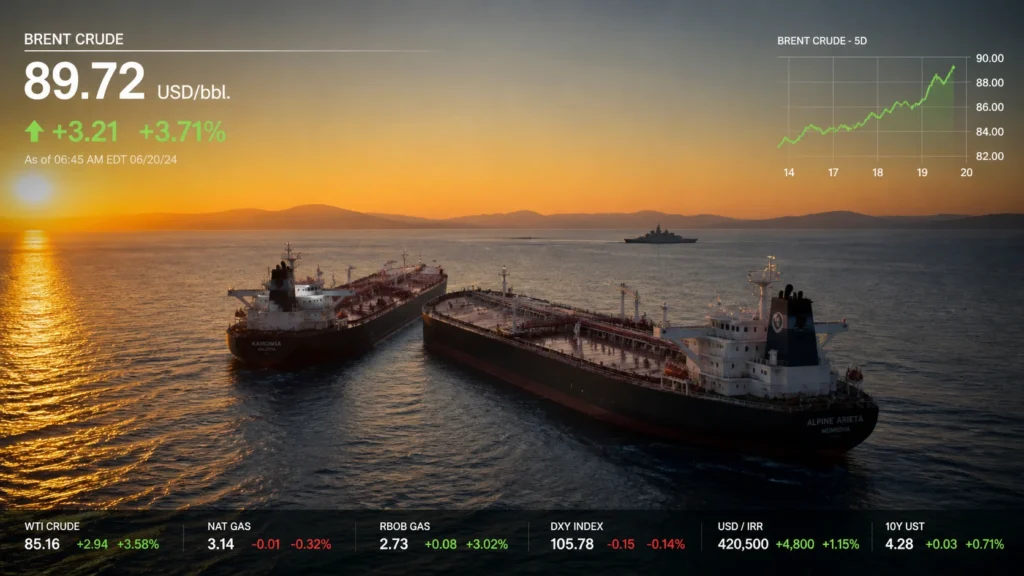
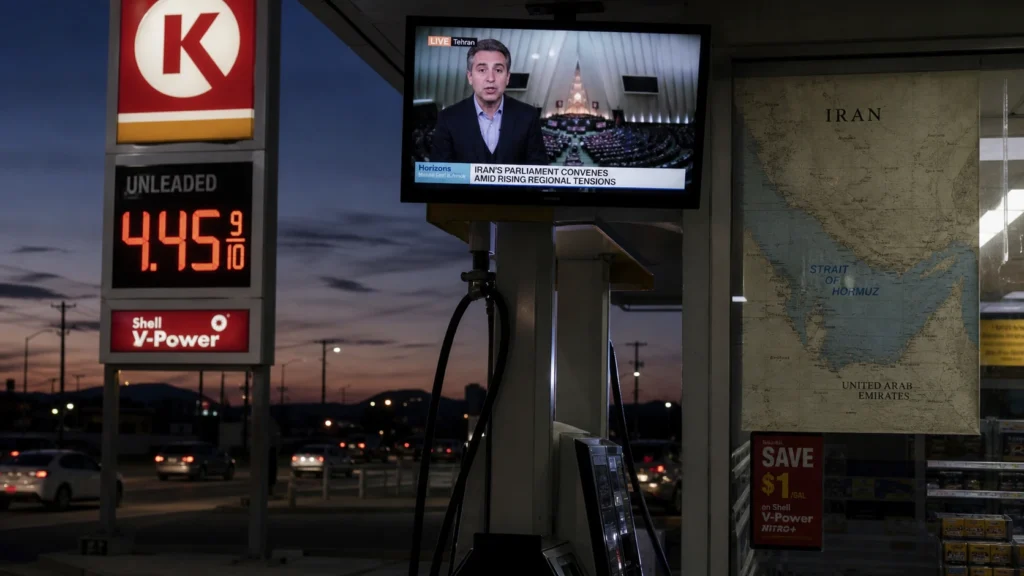
Gas prices remain elevated. The Straits of Hormuz remain disrupted. The ceasefire holds, but the underlying economic pressure continues. Public frustration, measured in polling and midterm anxiety, has not dissipated.
The administration’s framing—hostilities terminated, the war powers clock satisfied—does not lower fuel costs. It does not reopen shipping lanes. It provides a legal argument, not economic relief. The gap between the constitutional debate in Washington and the lived experience of consumers paying wartime energy prices is wide and growing.
Republicans feel this acutely. The ceasefire bought time. It did not buy resolution. The longer the economic pressure persists without visible progress toward a permanent settlement, the harder it becomes to argue that the war is genuinely over.
Strategic Summary
- What changed: The administration declared hostilities with Iran “terminated” for war powers purposes, allowing the 60-day congressional deadline to pass without an authorization vote, an extension request, or a formal conclusion of the conflict.
- Why it matters: The ceasefire functions as a legal off-ramp, but the constitutional question—whether a president can conduct military operations, pause them, and declare them concluded without congressional input—remains unresolved. Congress chose inaction over confrontation.
- What to watch next: Whether Senator Murkowski’s promised authorization bill materializes after recess. Whether the ceasefire holds through the summer. Whether the House’s one-vote margin on war powers shifts in either direction.