

 English




















































































































































Pakistan’s Power Crisis Ends. The Next One Already Started.
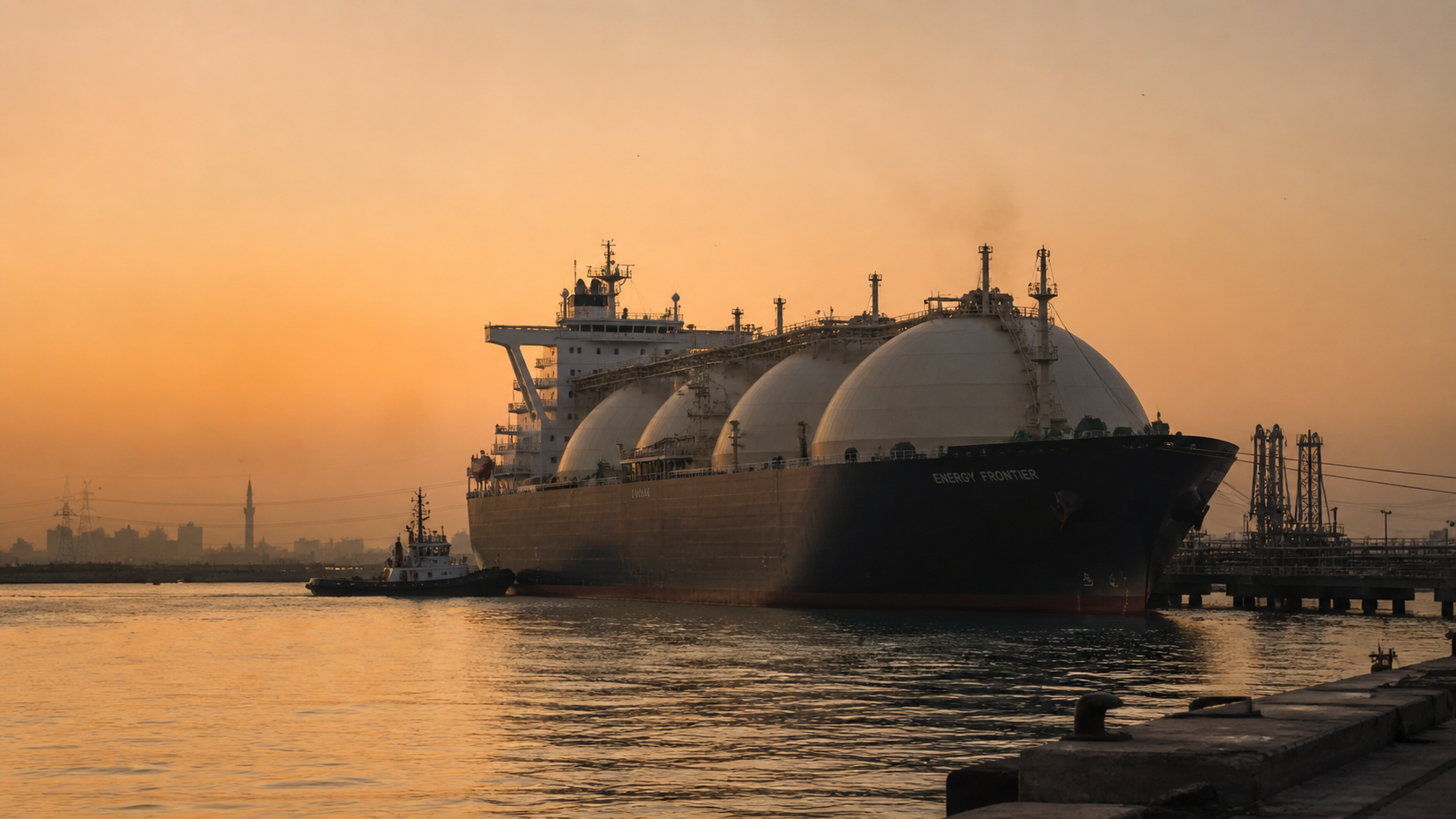
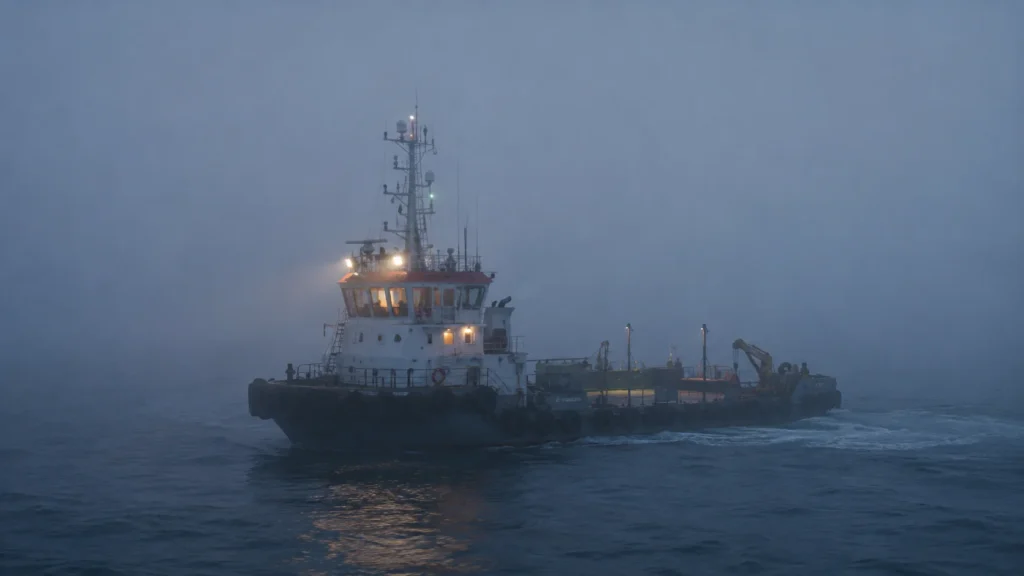
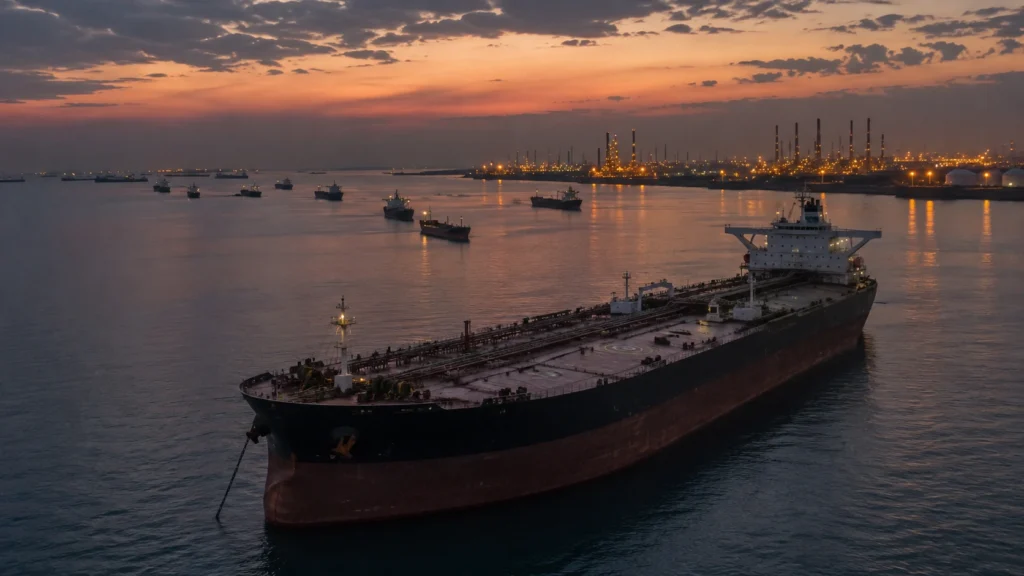
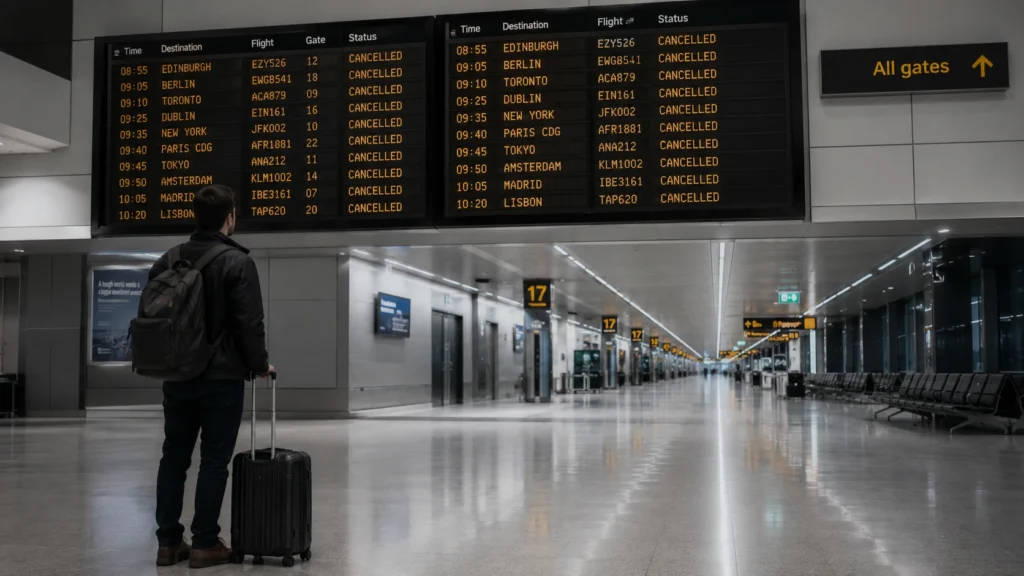
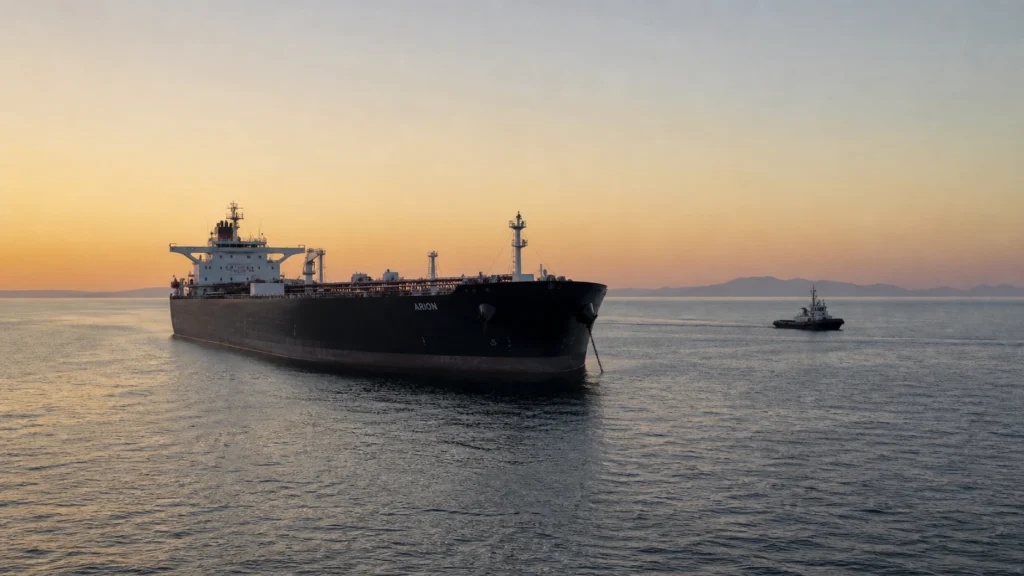
The LNG cargo docked on Thursday. By Friday morning, the power minister was on television, declaring the end of a month-long loadshedding period. No more rolling blackouts. No more seven-hour outages. The crisis was over.
Then the bill landed.
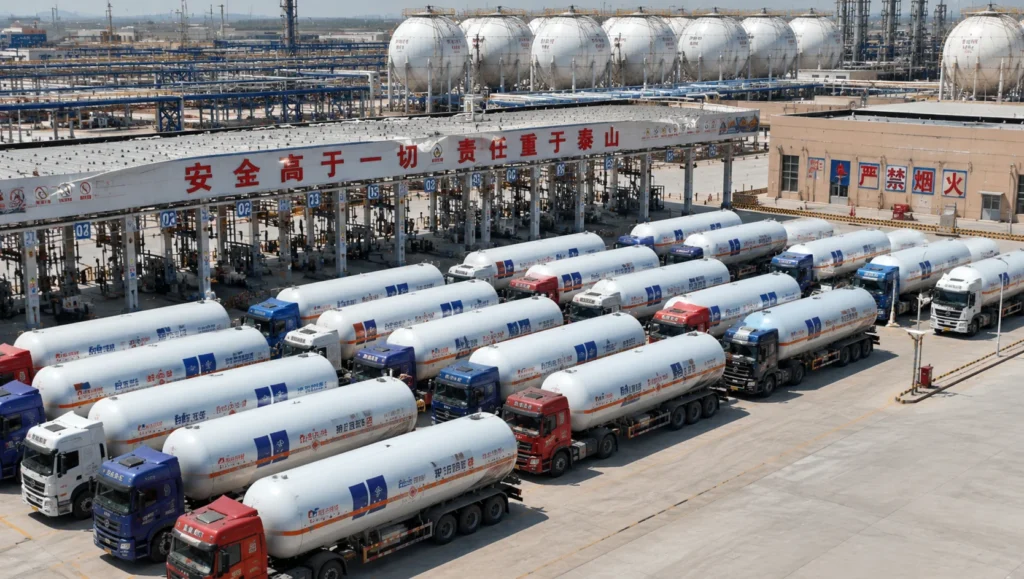
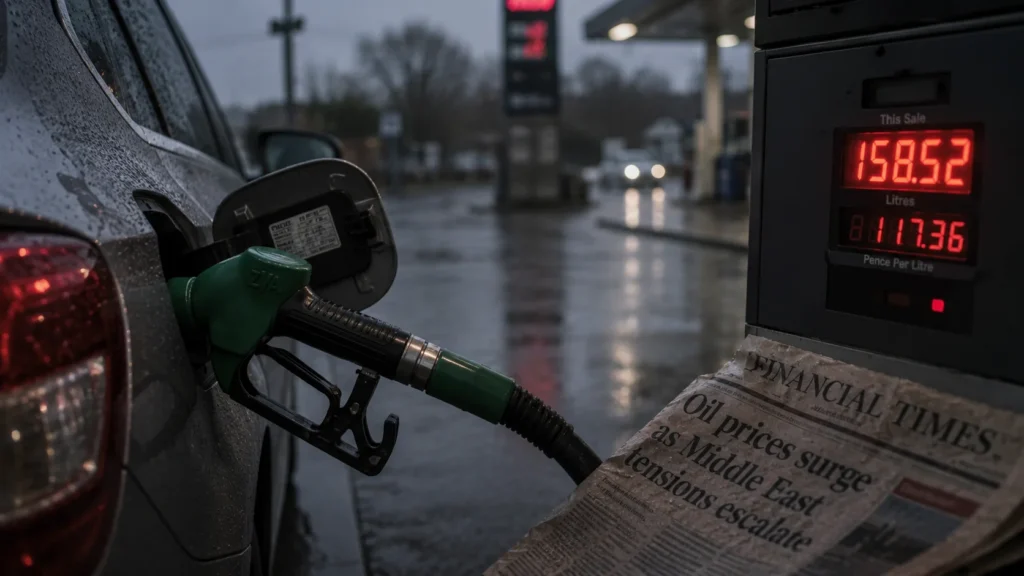
Qatar had declared force majeure. Spot market LNG cost up to $18.88 per million British thermal units. Furnace oil was burned selectively. Diesel was avoided replica watches entirely because it would have made electricity “more expensive.” The government absorbed the cost somewhere on a balance sheet, as a subsidy, or as a deferred payment to a fuel supplier. It will surface eventually.
This is not an energy story. The Core Strategic Tension is Supply Chain Efficiency vs Resilience. Pakistan sourced cheap LNG through long-term contracts. The war in the Gulf severed that supply. The backup plan was the spot replica watches UK market at wartime prices. The lights stayed on. The cost of keeping them on just rewrote someone’s budget.
The supply chain that broke
Pakistan didn’t suffer a generation failure. It suffered a procurement failure dressed as a geopolitical event. The transmission system held. The power plants could run. The fuel just stopped arriving after April 1.
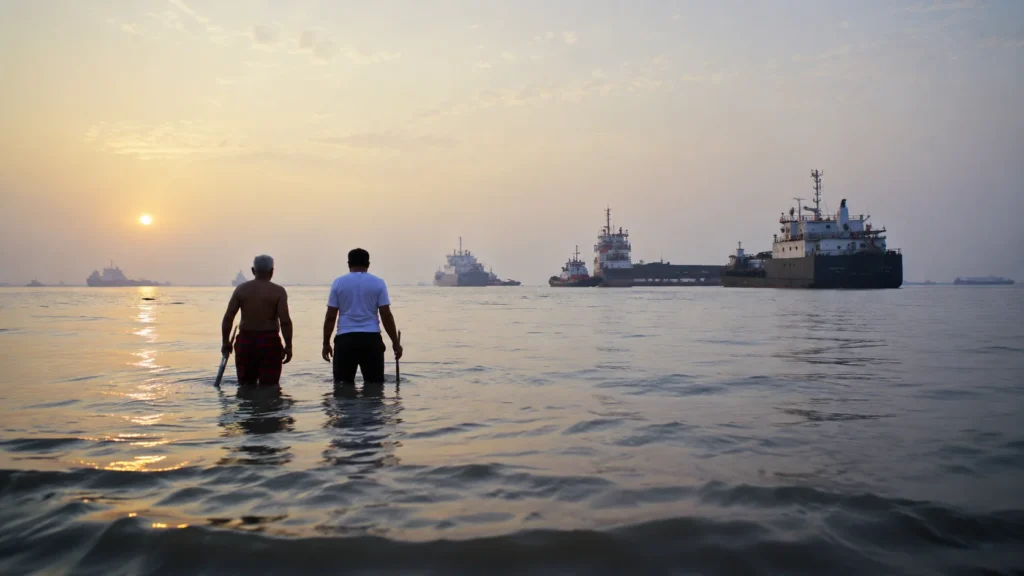
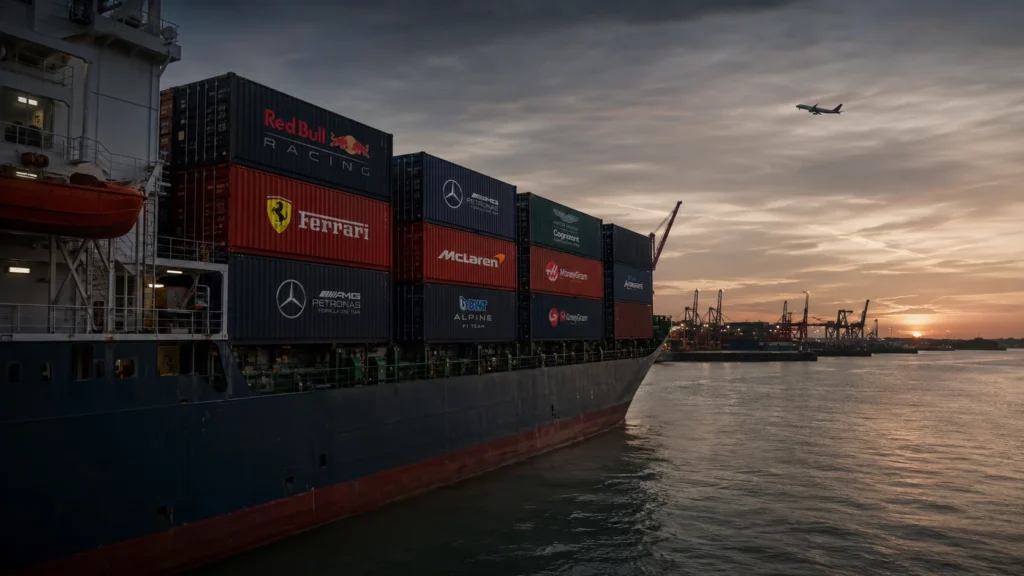
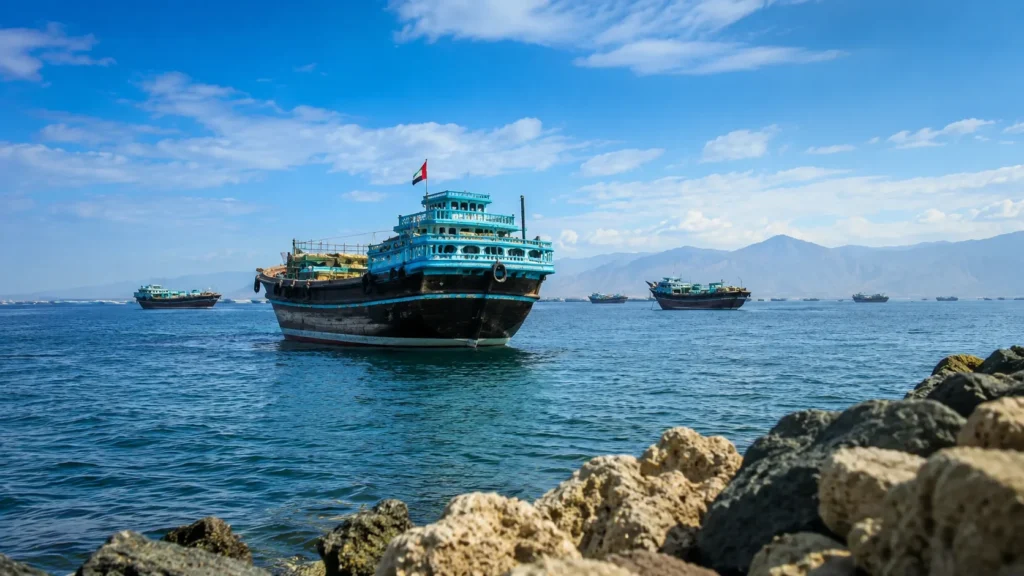
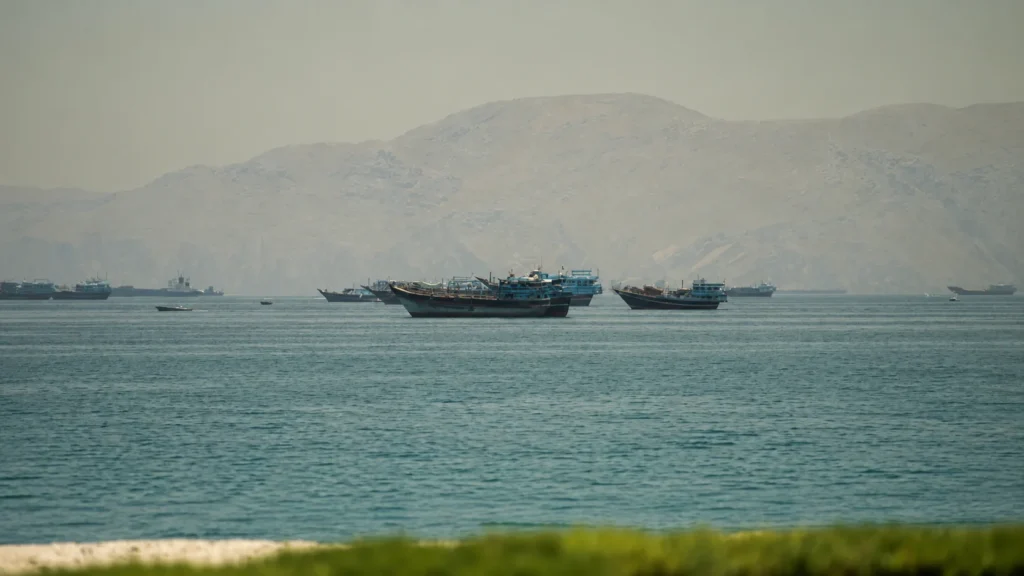
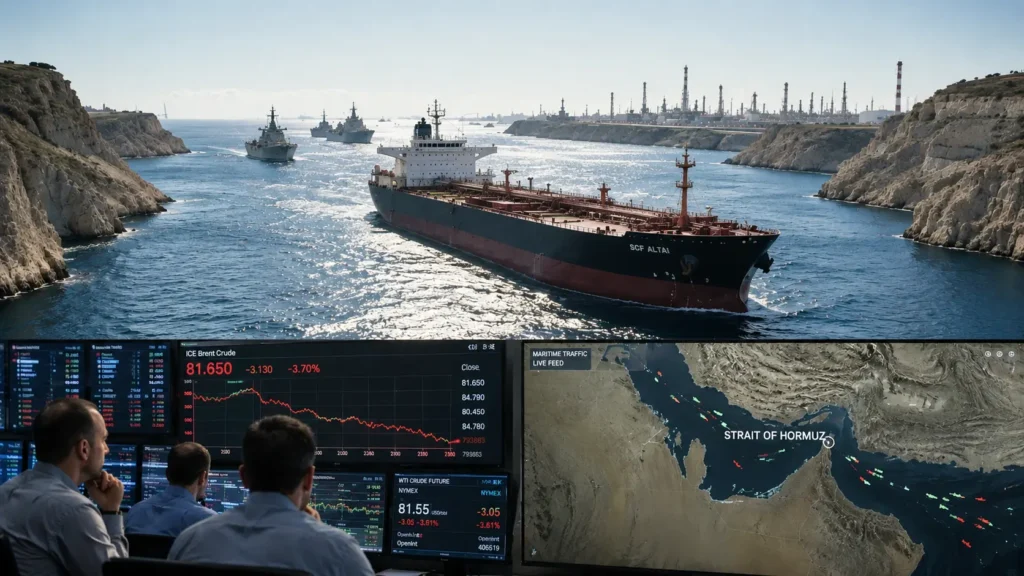
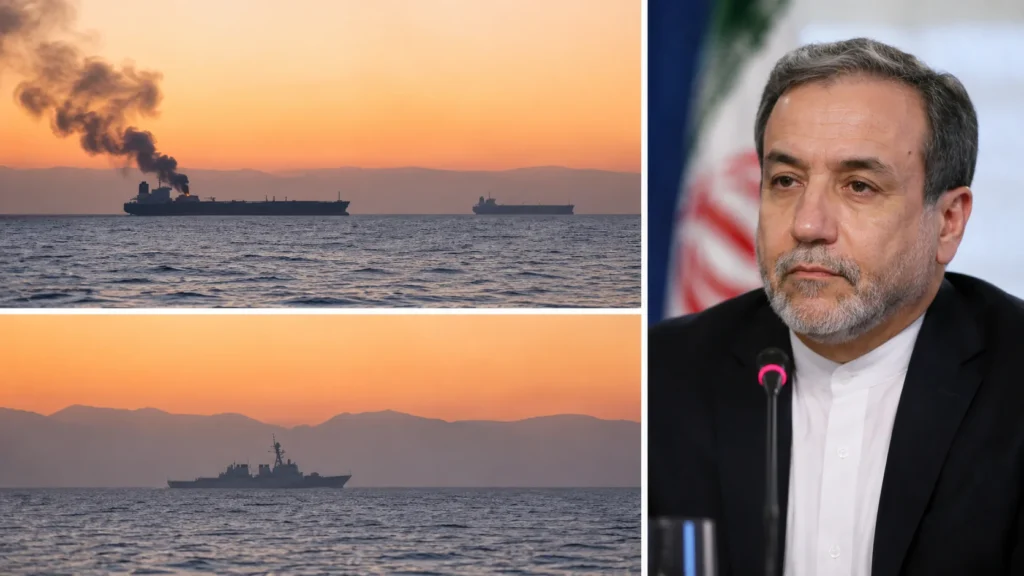
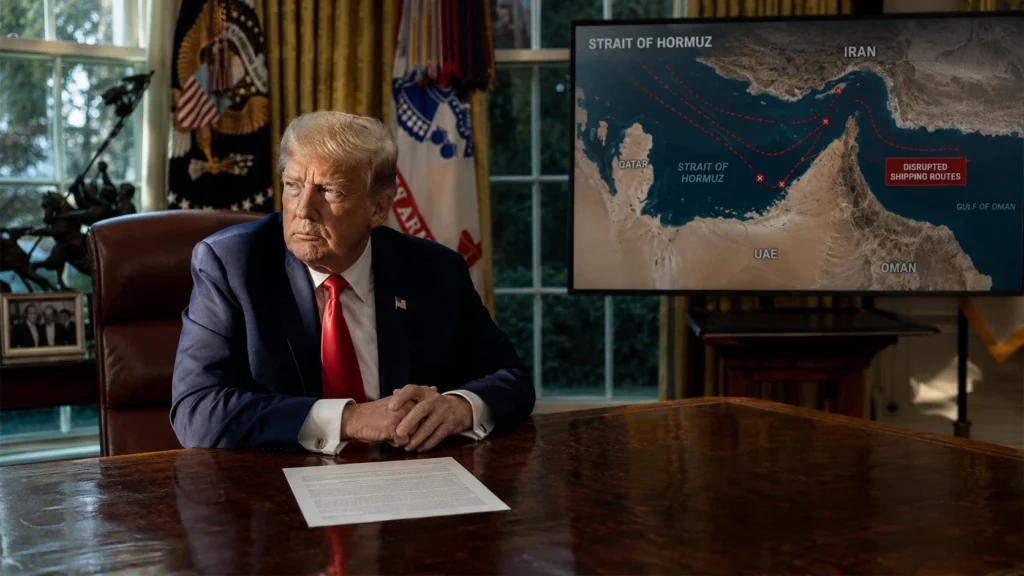
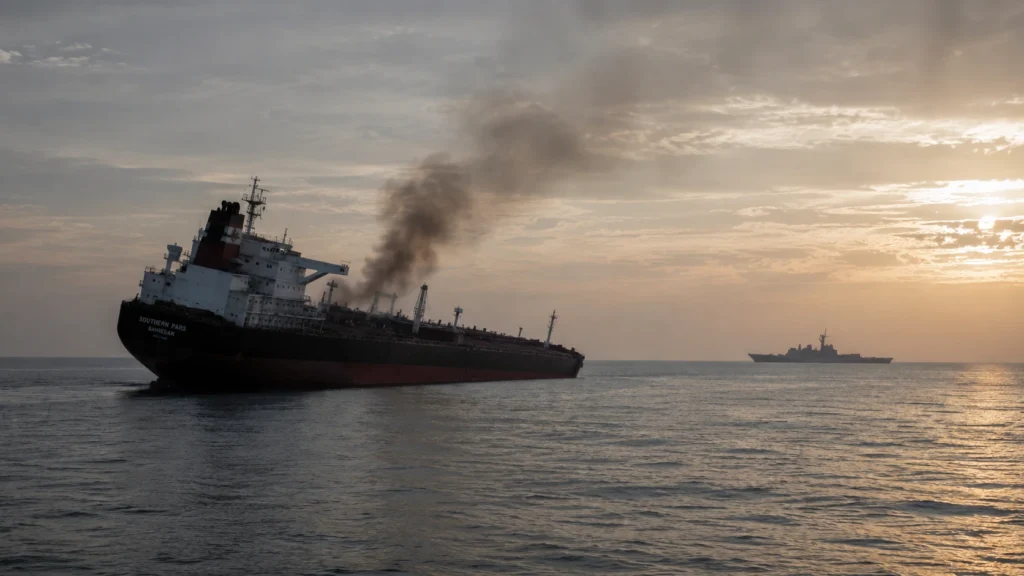
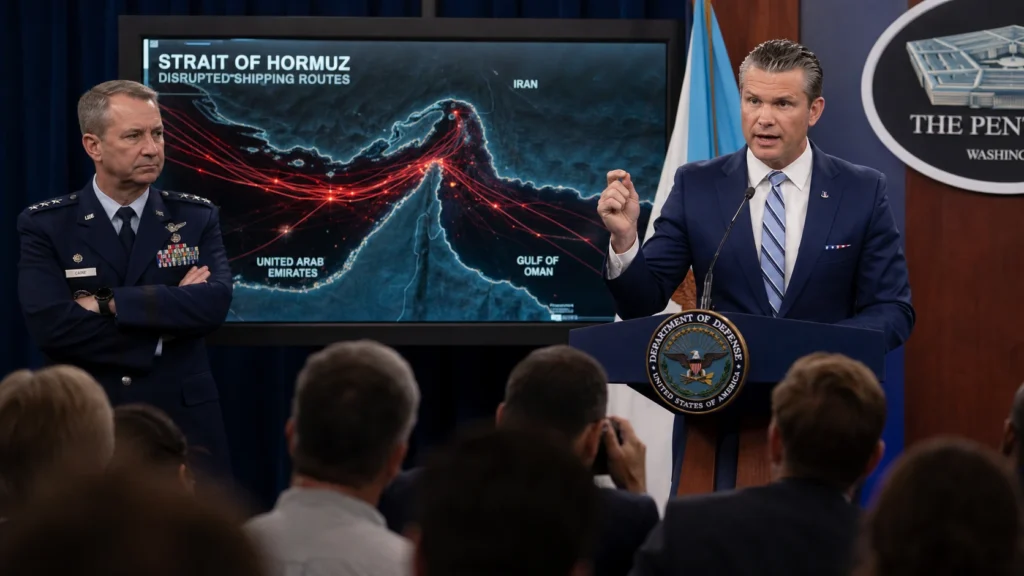
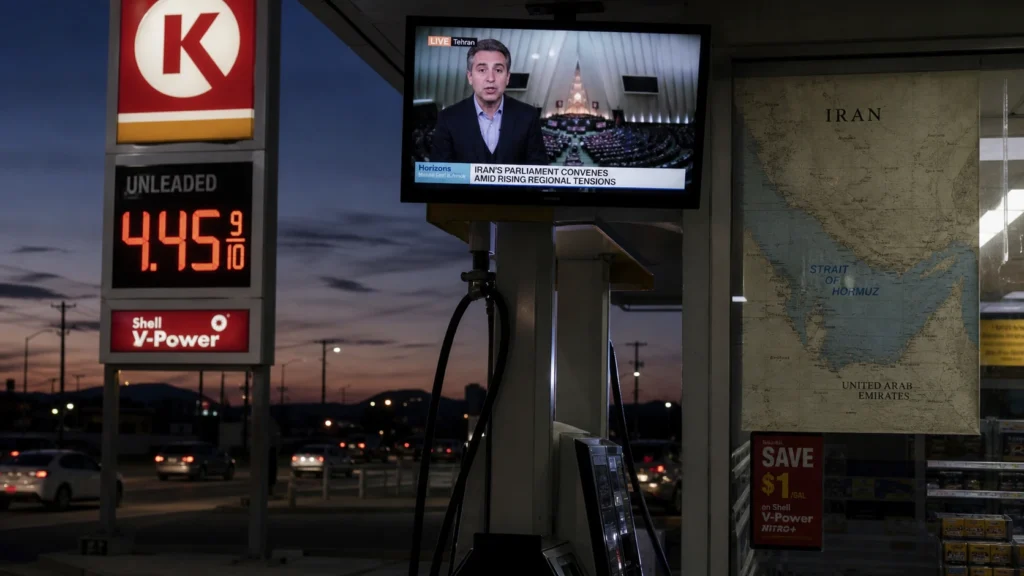
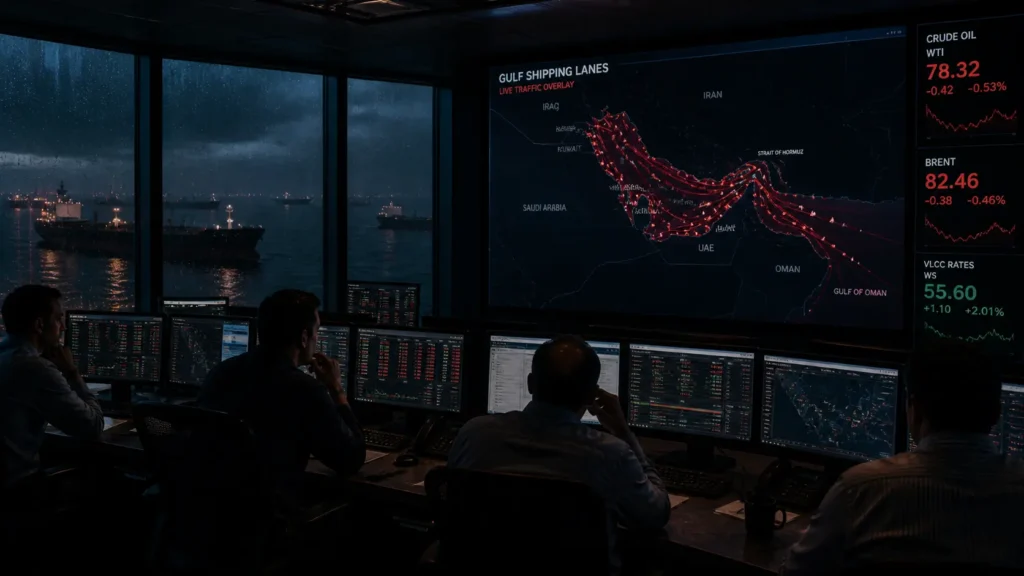
Qatar’s force majeure declaration was the trigger. The US-Iran war closed shipping lanes. Long-term LNG contracts—negotiated at predictable prices, built into affordable electricity tariffs became unenforceable. Pakistan’s energy security rested on a supply chain that assumed the Strait of Hormuz would remain open. It didn’t.
The government’s response was tactically sound. Burn furnace oil selectively. Limit loadshedding to 2-2.5 hours. Buy expensive spot cargoes to bridge the gap. Hydropower replica Rolex generation increased from 1,000 MW to 6,000 MW—an operational feat that received less attention than the blackouts it partially mitigated.
But tactics aren’t strategy. The strategy question remains: what happens the next time Hormuz closes?
The price Pakistan paid
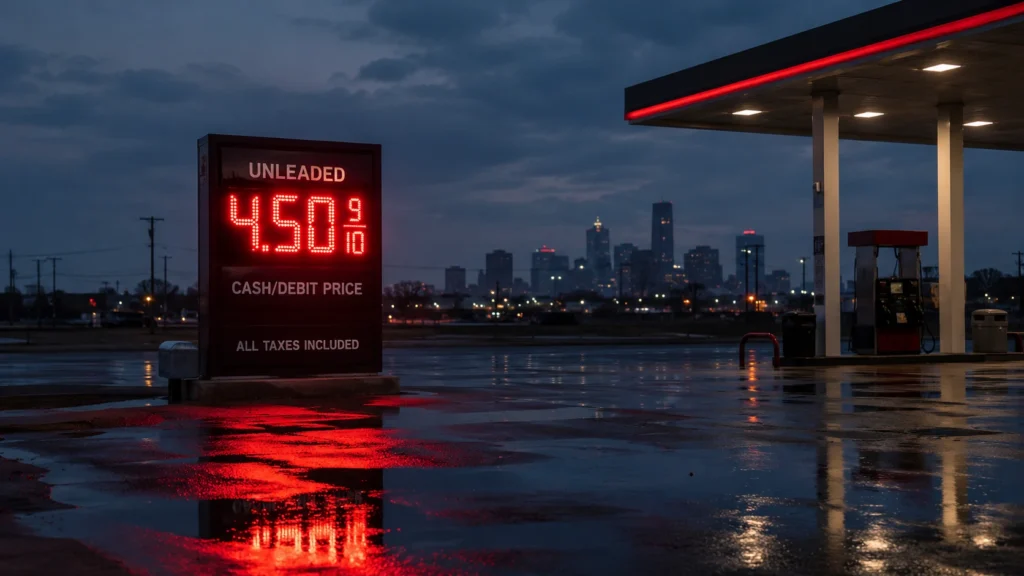
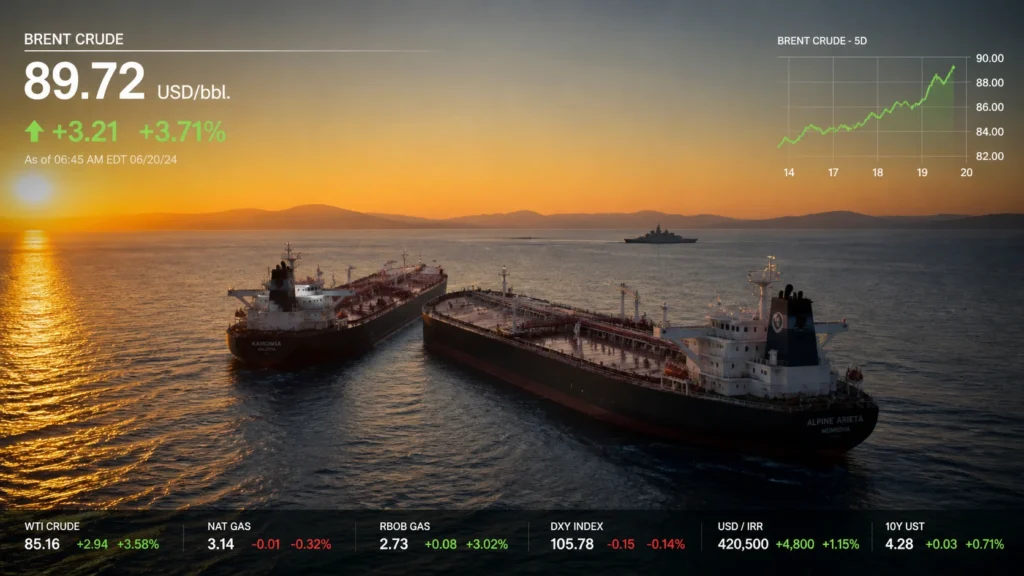
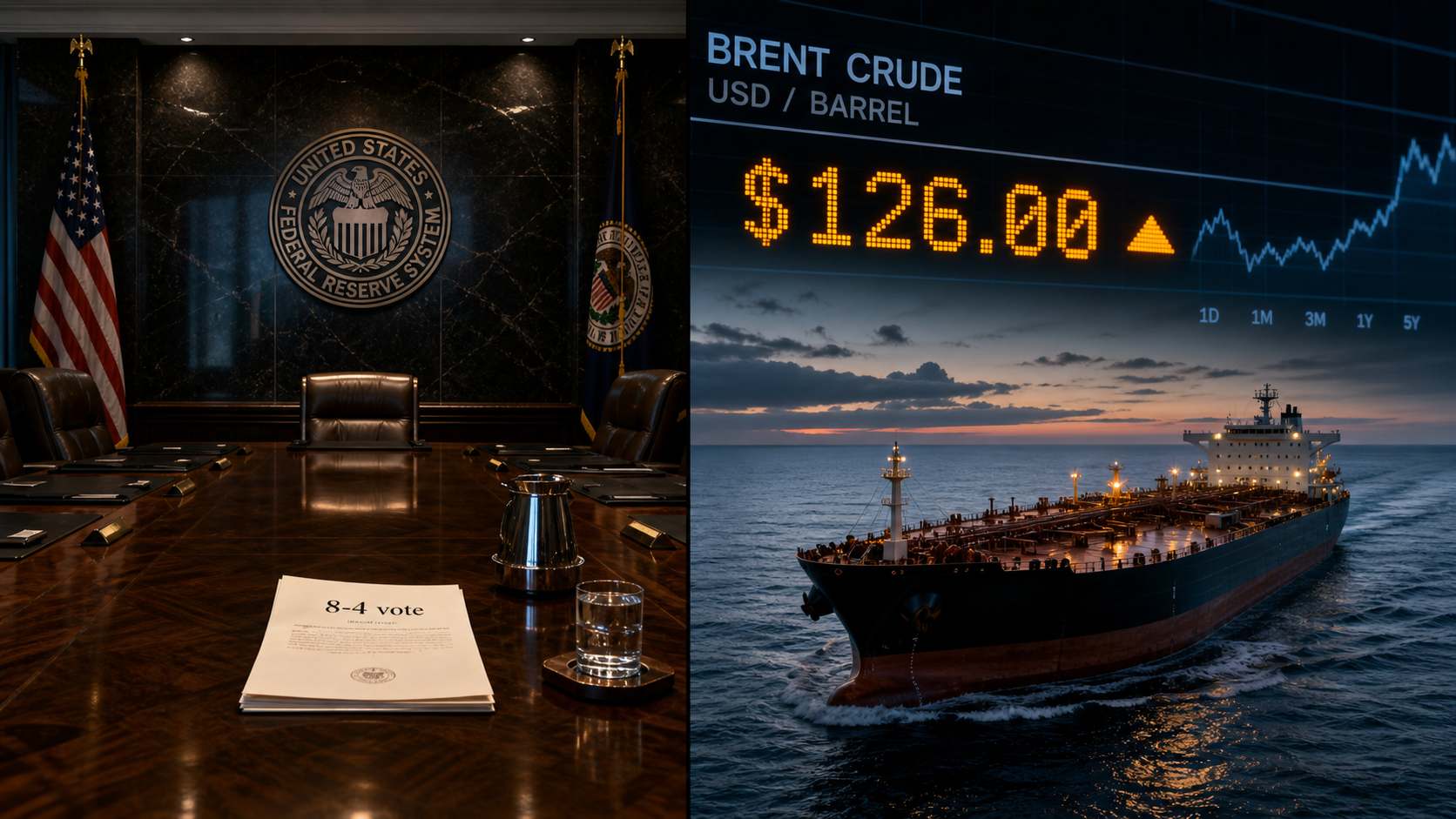
The spot market bids tell the story replica Omega watches in numbers. PLL secured three LNG cargoes at $17.997 to $18.88 per mmBtu. Long-term contracts, by comparison, typically price LNG at $10-14/mmBtu in normal markets. The wartime premium was roughly 50-80%.
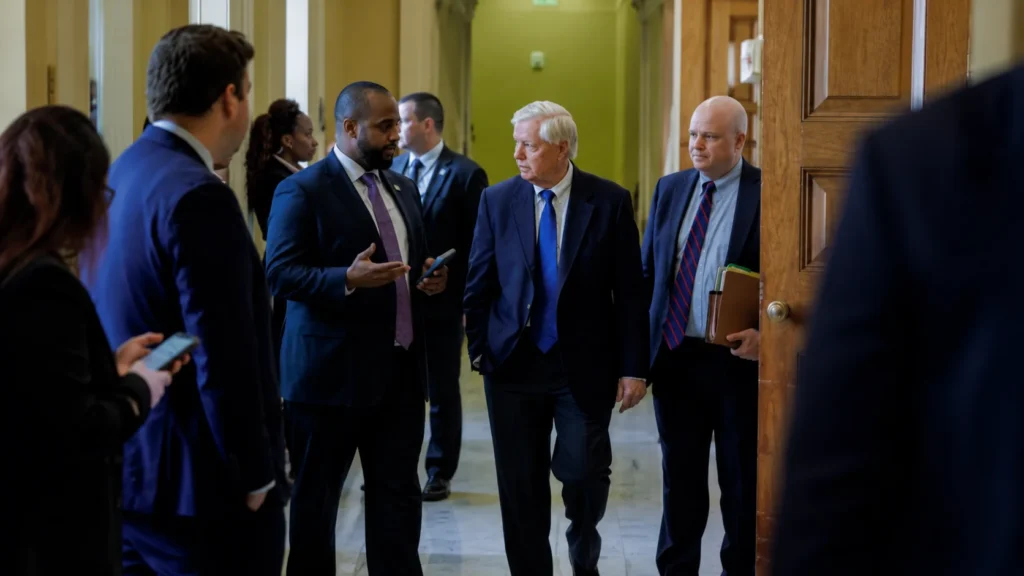
The government chose not to pass that premium to consumers. “Using diesel or furnace oil would have made electricity more expensive,” Leghari said. Instead, the government absorbed the differential through subsidies, deferred payments, or budget reallocations. The exact mechanism wasn’t disclosed. The press conference didn’t invite the question.
This is the quiet cost of the crisis. Not the blackouts. The fiscal damage hasn’t been calculated yet. The debt that hasn’t been assigned. The future Rolex replica watches tariff adjustment will eventually close the gap between what electricity costs to produce and what consumers pay.
The resilience illusion
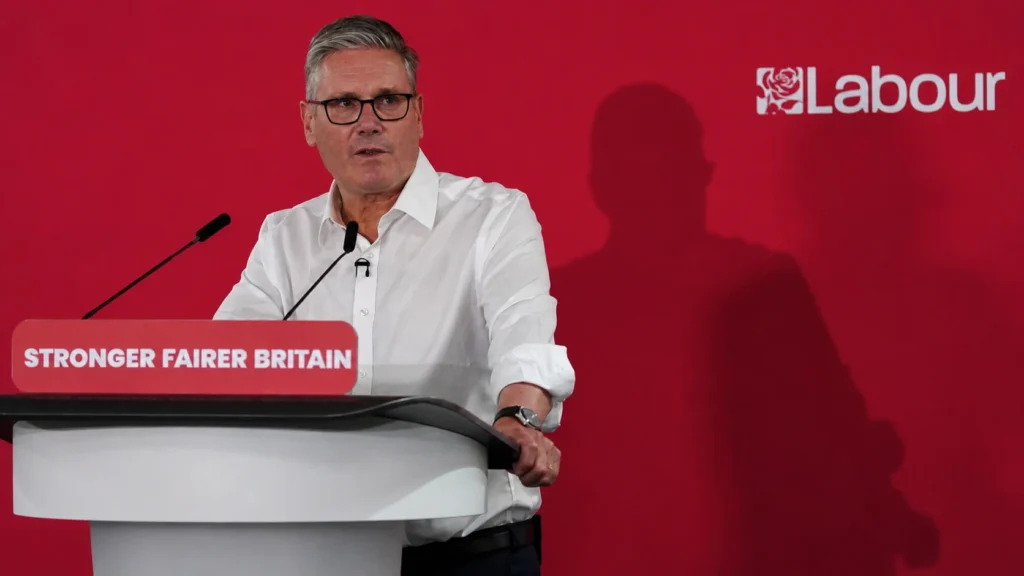
Leghari framed the resolution as proof of competent crisis management. “The outages were caused by a gas shortage linked to the war,” he said, “not incompetence replica watches or system failure.” The distinction matters politically. The government wants credit for solving a problem it attributes to external forces.
But calling a supply chain disruption “external” is a choice. Pakistan’s energy infrastructure is designed around imported LNG. That’s not an accident. It’s a strategic decision, one that prioritizes efficiency (cheapest available fuel) over resilience (multiple redundant sources). When the cheap fuel stops flowing, the system doesn’t adapt. It collapses into spot-market desperation.
The resilience would look different. Domestic gas production investment. Accelerated hydropower and solar deployment. LNG storage capacity that buffers against supply disruptions. These are multi-year capital allocation decisions. They’re not made during a crisis. They’re made during the years preceding one, when prices are low, and urgency is absent.
What happens next summer
The power minister promised no further loadshedding. He expressed hope that the transmission system would withstand peak summer demand. That’s the official line.
The operational reality is less reassuring. The first LNG cargo arrived. More are coming. But peak summer hasn’t hit yet. The spot market remains priced for war. Another Hormuz disruption would require another round of expensive fuel purchases. The fiscal space for those purchases isn’t infinite.
Pakistan didn’t solve its energy vulnerability. It survived one episode of it. The structural dependence on imported LNG remains. The long-term contracts that provided price stability are only as reliable as the shipping lanes they transit. The next crisis, and there will be a next one, will start from the same baseline: an energy system optimized for efficiency, not resilience, waiting for a geopolitical shock it cannot absorb.
Strategy Reality Check
“LNG arrived. Loadshedding’s over.”
“At $18.88/mmBtu? What did that cost?”
“They didn’t say.”
“Right. So it’s not over. It’s just deferred.”