

 English








































































































































































































































































US to Withdraw 5,000 Troops from Germany After Merz Criticism

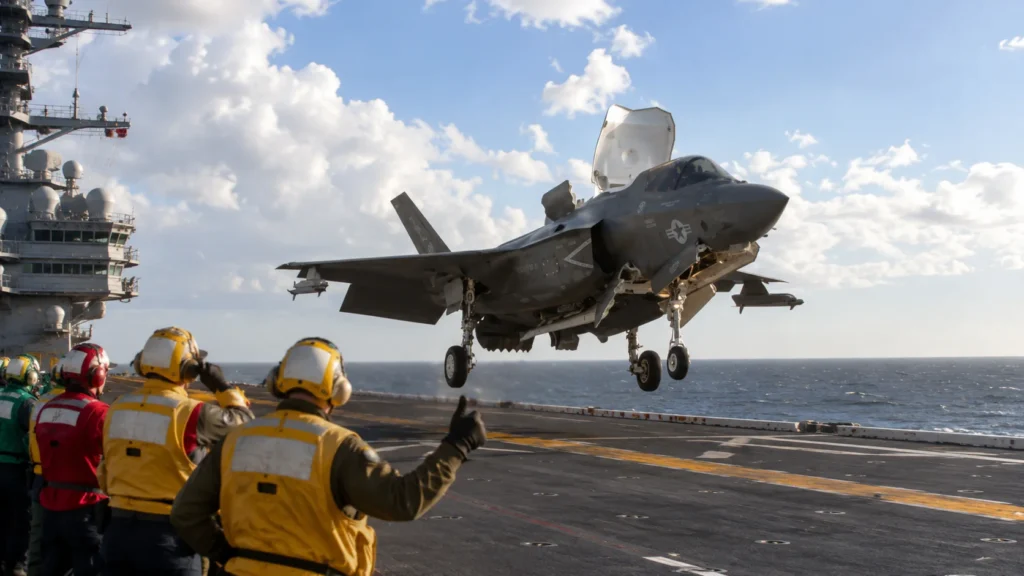
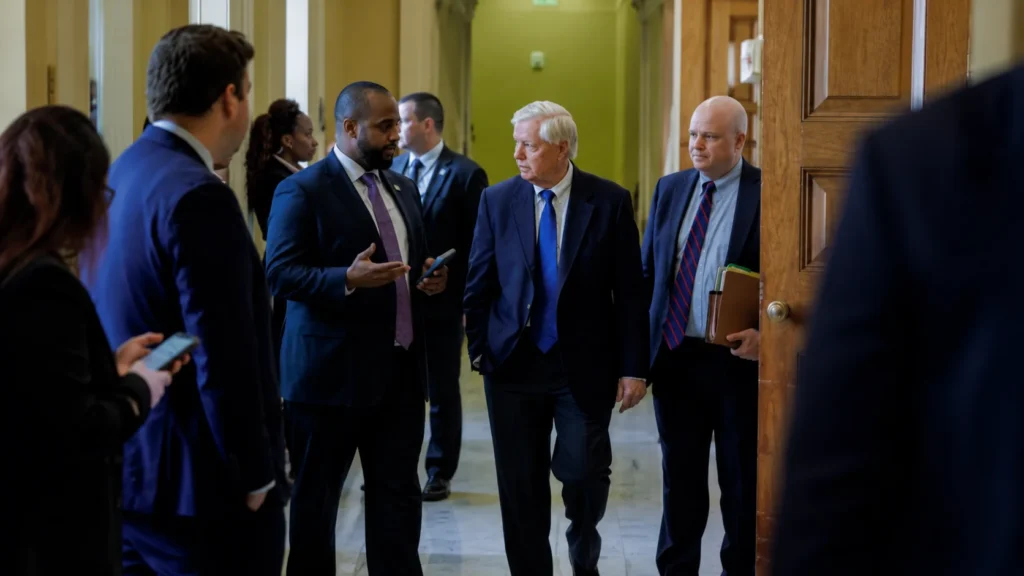
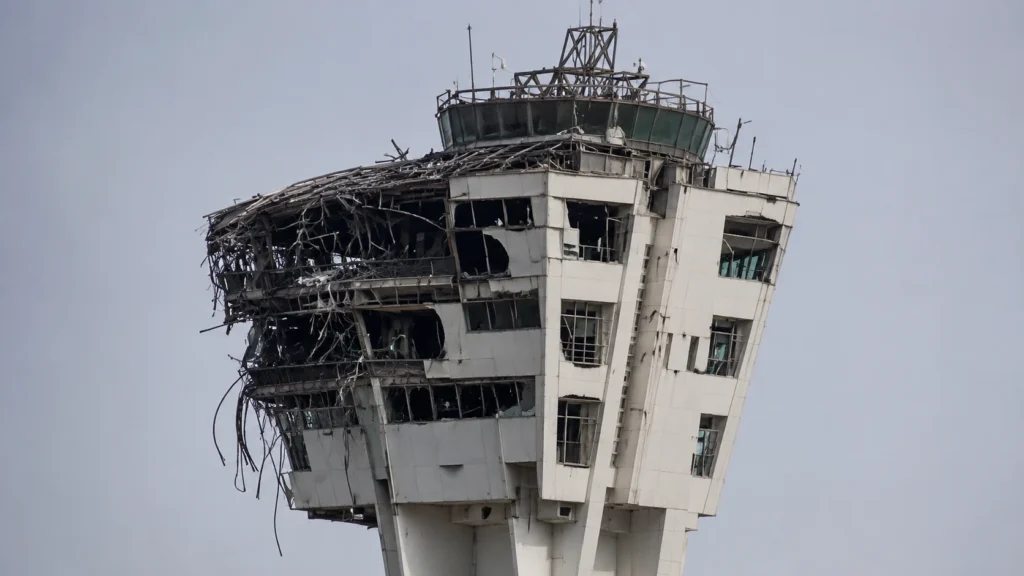
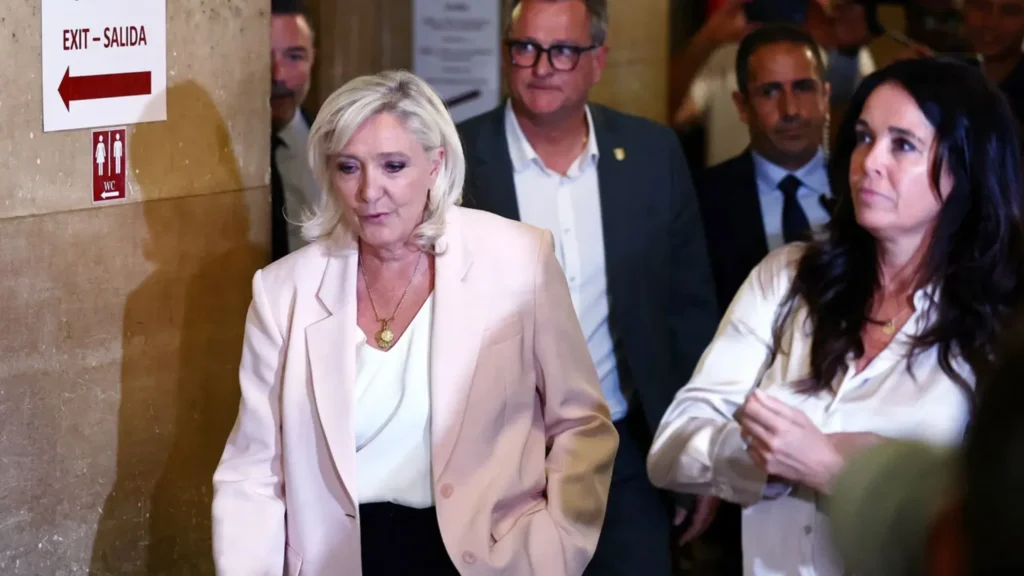
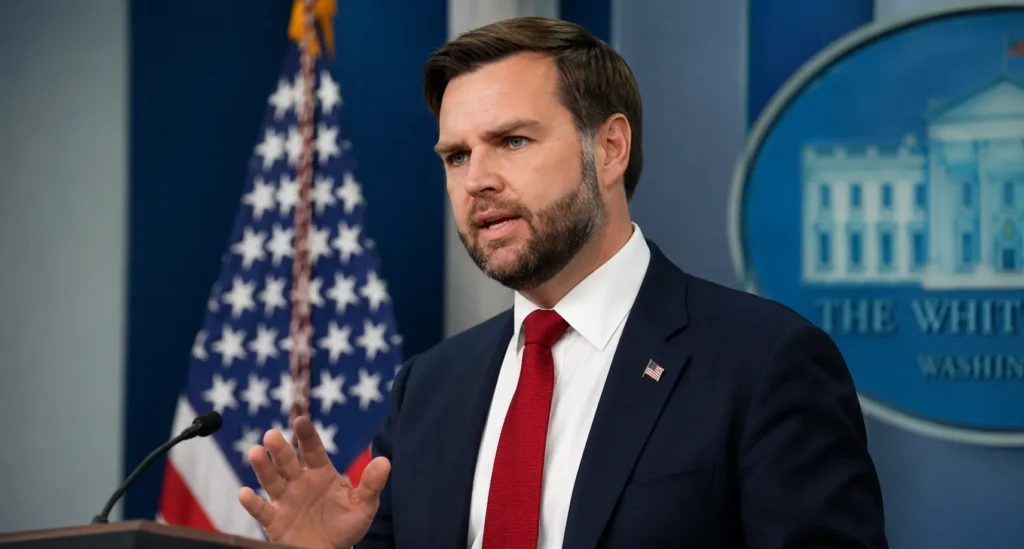
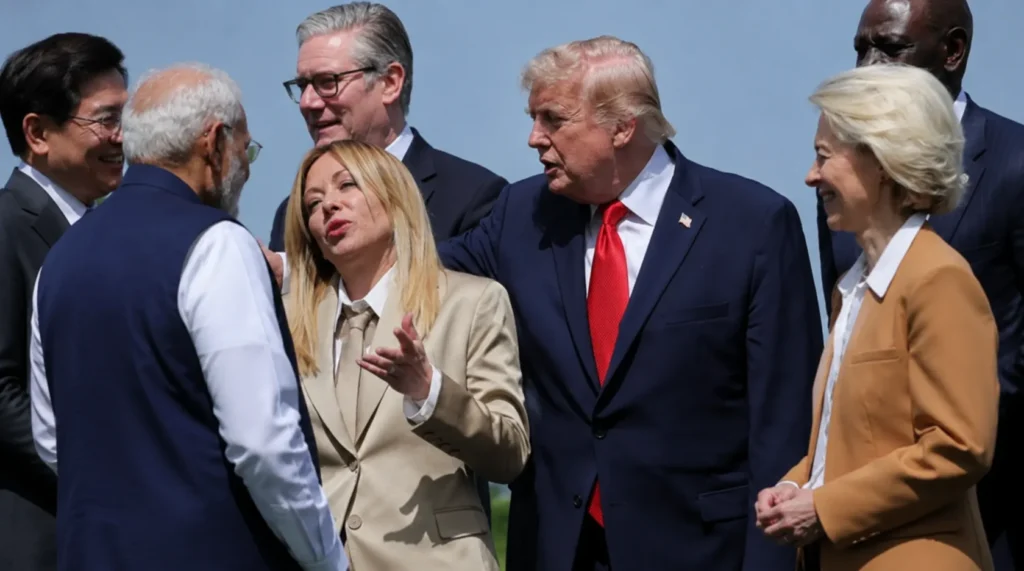
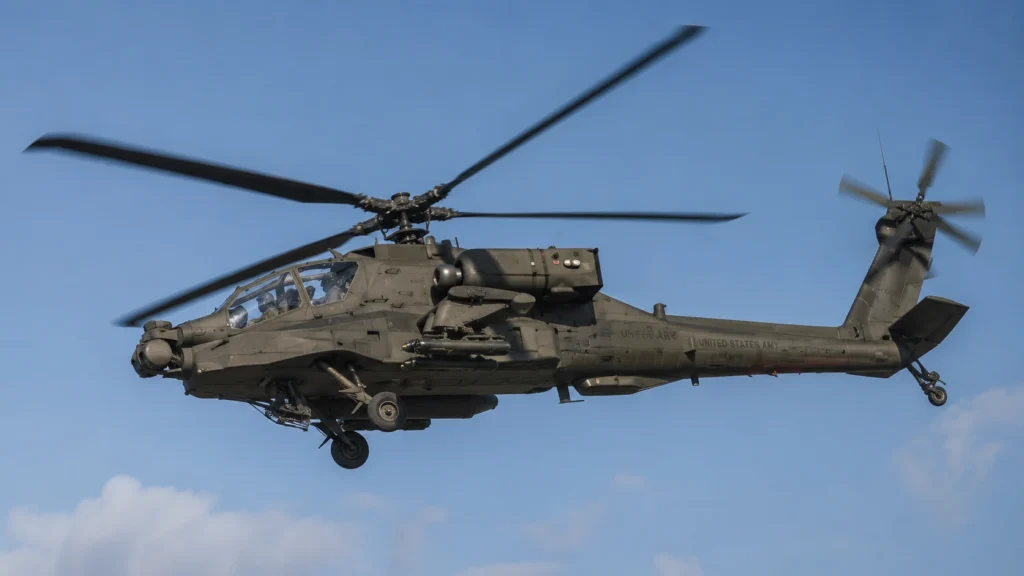
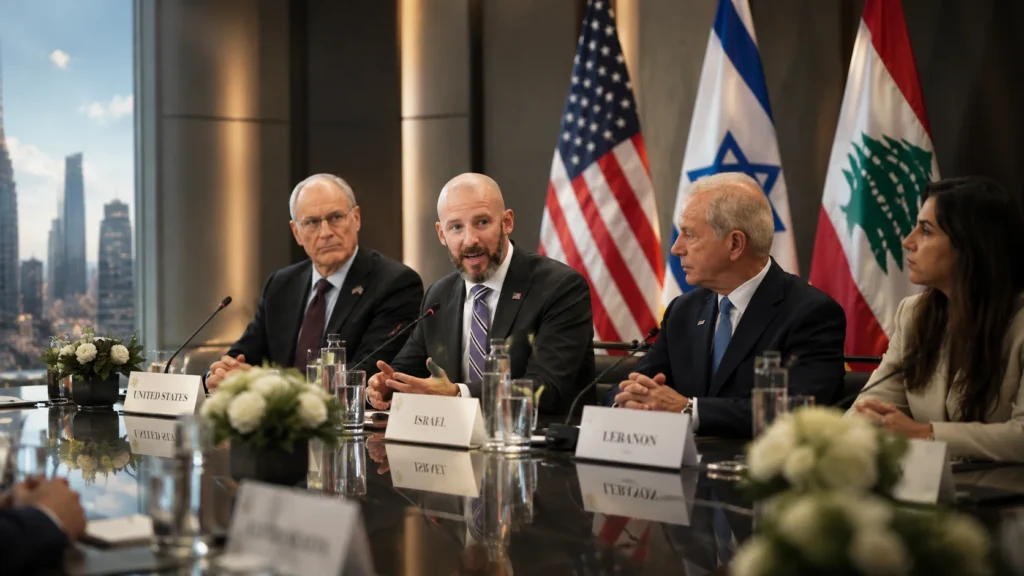
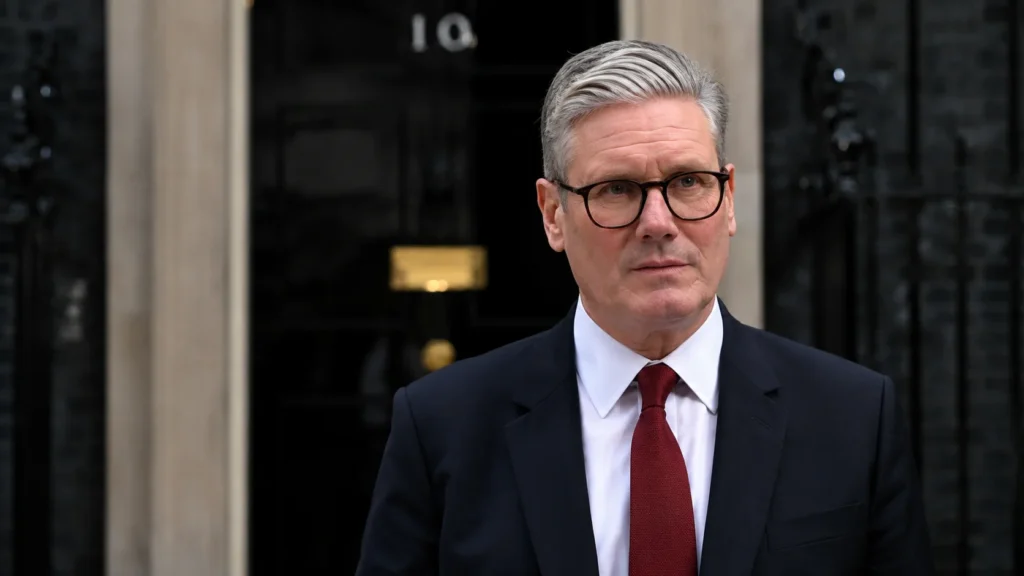
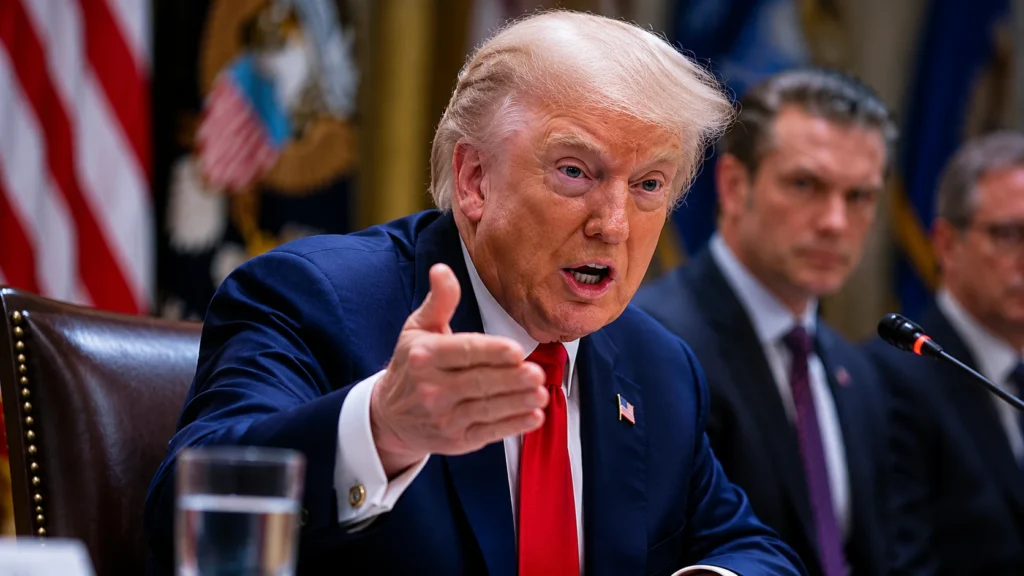
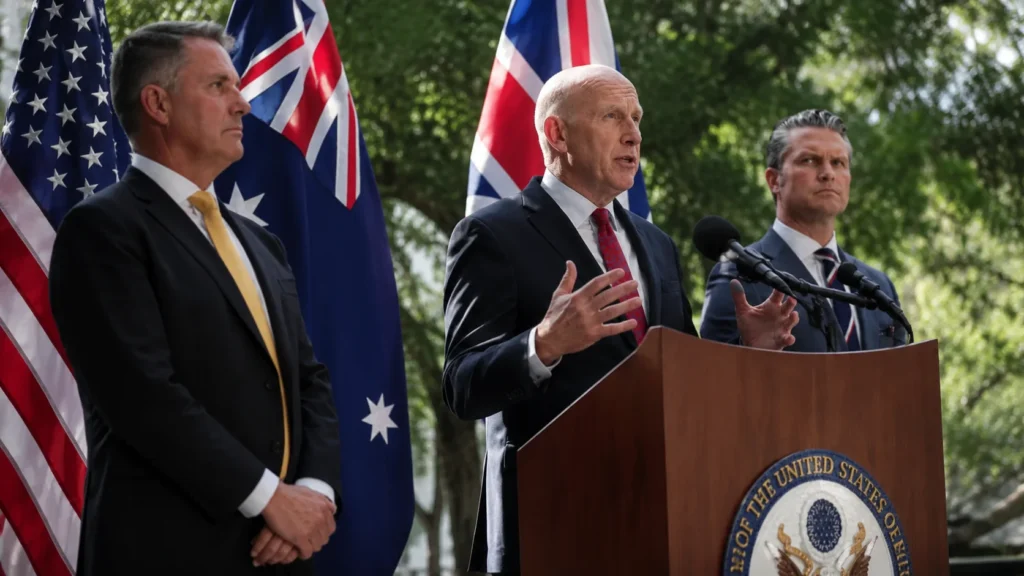
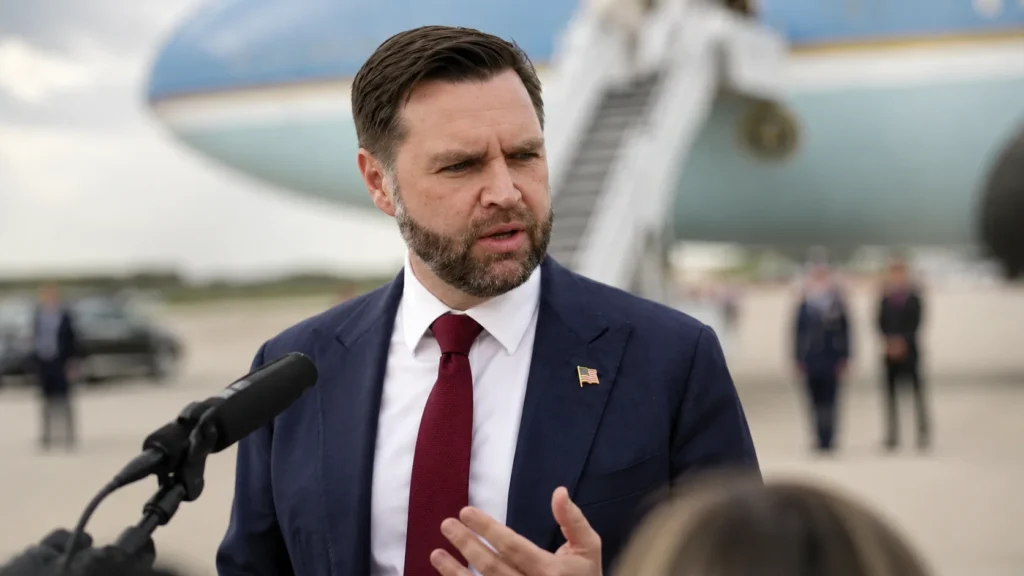
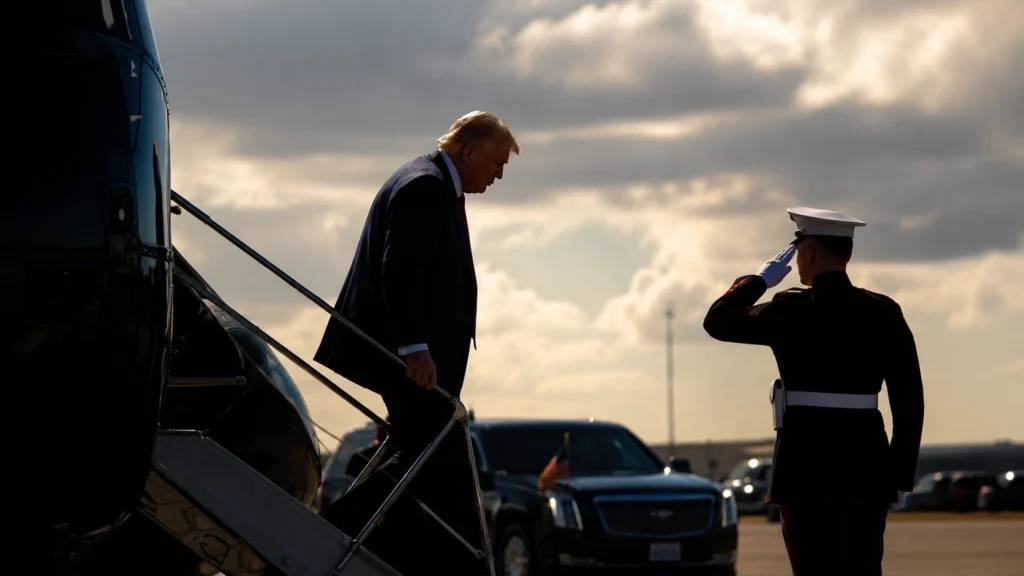
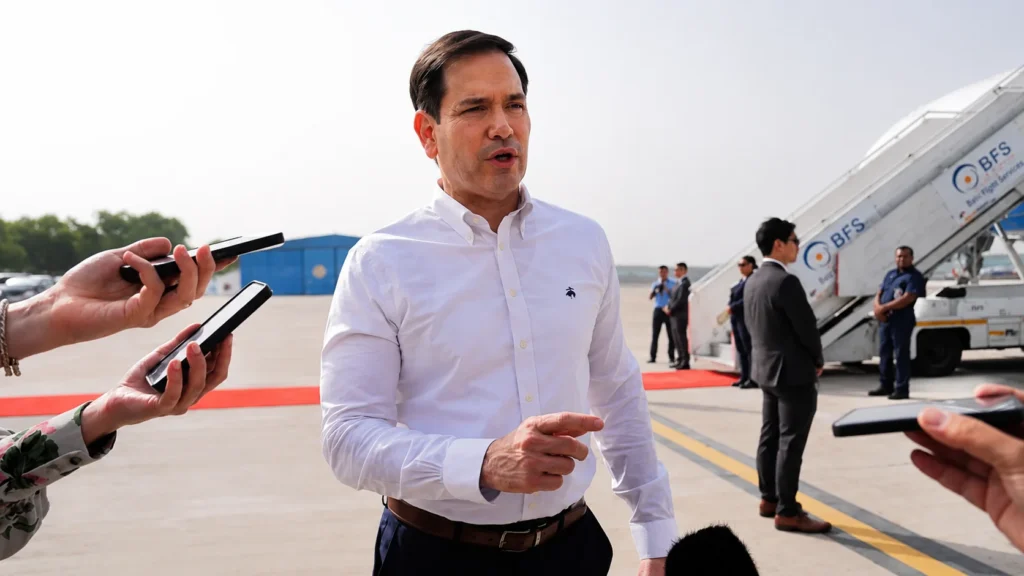
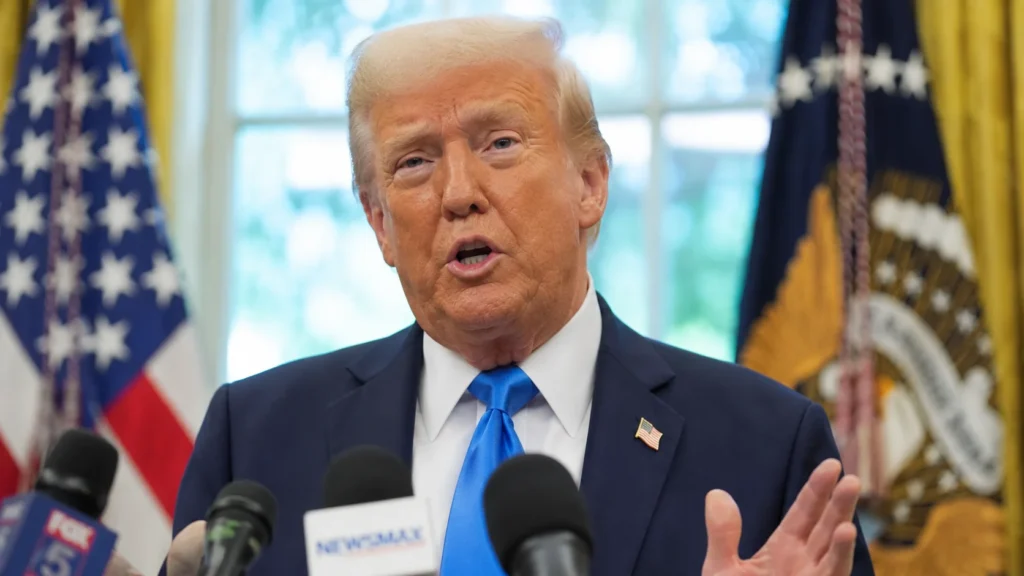
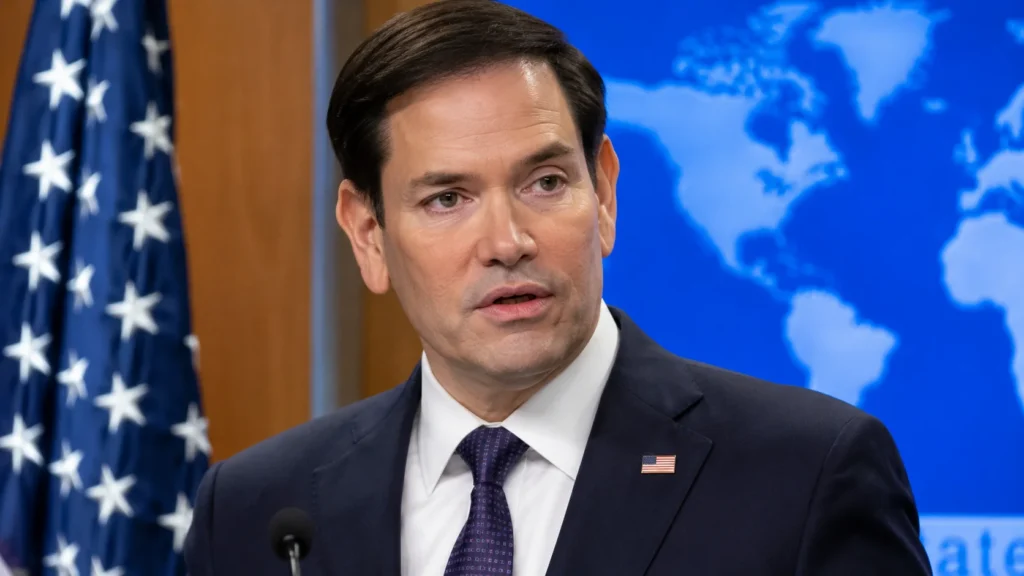
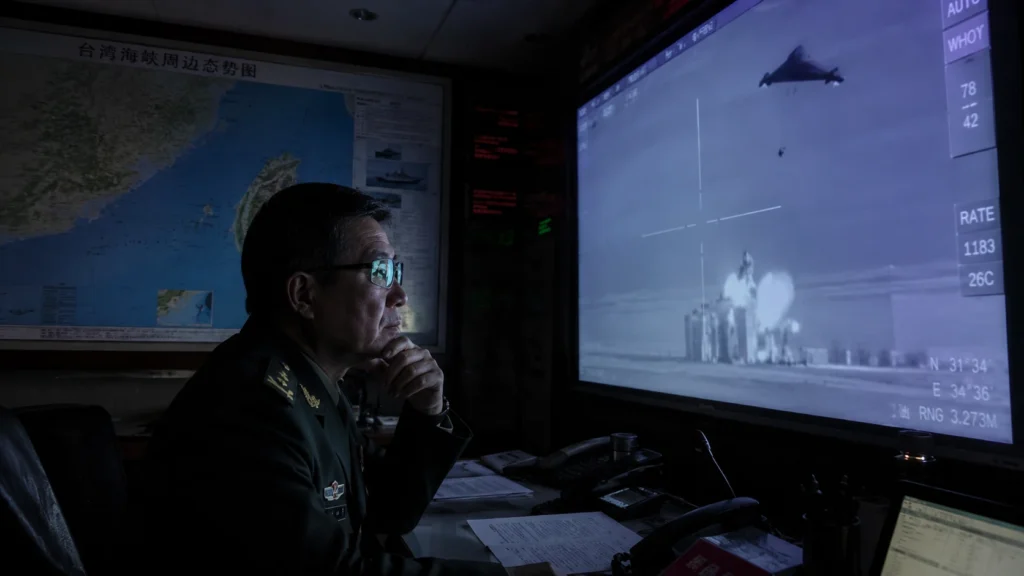
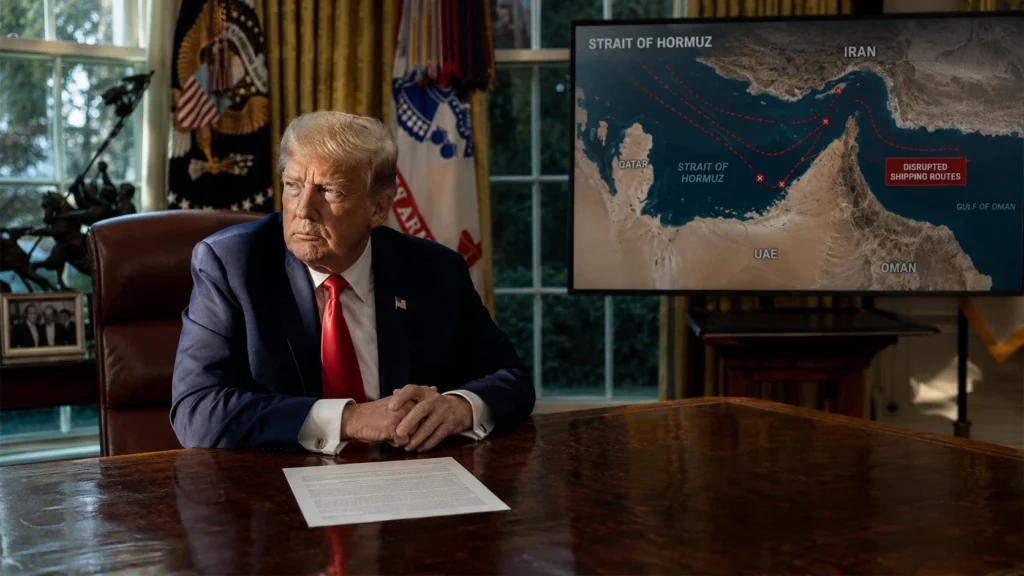
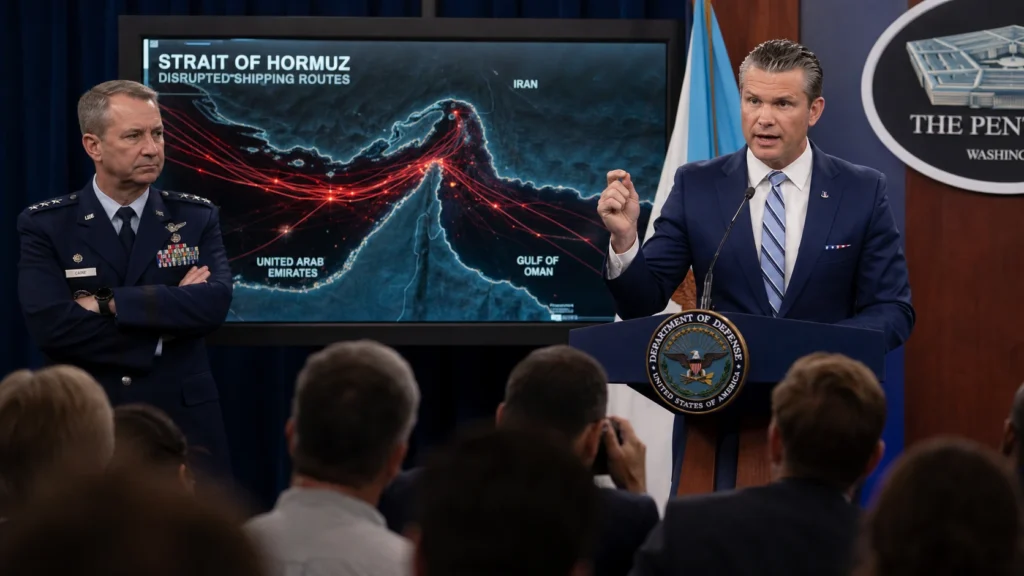
The Pentagon announced plans to withdraw approximately 5,000 US troops from Germany over the next year, days after German Chancellor Friedrich Merz said the United States was being “humiliated” by Iran. Berlin described the move as “anticipated,” signaling that the government had expected a retaliatory response to Merz’s public criticism of American military strategy.
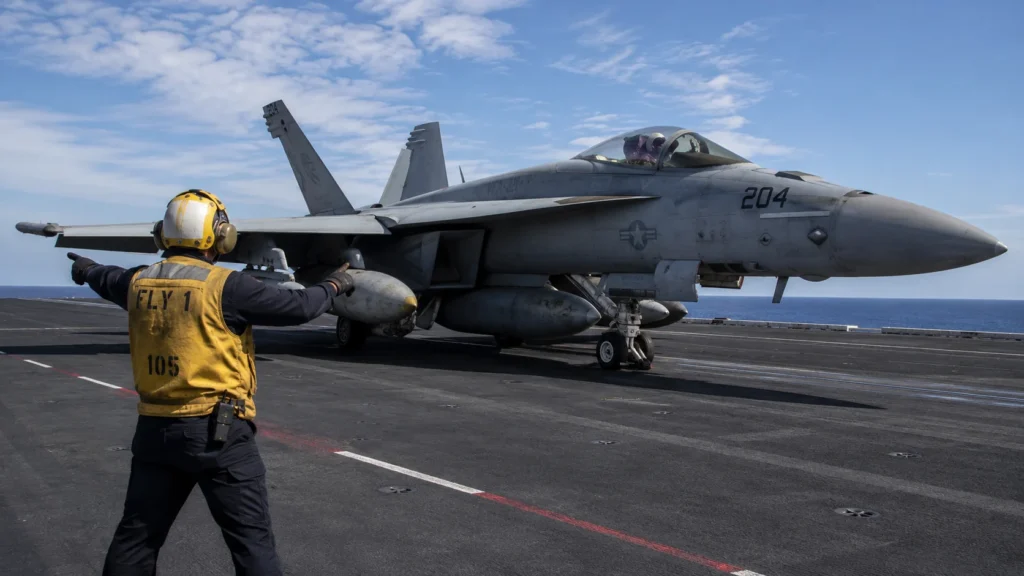
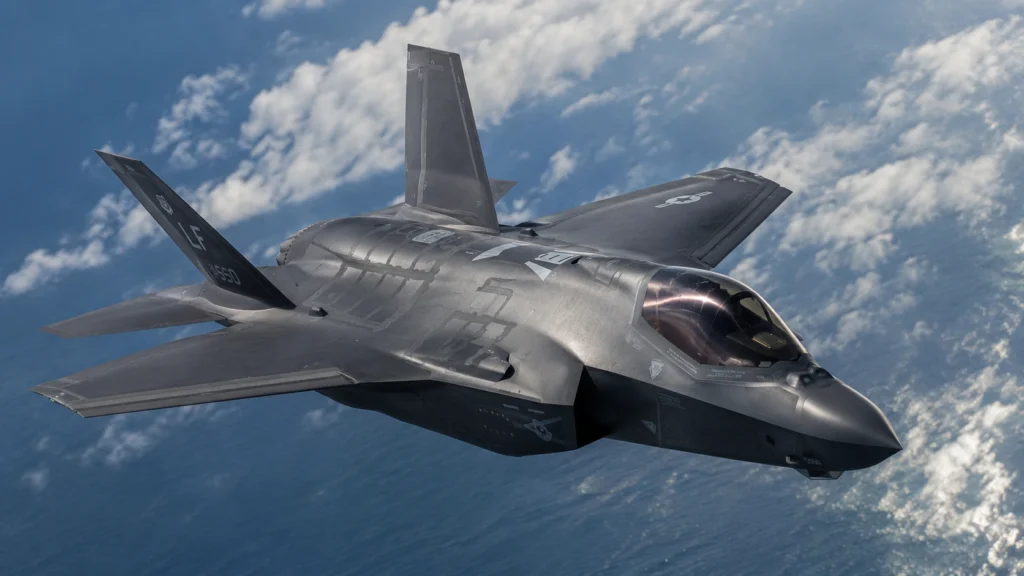
The troop reduction represents about 14% of the roughly 35,000 American forces stationed in Germany, according to Pentagon basing data. The drawdown is expected to unfold over 12 months, providing both governments time for further negotiations.
How a Chancellor’s Criticism Triggered a Troop Withdrawal
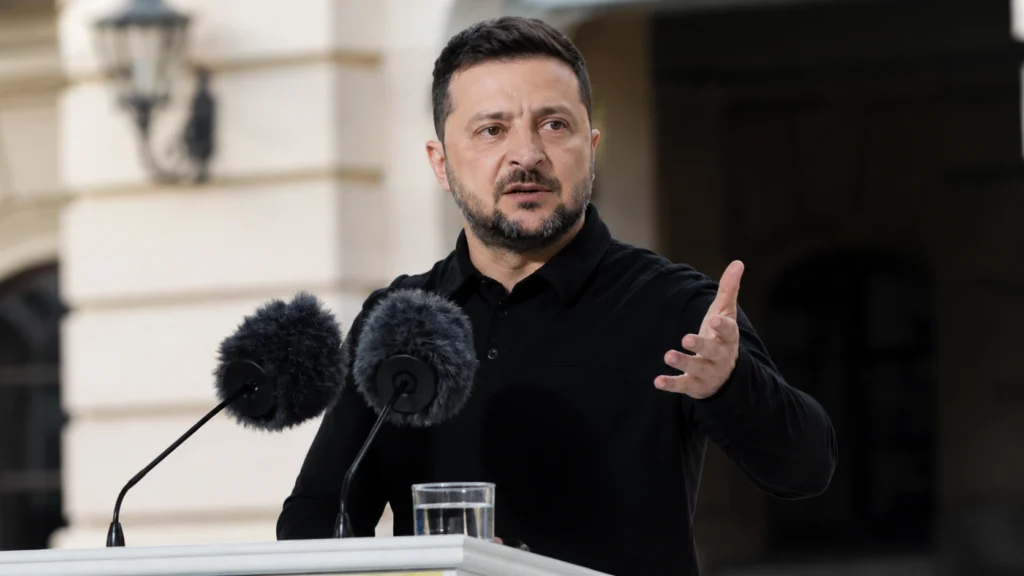
Chancellor Merz’s remarks, delivered during a discussion of the Iran conflict, described the United States as “humiliated,” a deliberate escalation in language from a German leader questioning not only American strategy but American global standing. The verb choice was noted in Washington, according to officials familiar with internal discussions.
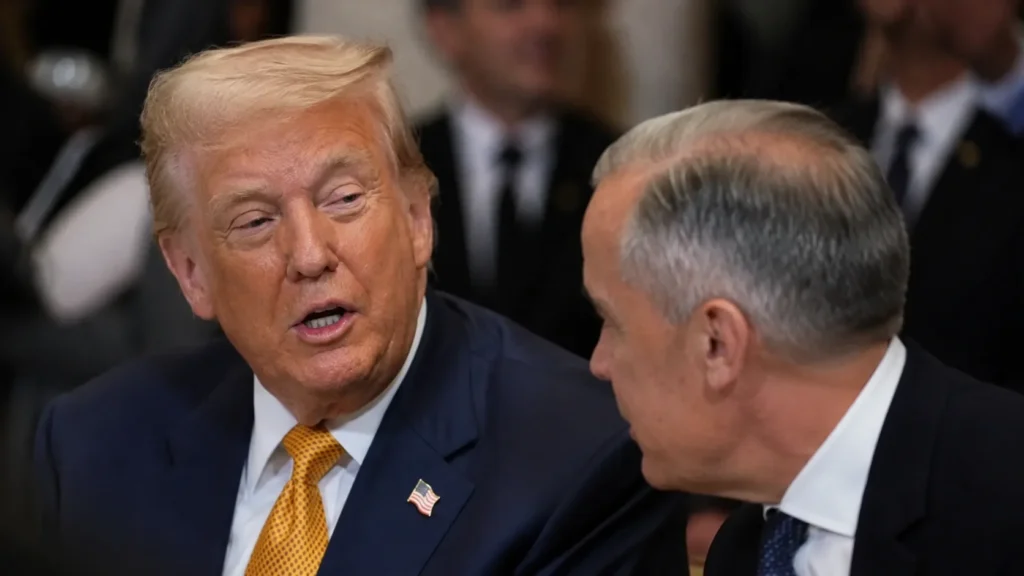
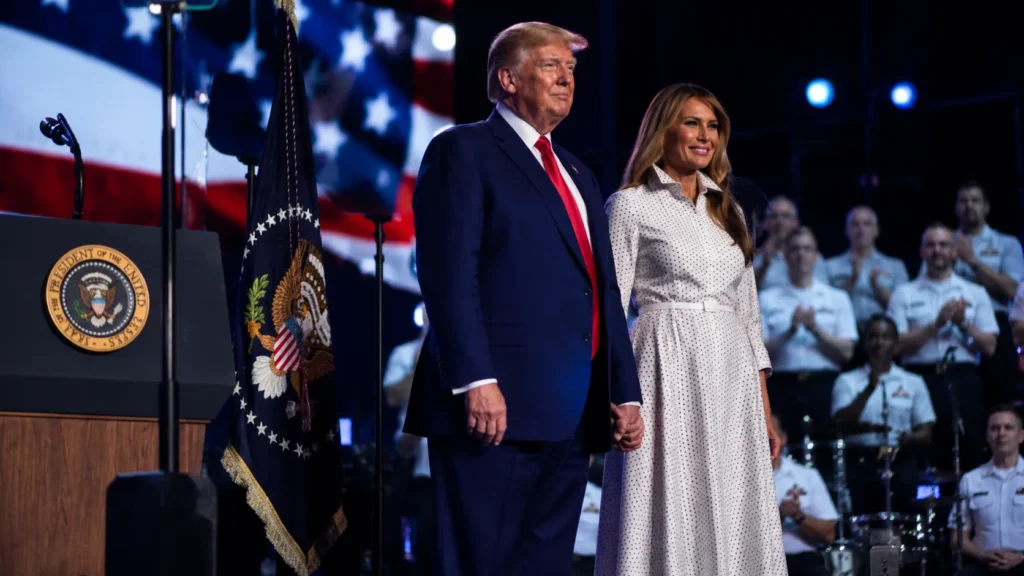
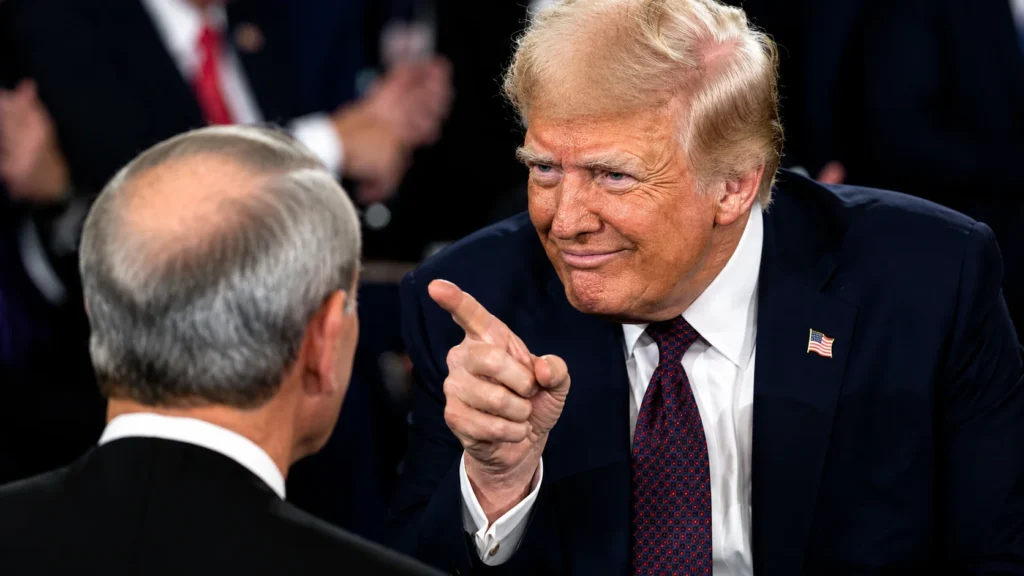
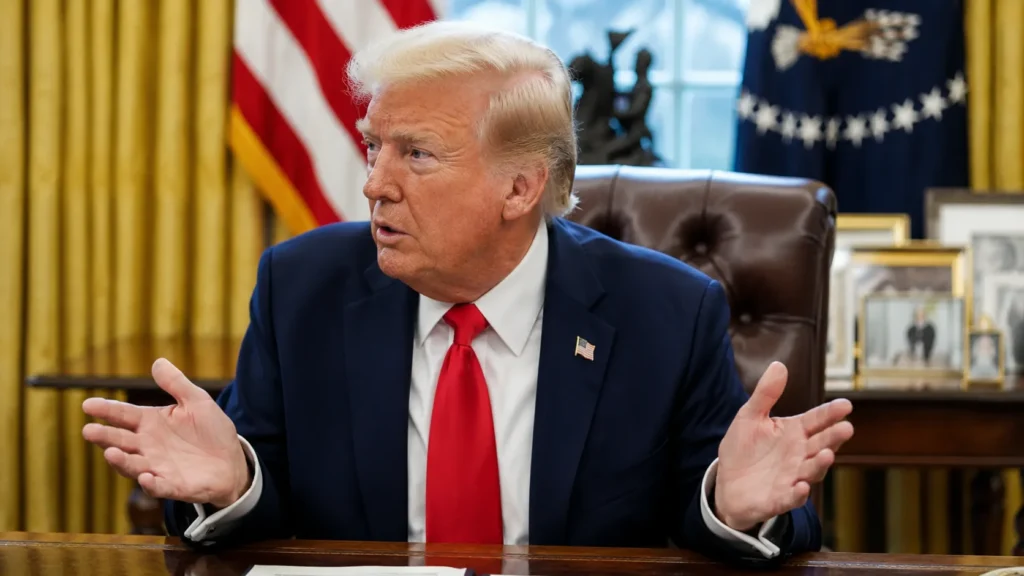
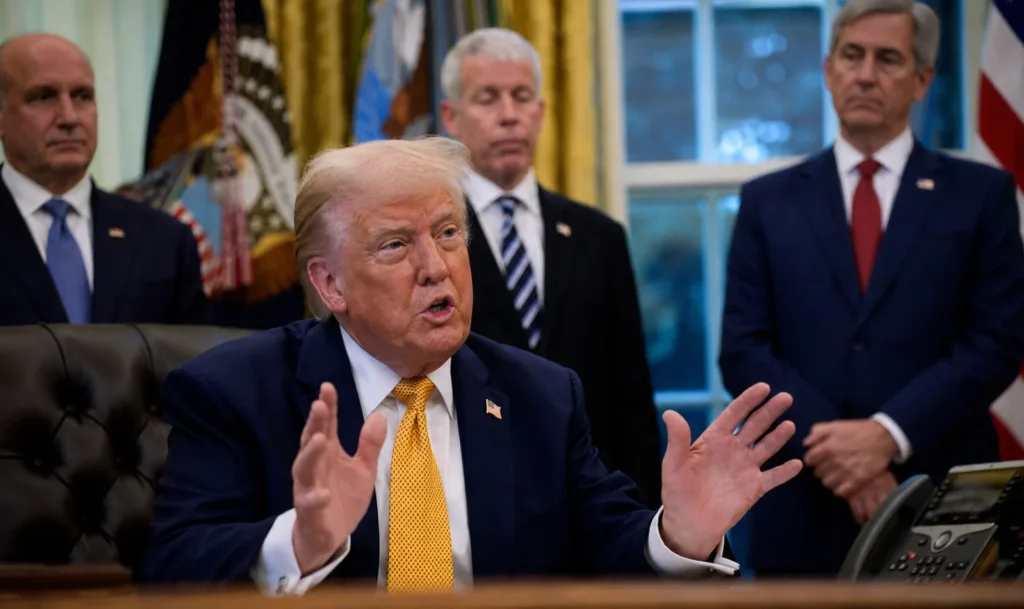
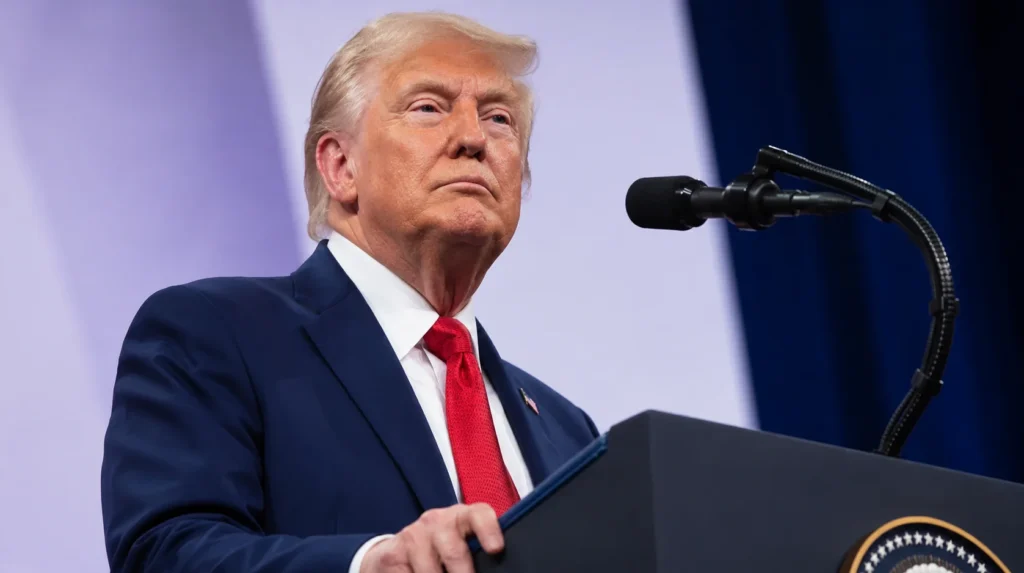
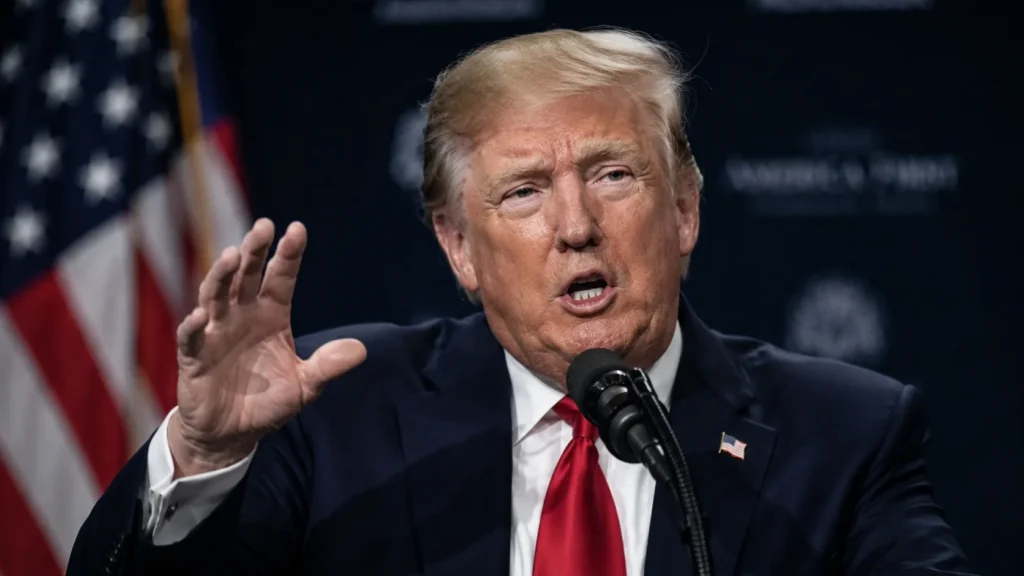
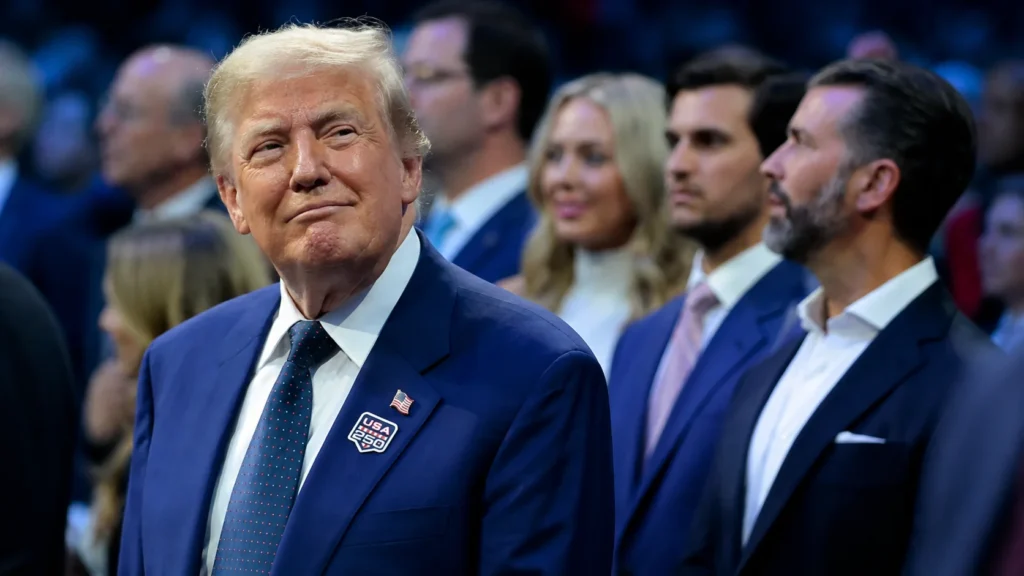
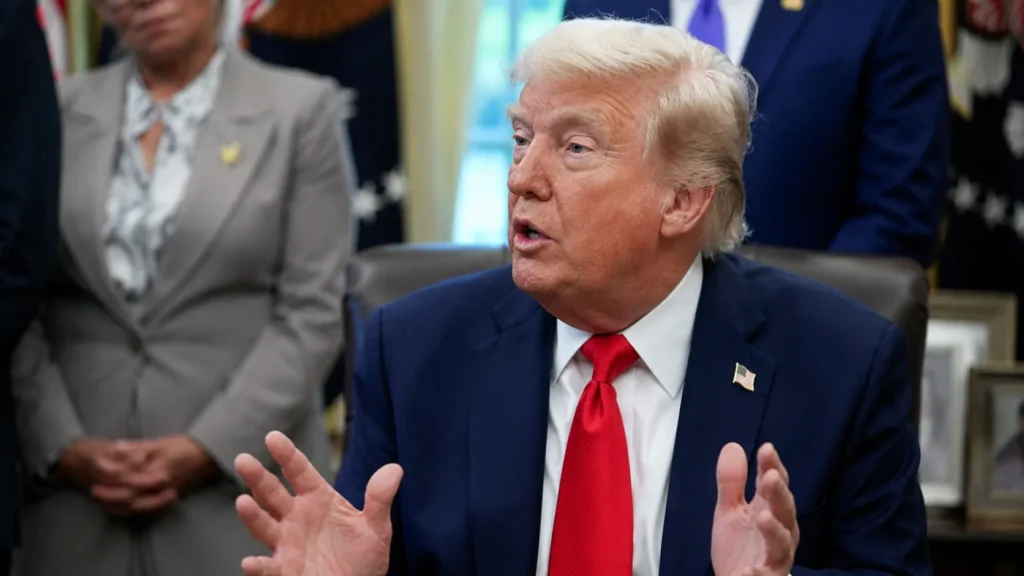
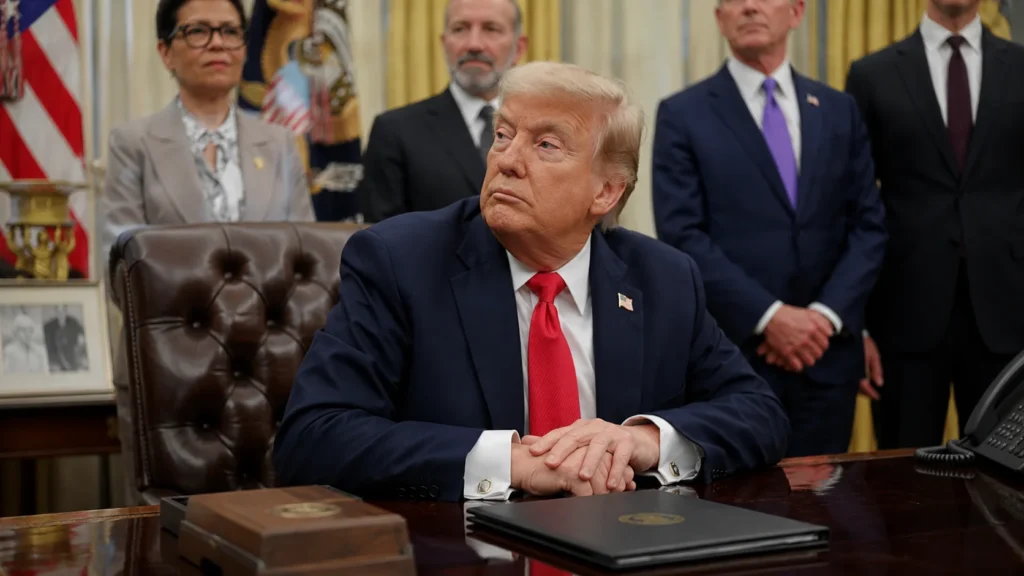
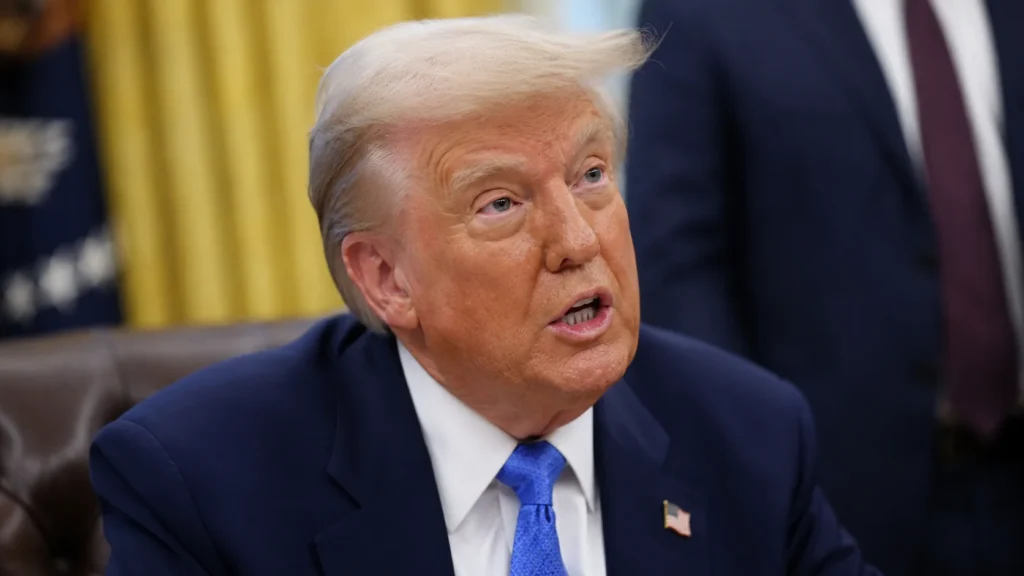
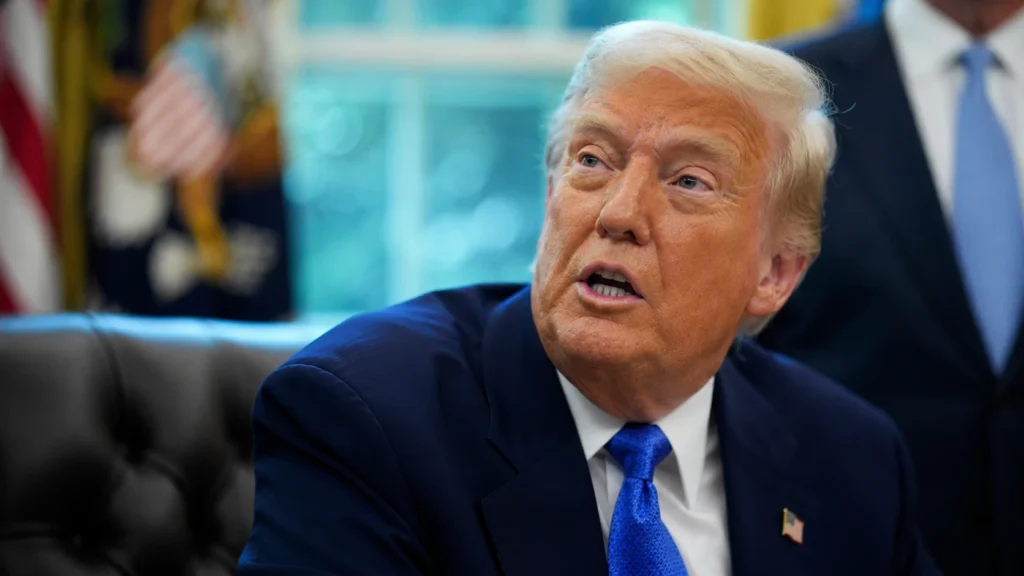
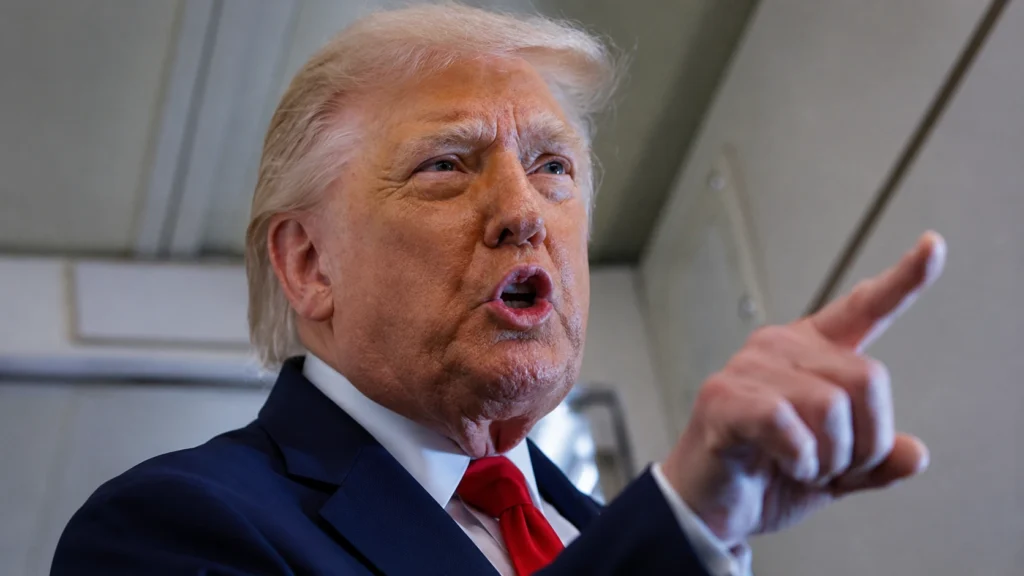
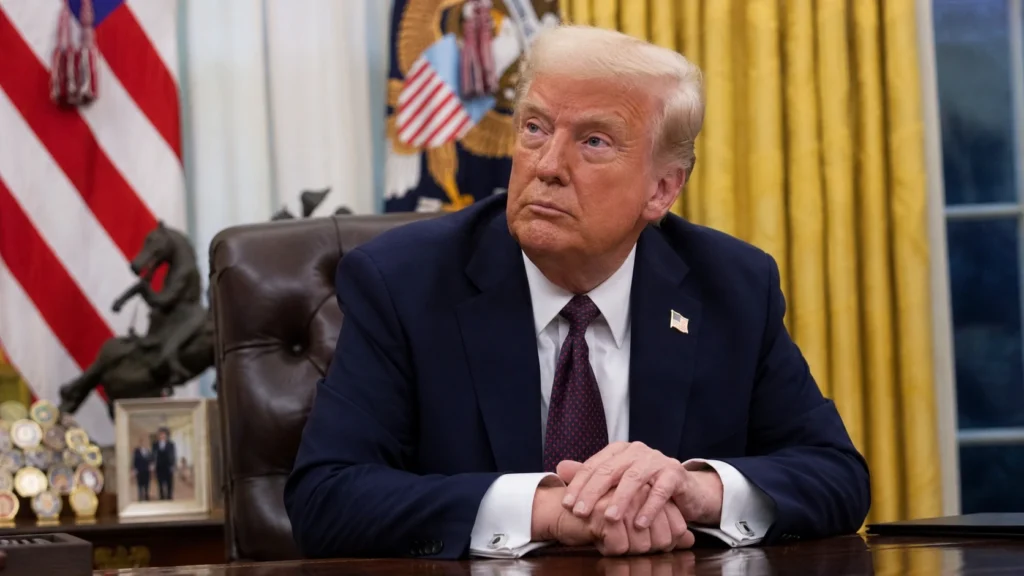
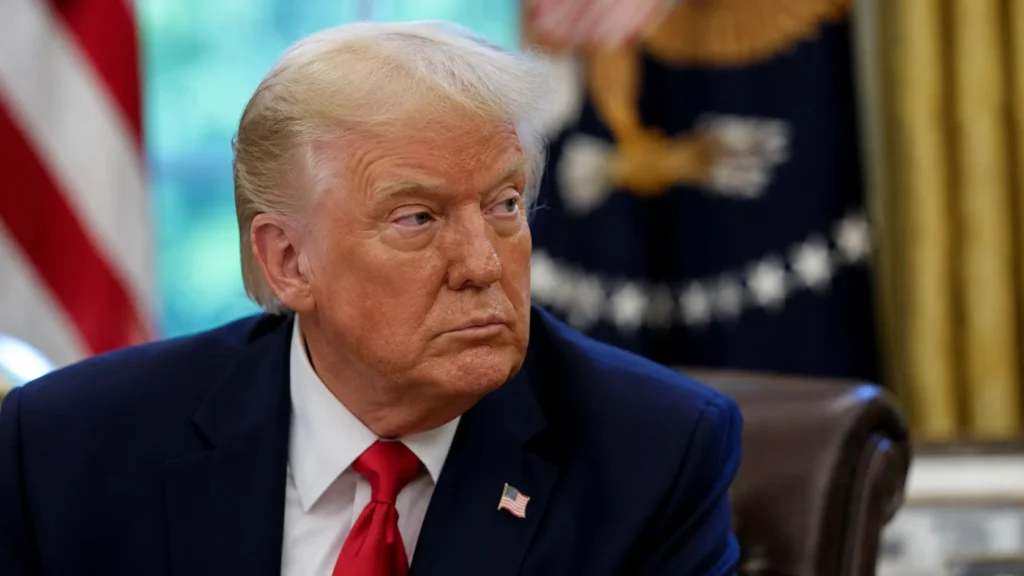
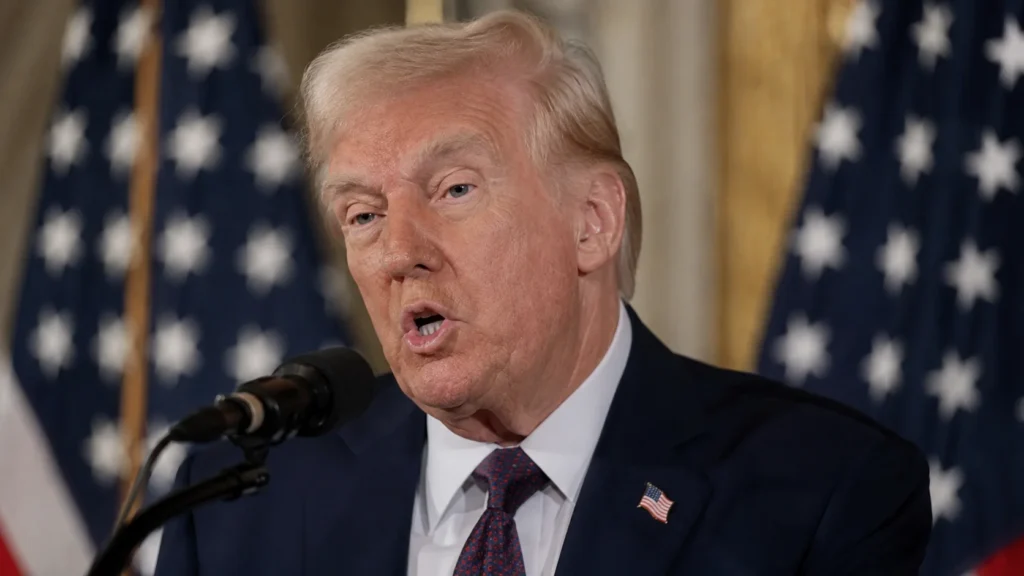
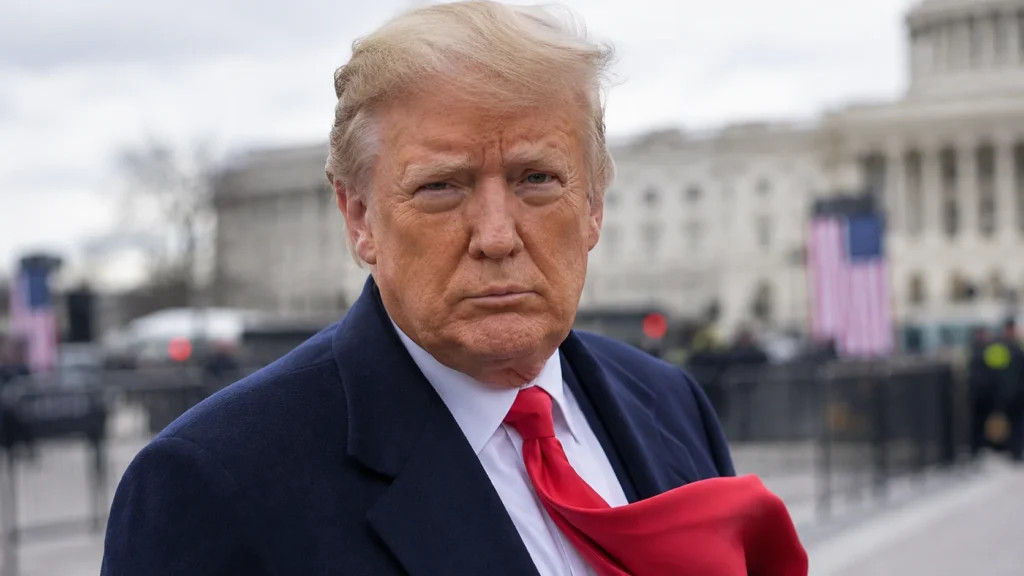
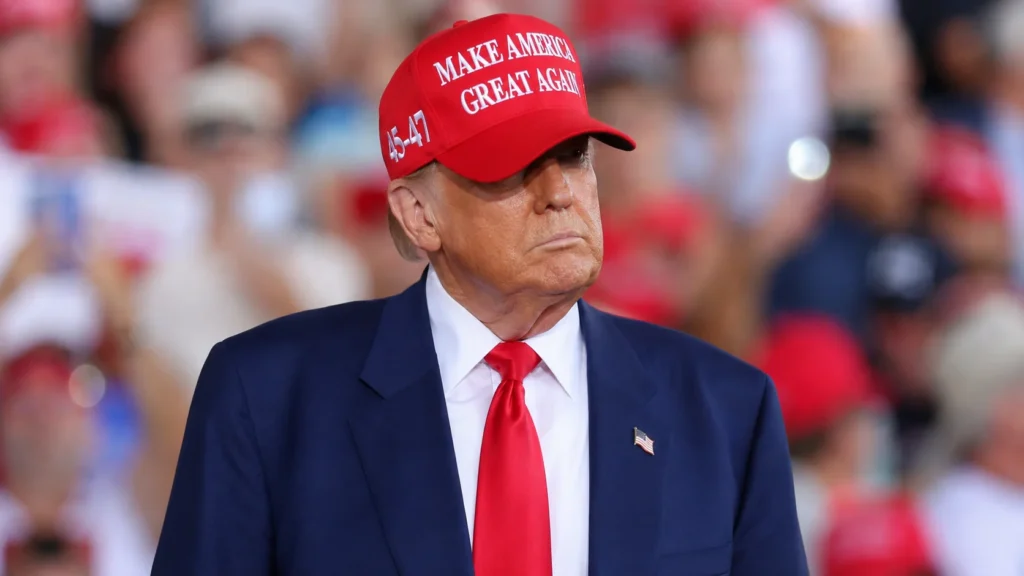
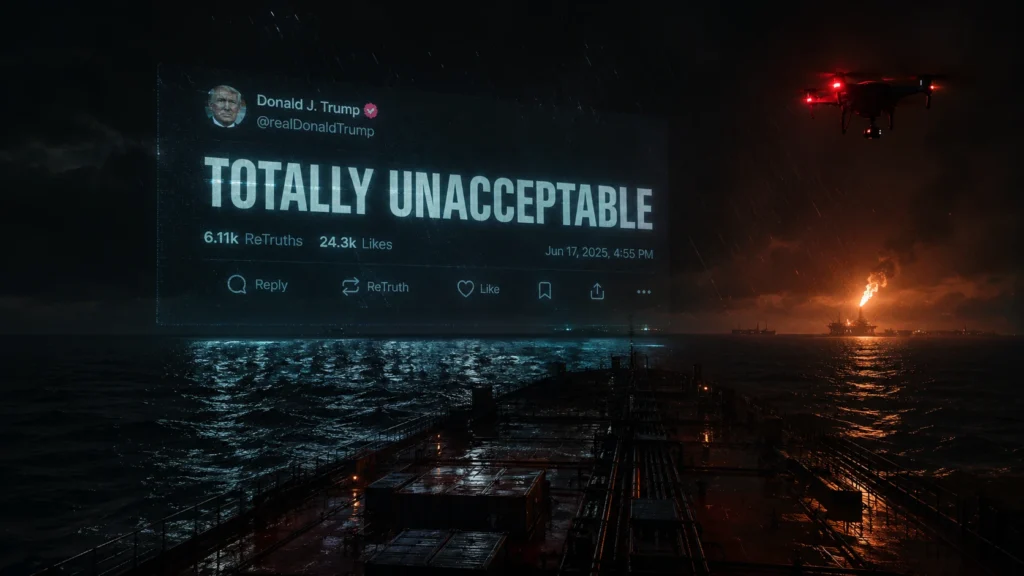
President Donald Trump foreshadowed the troop cuts shortly after Merz’s comments became public. The sequence of events, criticism followed by announced withdrawal, established a direct link between allied rhetorical defiance and concrete military consequences. The administration has not formally confirmed that the two events are connected, but the timing narrowed the possibility of coincidence.
Germany’s one-word response”anticipated”indicated that the Merz government had already calculated the likely cost of public disagreement with Washington. The chancellor chose to proceed with the criticism despite understanding the potential military consequences, weighing domestic political considerations against strategic alliance costs.
Why the US Troop Presence in Germany Matters for NATO
American forces in Germany serve as a logistical hub for NATO operations across Europe. Bases in Ramstein, Stuttgart, and other locations coordinate airlift, medical evacuation, intelligence integration, and command-and-control functions for allied forces deployed from the Baltic states to the Black Sea region.
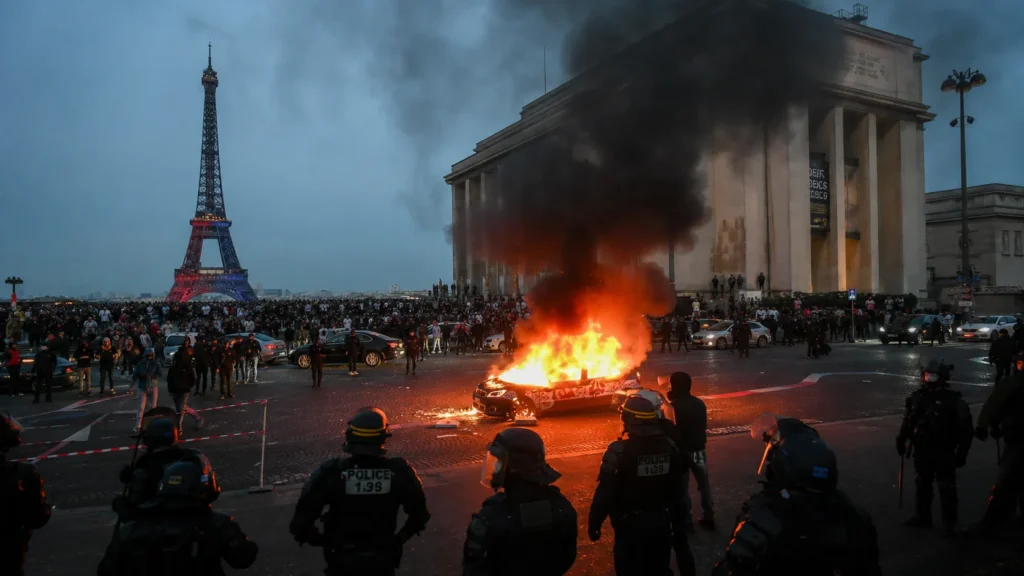
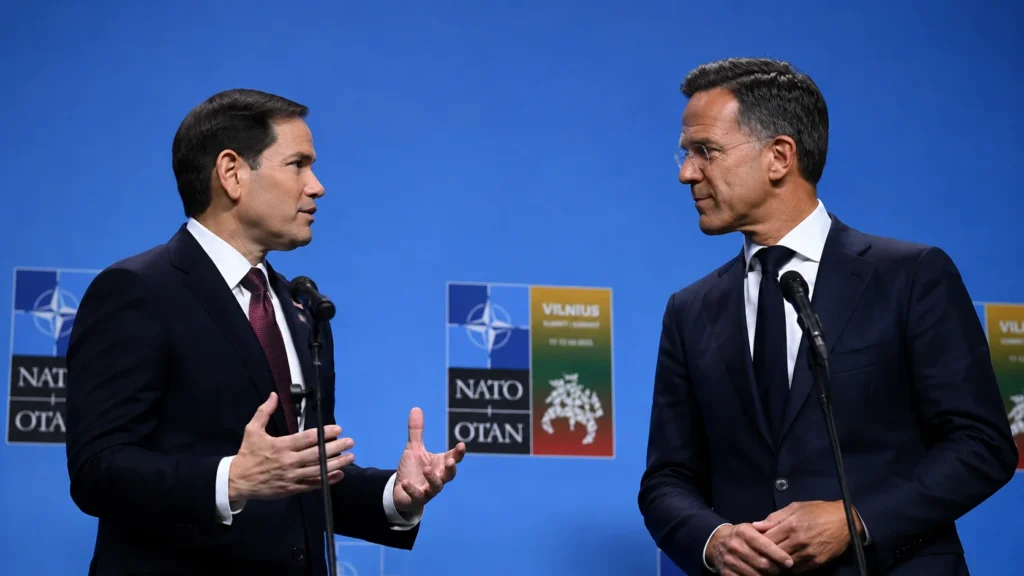
The 5,000-troop reduction does not collapse NATO’s operational architecture. However, it raises broader questions about the durability of American security commitments. The withdrawal establishes a precedent in which rhetorical disagreement with Washington carries measurable military consequences, a dynamic that may affect how other allied leaders calibrate their public statements on US foreign policy.
What the Dispute Reveals About Alliance Management
The exchange between Berlin and Washington illustrates an evolving approach to alliance management. Rather than resolving disagreements through private diplomatic channels, the dispute played out through public statements followed by announced policy changes.
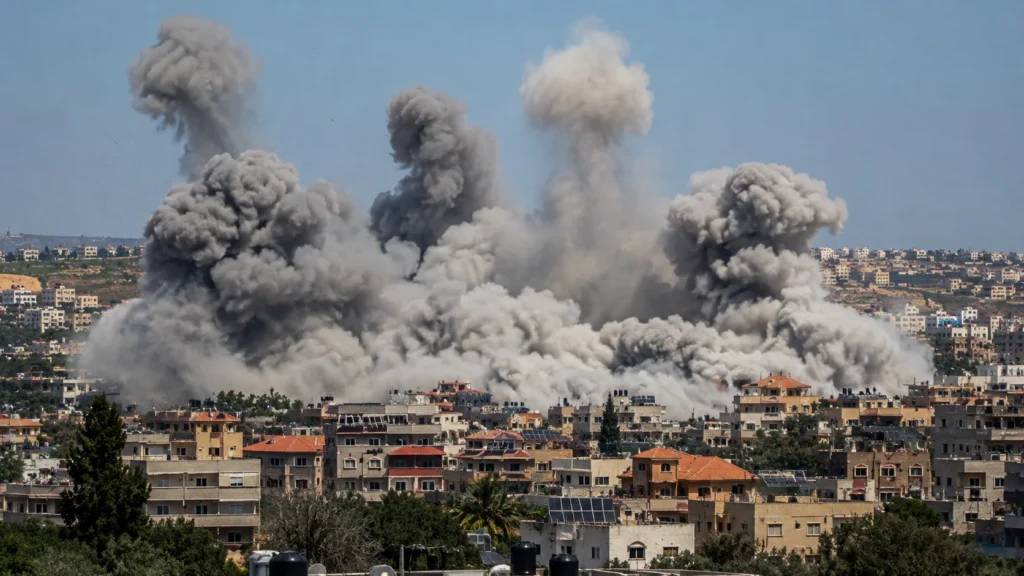
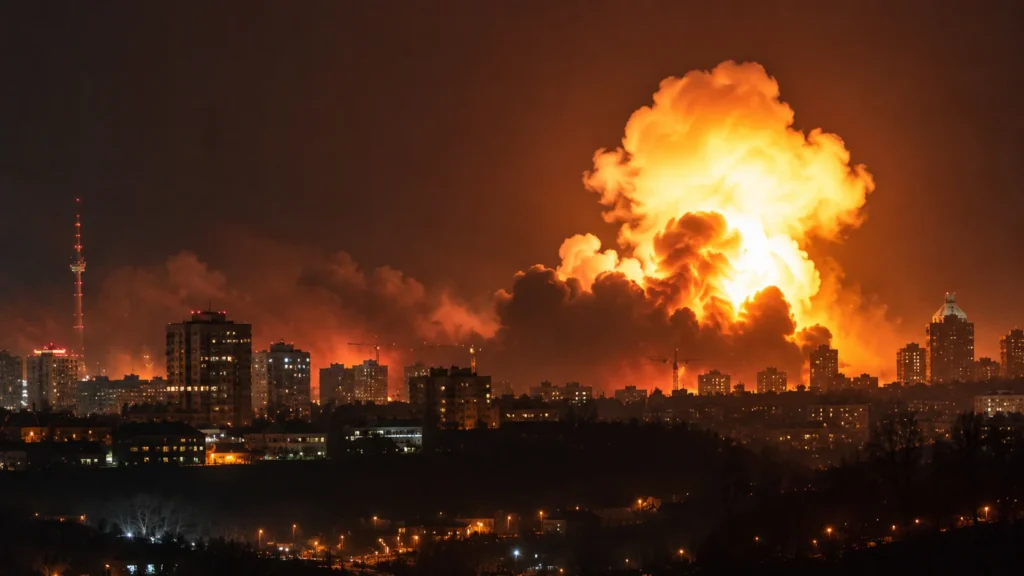
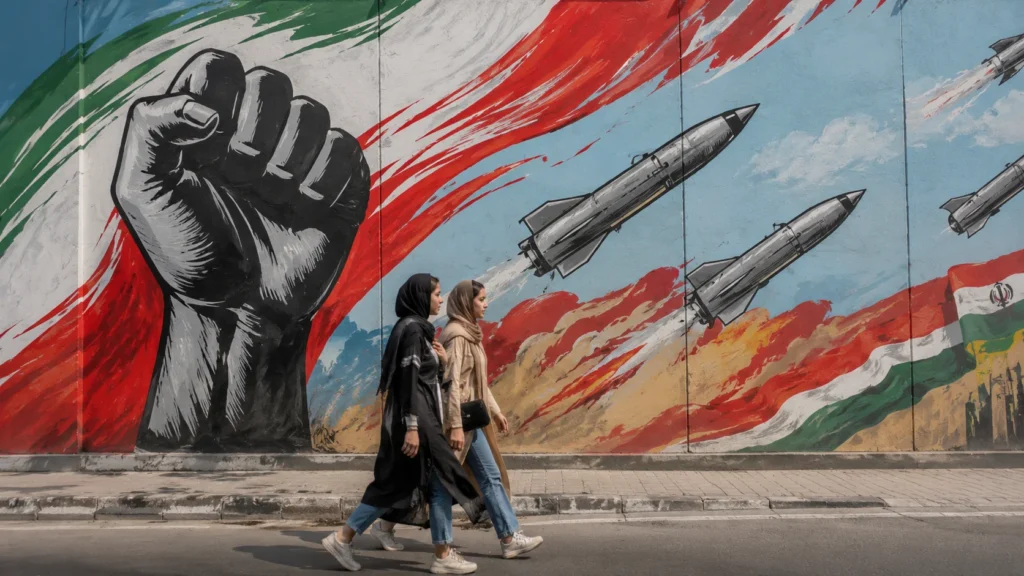
For Chancellor Merz, the confrontation offered a moment of demonstrated independence from Washington. The German electorate has registered skepticism toward American foreign policy, and the economic spillover from the Iran war, including higher energy costs and supply chain disruptions, has intensified domestic pressure on the government.
The operational costs to Germany are structural rather than immediate. The departing American forces provided logistical capabilities, intelligence integration, and rapid-response coordination that no European ally can independently replicate at scale. European defense investment has increased in recent years, but has not yet closed the capabilities gap created by any significant reduction in American force presence.
What This Means for NATO’s Future Cohesion
The public nature of the exchange has implications for alliance cohesion beyond the bilateral US-Germany relationship. Allied governments that observe a direct connection between criticism of Washington and reductions in American security commitments may adjust their own diplomatic approaches accordingly.
Russia has long sought to create divisions within NATO. The spectacle of the alliance’s two largest members negotiating force levels through public statements rather than strategic reviews provides Moscow with a strategic narrative about Western disunity without requiring direct Russian action.
The longer-term question for NATO is whether this incident represents an isolated case driven by specific personalities and circumstances, or whether it establishes a pattern in which security commitments become contingent on political alignment with Washington.
Strategic Summary
- What changed: The Pentagon announced plans to withdraw 5,000 troops from Germany after Chancellor Merz publicly criticized the US military strategy. Germany described the move as “anticipated,” confirming a direct link between the rhetorical dispute and the military decision.
- Why it matters: The withdrawal establishes a precedent in which alliance security commitments respond to political alignment rather than strategic assessment. The chilling effect on allied public discourse is the immediate consequence; the operational gap is the longer-term cost.
- What to watch next: Whether the withdrawal timeline accelerates or pauses in response to further diplomatic engagement; whether other NATO allies face similar reductions after policy disagreements with Washington; whether European defense investment accelerates to compensate for reduced American force presence.