

 English






























































































































































































































































































Golden Globes Allow AI-Assisted Acting, Splitting from Oscars Rules
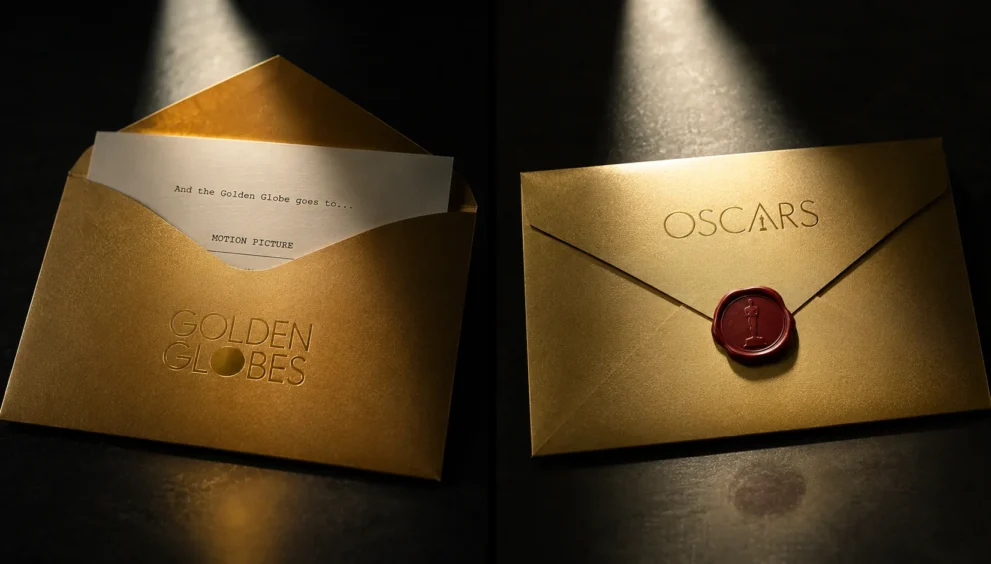
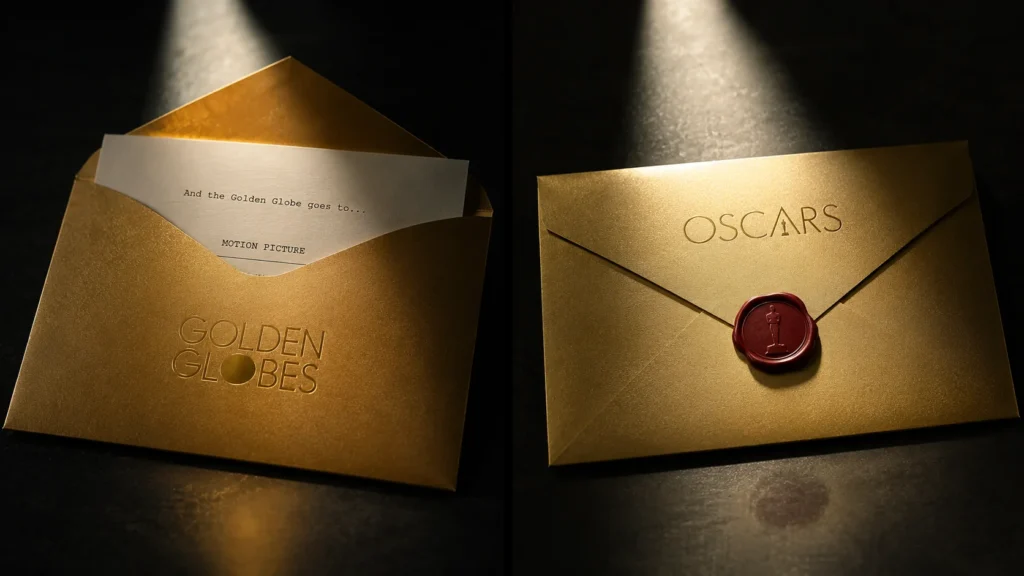
The Golden Globes allow AI-assisted acting under new rules announced Thursday, marking a significant split with the Academy Awards. The Golden Globes allow AI-assisted acting, provided the performance “remains fundamentally human-driven” and any generative AI use is disclosed. The Oscars tightened their rules earlier this month to require that nominated performances be “demonstrably performed by humans with their consent.” The decision by the Golden Globes allows AI-assisted acting to create different eligibility standards across Hollywood’s two biggest awards ceremonies.
How the Golden Globes Allow AI-Assisted Acting
The new rules state that “all submissions must include a disclosure describing any generative AI used anywhere in the production.” The use of AI to “enhance or support a performance that remains fundamentally human-driven” is permitted. The Golden Globes allow AI-assisted acting, provided such tools remain “under the creative control of the credited performer,” and their use is authorized by the performer.
Performances that are “substantially generated or created by artificial intelligence” are not eligible. The Globes defined “substantially generated” as the level at which AI “replaces or materially determines the performance itself, including the performer’s expression, movement, or vocal delivery.” The Golden Globes allow AI-assisted acting but draw a line at AI replacing the core of a performance.
The rules also address unauthorized use. “Submissions may not include performances generated through the unauthorized use of a performer’s digital likeness, voice replication, or biometric data, whether or not the performer is otherwise credited.” The Golden Globes allow AI-assisted acting only with consent. The line is permission. Without it, the performance is ineligible.
How the Oscars Rules Differ as Golden Globes Allow AI-Assisted Acting
The Academy’s acting branch announced earlier in May that it will nominate “only roles credited in the film’s legal billing and demonstrably performed by humans with their consent.” The Academy’s writing branch rules state that “screenplays must be human-authored to be eligible” for Best Adapted Screenplay or Best Original Screenplay.
The Academy’s standard is binary. A performance was either human-performed or it is ineligible. The Golden Globes allow AI-assisted acting within a framework that requires case-by-case judgment about what constitutes “substantially generated” versus “fundamentally human-driven.” The Academy eliminated the gray area. The Globes created a process for navigating it.
What the Golden Globes Allow AI-Assisted Acting Means for Awards Season
The split between the Golden Globes allow AI-assisted acting and the Academy’s stricter standard means the same performance could be eligible for a Globe and ineligible for an Oscar. The two institutions now define the boundary of performance differently. The Globes trust the performer to disclose, enhance, and control. The Academy trusts the rule to protect.
The Globes’ new rules arrive after a multi-year institutional transformation following the dissolution of the Hollywood Foreign Press Association. The show that nearly collapsed is now setting more flexible terms for a debate the Oscars resolved with a single sentence. The Golden Globes allow AI-assisted acting while the Academy requires demonstrably human work. The competition between the two standards will shape how the industry adopts and regulates artificial intelligence in creative work.
What Comes Next
The next awards season will test both standards. A performance that used AI enhancement will submit a disclosure to the Globes. The same performance may face Academy scrutiny over whether it was “demonstrably performed by humans.” The gap between the two rules is where the industry will determine what acting means when the tools change.