

 English






































































































































































































































































































































































Smart Glasses Are Here. Privacy Isn’t Ready.
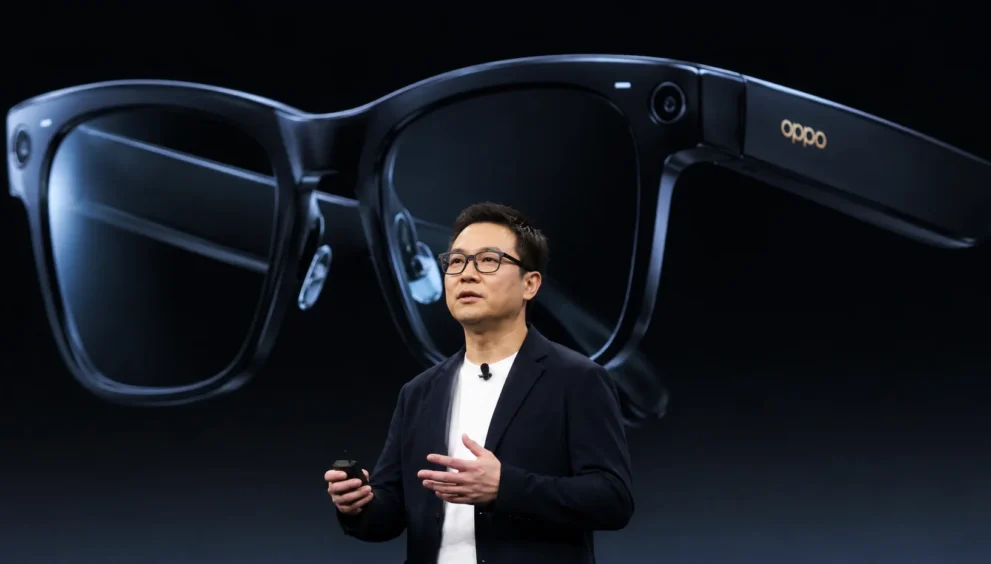
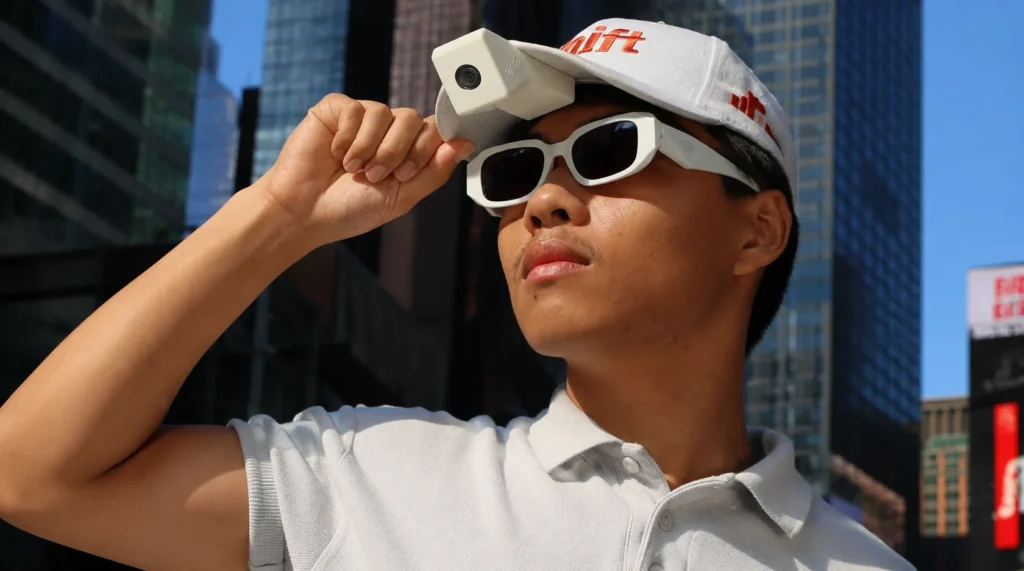
Smart glasses from Meta, Apple, Google, and Snap are pushing wearable AI into everyday life, but the biggest shift has little to do with augmented reality or voice assistants. These devices quietly normalize invisible recording in public spaces. As millions of people adopt AI glasses in 2026, privacy experts, businesses, and ordinary users now face a harder question: what happens when cameras disappear into normal human interaction?
The Real Appeal of Smart Glasses Isn’t AI
Meta succeeded where Google Glass collapsed more than a decade ago.
The company didn’t solve the technical problem first. It solved the social one. Google Glass looked strange and aggressive when it launched in 2013. Meta’s Ray-Bans look familiar. Stylish, even. That single design choice changed consumer behavior faster than any AI feature.
People don’t buy smart glasses because they desperately want augmented reality overlays. They buy them because the devices remove friction from ordinary tasks. Listening to music while washing dishes. Taking calls without headphones. Capturing travel photos without pulling out a phone.
Small habits scale quickly.
According to Meta official product announcement, Meta and Essilor Luxottica have sold more than seven million pairs of Ray-Ban Meta smart glasses since launch. Market researchers at Counterpoint Research estimated in January 2026 that Meta controls more than 80% of the global smart glasses market.
That number matters because the product category no longer looks experimental. It looks normal.
As previous coverage of wearable AI devices explored earlier this year, the tech industry increasingly wants devices that blend into human behavior instead of interrupting it.
Why Smart Glasses Change Public Behavior
The deeper issue isn’t the hardware. It’s uncertainty.
A smartphone camera sends a social signal. People see someone holding up a device and instantly understand that a recording may happen. Smart glasses erase that signal because the camera hides inside prescription-style frames.
That changes how strangers interact in public.
Creators now use Meta’s glasses to film pranks, flirtation videos, retail encounters, and arguments from a first-person perspective. The footage feels intimate because viewers experience it almost like a memory instead of a traditional recording.
But here’s the stranger part.
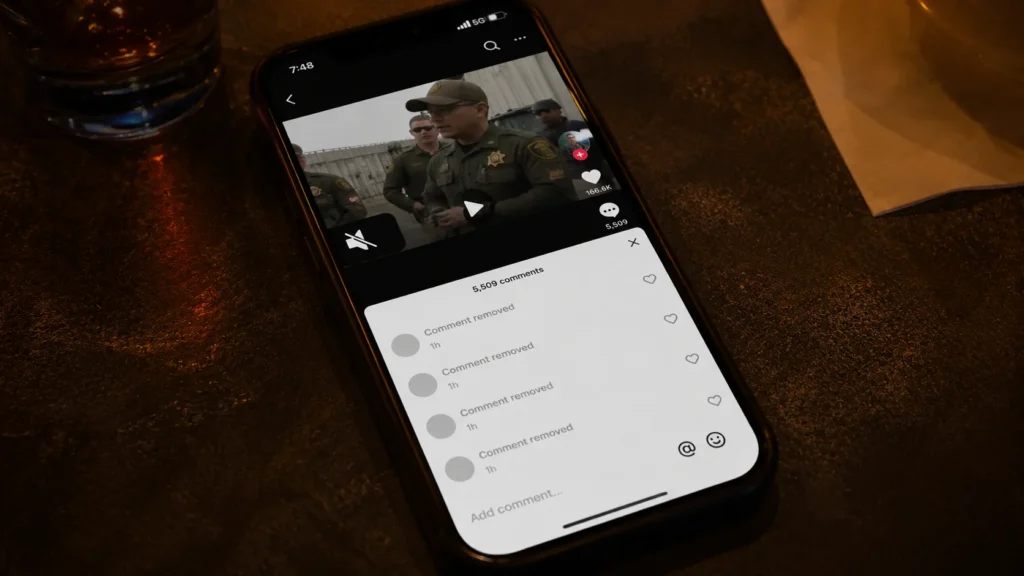
People often don’t realize they appear on camera until the videos spread online. Some users discovered recordings of themselves only after clips gained traction on TikTok, Instagram, or YouTube Shorts. In several reported cases, women asked creators to remove footage and received demands for payment instead.
That behavior creates a low-grade social anxiety around ordinary interactions. Was somebody recording? Did that conversation become content already? Nobody knows.
Not quite normal. Not yet.
The Privacy Debate Already Moved Beyond Meta
The next wave of smart glasses may intensify the problem.
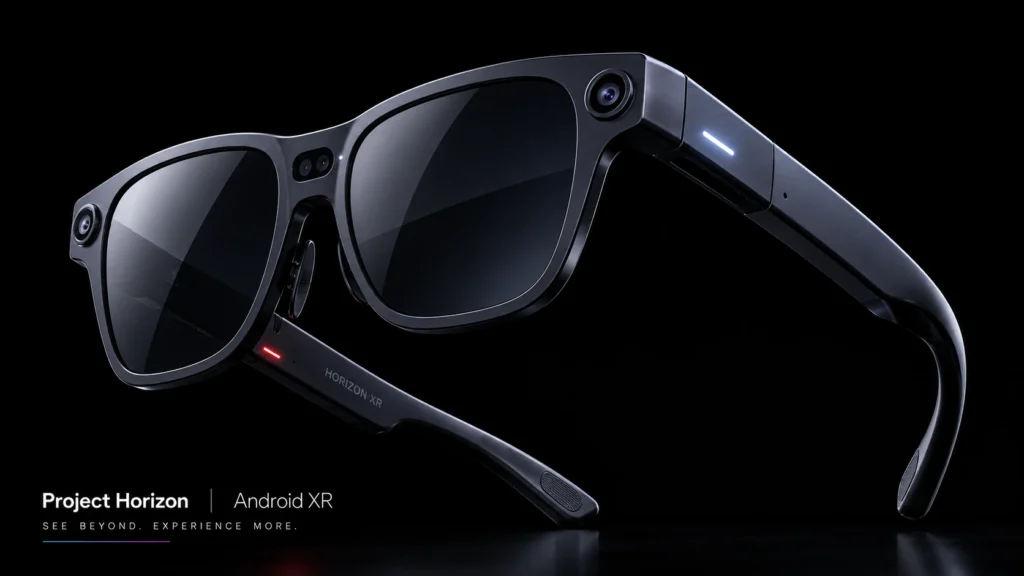
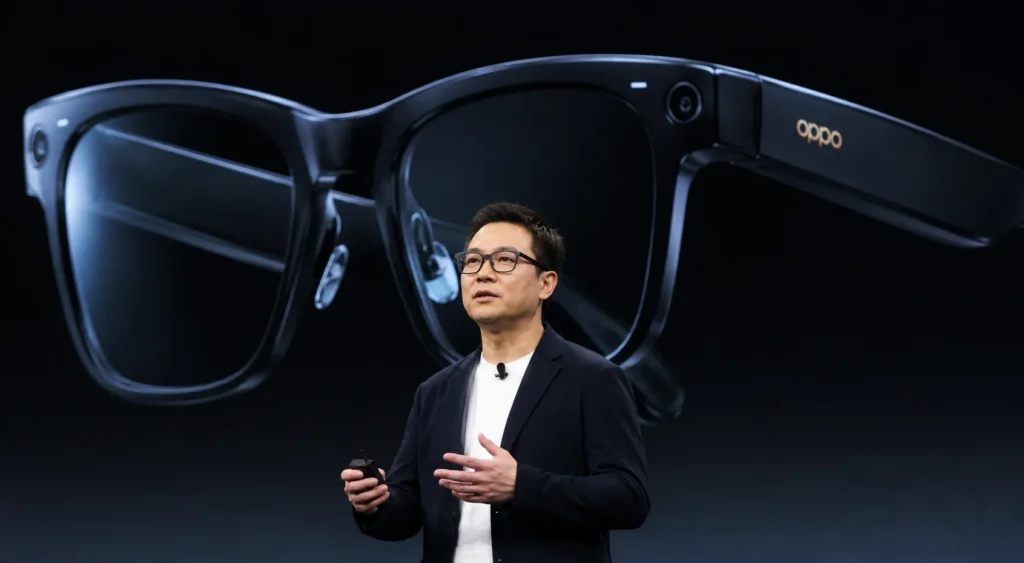
Apple reportedly plans to launch AI-powered glasses in 2026. Snap confirmed a new version of Specs this year. Google also returned to wearable eyewear after abandoning Google Glass in 2015 amid privacy backlash.
And unlike earlier devices, these products arrive during the AI boom.
According to tanford Human-Centered AI research, AI systems increasingly rely on real-world image and video data for training models. That creates tension between convenience and surveillance because wearable cameras collect passive behavioral information constantly throughout the day.
David Kessler, who leads the U.S. privacy practice at Norton Rose Fulbright, warned that businesses already struggle to adapt workplace rules around smart glasses. Hospitals, movie theaters, schools, and corporate offices traditionally restrict recording devices. Enforcing those rules becomes harder when cameras look identical to prescription eyewear.
Again.
As analysis of AI facial recognition policy debates noted last month, future versions of smart glasses may also include real-time facial recognition features. That possibility changes the technology from passive recording into active identification.
Different category. Bigger risk.
FAQ
What are smart glasses?
Smart glasses combine traditional eyewear with cameras, speakers, microphones, and AI-powered software. Companies like Meta, Apple, Google, and Snap now develop wearable glasses that capture video, play audio, and provide lightweight digital assistance.
Why do privacy experts worry about smart glasses?
Privacy experts worry because smart glasses make recording difficult to detect. Hidden cameras inside normal-looking frames reduce social awareness around surveillance in public spaces.
Are Meta Ray-Ban smart glasses recording all the time?
Meta says Ray-Ban smart glasses only record when users activate them. A small LED light appears during recording, though critics argue many people fail to notice it in daylight or crowded environments.
Why did Google Glass fail?
Google Glass struggled partly because users viewed the product as socially intrusive. The visible camera and unusual design triggered backlash over privacy concerns in restaurants, bars, and workplaces.
Will Apple release smart glasses?
Reports suggest Apple may release AI-powered smart glasses as early as 2026, though the company has not officially confirmed launch details.
Author Bio:
Written by Ethan Cole, a technology and digital culture journalist who has covered AI, wearable computing, and consumer privacy trends for more than 11 years.