

 English




























































































































































































































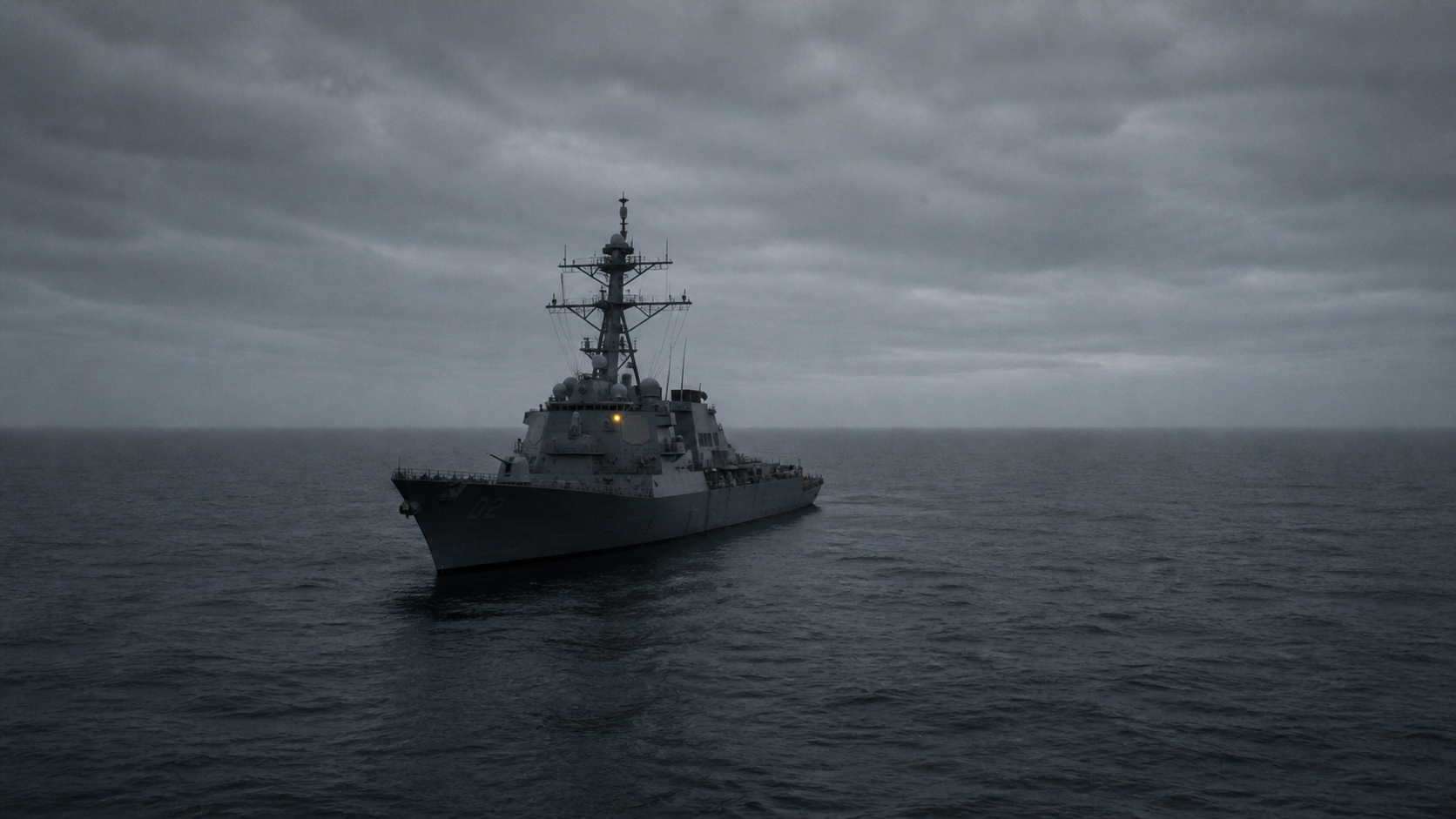





Iran-US Talks Stall as Hormuz Pressure Reshapes Gulf Power Balance
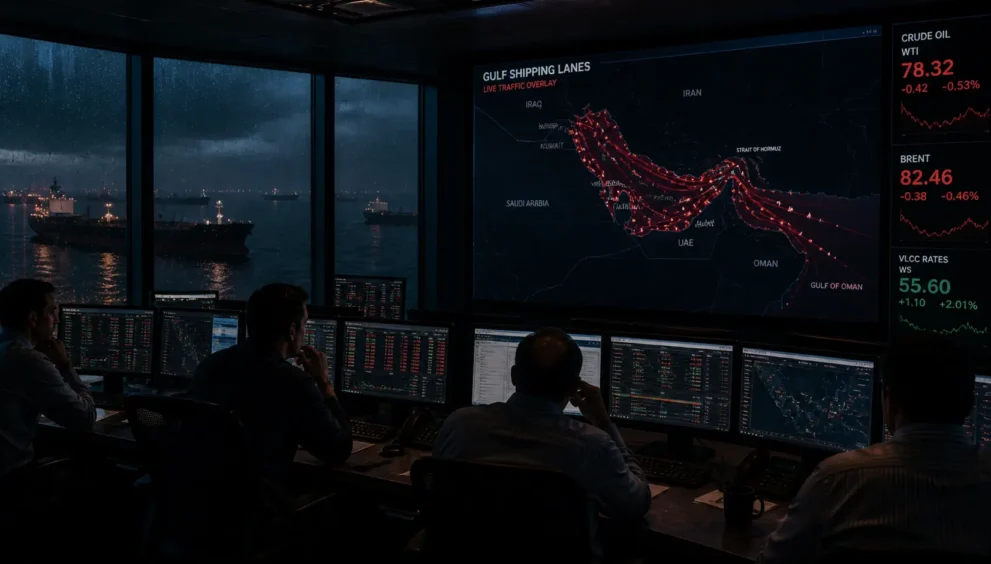
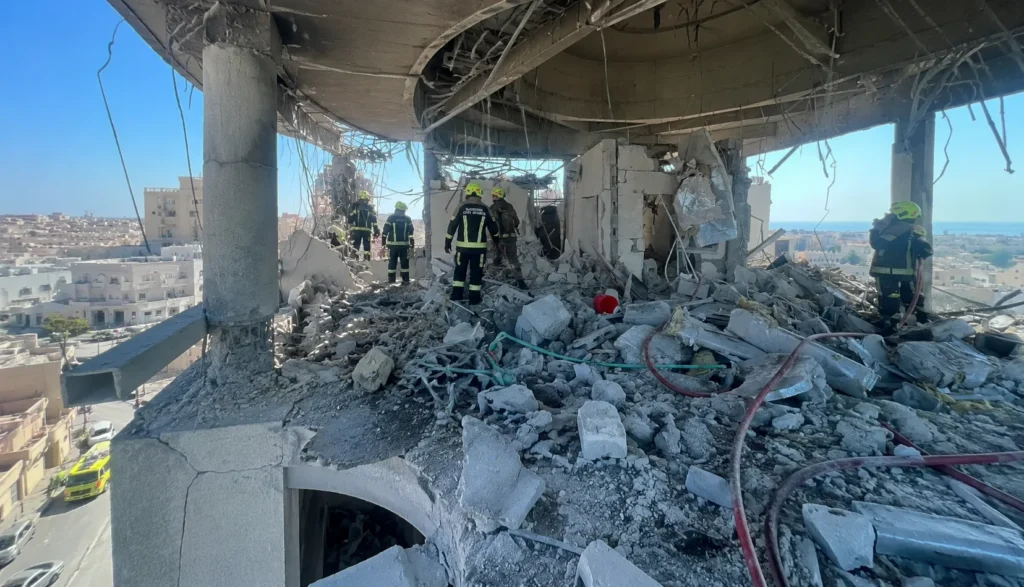
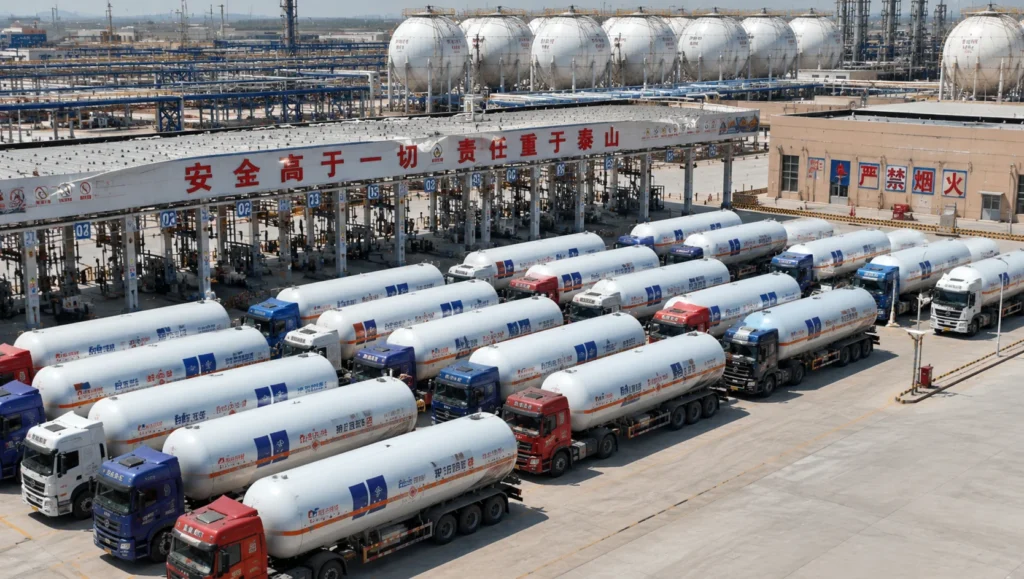
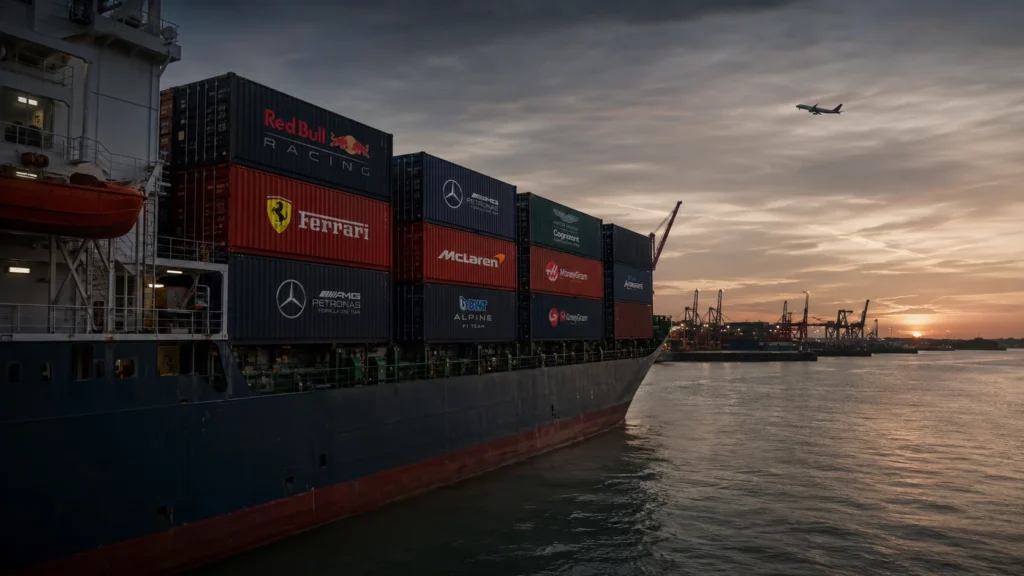
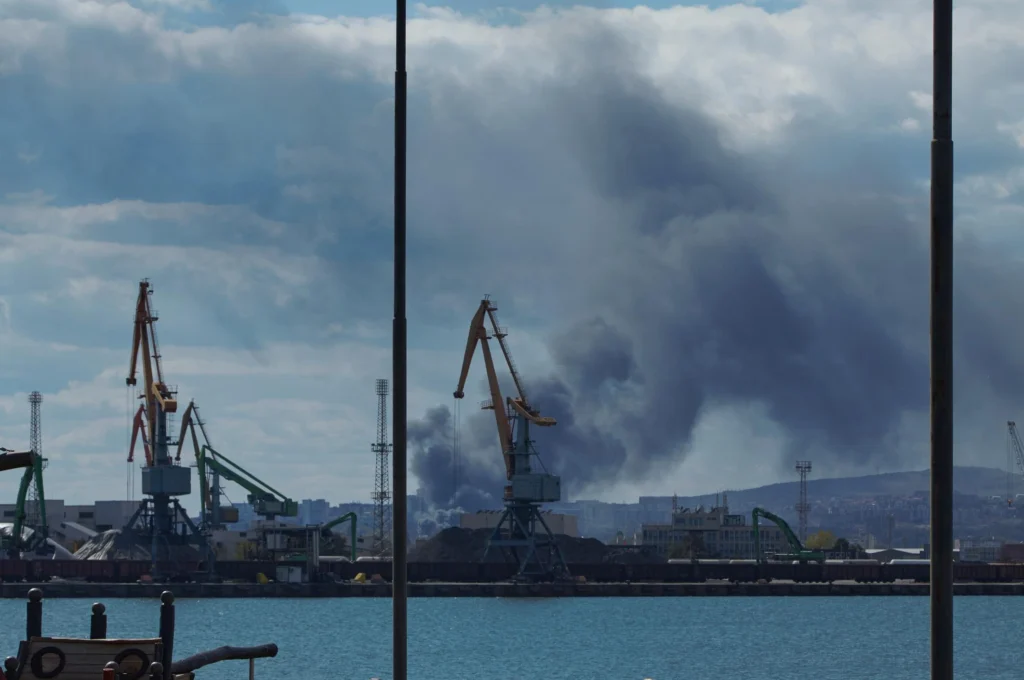
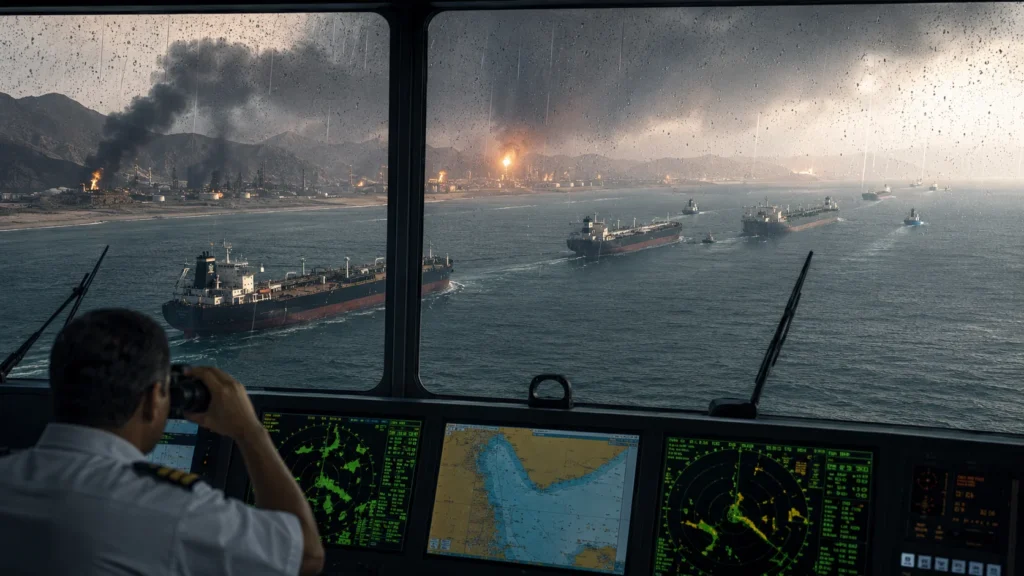
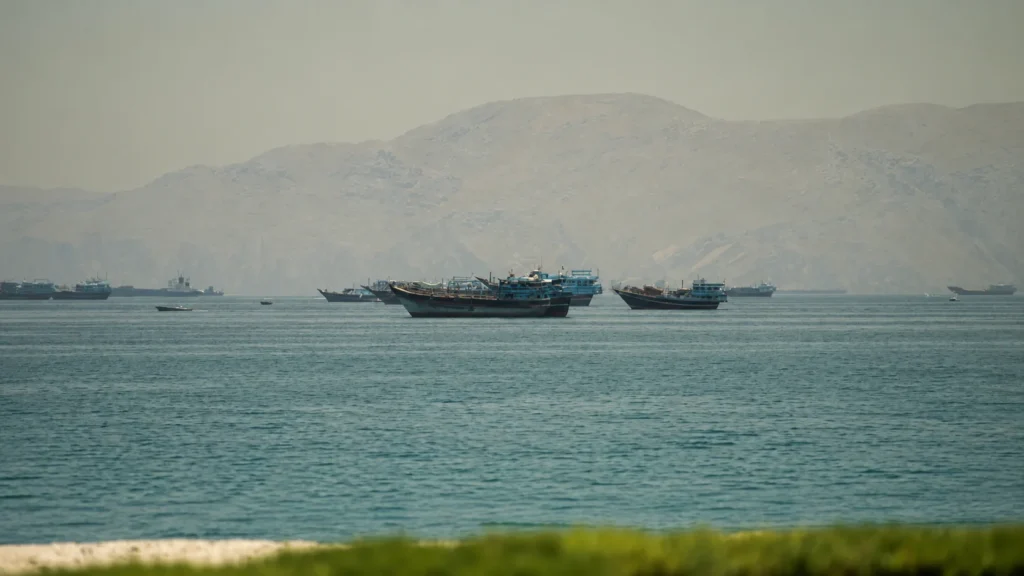
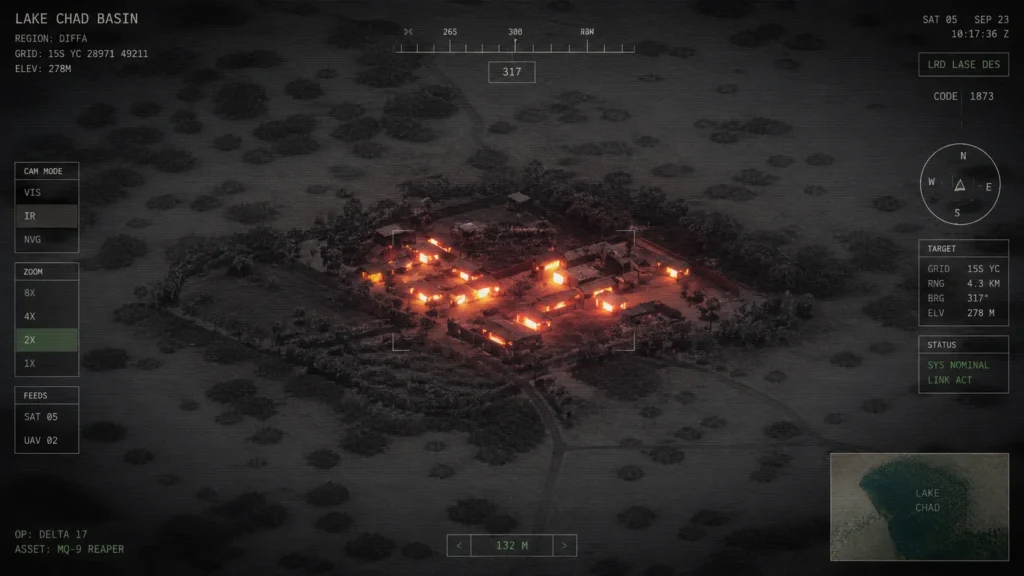
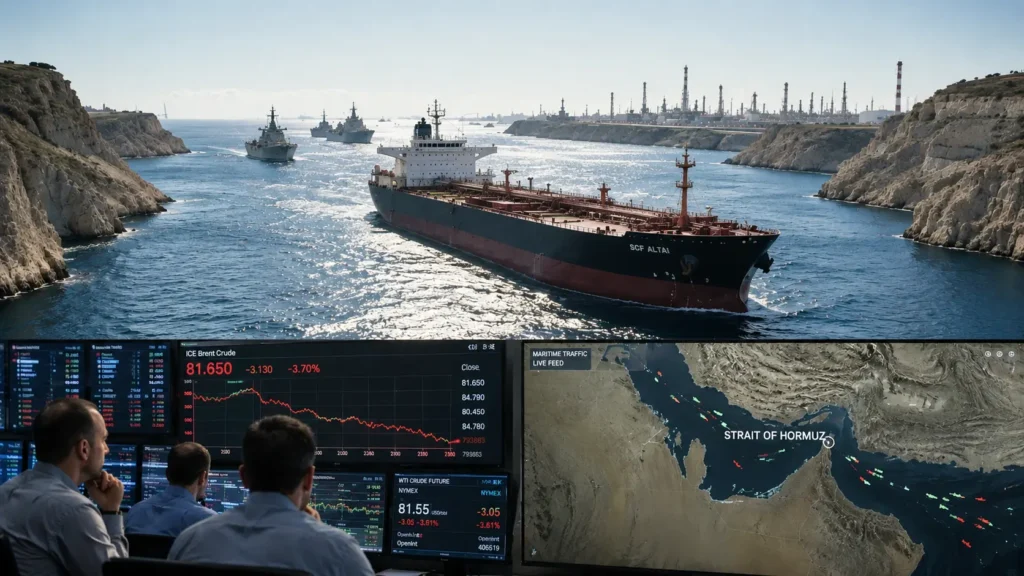
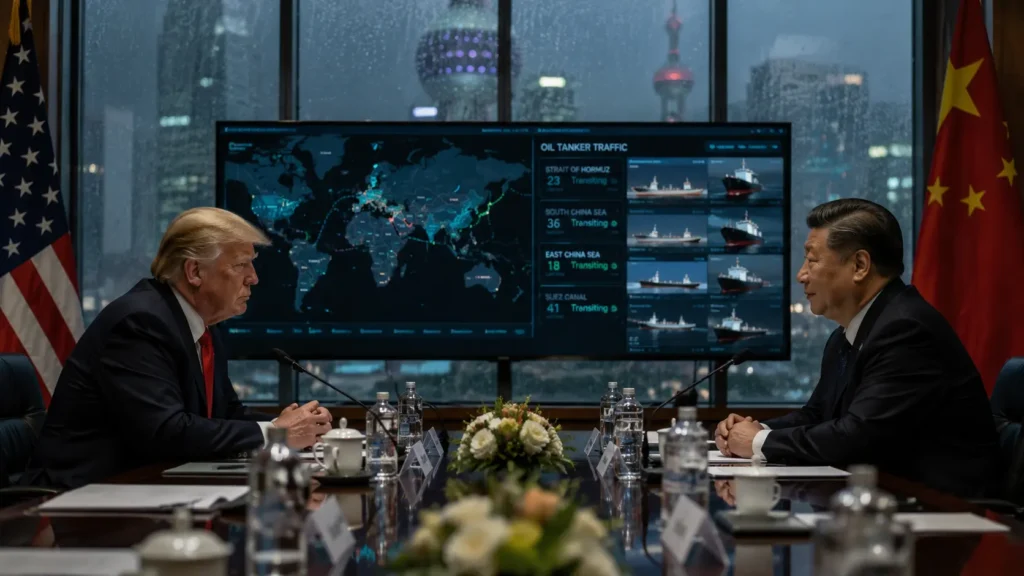
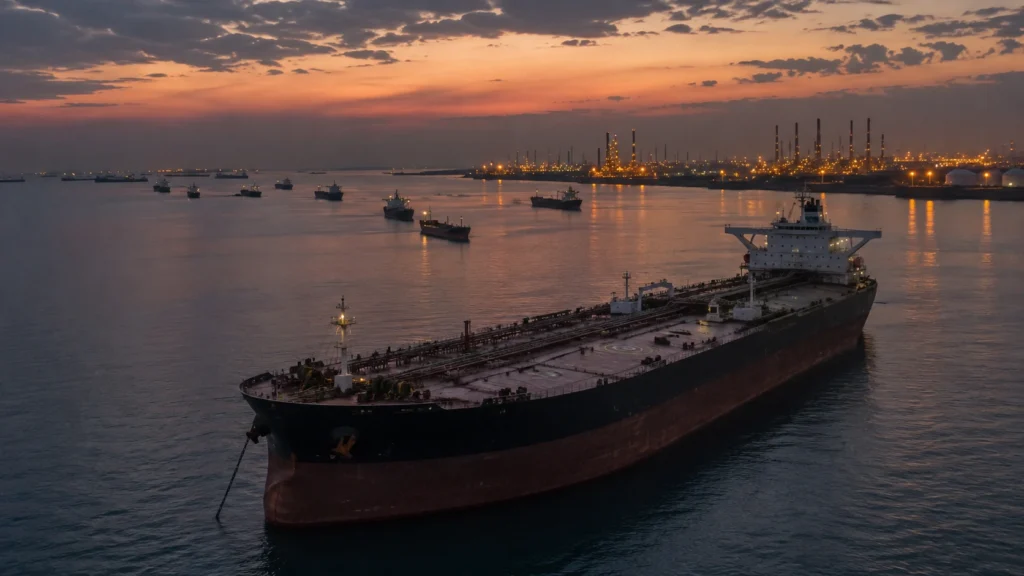
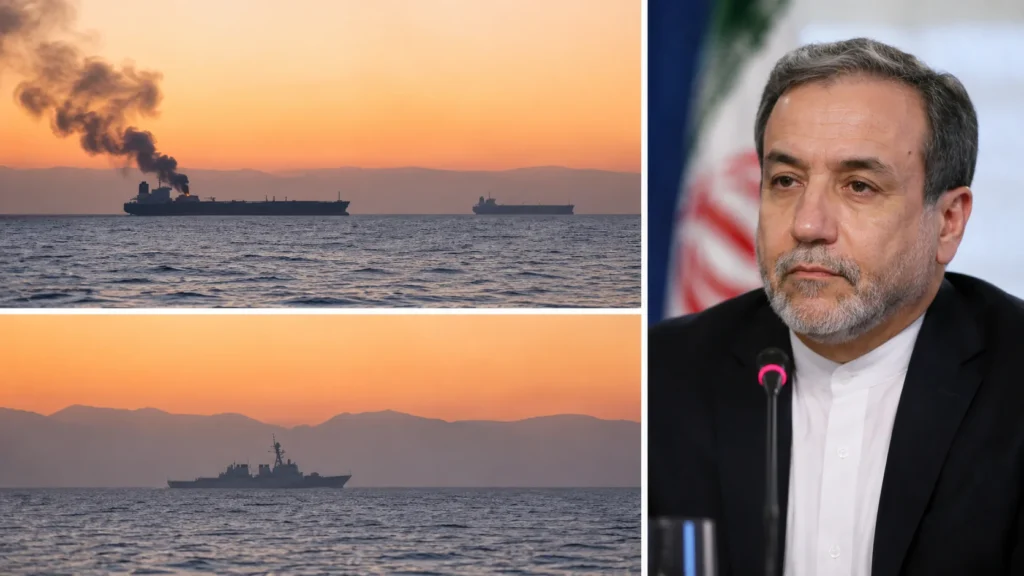
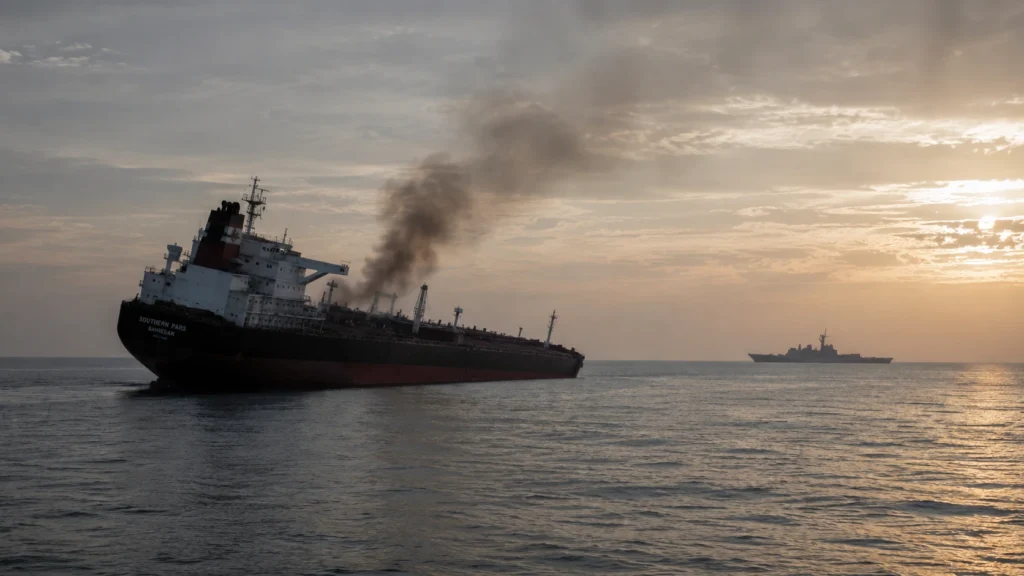
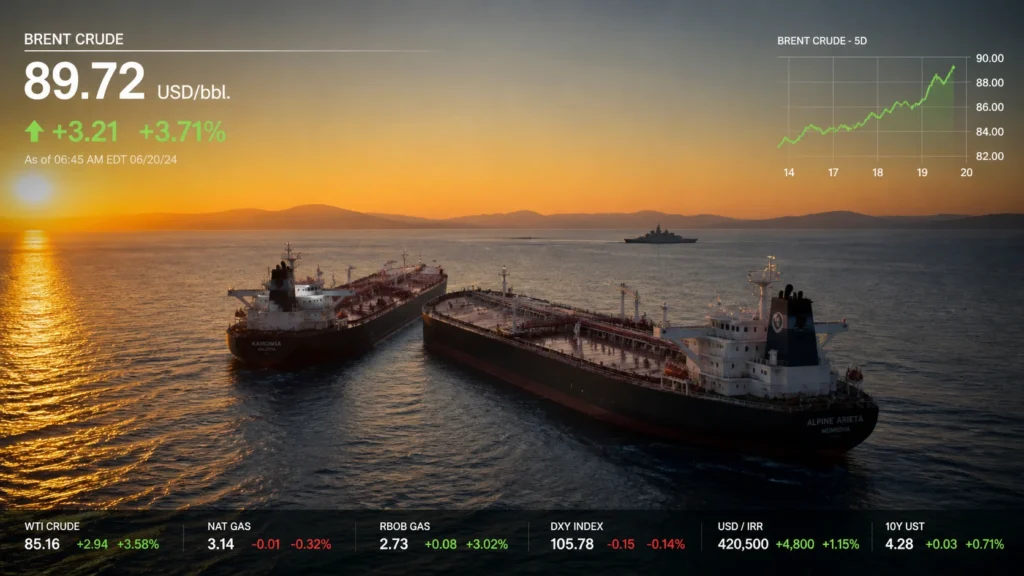
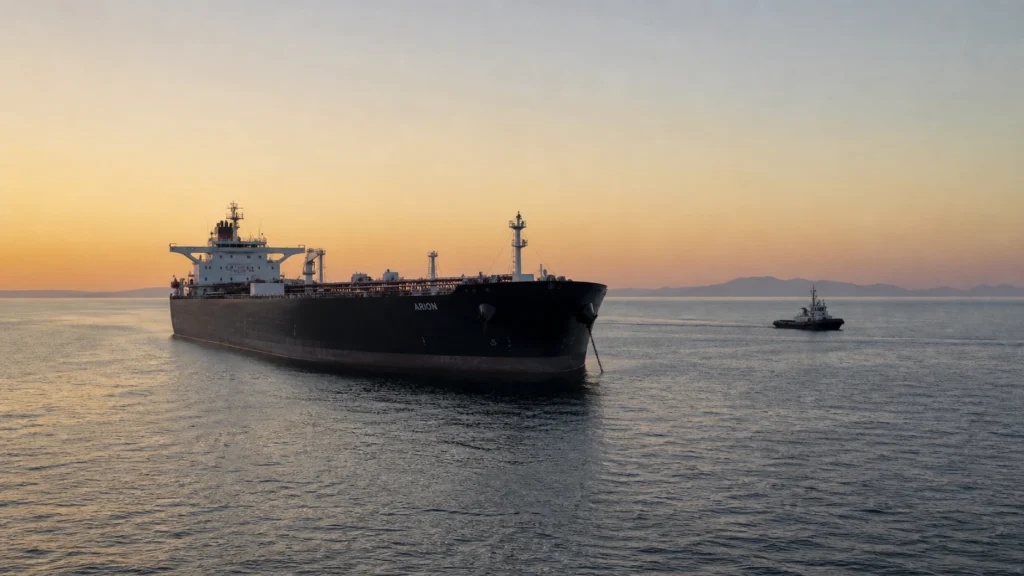
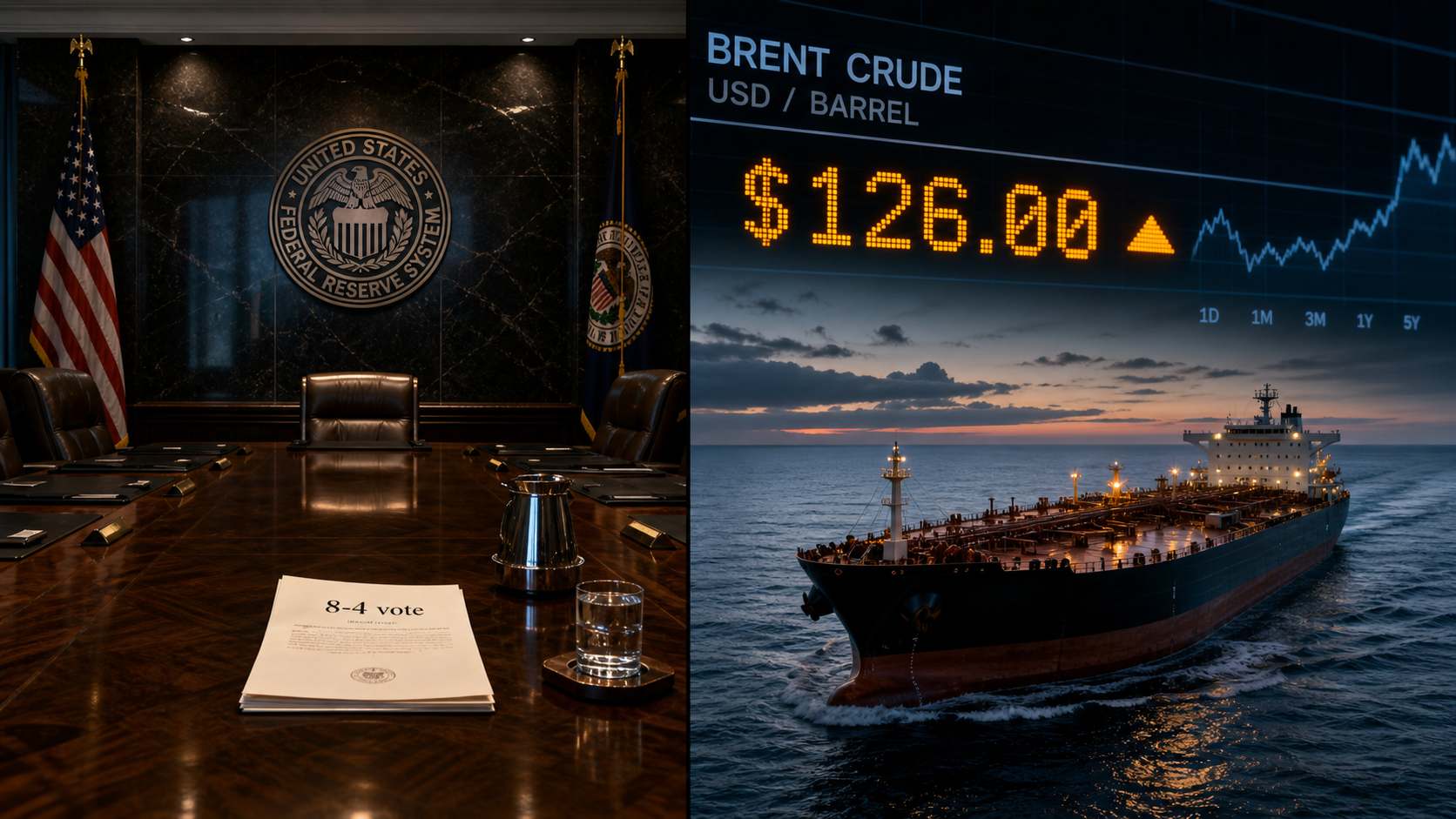
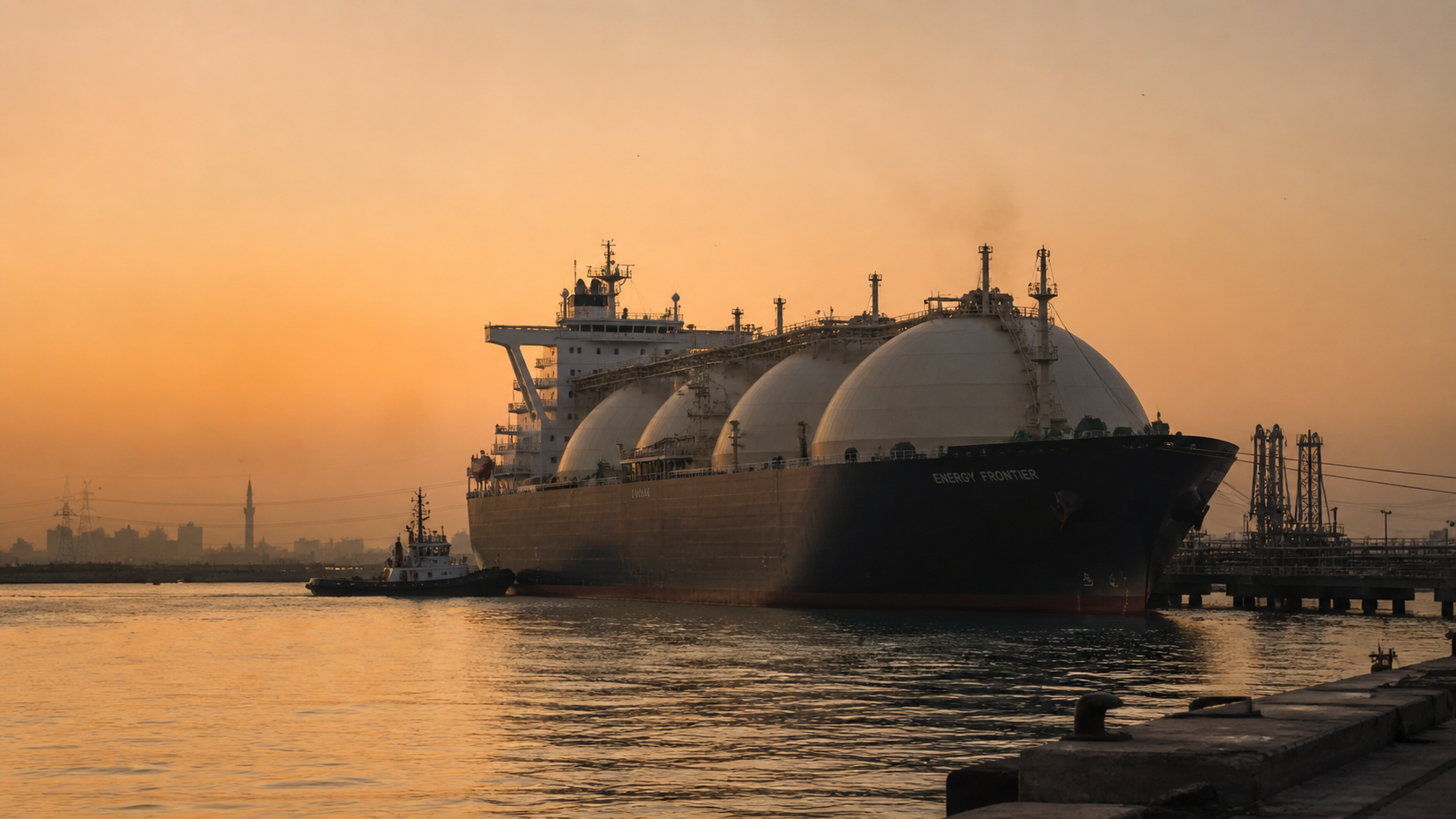
Shipping insurance costs for vessels transiting the Strait of Hormuz rose sharply this week as diplomatic channels between Washington and Tehran remained silent, confirming that the strategic waterway—not Iran’s nuclear program—now dominates negotiations between the two powers. The disruption affects roughly one-fifth of global oil trade passing through the narrow strait, sending ripple effects through energy markets, freight rates, and the import-dependent economies of South Asia and beyond.
Why the Strait of Hormuz Now Drives US-Iran Talks
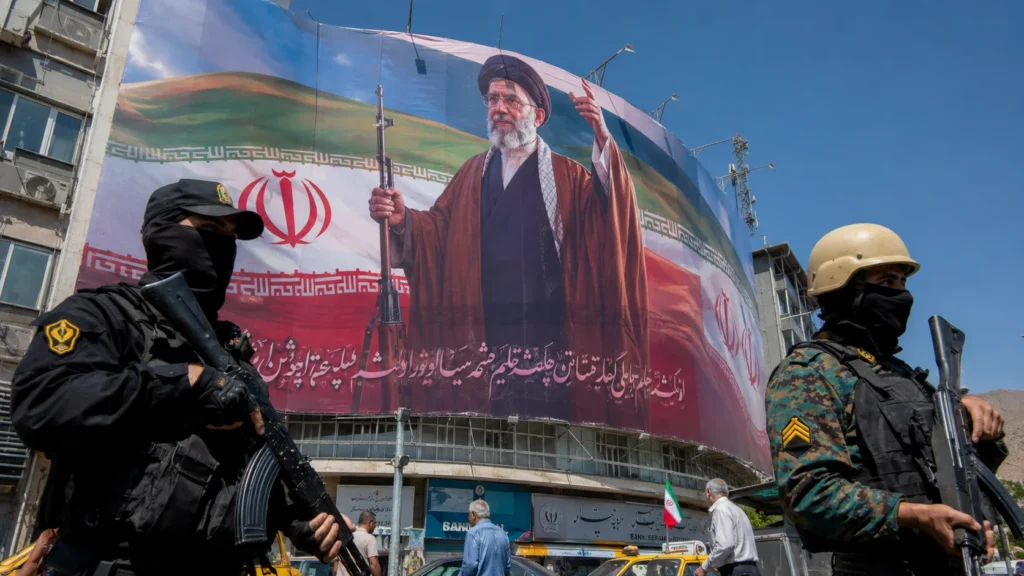
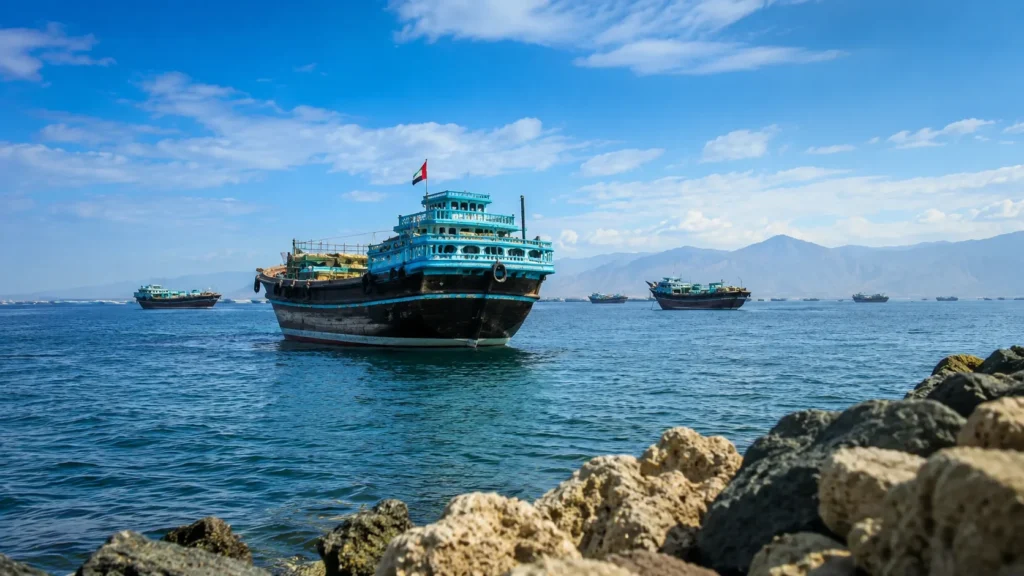
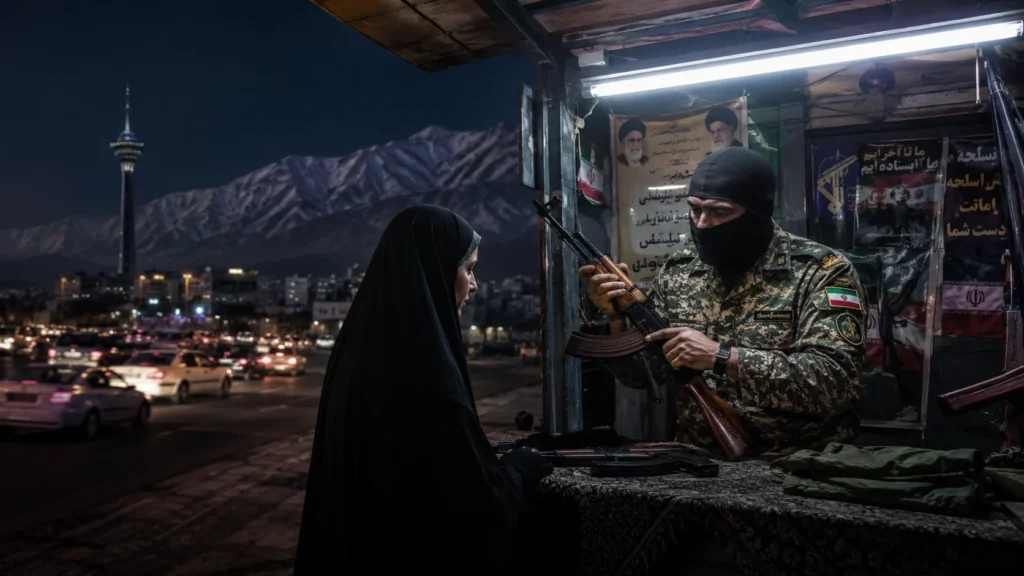
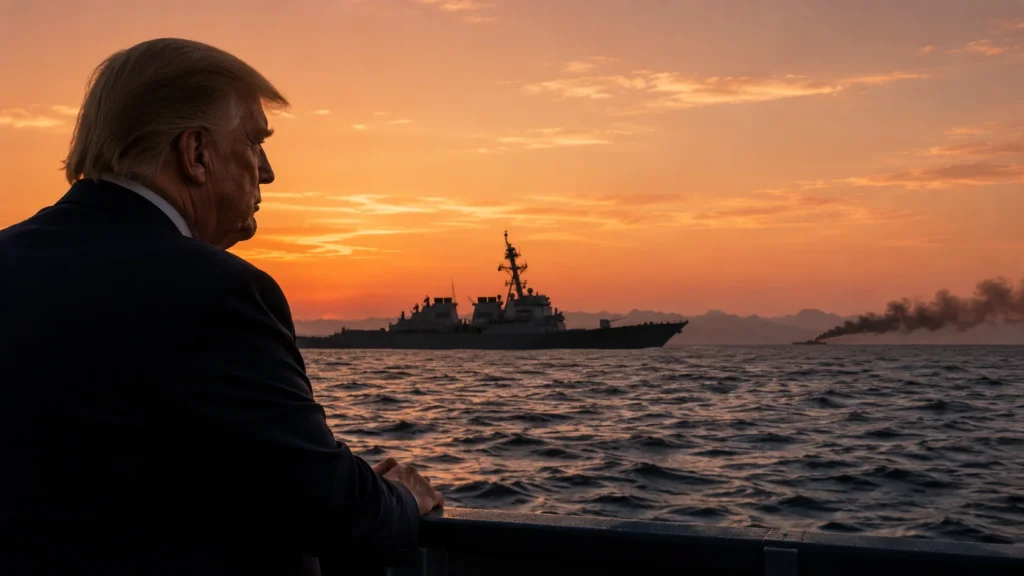
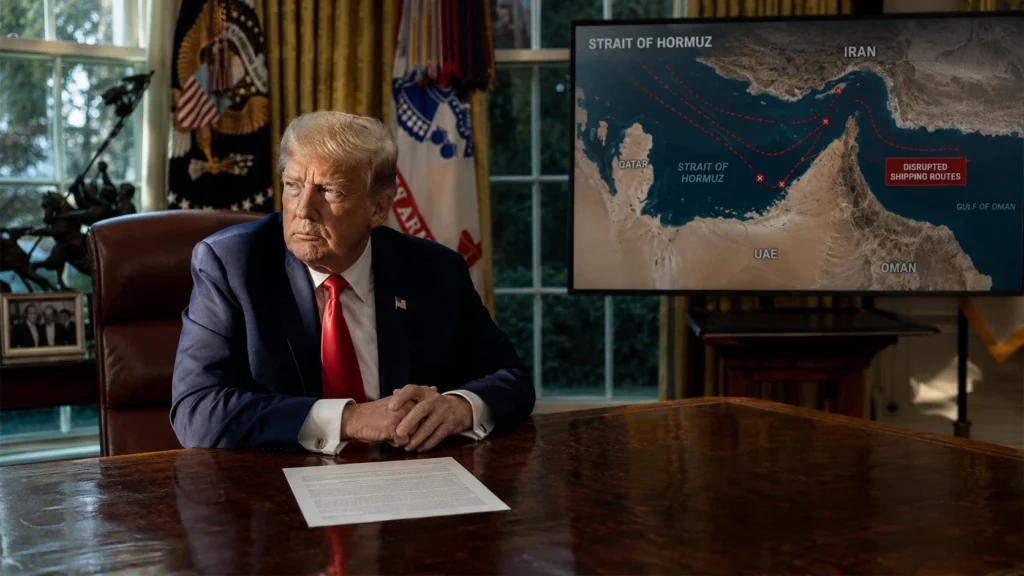
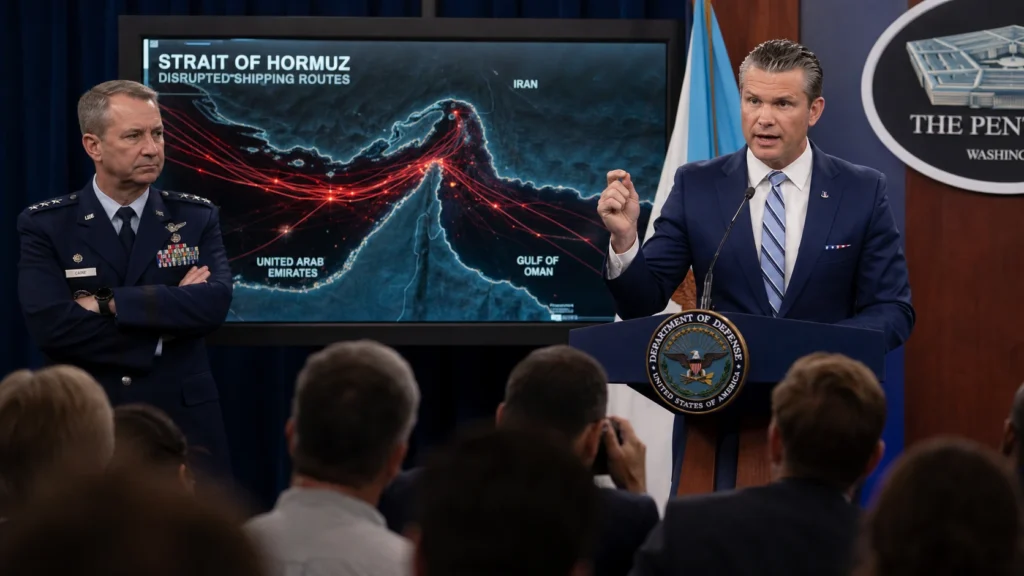
The Strait of Hormuz, the narrow maritime chokepoint between Iran and Oman, has become the central bargaining chip in the ongoing US-Iran standoff. While previous diplomatic rounds focused on uranium enrichment limits and sanctions relief, the current impasse hinges on maritime security and oil market stability.
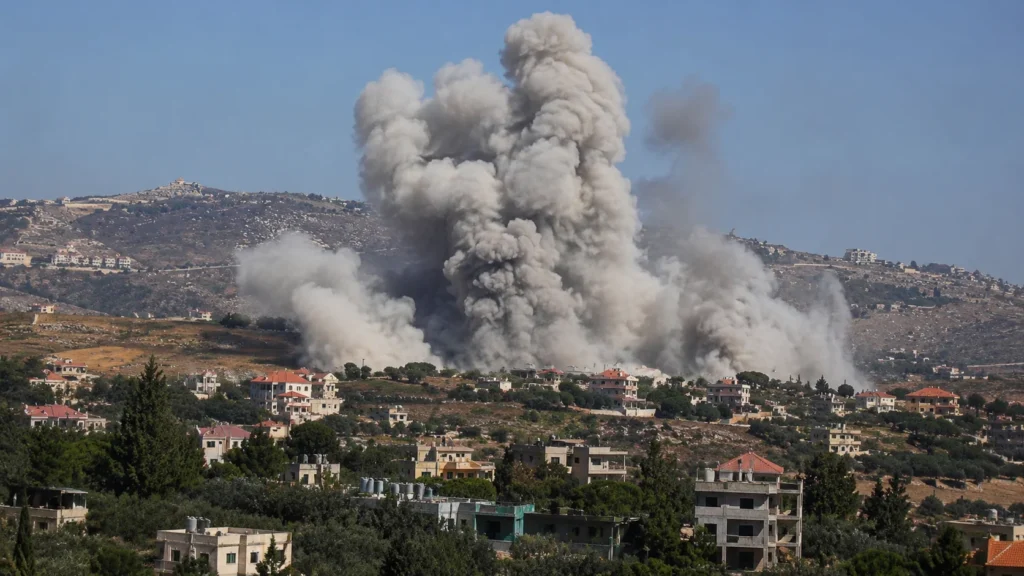
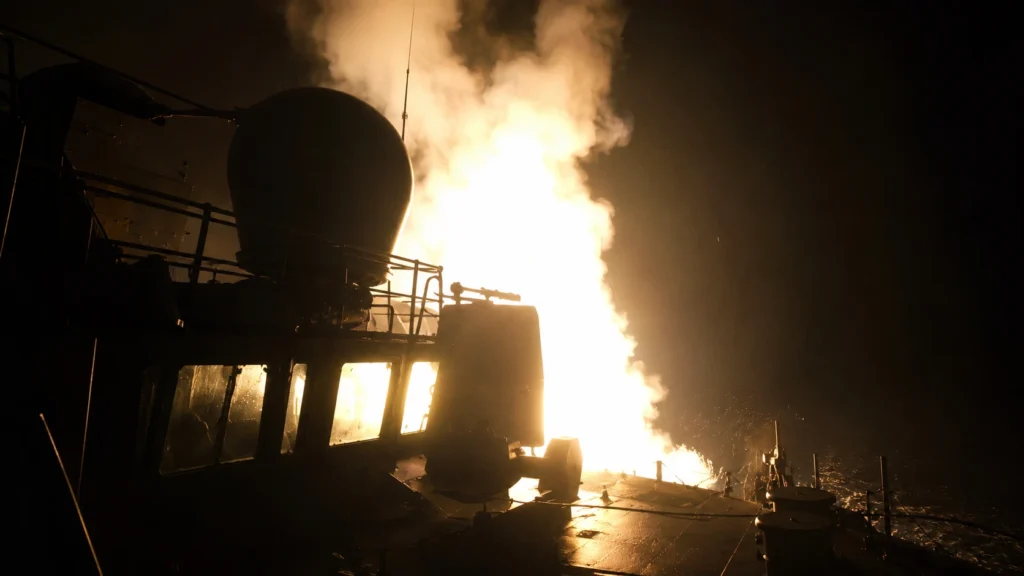
Iran has demonstrated that it does not need to fully close the Strait to exert strategic leverage. Partial disruptions—including heightened tanker insurance premiums, delayed vessel inspections, and ambiguous naval posturing—create sufficient uncertainty to raise global oil prices and pressure Western economies.
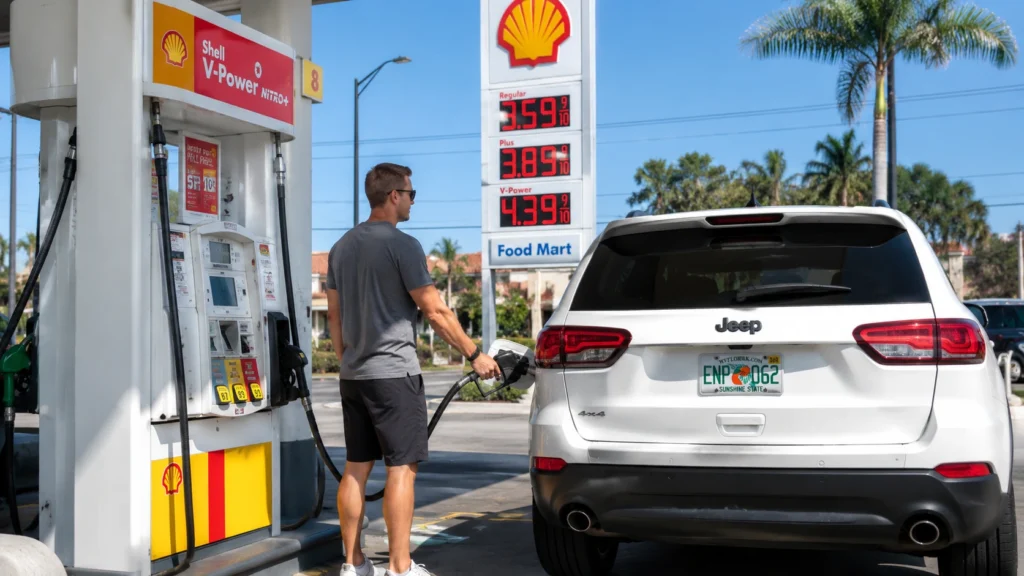
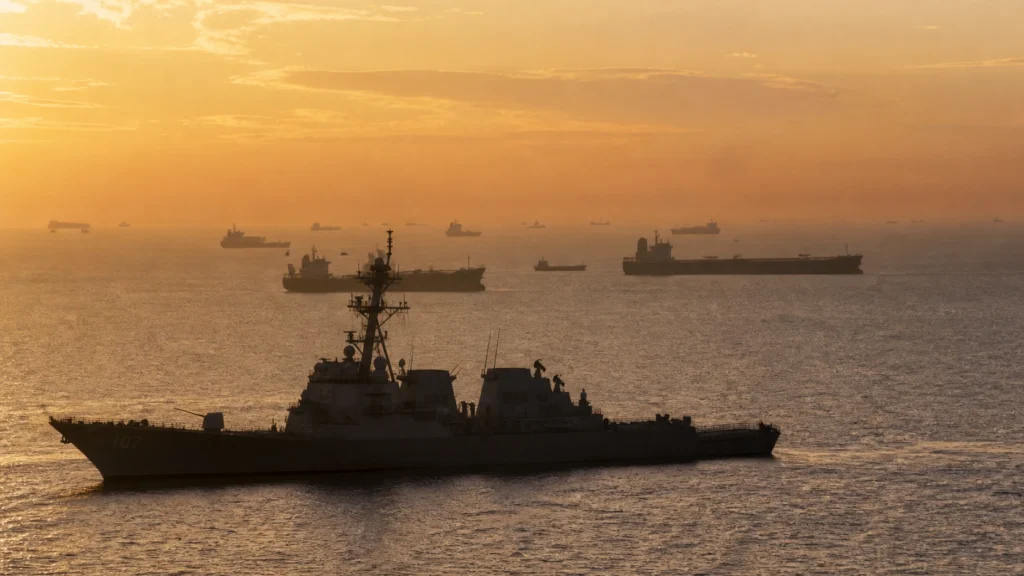
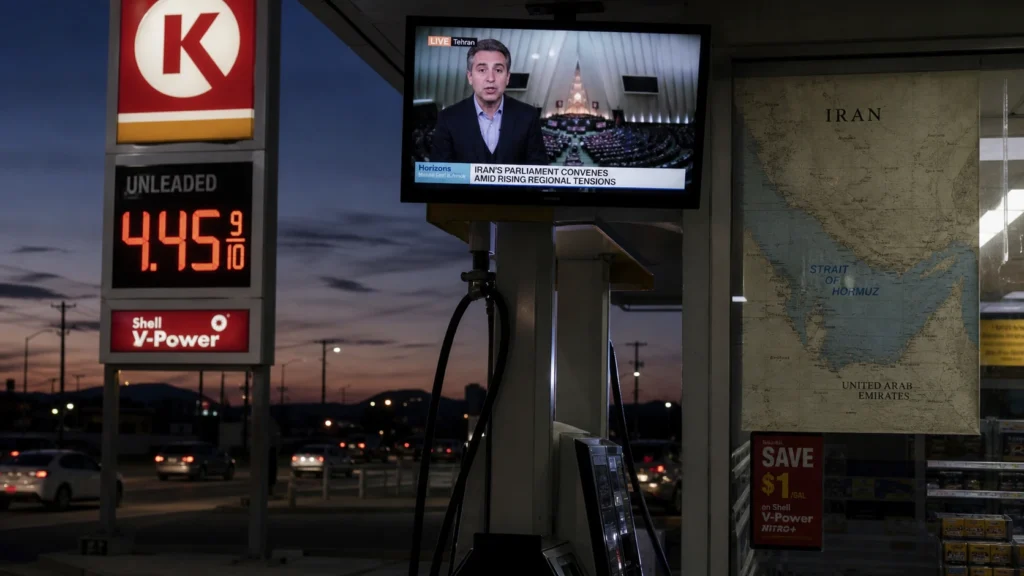
For the United States, the challenge is structural. Military dominance in the Gulf does not translate into market control. Sustained economic pressure on Tehran risks triggering further instability in the Hormuz instability, which in turn raises domestic fuel costs and complicates the administration’s broader economic strategy.
Pakistan’s Mediation Role in the Iran-US Conflict
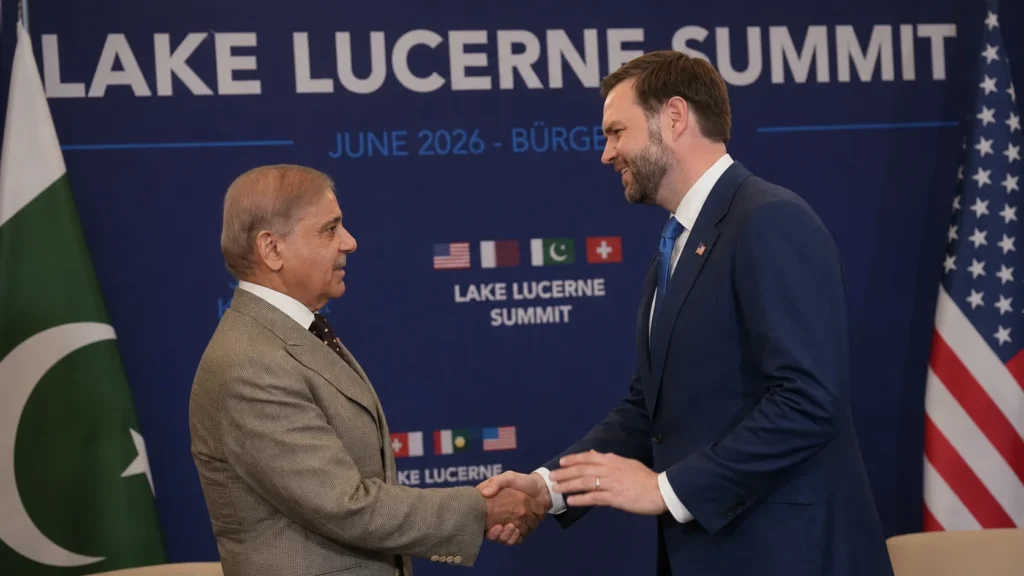
Pakistan has emerged as a key intermediary in the Iran-US back-channel communications. Islamabad serves as a courier for messages between the two capitals, a role that grants it diplomatic relevance but also exposes its economy to the direct costs of the conflict.
Pakistan’s energy import bills have risen significantly since the standoff began, contributing to domestic inflation, higher fuel costs, and public discontent. The country’s position as both mediator and victim of the crisis illustrates the complex regional dynamics at play.
How Hormuz Disruption Affects Global Oil Markets
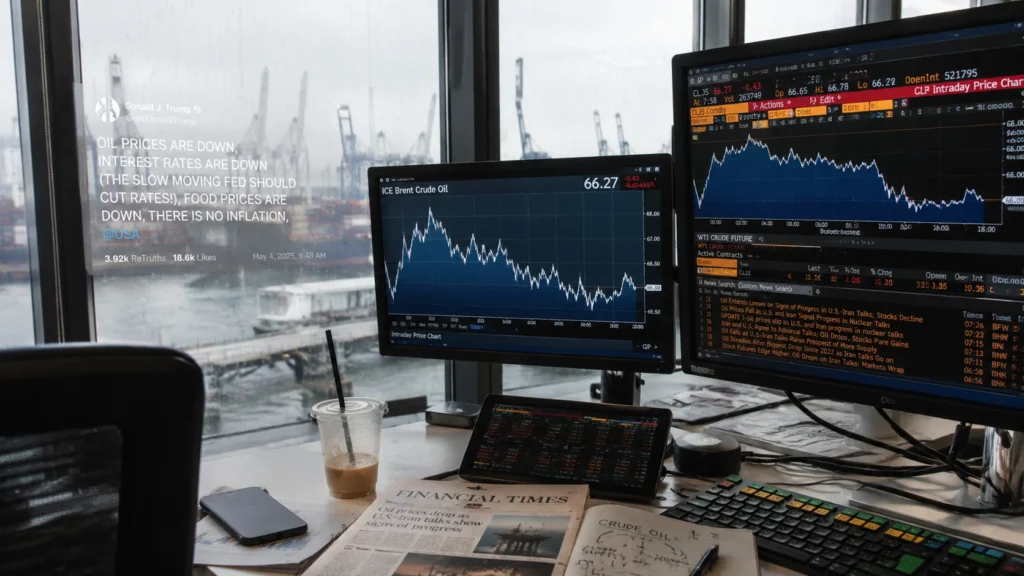
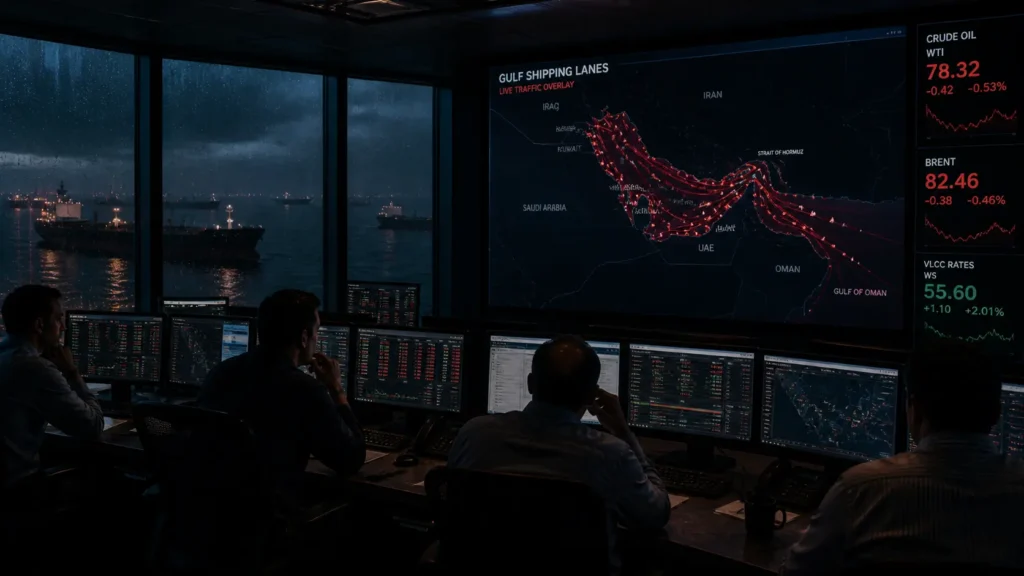
The Strait of Hormuz handles approximately 21 million barrels of petroleum daily, according to the U.S. Energy Information Administration. Even minor disruptions increase freight costs, widen insurance spreads, and force importing nations—including Pakistan, India, and Southeast Asian economies—to hedge at unfavorable prices.
The mechanism is well understood by oil markets: when diplomacy goes quiet, shipping insurance premiums rise. Tanker rates become the real-time barometer of geopolitical risk, often moving before official statements confirm tensions.
The Human Cost of the Iran-US Standoff
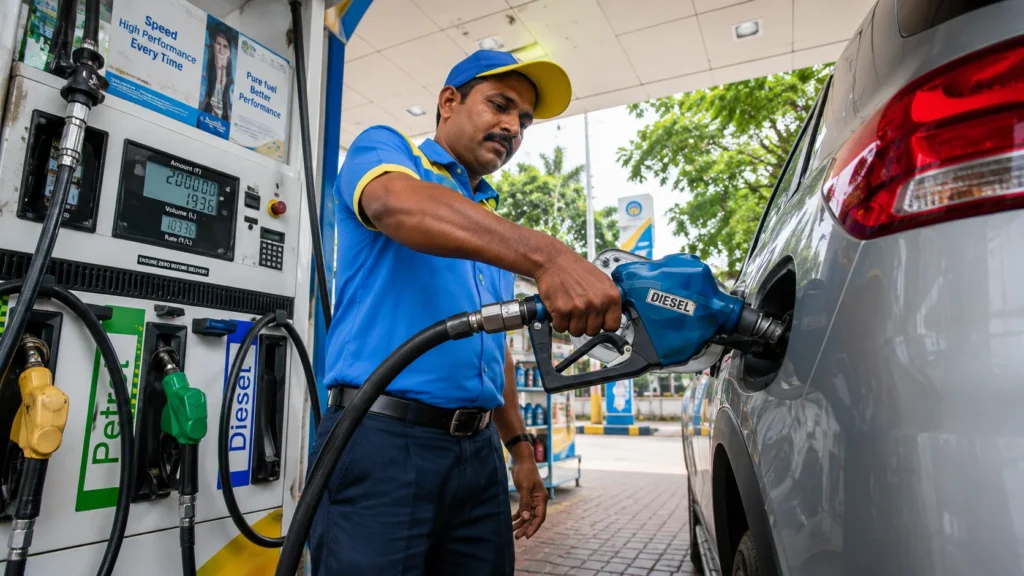
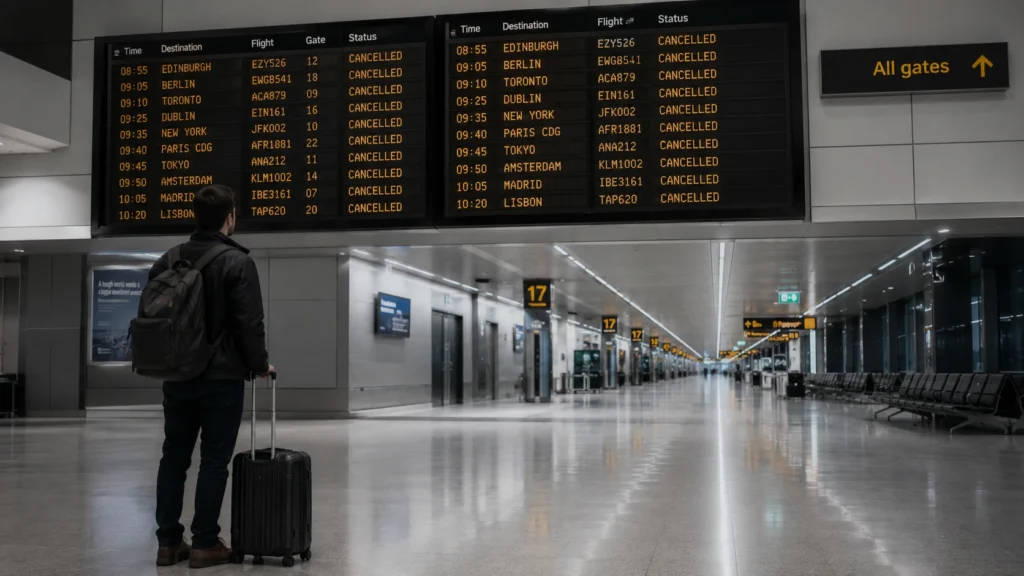
For ordinary households across South Asia, the Iran-US dispute registers through daily costs rather than diplomatic communiqués. Higher fuel prices increase transportation expenses. Electricity tariffs climb. Small manufacturing units reduce shifts. Import-dependent businesses delay hiring.
A household in Faisalabad or Karachi experiences the Gulf’s instability as inflation, not as a strategy. Officials discuss deterrence and uranium enrichment. Citizens count bills.
What Happens Next: 6–12 Month Outlook for US-Iran Relations
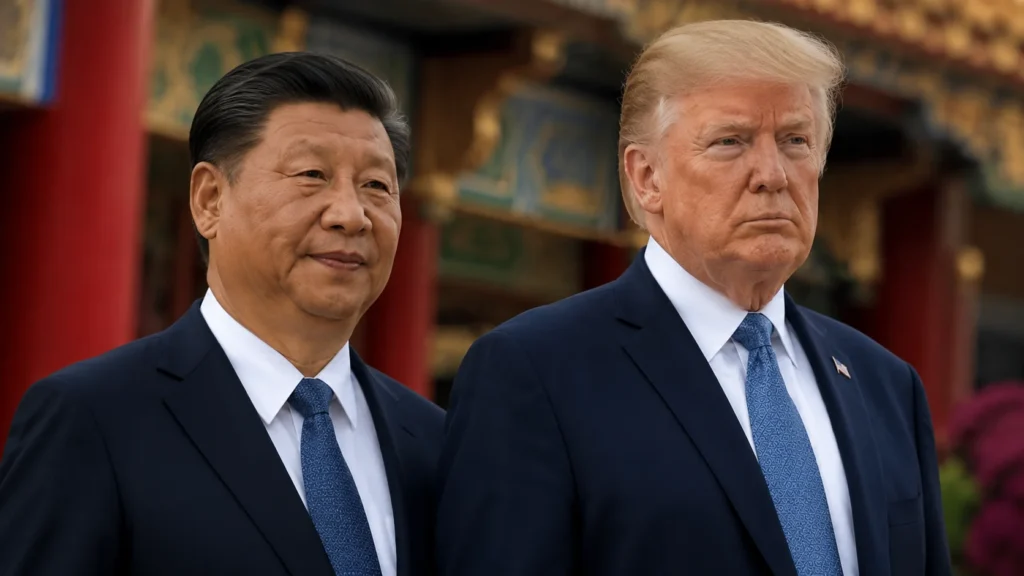
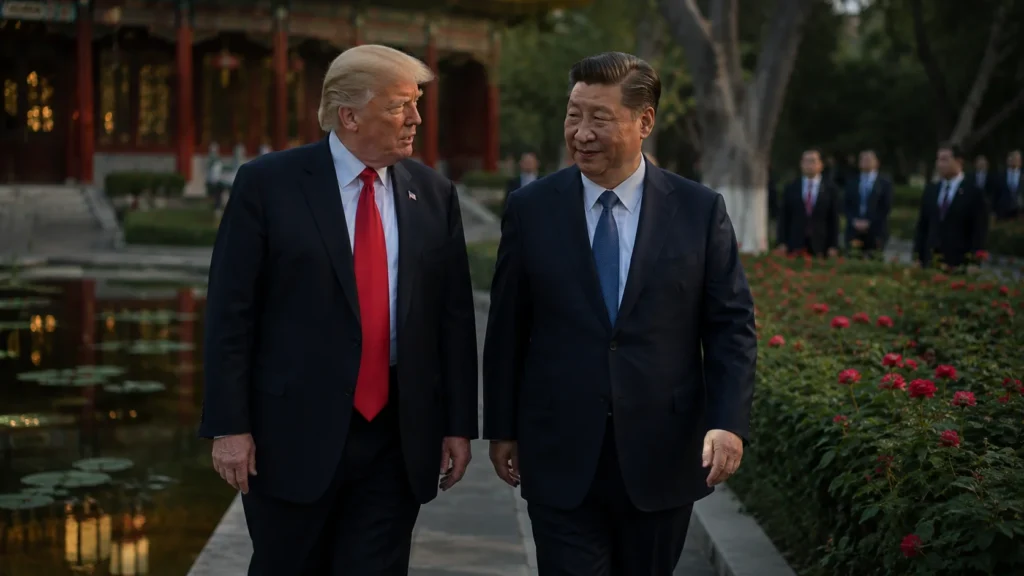
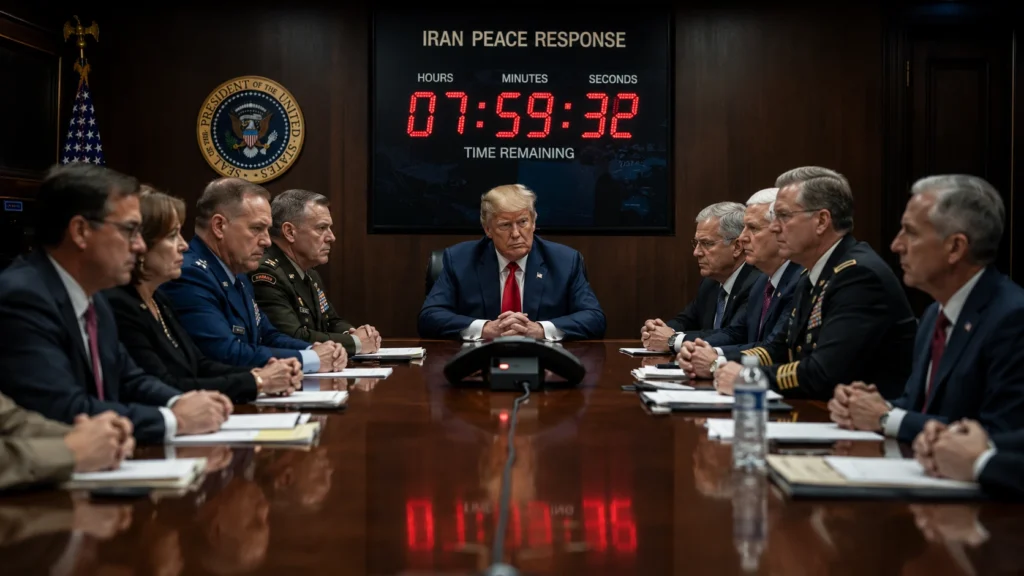
Diplomatic engagement is likely to continue in a stop-start pattern. Neither side has sufficient incentive to make the first significant concession. Washington seeks visible, verifiable limits on Iran’s nuclear activities and an end to maritime pressure. Tehran demands sanctions relief, security guarantees, and acknowledgment of its sovereign right to influence regional waterways.
Key indicators to monitor:
- Tanker insurance premiums and freight rates for Gulf transit—rising costs signal deteriorating prospects for a diplomatic breakthrough.
- Any temporary enrichment freeze or uranium transfer formula—a concrete proposal would indicate progress in back-channel discussions
- Pakistan’s continued mediation role—the sustainability of Islamabad’s position as a communication channel rather than a formal negotiating host
If these indicators move positively, talks may stabilize. If they stall, global markets will price renewed conflict risk.
Strategic Summary: Iran-US Talks and Hormuz Crisis
- What changed: The Strait of Hormuz has overtaken Iran’s nuclear enrichment program as the primary leverage point in US-Iran negotiations.
- Why it matters: Energy market uncertainty now shapes diplomatic bargaining power for both sides, constraining military options and pressuring import-dependent economies from Pakistan to Southeast Asia.
- What to watch next: Shipping cost trends, enrichment pause terms, and the durability of Pakistan’s mediation role in the crisis.