

 English







































































































































































































































































Rose Dugdale: The Debutante Who Stole a Vermeer for the IRA
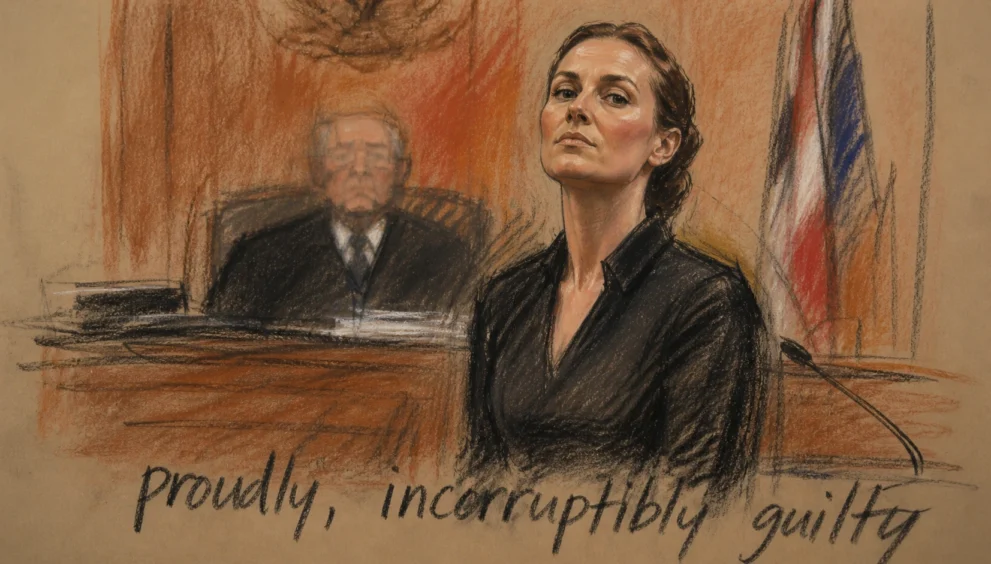
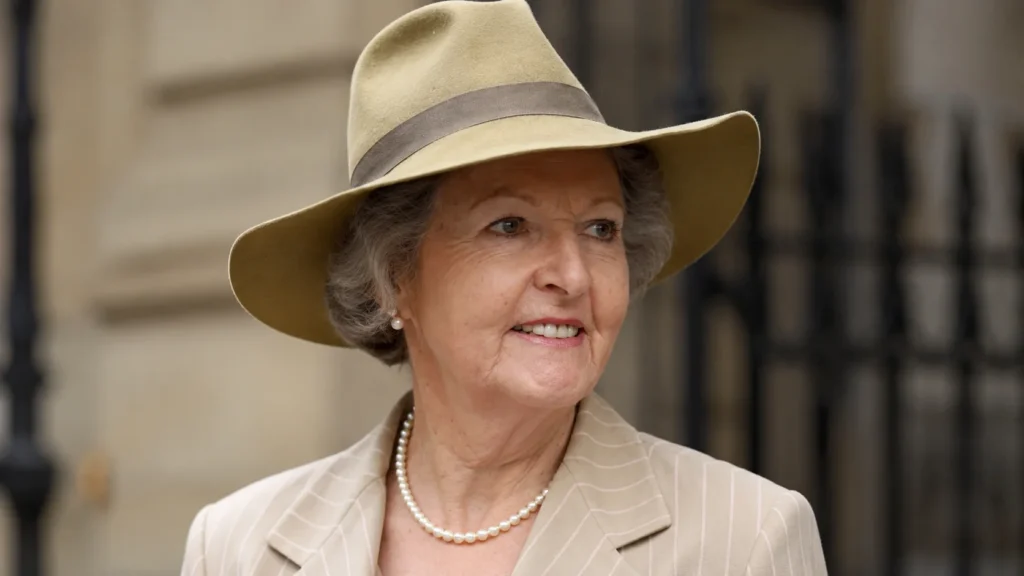
Rose Dugdale was presented to Queen Elizabeth II as a debutante, groomed for a life of country houses and social duty. On 26 April 1974, she led an armed raid on Russborough House in County Wicklow, Ireland, stealing 19 paintings, including a Vermeer, a Goya, and a Velázquezall for the IRA. She died in March 2024, aged 83, unrepentant.
Who Was Rose Dugdale
Bridget Rose Dugdale was born in 1941 into extraordinary privilege. A French governess supervised her childhood. Elite European finishing schools polished her. She was formally presented to the Queen as a debutante, a ritual designed to usher young women of the right background onto the marriage market.
She later described her coming-out ball as “one of those pornographic affairs, which cost about what 60 old-age pensioners receive in six months.” The moral arithmetic of that comparison never left her.
Rose Dugdale enrolled at the University of Oxford in 1959 to study philosophy, politics, and economics. While there, she and a friend dressed in men’s clothes to sneak into a debate at the male-only Oxford Union as a protest against the restriction. After studying at a US university, she returned to London to work as an economist in the Ministry of Aid and Overseas Development.
The radical student protests of 1968 drew Rose Dugdale toward the revolutionary left. A visit to Cuba followed. By the early 1970s, she had given away most of her inheritance and was working among deprived communities in Tottenham, north London, while concealing her own wealth.
How Rose Dugdale Turned From Heiress to Art Thief
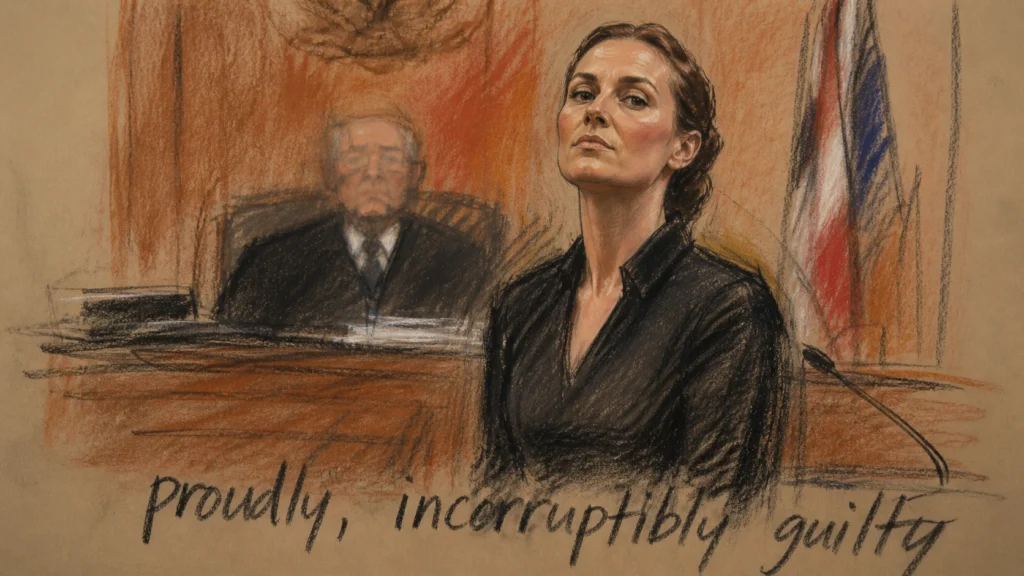
In 1973, Rose Dugdale helped organise a raid on her parents’ 800-acre estate in Devon, stealing approximately £82,000 worth of art and silver, equivalent to roughly £1.3 million today. Arrested and brought to court, she told her father from the witness box: “I love you, but I hate everything you stand for.” She received a two-year suspended sentence.
Within months, Rose Dugdale participated in an unsanctioned IRA-adjacent operation to hijack a helicopter in County Donegal in January 1974. The plan called for dropping milk churns filled with explosives on a police station in Strabane, County Tyrone. The operation failed. The churns were too heavy. Fuses misfired. Soldiers later mocked what they called “the air-to-ground milk churn.”
The helicopter hijacking, Rose Dugdale would later tell her biographer Sean O’Driscoll, was “the happiest day of her life.” She said: “It was the first time I felt like I was really at the centre of things, that I was really doing as I said I would do.”
The Russborough House Art Heist Led by Rose Dugdale
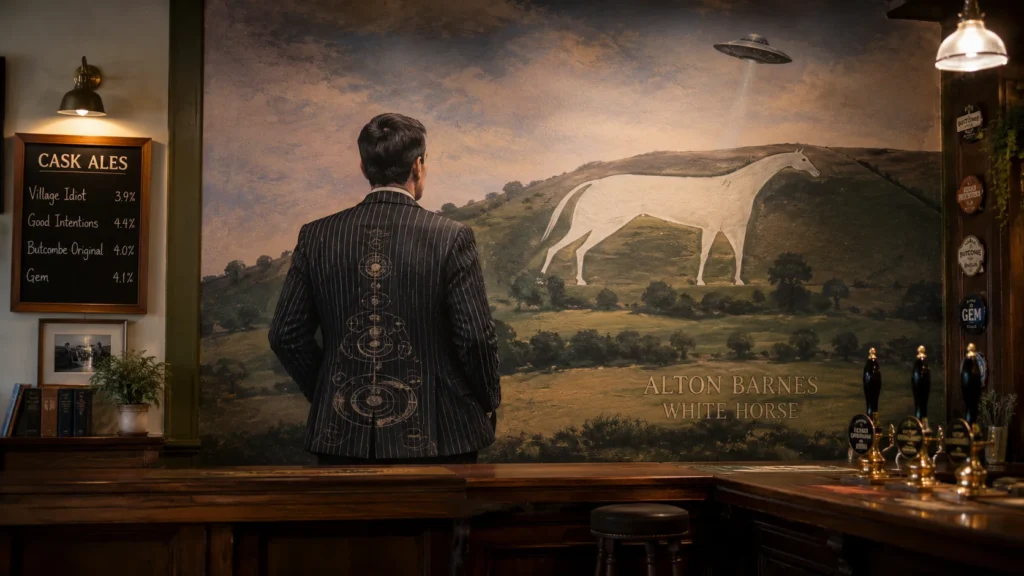
On the night of 26 April 1974, Rose Dugdale and three accomplices entered Russborough House, the home of Sir Alfred Beit. The Beit family fortune came from South African diamonds. Sir Alfred was a former Conservative MP and one of only four private owners of a Vermeer painting.
Sir Alfred was struck on the head with a revolver. Lady Clementine Beit was bundled into the cellar. Five staff members were tied up. Rose Dugdale, speaking with a deliberately heavy French accent, directed the operation.
The raiders removed 19 paintings from their frames, including Vermeer’s “Lady Writing a Letter with Her Maid,” works by Goya and Velázquez, two Gabriël Metsu, and Frans Hals’ “Portrait of a Cavalier.” The paintings were small enough to fit in a Ford Cortina estate car.
A ransom demand followed days after the Rose Dugdale art heist: transfer the Price sisters, Marian and Dolours, jailed in England for the 1973 Old Bailey car bombing, to a Northern Ireland prison. The Beit family refused to negotiate. The paintings became bargaining chips in a political conflict, not objects of aesthetic contemplation.
The Recovery and Later Life of Rose Dugdale
Police recovered the paintings weeks later at a holiday cottage in Prison Cove, near Glandore in West Cork, approximately 190 miles from Russborough House. When officers arrived, Rose Dugdale attempted to pose as a French tourist, wearing a wig and speaking with an affected accent. The officers were not convinced.
Rose Dugdale was sentenced to nine years in prison. While in custody, she gave birth to her son, Ruairi, fathered by her accomplice Eddie Gallagher. The couple married in the Limerick Prison chapel in 1978. She was released in 1980 and moved to Dublin.
According to O’Driscoll’s biography “Heiress, Rebel, Vigilante, Bomber: The Extraordinary Life of Rose Dugdale,” she continued to be involved in developing weapons for the IRA, testing them on beaches in County Mayo.
Rose Dugdale died in March 2024, aged 83. That same month saw the release of “Baltimore,” a film depicting the Russborough House raid, with Dugdale played by Imogen Poots. The paintings returned to the walls of Russborough House decades ago. The questions Rose Dugdale raised about art, value, and power remain.