

 English






















































































































































































































































US Begins Guiding Ships Through Hormuz as Iran Threatens Attacks
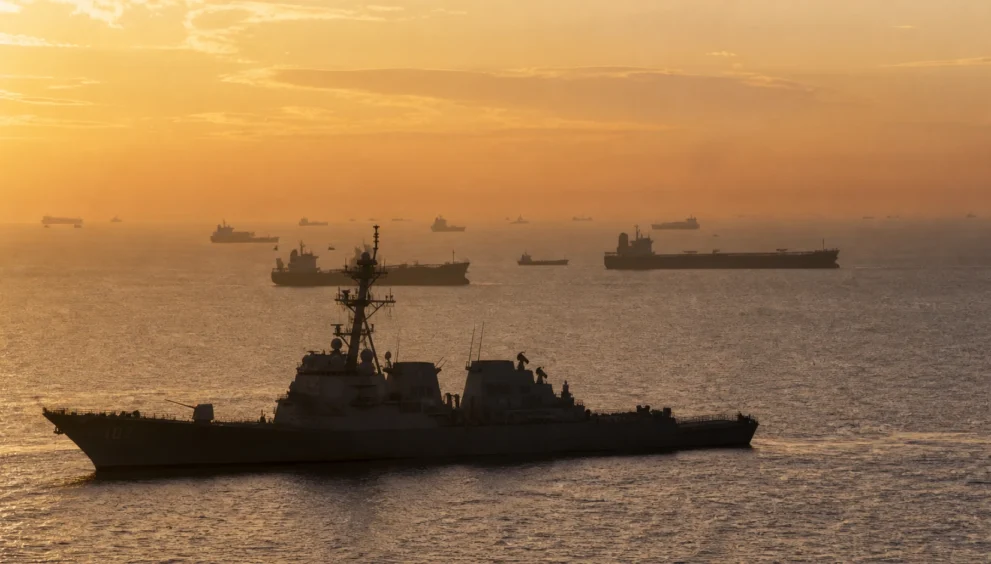
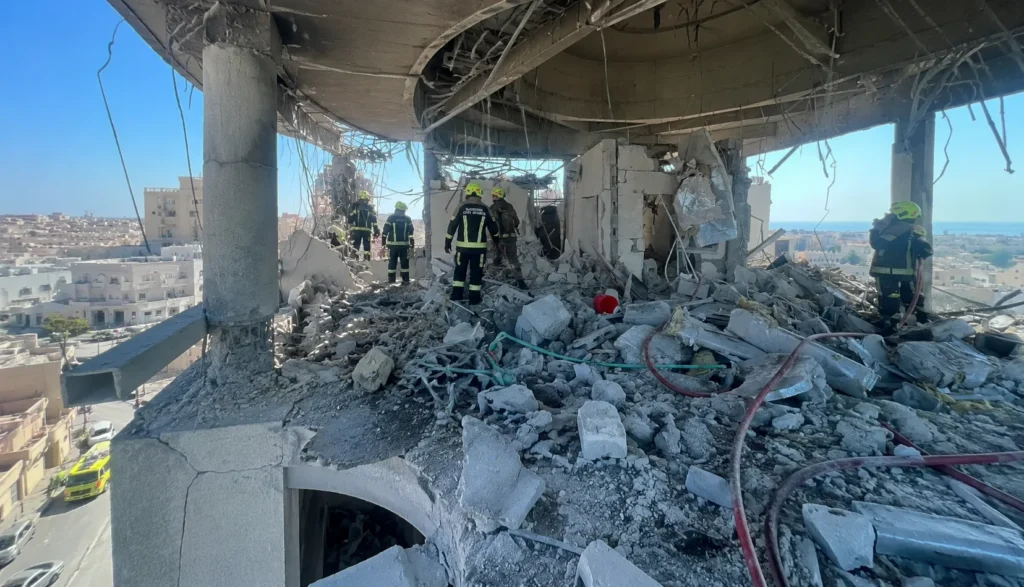
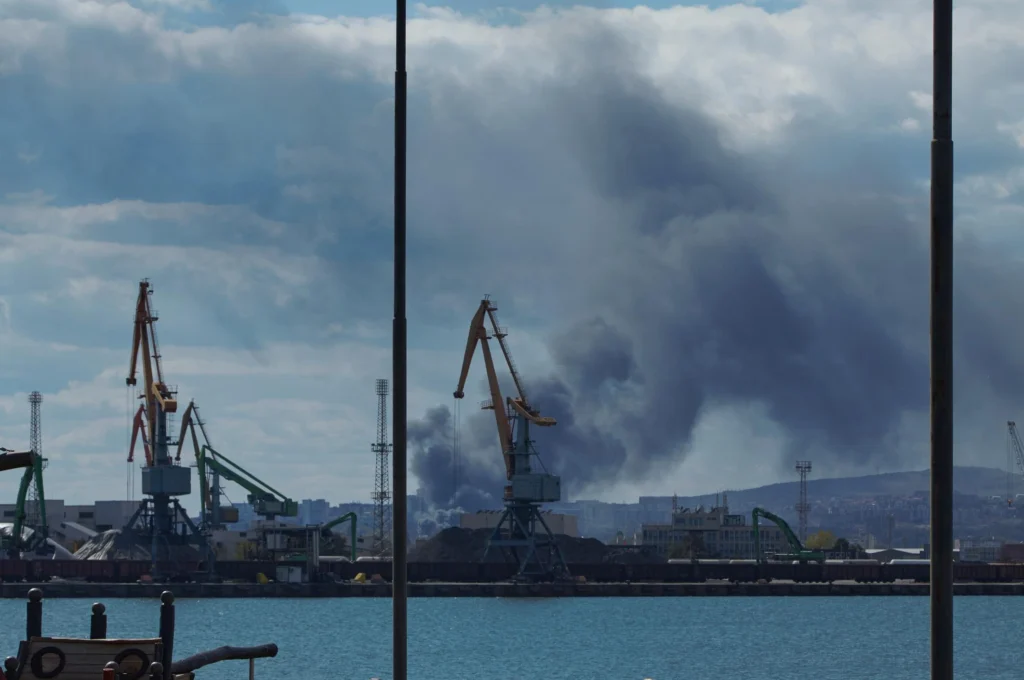
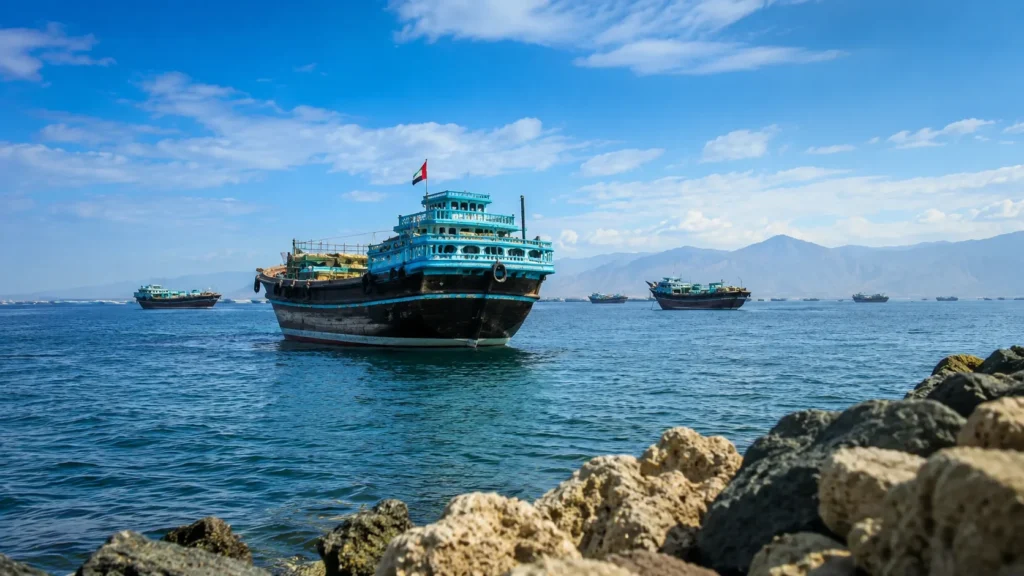
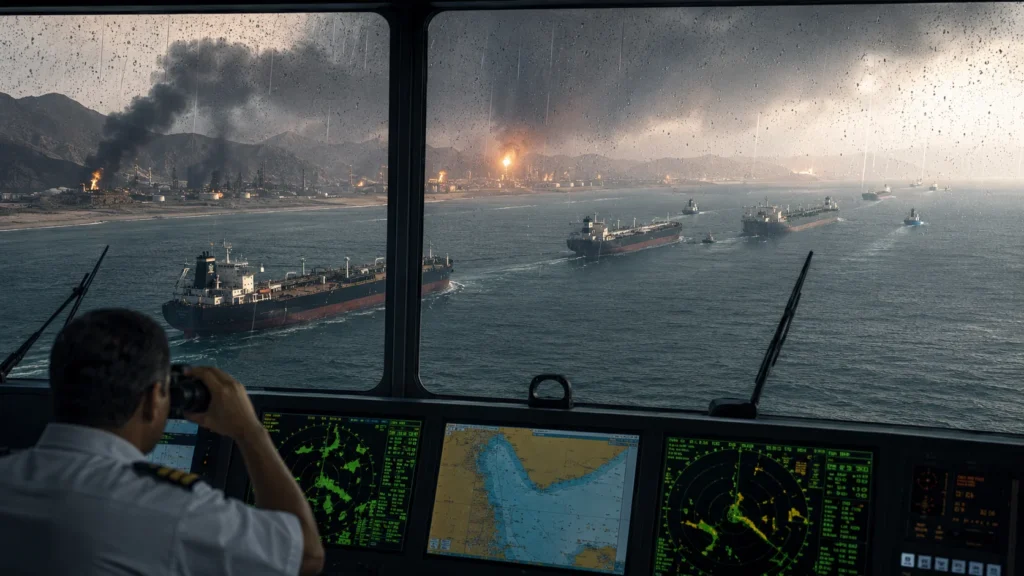
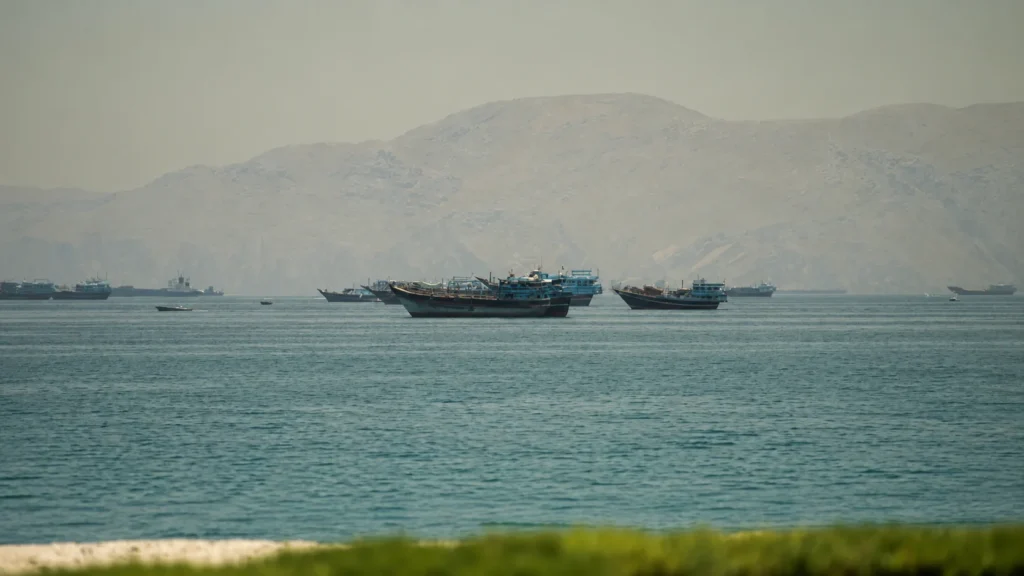
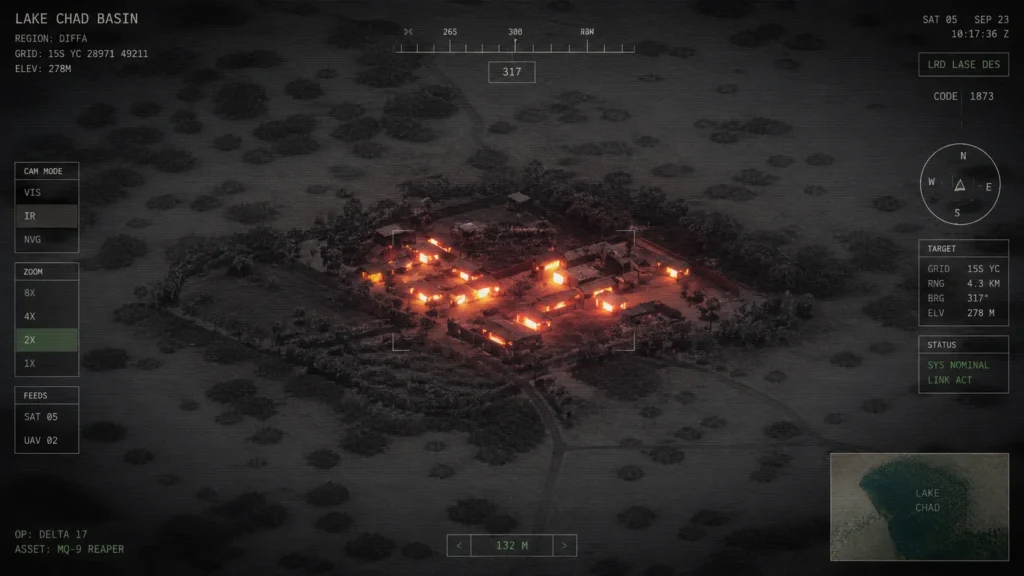
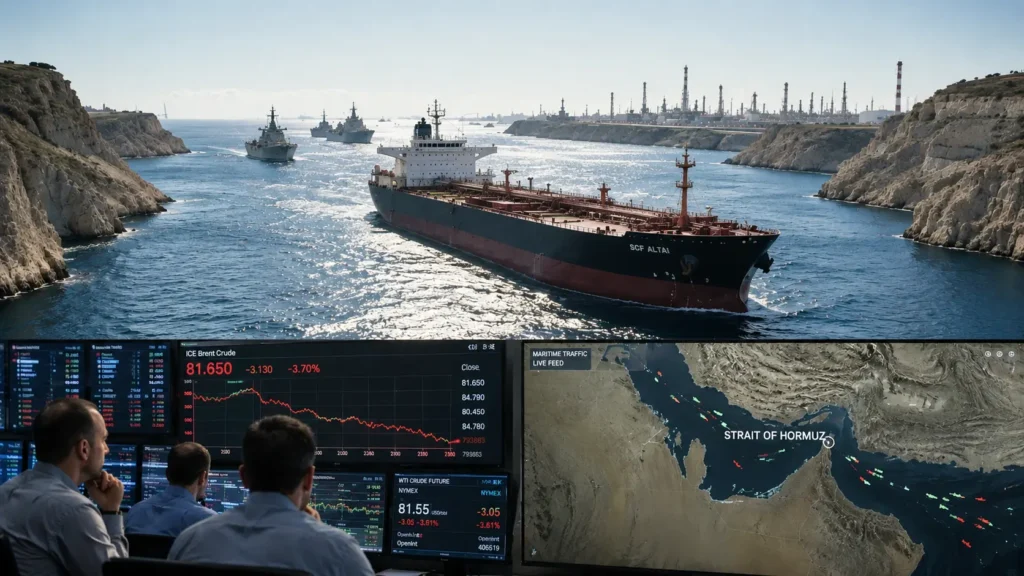
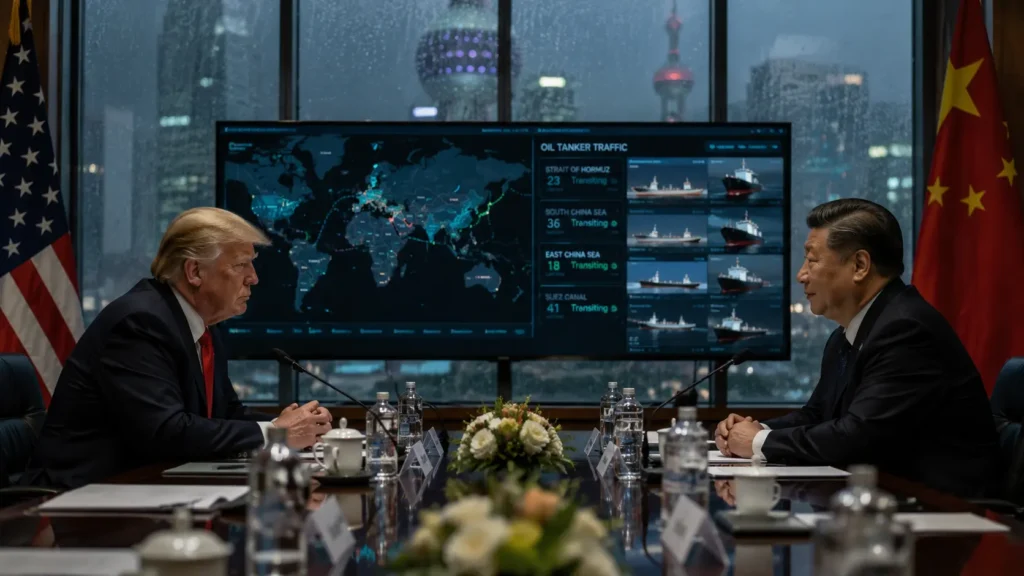
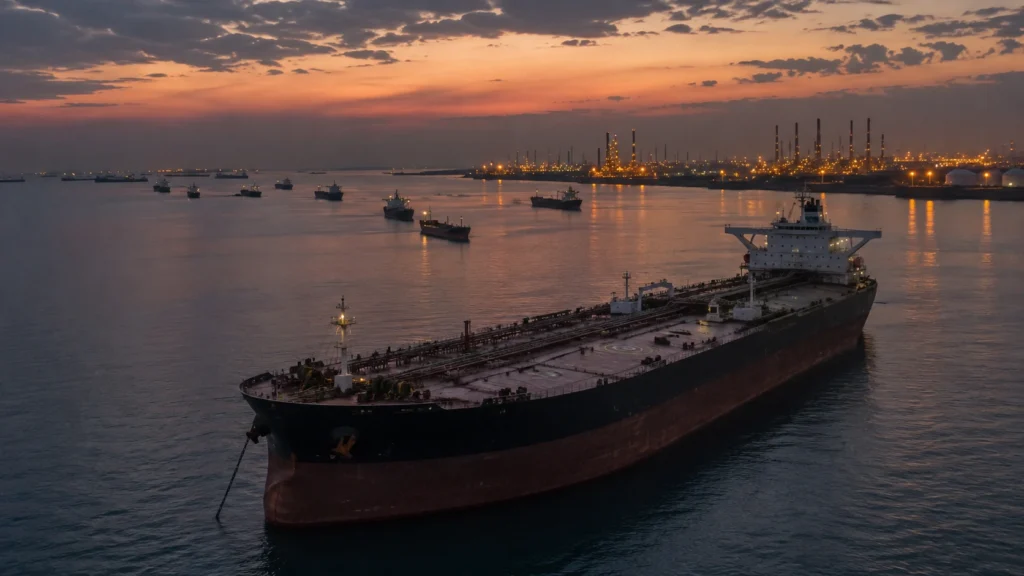
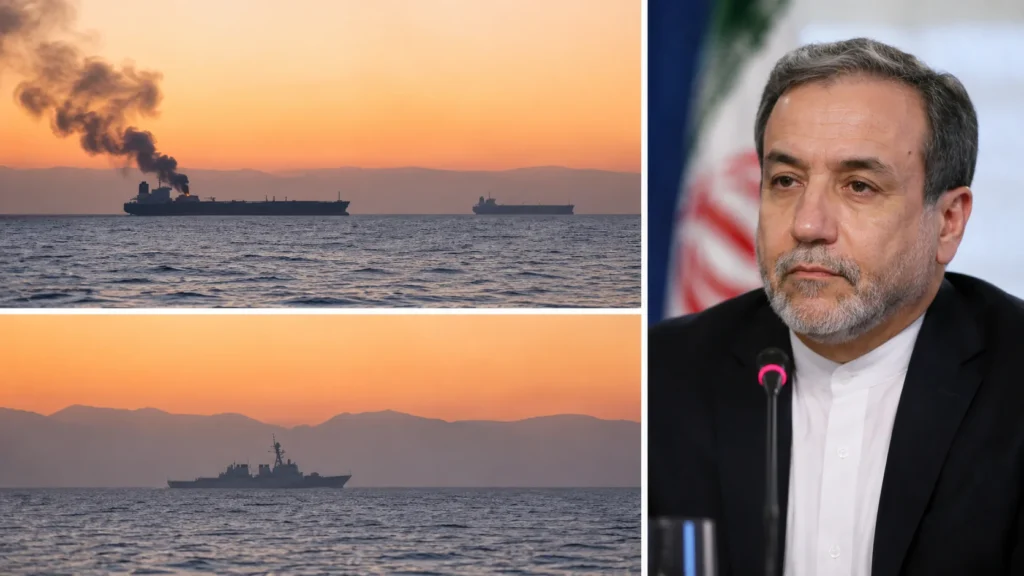
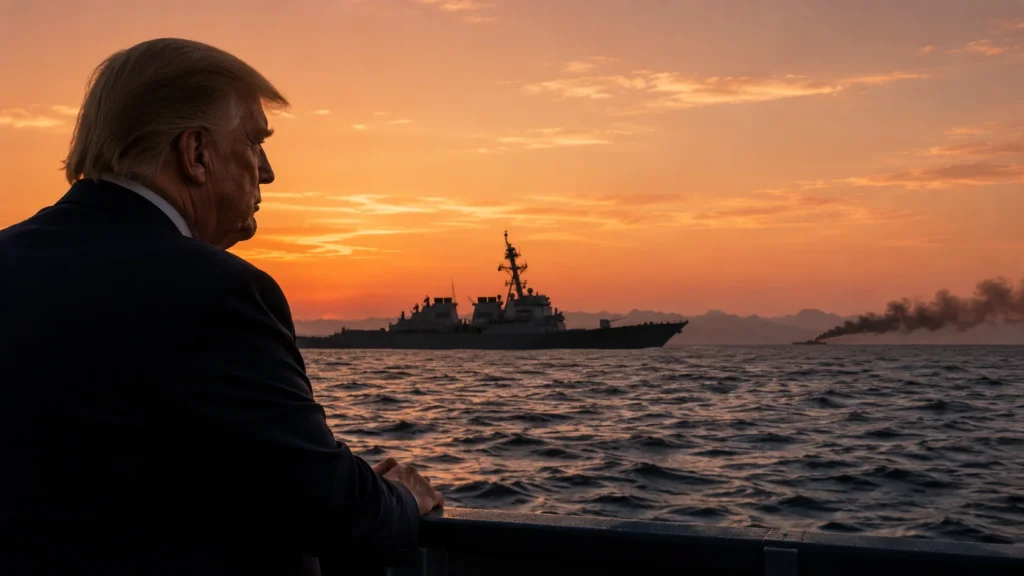
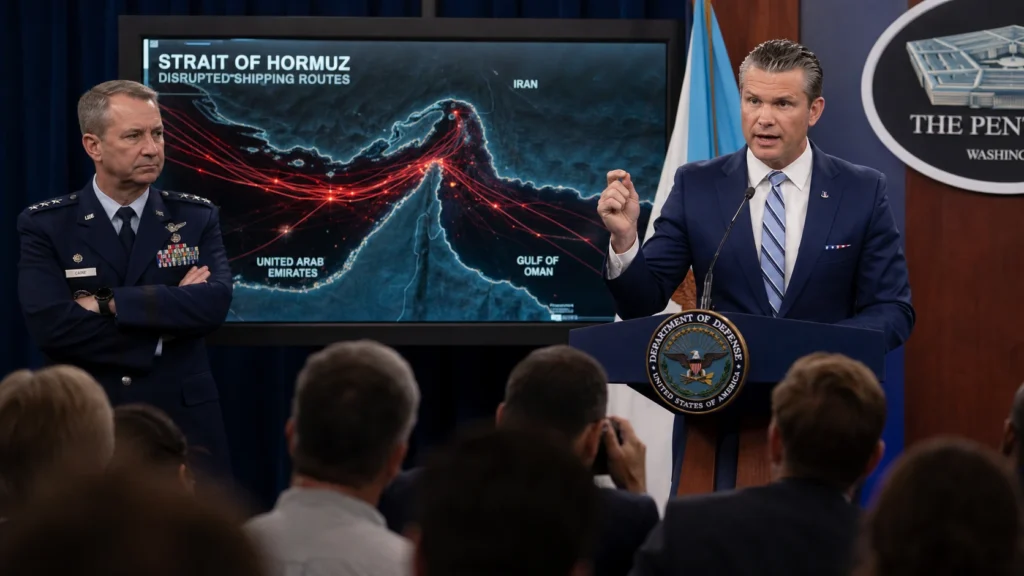
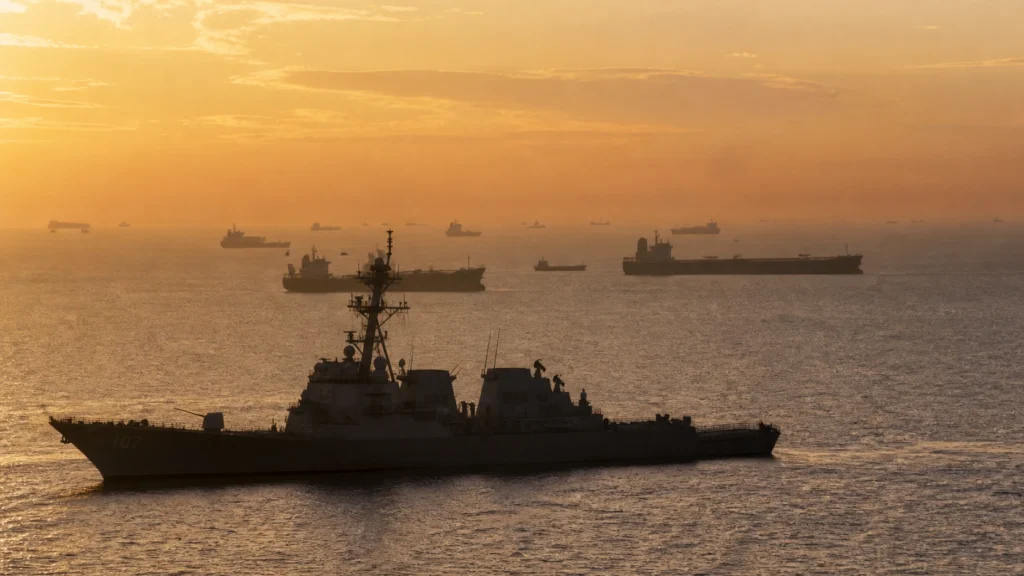
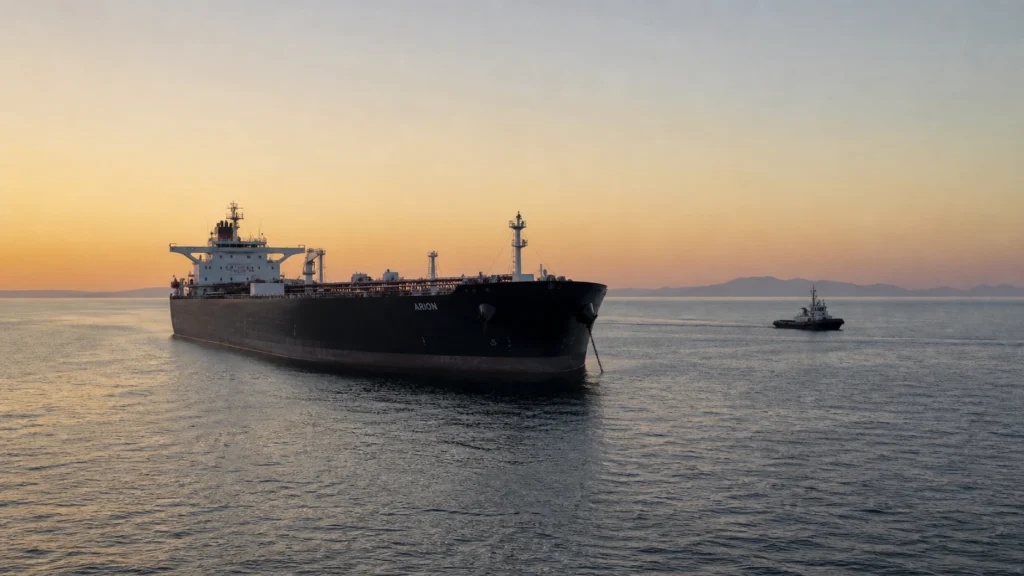
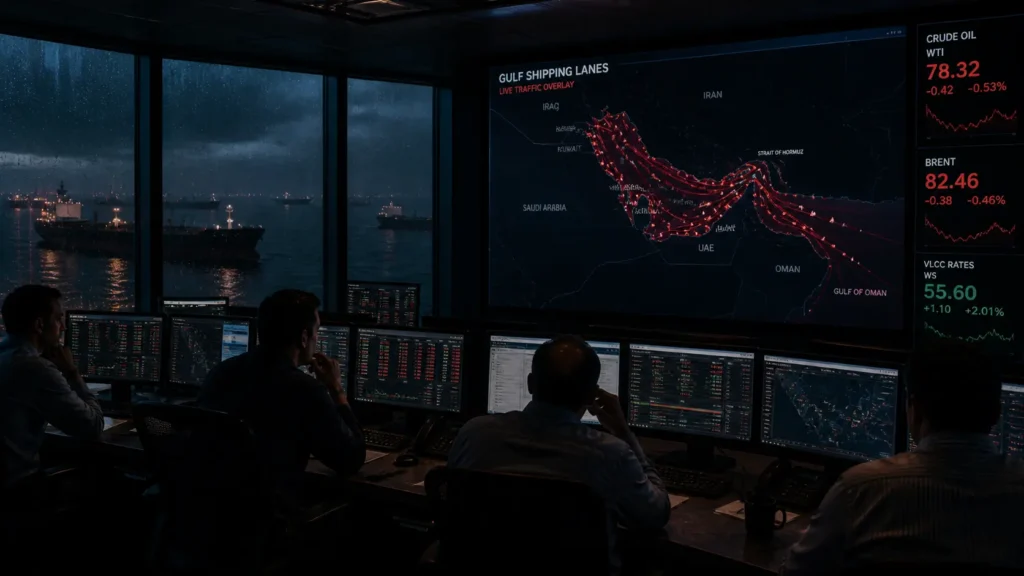
The United States military began guiding ships through the Strait of Hormuz on Monday, launching a coordination mission to help stranded commercial vessels transit the world’s most critical energy chokepoint. Iran warned that any foreign military force approaching the strait would be attacked. Pakistan separately brokered the return of a seized Iranian vessel and its 22 crew members as a confidence-building measure.
How the US Is Guiding Ships Through Hormuz
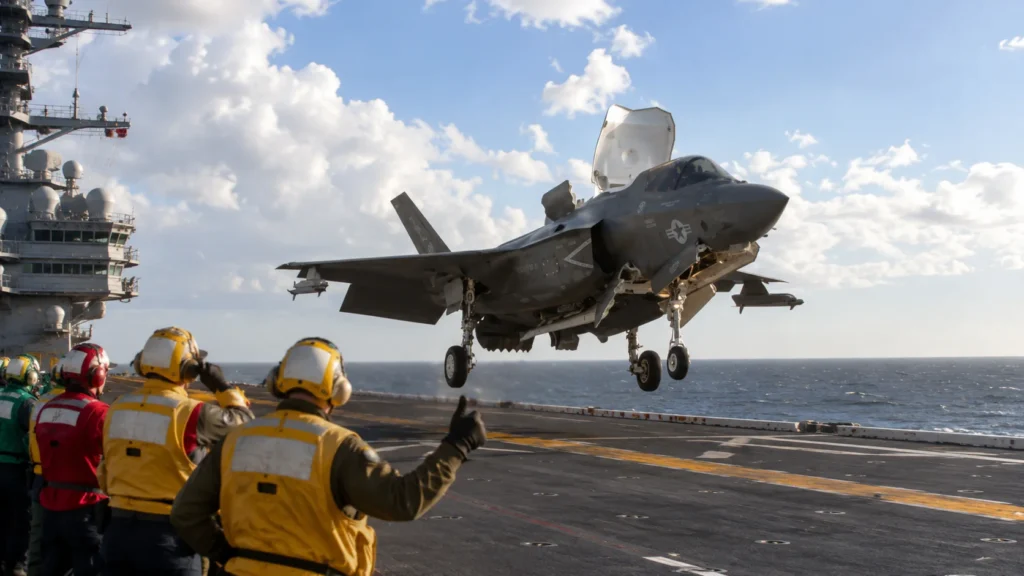
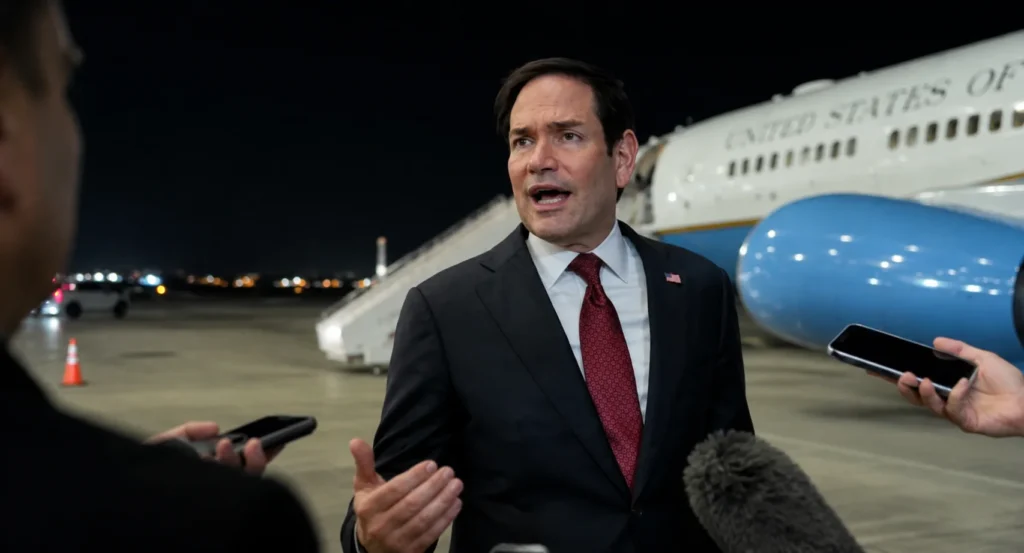
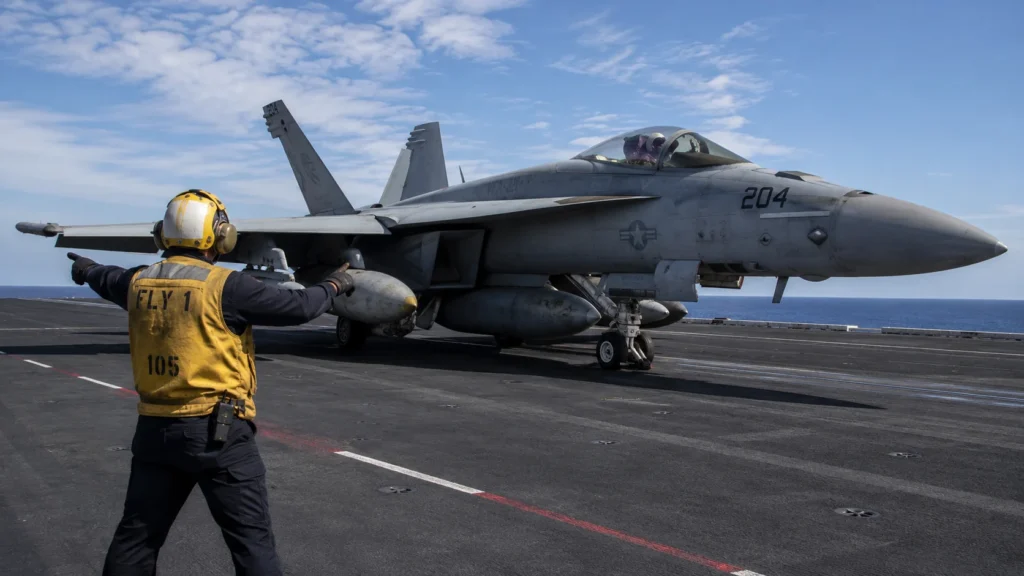
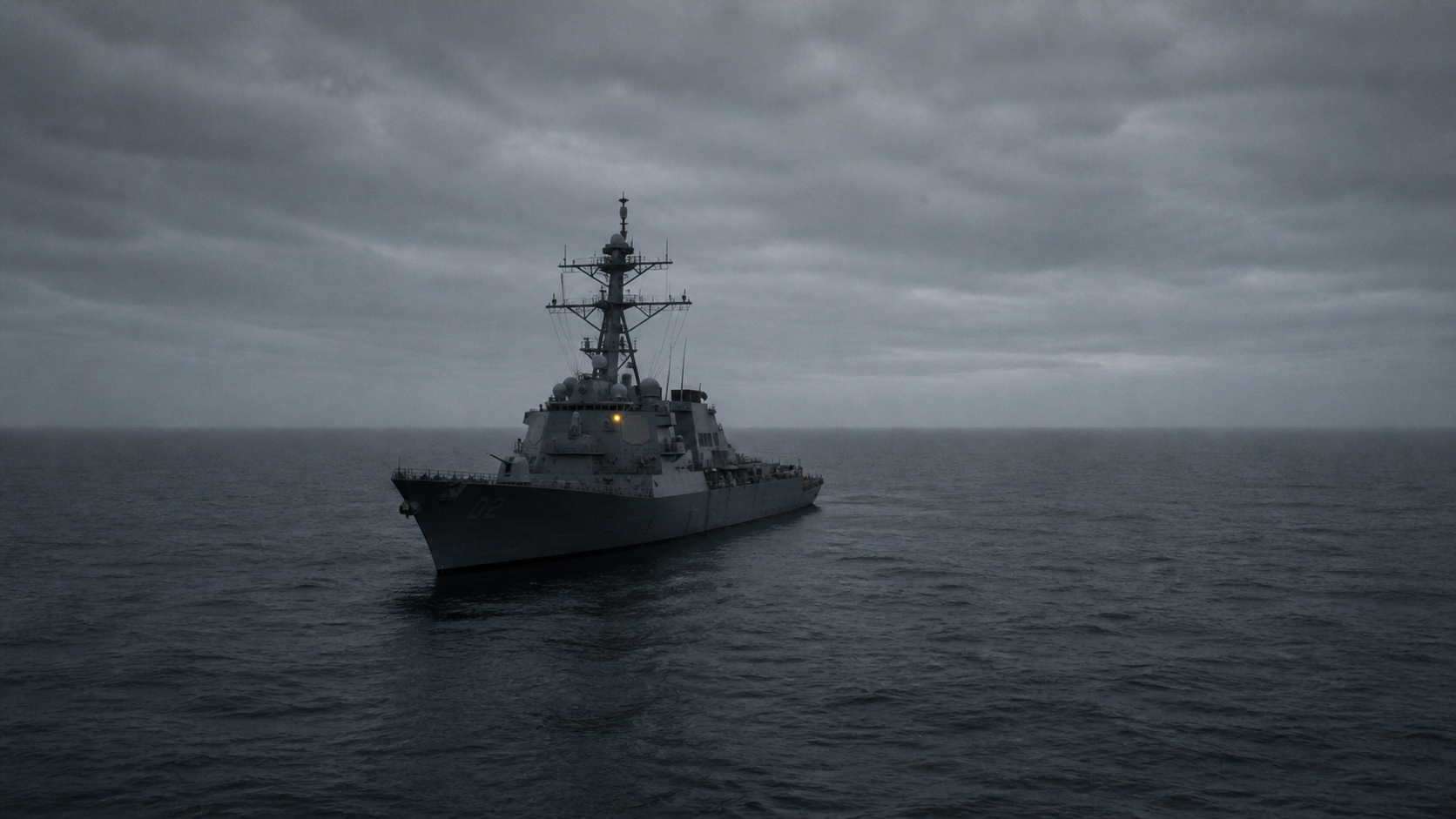
The Pentagon described the new operation as “guidance” rather than an armed escort. A US official told reporters the mission does not constitute a military escort, a distinction that reflects the legal and operational complexity of operating in waters Iran claims as under its sovereign control.
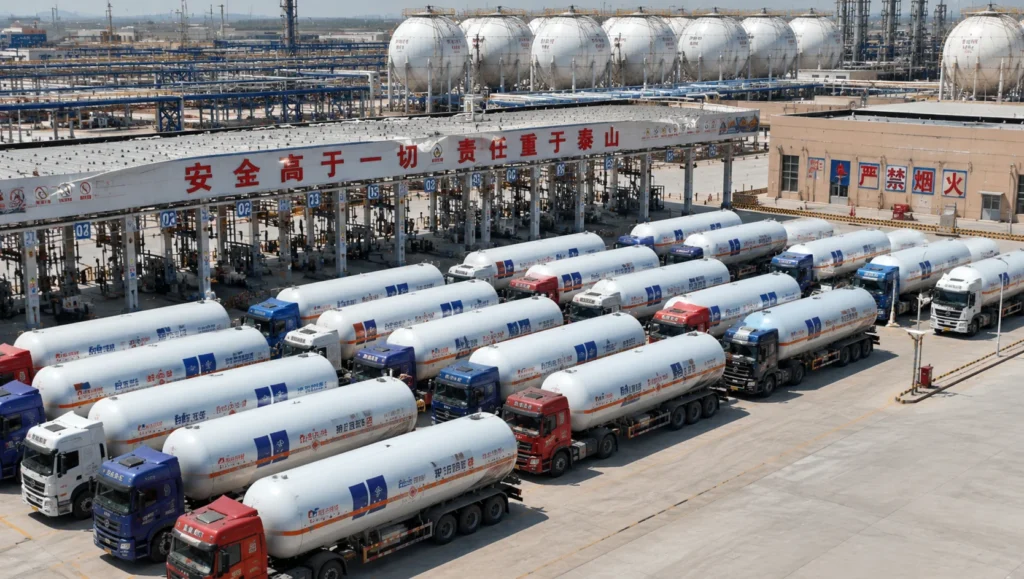
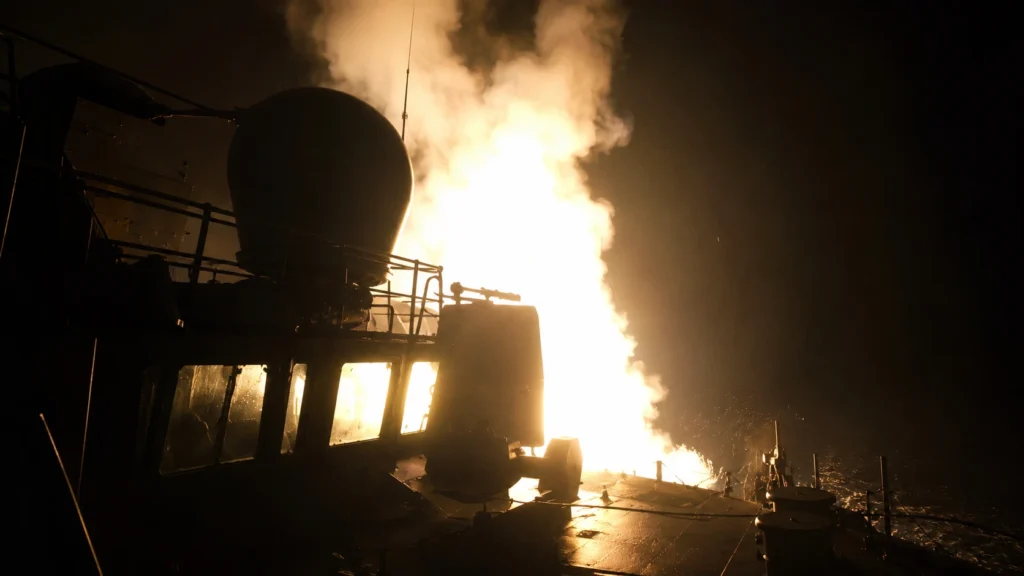
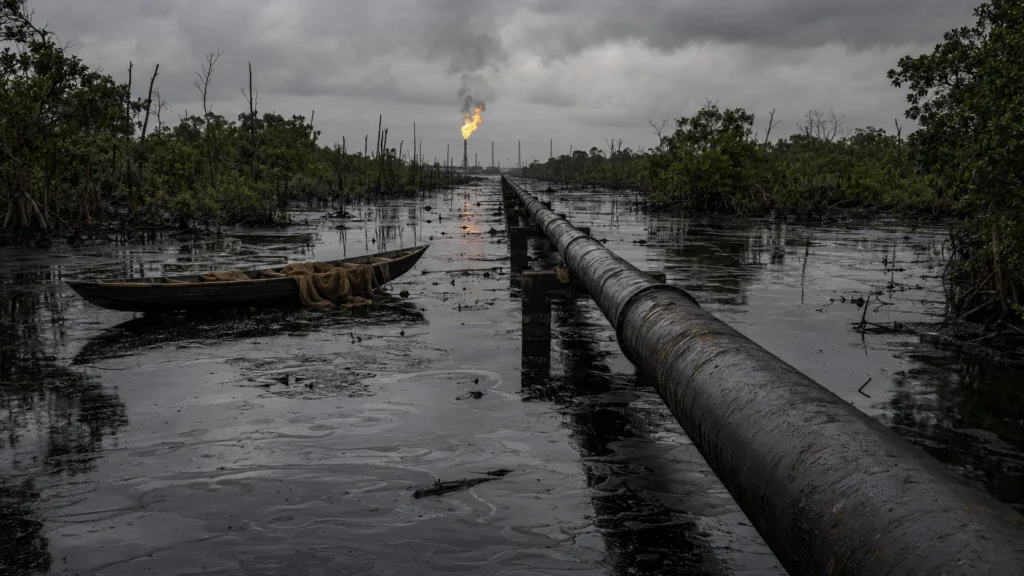
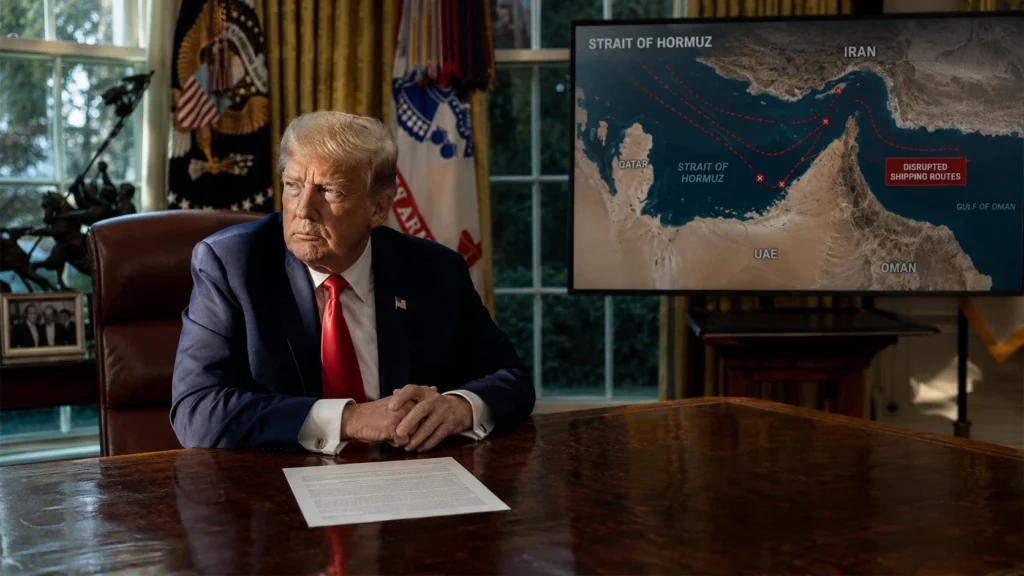
American warships have maintained a blockade of Iranian ports since April 13, with US Central Command confirming that 45 commercial ships have been turned around since the blockade began. The new mission shifts the US role from blocking Iranian exports to facilitating international transit. The Strait of Hormuz handles approximately one-fifth of global oil trade, according to the US Energy Information Administration.
By guiding ships through Hormuz rather than formally escorting them, the US aims to challenge Iran’s claim to be the sole arbiter of passage while maintaining sufficient ambiguity to avoid triggering an automatic military response. The semantic distinction may prove fragile if Iranian forces treat any American naval coordination as a violation of their declared red lines.
Iran Responds to US Guiding Ships Through Hormuz
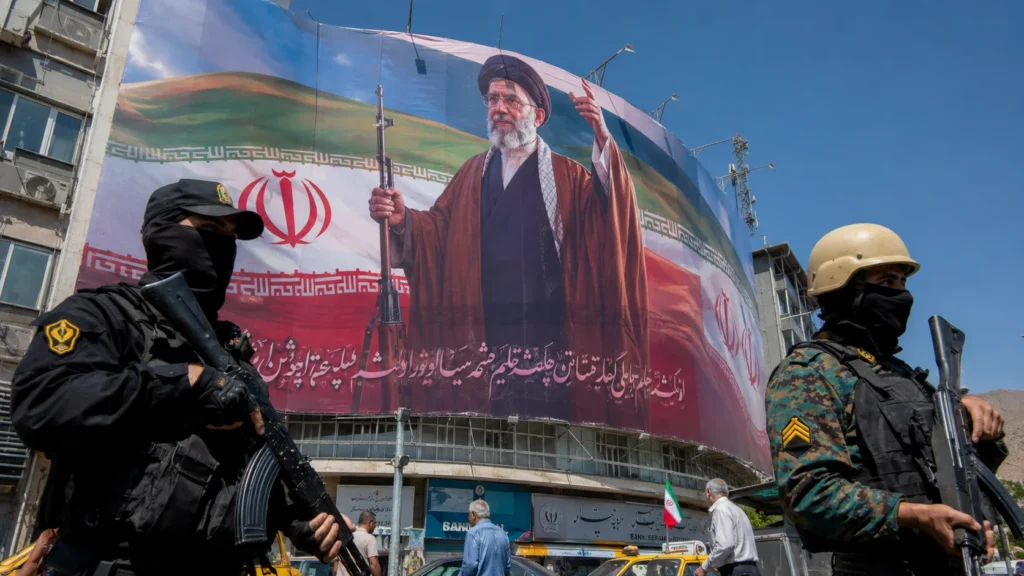
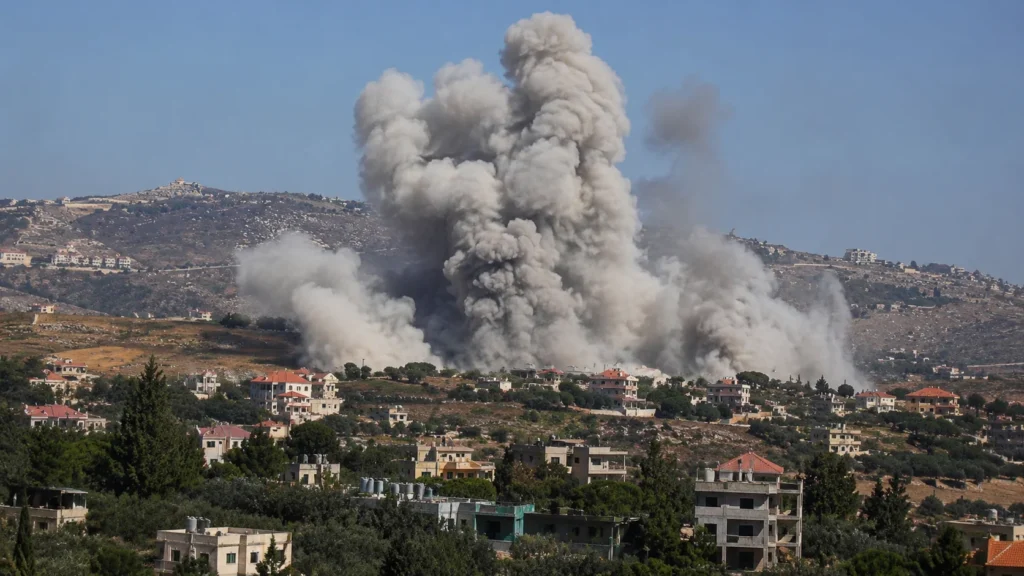
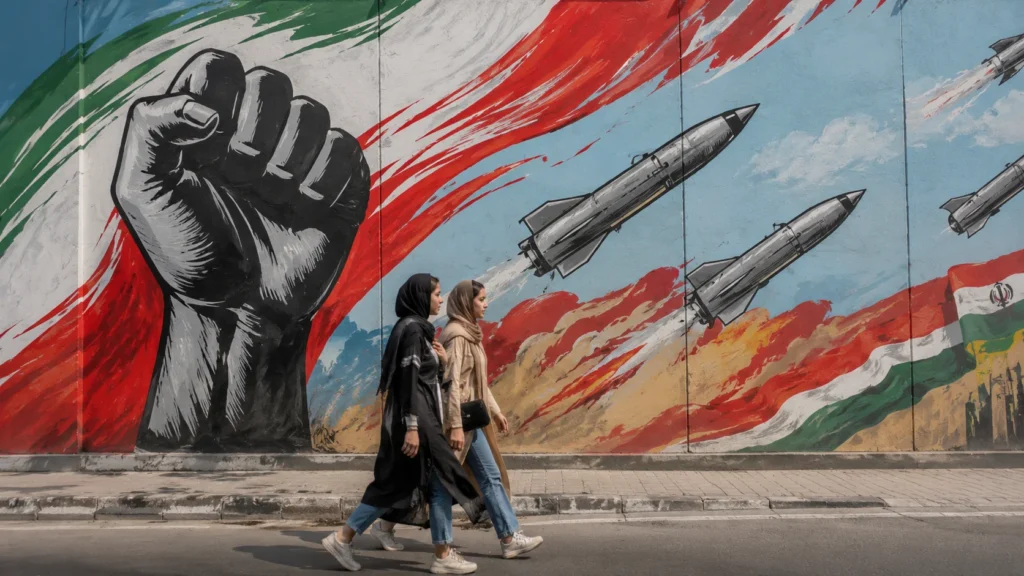
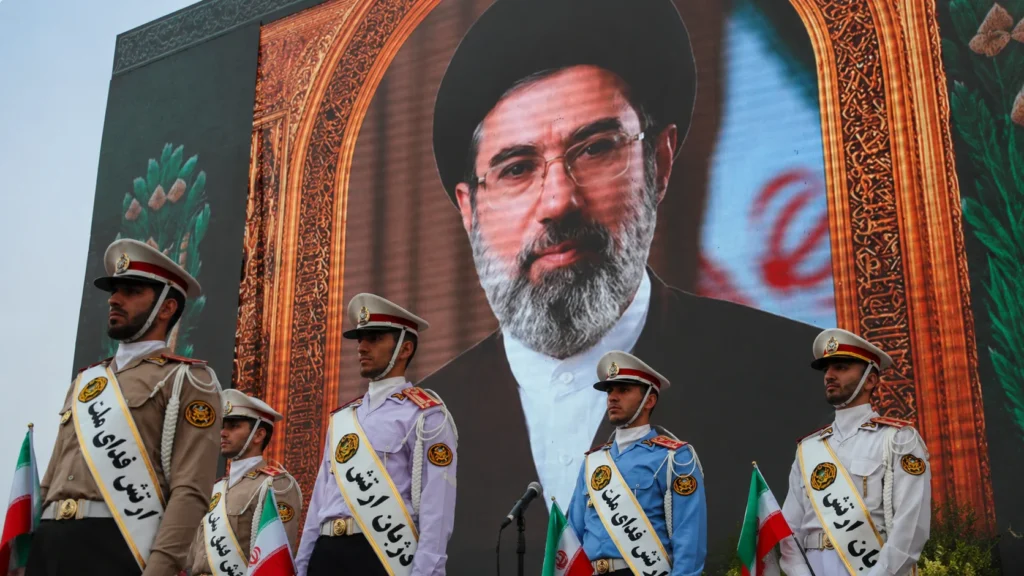
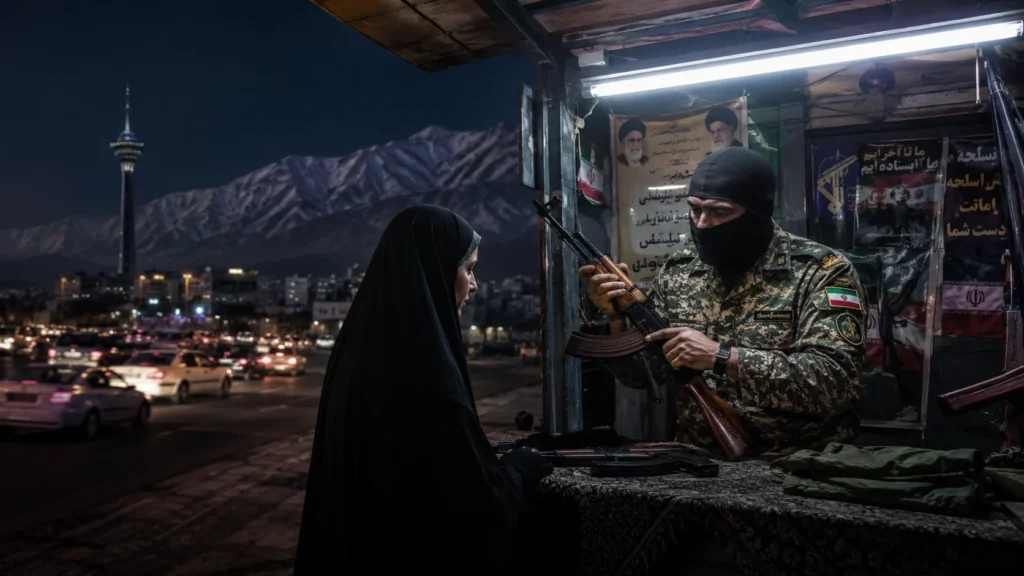
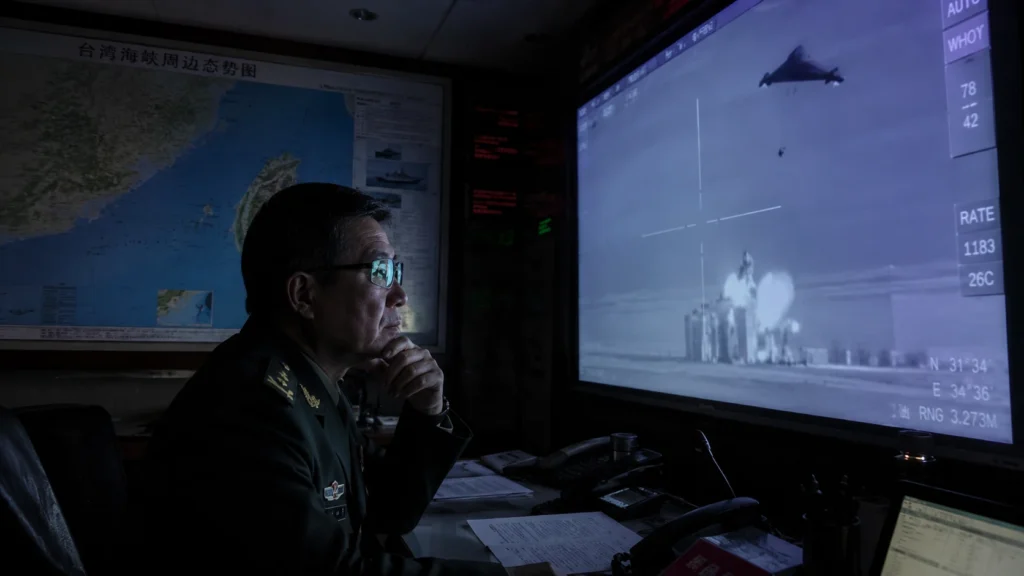
A senior Iranian military official warned that “any foreign military force” attempting to approach or enter the strait would face attack. The statement made no distinction between an escort mission and a guidance operation. From Tehran’s perspective, any American naval presence near the waterway constitutes a violation of Iranian maritime sovereignty.
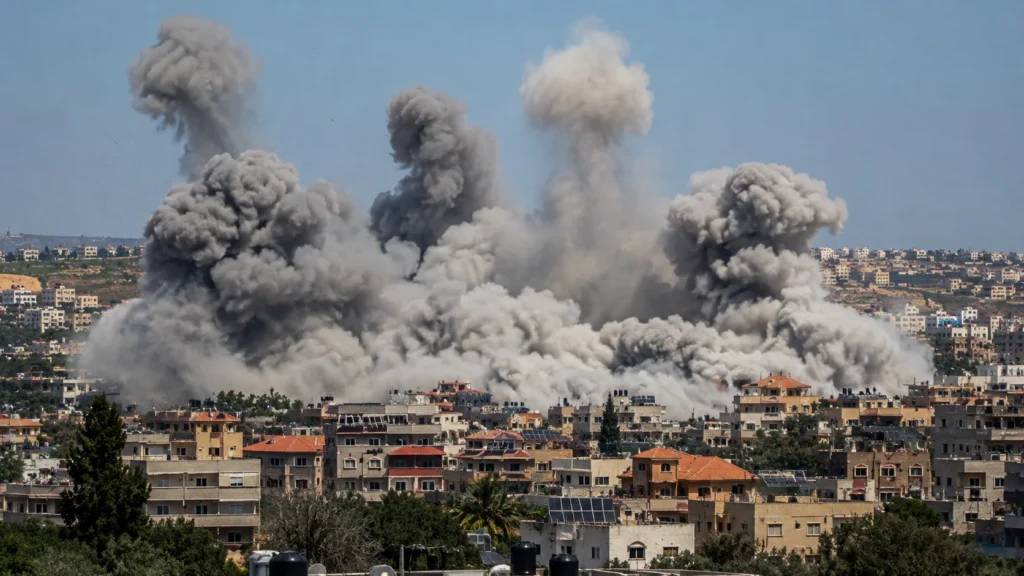
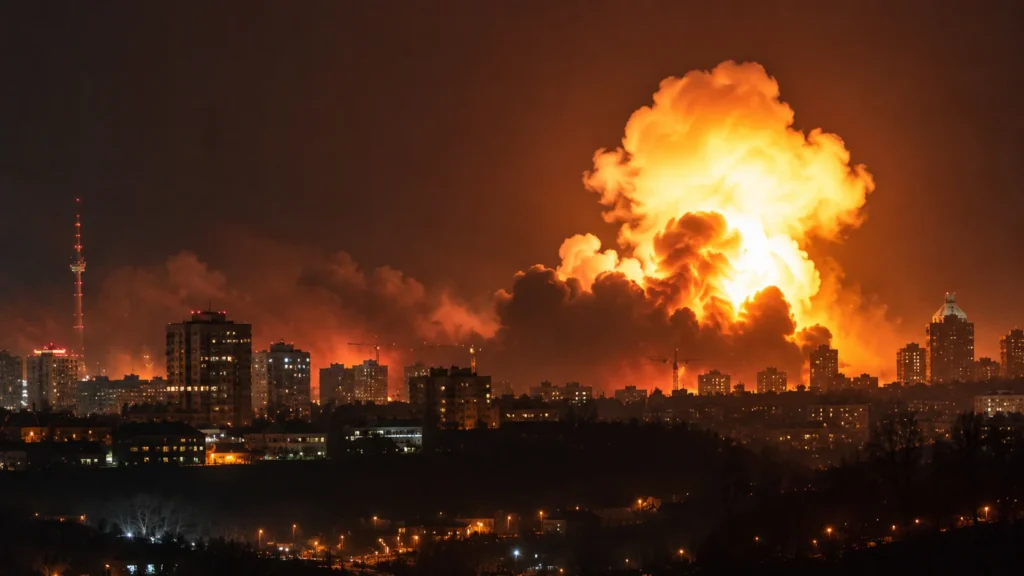
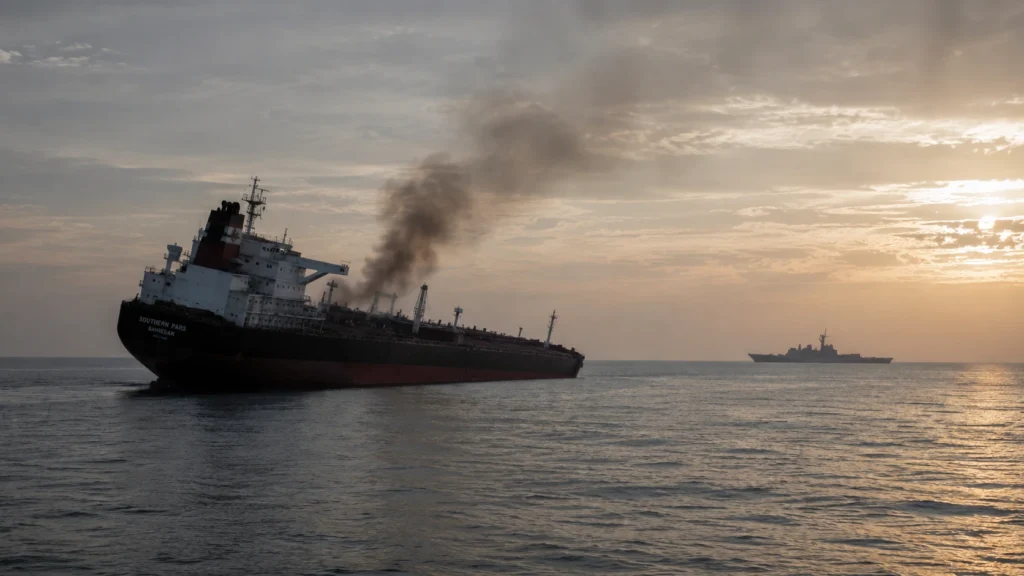
The warning reflects Iran’s consistent position since the conflict began in late February. Tehran closed the Strait by attacking and threatening commercial vessels after US-Israeli strikes. It subsequently began offering conditional passage to some ships along routes closer to Iranian shores, charging fees that the US Treasury Department warned last week could trigger sanctions.
The gap between America’s characterization of guiding ships through Hormuz as coordination and Iran’s blanket threat creates a narrow operational space. Both governments are testing whether commercial transit can resume under American supervision without triggering the military confrontation Iran has promised.
Pakistan Brokers Return of Seized Iranian Vessel
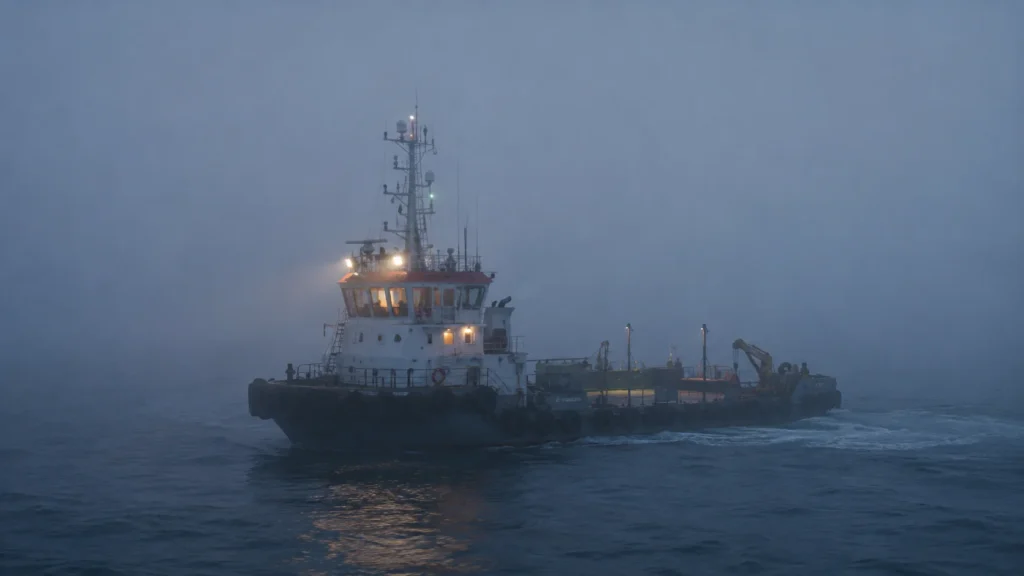
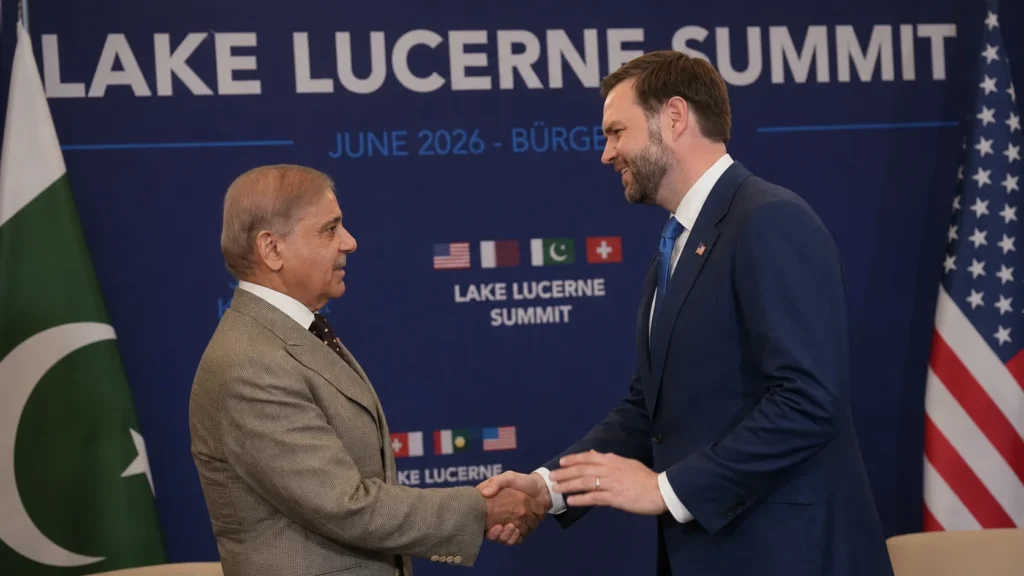
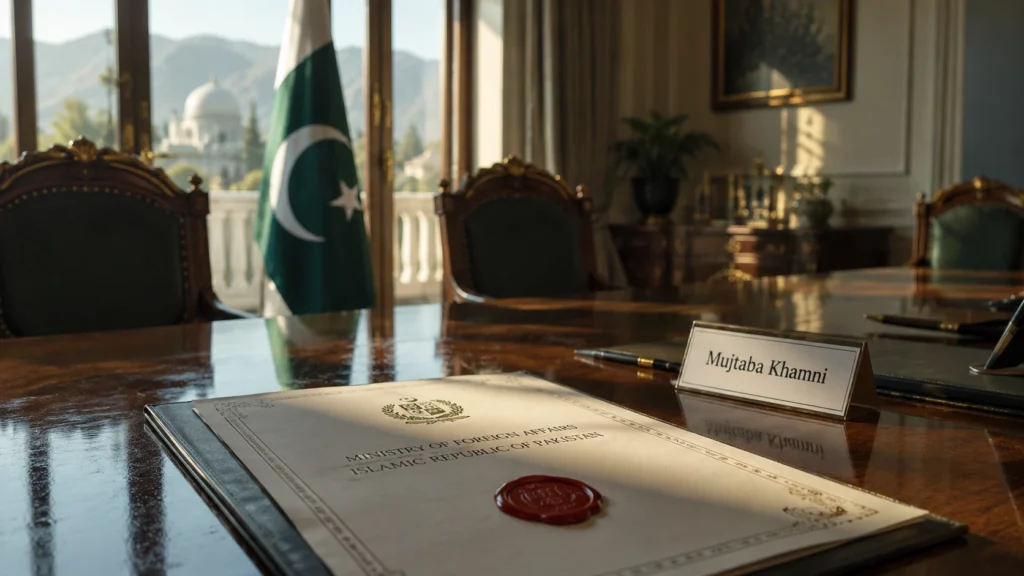
While the US began guiding ships through Hormuz, Pakistan’s foreign ministry announced a significant confidence-building measure. The US agreed to return the M/V Touska, an Iranian-flagged container ship seized by American forces on April 19 after it attempted to breach the naval blockade.
Twenty-two crew members held aboard the vessel were transferred to Pakistan on Sunday night and will be handed over to Iranian authorities on Monday. Pakistan’s foreign ministry said the ship itself would be “backloaded to Pakistani territorial waters for return to its original owners after necessary repairs.”
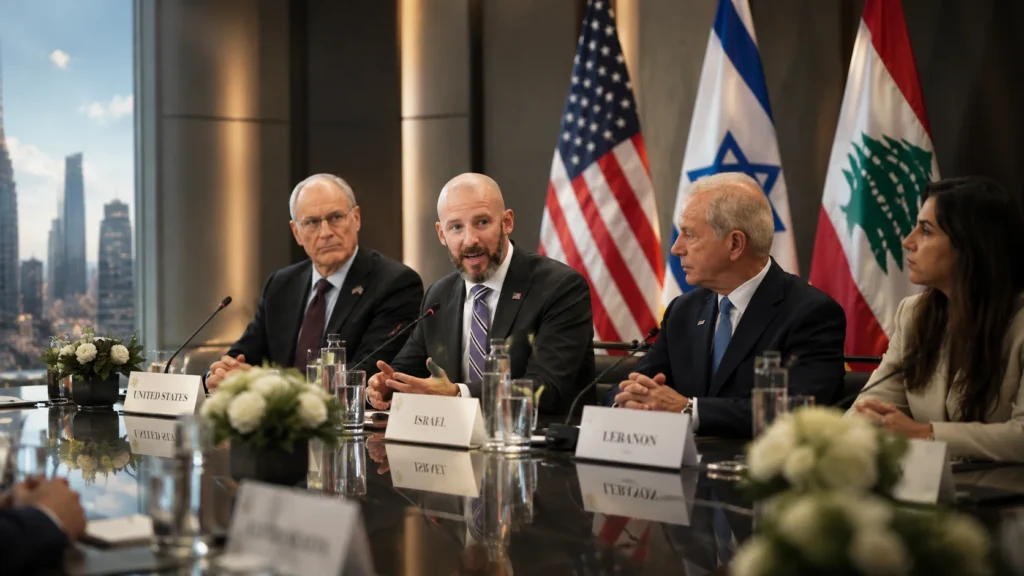
Pakistan described the arrangement as “a confidence-building measure” by the United States. The deal required coordination between US forces, Pakistani diplomats, and Iranian authorities. The diplomatic track is operating simultaneously with the military track. Both sides can still transact through intermediaries even as their navies maneuver toward potential confrontation around the strait.
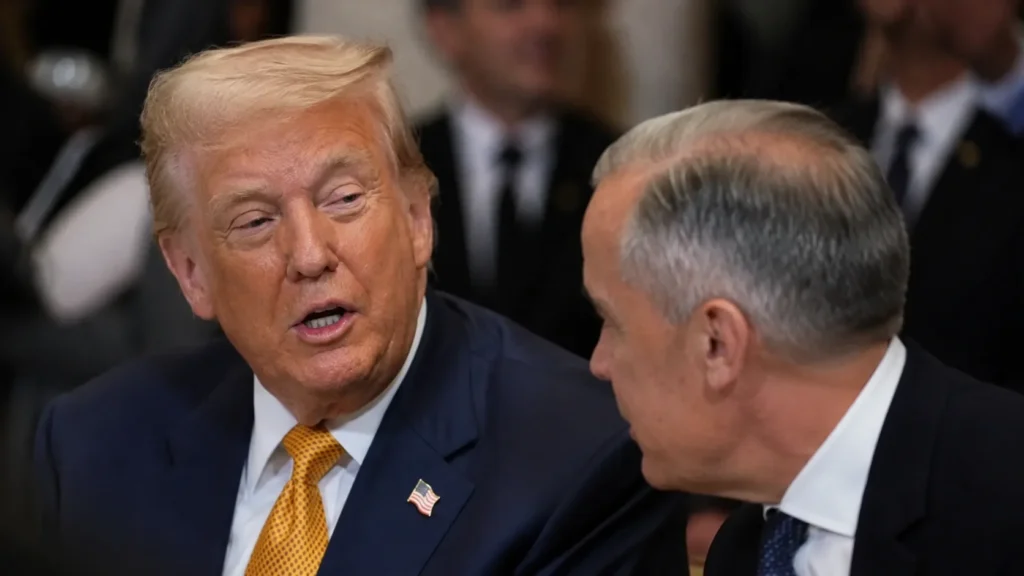
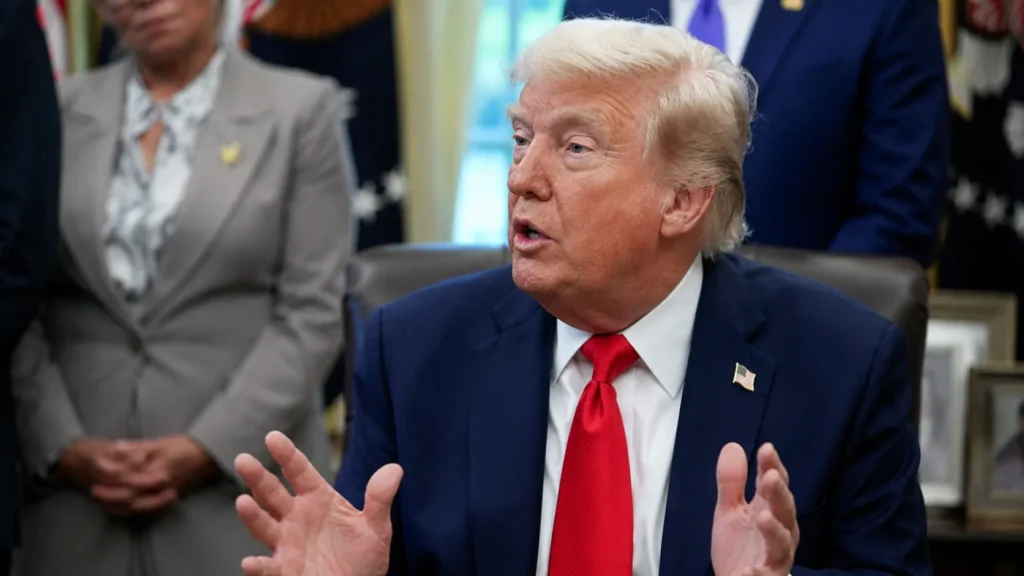
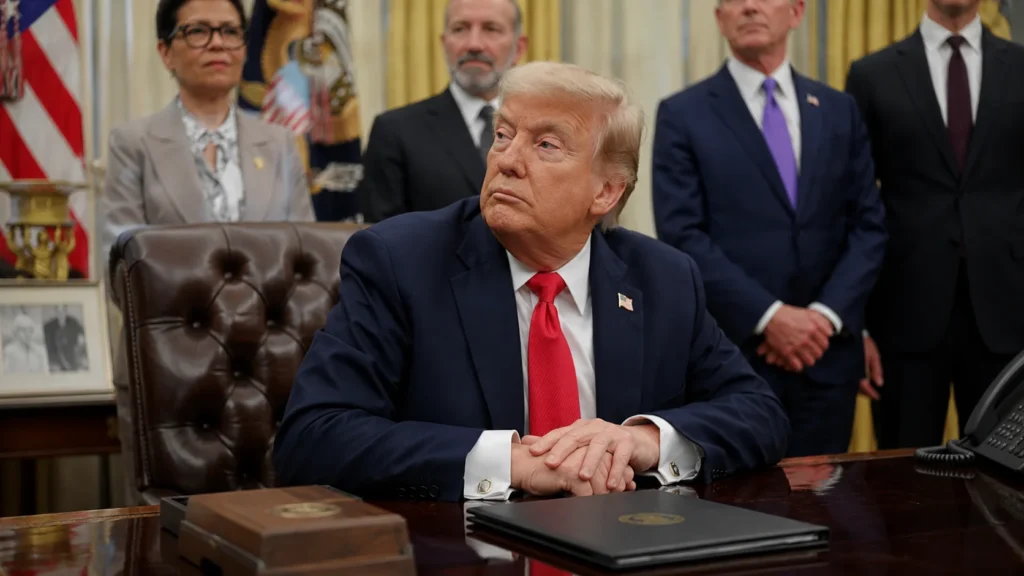
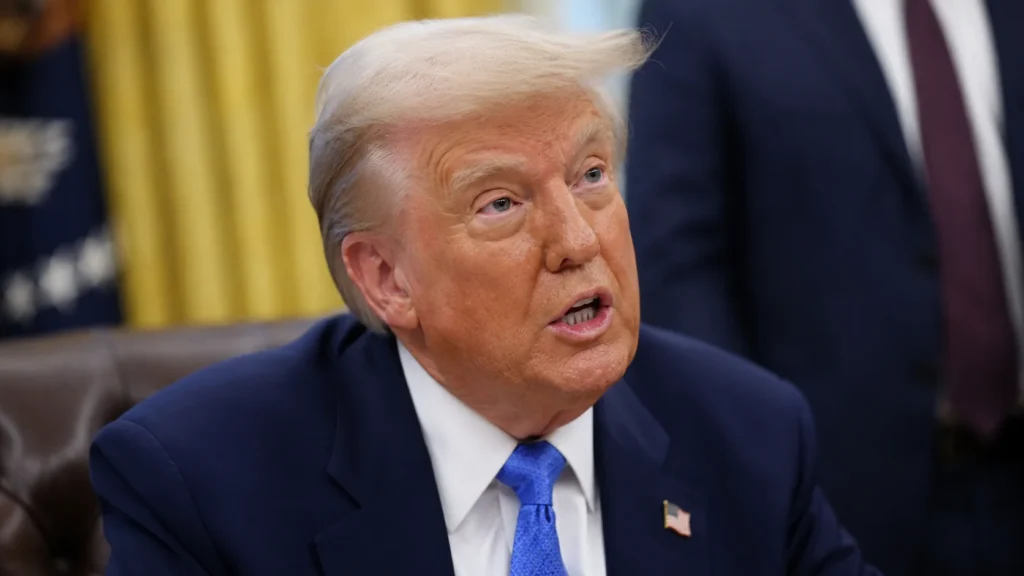
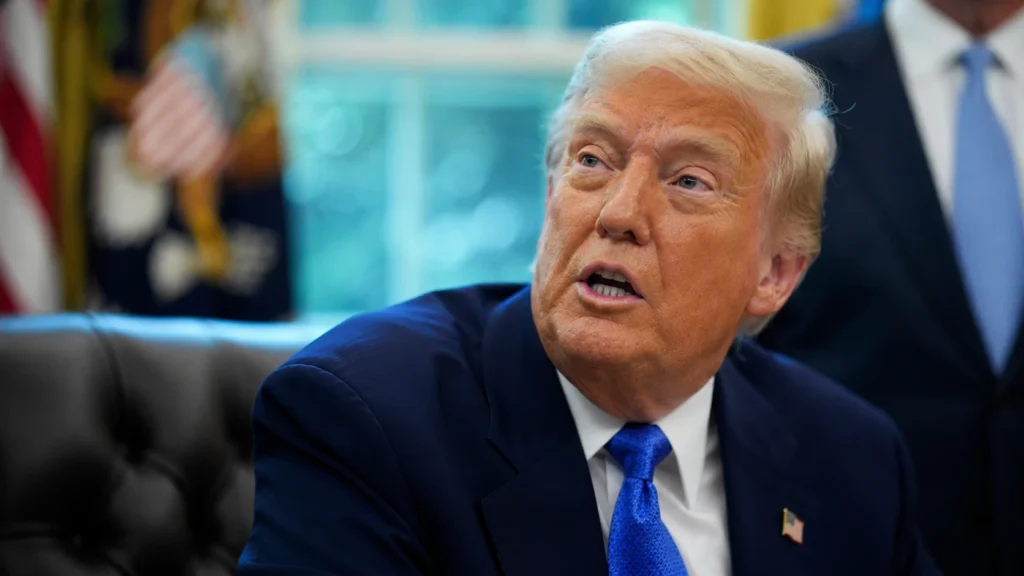
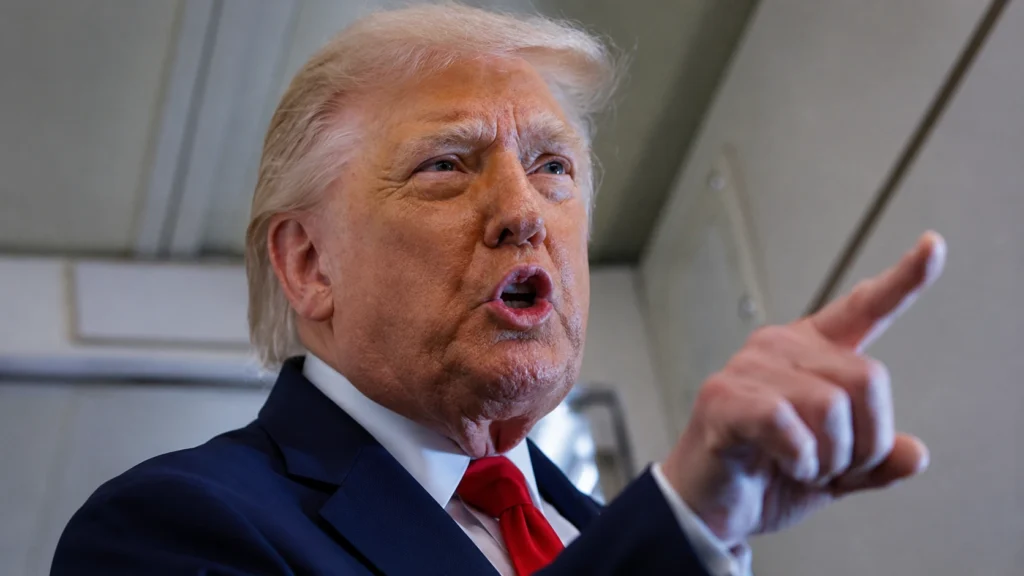
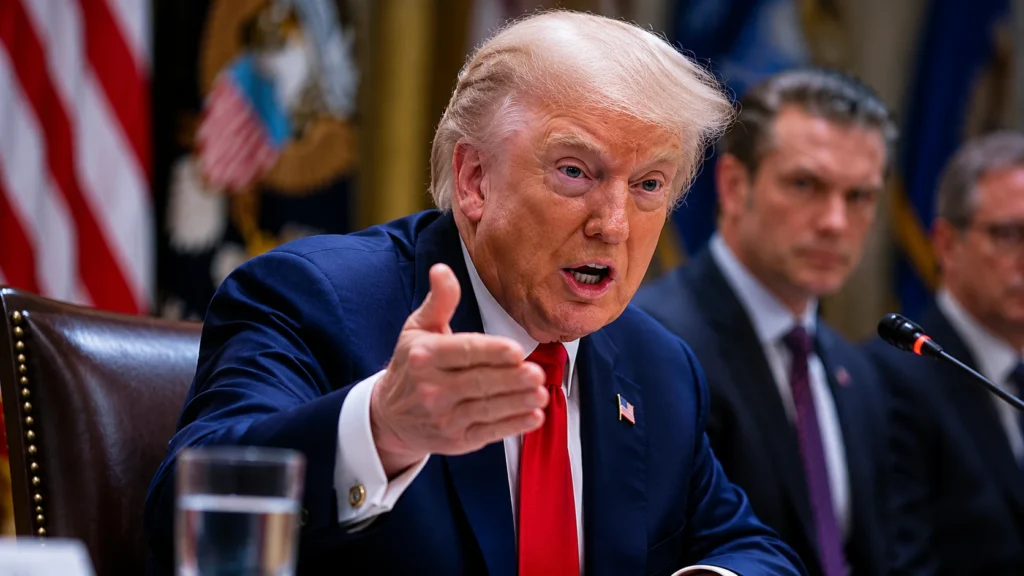
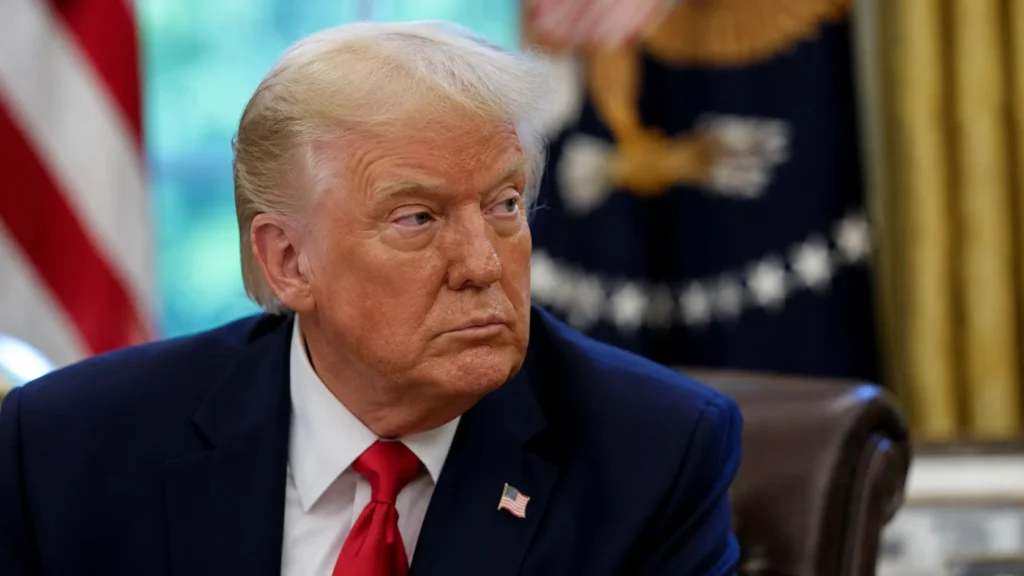
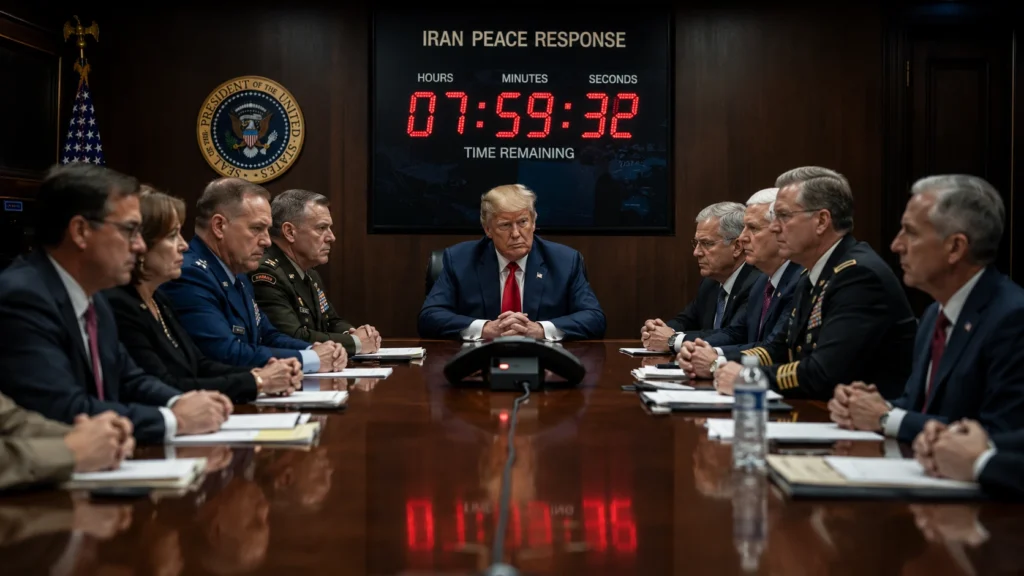
President Donald Trump said his representatives “are having very positive discussions” with Iran. The Iranian Foreign Ministry confirmed Tehran is reviewing the US reply to its latest peace proposal. The return of the Touska suggests that while the broader peace talks remain unresolved, specific, tangible concessions remain possible.
What Guiding Ships Through Hormuz Means for Global Shipping
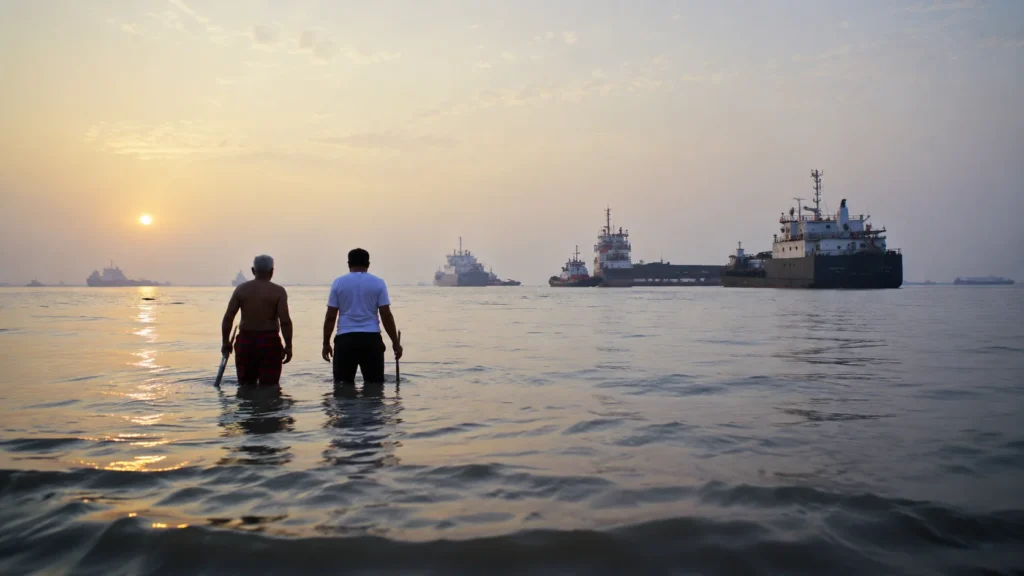
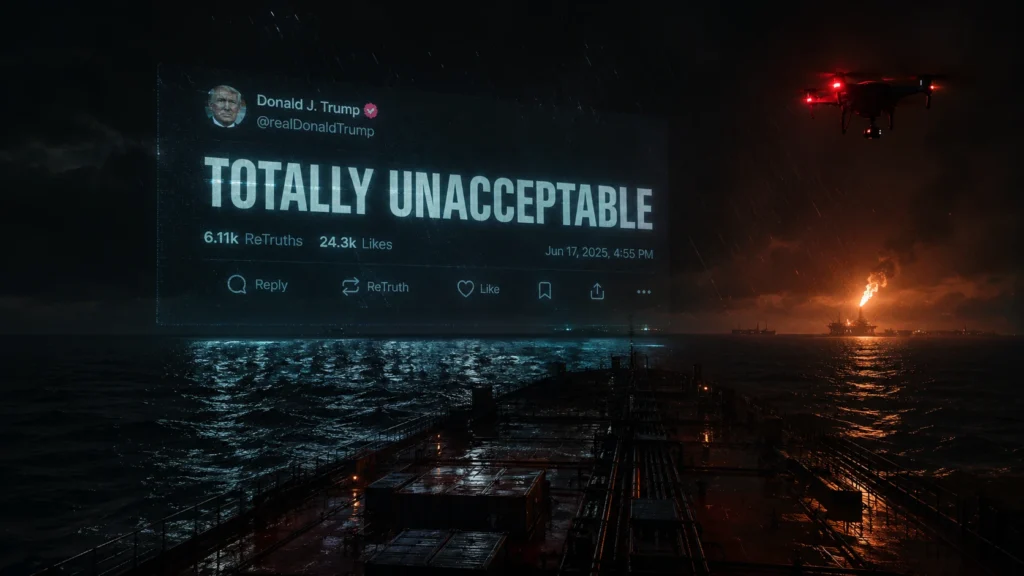
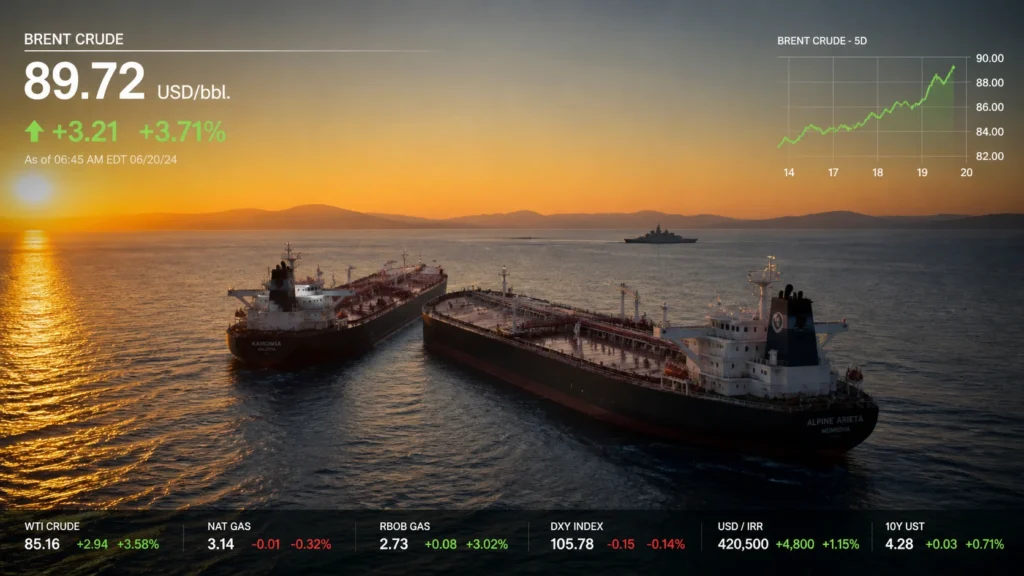
The US mission of guiding ships through Hormuz introduces new variables for commercial shipping operators and energy markets. Vessels following American coordination may face reduced risk of Iranian interference. The mission also creates the possibility of a direct military incident between US and Iranian forces in proximity to commercial traffic.
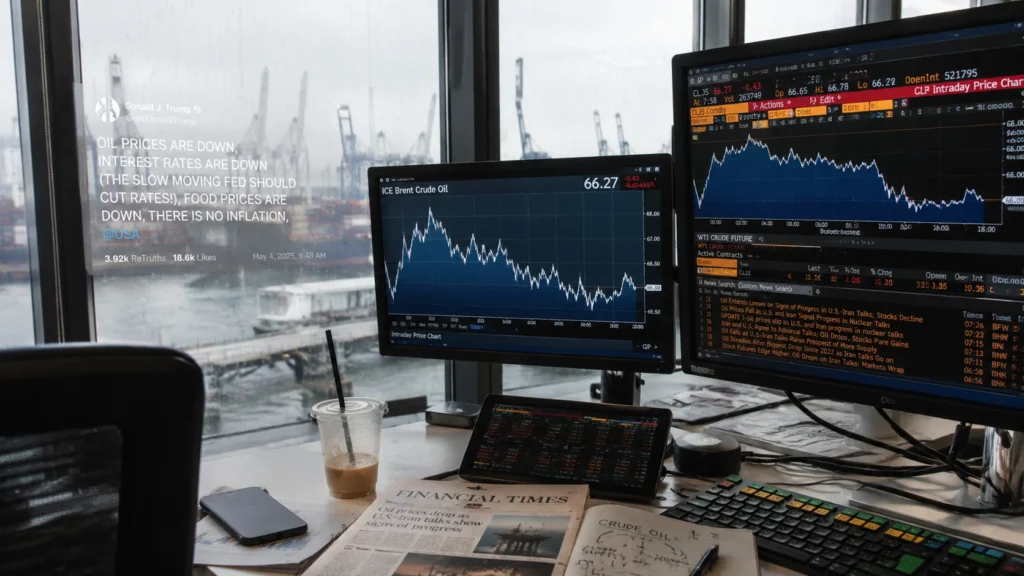
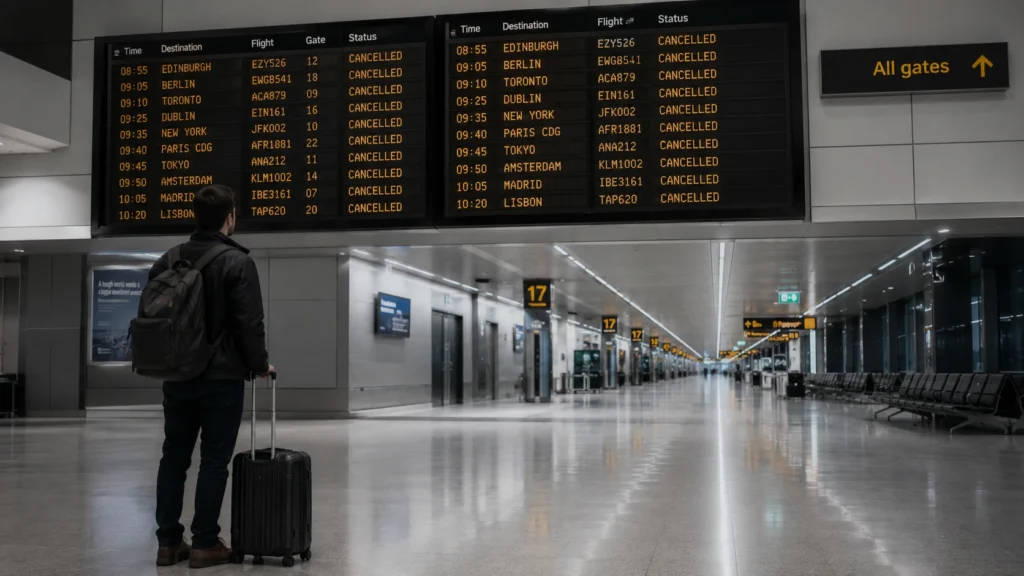
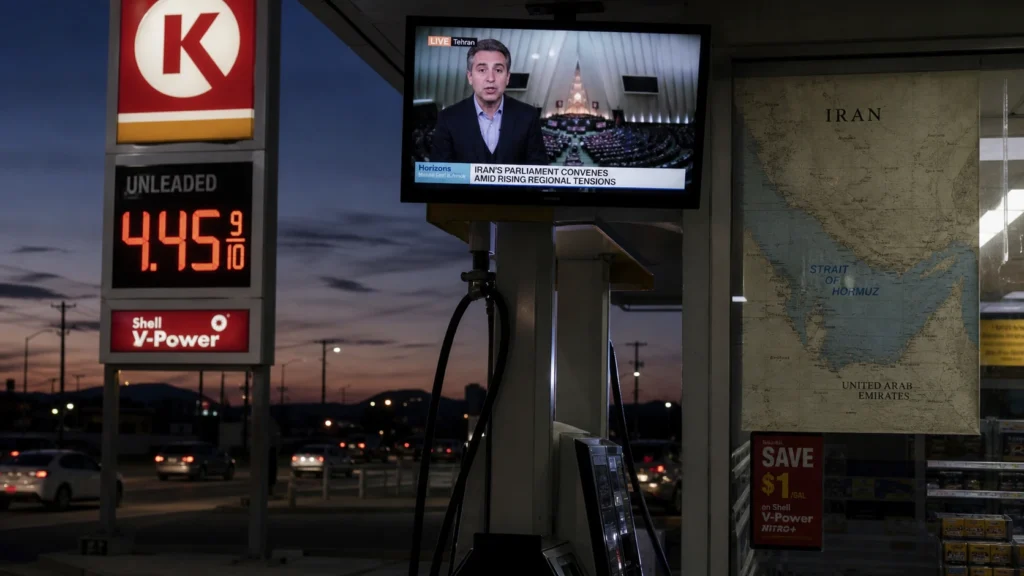
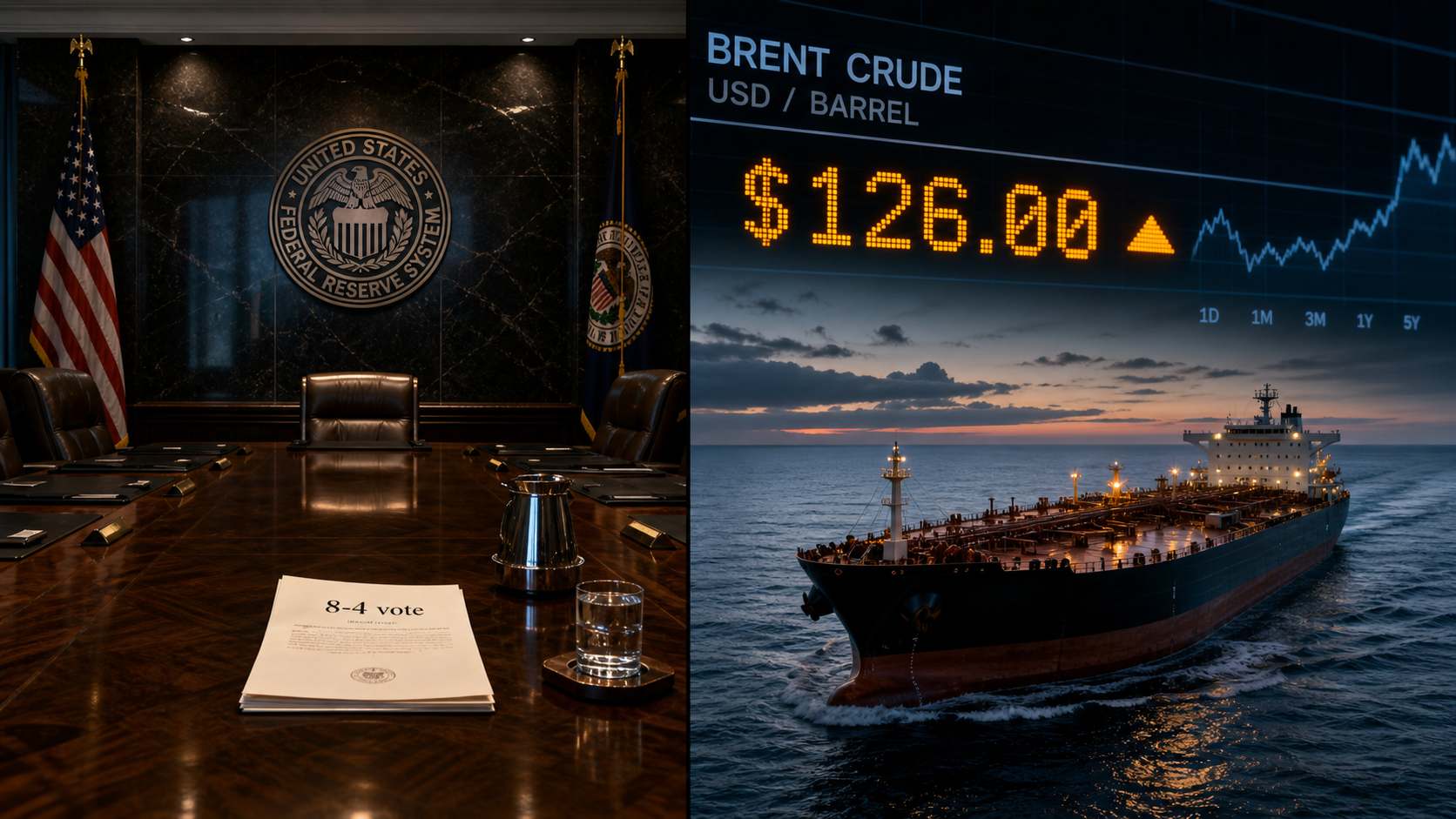
US gas prices reached $4.45 per gallon on Saturday. The International Energy Agency has warned that European jet fuel shortages could emerge by June unless additional supplies are secured. The guidance mission represents an attempt to restore some flow through the strait without triggering the escalation that would close it entirely.