

 English






















































































































NBA Playoff Injuries Mount as Stars Fall and Season Debate Returns
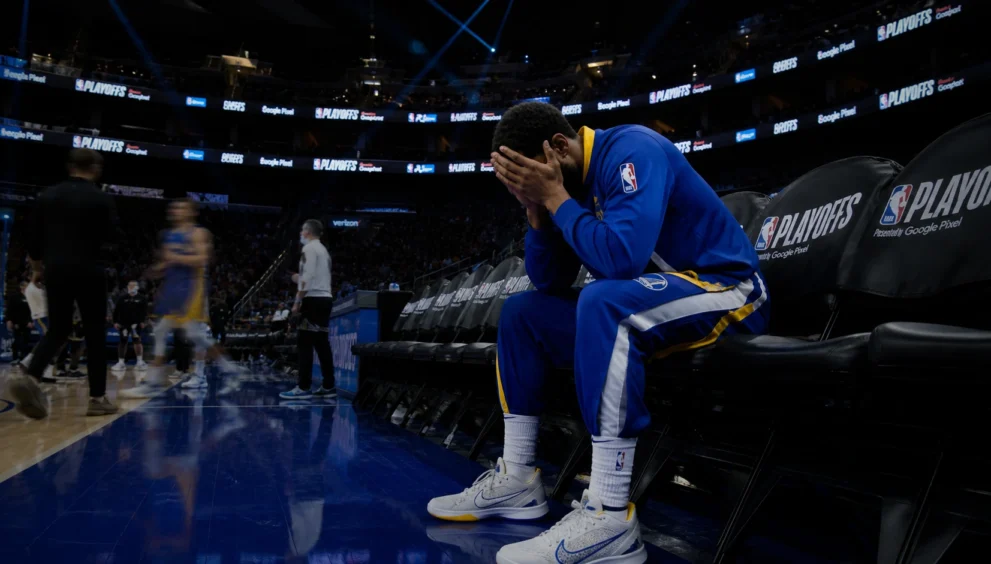
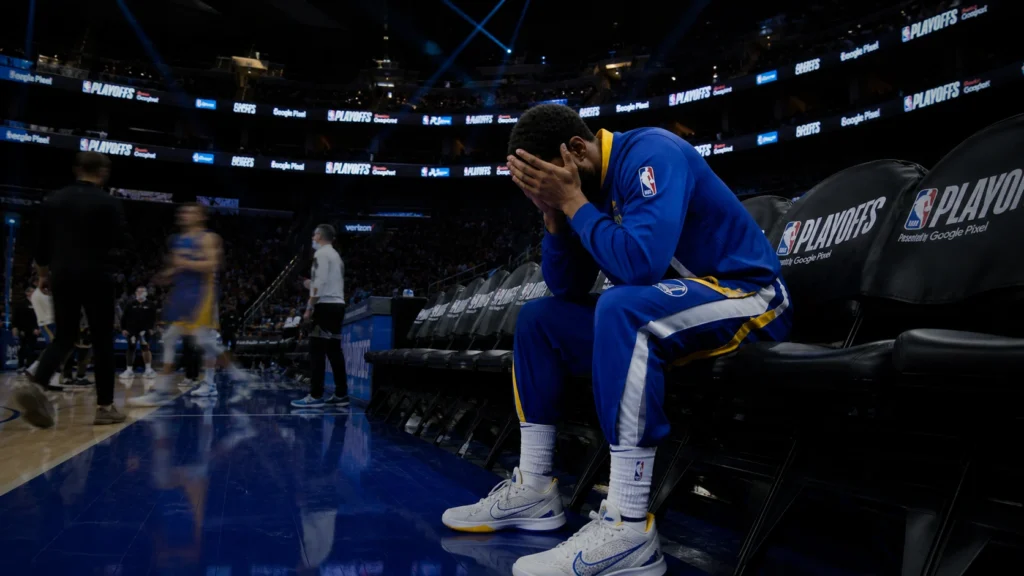
NBA playoff injuries have dominated the opening round of the postseason, sidelining multiple star players and renewing debate about the league’s 82-game regular season and seven-game series structure. Oklahoma City’s Jalen Williams, Minnesota’s Anthony Edwards, Boston’s Jayson Tatum, and the Los Angeles Lakers’ Luka Dončić are among those affected by NBA playoff injuries that have reshaped the competitive landscape.
The Mounting Toll of NBA Playoff Injuries
The first round of the playoffs saw NBA playoff injuries accumulate at an alarming rate. Oklahoma City Thunder forward Jalen Williams suffered another hamstring injury, the latest in a recurring pattern, while Minnesota Timberwolves guard Donte DiVincenzo tore his Achilles, and teammate Anthony Edwards hyperextended his knee.
Denver Nuggets forward Aaron Gordon missed time with a calf strain. Peyton Watson was sidelined the entire series with a hamstring strain. Jayson Tatum, who returned in record time from an Achilles ‘ tear earlier this season, missed Game 7 of the Boston Celtics’ series against the Philadelphia 76ers with a leg injury. The Celtics lost that decisive game.
The Lakers’ Luka Dončić is out indefinitely. Houston Rockets forward Kevin Durant appeared in 78 of 82 regular-season games but missed all but one playoff game due to a knee injury and ankle bone bruise. Detroit Pistons guard Cade Cunningham sustained a collapsed lung in March.
San Antonio Spurs center Victor Wembanyama became part of the NBA playoff injuries narrative when he tripped during a drive and struck his jaw on the court. He missed one game. He returned. The incident became emblematic of a postseason where even the floor itself seemed hostile.
Coaches Respond to NBA Playoff Injuries Crisis
Minnesota Timberwolves head coach Chris Finch delivered the most candid assessment of the NBA playoff injuries crisis after his team eliminated the Denver Nuggets. Rather than celebrating a hard-fought series victory, Finch acknowledged the accumulated physical damage.
“Before the series started, I figured the real winner of this series was gonna be San Antonio, because both these teams were gonna take a lot of pieces out of each other,” Finch said. “And they did. So I’m not sure what we have left standing before we go down there.”
The Timberwolves advanced to face the younger, healthier Spurs. San Antonio completed their first-round series with fewer significant NBA playoff injuries and more recovery time. Finch’s comments highlighted a growing concern: winning a playoff series increasingly means surviving it with enough healthy bodies to compete in the next round.
The 82-Game Season and NBA Playoff Injuries
The wave of NBA playoff injuries has intensified discussion about the league’s structural demands. The 82-game regular season and seven-game playoff series were established when players carried less muscle mass and the game operated at slower speeds. Modern training regimens have produced more powerful athletes. The schedule has not adapted.
The league introduced the 65-game rule for major award eligibility partly because star players increasingly miss games. Two MVP candidates this season, Dončić and Cunningham, required exemptions to remain eligible. Critics argue the rule addresses a symptom rather than the underlying problem.
First-round playoff series were best-of-five until 2003. Proposals to revert to that format have resurfaced as a potential measure to reduce NBA playoff injuries. Any change would require negotiation with broadcast partners and the players’ union.
The Human Cost of NBA Playoff Injuries
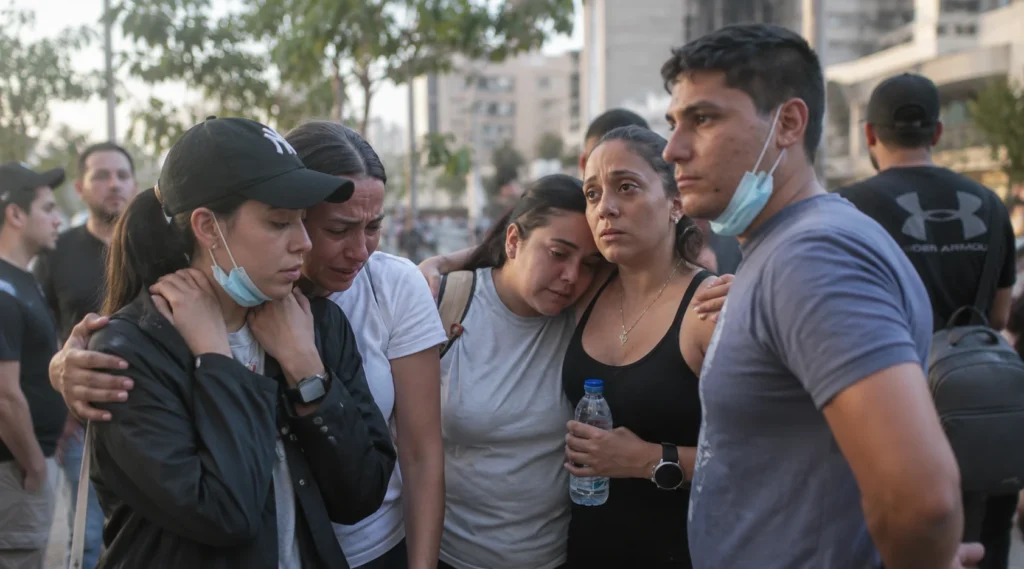
After the Lakers eliminated the Rockets, several players shared moments of visible relief rather than competitive triumph. Durant embraced LeBron James and exchanged smiles with Dončić on the sideline. Fred VanVleet, sidelined all season with a torn ACL, spoke with players after the game.
The interactions carried a tone of shared endurance. For many players, surviving the season without joining the list of NBA playoff injuries had become an achievement in itself.