

 English





































































































































































































































































































































































Congress Paid $300K to Settle Harassment Claims, Documents Reveal
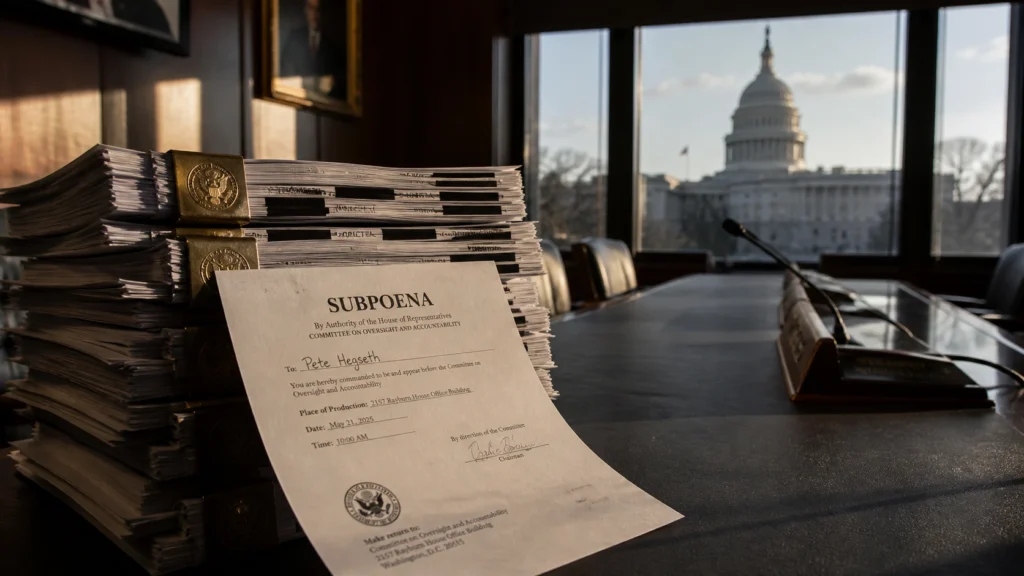
Taxpayers paid more than $300,000 to settle harassment claims against six former members of the House of Representatives or their offices, according to documents released under subpoena by the Office of Congressional Workplace Rights. The harassment claims were resolved using a Treasury account no longer available to lawmakers, with settlement language that avoided any admission of wrongdoing. Republican Representative Nancy Mace compelled the disclosure on Monday.
How Congress Used Taxpayer Funds to Settle Harassment Claims
The Office of Congressional Workplace Rights approved 349 awards or settlements against legislative branch offices between January 1996 and December 2018, according to a letter from the office’s general counsel to House Oversight Chair James Comer obtained by CNN. Eighty cases were settled by House or Senate offices. Seven specifically involved payments to resolve harassment claims.
The harassment claims settlements drew on taxpayer funds from a Treasury Department account that is no longer available to lawmakers. Standard settlement language stated that payment was made “to avoid the inconvenience of protracted litigation and the expense to the parties and the taxpayers of such litigation.” The agreements did not require accused offices to admit any wrongdoing.
Mace named six former lawmakers or their offices connected to the harassment claims settlements totaling more than $300,000. Several—including former Representatives John Conyers, a Michigan Democrat, and Blake Farenthold, a Texas Republican—resigned after facing separate public allegations of sexual misconduct.
The review of the harassment claims documents covered more than 1,000 pages of case files, including counsel notes, settlement documents, and formal complaints. Three of the six former members are now deceased.
Destruction of Records Related to Harassment Claims
The Office of Congressional Workplace Rights confirmed that 23 case files containing settlement records involving harassment claims and other matters were destroyed under a record retention policy adopted in 2013. General Counsel John N. Ohlweiler said the policy was implemented to “align OCWR with regular government-wide record retention practices.”
The destruction means the contents of those files are permanently inaccessible. Whether they contained evidence of additional harassment claims, different categories of misconduct, or patterns involving members never publicly identified cannot be determined.
The 2018 Reform That Changed Harassment Claims Handling
Following the #MeToo movement, Congress changed its rules in 2018 to prohibit members from using taxpayer dollars to settle harassment claims. The House Ethics Committee has since stated it has “not been notified of any awards or settlements relating to allegations of sexual harassment by a member” since the new law took effect.
The reform eliminated the funding mechanism for future settlements of harassment claims. It did not address cases resolved under the previous system. Members who benefited from the old system include those now dead or out of office. Their harassment claims settlements remain part of the public record only because a subpoena forced disclosure.
What the Subpoena Revealed About Transparency
The disclosure was compelled by a subpoena issued by Mace, who has pressed for greater transparency around congressional misconduct. The mechanism forced an internal congressional office to release records protected by confidentiality provisions designed by Congress itself.
The documents show a system that operated for decades with limited public visibility. The harassment claims payments were legal. The confidentiality provisions were standard. The destruction of records followed approved policy. The combined effect was a mechanism that resolved harassment claims privately while protecting accused members from public accountability.