

 English










































































































































































































Iran War Exposes US Weaknesses China Is Now Studying
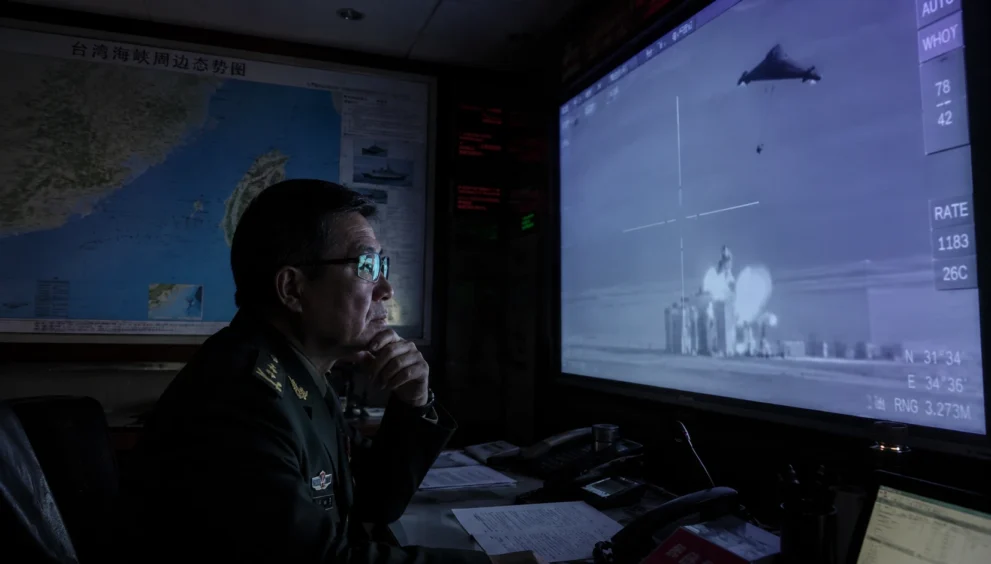
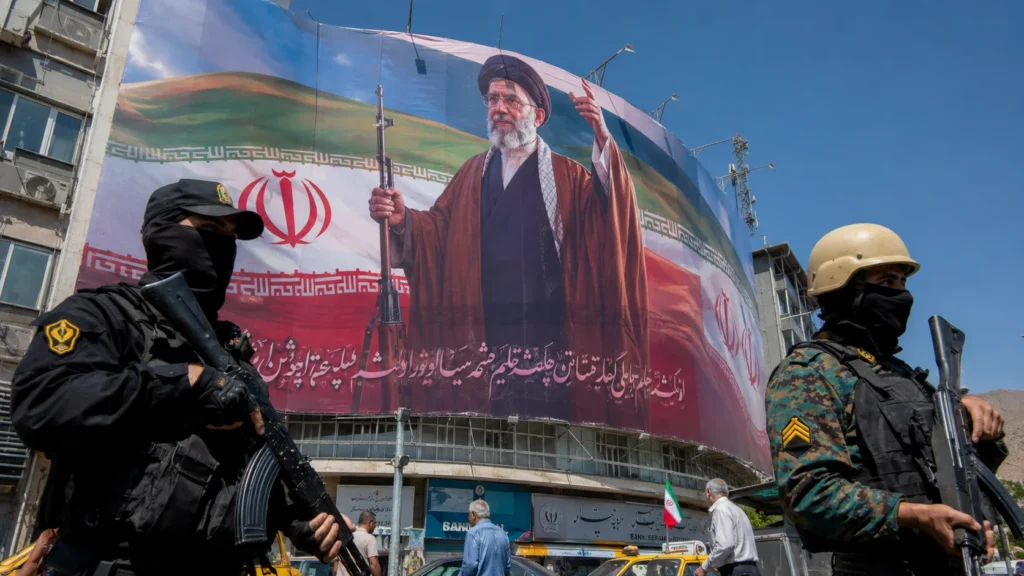
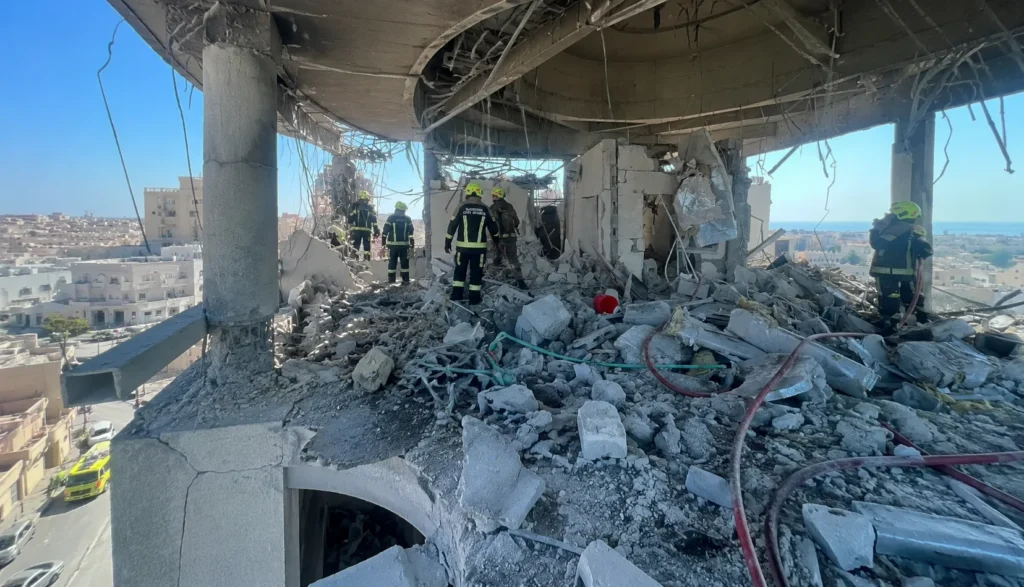
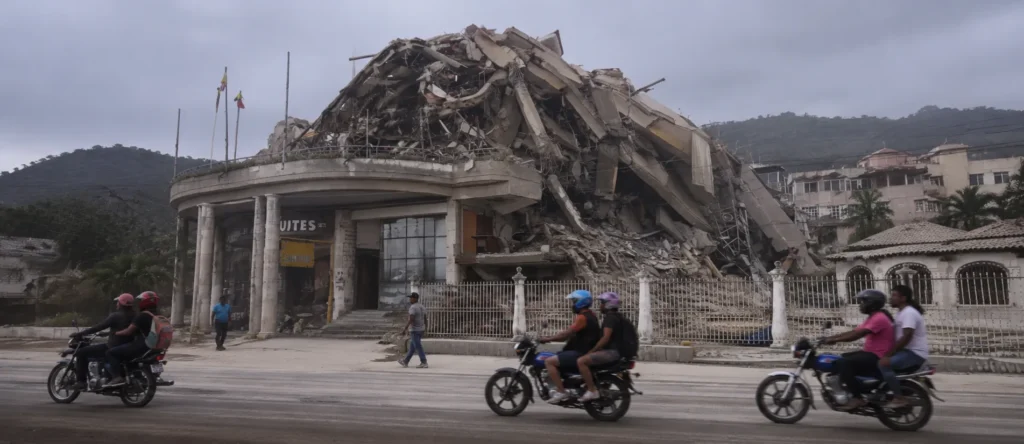
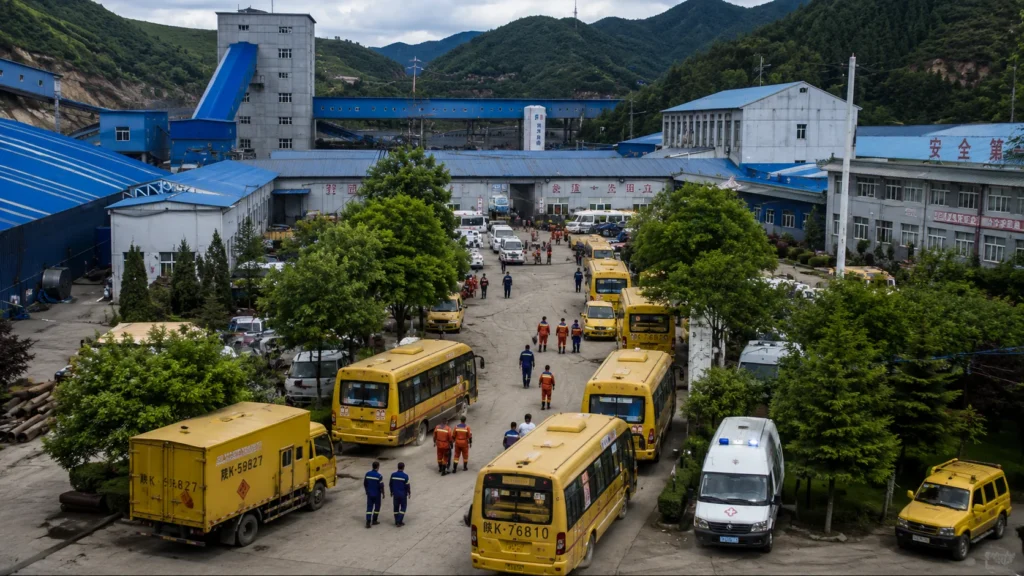
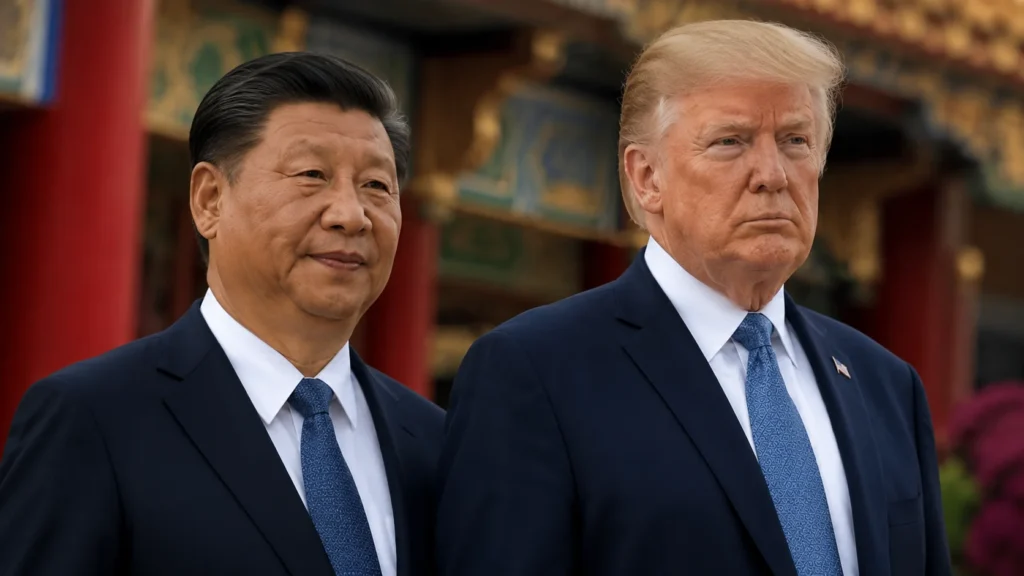
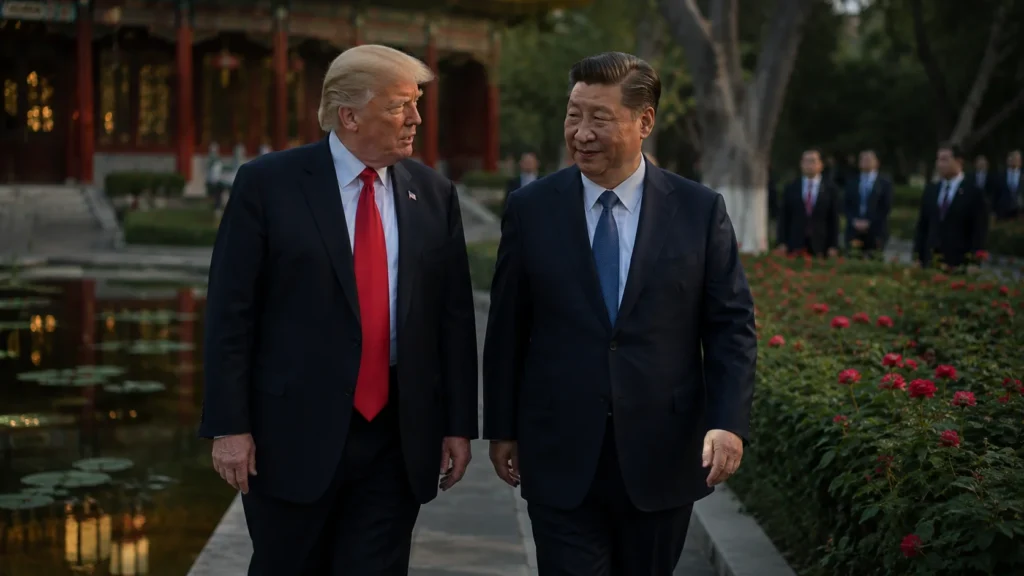
The Iran war exposes US weaknesses China is now studying with the intensity of a military that hasn’t fired a shot in anger since 1979. For three months, Chinese analysts watched cheap Iranian drones penetrate Patriot batteries, tracked how a mid-tier power closed a strategic chokepoint and refused to yield, and catalogued every instance where American tactical dominance failed to produce political results. The war in the Persian Gulf was never just about Tehran. It was always a live-fire demonstration for Beijing. And the lessons are already migrating east, into procurement plans, operational doctrine, and the quiet confidence of PLA planners who just watched a weaker adversary survive Washington’s best effort to break it.
The $20,000 Lesson Washington Didn’t Mean to Teach
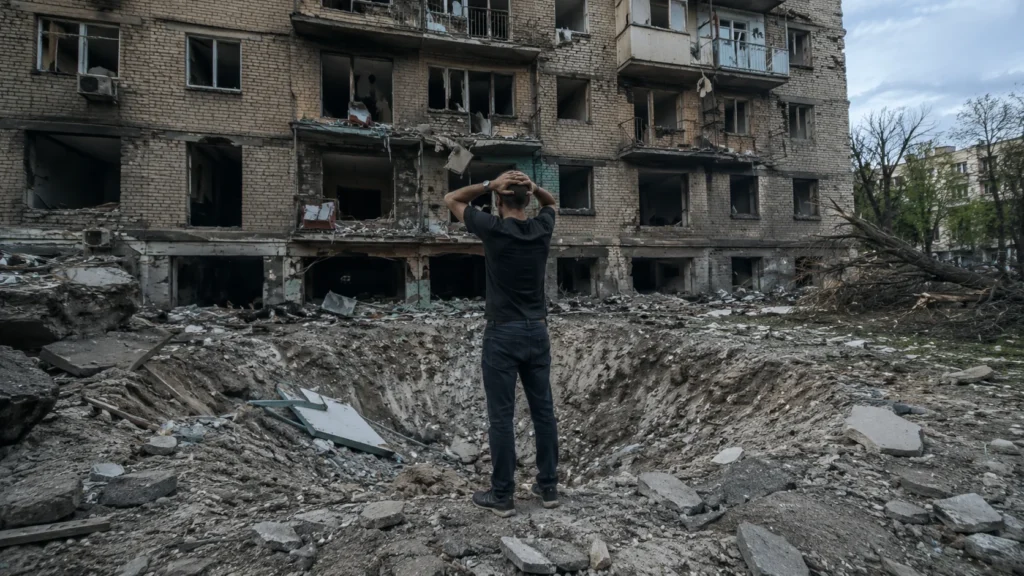
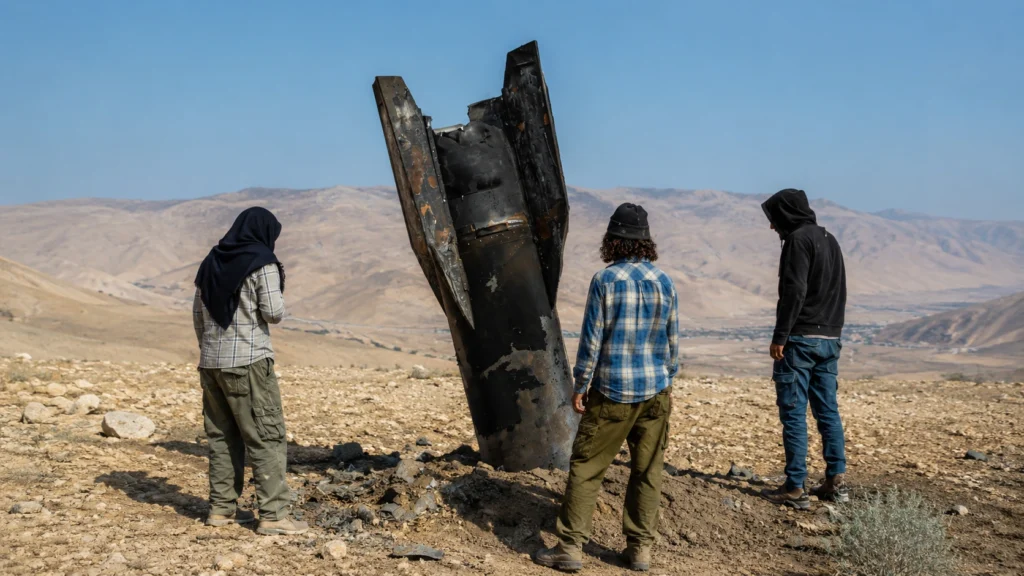
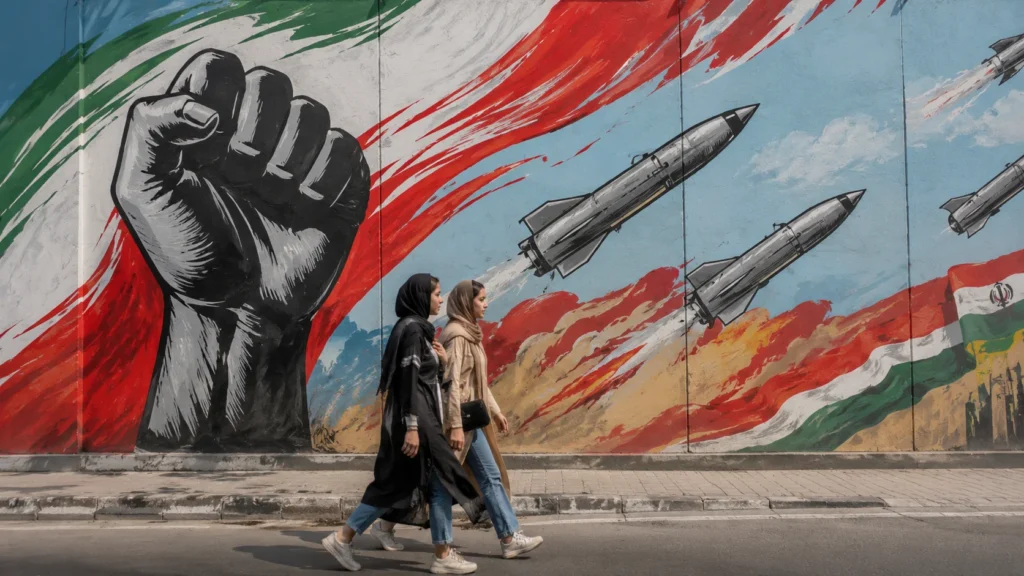
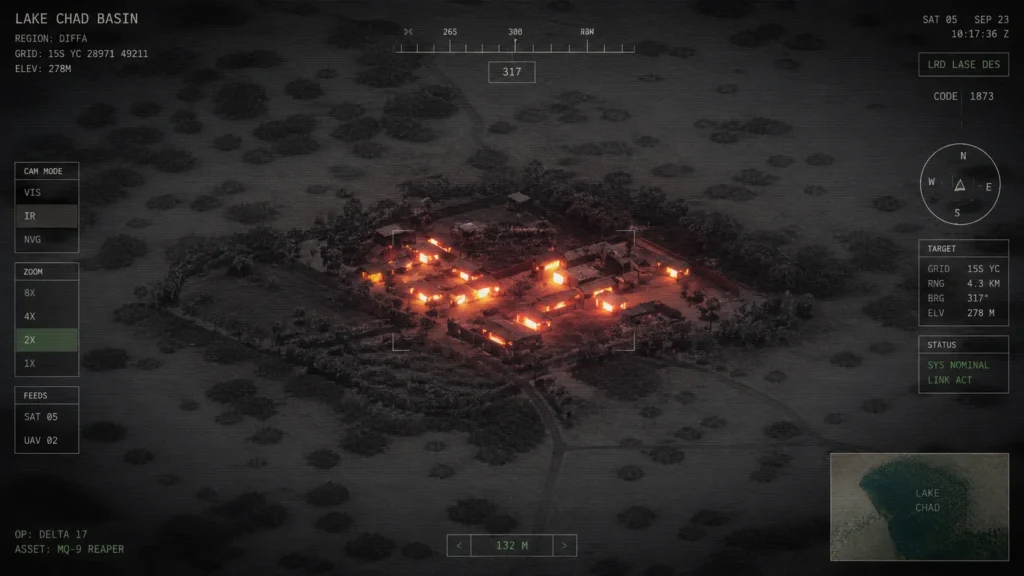
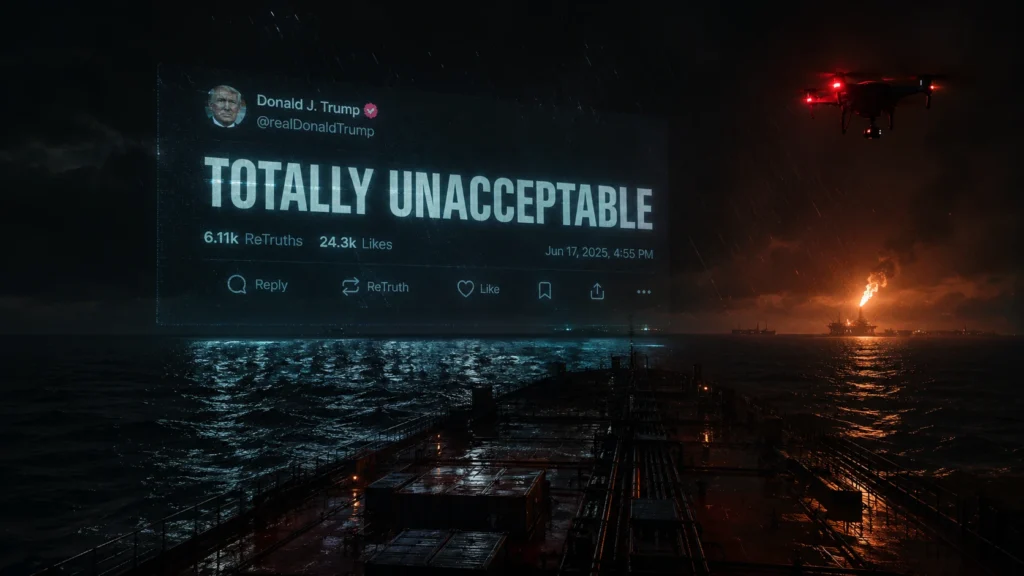
The math is brutal. A Shahed drone costs roughly 20,000.APatriotinterceptorcosts4 million. Iran sent swarms of the former. The United States fired volleys of the latter. And drones still got through.
Fu Qianshao, a former colonel in China’s air force, told CNN interview published May 2026 that his major takeaway from the Iran war is straightforward: the PLA must identify weaknesses in its defensive systems. “We need to devote significant efforts to identify weakness in our defensive side to ensure we remain invincible in future wars,” Fu said.
Translation: Iran exposed gaps in American air defense architecture. Beijing assumes it has the same gaps.
This wasn’t supposed to be the lesson. For decades, US technological superiority served as deterrent messaging—a signal to potential adversaries that challenging American forces meant confronting systems they couldn’t defeat. The Iran war inverted that signal. It showed that high-volume, low-cost systems can stress even the most advanced defensive networks. And no country on earth produces high-volume, low-cost weapons faster than China.
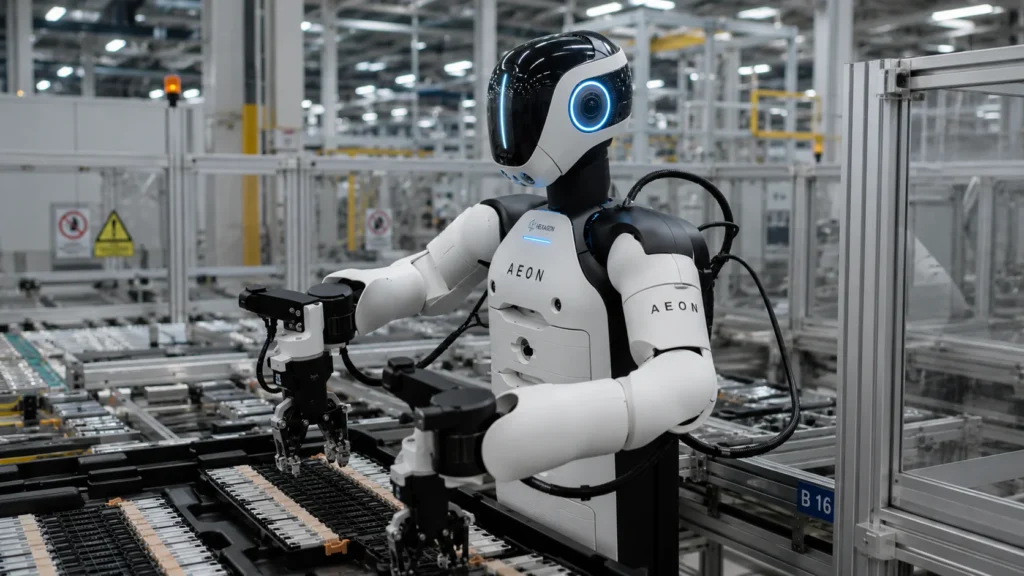
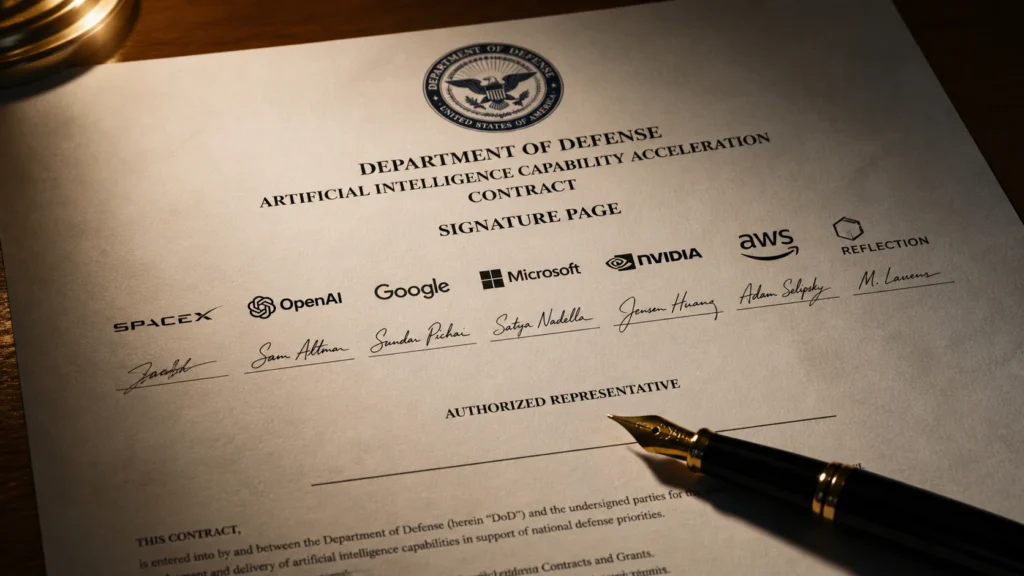
According to War on the Rocks 2025 report on Chinese drone production capacity, Chinese civilian manufacturers could retool in under a year to produce one billion weaponized drones annually. Not a typo. One billion. As our analysis of drone warfare in modern conflict previously documented, production capacity isn’t just logistics—it’s deterrence architecture.
The Chokepoint Playbook
The second lesson traveled even faster than the first.
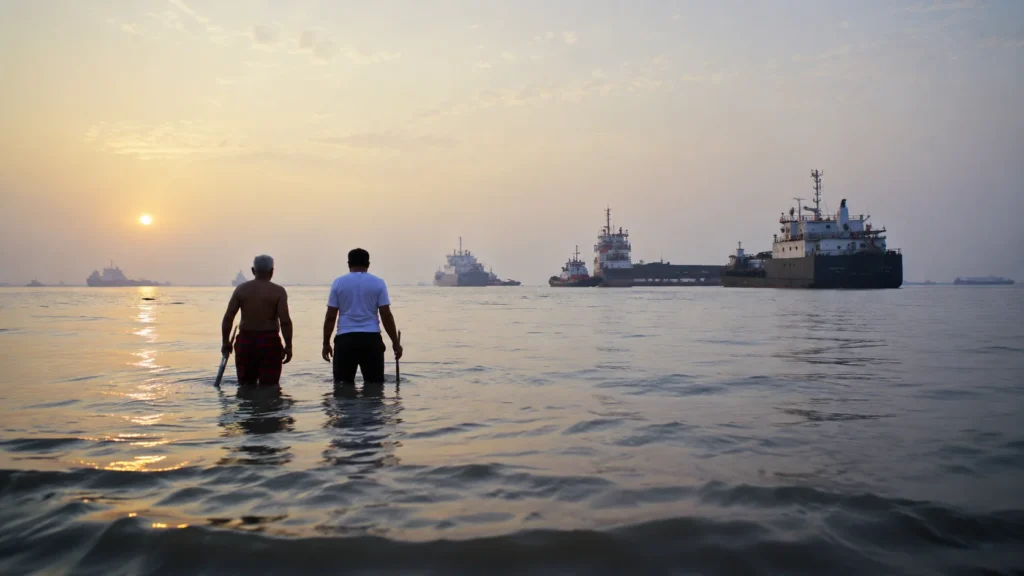
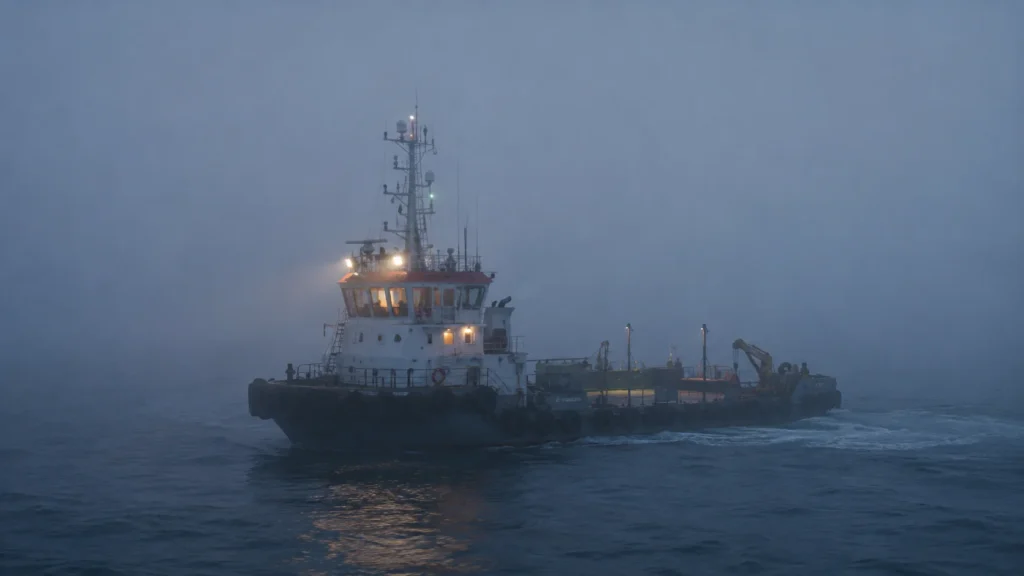
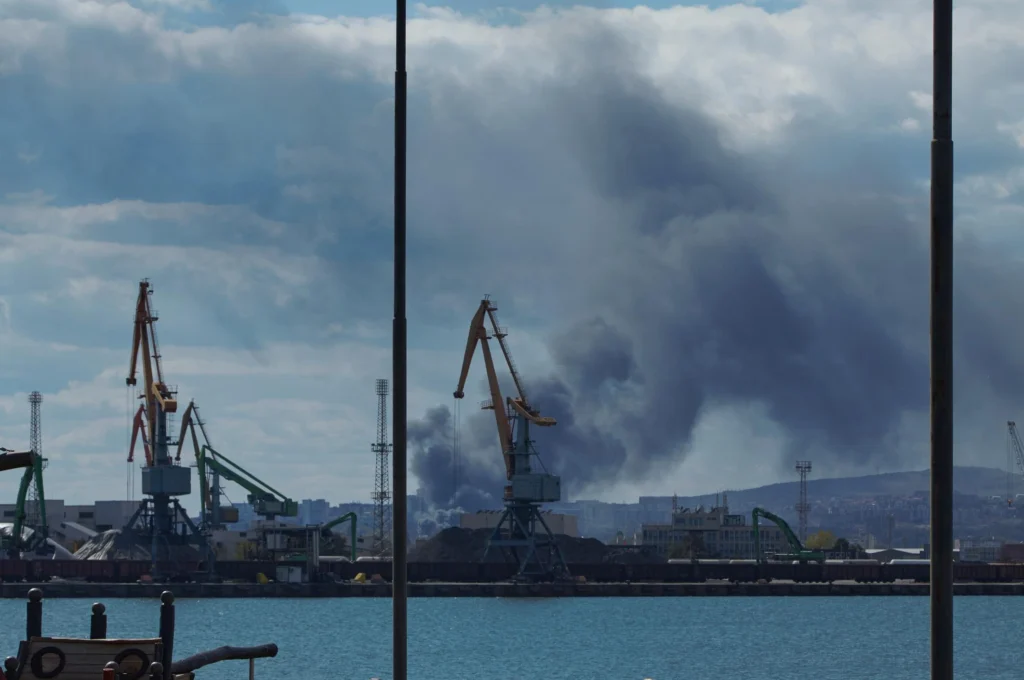
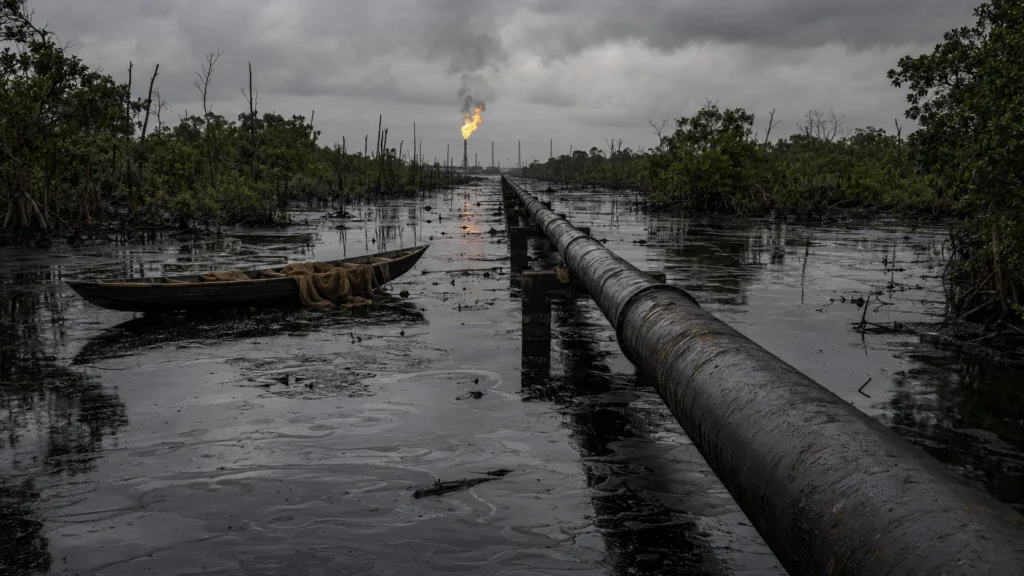
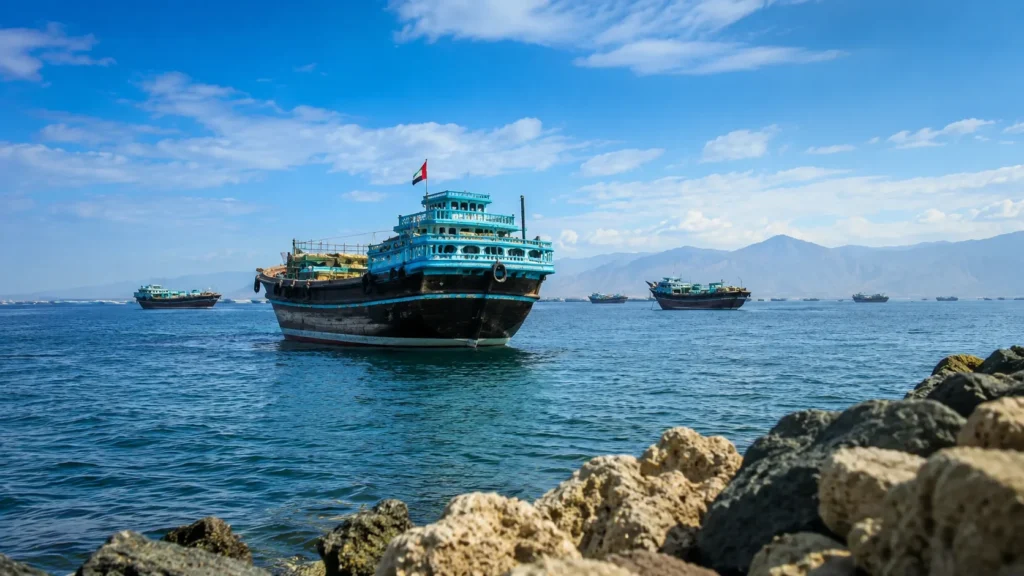
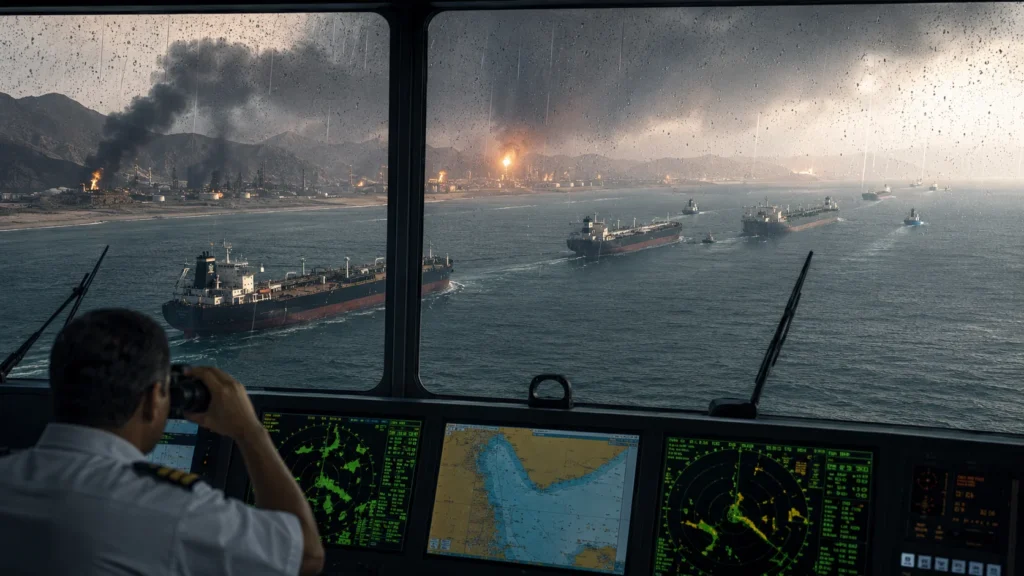
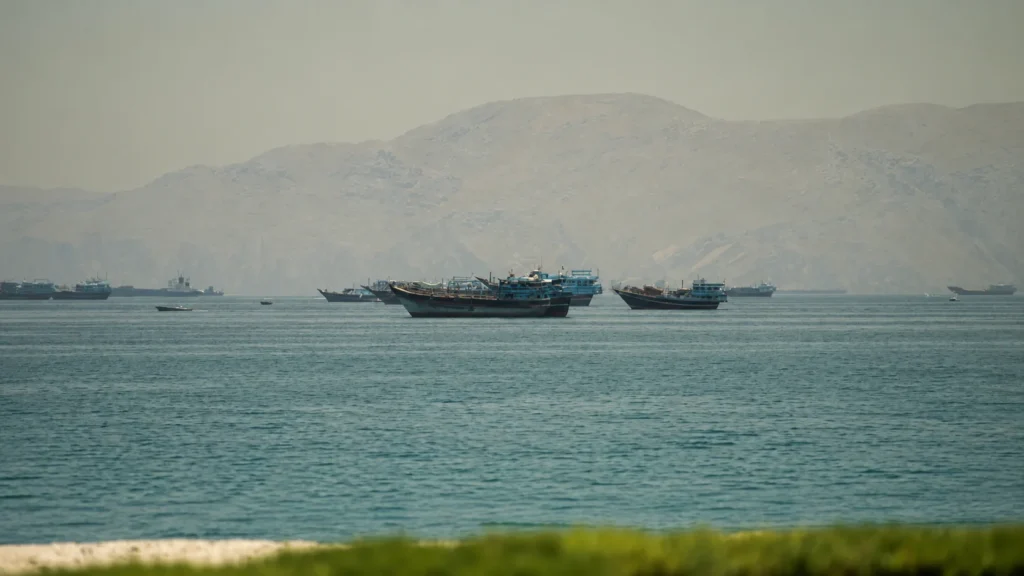
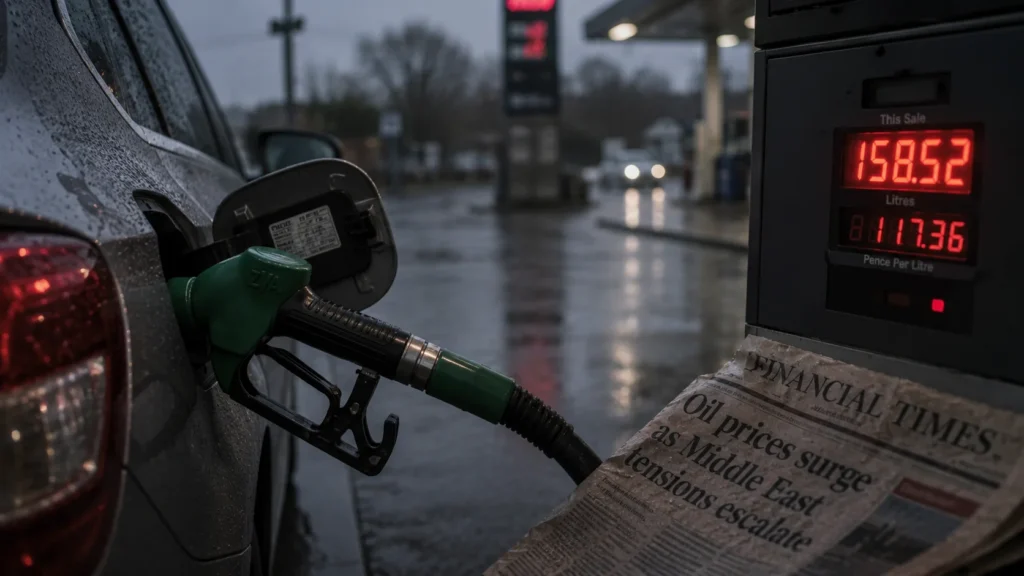
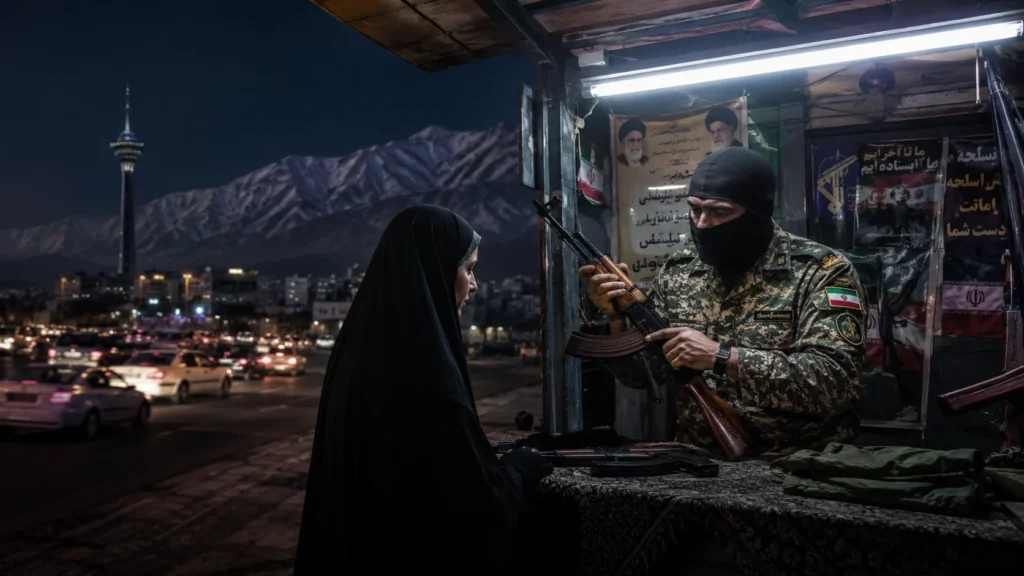
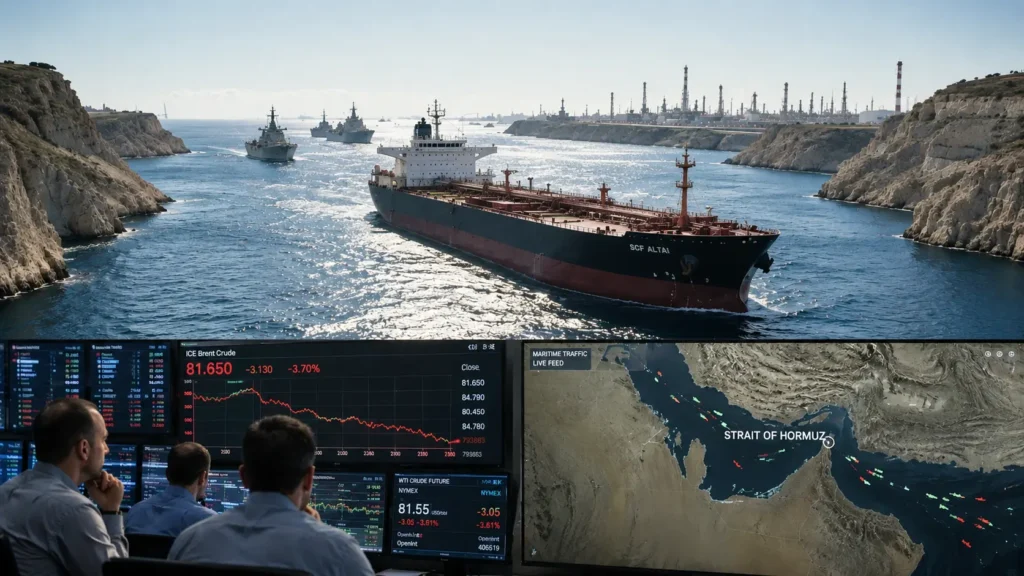
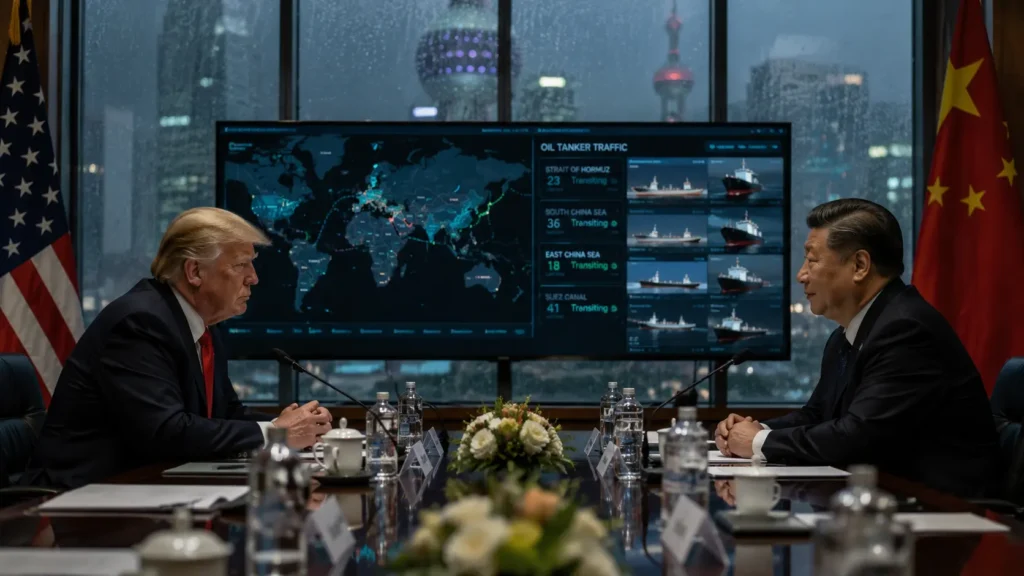
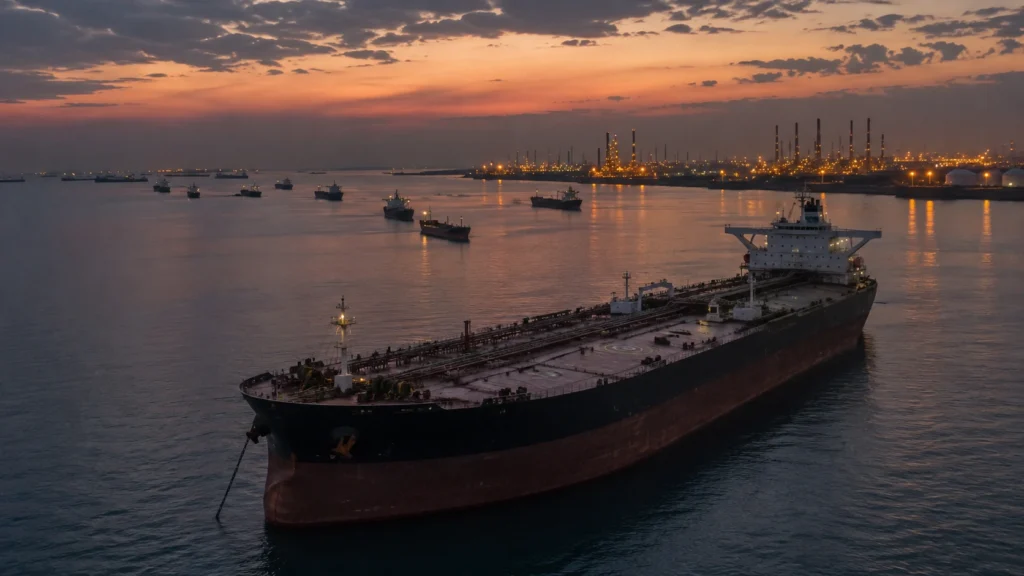
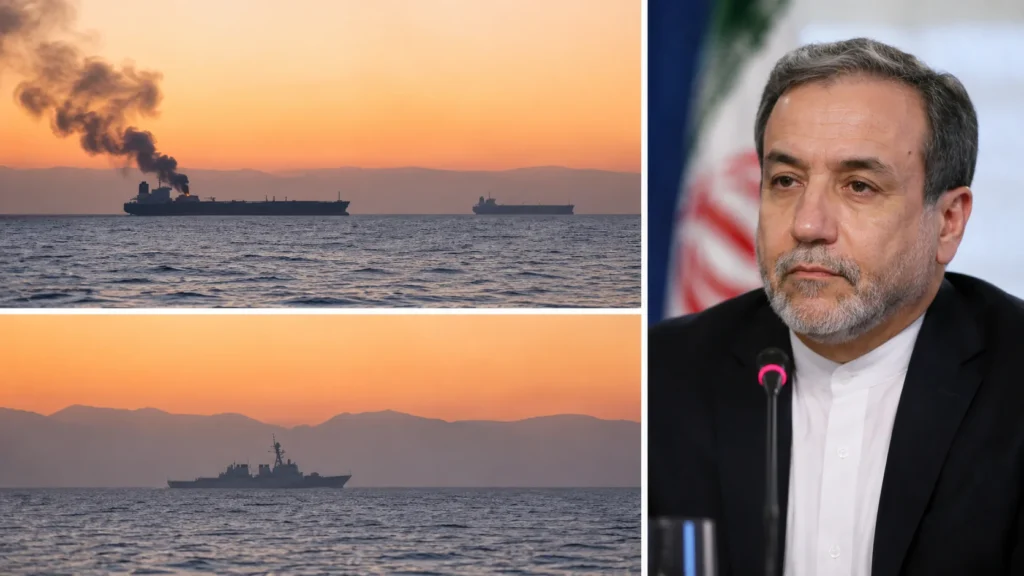
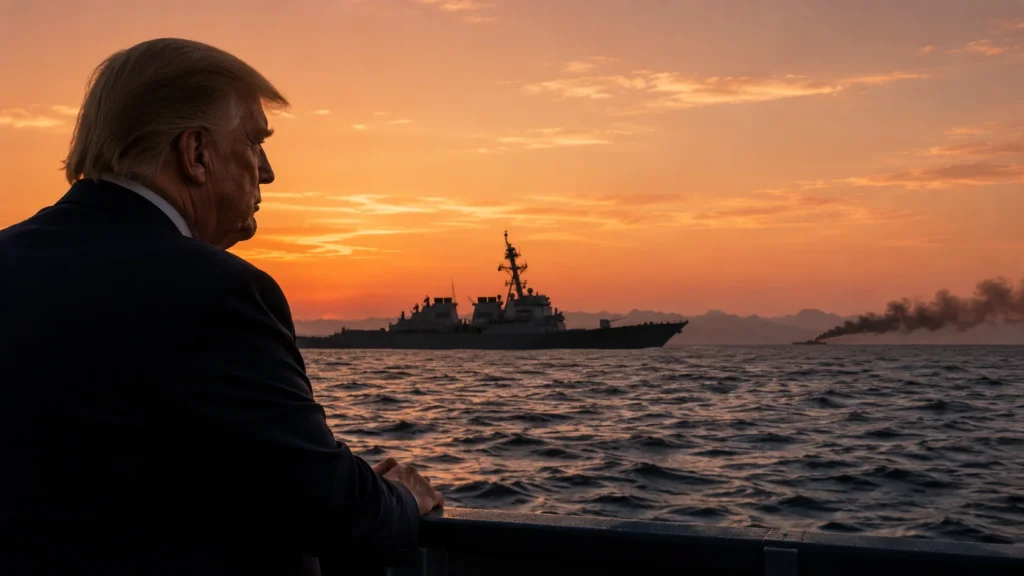
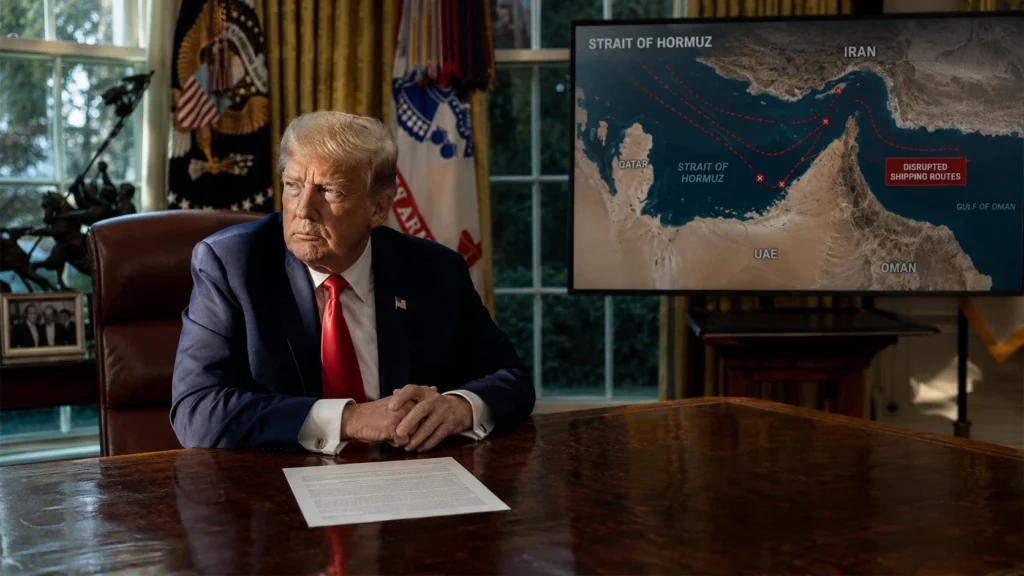
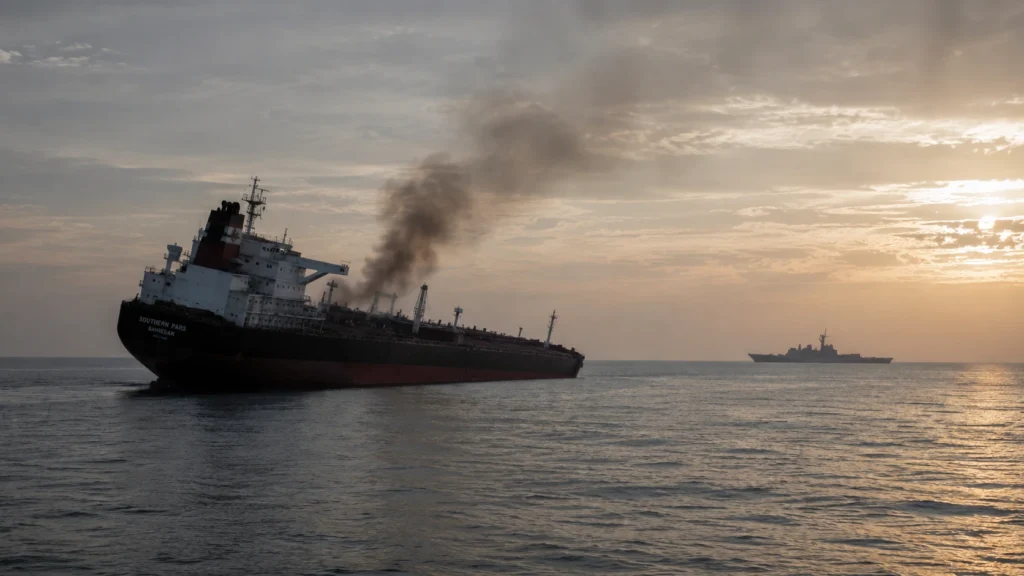
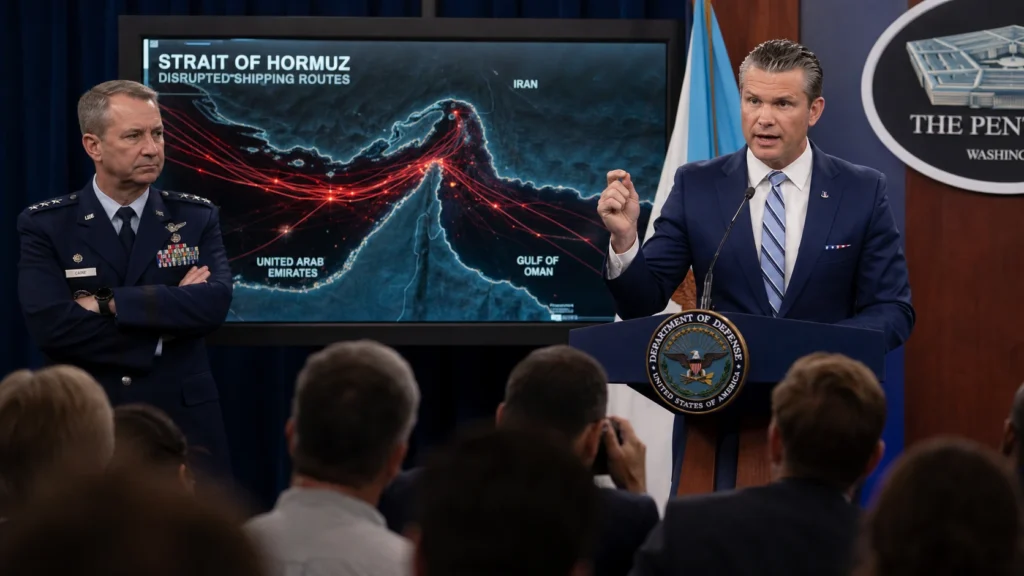
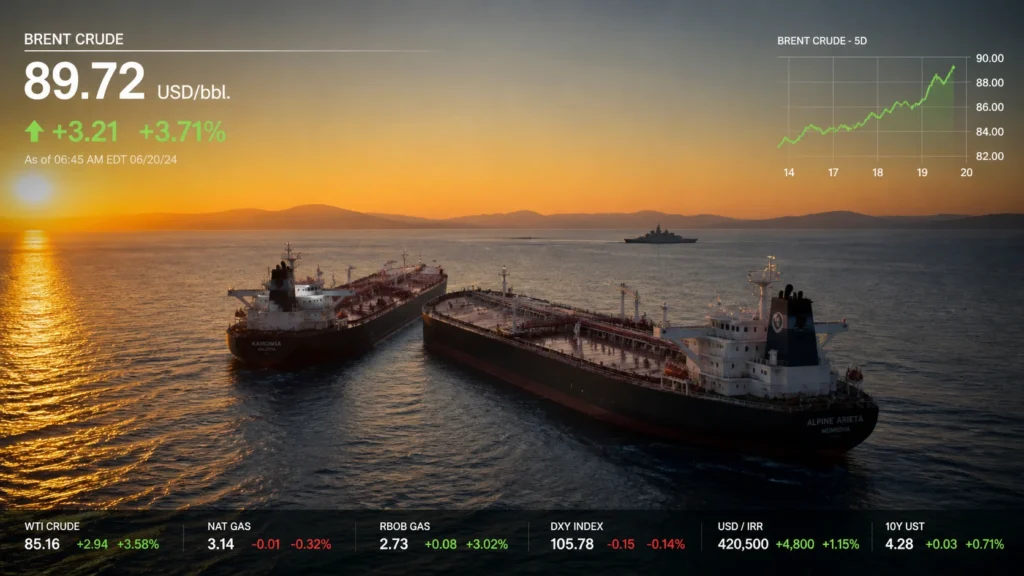
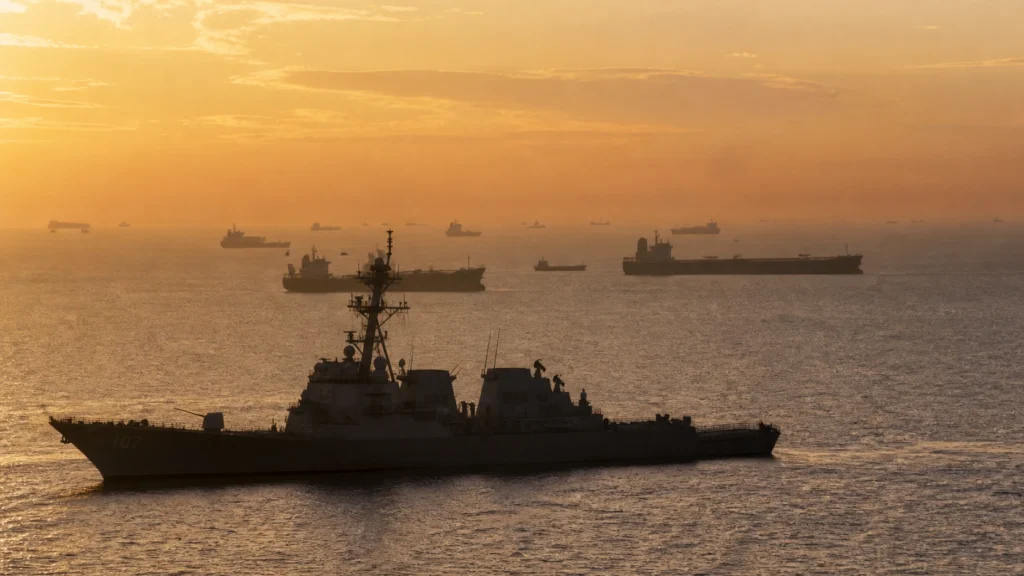
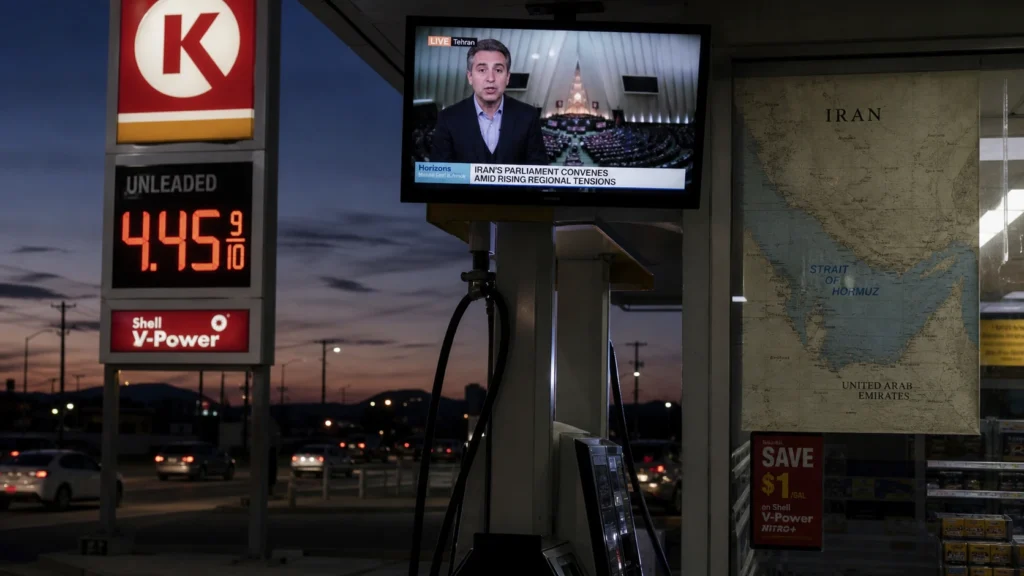
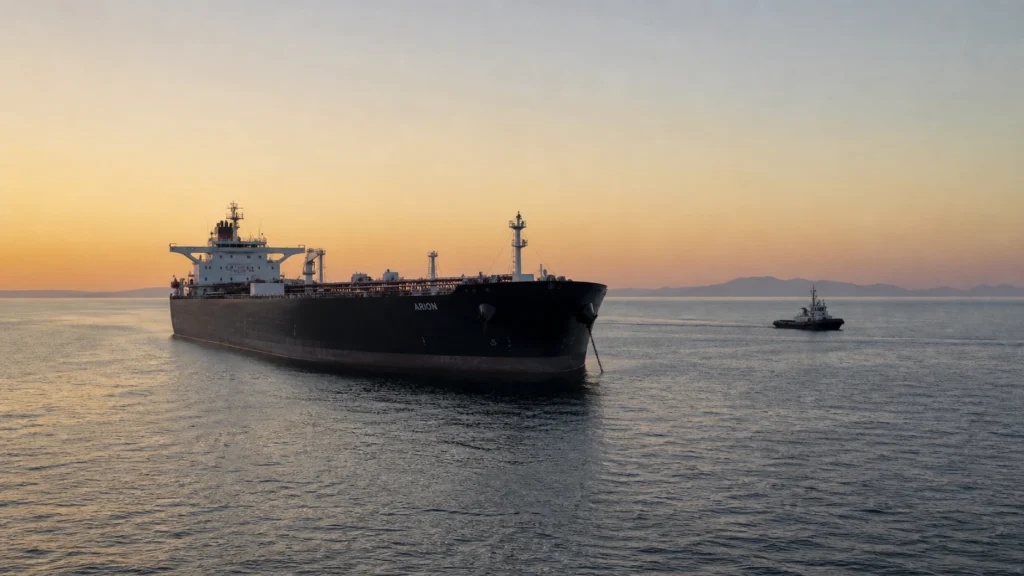
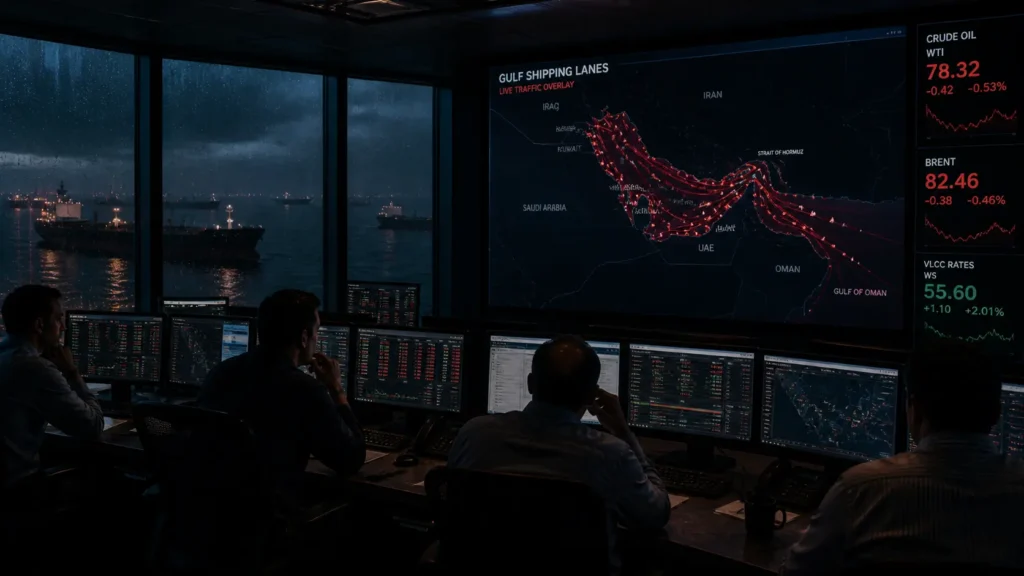
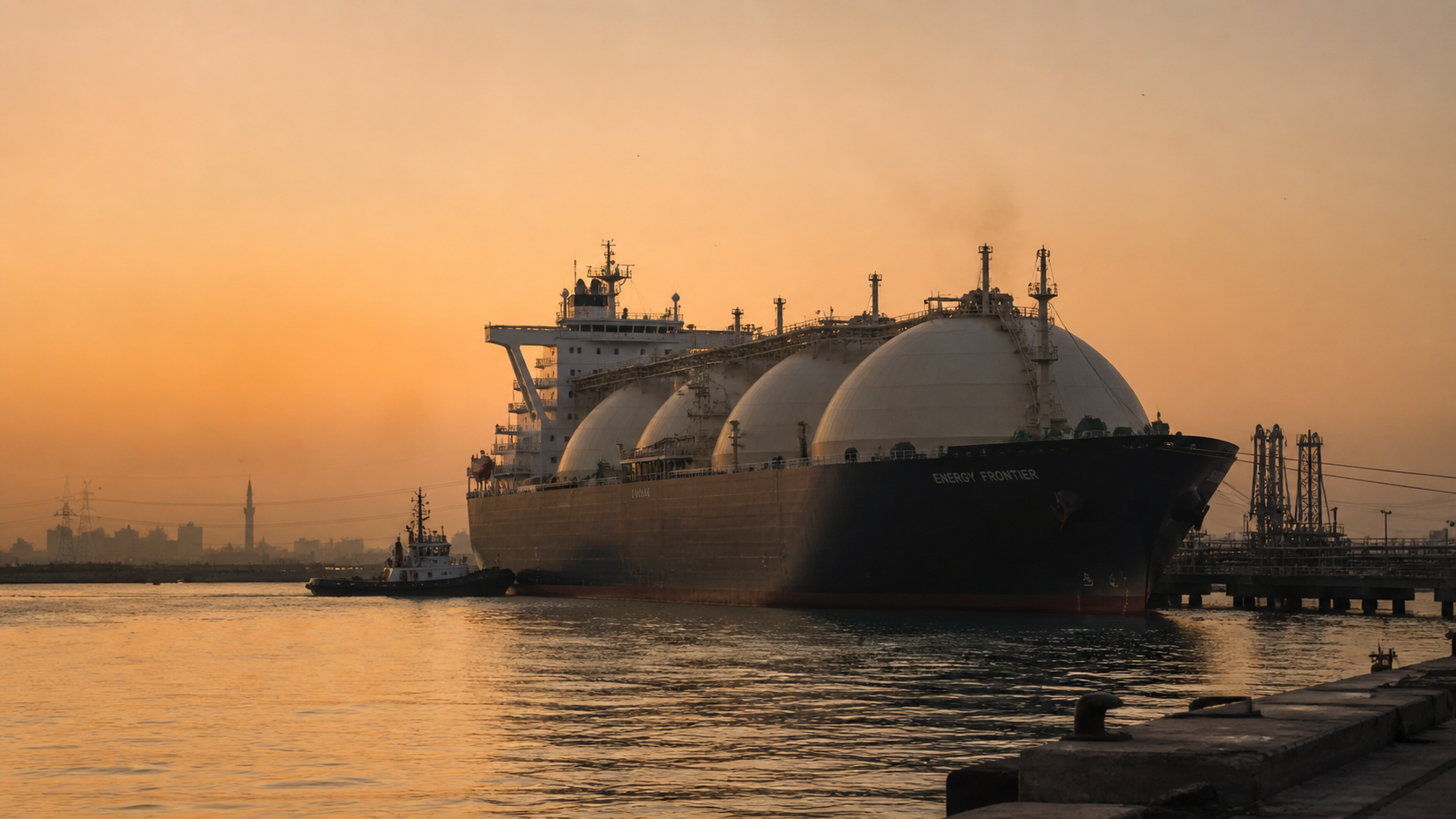
Iran closed the Strait of Hormuz. Global oil prices spiked. Maritime insurance premiums rose 340%. Supply chains scrambled. A mid-tier military power with no aircraft carriers and no fifth-generation fighters internationalized a local conflict by grabbing a geographic chokepoint and refusing to release it.
Craig Singleton, senior fellow at the Foundation for Defense of Democracies, captured the structural implication: “Iran’s ability to leverage a chokepoint and ingest risk into global supply chains shows how quickly a localized conflict can become internationalized.” For Beijing, the parallel is architectural. The Taiwan Strait is the chokepoint. Global semiconductor supply chains are the risk.
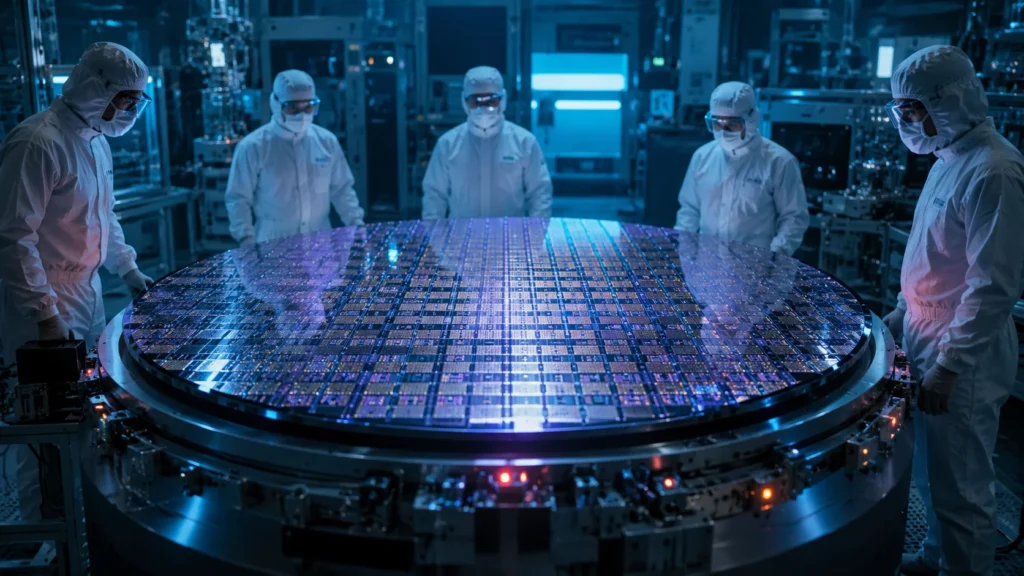
The US Energy Information Administration data on Strait of Hormuz transit volumes shows roughly 20% of global oil passes through that waterway daily. Taiwan produces over 60% of the world’s advanced semiconductors. Different commodity. Same vulnerability structure. Same cascading global economic consequences if disrupted.
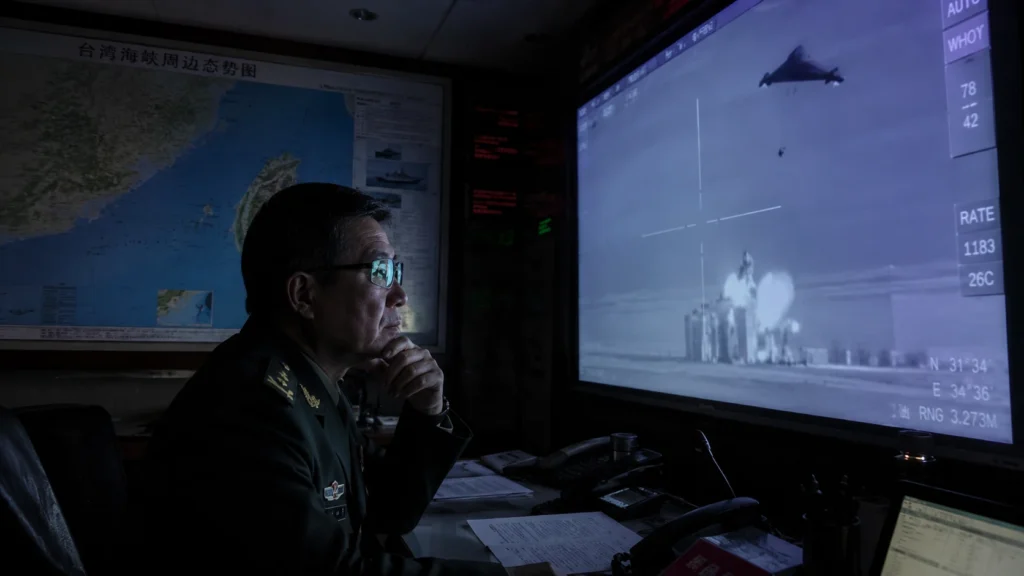
As our coverage of Taiwan Strait contingency planning noted, Beijing’s strategists have studied maritime chokepoint warfare for years. The Iran war just gave them a live demonstration.
Tactical Wins Don’t Equal Strategic Outcomes
The third lesson is the one Pentagon planners least want to acknowledge.
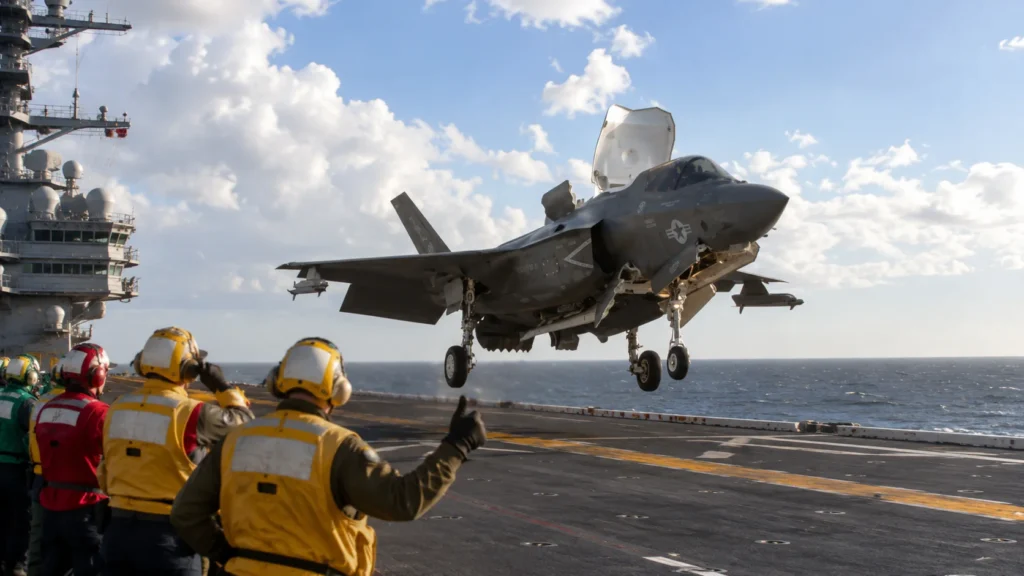
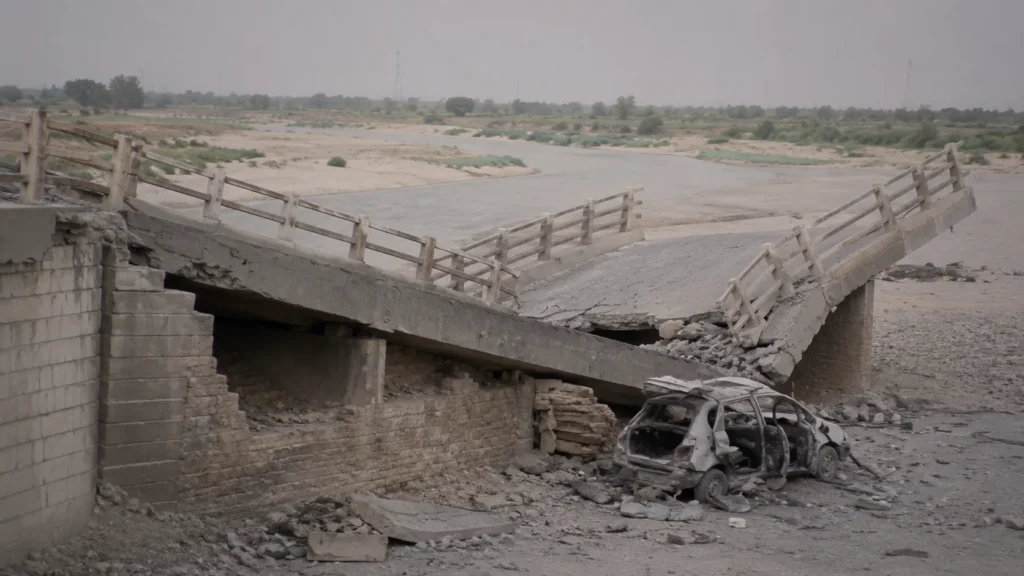
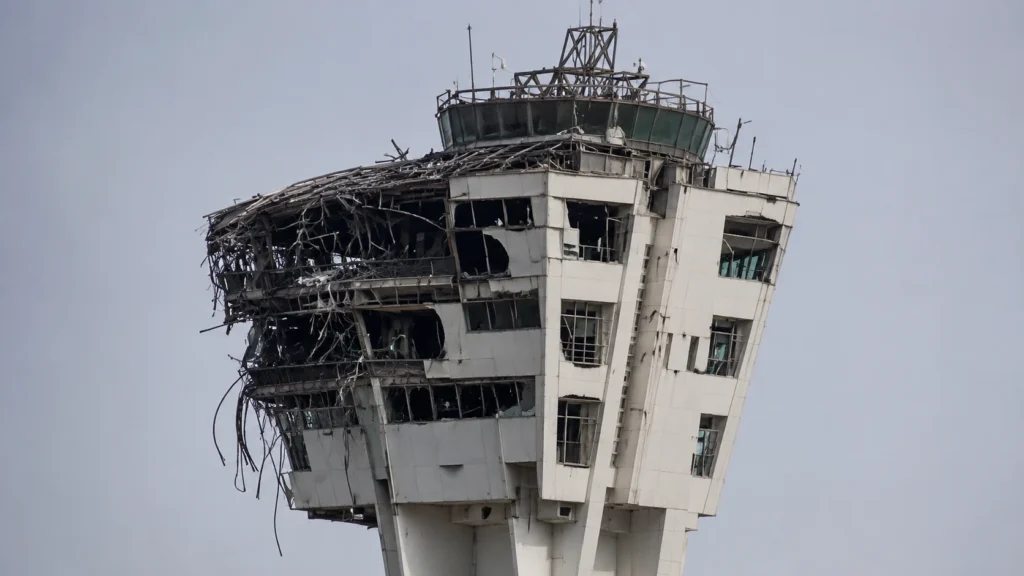
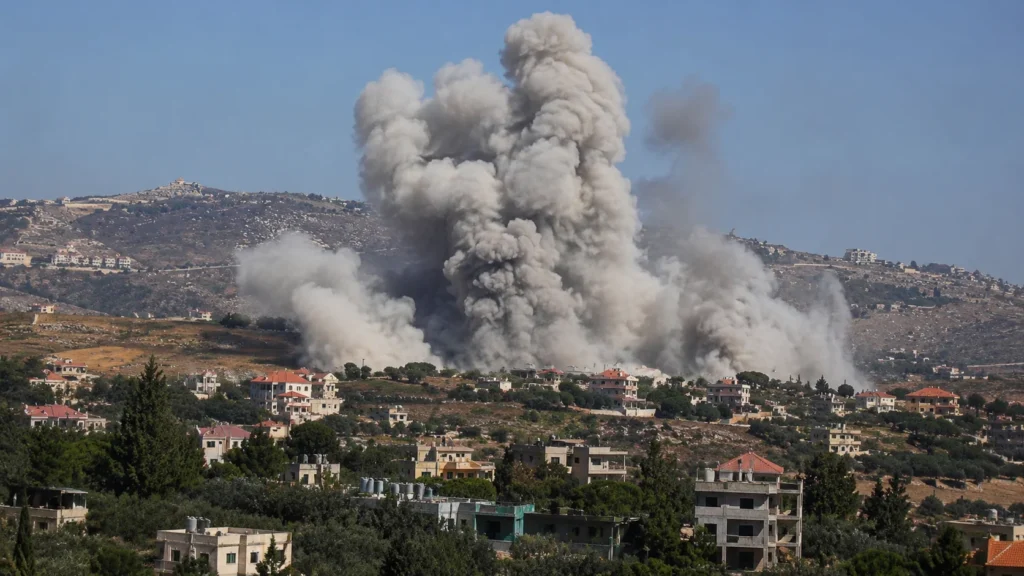
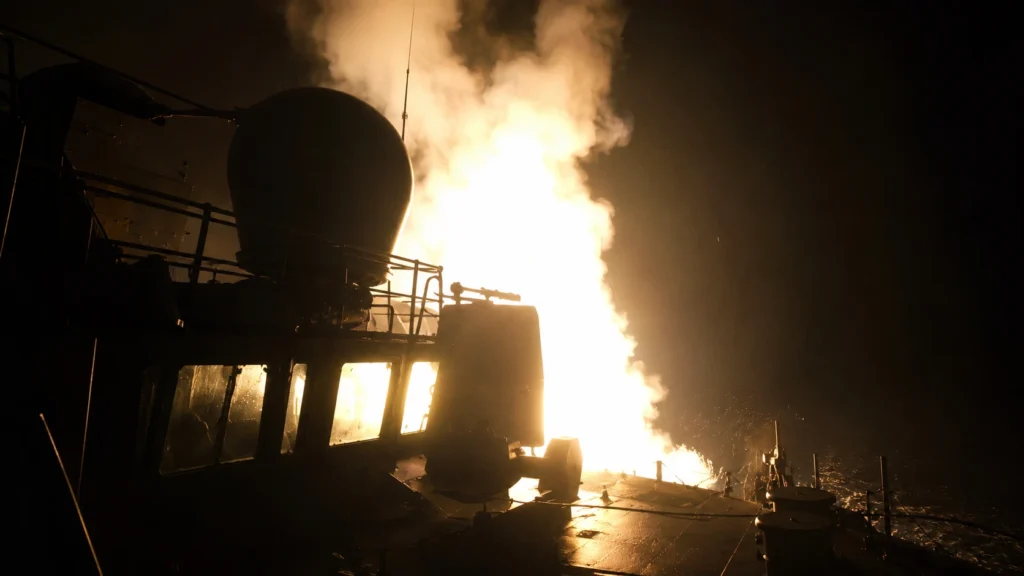
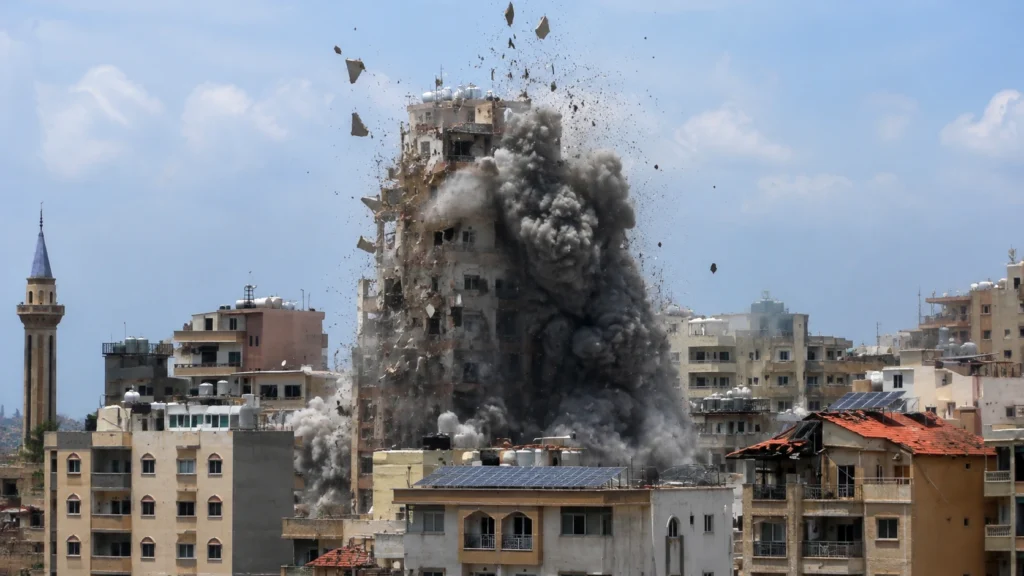
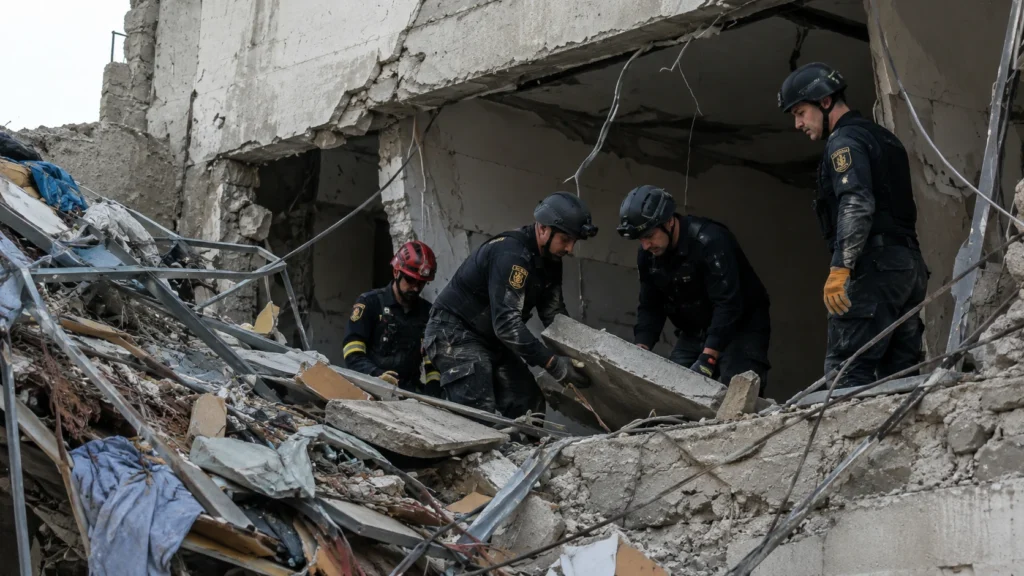
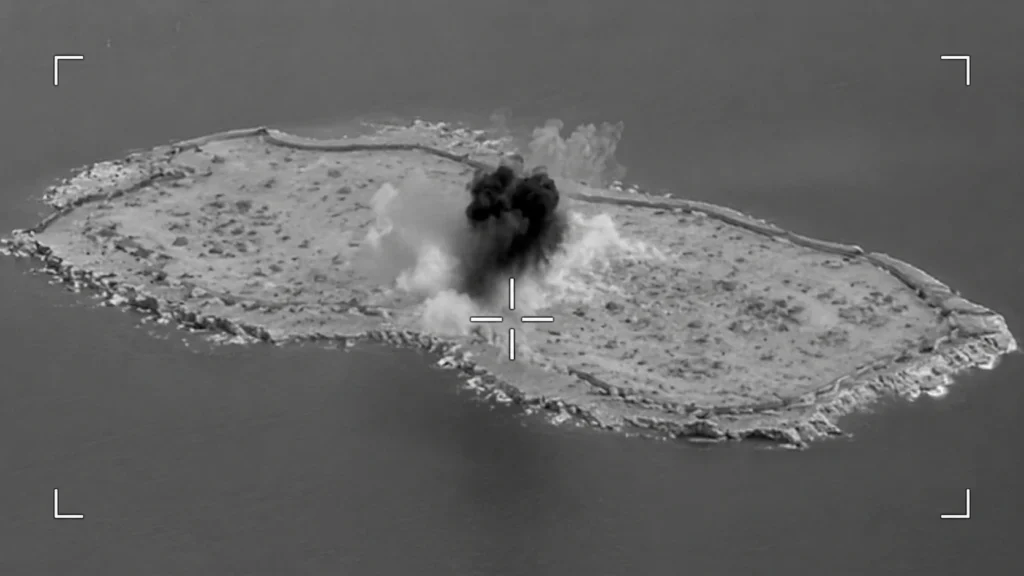
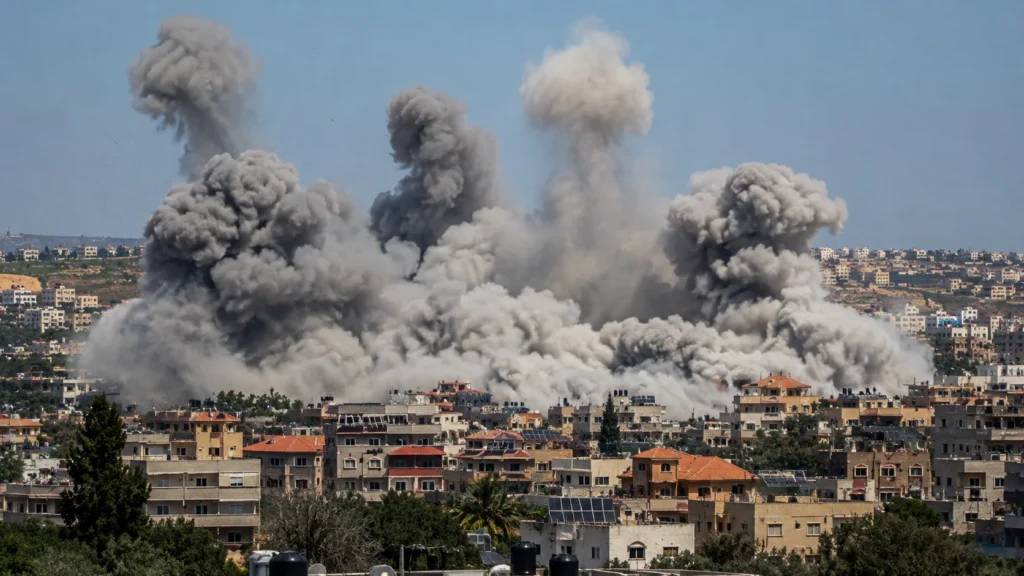
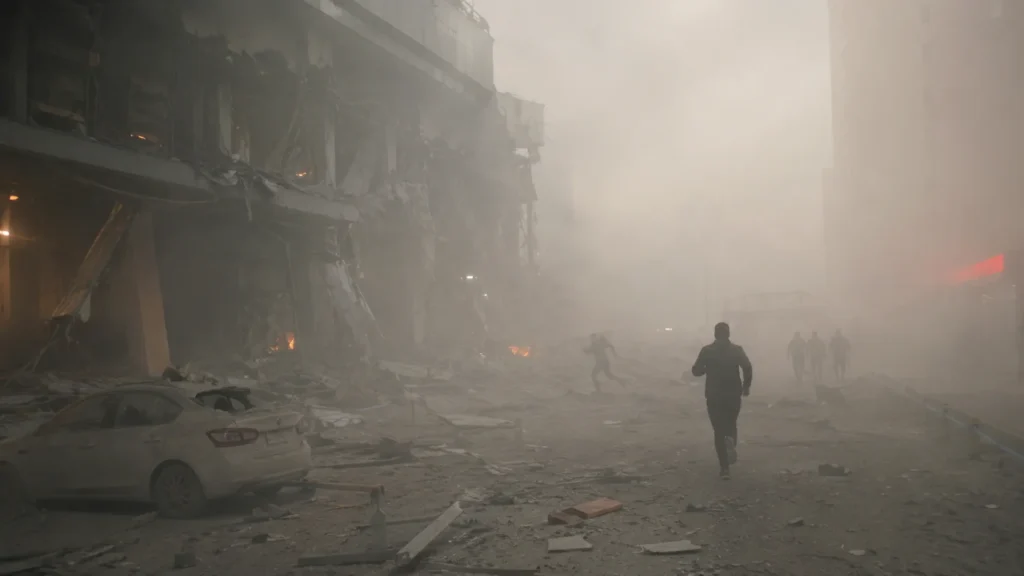
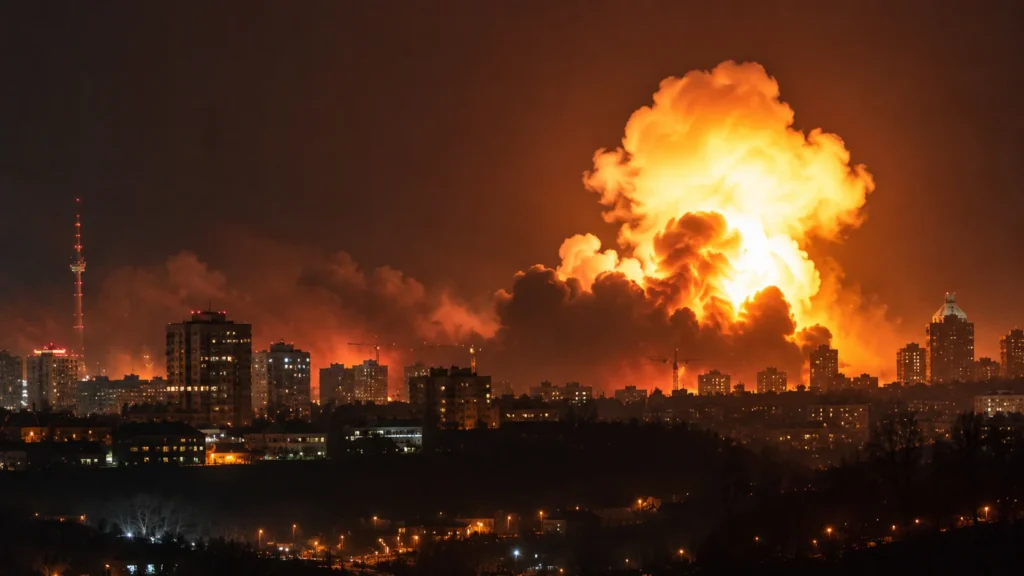
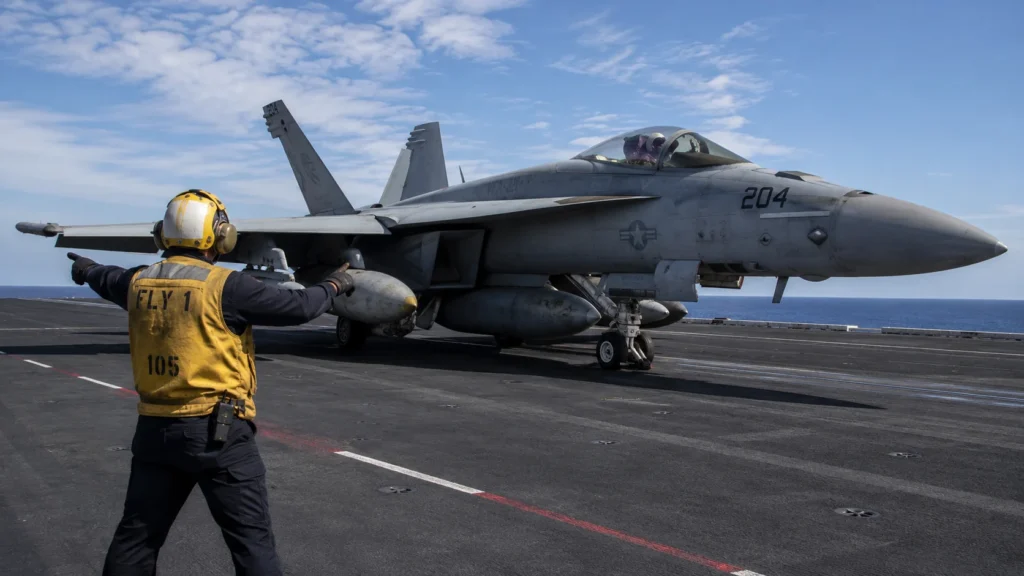
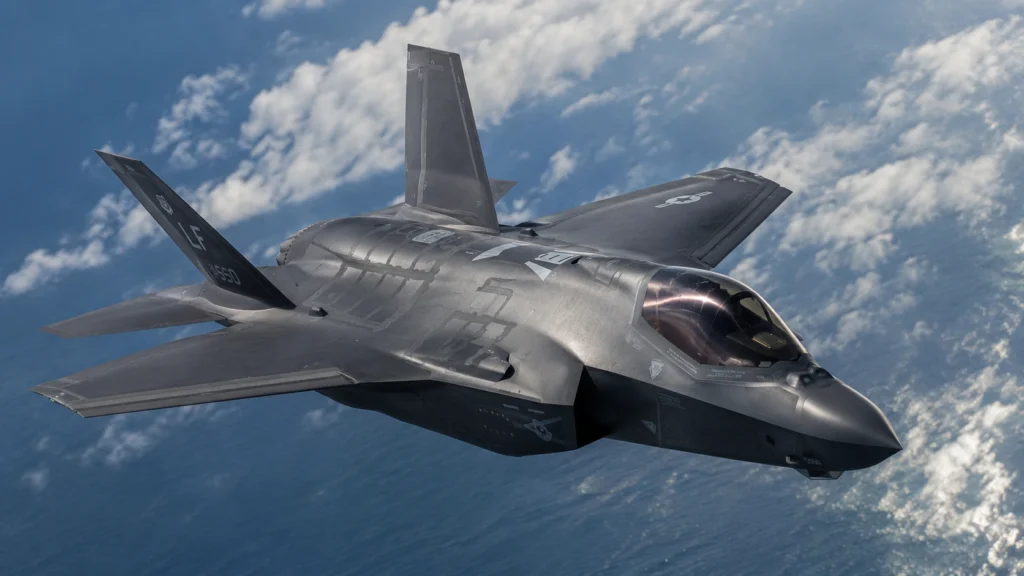
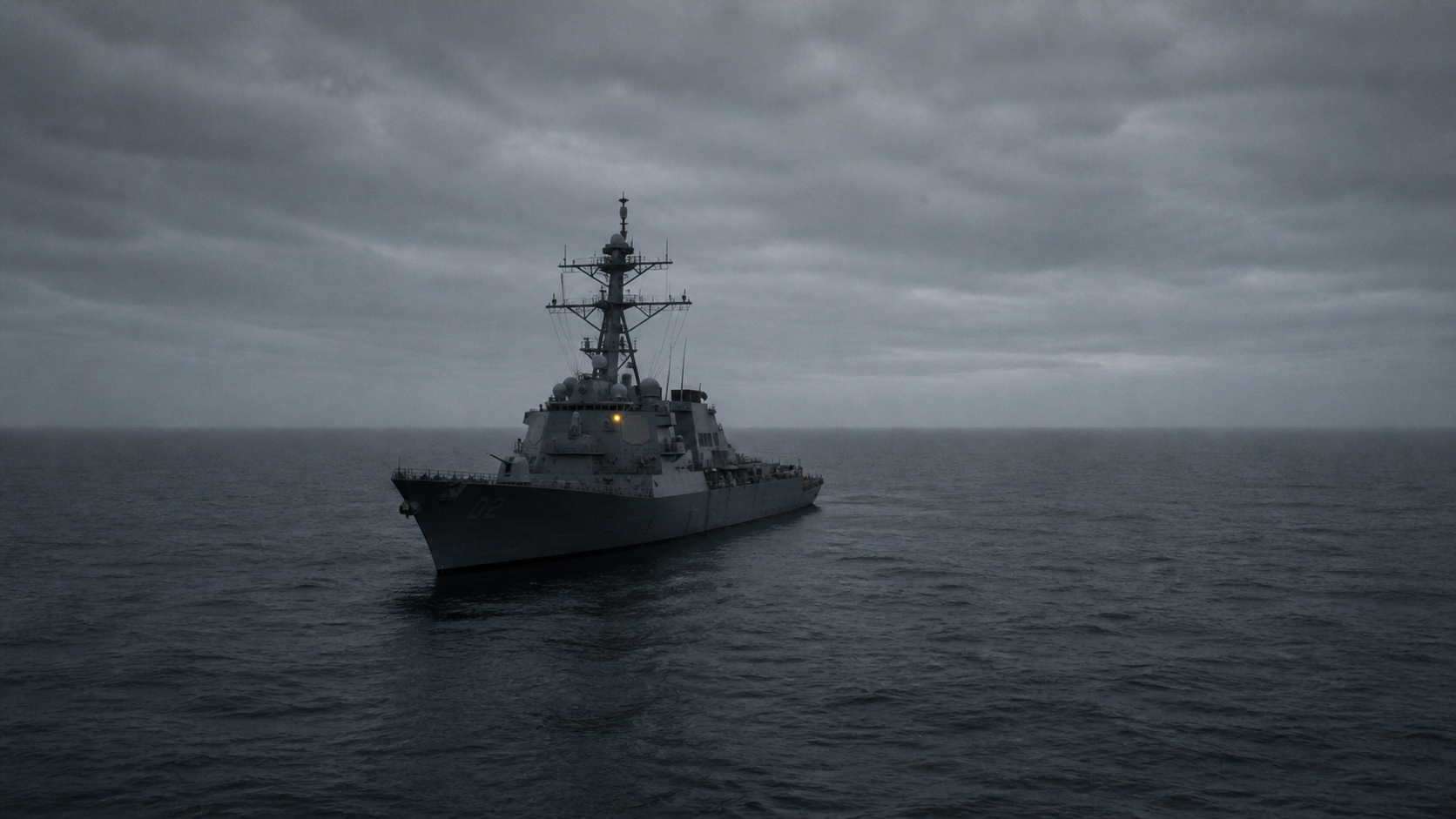
Three months of American air campaigns destroyed Iranian missile launchers, naval vessels, bridges, and air defense sites. F-35s and B-2s delivered precision strikes. The US Navy enforced a crippling blockade. And yet Iran’s government still functions. Its leadership still negotiates. Its military still fights.
“Tactical wins don’t equal political outcomes,” Singleton said. “Military pressure has not translated cleanly into a durable political settlement.”
This validates something Beijing’s strategic doctrine already assumes: endurance matters more than early dominance. The PLA’s operational concept has long emphasized absorbing initial punishment, outlasting the adversary’s most intense phase of operations, and prevailing through stamina rather than knockout blows. The Iran war provided empirical evidence that the approach can work—even against the world’s most advanced military.
The Experience Gap No Technology Can Close
For all the lessons Beijing extracted, one asymmetry cuts the other direction.
The United States military has fought continuously since 1990. Iraq, Afghanistan, Kosovo, Panama, and now Iran—American forces carry institutional memory forged under actual fire. The PLA last saw combat in February 1979, in a brief, brutal border war with Vietnam. That’s 47 years of peace.
Drew Thompson, senior fellow at the S. Rajaratnam School of International Studies in Singapore, offered the historical parallel that Chinese planners find most unsettling. During the Korean War, Chinese MiG-15s outperformed American F-86 Sabres on technical specifications. But American pilots, many carrying World War II experience, dominated the air war anyway. “An excellent pilot in a mediocre airplane will always beat a mediocre pilot in an excellent airplane,” Thompson told CNN interview May 2026.
Chinese military analyst Song Zongping looked at the Iran conflict and said simply: “This is what real warfare looks like.” The statement wasn’t analytical. It was confessional. The PLA can simulate, war-game, model. It cannot replicate losing comrades, adjusting tactics mid-battle, or the institutional learning that only combat produces.
Admiral Samuel Paparo, head of US Indo-Pacific Command, told a Senate hearing in April 2026 that if China moves on Taiwan, the American response won’t be carrier groups charging into the strait. It will be thousands of drones—in the air, on the surface, beneath the sea—making any amphibious crossing prohibitively costly. Paparo read the same Iran war data Beijing read. He absorbed the same asymmetry lesson. He just plans to apply it from the defensive side.
What the Iran War Means for China
What did China learn from the Iran war?
Three structural lessons: cheap drones can defeat expensive air defense systems, chokepoint control can internationalize a local conflict, and tactical military success doesn’t automatically produce political victory. All three directly inform how Beijing thinks about a potential Taiwan scenario.
How many drones can China produce?
A 2025 War on the Rocks report estimated Chinese civilian manufacturers could retool within one year to produce one billion weaponized drones annually—production capacity that fundamentally changes the deterrent math across the Taiwan Strait.
Why does combat experience matter?
The PLA hasn’t fought since 1979. The US has fought continuously since 1990. Historical precedent from the Korean War shows that combat-seasoned pilots in inferior aircraft outperformed inexperienced pilots in superior aircraft. Technology doesn’t close the experience gap.
What is the Taiwan Strait chokepoint risk?
Taiwan produces over 60% of advanced global semiconductors. Just as Iran’s closure of the Strait of Hormuz disrupted 20% of global oil transit and internationalized the conflict, any disruption of the Taiwan Strait would cascade through global technology supply chains immediately.
How did Admiral Paparo respond to the drone threat?
The head of US Indo-Pacific Command told a Senate hearing in April 2026 that the US would fill the Taiwan Strait with thousands of drones across air, surface, and subsurface domains—using the same cost-asymmetry logic Iran demonstrated to make any Chinese amphibious operation extremely costly.
The Iran war ends when Washington and Tehran negotiate terms. But the lessons are already migrating east, embedding in procurement plans, operational doctrine, and the quiet calculations of military professionals who understand an uncomfortable truth: wars don’t just defeat enemies. They train future ones.