

 English




























































































































































































































































































































Nebraska’s Blue Dot Primary Tests Democrats’ Priorities
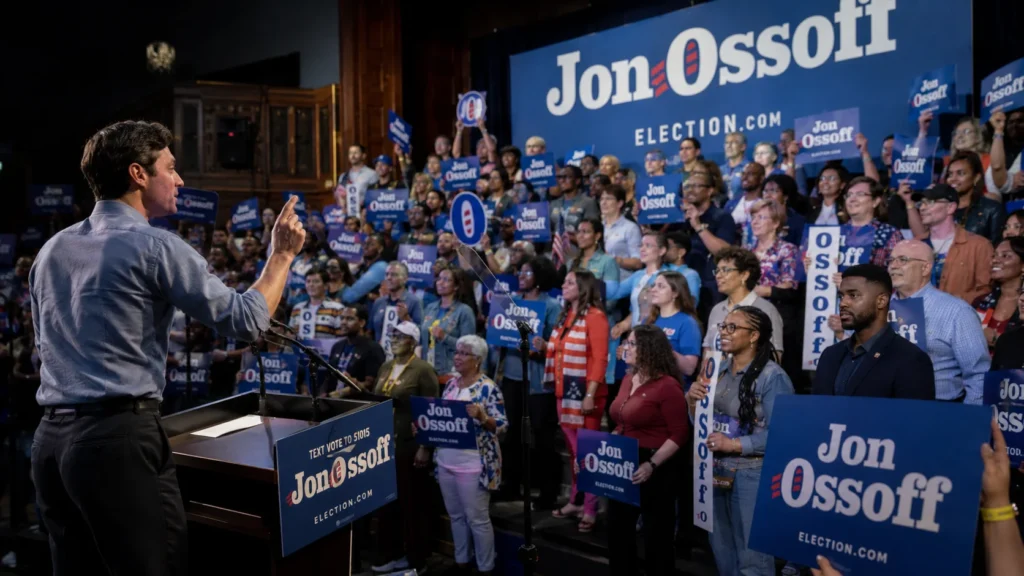
Nebraska voters go to the polls Tuesday in a Democratic congressional primary that has attracted more than $6 million in outside advertising, according to AdImpact data. The race to replace retiring Republican Rep. Don Bacon in the Omaha-based 2nd Congressional District features six Democratic candidates, led by State Senator John Cavanaugh and first-time candidate Denise Powell. But the Nebraska blue dot primary tests Democrats’ priorities in a way no other race this cycle does. The argument consuming Omaha airwaves is not about beating the Republican nominee, Brinker Harding, in November. It is about whether electing Cavanaugh to Congress would force him to vacate a state legislative seat, handing Republican Governor Jim Pillen an appointment that could eliminate the district’s split Electoral College vote.
Why a State Legislative Seat Matters More Than a Congressional One
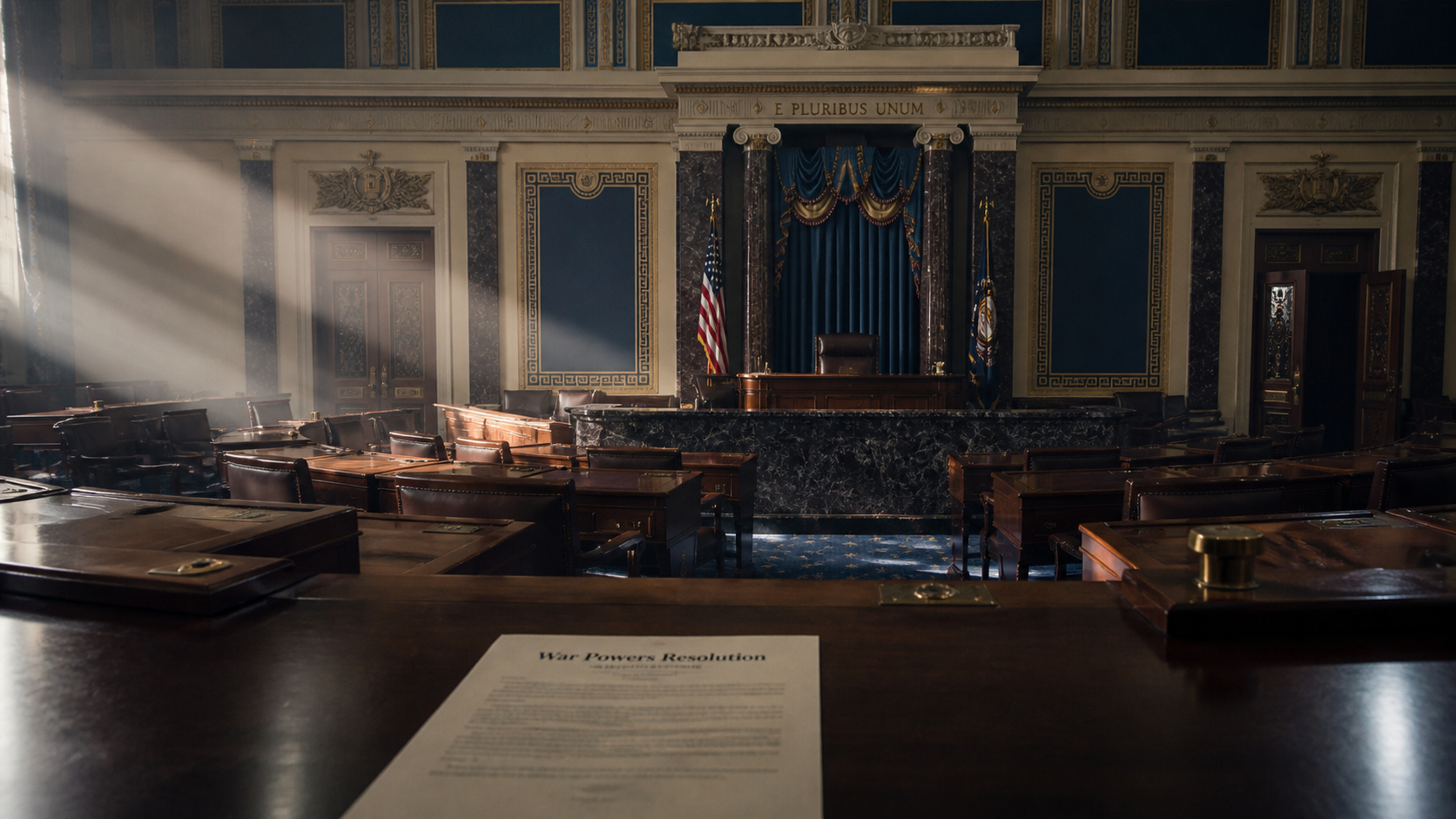
The Nebraska legislature occupies a unique institutional role in American politics. It is the only nonpartisan unicameral body in the country. It also holds decisive votes on how the state awards its presidential electoral votes.
Nebraska and Maine are the only two states that divide Electoral College votes by congressional district rather than using the statewide winner-take-all formula that governs the other 48 states. The statewide winner receives two electoral votes. Each congressional district awards one electoral vote to its winner.
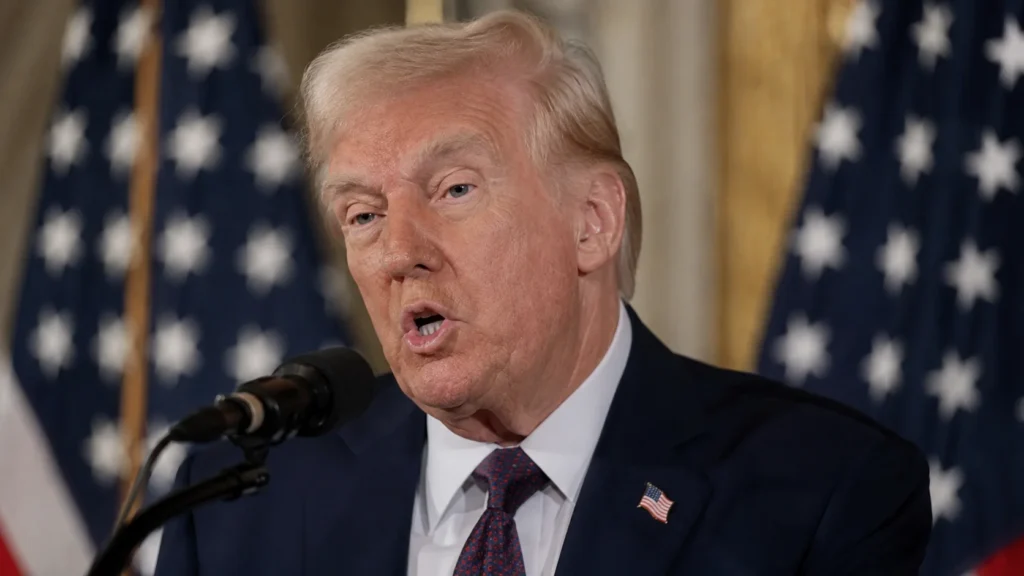
The Omaha-based 2nd District has backed Democratic presidential candidates in 2020 and 2024, awarding Joe Biden and Kamala Harris one electoral vote each. Republican efforts to eliminate the split system and move Nebraska to winner-take-all reached a peak in 2024, when Trump and his allies sought the decisive legislative vote. They did not have it. The blue dot survived.
The super PAC argument now saturating the primary rests on a specific causal chain. Cavanaugh wins the primary. Cavanaugh wins the general election. Pillen fills his legislative seat with a Republican appointee. That appointee votes to make Nebraska winner-take-all. The blue dot dissolves before the 2028 presidential election.
According to AdImpact political advertising tracking data May 2026, two progressive super PACs, Protect the Blueprint and Democracy Defense Fund, invested over $1 million combined in Omaha advertising, making exactly this argument. Powell embraced the framing. Her campaign describes her as “one pissed-off mom” fighting to protect the blue dot from her own party’s nominee.
As our analysis of the 2024 Electoral College reform battle documented, the legislative math in Lincoln remains extremely tight. A single appointment could shift the balance.
The Counterargument
Cavanaugh’s campaign and allies reject the super PAC’s causal chain. Six sitting Democratic state senators signed an open letter to voters last month, calling the attacks “misguided” and arguing Democrats were likely to win or hold other legislative seats to preserve the pro-blue-dot majority.
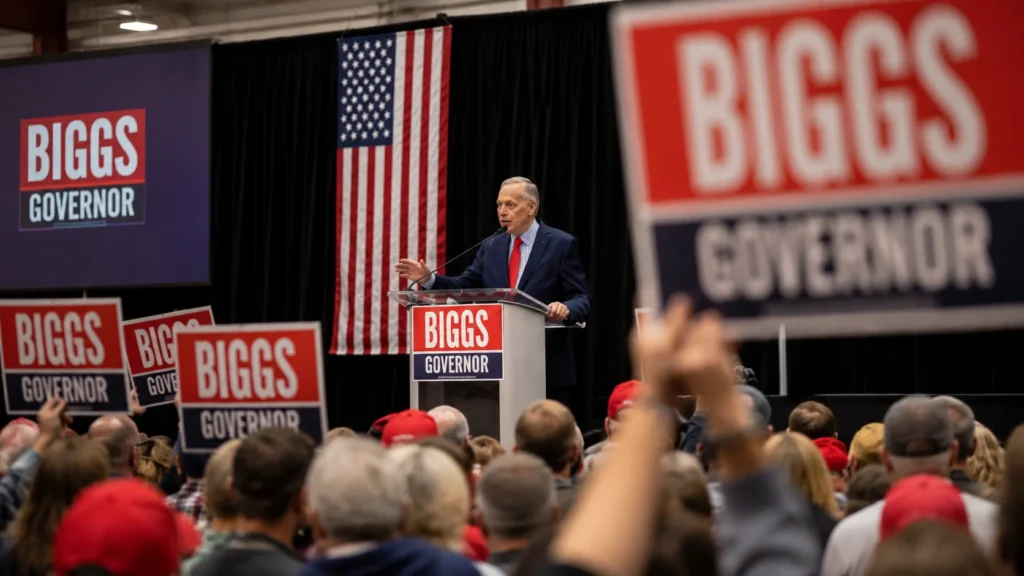
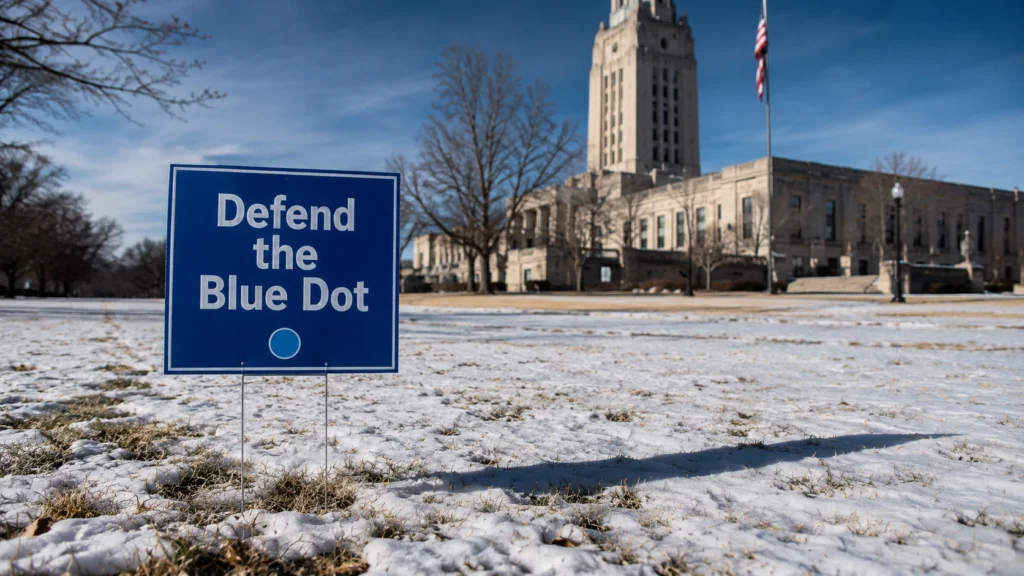
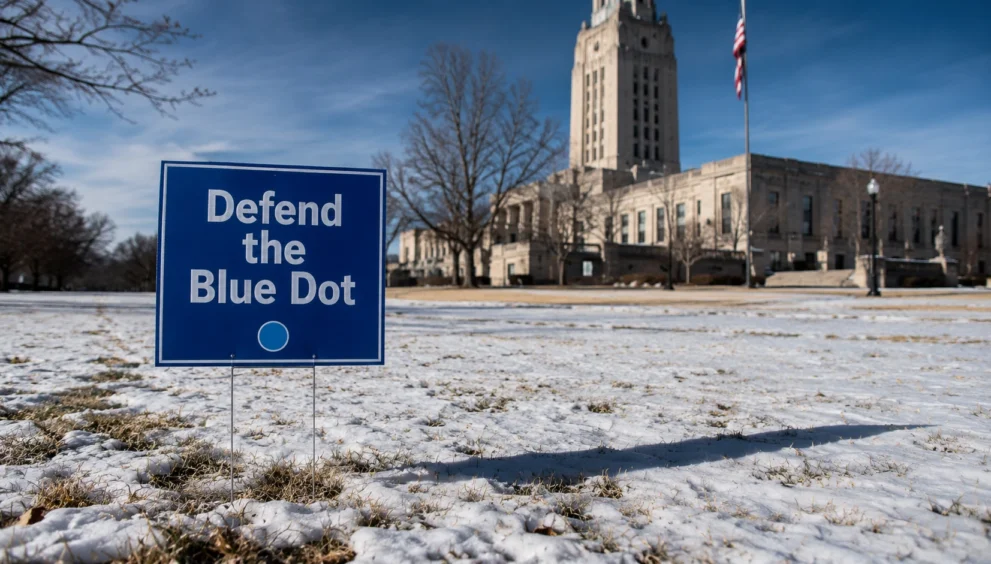
Cavanaugh hails from a prominent Democratic family. His father, John Cavanaugh Sr., represented the 2nd District in Congress from 1977 to 1981. His sister, Machaela, serves in the state legislature. His campaign has planted yard signs across the district vowing to “stand up to Trump and defend the blue dot.”
His counterpunch labels Powell “Dark Money Denise” and argues that the super PACs are posing a risk to undermine his candidacy. The response reveals the awkward position. Cavanaugh cannot dismiss the Electoral College argument as irrelevant. He can only argue that the risk is overstated and the legislative math will hold without him.
The Democratic primary forces voters to choose between two competing causal chains, neither of which is provable before election day. Cavanaugh leaves the legislature, and Democrats hold enough seats to protect the blue dot. Cavanaugh leaves, and Republicans gain the decisive vote. The argument reduces to a counterfactual that no one can resolve until after ballots are cast.
Republicans Wait and Watch
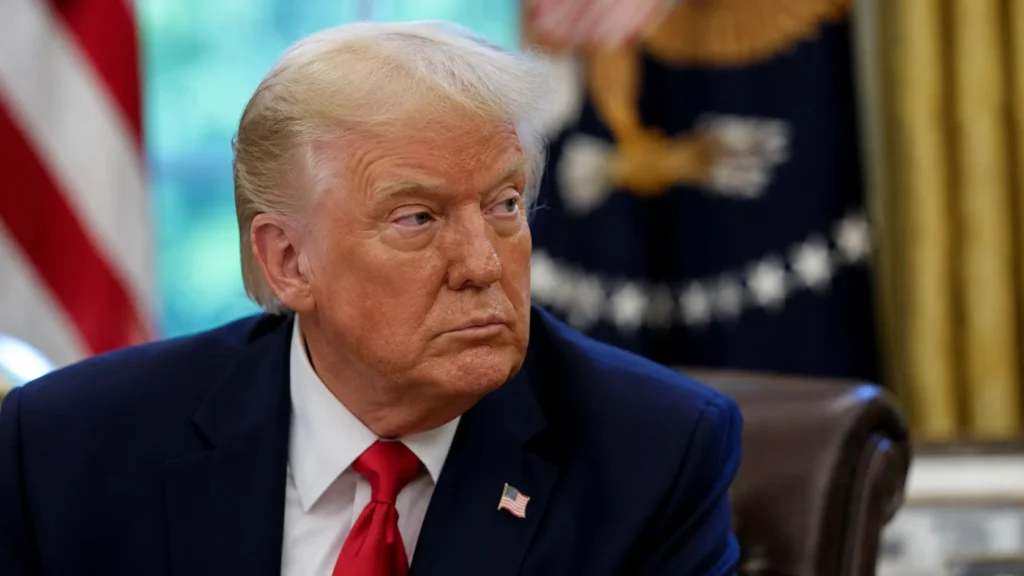
Harding cleared the Republican field. The Omaha city councilman faces no primary opponent. Trump endorsed him. The GOP will enter the general election unified, well-funded, and watching Democrats spend millions attacking each other.
The seat is winnable for Democrats. Bacon was one of only three Republicans in the country who won a district Harris carried in 2024. His retirement turns the district into a true battleground. But the primary has burned through more than $6 million in advertising, according to AdImpact. The general election campaign has not started.
Rep. Brad Ashford was the last Democrat to hold this seat. He served a single term before losing reelection to Bacon in 2016. It has been a decade since Nebraska sent a Democrat to Congress. The structural conditions favor the party in this district. The financial aftermath of the primary may not.
As our coverage of 2026 House battleground districts noted, Democratic pickup opportunities in Republican-held seats require both candidate quality and financial capacity. The Nebraska primary tests whether Democrats can retain the second after spending the first on internal combat.
Written by a Senior Political Correspondent who has covered congressional elections, Electoral College politics, and state legislative dynamics for over a decade, including the 2020 and 2024 presidential races and House battleground campaigns.