

 English




















































































































































































US Inflation Hits 3.8% and Traps the Fed’s New Chair
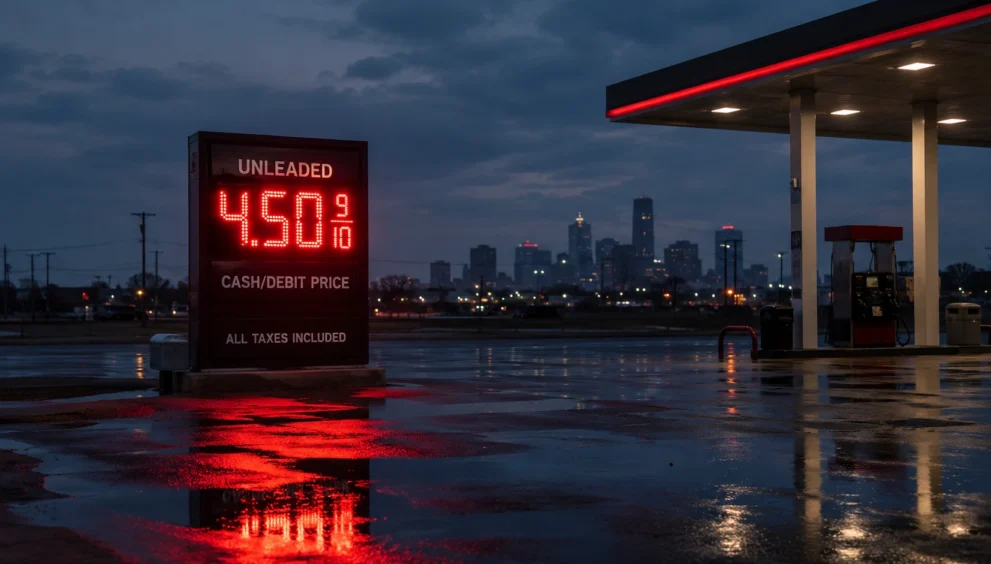
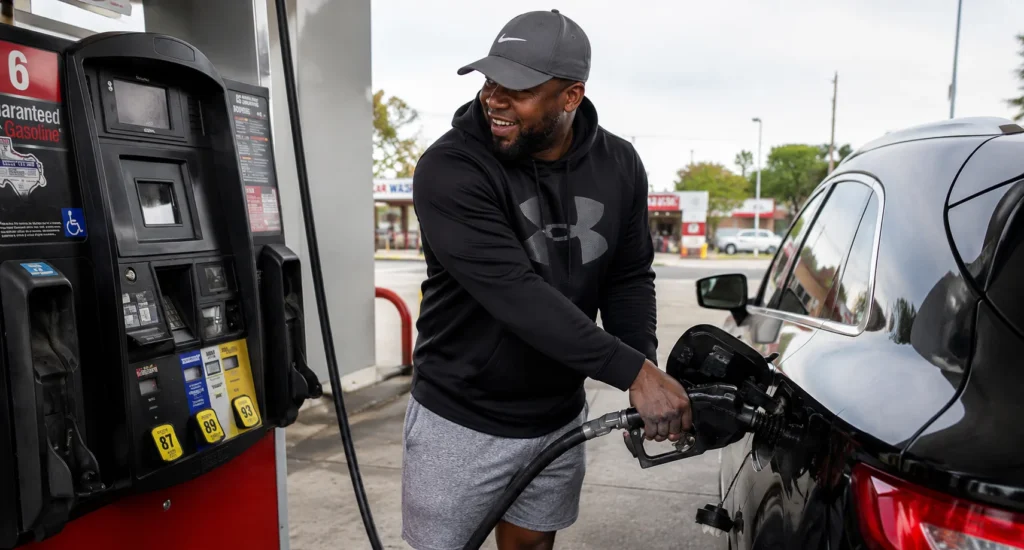
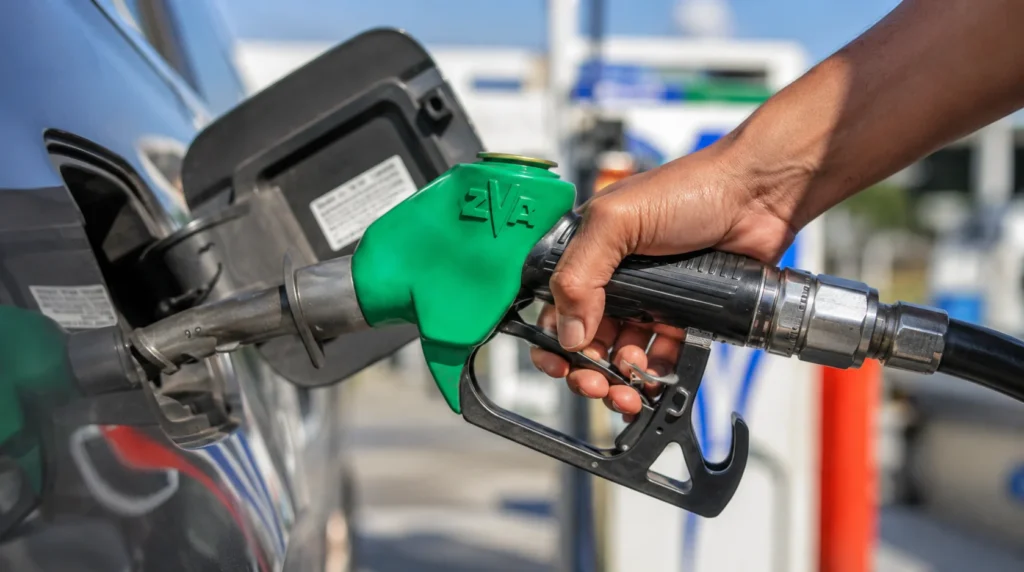
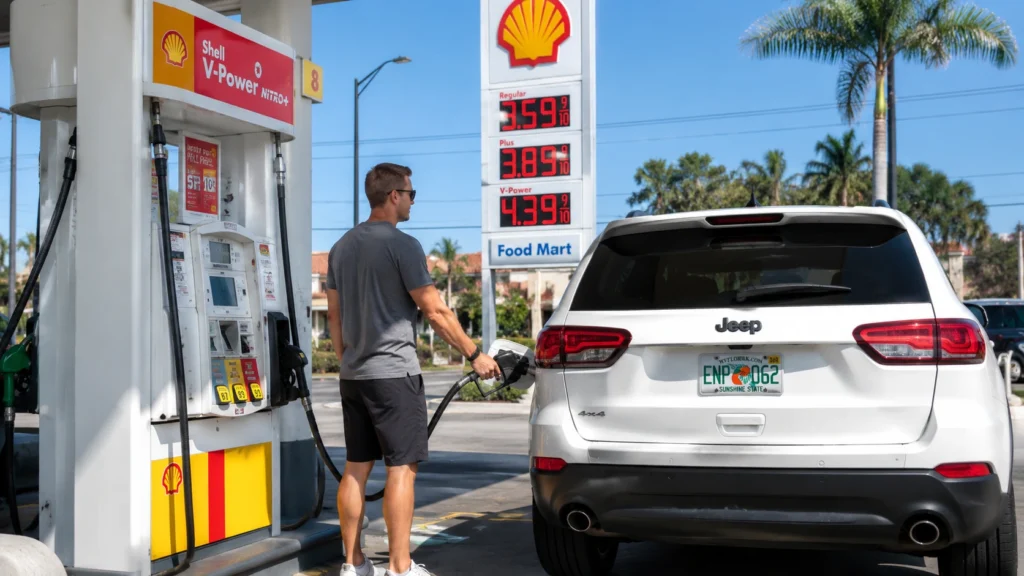
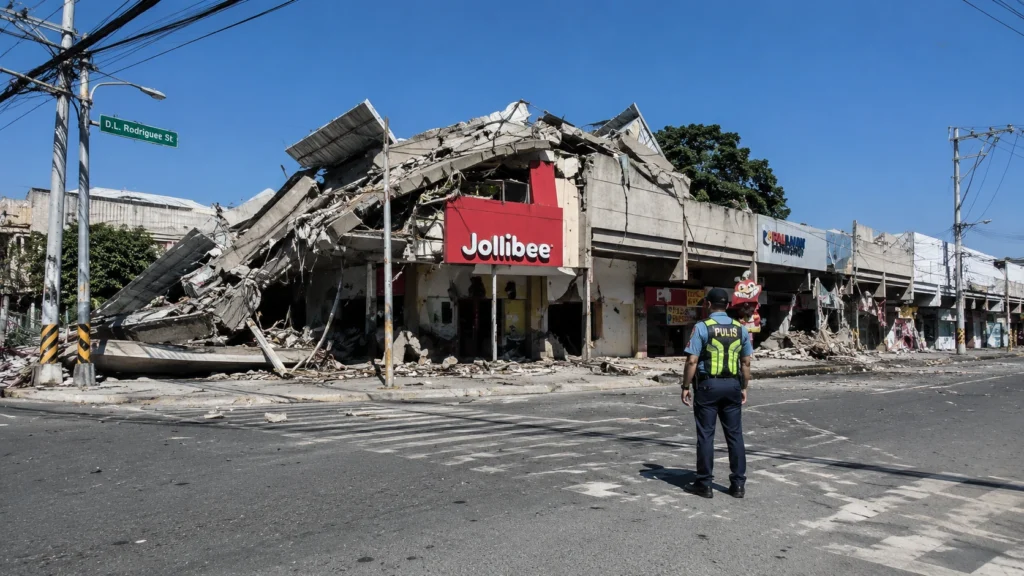
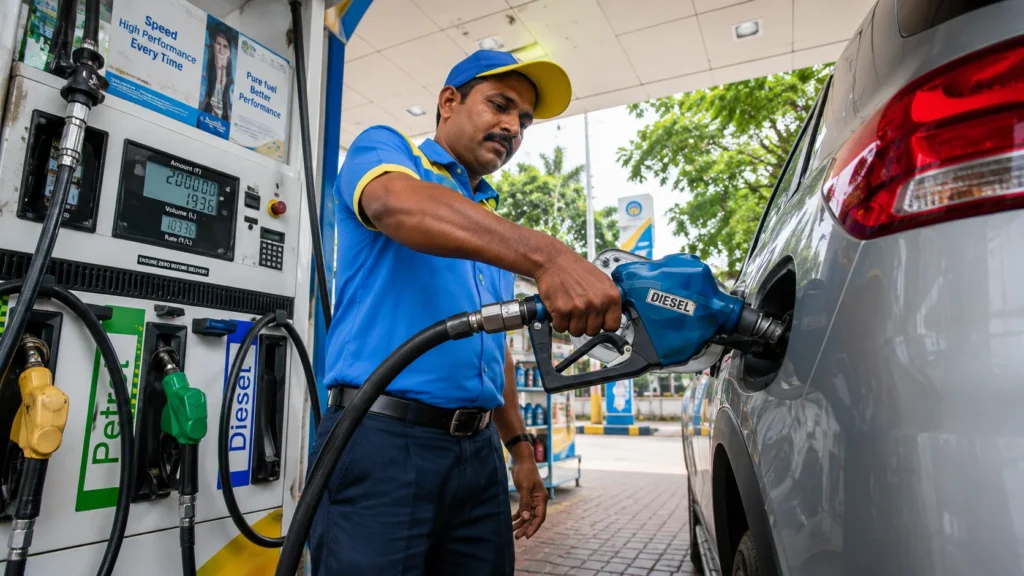
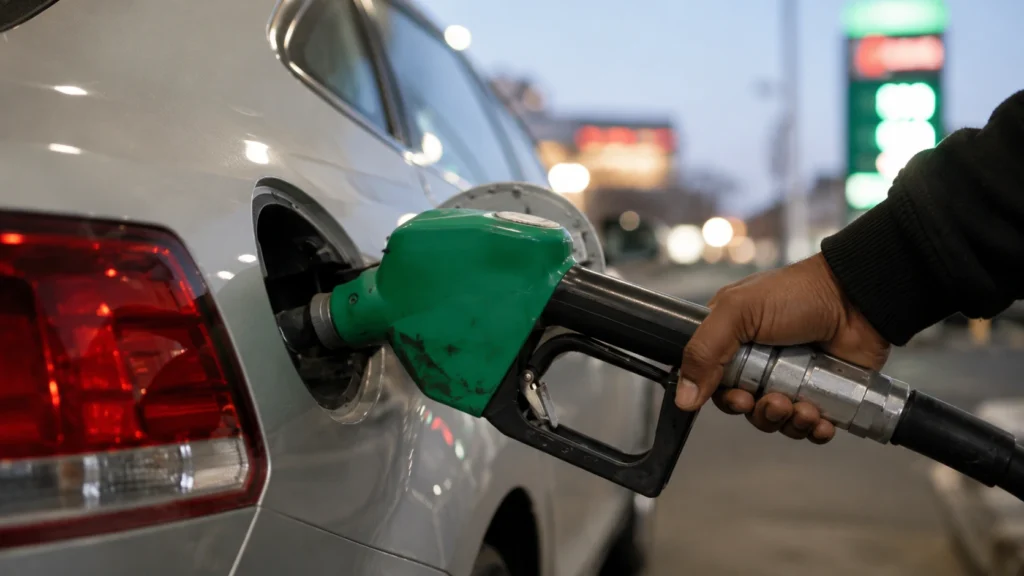
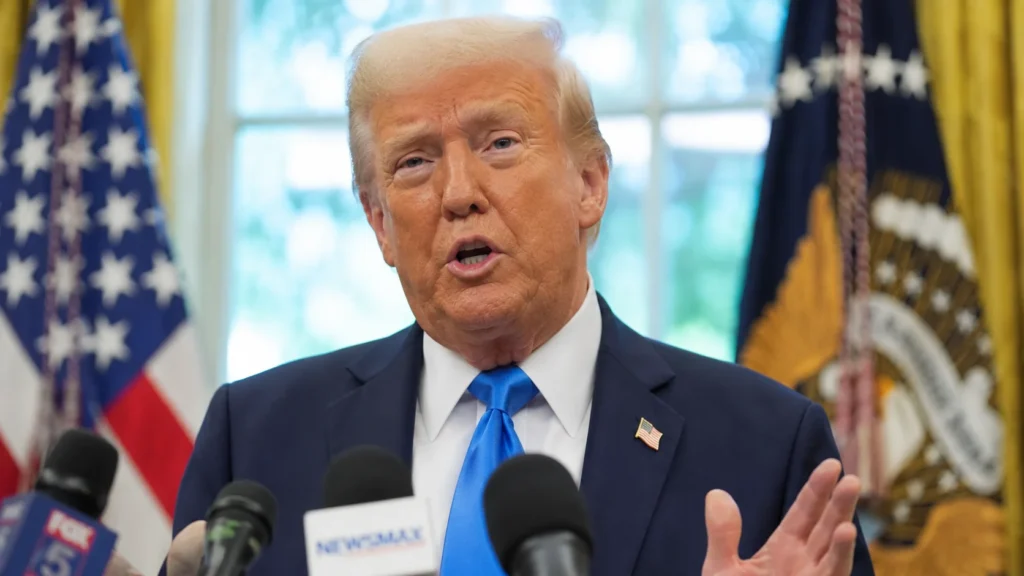
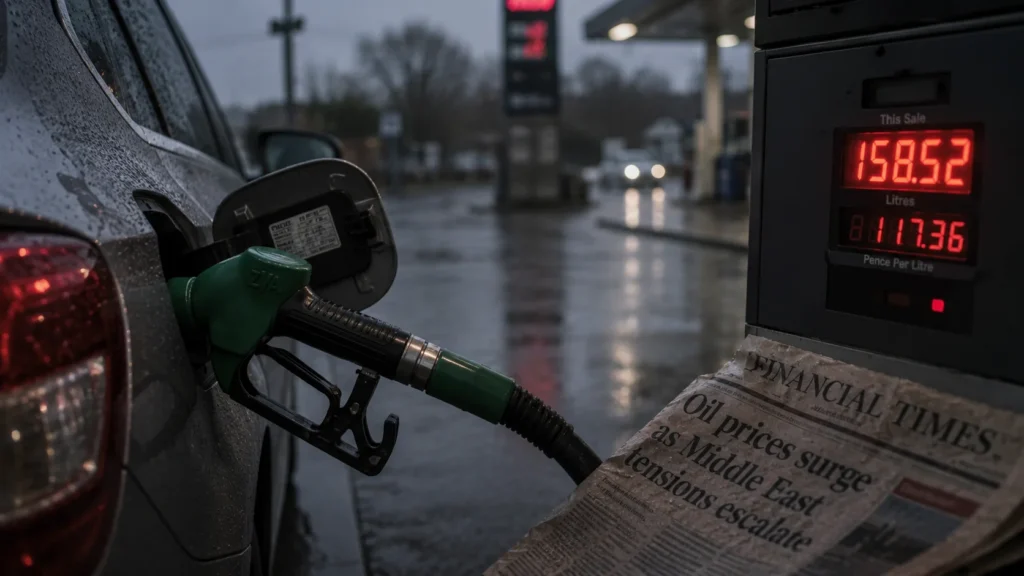
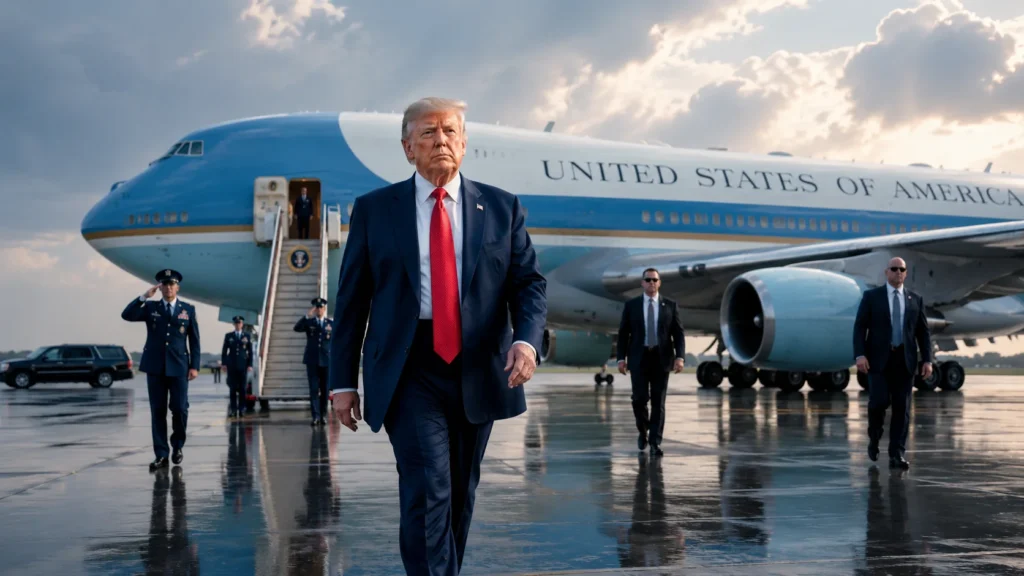
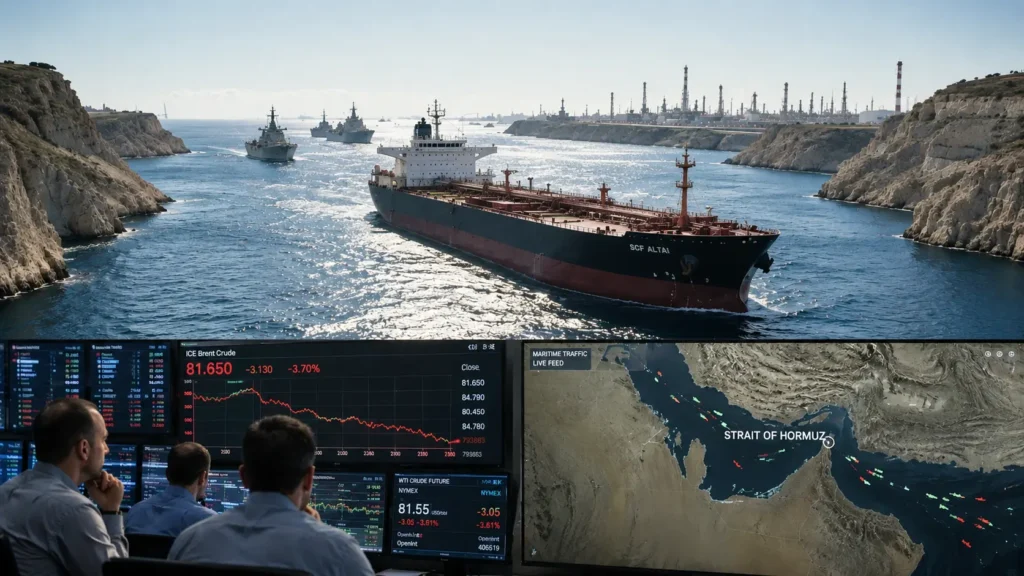
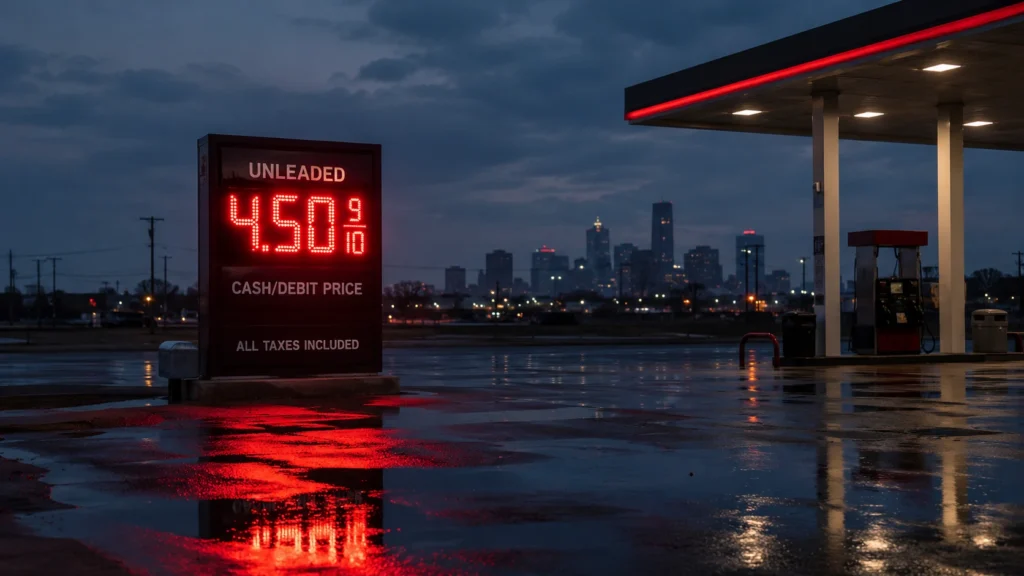
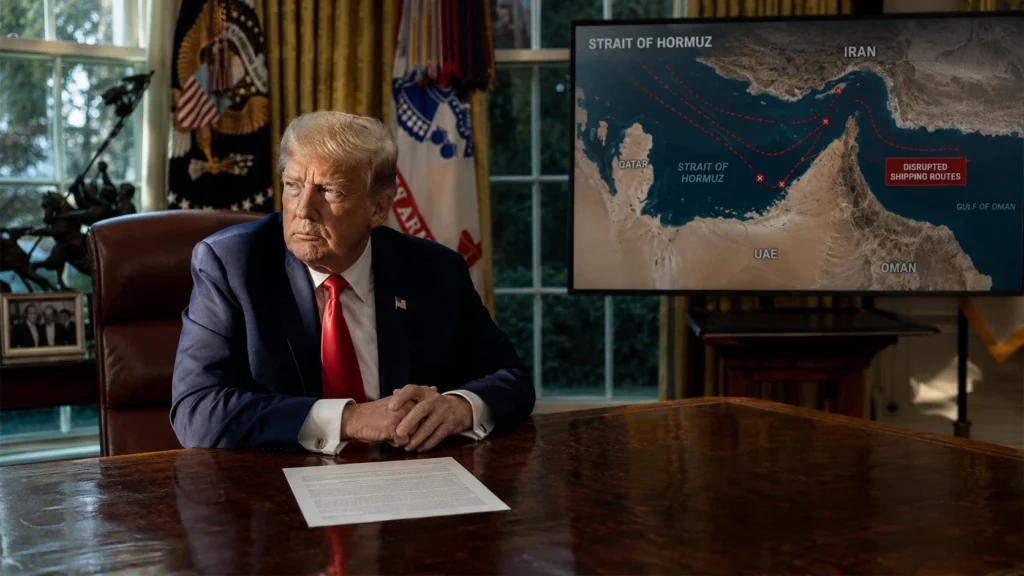
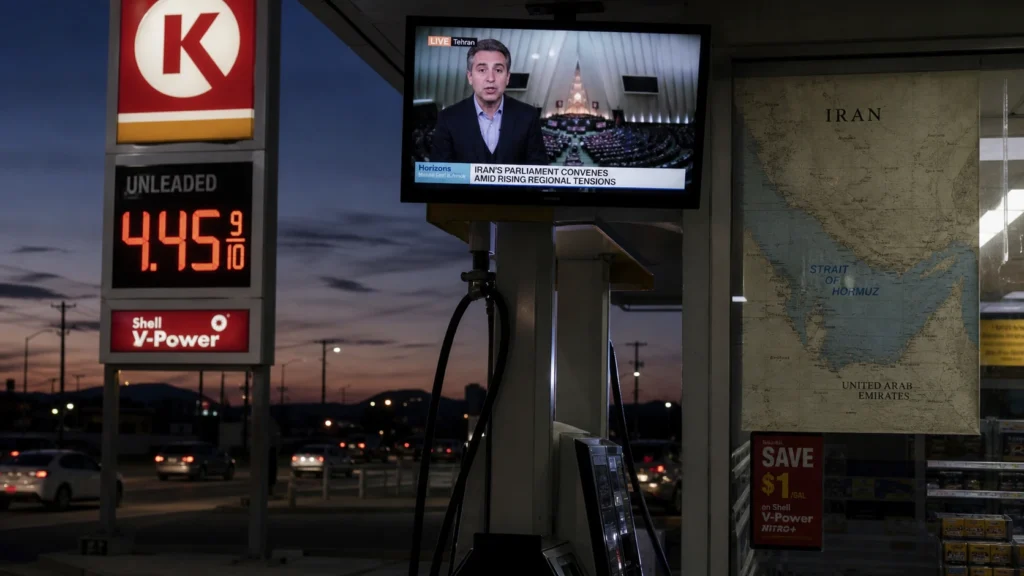
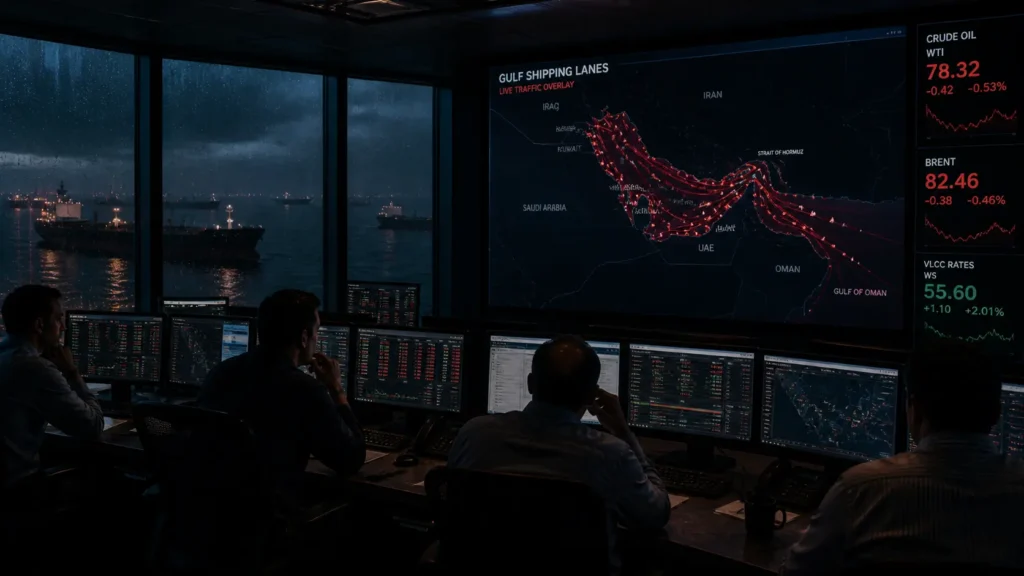
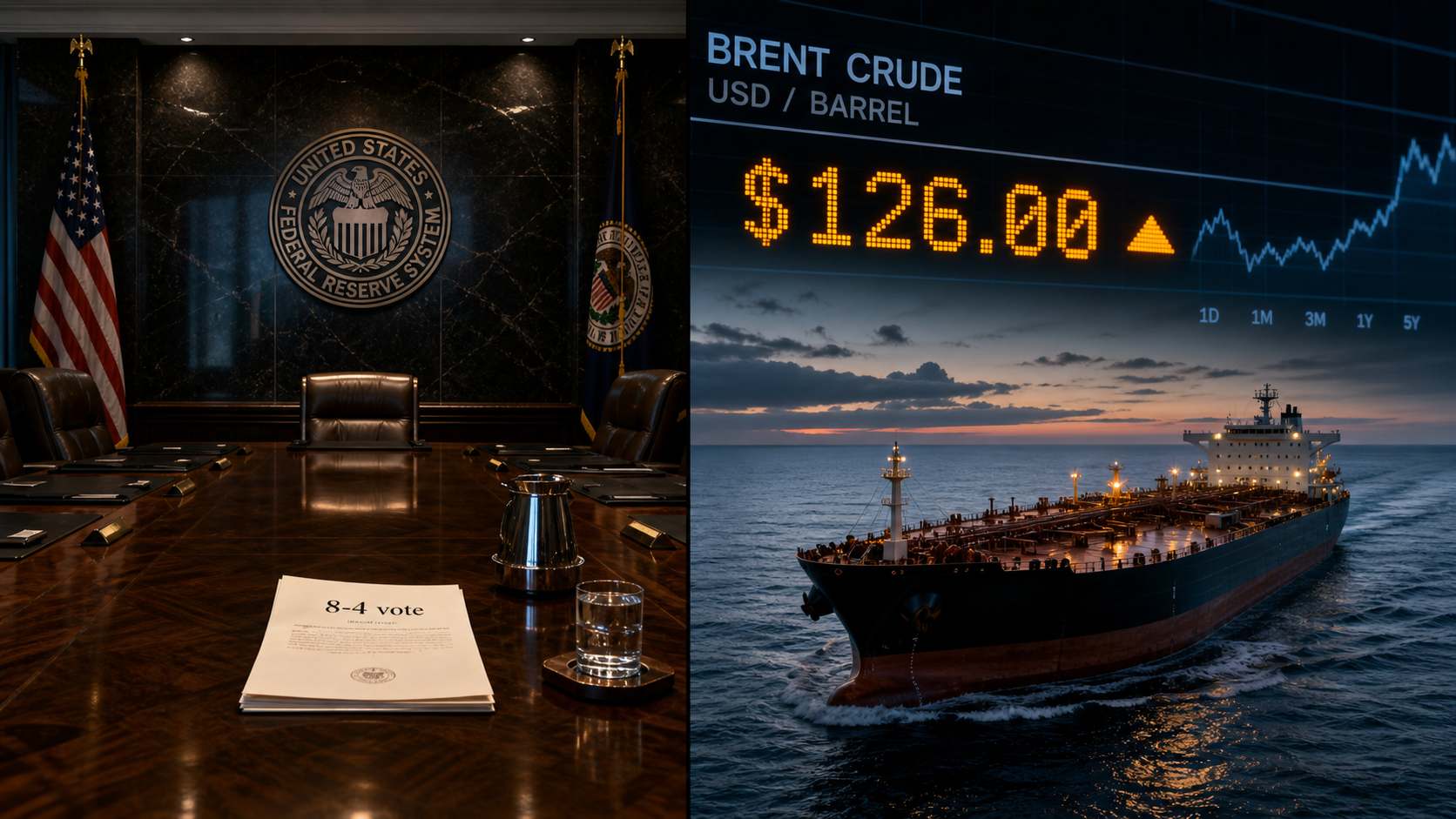
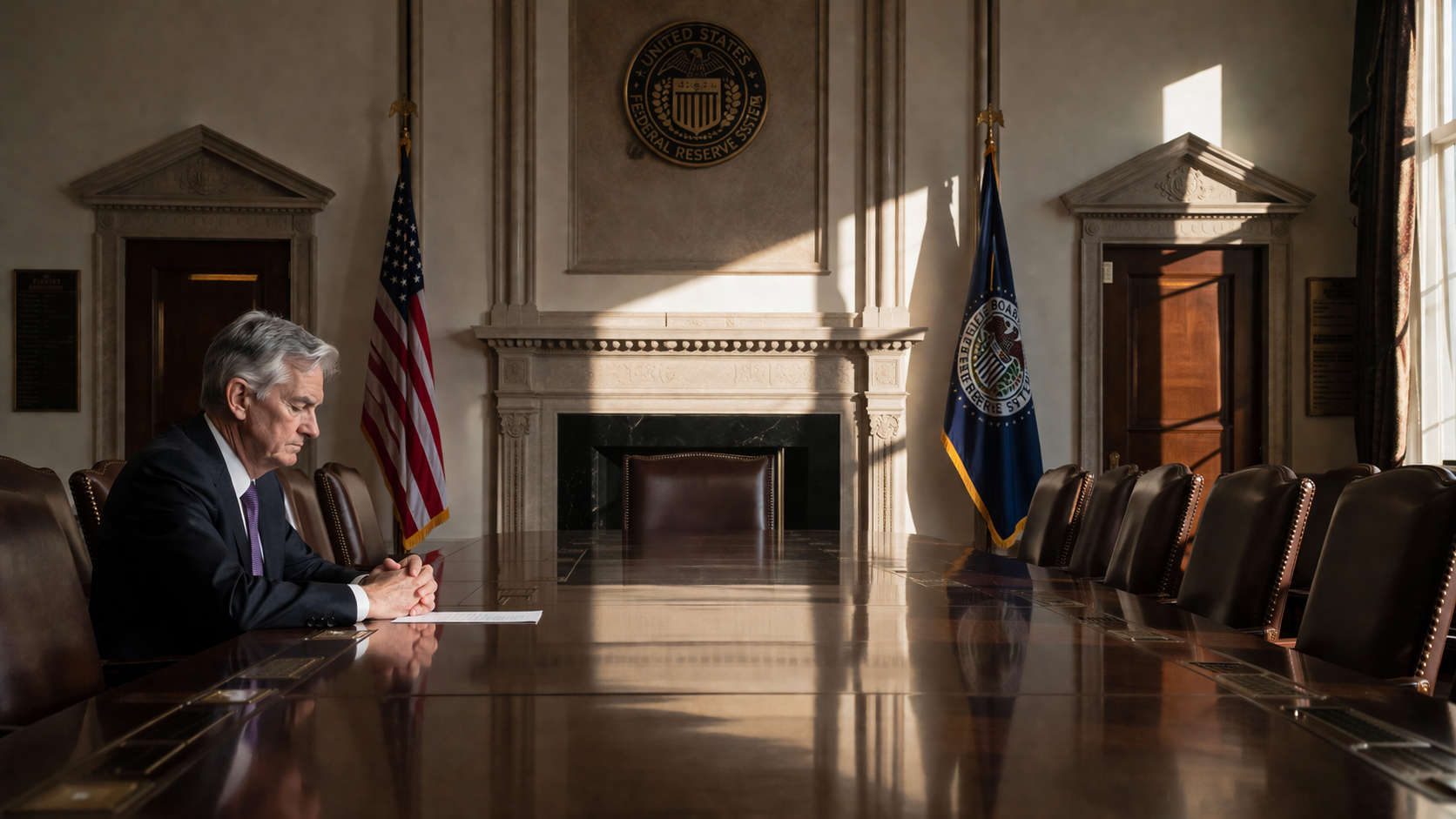
The Bureau of Labor Statistics reported Tuesday that US inflation rose to 3.8% in April, the fastest rate since May 2023 and up from 3.3% in March. Almost half the monthly increase came from surging energy costs driven by the Iran war and the effective closure of the Strait of Hormuz since February 28. The national average price for a gallon of unleaded gasoline reached $4.50, according to AAA data, the highest level since July 2022. For the first time in three years, average paychecks, growing at 3.6%, no longer outpaced prices. US inflation hits 3.8% and traps the Fed’s new chair, Kevin Warsh, who arrives within days to replace Jerome Powell with a White House mandate to cut interest rates and an economy that just took that option away.
The Number That Changed the Fed’s Path
The April CPI print did more than miss expectations. It eliminated the Federal Reserve’s rate-cutting timeline for 2026 and placed rate hikes back under active discussion.
Isaac Stell, investment manager at the Wealth Club, said the inflation increase left possible rate hikes “firmly on the table.” The language was specific. Not cuts delayed. Hikes possible. The distinction separates a central bank holding steady from one preparing to tighten.
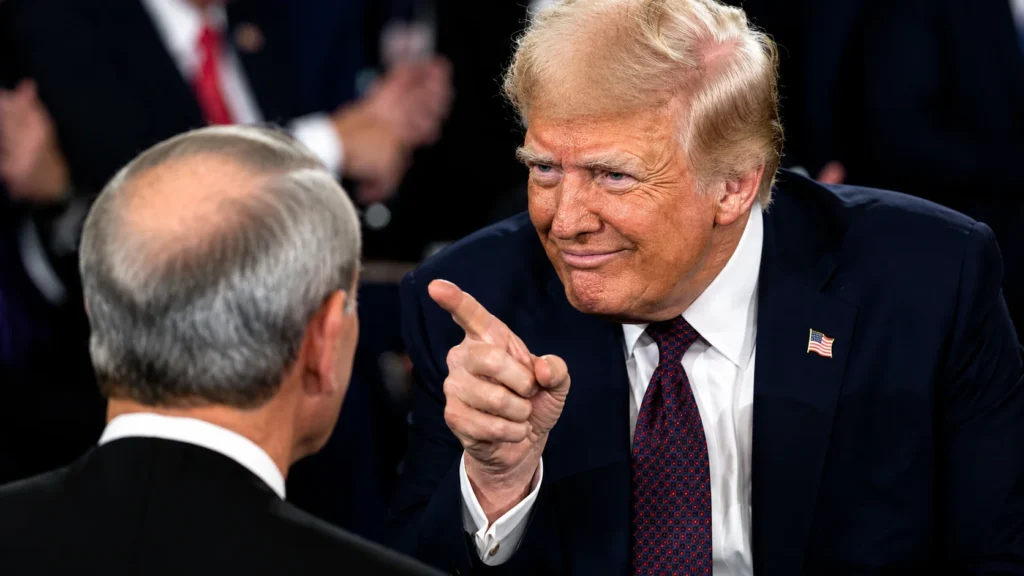
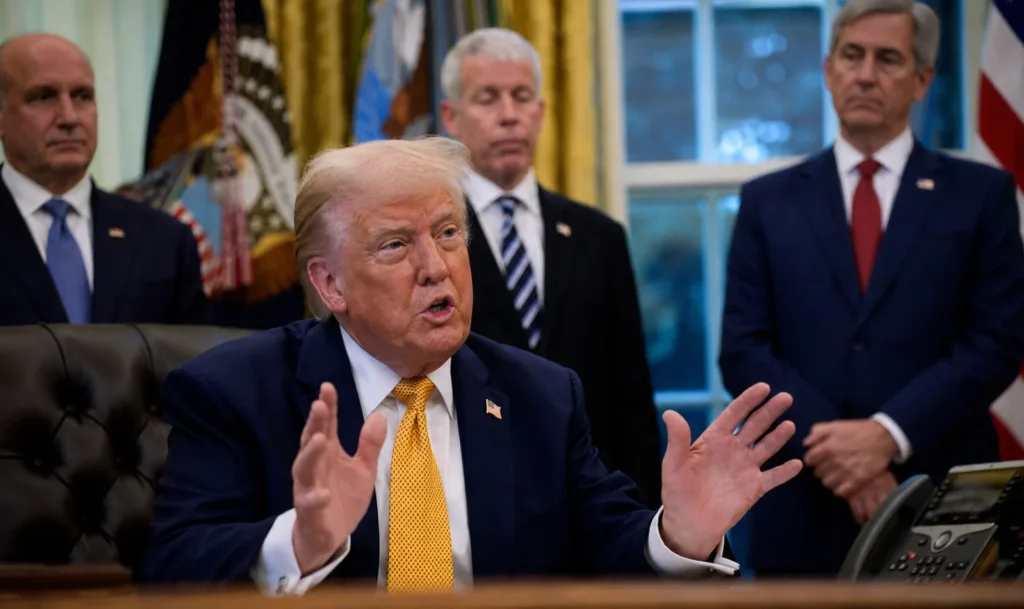
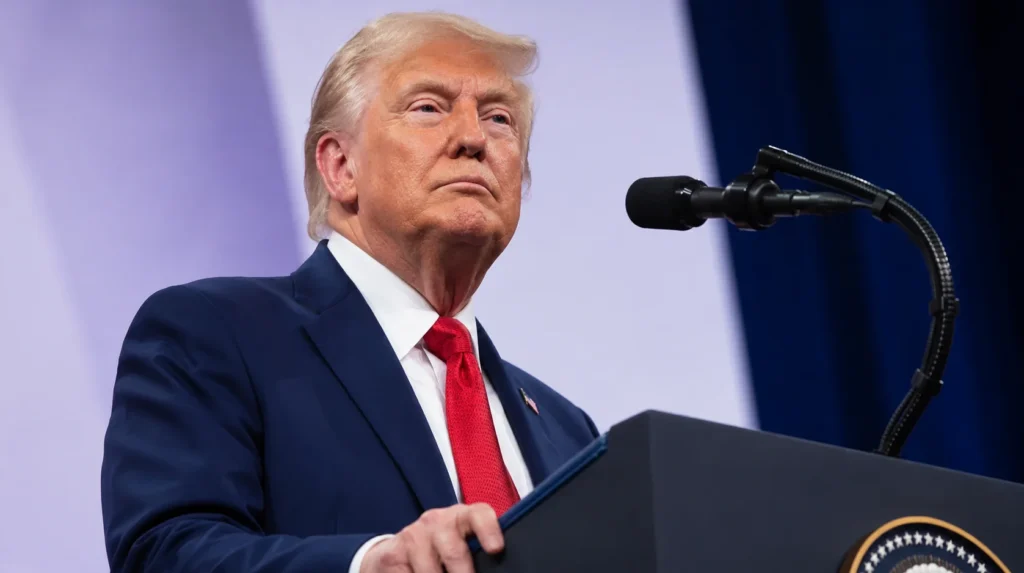
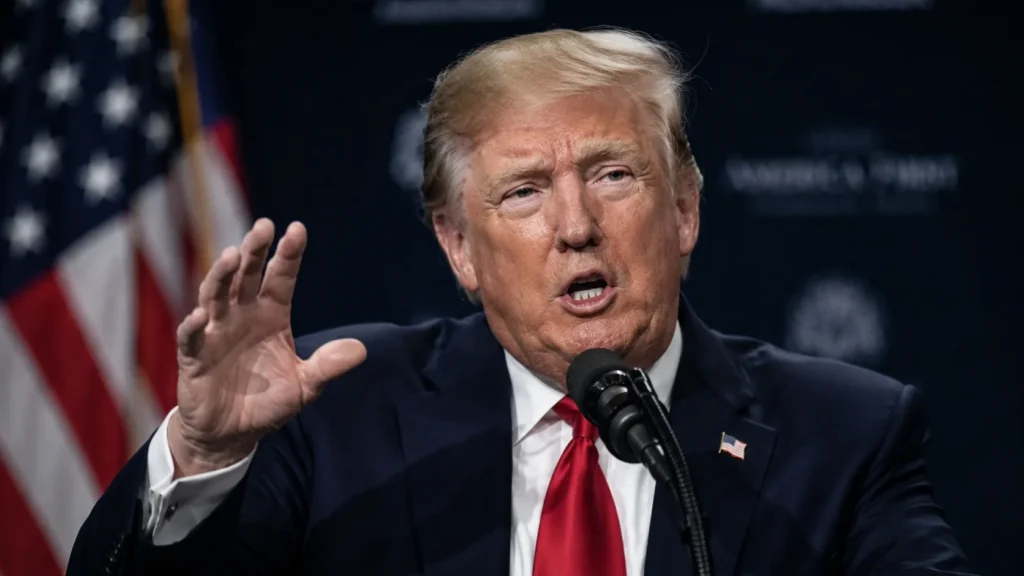
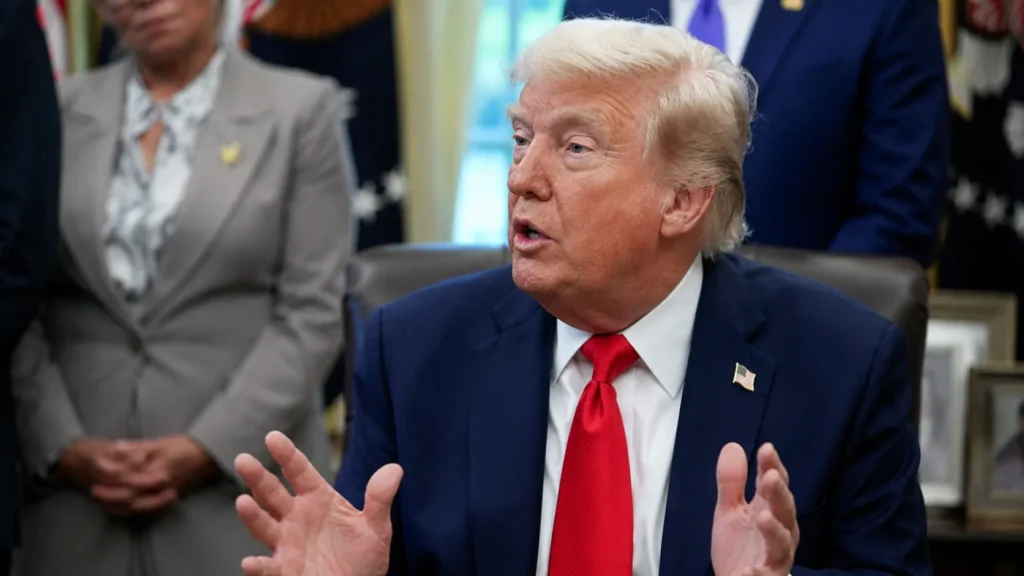
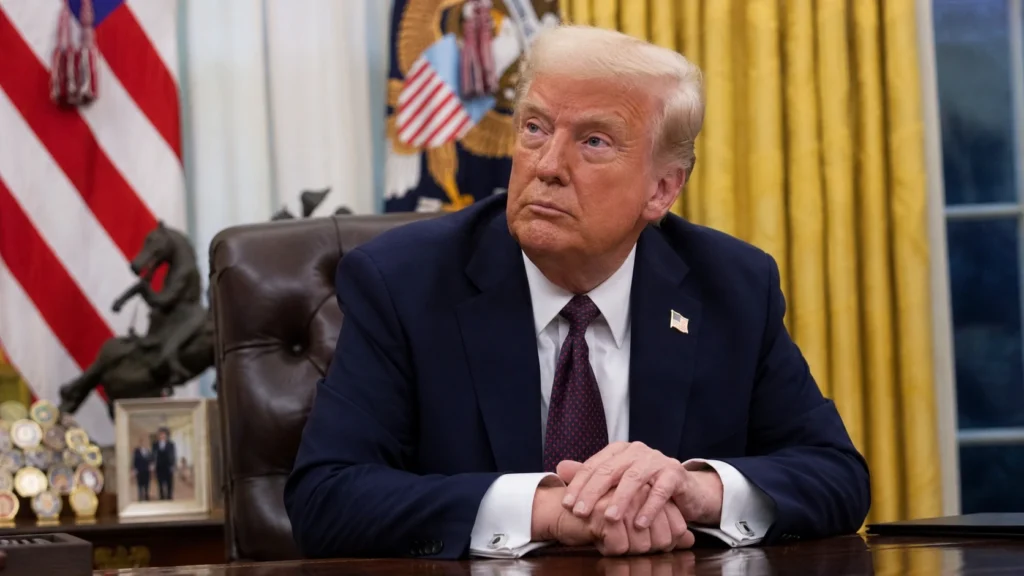
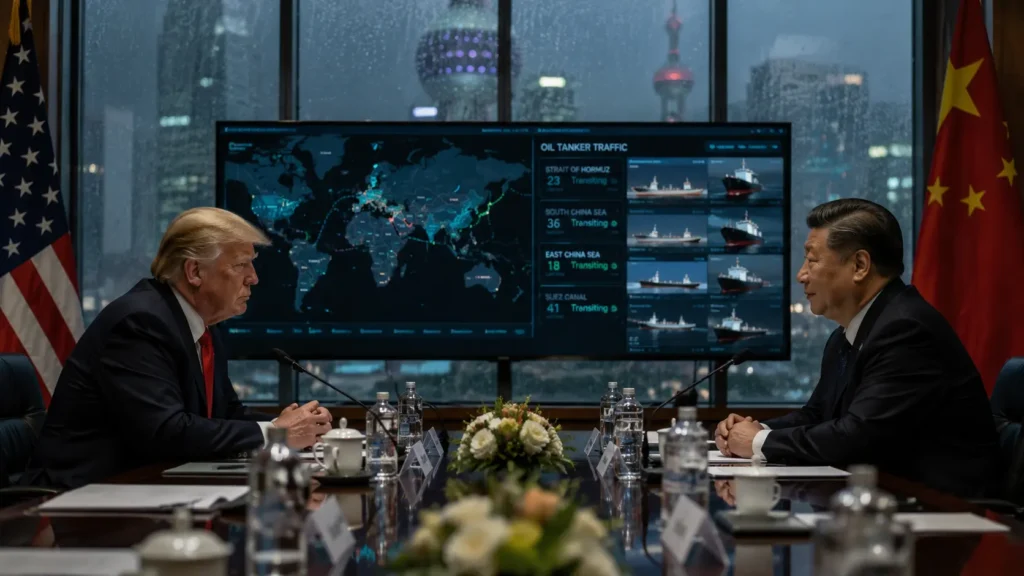
Kevin Warsh replaces Jerome Powell as Federal Reserve chair within days. Trump selected him after clashing repeatedly with Powell over the central bank’s reluctance to cut interest rates. The president made clear he expected the new chair to deliver what the old one would not.
April’s CPI destroyed that expectation before Warsh occupied the office.
According to Bureau of Labor Statistics CPI report April 2026, energy costs accounted for almost half the monthly increase. Housing and food costs also contributed. Air fares rose. Clothing costs rose. New car prices dipped slightly, the only countervailing signal in a report otherwise pointing in one direction.
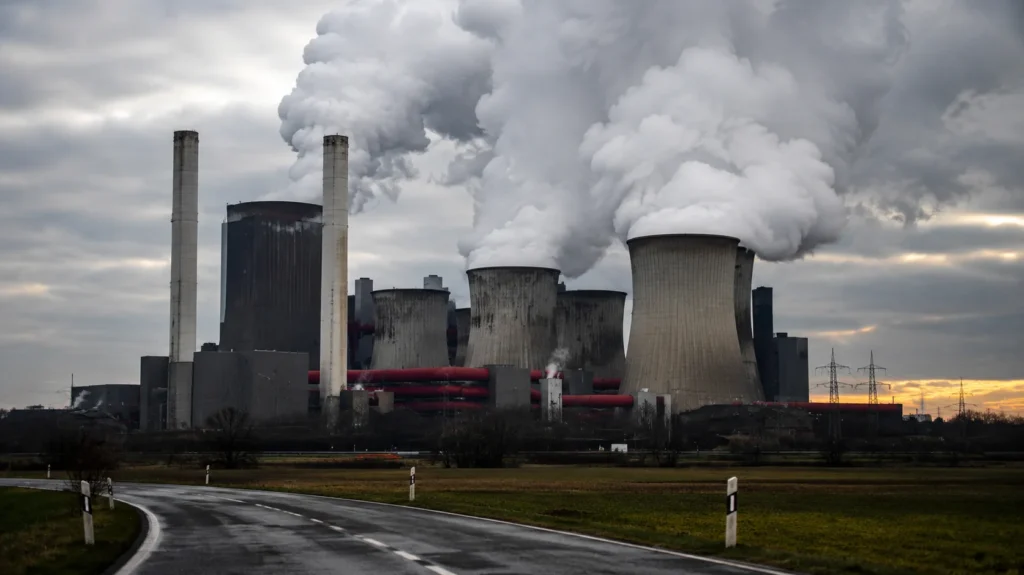
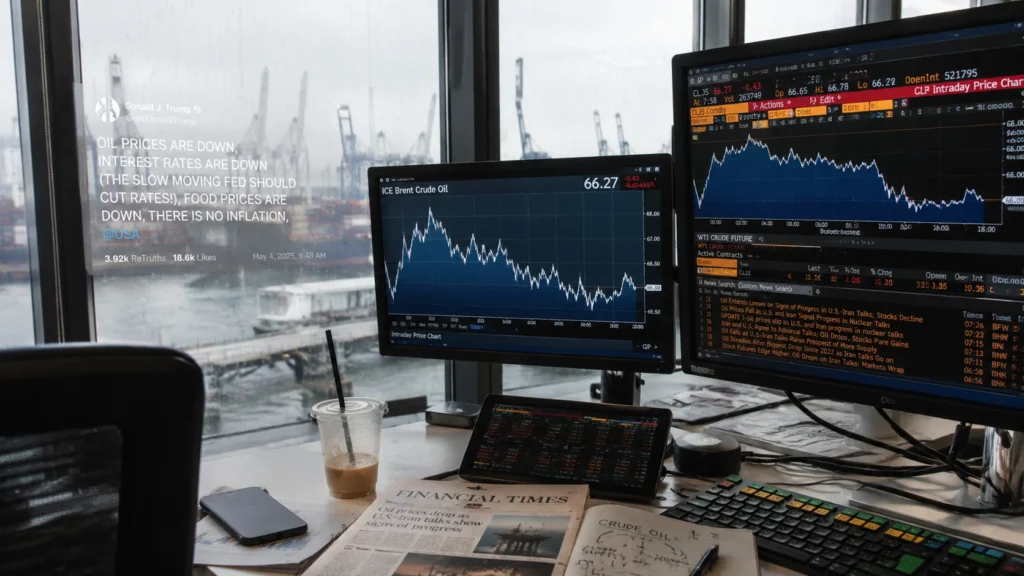
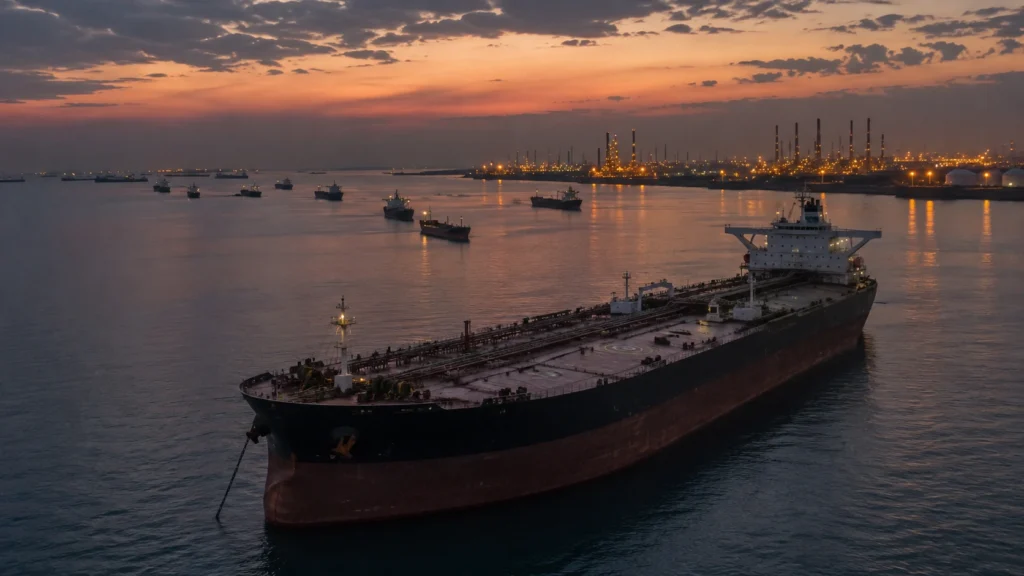
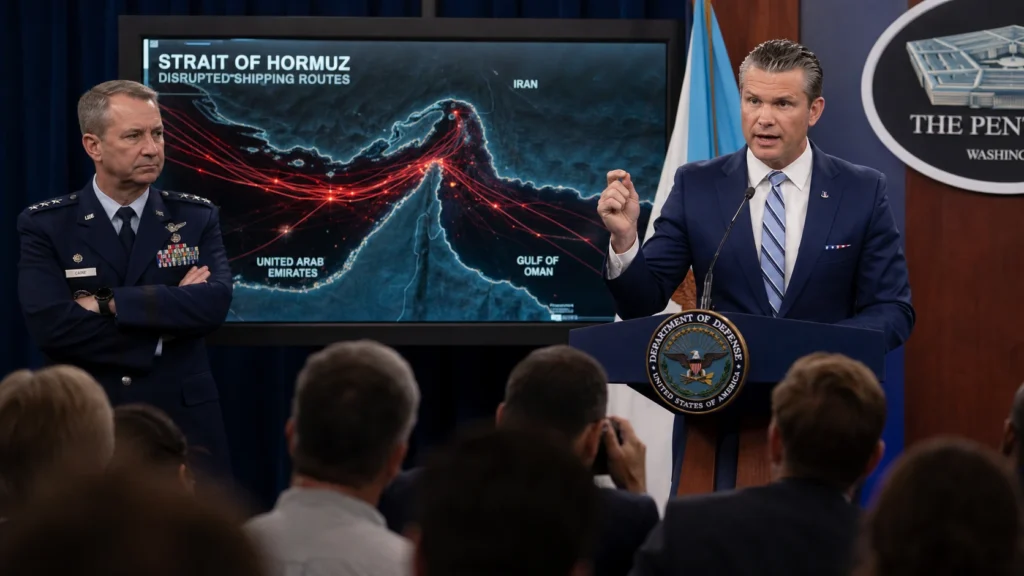
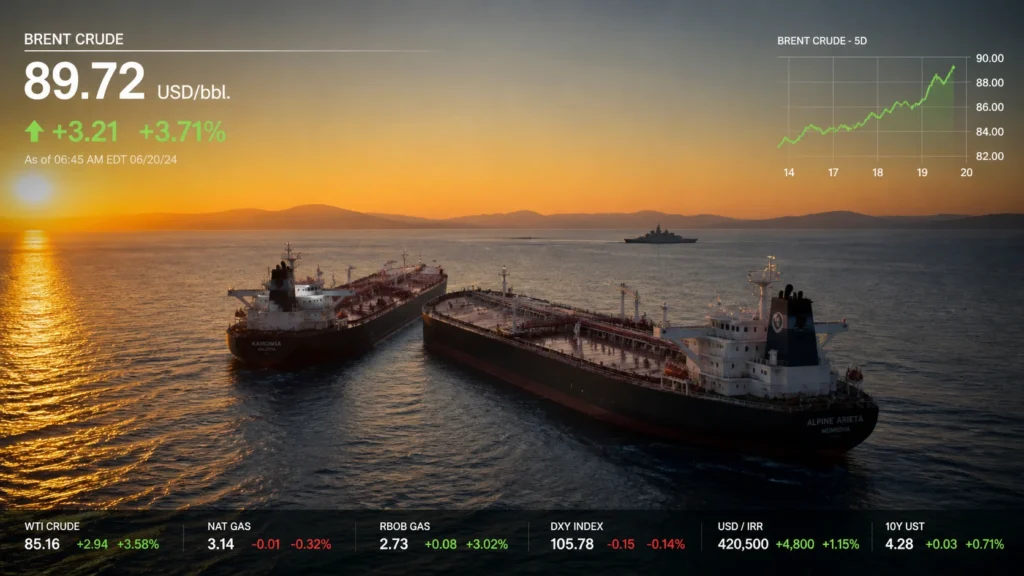
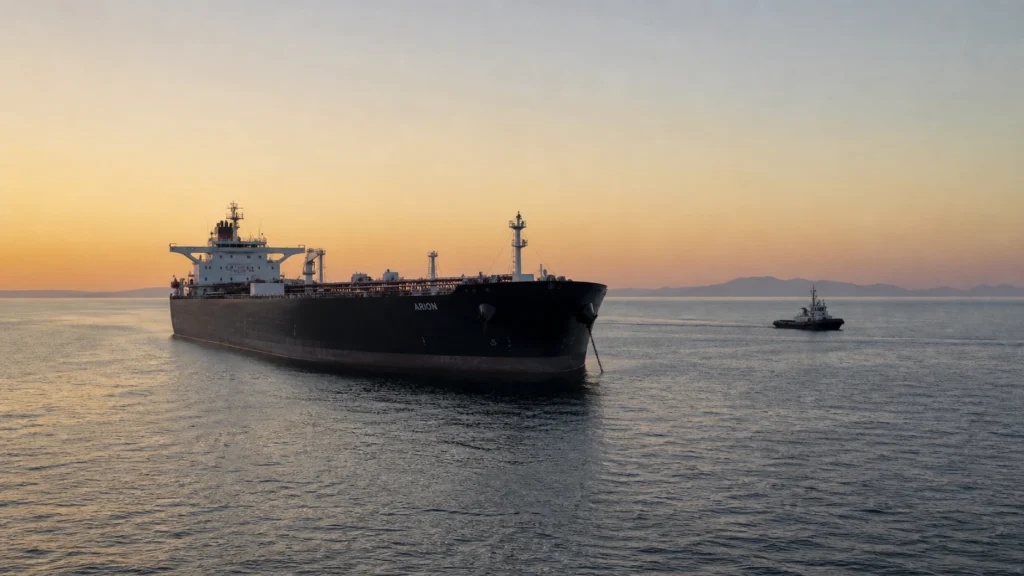
As our analysis of oil prices remaining above $100 documented, the Strait of Hormuz disruption has now fully transmitted through the economy. The upstream cost shock that began with the February 28 strikes reached the downstream consumer approximately two months later. Tankers rerouted. Refineries adjusted crude slates. The price at the pump reflected decisions made weeks earlier by supply chains still struggling to adapt.
What This Means for the Incoming Fed Chair
Warsh arrives with a mandate to cut rates and an economy that may require the opposite. The strategic bind confronting the Federal Reserve is one that central bankers call stagflation-lite and politicians call a midterm election problem.
Prices rise faster than wages. The central bank cannot cut rates without worsening inflation. It cannot raise rates without slowing an economy already absorbing energy price shocks. The path between those two constraints has narrowed to almost nothing.
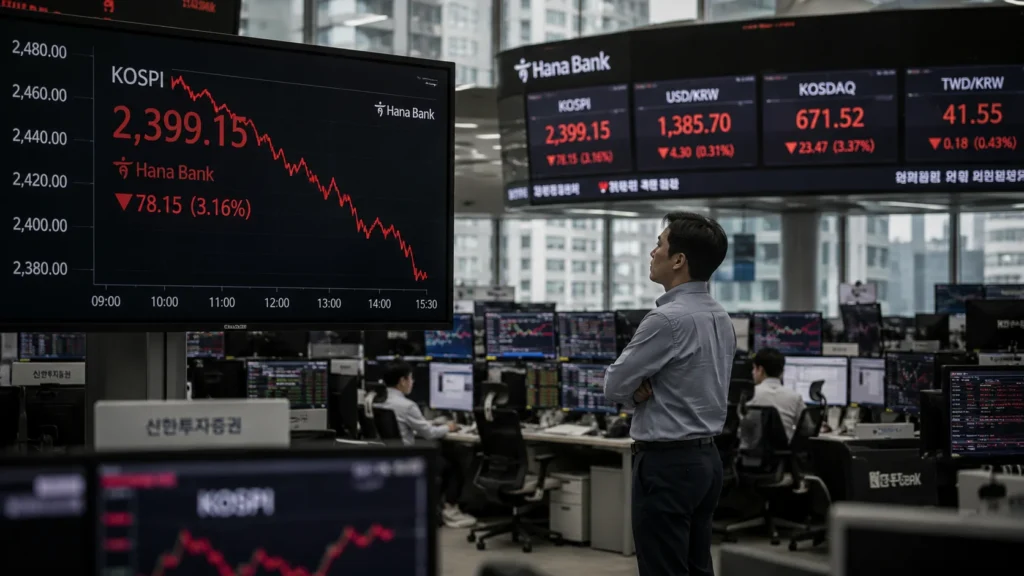
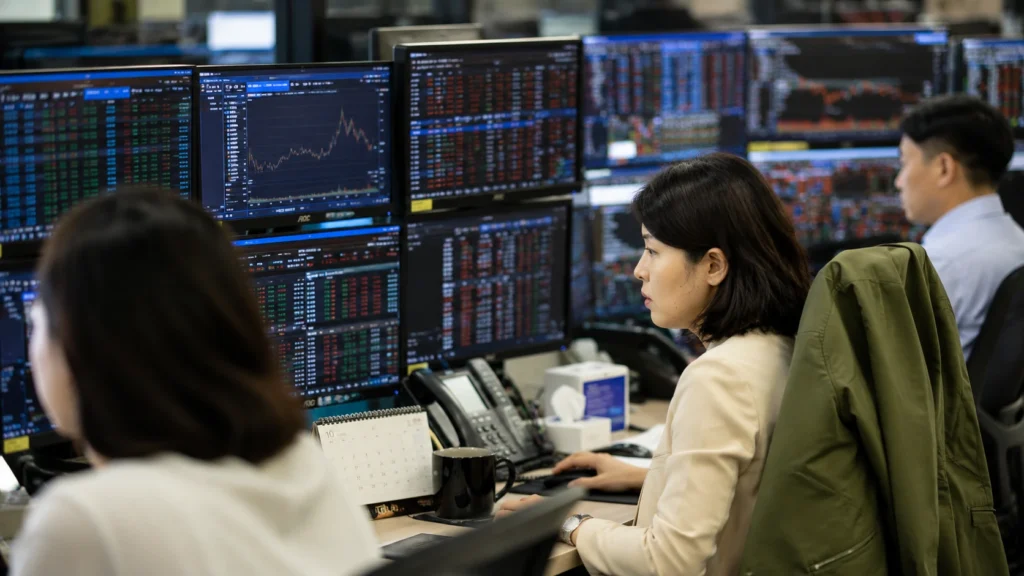
The S&P 500 opened down 0.6% on the news. The Dow Jones Industrial Average fell 0.7%. The bond market moved faster than both. Rate cuts are now priced out of 2026 entirely.
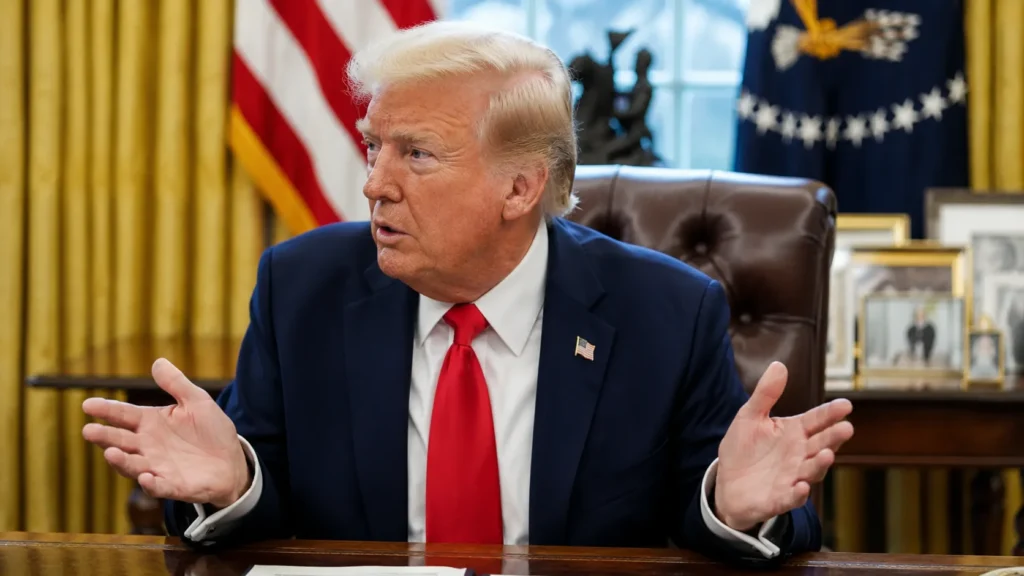
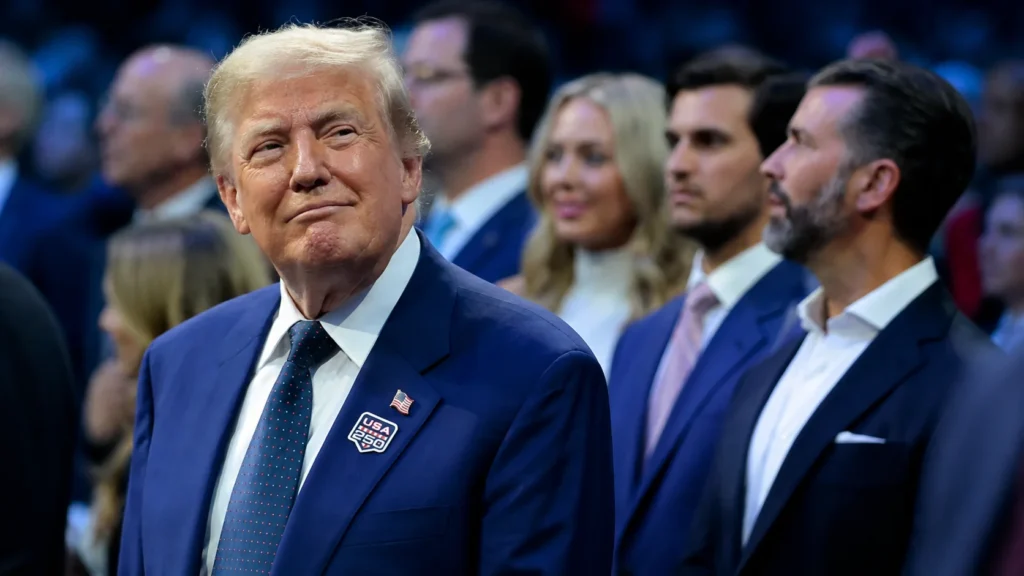
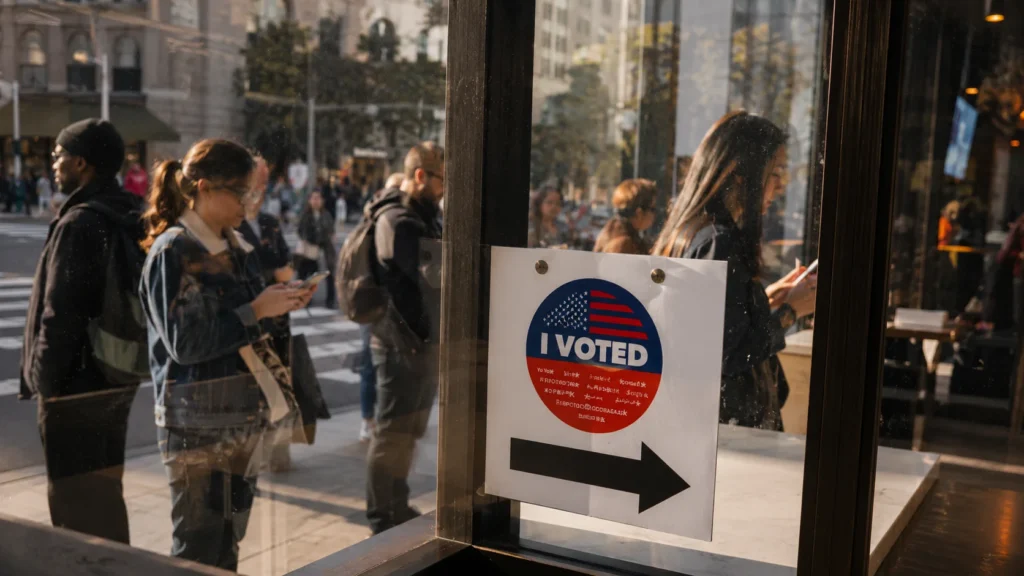
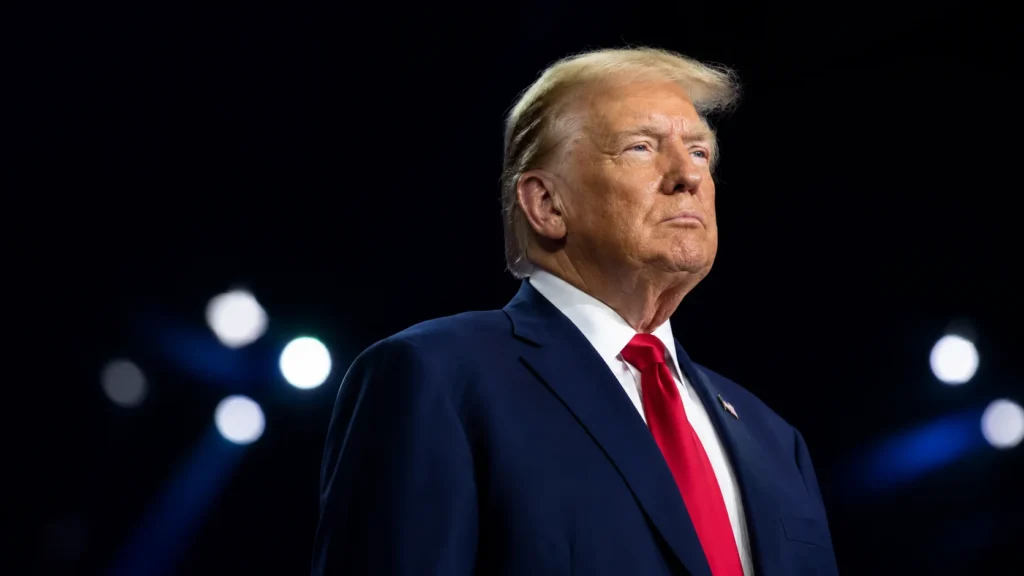
Trump and the Republican Party face a compressed political timeline. The 2024 re-election campaign centered heavily on inflation reduction. Voters who cast ballots on the promise of lower prices now face $4.50 gasoline and paycheck growth that no longer keeps pace with living costs. November’s midterm elections arrive in six months. The White House wants economic relief before voters cast ballots. The Fed’s operational independence means Warsh cannot coordinate monetary policy with the electoral calendar, even if Trump demands it.
According to AAA gas price data May 2026, the national average has not been this high since July 2022, when inflation peaked above 9%, and the Fed was in the middle of its most aggressive tightening cycle in decades.
The Consumer Reality Behind the Numbers
For the first time in three years, American paychecks lost ground to inflation. Average earnings grew 3.6% for the year to April. Prices grew 3.8%. The gap is small in statistical terms. It is large in psychological aspects.
Consumers experience inflation as a loss of control. Wage growth below inflation confirms the feeling. The last time this dynamic prevailed, the Federal Reserve was raising rates at the fastest pace in a generation, and consumer sentiment was plumbing multi-decade lows.
Housing costs continued to rise. Grocery bills increased. Air fares and clothing added to the pressure. The energy shock was transmitted through every category except new vehicles. The diversification of inflation beyond energy signals that the price pressure is embedding rather than spiking.
As our coverage of the Iran war energy market disruption documented, the Strait of Hormuz closure has created supply chain bottlenecks that extend well beyond the waterway itself. JP Morgan warned that even if the strait reopens, logistical constraints, including tanker availability and refinery ramp-ups, will keep prices elevated for months.
FAQ: US Inflation and the Federal Reserve
Why did US inflation jump to 3.8% in April?
Almost half the monthly increase came from surging energy costs driven by the Iran war and the effective closure of the Strait of Hormuz since February 28. Housing and food costs also contributed. The 3.8% rate is the highest since May 2023.
How high are US gas prices?
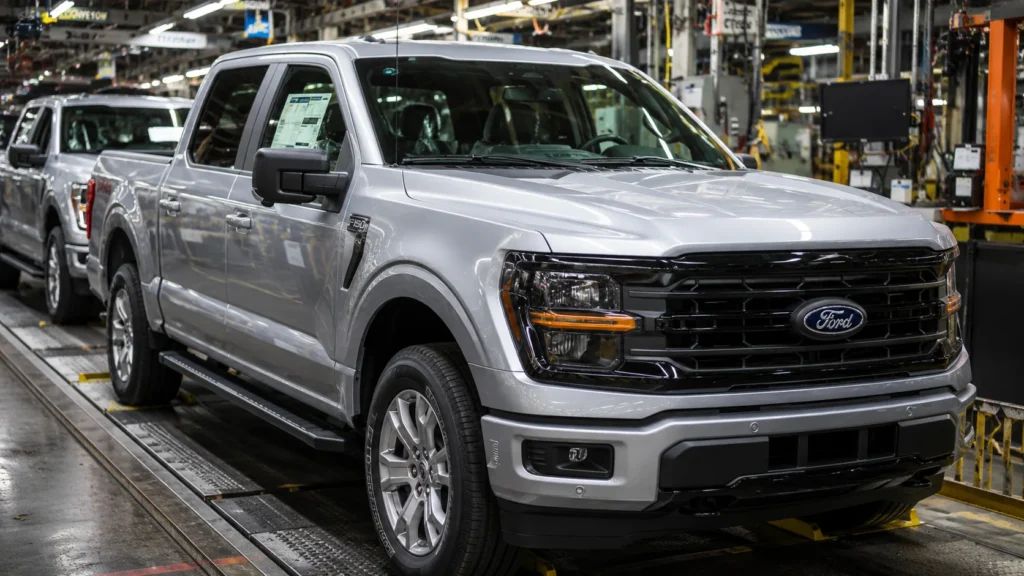
The national average for a gallon of unleaded gasoline reached $4.50 in May 2026, according to AAA data. That is the highest level since July 2022 during the post-Ukraine invasion energy shock.
Who is the new Federal Reserve chair?
Kevin Warsh, a Trump appointee, replaces Jerome Powell as Federal Reserve chair within days. Trump selected Warsh after clashing with Powell over the central bank’s refusal to cut interest rates. Warsh arrives with a White House mandate to cut rates and an economy that may force him to raise them instead.
Will the Fed cut interest rates in 2026?
April’s inflation figure makes rate cuts in 2026 increasingly unlikely. Isaac Stell of the Wealth Club said rate hikes are now “firmly on the table.” The bond market has priced out cuts for the remainder of the year.
Are wages keeping up with inflation?
No. For the first time in three years, average paychecks grew more slowly than prices. Earnings rose 3.6% for the year to April. Consumer prices rose 3.8%. Real wages are now contracting.
How does this affect the November midterm elections?
Trump’s 2024 re-election campaign focused heavily on cutting inflation. Voters now face $4.50 gasoline and negative real wage growth. The political impact depends on whether voters blame the war, the president, or both. The White House wants economic relief before November. The Fed cannot coordinate policy with the electoral calendar.
The Bureau of Labor Statistics released April’s CPI at precisely 8:30 AM. By 9:47, the rate cut timeline for 2026 had collapsed. Warsh arrives at the Fed within days. He will deliver opening remarks, meet with staff, and face a market that has already repriced around a reality the White House has not publicly acknowledged. The president wanted an ally who would cut. The economy demands a central banker who may need to tighten. The new chair has not started. His first decision may be the opposite of what he was hired to deliver.
Written by the Senior Economics Editor, who has covered Federal Reserve policy, inflation dynamics, and energy market disruption for over a decade, including the 2022 inflation cycle, the Powell rate-hiking era, and the 2026 Iran war economic transmission.