

 English
























































































































































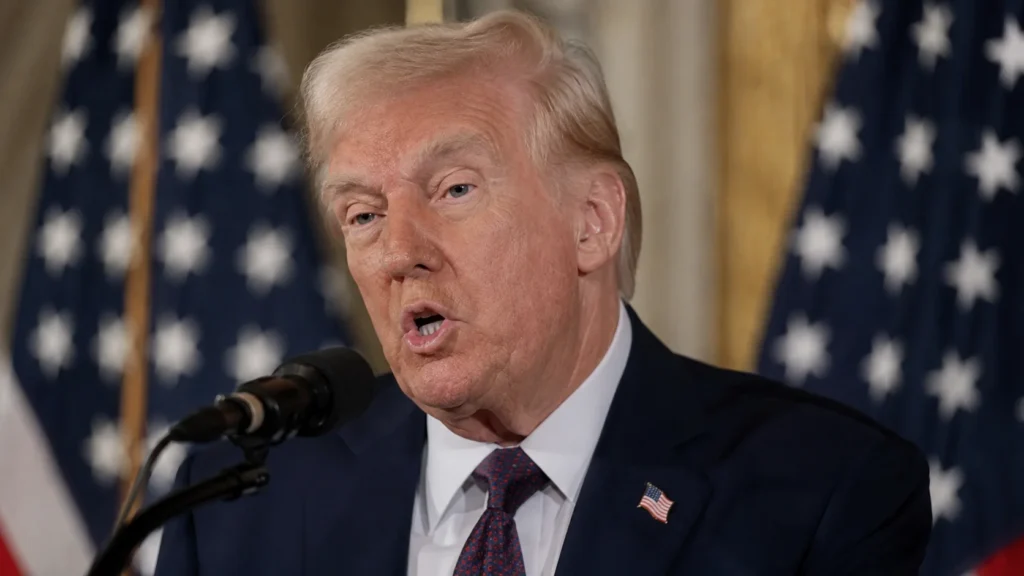


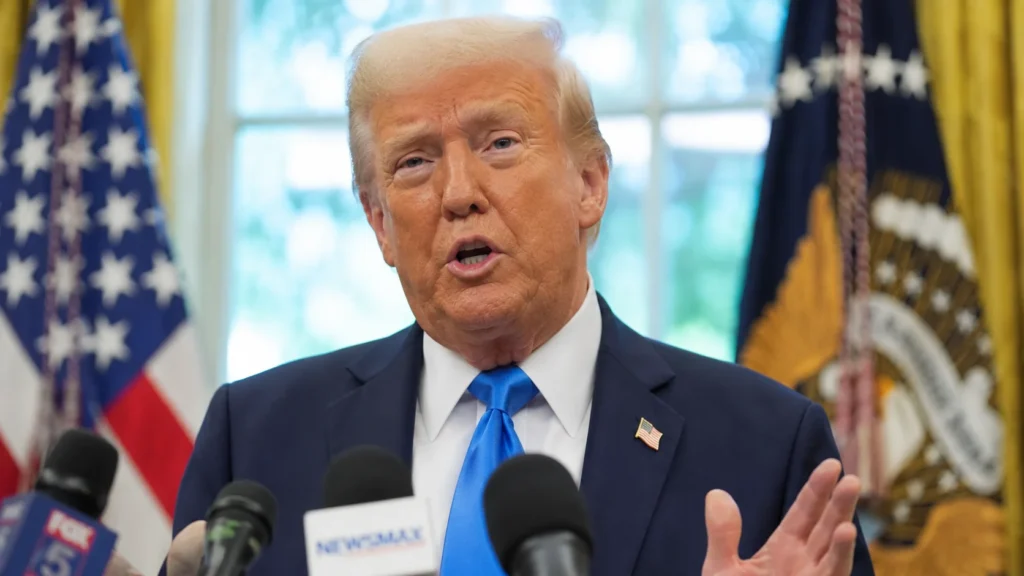


































































Trump, Musk and Cook Signal a New China Power Deal
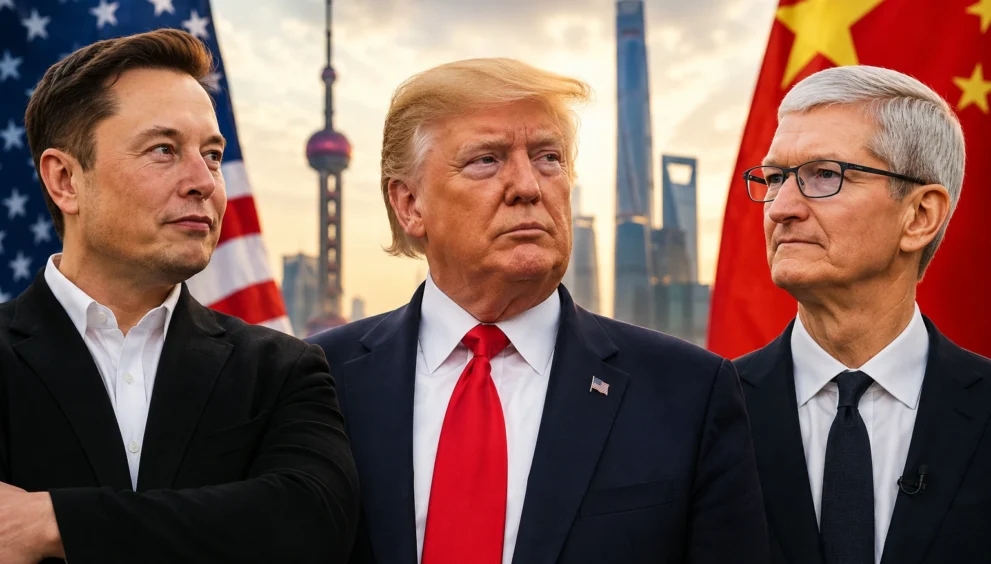
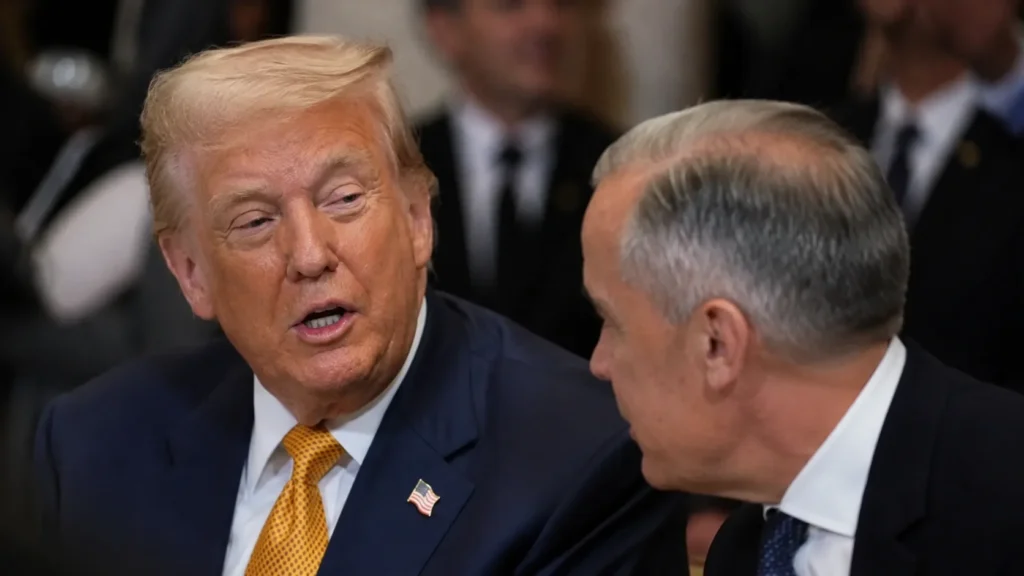
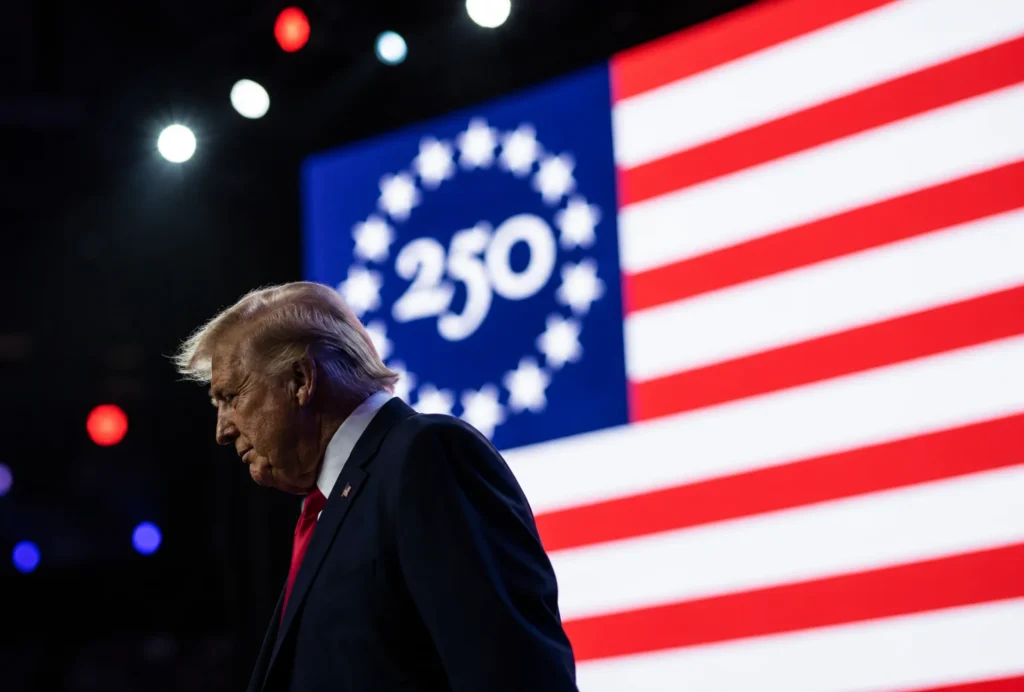
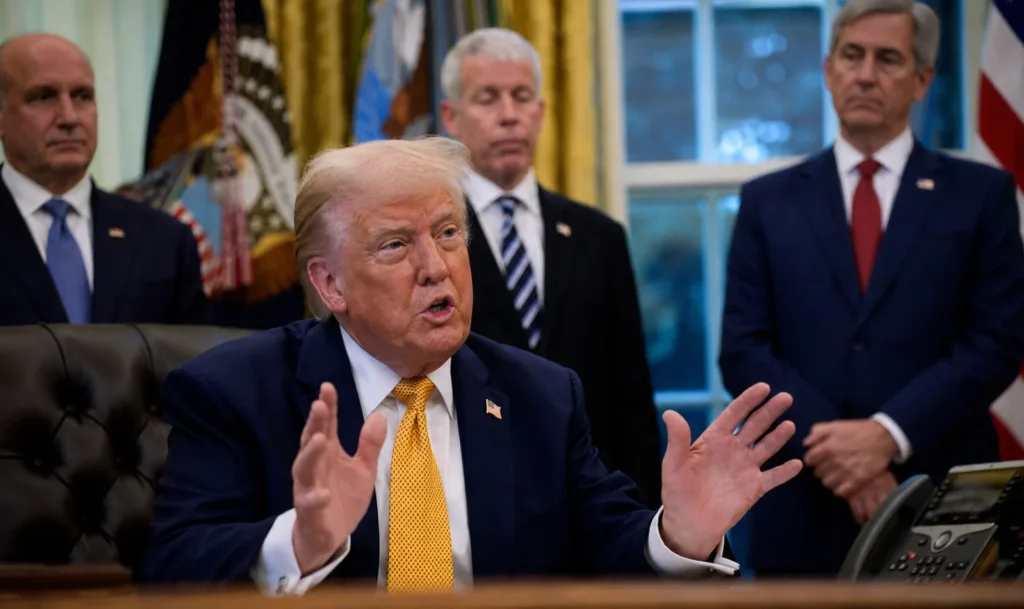
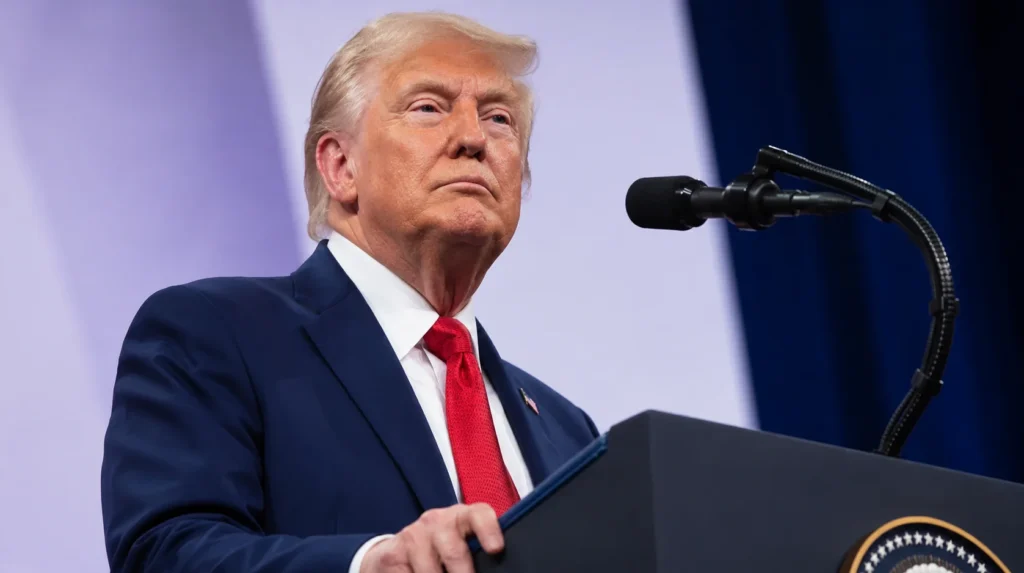
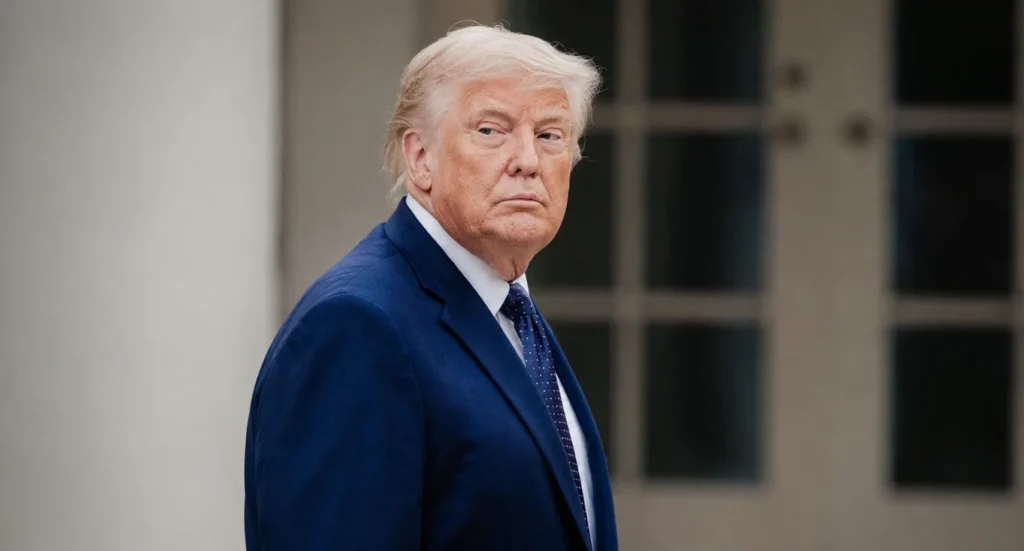
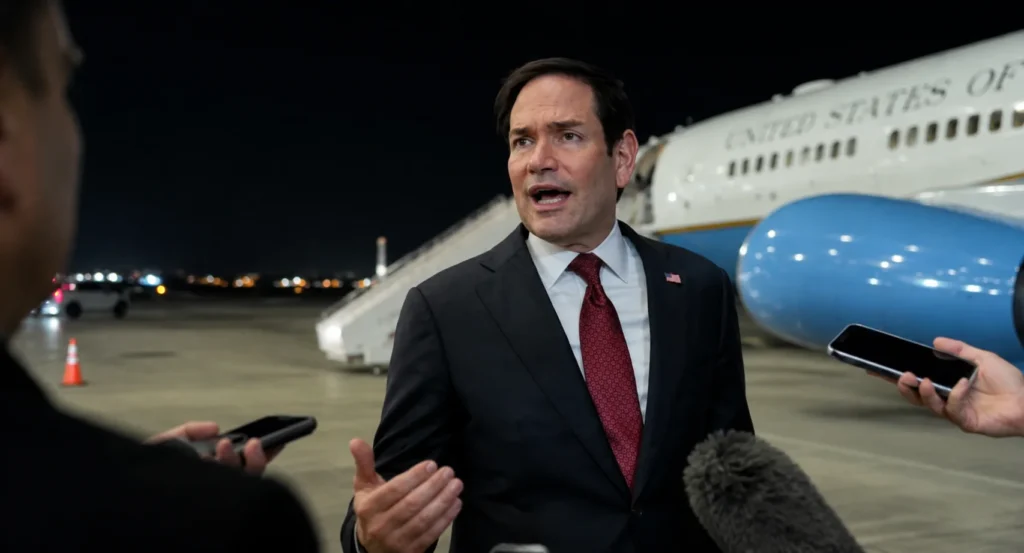
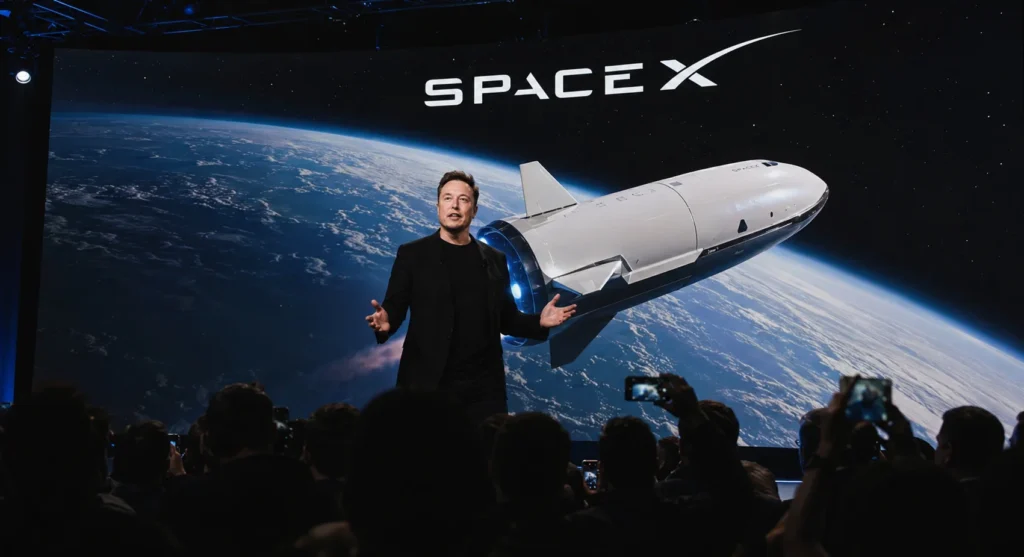
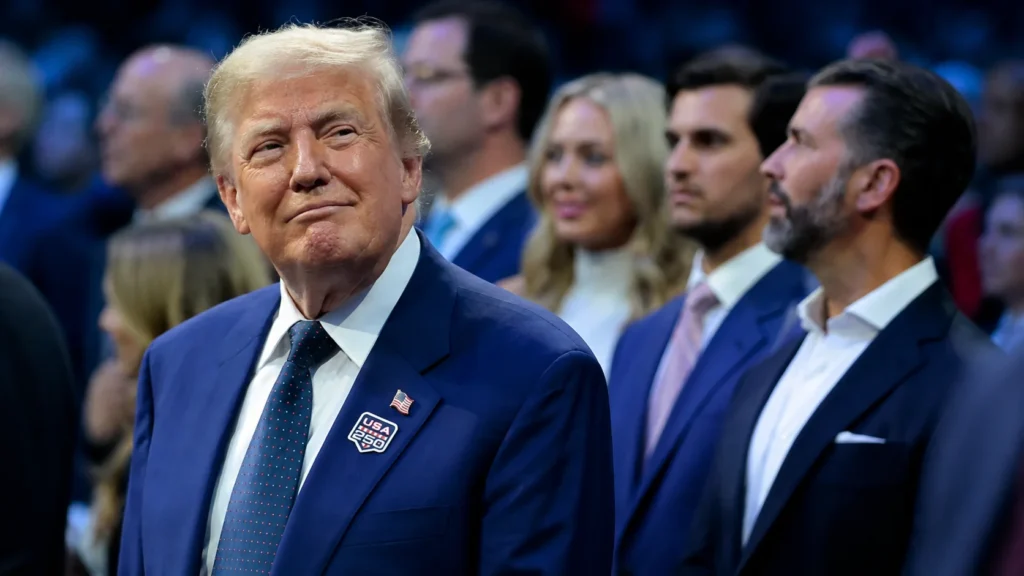
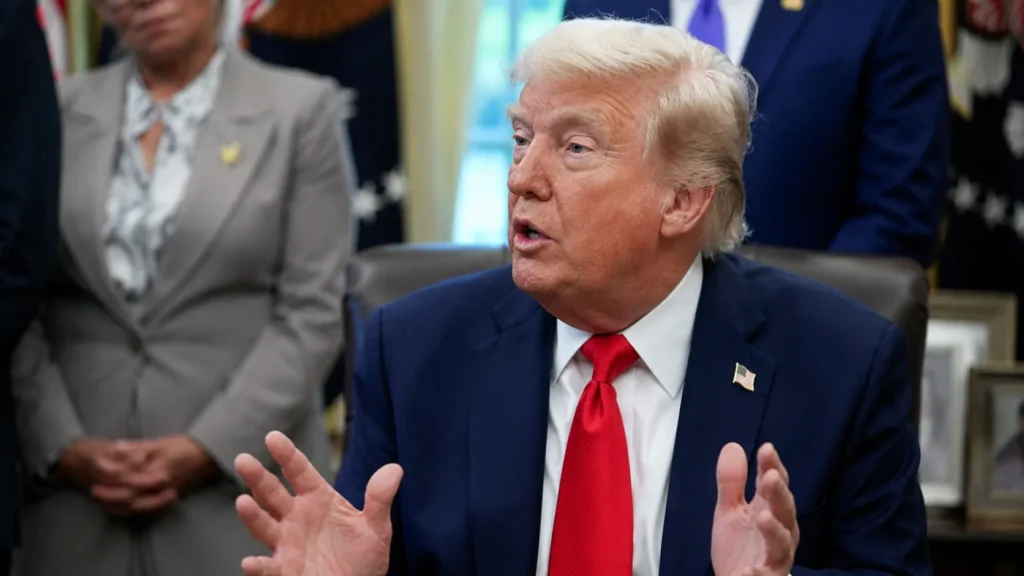
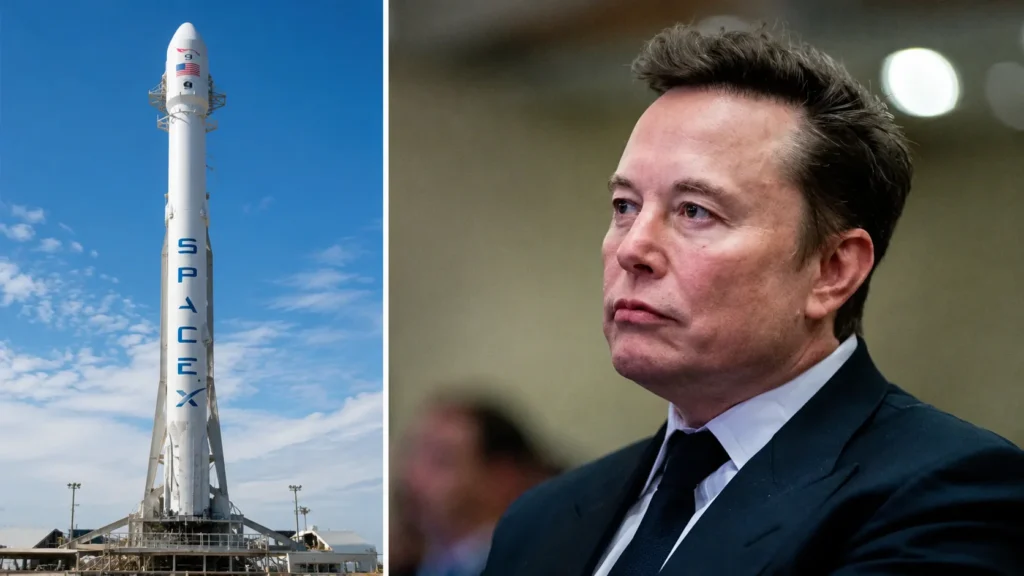
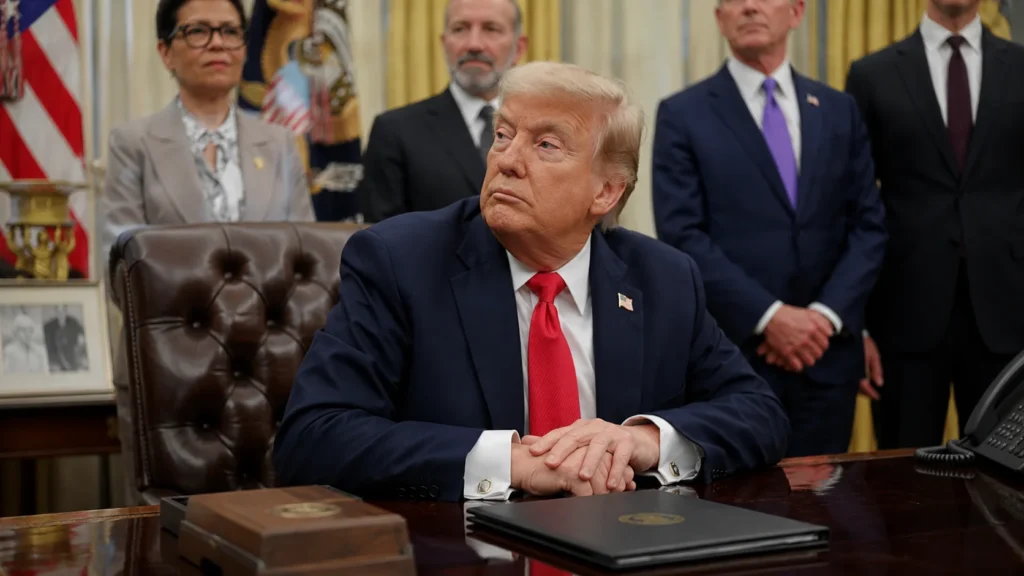
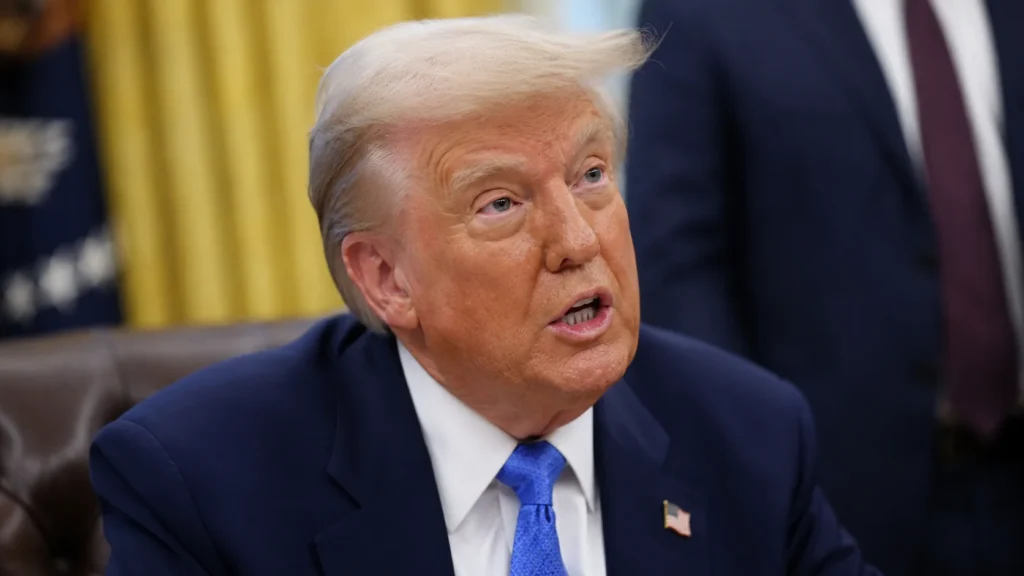
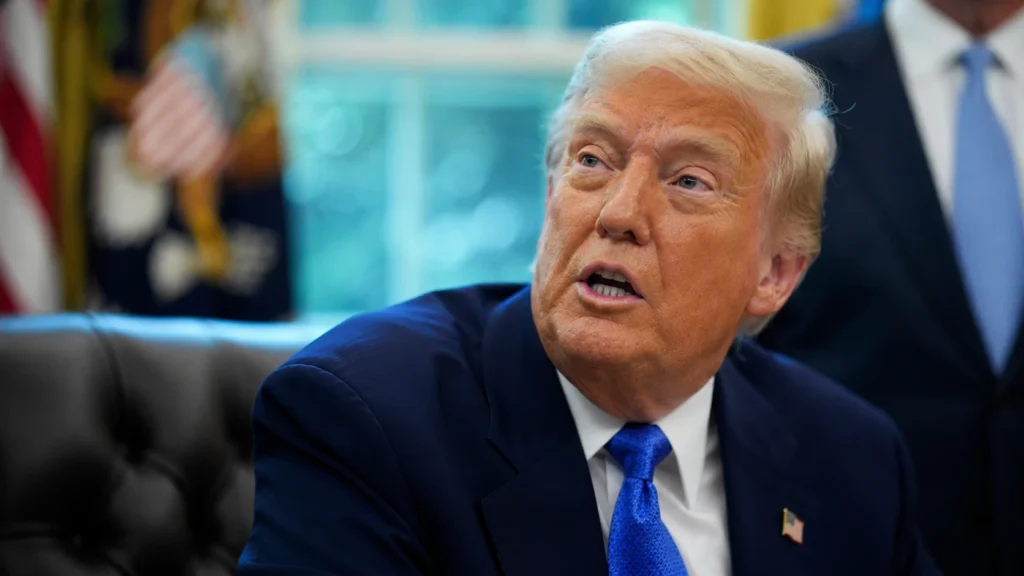
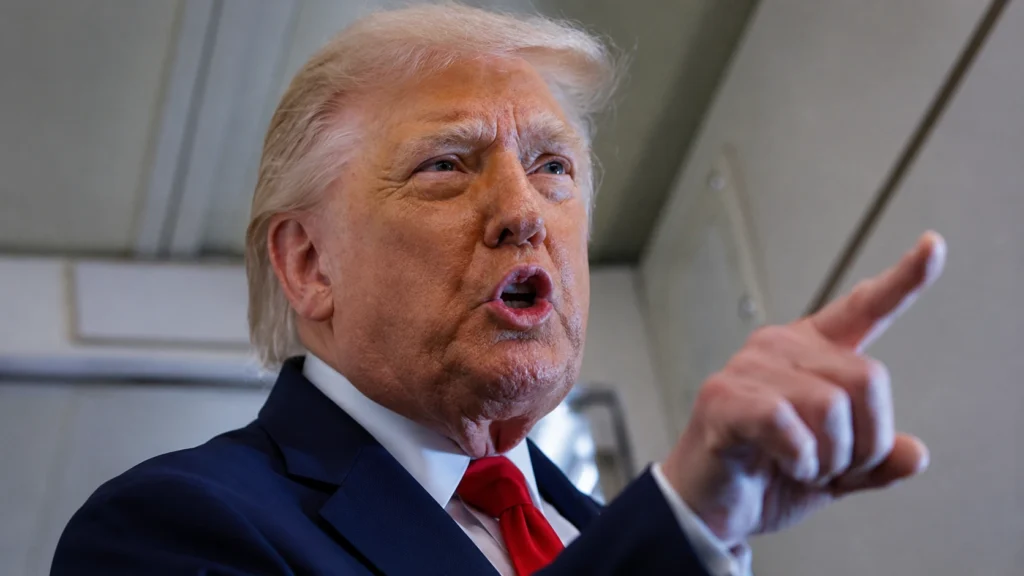
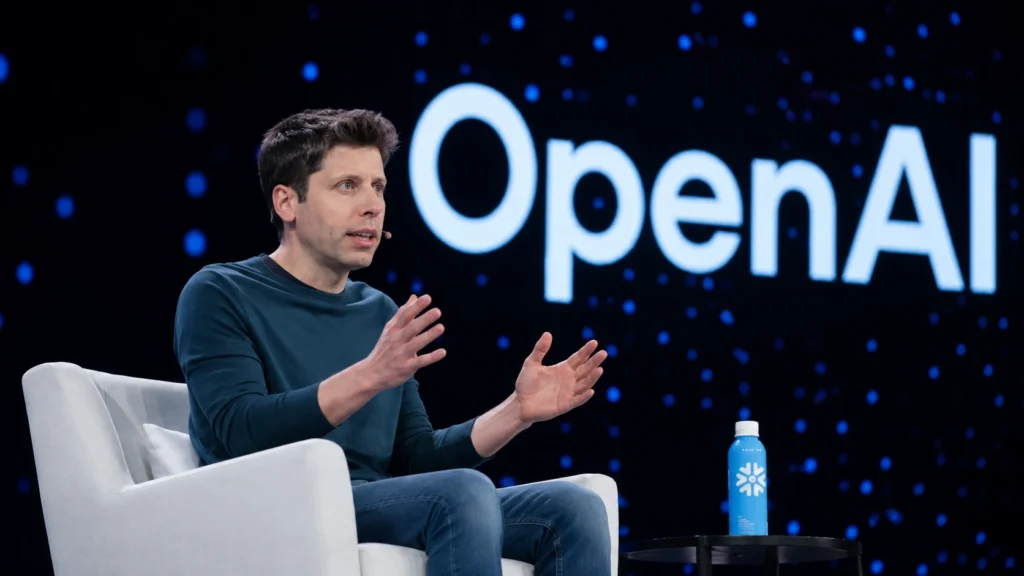
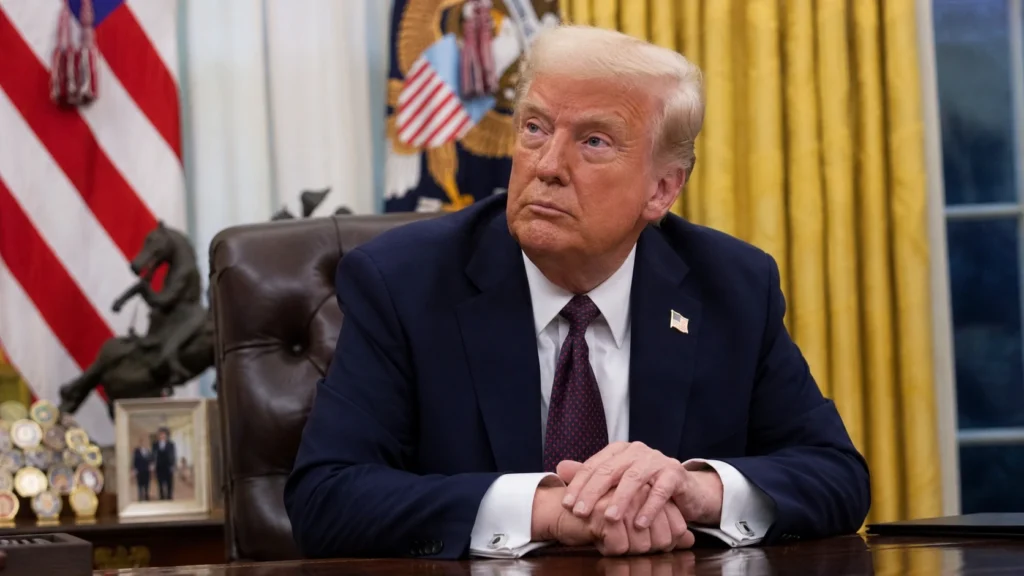
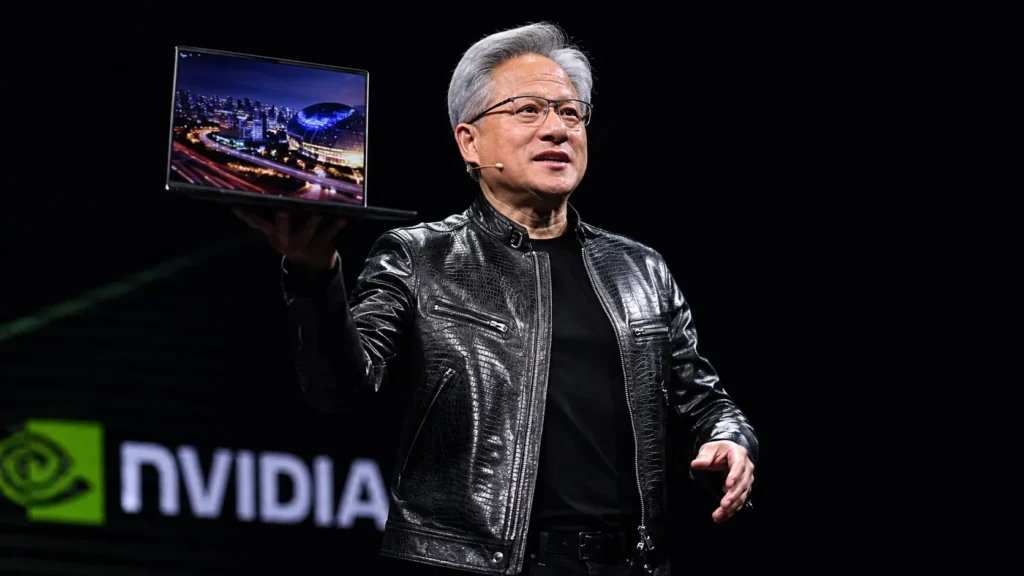
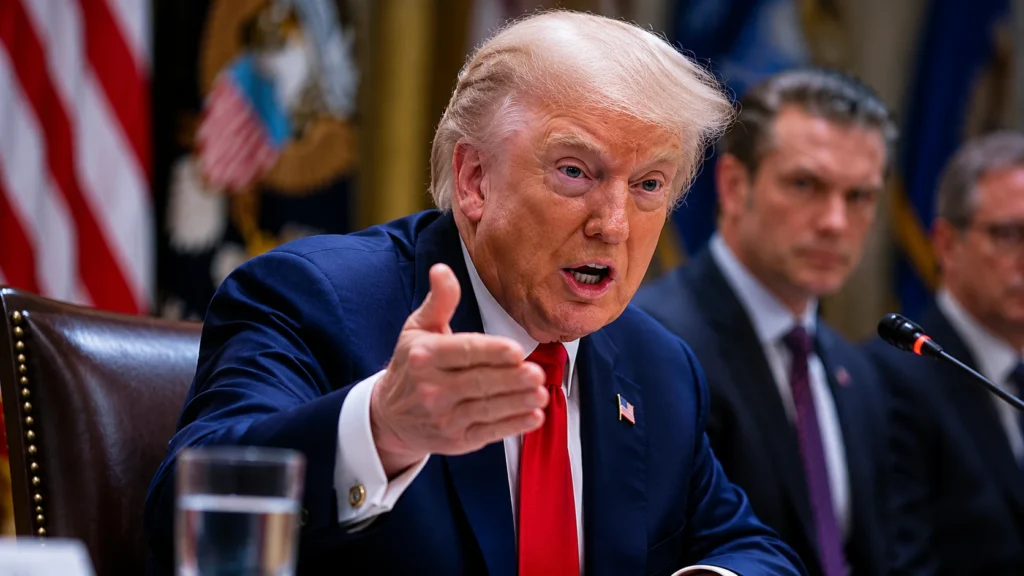
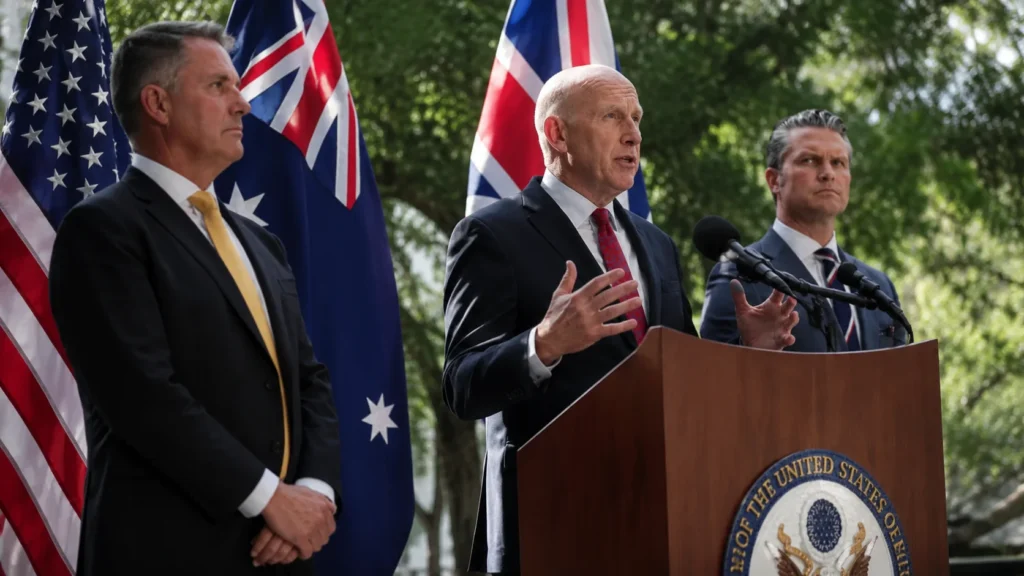
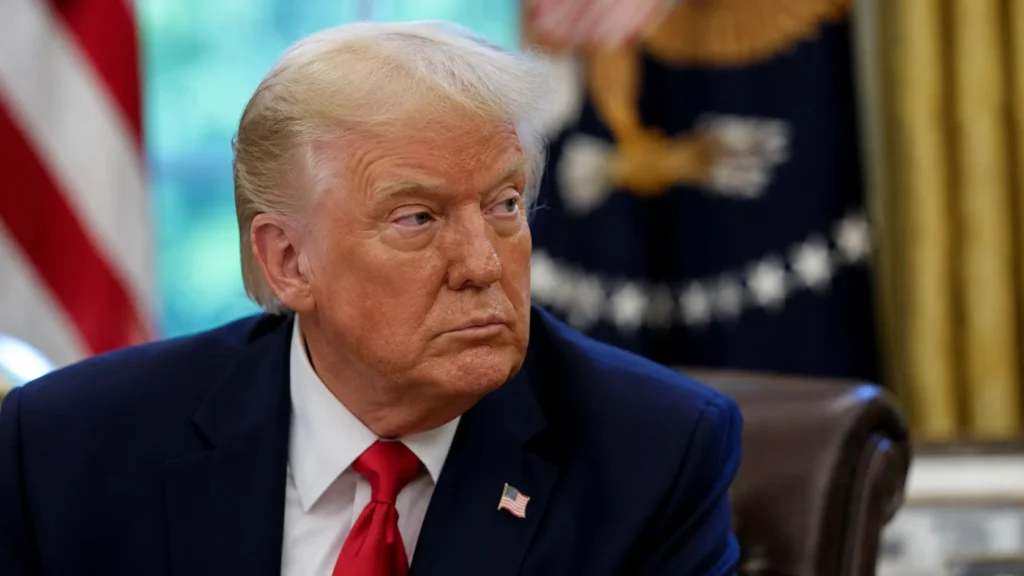
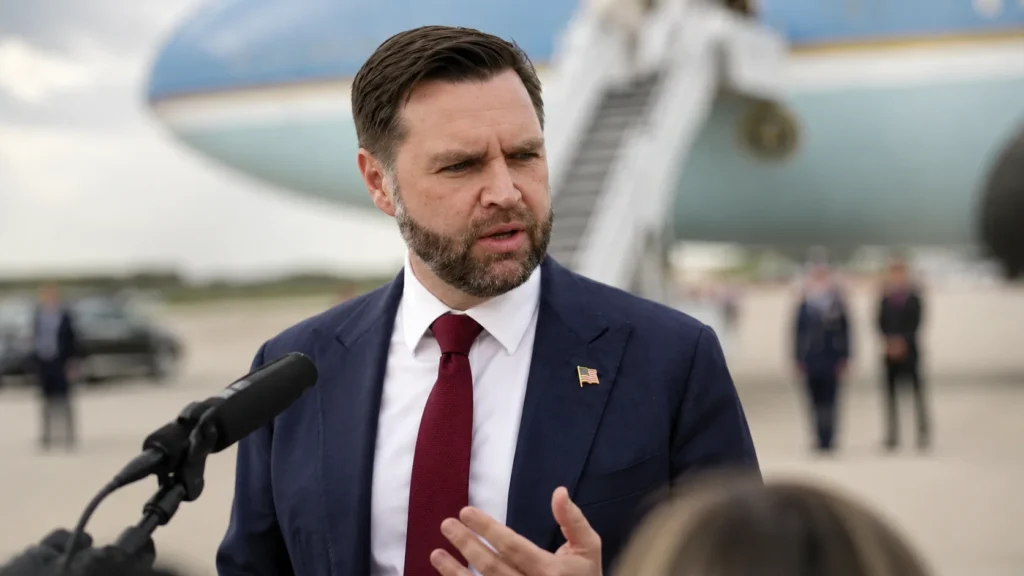
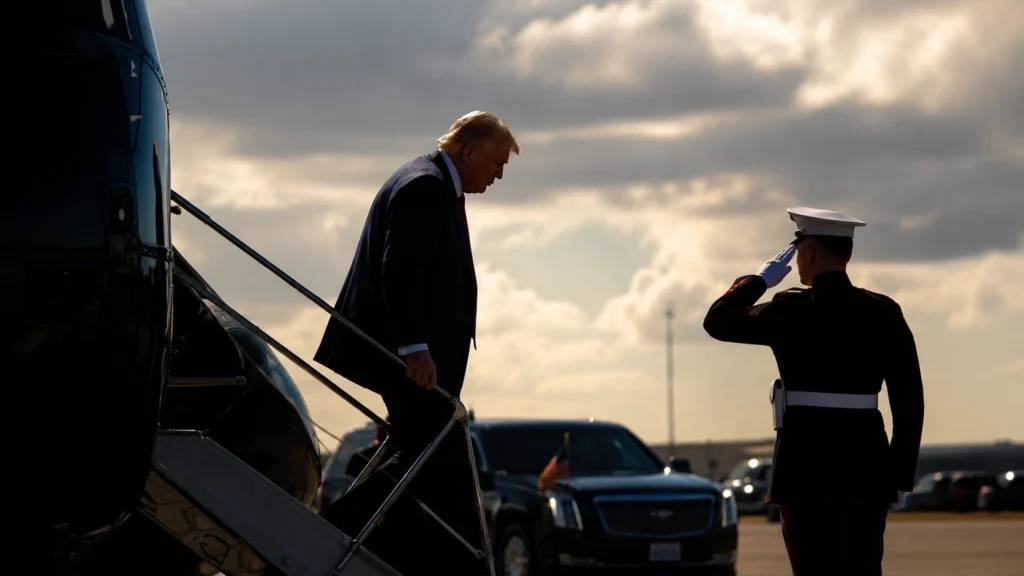
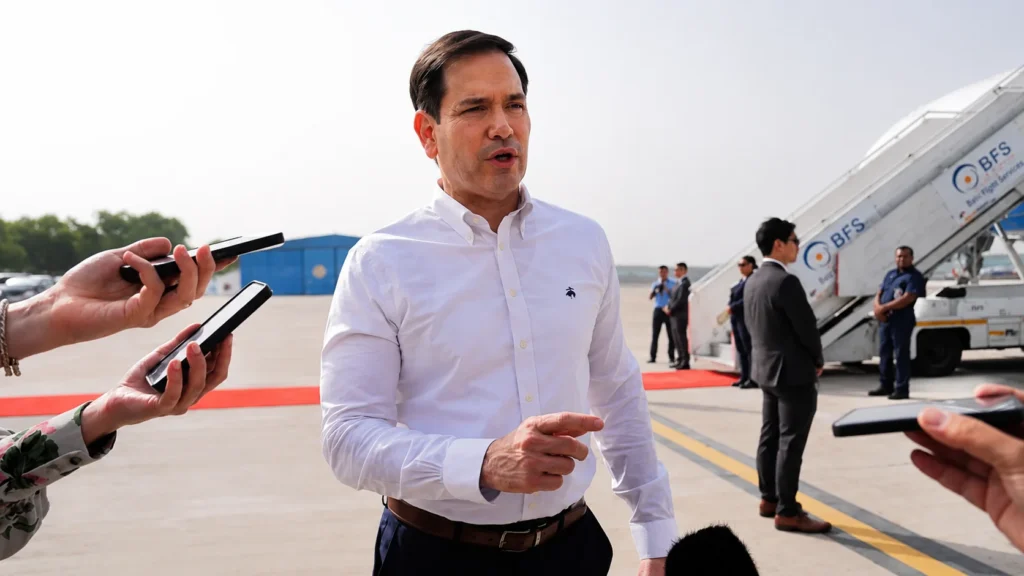
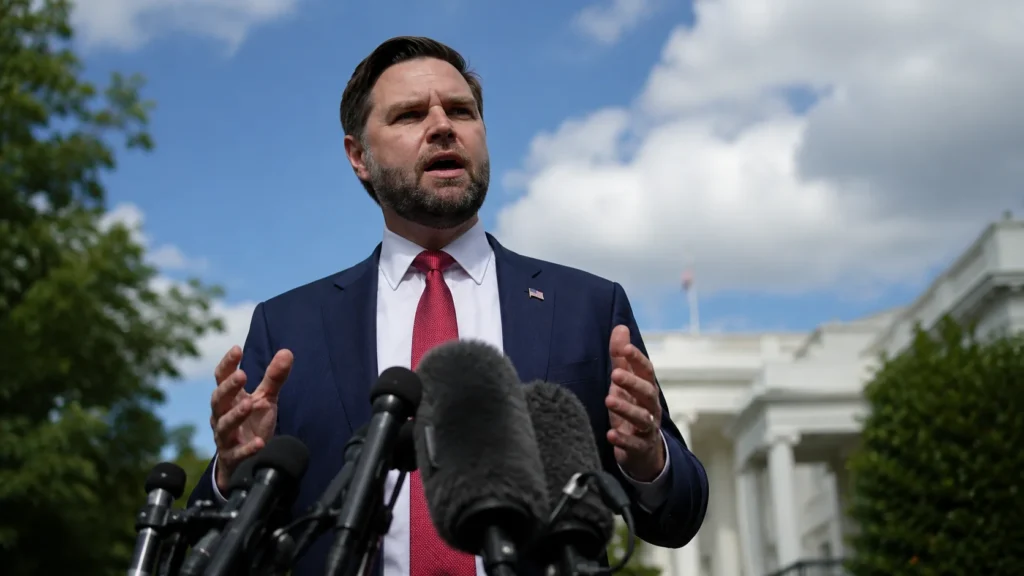
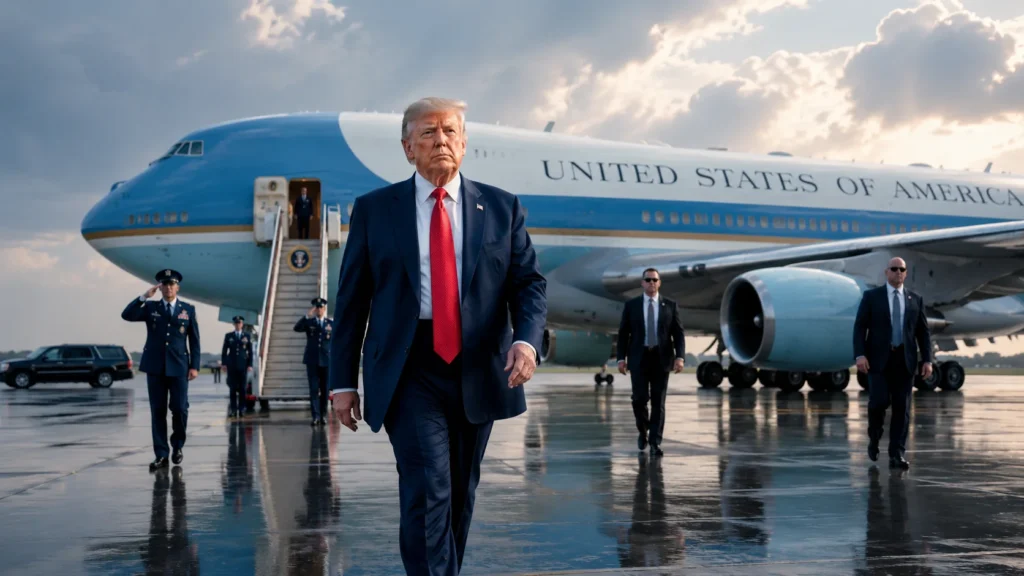
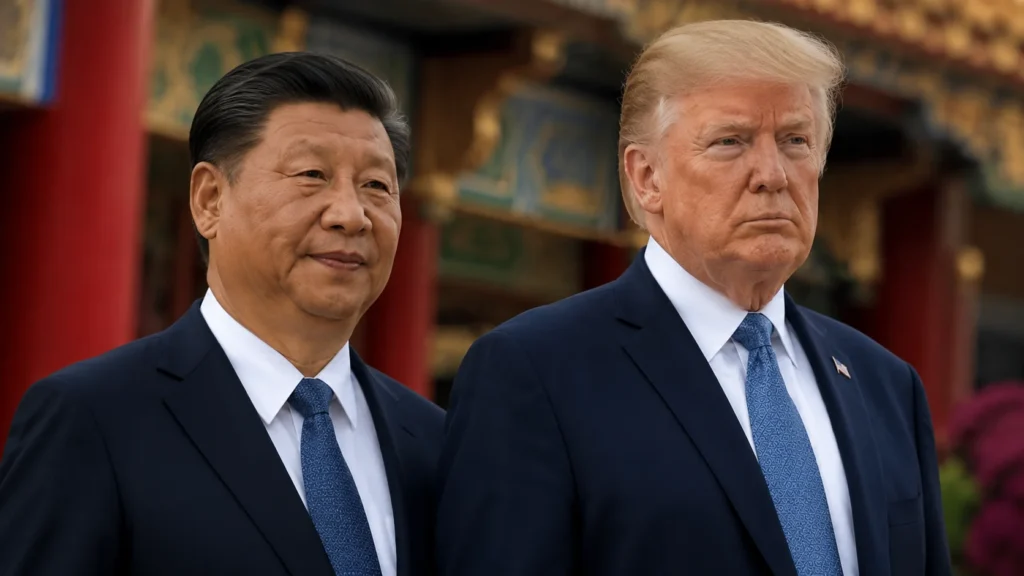
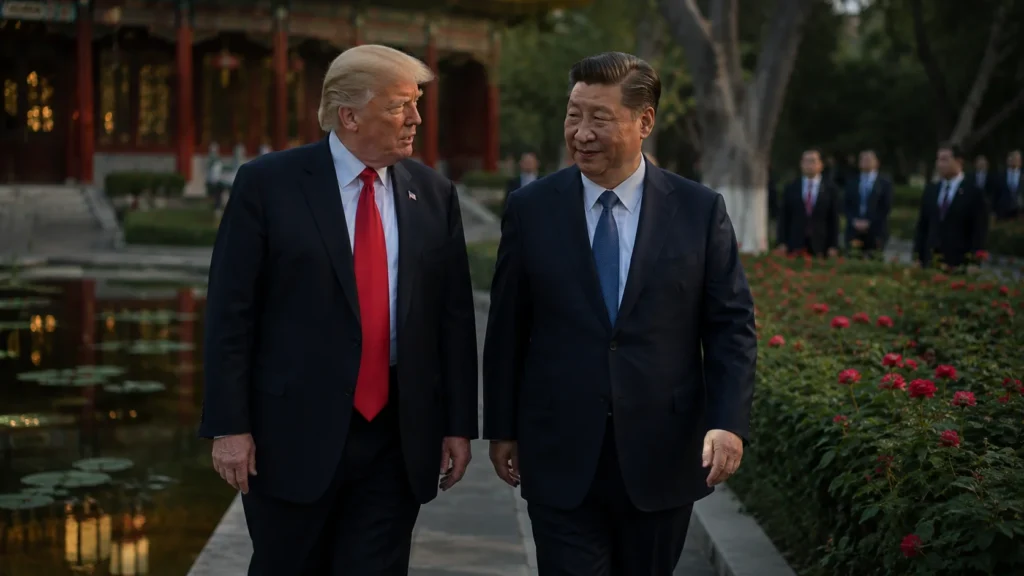
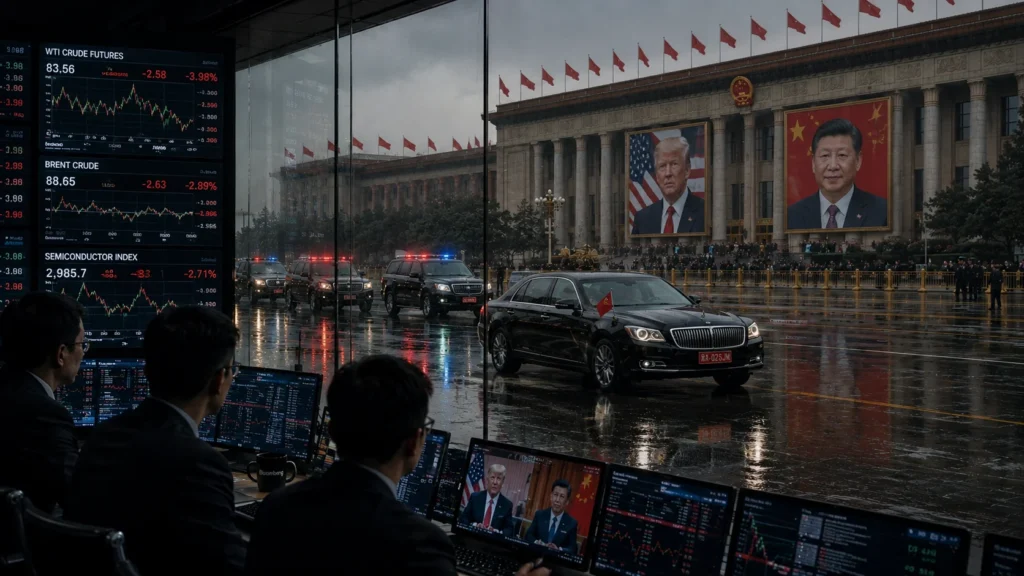
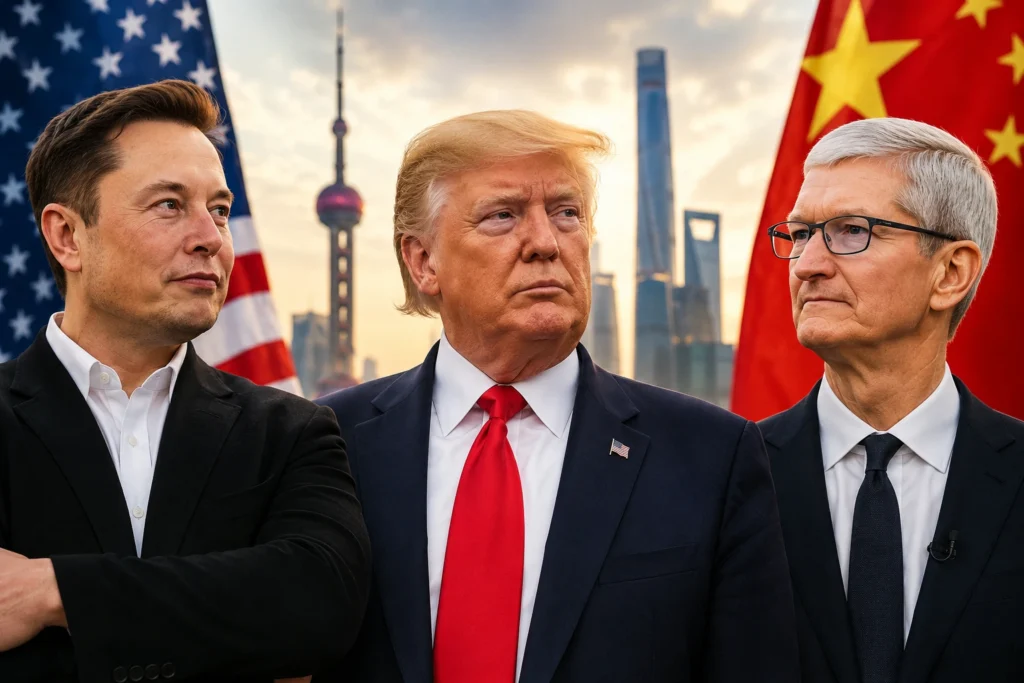
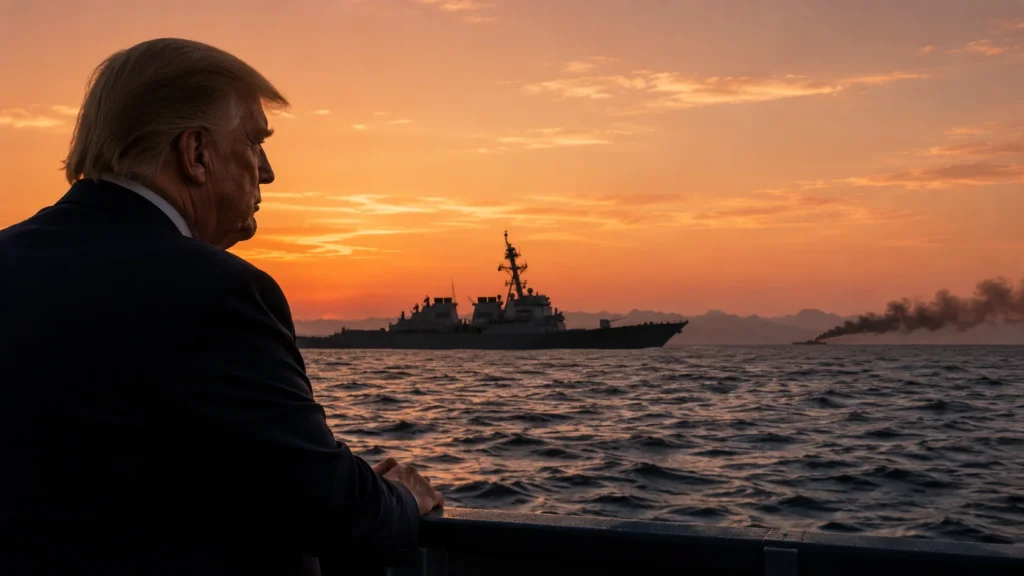
The Air Force One stop in Anchorage lasted only a few hours, but one boarding moment shifted the entire narrative around Donald Trump’s China trip. NVIDIA chief Jensen Huang appeared near the aircraft after reports initially excluded him from the delegation. Alongside Elon Musk, Tim Cook, and Wall Street executives, Huang’s arrival exposed the real purpose of the visit: Washington wants leverage over China without breaking the corporate ties that still power American technology and manufacturing.
The trip matters now because the US and China remain locked in a trade and AI rivalry that neither side can fully escape.
Why did Trump bring CEOs instead of security hawks?
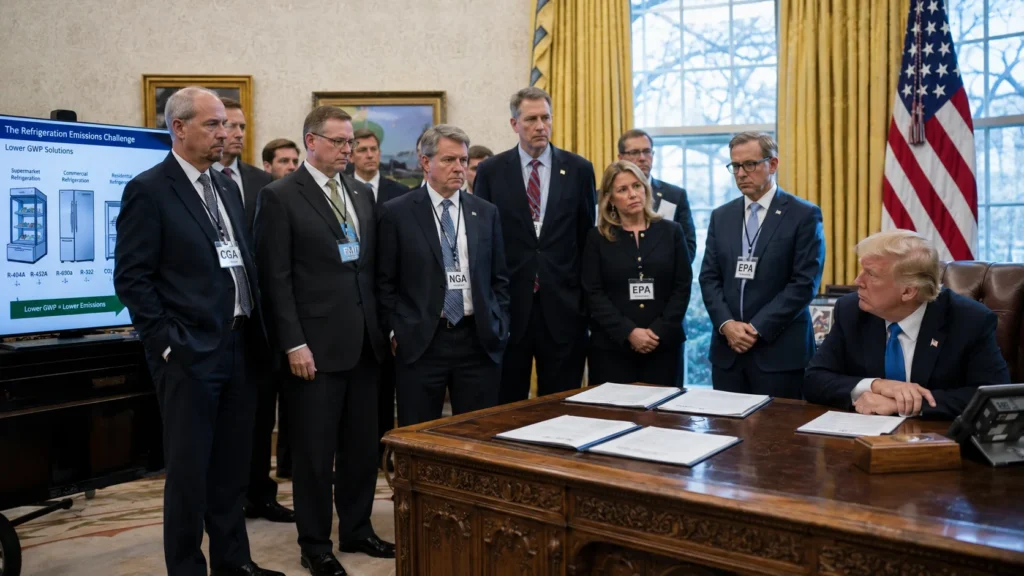
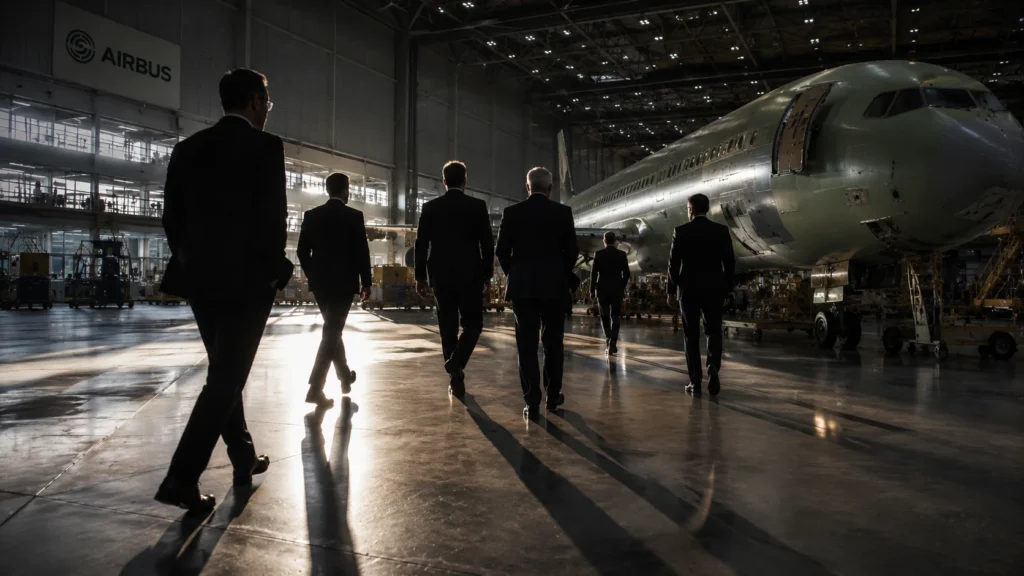
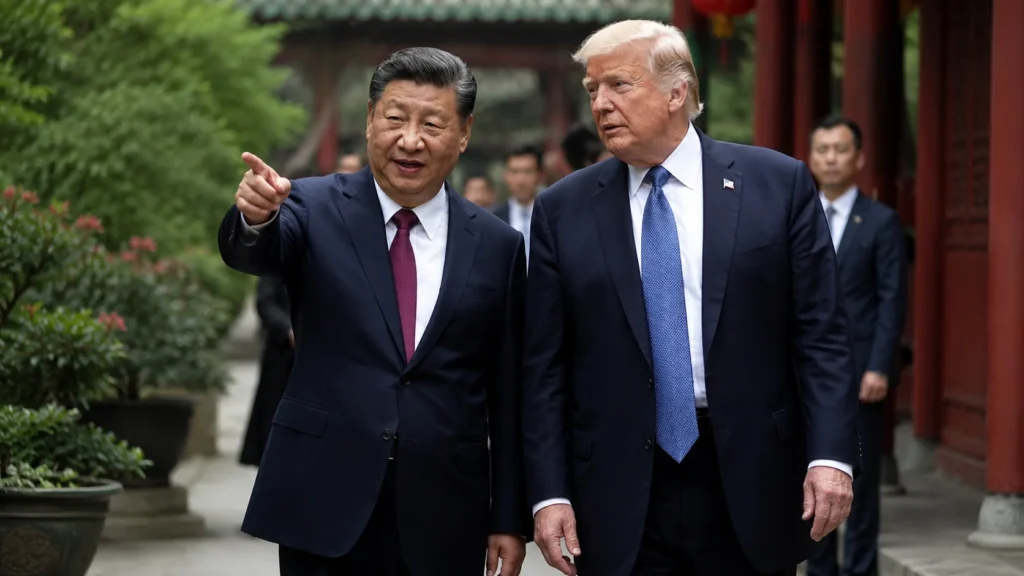
Trump’s Beijing delegation looked less like a diplomatic mission and more like a boardroom summit. Apple, Tesla, BlackRock, Boeing, Visa, and Micron executives joined the trip as trade tensions and semiconductor restrictions continued to shape US-China relations.
That was deliberate.
Washington spent years warning corporations about dependence on Chinese manufacturing and supply chains. Then this happened. The White House leaned on the same companies to stabilize relations with Beijing.
Apple still manufactures large portions of its products in China. Tesla’s Shanghai factory remains one of the company’s biggest production hubs. NVIDIA relies on global demand — including China — to maintain dominance in artificial intelligence chips despite export restrictions announced in October 2023 by the US Commerce Department.
Short-term politics collided with long-term business reality. Again.
As previous coverage of US-China chip export restrictions explained, semiconductor controls reshaped the global AI race after Washington tightened limits on advanced chip sales to China.
The delegation revealed a deeper economic truth.
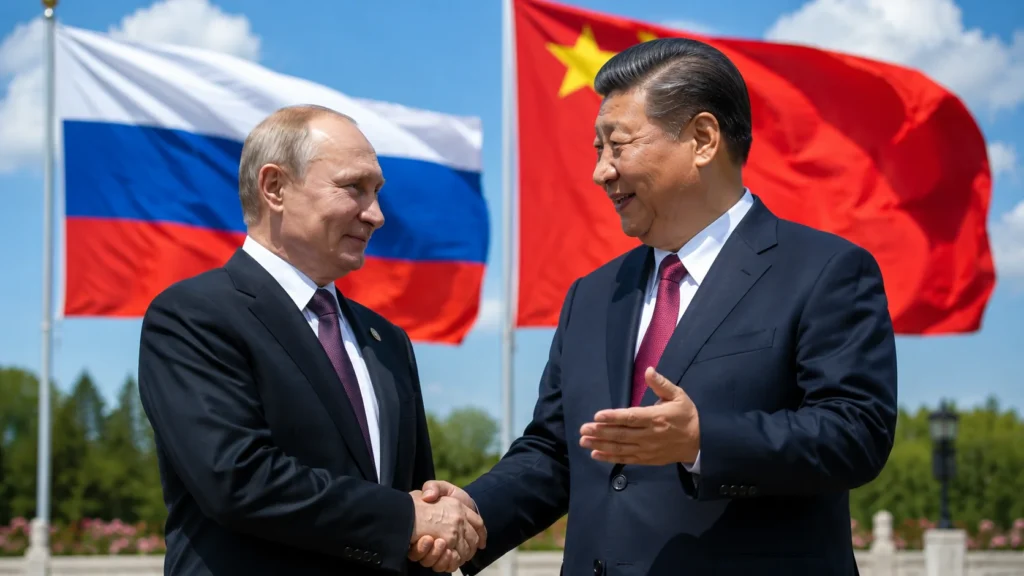
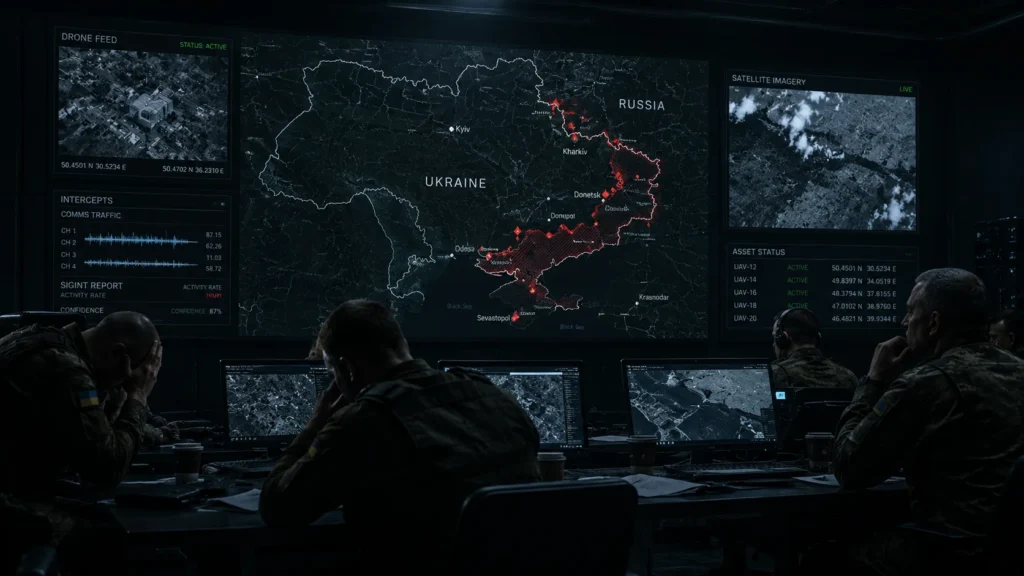
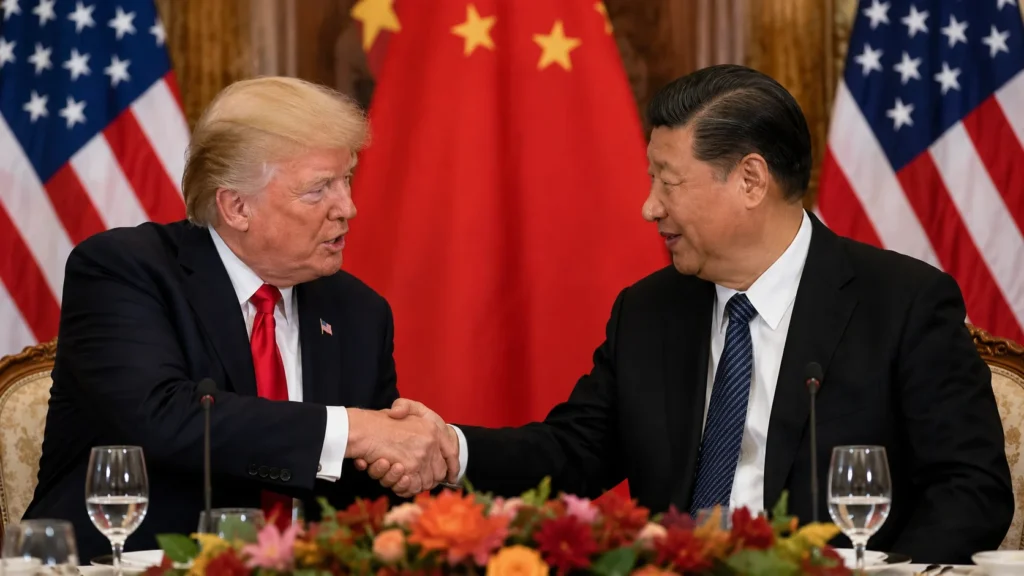
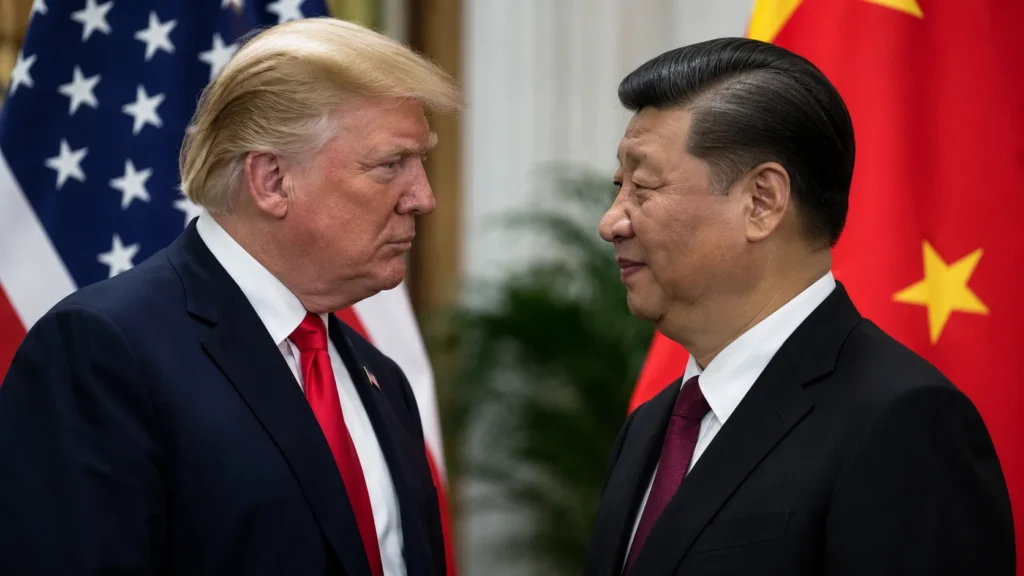
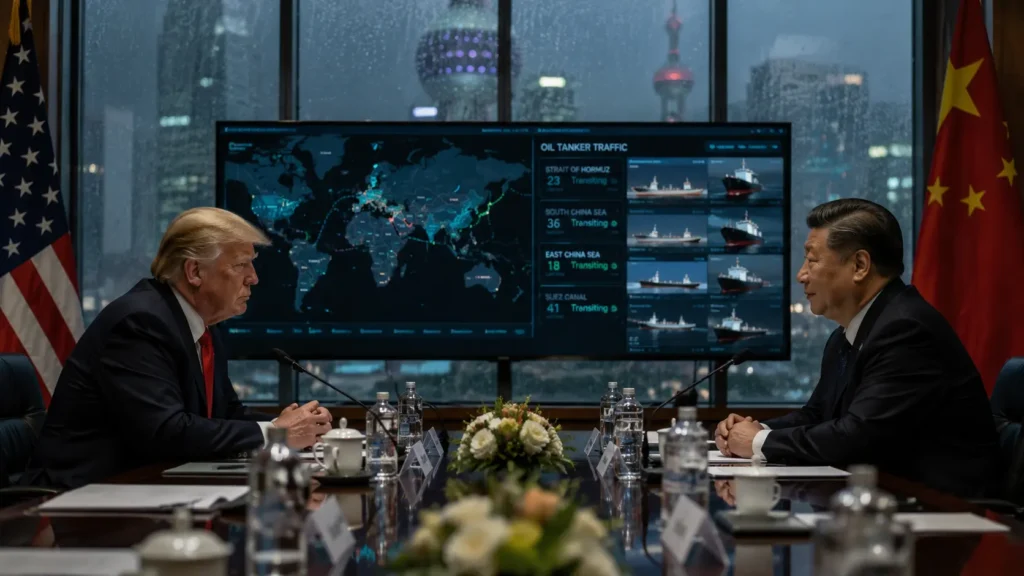
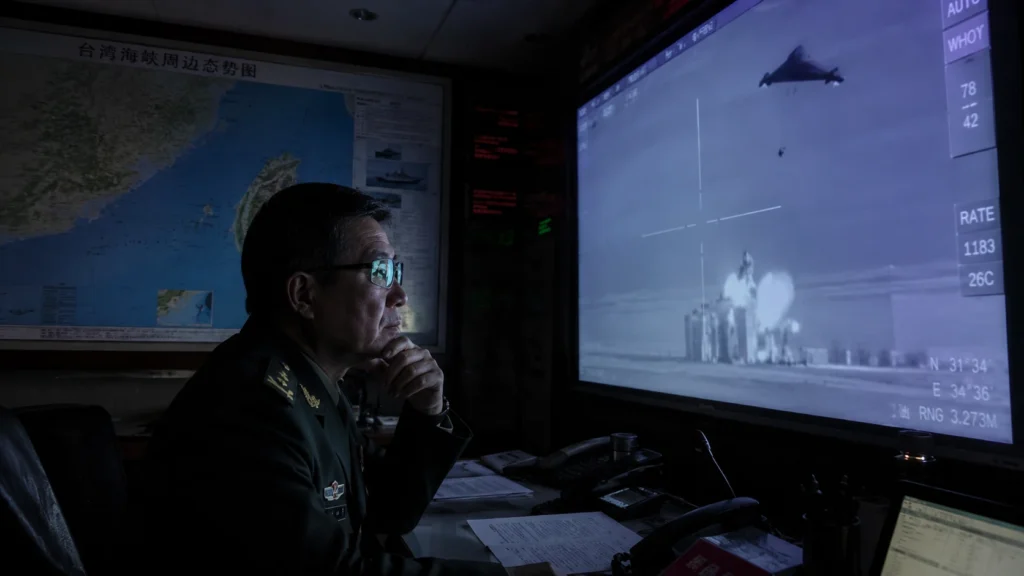
Trump’s trip arrived during a fragile pause in the tariff conflict that escalated through 2025. The two countries temporarily suspended some tariffs after Trump and Xi Jinping met in South Korea in October 2025, according to Reuters coverage of the US-China tariff truce.
But the bigger issue never disappeared.
American companies still need Chinese manufacturing scale, while China still needs access to advanced Western technology and capital markets. Neither side holds a clean advantage anymore.
Larry Fink of BlackRock represented another important signal. Wall Street wants stability. Investors fear a full economic split between the world’s two largest economies because it would raise manufacturing costs, pressure supply chains, and slow global growth.
The numbers already show strain. The Peterson Institute for International Economics estimated in 2024 that tariffs and export controls added billions in annual costs across electronics and industrial sectors. Expensive. Quietly destabilizing, too.
Then came Jensen Huang’s appearance.
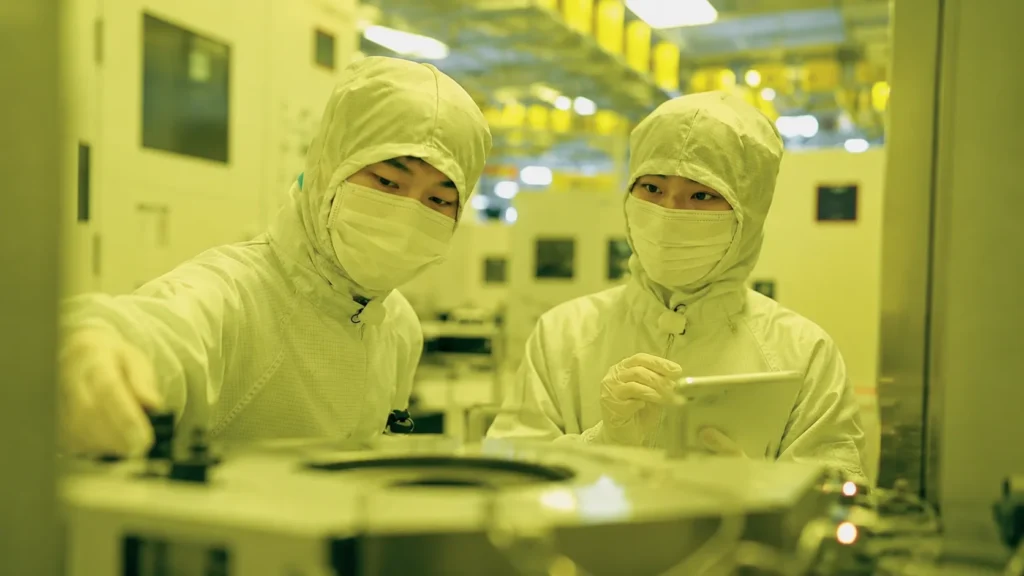
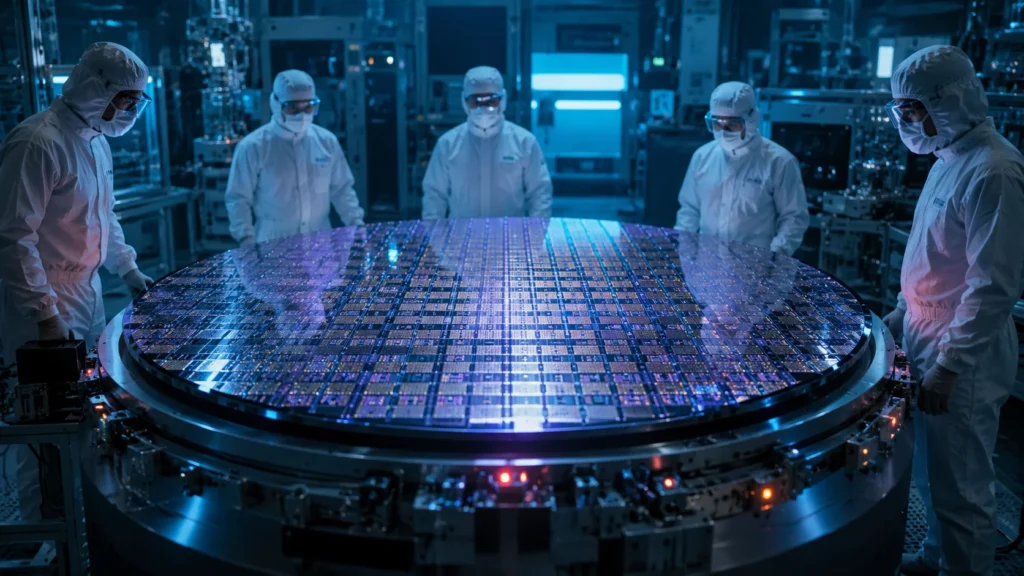
NVIDIA now sits at the center of the geopolitical contest over AI infrastructure. Washington limits exports of advanced chips to China, but Nvidia cannot ignore one of the world’s largest technology markets forever without damaging its growth trajectory.
That contradiction followed the delegation straight into Beijing.
What does this mean for global business?
The trip signaled the arrival of selective globalization.
Not the open-market era companies enjoyed before the trade war. A narrower system instead. Governments now protect strategic industries while allowing politically valuable corporations enough room to operate internationally.
That changes corporate behavior.
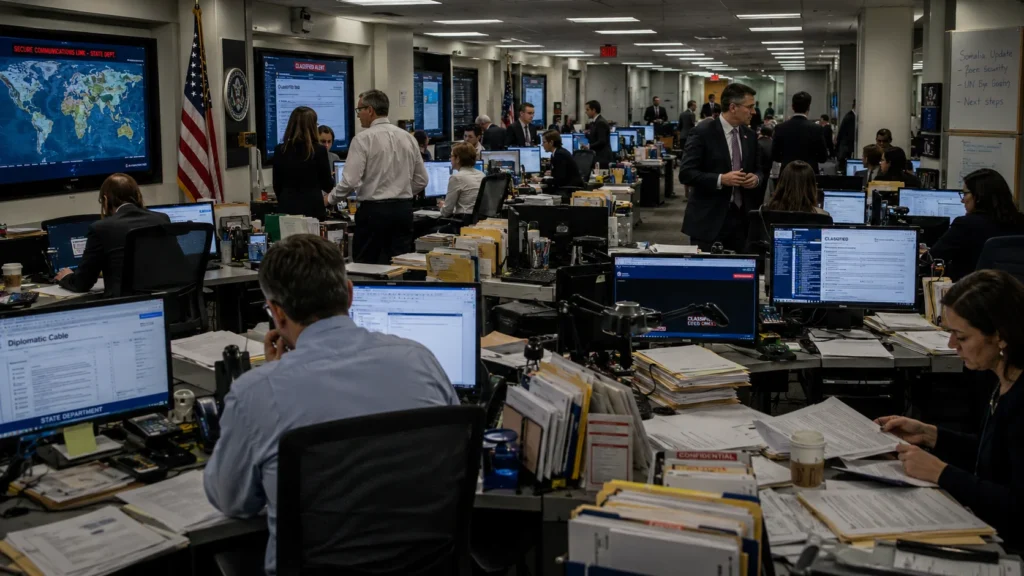
Companies tied to semiconductors, aerospace, AI infrastructure, and payments systems now carry geopolitical importance beyond their balance sheets. CEOs increasingly act as unofficial negotiators between governments competing for technological influence.
Employees inside multinational firms will feel the shift too. Supply-chain diversification plans toward India, Vietnam, and Mexico will continue, but executives no longer believe they can replace China quickly or cheaply.
The ecosystem remains too deep.
As analysis of Apple supply-chain diversification in India showed earlier this year, even aggressive manufacturing shifts still rely heavily on Chinese industrial networks.
Why Iran also matters in this meeting
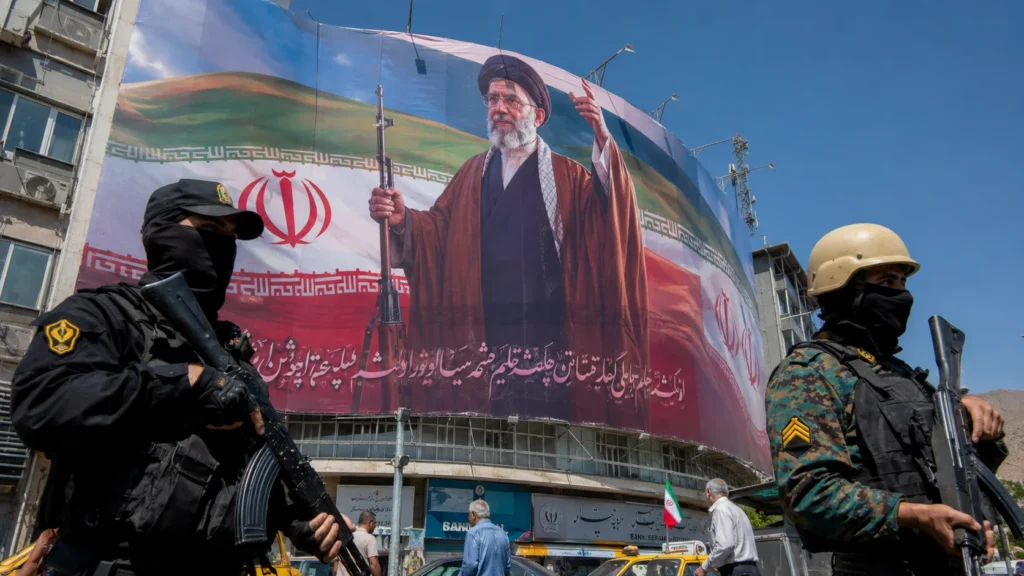
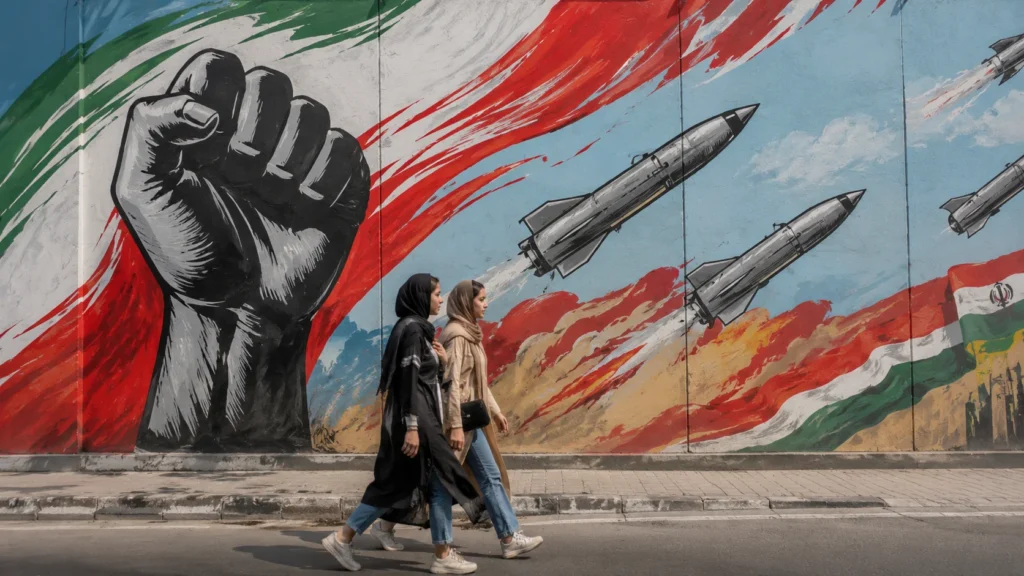
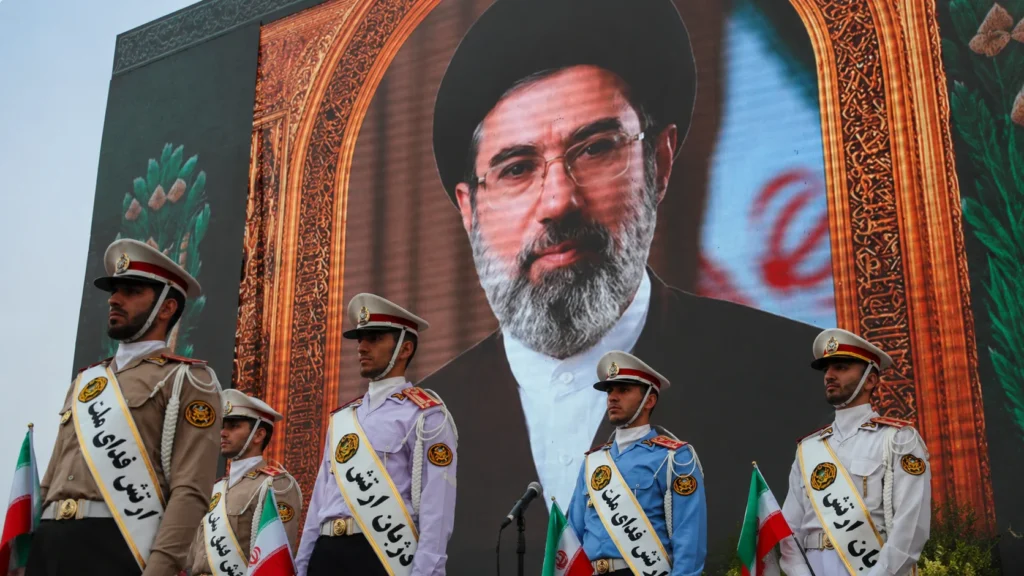
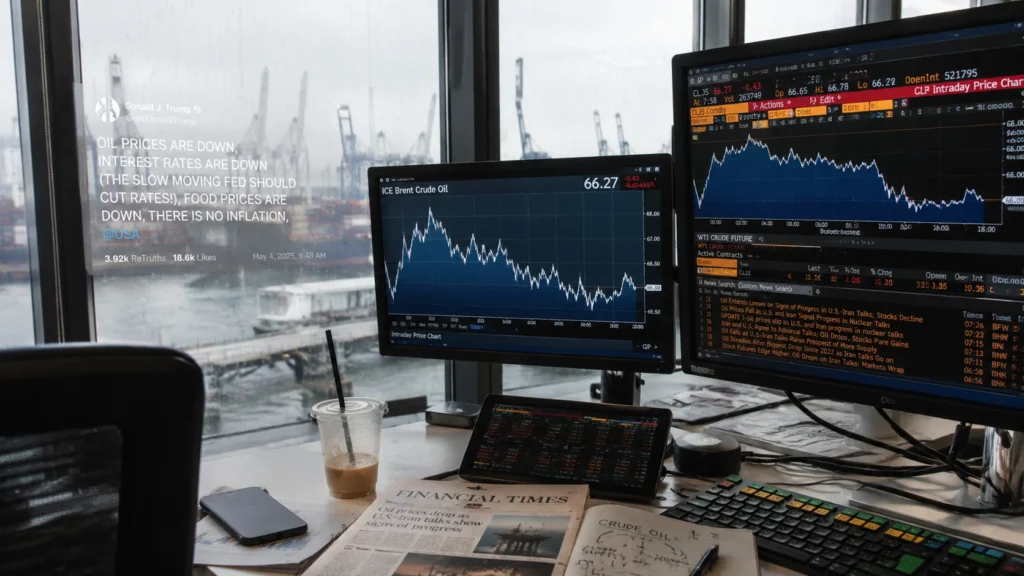
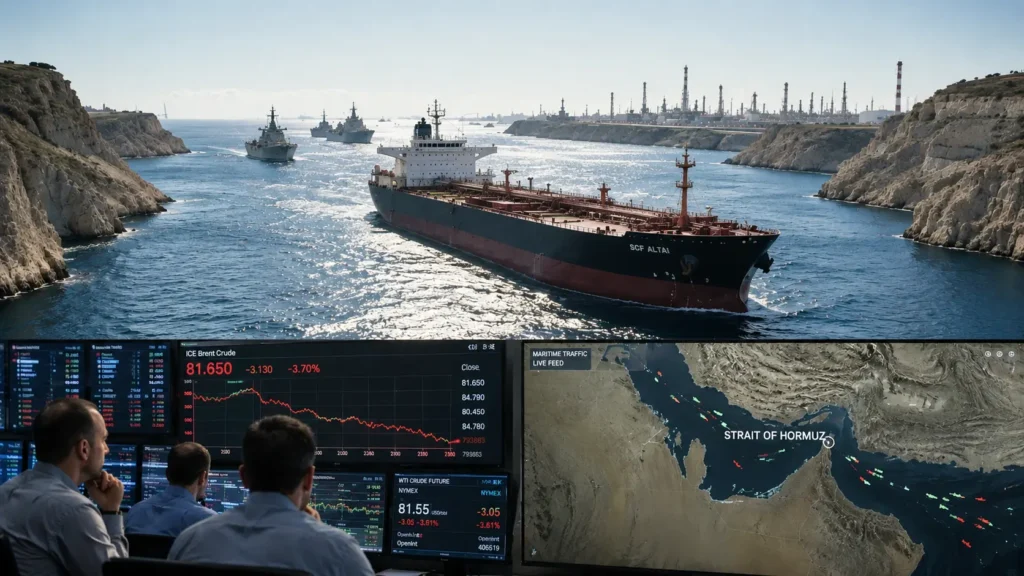
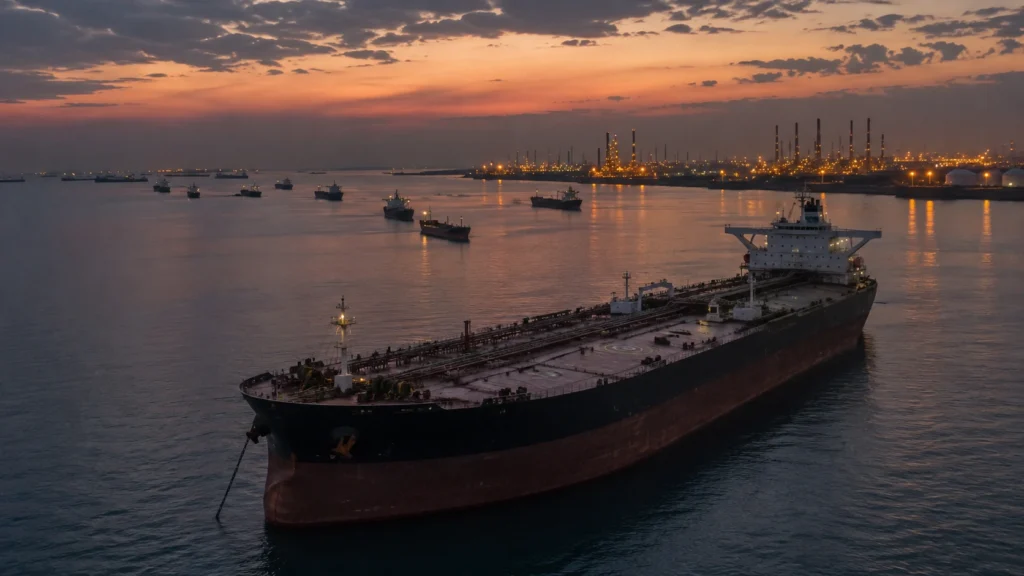
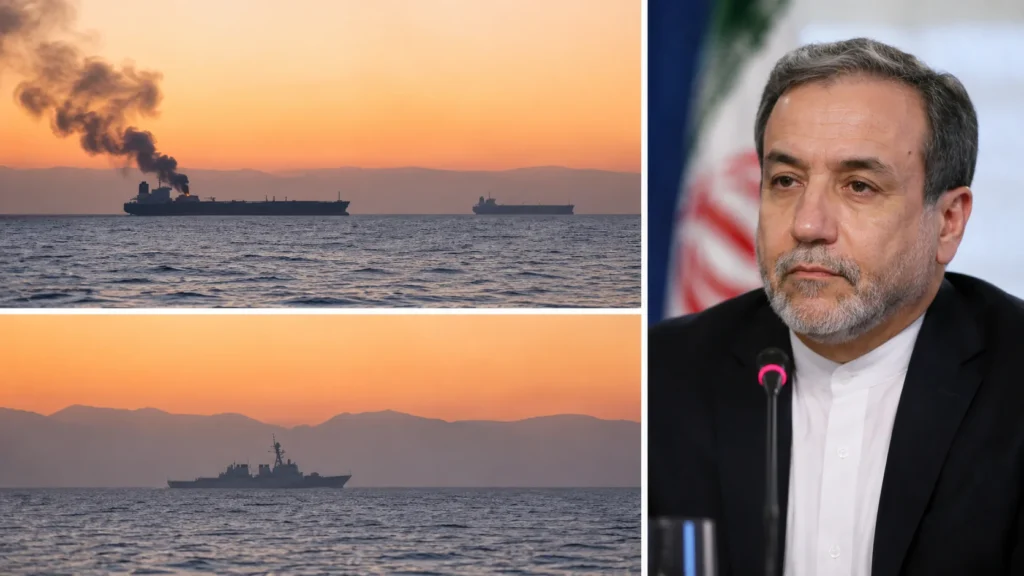
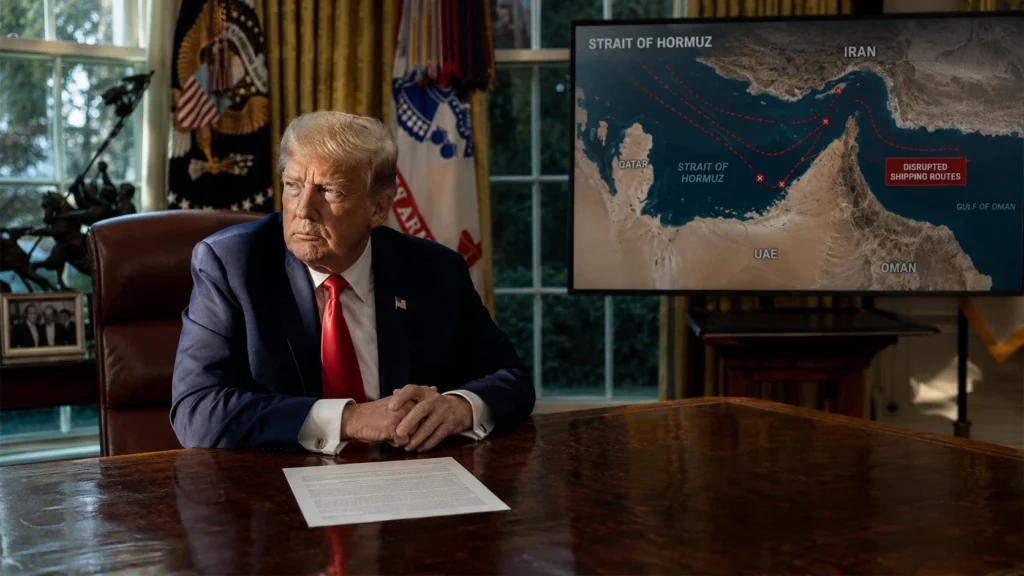
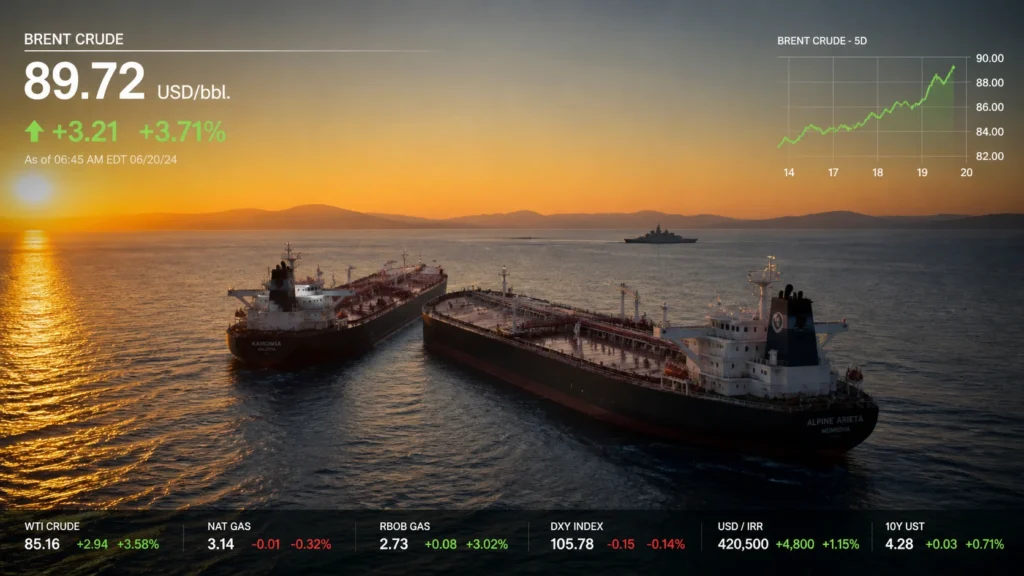
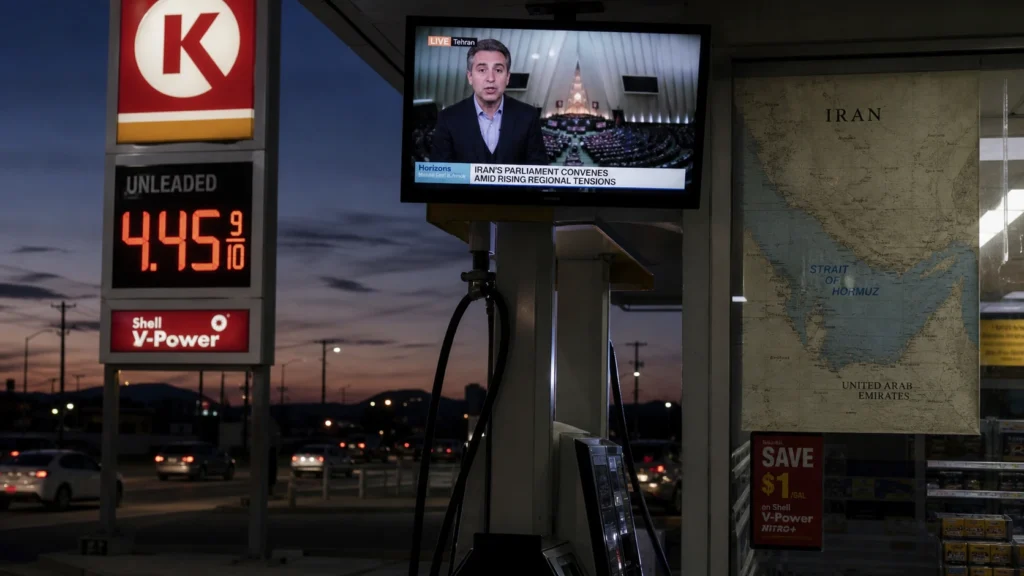
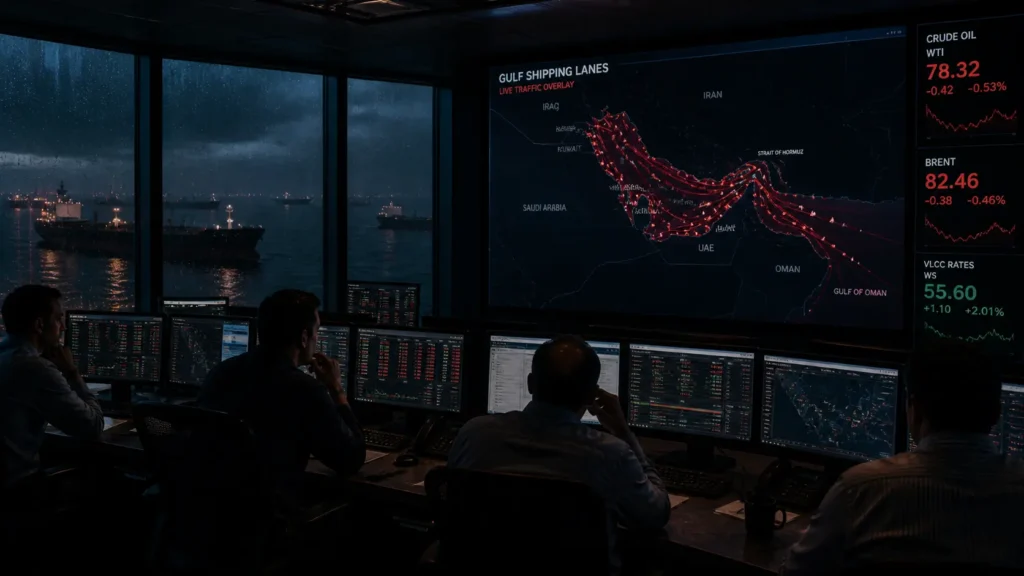
The summit unfolded while tensions around Iran continued to pressure global energy markets. China imports significant volumes of Iranian oil, while Washington wants Beijing to support diplomatic pressure on Tehran.
That creates another layer of negotiation.
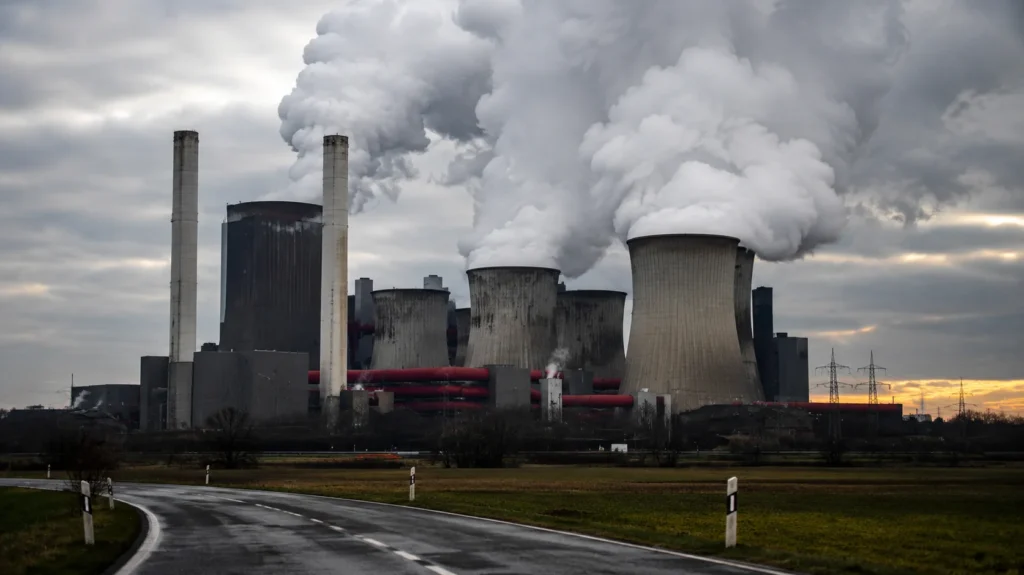
Energy prices affect shipping costs, manufacturing expenses, and AI infrastructure demand because data centers and industrial production require massive electricity consumption. One geopolitical crisis now spills directly into corporate planning.
According to US Energy Information Administration global oil market data, China remained one of the world’s largest energy importers through 2025, making regional instability a direct economic concern for Beijing.
Messy. Connected too.
What should investors watch next?
Semiconductor policy will matter most over the next 12 months.
If Trump and Xi stabilize trade relations even slightly, Washington may loosen restrictions on selected commercial technology exports while maintaining barriers around frontier AI systems and military-linked chips.
Watch manufacturing announcements too. Companies will continue spreading production across Asia, but this trip revealed something markets suspected already: corporate America cannot fully detach from China without absorbing major economic pain.
That realization now shapes strategy more than political slogans do.
FAQ
Why did Trump bring Elon Musk and Tim Cook to China?
Trump included major US executives because their companies hold deep economic ties to China through manufacturing, technology, and consumer demand.
Why is Jensen Huang’s appearance important?
NVIDIA sits at the center of the global AI chip market. Huang’s presence highlighted how semiconductor policy now shapes US-China diplomacy.
What industries gained the most influence from this trip?
AI infrastructure, semiconductors, aerospace, finance, and payments companies gained strategic importance because governments now view them as geopolitical assets.
Could the US and China fully decouple economically?
Most analysts believe a complete split would severely damage supply chains, manufacturing efficiency, and global economic growth.
How does Iran connect to the China summit?
China imports Iranian oil, while the US wants Beijing to pressure Tehran diplomatically. Energy markets now influence trade and technology negotiations.
Author Bio:
Written by a senior business and geopolitical analyst covering global trade, technology power shifts, and corporate strategy across US-China markets for more than a decade.