

 English

































































































































































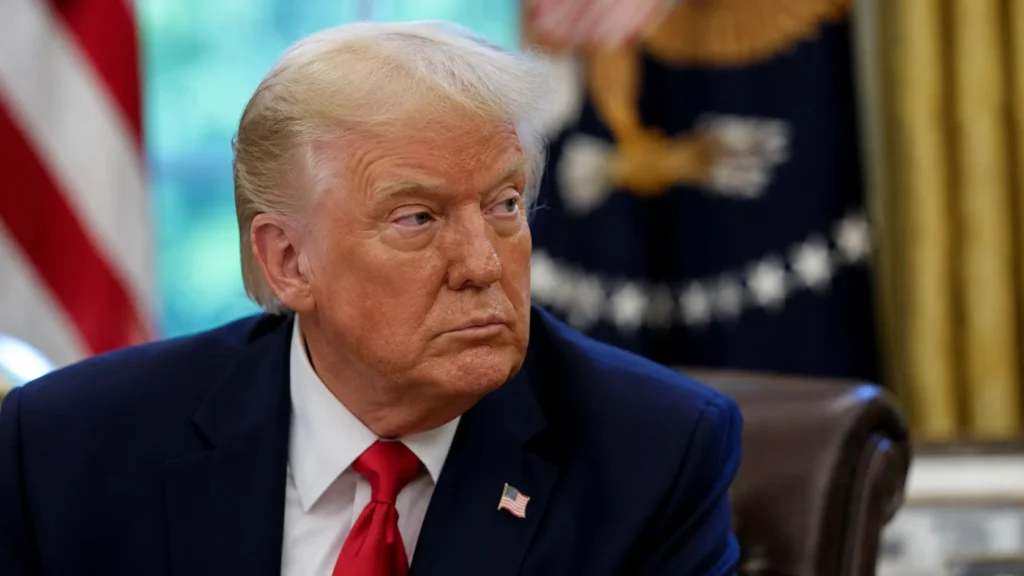

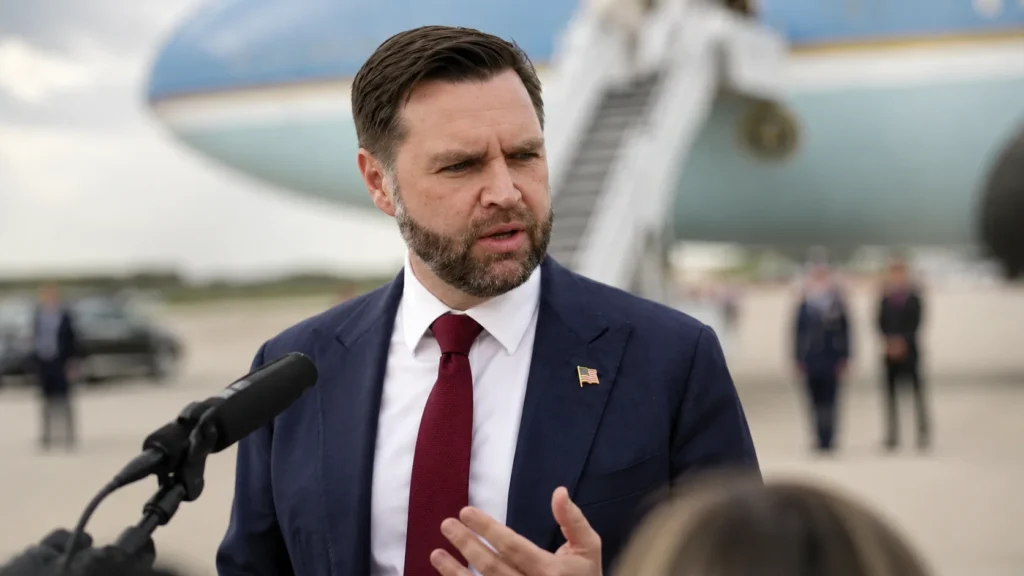





























































































Trump-Xi Summit Reshapes Global Power Politics
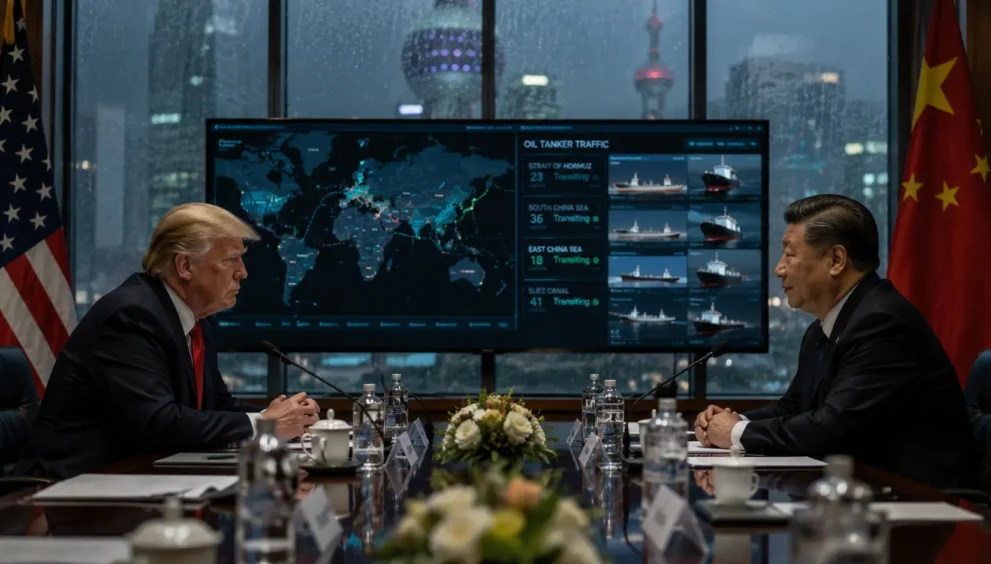
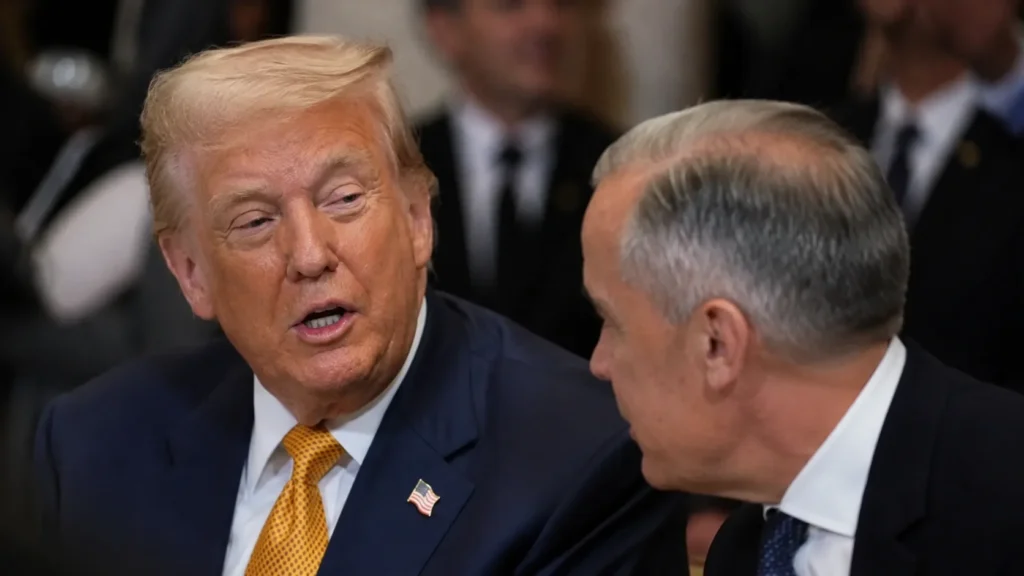
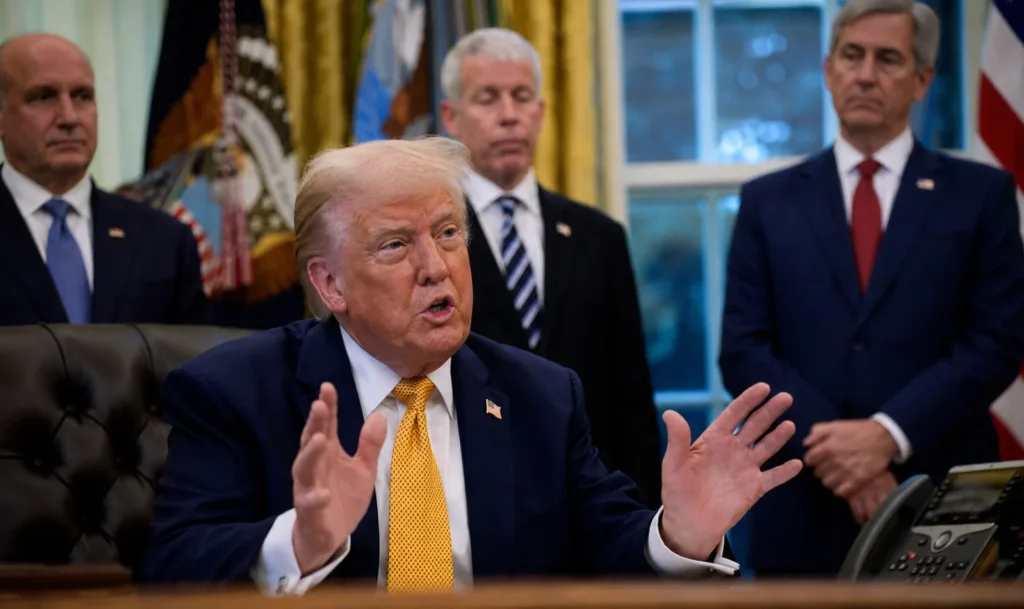
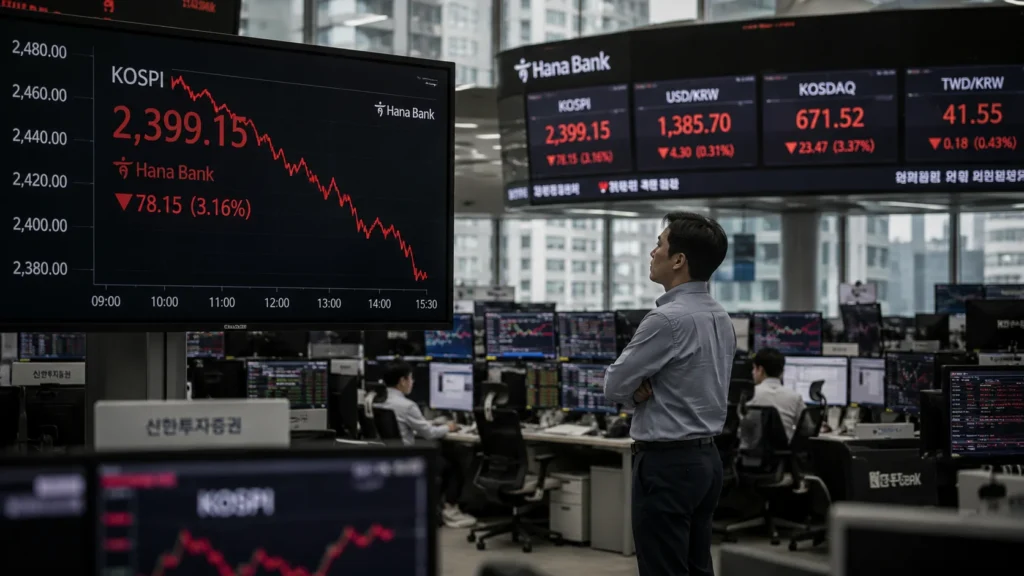
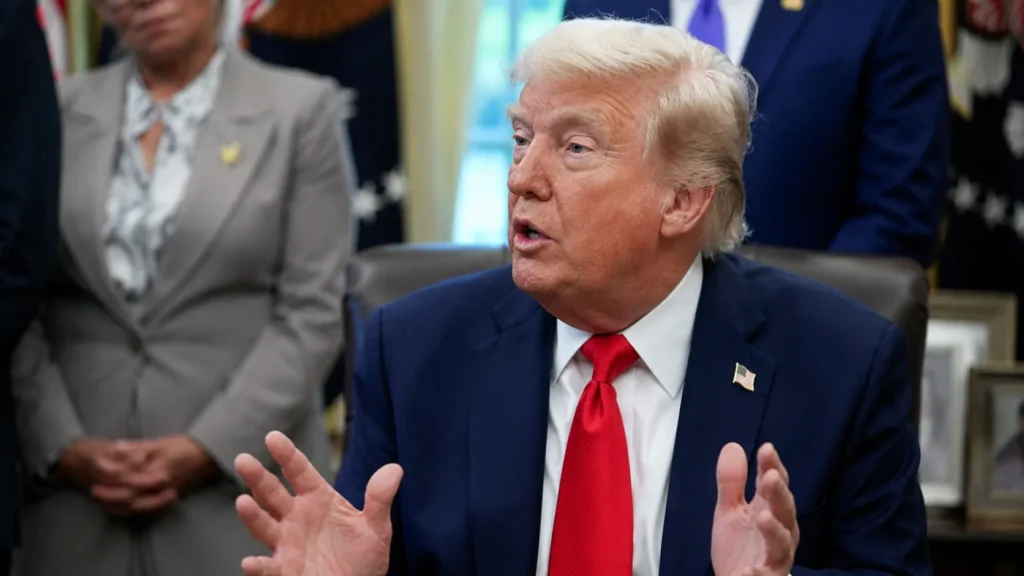
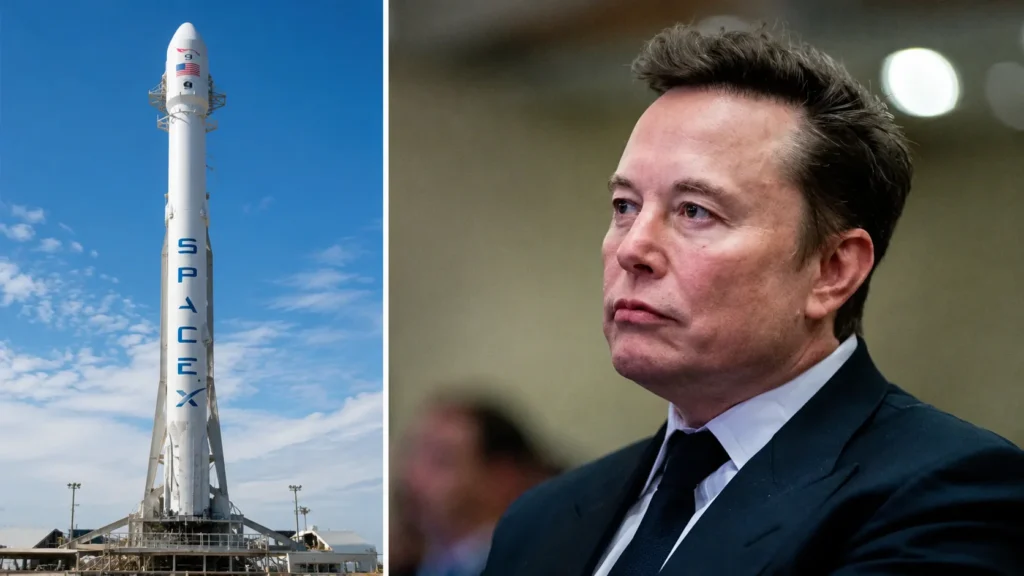
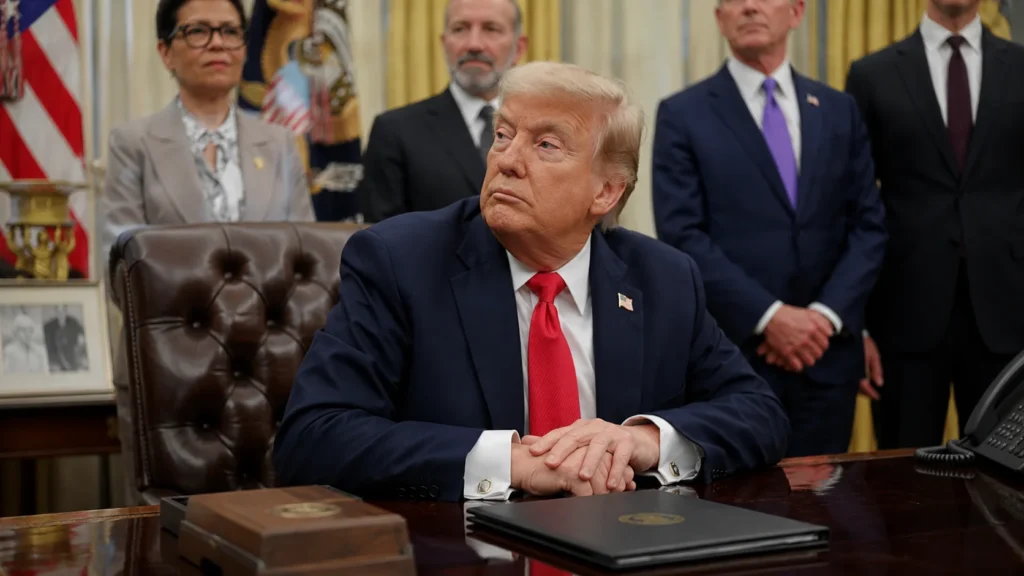
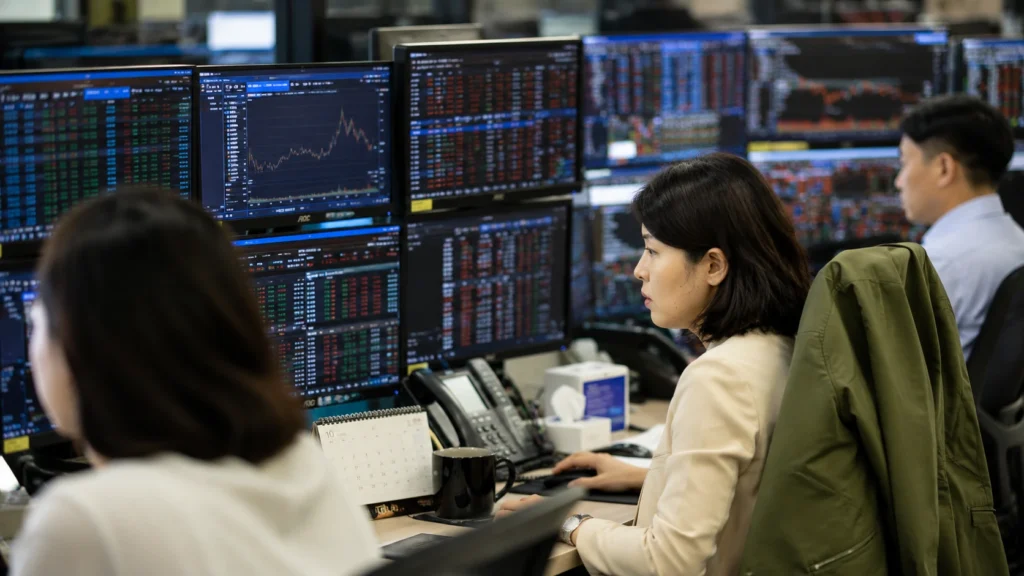
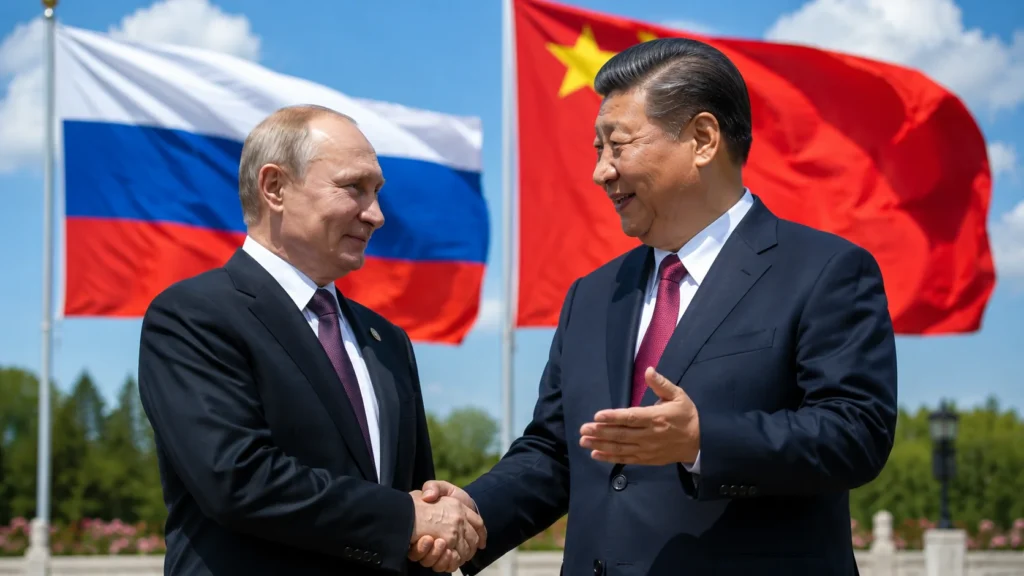
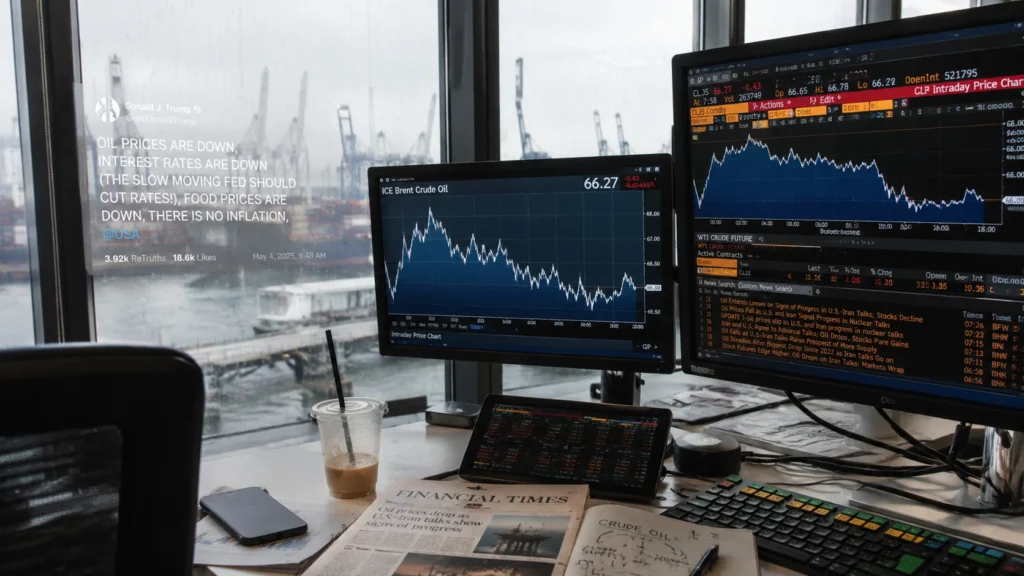
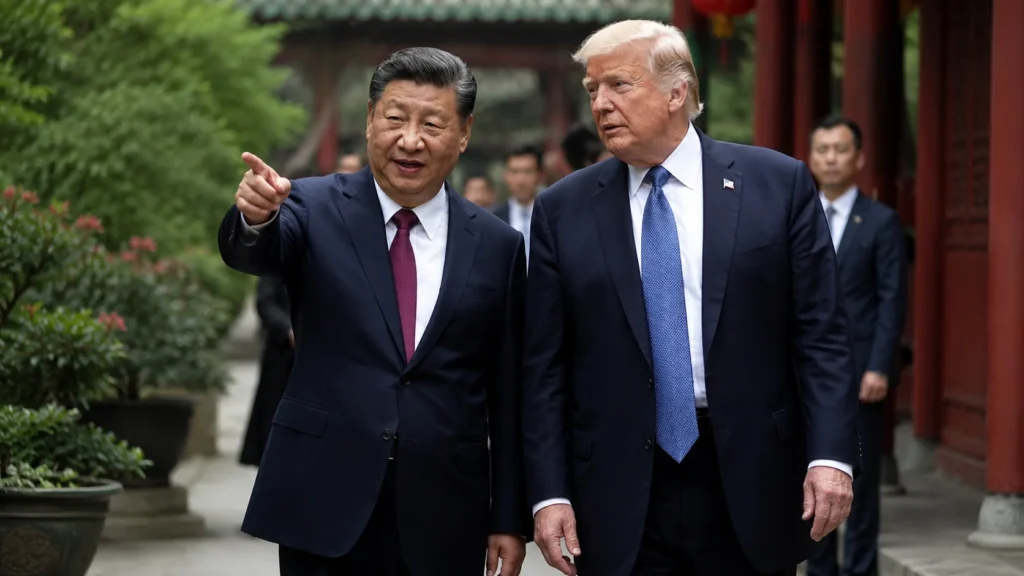
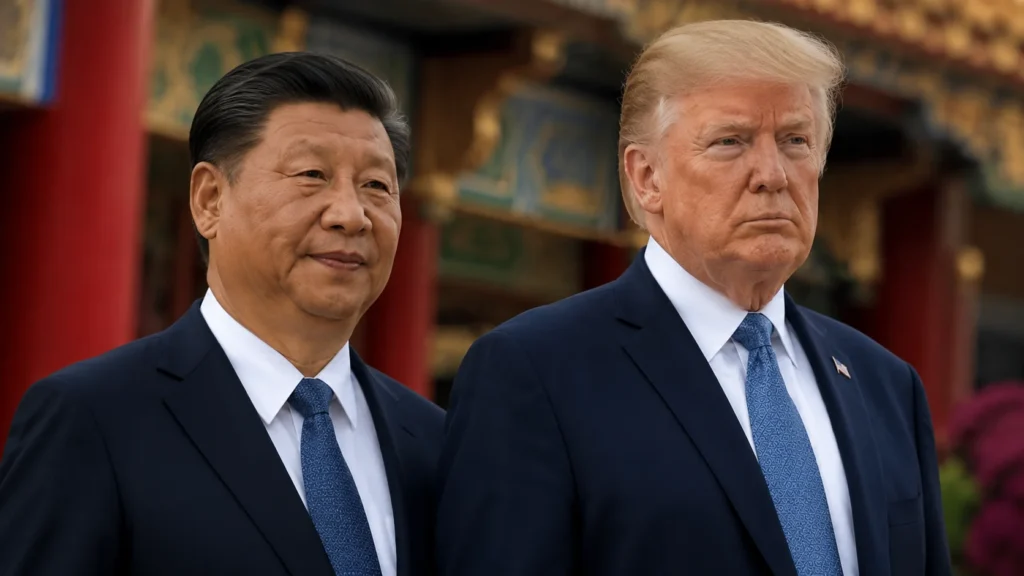
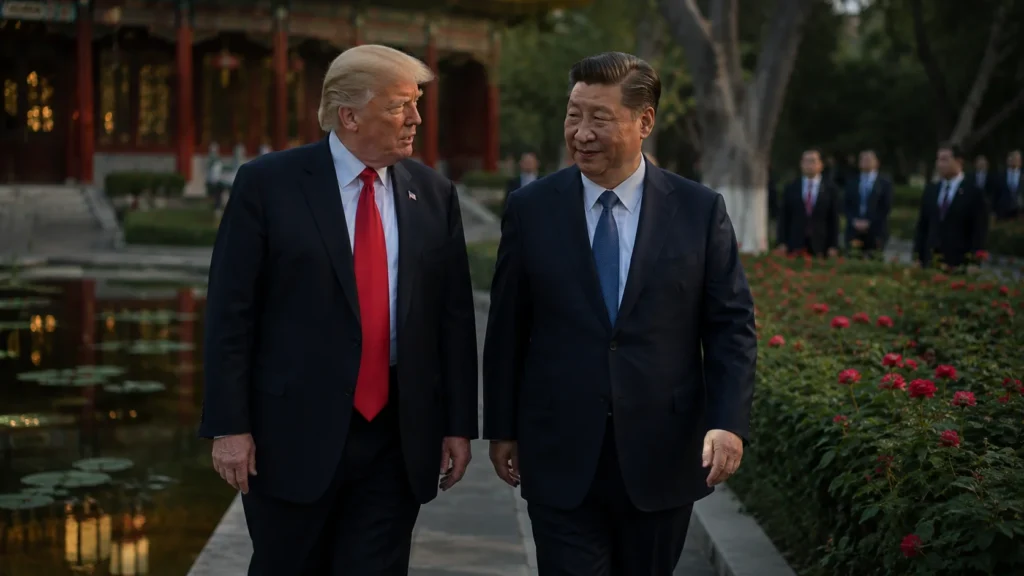
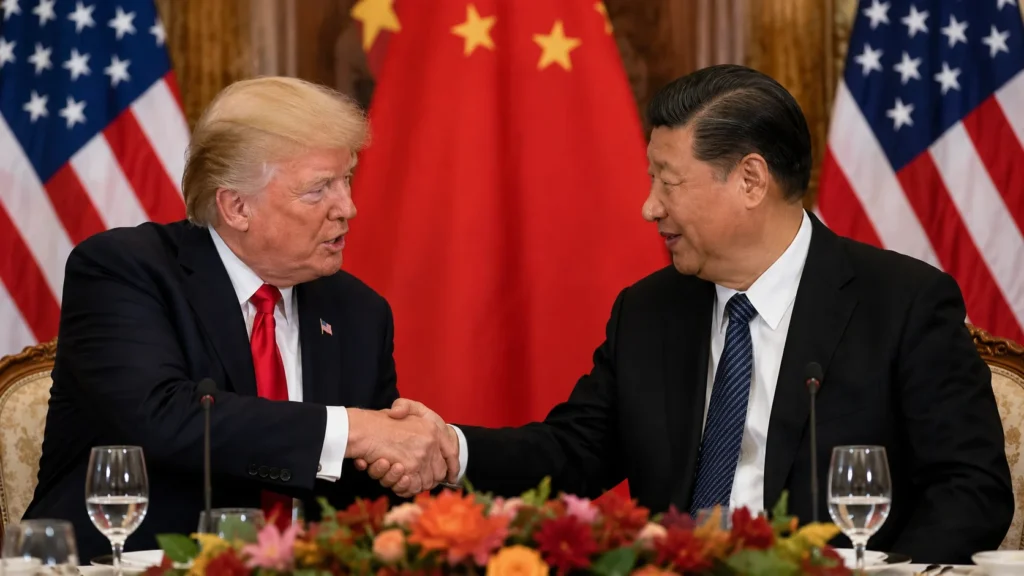
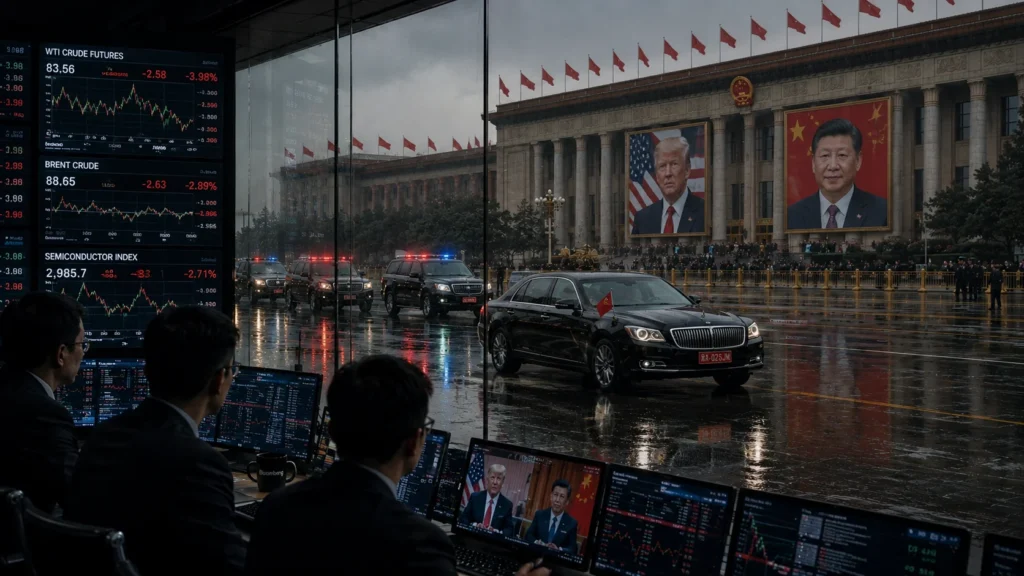
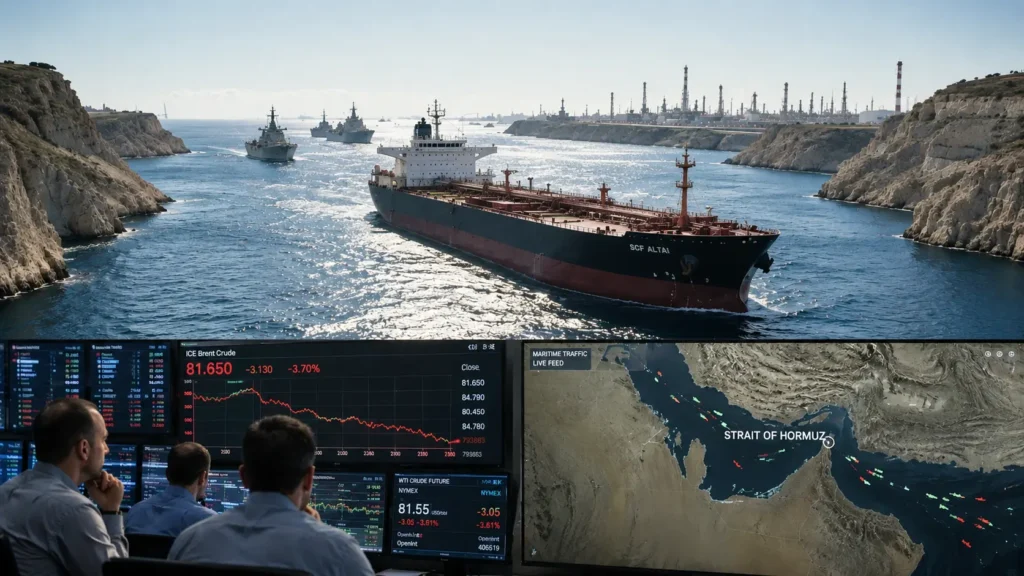
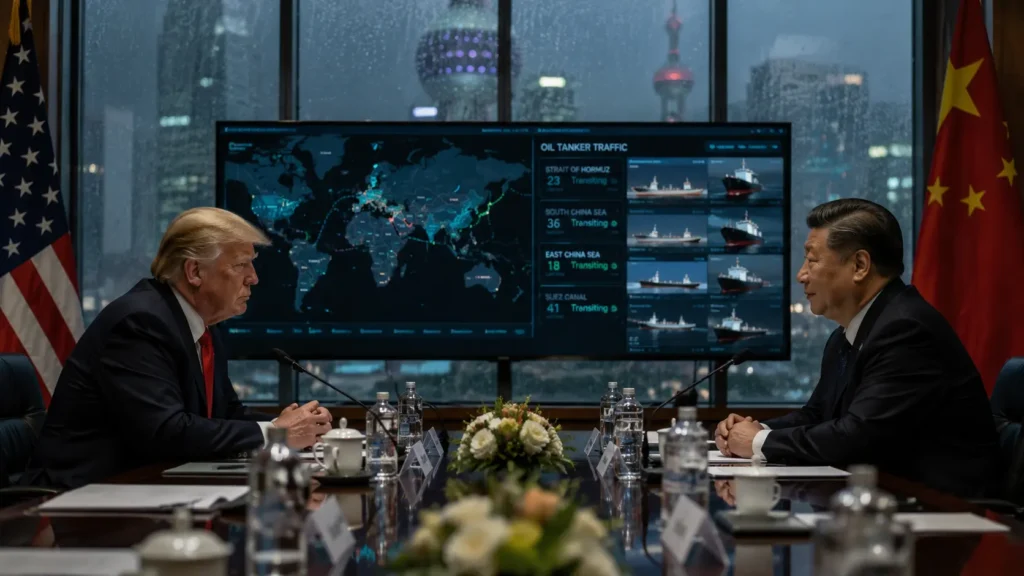
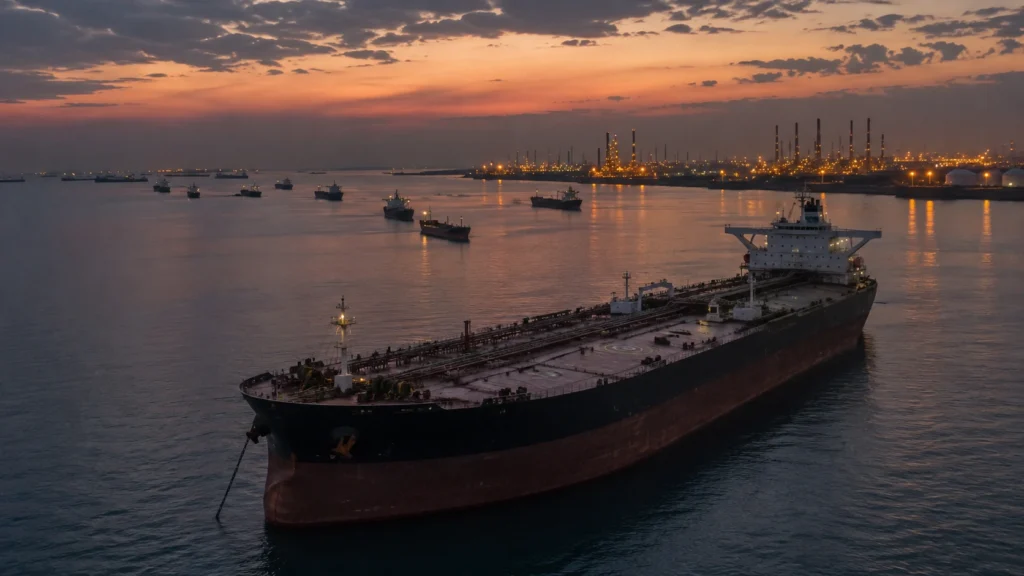
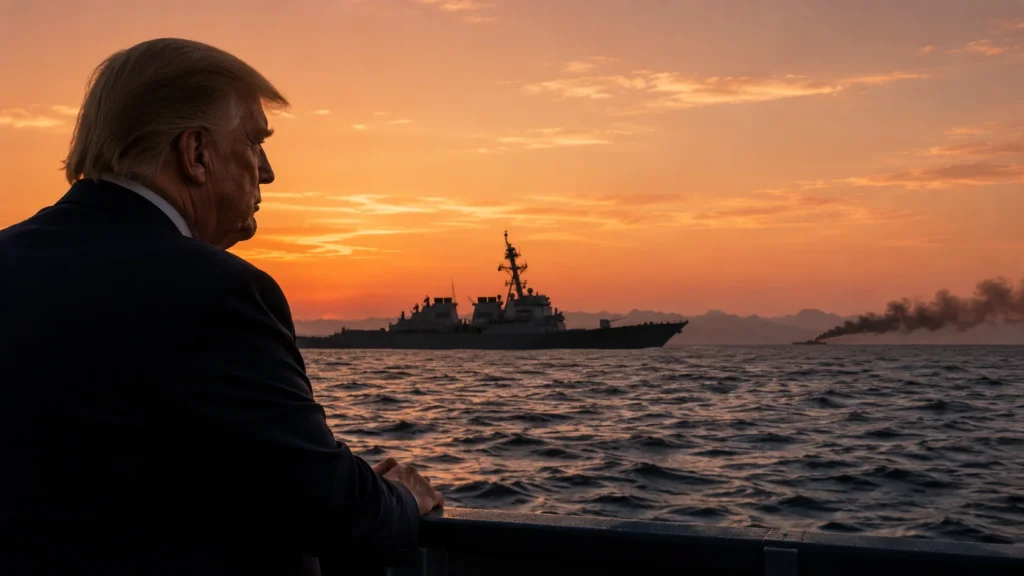
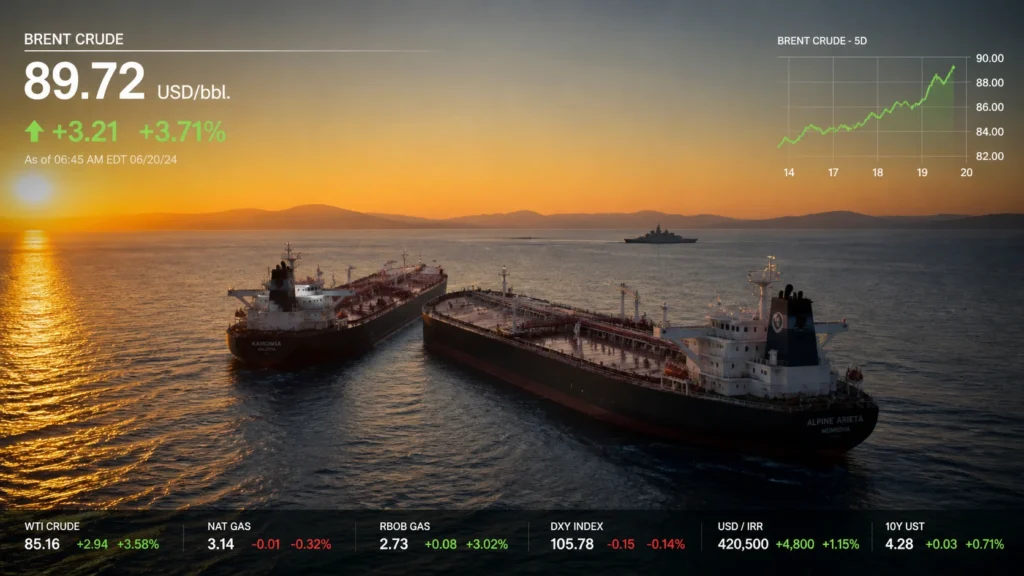
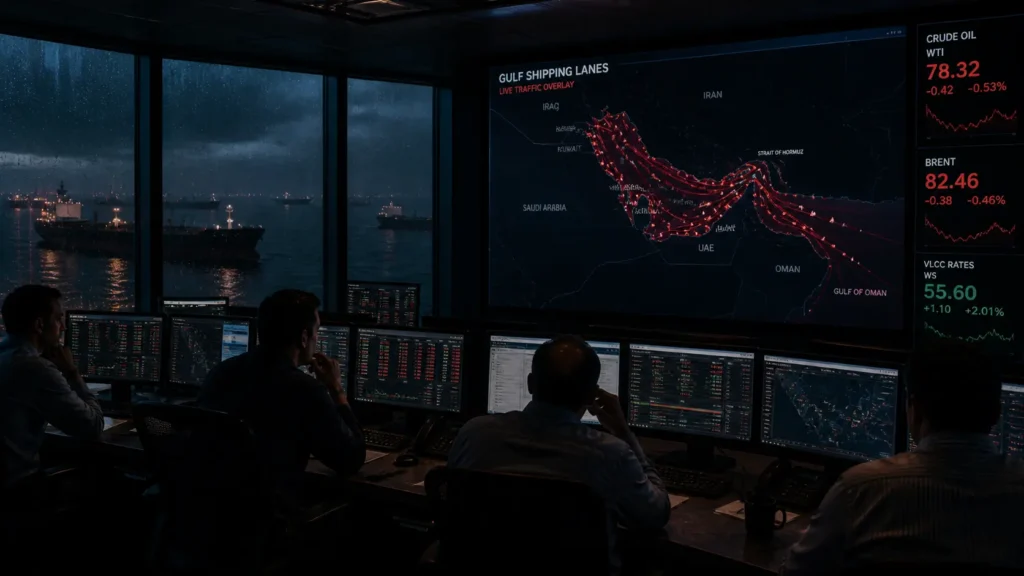
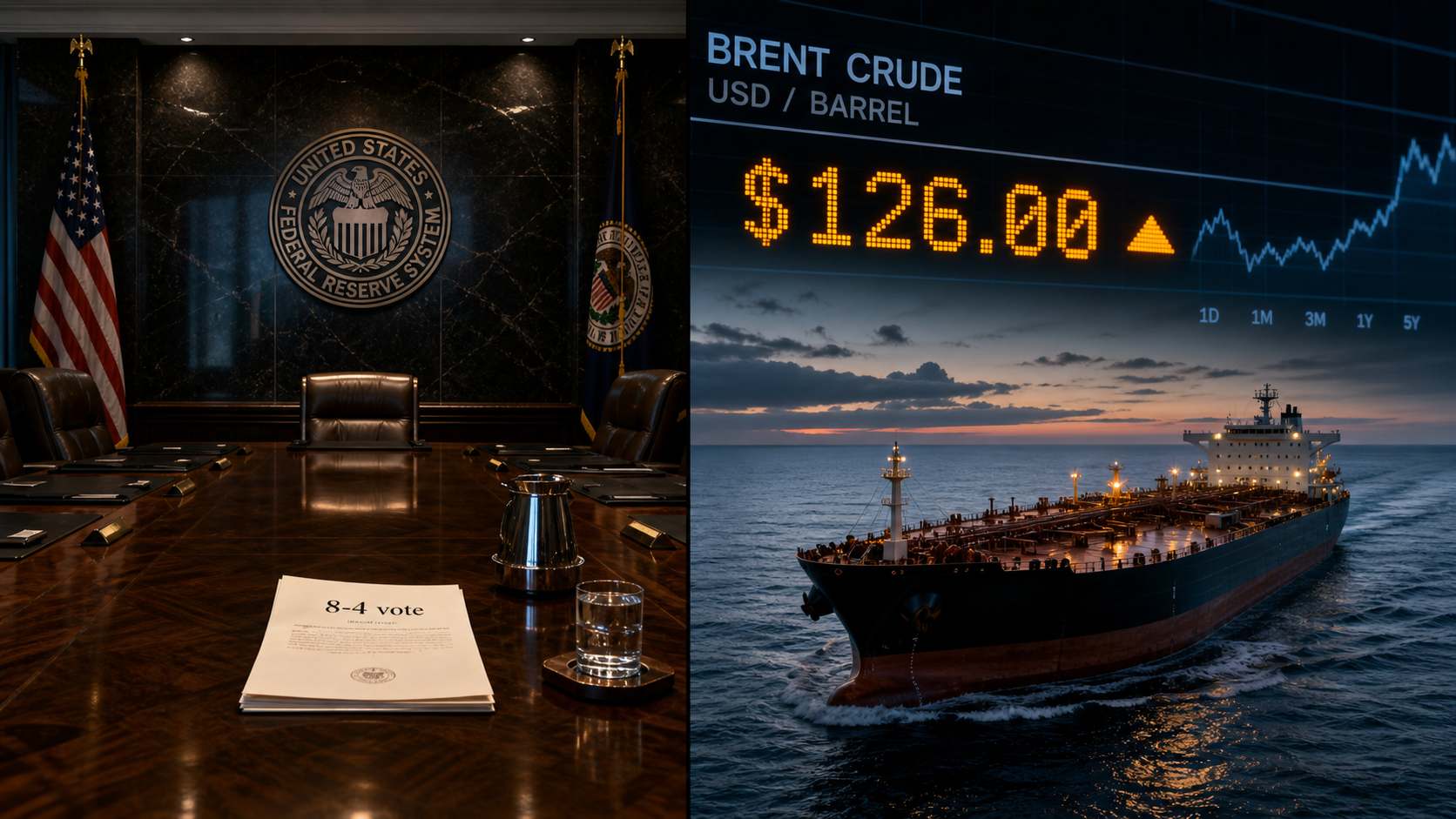
Oil traders reacted before diplomats did. Tanker insurance rates climbed across Gulf shipping routes while Donald Trump prepared for meetings with Xi Jinping in Beijing. The summit arrived at a moment when the Iran conflict, semiconductor rivalry, and Taiwan tensions all collided inside the same geopolitical system. That convergence matters because the United States and China no longer compete only through tariffs or speeches. They now pressure each other through energy routes, AI supply chains, and economic dependence.
The old separation between economics and security has started to disappear.
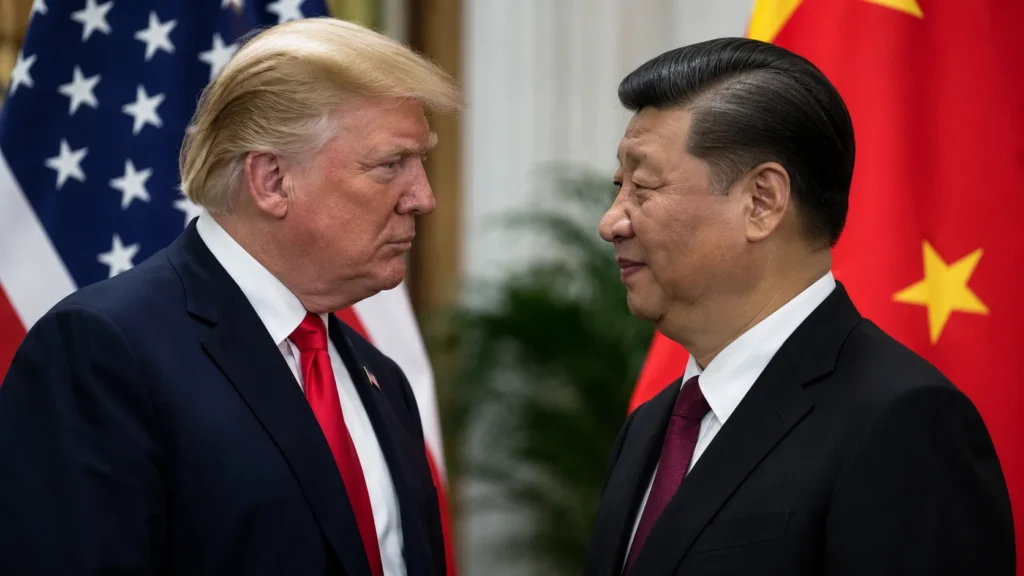
The Trump-Xi meeting exposed a different kind of rivalry.
This summit did not revolve around ideology alone. It revolved around leverage.
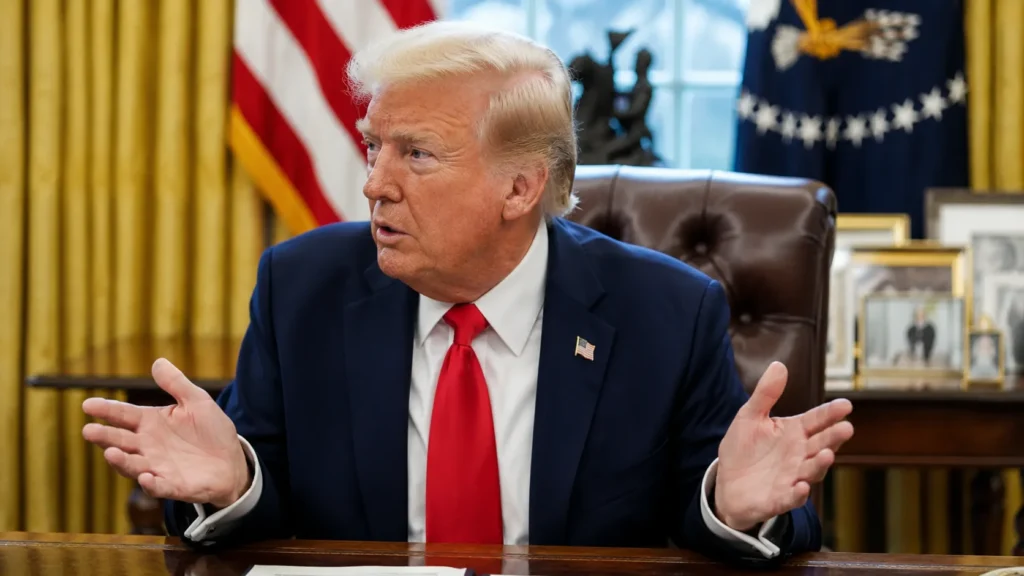
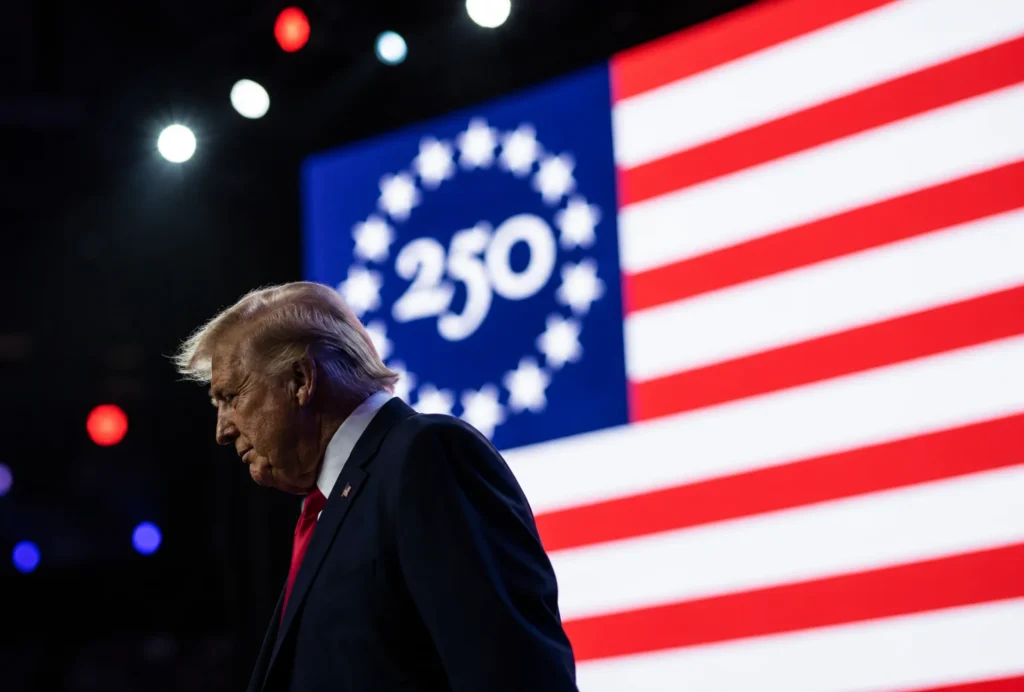
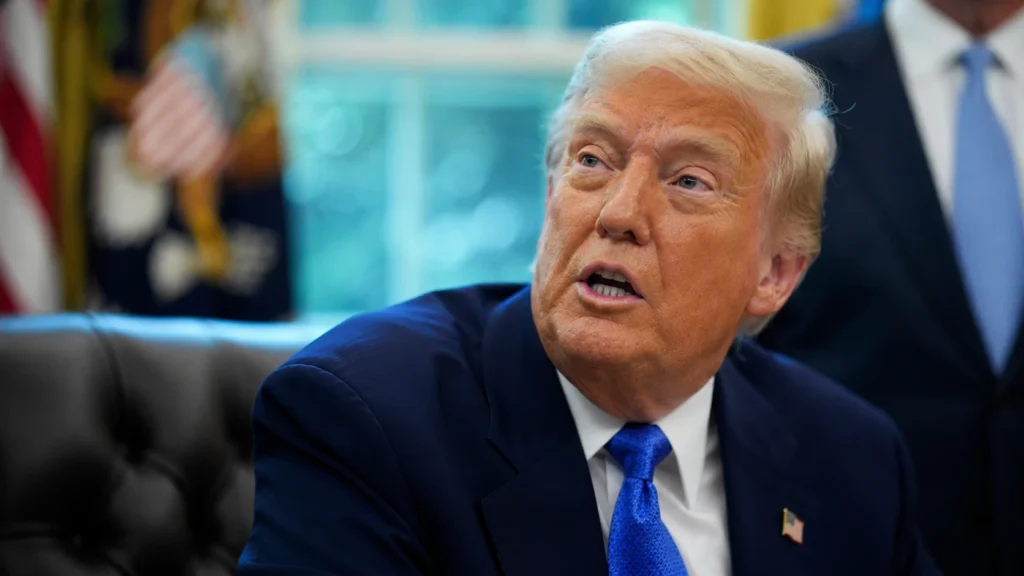
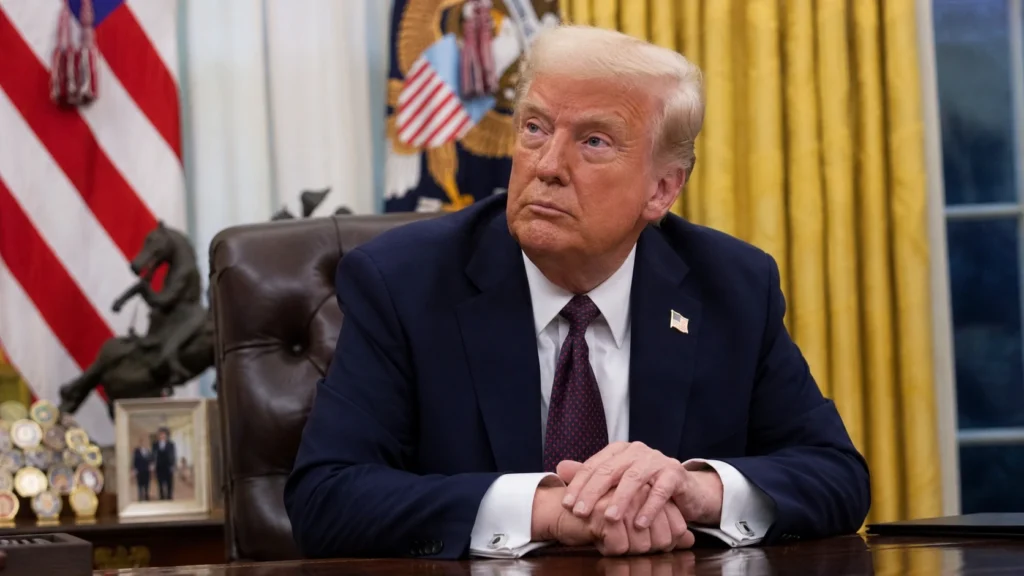
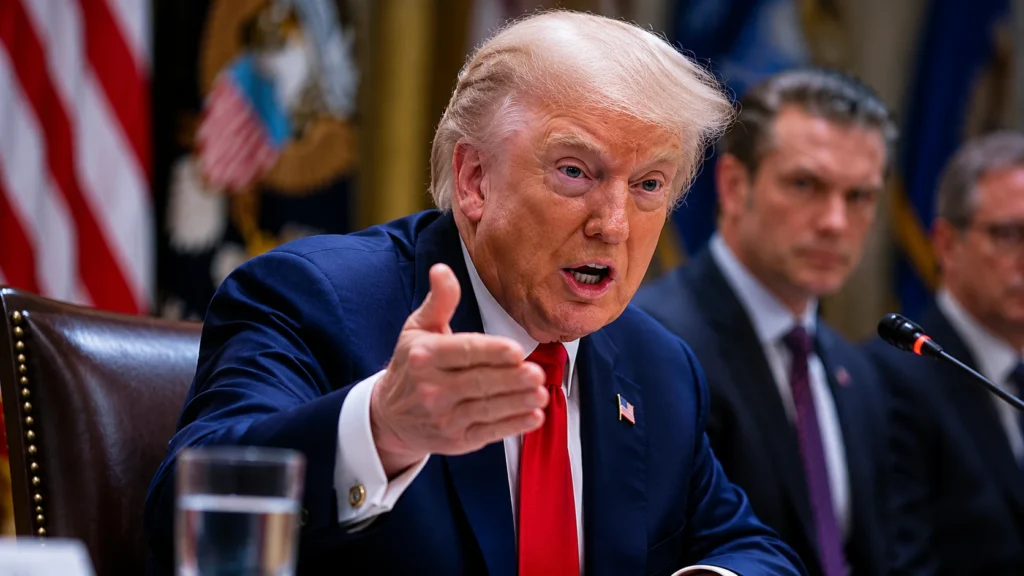
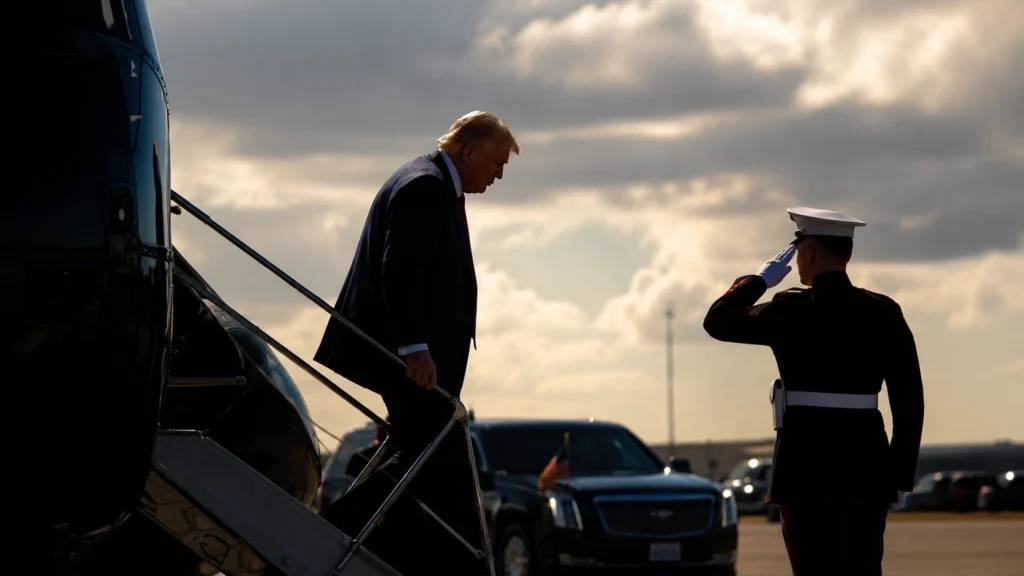
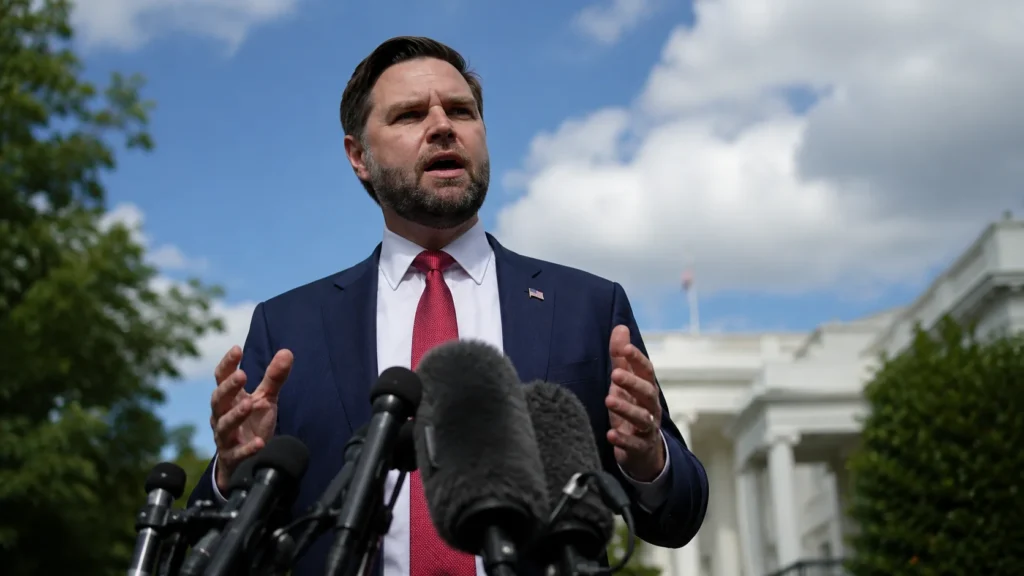
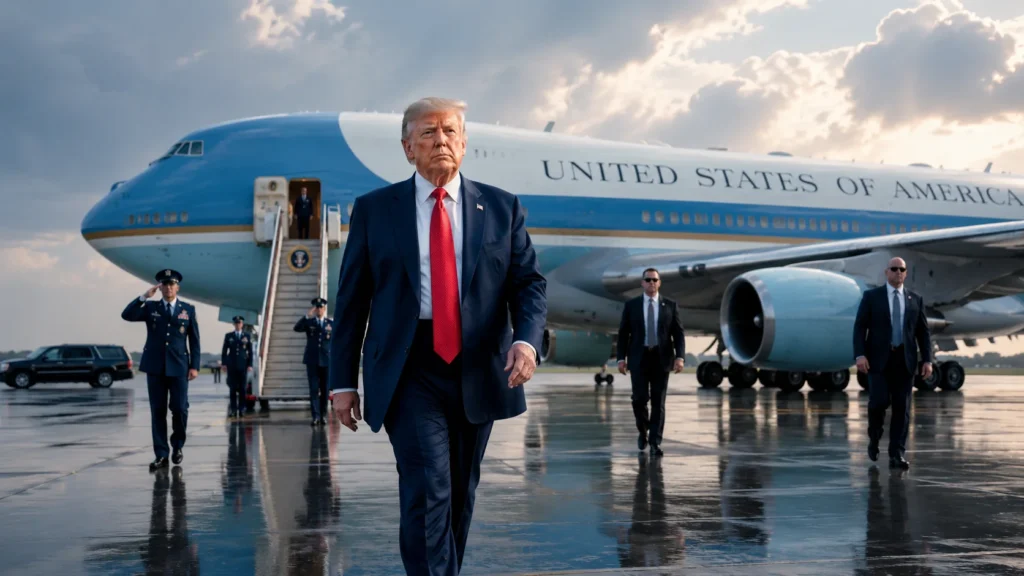
Trump entered Beijing seeking stability across several fronts at once: oil markets, trade flows, inflation pressure, and semiconductor restrictions. Xi Jinping entered the meetings with a stronger industrial base than China held during Trump’s first visit in 2017.
That difference matters.
After the first US-China trade war, Beijing accelerated domestic investment into electric vehicles, robotics, rare earth processing, and AI infrastructure. According to International Energy Agency report on critical minerals, China now controls a dominant share of global rare earth refining capacity, giving Beijing major influence over clean-energy and defense supply chains.
As previous analysis of China’s rare earth dominance showed earlier this year, Washington underestimated how quickly China could reduce reliance on Western technology ecosystems.
Now the pressure cuts both ways.
Why Iran changed the strategic equation
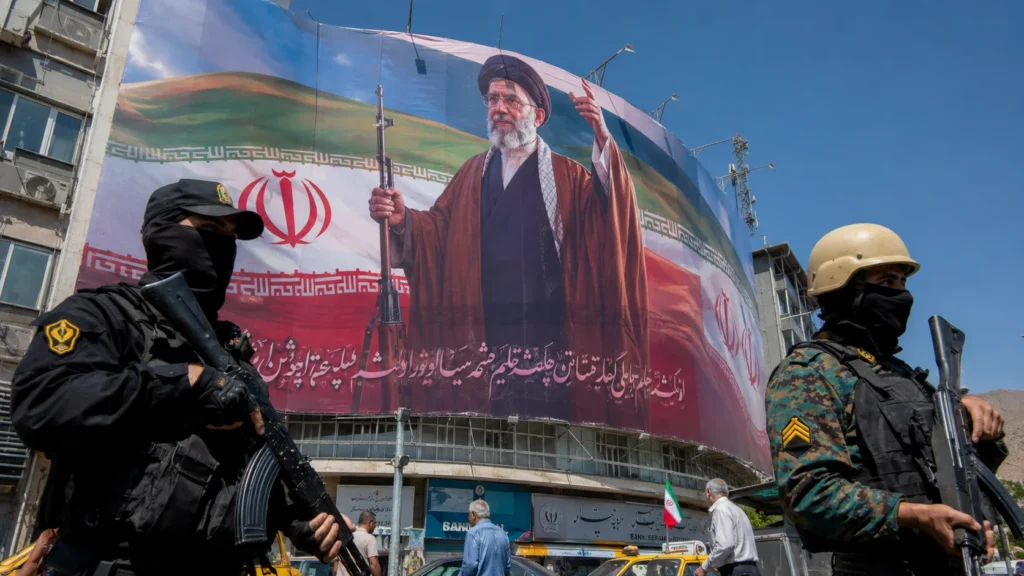
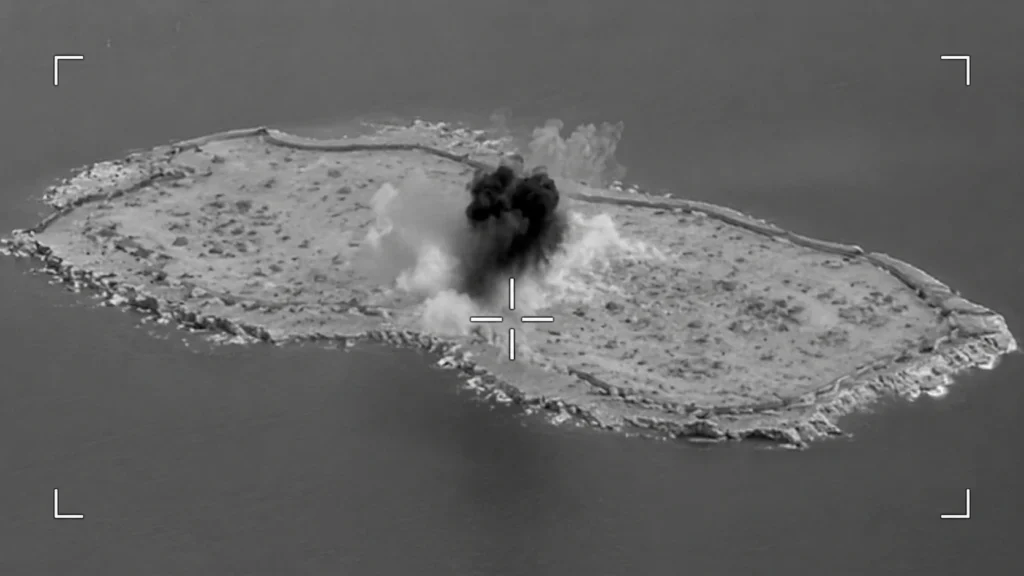
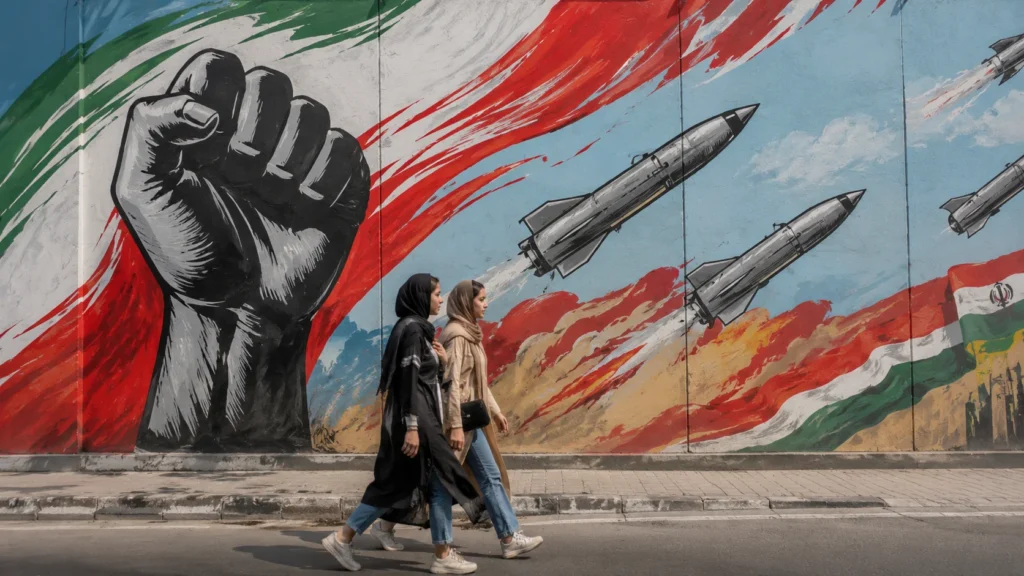
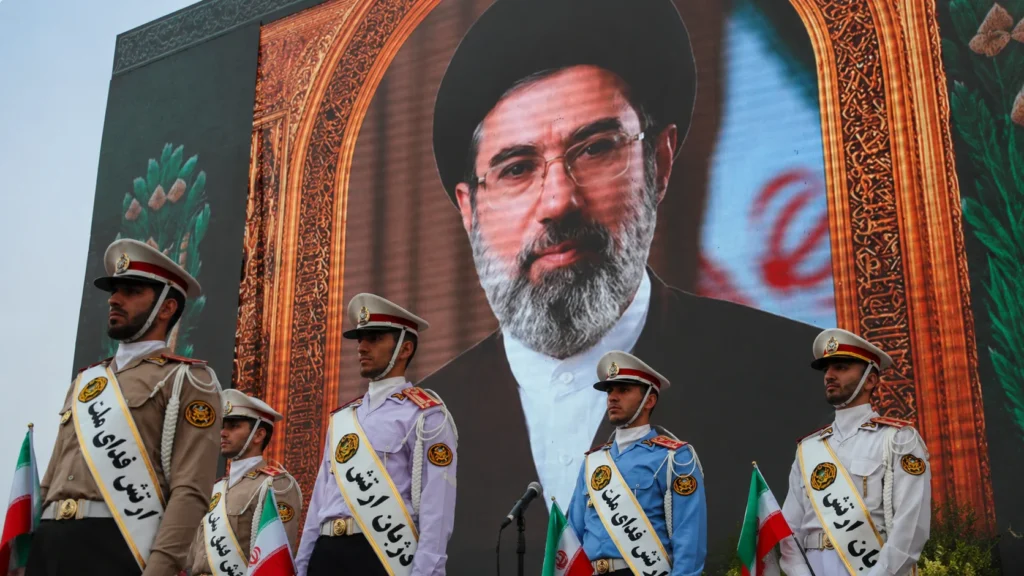
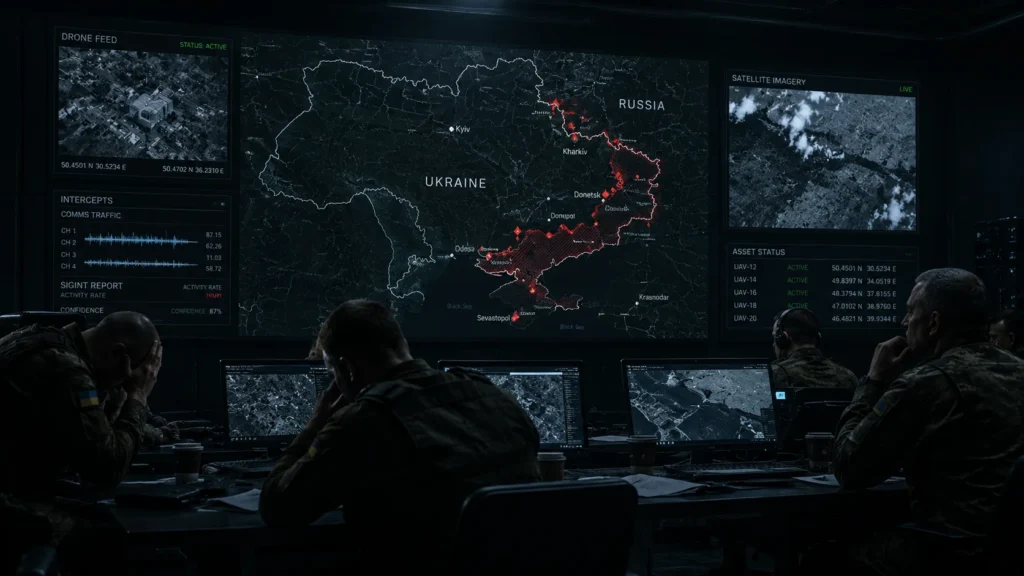
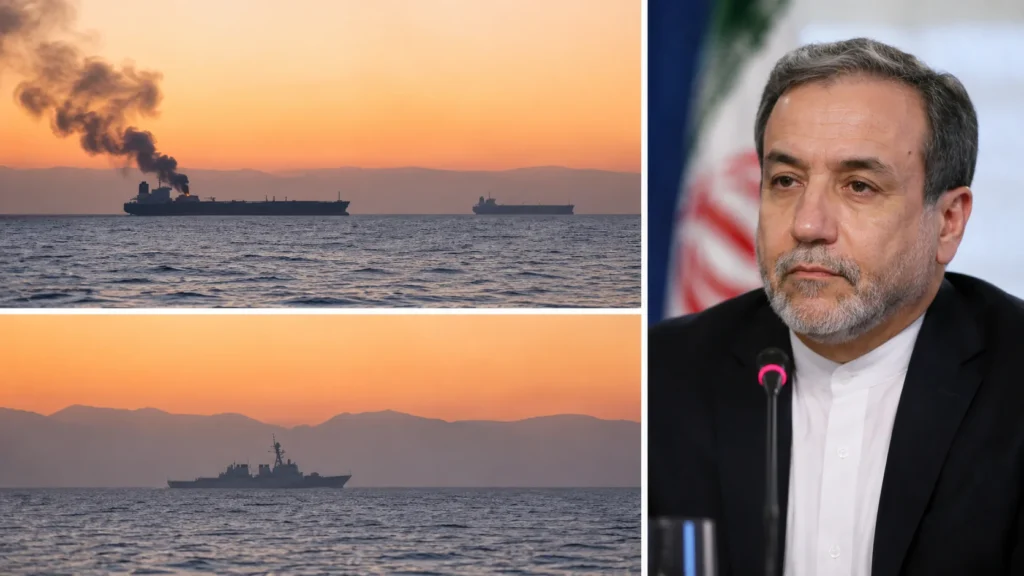
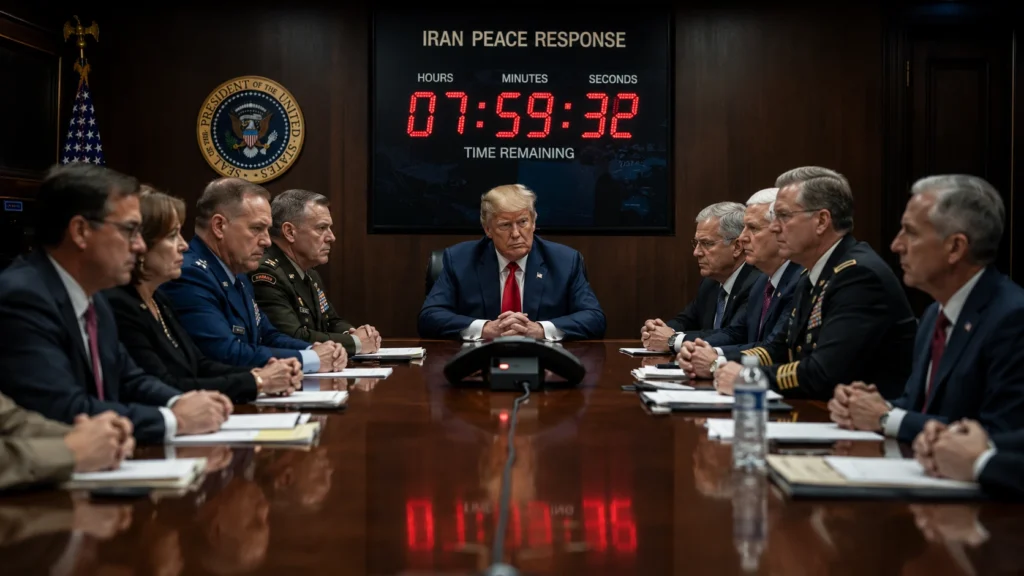
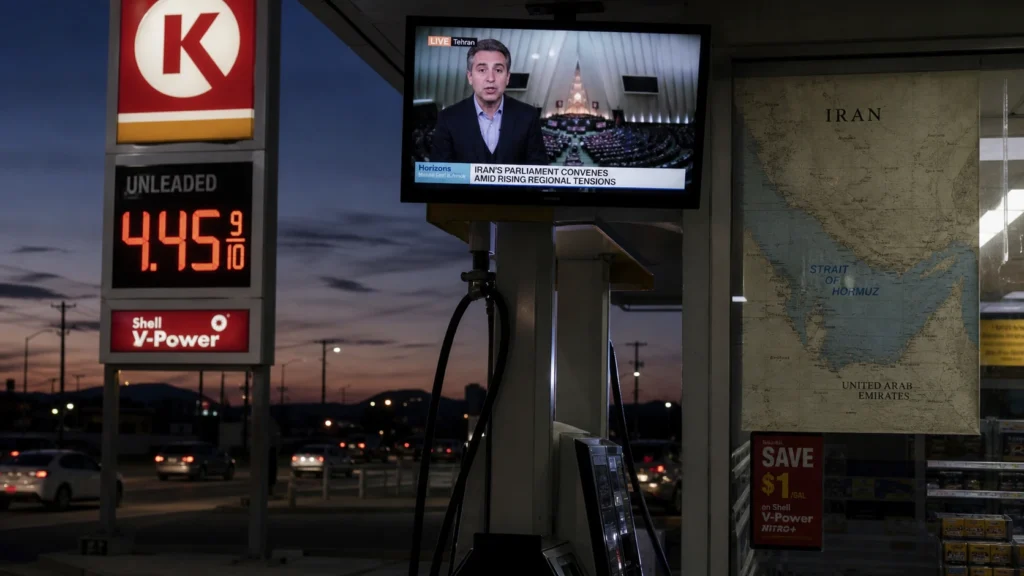
The Iran conflict transformed what might have remained a trade-focused summit into a broader negotiation over global stability.
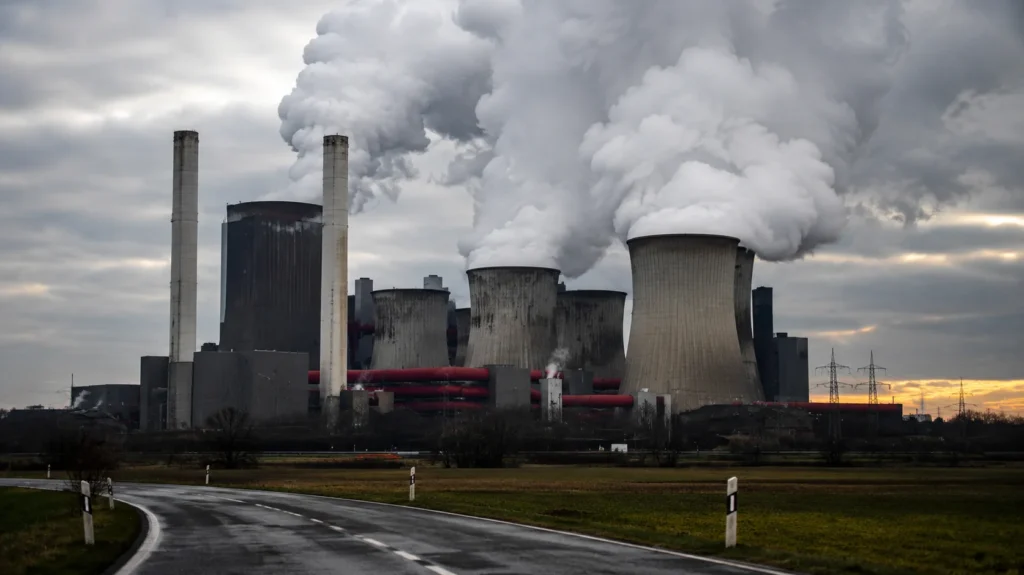
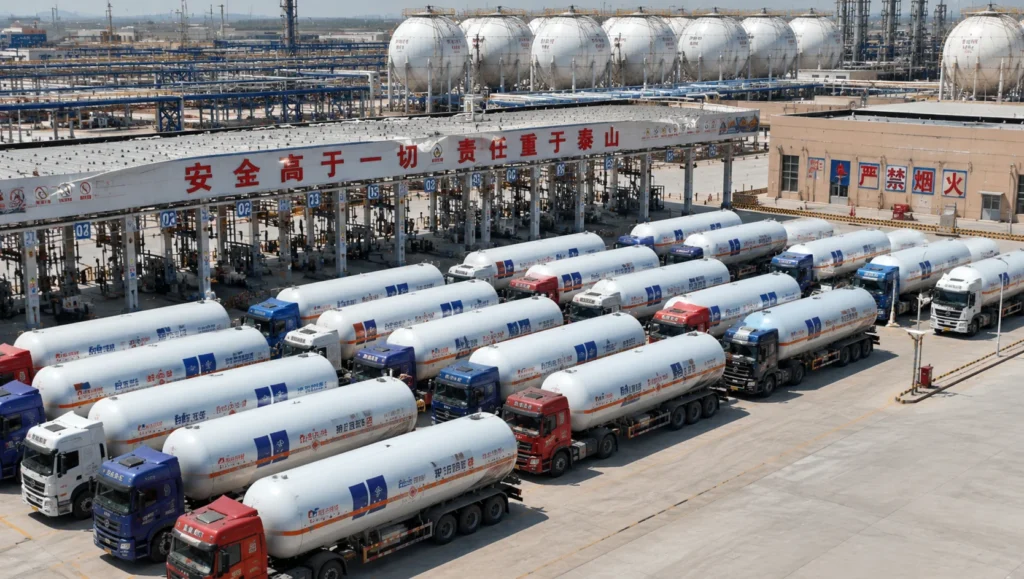
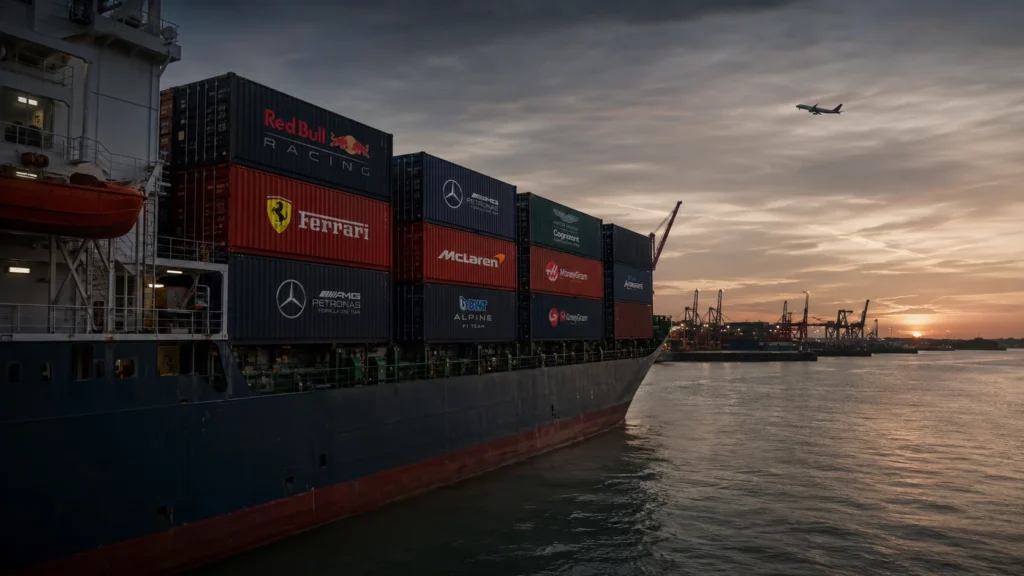
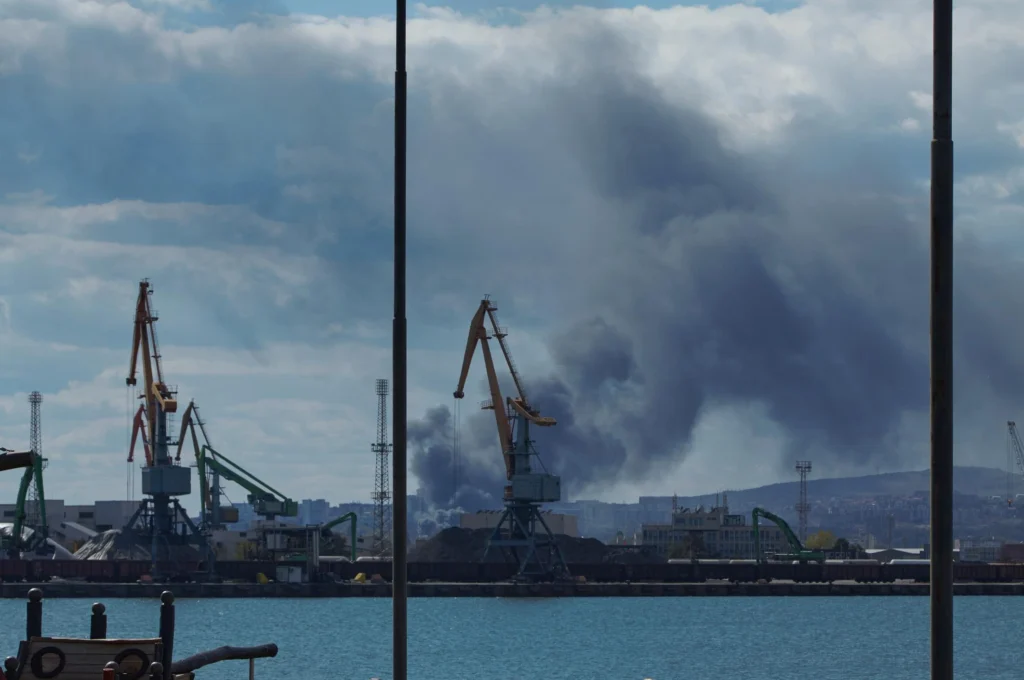
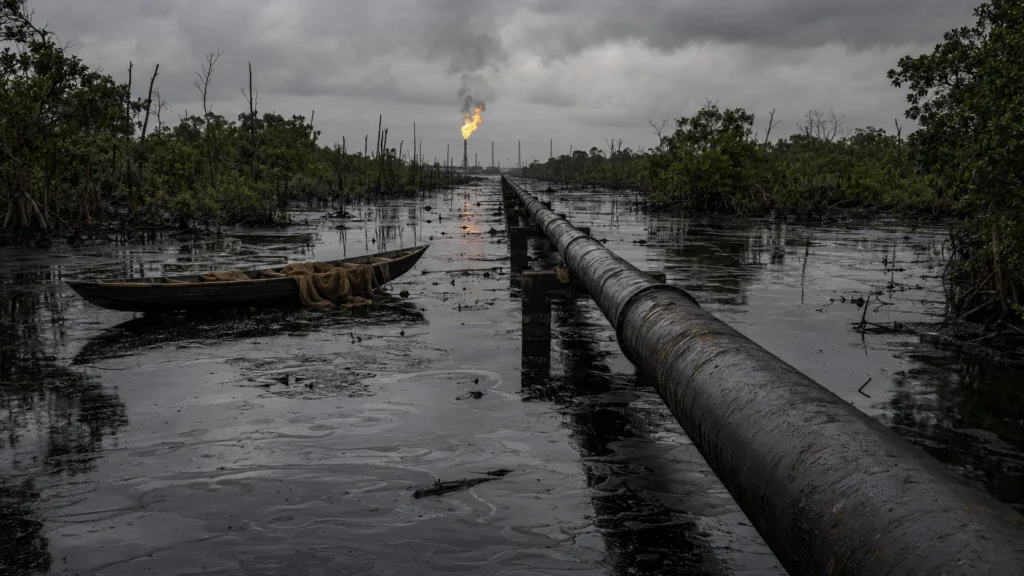
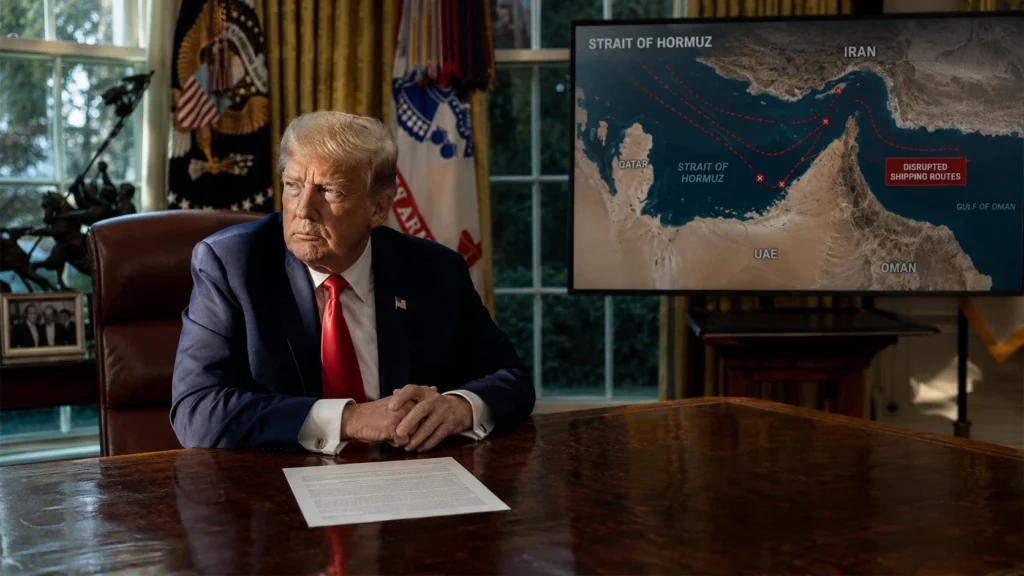
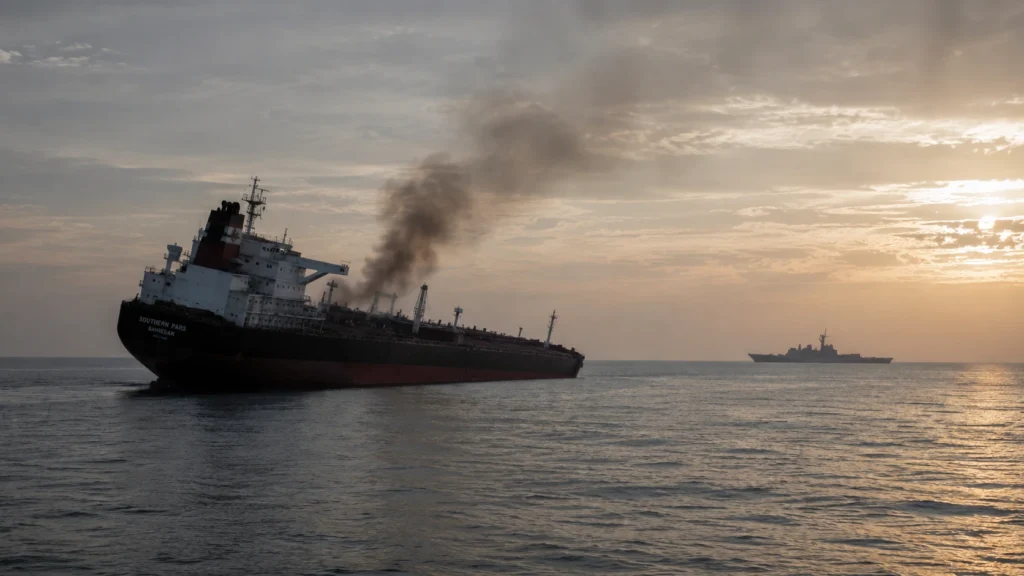
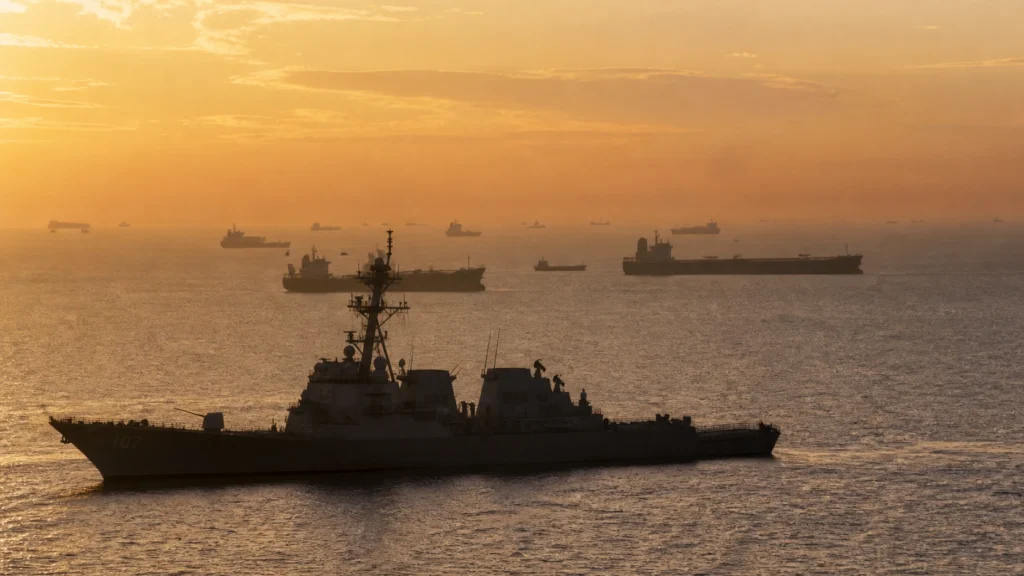
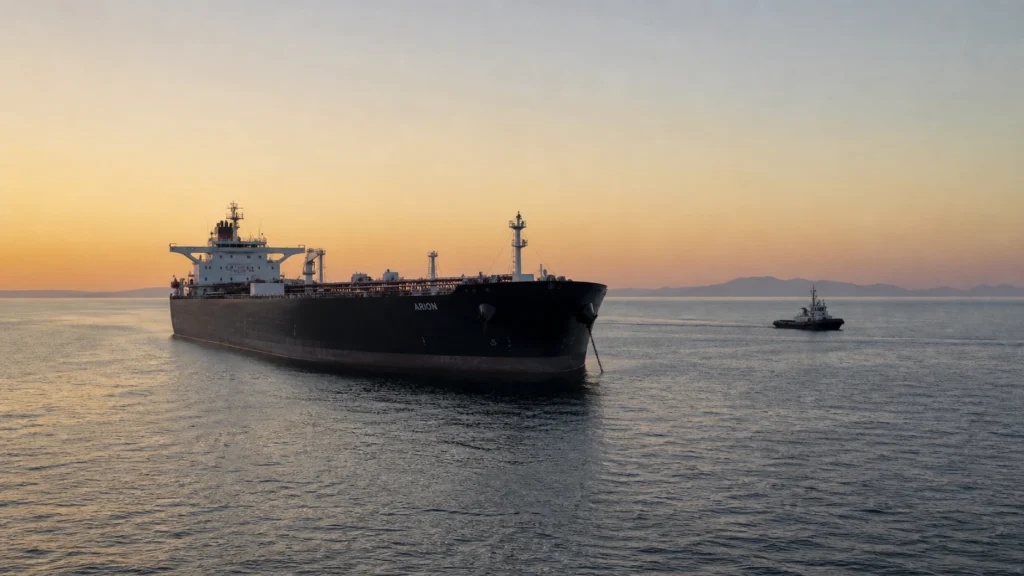
China imports large volumes of Iranian oil through networks tied closely to Gulf shipping routes. The Strait of Hormuz handles nearly 20% of global petroleum liquids consumption, according to US Energy Information Administration Strait of Hormuz data. Any disruption threatens manufacturing costs, inflation levels, and shipping prices worldwide.
Trump wants Beijing to help pressure Tehran toward restraint because prolonged instability raises political risks at home through higher fuel and consumer prices.
Xi sees opportunity in that urgency.
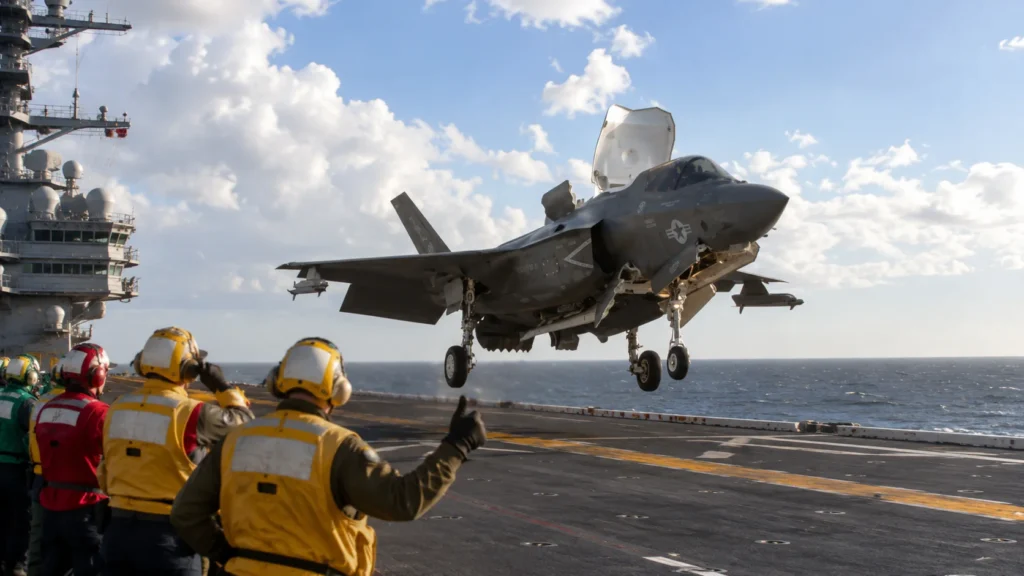
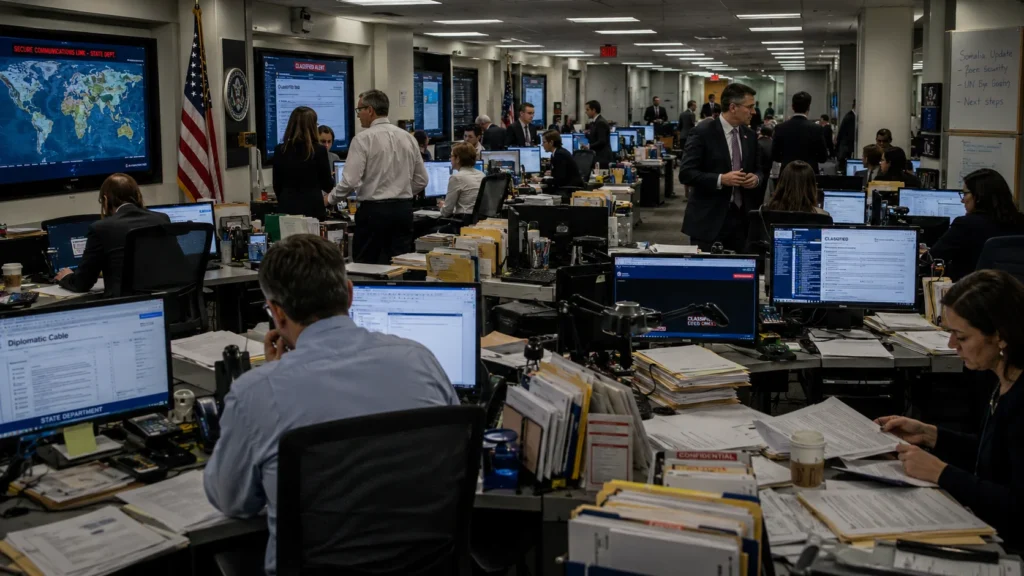
Chinese officials increasingly understand that Washington needs economic calm while military commitments stretch across multiple regions. That realization strengthens Beijing’s negotiating position on issues like export controls and Taiwan.
Short sentence. Big fallout.
Technology and Taiwan now operate inside the same system.
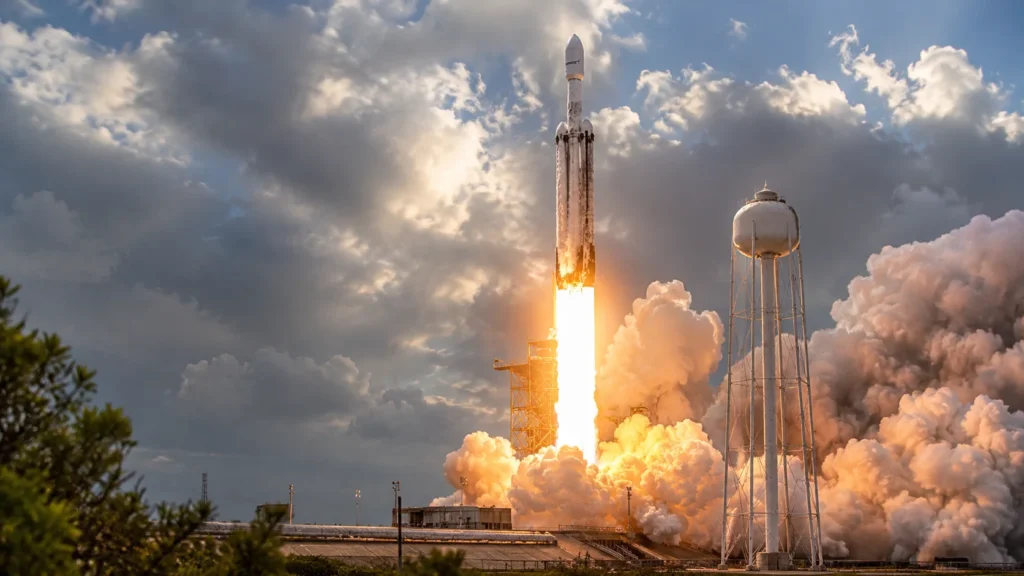
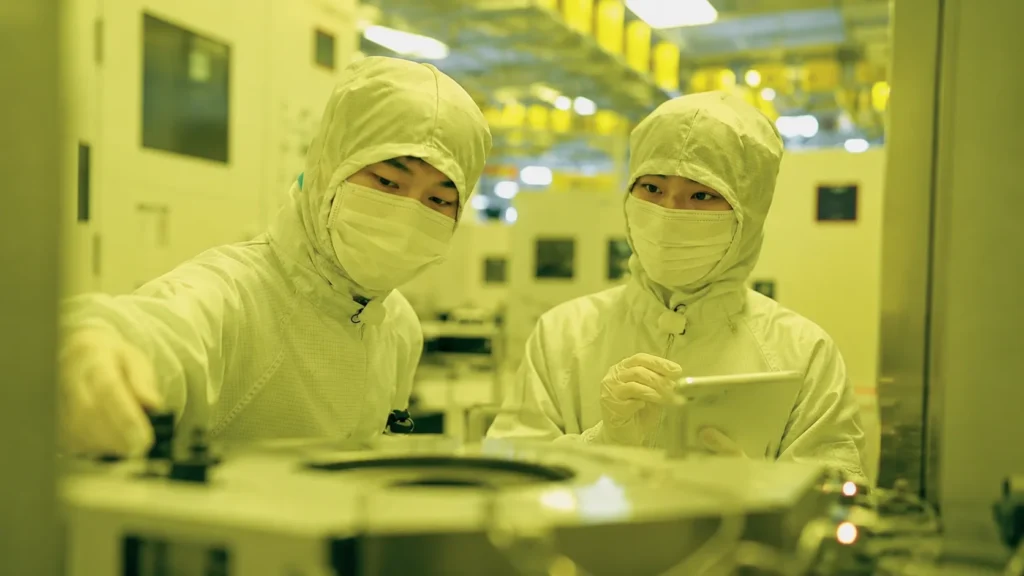
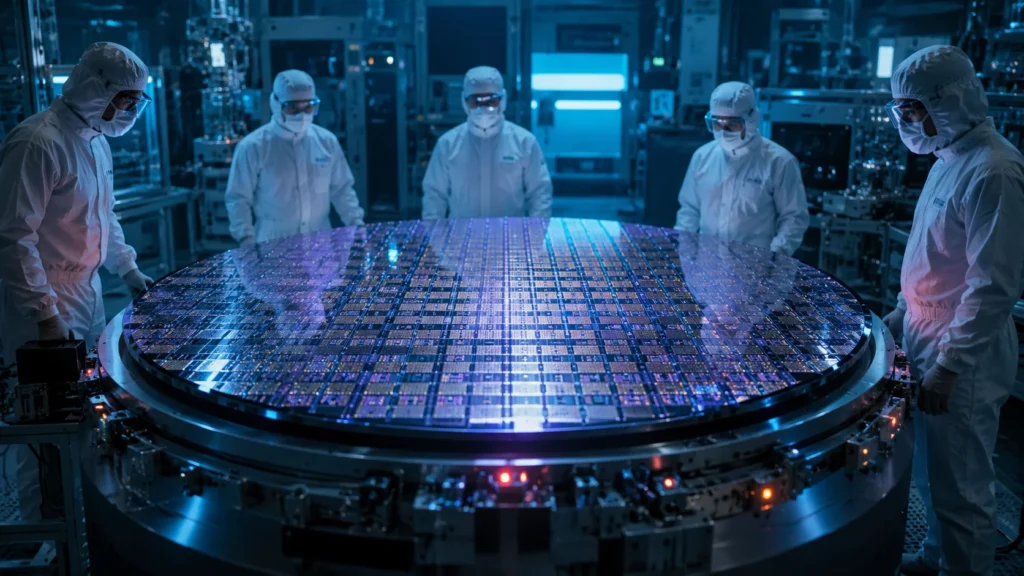
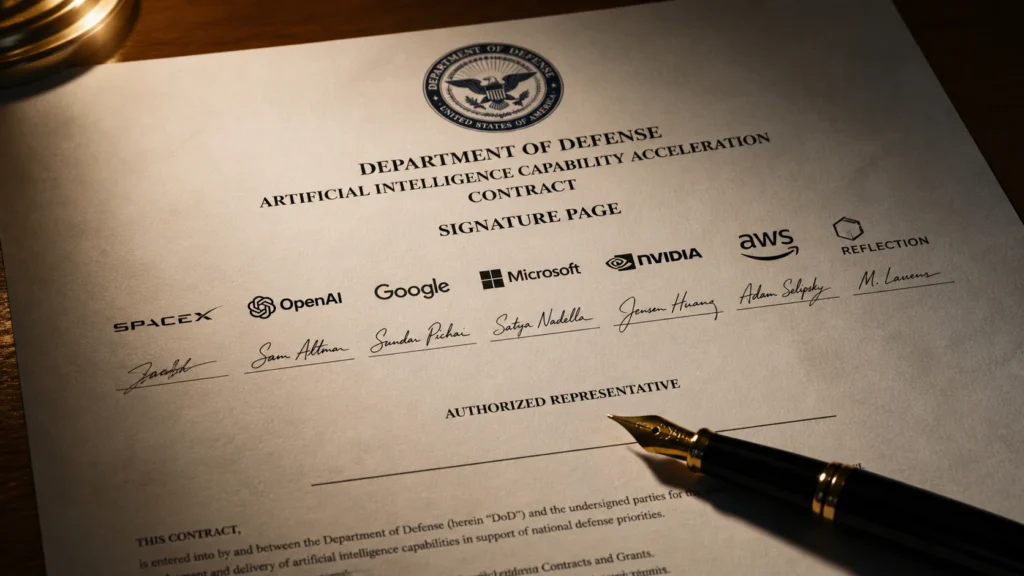
The summit also highlighted how semiconductor policy evolved into a national security doctrine.
Washington still restricts advanced chip exports to China after the Biden and Trump administrations expanded controls beginning in October 2022. Beijing responded by accelerating domestic AI and chip development while tightening leverage over critical minerals.
That strategy worked better than many Western officials expected.
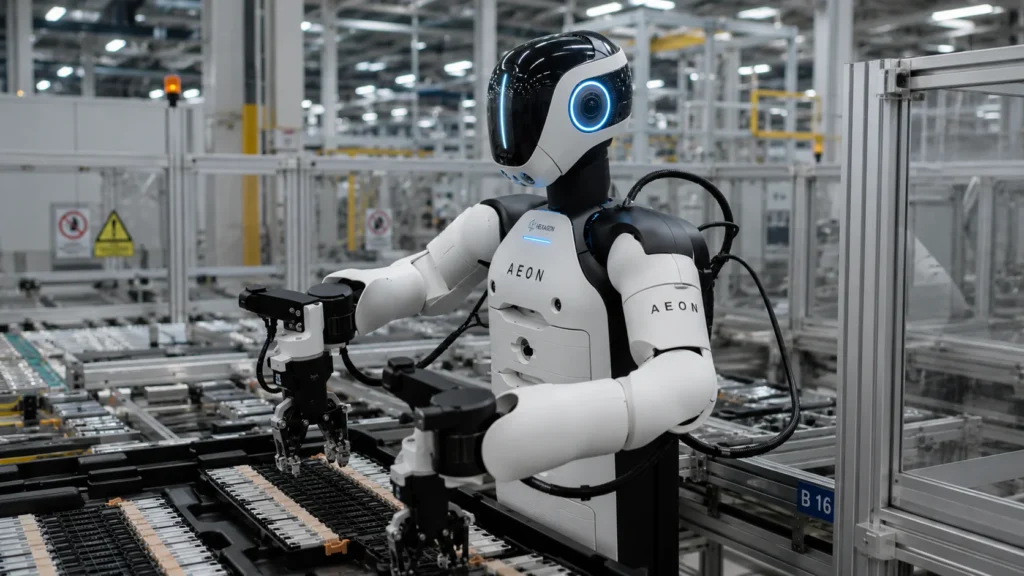
According to Reuters report on China semiconductor investment, China increased state-backed investment into domestic semiconductor manufacturing throughout 2024 and 2025 despite US restrictions. Chinese electric vehicle makers and robotics firms also expanded aggressively into overseas markets during the same period.
Then there’s Taiwan.
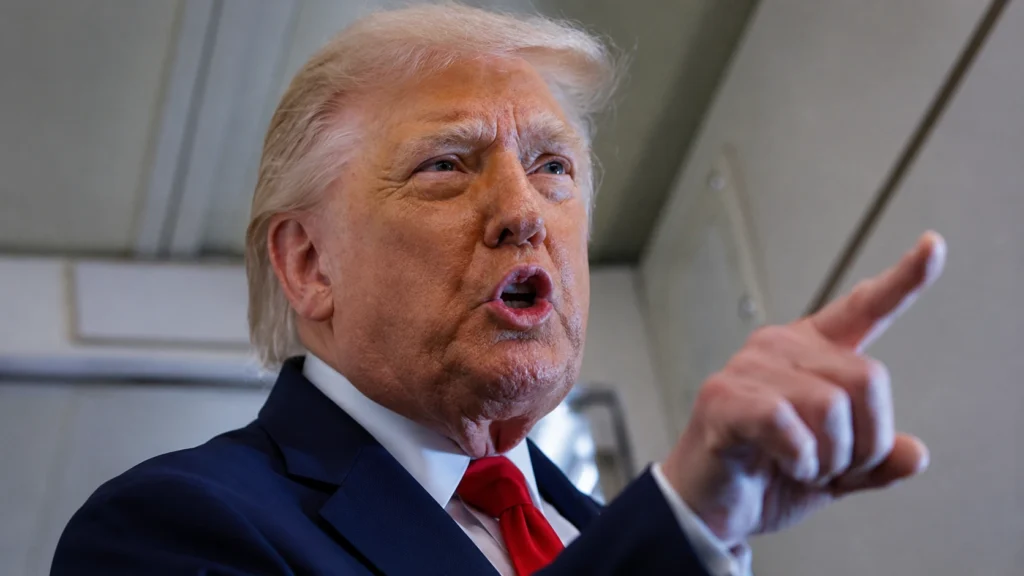
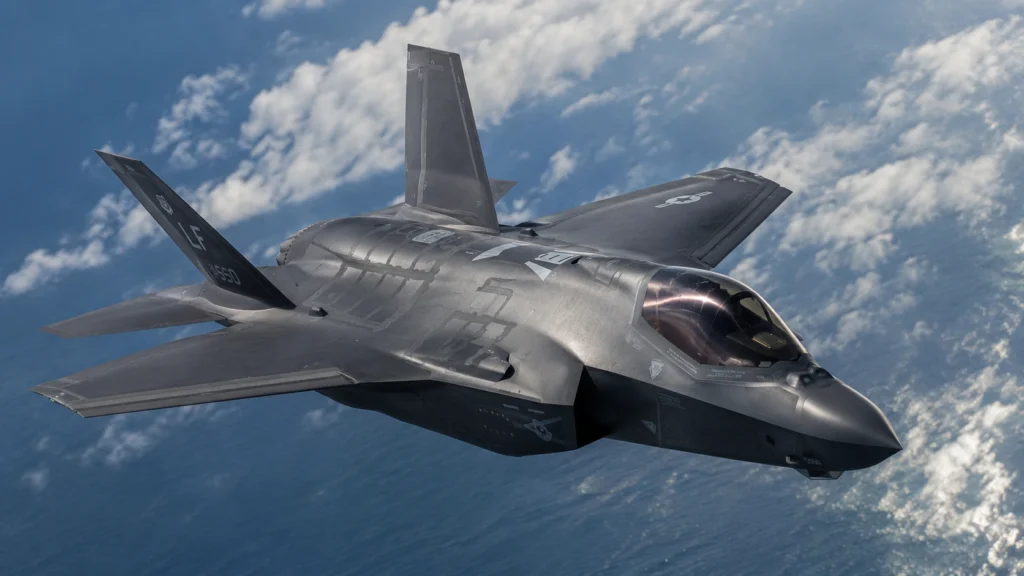
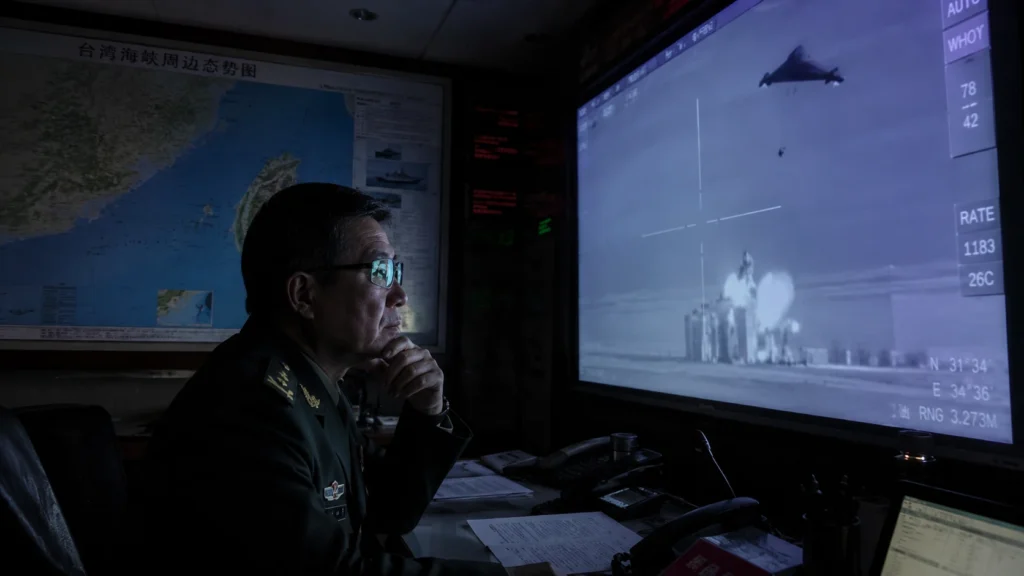
Trump acknowledged Xi would likely raise US arms support for Taipei during the summit. China increasingly links Taiwan policy with broader economic negotiations because Beijing understands the West fears simultaneous military and economic disruption across Asia-Pacific trade routes.
That creates a dangerous overlap.
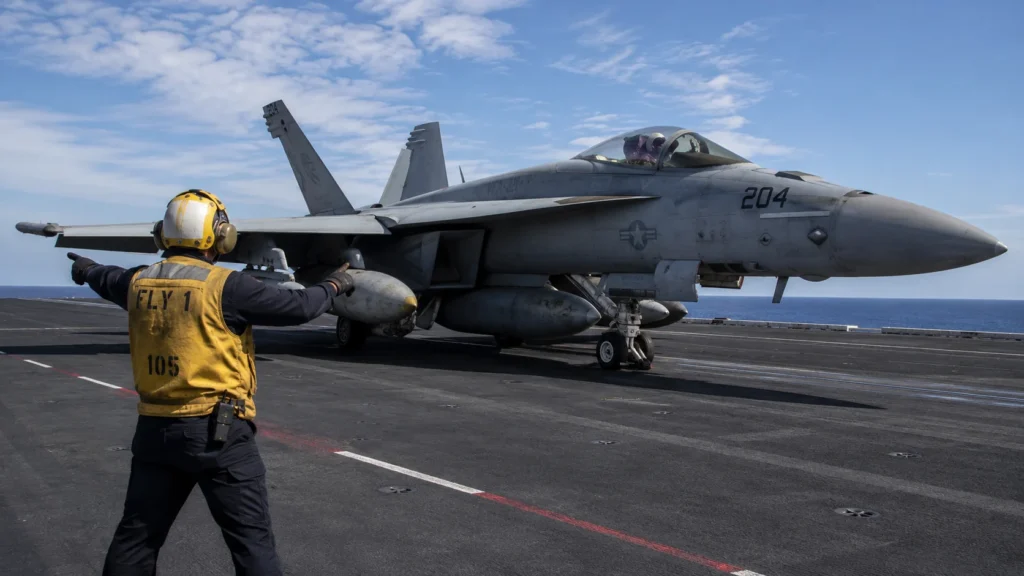
Semiconductor supply chains, shipping lanes, military deterrence, and inflation now move together. One disruption pressures all four systems at once.
What global markets should watch next?
Three indicators now matter more than diplomatic statements.
First, semiconductor restrictions. If Washington eases selected export controls after the summit, investors will interpret that as recognition that full technological containment carries high economic costs.
Second, shipping data through the Strait of Hormuz. Rising insurance premiums or route changes would signal growing energy market stress tied to the Iran conflict.
Third, corporate behavior.
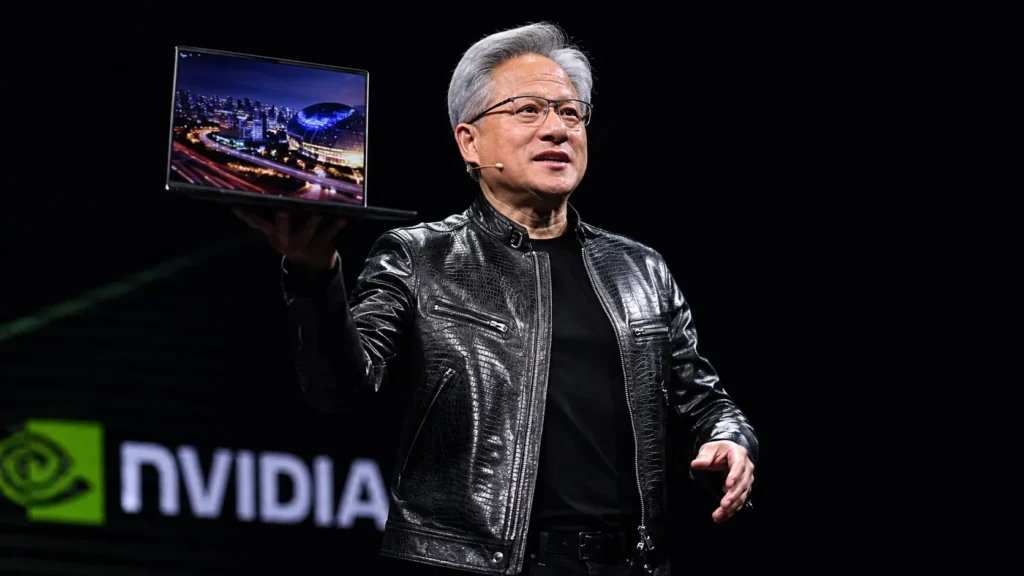
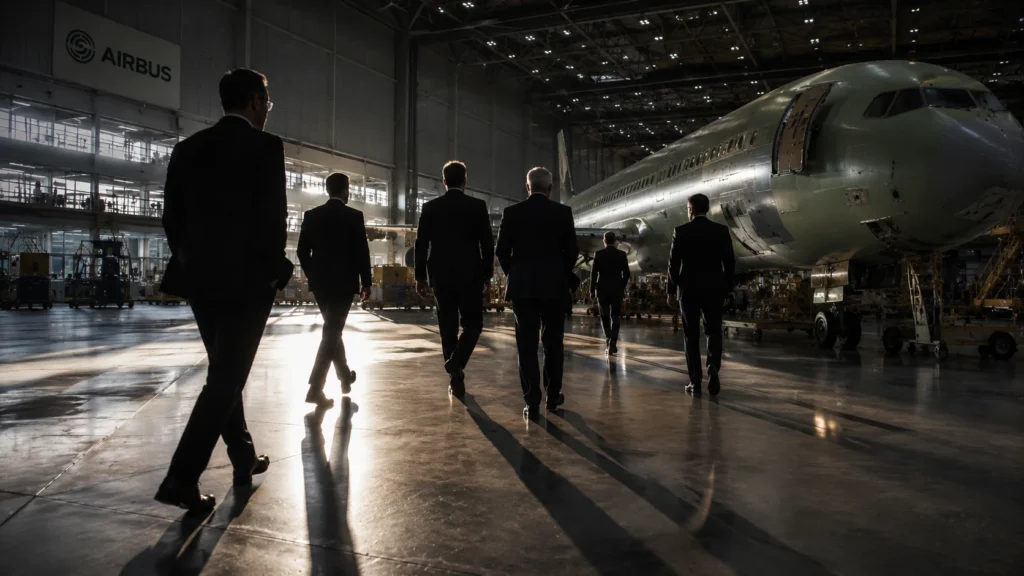
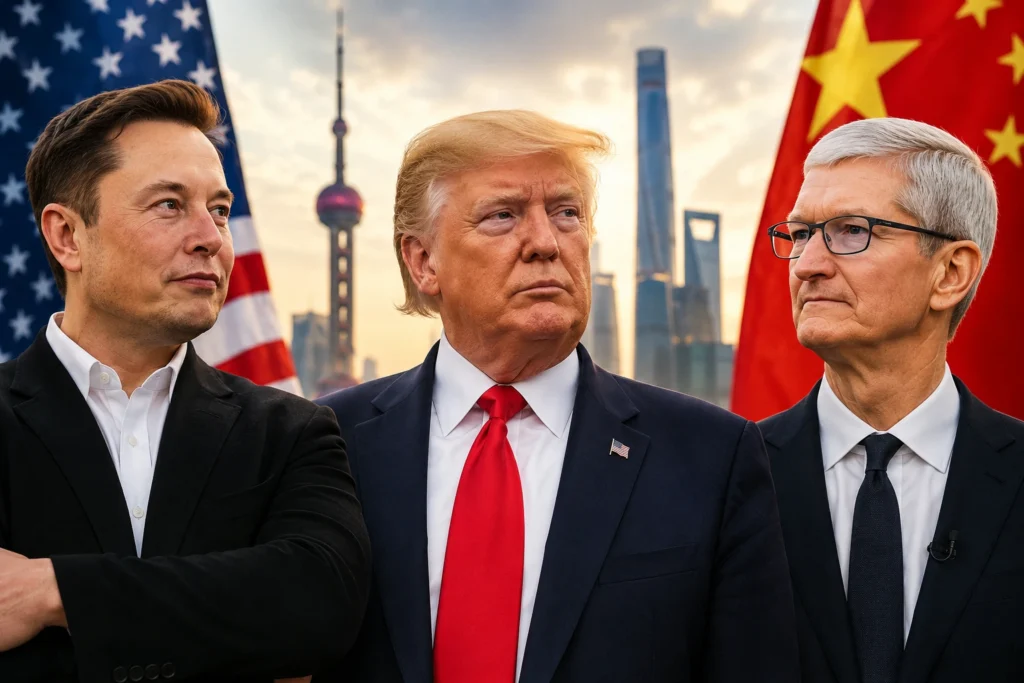
Executives from Apple, Tesla, Boeing, and BlackRock joined Trump’s delegation because multinational firms now operate directly in geopolitical competition. As coverage of Apple and Tesla supply-chain diversification noted previously, companies continue shifting portions of manufacturing toward India and Southeast Asia, but none of them can replace China’s industrial scale quickly.
Not even close.
The bigger shift sits beneath the headlines.
This summit revealed something larger than a temporary diplomatic standoff.
Economic interdependence no longer guarantees stability between major powers. It now creates pressure points inside the conflict itself. Governments use supply chains, chips, energy routes, and industrial policy as strategic tools while still relying on the same interconnected global economy they are trying to reshape.
That contradiction defines the Trump-Xi relationship now.
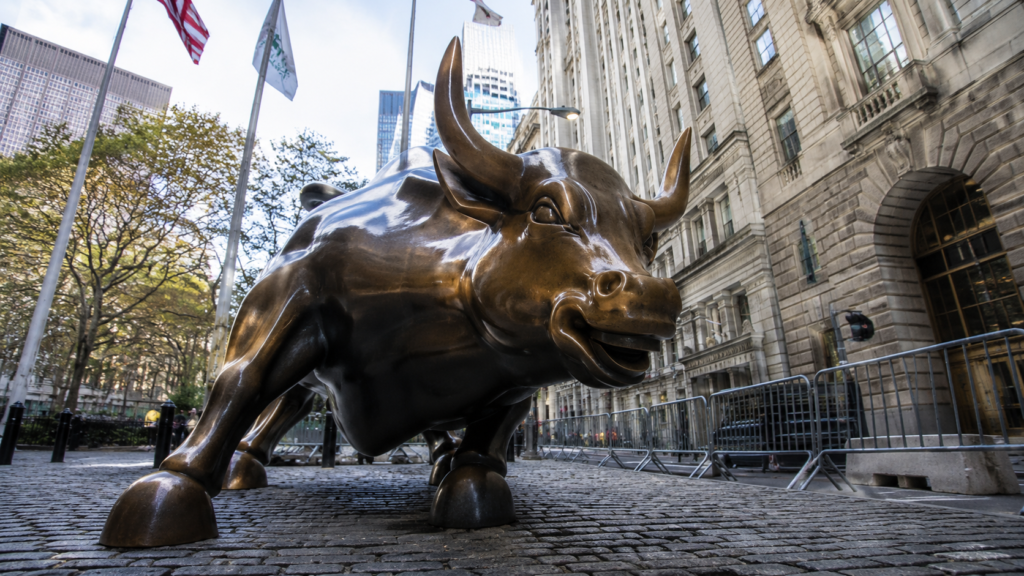
And markets know it.
FAQ
Why does the Trump-Xi summit matter globally?
The summit connects trade, energy security, Taiwan tensions, and AI competition into one negotiation affecting global markets and supply chains.
How does Iran influence US-China relations?
China relies heavily on Iranian oil imports, while the US wants Beijing to pressure Tehran toward regional stability to protect energy markets.
Why are semiconductor restrictions important?
Advanced chips power AI systems, military technologies, and industrial infrastructure. Both Washington and Beijing treat semiconductor policy as a national security strategy.
What role does Taiwan play in these talks?
Taiwan sits at the center of regional security and global semiconductor production, making it critical to both military and economic stability.
Could US-China tensions affect ordinary consumers?
Yes. Shipping disruptions, export controls, and energy instability can increase fuel costs, consumer prices, and supply-chain expenses worldwide.
Author Bio:
Written by a senior geopolitical and global markets analyst covering US-China relations, trade systems, and strategic supply chains for more than 10 years.