

 English


































































































































































































































































































































KKR Raises $10 Billion for AI Infrastructure Firm Led by Former Amazon Cloud Chief

Private equity firm KKR & Co. has raised over $10 billion to launch Helix Digital Infrastructure, a company that will design, construct, own, and run data centers, power facilities, and connectivity systems for artificial intelligence workloads, according to sources familiar with the matter. The company will be helmed by a former senior executive from Amazon Web Services, positioning it to serve major cloud providers known as hyperscalers.
What Helix Digital Infrastructure Plans to Build
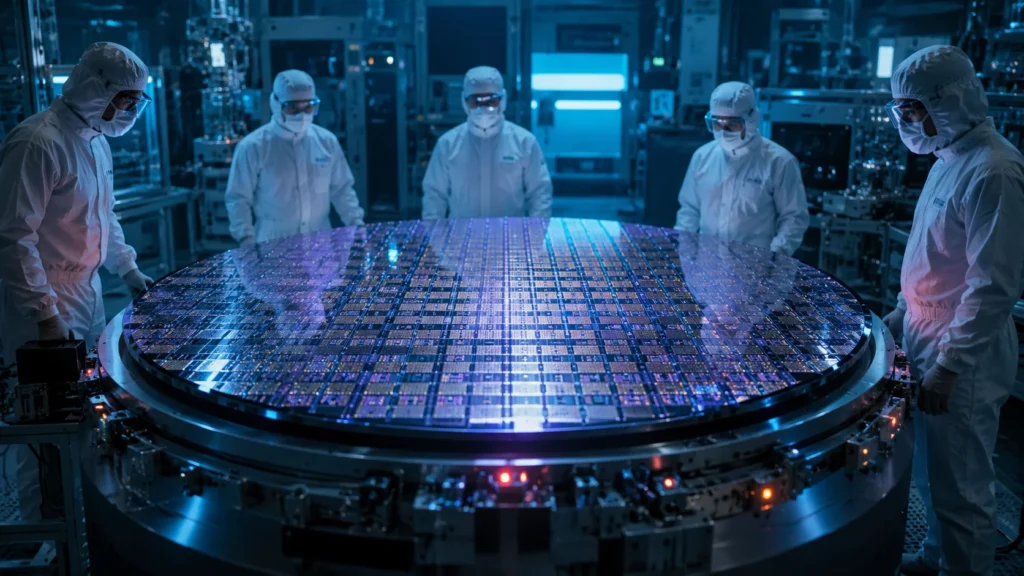
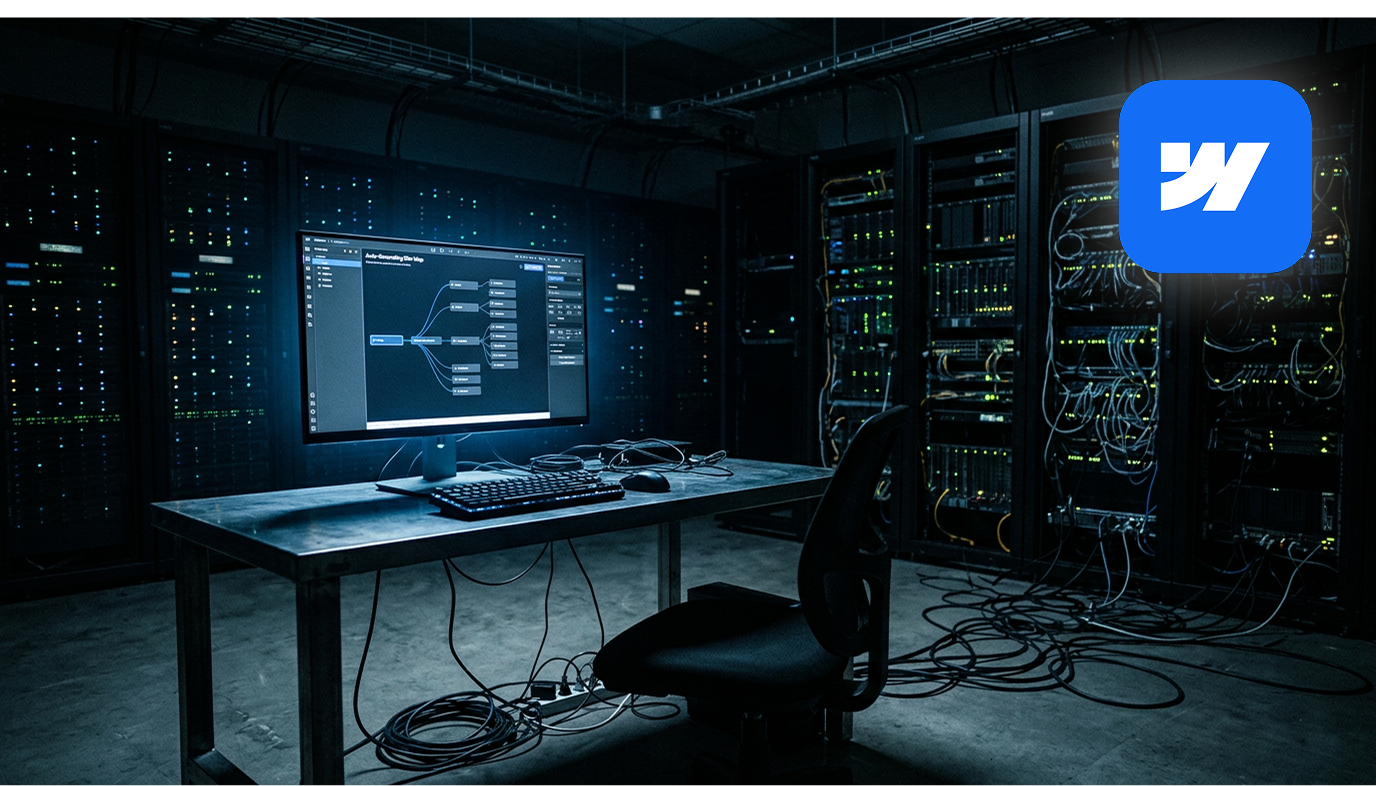
Helix Digital Infrastructure aims to develop and operate the physical layer required for AI computing data centers, power generation facilities, transmission lines, and fiber connectivity, and lease that capacity to major cloud providers, including Amazon, Microsoft, and Google.
The mandate does not include developing AI models, applications, or software platforms. The company will focus exclusively on the infrastructure substrate: the concrete, copper, and kilowatts that power machine learning workloads. KKR’s $10 billion commitment represents the initial capital deployment, with additional investment expected as projects move through development phases.
The appointment of a former Amazon Web Services cloud executive as chief executive signals KKR’s intention to leverage deep industry knowledge of hyperscaler requirements, pricing structures, and infrastructure constraints. The hire provides Helix with insight into the procurement and capacity planning decisions. For the past decade, major cloud providers have maintained vertical integration across the AI stack.ity
For the past decade, major cloud providers have maintained vertical integration across the AI stack. They built data centers, laid fiber, designed custom chips, trained models, and delivered applications. This integration created competitive moats and captured value at every layer.
The launch of Helix signals a structural unbundling of that stack. Independent infrastructure providers can now raise sufficient capital to compete with hyperscaler-owned facilities. The physical layer, requiring land acquisition, permitting, power purchase agreements, and multi-year construction timelines, represents the most capital-intensive and hardest-to-replicate portion of the AI value chain.
KKR’s investment thesis rests on a supply-demand imbalance. Hyperscalers have committed hundreds of billions of dollars to AI capital expenditure but face growing constraints in power availability, land access, and construction capacity. A well-capitalized infrastructure provider with industry-specific expertise can absorb those constraints and lease capacity back to the companies that need it.
How the AI Stack Is Splitting into Separate Layers
The Helix model represents a broader restructuring of the AI technology stack into distinct layers: physical infrastructure, cloud platform, AI model, and application.
If the model succeeds, hyperscalers gain access to capacity they cannot build quickly enough themselves but lose architectural control over their supply chain. Renting critical infrastructure from a private equity-backed competitor creates dependency on a supplier whose return-on-capital mandate may not align with the platform dominance goals of the technology companies.
Smaller AI companies stand to benefit indirectly from the emergence of an infrastructure market not captive to any single cloud provider. Whether this competition reduces costs or simply transfers them to a different set of landlords remains to be determined.
What the Former Amazon Executive Brings to Helix
The decision to install a former AWS cloud chief as CEO provides KKR with competitive intelligence at the leadership level. The executive’s experience negotiating with utility companies, local governments, and fiber providers, and understanding which data center designs optimize for which AI workloads, positions Helix to compete directly with the hyperscalers’ internal infrastructure teams.
The appointment signals to the market that Helix will operate with hyperscaler-grade operational sophistication while deploying private equity-scale capital. KKR’s message to potential customers is that it understands their requirements, their cost structures, and their capacity shortfalls.
What Comes Next for AI Infrastructure Investment
Helix is expected to begin breaking ground on initial projects, though data center construction timelines measured in years mean the first operational capacity is unlikely before 2027 or 2028. The $10 billion commitment signals strategic intent and provides capital for land acquisition, permitting, and early-stage development.
The move is likely to trigger responses from other major private equity firms. If KKR can raise institutional capital at this scale for AI infrastructure, competitors including Apollo, Blackstone, and Brookfield may launch similar vehicles. The asset class AI compute infrastructure now joins toll roads, cell towers, and renewable energy as an institutional investment category.
Hyperscalers are expected to respond through accelerated internal builds, acquisitions of infrastructure platforms, or exclusive capacity agreements with the emerging class of infrastructure providers. The competitive landscape for cloud services is shifting from software and services toward real estate and power access.