

 English








































































































































































































































































































Judge Rules DOGE Humanities Grant Cancellations Unconstitutional
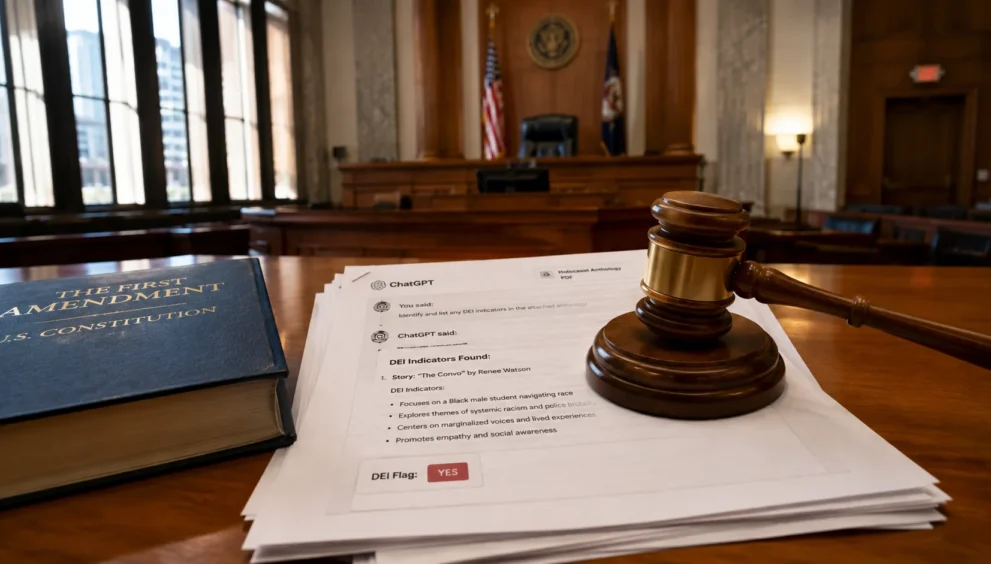
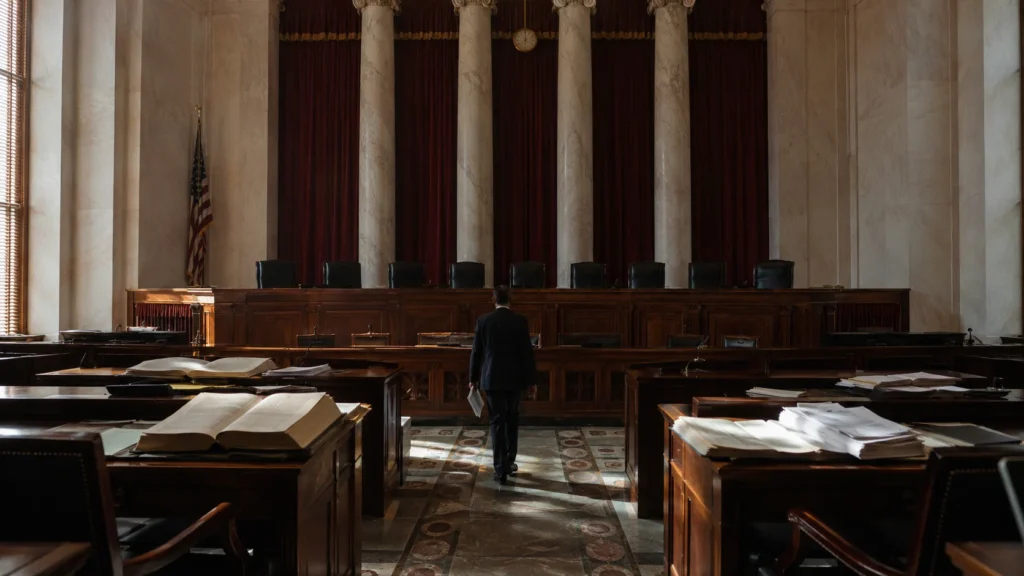
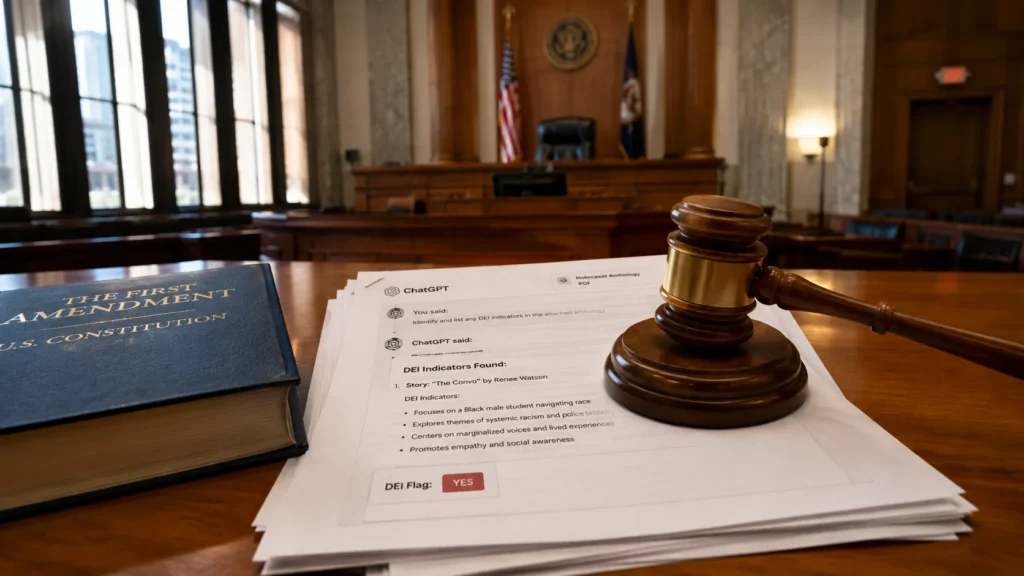
A federal judge ruled DOGE acted unconstitutionally when it cancelled more than $100 million in humanities grants, permanently barring the Department of Government Efficiency from terminating the funding. US District Judge Colleen McMahon in Manhattan ruled Thursday that DOGE had no lawful authority to cancel the grants and that the cancellations violated the First Amendment and the Fifth Amendment’s equal protection guarantee. The decision by the judge rules that DOGE cannot use ChatGPT to identify grants for cancellation and claim that the AI bears responsibility.
How Judge Rules DOGE Overstepped Its Authority
The ruling that a judge ruled DOGE acted unconstitutionally emerged from litigation brought by The Authors Guild, the American Historical Association, the Modern Language Association, and other organizations. McMahon found the grant cancellations constituted “a textbook example of unconstitutional viewpoint discrimination.”
The litigation revealed that DOGE used ChatGPT to identify grants associated with diversity, equity, and inclusion for cancellation. Among the grants the AI flagged as DEI was an anthology titled “In the Shadow of the Holocaust: Short Fiction by Jewish Writers from the Soviet Union.” Government lawyers argued there was no constitutional problem because any viewpoint classification was performed by ChatGPT rather than by government officials.
The decision in which the judge ruled DOGE lacked authority rejected that defense directly. “ChatGPT was the Government’s chosen instrument for purposes of this project, and DOGE’s use of AI to identify DEI-related material neither excuses presumptively unconstitutional conduct nor gives the Government carte blanche to engage in it,” McMahon wrote.
The Cancellation Process That Judge Rules DOGE Must End
The National Endowment for the Humanities sent letters to more than 1,400 grant recipients in April 2025 informing them that their grants were terminated. The acting chairman wrote that the NEH was “repurposing its funding allocations in a new direction in furtherance of the President’s agenda.” The letters did not mention ChatGPT. The AI’s role in the process emerged during discovery.
McMahon listed numerous examples of grants the AI misclassified. The process operated on keyword patterns rather than human judgment. The ruling that the judge ruled DOGE must permanently halt the cancellations affirmed that Congress appropriated the funds, the executive branch lacked authority to cancel them based on viewpoint, and the judiciary restored the constitutional order.
“The public interest favors permanent relief,” McMahon wrote. “The public has a strong interest in ensuring that federal officials act within the bounds set by Congress and the Constitution.”
Reaction After Judge Rules DOGE Unconstitutional
Sarah Weicksel, executive director of the American Historical Association, said the ruling was “an important achievement in our effort to restore the NEH’s ability to fulfill the vital mission with which Congress charged it.”
Yinka Ezekiel Onayemi, an attorney for the Authors Guild, called the grant cancellations “a direct assault on constitutional free speech and equal protection.” He said the decision “reaffirms that Congress’s 60-year-old commitment to the humanities cannot be dismantled by an overreaching executive.”
The White House and Department of Justice did not immediately respond to requests for comment. It was not immediately clear whether the administration planned to appeal the decision in which a judge rules DOGE acted outside its constitutional authority.
What Comes Next
The ruling establishes that the government cannot delegate viewpoint discrimination to artificial intelligence and claim immunity. The decision affirms Congress’s authority over spending and limits executive power to cancel appropriated funds based on disfavored viewpoints. Whether the administration appeals will determine if the precedent stands or faces further judicial scrutiny.