

 English

































































































































































































































































































































US Jet Fuel to Ease War Shortages as Europe Adapts Standards
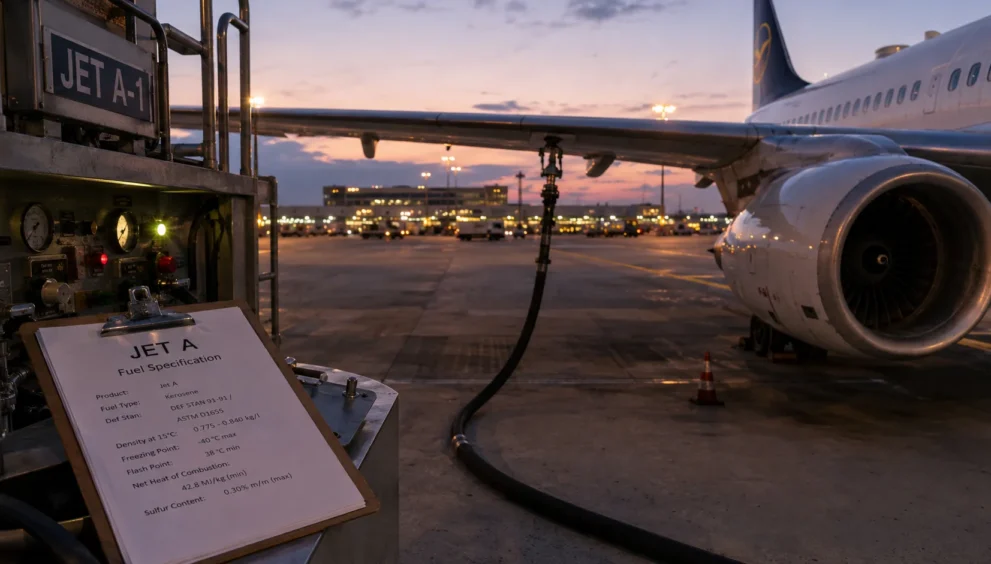
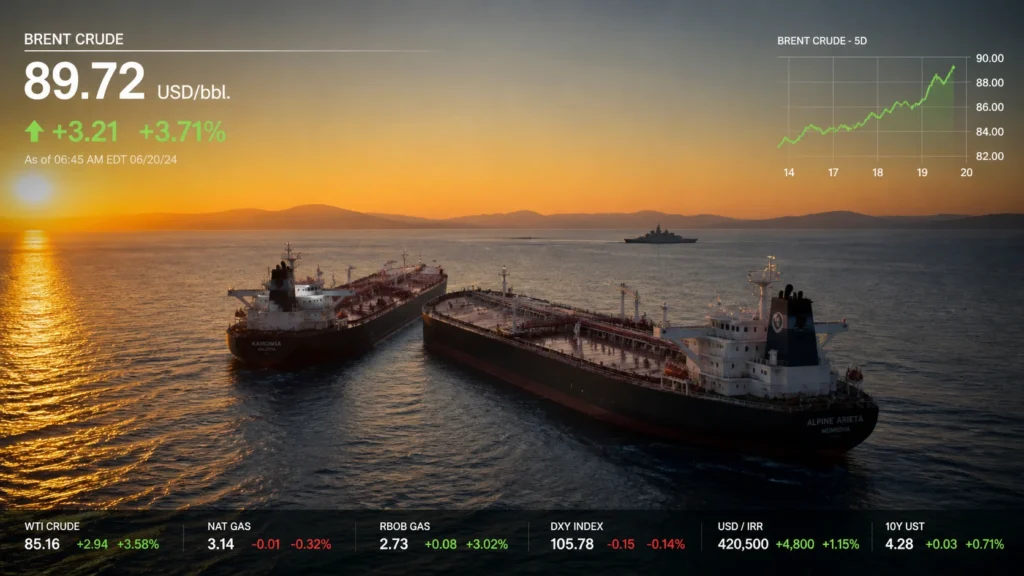
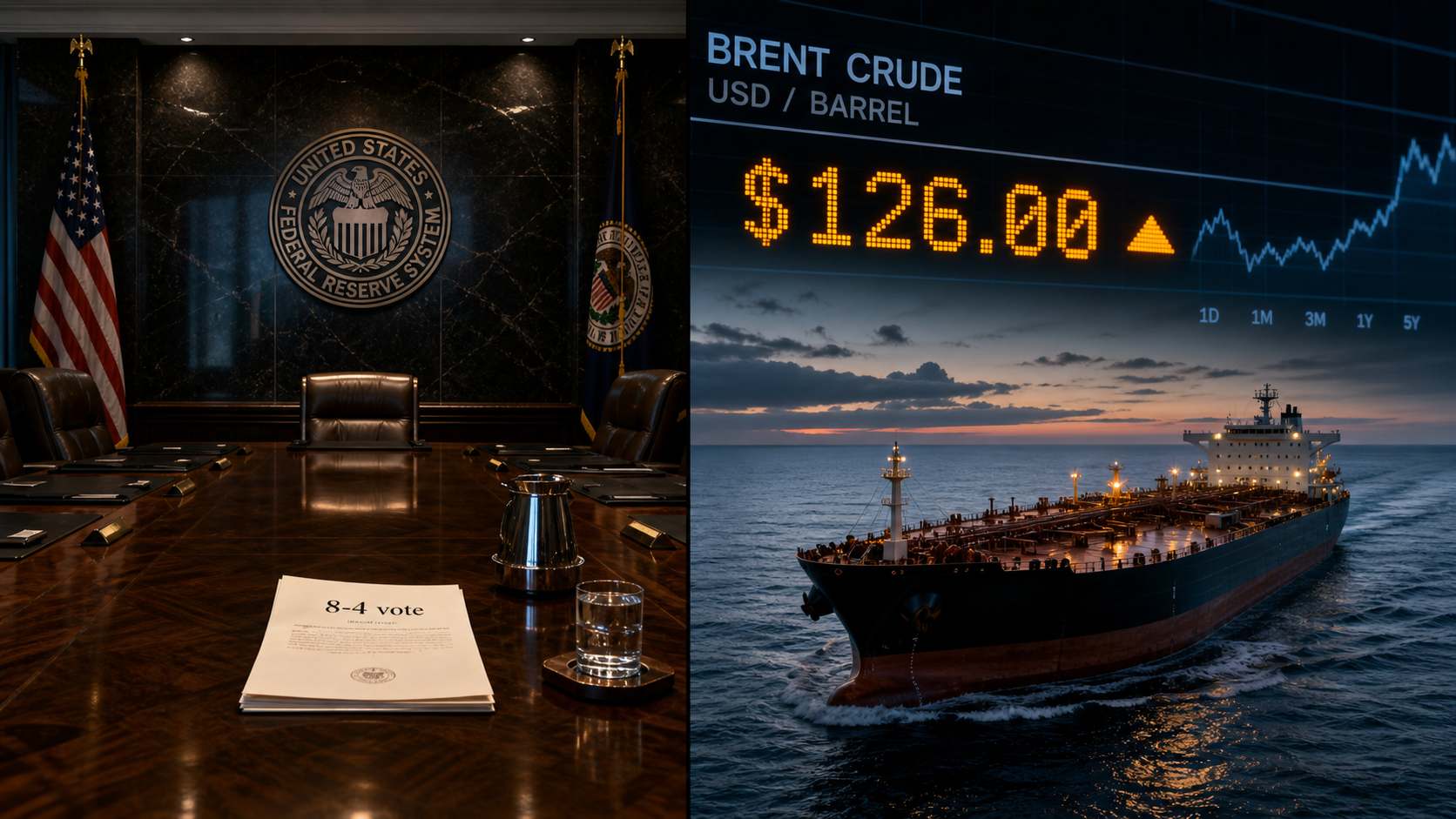
US jet fuel to ease war shortages is the solution proposed by the International Air Transport Association and the European Aviation Safety Agency, as Gulf supplies of Jet A-1 remain disrupted by the Iran conflict. European airlines would begin using US-grade Jet A under new safety guidance issued by EASA this week. The proposal for US jet fuel to ease war shortages comes as Jet A-1 prices have jumped 50% since the war began, and US refineries cannot produce enough of the international standard to meet European demand.
Why is US Jet Fuel Needed to Ease War Shortages
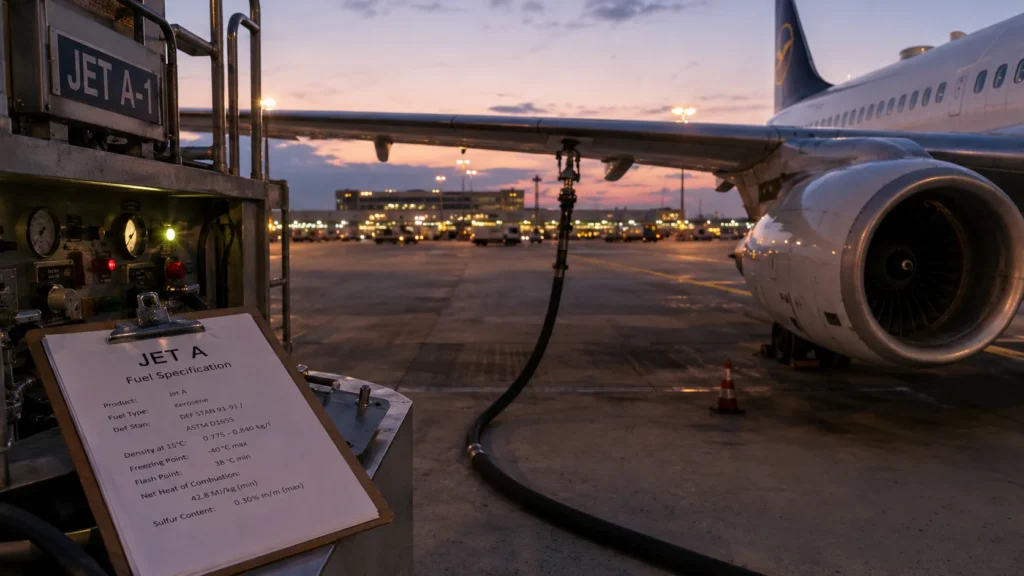
Jet A-1 and Jet A are both kerosene-based fuels. The difference is the freezing point. Jet A-1 freezes at approximately minus 47 degrees Celsius. Jet A freezes at around minus 40 degrees Celsius. The lower freezing point makes Jet A-1 more suitable for long-haul and polar routes.
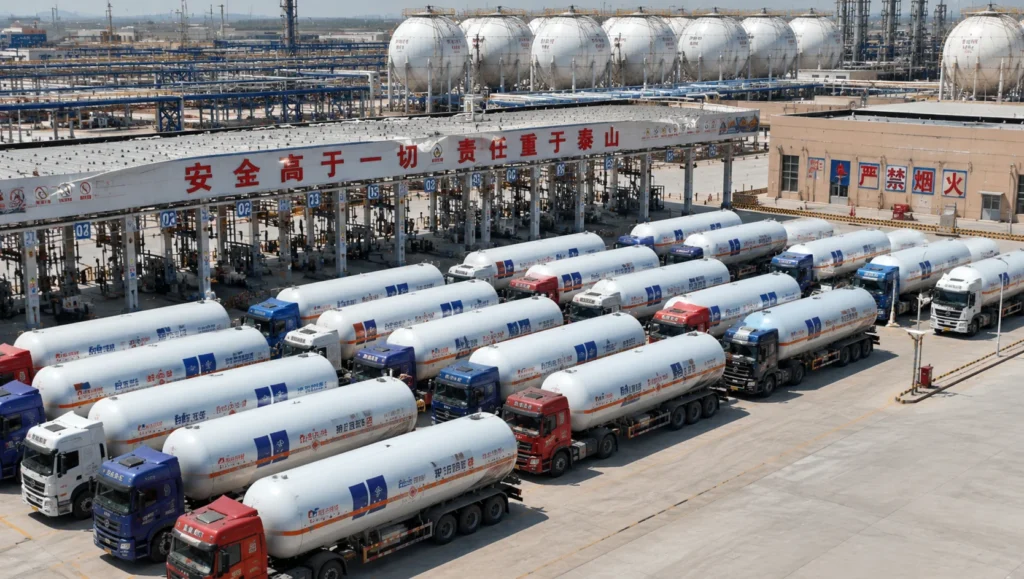
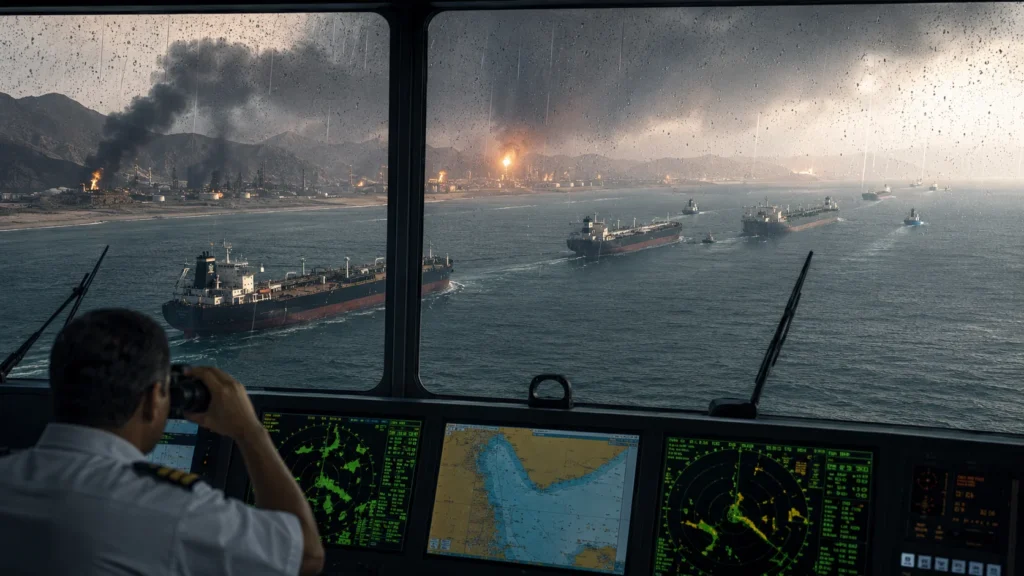
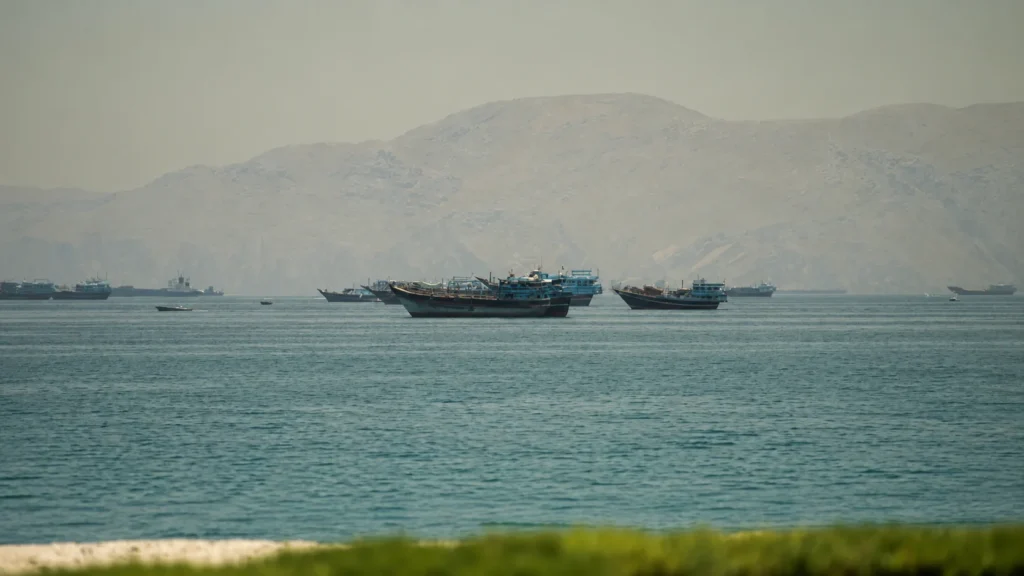
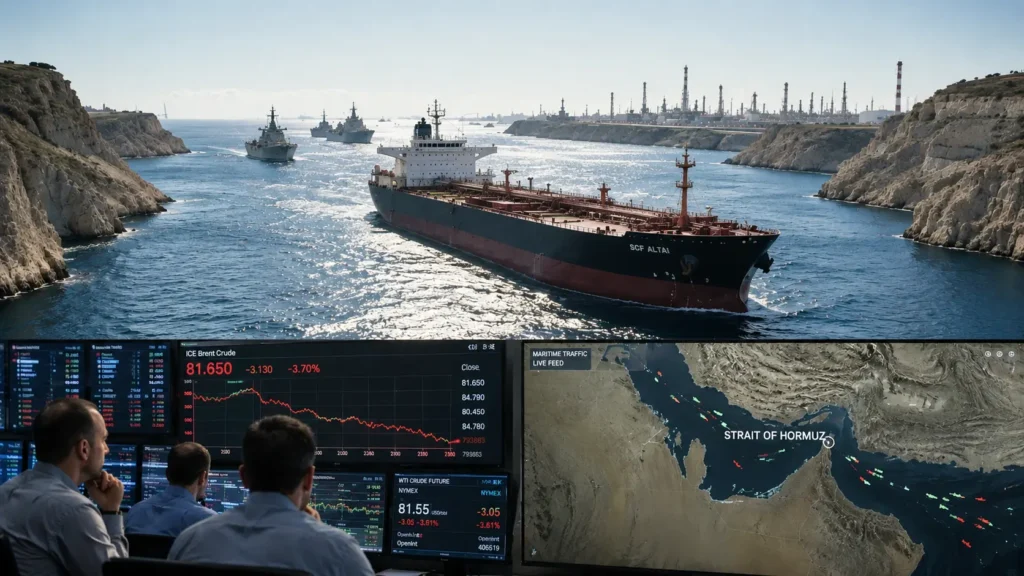
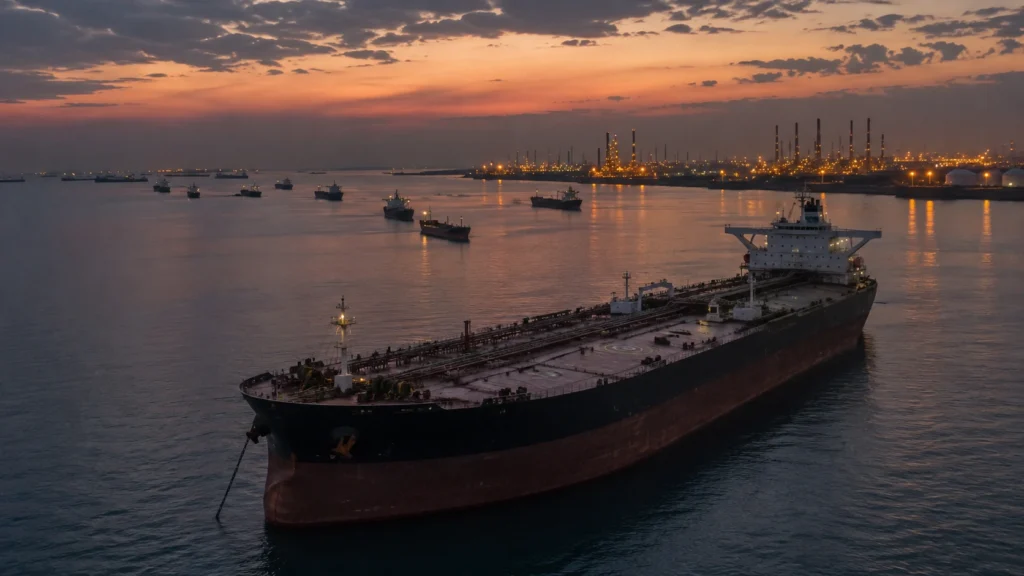
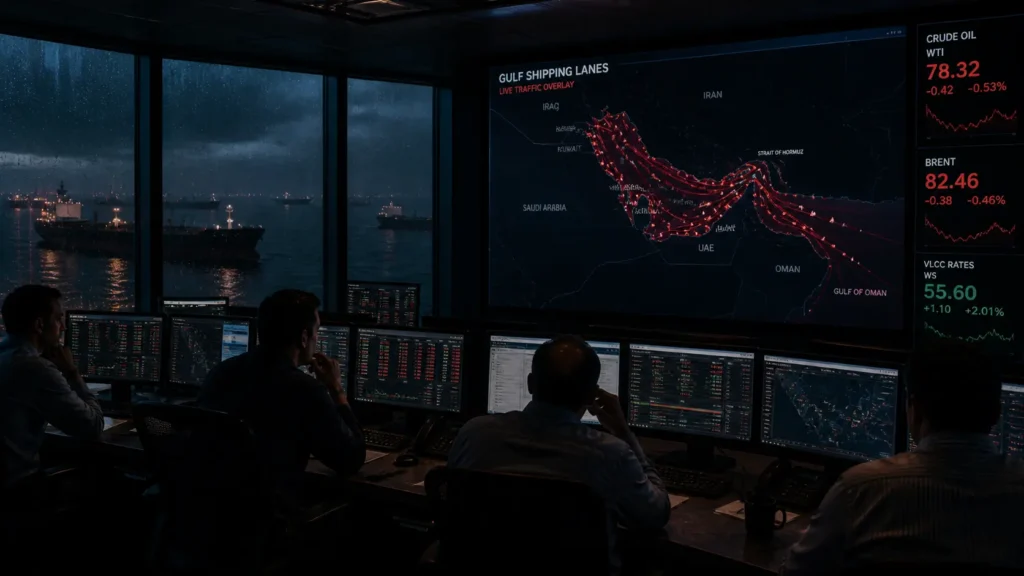
Before the war, European airlines used Jet A-1 almost exclusively. The Gulf region supplied it. The Strait of Hormuz closure stopped that supply. The US increased shipments, but American refineries are not configured for Jet A-1 production at scale. They produce Jet A. The solution for US jet fuel to ease war shortages requires changing which fuel European airlines accept.
Stuart Fox, IATA’s director of flight and technical operations, wrote that if the conflict continues, “it won’t be long before we see fuel shortages in some parts of the world.” He noted that North American airlines use Jet A daily and serve cold regions, including parts of Alaska, through fuel additives and operational planning. The push for US jet fuel to ease war shortages follows that operational logic.
The Safety Guidance for US Jet Fuel to Ease War Shortages
EASA issued a safety information bulletin stating that the introduction of Jet A in Europe “would not generate safety concerns provided that its introduction is properly managed.” The agency also warned that improper management “could result in an aircraft flying outside of its safe operating limits.”
The guidance cautioned that inconsistent fuel grade availability across airports could increase the risk of fuel mixing. An aircraft taking US jet fuel to ease war shortages in London and expecting Jet A-1 in Frankfurt could encounter complications. The transition requires coordination across airports, airlines, and fuel suppliers.
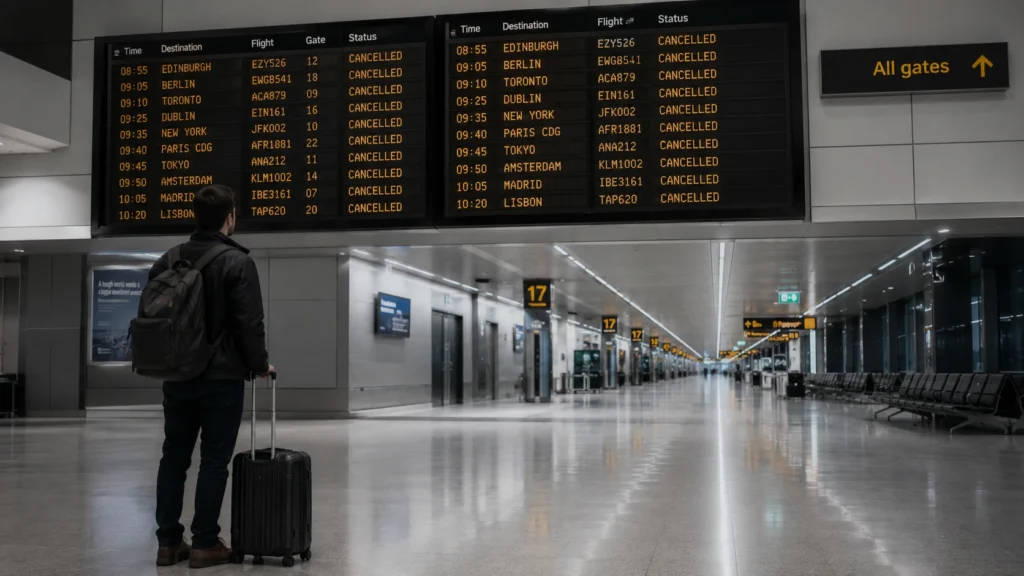
British Airways’ owner IAG said on Friday it had “no issues with fuel availability in our main markets” but indicated problems could emerge if the war continues. The proposal for US jet fuel to ease war shortages is designed to prevent those problems before they materialize.
What US Jet Fuel to Ease War Shortages Means for Aviation
Airlines gain a fuel supply that exists. The alternative is grounding aircraft. The Jet A solution keeps the fleet airborne. US refiners gain a European market for a product they already produce without requiring capital investment in new refining capacity. The regulatory shift expands the addressable market through documentation rather than construction.
Airlines operating long-haul and polar routes face the highest operational burden. The freezing point differential requires additional flight planning, crew training, and contingency procedures. The transition to US jet fuel to ease war shortages will produce inconsistencies across European airports during the adaptation period.