

 English

























































































































































































































































































































































Hantavirus Cruise Ship Outbreak: Three Dead, Five Confirmed Cases
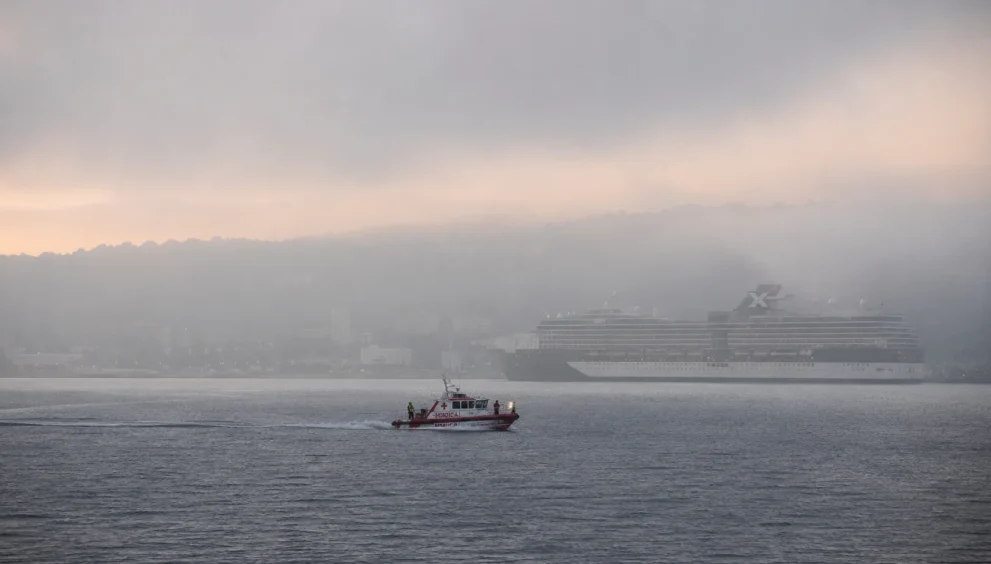
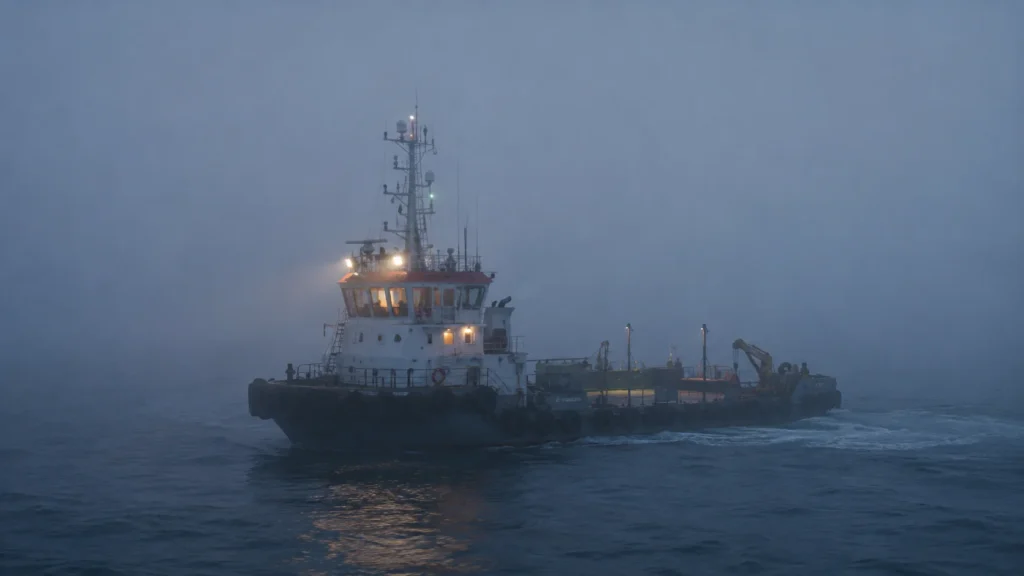
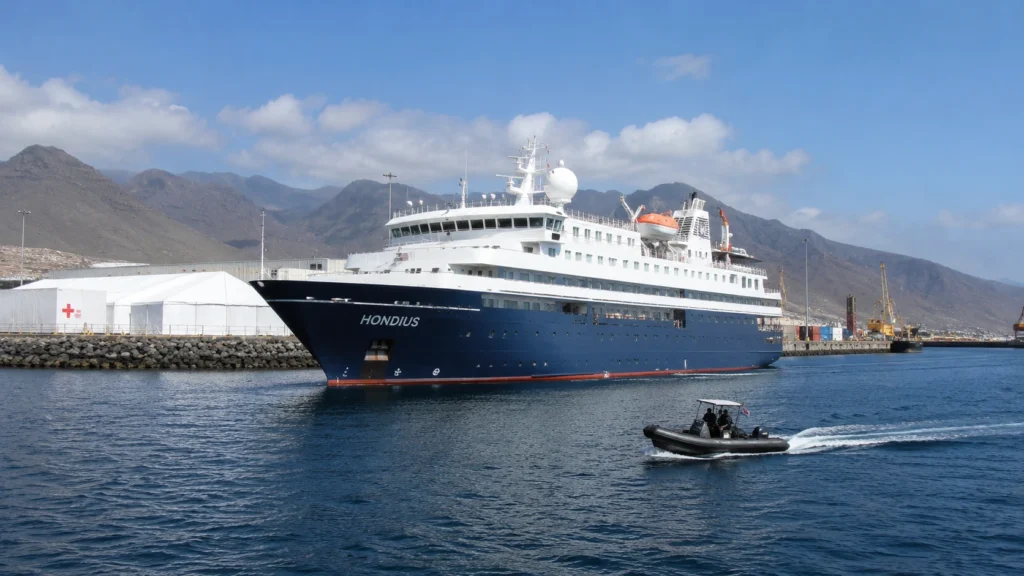
A hantavirus cruise ship outbreak aboard the MV Hondius has killed three people and produced five confirmed cases among 147 passengers and crew from 23 nationalities, according to the World Health Organization. The hantavirus cruise ship outbreak was first reported to the WHO on 2 May, nearly four weeks after the first passenger developed symptoms on 6 April. The vessel was refused entry by Cape Verde and is now heading to the Canary Islands, as contact tracing spans at least six countries.
The Timeline of the Hantavirus Cruise Ship Outbreak
The first passenger in the hantavirus cruise ship outbreak was a 70-year-old Dutch man who developed fever, headache, abdominal pain, and diarrhea on 6 April. He died on board the ship on 11 April. His body was removed to Saint Helena on 24 April.
His 69-year-old wife went ashore the same day with stomach problems. She flew to Johannesburg, where her condition deteriorated. She attempted to board KLM flight KL592 to the Netherlands but was removed from the aircraft before takeoff because she was too sick to fly. She died at a nearby hospital on 26 April. Scientists confirmed on 4 May that she had the Andes strain of hantavirus.
A third person in the hantavirus cruise ship outbreak, a German woman, developed fever and signs of pneumonia on 28 April. She died on 2 May on board the ship. Her cause of death has not been officially established, but is being treated as a suspected hantavirus case.
The Andes strain is the only hantavirus known to transmit between humans. The reproductive number during a 2018-19 outbreak in Argentina was estimated at 2.12 before interventions. After isolation and quarantine, it dropped below 1. The same methods can contain the hantavirus cruise ship outbreak.
Contact Tracing After the Hantavirus Cruise Ship Outbreak
The hantavirus cruise ship outbreak has triggered a multi-country contact tracing operation. Authorities are tracking 82 passengers and six crew members from an Airlink flight to Johannesburg on 25 April. An undisclosed number of passengers from KL592 also require tracing. Thirty passengers who disembarked at Saint Helena and others who left at other ports before the hantavirus cruise ship outbreak was understood are being monitored.
The incubation period ranges from one to six weeks, with cases appearing as late as eight weeks after exposure. WHO advises passengers and crew to monitor symptoms for 45 days. The European Centre for Disease Prevention and Control considers everyone on the ship a close contact due to the closed setting.
In the United States, Georgia monitors two residents without symptoms. Arizona monitors one without symptoms. California, Texas, and Virginia are also tracking passengers. British health authorities confirmed two UK nationals with hantavirus and an additional suspected case. Swiss authorities are tracing contacts of a passenger being treated at University Hospital Zurich.
The US Centers for Disease Control and Prevention classified its response to the hantavirus cruise ship outbreak as level 3, the agency’s lowest emergency level. The classification reflects that hantavirus requires close and prolonged contact to spread. The window for transmission is short, concentrated around the day a fever begins.
What Happens Next in the Hantavirus Cruise Ship Outbreak
The MV Hondius left Cape Verde and is heading to the Canary Islands. Fourteen Spanish passengers will be taken to a military hospital. Other passengers will be repatriated. Spanish authorities will conduct an epidemiological investigation and disinfect the vessel. Two specialist Dutch doctors remain with the ship. Three people, including the ship’s doctor, were evacuated to the Netherlands for care.