

 English















































































































































































































































































































Hondius Arrives Off Tenerife. The Politics Docked First.
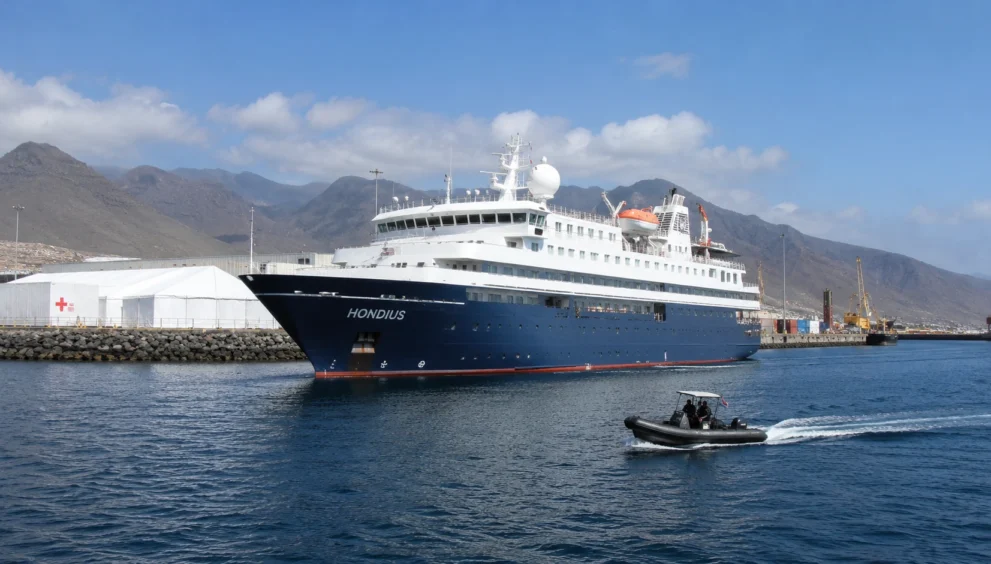
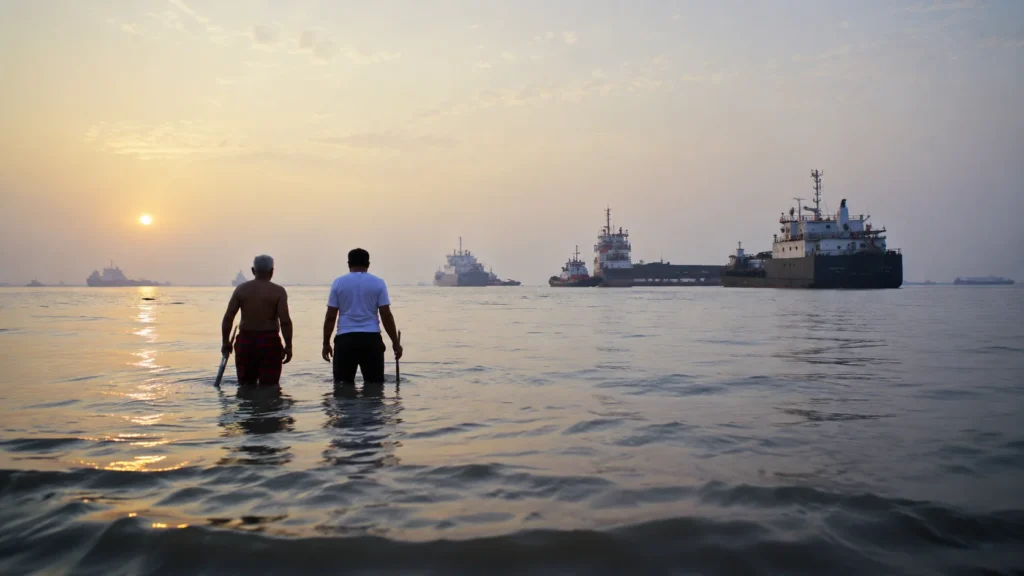
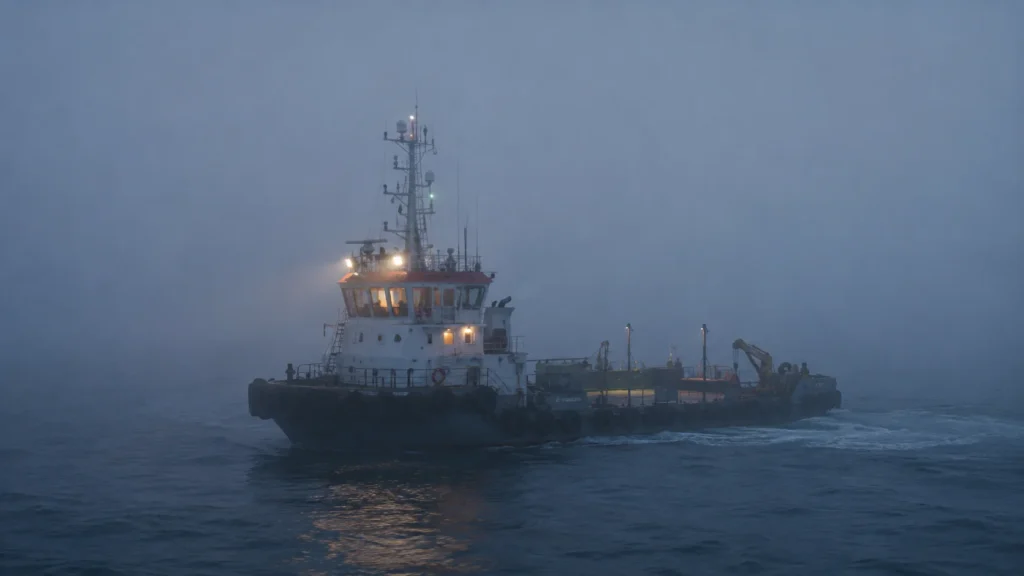
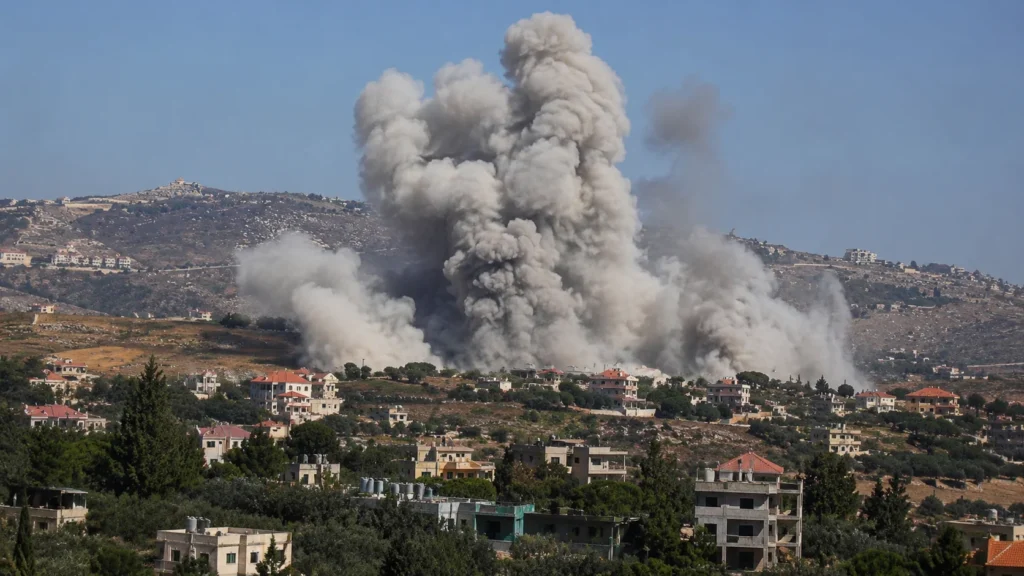
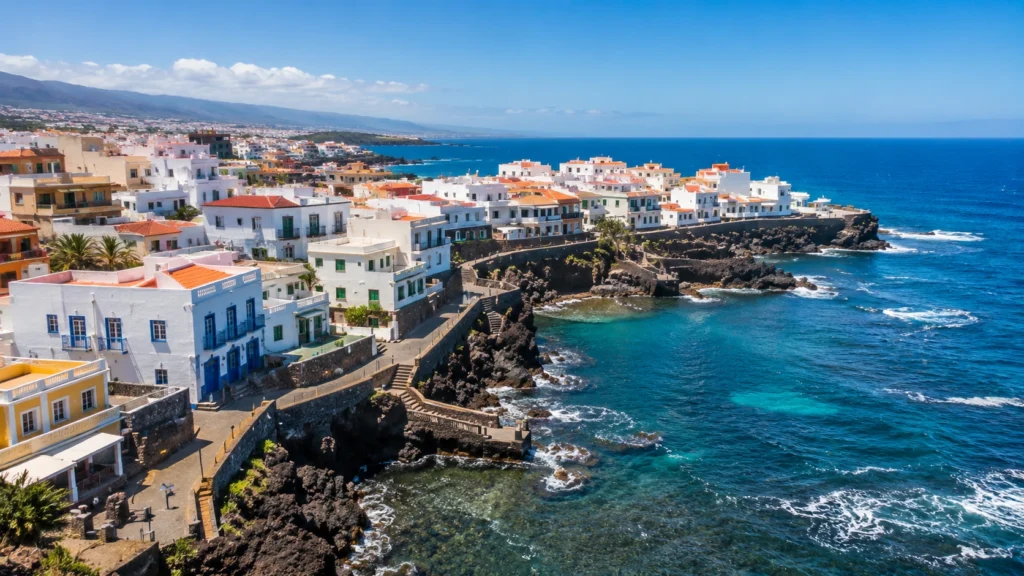
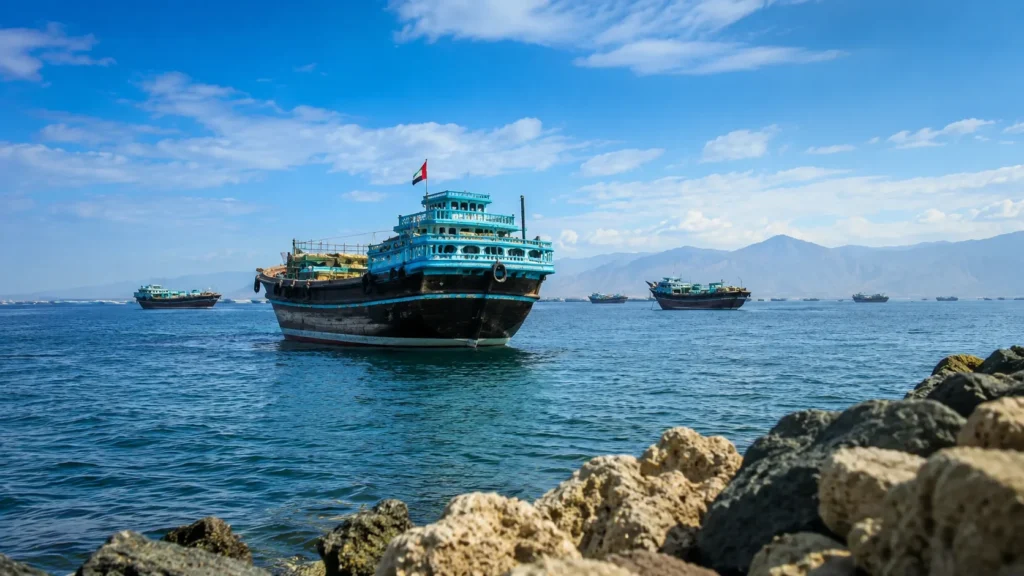
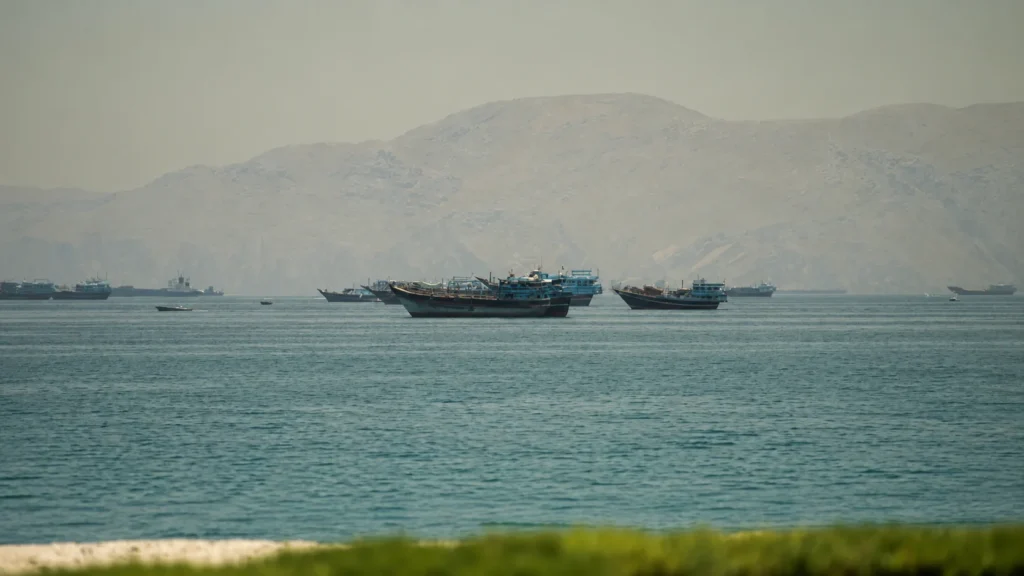
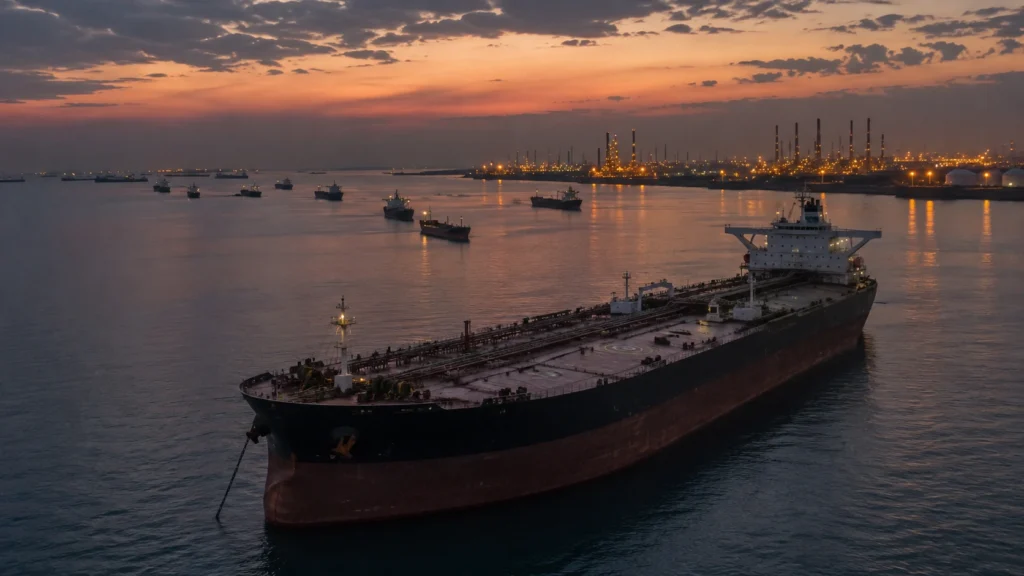
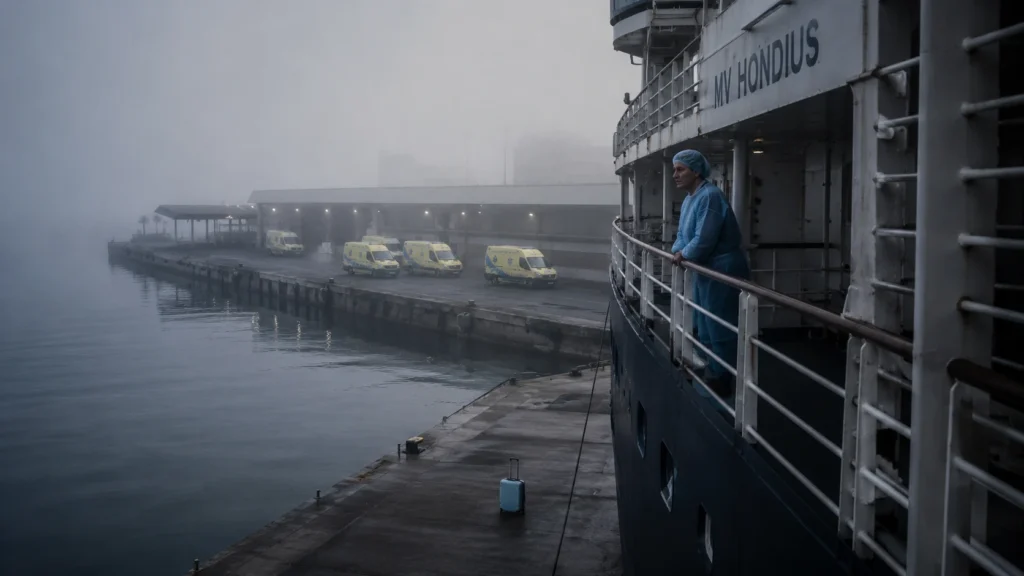
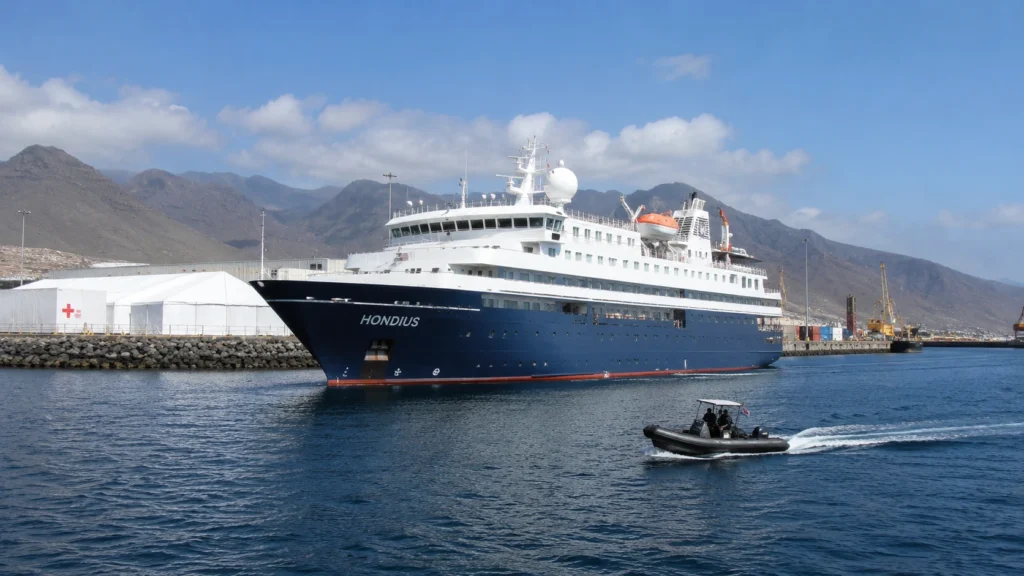
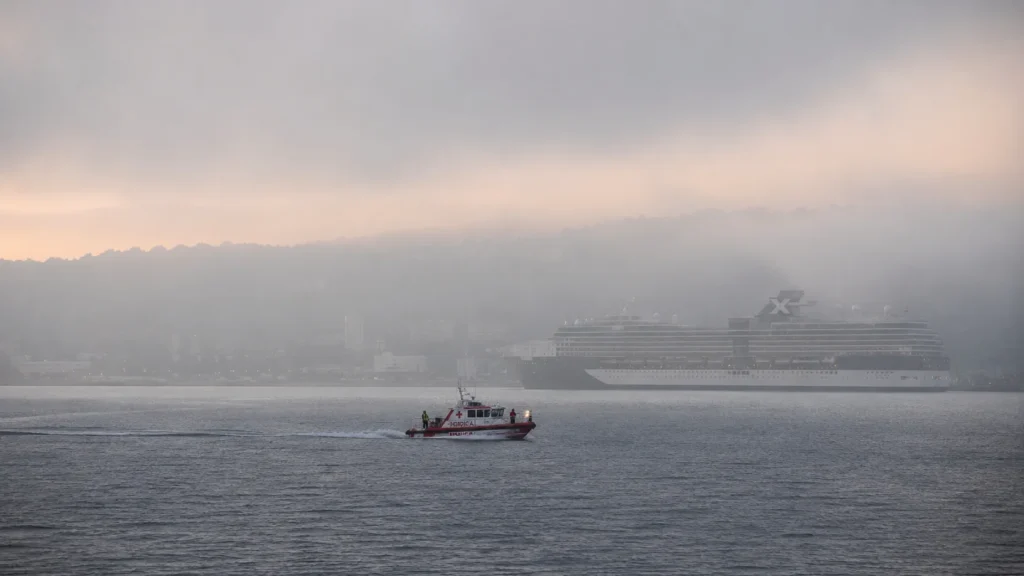
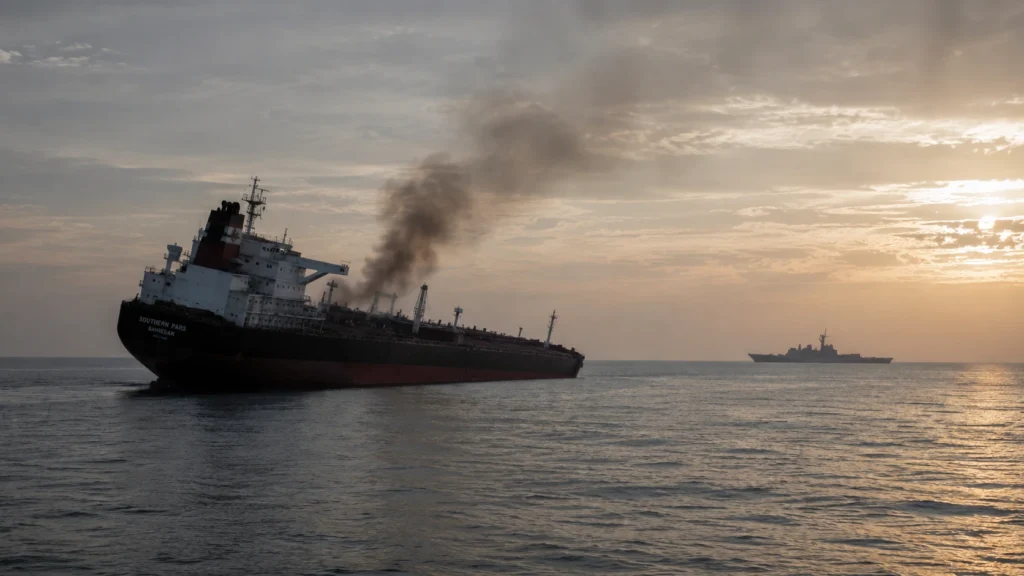
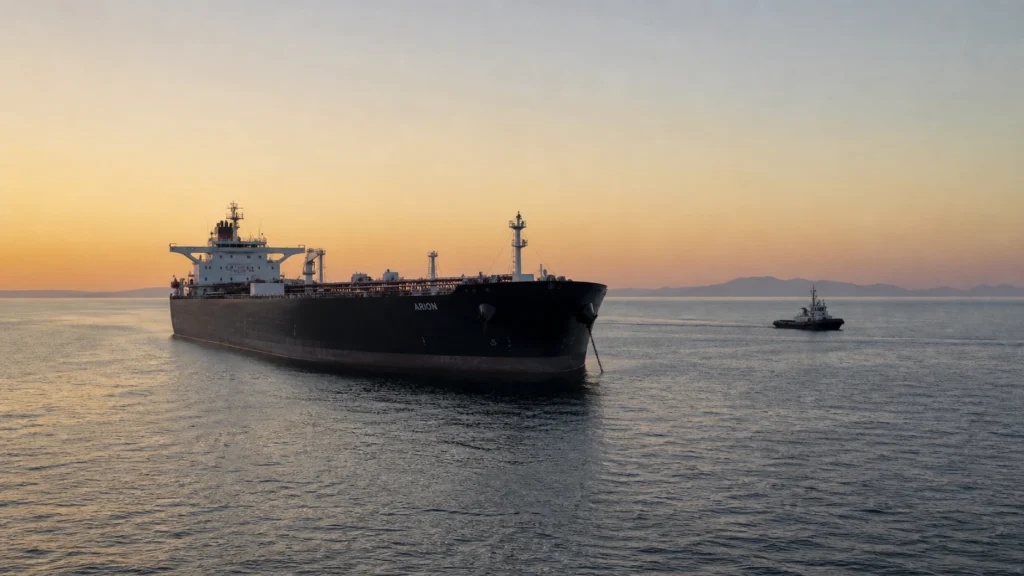
The MV Hondius arrived off Tenerife before dawn on Sunday, 10 May 2026. Not at the port itself. A nautical mile out. A security perimeter enforced by Spain’s military police.
The ship that left Argentina on 1 April, which lost three passengers to the rare Andes hantavirus, that was refused entry by Cape Verde on 3 May, that became a political crisis between Madrid and the Canary Islands, has finally reached a destination after 39 days at sea.
So what happens now?
The answer is an unprecedented international operation involving 23 countries, charter flights, military hospitals, and a ship that will not be allowed to dock. The World Health Organization’s director-general, Tedros Adhanom Ghebreyesus, travelled to Tenerife personally to oversee the disembarkation. Spain’s health minister, Mónica García, called it an “unprecedented” operation. The question is whether the political damage can be contained as effectively as the virus.
The Repatriation Plan: A Timeline
Before Dawn Sunday 10 May
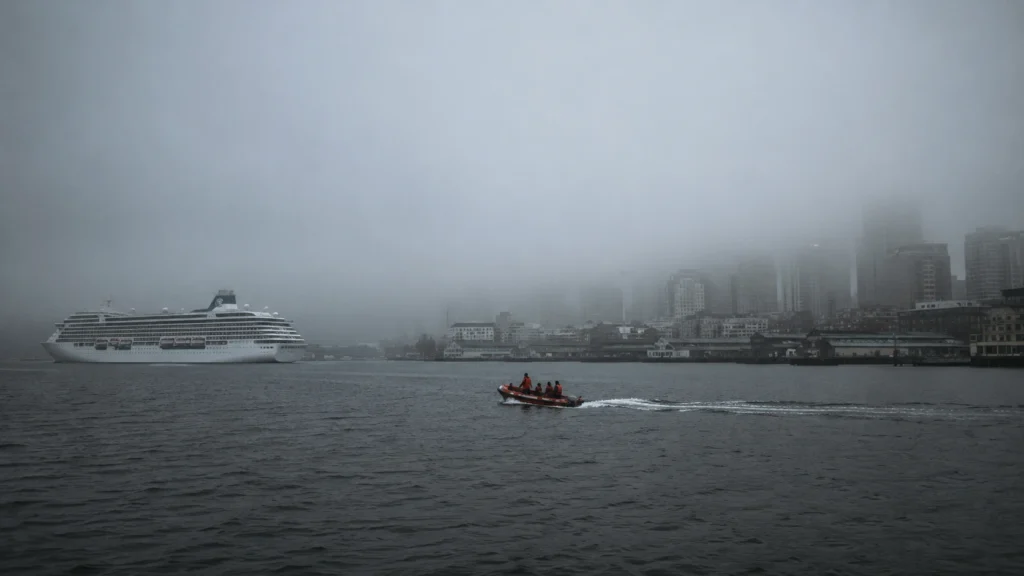
The Hondius reached the waters off Granadilla port in southern Tenerife. It did not enter the port. A security perimeter of one nautical mile was established around the vessel. Spain’s Ministry of Health confirmed the ship would drop anchor at sea to ensure continuing isolation.
07:00 Sunday 10 May
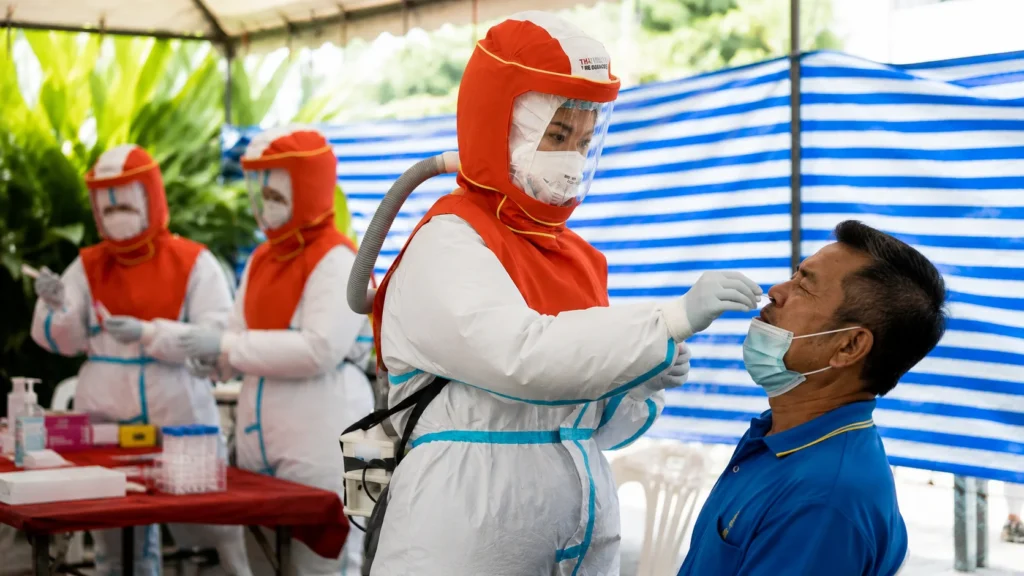
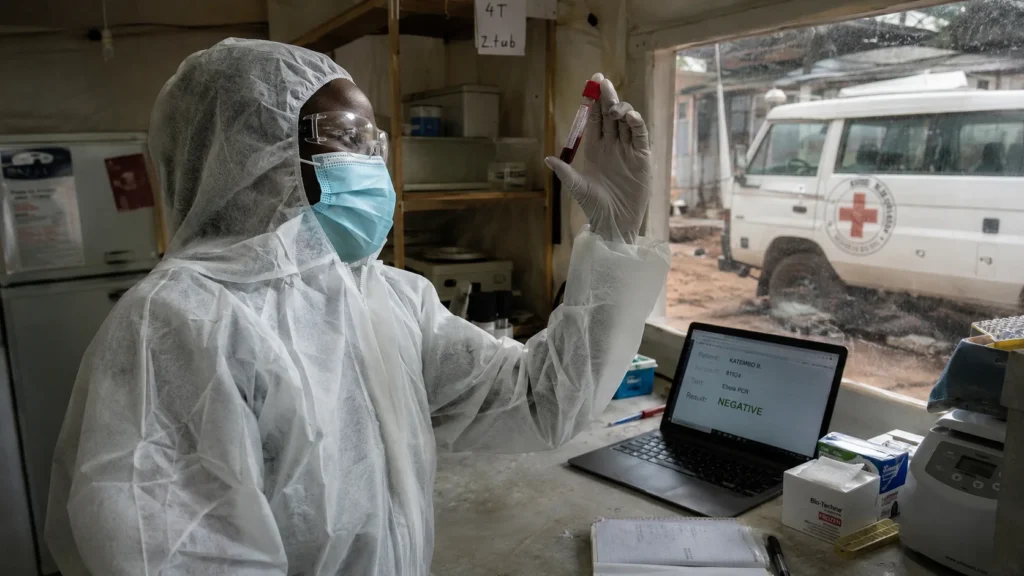
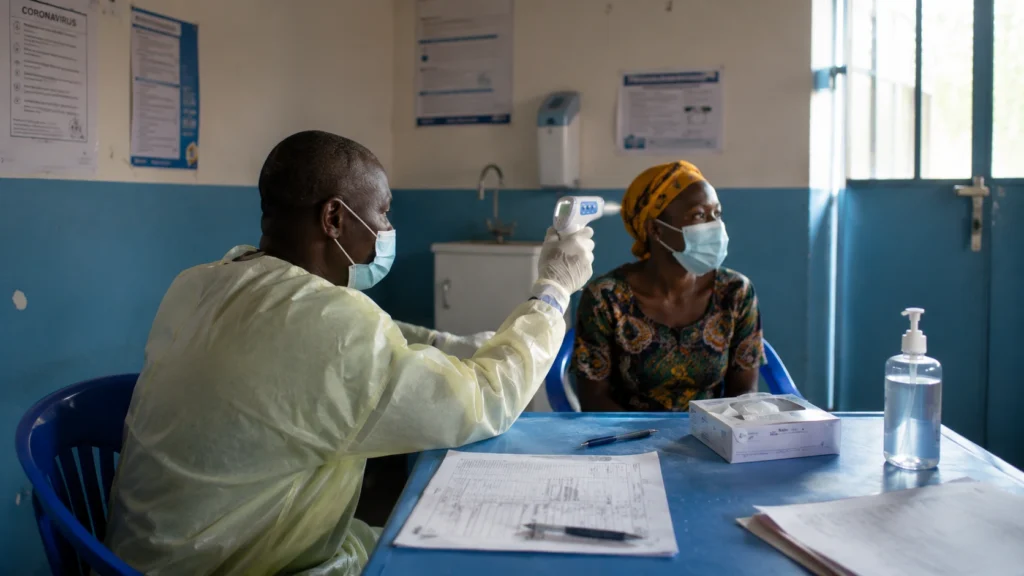
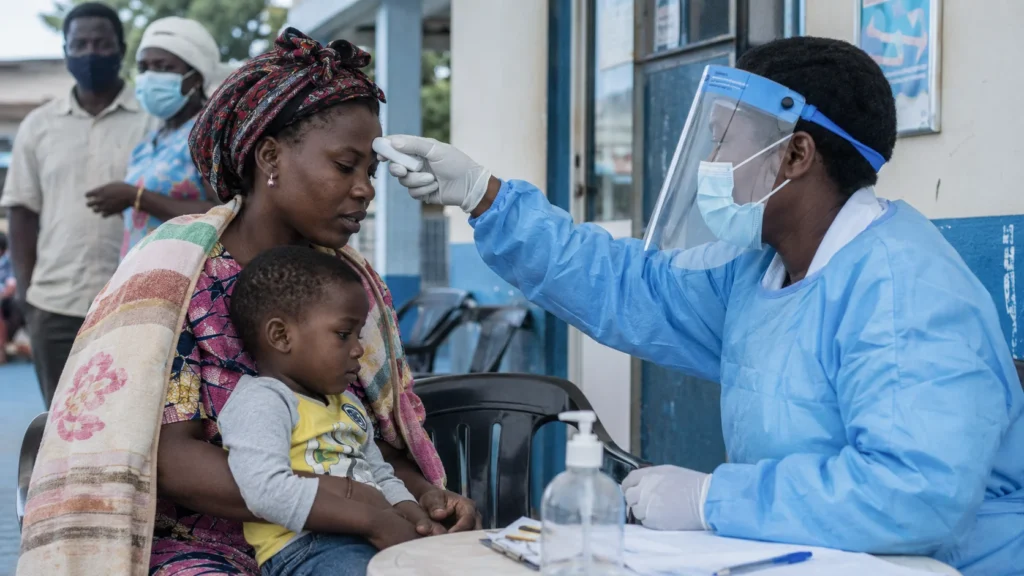
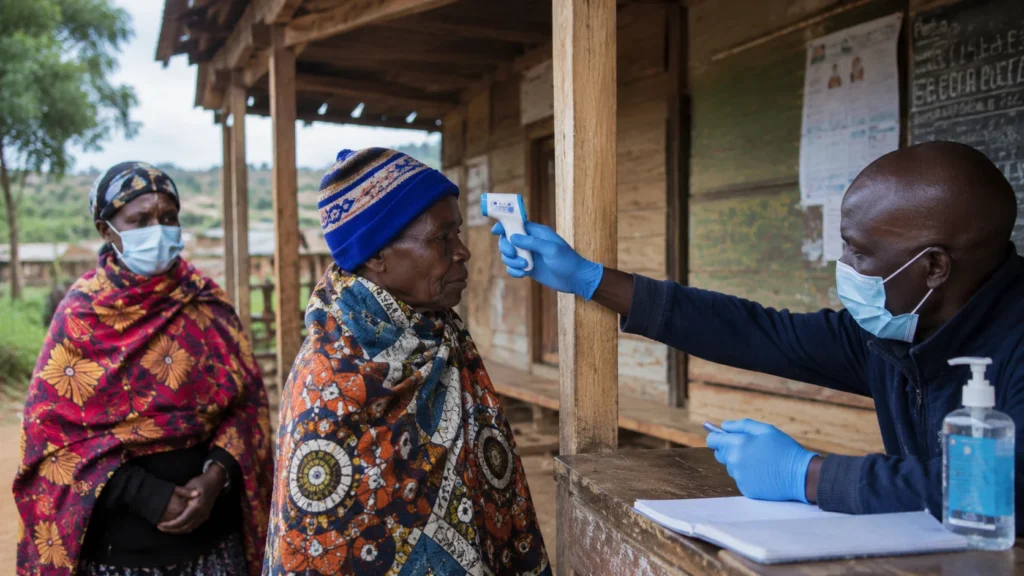
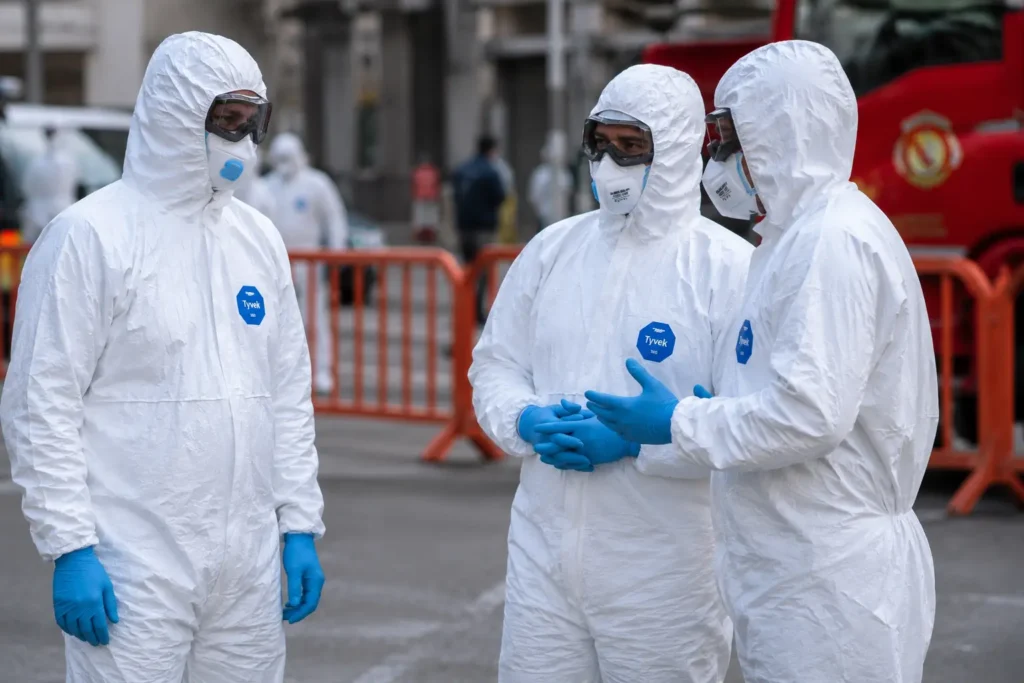
Medical teams from Spain’s disaster response units boarded the Hondius to check all passengers and crew for signs of hantavirus. Latest reports indicated nobody else was showing symptoms. Passengers were then divided into groups by nationality.
Throughout Sunday, 10 May
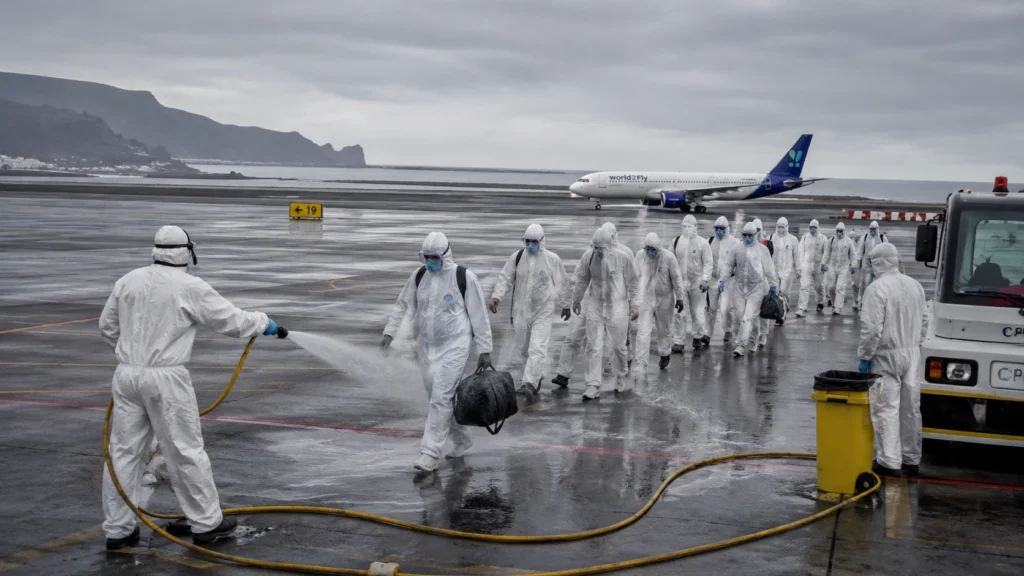
Small boats began ferrying passengers from the anchored ship to the coast. Charter planes from the UK, US, and multiple EU member states waited on the tarmac at Tenerife’s airport. Medically-equipped aircraft stood on standby for anyone requiring isolation during transfer. The operation was coordinated through Spain’s interior ministry and [EXTERNAL LINK: WHO’s Health Emergencies Programme].
After Repatriation
Spanish nationals are subject to mandatory quarantine at the Gómez Ulla military hospital in Madrid. The incubation period for hantavirus can last up to nine weeks, according to the US Centers for Disease Control and Prevention. It is not yet clear how long quarantines will last for passengers repatriated to other countries. Some 30 crew members will remain aboard the Hondius to sail it back to the Netherlands.
Why the Canary Islands Resisted
As previous coverage of the Hondius political crisis documented, the Canary Islands government was not consulted when Madrid decided to divert the ship to Tenerife. President Fernando Clavijo accused the central government of “institutional disloyalty.”
On Friday, 9 May, port workers gathered outside the local parliament in protest. Their concern was not primarily medical. It was political. Madrid had made the decision. The islands absorbed the risk.
Dr Mar Martin, chief intensive care doctor at Tenerife’s Candelaria hospital, told the BBC her unit was “absolutely ready.” The isolation facility has one bed fully equipped for infectious diseases, complete with a testing kit and a ventilator. “We’ve never seen hantavirus before,” she said. “But it’s a virus, with some complications, just like we manage every day.”
The clinical response was prepared. The political legitimacy of the decision remained contested.
FAQ: Hantavirus and the Hondius Operation
What is the Andes hantavirus?
The Andes strain is a rare virus carried by rodents, first identified in Argentina. It is the only hantavirus known to transmit between humans, though such transmission requires close and prolonged contact. The mortality rate for those who develop respiratory symptoms is approximately 38%, according to the CDC.
How many people were on the Hondius?
The ship carried 147 people, including passengers and crew, from 23 nationalities. Three people died during the voyage. The outbreak was first reported to the WHO on 2 May 2026, though the first passenger developed symptoms on 6 April.
Can the virus spread to the Canary Islands population?
Health authorities say the risk to the general population is low. The virus requires close contact to spread. Passengers are being isolated on the ship, ferried directly to planes, and repatriated under medical supervision. Spanish nationals are subject to mandatory quarantine in Madrid, not in the Canary Islands.
What happens to the ship after passengers leave?
Approximately 30 crew members will stay aboard the Hondius to sail it back to the Netherlands, where the vessel is registered. The ship will not dock in Tenerife. Spanish authorities will not board the vessel beyond the initial medical screening.
Has this happened before?
The Hondius operation is described by Spain’s health ministry as “unprecedented” in its scale and international coordination. The [INTERNAL LINK: Cape Verde refusal to accept the ship] and the political dispute between Madrid and the Canary Islands make this outbreak response unique in recent public health history.
Written by the AnovaStream World News Desk, which has covered the Hondius outbreak since the first passenger death was reported on 11 April 2026.