

 English


































































































































































































































































































Hondius Evacuation Tests Global Health Coordination
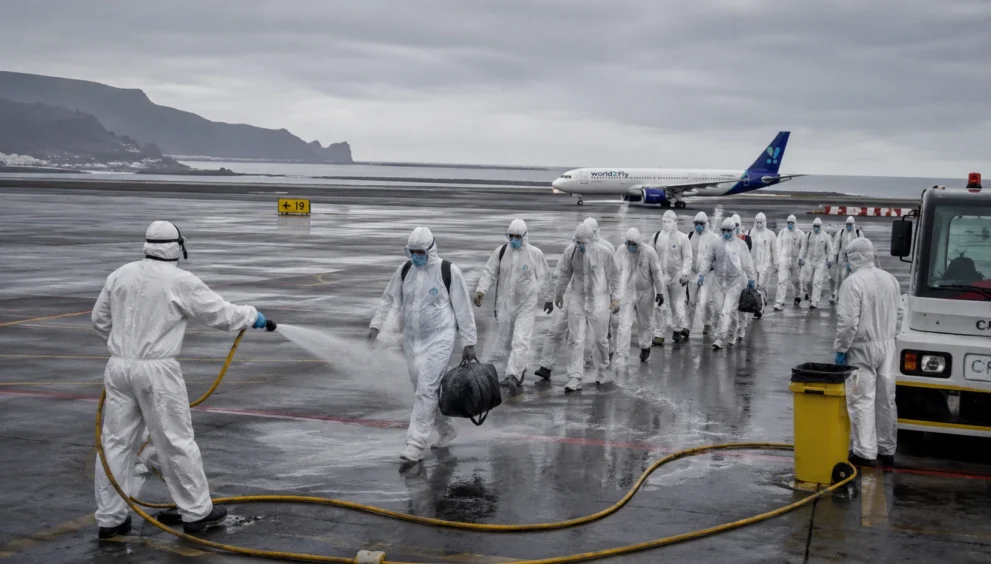
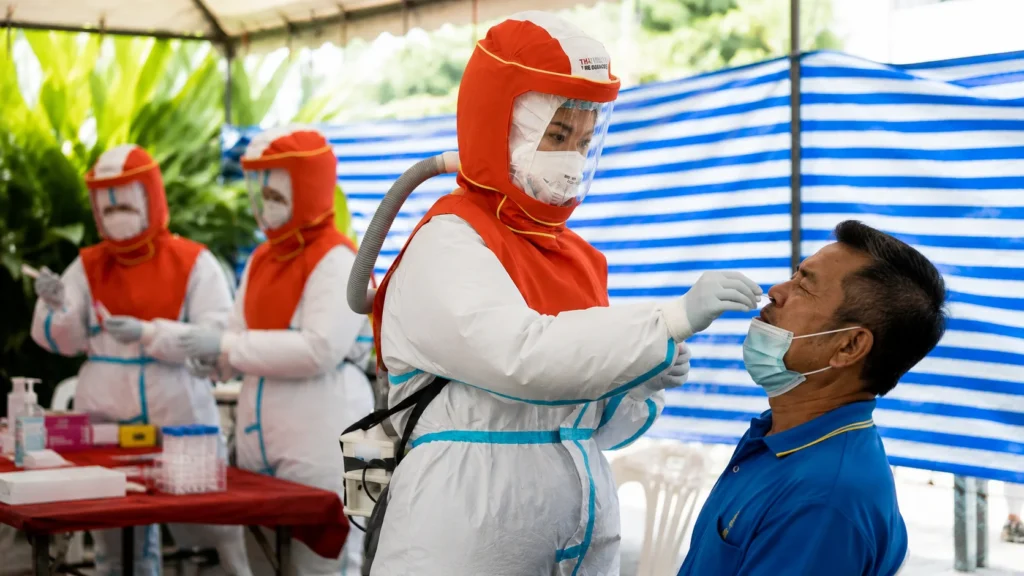
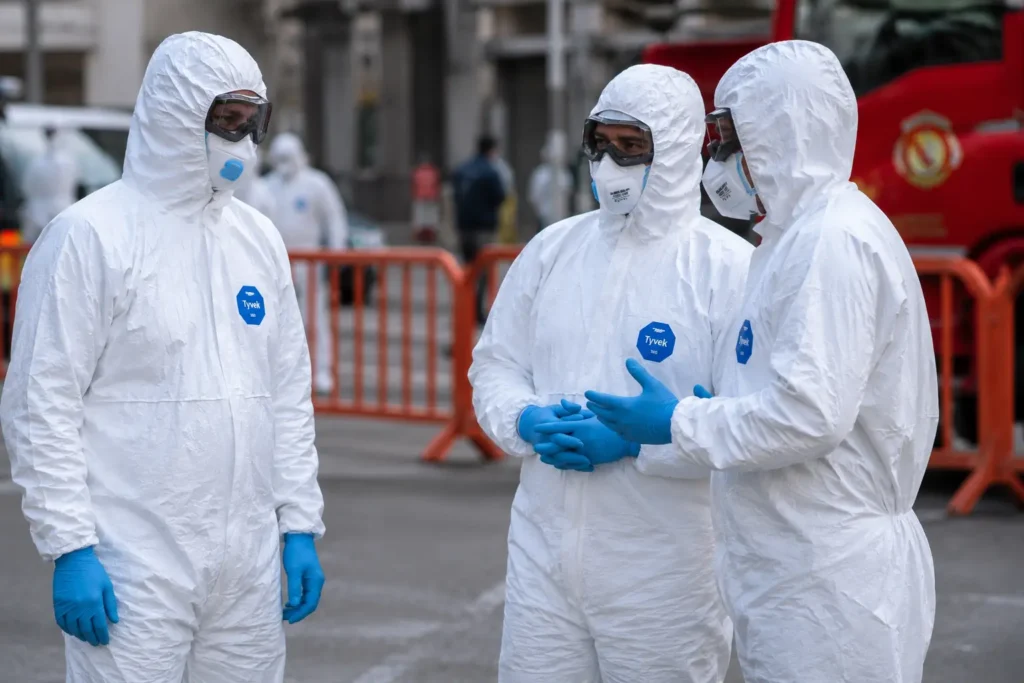
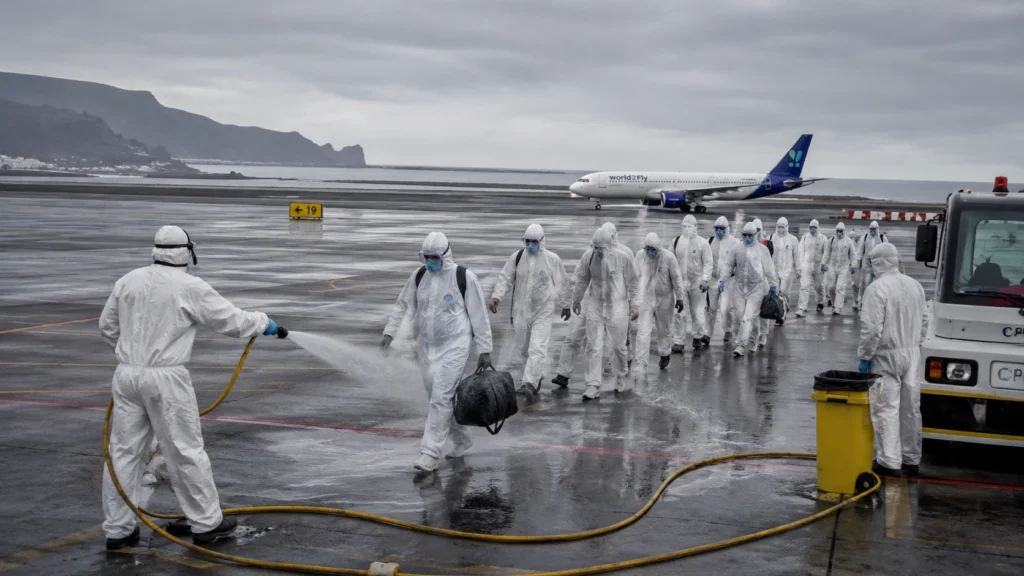
The first passengers stepped onto the tarmac at Tenerife airport on Sunday, 11 May 2026. White hazmat suits were pulled over their clothes. Officials hosing them down before they boarded. Fourteen Spanish nationals. Destination: Madrid. Destination: the Gomez Ulla military hospital. Destination: mandatory quarantine lasting up to nine weeks.
Behind them, French citizens boarded a flight to Paris. Behind them, flights for Turkish, Irish, British, and American nationals were prepared to depart. A plane bound for the Netherlands waited to take 27 passengers. The last evacuation flight, to Australia, will not leave until Monday.
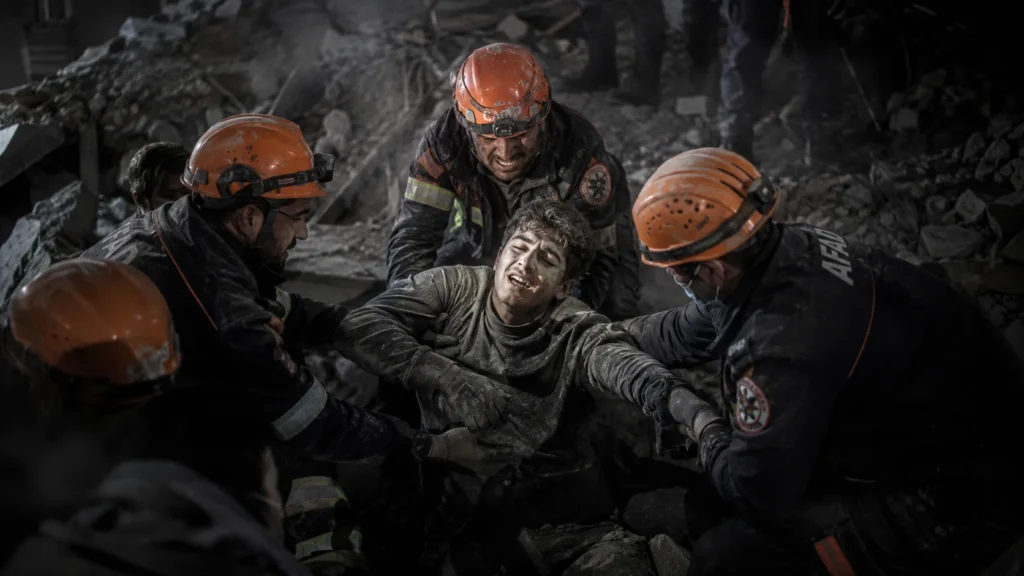
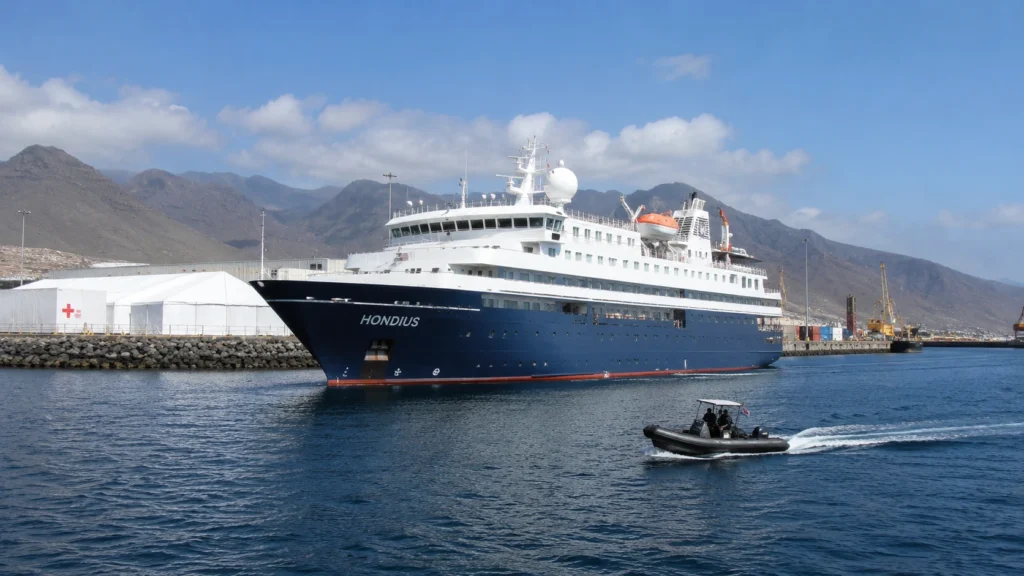
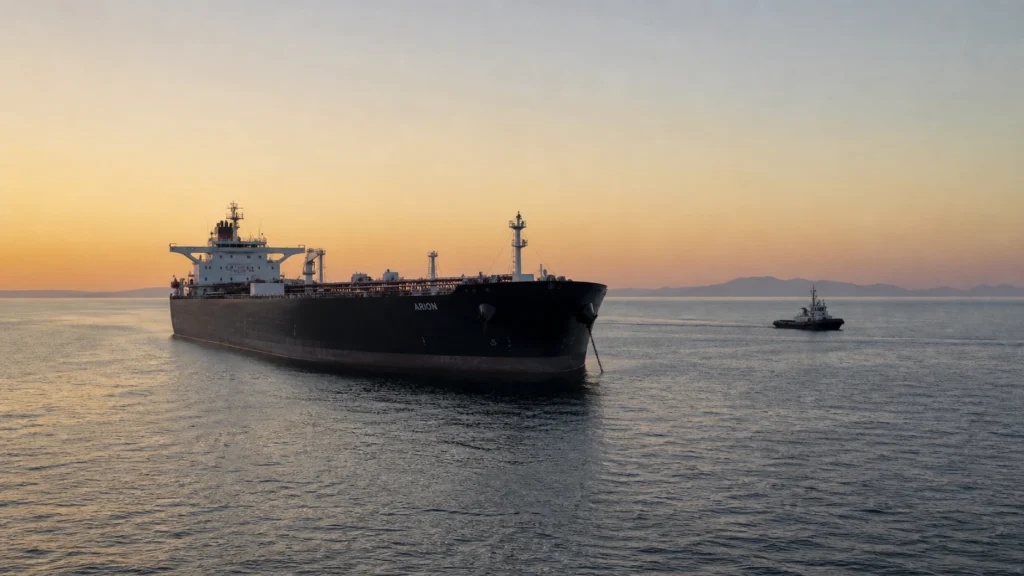
The World Health Organization director-general Tedros Adhanom Ghebreyesus stood on the island watching. “The operation is going very well,” he said. The operation involved 23 countries, military police boats, disaster response teams, and a ship that was never allowed to dock.
So what made this evacuation different?
The answer lies not in the virus but in the politics. As previous coverage of the Hondius political crisis] documented, Madrid diverted the ship to the Canary Islands without consulting the regional government. The operation worked because international coordination functioned. The politics failed because the coordination was imposed, not negotiated.
The Evacuation: A Timeline
07:00 Sunday 11 May
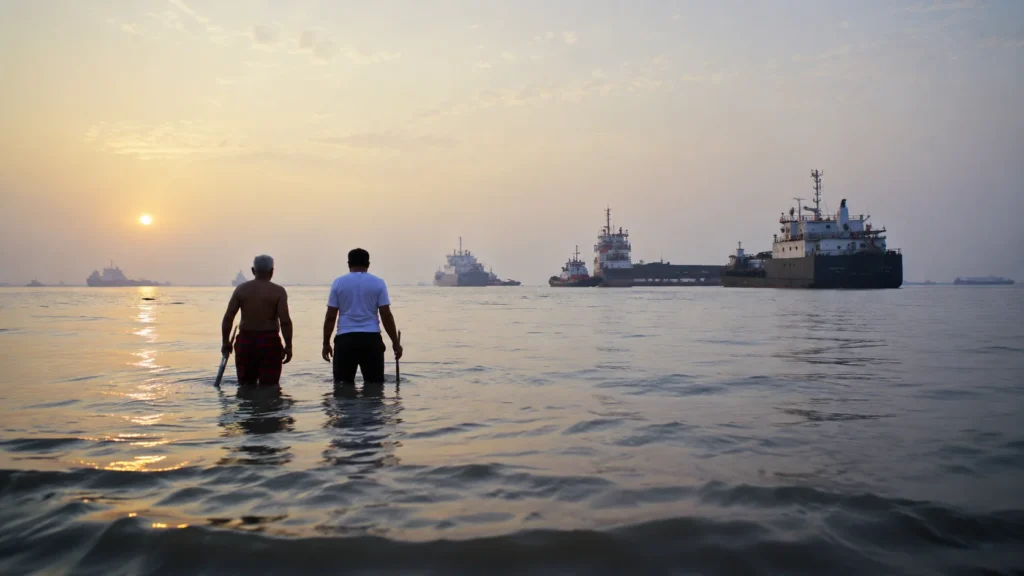
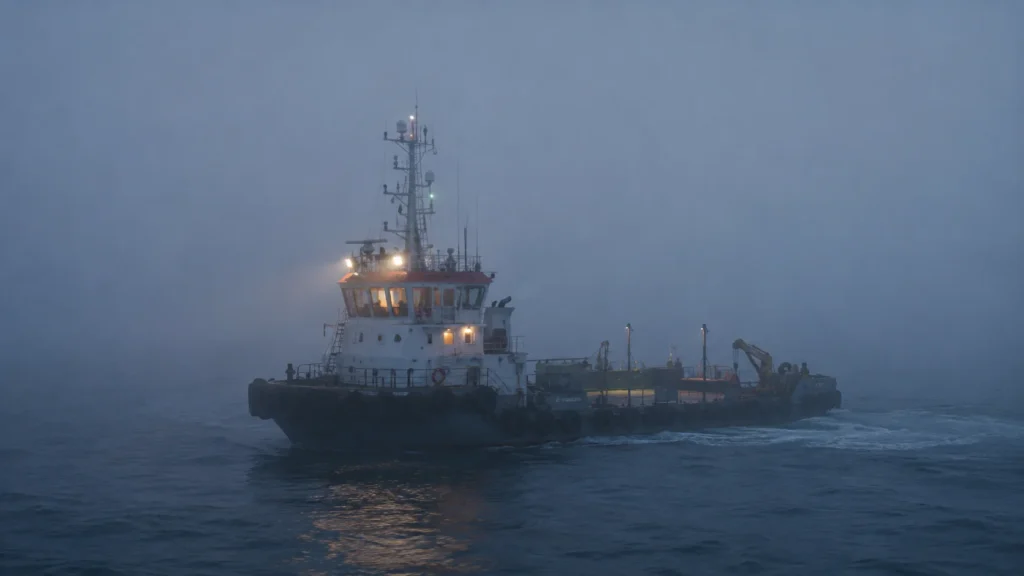
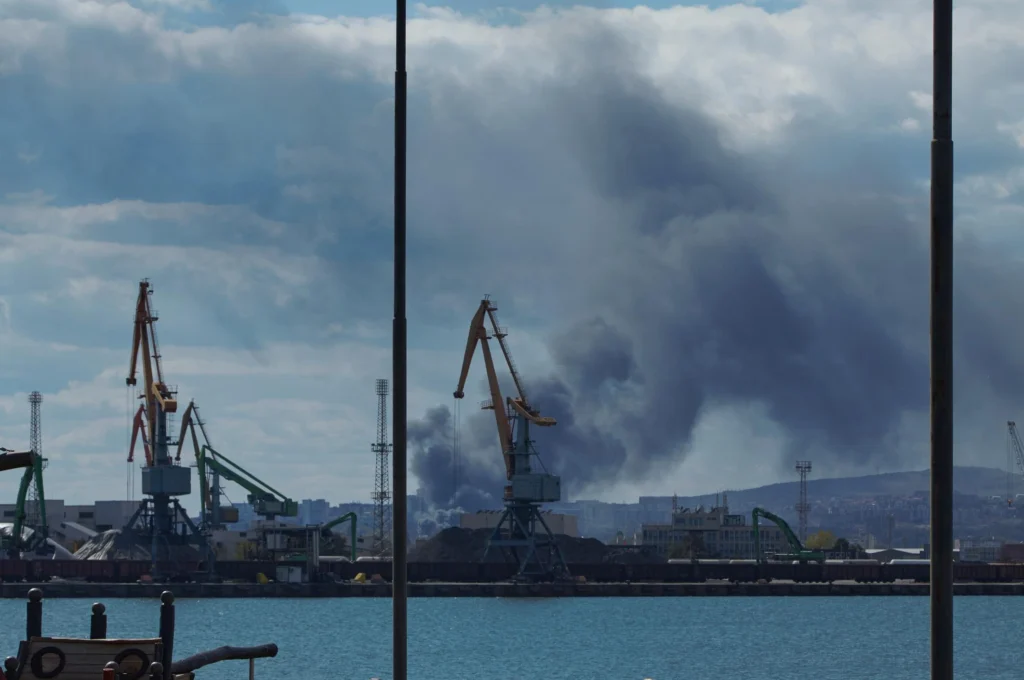
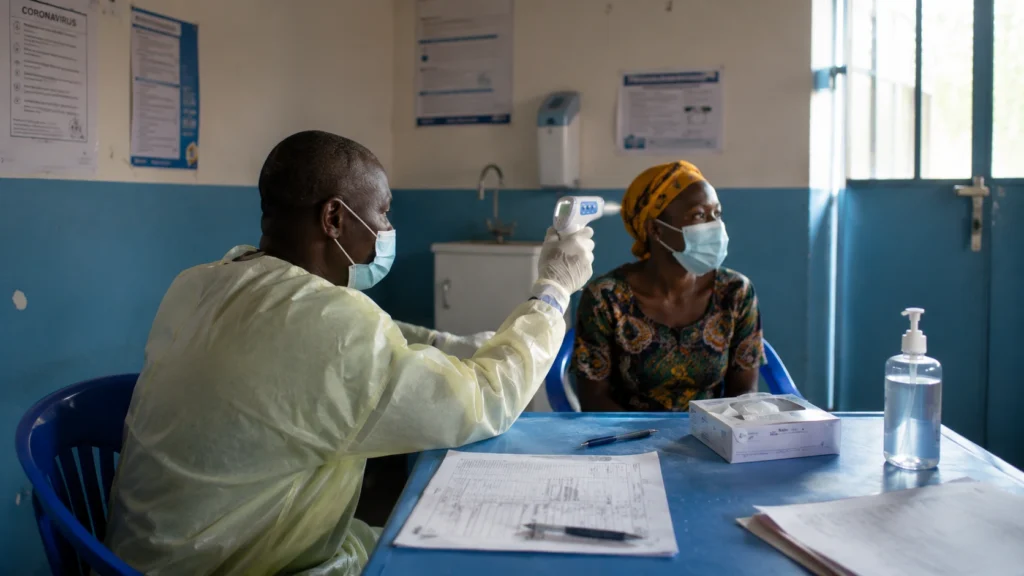
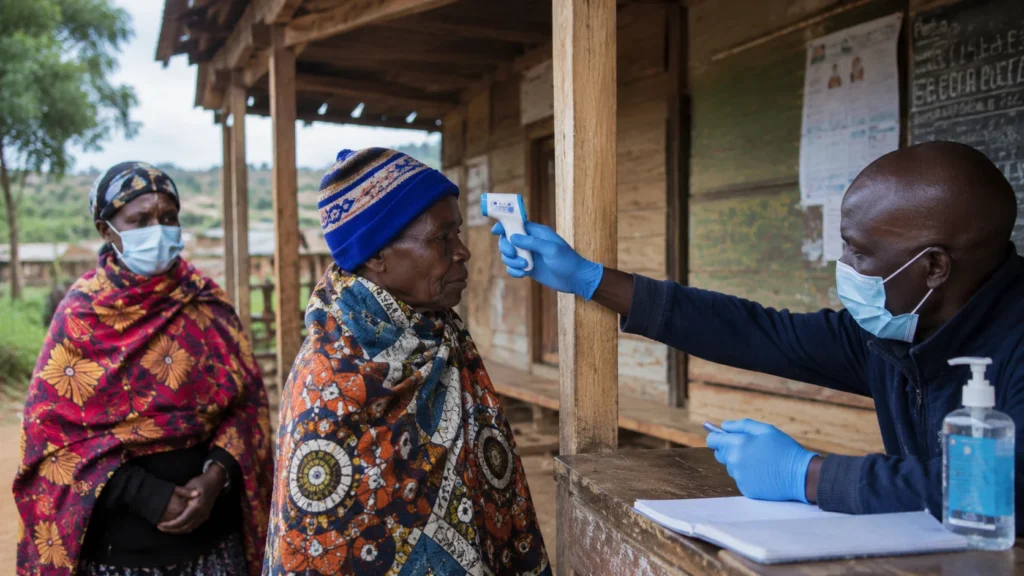
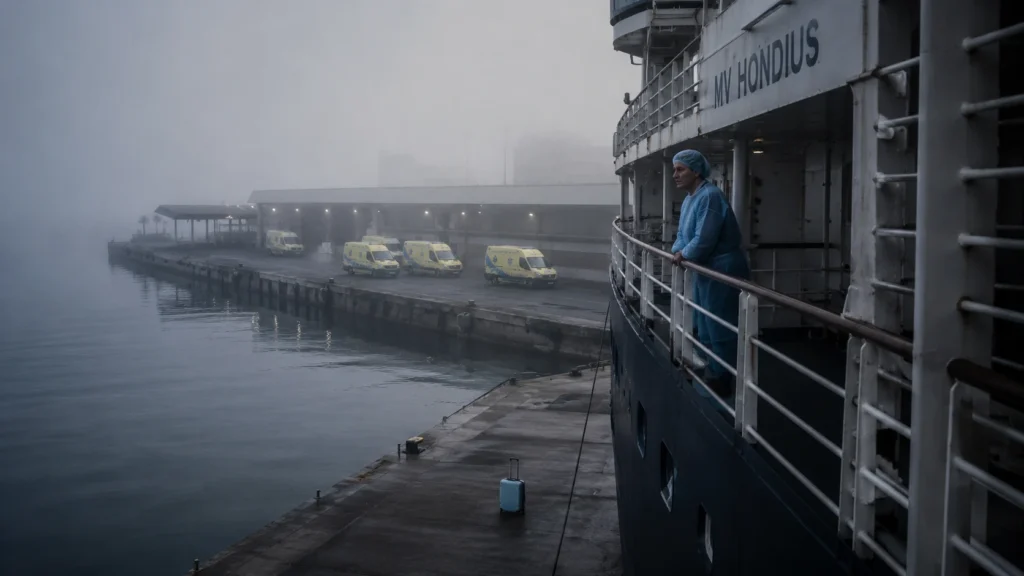
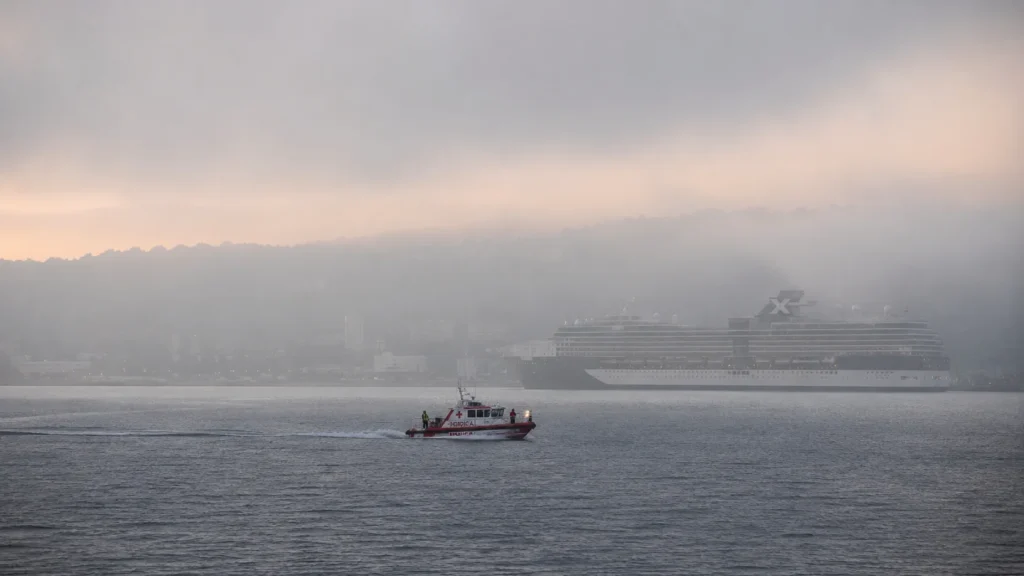
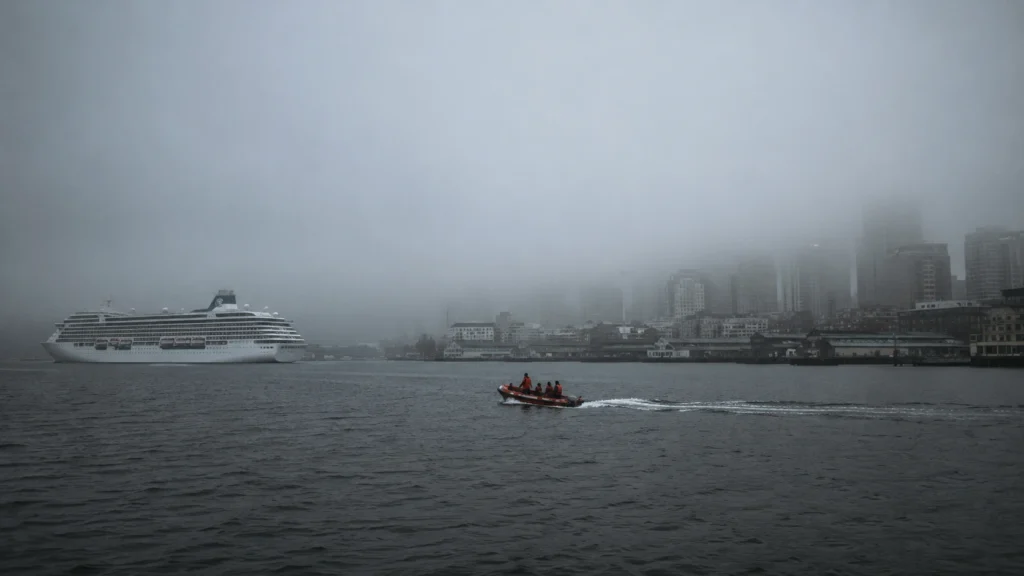
Medical teams boarded the MV Hondius to check all passengers and crew for signs of the Andes hantavirus. All were asymptomatic. The disembarkation proceeded in waves, divided by nationality. The ship never docked. It dropped anchor a nautical mile offshore, with military police boats on patrol.
Throughout Sunday
Fourteen Spanish nationals were the first to leave, flown to Madrid for mandatory quarantine. French citizens followed. Flights for Turkish, Irish, British, and American nationals were scheduled. A plane carrying 27 passengers, including Belgian, Greek, German, and Argentine citizens prepared to depart for the Netherlands. Australia’s evacuation flight was delayed until Monday.
At the Candelaria Hospital
Chief intensive care doctor Mar Martin had prepared an isolation facility with one bed fully equipped for infectious diseases. “We are absolutely ready,” she told the BBC. “We’ve never seen hantavirus before, but it’s a virus, with some complications, just like we manage every day. We are fully trained for that.”
The Political Crisis Behind the Evacuation
Late on Saturday night, Canary Islands President Fernando Clavijo briefly refused to permit the ship into port, arguing the disembarkation could not be completed in a single day. Madrid intervened. The operation proceeded.
Clavijo then appeared on television. He warned that a rat carrying hantavirus might “get off the ship in the middle of the night and endanger the people of the Canary Islands.” The Spanish health ministry had to issue a statement insisting that such a scenario was “not a risk.”
The rat was not a public health concern. It was a political instrument. Clavijo used it to express what he had been saying since Madrid diverted the Hondius to his territory: the Canary Islands did not consent to this operation. As analysis of Spain’s regional tensions with Madrid] has traced, the central government made the decision. The regional government absorbed the risk.
What Passengers Face Now
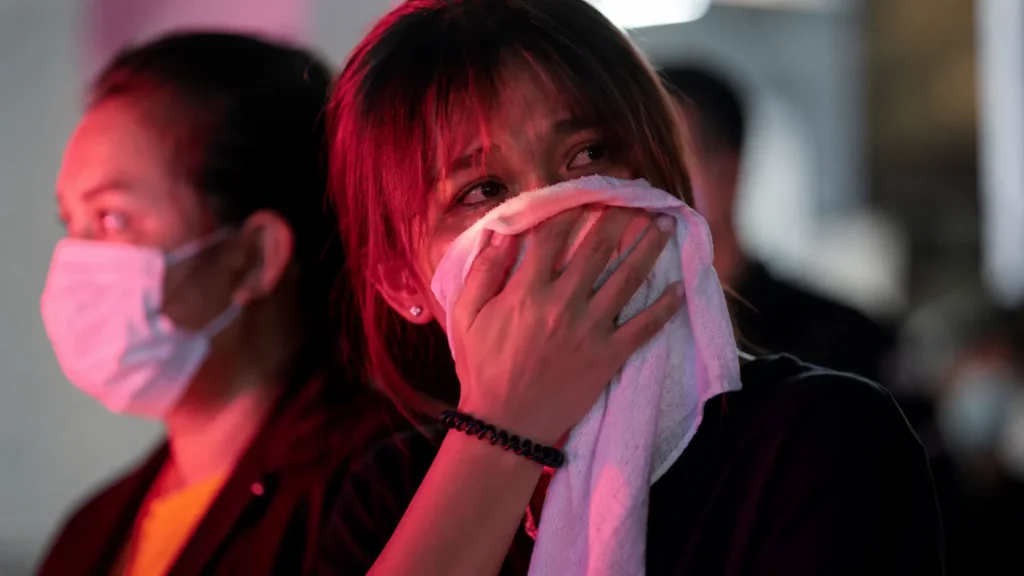
The passengers waited a month for this moment. The first passenger died on 11 April. The ship was refused entry by Cape Verde. The outbreak was reported to the WHO on 2 May. The passengers spent weeks in uncertainty.
Those repatriated now face quarantine. The WHO recommended 42 days of isolation from the last exposure. The UK will hold passengers for 72 hours before assessing whether they can isolate at home. Spanish nationals face mandatory military hospital quarantine. The incubation period can last up to nine weeks.
Thirty crew members will stay aboard the Hondius to sail it back to the Netherlands. The passengers will disperse across 23 countries. The questions about how the operation was decided will remain.
FAQ: The Hondius Evacuation
Why was the ship sent to Tenerife?
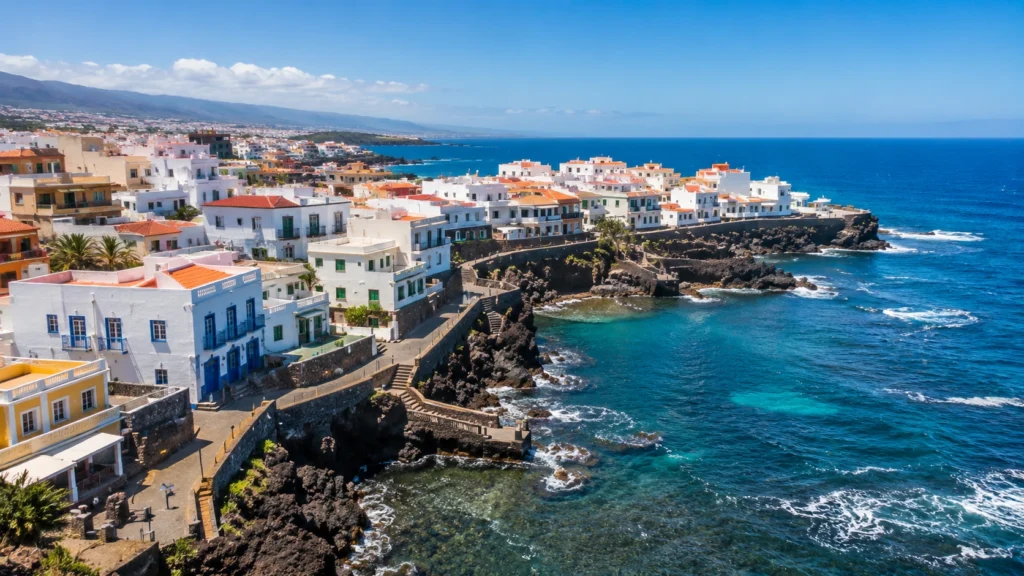
Madrid accepted the Hondius without consulting the Canary Islands government. Spain’s health minister said the port of Granadilla had the right conditions for passengers to safely disembark. The Canary Islands president said the decision lacked technical criteria and accused the central government of “institutional disloyalty.”
Were any passengers showing symptoms?
All passengers and crew on board were asymptomatic when medical teams screened them on Sunday morning. Three people died during the voyage. Two were confirmed to have had the Andes strain of hantavirus. The third death is being treated as a suspected case.
How long will passengers be quarantined?
The WHO recommended 42 days of quarantine from the last exposure. Different countries are applying different rules. Spain is enforcing mandatory military hospital quarantine. The UK will hold passengers for 72 hours before assessing home isolation options.
What happens to the ship now?
Approximately 30 crew members will remain on board to sail the Hondius back to the Netherlands, where the vessel is registered. The ship will not dock in Tenerife. Spanish authorities will not board beyond the initial medical screening.
Has an operation like this happened before?
Spain’s health minister described the operation as “unprecedented.” The combination of 23 countries coordinating repatriation flights, military hospital quarantine, and a regional government publicly opposing the central government’s decision makes the Hondius evacuation unique in recent public health history.
Written by the AnovaStream World News Desk, which has covered the Hondius outbreak since the first passenger death was reported on 11 April 2026.vered the Hondius outbreak since the first passenger death was reported on 11 April 2026.