

 English




































































































































































































Iran Responds to US Proposals as War and Blockade Grind On
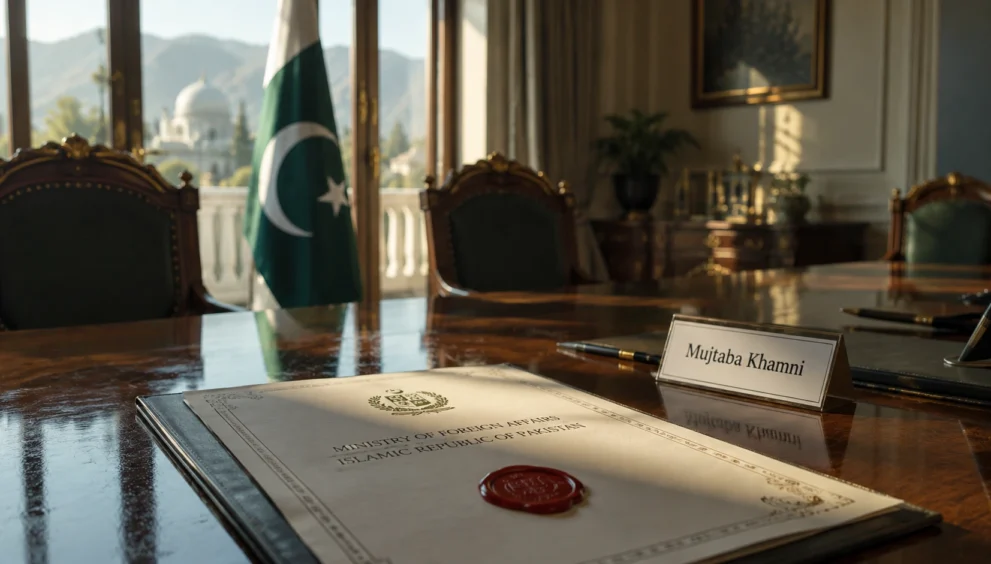
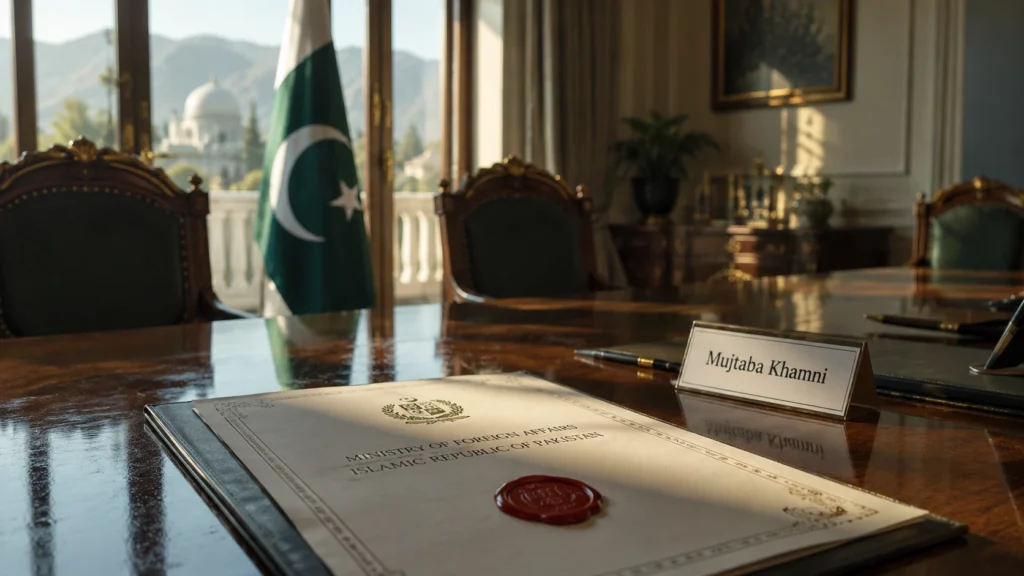
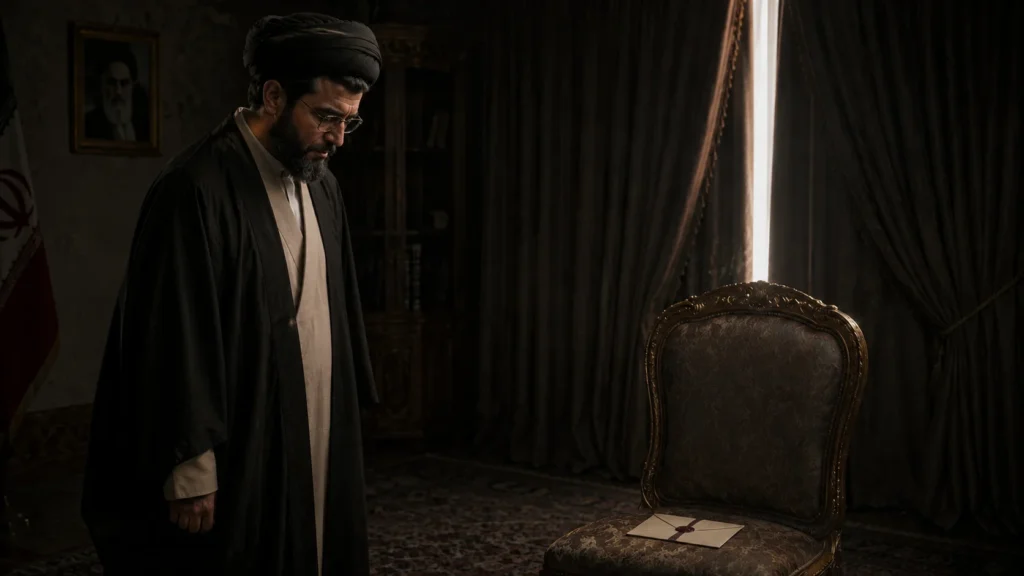
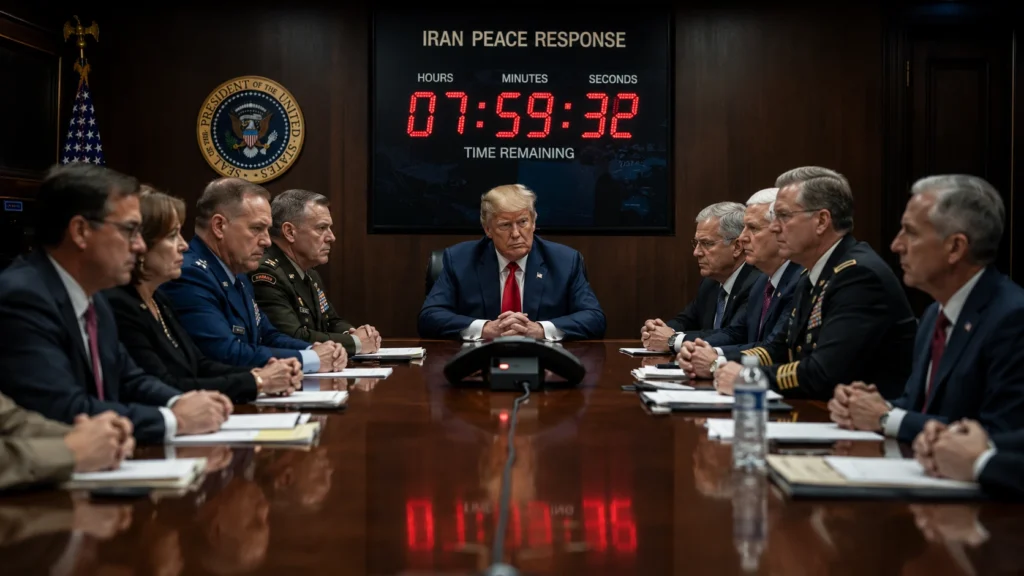
The response arrived in Pakistan on Sunday, 11 May 2026. Iranian state media confirmed the delivery. No details. No summary. No indication of acceptance, rejection, or counter-proposal. The mediators received the document. The Americans awaited its contents. The war continued around them.
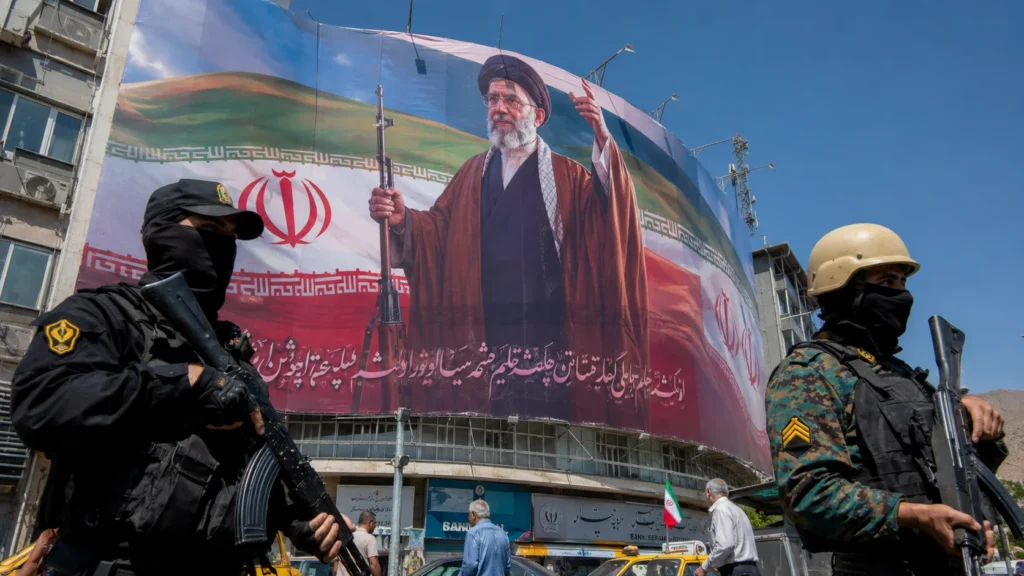
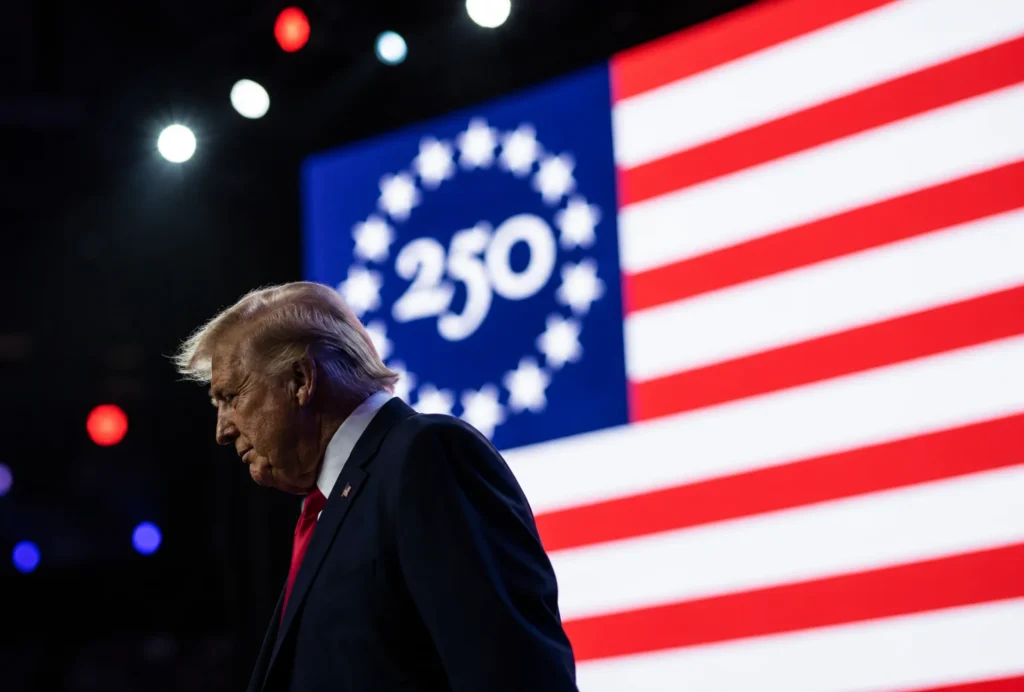
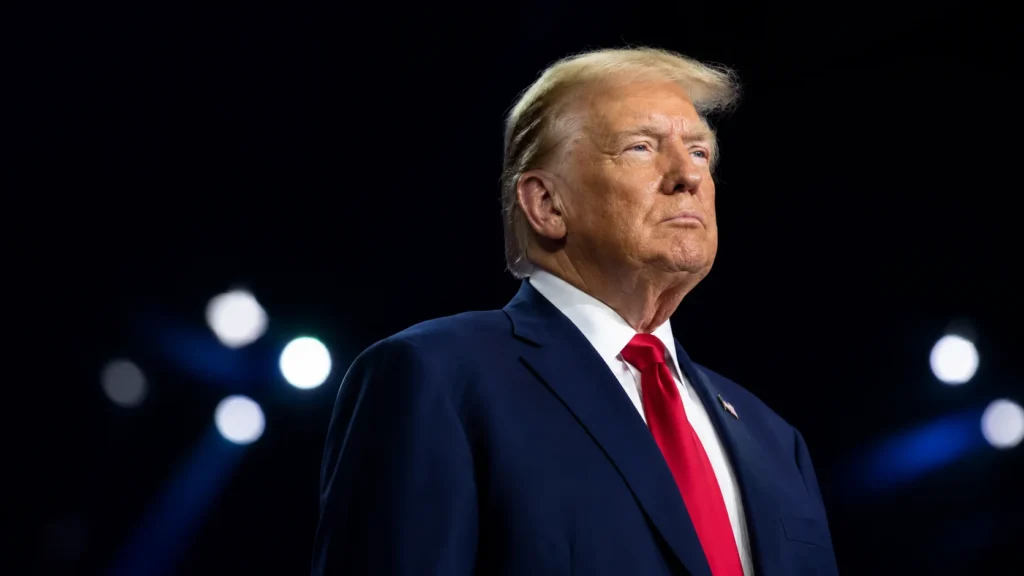
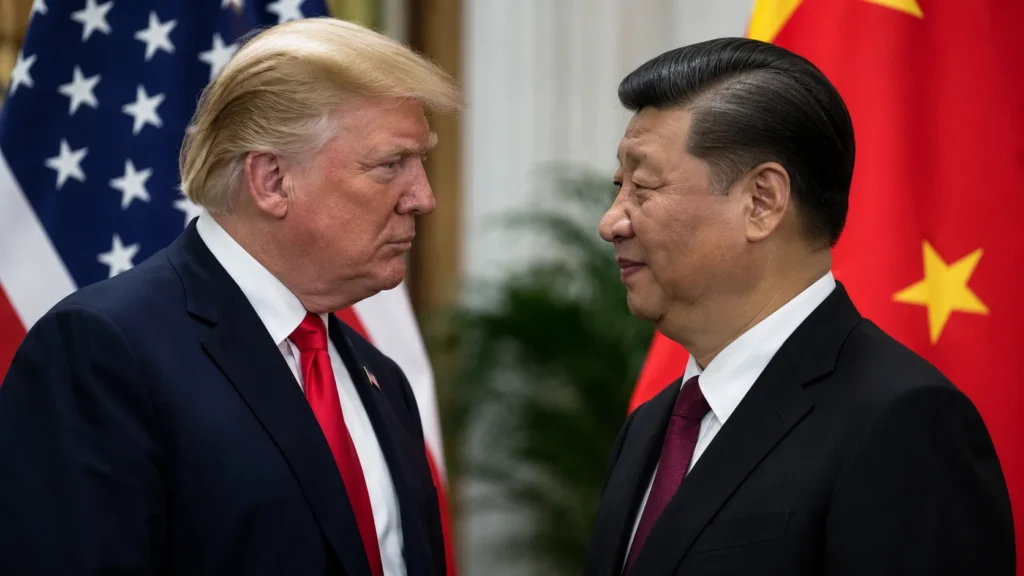
On the same day, Iran’s President Masoud Pezeshkian posted on X: “We will never bow our heads before the enemy, and if talk of dialogue or negotiation arises, it does not mean surrender or retreat. Rather, the goal is to uphold the rights of the Iranian nation and to defend national interests with resolute strength.” The post did not reference the proposal directly. The audience was domestic. The timing was the message.
So what happens now?
The answer depends on the contents of a document that neither side has made public, a 14-point memorandum of understanding that a senior Iranian parliamentarian has already dismissed as a “wish list,” and a military balance that continues to produce violence while diplomats exchange proposals.
The Proposal and the Response
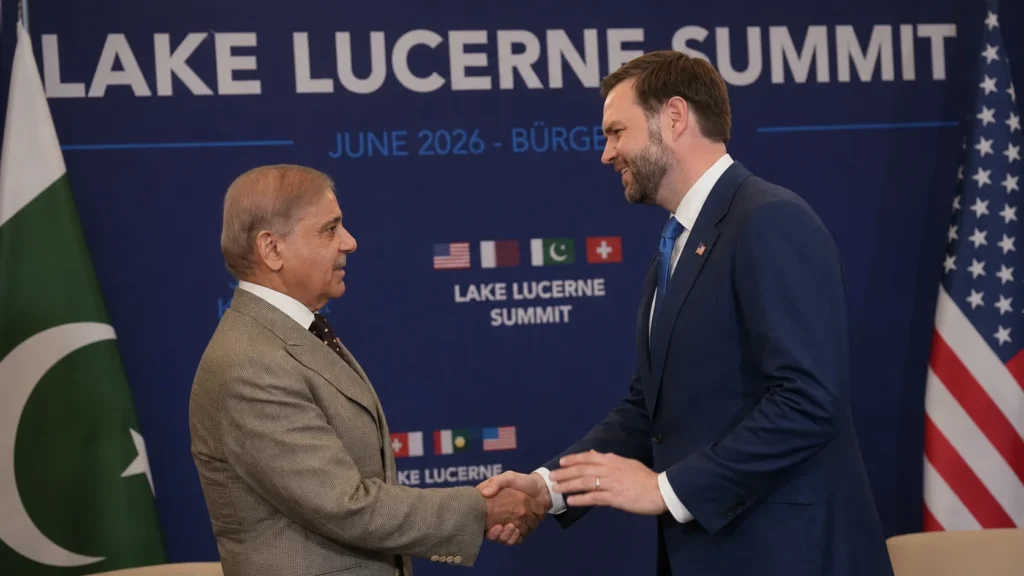
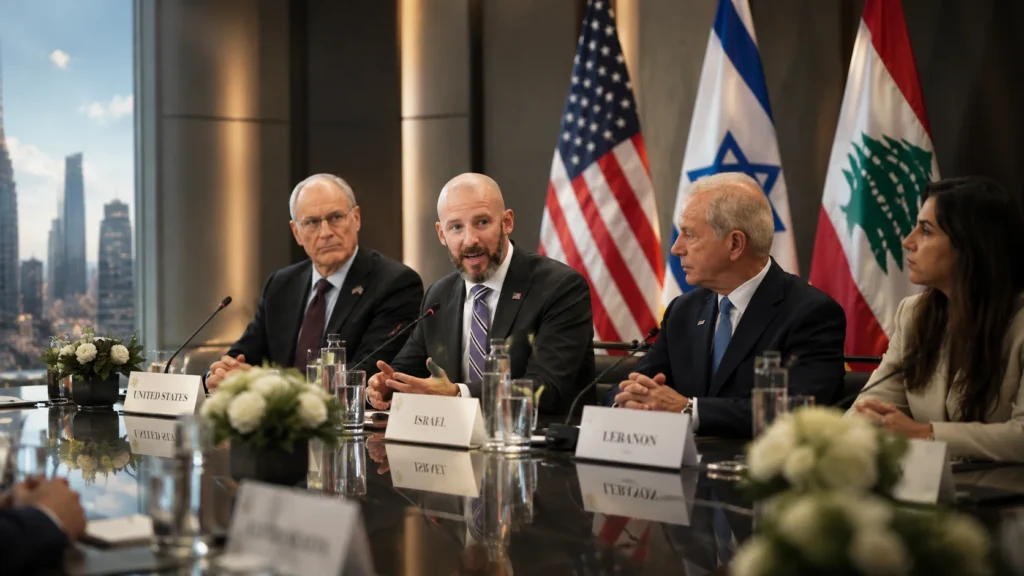
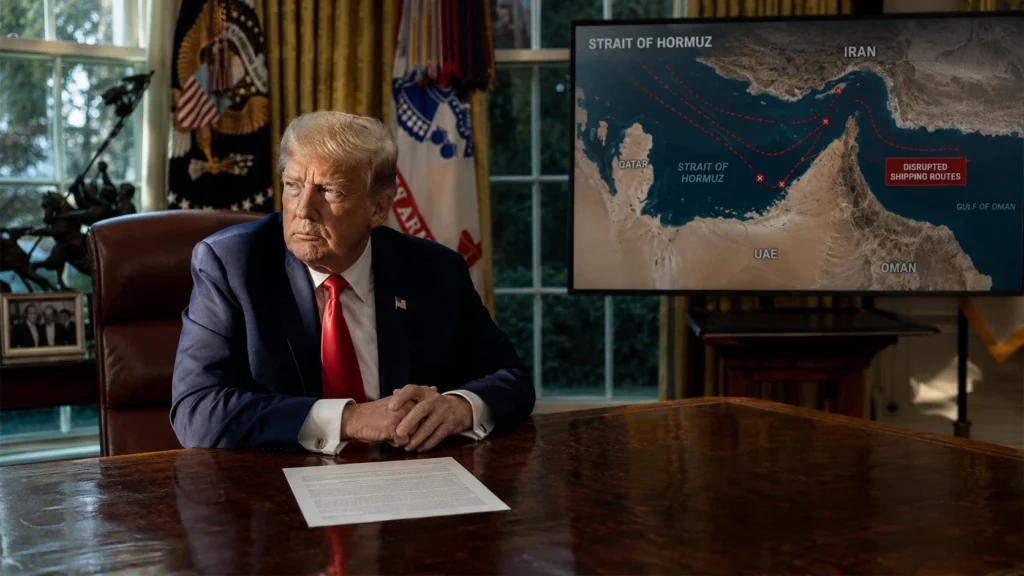
The US proposal, as reported by Axios citing two US officials and two other sources briefed on the issues, centres on a one-page, 14-point memorandum of understanding. The reported terms include suspending Iranian nuclear enrichment, lifting sanctions, and restoring free transit through the Strait of Hormuz. Many provisions would be contingent on a final agreement being reached.
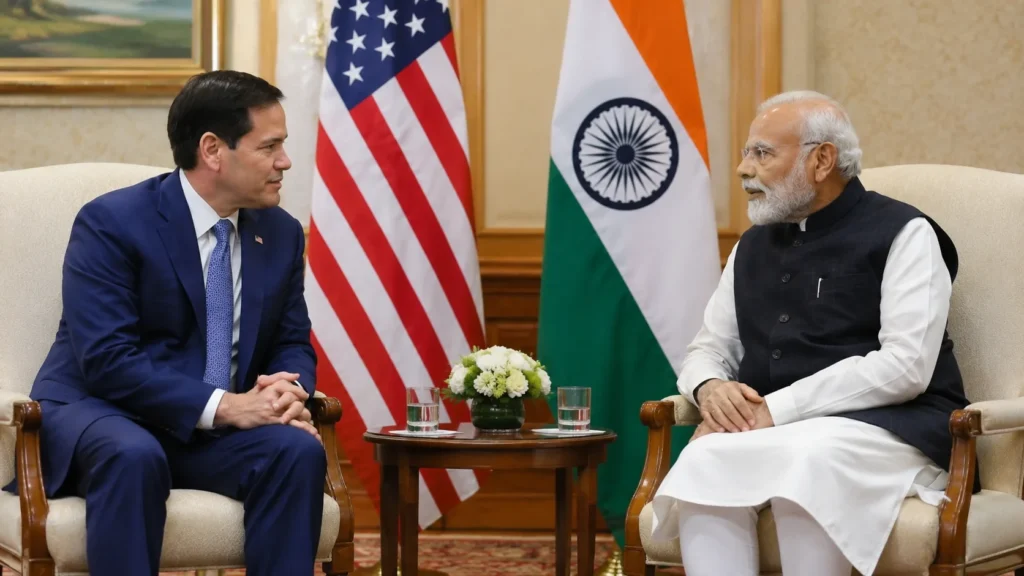
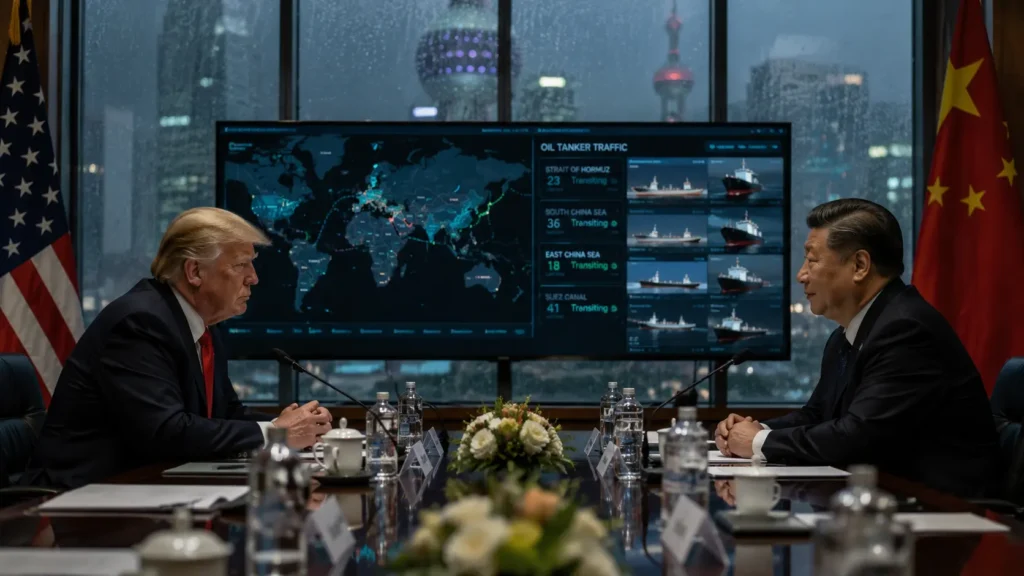
The structure reflects the asymmetry of the conflict. Washington wants Iran’s nuclear programme suspended, the strait reopened, and a framework for permanent resolution. Tehran wants sanctions lifted, the blockade ended, and acknowledgment of its sovereign control over the waterway it has effectively closed. As previous analysis of the US-Iran ceasefire negotiations documented, the gap between those positions is what Pakistani mediators are attempting to bridge.
Iran’s response, delivered Sunday, is the latest measurement of whether that gap is narrowing. A senior member of Iran’s parliament previously dismissed the memo as a “wish list.” Whether the formal response repeats that dismissal or moves beyond it remains unknown.
The Military Reality on Response Day
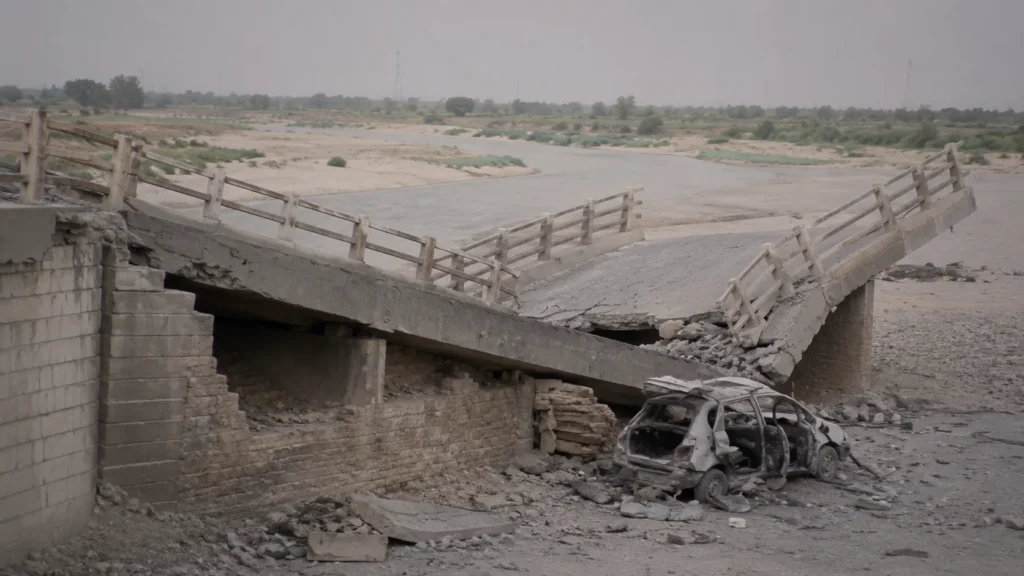
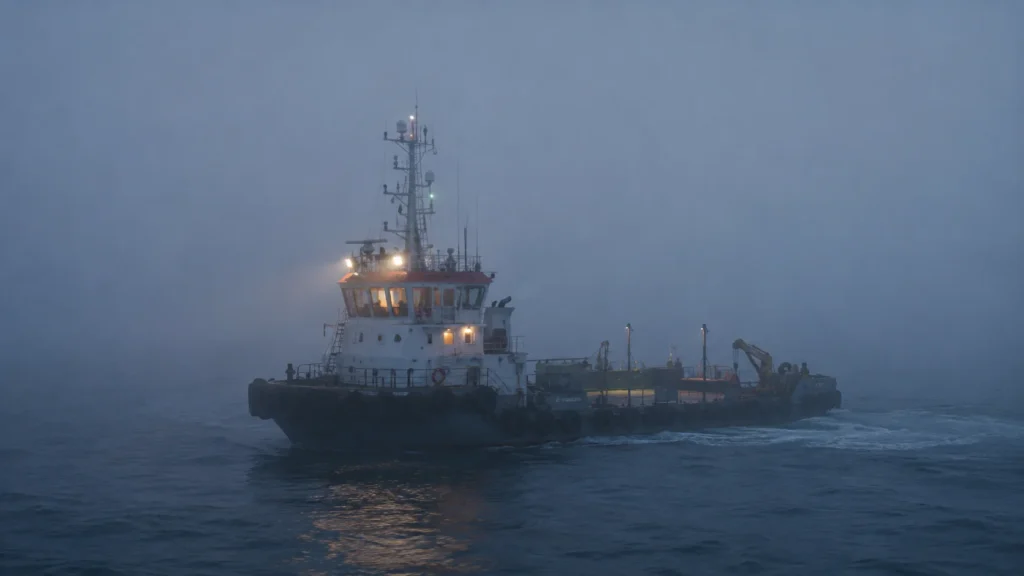
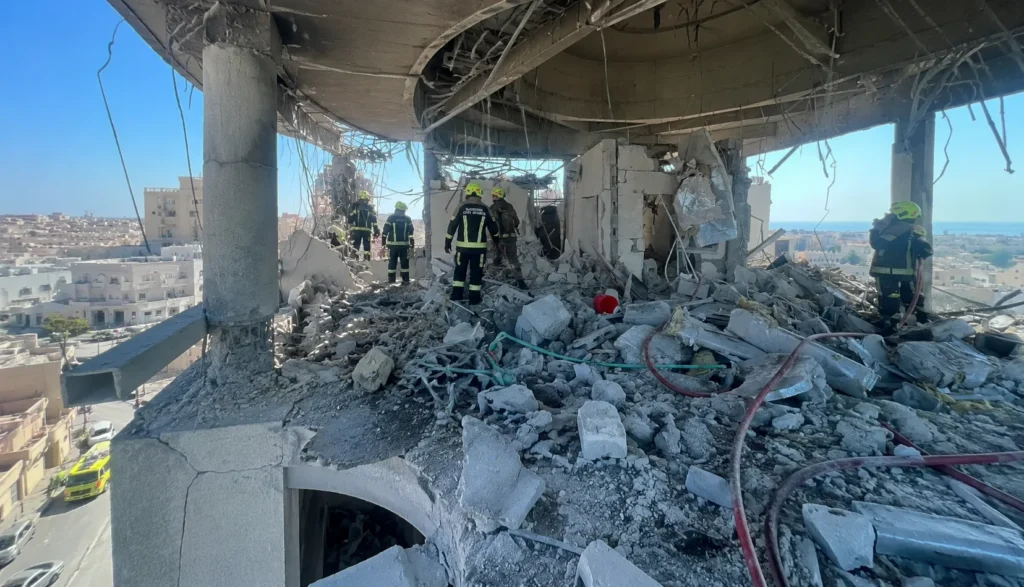
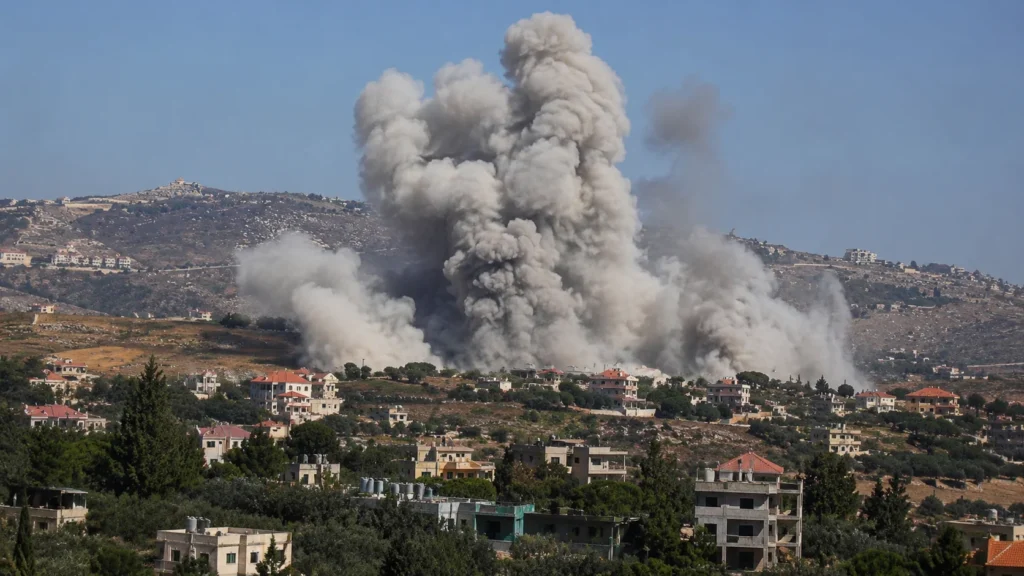
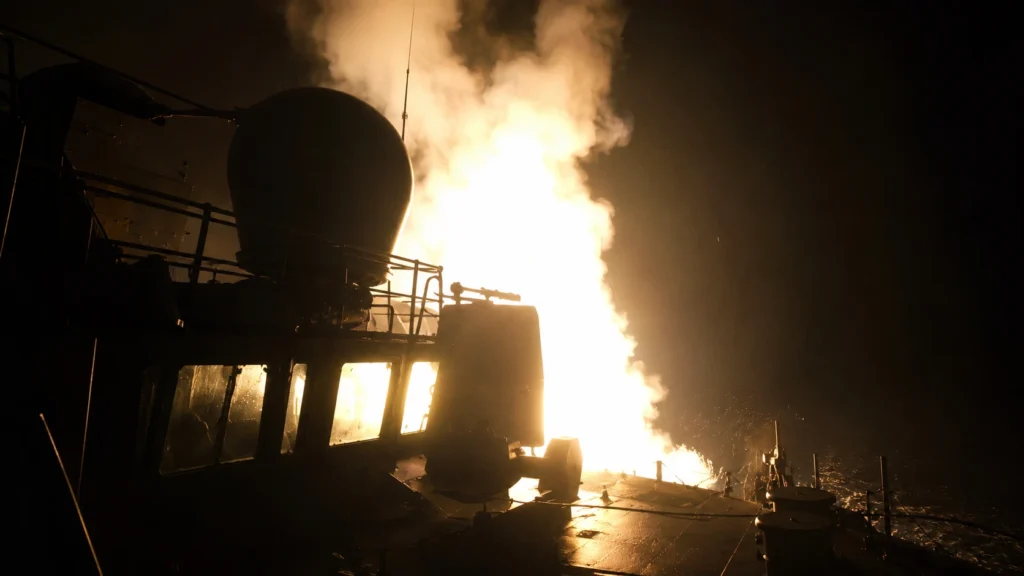
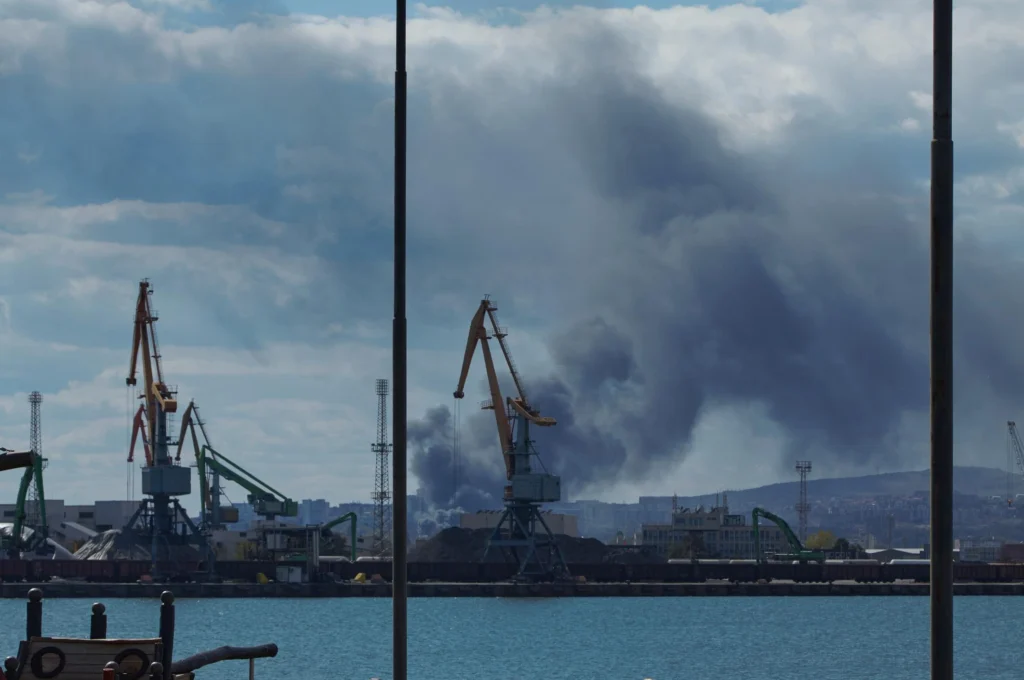
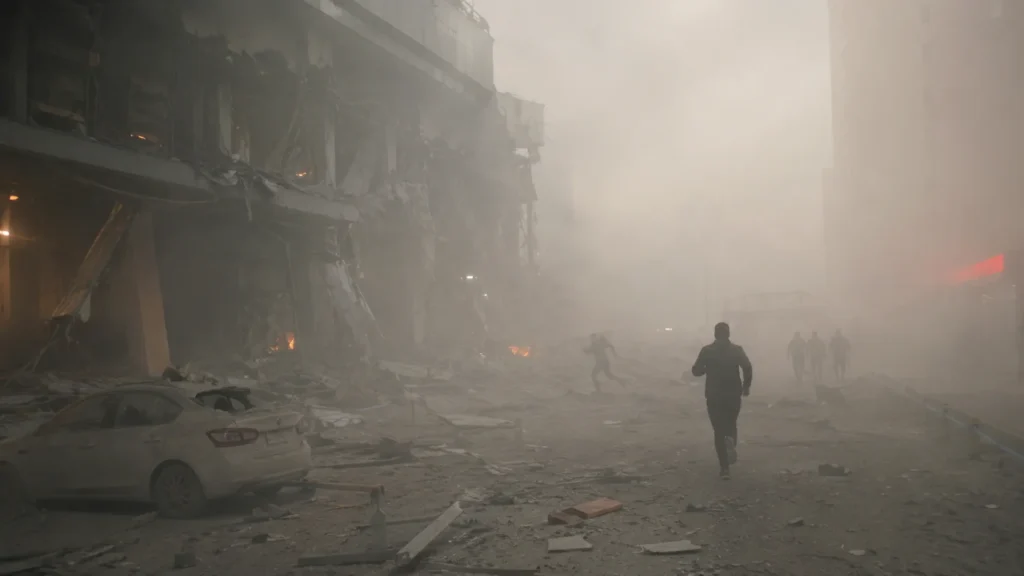
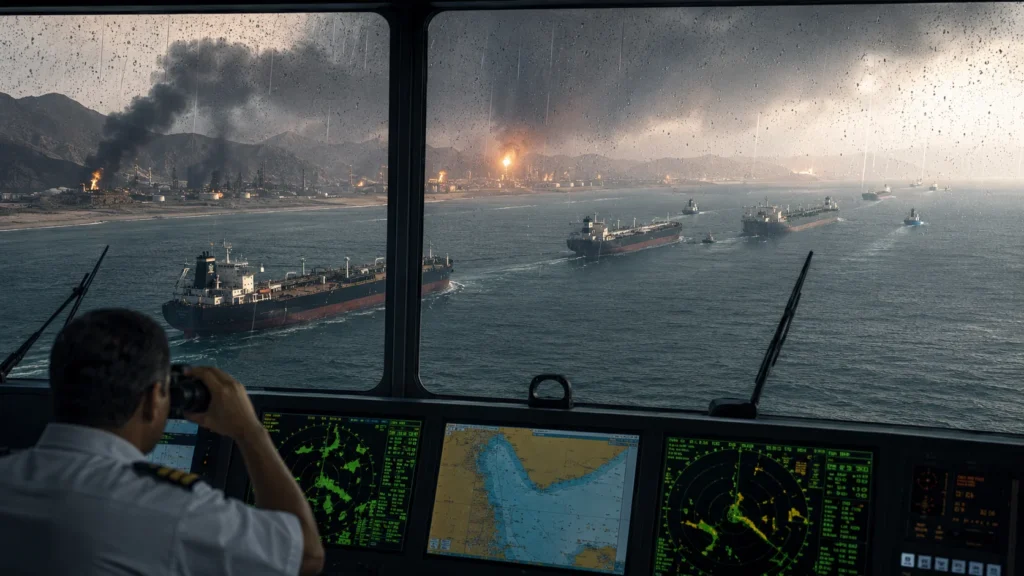
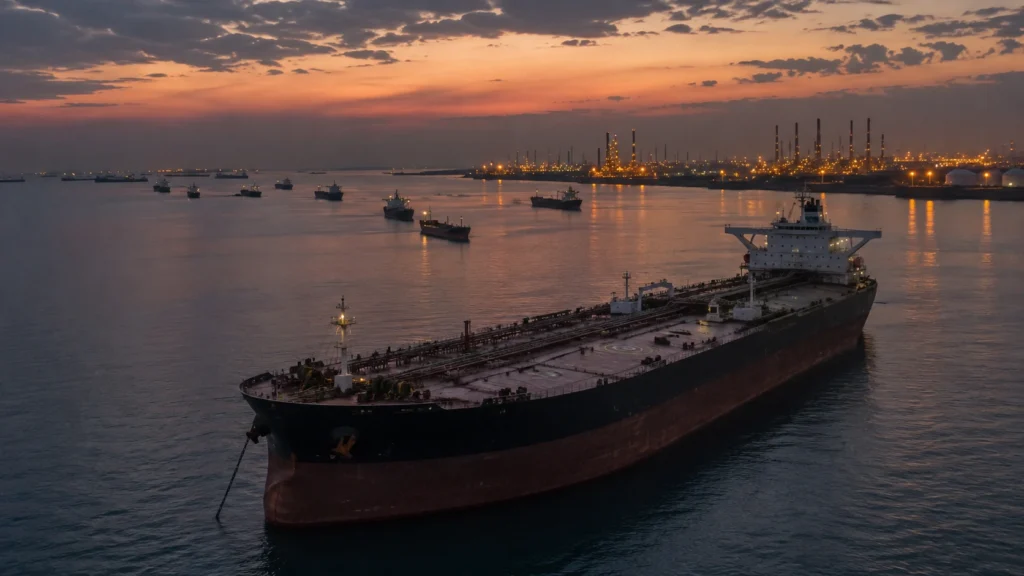
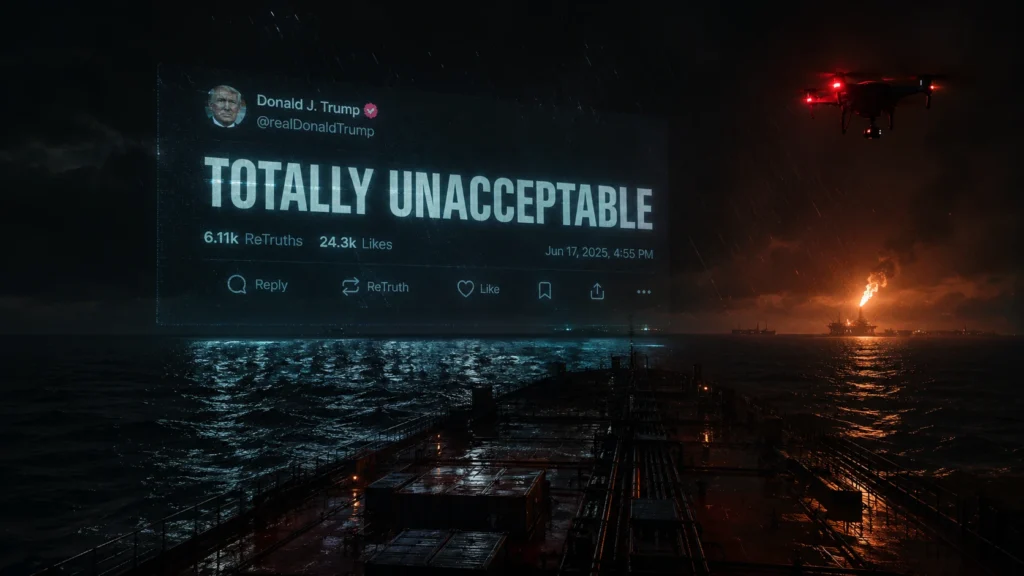
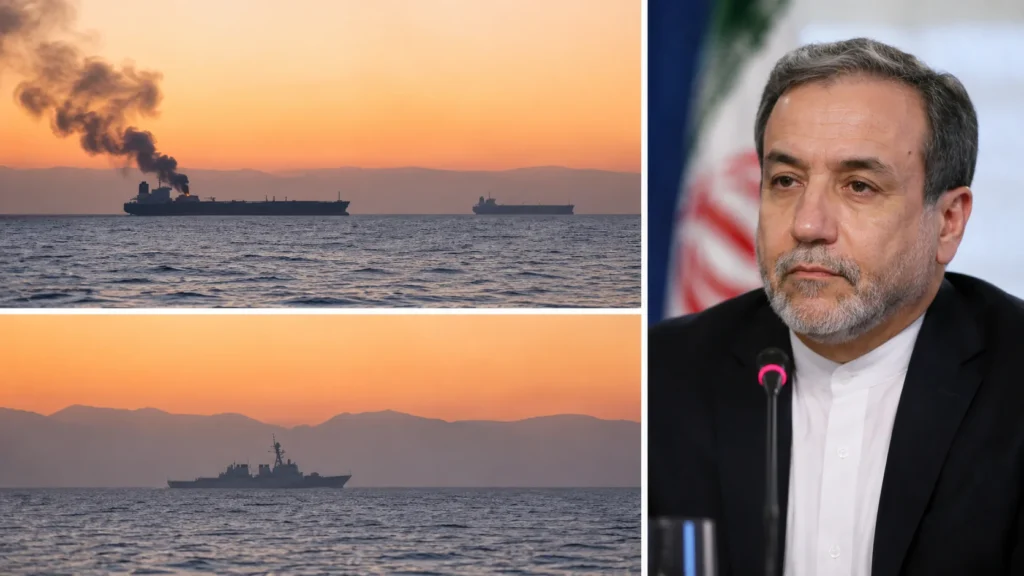
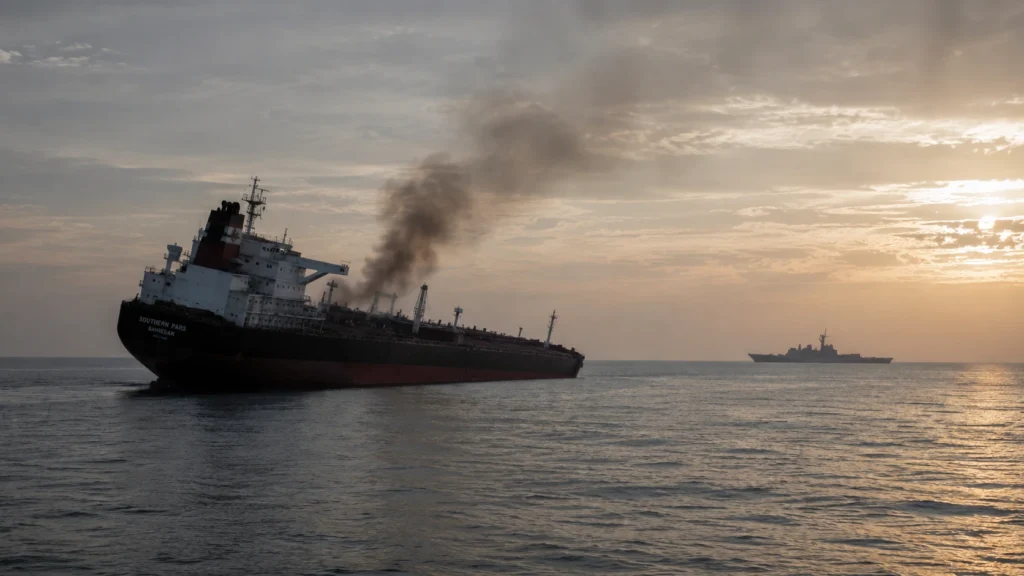
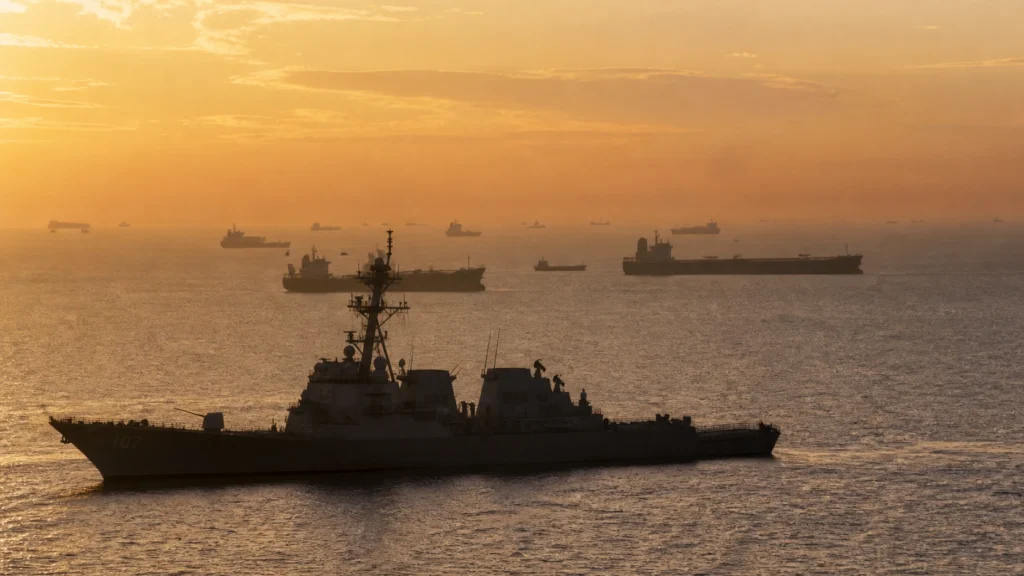
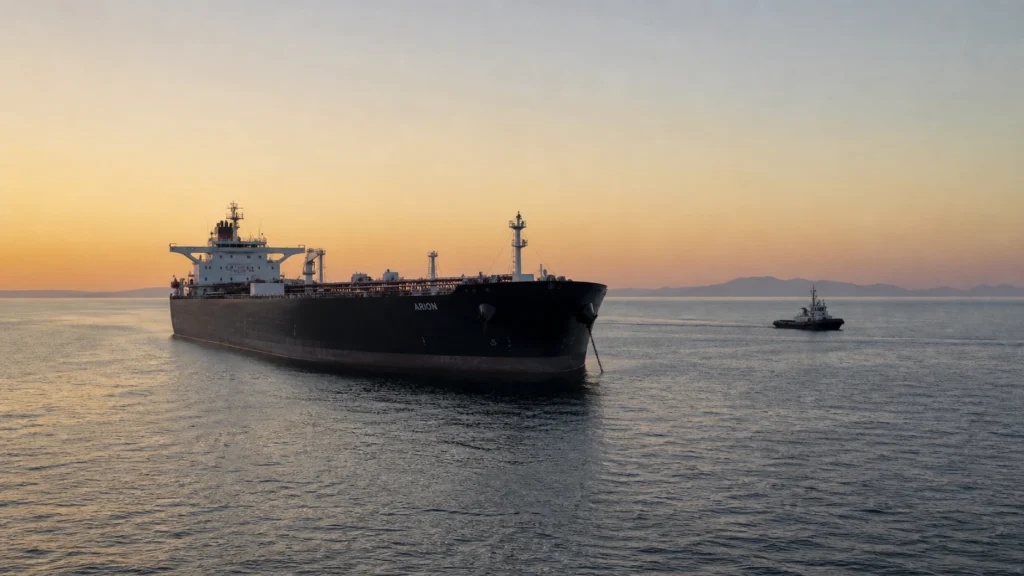
The diplomatic response arrived on a day of continued hostilities. A bulk carrier was hit by an unknown projectile 23 nautical miles northeast of Doha in Qatar on Sunday. Iran’s Fars news agency claimed the vessel was sailing under the US flag. The UK Maritime Trade Operations Centre reported a small fire and no casualties.
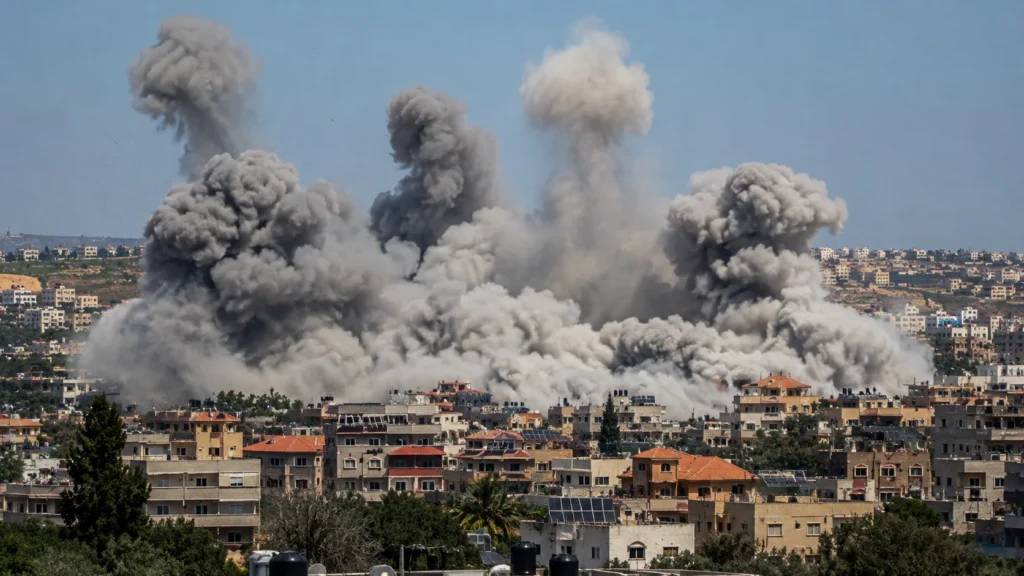
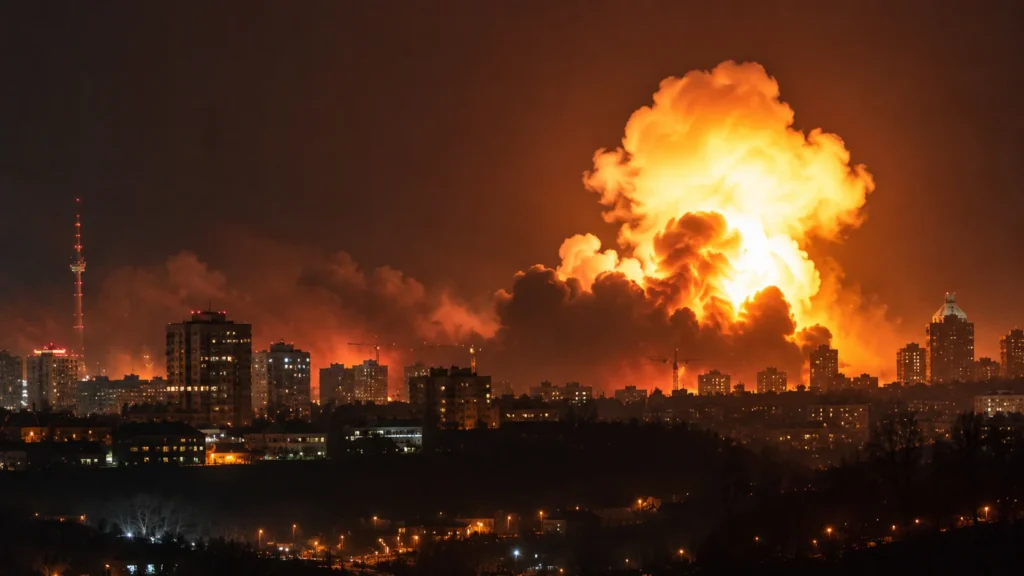
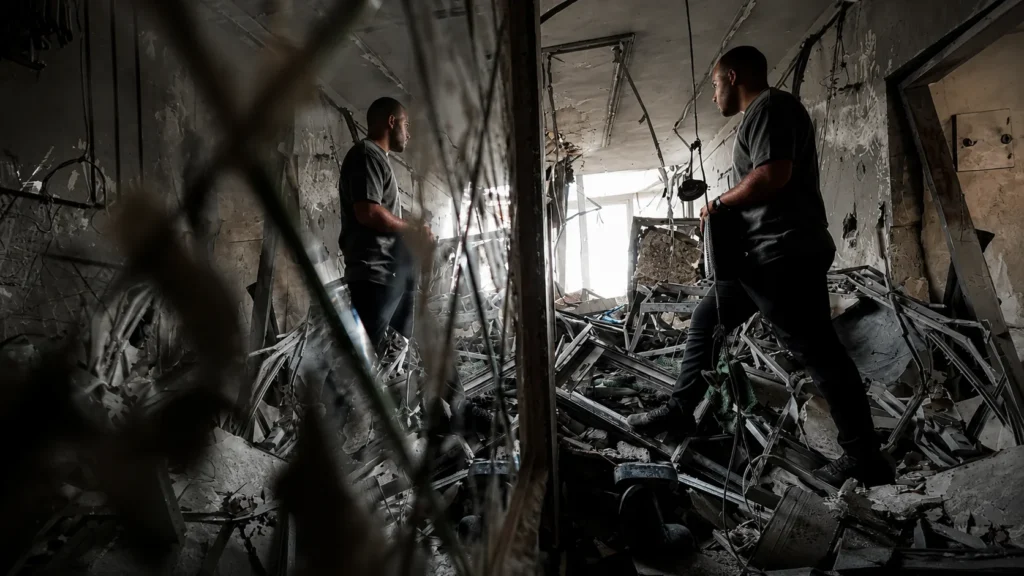
Kuwait said drones entered its airspace. The military “dealt with them.” Hours later, the UAE said its air defences intercepted two drones coming from Iran. The attacks on Gulf states are not the primary theatre of the war. They are the consequence of the primary theatre. Iran cannot strike the US homeland. It can strike US allies. It does.
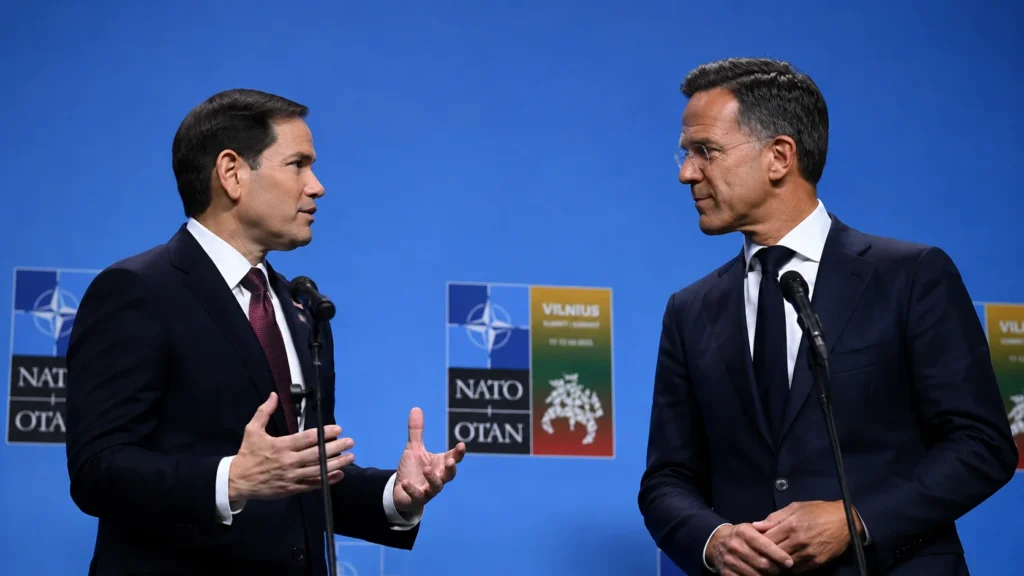
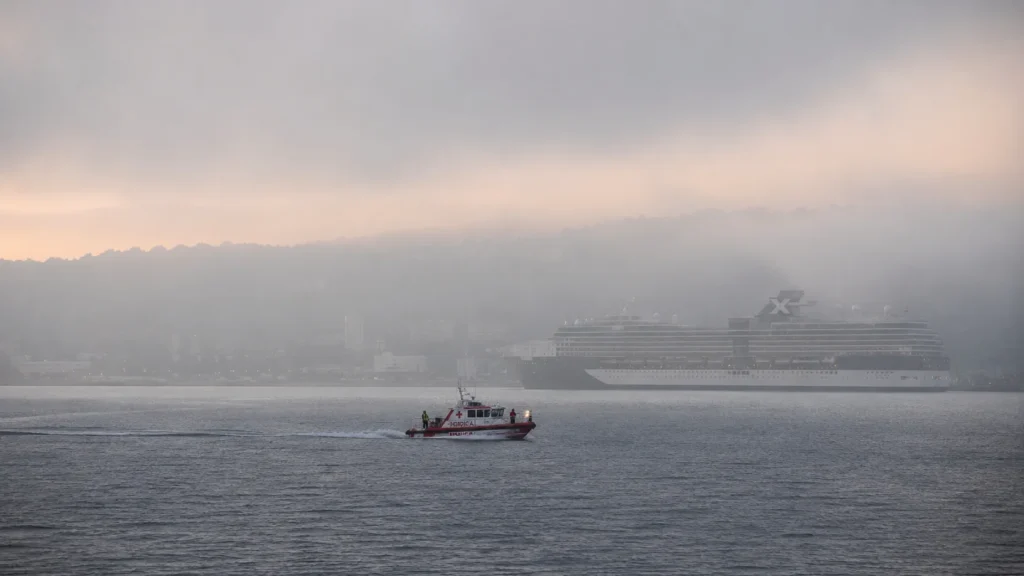
Defence ministers from more than 40 nations meet on Monday, 12 May to discuss UK-led plans to protect shipping in the Strait of Hormuz. UK Defence Secretary John Healey and French Defence Minister Catherine Vautrin will co-chair. The coalition is expected to outline how it might police maritime traffic once hostilities cease. The meeting anticipates a post-war environment. The war continues.
The Blockade and the Strait
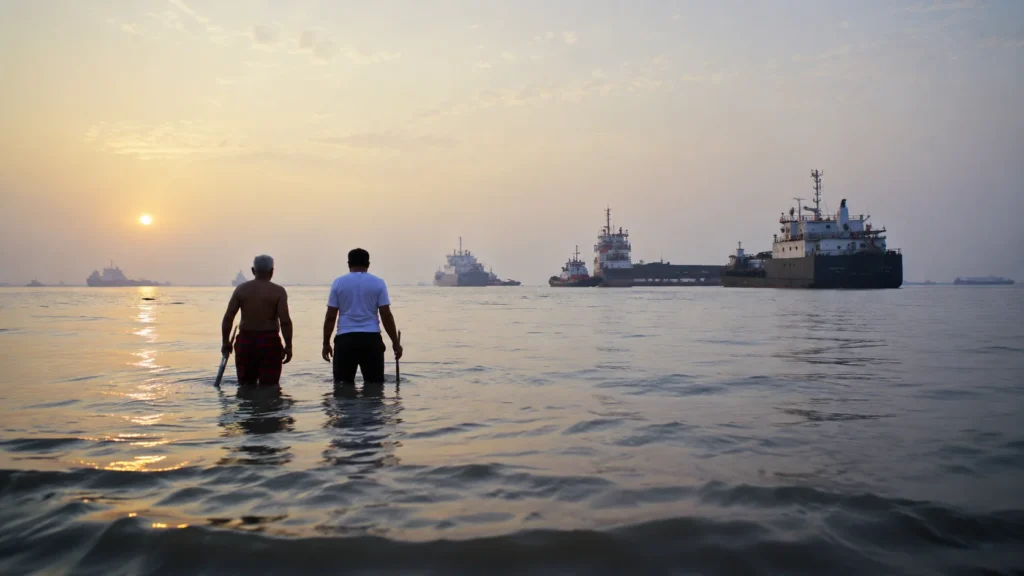
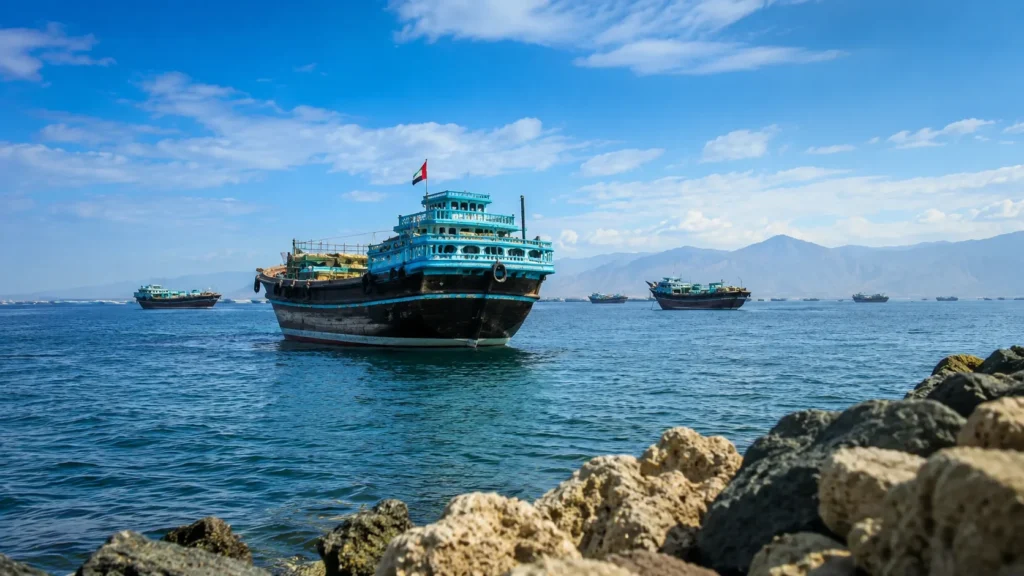
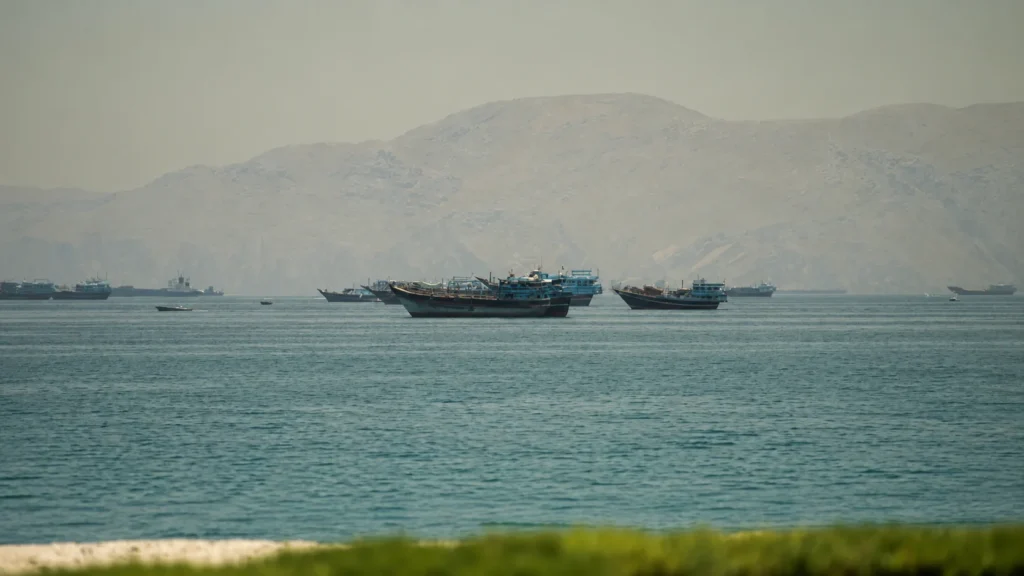
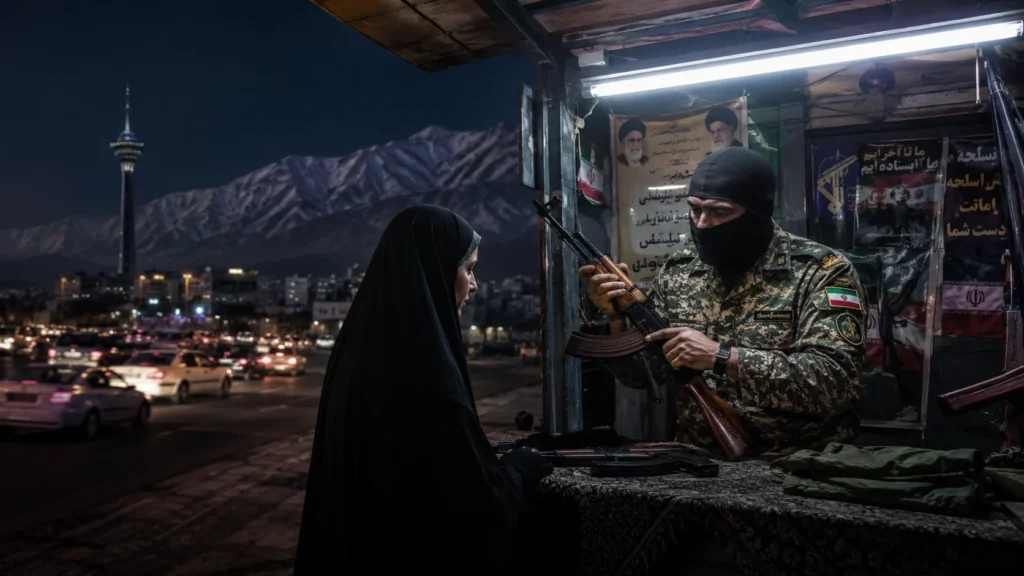
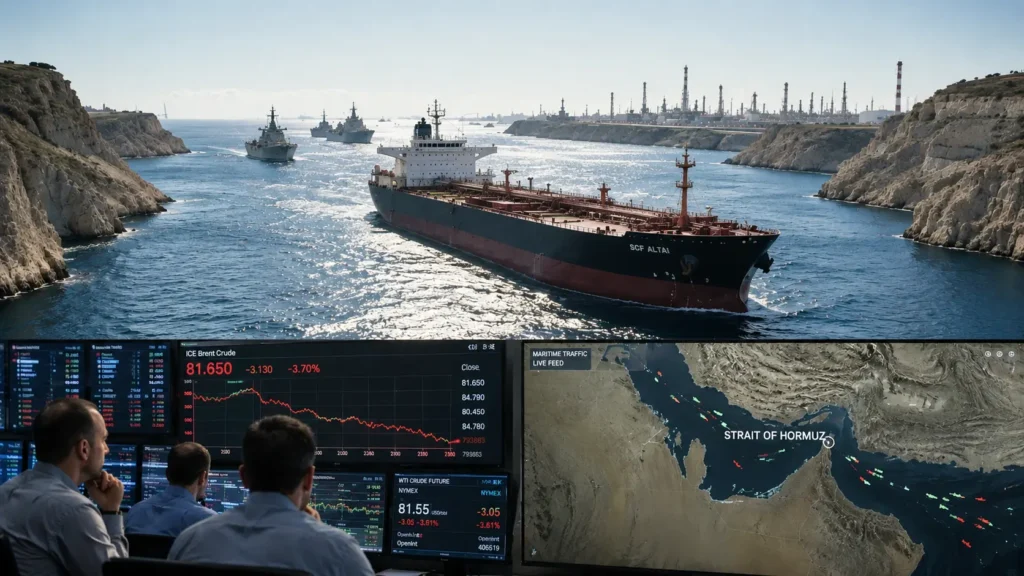
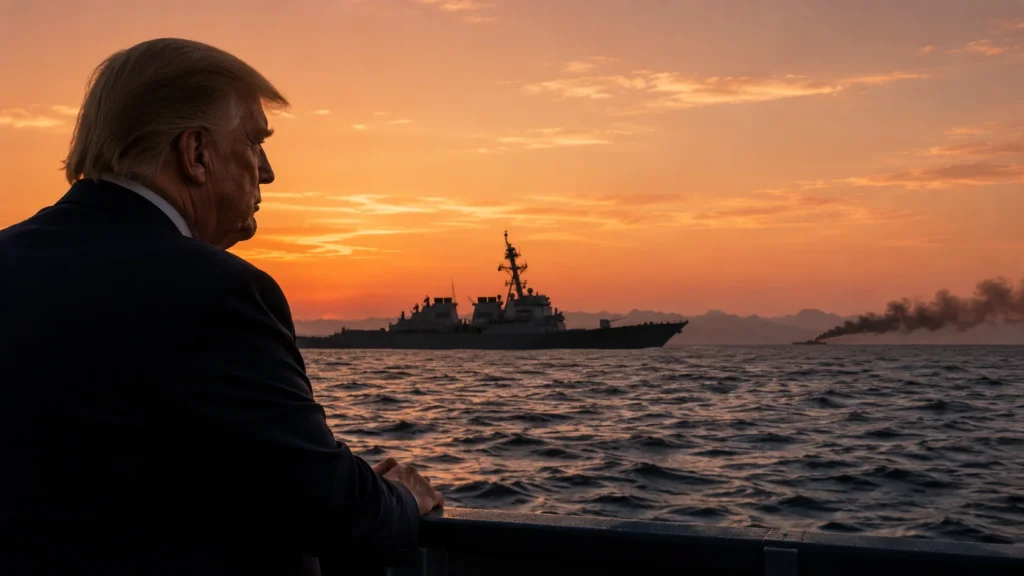
Iran’s military spokesman, Mohammad Akraminia, warned on Sunday that vessels passing through the Strait of Hormuz would face “severe consequences” if they did not cooperate with Tehran first. He added that Americans “will never be able to turn this vast expanse in the northern Indian Ocean into a real blockade by covering it with their fleet.”
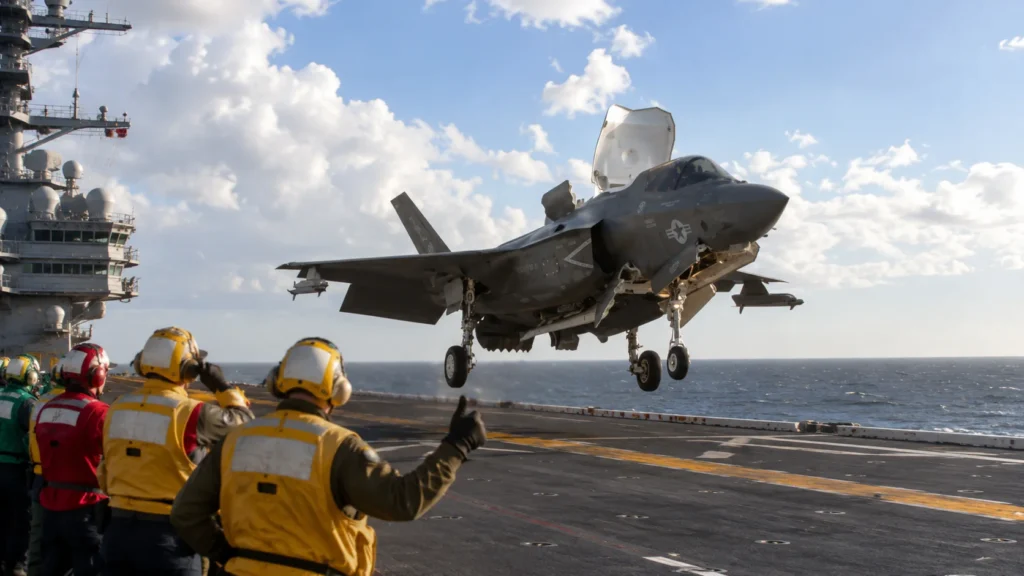
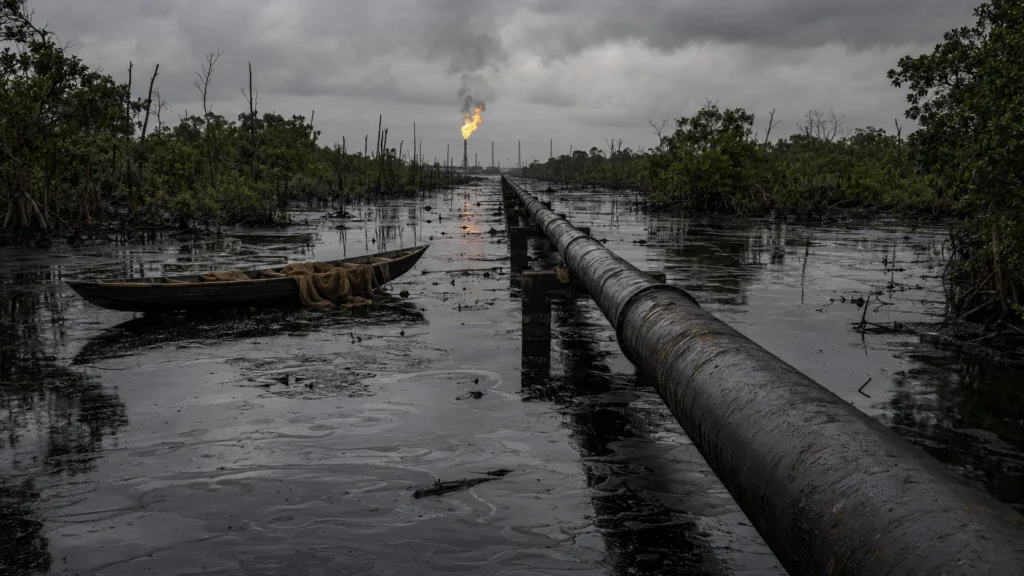
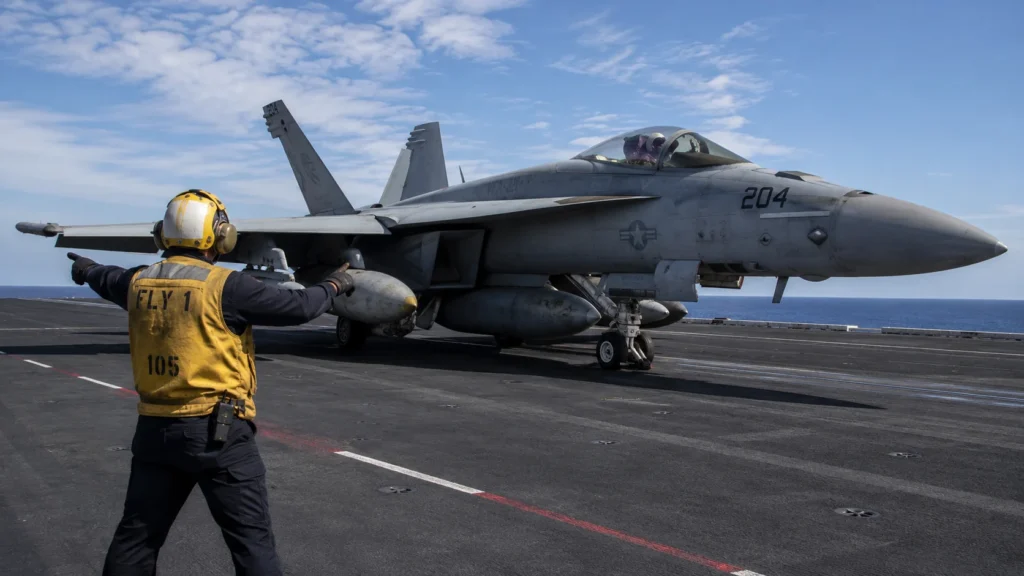
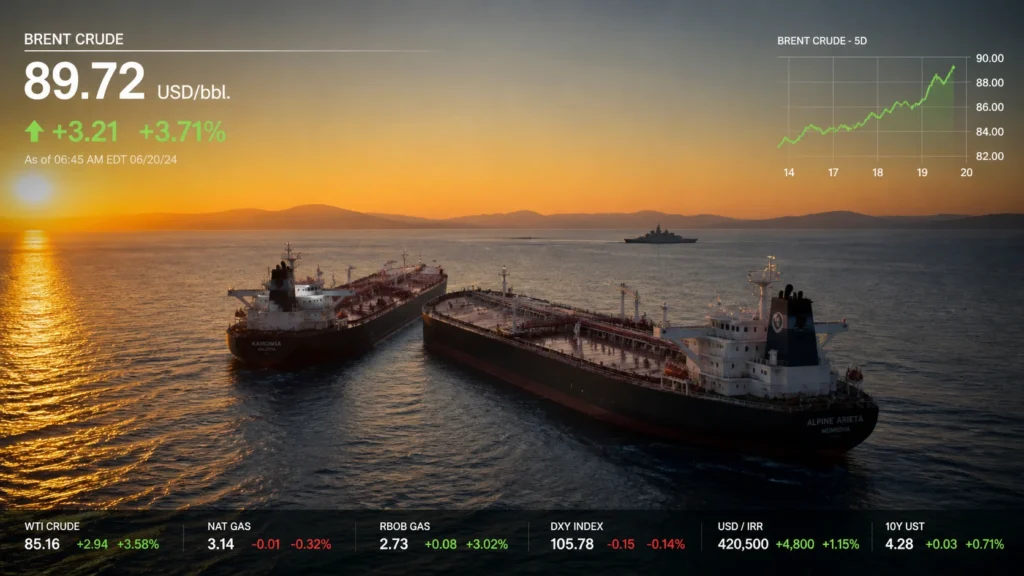
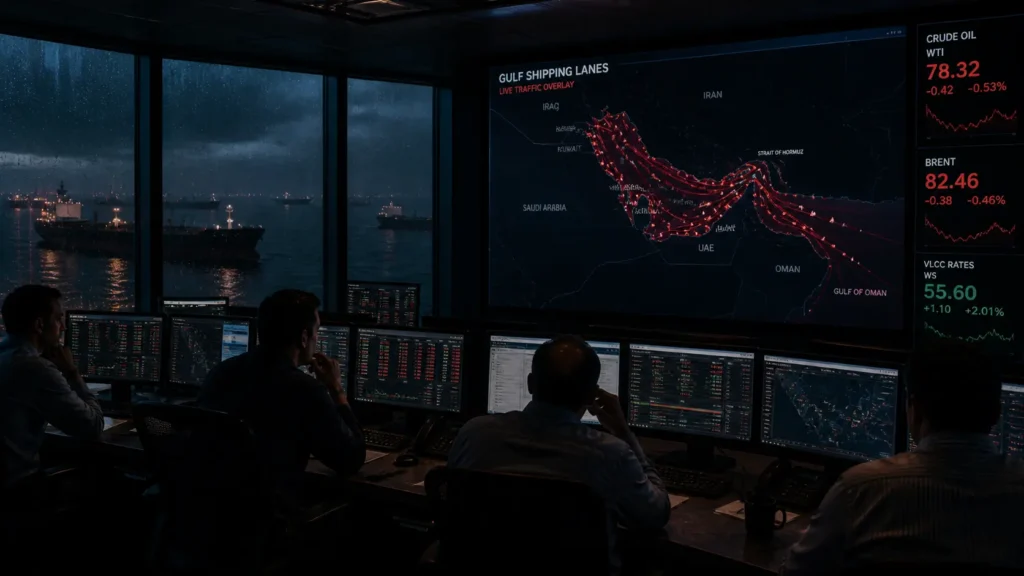
The statement is both a threat and an assessment. The US blockade prevents Iranian tankers from reaching ports. Iran controls the Strait and prevents commercial traffic from transiting without permission. As coverage of the US naval blockade and its economic impact has documented, each side blockades the other. Each side claims the other’s blockade is illegitimate.
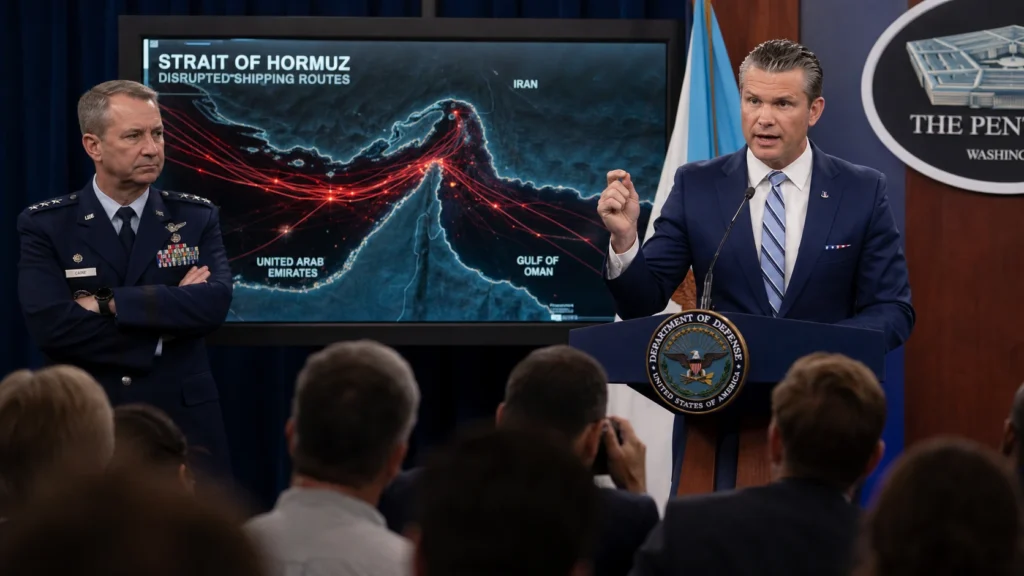
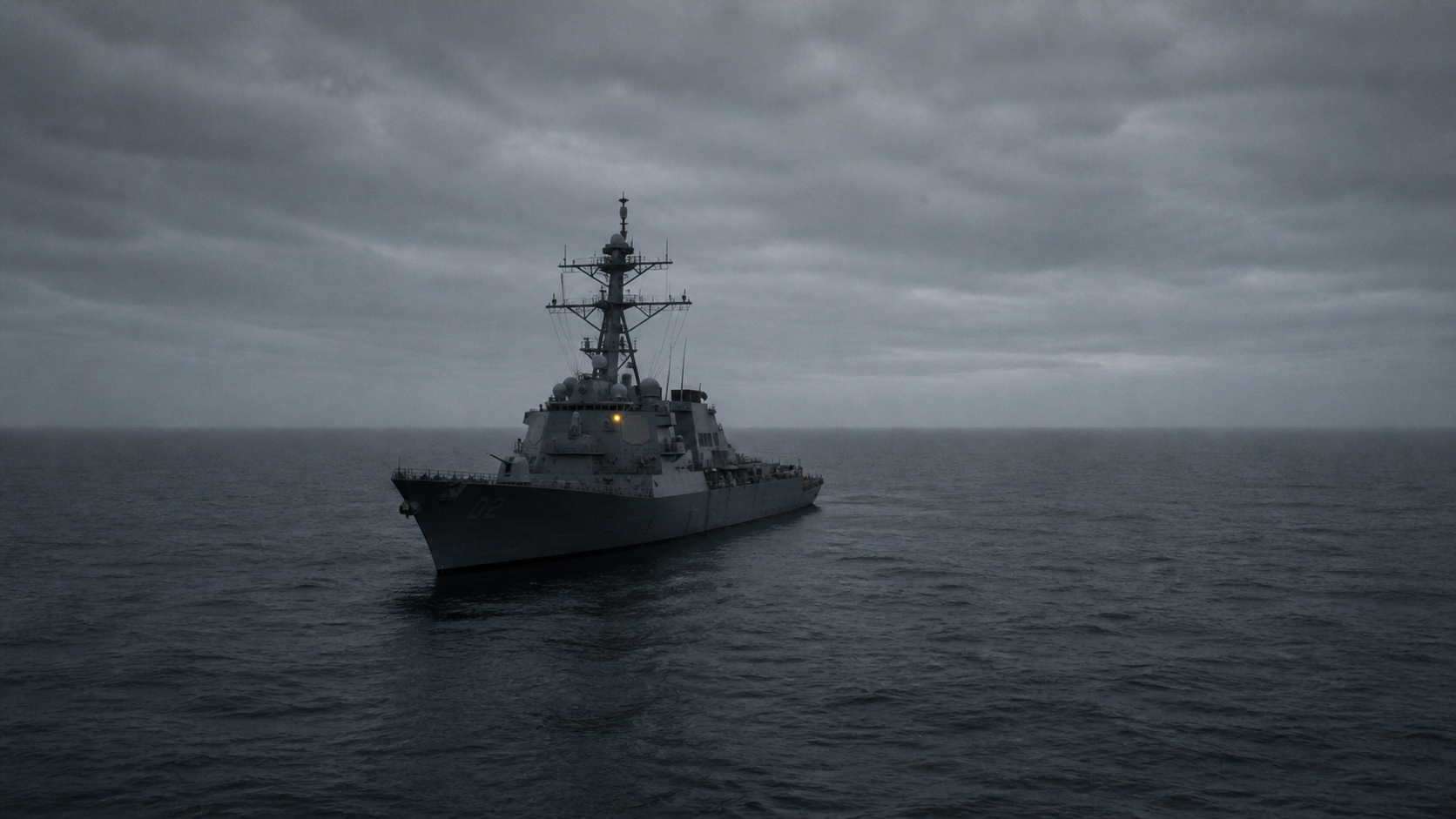
The US has bases in Qatar, Bahrain, Kuwait, the UAE, Saudi Arabia, and Oman. The military footprint is extensive. The blockade is enforced from those bases. The Strait is contested from the Iranian coastline.
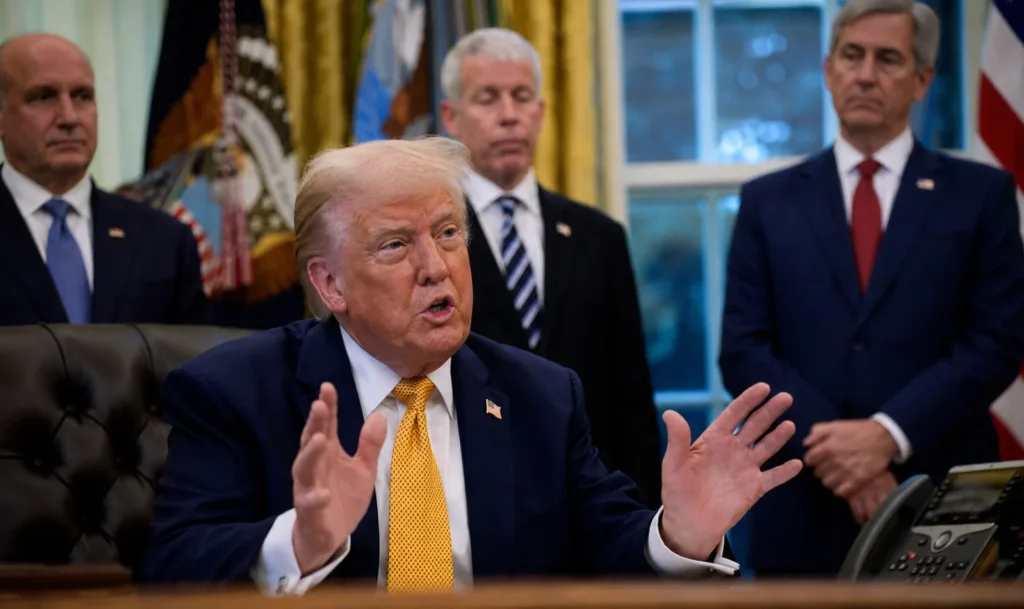
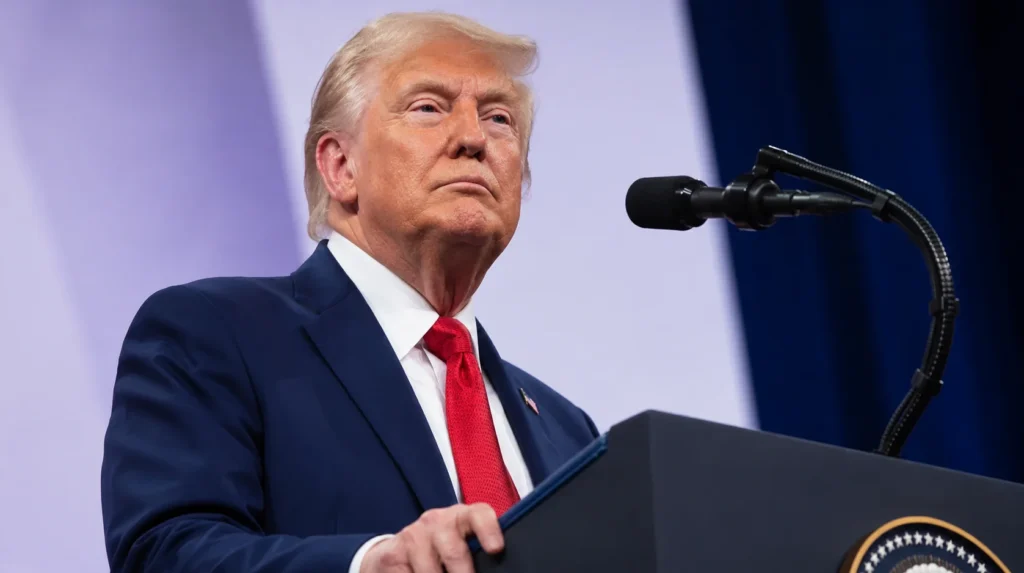
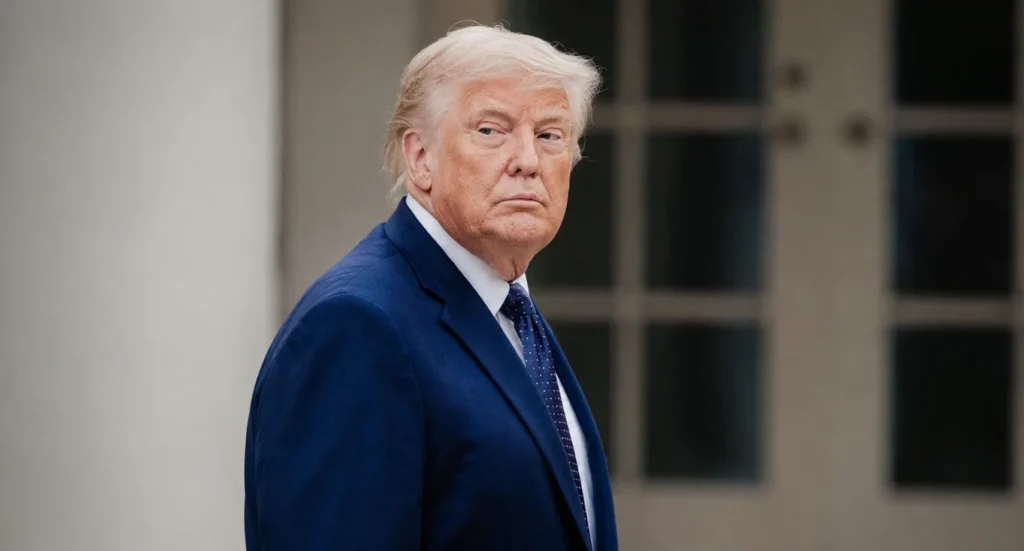
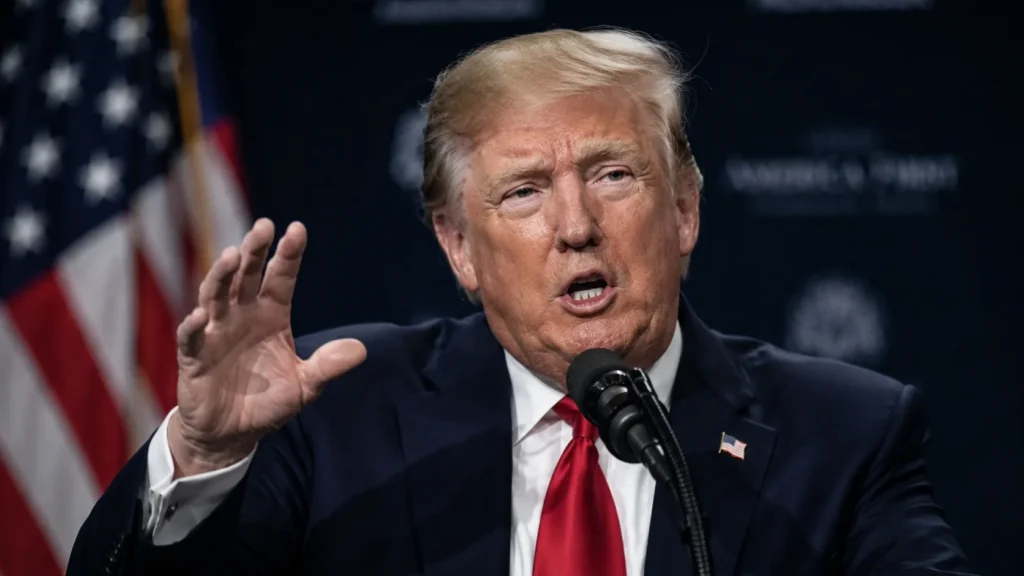
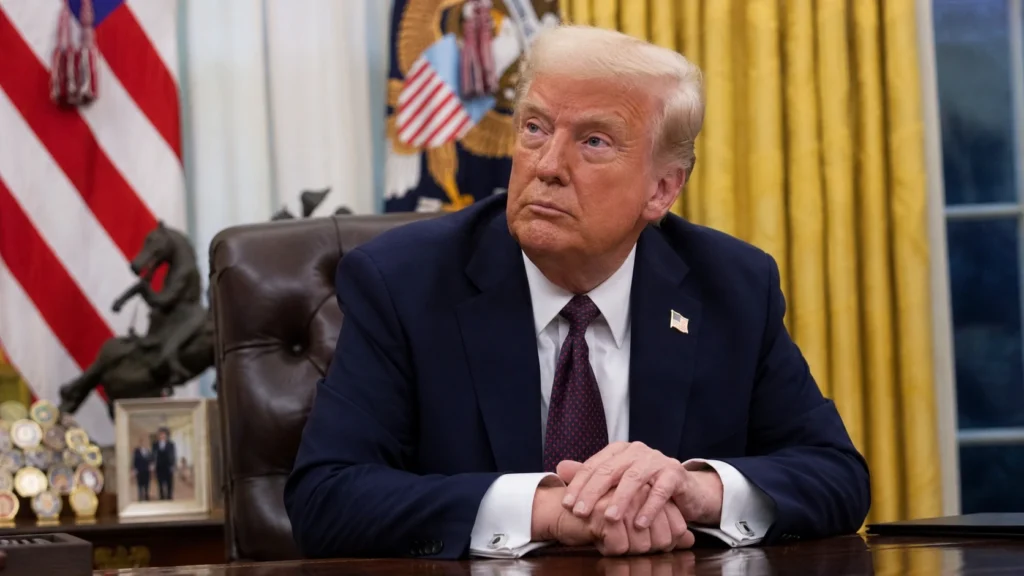
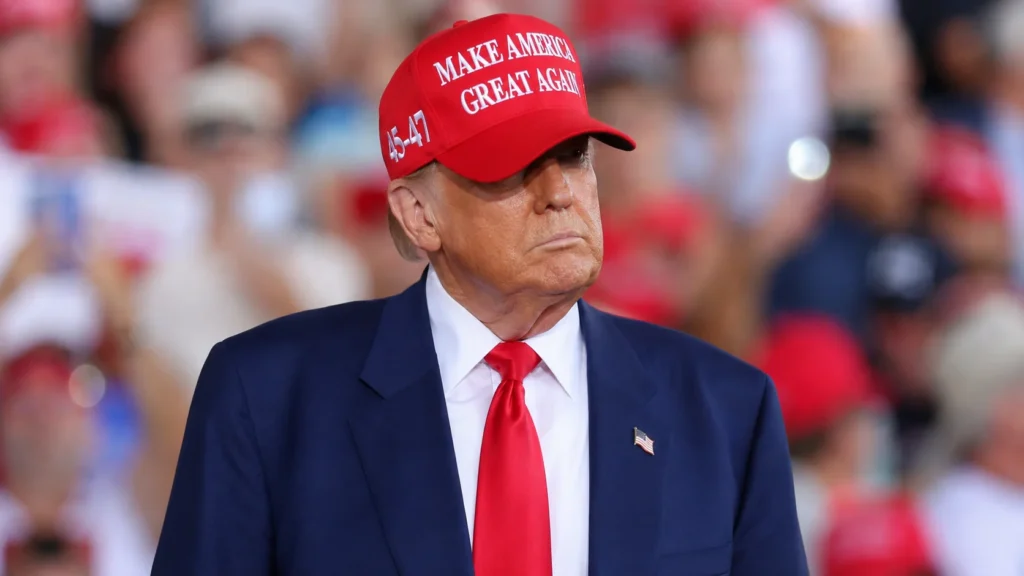
Trump posted on Truth Social on 6 May that if Iran did not agree to a deal, “the bombing starts, and it will be, sadly, at a much higher level and intensity than it was before.” The threat is explicit. The diplomacy continues alongside it.
Strategic Summary
- What changed: Iran delivered its formal response to US peace proposals through Pakistani mediators on Sunday, 11 May. No details were released. The response arrived on a day of continued hostilities: a bulk carrier hit near Qatar, drones intercepted over Kuwait and the UAE, and 40 nations preparing to meet on strait security.
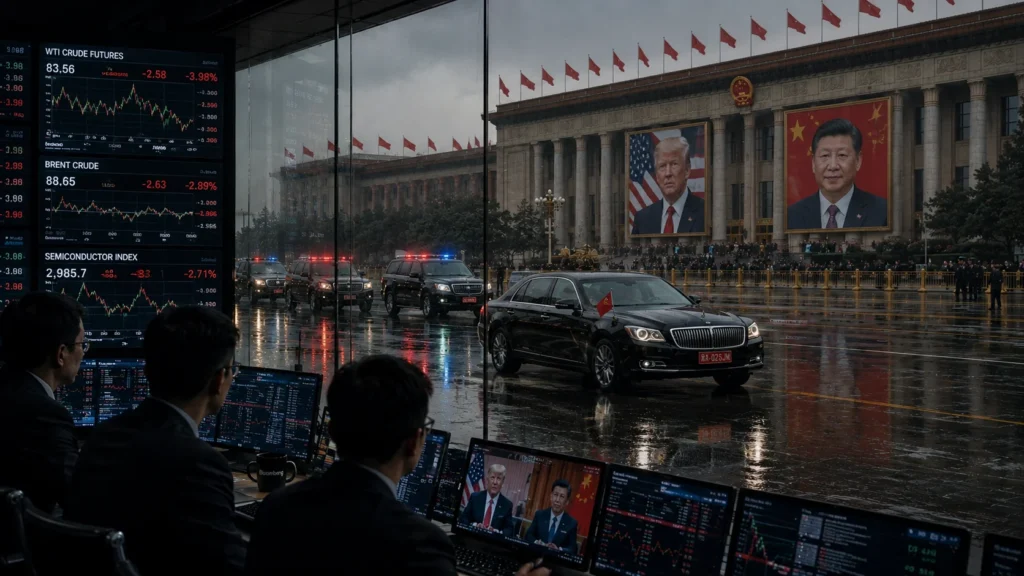
- Why it matters: The response represents the latest move in a contest of endurance between sanctions and resilience. The US blockade pressures Iran’s economy. Iran’s control of the Strait of Hormuz pressures global energy markets. Both sides insist they will not break. The diplomatic measures that side is closer to that point.
- What to watch next: Whether the US characterizes Iran’s response as progress, rejection, or counter-proposal. Whether the 40-nation meeting on Monday will produce concrete commitments for post-war strait policing. Whether the attacks on Gulf states escalate or remain calibrated.
Written by the AnovaStream World News Desk, which has covered the US-Iran conflict since February 2026.