

 English





























































































































































































































































Oil Above $100 Signals the Strait Isn’t the Only Bottleneck
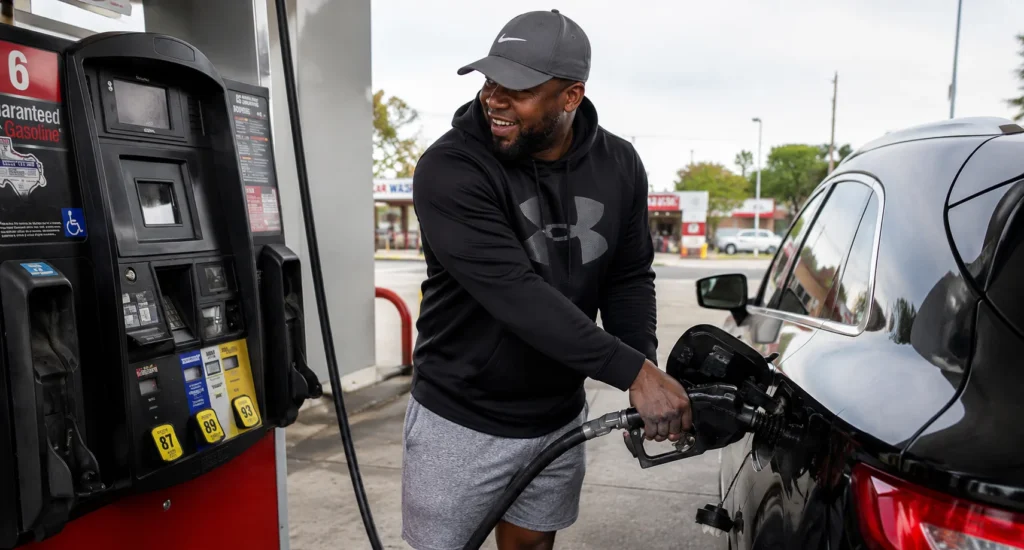
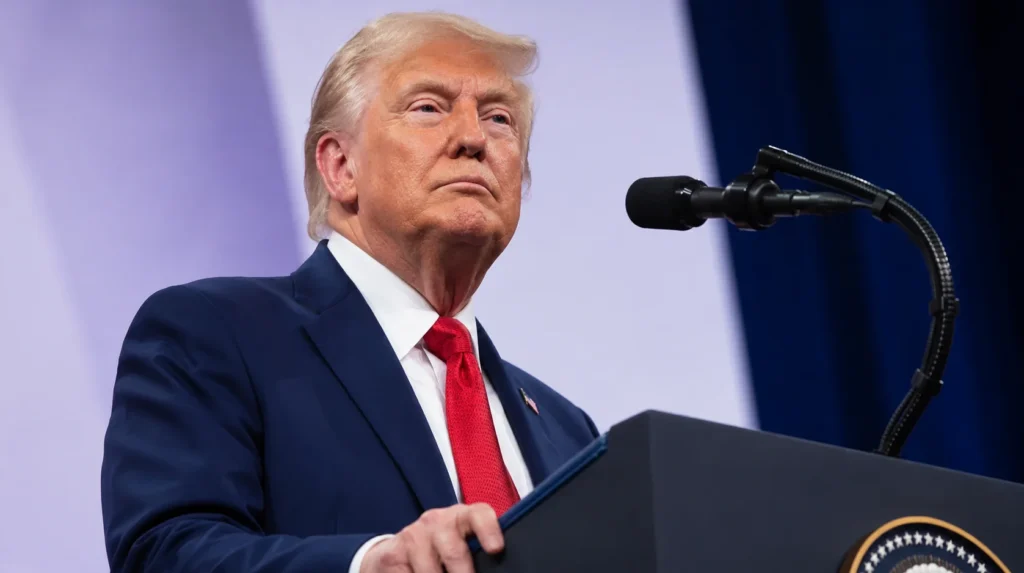
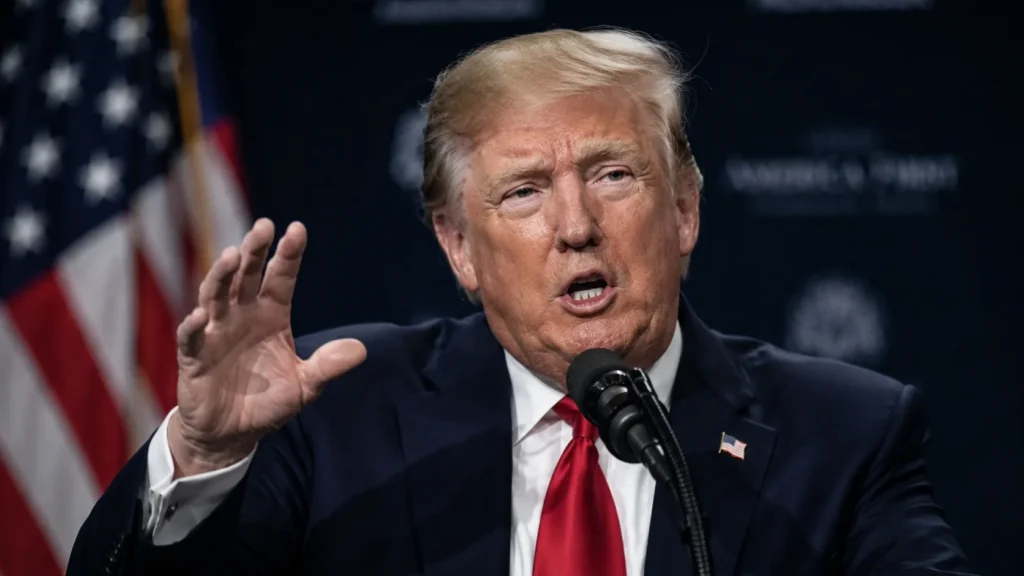
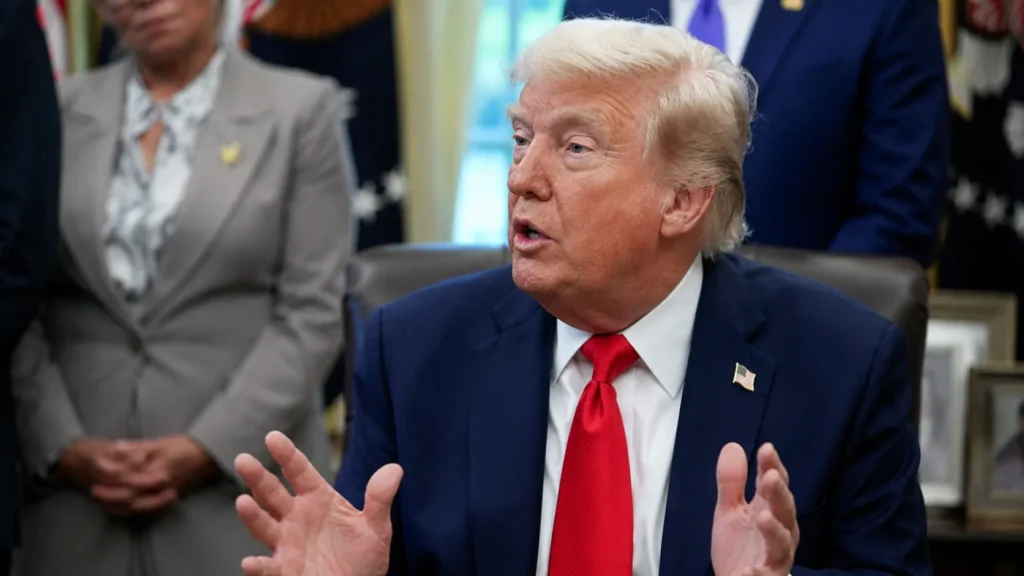
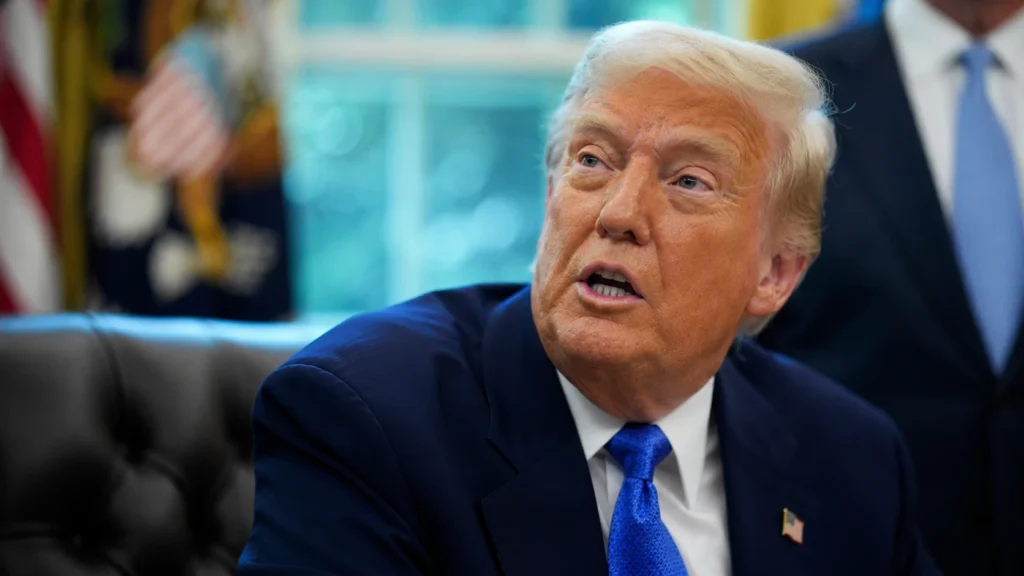
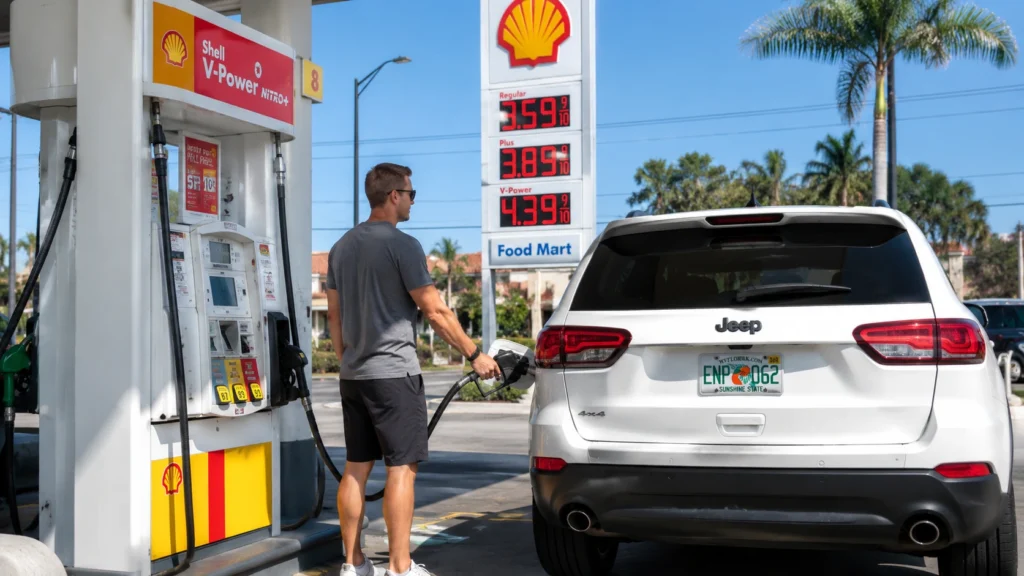
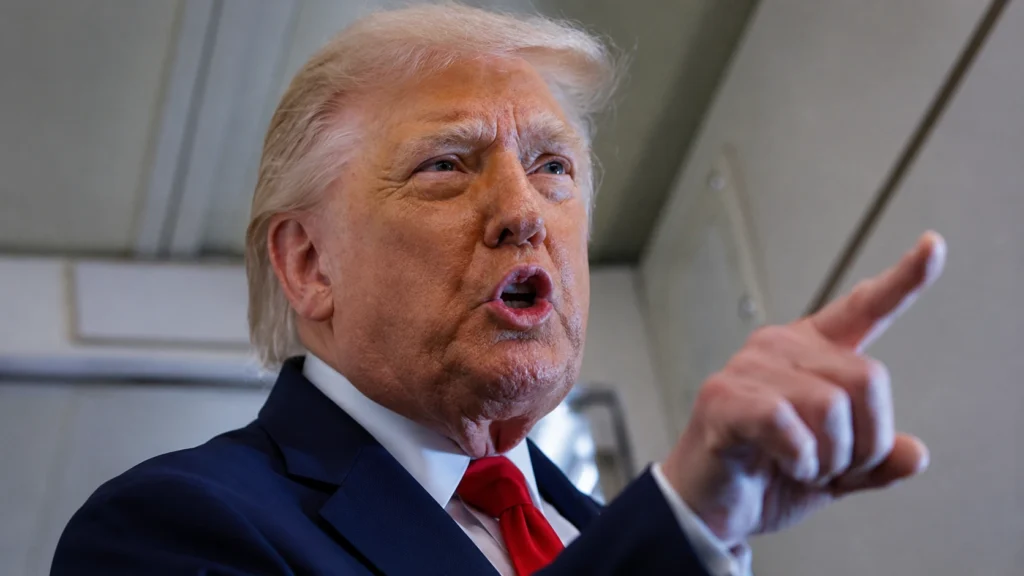
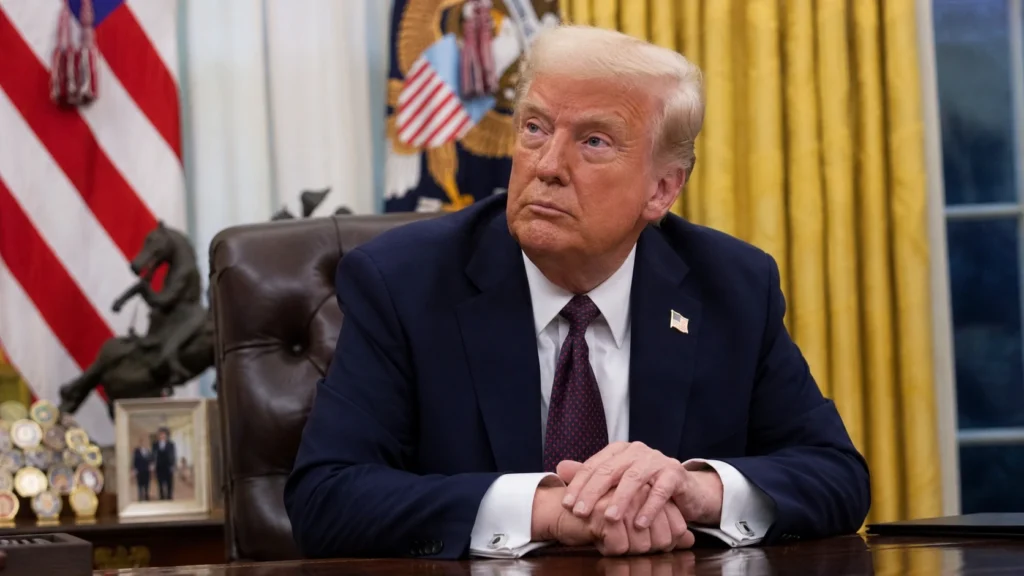
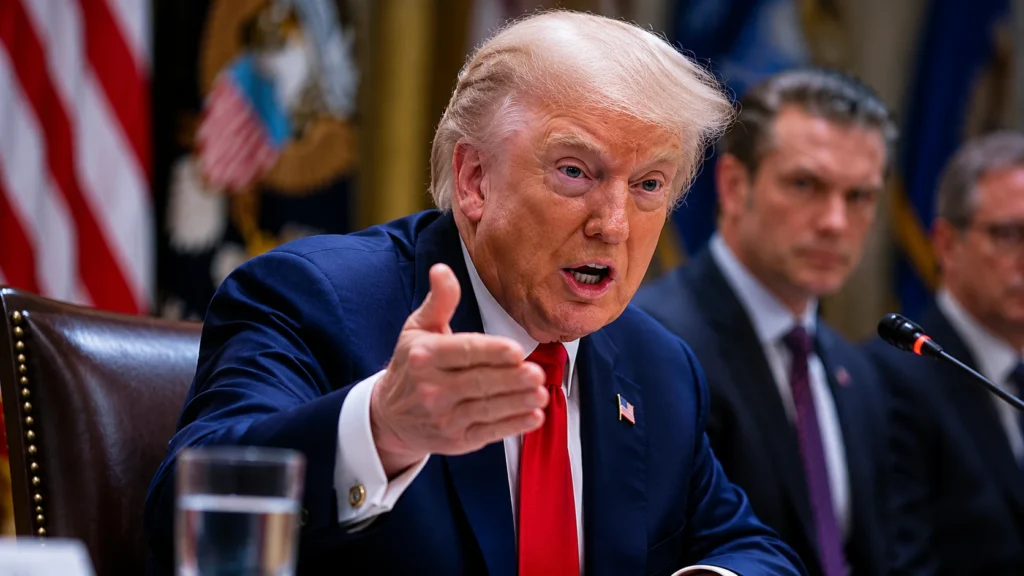
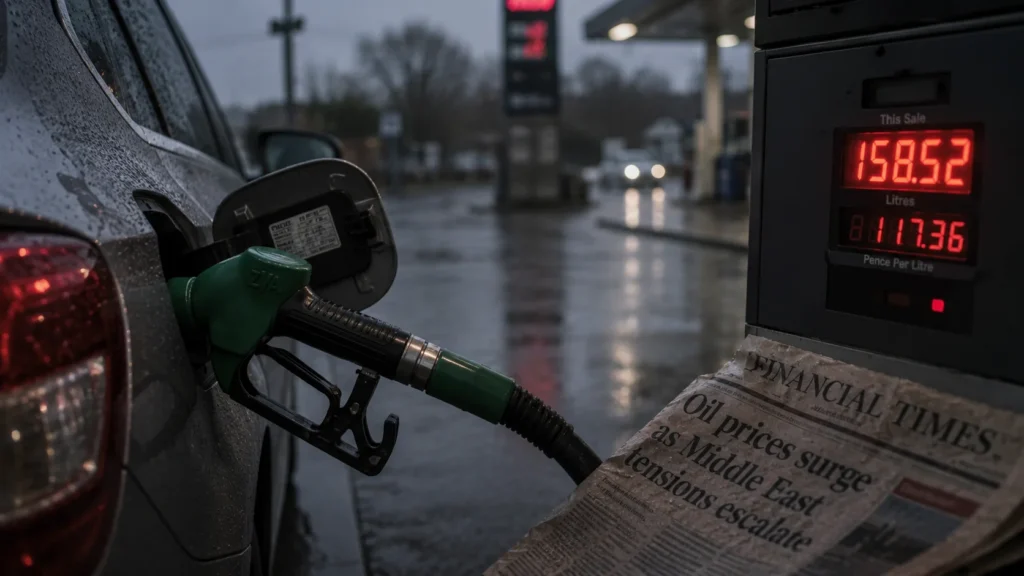
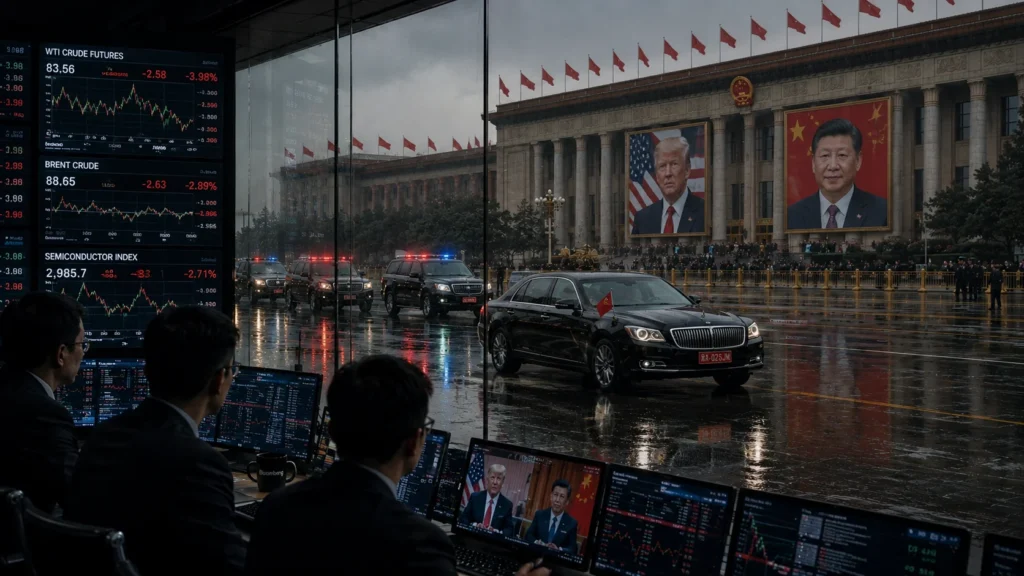
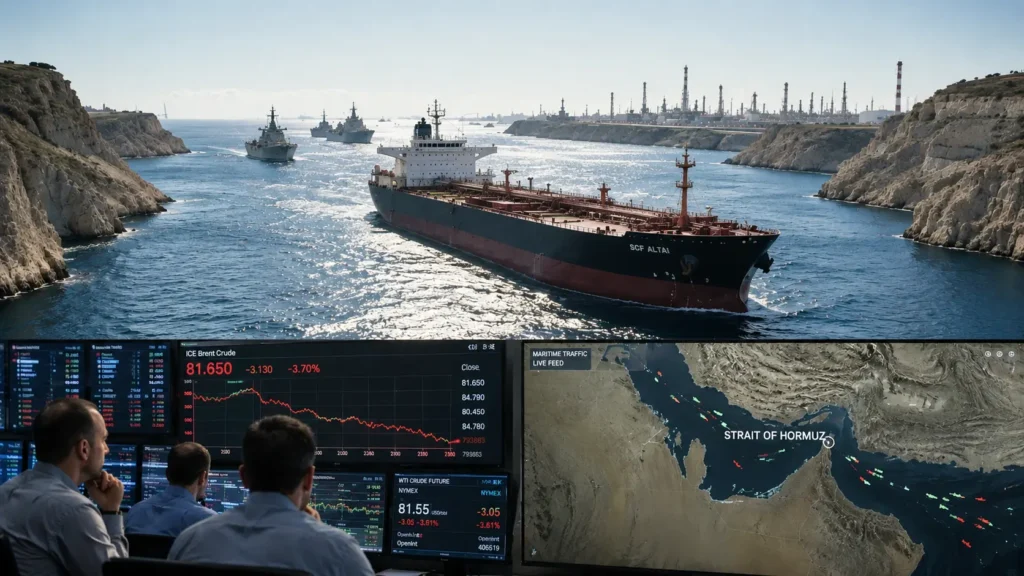
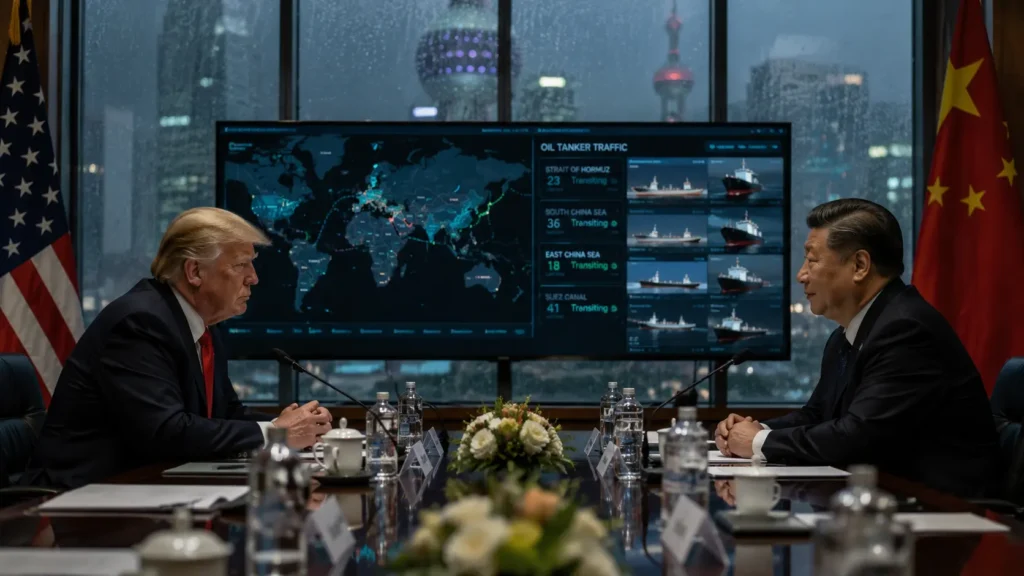
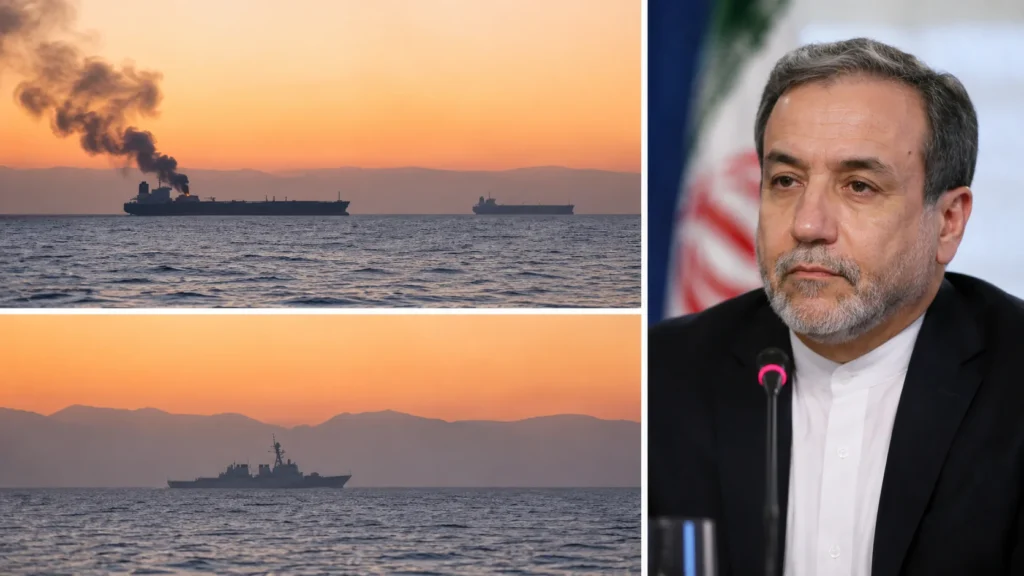
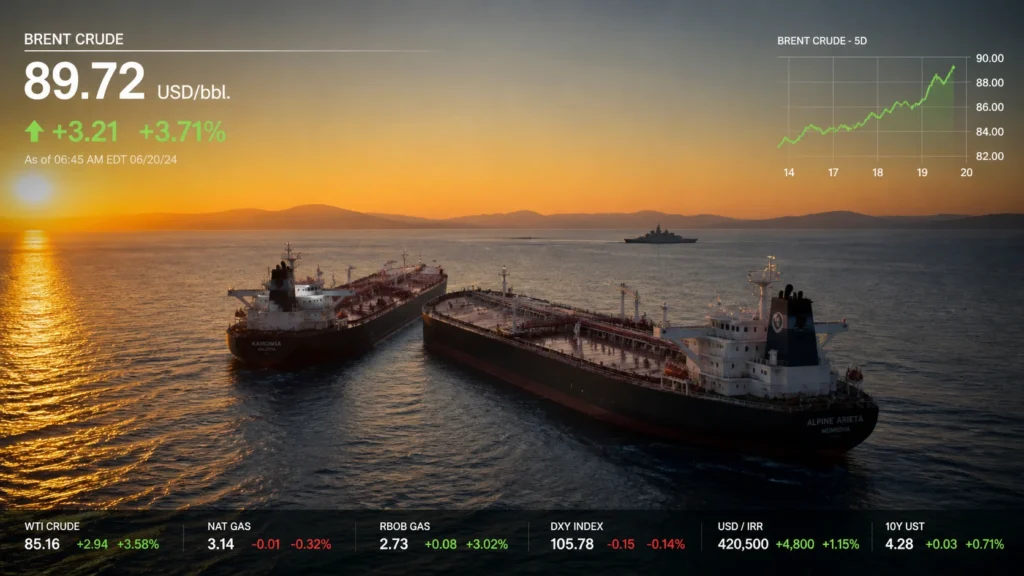
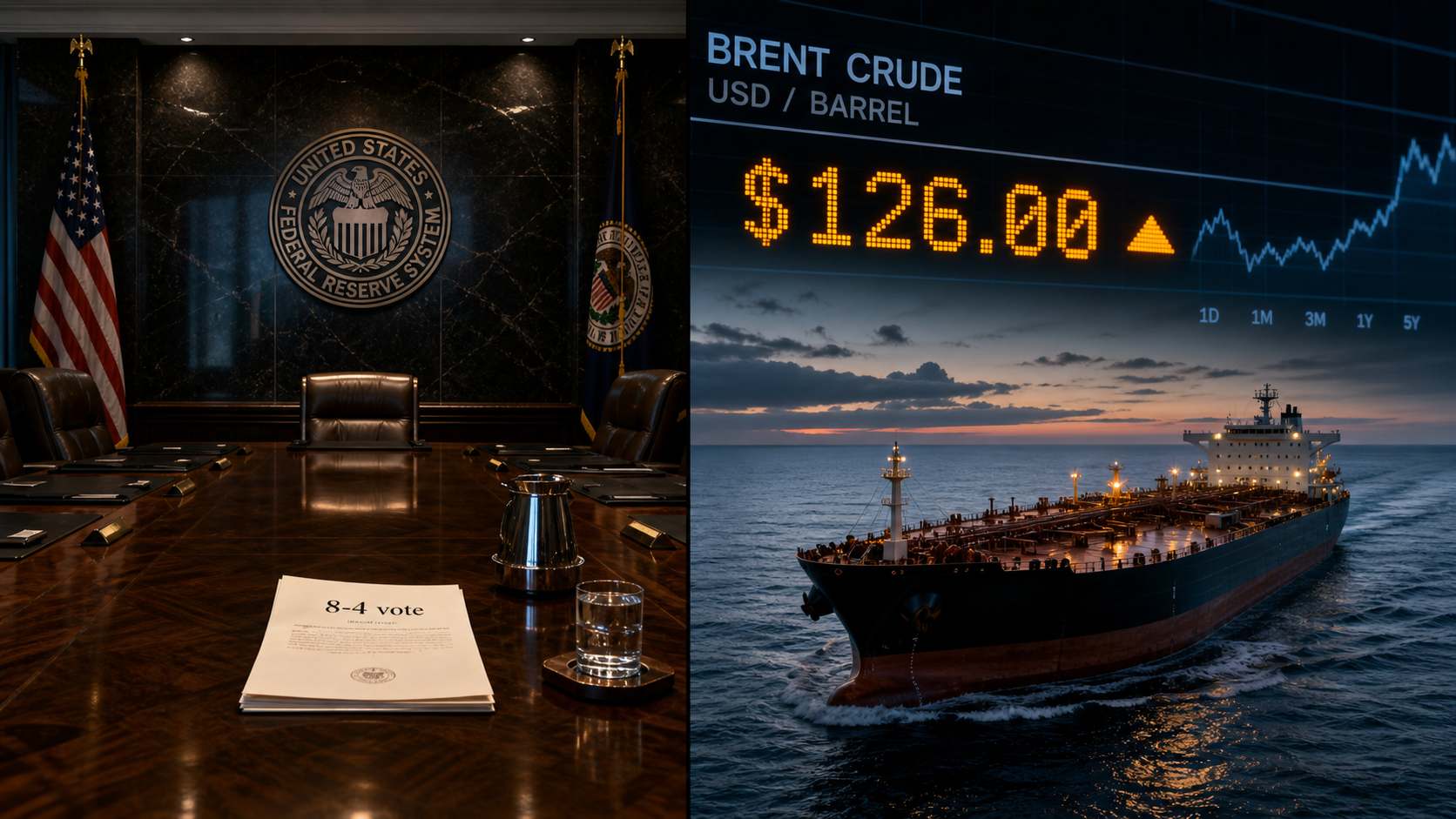
On Monday, JP Morgan told clients something the energy market had not fully priced. Oil above 100 signals the Strait of Hormuz is not the only bottle neck, and even if the water way reopens next month, crude prices will stay in the low 100 signals the Strait of Hormuz is not the only bottle neck, and even if the waterway reopens next month,crudepriceswillstayinthelow100s for the rest of 2026. Brent crude rose more than 4% to 105.94befor eset tling near 105.94 before settling near 105 after President Donald Trump called Iran’s peace proposal “totally unacceptable” on May 11. But the JP Morgan analysis made clear the price is no longer just about the war. Supply chains that took decades to build unraveled in weeks. Tanker fleets remain stretched beyond capacity. Refinery systems cannot restart on a diplomatic schedule.
JP Morgan’s Note Changed the Conversation
JP Morgan’s analysts did not lead with geopolitics. They led with logistics.
Their Monday research note, cited by JP Morgan commodities research, May 12, 2026, forecast oil prices remaining in the “low 100s ” for most of the rest of this year, averaging 100s for most of this year, averaging 97 for 2026 as a whole.c Then came the key sentence. “Crucially, the analysis does not point to a quick normalization once the Strait reopens.”
The bottleneck, they wrote, would shift from the “Strait itself to tanker availability, refinery ramp-ups and wider logistical constraints.” The word “normalization” appeared in quotation marks. The timeline is wrong, not the concept. Tankers rerouted around Africa. Refineries adjusted crude slates. Contracts invoked force majeure. Rebuilding those systems will take quarters, not weeks.
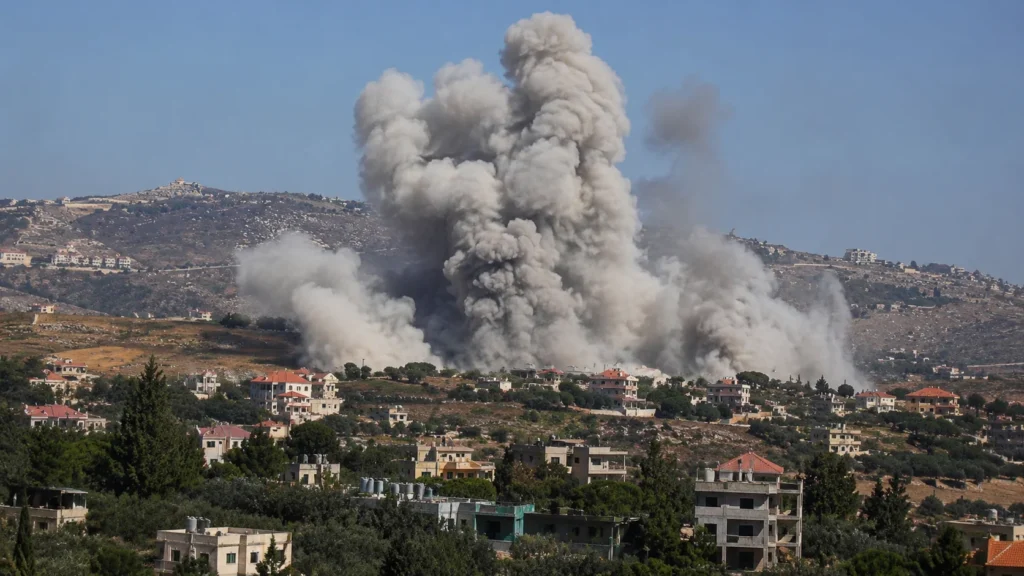
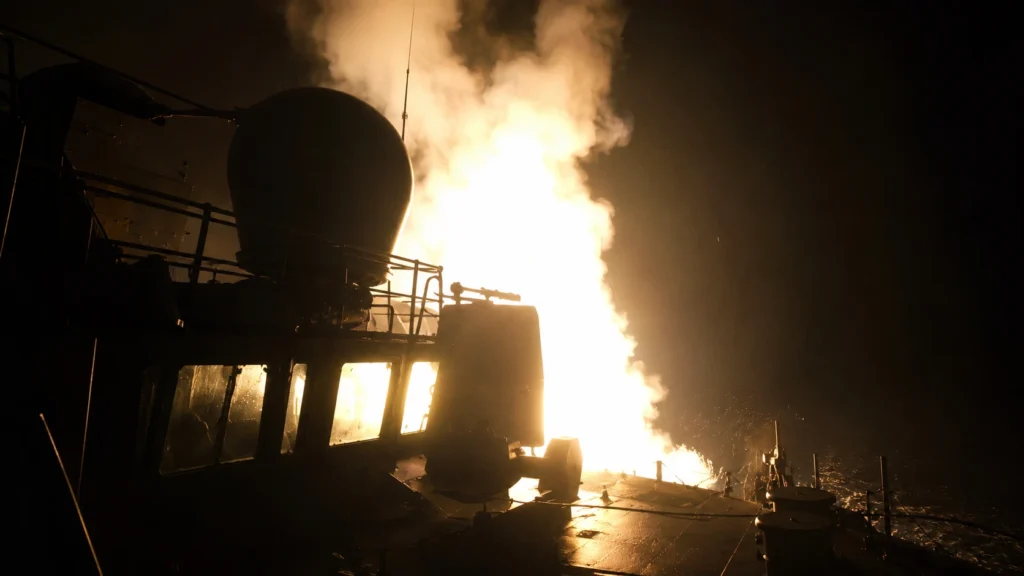
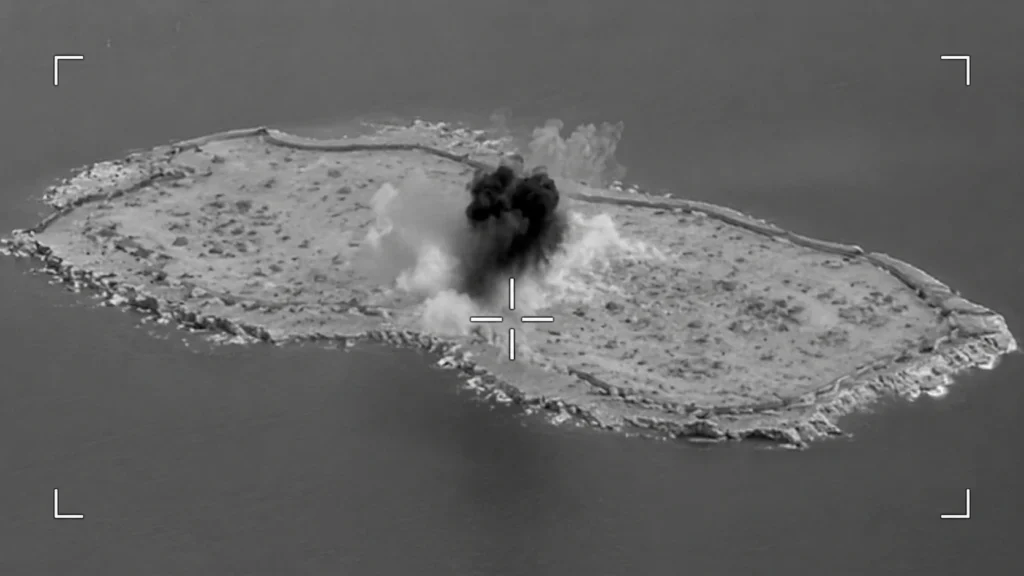
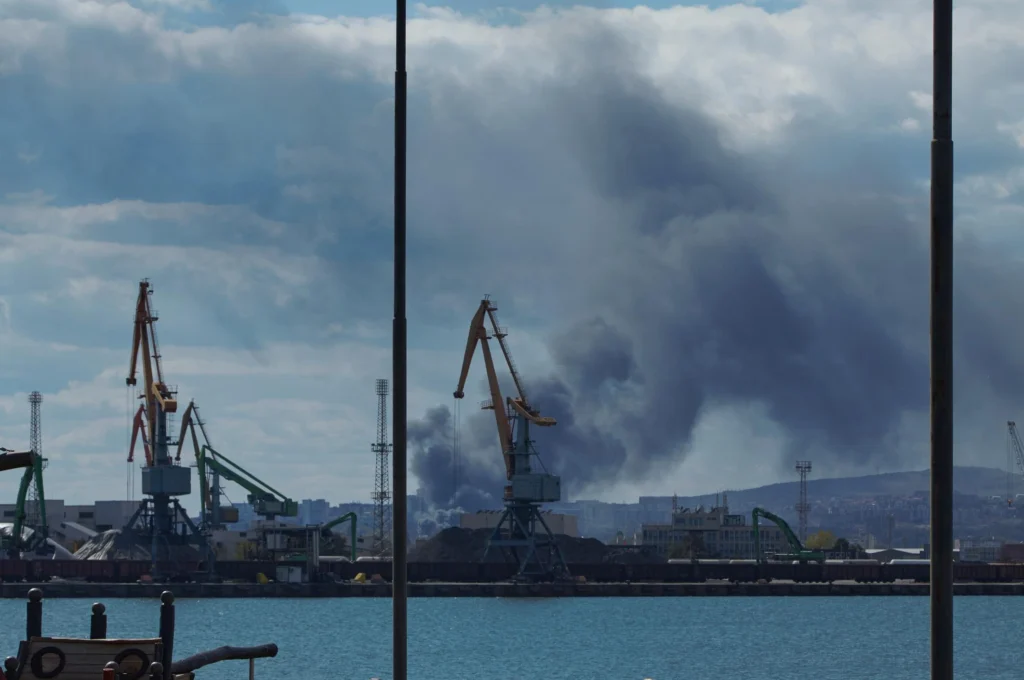
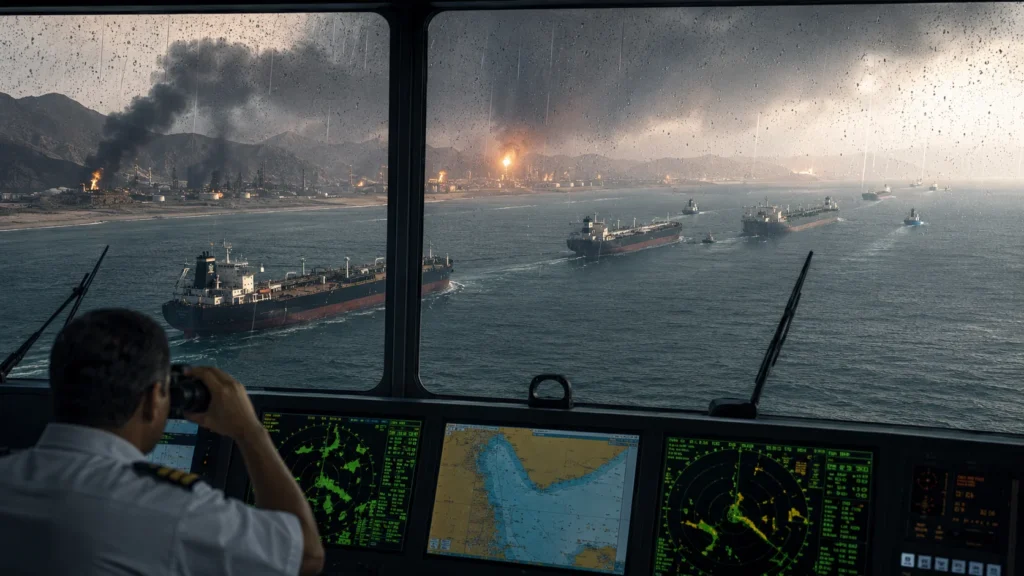
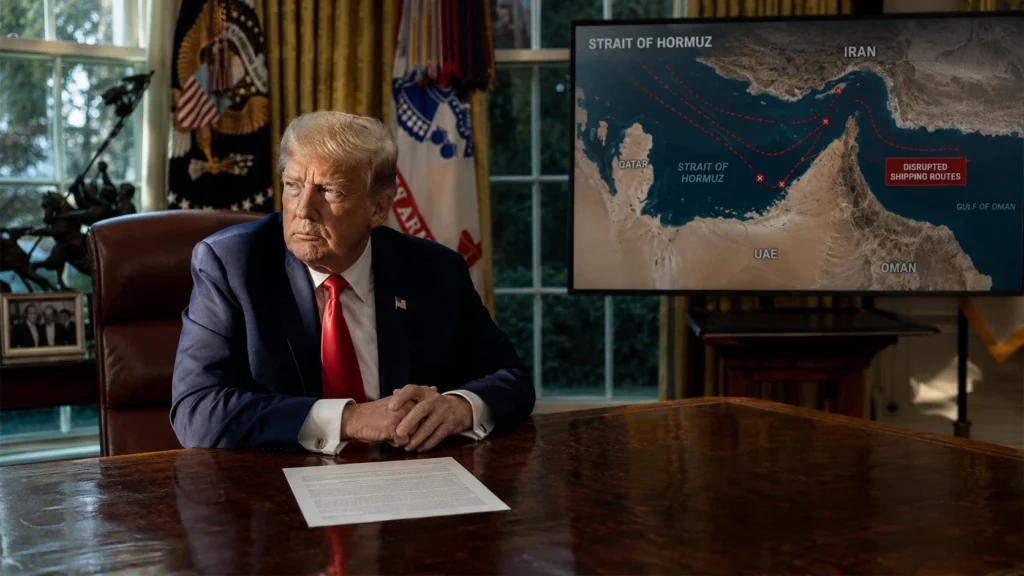
The Strait of Hormuz has been effectively shut since February 28, 2026, when US and Israeli forces launched massive air strikes on Iran. The waterway normally handles roughly 20% of global oil and liquefied natural gas shipments. Its closure represents the largest single chokepoint disruption in modern energy history.
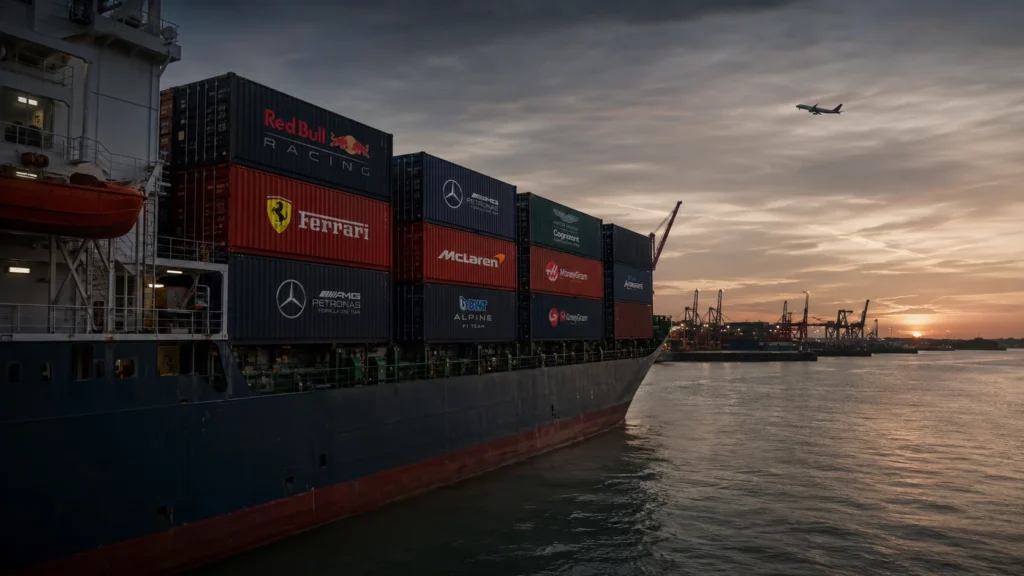
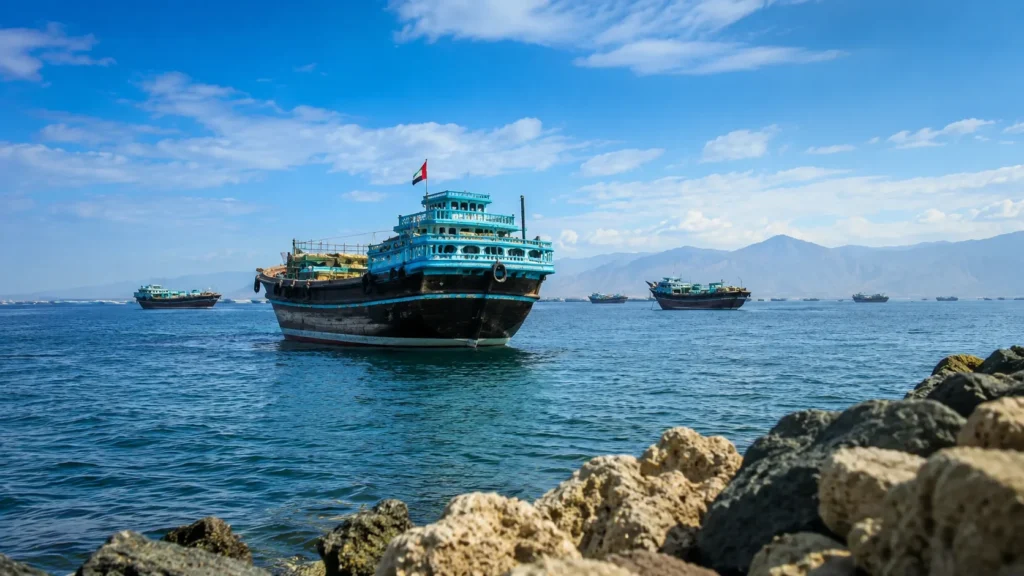
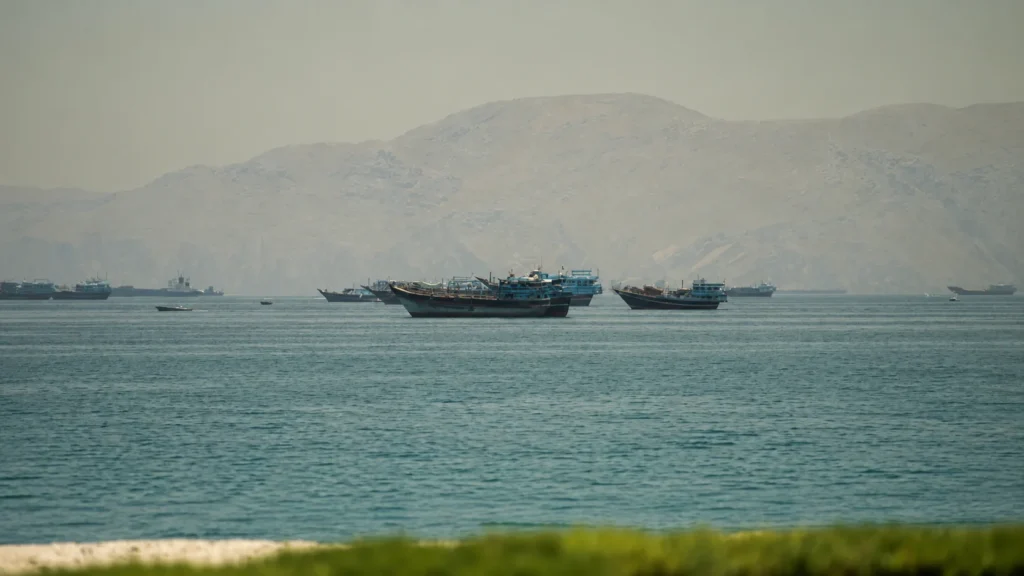
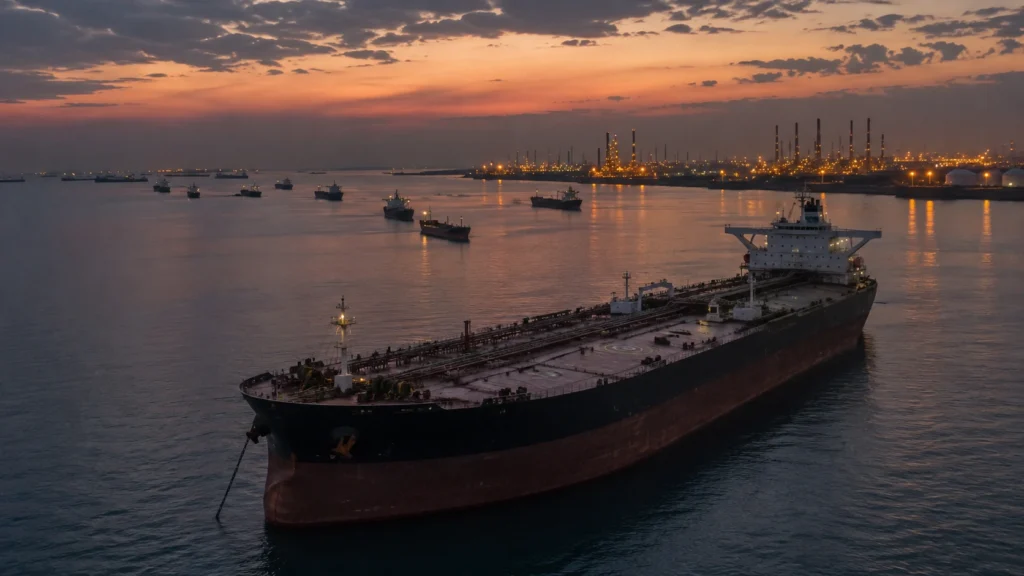
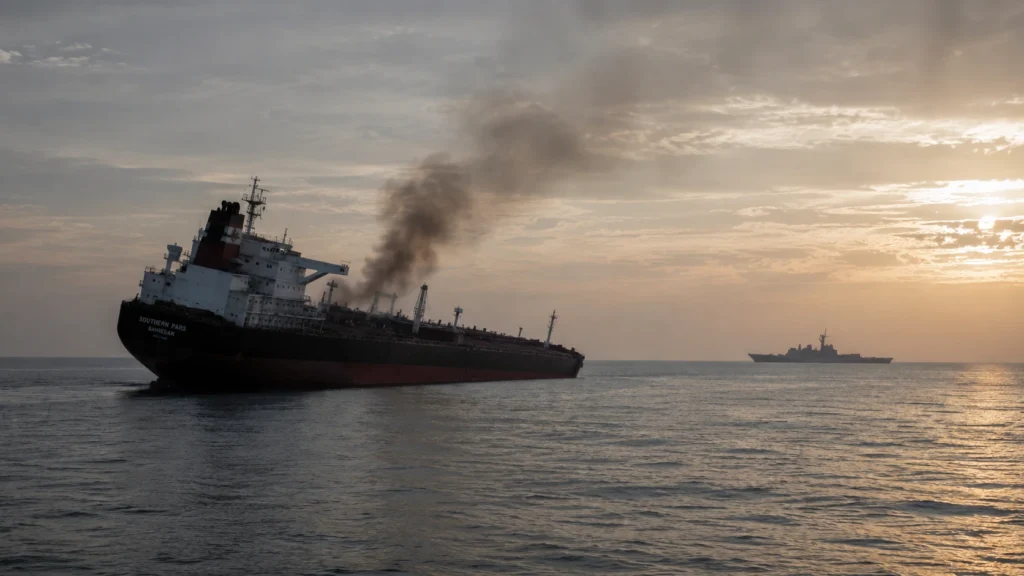
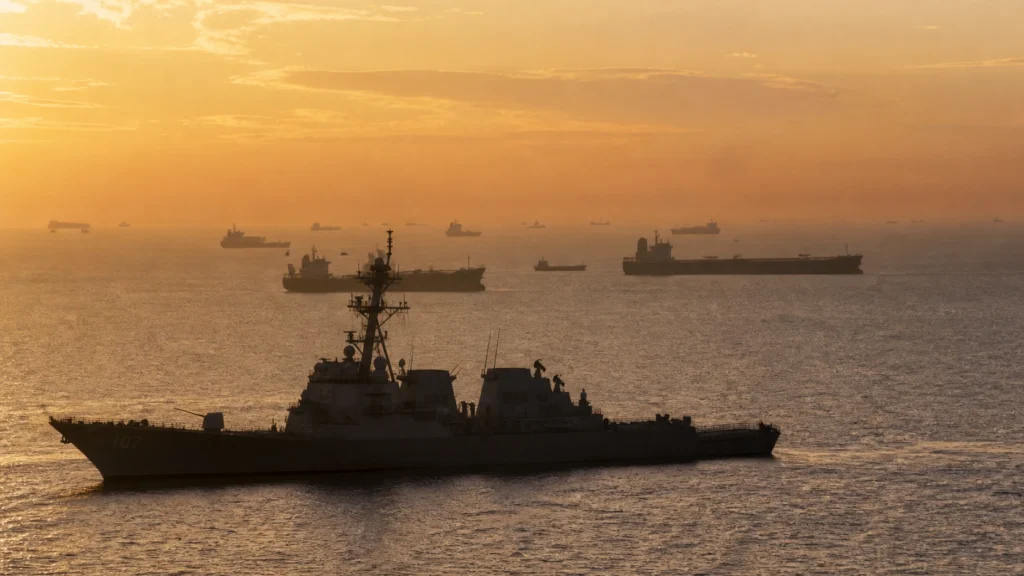
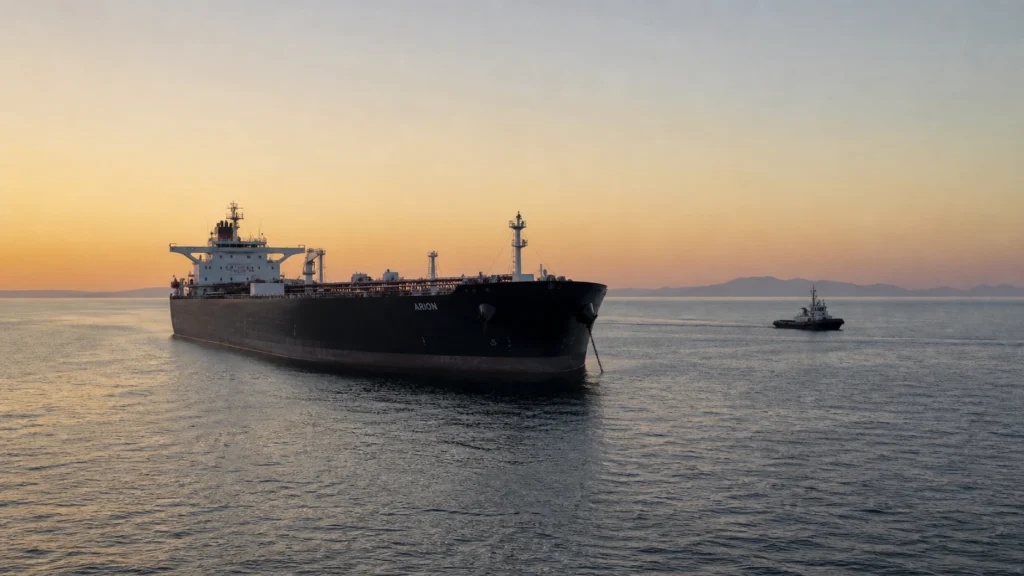
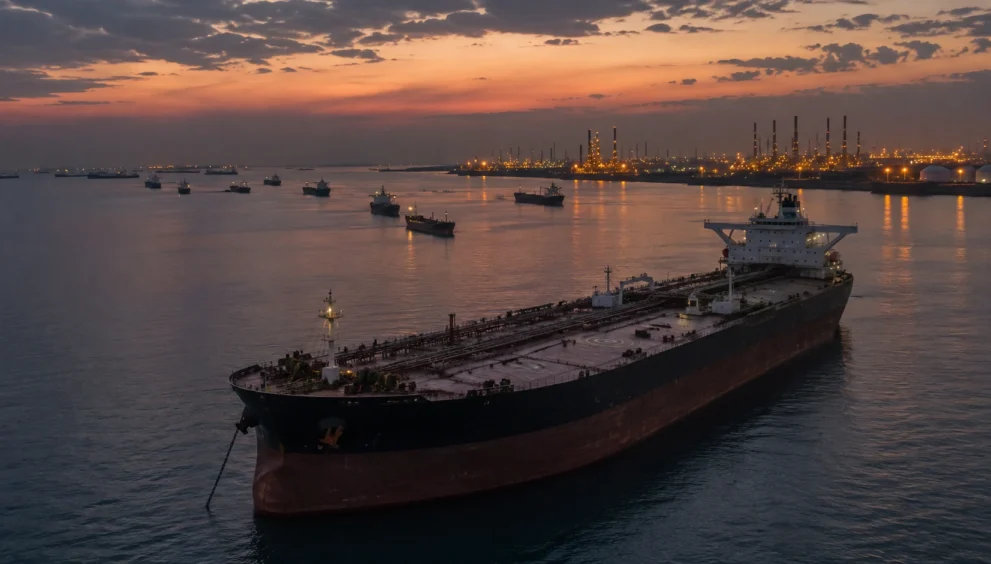
https://tanker-queue-strait-of-hormuz-may-2026.jpg
Alt text: Oil tanker anchored outside the Strait of Hormuz at dusk, illustrating the logistical bottleneck JP Morgan identified as the new constraint on global crude supply.
Aramco’s Billion-Barrel Warning
Amin Nasser, CEO of Saudi Aramco, delivered his own assessment during an investor call on Sunday, May 11.
If the Strait of Hormuz opened today, Nasser said the market still needs “months to rebalance.” If reopening delays “a few more weeks,” normalization extends into 2027. He called the disruption an “unprecedented supply loss of about a billion barrels of oil.” A billion barrels. The number measures what has already vanished from global supply. It is not a projection.
Aramco reported earnings jumped more than 25% in the first quarter of 2026 compared to the same period in 2025. Nasser highlighted the kingdom’s cross-country pipeline, calling it a “critical supply artery” that bypassed Hormuz entirely. Saudi Arabia invested in that infrastructure years ago. Optionality now has a measurable return on investment.
According to the Aramco Q1 2026 earnings call transcript, May 11, 2026, the pipeline infrastructure has become the difference between capturing the price surge and watching it from the sidelines.
OPEC Production Confirms the Strain
The numbers support what markets are beginning to price.
A Reuters survey published in late April showed crude output by the Organization of the Petroleum Exporting Countries fell by 830,000 barrels per day month-on-month to 20.04 million bpd, as reported by the Reuters OPEC production survey, April 2026. Not all of that decline is straight-related. Some reflects quota discipline. Some reflect capacity constraints. The trajectory remains clear. Supply is contracting faster than demand is softening.
Who Wins and Who Loses at $100 Oil
The winners are concentrated. The losers are structural.
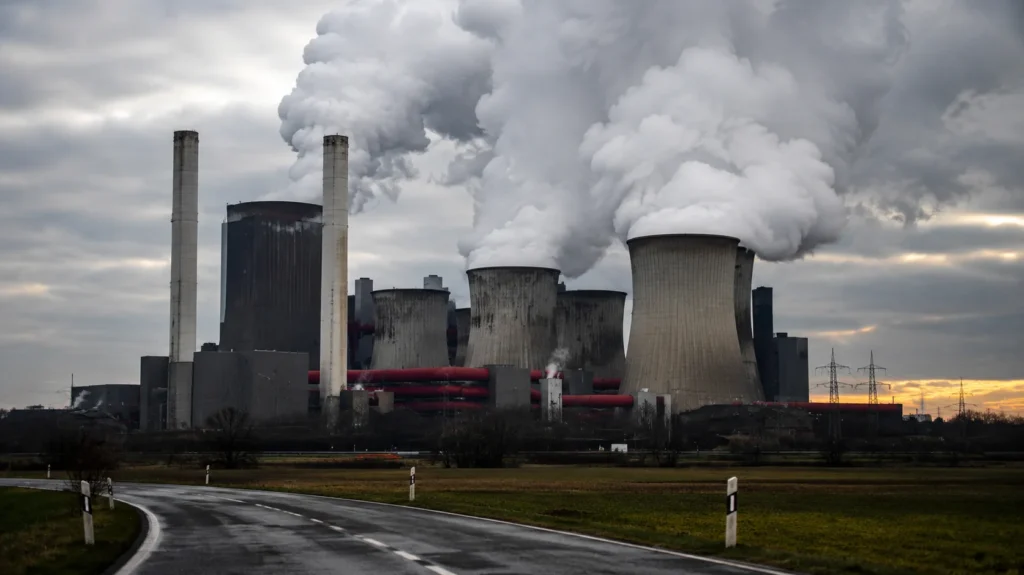
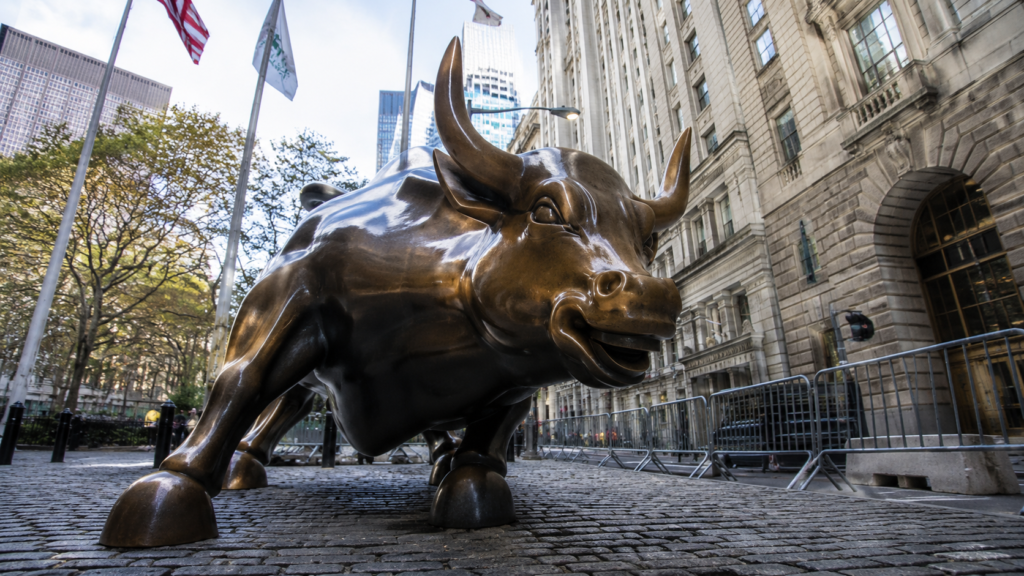
BP reported profits more than doubled for the first three months of 2026. Shell announced earnings had jumped. The supermajors are generating cash at rates not seen since the 2022 energy shock. But profitability without visibility is not a business model. These companies cannot forecast the single biggest variable in their supply chain: whether the Strait of Hormuz functions.
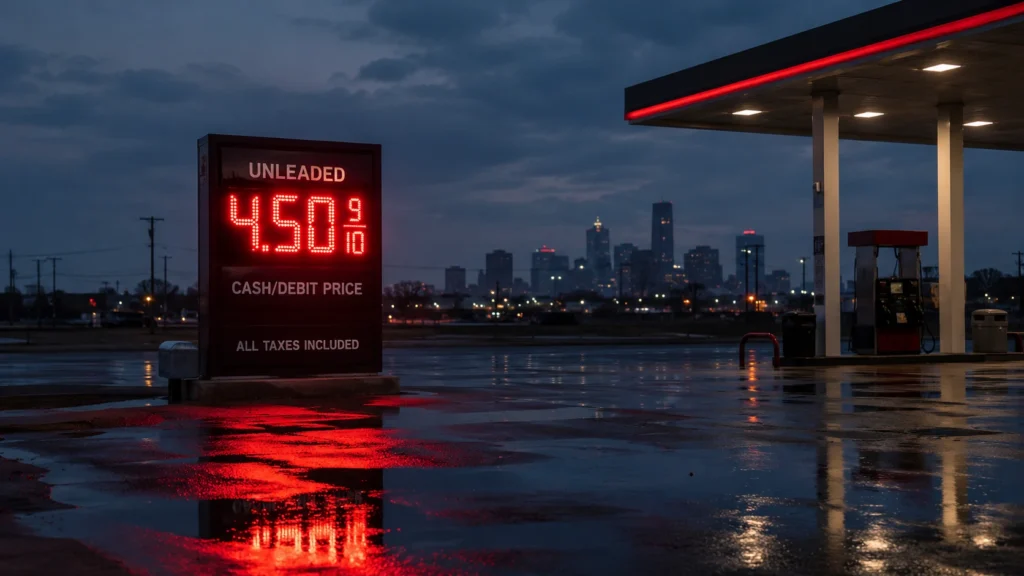
Refiners face the harder problem. The “refinery ramp-ups” JP Morgan cited are physical constraints. A refinery calibrated to specific crude grades cannot switch feedstock overnight. A tanker on an alternate route still delivers weeks late. The refinery receiving it may have already cut throughput. The gap between cargo arrival and processing readiness is where the new price floor is being built. That floor sits above $100.
Nasser told investors the energy shock triggered by the war “was likely to extend into 2027” even if the strait reopens. He was describing the physics of a supply chain that cannot accelerate just because a waterway clears.
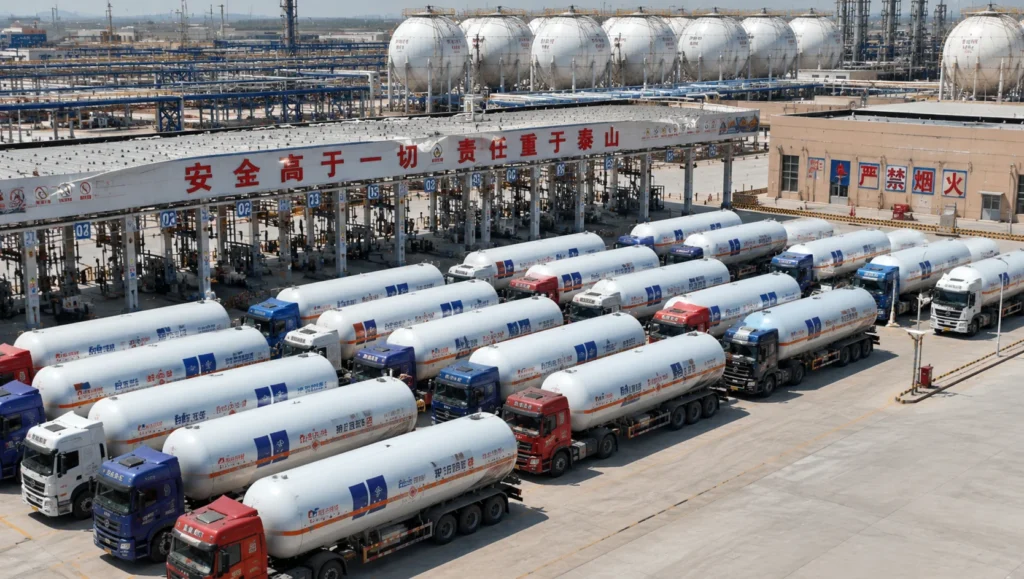
Tanker availability has become a strategic constraint. Ships committed to longer alternate routes remain unavailable for shorter ones. The fleet did not grow. It traveled farther. Every additional week of closure locks in months of residual inefficiency.
FAQ: Oil Prices and the Strait of Hormuz
Why will oil stay above $100 even if the Strait reopens?
JP Morgan identified three bottlenecks beyond the strait itself: tanker availability, refinery ramp-ups, and wider logistical constraints. Ships locked into longer alternate routes take weeks to reposition. Refineries need time to recalibrate for specific crude grades. Supply chains optimized over decades cannot return to normal on a diplomatic timeline.
How much oil supply has been lost?
Aramco CEO Amin Nasser estimated an “unprecedented supply loss of about a billion barrels of oil” since the disruption began on February 28, 2026. OPEC crude output fell by 830,000 barrels per day in April alone, according to a Reuters survey.
What did JP Morgan predict for 2026 oil prices?
The bank’s May 12 research note forecast oil prices remaining in the “low 100s ” for most of the rest of this year,averaging 100s for most of the rest of this year, and averaging 97 for 2026 as a whole. The note explicitly warned against expecting a quick price drop when the Strait reopens.
Which companies benefit from sustained high prices?
Producers with pipeline infrastructure that bypasses maritime chokepoints hold the strongest positions. Aramco’s cross-country pipeline allowed the kingdom to maintain exports while others faced tanker shortages. BP and Shell both reported quarterly profit jumps exceeding 100% for Q1 2026. Complex refiners capable of handling varied crude grades hold a margin advantages over simpler operations.
When will oil markets normalize?
Nasser told investors normalization would last “into 2027” if the strait’s reopening delays by a few more weeks. Even in the optimistic scenario where the Strait reopens in June, JP Morgan expects price normalization to take the remainder of 2026. The logistical damage will outlast the geographic closure.
The market has spent weeks treating the Strait of Hormuz as a binary switch. Closed means supply crunch. Open means relief. JP Morgan’s Monday note dismantled that assumption.
The strait is a geographic chokepoint. Logistics is a temporal one. The first can reopen with a diplomatic agreement. The second takes years to unwind. Oil above $100 signals the market is beginning to understand which bottleneck matters more now.
Written by the Senior Energy Markets Editor, who has covered global oil markets, OPEC strategy, and energy supply chain dynamics for over fifteen years.