

 English









































































































































































































Microsoft at $38 Billion as OpenAI Seeks Bigger Partners
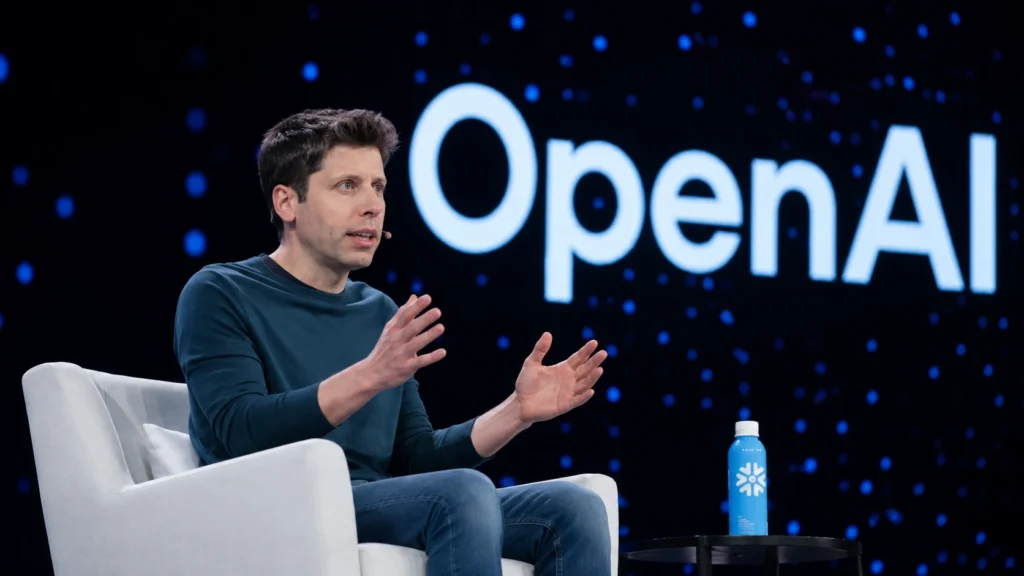
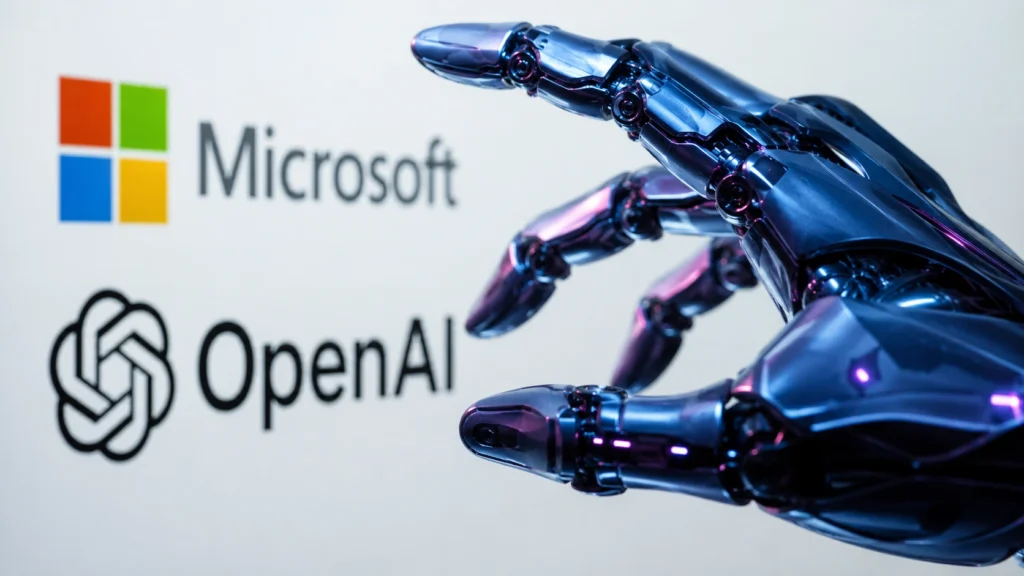
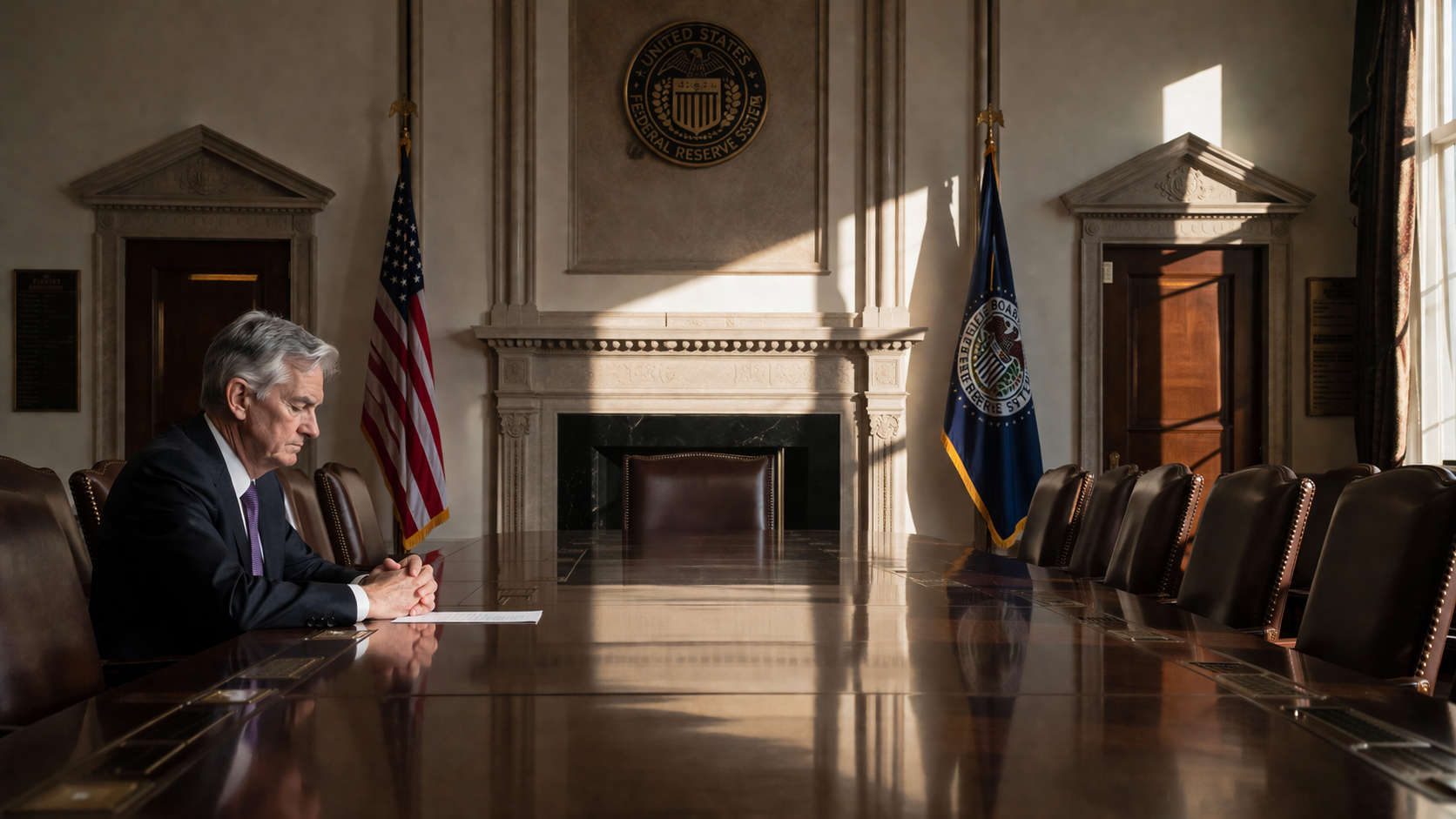
OpenAI and Microsoft agreed to cap total revenue sharing under their partnership at 38billion, The Information reported on Monday, citinga person with knowledge of the arrangement. Therenegotiation, which closed lastmonth, allows the ChatGPT makert opursue commercial relationships with Amazon and Google for the first time. Microsoft disclosed the existence of a capin April financial filings but did not reveal the specific number.OpenAIcappedMicrosoftat38 billion, and now it needs bigger partners because the ceiling on the most important technology alliance of the decade signals the company is preparing for a public offering that some executives say could arrive by the end of this year.
What the Cap Actually Means
The structure of the agreement is straightforward but the implications are not. Microsoft invested 13billionin Open AIbeginningin 2019. Inexchange, it receives apercentage of OpenAI′ srevenue. That percentage continue sunch anged through 2030. But the total payment snow carry a ceiling. After cumulative revenue sharing reaches 38 billion, the obligation ends. OpenAI’s future growth belongs entirely to OpenAI.
According to The Information report on OpenAI-Microsoft revenue cap May 11, 2026, the cap emerged from a contract renegotiation last month that restructured the relationship between the two companies. Microsoft confirmed in April that payments would continue “at the same previously agreed percentage, subject to an overall cap” but did not disclose the cap’s dollar amount.
The number itself is significant. It reflects a calculation about what Microsoft’s early capital and compute access were worth relative to the technology OpenAI built on top of them. The cap says the relationship has a fair price. After that price is paid, OpenAI is free.
As our analysis of OpenAI’s valuation and IPO preparation documented, the company reached an $852 billion valuation earlier this year. Investors modeling a potential public offering need to understand what portion of future revenue belongs to Microsoft and what portion belongs to shareholders. The cap makes that math possible.
Why the Renegotiation Happened Now
Three forces pushed the renegotiation forward.
First, the IPO timeline. Some OpenAI executives have indicated a public offering could arrive as soon as the end of 2026, according to The Information. An S-1 filing requires clarity on financial obligations. The cap provides a hard number for the risk factors section and the growth narrative. Investors can model OpenAI’s revenue trajectory, subtract the Microsoft obligation up to $38 billion, and price the remaining opportunity.
Second, cloud independence. OpenAI’s models power ChatGPT and a growing portfolio of enterprise tools. Demand exceeds what any single cloud provider can supply. The original exclusive arrangement with Microsoft made strategic sense when OpenAI needed compute scale and Microsoft needed an AI narrative. It makes less sense when OpenAI needs to serve customers on AWS and Google Cloud without routing everything through Azure.
The renegotiation explicitly permits commercial relationships with Amazon and Google. AWS customers who want GPT-class models without migrating workloads to Azure gain a path. Google Cloud customers similarly. The competitive dynamic shifts.
Third, Microsoft’s own AI strategy. The company invested heavily in OpenAI integration across Copilot, Azure AI services, and its enterprise suite. As the cap approaches, Microsoft must demonstrate its AI advantage survives without exclusive access to OpenAI’s latest models. The company retains a revenue stream from the partnership. It loses the monopoly on commercial access.
According to Microsoft financial disclosures April 2026, the software maker confirmed the revenue-sharing arrangement extends through 2030 with the same percentage split. The cap was new. The market should have read the disclosure more carefully.
What Changes Across the AI Industry
The cap reshapes competitive dynamics in three directions.
Google and Amazon now have a route to offer OpenAI’s models alongside their own. AWS customers who want access to GPT-class models without switching cloud providers gain an option that did not exist under the exclusive arrangement. The shift transforms OpenAI from a Microsoft subsidiary in all but name into an independent supplier negotiating with multiple platforms.
Anthropic, OpenAI’s closest rival, faces a competitor with the freedom to pursue revenue in every cloud, every enterprise segment, and eventually public markets. Anthropic’s own cloud partnerships, heavily weighted toward AWS, will face pressure to offer comparable flexibility.
The Elon Musk lawsuit, filed in 2024 and seeking 150billionindamagesplustheremovalofSamAltmanandGregBrockman,nowreadsdifferentlyagainstthe38 billion cap. Musk alleges OpenAI abandoned its original nonprofit mission to benefit Microsoft. The cap, which limits what Microsoft can extract from the arrangement, may serve as a legal defense. Altman and Brockman can point to the agreement as evidence the company is not being handed over to its largest investor. The lawsuit remains unresolved. The cap strengthens OpenAI’s argument.
As our coverage of the Musk-OpenAI legal battle noted, the central allegation involves whether the company prioritized Microsoft’s commercial interests over its founding nonprofit mission. A contractual limit on Microsoft’s total take directly addresses that claim.
FAQ: OpenAI and Microsoft Revenue Cap
What is the OpenAI-Microsoft revenue-sharing cap?
OpenAI and Microsoft agreed to cap total revenue that OpenAI shares with Microsoft at 38billion.Microsoft′searlyinvestmentof13 billion since 2019 entitled it to a percentage of OpenAI’s revenue. That percentage continues through 2030, but total payments cannot exceed the cap.
Why did OpenAI and Microsoft renegotiate their agreement?
The renegotiation allows OpenAI to pursue commercial partnerships with Amazon and Google, previously blocked by exclusivity terms. It also gives OpenAI a clearer financial structure ahead of a potential IPO that some executives say could happen by the end of 2026.
Can OpenAI now partner with Google and Amazon?
Yes. The renegotiated contract explicitly permits OpenAI to forge commercial relationships with Microsoft’s cloud competitors. The original exclusive arrangement no longer applies.
When is OpenAI going public?
Some OpenAI executives have indicated a public offering could take place as soon as the end of 2026, according to The Information. No formal timeline has been announced. The company reached an $852 billion valuation earlier this year.
How does the cap affect the Elon Musk lawsuit?
Musk’s lawsuit, which seeks $150 billion in damages and the removal of Altman and Brockman, alleges OpenAI abandoned its nonprofit mission to benefit Microsoft. The cap, which limits Microsoft’s total financial extraction from OpenAI, may serve as a legal defense by demonstrating the company is not being transferred to its corporate partner.
The contract amendment closed last month without a press release. The specific number, $38 billion, emerged through a single sourced report. The partnership that defined the generative AI era, funded ChatGPT, powered Azure’s AI ascent, and created the most valuable AI startup in history, now has a ceiling. Microsoft continues receiving payments through 2030. After the cap, the obligation ends. OpenAI’s future belongs to itself, its future cloud partners, and eventually its public shareholders. The exclusive era is over. Microsoft still gets paid. It just lost the monopoly on the most important technology company of the decade.
Written by Senior Technology Editor, who has covered AI industry partnerships, cloud infrastructure, and startup financing for over a decade, including the OpenAI-Microsoft relationship since its inception in 2019.