

 English





































































































































































































SpaceXAI Talent Exodus Exposes AI Burnout Risk
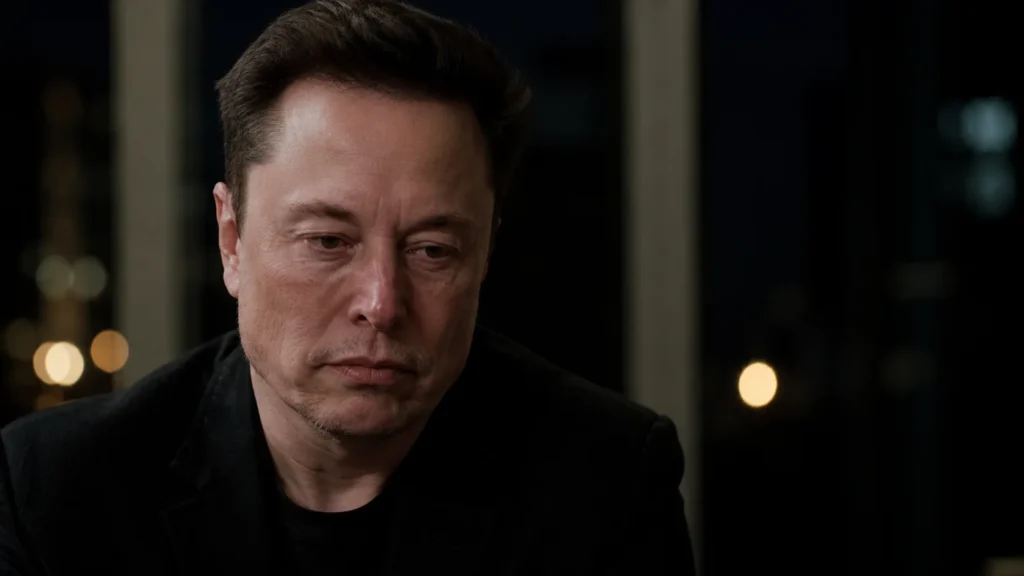
More than 50 researchers and engineers reportedly left SpaceXAI since February 2026, according to reporting from The Information. The departures hit critical AI teams tied to model training, coding systems, and Grok voice development. The timing matters because Elon Musk merged SpaceX and xAI to accelerate AI competition against rivals like Meta and OpenAI. Instead, the exits exposed a growing industry tension: frontier AI labs now risk burning out the exact people they need most.
The AI Race Changed Faster Than AI Companies Expected
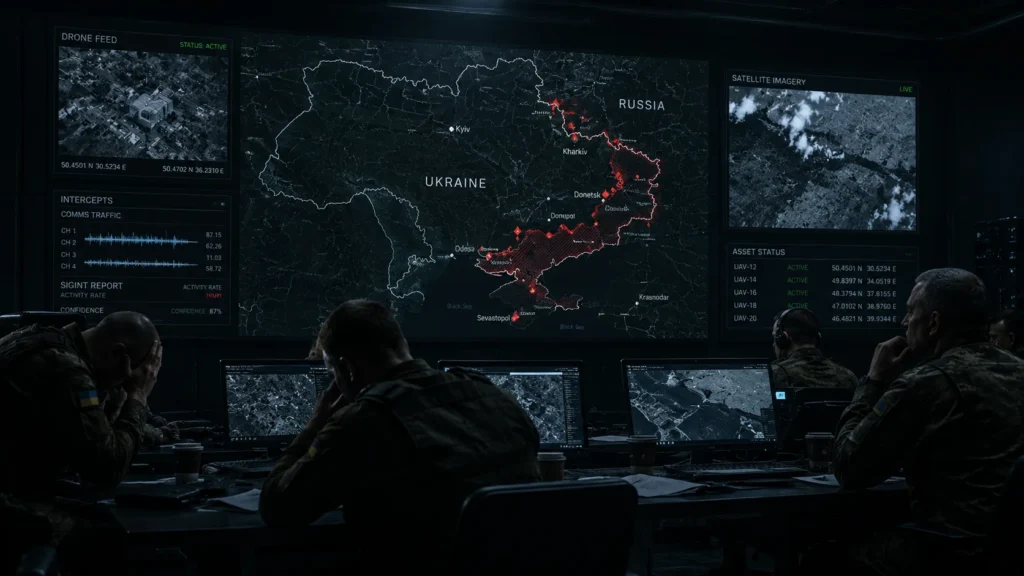
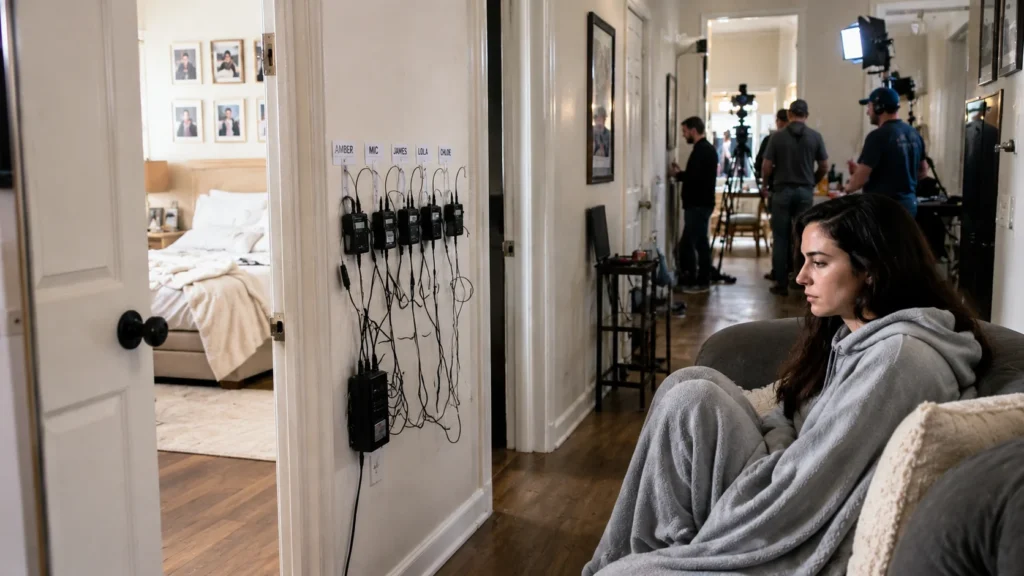
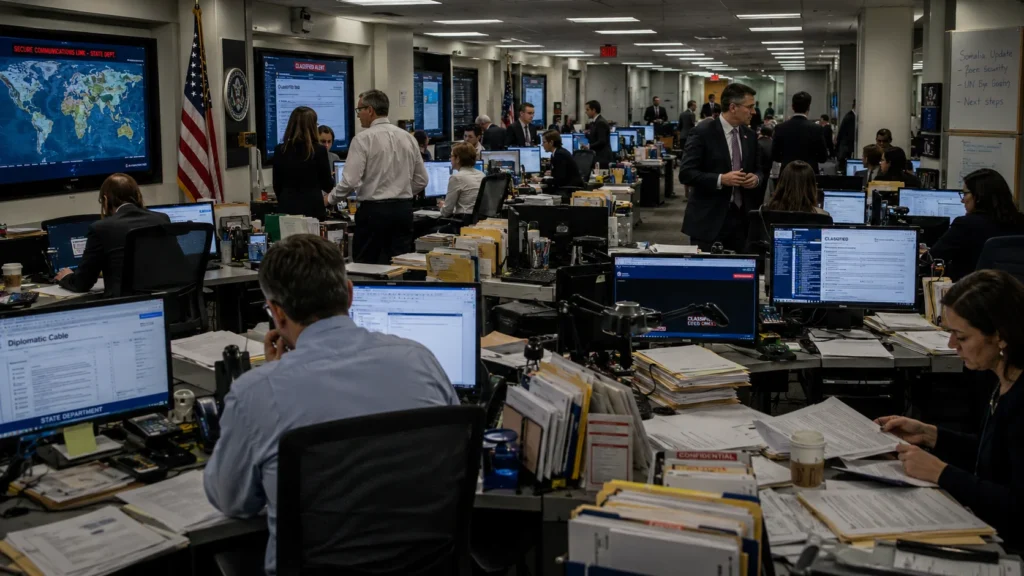
At 1:43 AM, a monitor still glows inside an AI lab.
Someone launches another training run. Slack notifications stack up. A deadline moves again. Then another engineer disappears from the internal org chart before morning coffee arrives.
Quietly.
That scene now defines a larger shift across the AI industry. For years, elite labs sold researchers on one simple trade: sacrifice your time, your weekends, sometimes your health, and you’ll help shape the future of intelligence. The promise worked when only a handful of companies controlled the frontier.
That era cracked.
According to reporting from The Information report on SpaceXAI staff departures, at least 11 former xAI employees joined Meta, while several others moved to Thinking Machines Lab, the startup launched by former OpenAI CTO Mira Murati. Tech talent no longer depends on one company for status or access to cutting-edge systems.
Now, researchers chase something else.
Control over their lives.
Why Pre-Training Teams Matter More Than Product Launches
Most consumers see chatbots, voice assistants, or AI-generated images. They rarely see pre-training teams. Those groups build the statistical foundation underneath modern AI systems. Lose enough people there, and the company loses continuity, not just headcount.
That distinction matters.
In March 2026, reports emerged that SpaceXAI’s pre-training division shrank dramatically after leadership departures tied to model development pipelines. Reuters coverage of AI talent competition noted that major AI firms increased compensation packages aggressively throughout 2025 and 2026 to stop internal brain drain.
The competition no longer revolves around compute alone.
It revolves around retention.
As previous coverage of AI infrastructure wars explained earlier this year, frontier AI increasingly depends on stable institutional knowledge. Researchers carry mental maps of unfinished systems, alignment problems, and architectural tradeoffs that rarely exist in documentation alone.
People leave. Context leaves with them.
Again.
The Musk Formula Meets a Different Workforce
Elon Musk built several companies around intensity culture. Tesla, SpaceX, and now SpaceXAI all operate with aggressive timelines and mission-first pressure. That formula helped Musk scale industries that many competitors avoided.
AI research behaves differently.
Rocket engineering rewards hard deadlines and visible testing cycles. AI labs rely on long experimentation loops, collaboration, and careful iteration across safety, infrastructure, and evaluation systems. Push too hard, and the process starts breaking in invisible places first.
Model quality slips. Safety reviews shrink. Technical debt piles up.
Then there’s this.
Researchers finally realized they hold leverage. Since late 2024, venture funding into generative AI startups surged while top engineers received compensation packages reportedly worth millions annually, according to CB Insights AI investment data. That market shift gave workers more freedom to leave environments they once tolerated.
Not because the mission lost meaning.
Because exhaustion stopped feeling necessary.
What Happens Next for SpaceXAI and the AI Industry?
The next 12 months may reshape how AI companies compete.
Labs once fought through bigger models and louder product launches. Now they may compete through researcher retention, work stability, and internal culture. The companies keeping elite teams together the longest could outperform companies chasing nonstop urgency.
That sounds soft. It isn’t.
AI systems require continuity. Large-scale models evolve through thousands of tiny engineering decisions spread across months of coordinated work. Constant turnover interrupts that chain.
As analysis of AI workplace burnout trends showed recently, Silicon Valley increasingly faces a contradiction: the faster companies push AI development, the harder it becomes to keep the humans building it.
Weird.
Author Note
Written by a technology editor covering artificial intelligence, Silicon Valley labor dynamics, and platform power shifts for more than a decade, with reporting focused on how AI changes work, culture, and institutional behavior.