

 English




































































































































































Trump Claims Iran Deal Is Near. Iran Says It Isn’t.
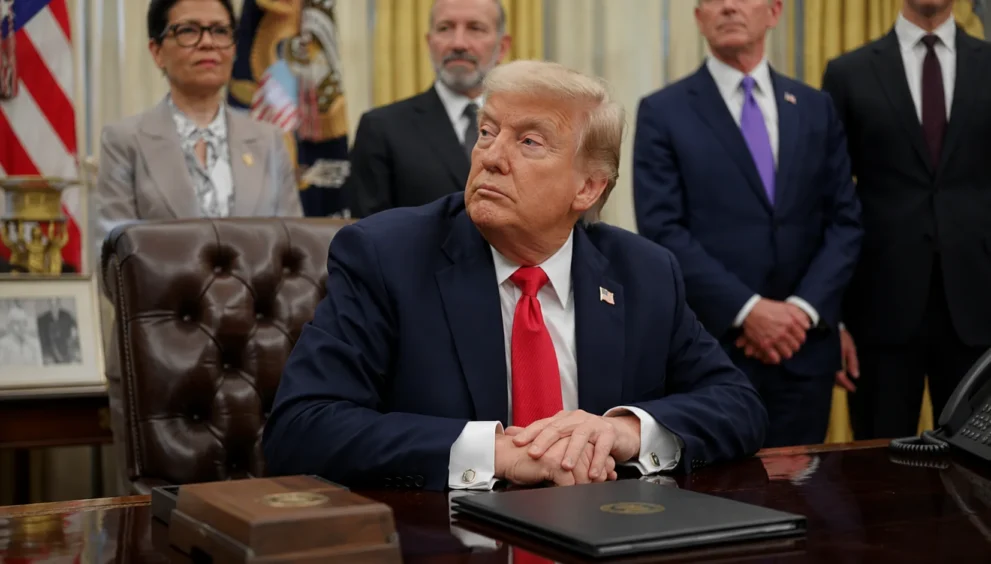
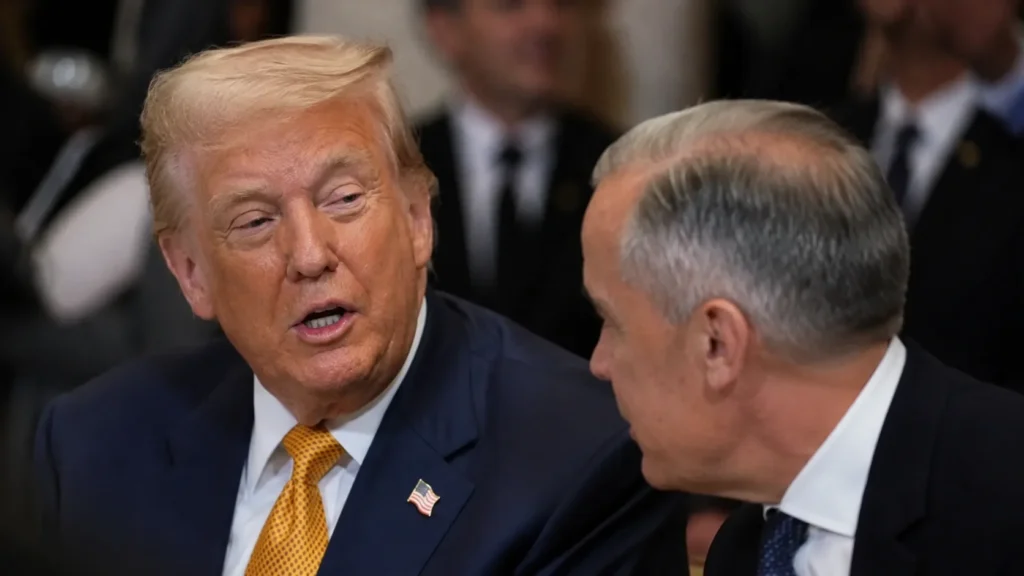
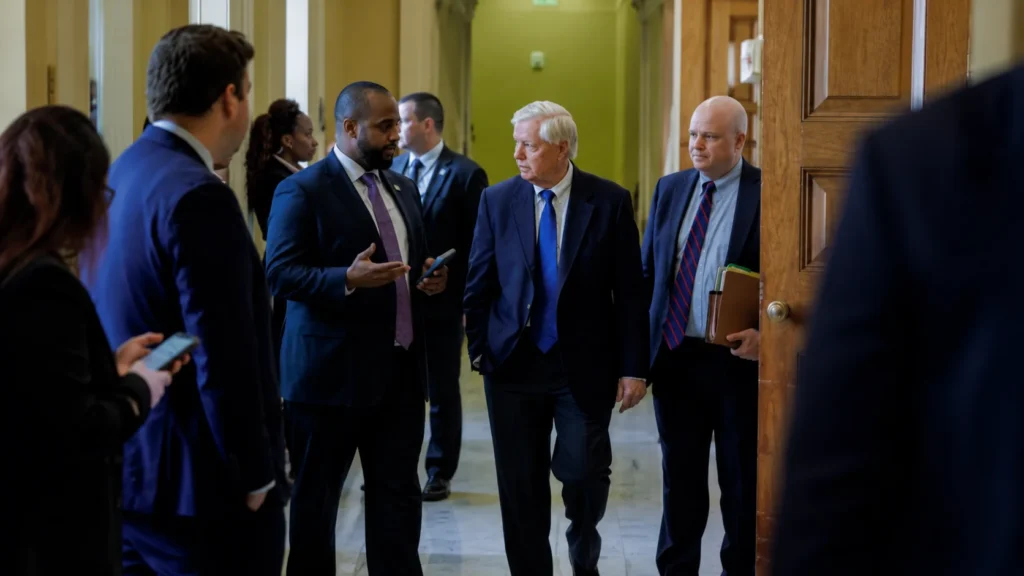
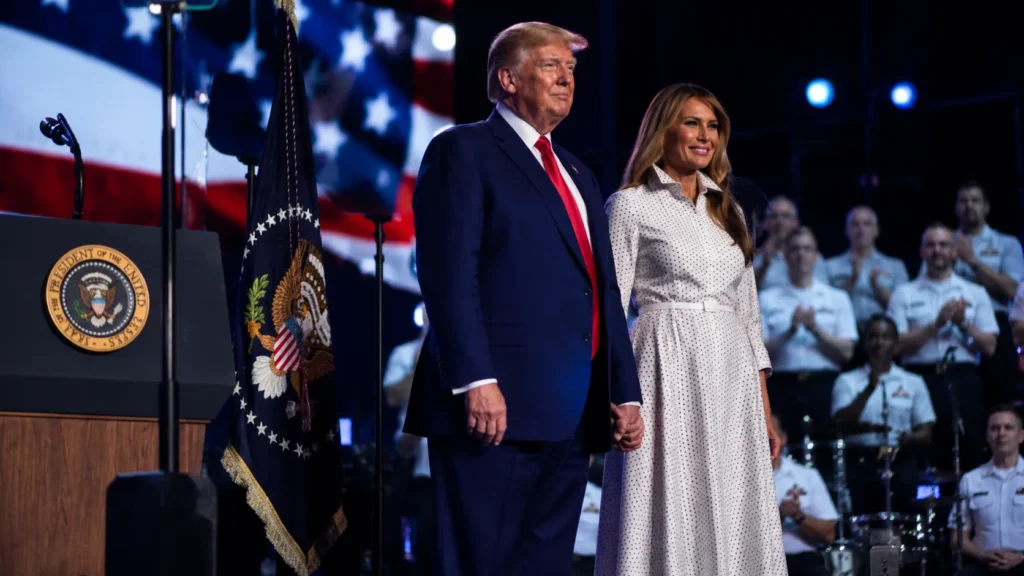
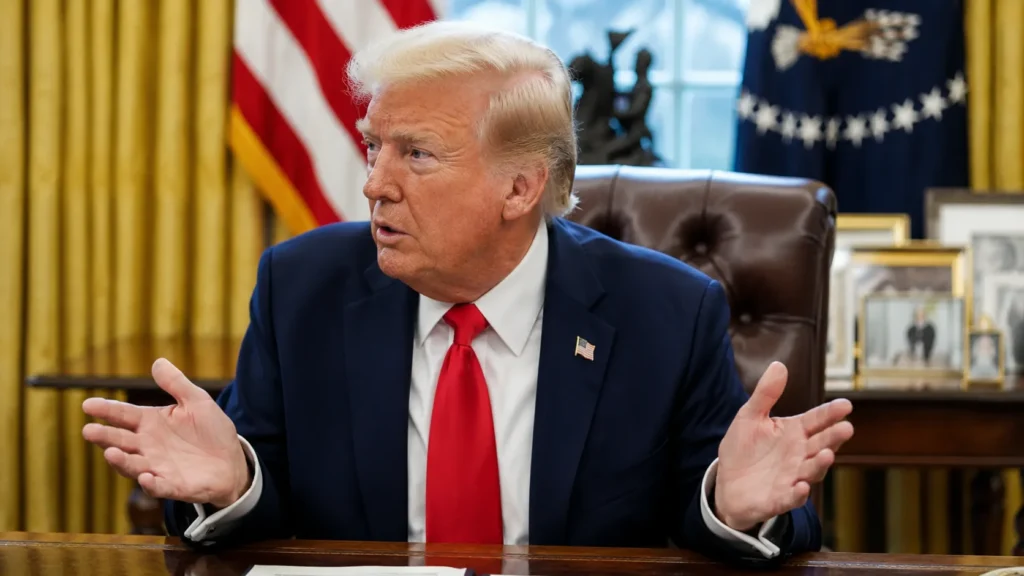
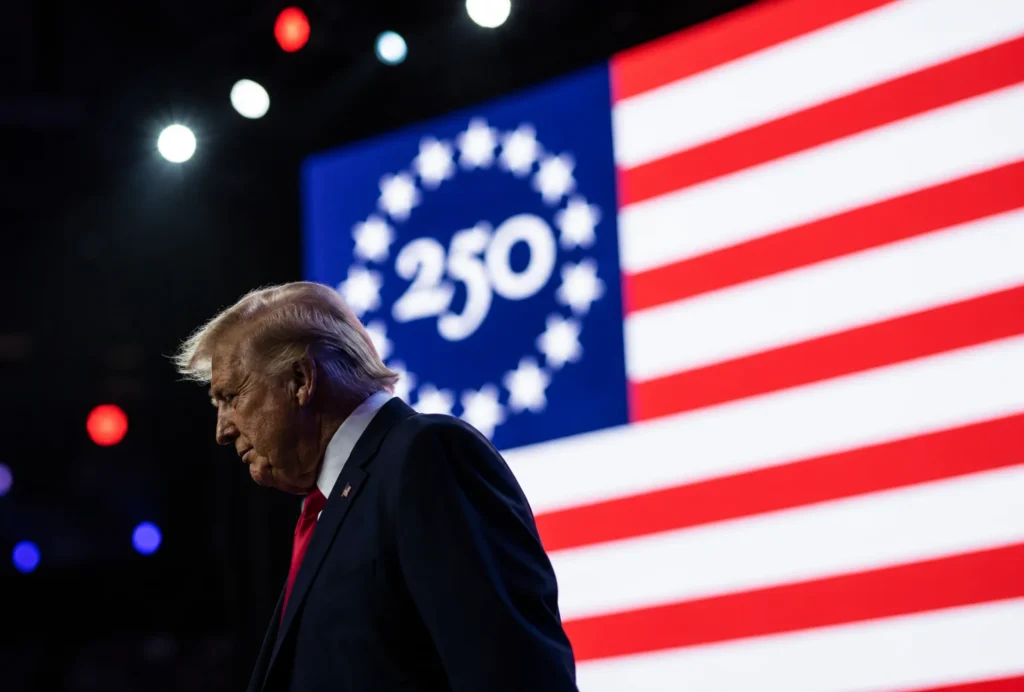
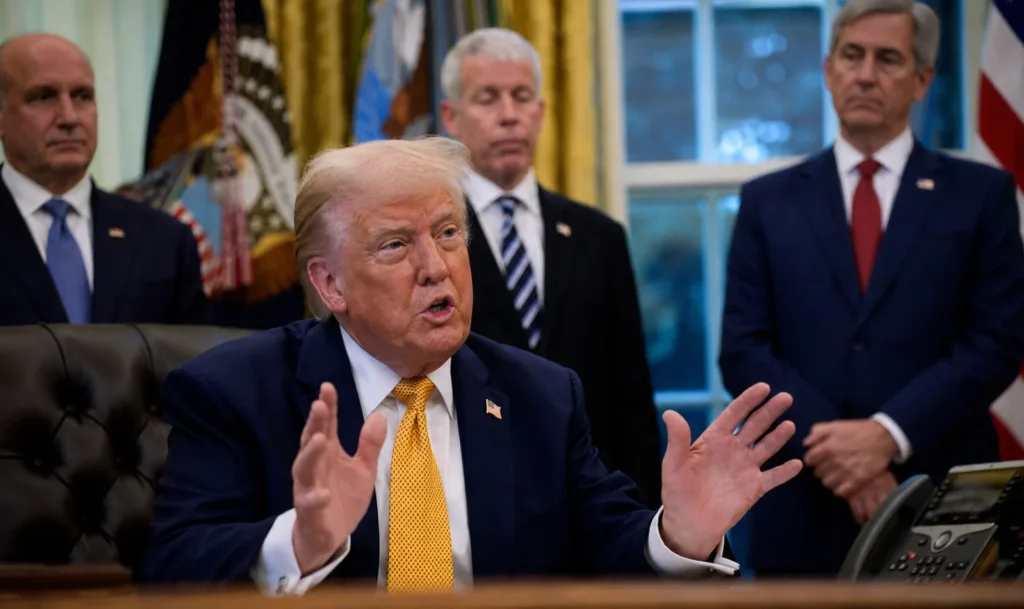
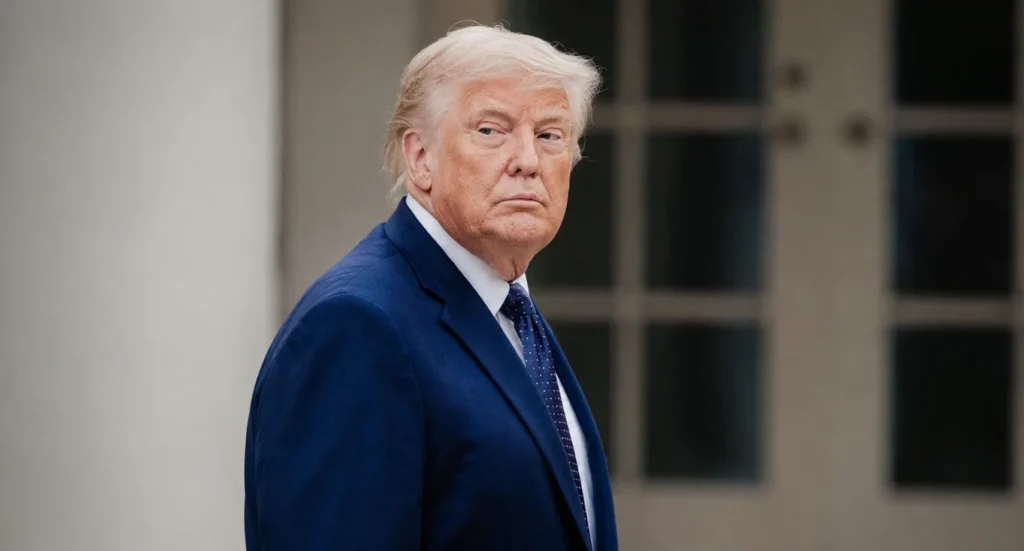
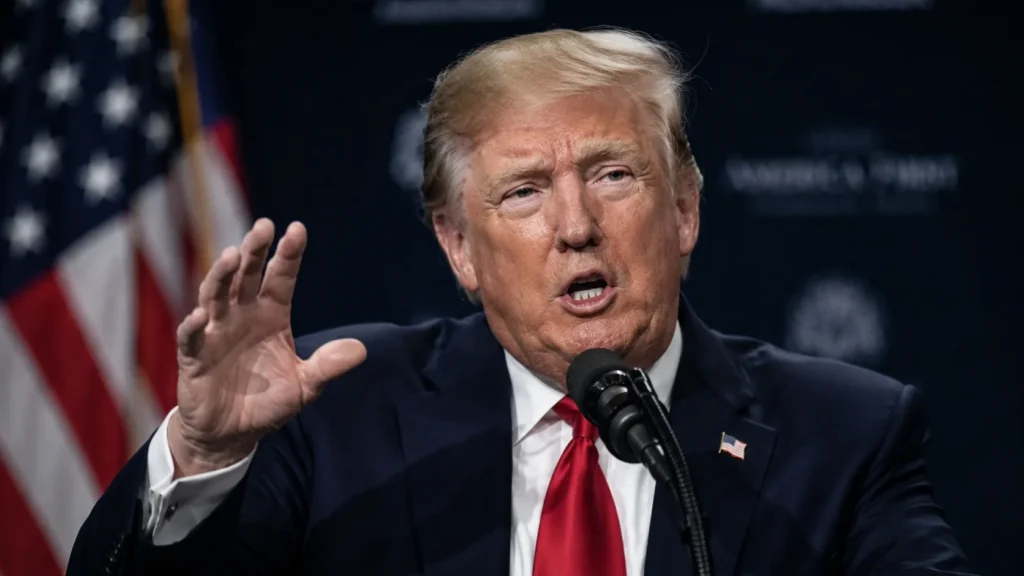
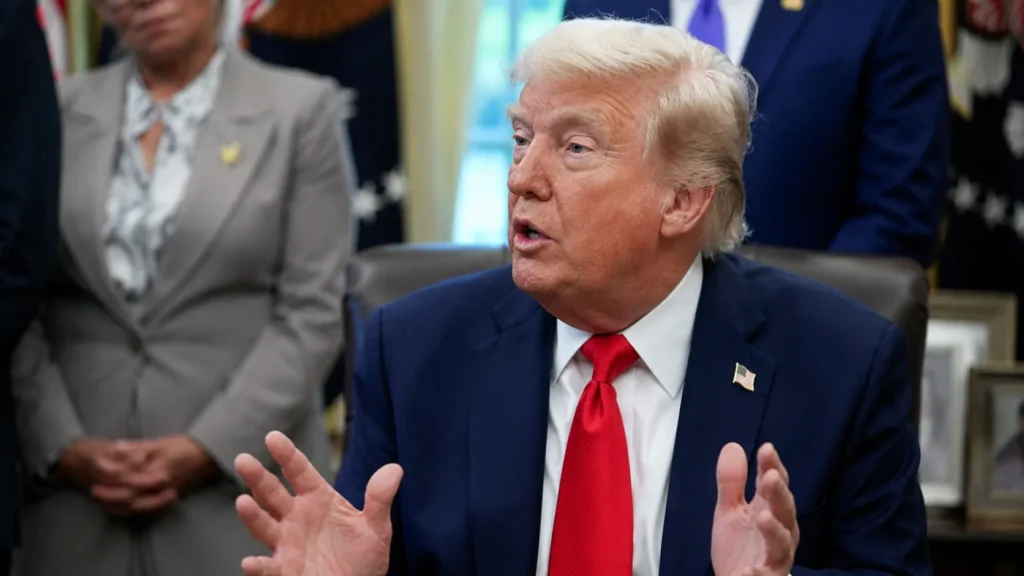
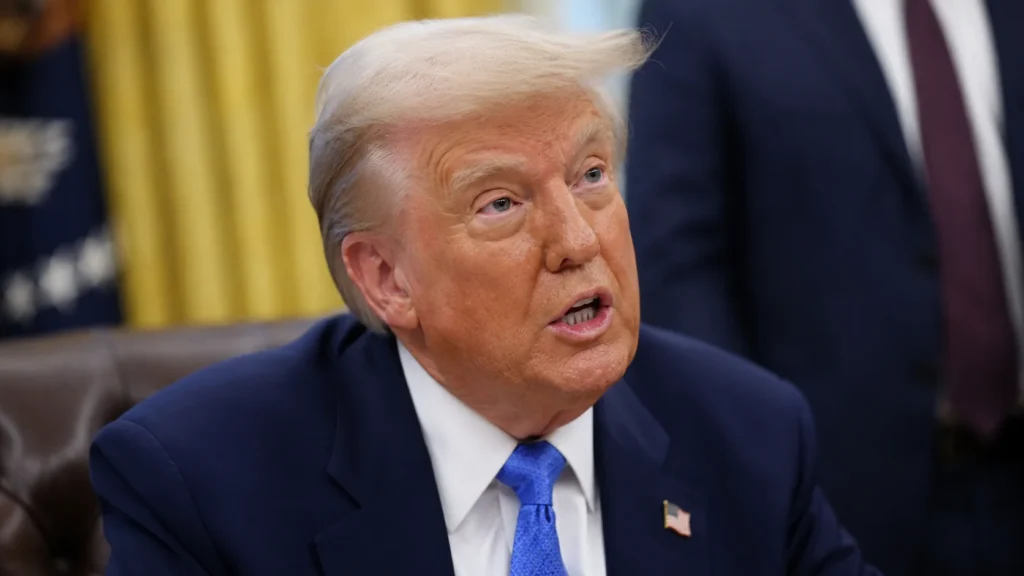
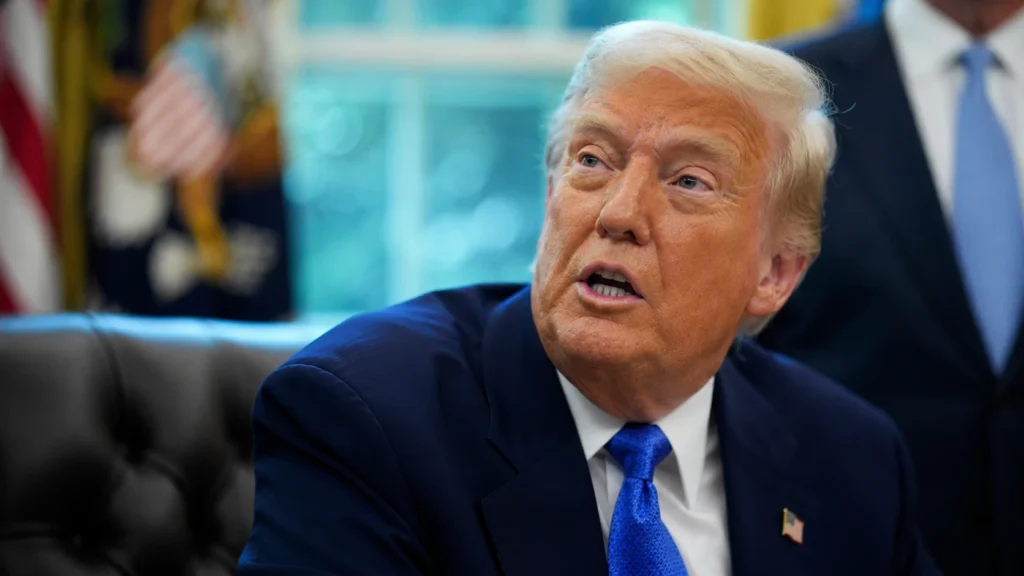
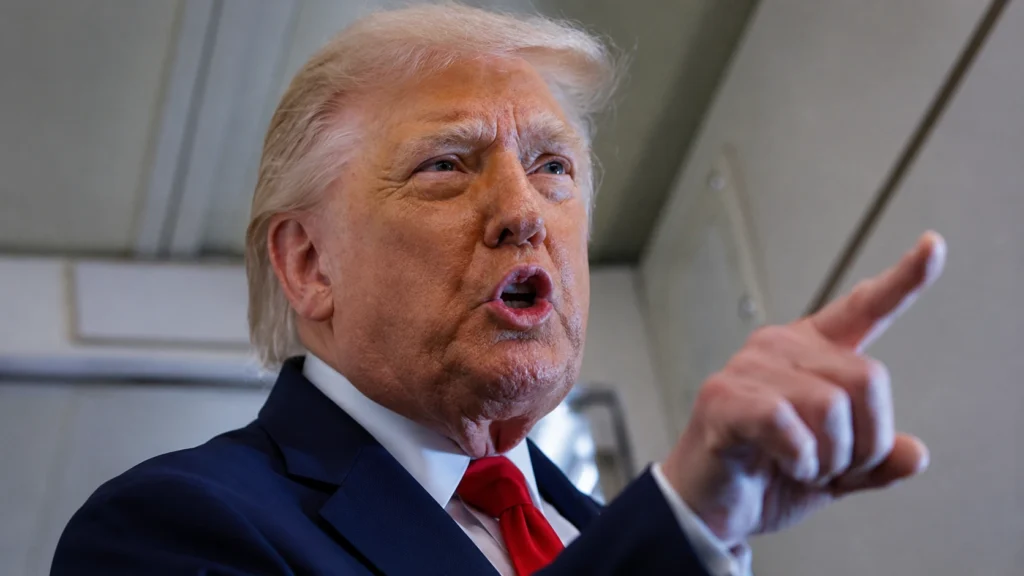
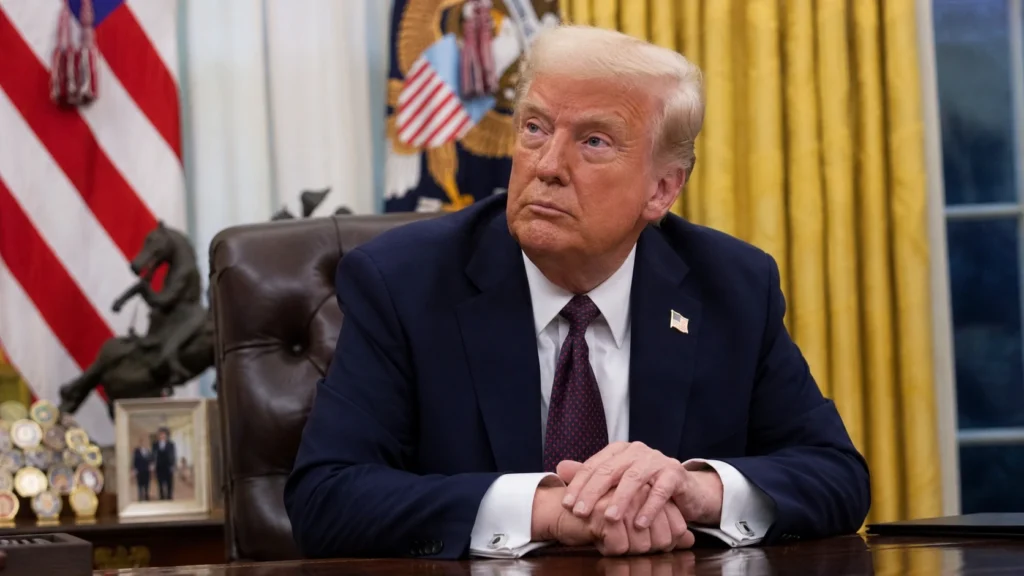
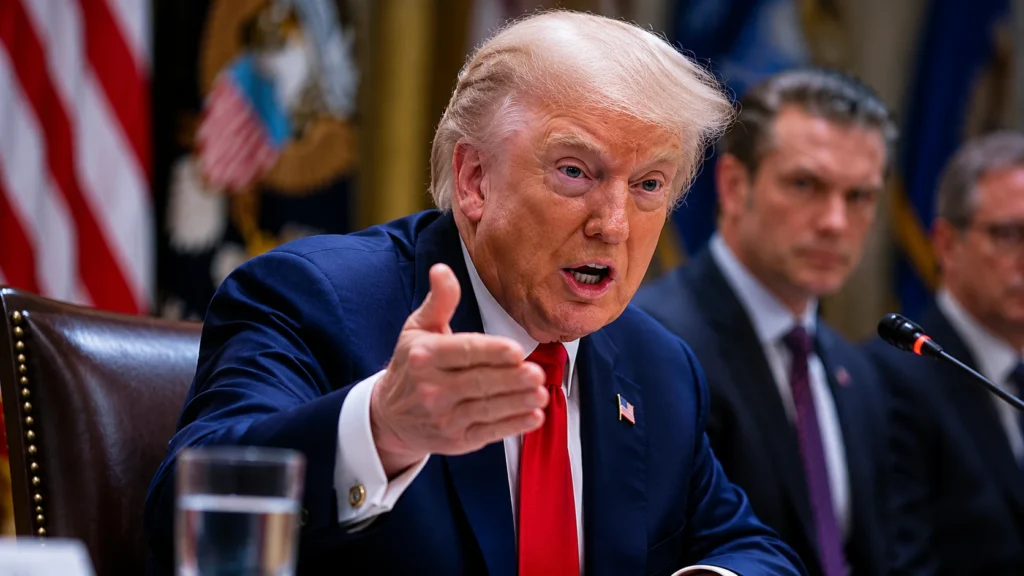
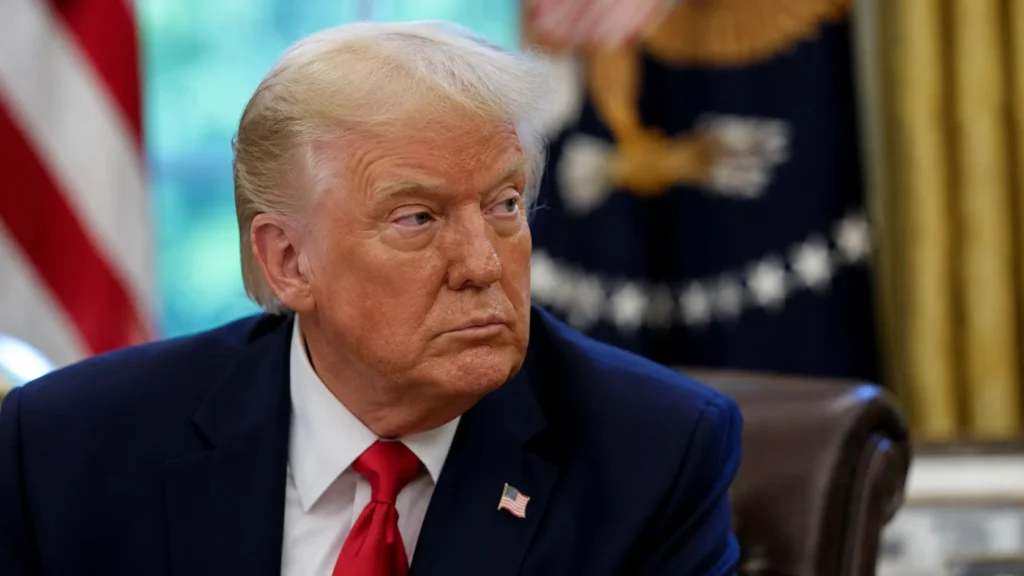
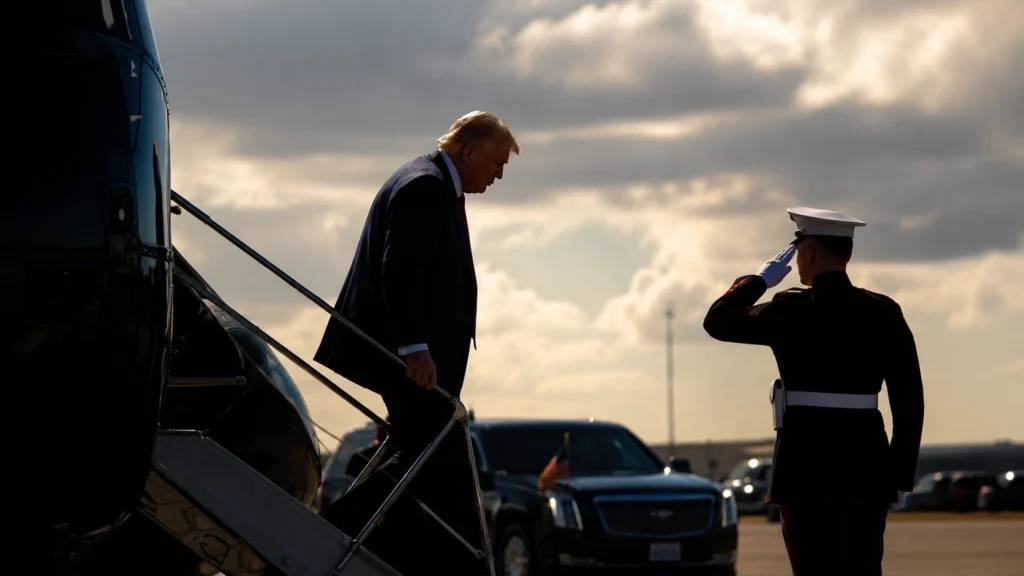
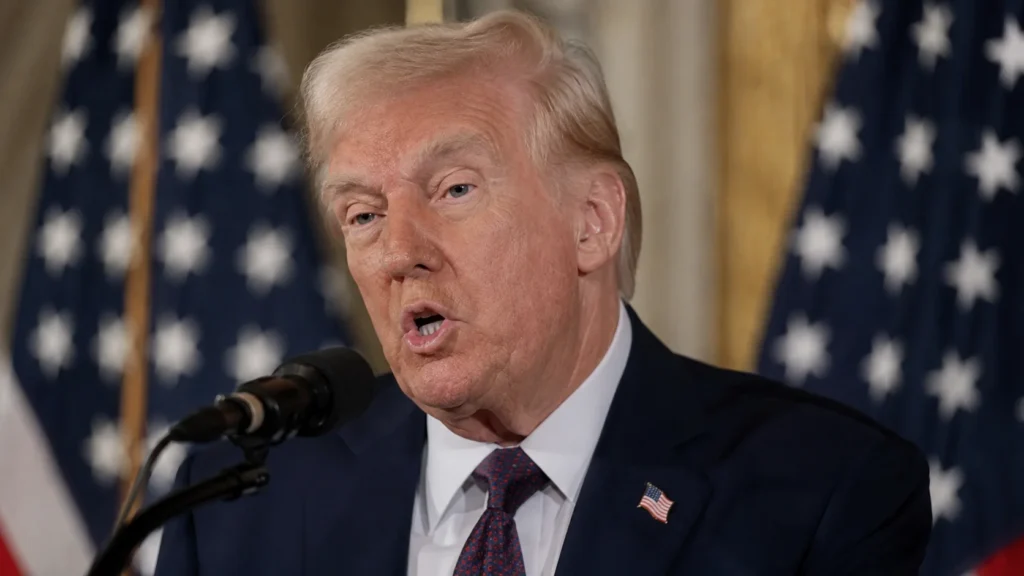
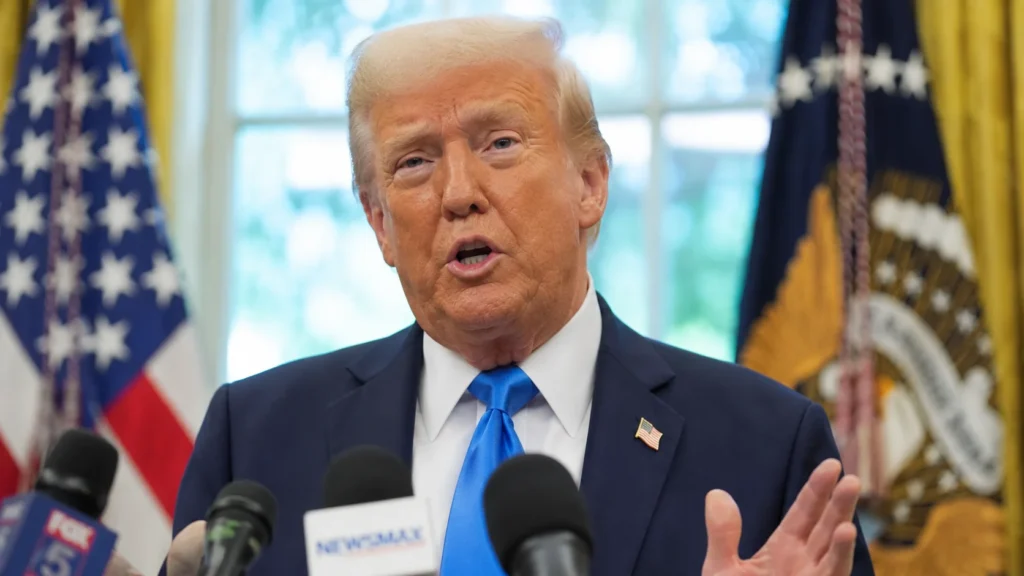
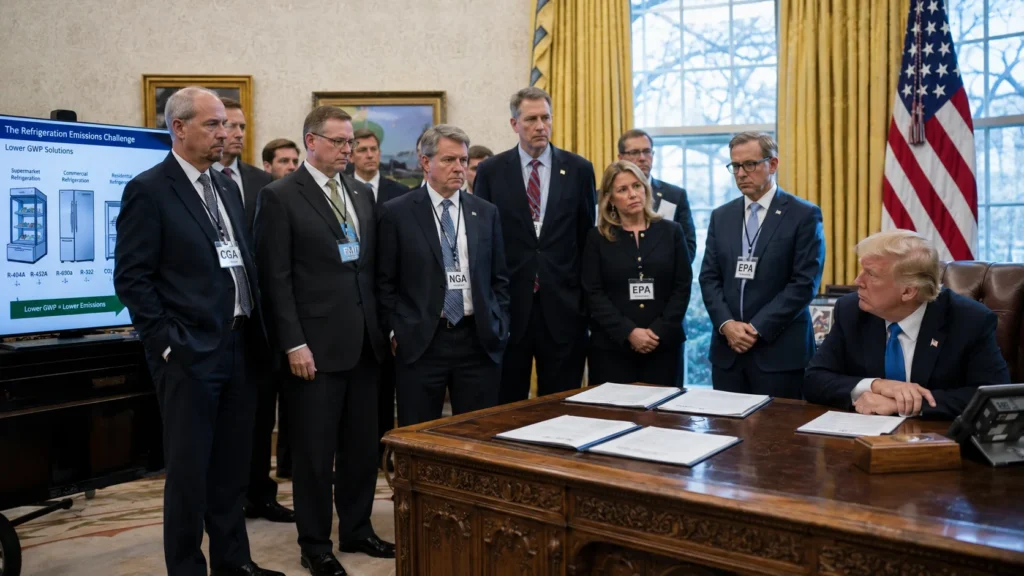
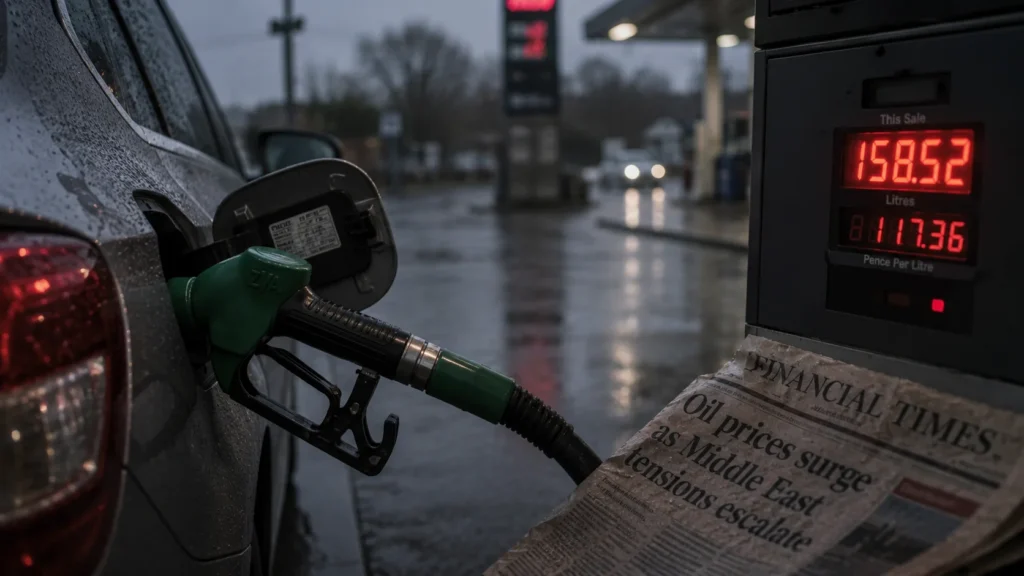
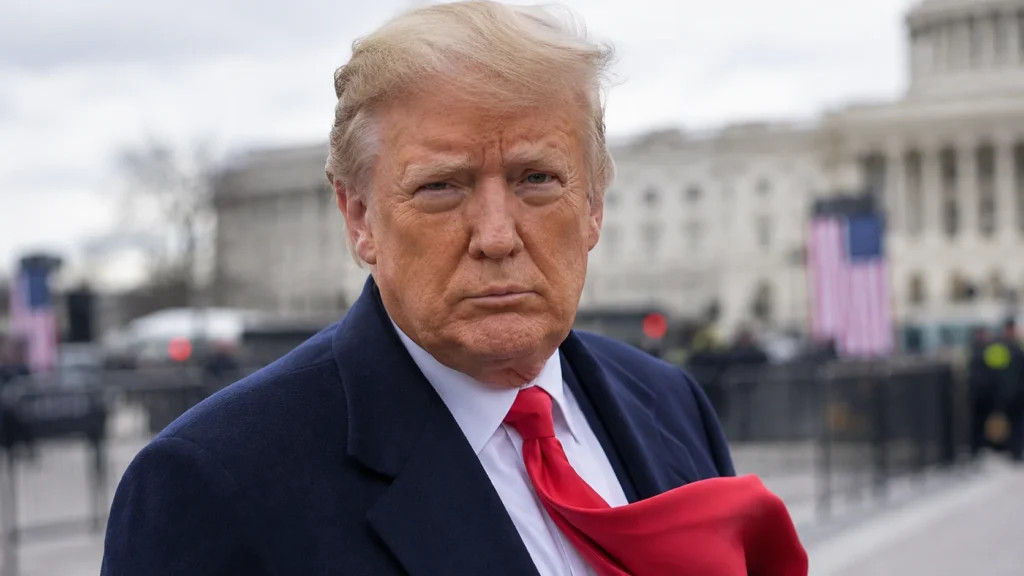
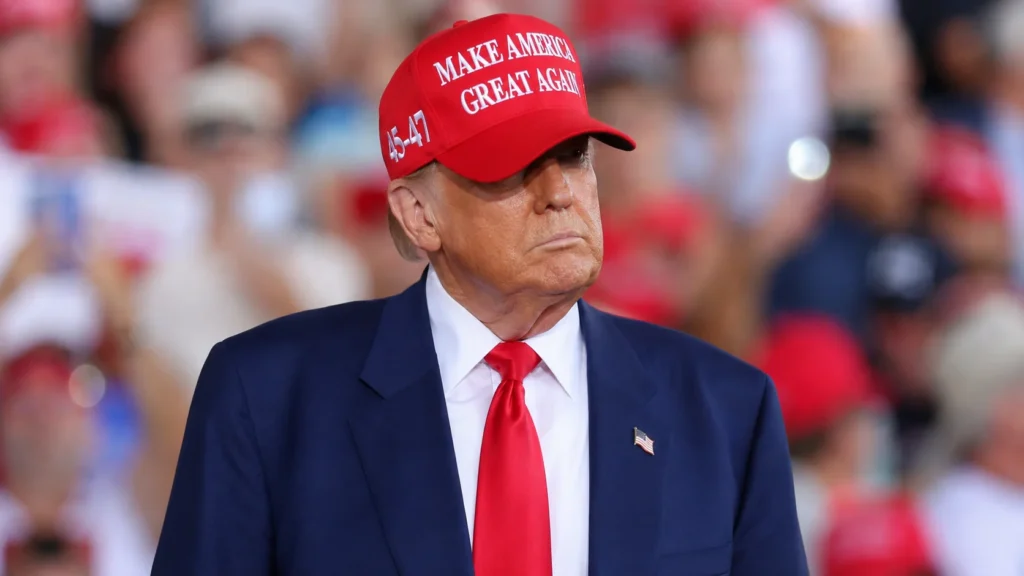
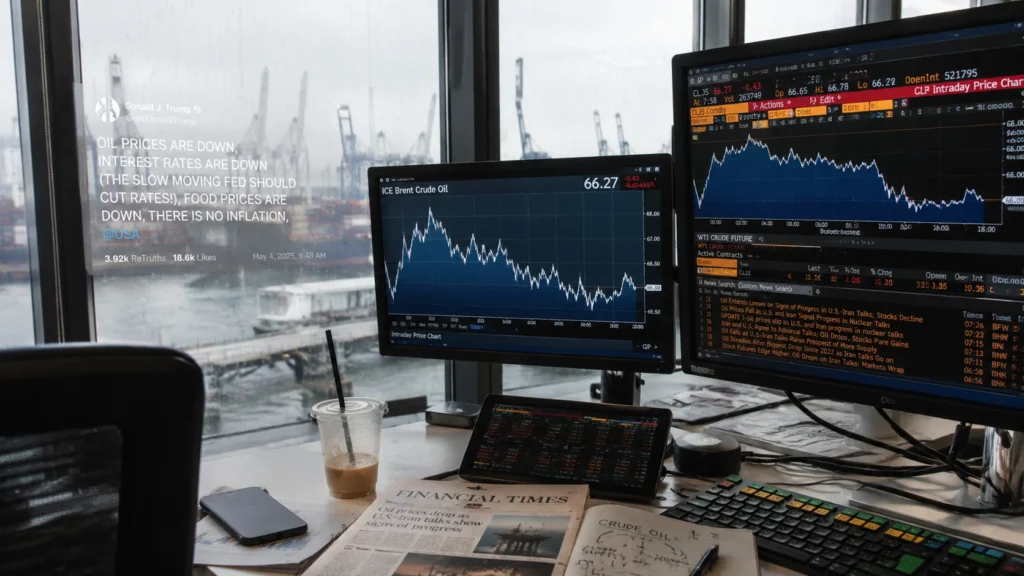
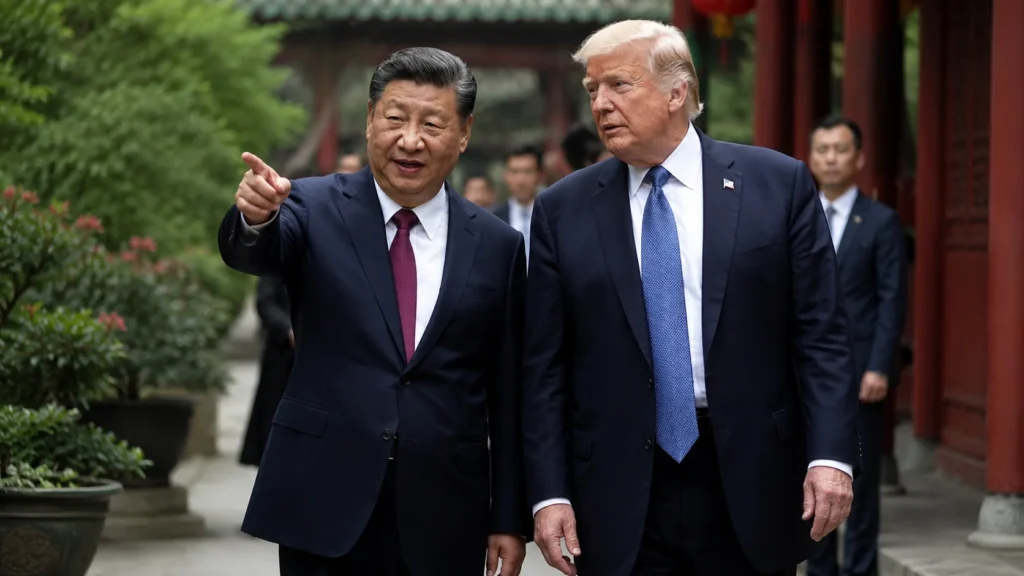
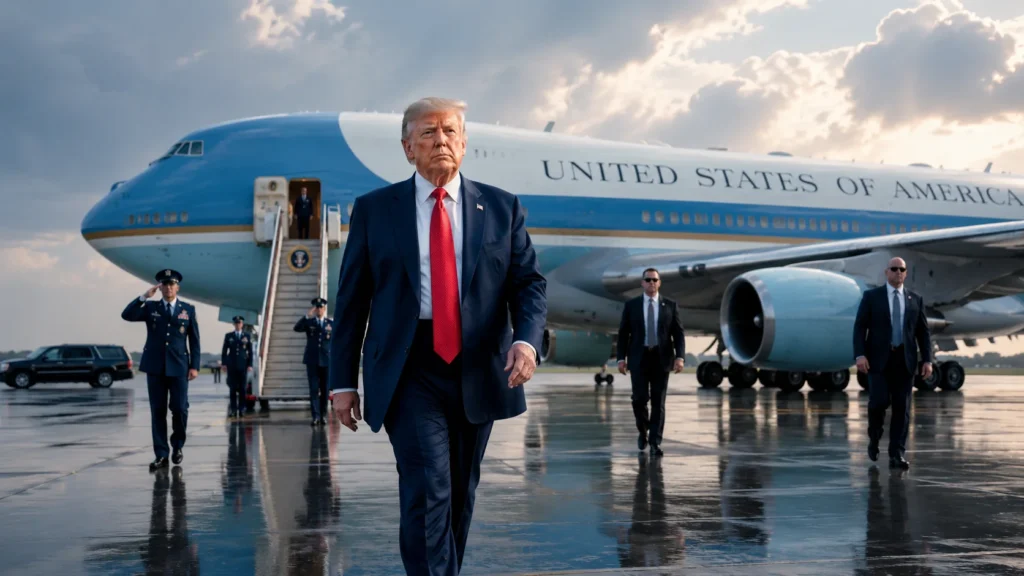
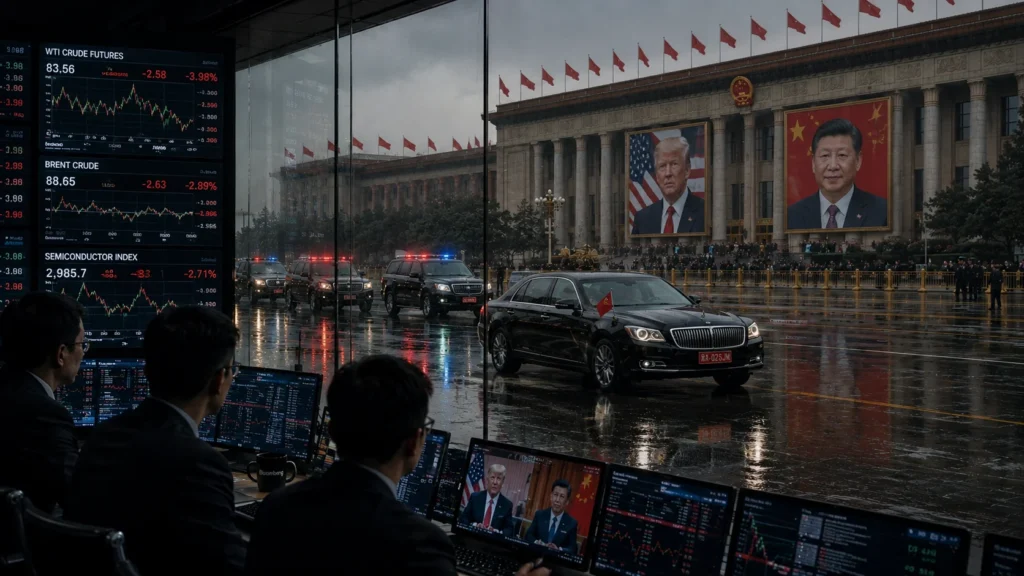
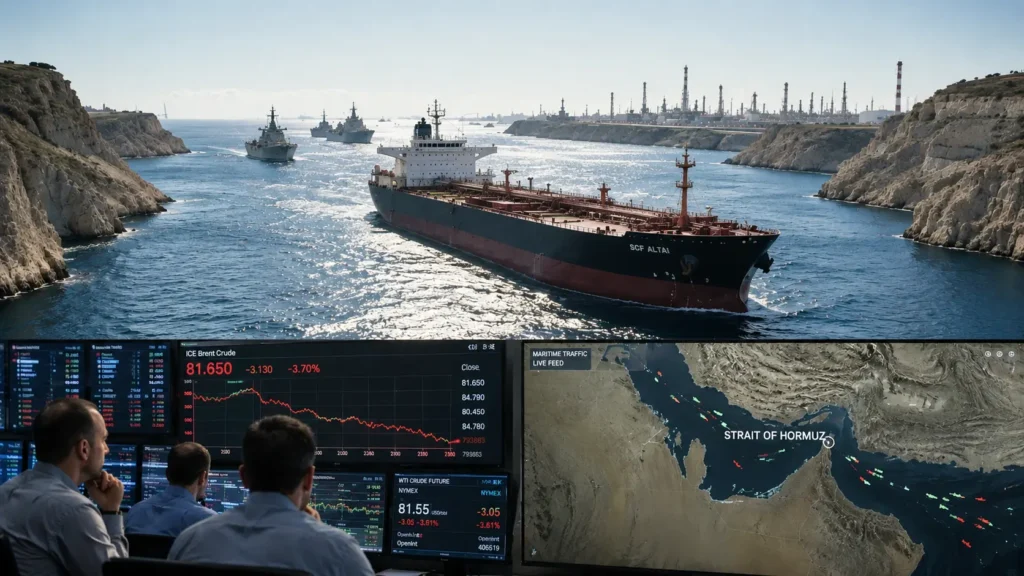
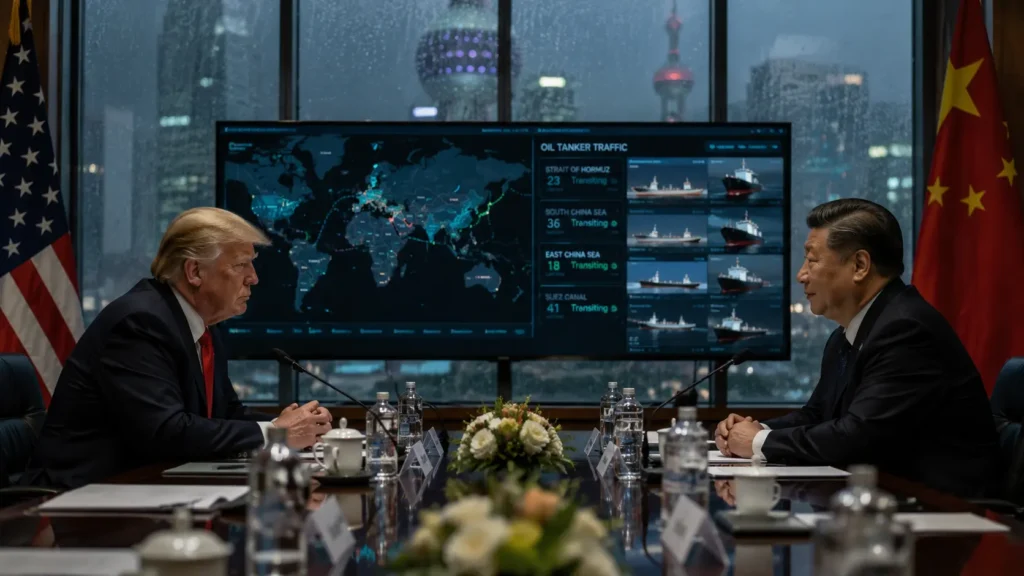
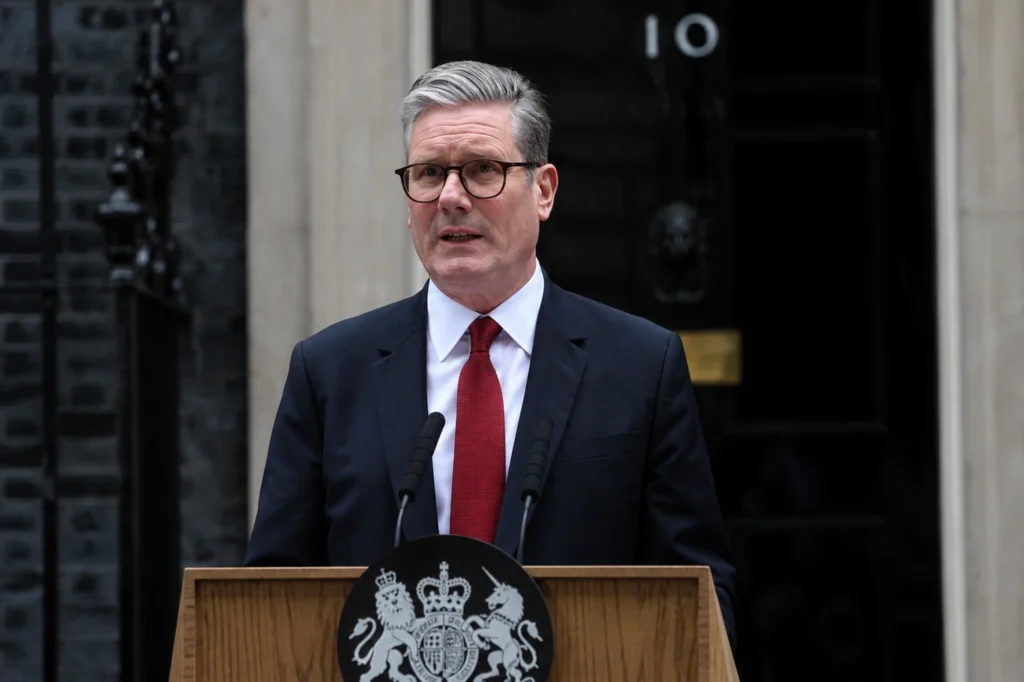
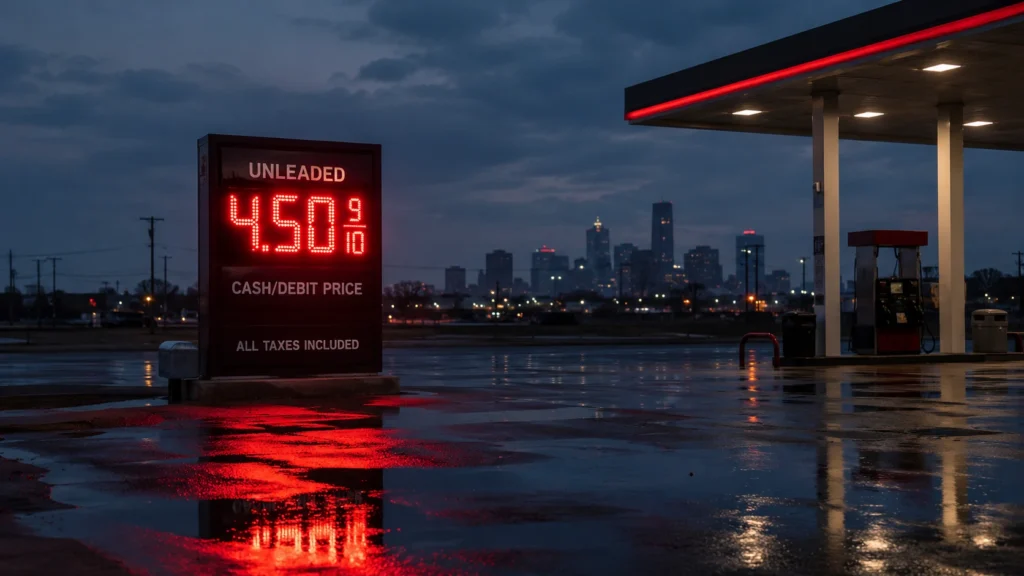
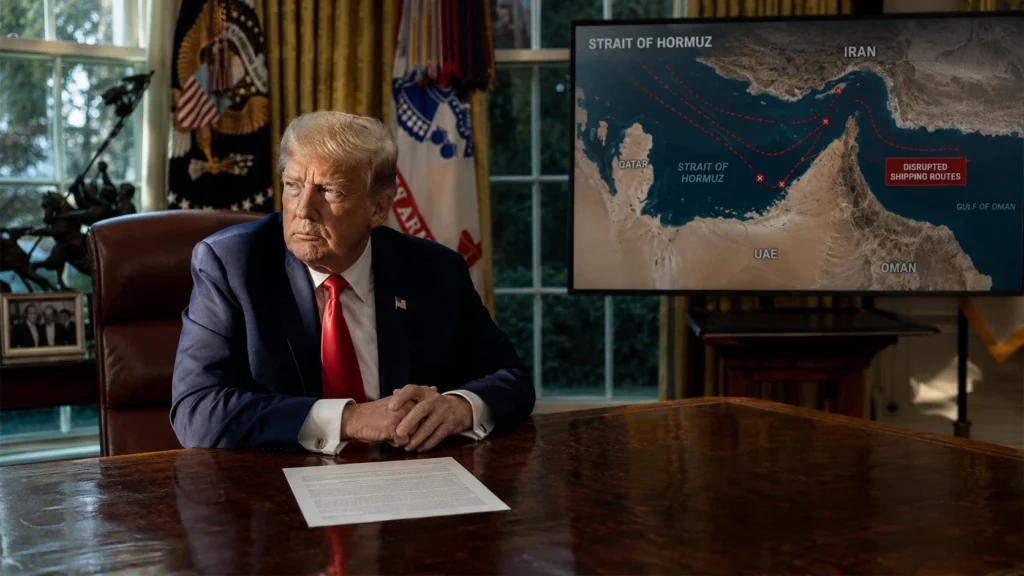
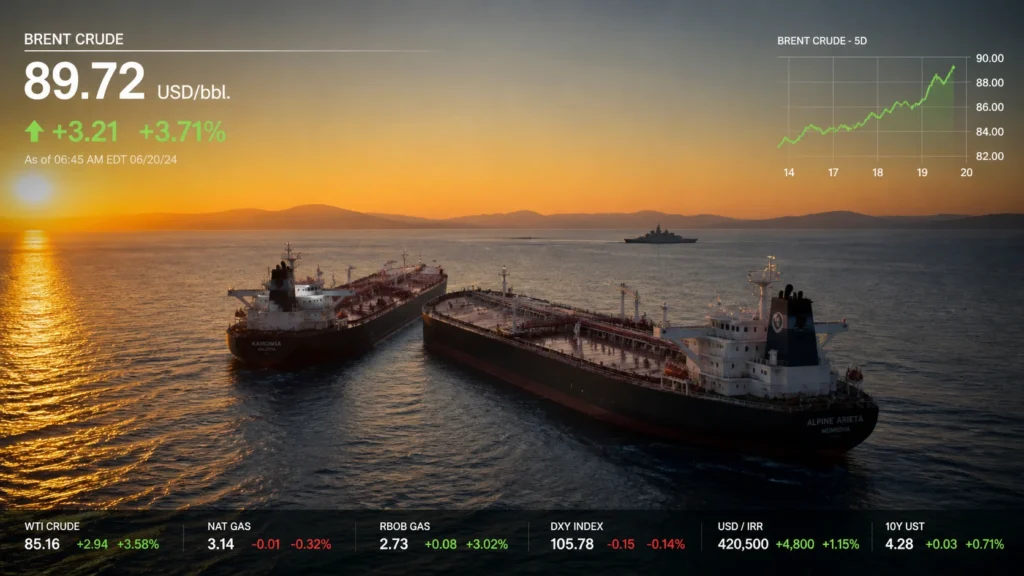
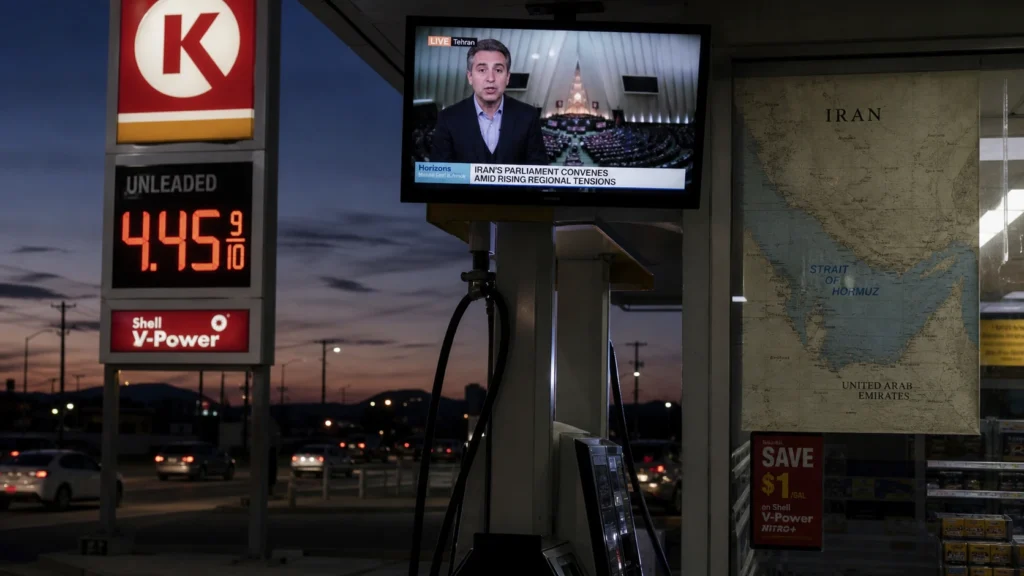
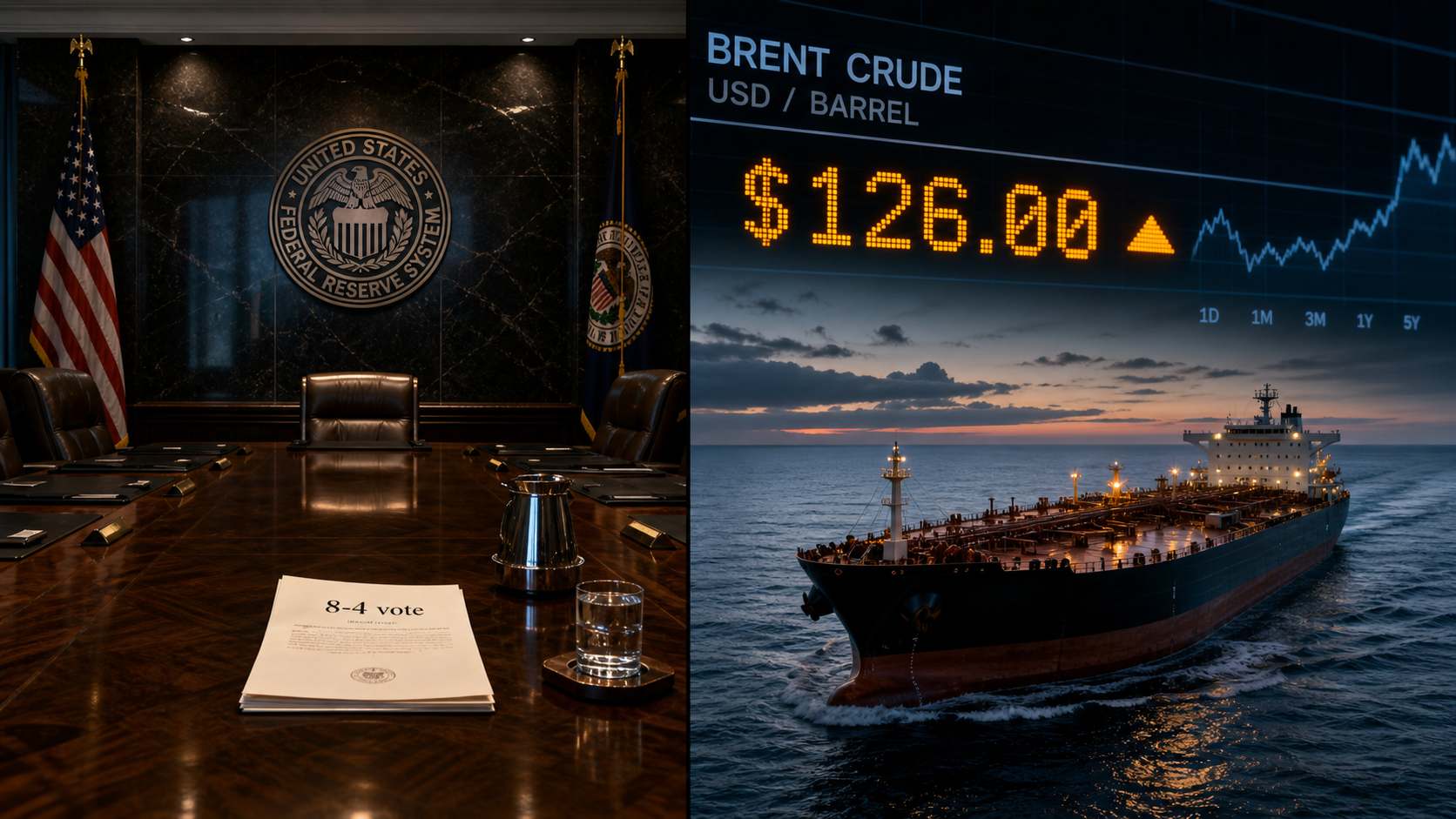
President Donald Trump announced from the Oval Office on Thursday that the United States had reached “a great settlement of the war with Iran,” claiming documents were in “pretty final shape” and predicting a signing “maybe in Europe” within days. Iran’s foreign ministry spokesperson, Esmail Baghaei, responded hours later on state TV, saying that reports of an agreement were “speculative” and that “nothing has been finalised.” Brent crude fell 4.4% to approximately $89 a barrel on Trump’s statement alone—the latest in a pattern of market-moving claims that have become central to the diplomatic process itself.
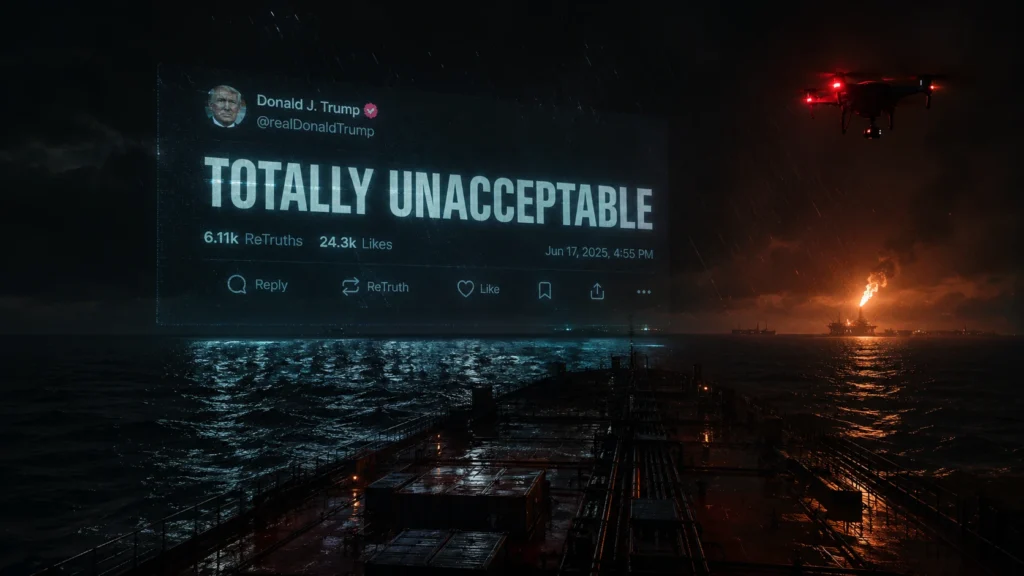
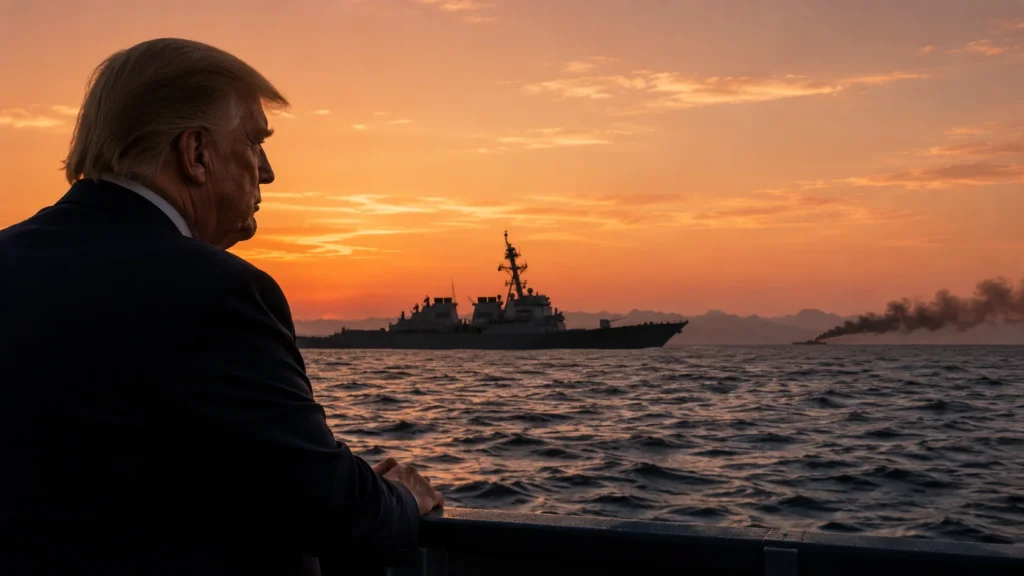
The announcement came hours after Trump had posted on Truth Social that the US would hit Iran “very hard tonight” and threatened to seize Kharg Island, Iran’s main oil export terminal. The sequence—escalation threat followed by settlement claim—has repeated at least seven times since April without producing a signed agreement. Iran acknowledged the majority of the text had been finalised but said Washington had made “excessive demands” and added “new requests.” Israel confirmed its prime minister spoke with Trump, but stated Israel “is not a party to the memorandum of understanding.”
The Timeline of Unfinished Deals
Trump’s settlement claims now span nearly two months without a signed document. The White House press office transcripts and Trump Truth Social posts record the sequence:
April 20: Trump said a deal would come “relatively quickly.”
May 6: Trump predicted the war would be “over quickly” and both sides were nearing agreement on a 14-point memorandum of understanding.
May 23: Trump said the Iran peace deal was “largely negotiated” with details to be unveiled soon.
May 27: Trump said he was “not satisfied” with the terms of the Iran deal.
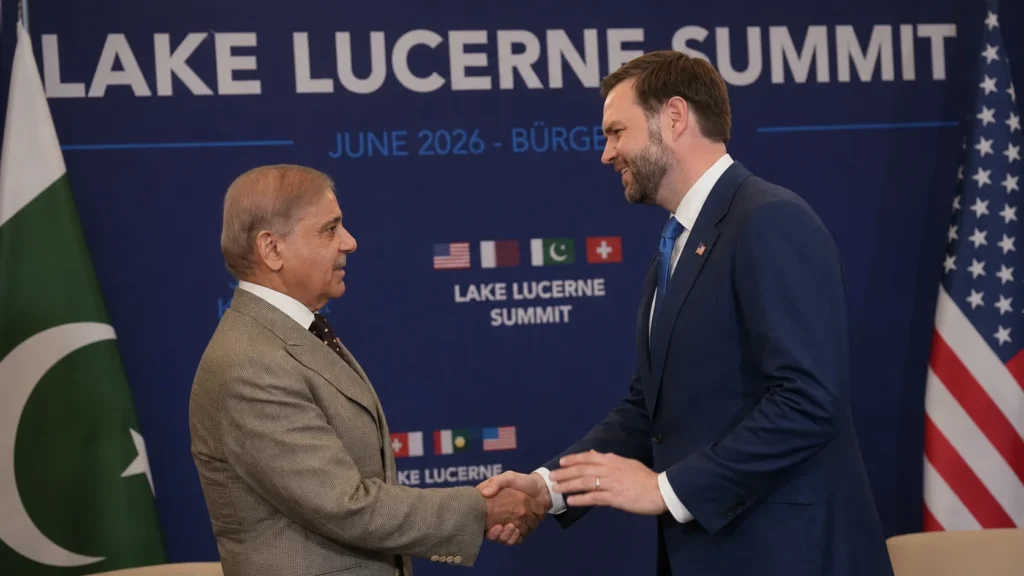
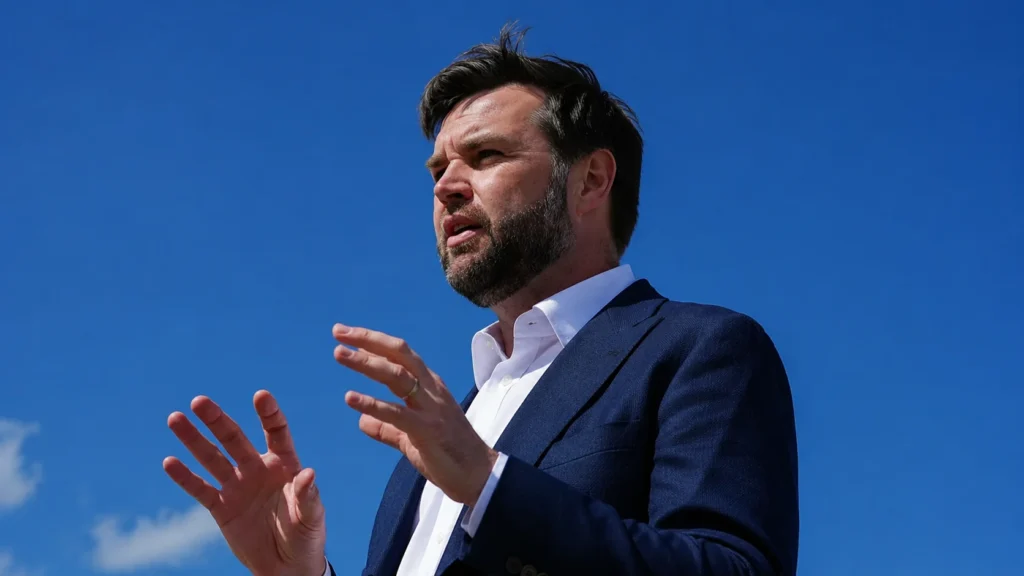
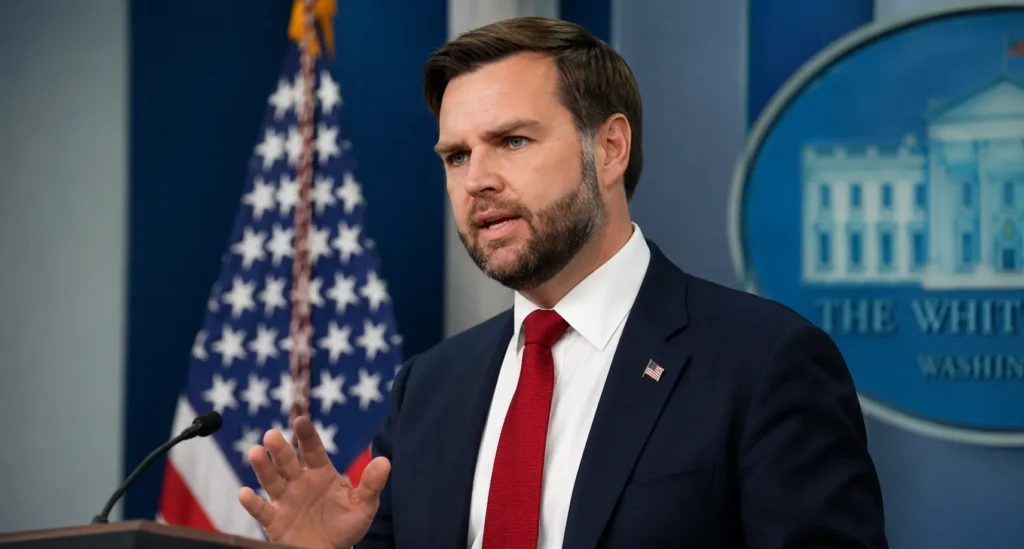
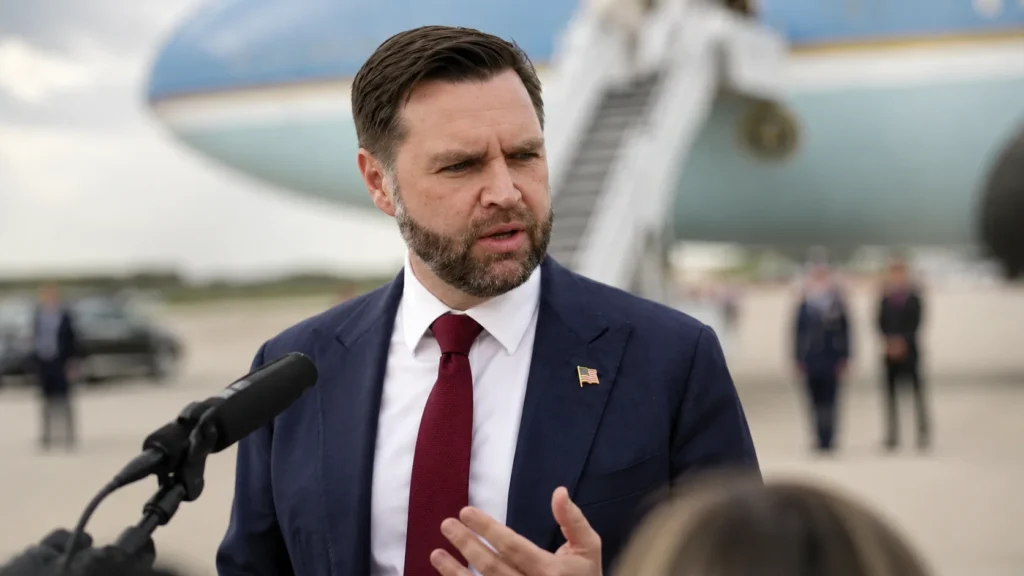
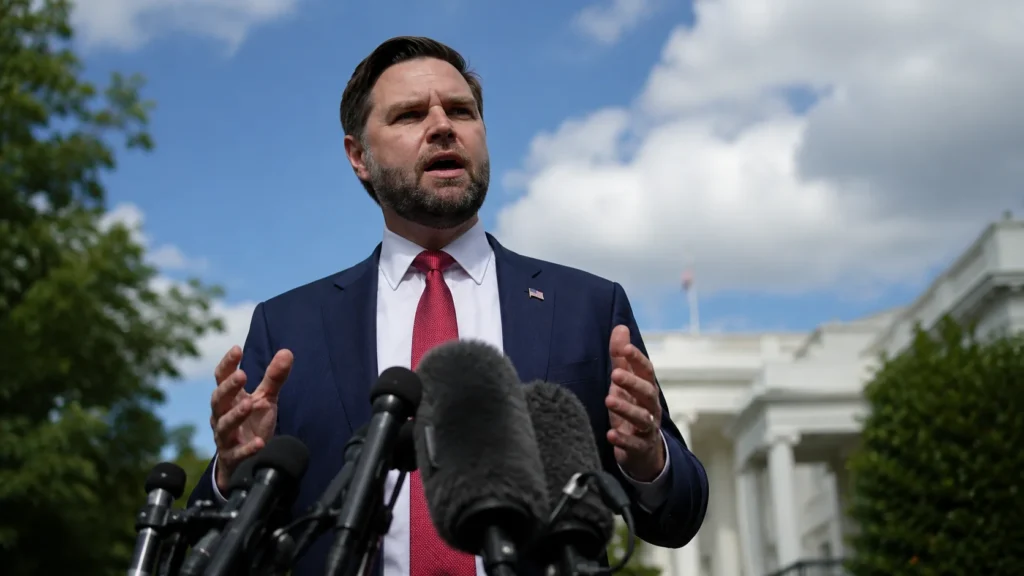
May 28: Vice President JD Vance said a deal was “very close” but not finalised.
May 29: Trump held a meeting to make a “final determination” on talks with Iran. No deal was announced.
June 11: Trump announced “a great settlement” and predicted a signing within “the next few days.”
The rhythm now functions as a diplomatic instrument in itself—announce progress, apply pressure, threaten escalation, announce progress again. As analysis of Trump’s negotiation tactics with Iran documented, the volatility that moves oil markets is not a side effect of the process. It is the mechanism.
What Each Side Says Now
The contradictory statements from Washington and Tehran on Thursday reveal the remaining distance between the two sides.
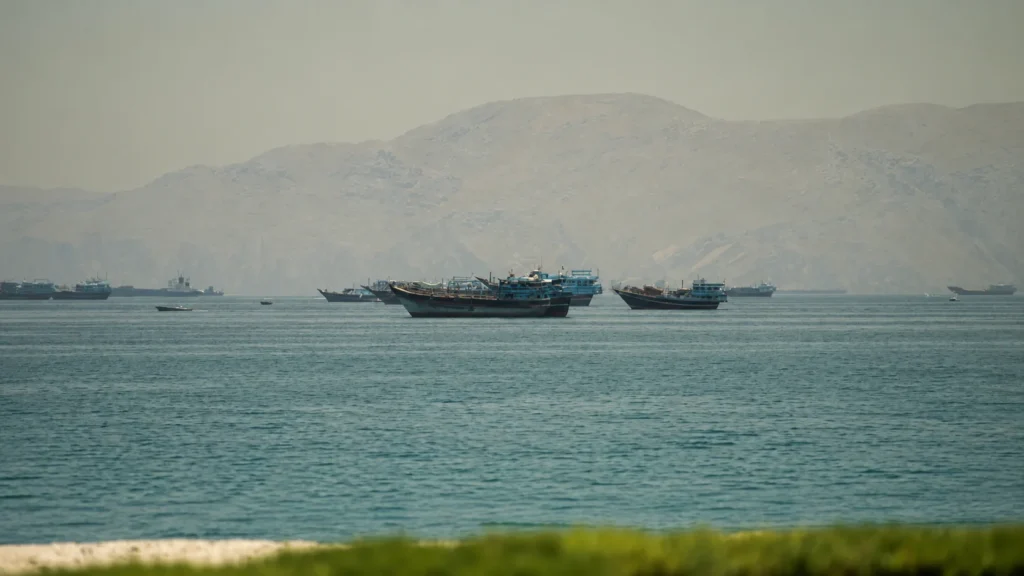
Trump told reporters the deal meant “Iran will never have a nuclear weapon, which was the whole purpose of what we had to go through to get this.” He said the Strait of Hormuz would open “as soon as we have it signed” and claimed, “the whole Middle East is very happy.”
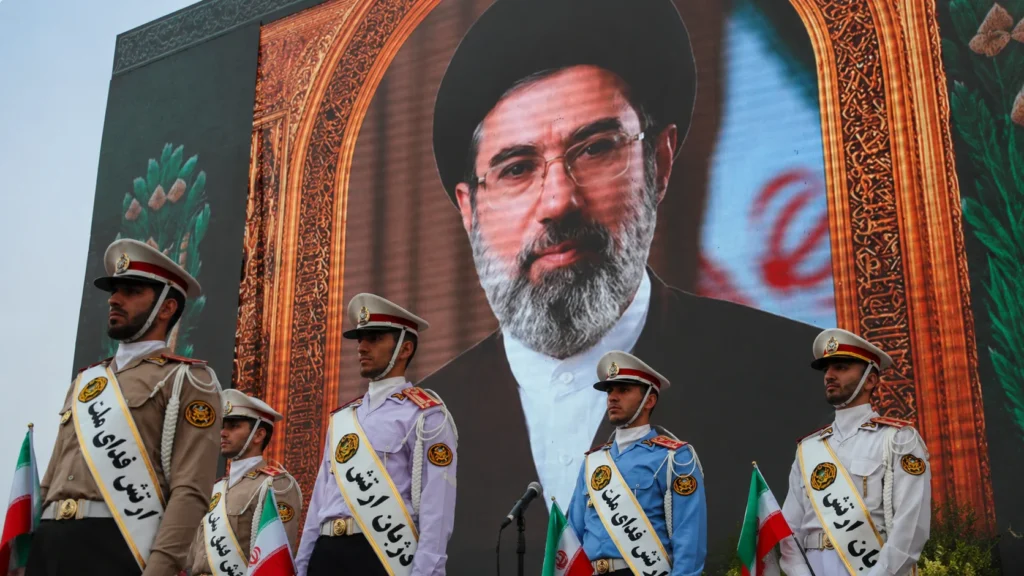
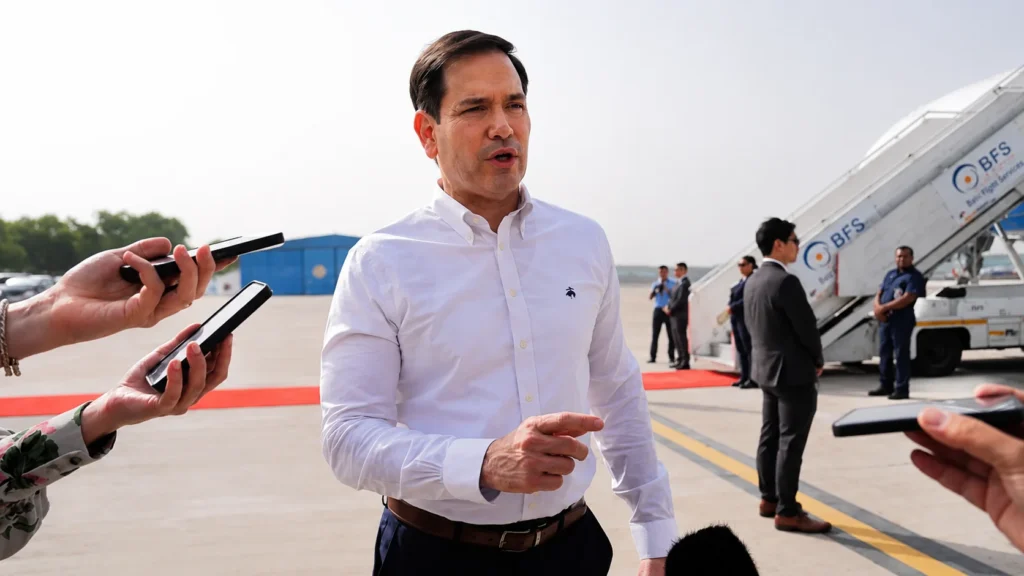
Iran’s Baghaei told state TV that “nothing has been finalised.” He said the US had introduced “excessive demands” and “new requests” beyond the text that had been agreed. Iran would not “depart from its red lines,” he maintained.
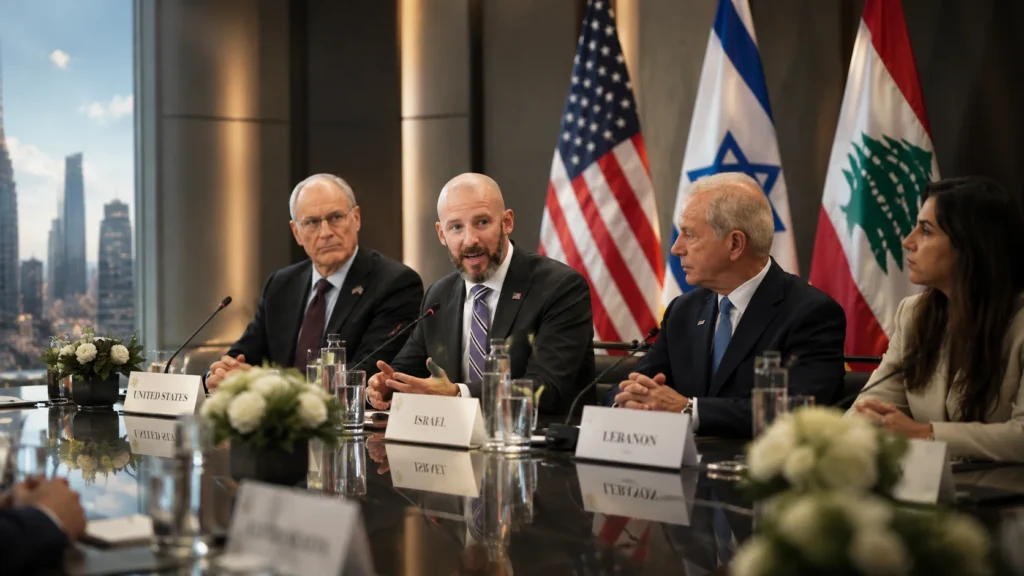
Israel’s prime minister’s office confirmed a conversation with Trump but distanced itself from the agreement. The statement said Netanyahu expressed appreciation for Trump’s commitment to a final deal including “the removal of enriched material, the dismantling of enrichment infrastructure, limits on missile production, and the cessation of Iran’s support for its terrorist proxies in the region.” But it stated explicitly that Israel “is not a party to the memorandum of understanding.”
The gap between Trump’s description of a region-wide settlement and Israel’s formal non-participation reflects the difference between presidential rhetoric and diplomatic reality. As Israel’s independent posture on Iran negotiations has previously examined, Israel has consistently maintained strategic autonomy on the Iranian nuclear file regardless of US diplomatic initiatives.
The Human Cost Accumulates
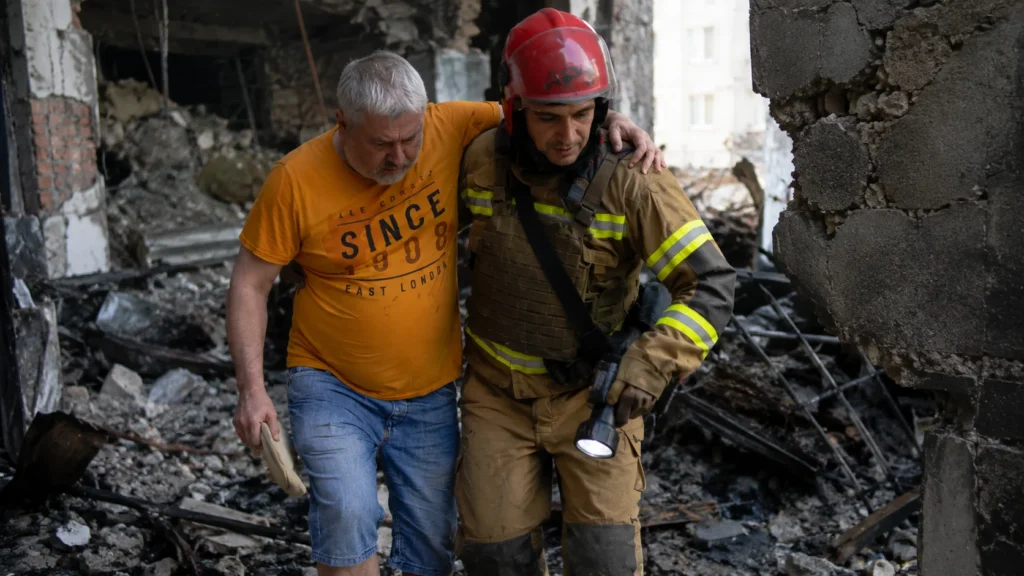
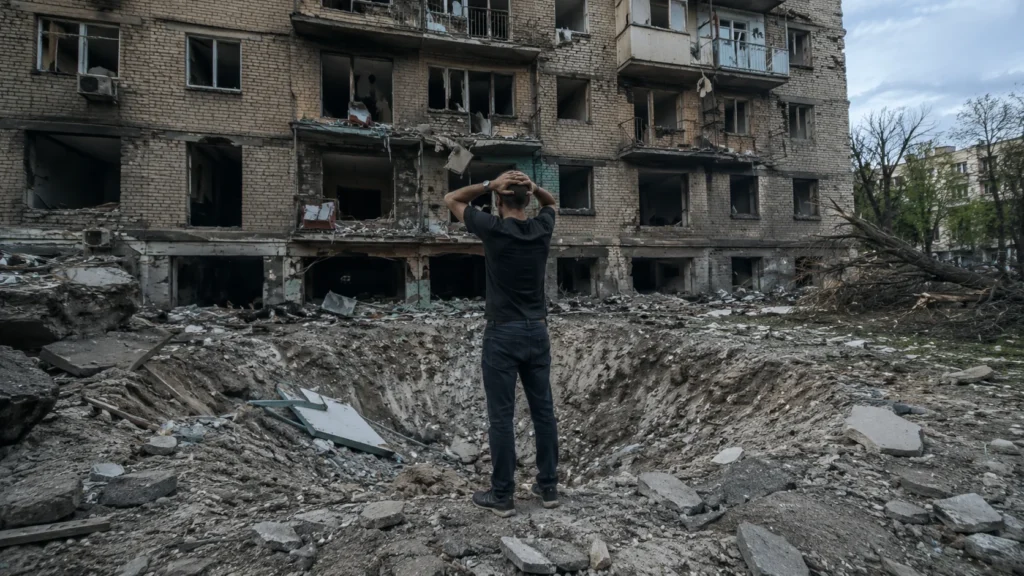
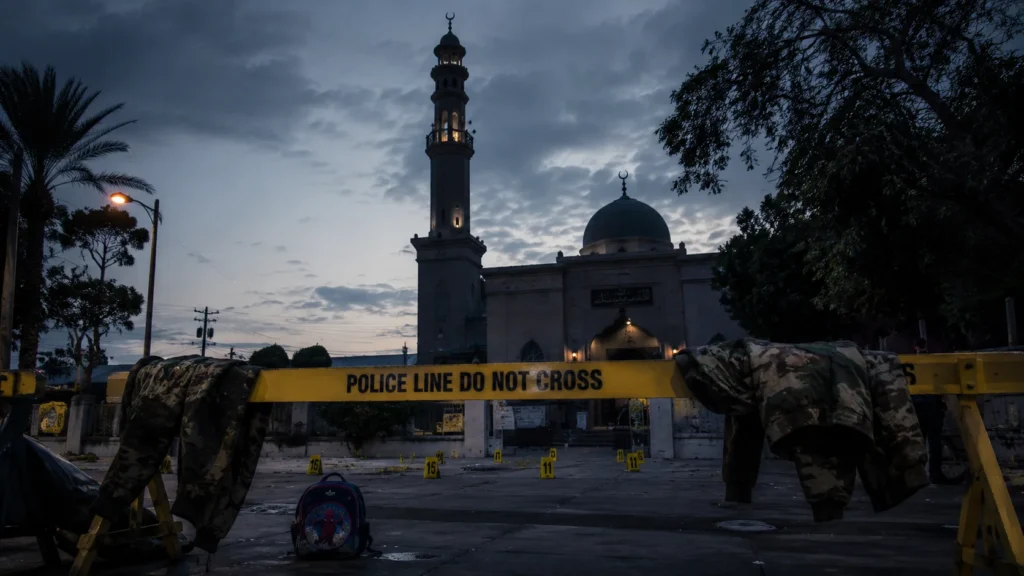
The diplomatic theater obscures casualties that continue to mount regardless of what is or is not finalised.
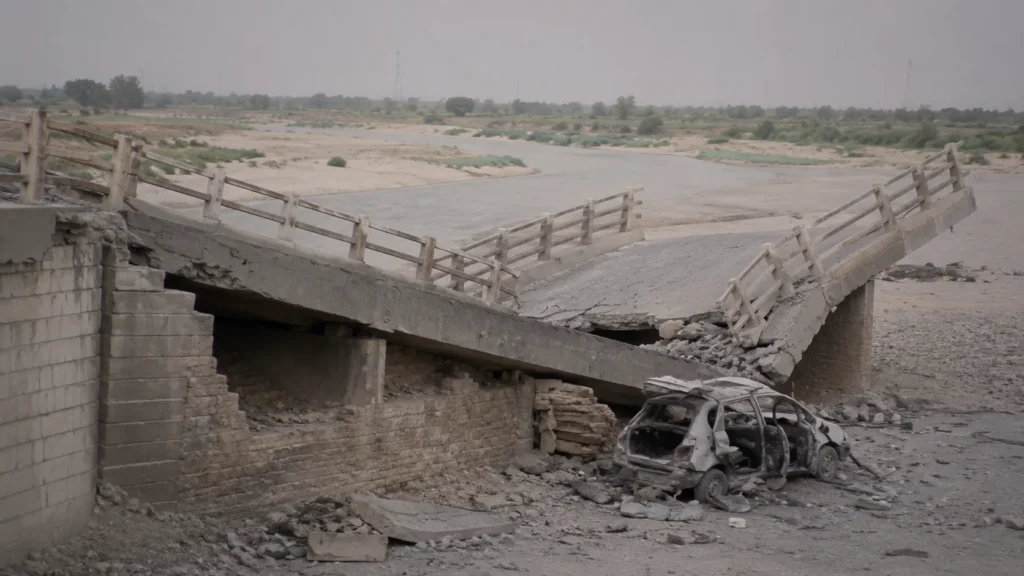
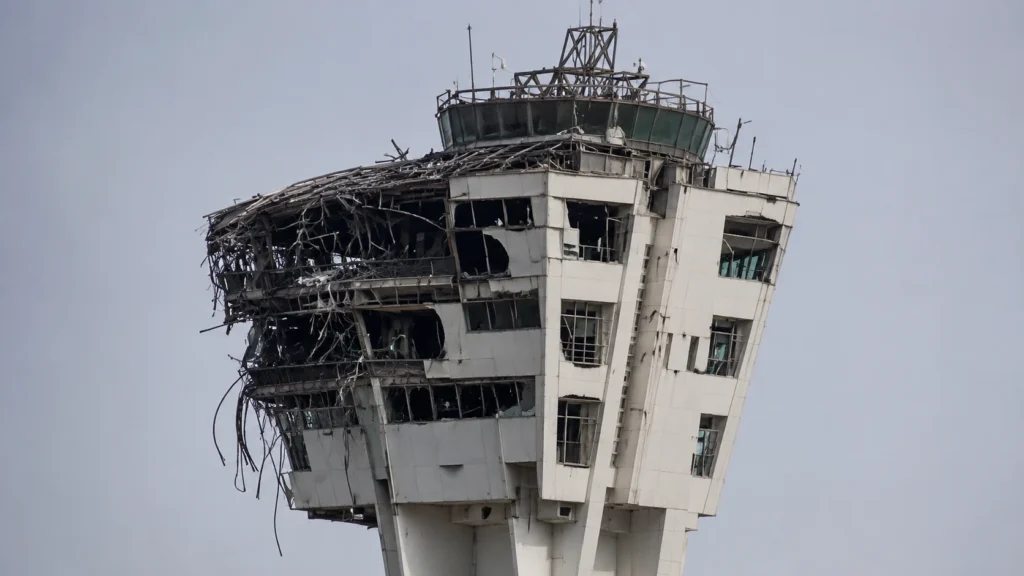
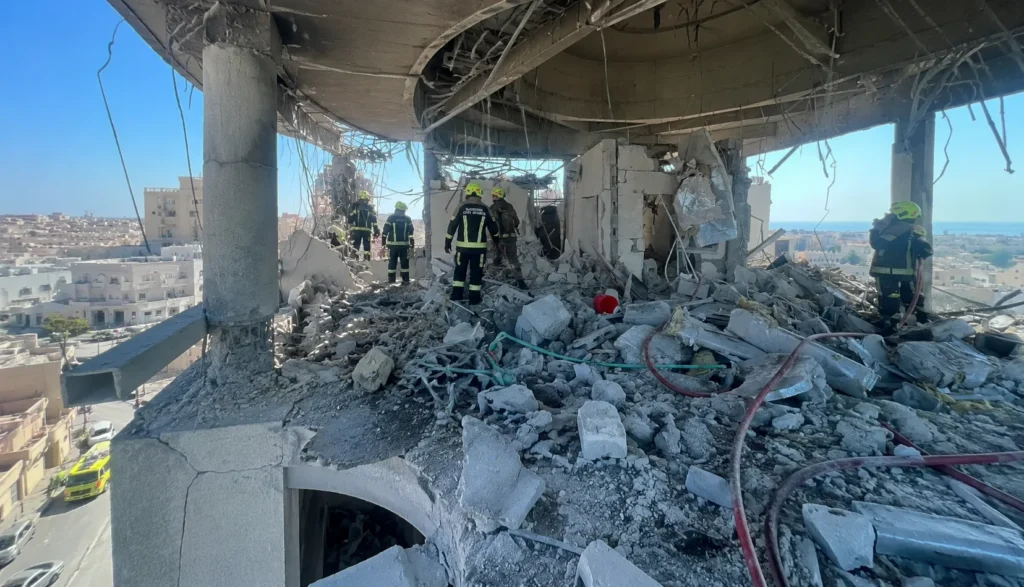
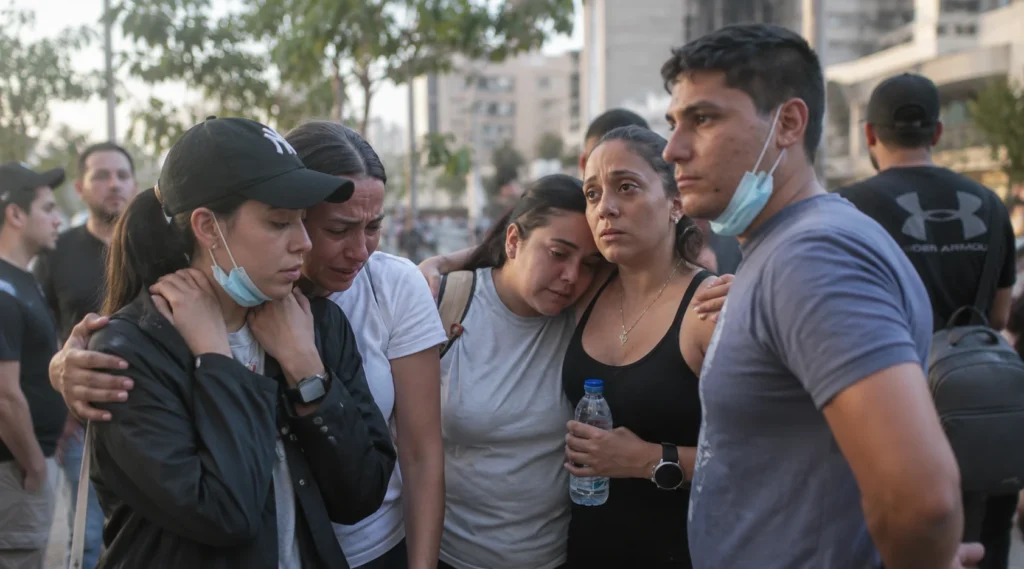
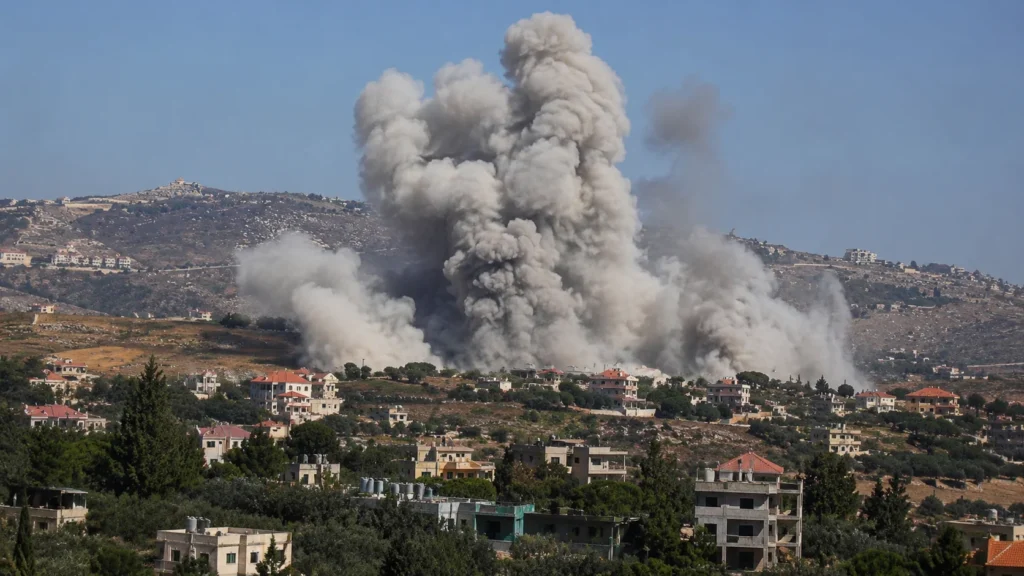
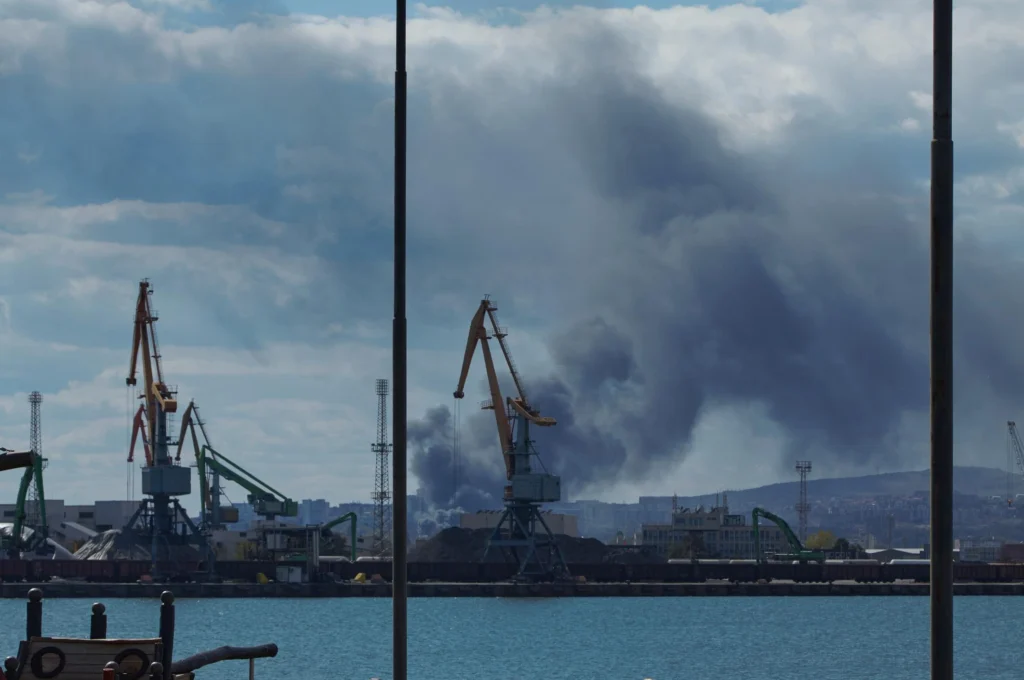
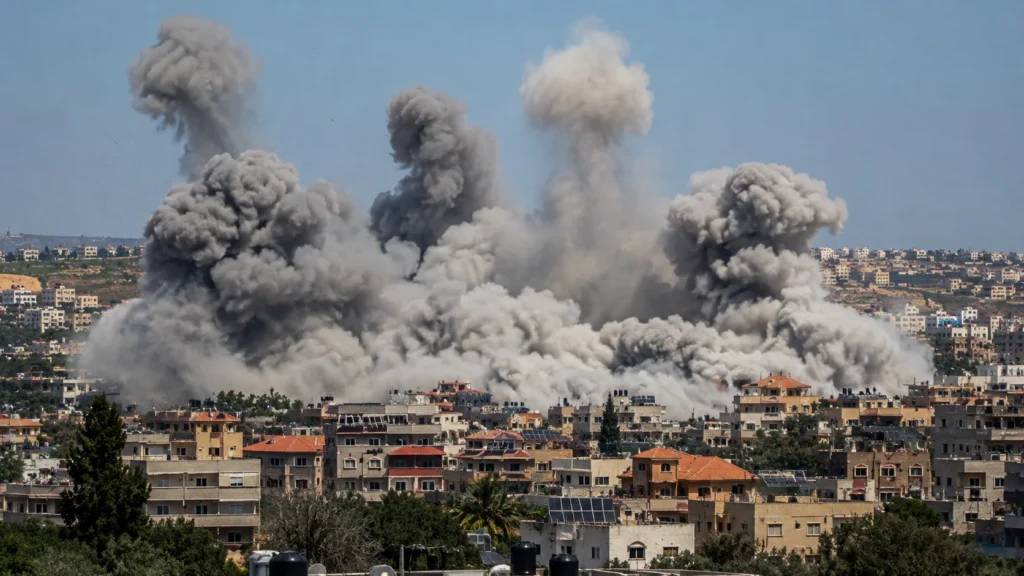
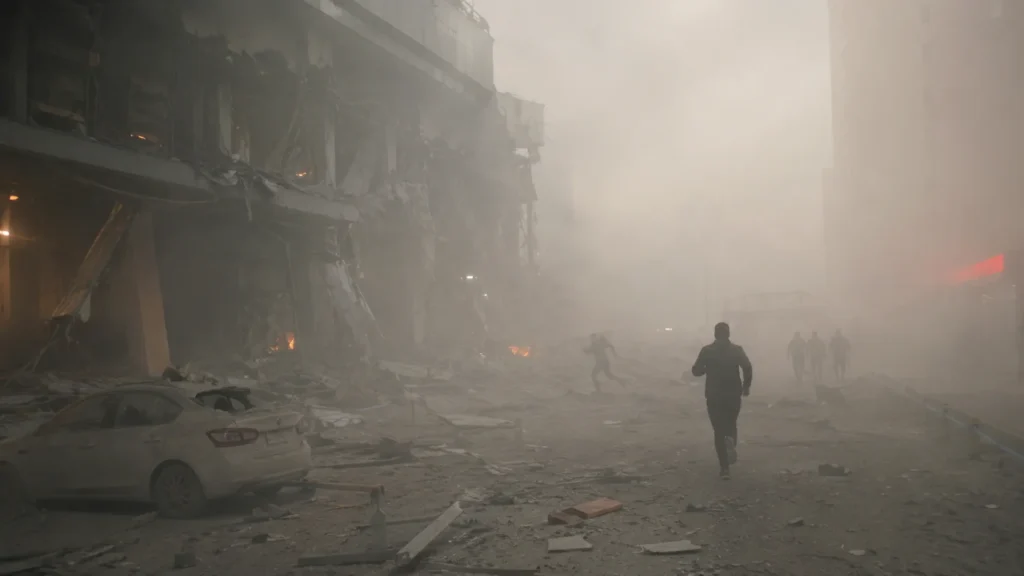
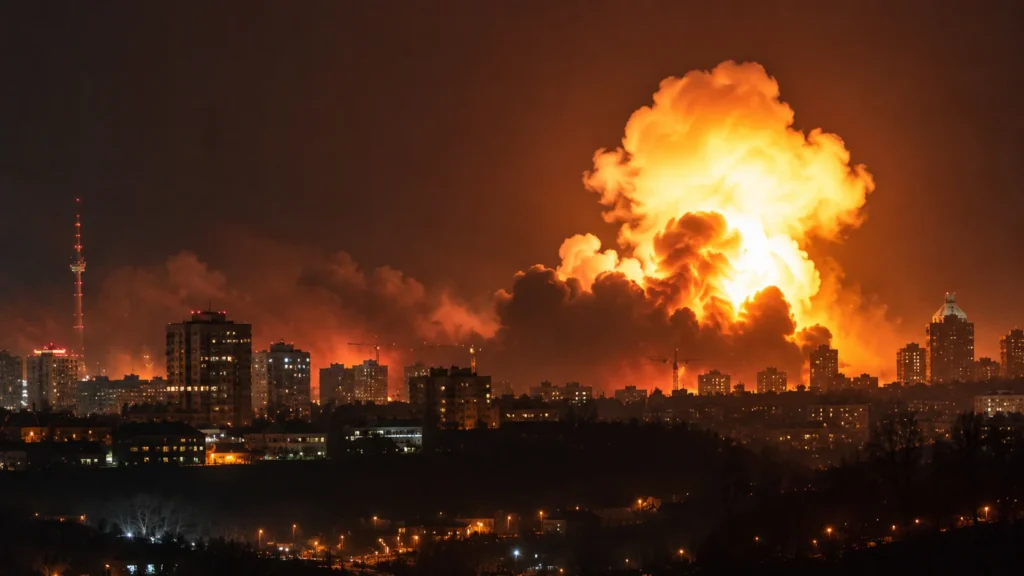
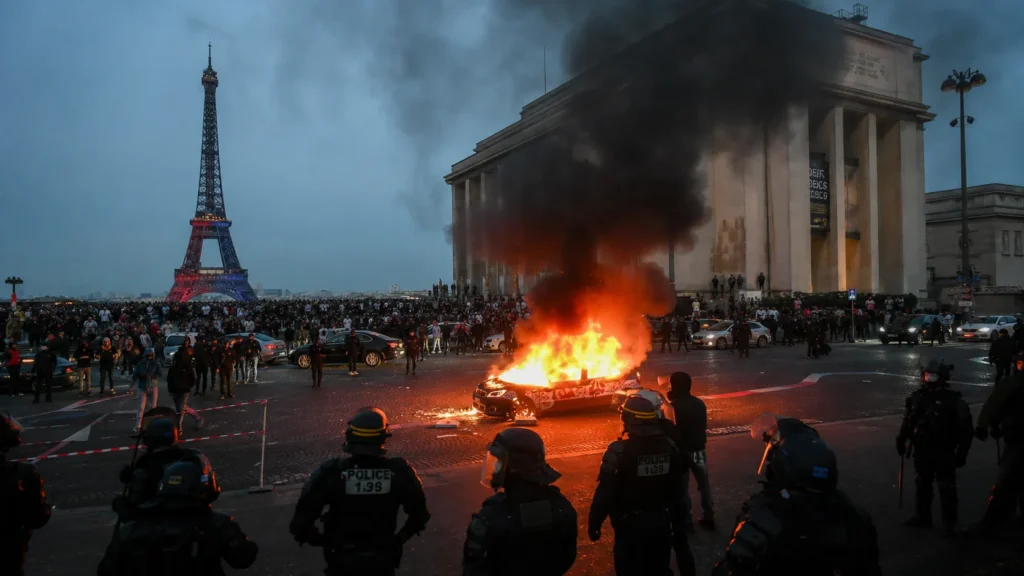
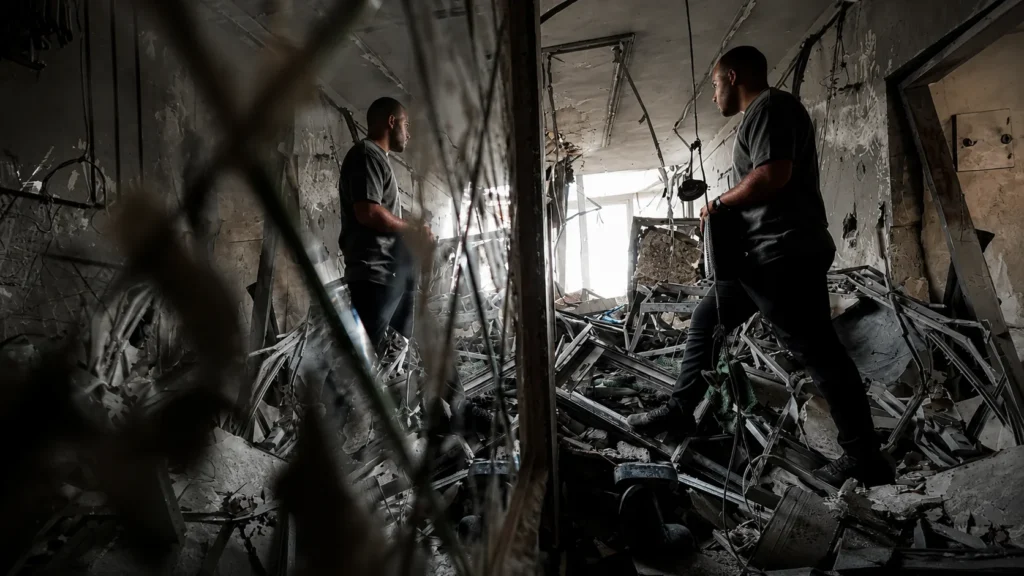
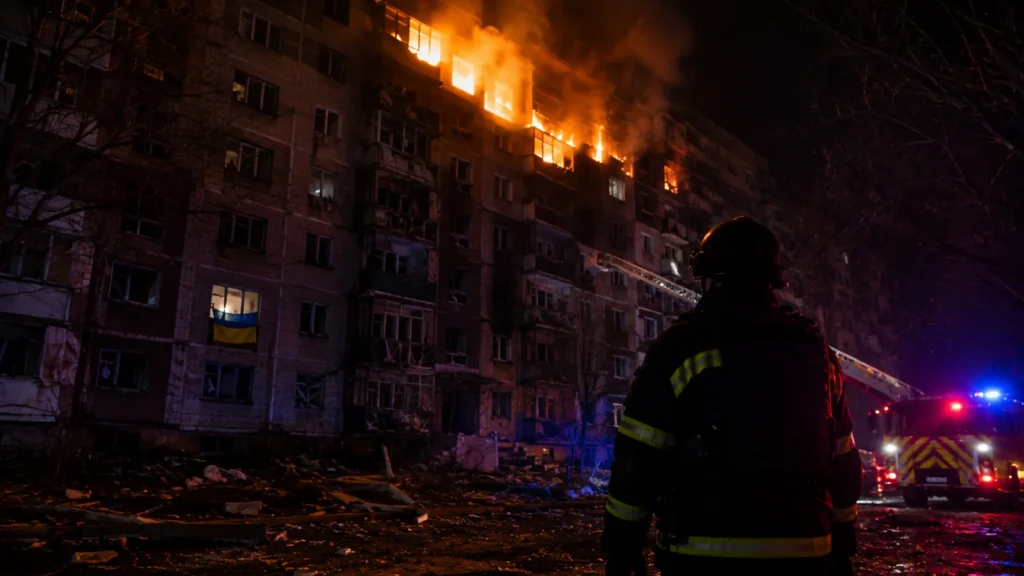
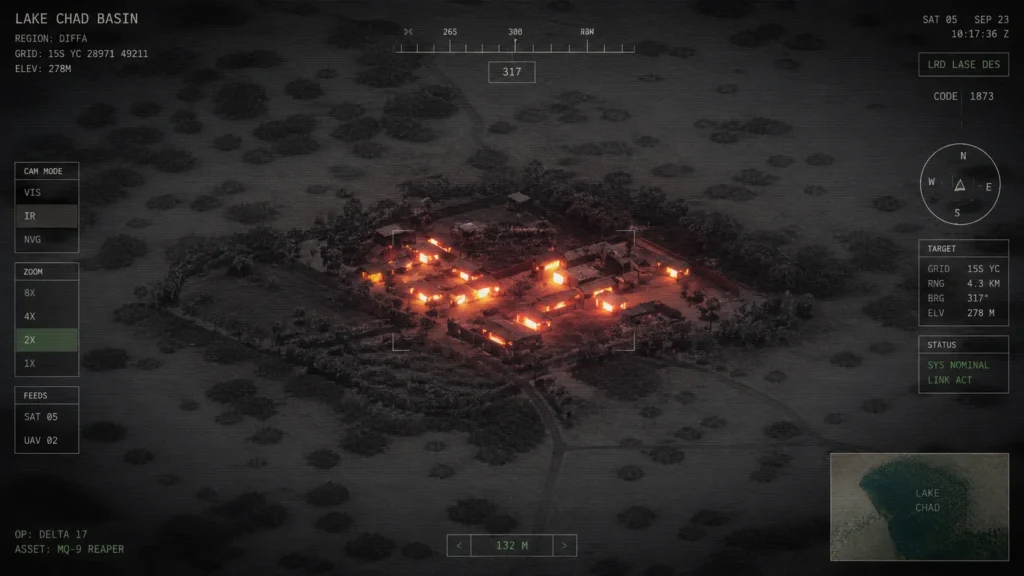
On Thursday, local authorities in Bahrain confirmed an 11-year-old girl was injured by an Iranian drone attack that also damaged homes and cars. The IRGC launched strikes against American bases in Bahrain, Kuwait, and Jordan. Jordan shot down approximately 20 Iranian missiles. Kuwait’s military engaged “hostile aerial targets.”
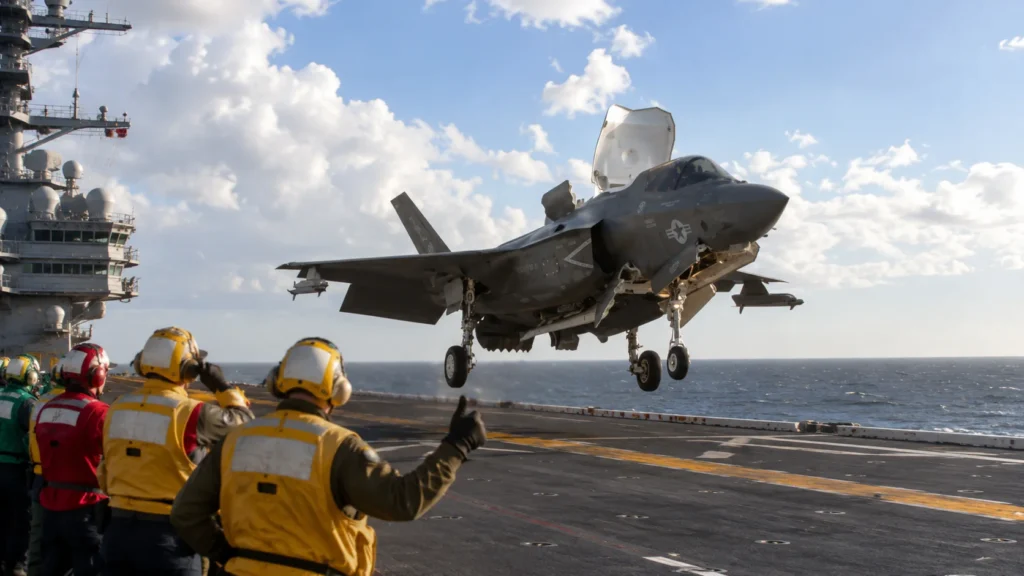
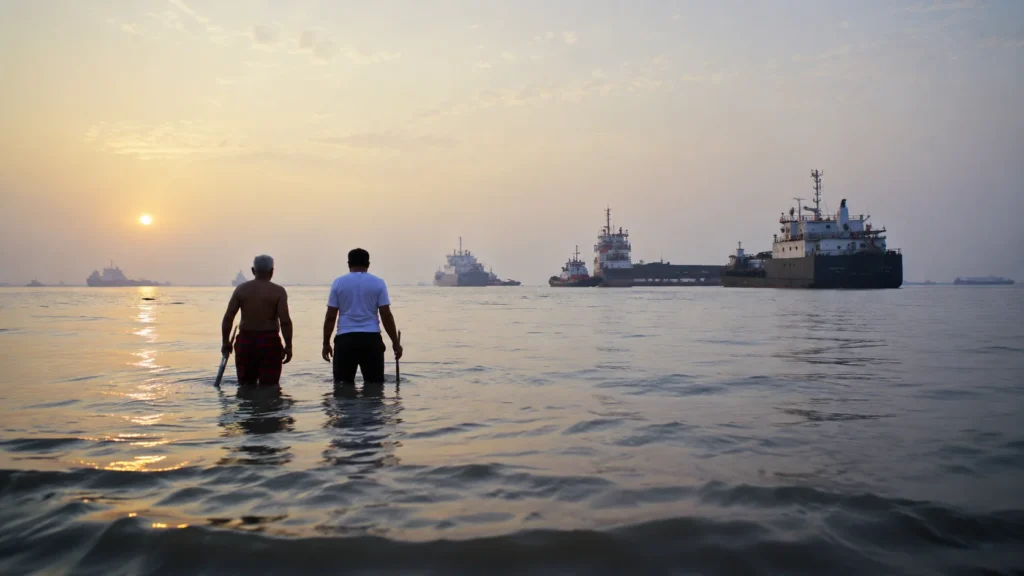
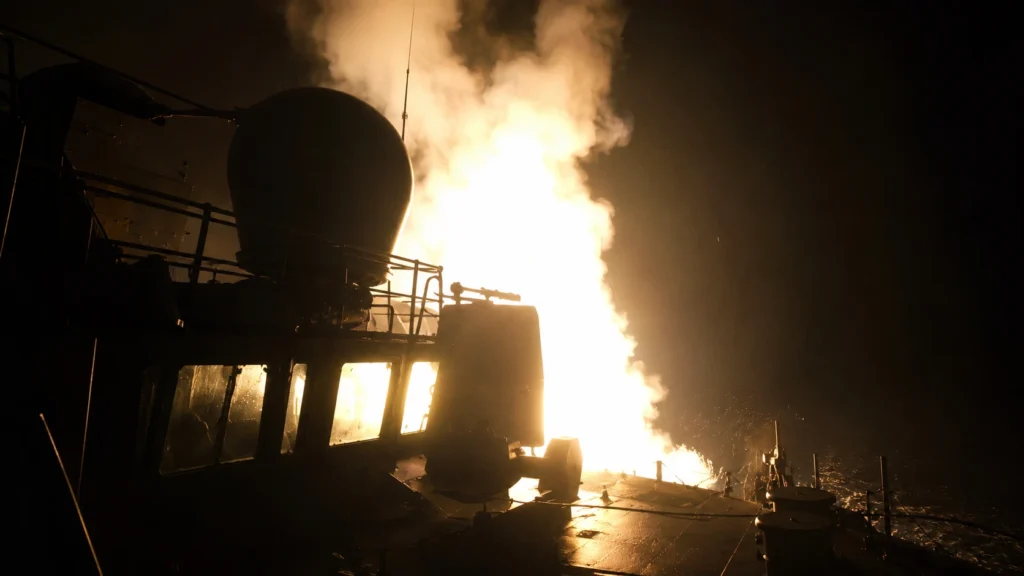
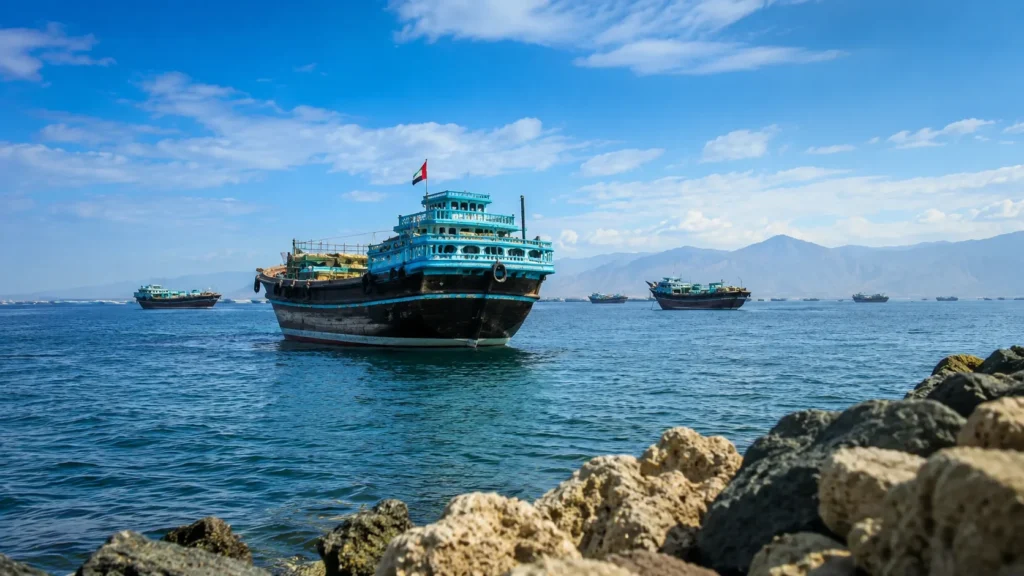
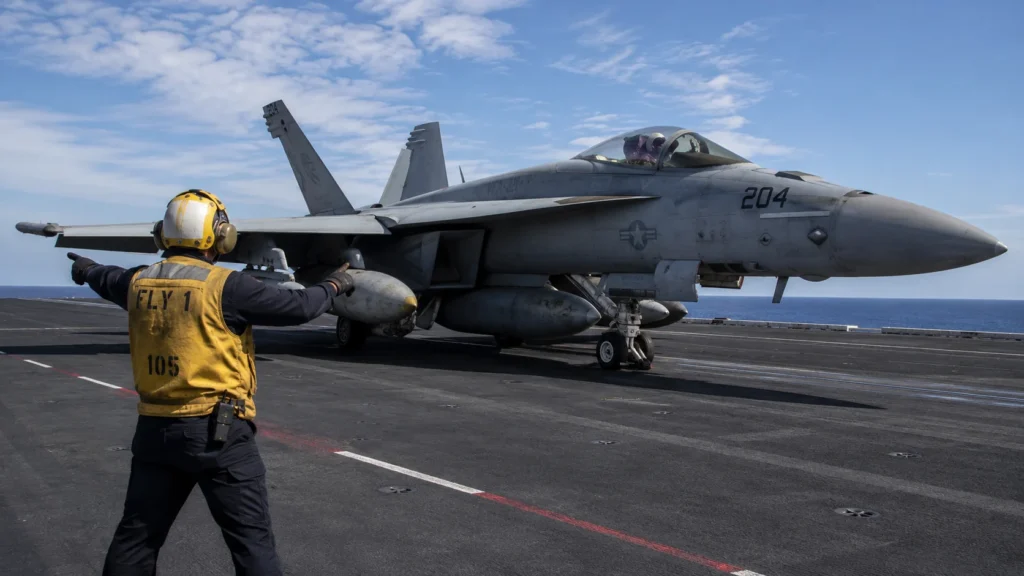
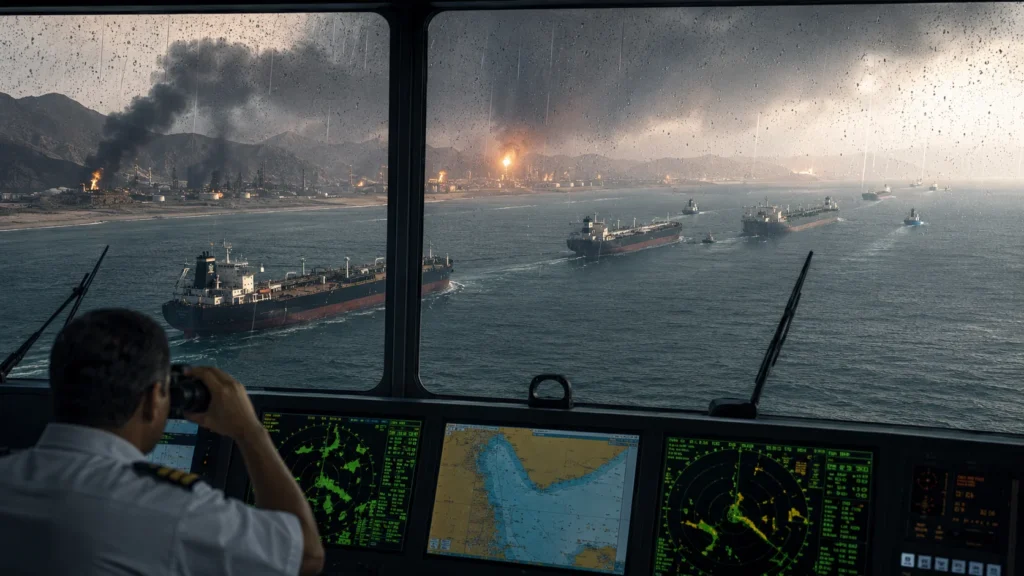
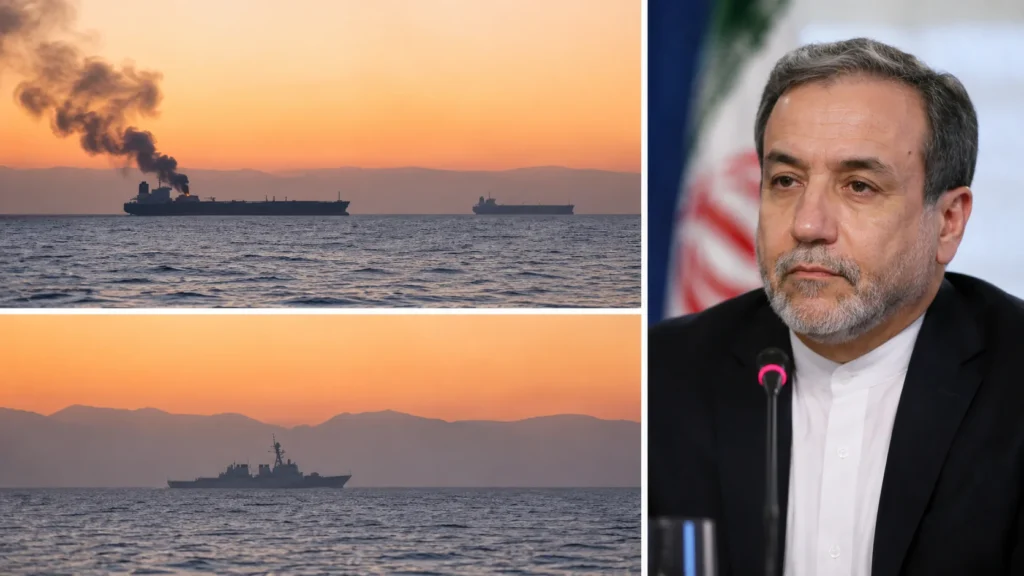
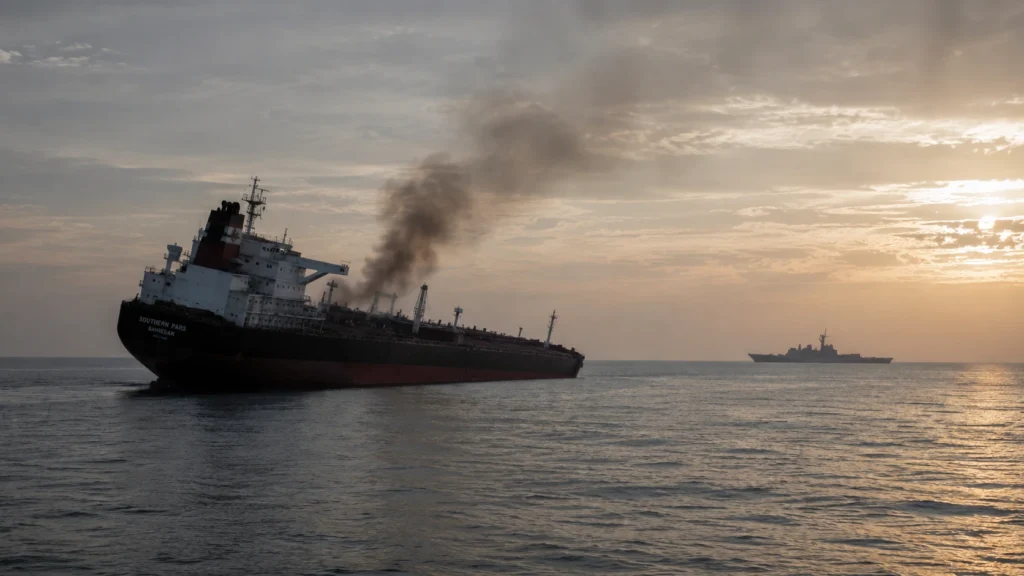
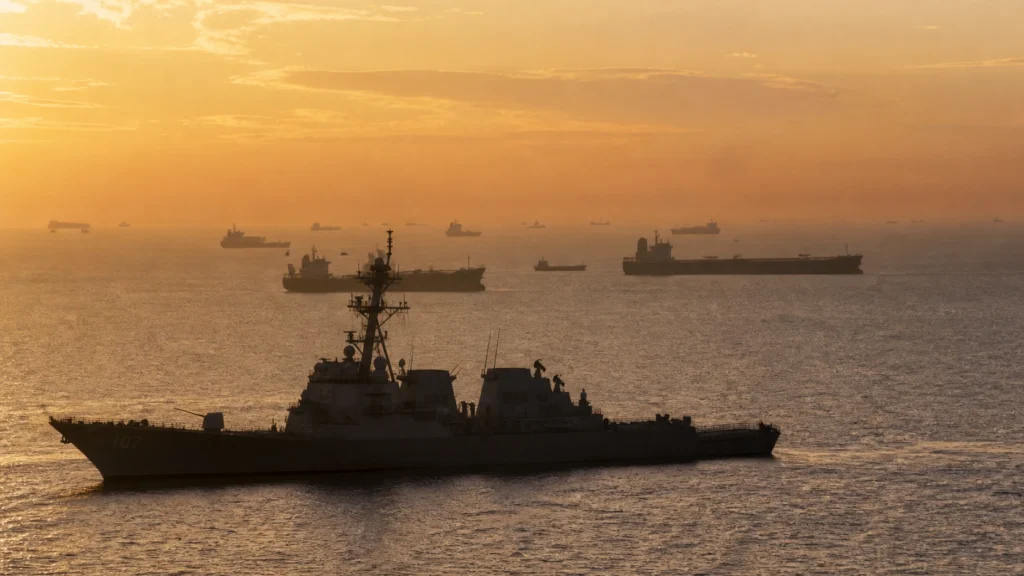
India summoned a senior American diplomat after confirmation that three Indian sailors—deck cadet Aditya Sharma, engine fitter Shivanand Chaurasia, and chief engineer Patnala Suresh—were killed in a US strike on the vessel Settebello in the Gulf of Oman. Twenty-one crew members were rescued. The US accused the ship of violating its blockade on Iranian ports. According to US Central Command statements on Gulf operations, US forces have now fired on nine vessels during the blockade, including three this week. The blockade aims to restrict Tehran’s ability to profit from oil exports.
The UN Secretary-General’s spokesperson said António Guterres was “deeply concerned by the continuing escalation” and urged parties to “return to the full implementation of the ceasefire and avoid any further deterioration.” Pakistan, Russia, China, Turkey, India, and Saudi Arabia all called for de-escalation.
The US and Iran exchanged strikes twice this week despite the April ceasefire. The ceasefire has become what the UN described as a “lesser-fire”—neither fully in effect nor fully abandoned.
What the Deal Would Actually Do
The proposed memorandum of understanding, according to statements from both sides, would not be a formal treaty. It would not require Senate ratification. It would function as a statement of intent—revocable, non-binding, subject to reinterpretation by either side.
The core issues remain unchanged from previous rounds. Iran’s enrichment programme. Limits on missile production. The status of Iran’s proxy forces across the region. The reopening of the Strait of Hormuz. The lifting or maintenance of US sanctions and the blockade on Iranian ports.
Trump has used the non-binding nature of the memorandum format to his advantage. Announcements of imminent deals serve domestic and market-facing purposes regardless of whether a signed document materialises. Iran’s parallel strategy—acknowledge progress, identify obstacles, deny finalisation—serves its own purposes: maintain the negotiation without capitulation, absorb pressure without conceding red lines.
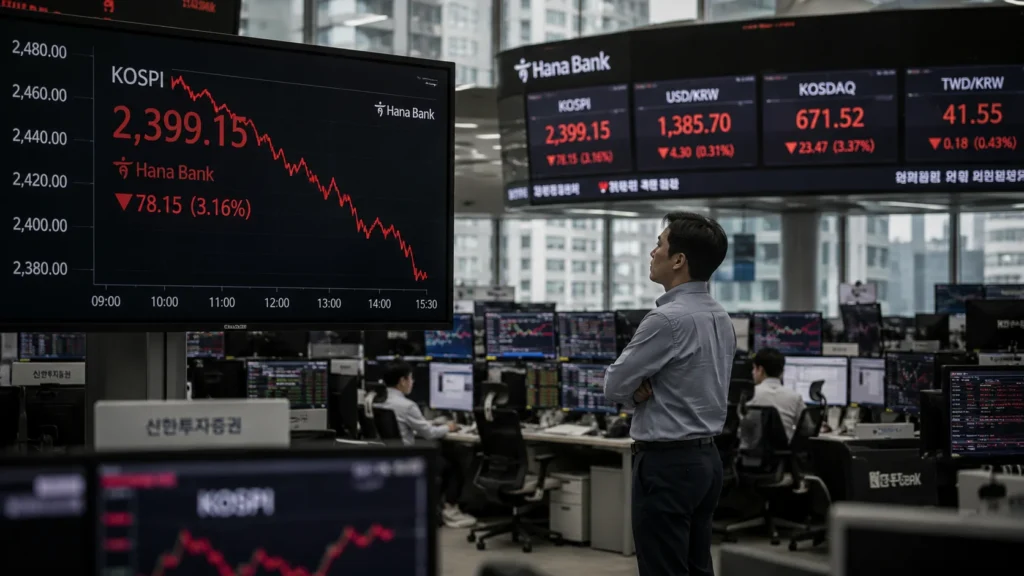
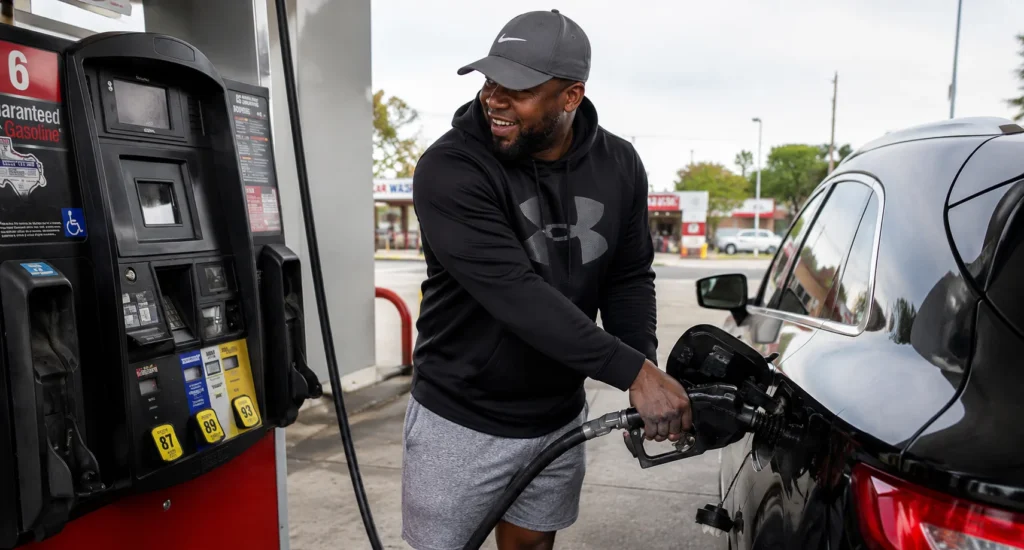
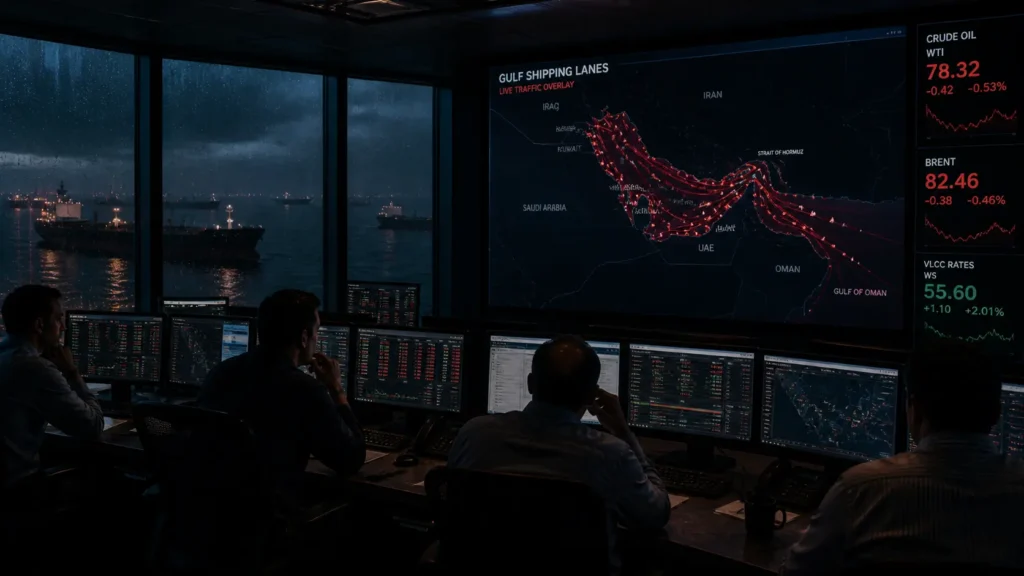
Oil markets have absorbed the pattern. Brent crude rises on threats, falls on deal talk, rises again on renewed threats. The 4.4% drop on Thursday simply continued a cycle that has repeated since April. The volatility is now priced in. The deal is not.
Frequently Asked Questions
What did Trump announce about the Iran war?
Trump told reporters in the Oval Office on June 11 that the US had made “a great settlement of the war with Iran.” He said documents were in “pretty final shape” and predicted a signing “maybe in Europe” within days. He also said the Strait of Hormuz would open once the deal was signed.
Has Iran agreed to a deal?
No. Iran’s foreign ministry spokesperson Esmail Baghaei told state TV that reports of an agreement were “speculative” and “nothing has been finalised.” He said the US had made “excessive demands” and added “new requests.” Iran acknowledged the majority of the text had been finalised but said it would not depart from its red lines.
How many times has Trump claimed an Iran deal is close?
At least seven times since April 20. Previous claims came on April 20, May 6, May 23, May 27, May 28, May 29, and June 11. Vice President JD Vance also said on May 28 that a deal was “very close.” No signed agreement has been produced.
Why did oil prices drop?
Brent crude fell 4.4% to approximately $89 a barrel on June 11 in direct response to Trump’s claim of a settlement. Markets have repeatedly risen on threats of escalation and fallen on signals of diplomacy. The pattern has become a structural feature of oil pricing during the conflict.
What is Israel’s position on the deal?
Israel’s prime minister’s office confirmed Netanyahu spoke with Trump, but stated Israel “is not a party to the memorandum of understanding.” Netanyahu expressed appreciation for Trump’s commitment to a final agreement that included enrichment dismantlement, missile limits, and cessation of Iranian proxy support.
What is the human cost of the conflict so far?
An 11-year-old girl was injured in Bahrain by an Iranian drone attack on June 11. Three Indian sailors were killed in a US strike on the vessel Settebello. US forces have fired on nine vessels during the blockade of Iranian ports. The IRGC has struck US bases in Bahrain, Kuwait, and Jordan. The UN has called for de-escalation.