

 English







































































































































































































































































































































































Switzerland Population Cap Vote Raises EU Concerns
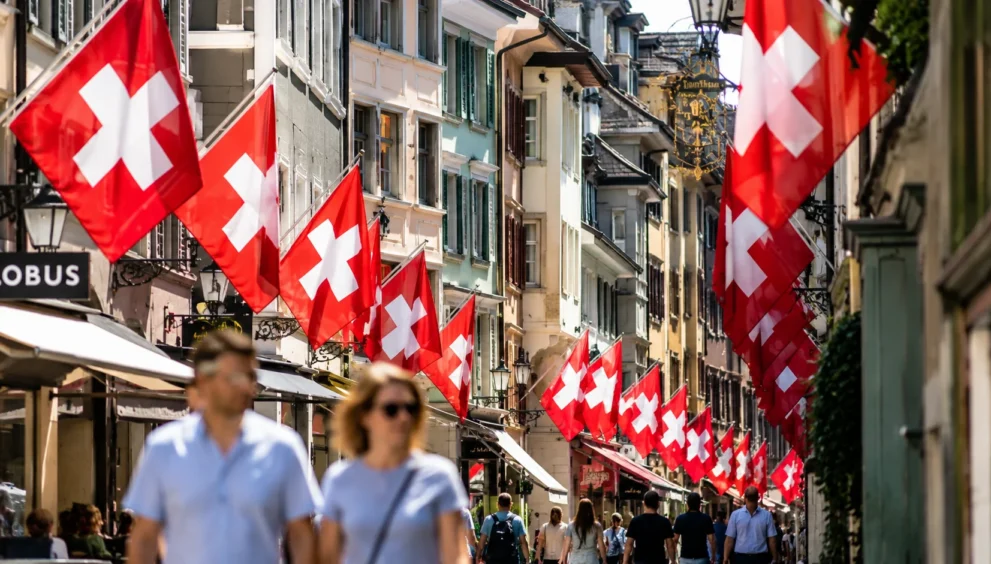
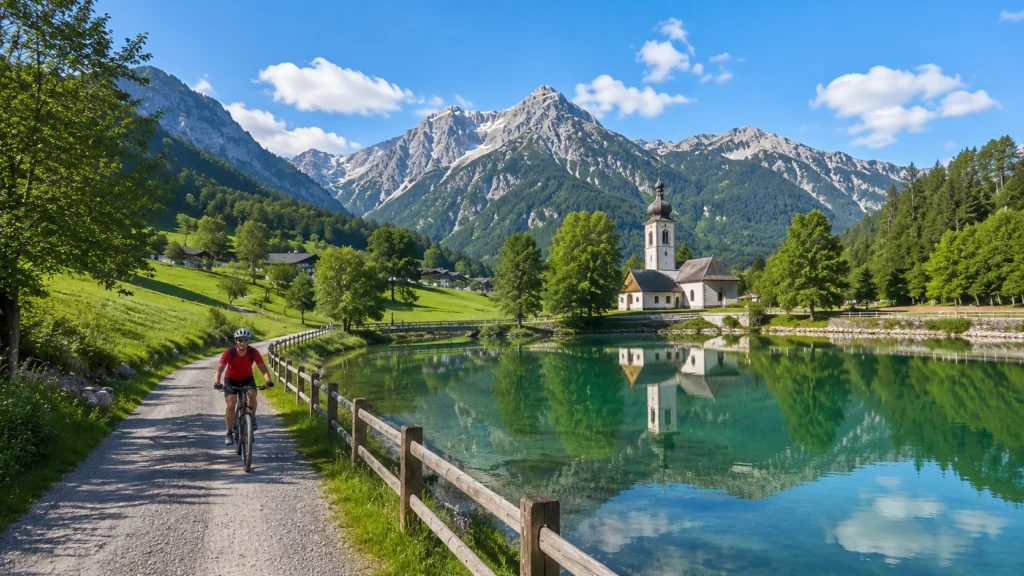
Switzerland will vote on June 14, 2026, on a proposal to cap the country’s population at 10 million before 2050, a move that could reshape immigration policy and strain relations with the European Union. The referendum comes as Switzerland’s population reaches 9.1 million, with foreign-born residents accounting for roughly 27% of the population. The outcome could influence labor markets, housing policy, and future debates across Europe.
Why This Vote Matters Beyond Switzerland
This referendum is not simply about population growth. It sits at the intersection of immigration, economic competitiveness, and national identity.
The proposal, backed by the Swiss People’s Party, would require the Swiss government to take action if the population approaches 10 million. Measures could include limiting asylum approvals, restricting family reunification programs, and potentially ending agreements linked to free movement with the European Union.
Government officials, major business groups, and labor unions oppose the measure. They argue that Switzerland’s economy depends heavily on foreign workers, particularly in healthcare, hospitality, and elder care.
As previous coverage of European immigration policy debates highlighted, demographic pressures have become a defining political issue across developed economies.
The Numbers Driving the Debate
Several statistics explain why this vote has captured international attention:
- Switzerland’s population increased from approximately 7.3 million in 2002 to 9.1 million in 2026.
- Around 27% of residents were born outside Switzerland.
- Nearly 20% of the population is over age 65.
- Foreign workers make up roughly half of the workforce in Switzerland’s hotel sector.
Supporters of the initiative argue that rapid population growth has contributed to higher housing costs, crowded public transportation, and pressure on infrastructure.
Opponents counter that immigration supports economic growth and helps address labor shortages caused by an aging population.
A central question remains: can Switzerland reduce immigration without weakening industries that rely on international talent?
The EU Connection: The Most Consequential Part of the Proposal
The immigration debate has attracted headlines, but the European dimension may prove even more significant.
Switzerland maintains a complex network of bilateral agreements with the European Union that grant access to markets and labor mobility. The proposal states that if population limits require it, Switzerland would need to terminate agreements tied to the free movement of people.
According to official European Commission information on free movement, labor mobility remains one of the EU’s foundational principles.
Economists warn that disrupting these arrangements could affect trade, workforce availability, and investment confidence.
The issue echoes debates examined in analysis of post-Brexit labor market challenges, where restrictions on labor mobility created long-term workforce shortages across several sectors.
What Happens if Voters Approve the Measure?
Short-Term Impact
A successful vote would not immediately reduce immigration. The government would begin preparing mechanisms once population thresholds approach 9.5 million.
Economic Adjustments
Businesses dependent on foreign labor may accelerate automation efforts or reconsider expansion plans.
Diplomatic Consequences
Negotiations between Switzerland and the EU could become more complicated, particularly if treaty obligations come into conflict with domestic referendum outcomes.
According to Economiesuisse economic analysis, employers remain concerned about future labor shortages and reduced economic flexibility.
What Happens if the Proposal Fails?
A rejection would preserve current immigration arrangements, but it would not eliminate the underlying concerns.
Housing affordability, healthcare costs, infrastructure capacity, and population growth would remain major political issues.
The referendum has already demonstrated substantial public support for tighter immigration controls. Even if defeated, the issue is likely to return in future national debates.
This pattern resembles trends discussed in coverage of demographic challenges facing Europe, where aging populations increasingly collide with political resistance to immigration.
What to Watch Next
Several factors could determine the long-term significance of the vote:
- Final referendum results and regional voting patterns.
- Responses from EU officials regarding future bilateral agreements.
- Labor market indicators in healthcare and hospitality sectors.
- Future immigration policy proposals from major Swiss political parties.
For Europe, the referendum may serve as an early test case for how advanced economies balance demographic realities with voter concerns over population growth.
FAQ
What is Switzerland voting on?
Swiss voters are deciding whether to impose a population cap of 10 million residents before 2050 and require government action if that threshold approaches.
Why is immigration central to the debate?
Foreign-born residents account for approximately 27% of Switzerland’s population, making immigration the primary driver of population growth.
Could Switzerland leave agreements with the EU?
The proposal could force Switzerland to terminate agreements linked to the free movement of people if population limits require it.
How might businesses be affected?
Industries such as healthcare, hospitality, and elder care rely heavily on foreign workers. Reduced immigration could increase labor shortages.
Why is Europe paying attention?
Many European countries face similar challenges involving housing affordability, aging populations, labor shortages, and immigration policy.