
 English





















































































































Trump Says Iran Deal Signed Sunday. Iran Says No.
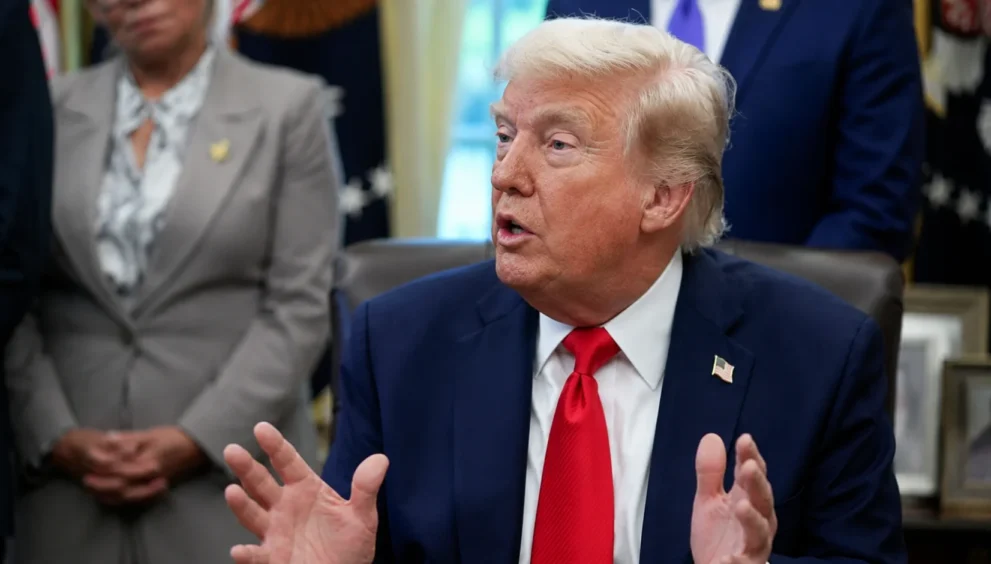
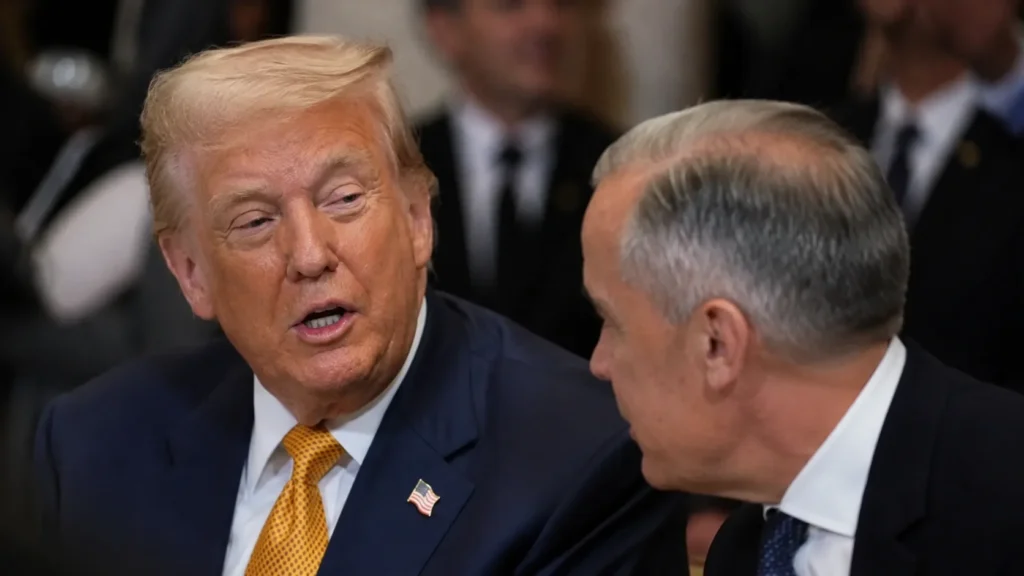
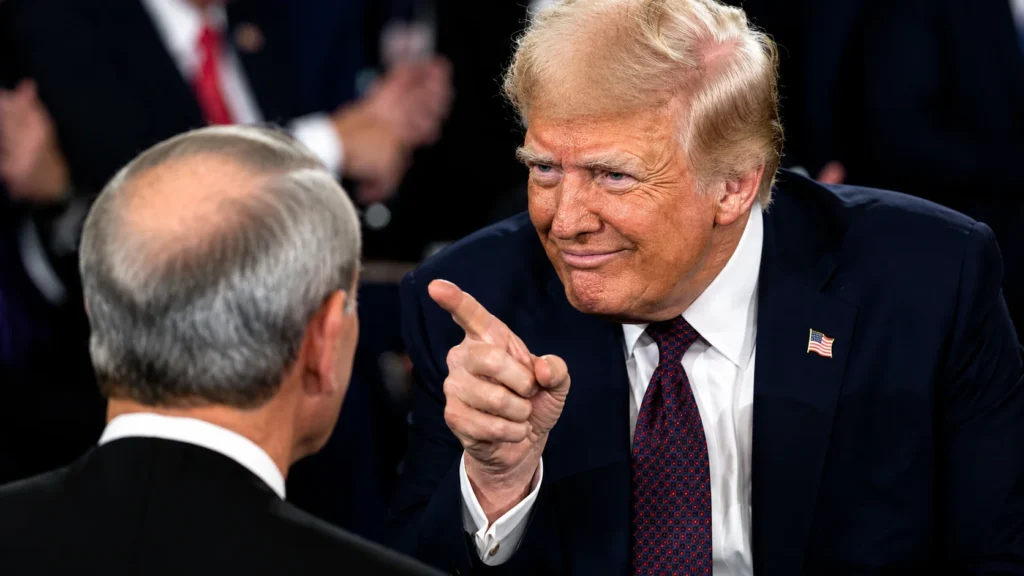
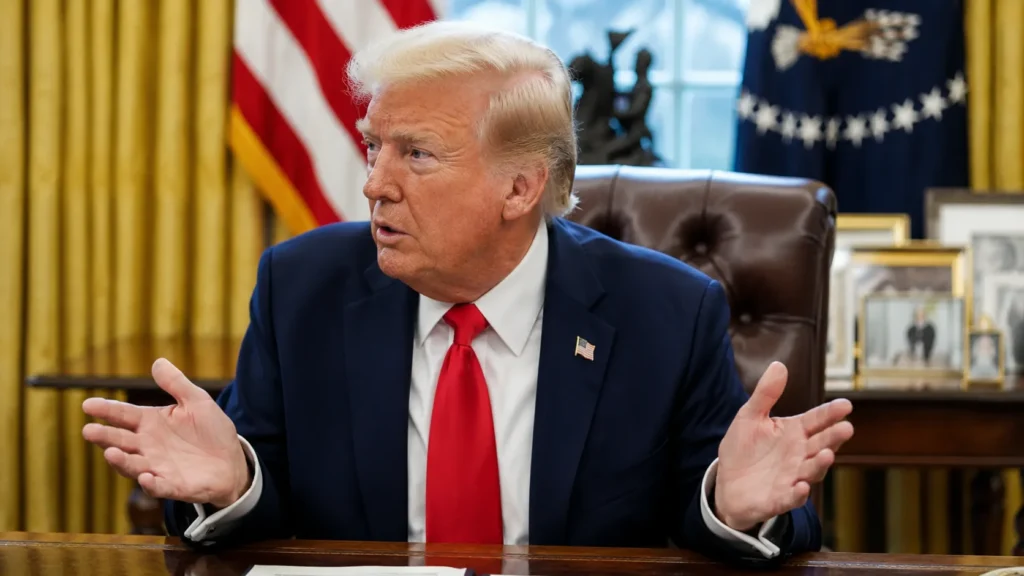
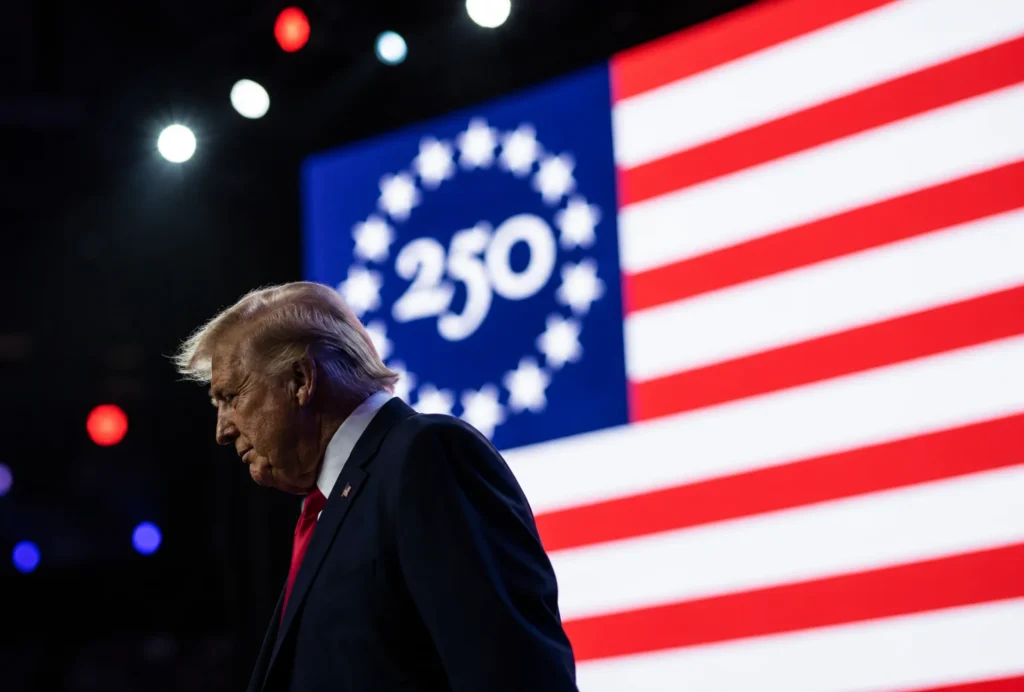
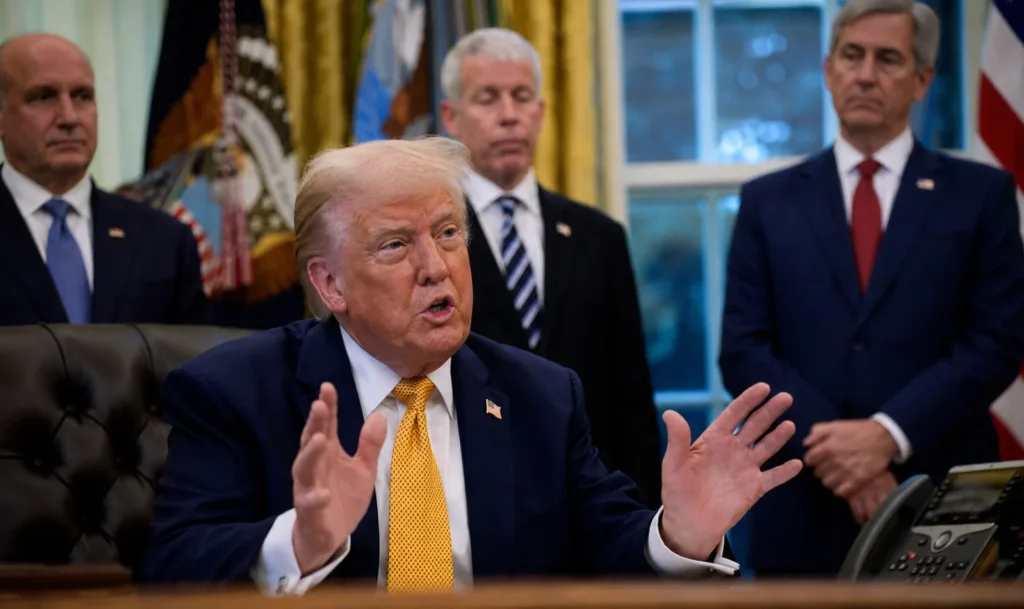
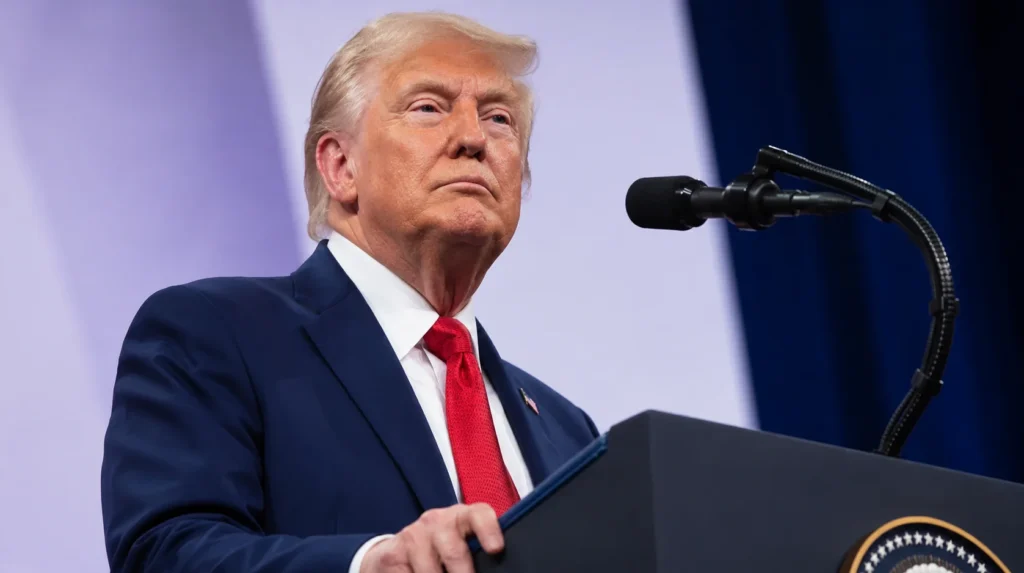
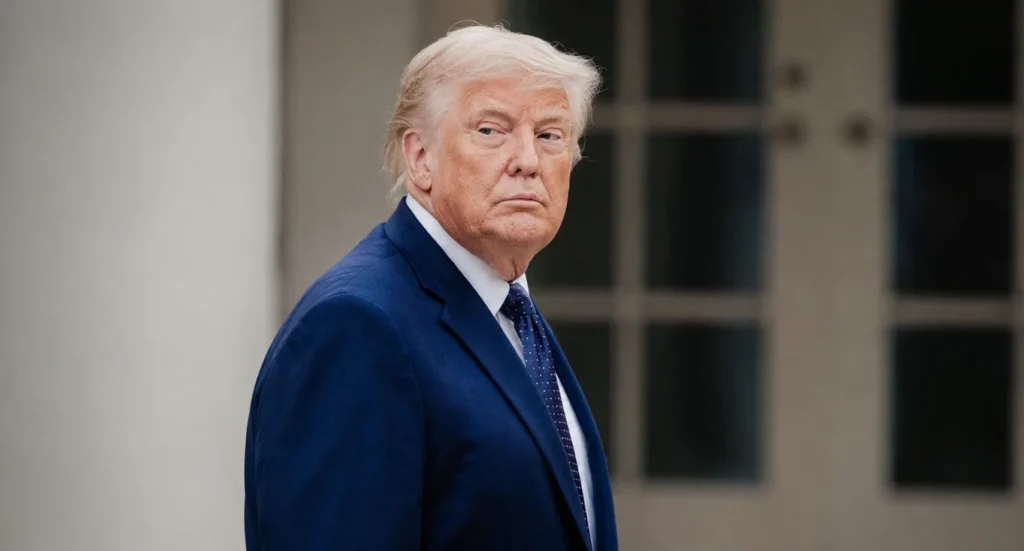
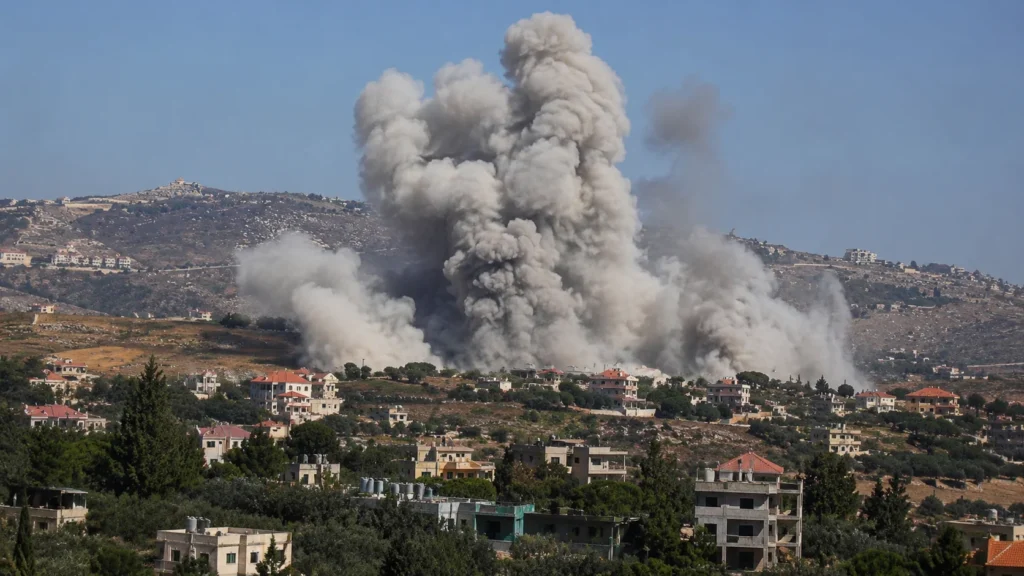
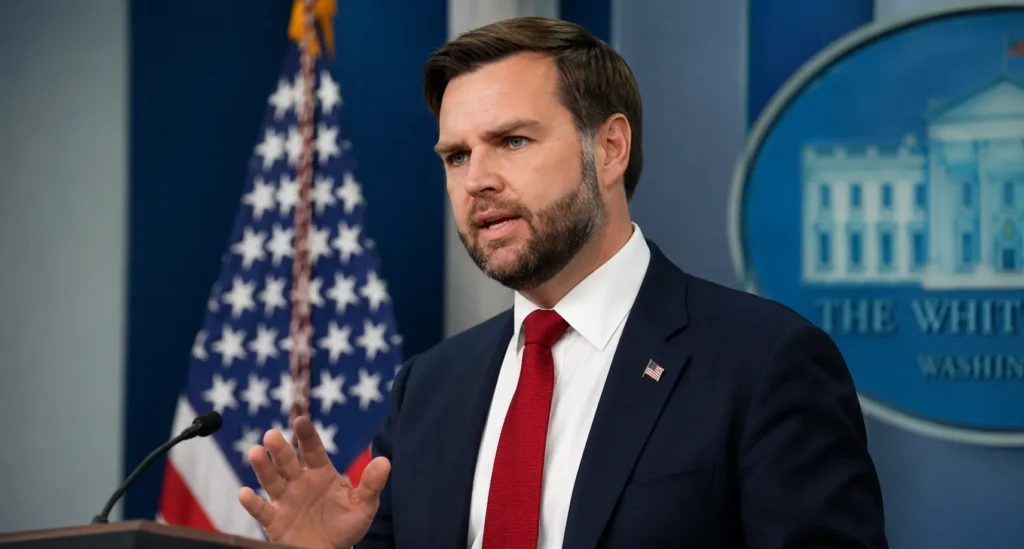
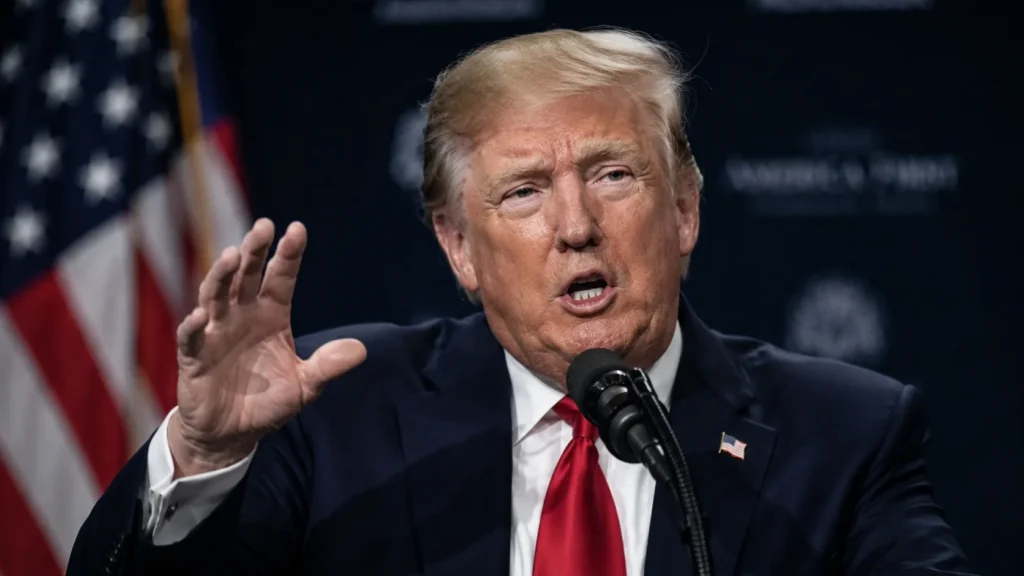
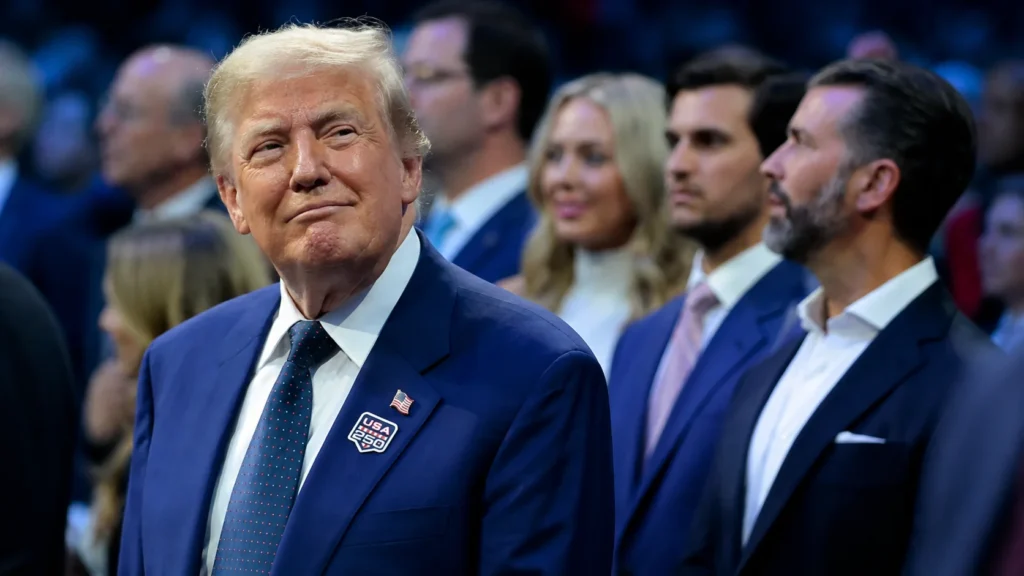
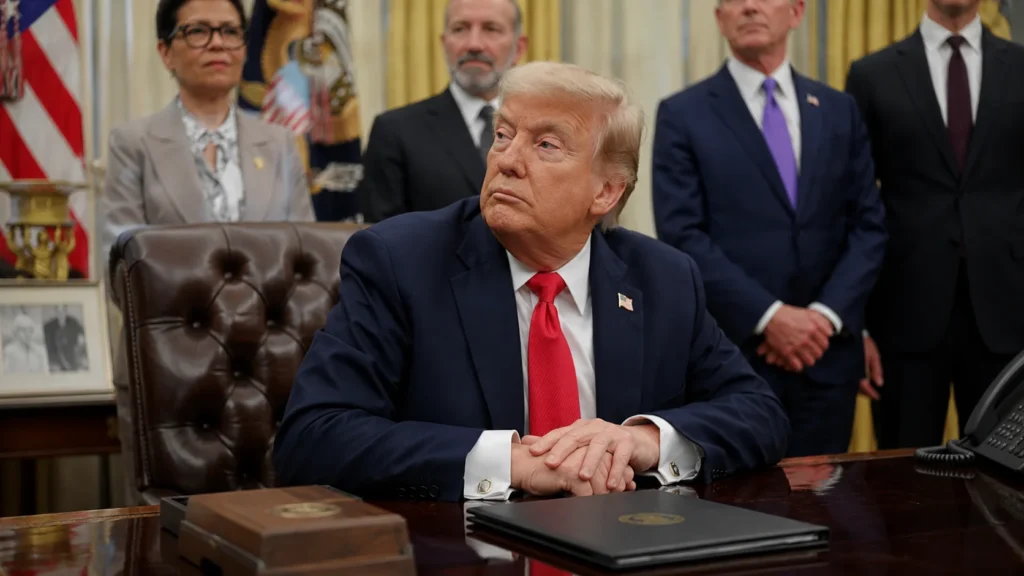
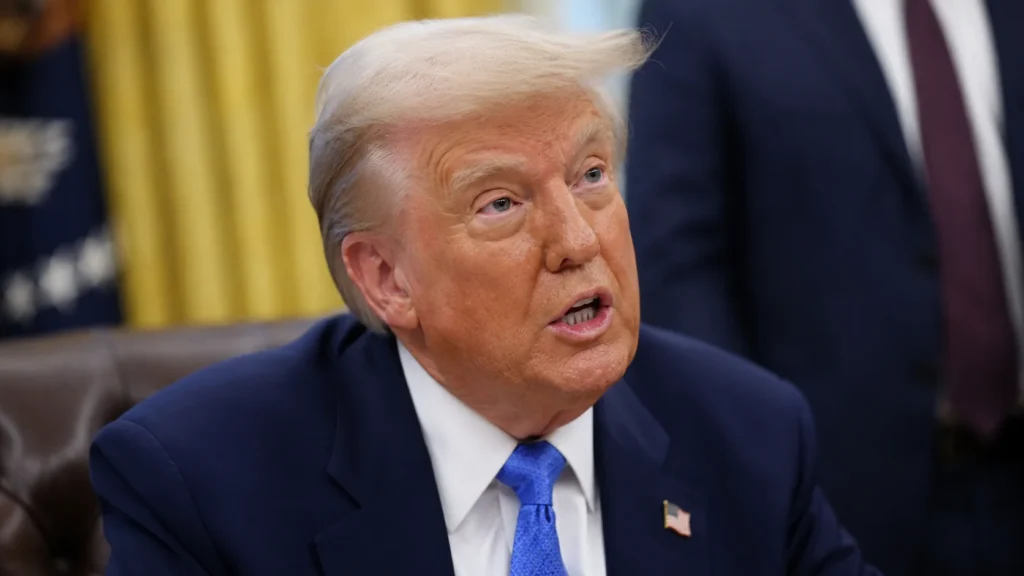
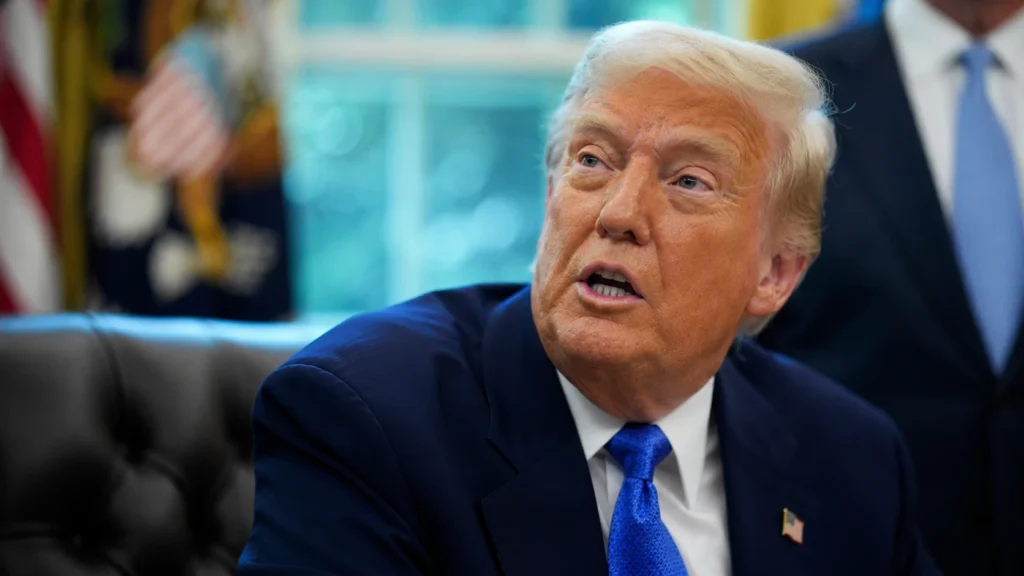
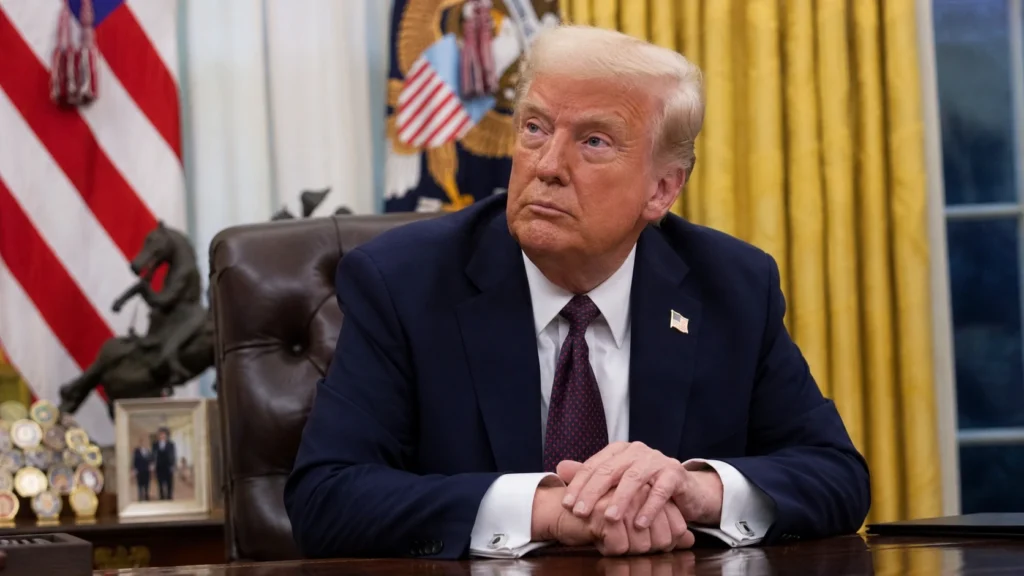
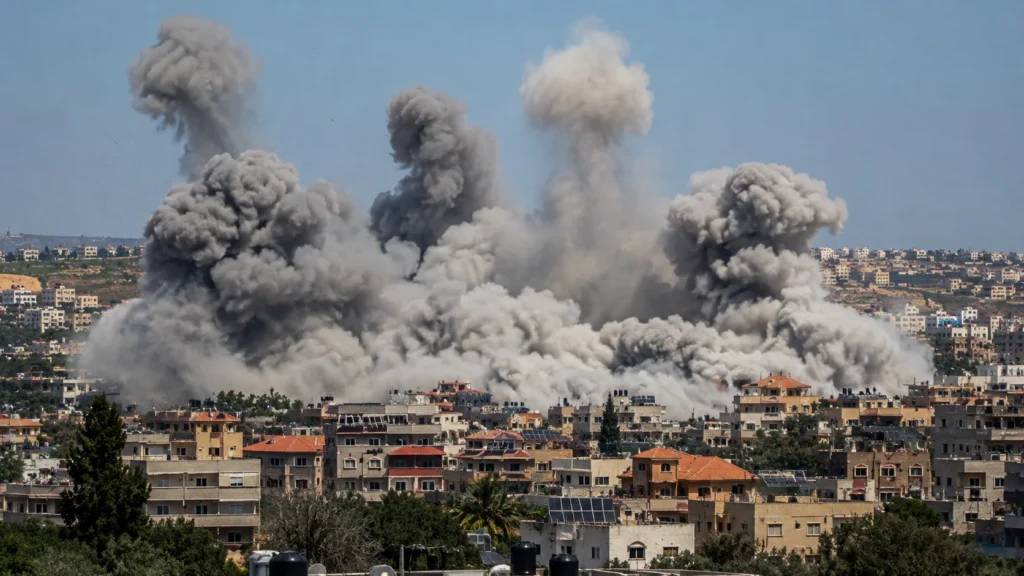
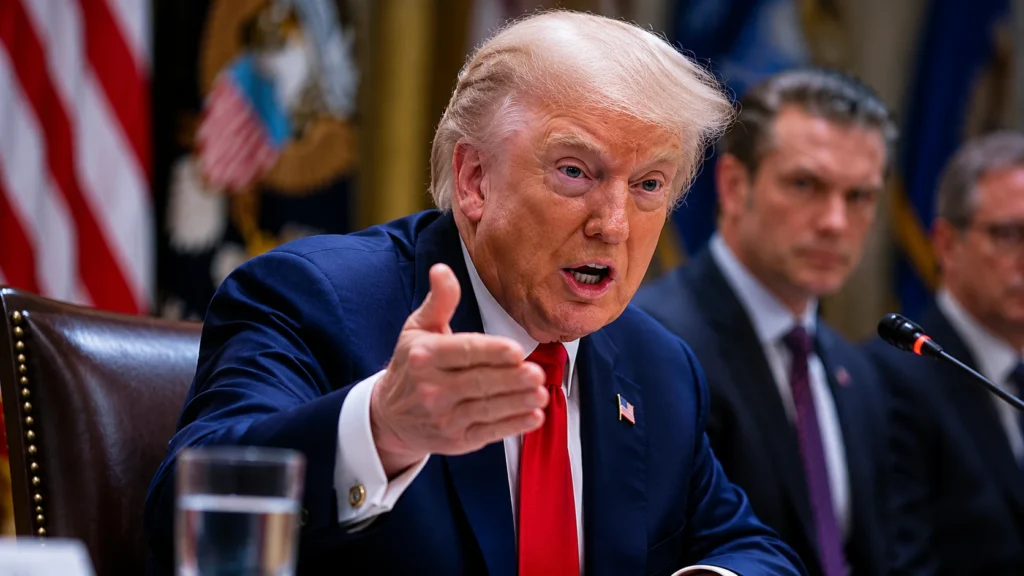
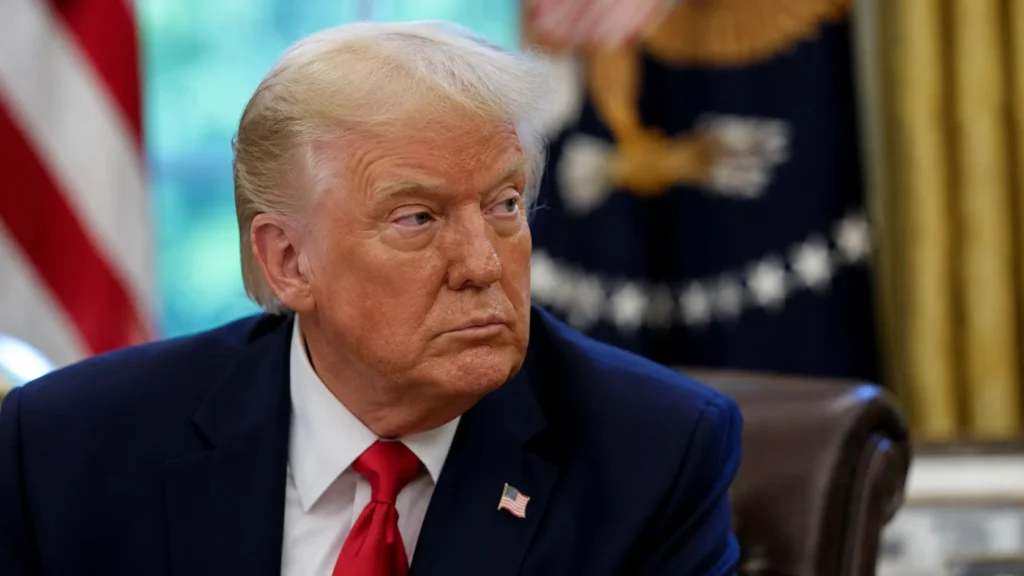
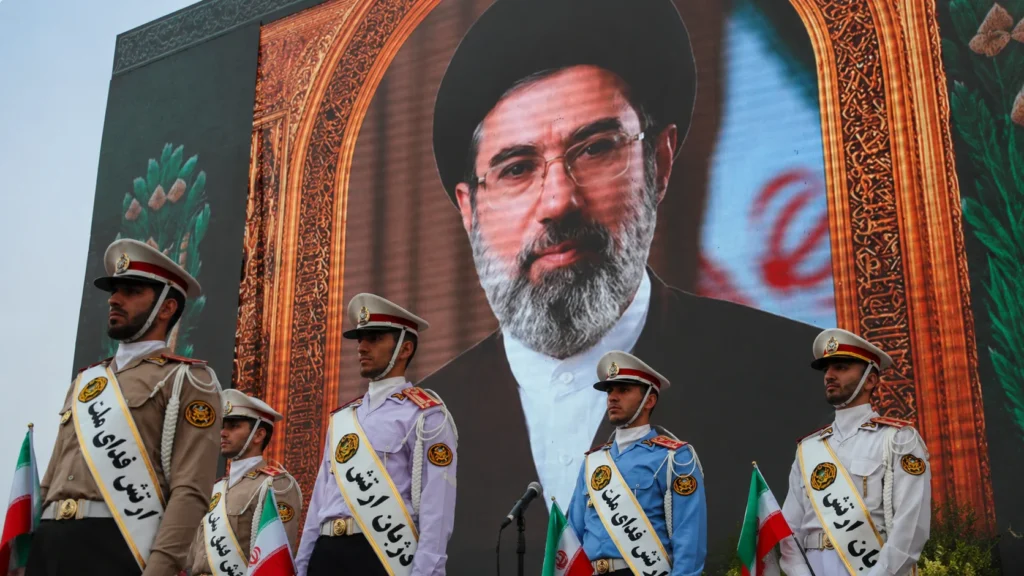
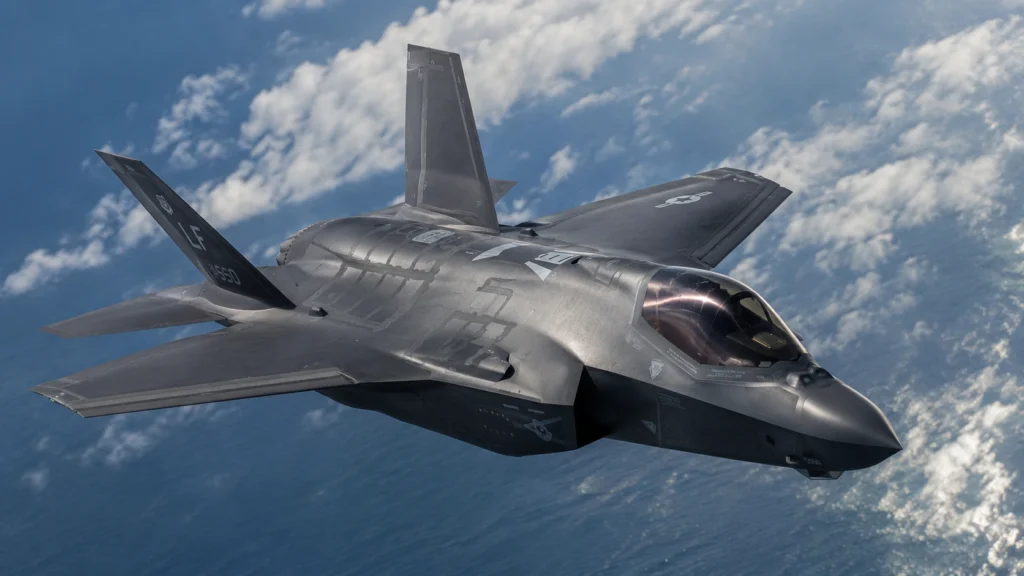
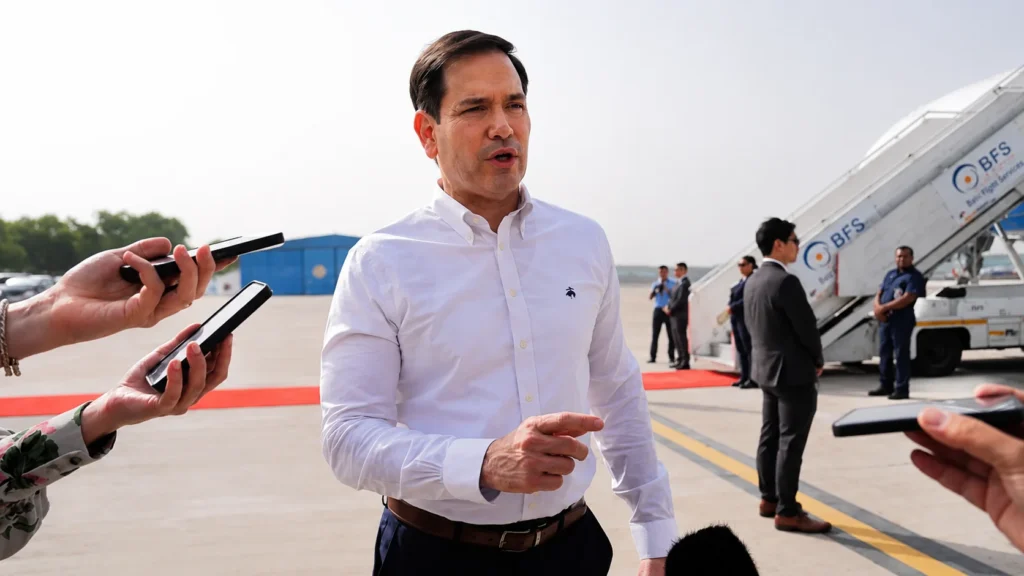
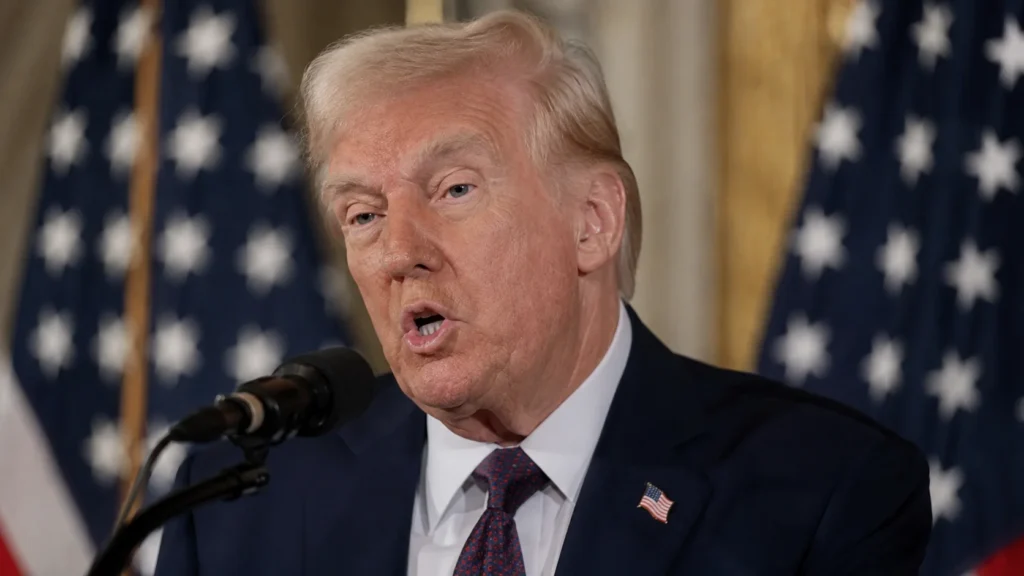
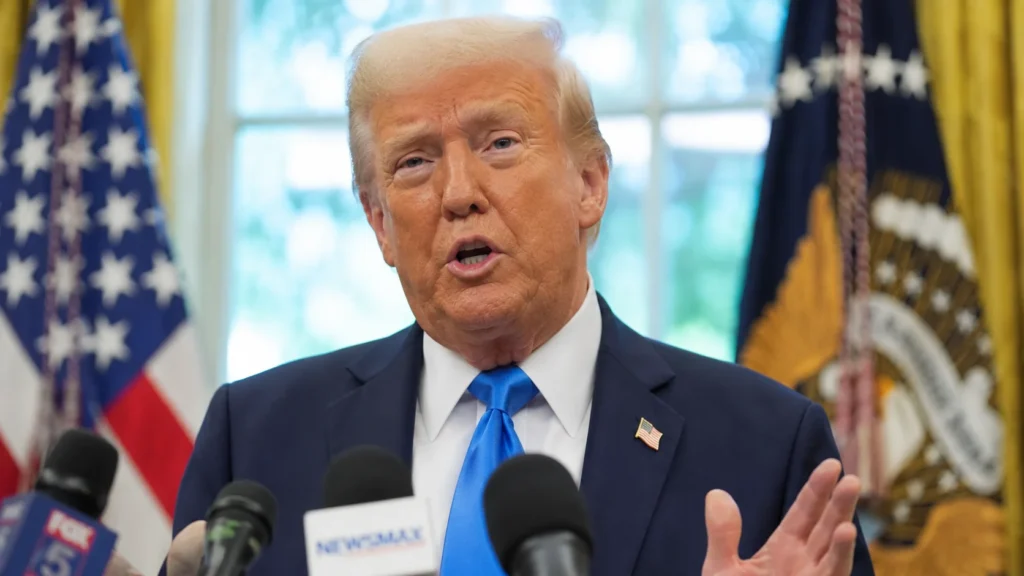
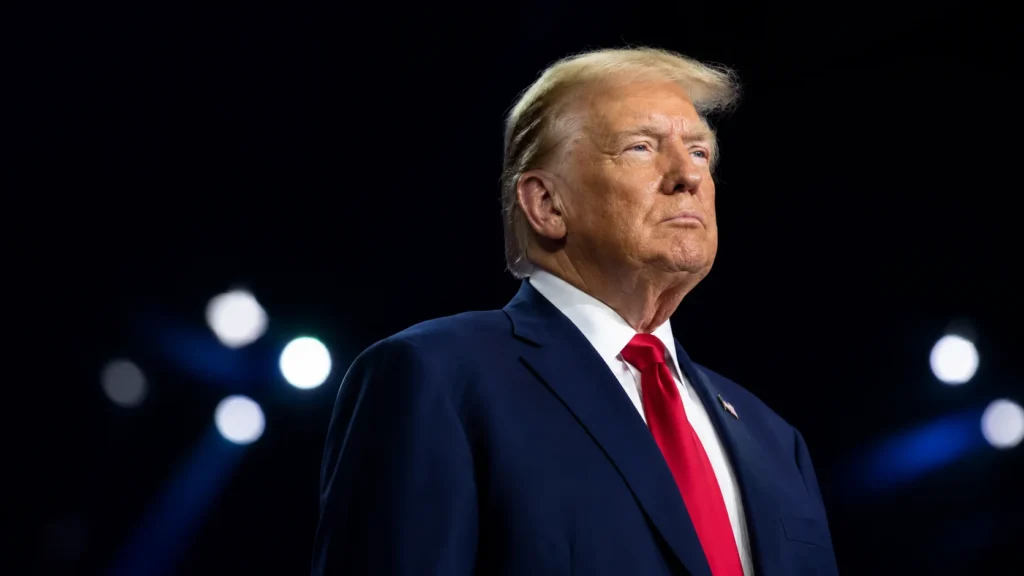
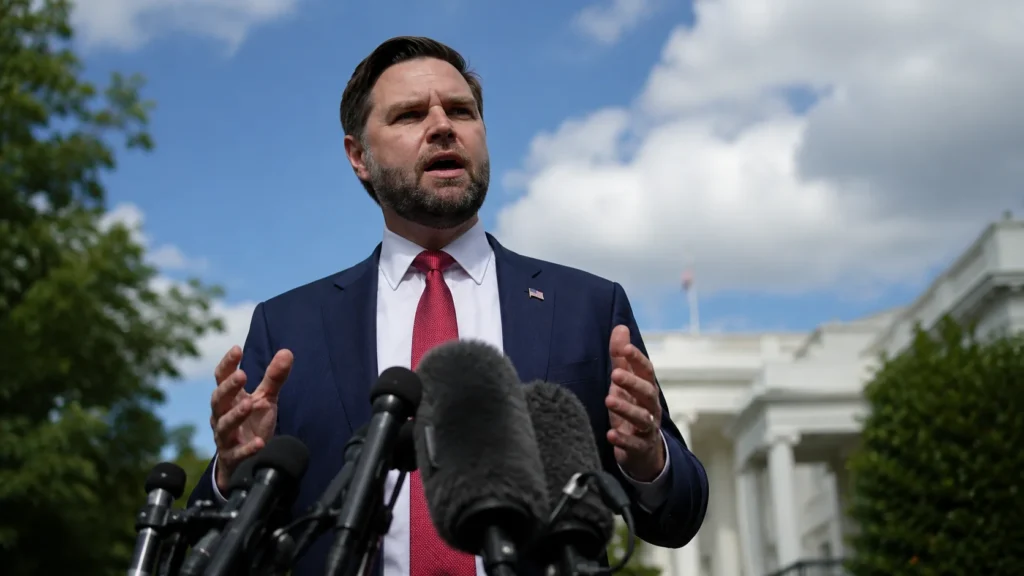
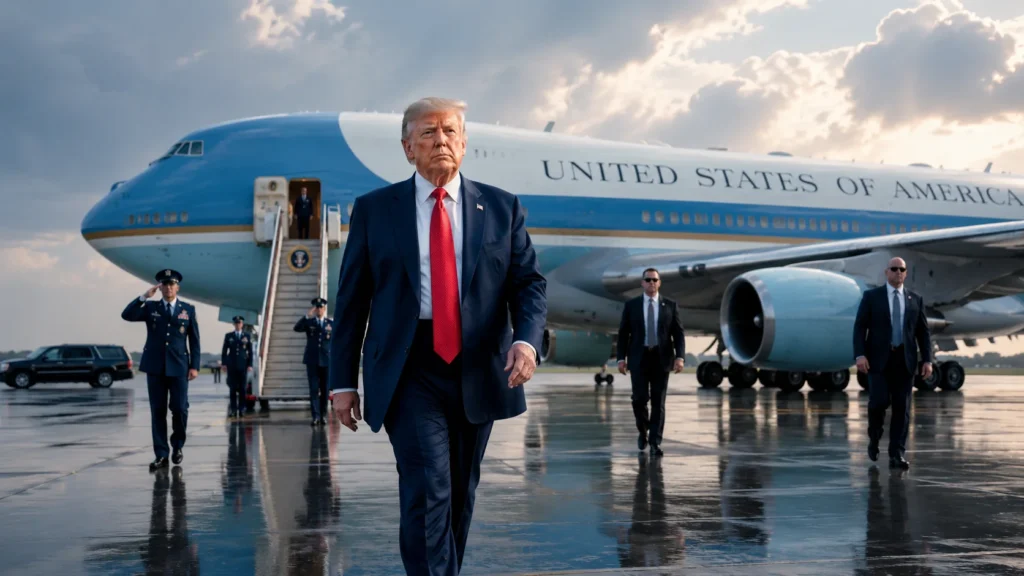
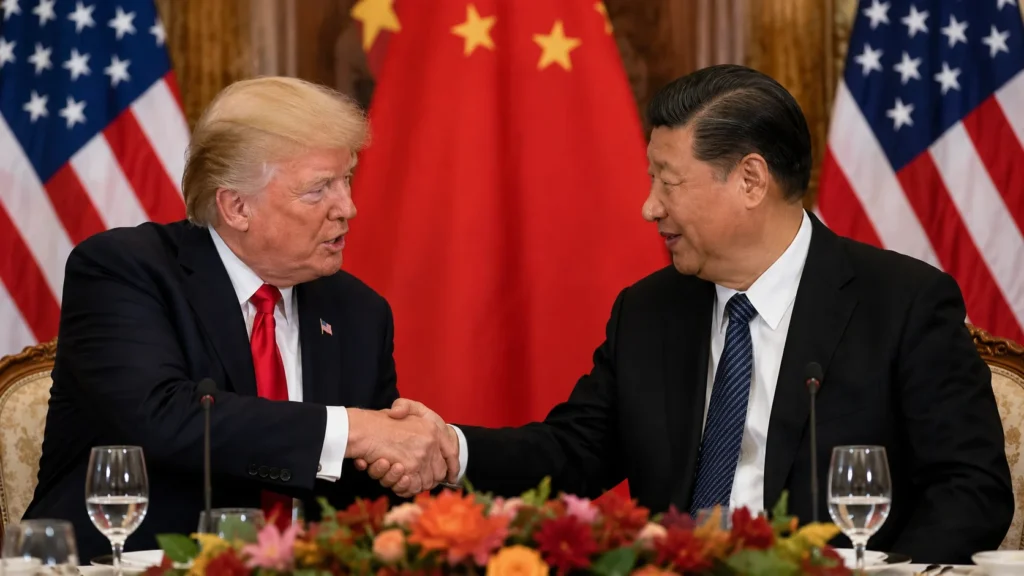
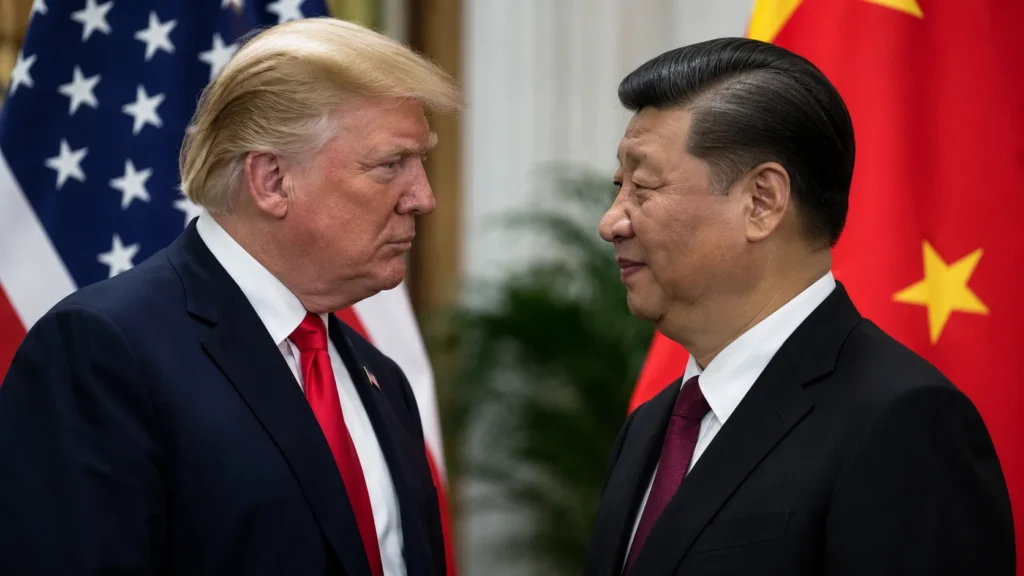
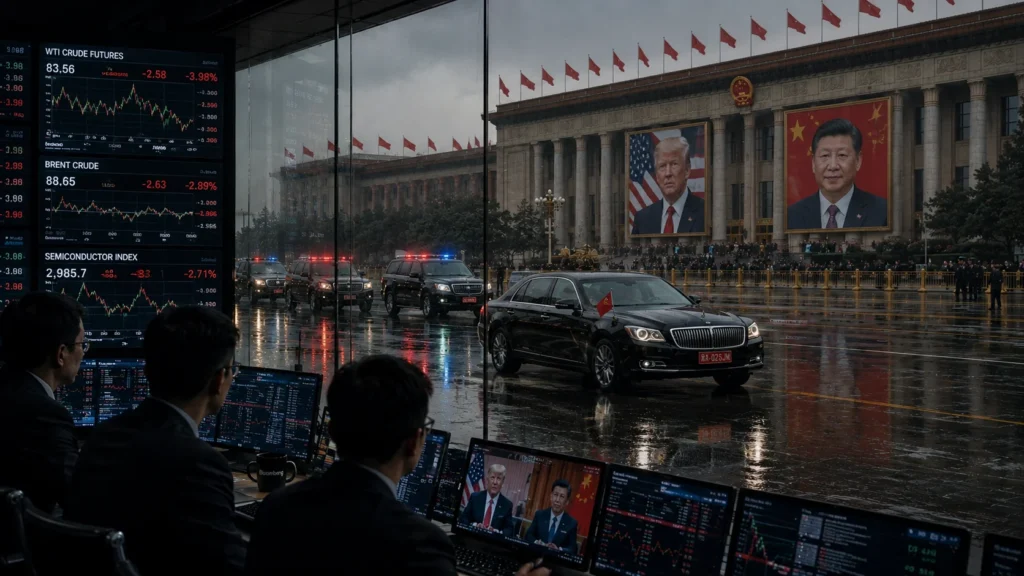
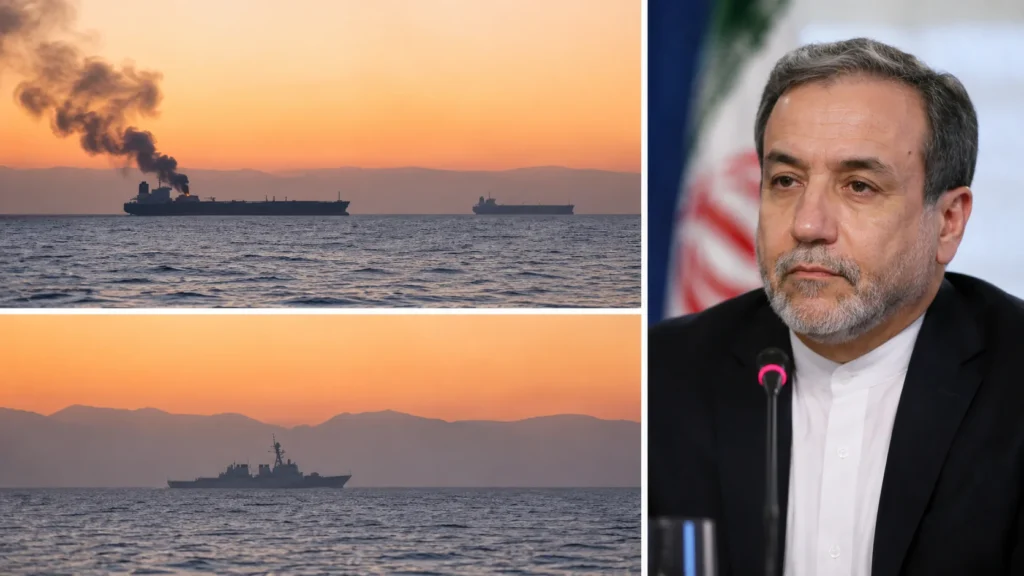
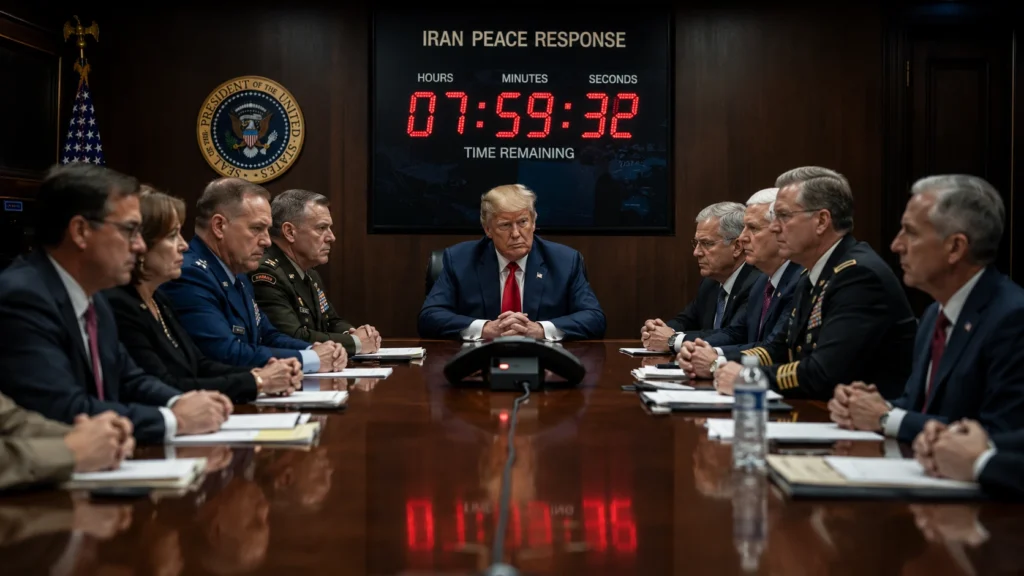
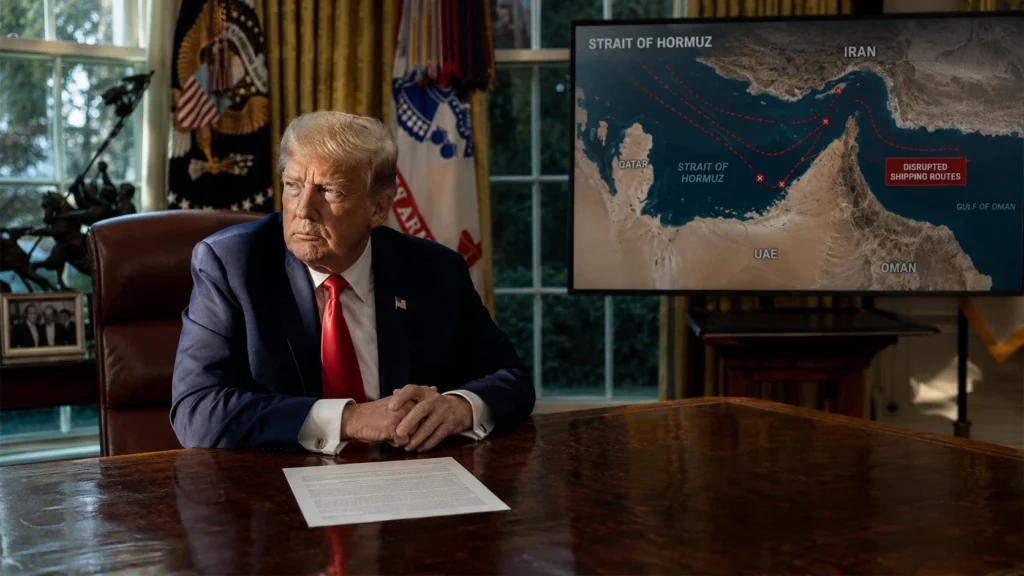
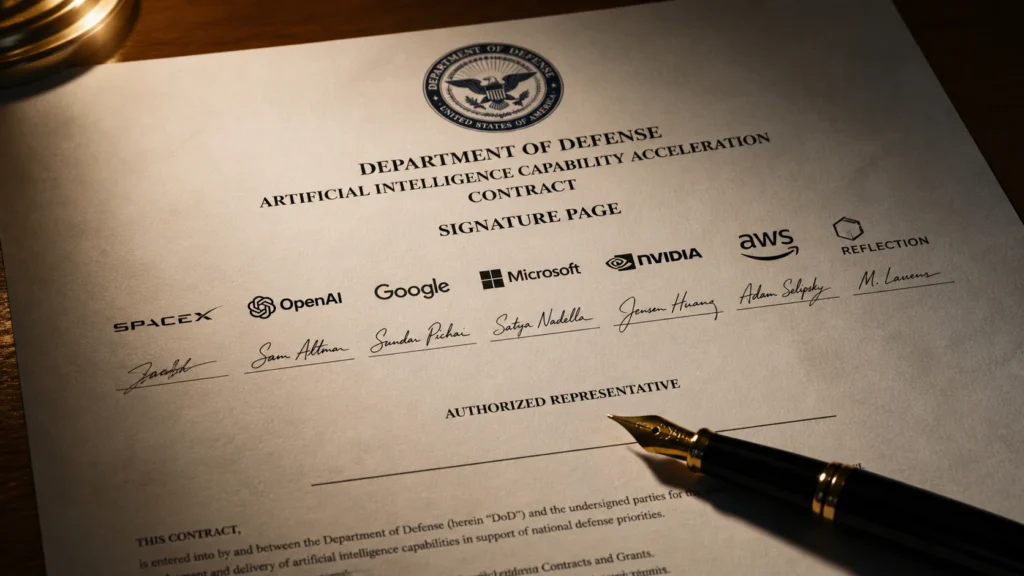
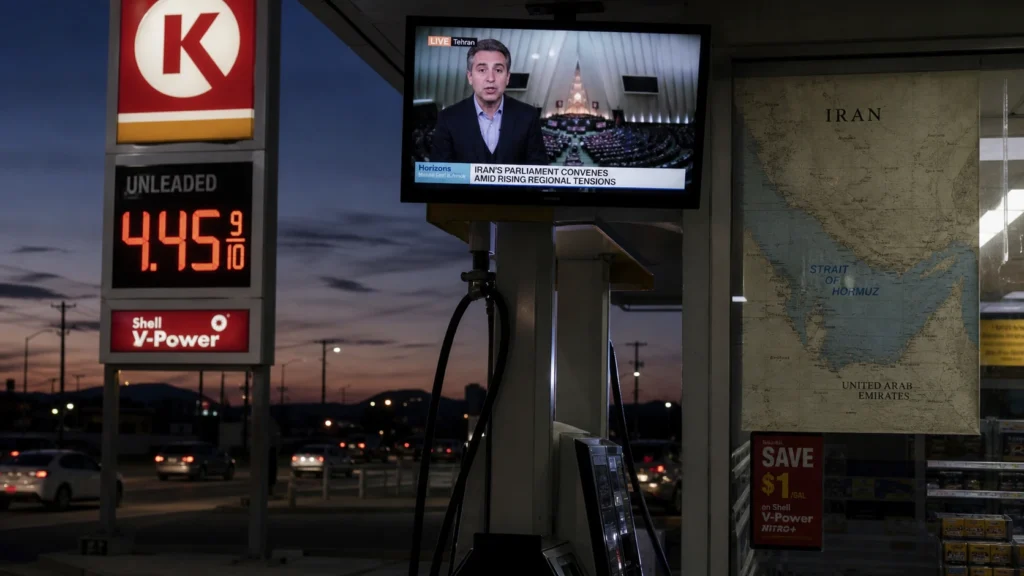
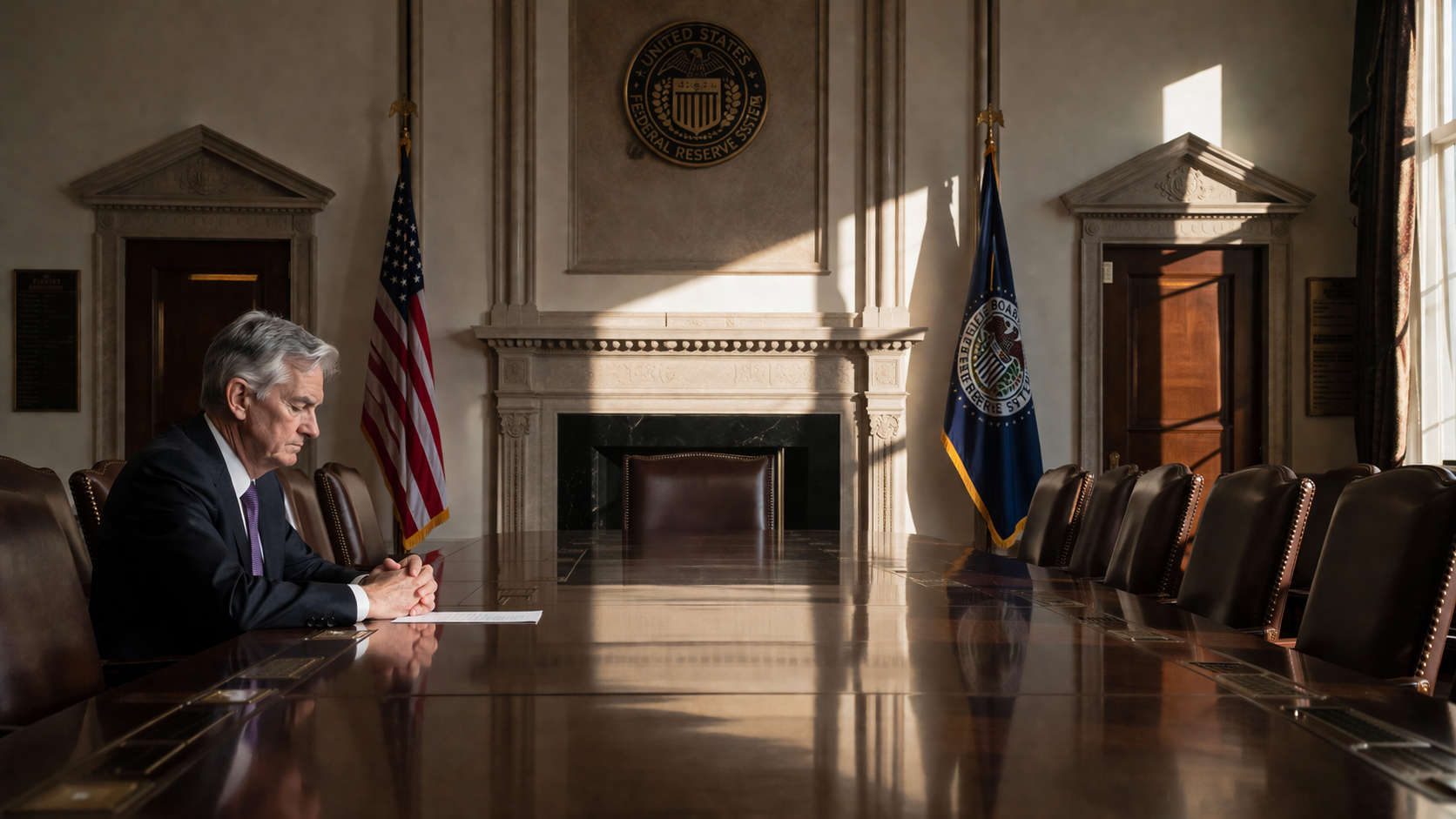
President Donald Trump announced on Saturday that a deal to end fighting between the United States and Iran is scheduled to be signed on Sunday, a claim Iran’s foreign ministry immediately contradicted by stating the signing “will not be tomorrow.” In a Truth Social post, Trump said the Strait of Hormuz would be “open to all” once the agreement is finalised and that Washington would later “go in and get the Nuclear Dust”—an apparent reference to Iran’s enriched uranium stockpiles—for destruction. Pakistan, a key mediator, said it was “preparing for the electronic signing” and that finalisation was “likely expected” within 24 hours. A Qatari delegation arrived in Tehran on Sunday morning. On the same day, Israel carried out an air strike on the Hezbollah stronghold of Dahieh in southern Beirut—a reminder that the party whose actions could most immediately unravel the deal is not a signatory to it.
The contradiction between Trump’s timeline and Iran’s denial marks the latest in a series of near-agreements that have been announced and then delayed since a ceasefire was first agreed in April. The deal, as described by both sides in recent days, would address the conflict between Israel and Hezbollah in Lebanon and begin a process for negotiations on Iran’s nuclear programme. Israel is not a party to the memorandum of understanding.
The Deal’s Content: What We Know
The agreement has been described in fragments by officials from multiple countries over the past week. The pieces do not yet form a single ratified text.
Iranian Foreign Minister Seyed Abbas Araghchi said on Friday that the deal envisaged an end to the conflict between Israel and Hezbollah in Lebanon. Talks on Iran’s nuclear programme would begin later, he said. US officials have confirmed some of the details, saying economic benefits for Iran would depend on Tehran meeting its obligations—a structure that mirrors previous nuclear agreements in conditioning sanctions relief on verified compliance.
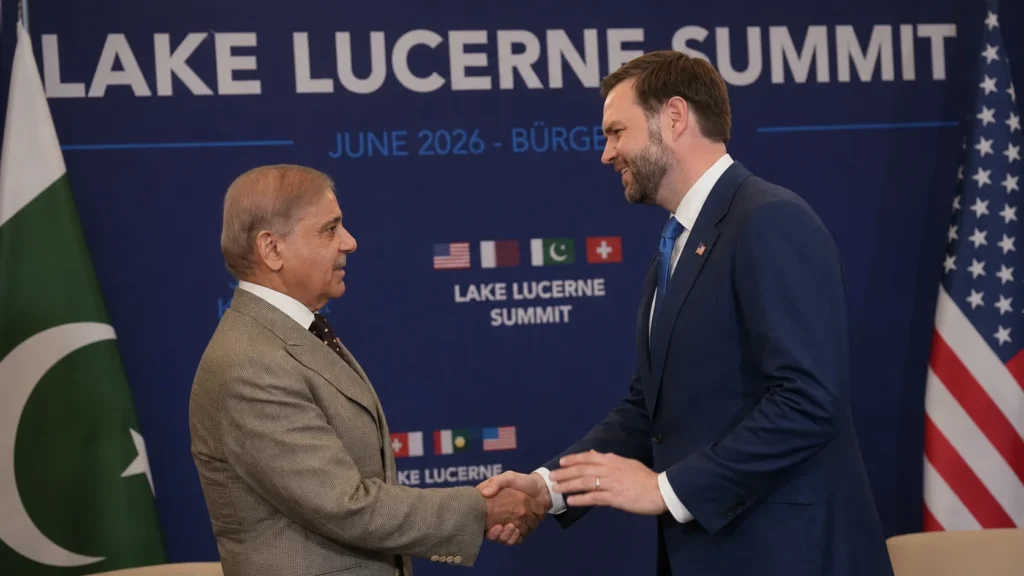
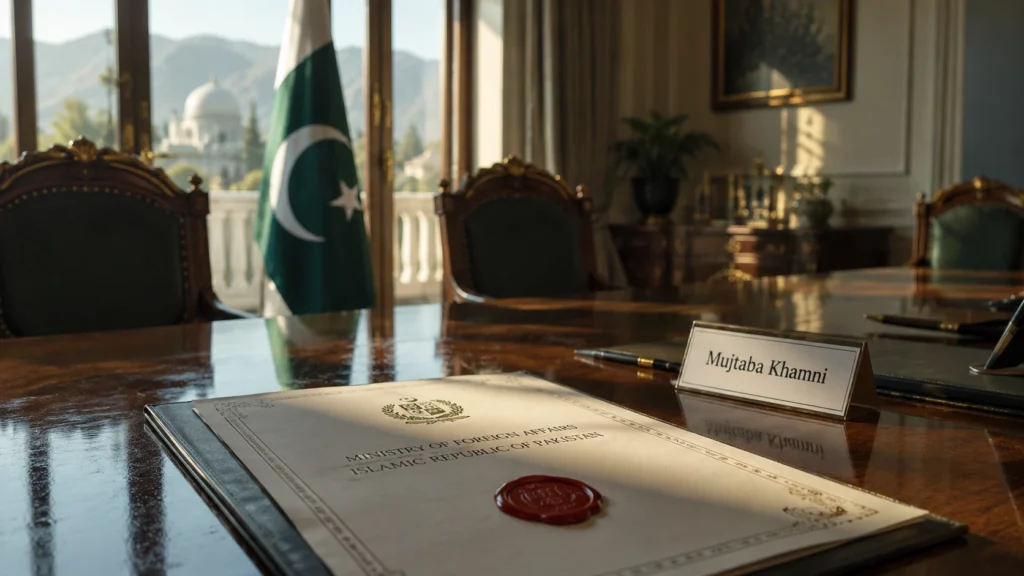
According to Pakistani Prime Minister’s Office statements on X, Prime Minister Shehbaz Sharif said on Saturday that “we are closer to a peace deal than ever before” and that technical-level talks would follow the electronic signing next week. The electronic signing format itself is new—a process that bypasses the ceremonial dimension of a formal treaty signing and can be completed without either party being in the same room.
Israel’s prime minister’s office has not commented on the memorandum. Israel has insisted it will continue striking Hezbollah in response to attacks on its territory. As Israel-Hezbollah conflict escalation analysis previously documented, the cycle of strikes across the Lebanon-Israel border has operated independently of US-Iran diplomacy throughout the conflict.
The Timeline Contradiction
The sequence of statements on Saturday revealed the gap between the two sides’ public positions.
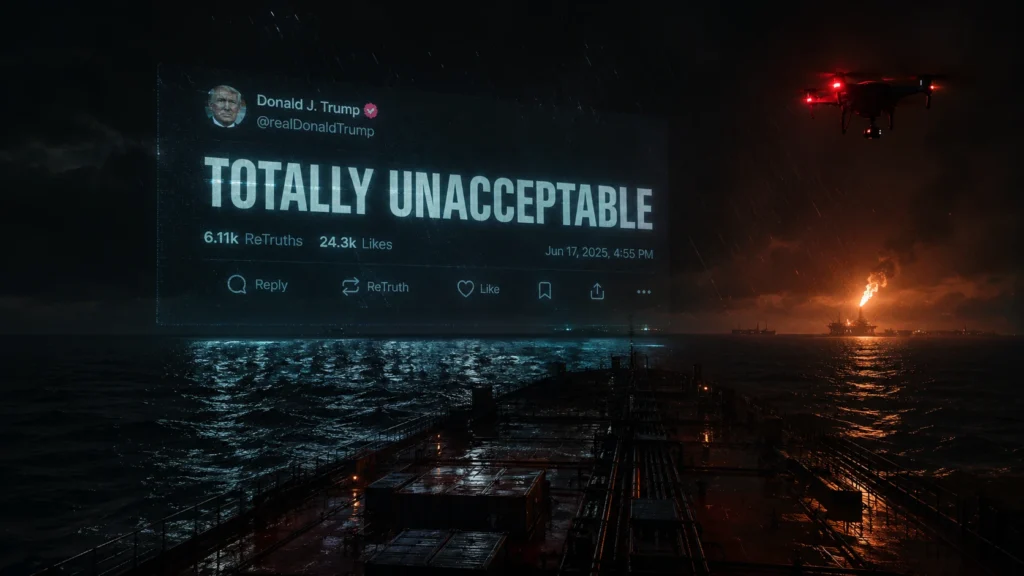
Trump posted on Truth Social: “The Deal is scheduled to get signed tomorrow, and immediately after it is signed, the Hormuz Strait is OPEN TO ALL.” He added a warning that if things did not “work out quickly, easily and smoothly,” Washington had “the ultimate alternative, hopefully never to be used again.”
Hours earlier, Iranian foreign ministry spokesman Esmail Baghaei had told state TV: “We will have to wait and see about the exact date of the signing of the memorandum of understanding, although it will not be tomorrow [Sunday].” He did not specify when Iran expected the signing to occur.
Pakistan’s Sharif posted that finalisation was “likely expected in the next 24 hours” and that Pakistan was “preparing for the electronic signing of the peace deal immediately after.” The formulation split the difference between Trump’s certainty and Iran’s denial—acknowledging the likelihood of completion while stopping short of confirming Sunday as the date.
As Trump Iran negotiation pattern analysis has documented, the president has announced an imminent deal on at least seven occasions since April without a signed agreement materialising. The pattern—announce progress, apply pressure, announce again—has become a structural feature of the diplomatic process.
The Nuclear Question
Trump’s reference to “Nuclear Dust” was the most detailed public description he has offered of how the deal would address Iran’s enriched uranium stockpiles.
“At the appropriate time, when all is calm, we will go in and get the Nuclear Dust,” he wrote, adding it would later be destroyed. The phrasing miniaturises a problem that has been the central concern of Western governments negotiating with Tehran for two decades. Iran has enriched uranium to levels that no non-nuclear-weapons state has reached without eventually producing a bomb. The stockpiles are dispersed across multiple facilities.
For decades, Iran has been accused by Western countries of trying to build a nuclear bomb. It has denied the accusations, saying its programme is for peaceful purposes—to generate electricity and for research purposes. The inspection and verification regime required to confirm the disposition of its enriched uranium would be among the most intrusive ever negotiated, according to International Atomic Energy Agency safeguards agreements.
The deal’s text may provide for such access. The deal’s implementation will test whether the access is real. Iran’s foreign ministry has not commented directly on Trump’s “Nuclear Dust” language.
The Complicating Strike
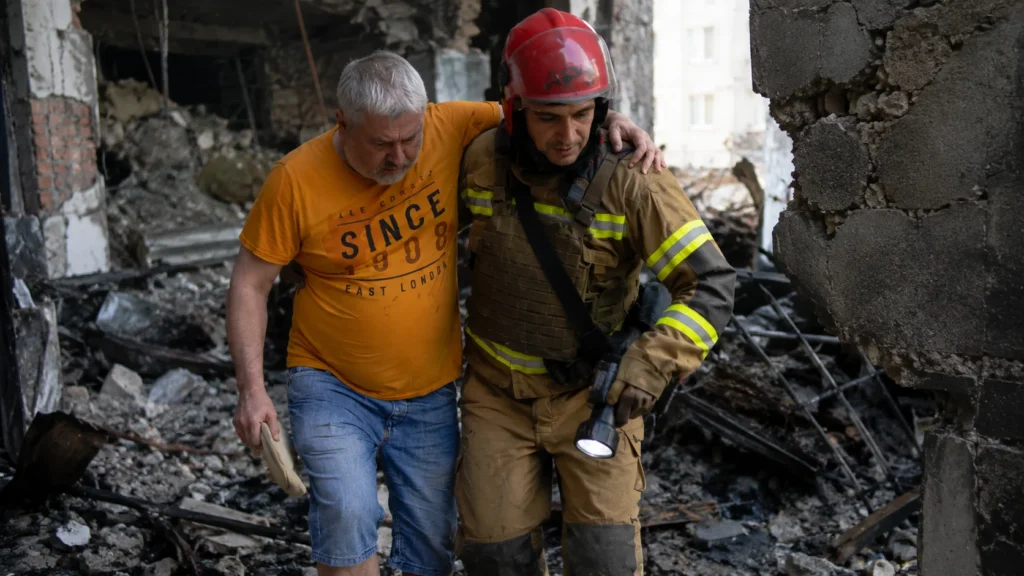
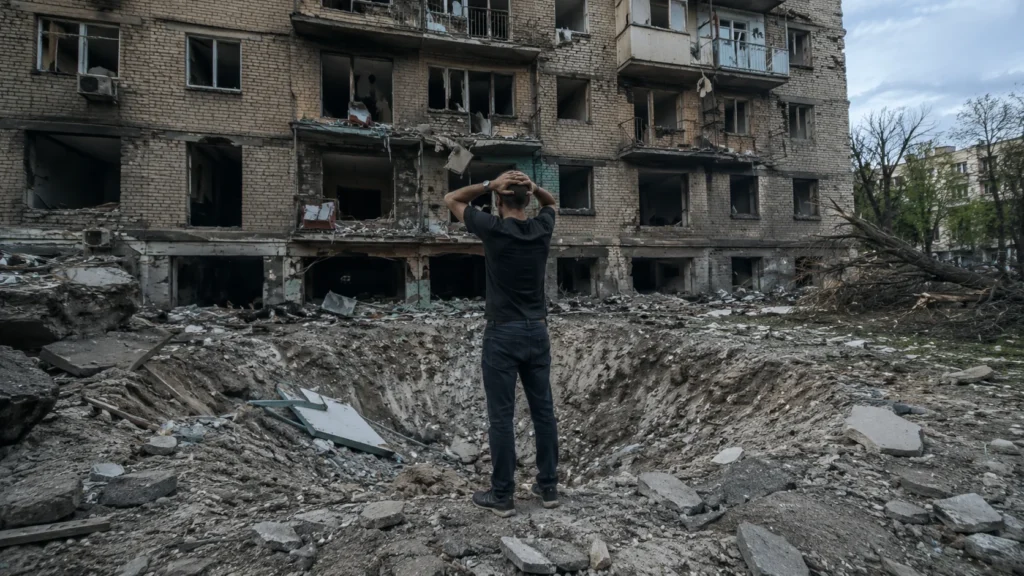
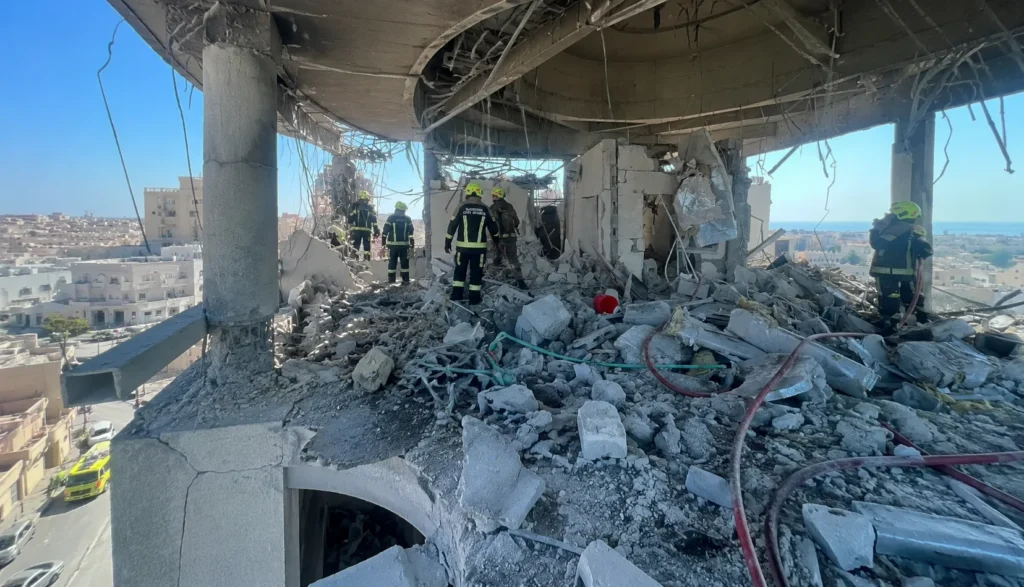
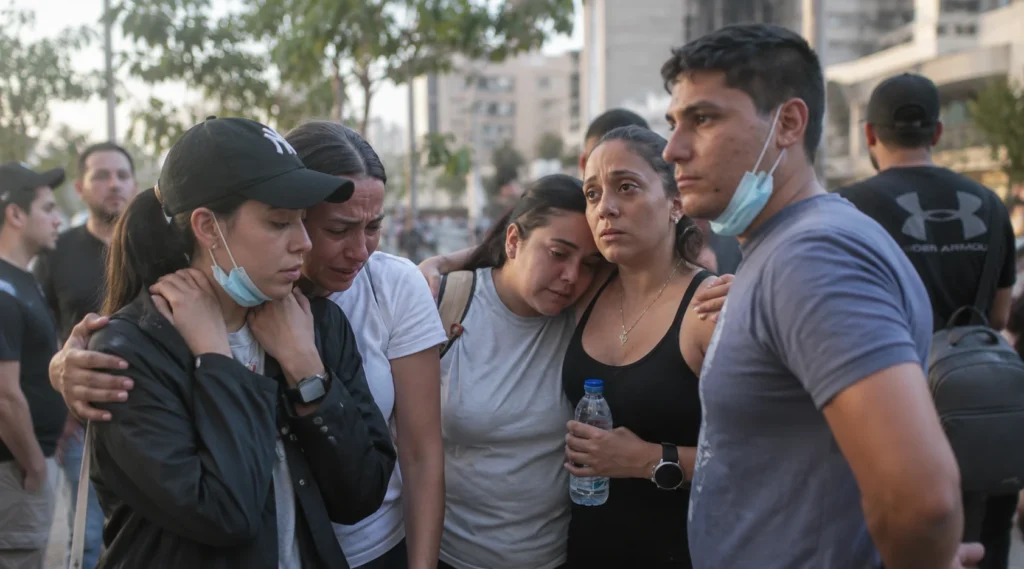
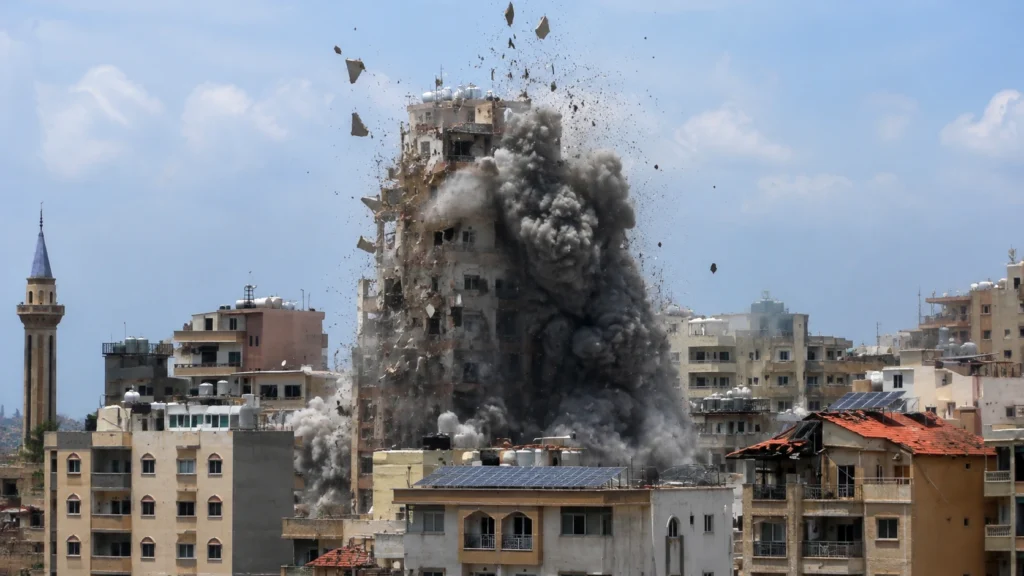
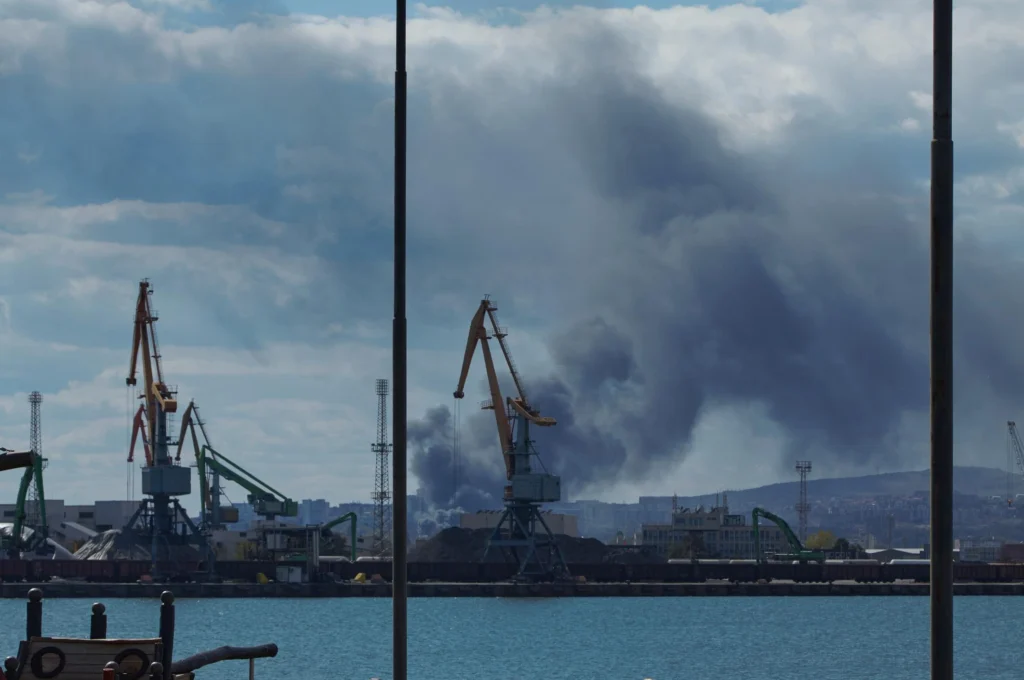
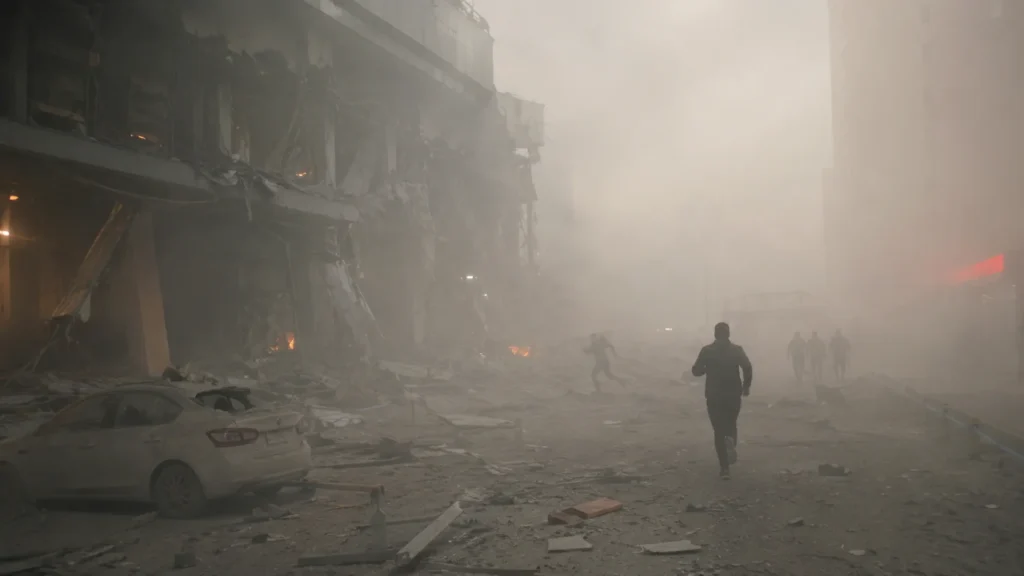
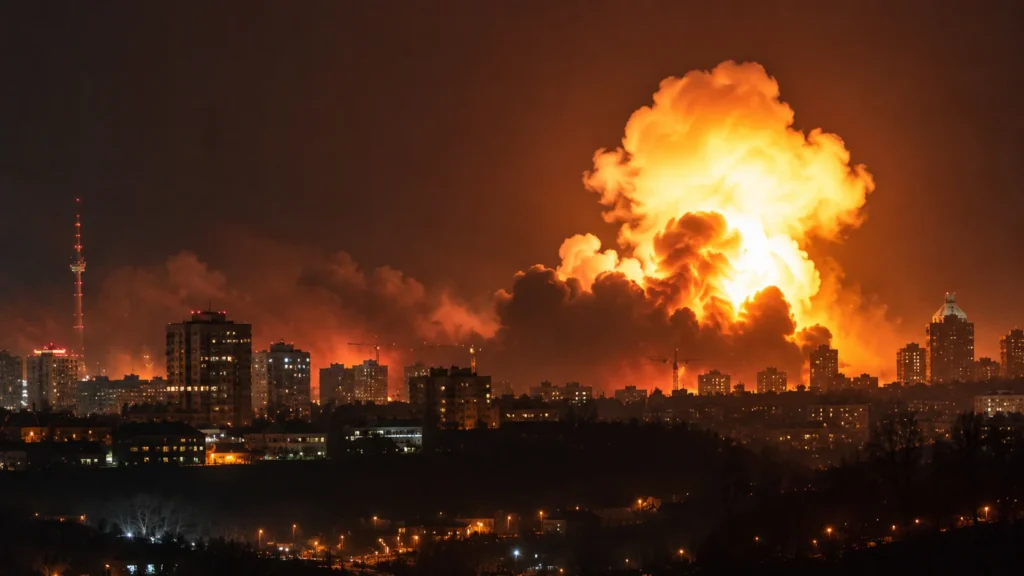
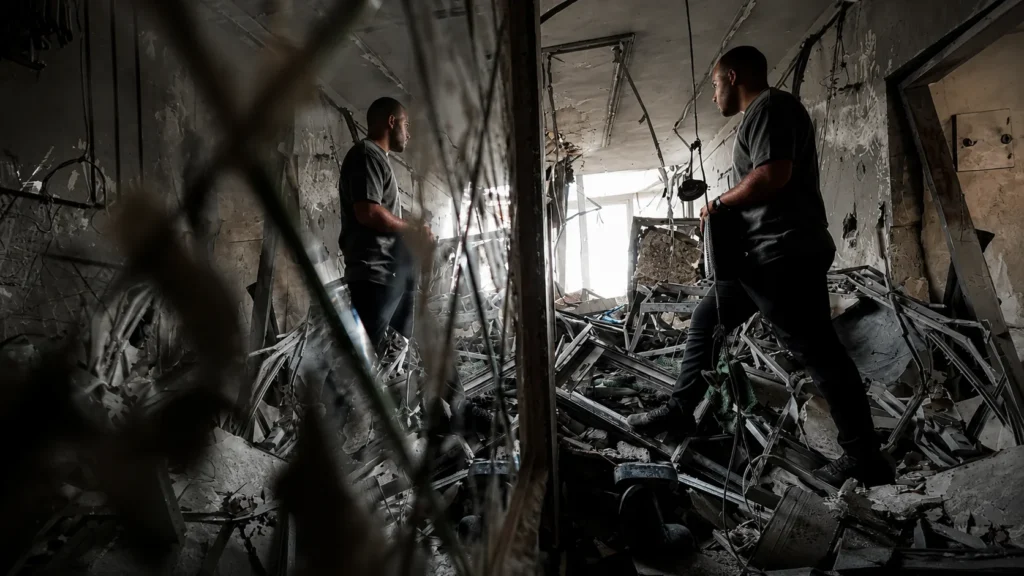
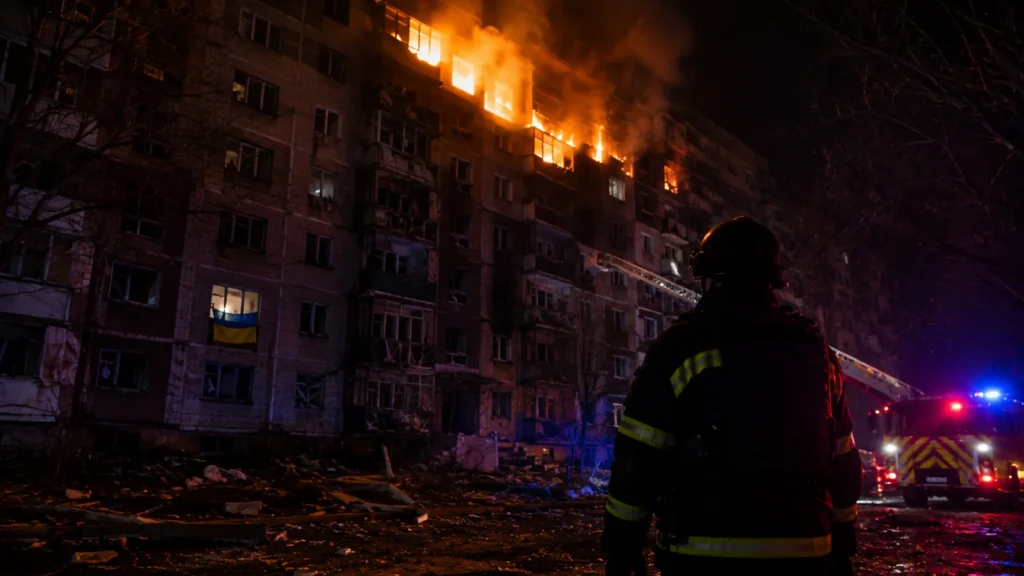
On Sunday, Israel carried out an air strike on Dahieh, the Hezbollah stronghold in southern Beirut. Pictures posted online showed a large plume of smoke. Israel confirmed the attack, saying it was a response to Hezbollah firing into Israeli territory.
Trump had previously stopped Israel from carrying out strikes in Beirut. This one went ahead. The strike is not a violation of a deal that has not been signed. It is a demonstration that the deal, even if signed, does not bind the party whose actions could most immediately unravel it.
Earlier this month, Israel bombed sites in Iran for the first time since the April ceasefire, after Iran fired missiles at Israel in what Tehran said was retaliation for Israeli strikes on Lebanon’s capital. It is not clear whether the Israeli strikes will have any impact on Iran’s plans to sign the deal with the US. The Qatari delegation in Tehran may provide the first indication.
What Happens Next
If the electronic signing occurs, technical-level talks will follow next week, as Pakistan’s prime minister indicated. The talks will address implementation of the memorandum’s provisions—provisions that each side will interpret differently. The interpretation gap will generate disputes. The disputes will test the mediators’ capacity to keep the process moving.
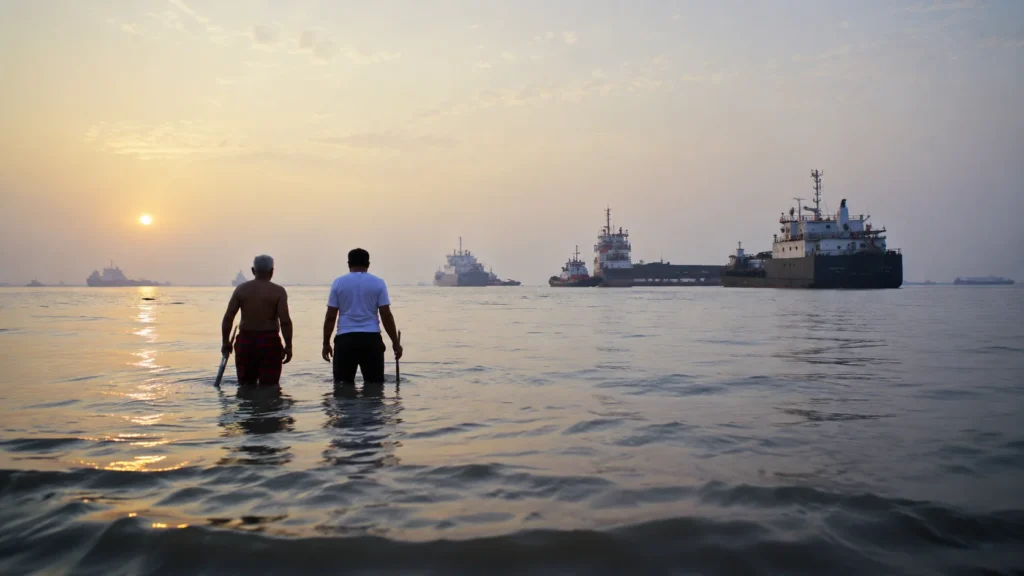
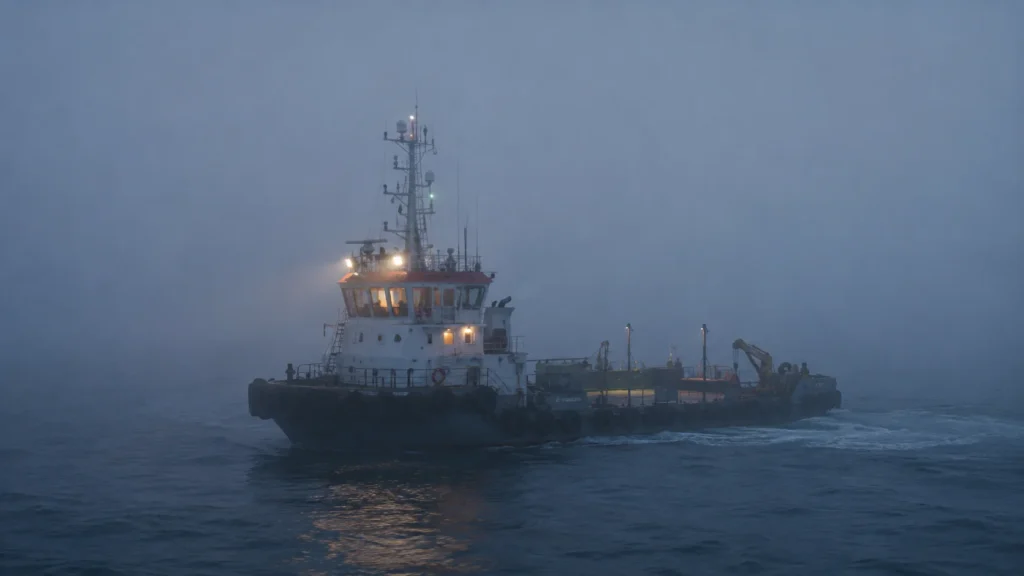
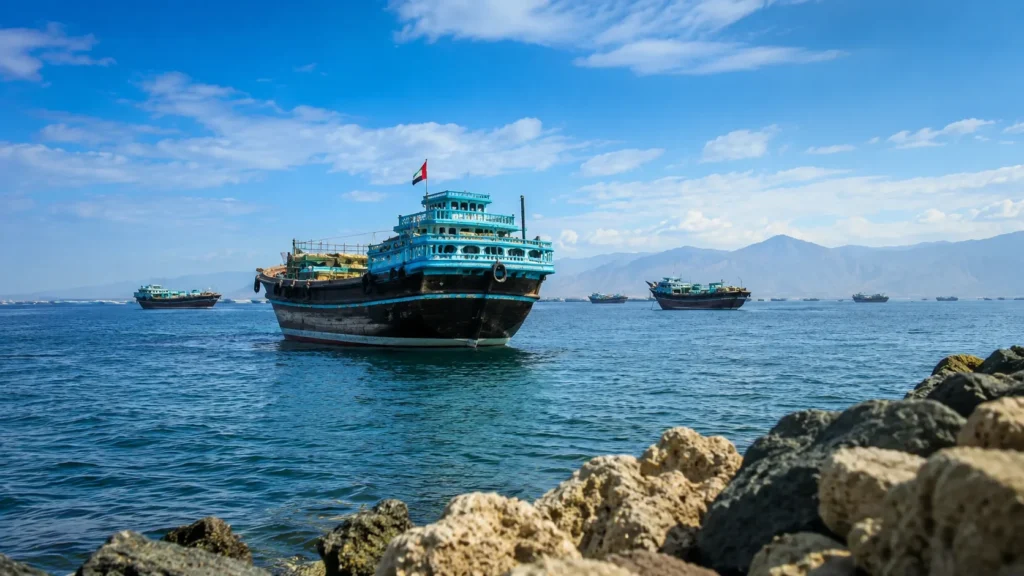
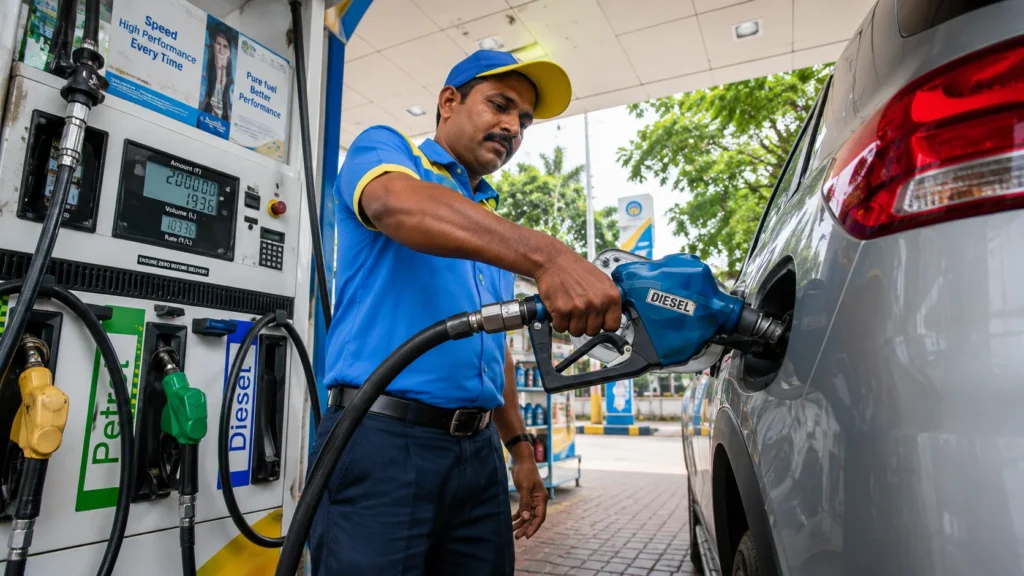
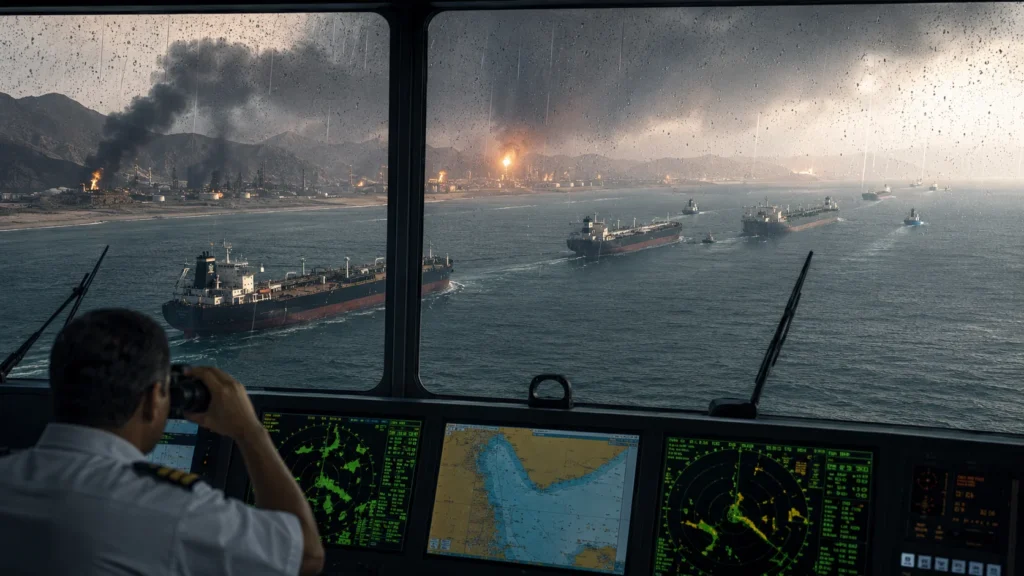
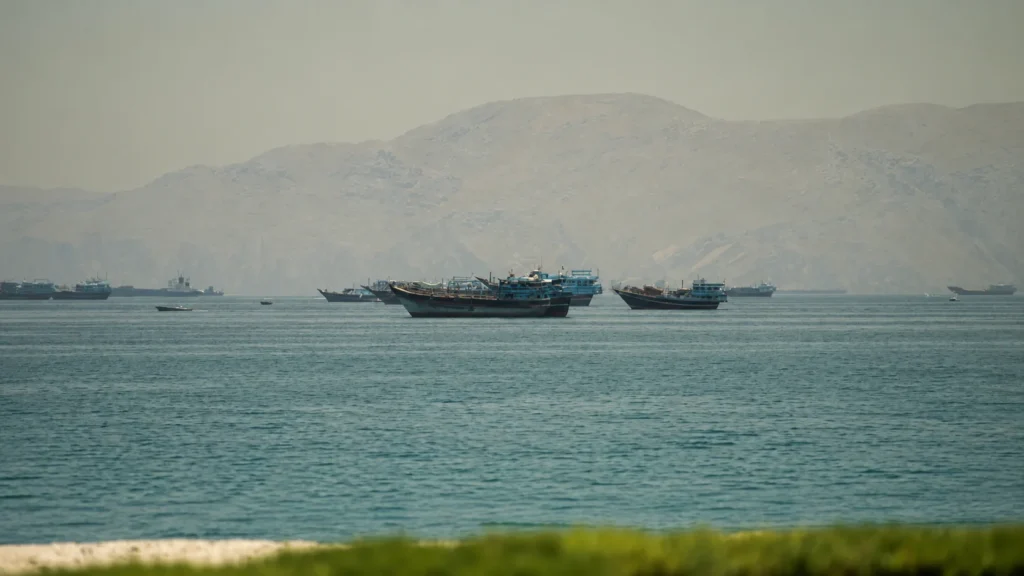
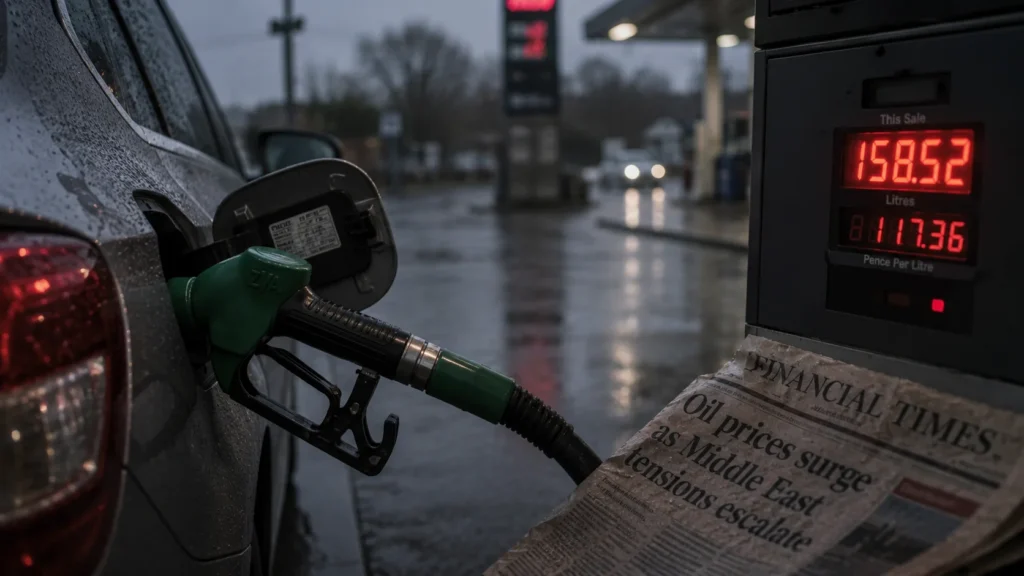
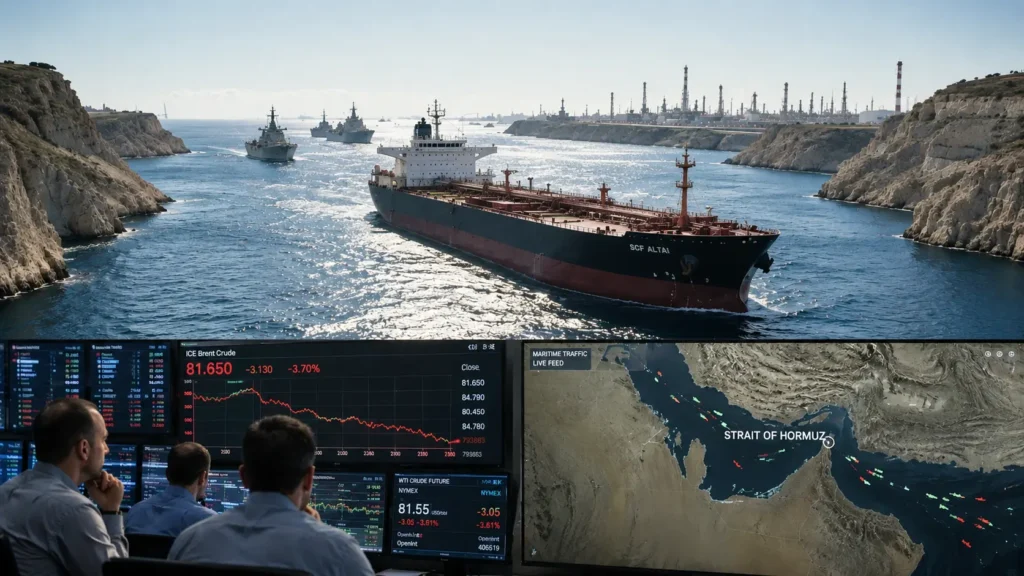
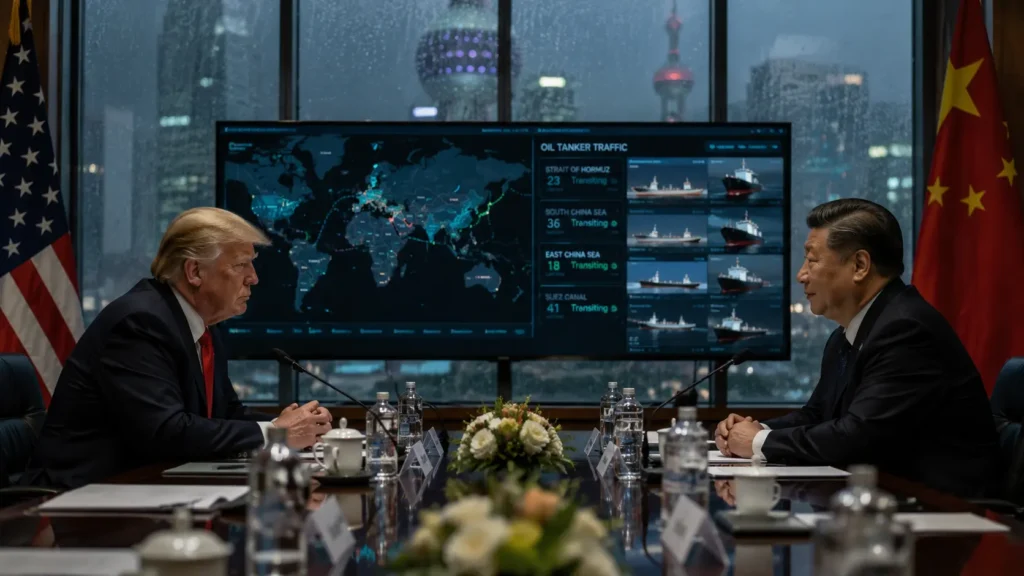
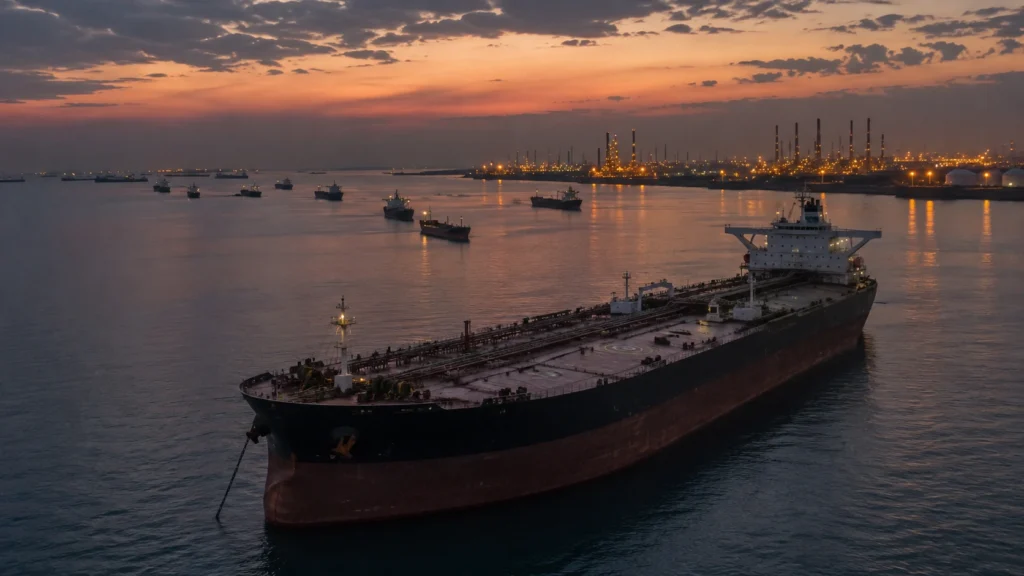
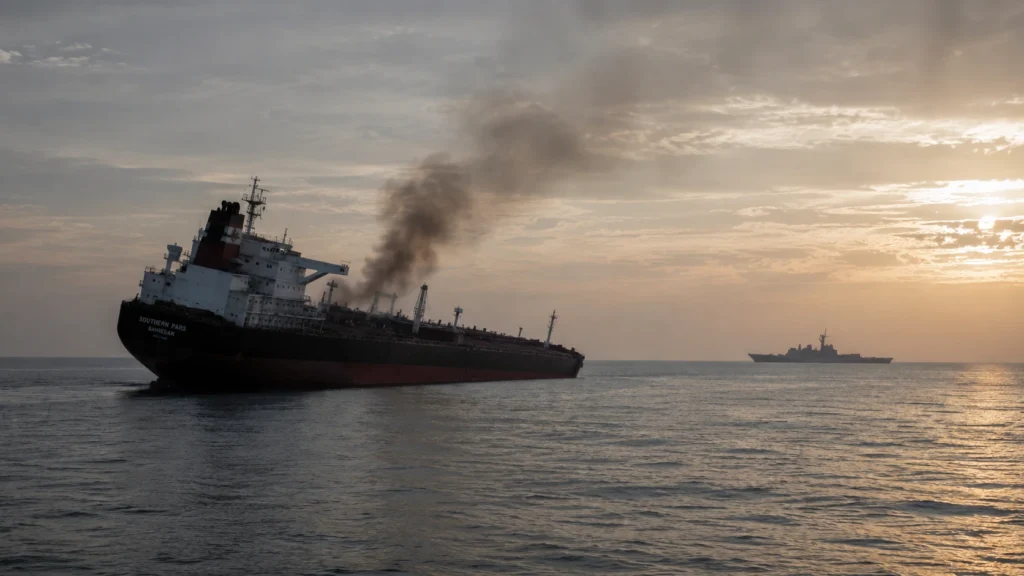
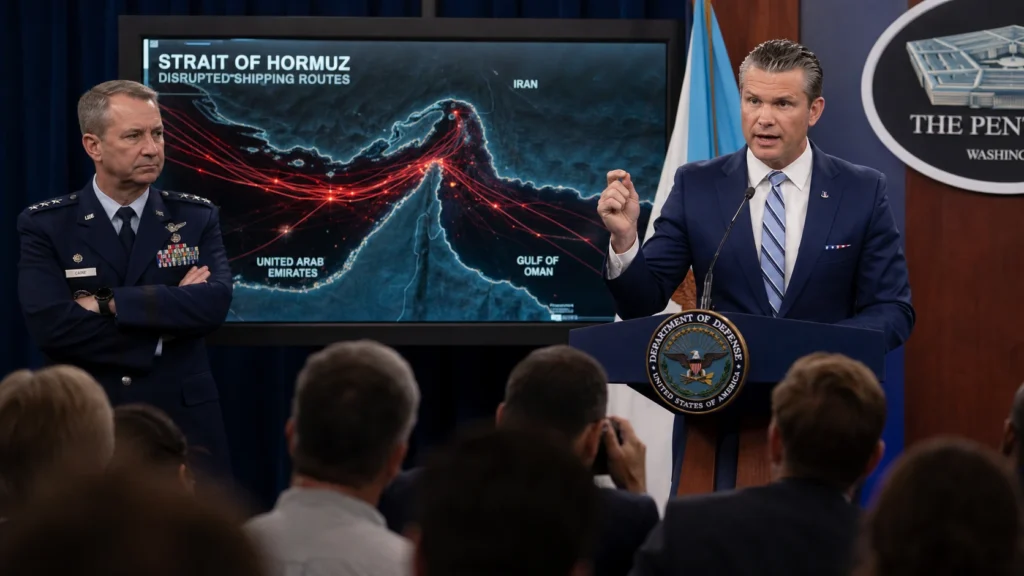
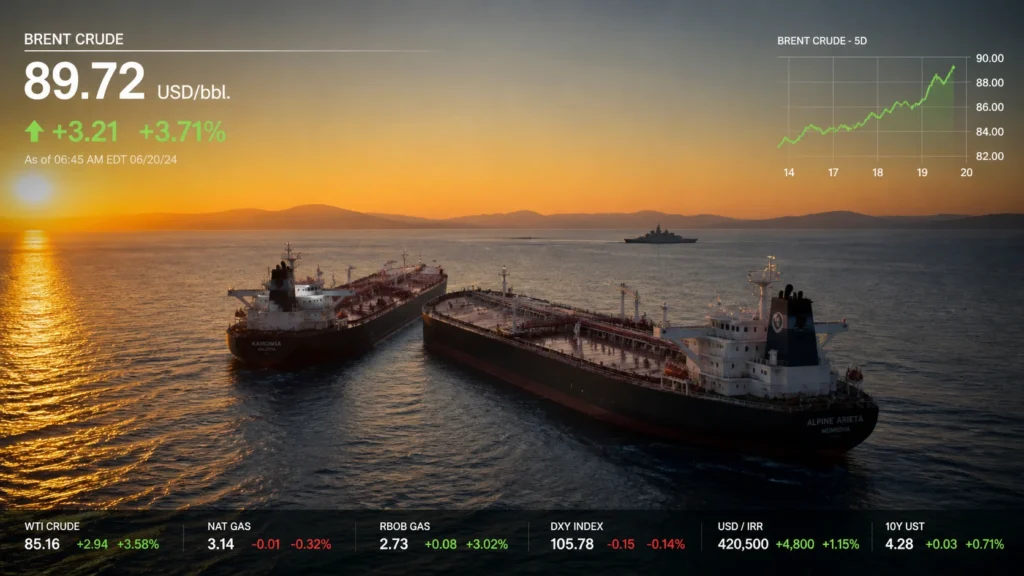
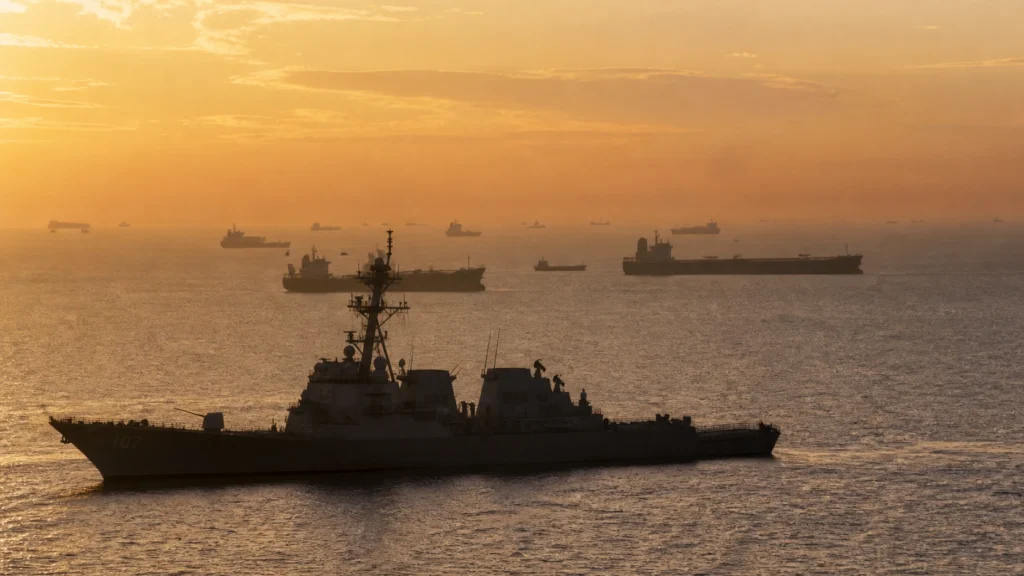
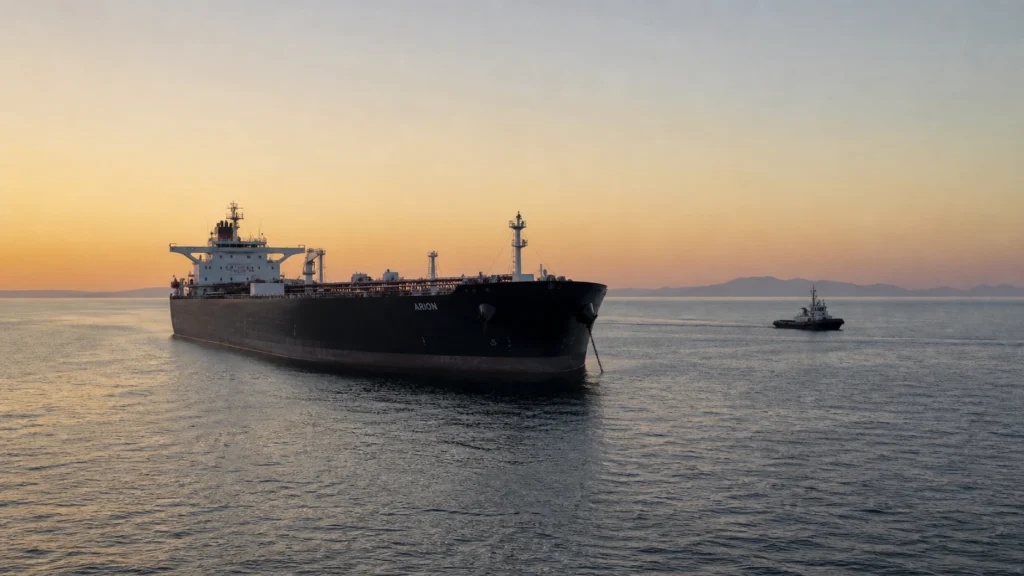
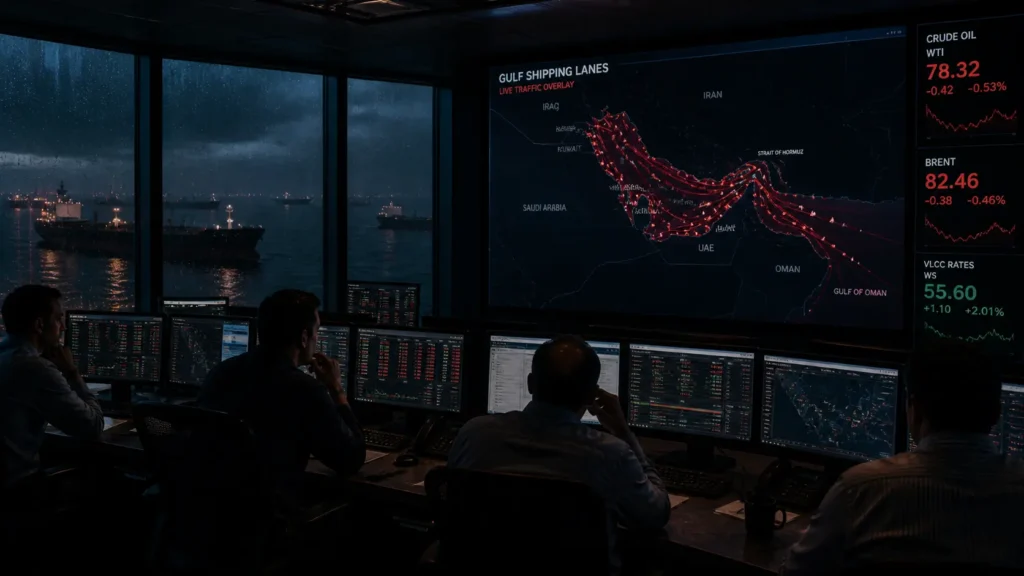
The Strait of Hormuz, effectively closed since the war began with US and Israeli strikes on February 28, would reopen “immediately after it is signed,” according to Trump. The reopening would deliver immediate relief to global energy markets. The memorandum does not guarantee it.
The nuclear negotiations will begin later, according to Araghchi. The timeline is vague. The substance is contested. The “Nuclear Dust” is not a single stockpile but a distributed infrastructure. The verification regime required would take years to implement if it happens at all.
Frequently Asked Questions
What is the US-Iran deal about?
The deal, as described by both sides, would end the conflict between Israel and Hezbollah in Lebanon and begin a process for negotiations on Iran’s nuclear programme. Economic benefits for Iran would depend on Tehran meeting its obligations, according to US officials.
When will the deal be signed?
Trump says on Sunday. Iran says not Sunday. Pakistan says it is preparing for an electronic signing within 24 hours, and a Qatari delegation has arrived in Tehran. No confirmed signing date has been agreed upon by both parties.
What is the Strait of Hormuz, and why does it matter?
The Strait of Hormuz is a narrow waterway between Iran and Oman through which roughly a fifth of the world’s oil and liquefied natural gas typically passes. Iran effectively closed it after the US and Israeli strikes on February 28. Trump says it will reopen once the deal is signed.
What did Trump mean by “Nuclear Dust”?
Trump used the phrase to refer to Iran’s enriched uranium stockpiles. He said the US would “go in and get” the material and destroy it “at the appropriate time, when all is calm.” Iran has not commented on the statement.
Is Israel part of the deal?
No. Israel is not a party to the US-Iran memorandum of understanding and has insisted it will continue striking Hezbollah. Israel bombed Dahieh in southern Beirut on Sunday in response to Hezbollah firing into Israeli territory.