

 English































































































































































US and Iran Sign Framework Deal to End War
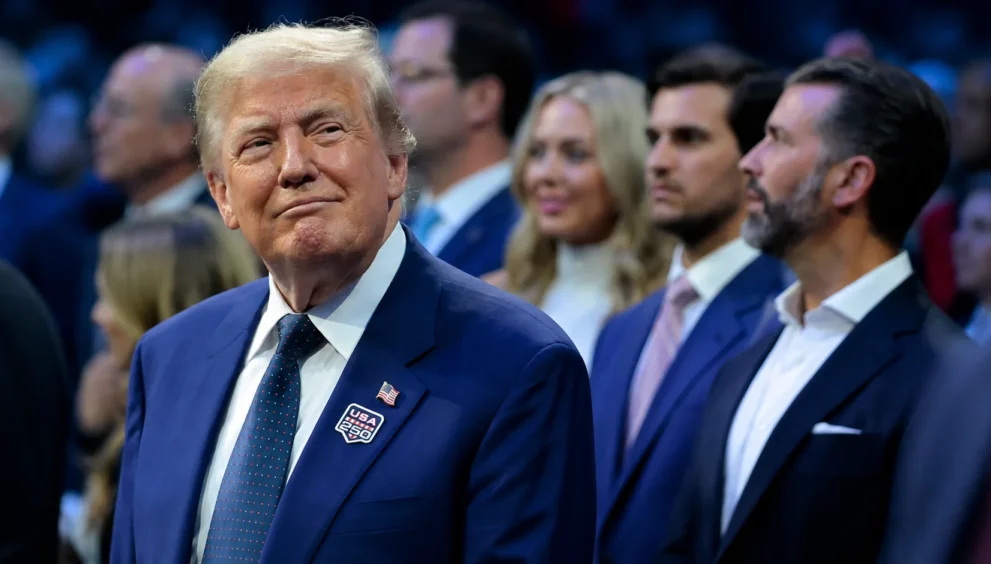
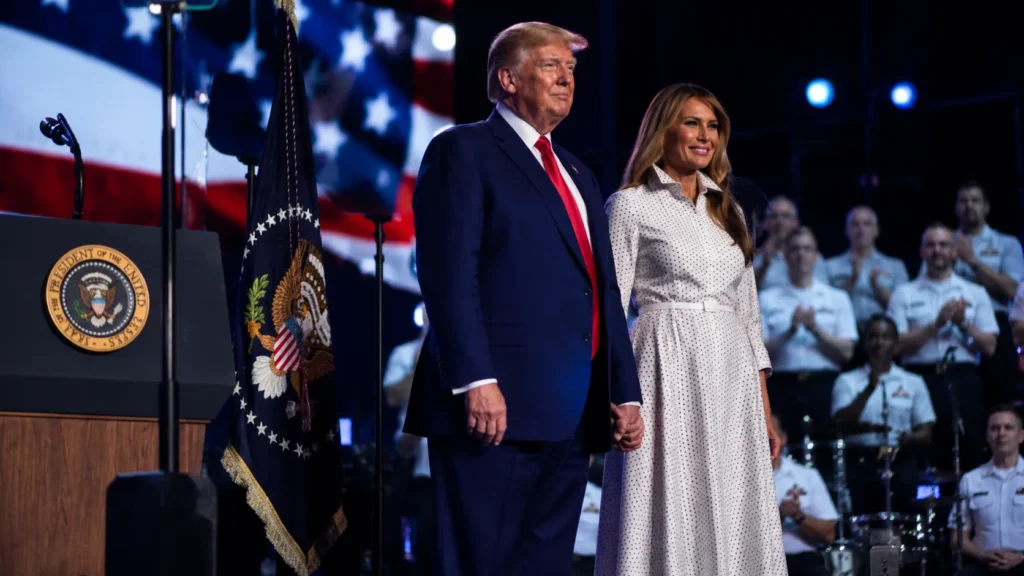
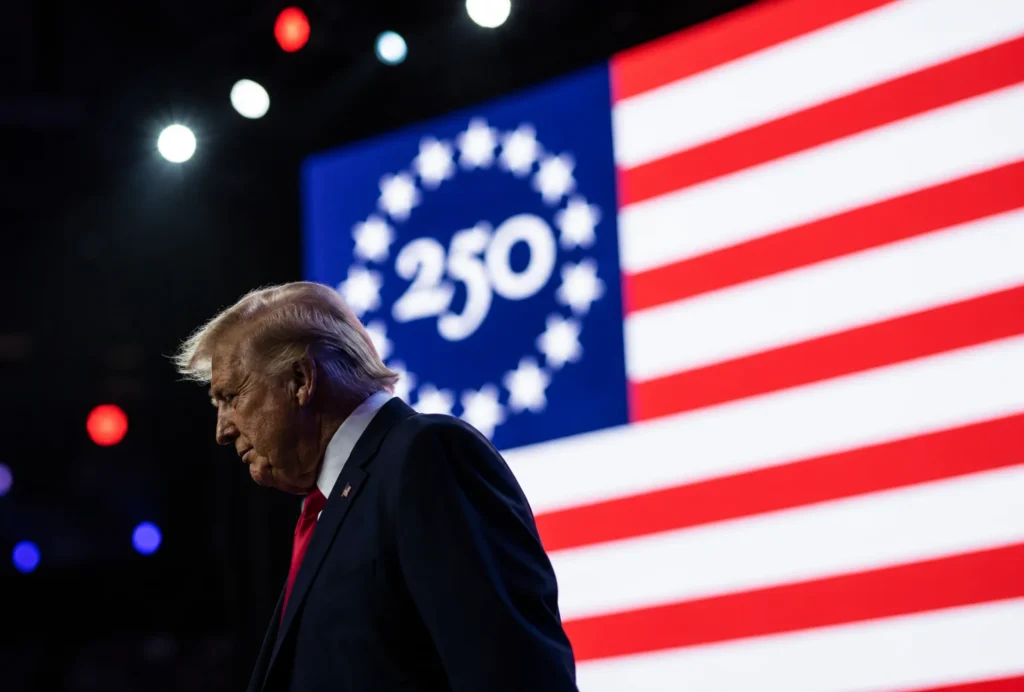
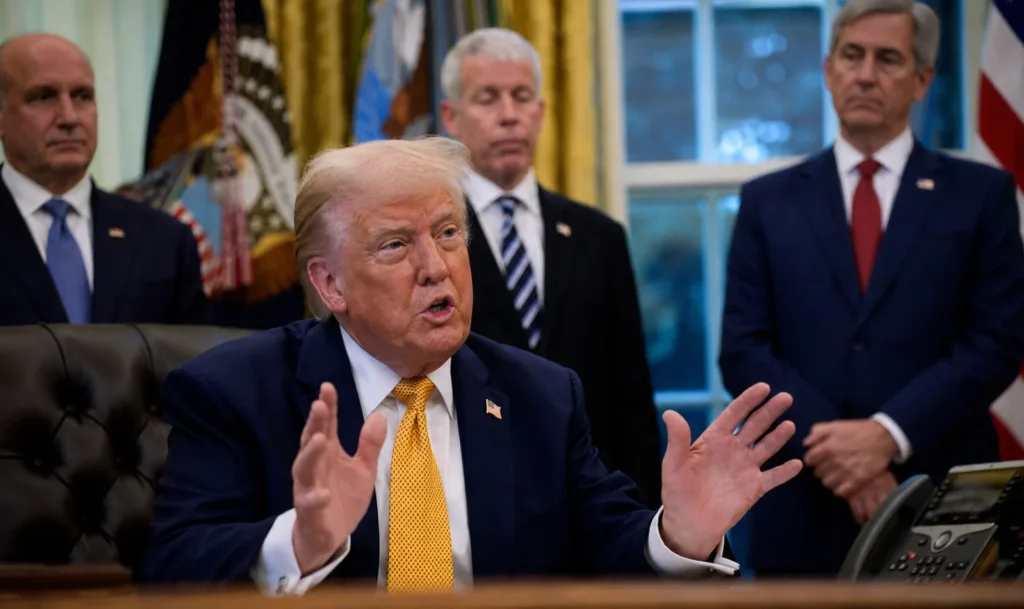
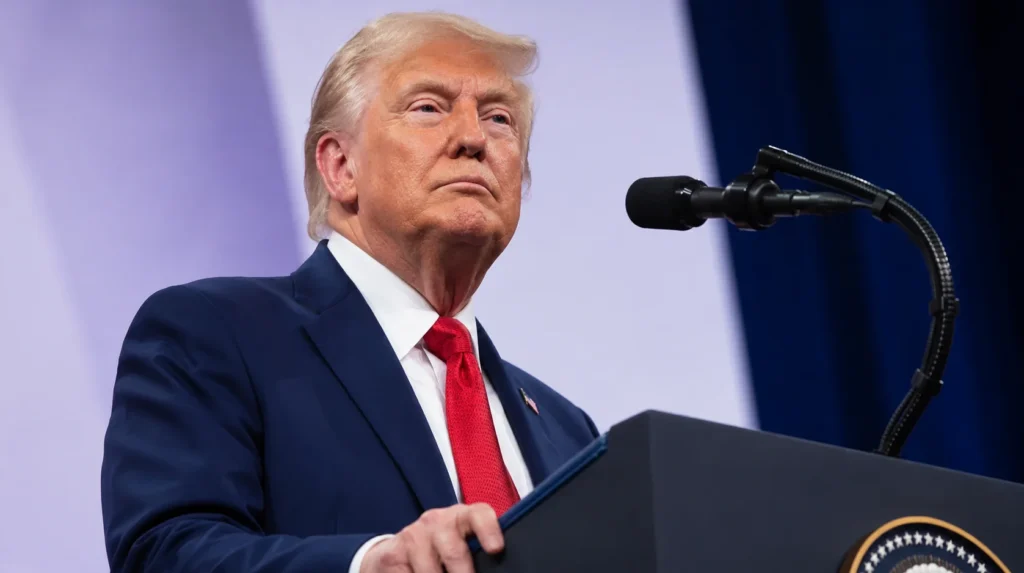
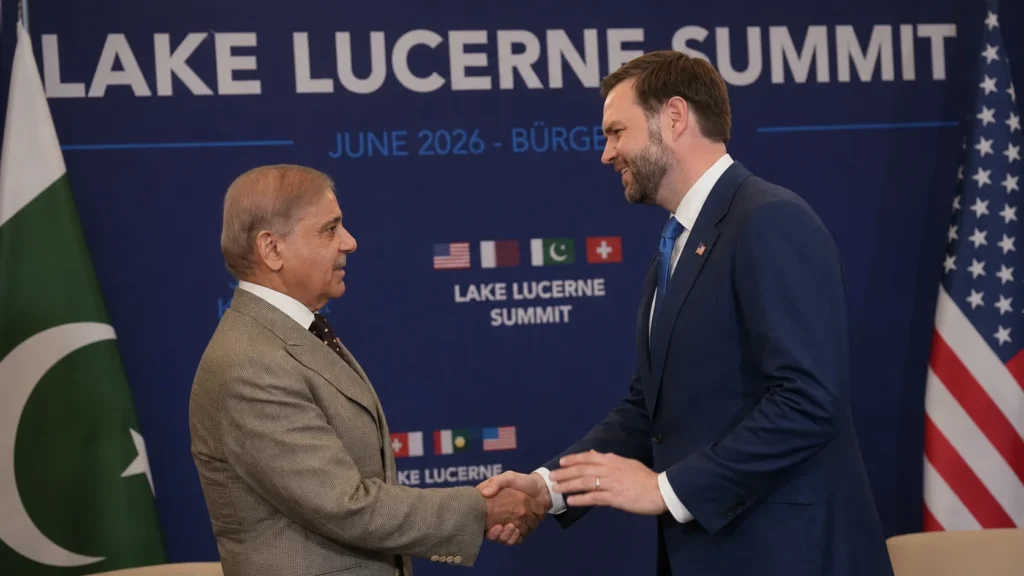
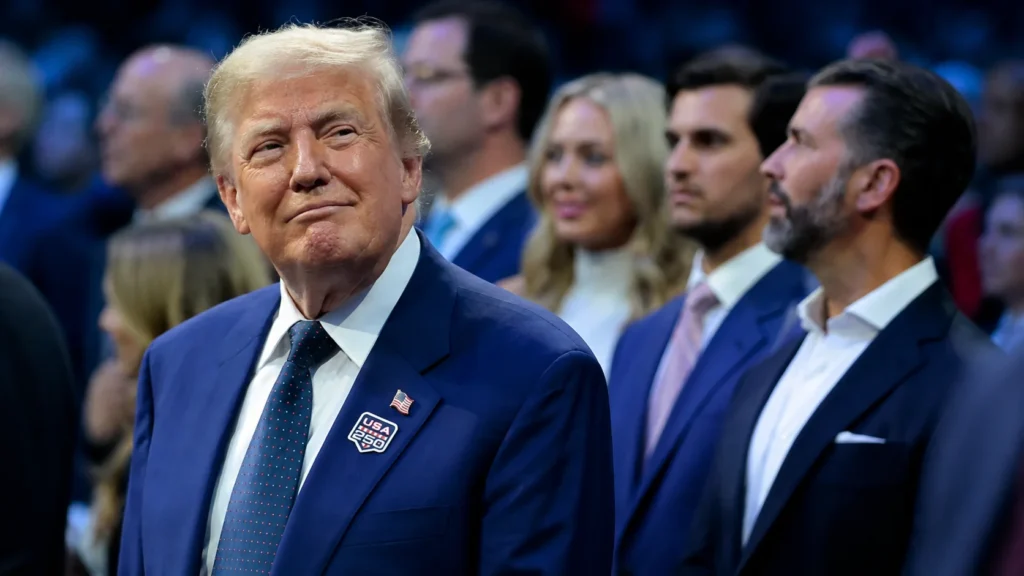
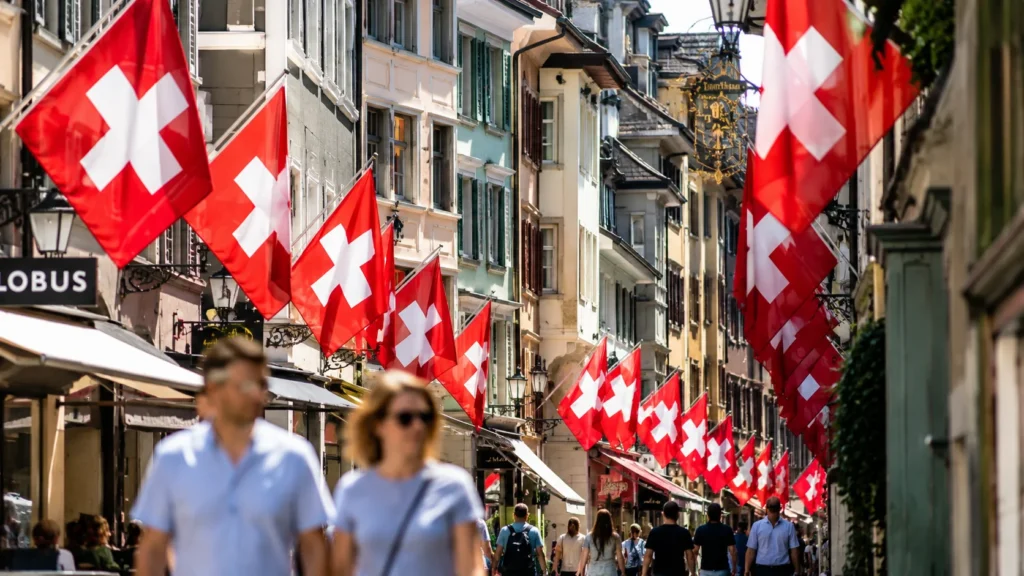
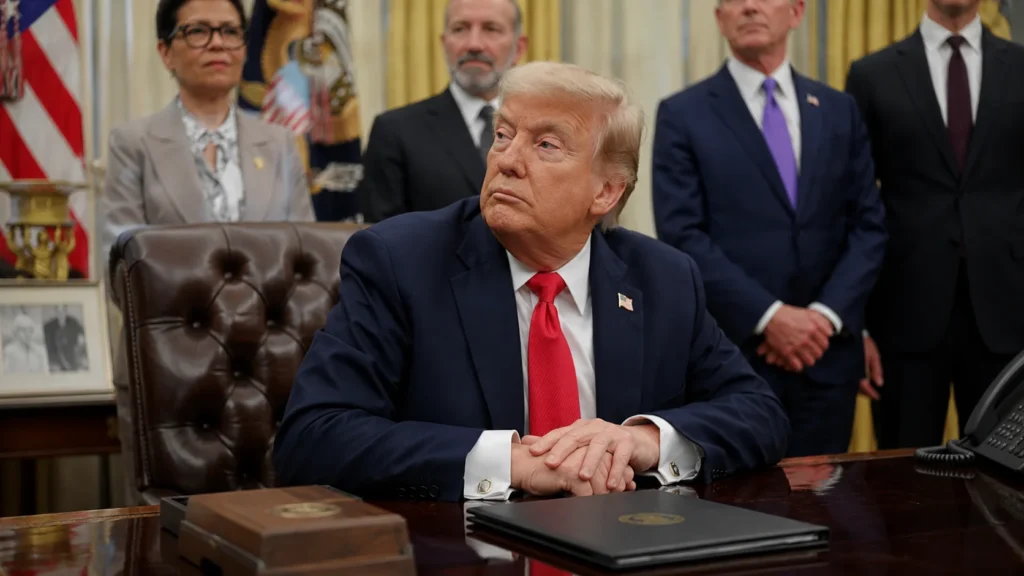
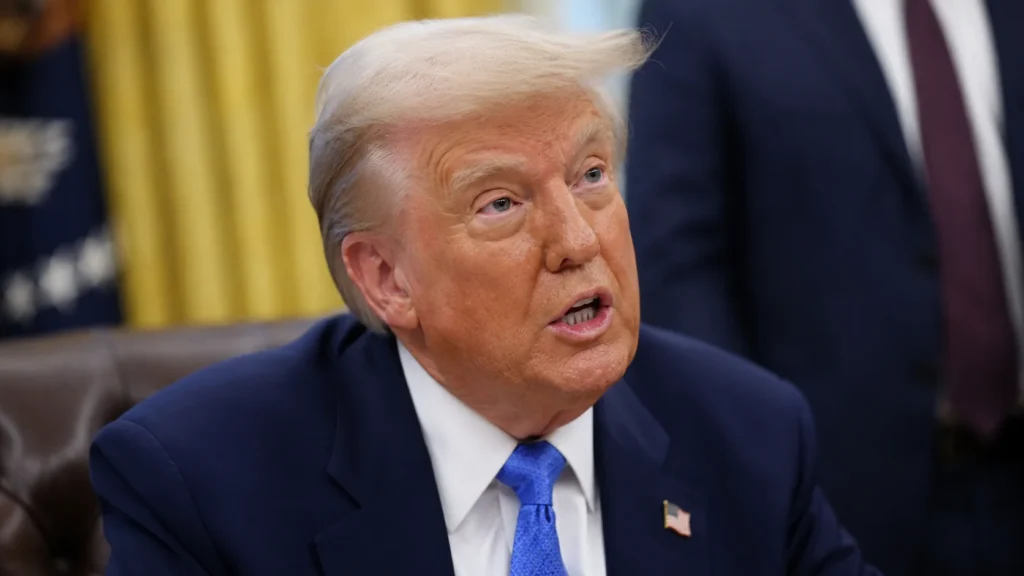
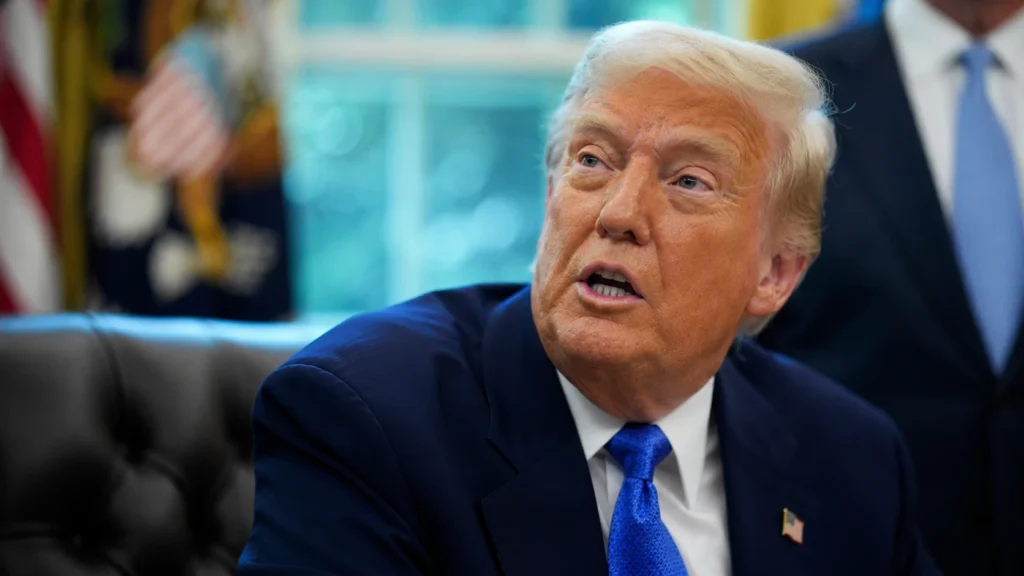
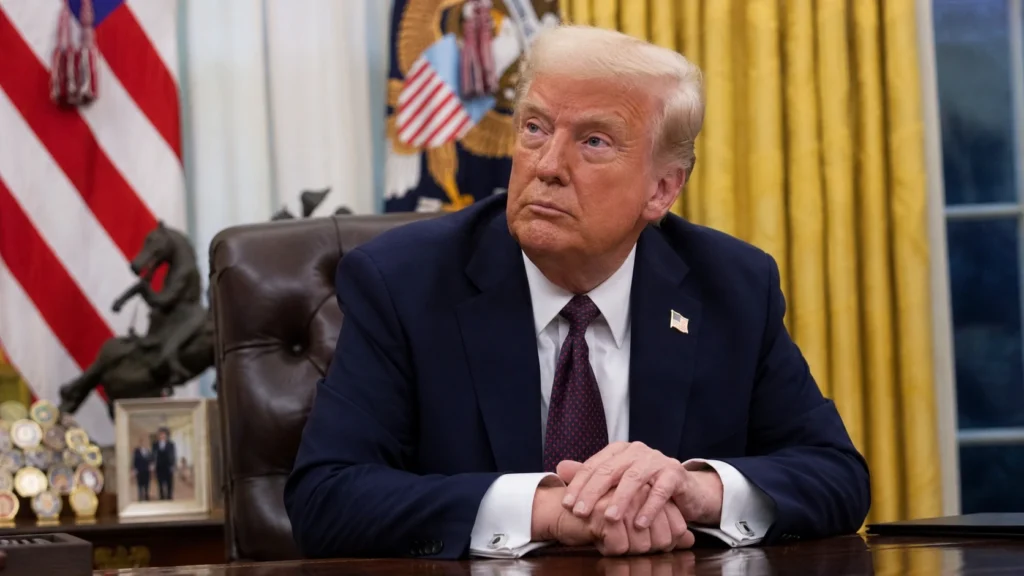
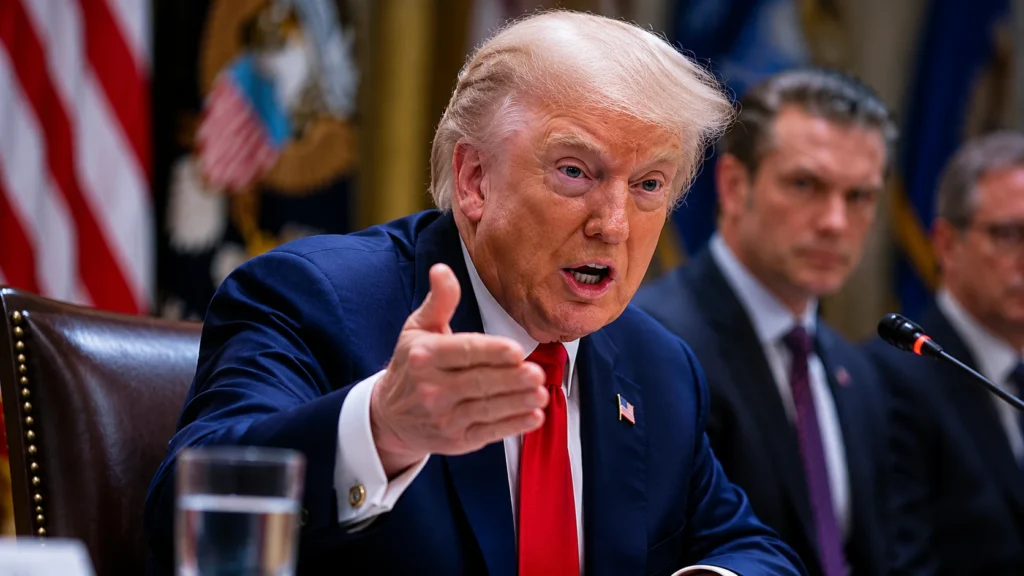
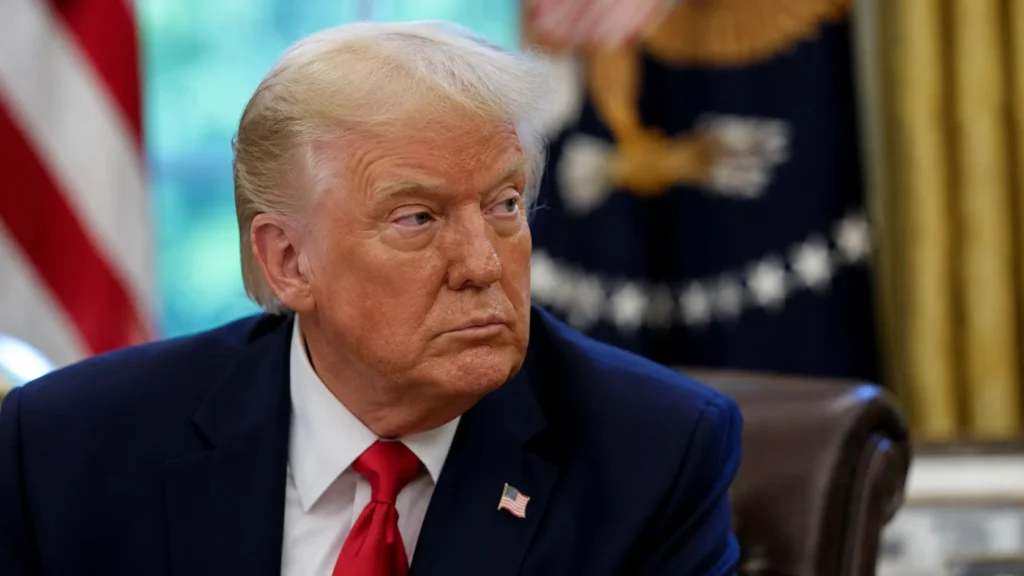
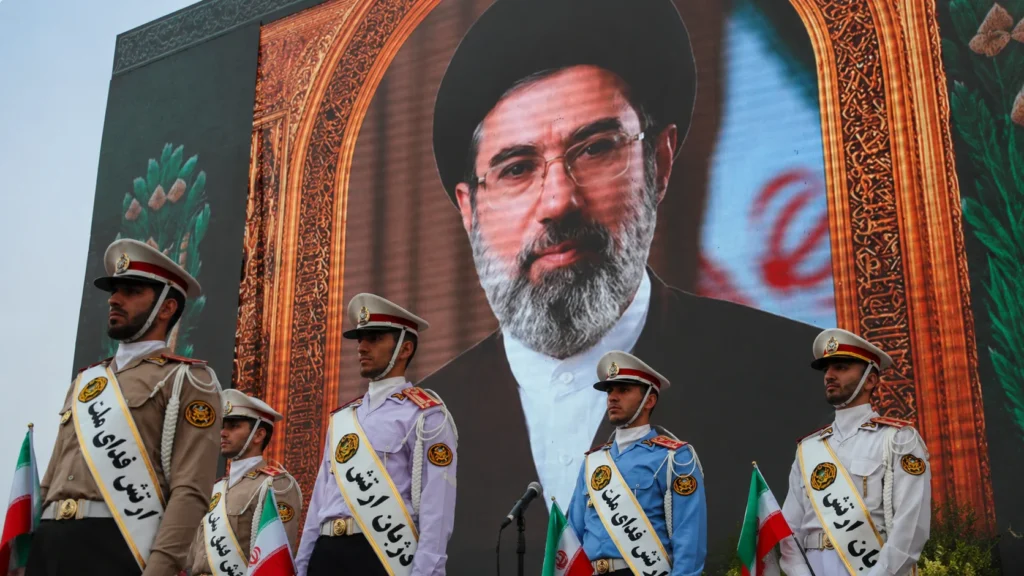
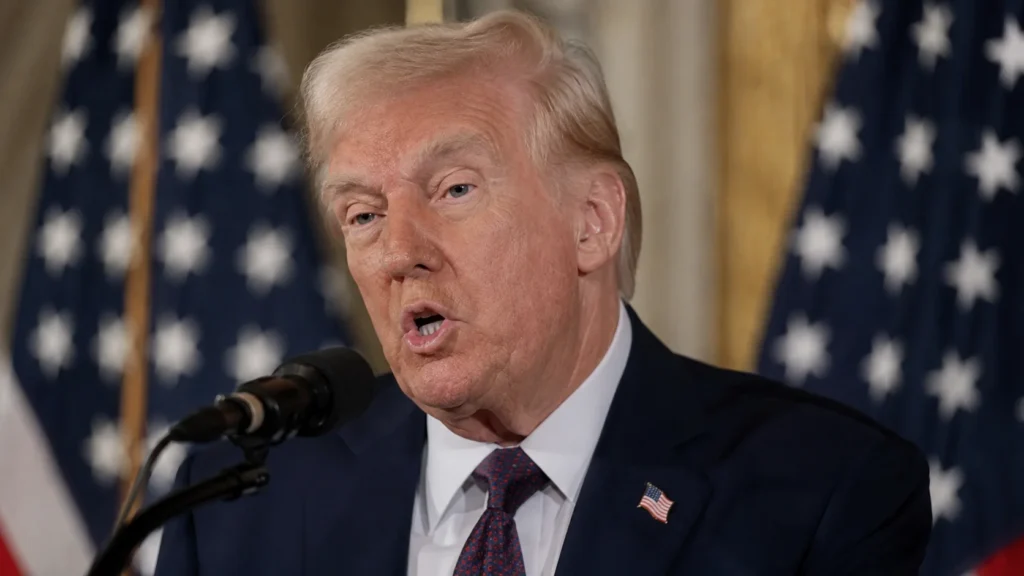
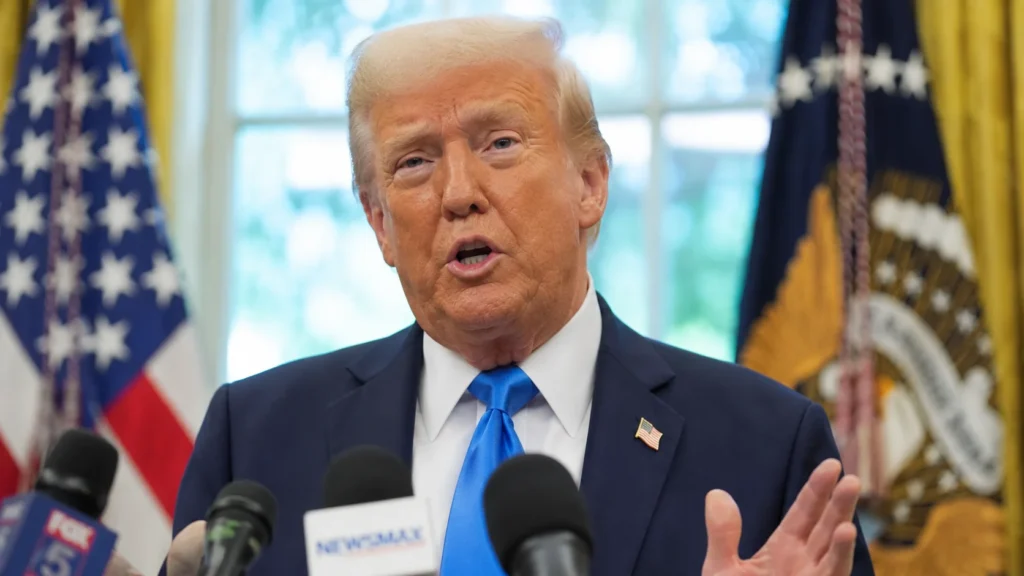
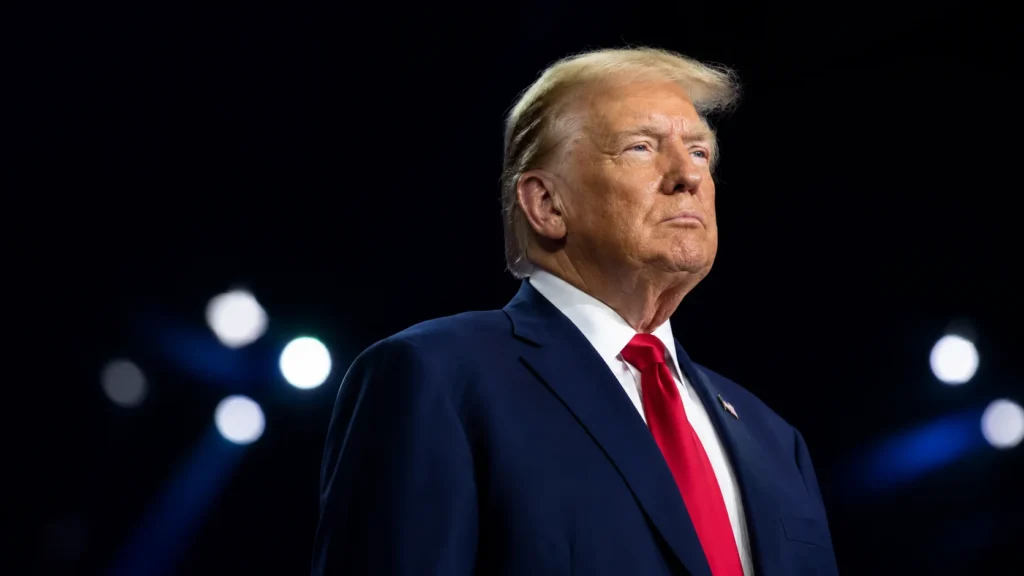
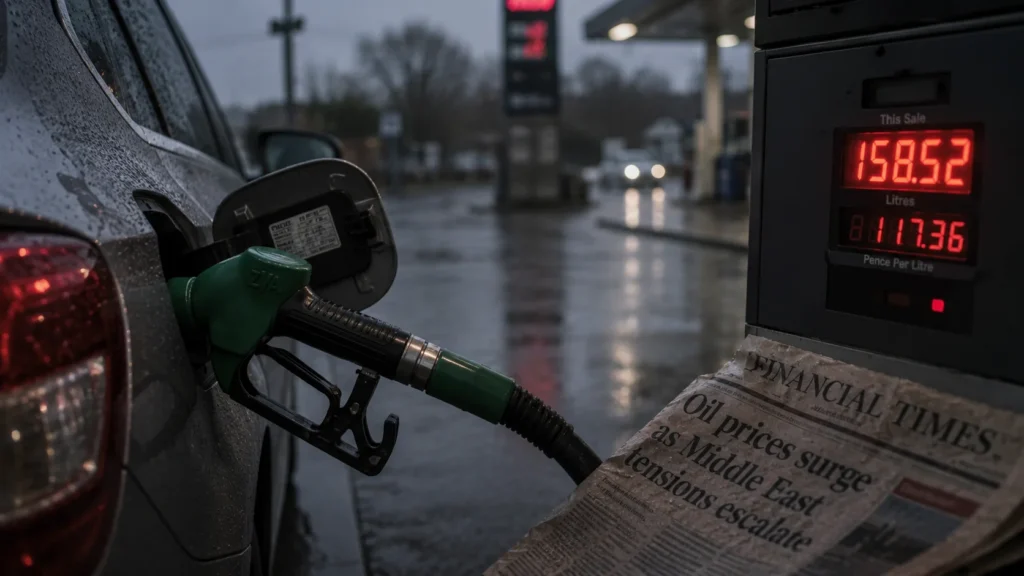
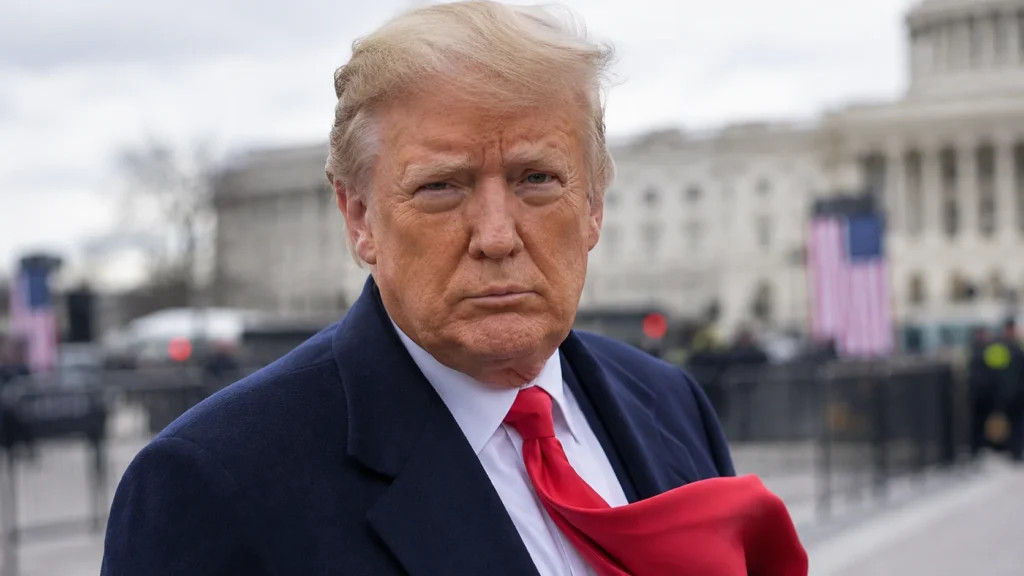
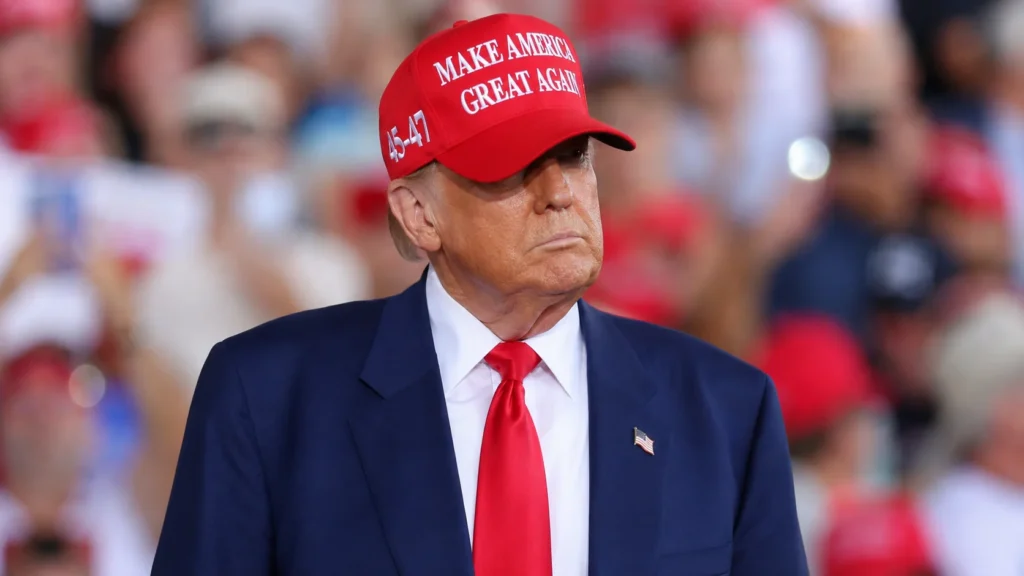
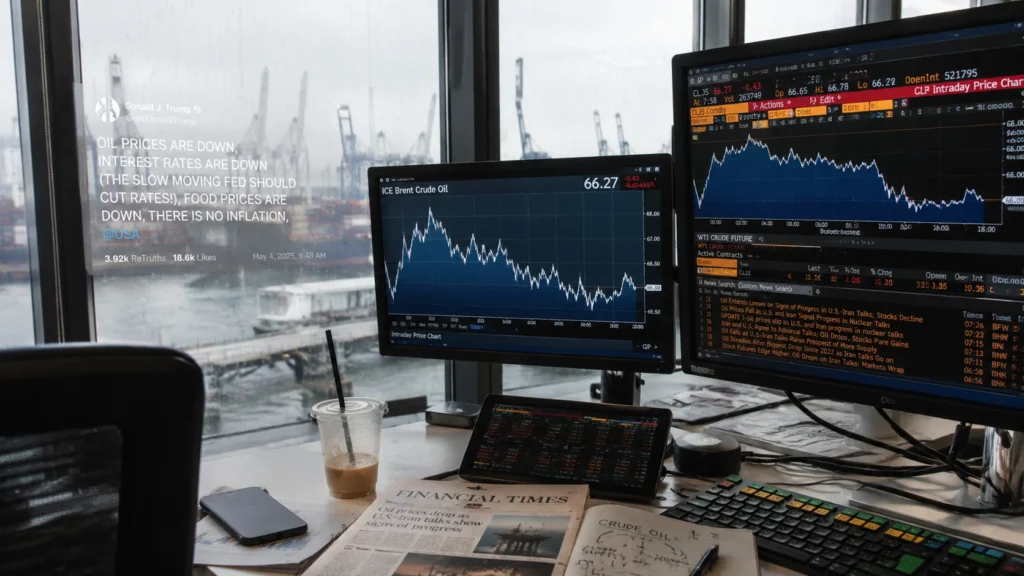
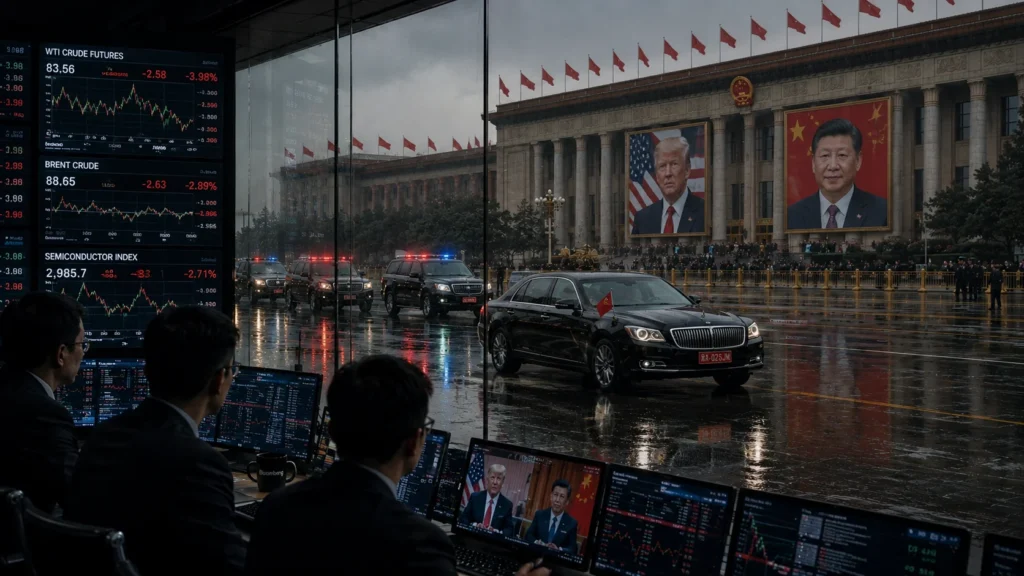
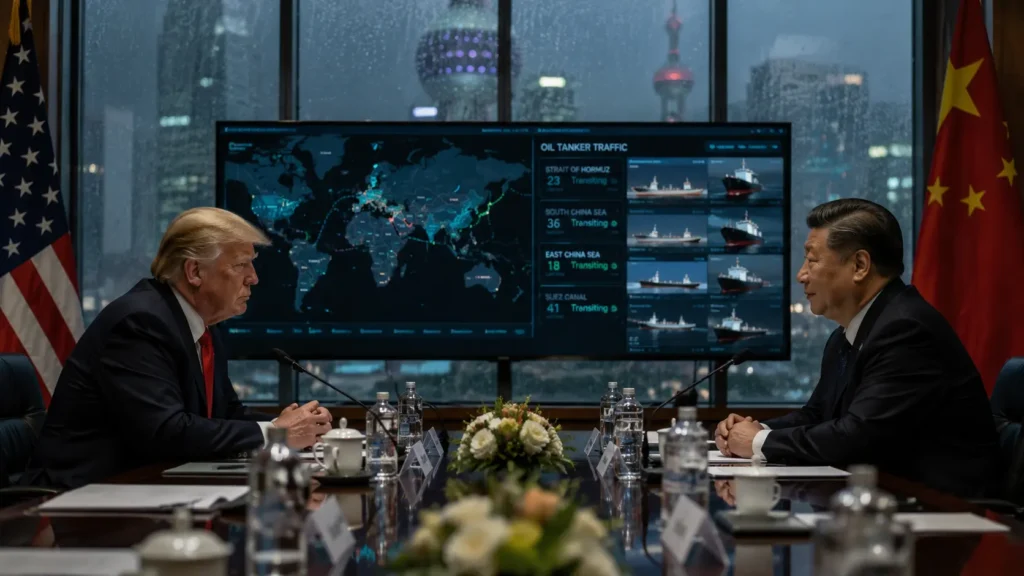
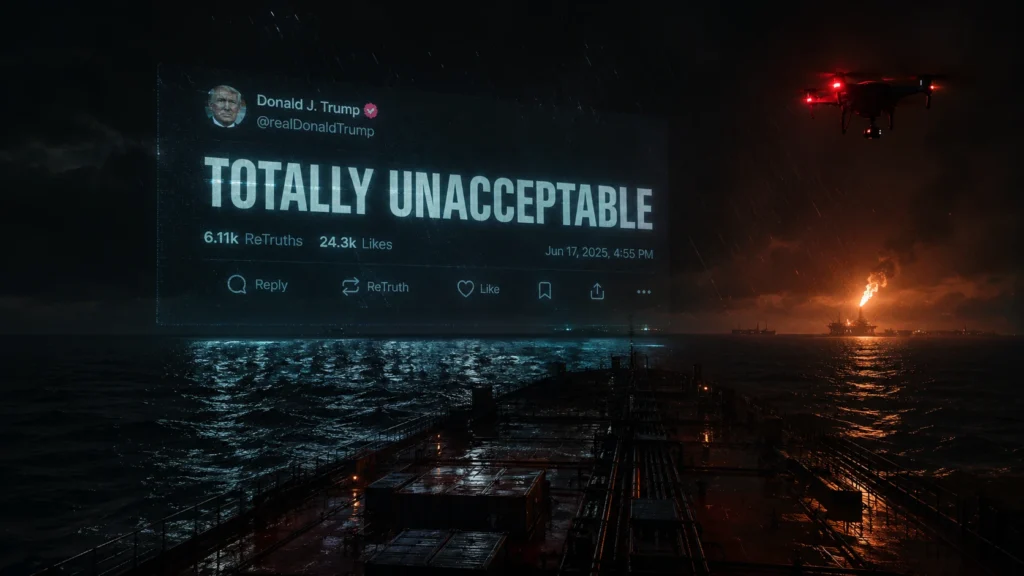
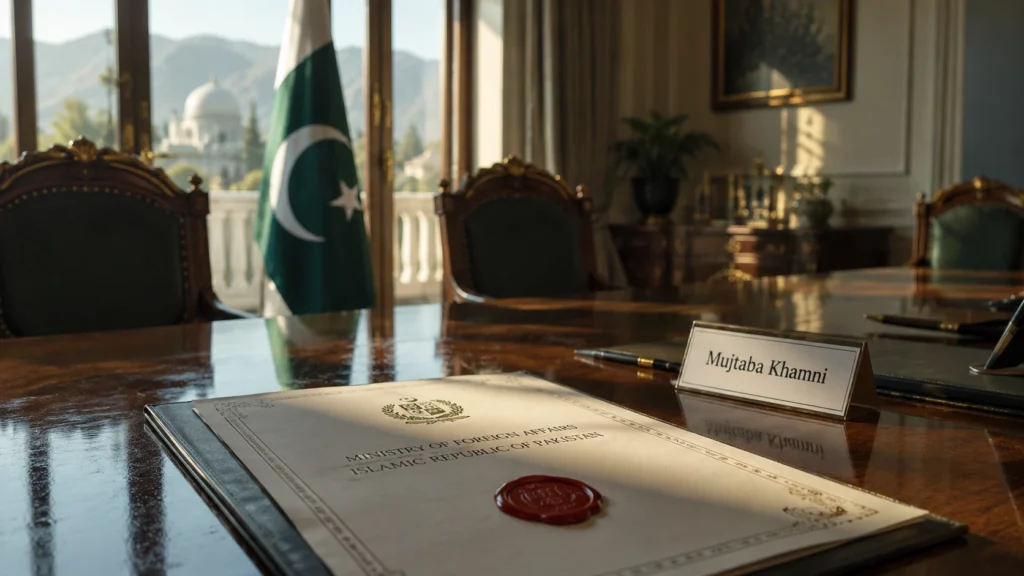
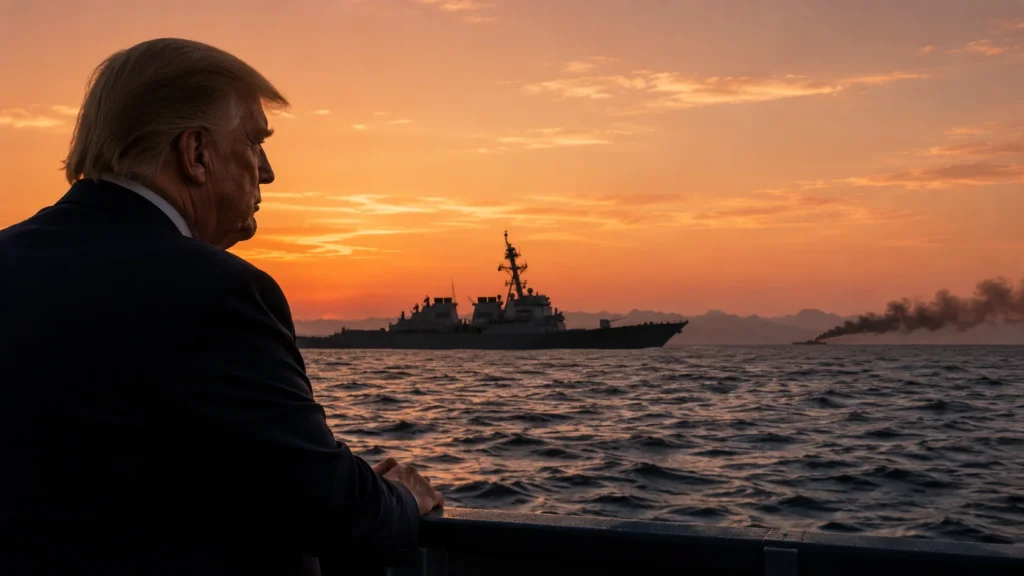
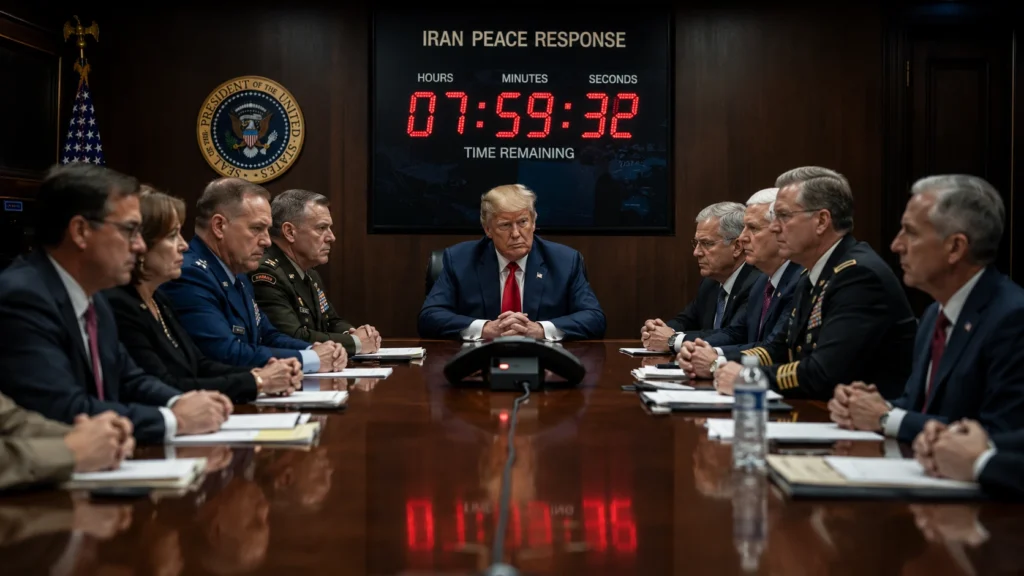
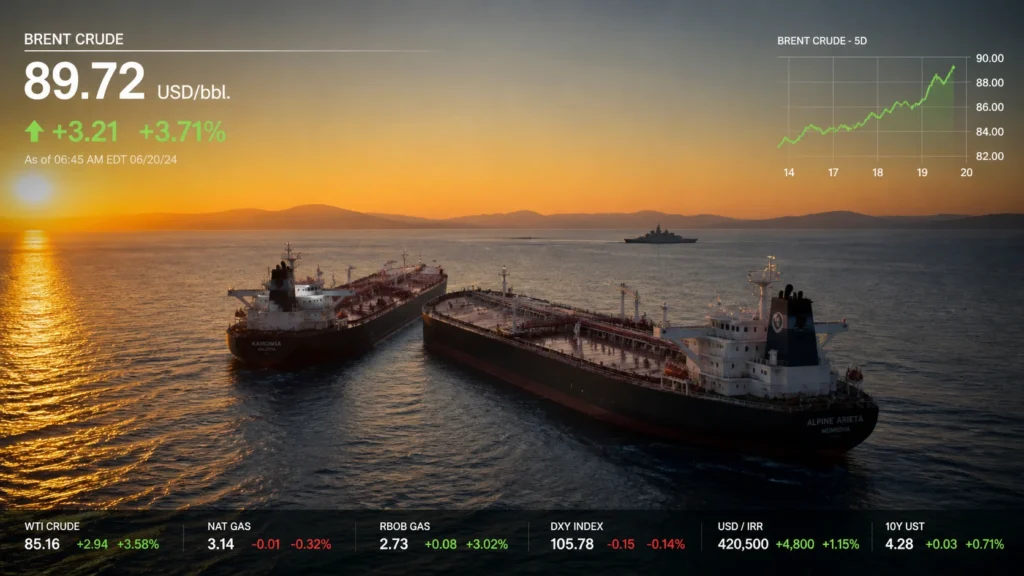
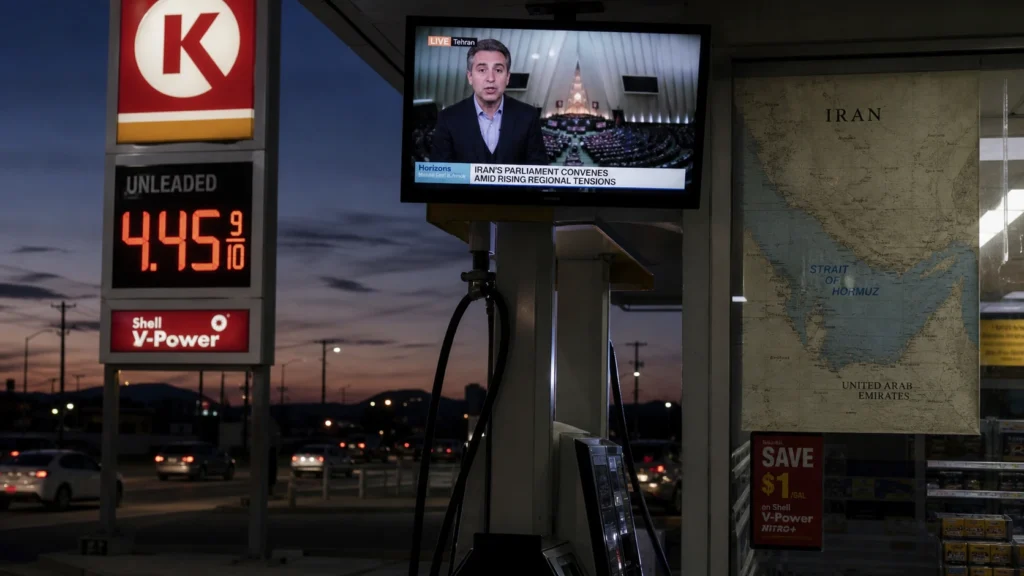
The United States and Iran have agreed to a framework deal to end the war, with mediators Pakistan and Qatar announcing the memorandum of understanding will be signed on Friday in Switzerland. President Donald Trump said the Strait of Hormuz would reopen, the US naval blockade of Iranian ports would end within 30 days, and “oil will flow on both ends again for the Region.” Global markets surged on the news—Japan’s Nikkei 225 closed up 5%, European indexes rose sharply, and Brent crude began retreating from the highs above $95 a barrel reached during the conflict. Iran’s Deputy Foreign Minister Kazem Gharibabadi confirmed the deal on state TV and said that nuclear programme negotiations would follow within 60 days.
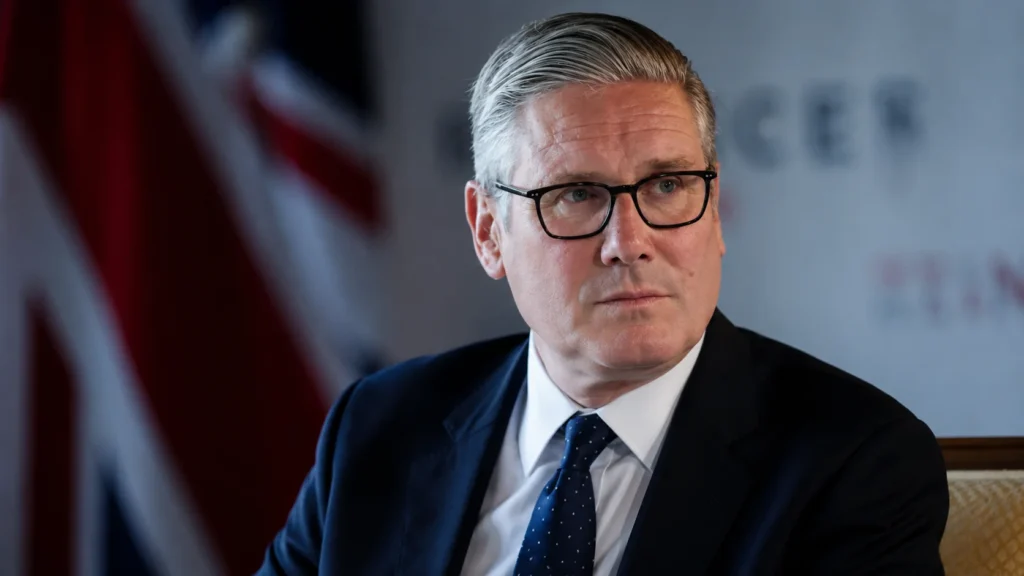
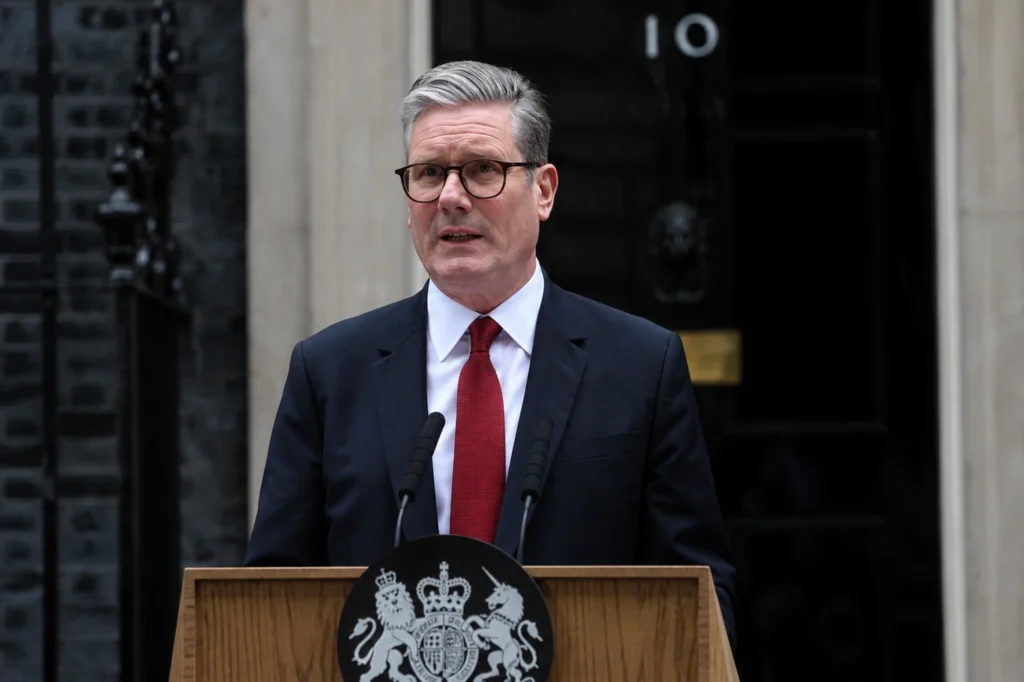
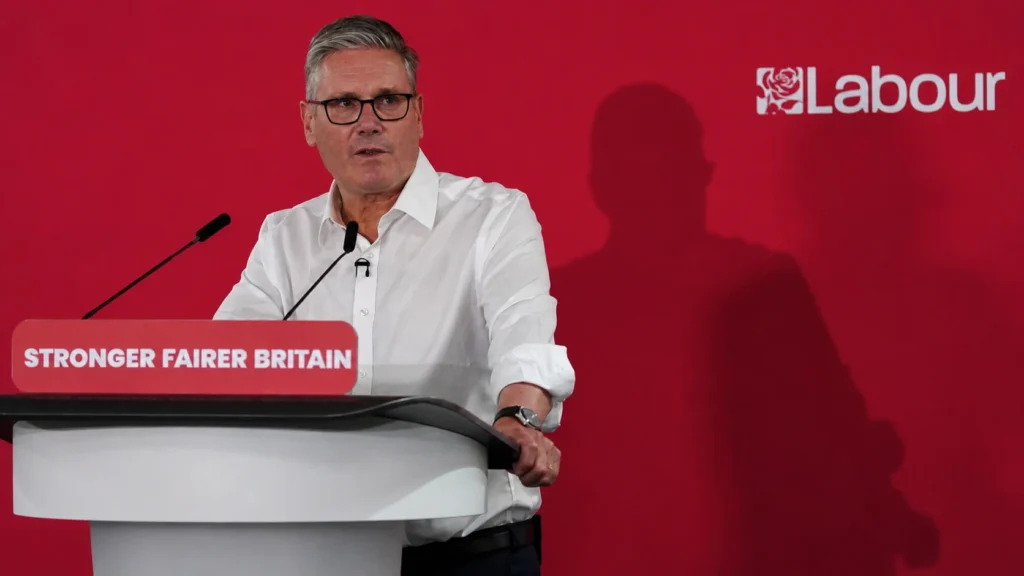
The full text of the agreement has not been published. The details that have emerged describe a framework that postpones the hardest questions—enrichment limits, stockpile disposition, verification, sanctions timing—to a negotiating period that begins after the signing. Israel, which is not a party to the deal, announced its forces would remain in Lebanon “without time limit” and said the agreement “does not bind us in any way.” UK Prime Minister Keir Starmer called the deal “hugely significant,” while European Commission President Ursula von der Leyen said, “the priority now is its swift and full implementation.”
What the Deal Contains—and What It Defers
The framework agreement, as described by Pakistani mediators and Iranian state media, includes several immediate provisions and several that have been postponed.
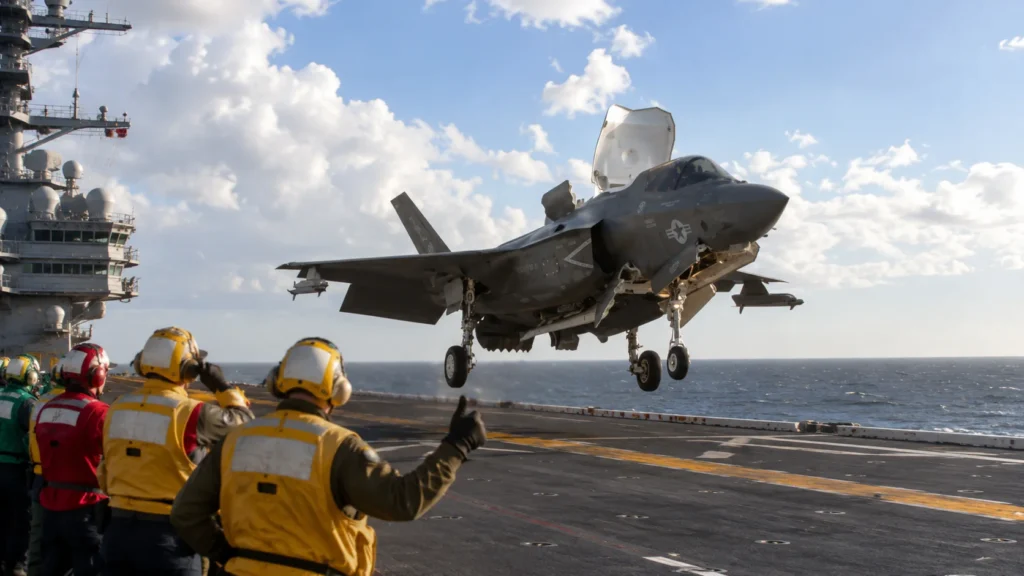
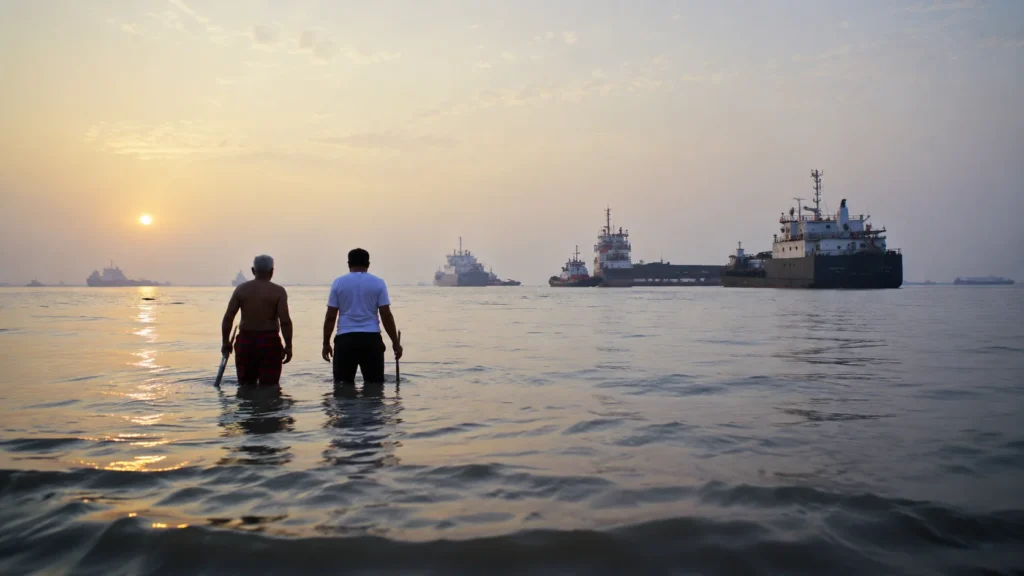
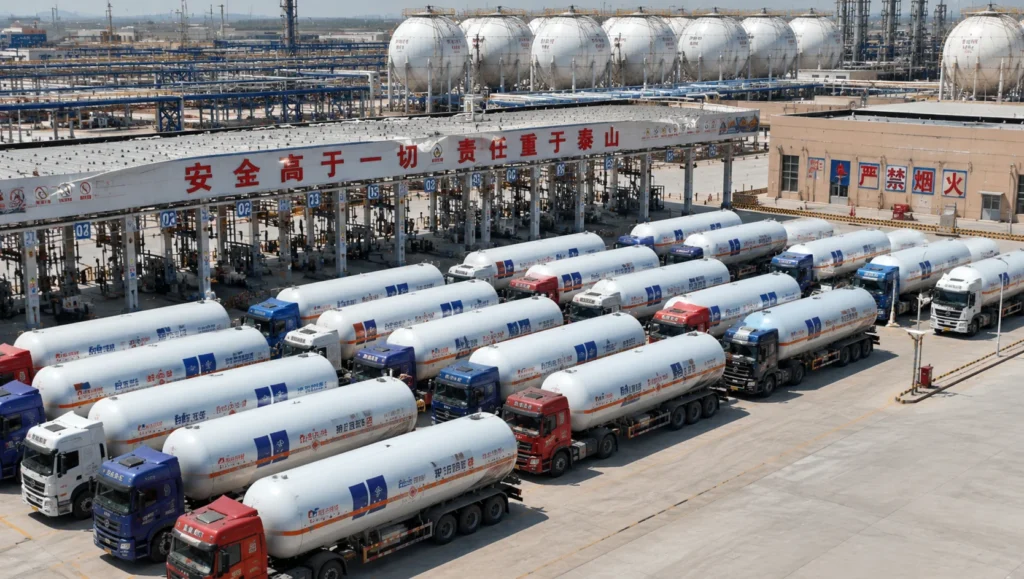
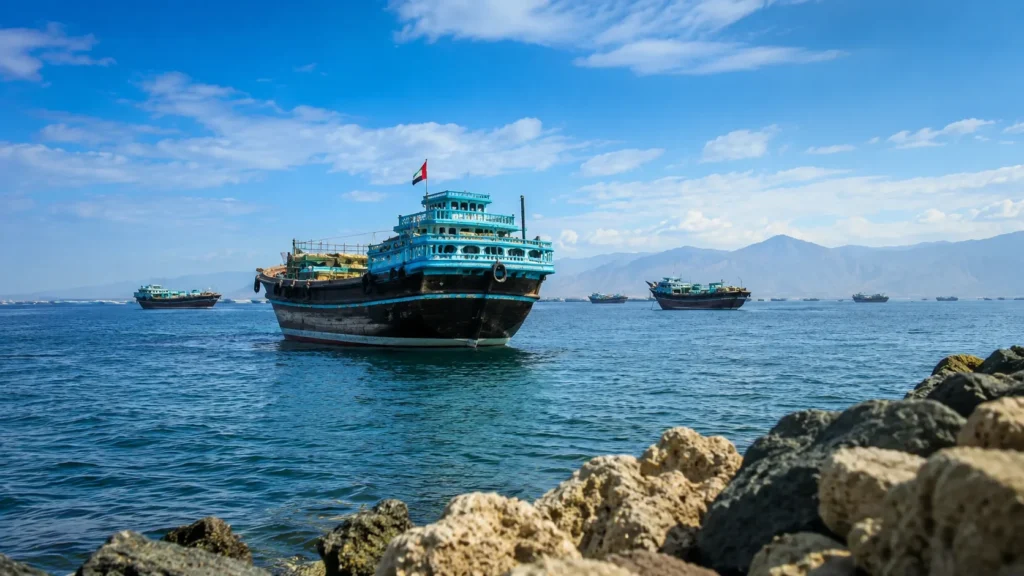
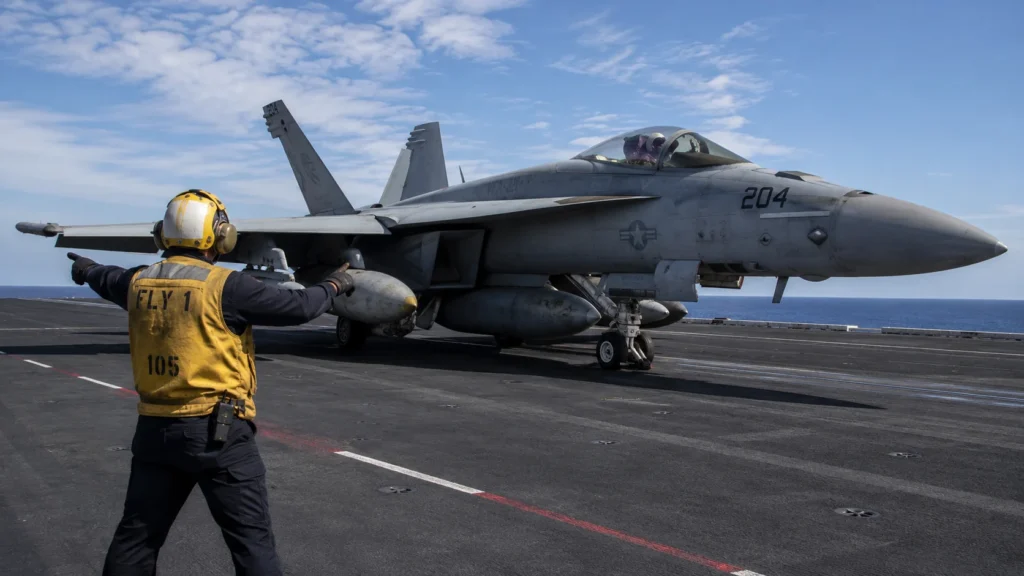
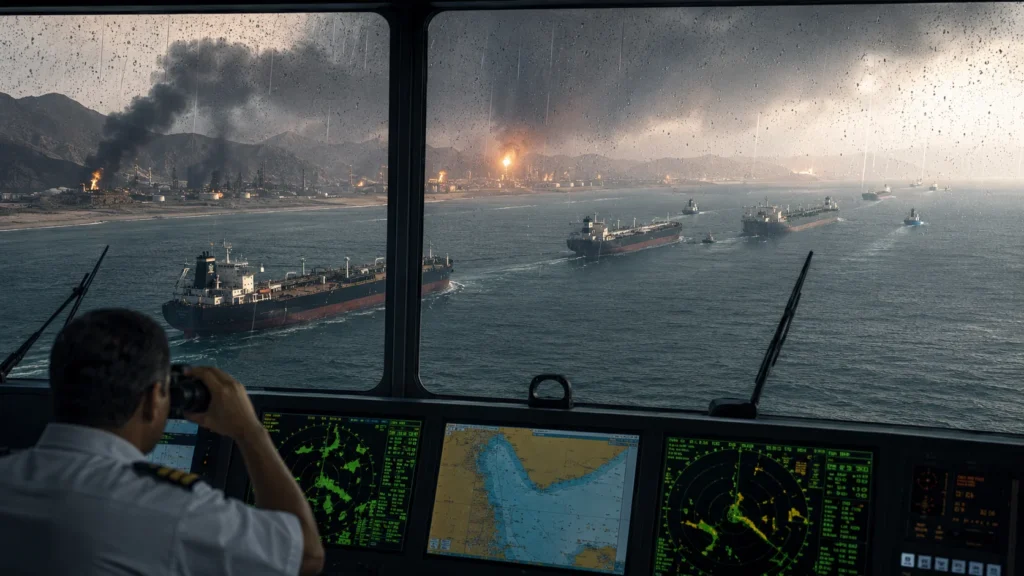
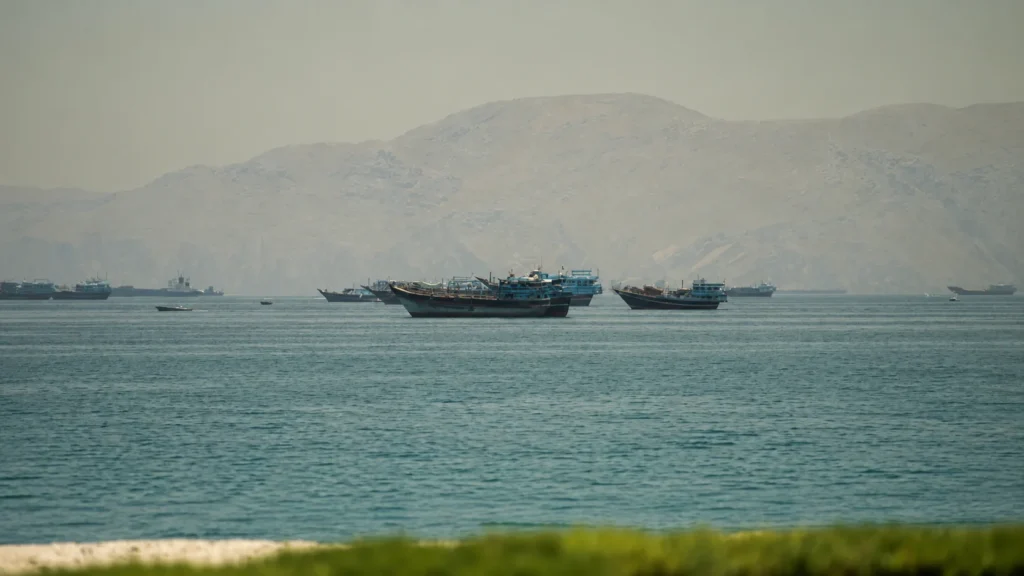
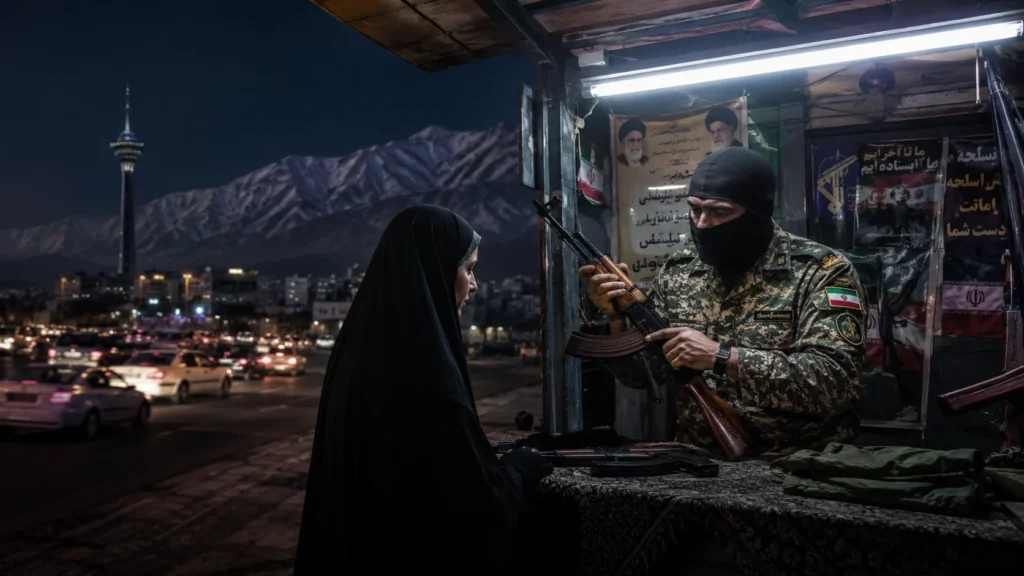
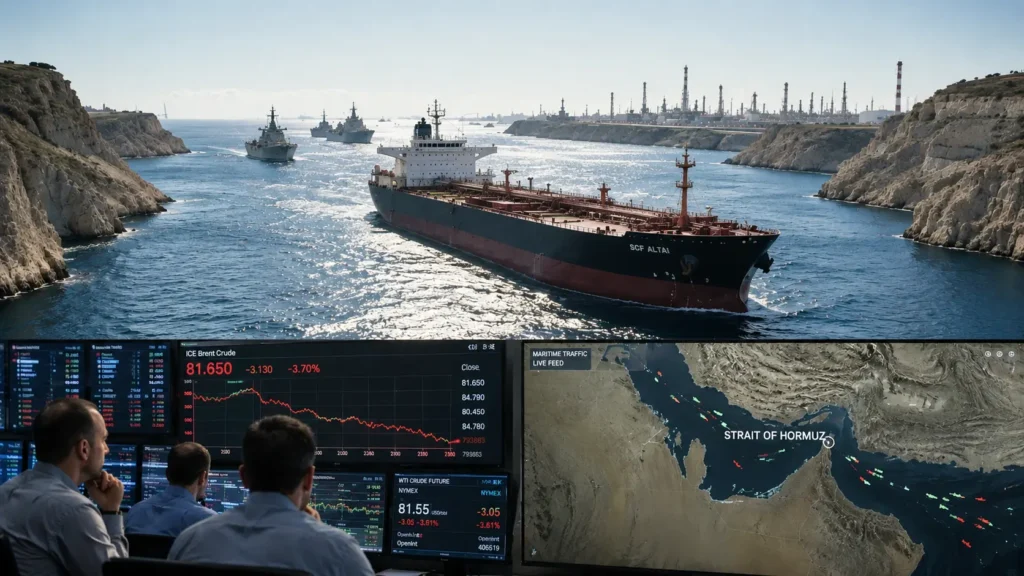
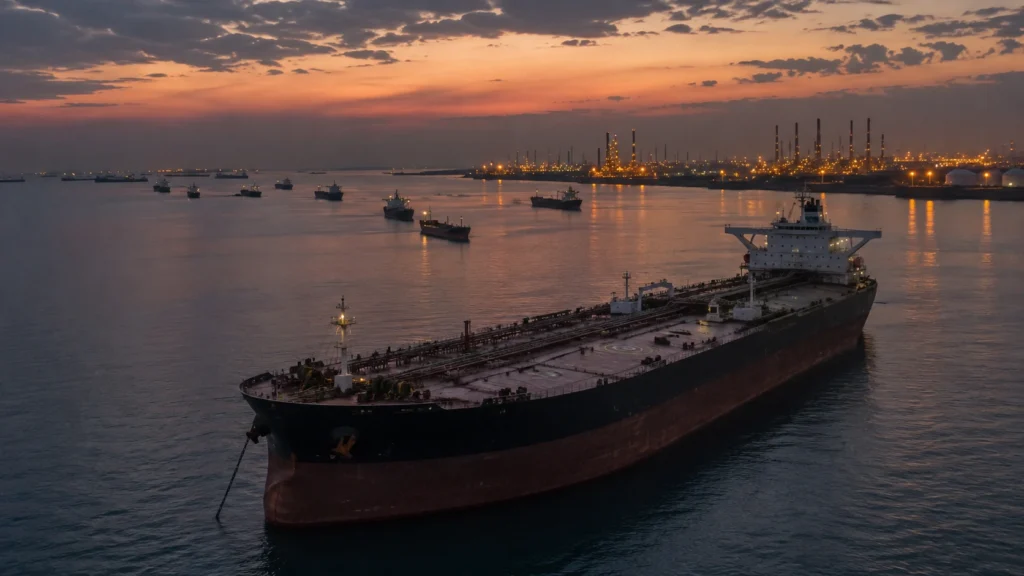
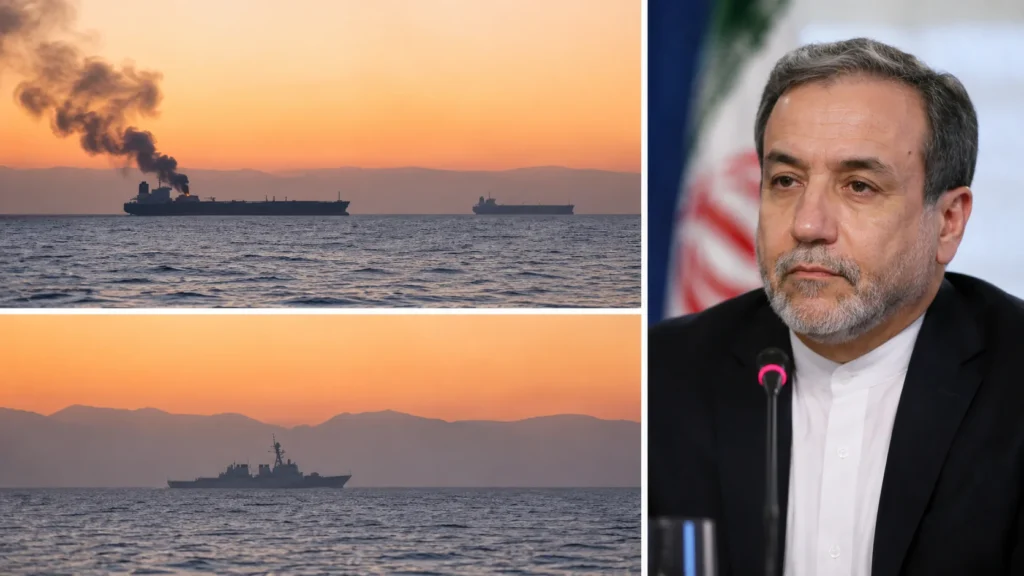
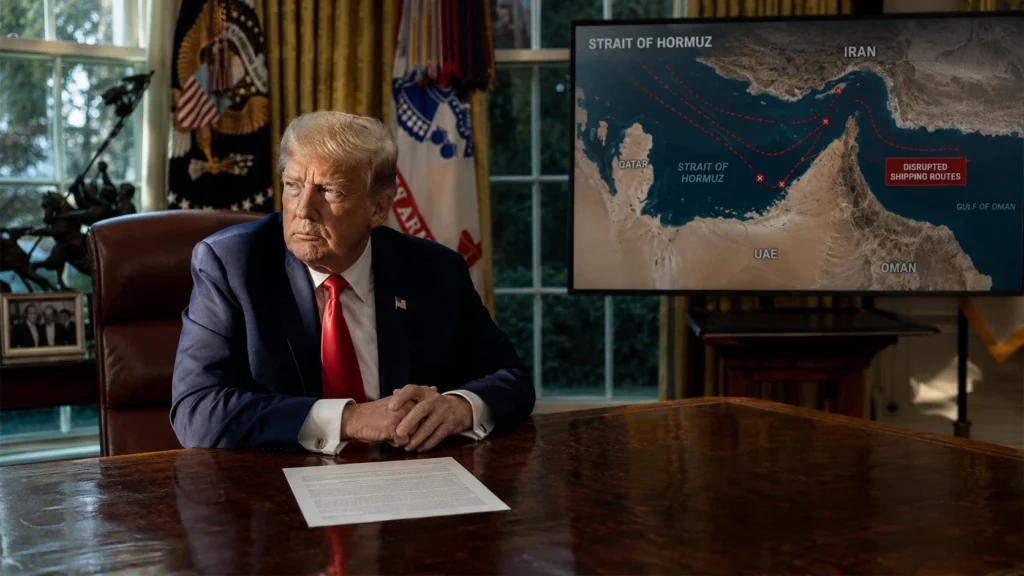
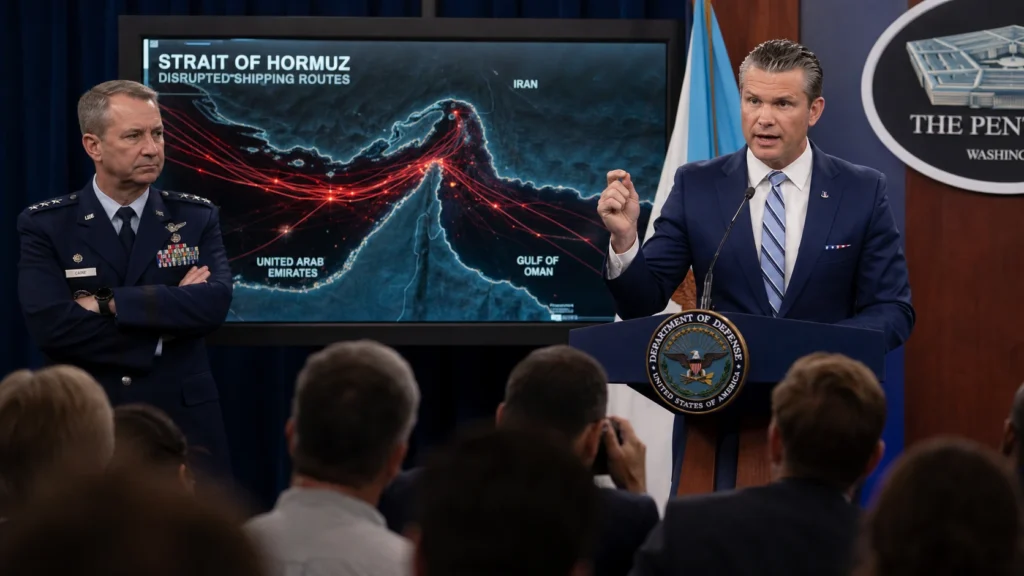
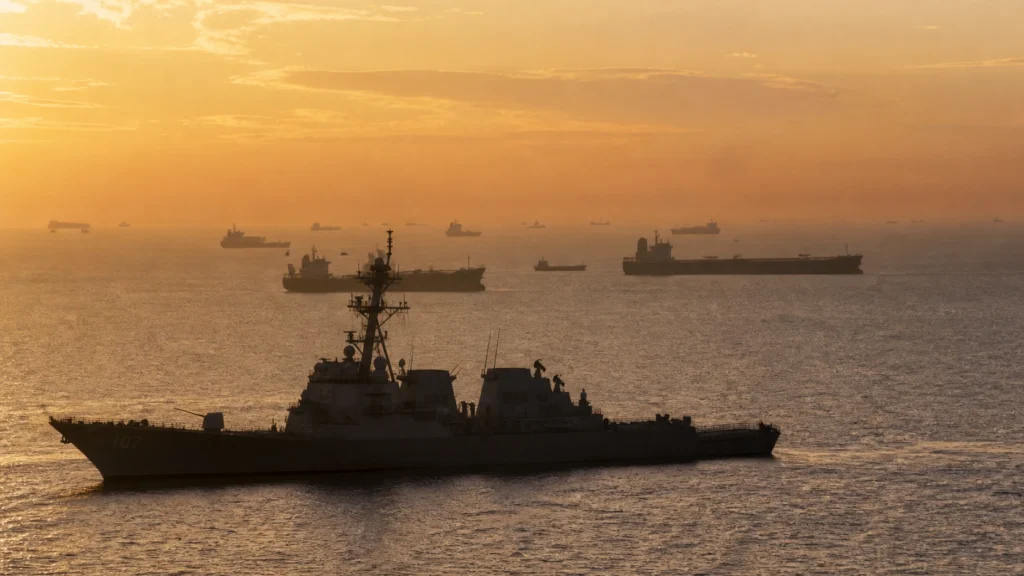
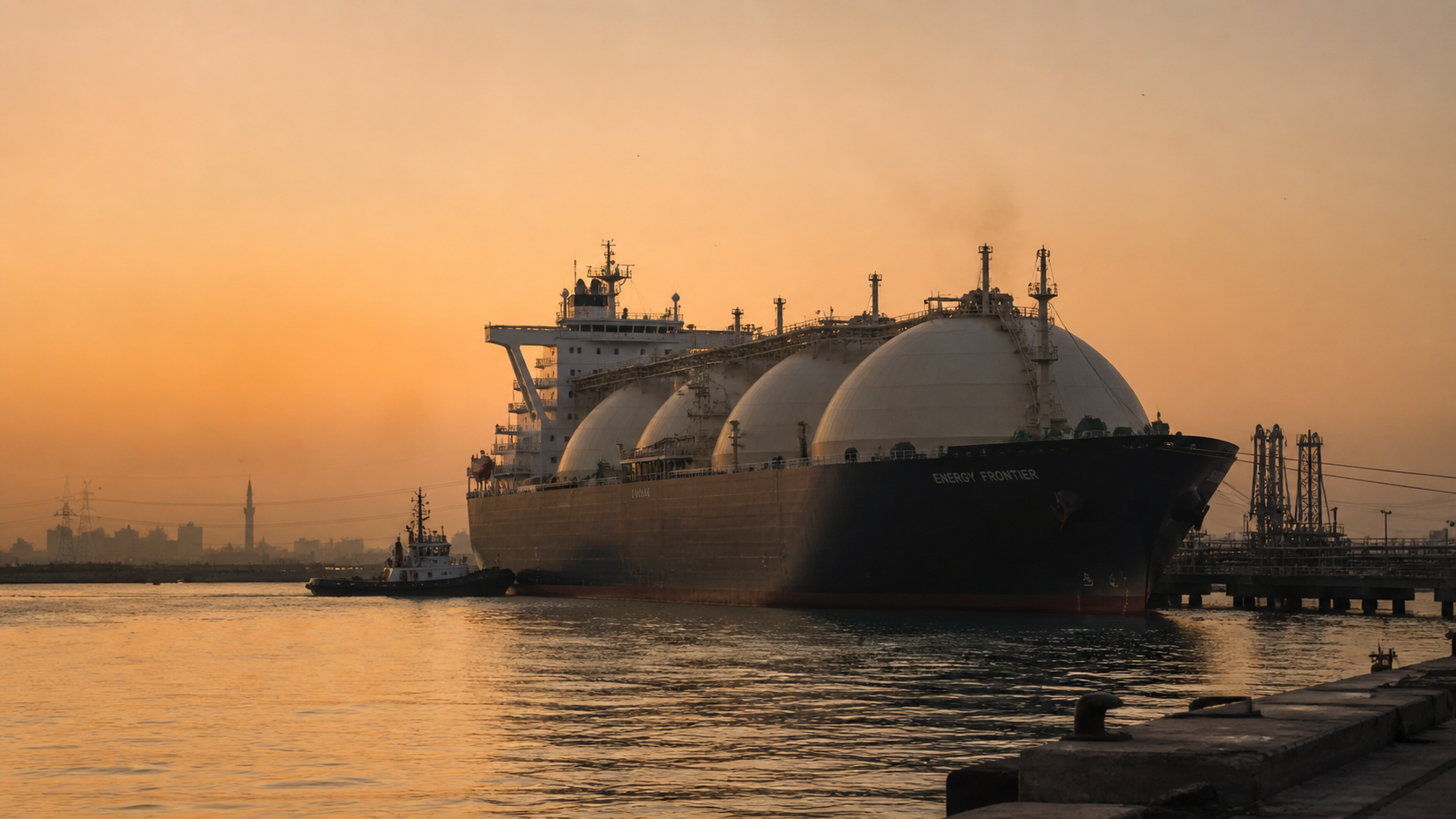
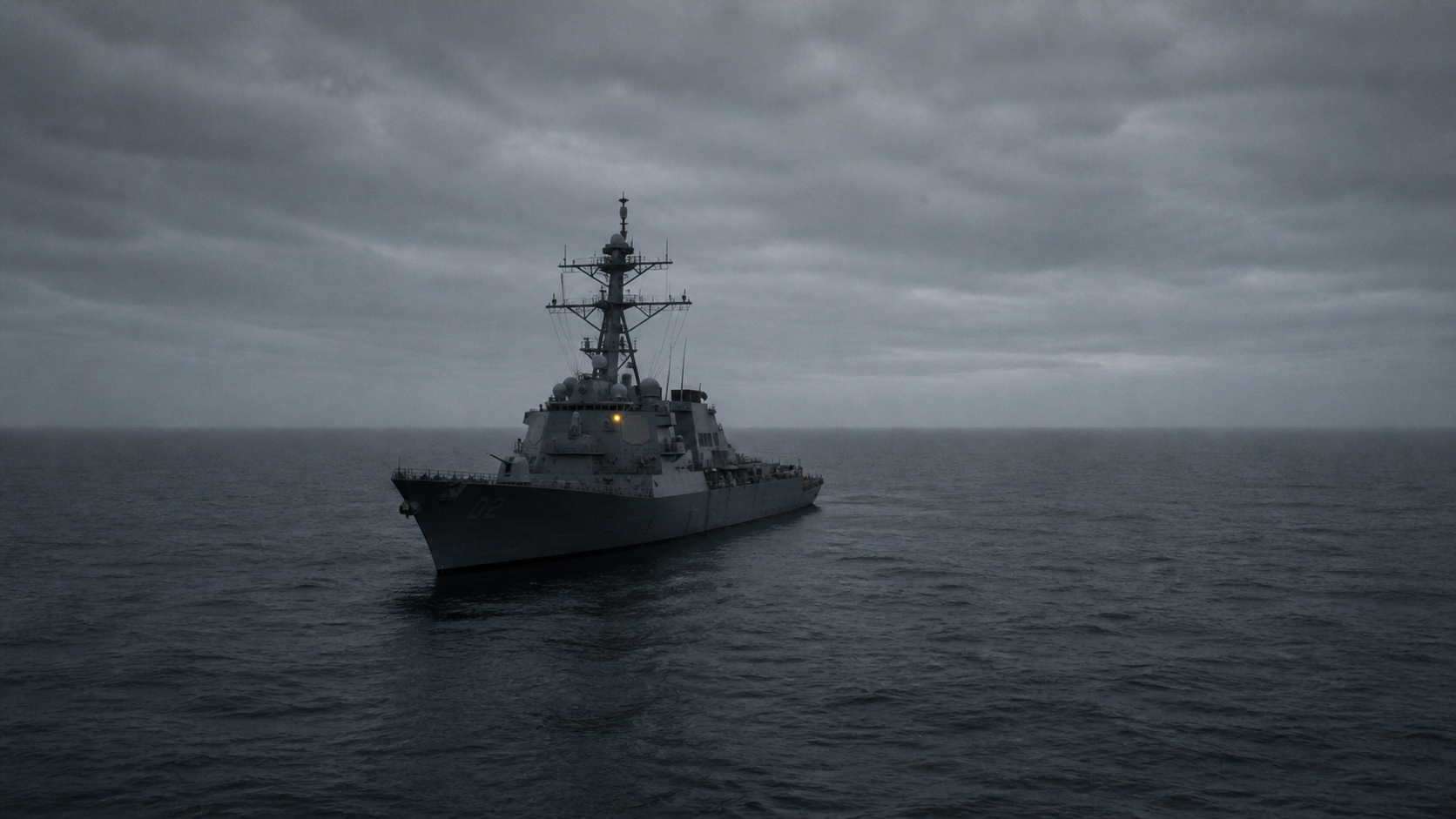
The Strait of Hormuz will reopen. Trump posted that the strait would open “for purposes of mine removal” upon Friday’s signing. The US naval blockade of Iranian ports, which has disabled nine vessels and redirected 142 more since April 13, will end within 30 days. Iran’s semi-official Mehr News Agency reported that the reopening would take place “under Iranian arrangements”—a phrase whose meaning has not been clarified.
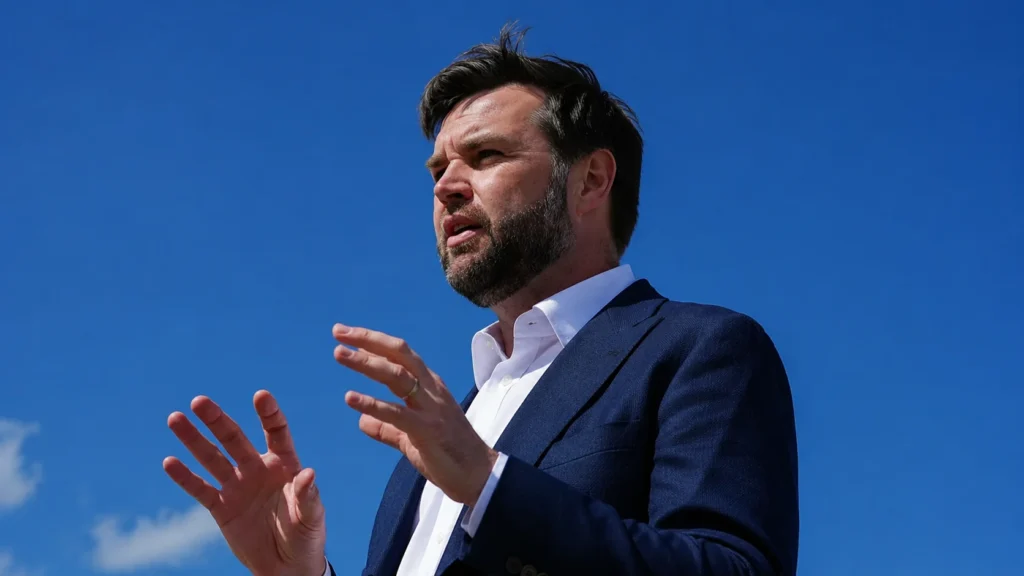
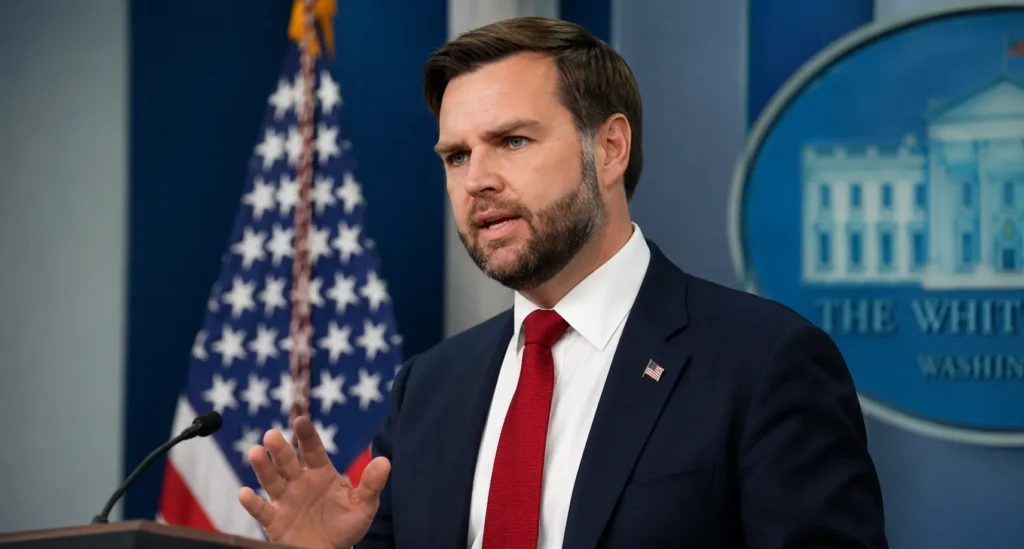
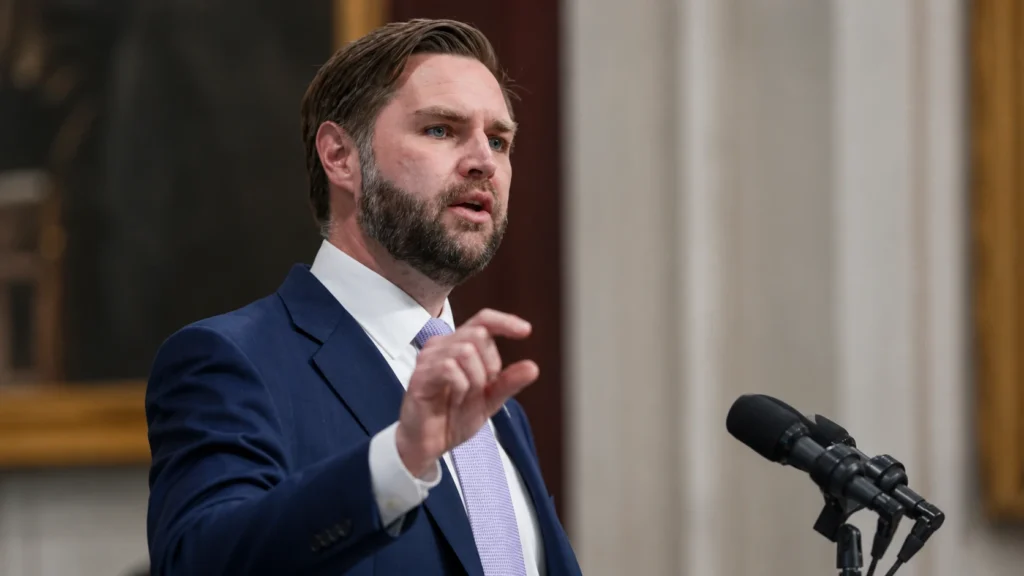
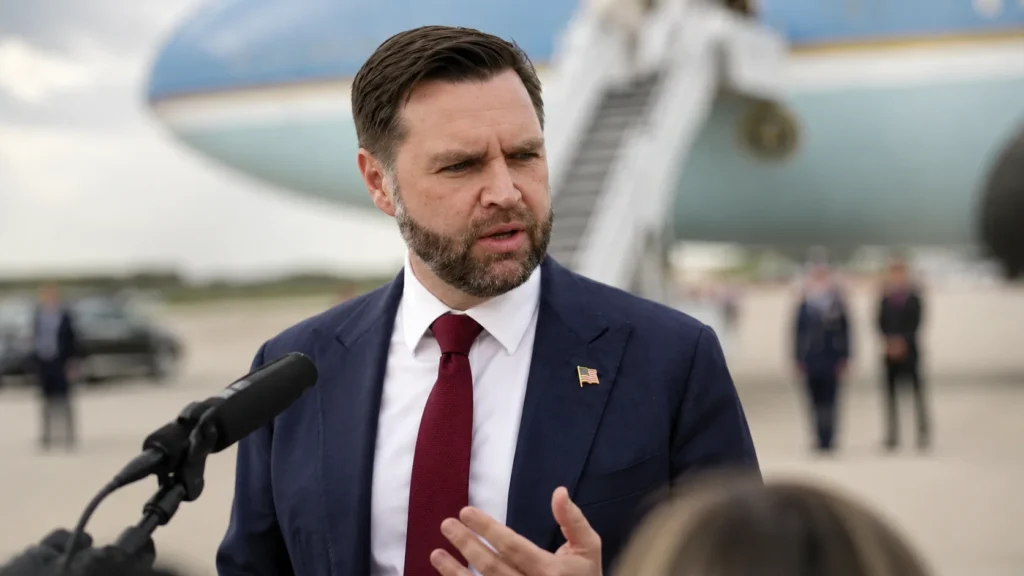
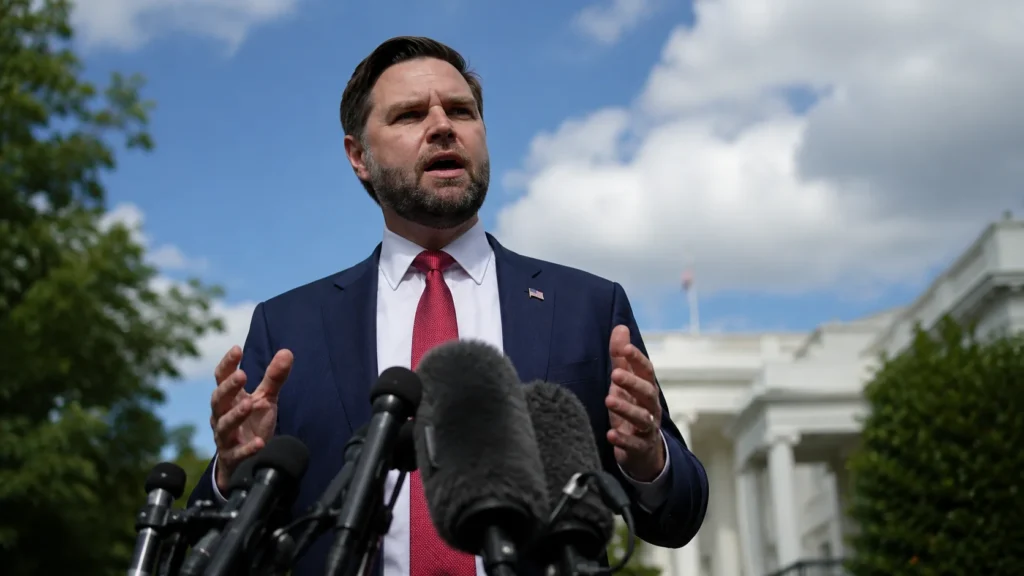
On the nuclear question, Iran commits not to produce nuclear weapons. The two sides will negotiate for 60 days on how to destroy and remove nuclear material, according to Iranian state media. The restrictions on enrichment have not been specified. The fate of Iran’s existing stockpile of highly enriched uranium—material that no non-nuclear-weapons state has held without eventually producing a bomb—has not been resolved. Vice President JD Vance told Fox News interview on Sunday that Iran never possessing a nuclear weapon was “built into this agreement” and that the US would be able to verify compliance. The verification mechanism has not been described.
Sanctions relief will come. The timing is unclear—before or after negotiations on a final deal. Iran’s Supreme National Security Council said: “final negotiations will be postponed until after the implementation of the other party’s commitments under the memorandum.” As previous analysis of US-Iran negotiation patterns documented, the sequencing of sanctions relief versus nuclear concessions has been the central sticking point in every round of talks.
The Lebanon Clause and Israel’s Response
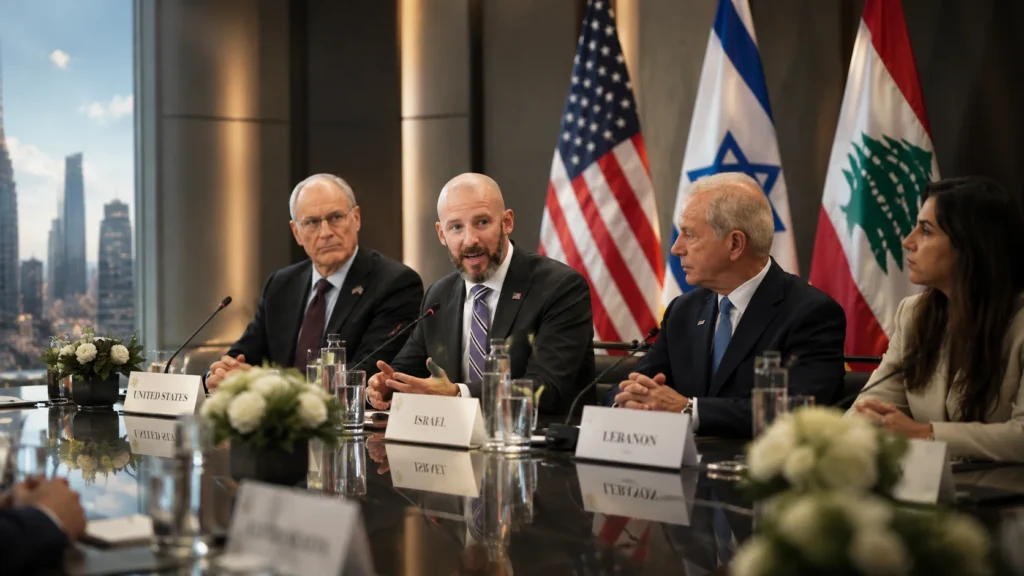
Pakistani Prime Minister Shehbaz Sharif, a key mediator, said the deal includes an end to “military operations on all fronts, including in Lebanon.” Lebanese President Joseph Aoun welcomed the clause. Parliament Speaker Nabih Berri, closely aligned with Hezbollah, praised it as a “blinding” provision requiring Israel to end attacks on Lebanon.
Israel’s response was immediate and at odds with the text. Defence Minister Israel Katz announced the Israel Defense Forces would remain in Lebanon “without time limit,” maintaining “security zones” in Lebanon, Syria, and Gaza. National Security Minister Itamar Ben-Gvir declared: “We are not partners to this agreement that does not ensure our security, and it does not bind us in any way. Every launch of a drone, UAV, or missile toward Israel from Lebanon will lead to an Israeli strike in Dahiya.”
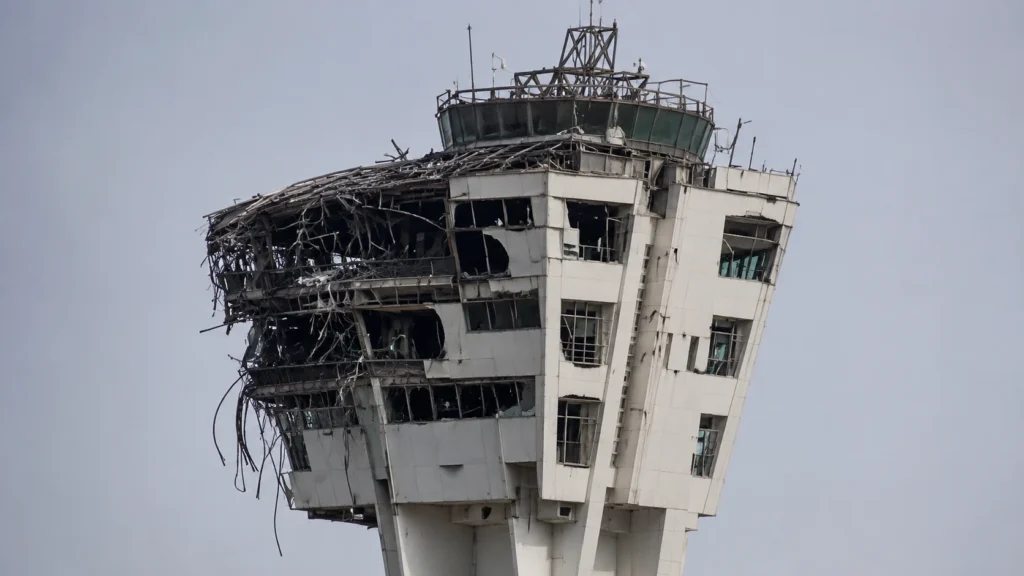
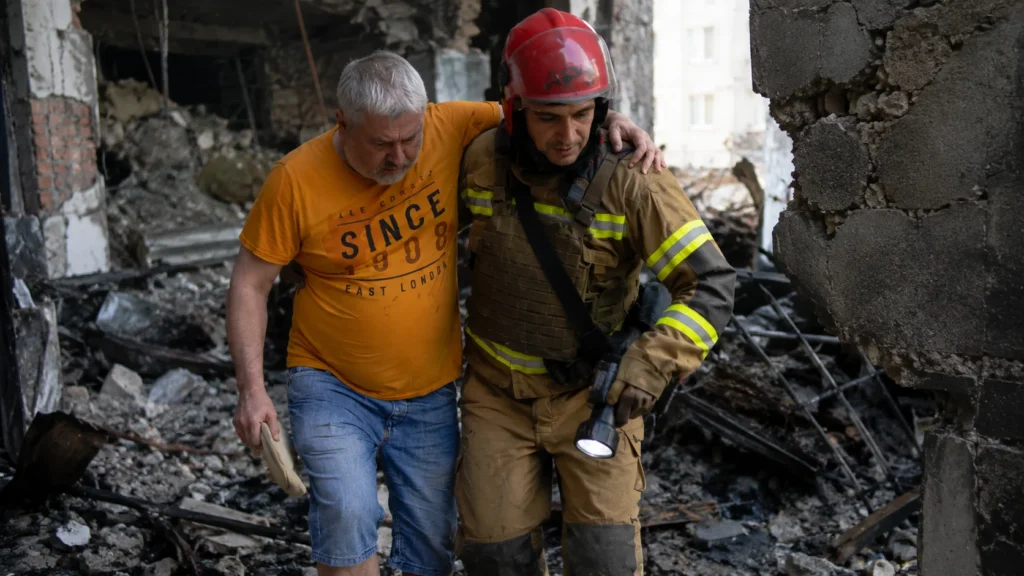
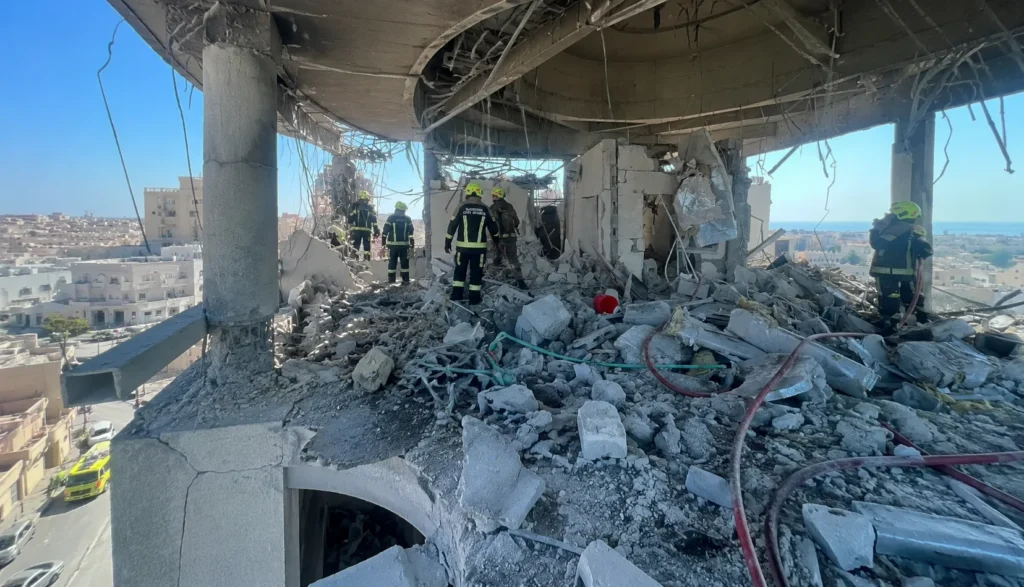
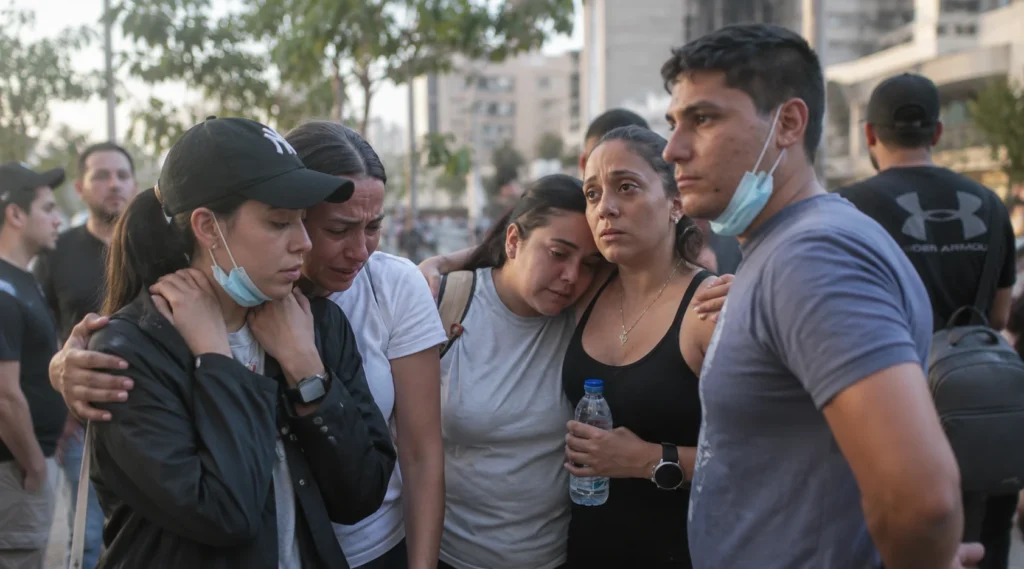
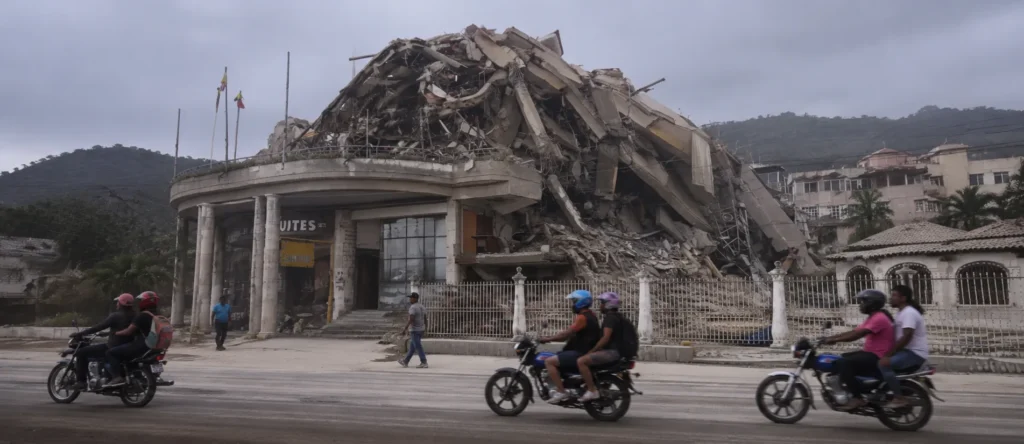
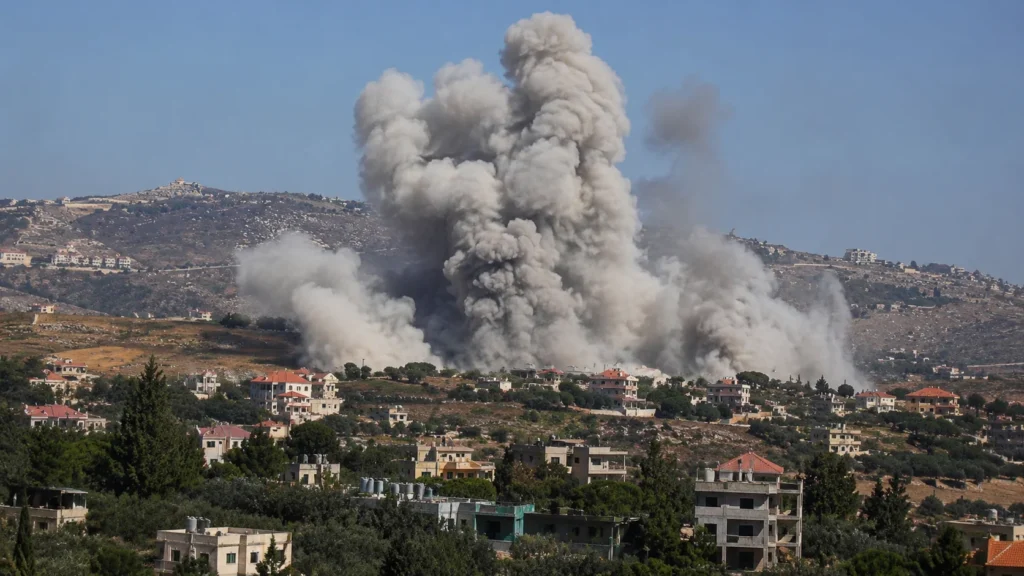
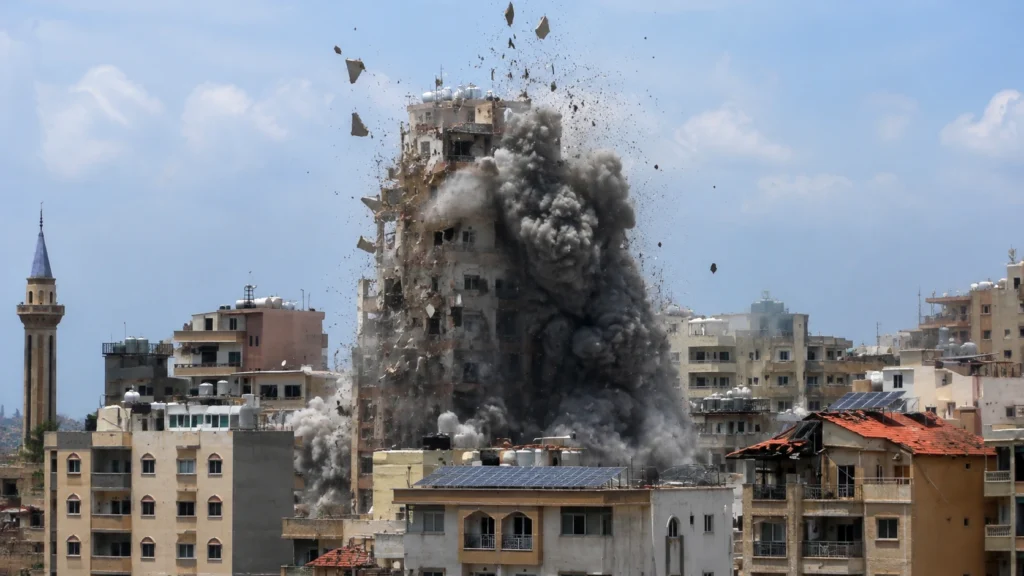
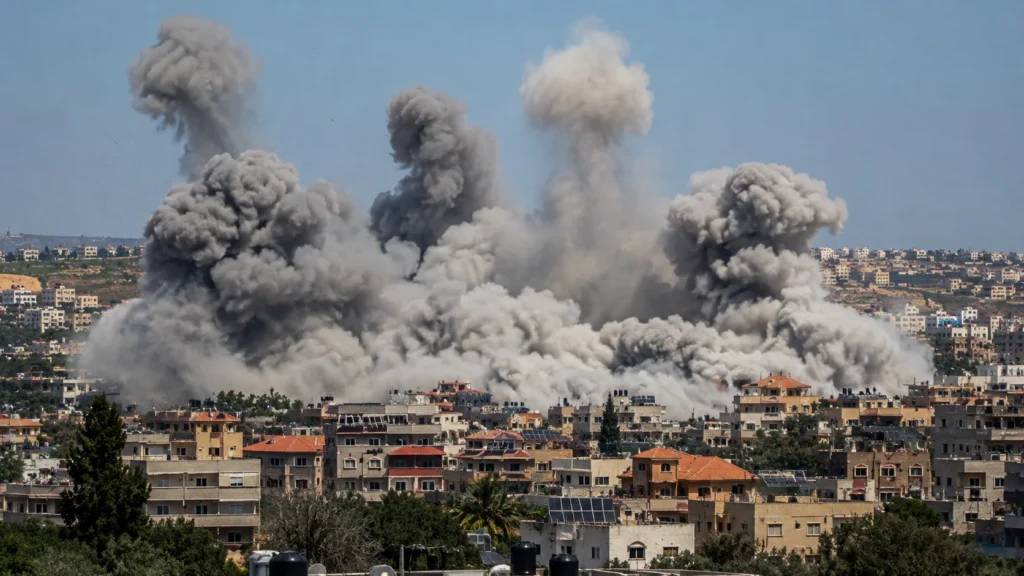
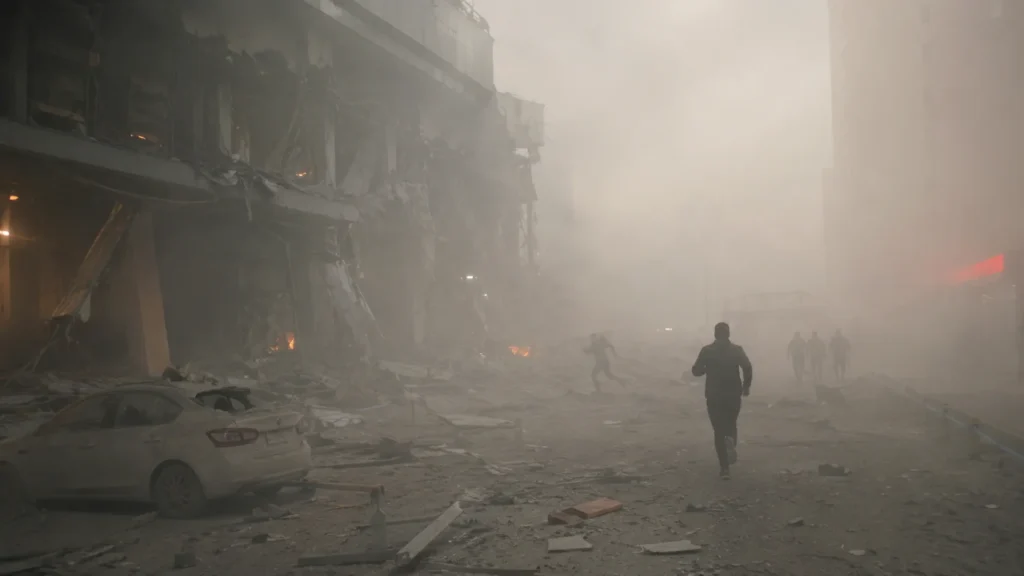
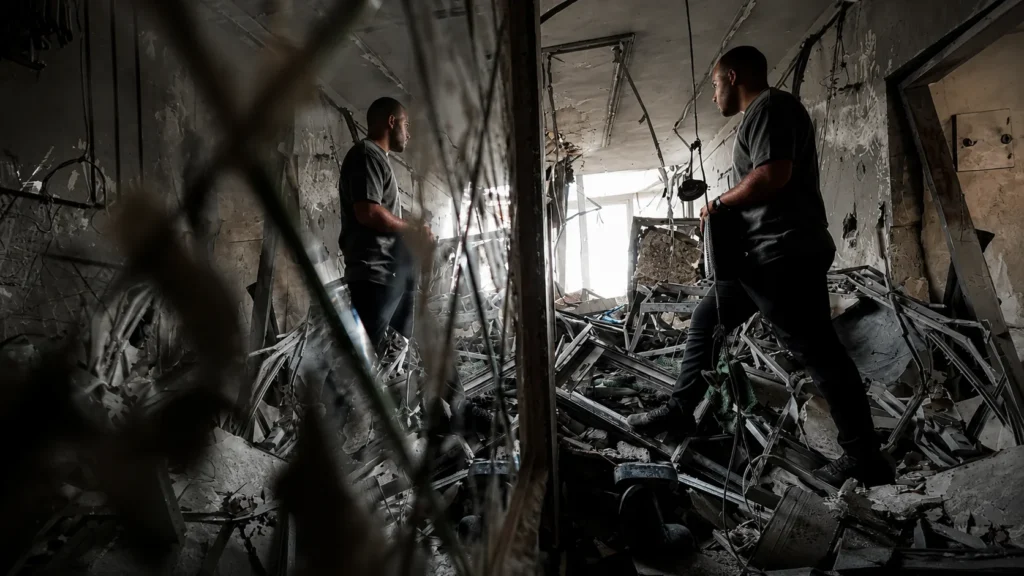
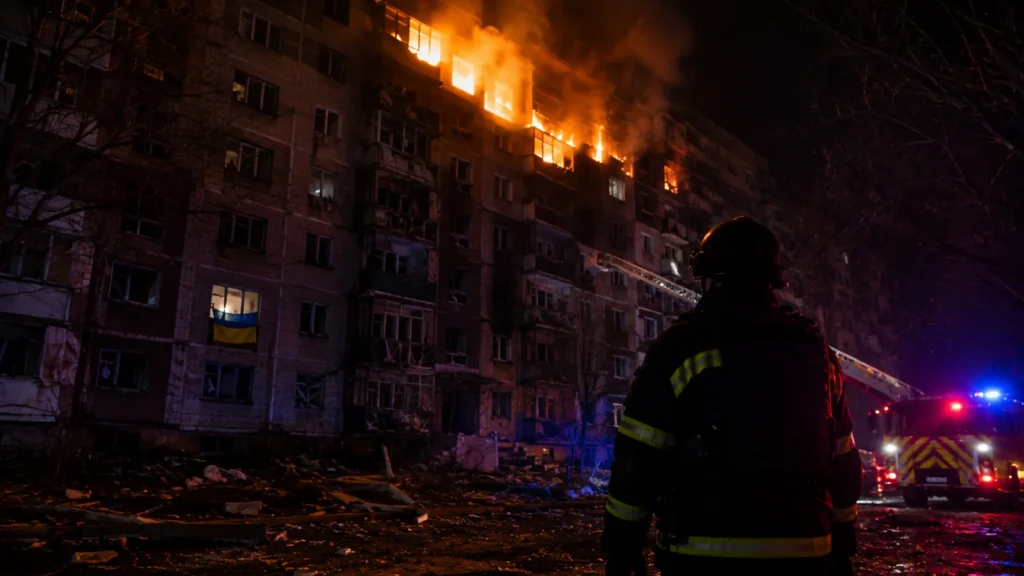
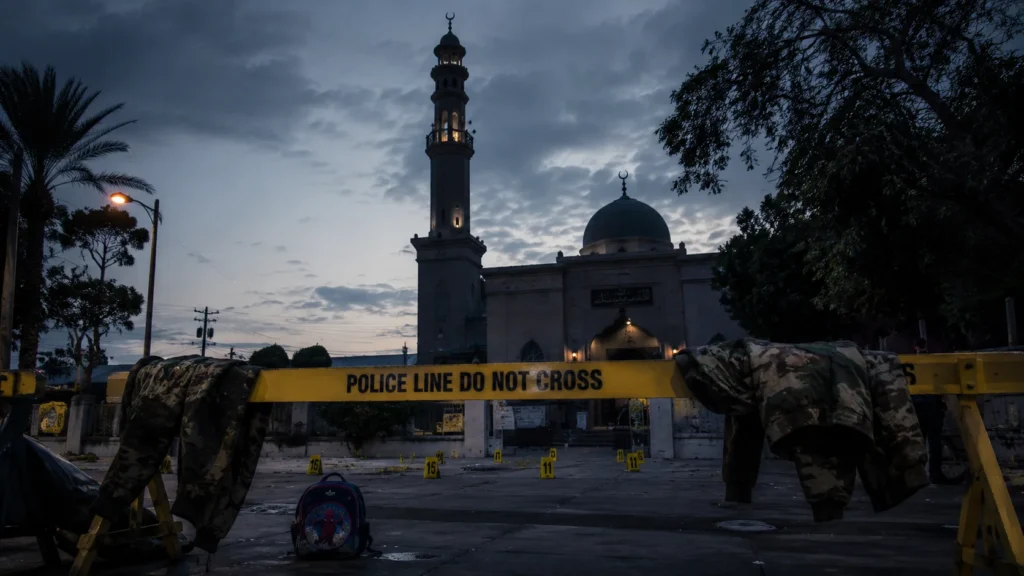
The gap between the framework’s Lebanon clause and Israel’s stated position is the gap where the deal’s durability will be tested. The clause is a text. The IDF’s presence in southern Lebanon is a fact. More than 3,700 people have been killed in Lebanon since the conflict began. Roughly 5% of the country’s territory is under Israeli occupation. One million people remain displaced. As Lebanon conflict humanitarian impact assessment has tracked, some displaced families have started returning to their villages despite warnings—in one video, residents found an Israeli tank blocking a street.
The Strait and the Economic Relief
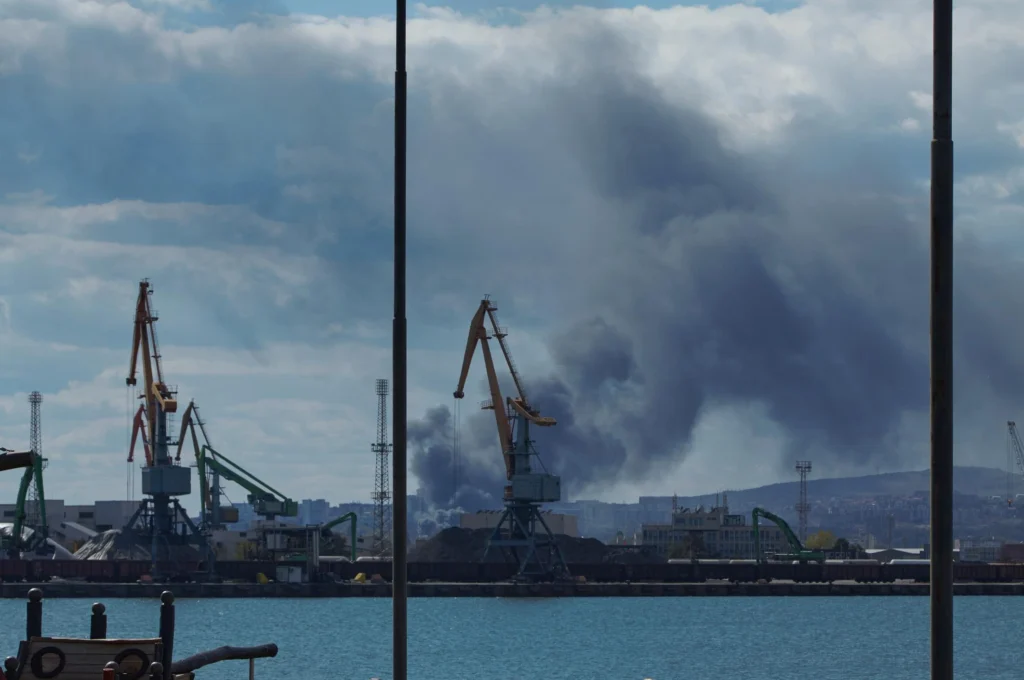
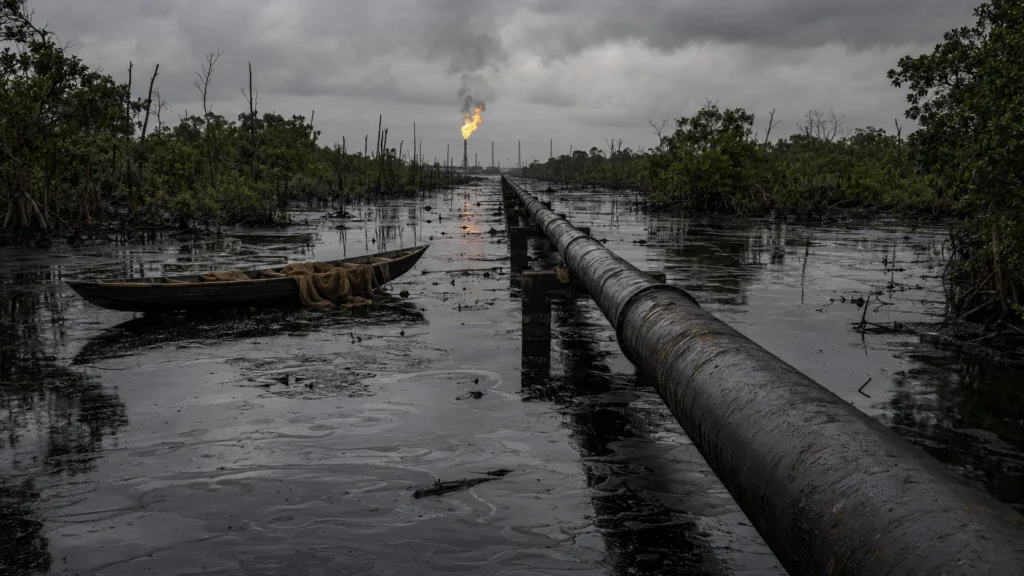
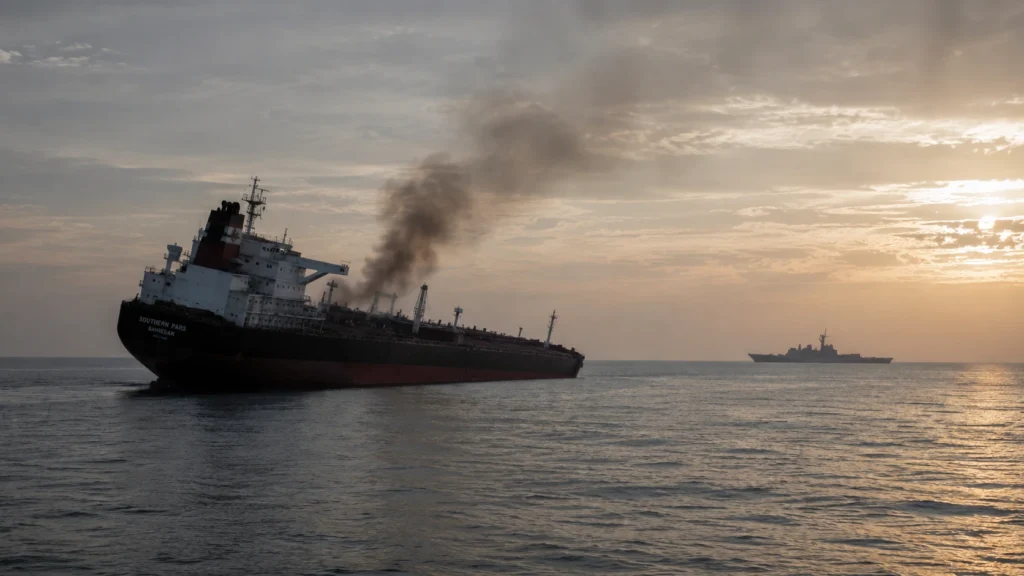
Before oil can flow freely, the mines must be cleared. Retired US Navy Rear Admiral Mark Montgomery told BBC Radio 4 Today programme that mine clearance in the Strait of Hormuz could take “weeks to months.” Full relief on oil exports could take up to two months once traffic resumes, though some “obvious relief” could come within a week.
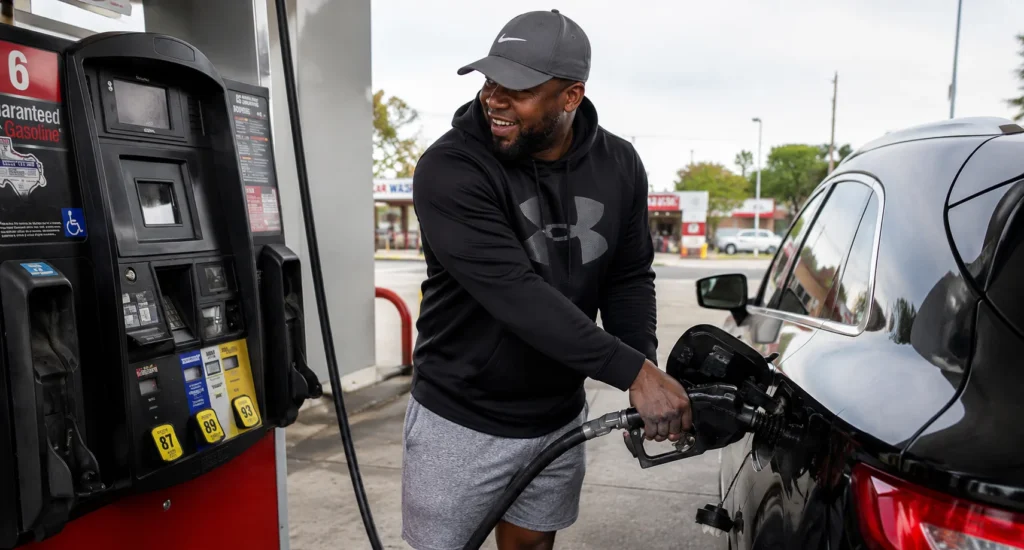
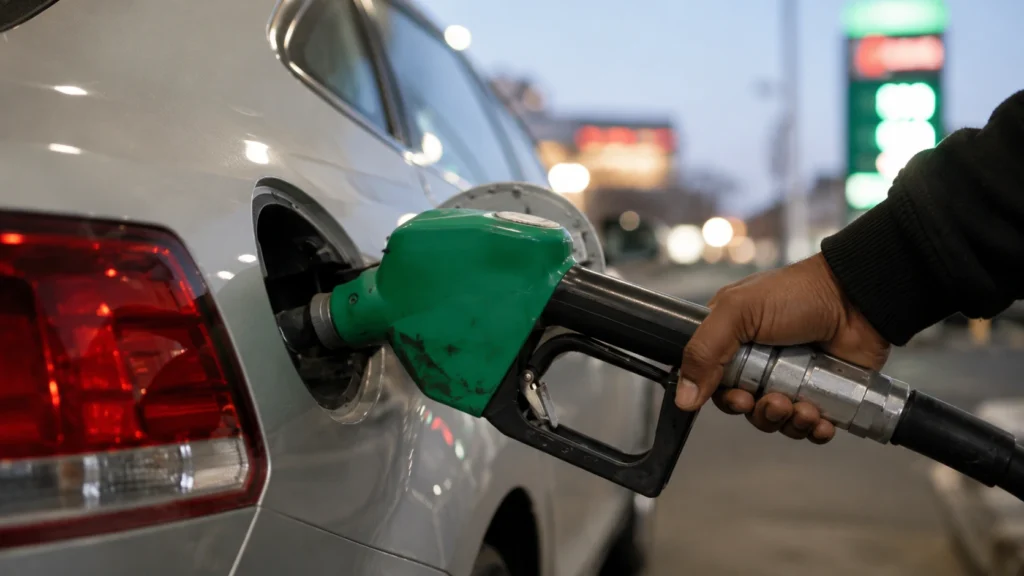
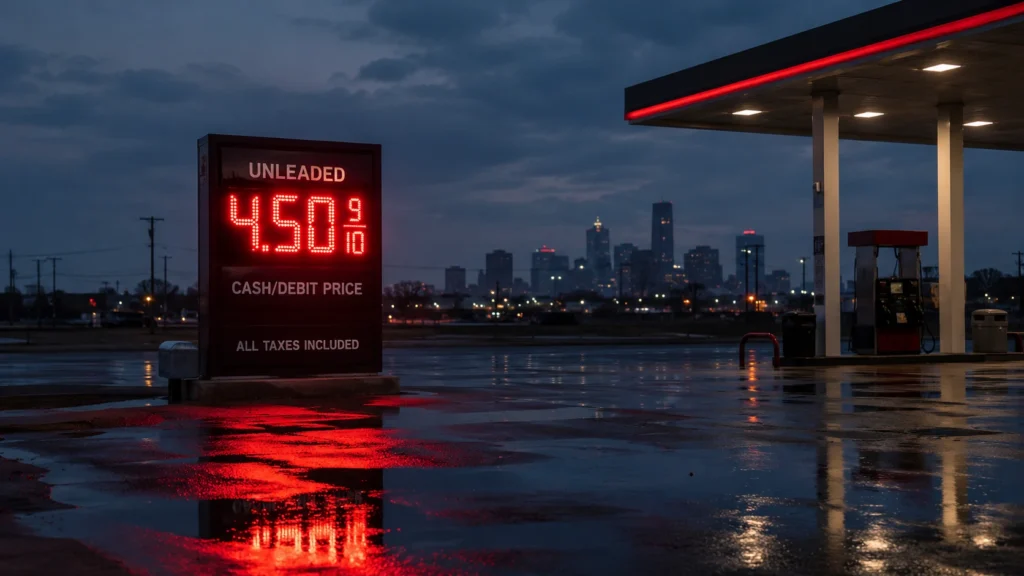
The economic consequences of the Strait’s closure since February 28 have been severe but less catastrophic than feared. Faisal Islam, the BBC’s economics editor, noted that the world economy “proved far more resilient than it would have been expected from a shock of this magnitude.” UK petrol prices and fixed mortgage rates had started to fall before the deal was announced. Inflation may now not reach 4%, avoiding the double-digit rates of 2022. The fertiliser costs that threatened the southern hemisphere’s sowing season may ease.
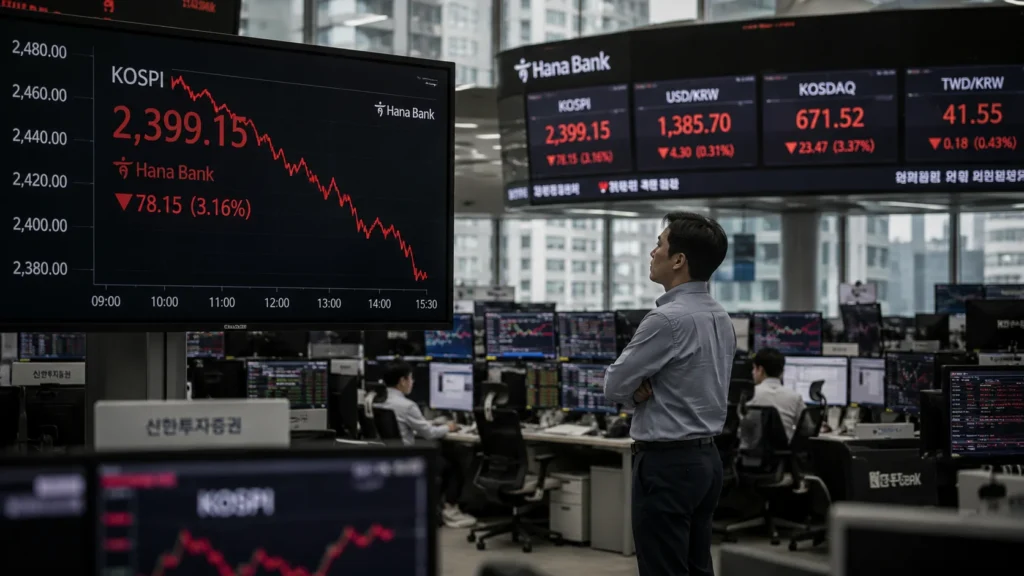
European stock markets rose sharply on Monday. Asian markets surged more dramatically—Japan’s Nikkei 225 closed up 5%, South Korea’s Kospi rose 4.8%—reflecting the region’s heavier reliance on Middle Eastern oil and gas. Matt Britzman, senior equity analyst at Hargreaves Lansdown, said the deal had “given investors a clear reason to dial back some of the geopolitical risk premium that has hung over markets.”
International Reaction
The international response has been broadly supportive, with calls for swift implementation.
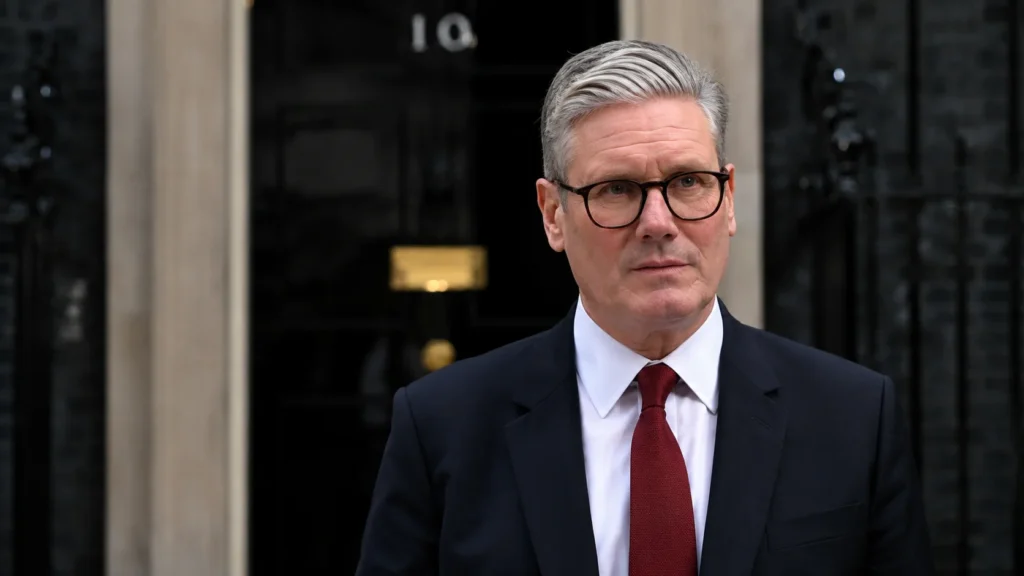
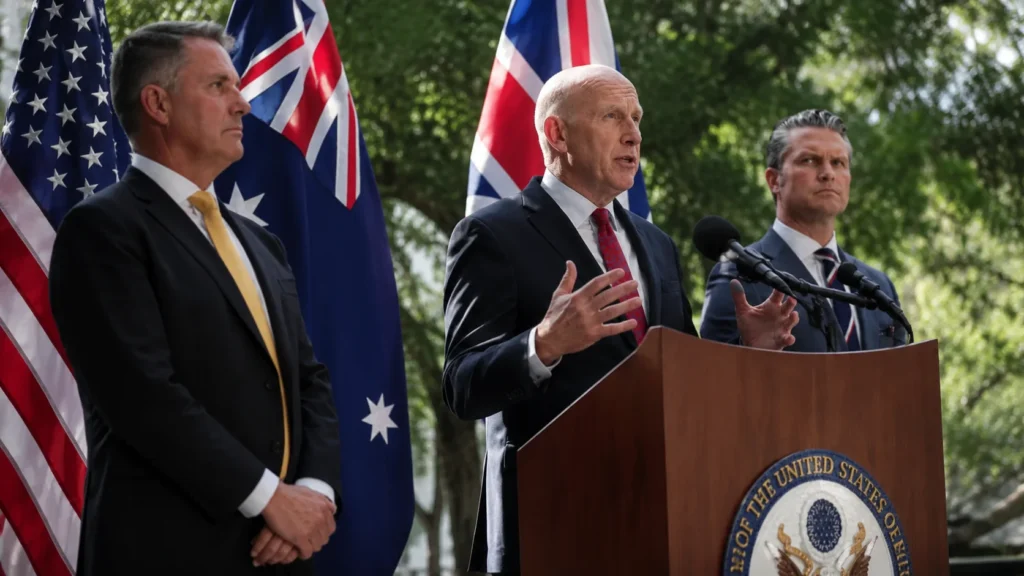
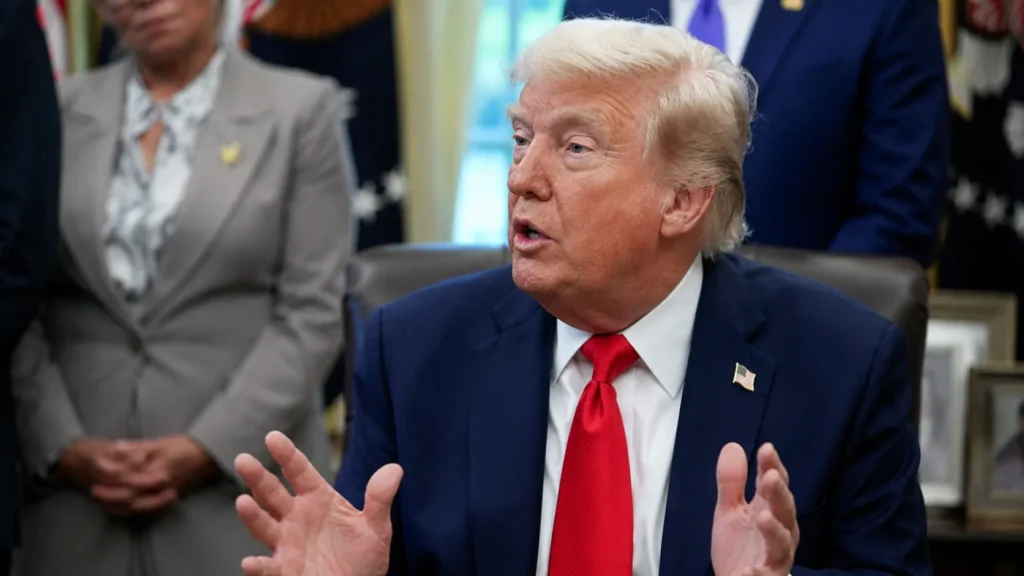
UK Prime Minister Keir Starmer called the deal “hugely significant” and said the UK would work “closely with our partners to support this agreement and to ensure that it turns into a durable, lasting peace.” European Commission President von der Leyen said “the priority now is its swift and full implementation by all parties,” calling for the “immediate reopening of the Strait of Hormuz” and describing freedom of navigation as “essential for regional stability and the global economy.” EU foreign policy chief Kaja Kallas described the framework as “a potential breakthrough” that could “give much-needed space for deeper negotiations.”
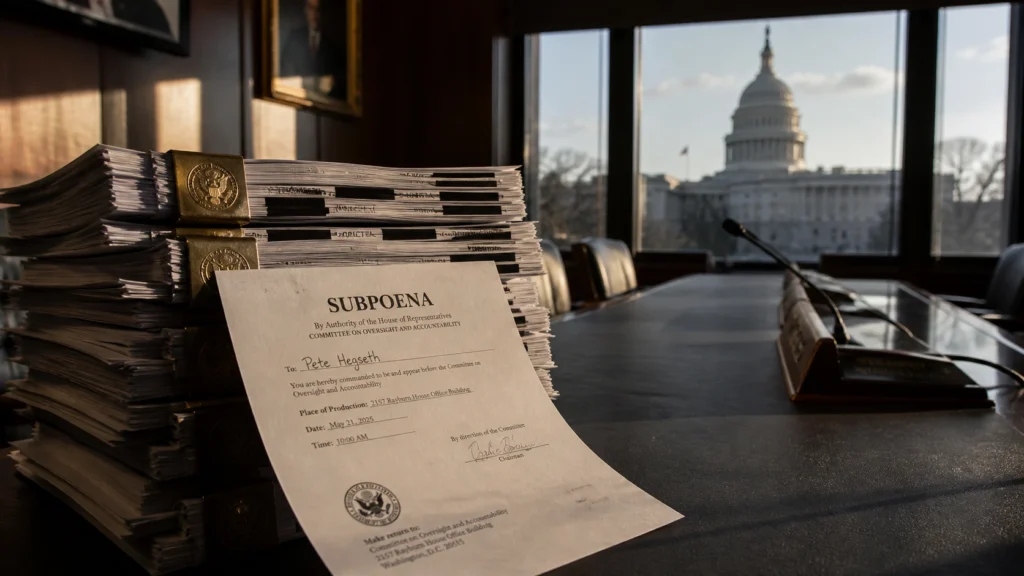
Egypt welcomed the agreement as a “major turning point.” Turkey, Iraq, and Egypt held calls with Iranian Foreign Minister Seyed Abbas Araghchi, who emphasised the need for a “complete halt” to Israeli attacks in Lebanon. Darin Selnick, former deputy chief of staff to US Defence Secretary Pete Hegseth, told the BBC that if Iran does not negotiate seriously on its nuclear programme, the president “is likely to start military operations again.” The 60-day clock starts on Friday.
Frequently Asked Questions
What does the US-Iran framework deal include?
The deal reopens the Strait of Hormuz, ends the US naval blockade of Iranian ports within 30 days, and commits Iran not to produce nuclear weapons. Nuclear negotiations will follow within a 60-day period. Sanctions relief is included, but the timing is unclear.
When will the Strait of Hormuz reopen?
Trump said the strait would open “for purposes of mine removal” upon Friday’s signing. Full clearance could take “weeks to months,” according to a retired US Navy rear admiral. Some tankers have already begun tentative transits.
Is Israel bound by the deal?
No. Israel is not a party to the agreement. Defence Minister Israel Katz said the IDF will remain in Lebanon “without a time limit.” National Security Minister Itamar Ben-Gvir said the deal “does not bind us in any way.”
What happens to Iran’s nuclear programme?
Iran commits not to produce nuclear weapons. The two sides will negotiate for 60 days on how to destroy and remove nuclear material. Enrichment limits and the fate of existing highly enriched uranium stockpiles have not been resolved.
Why did markets react so strongly?
Asian and European stock markets surged because the deal reduces the geopolitical risk premium that had been priced into oil, gas, and equities. Asian economies are heavily reliant on Middle Eastern energy supplies and benefited disproportionately.