

 English




































































































The Darecation: Why Travellers Are Paying to Suffer
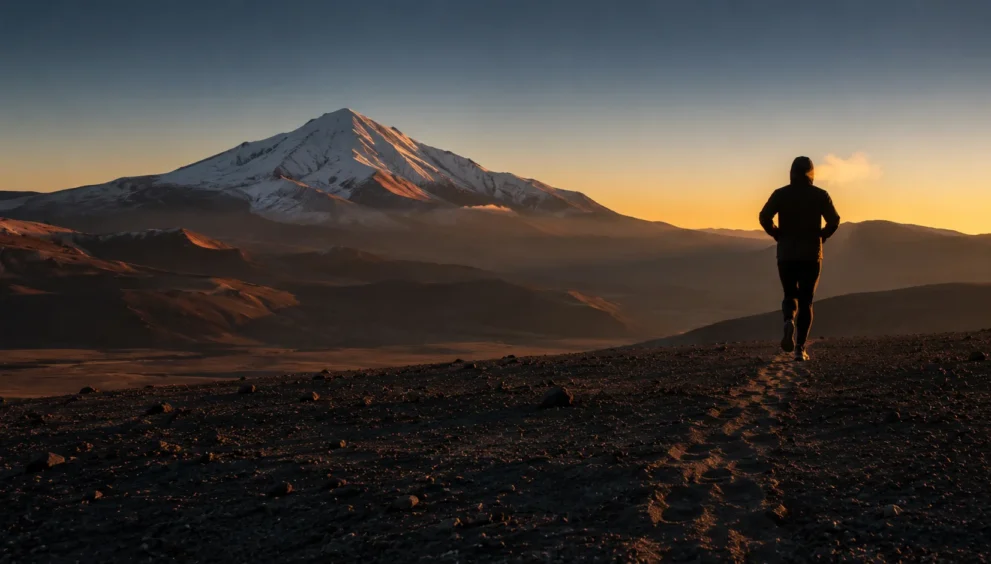
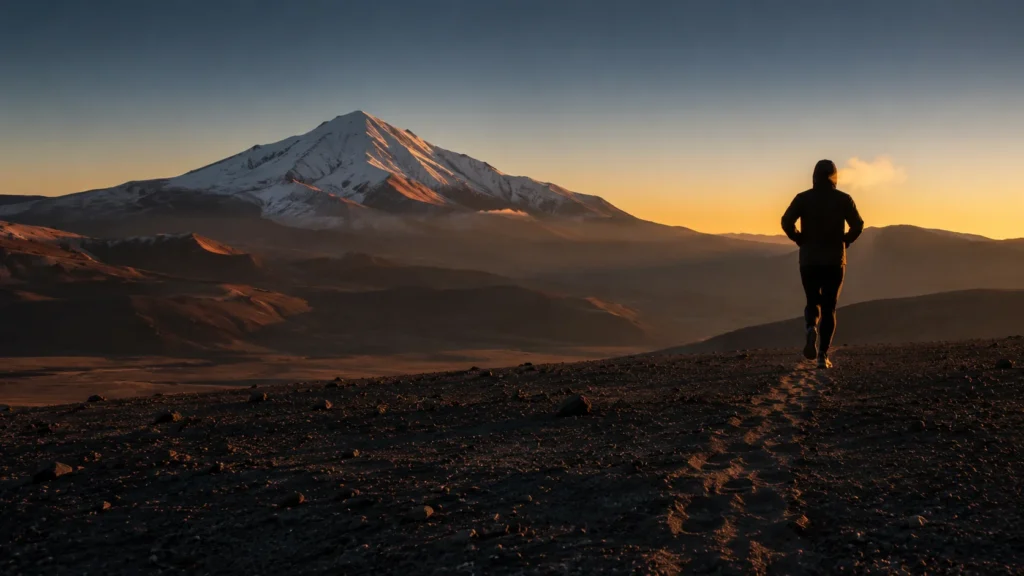
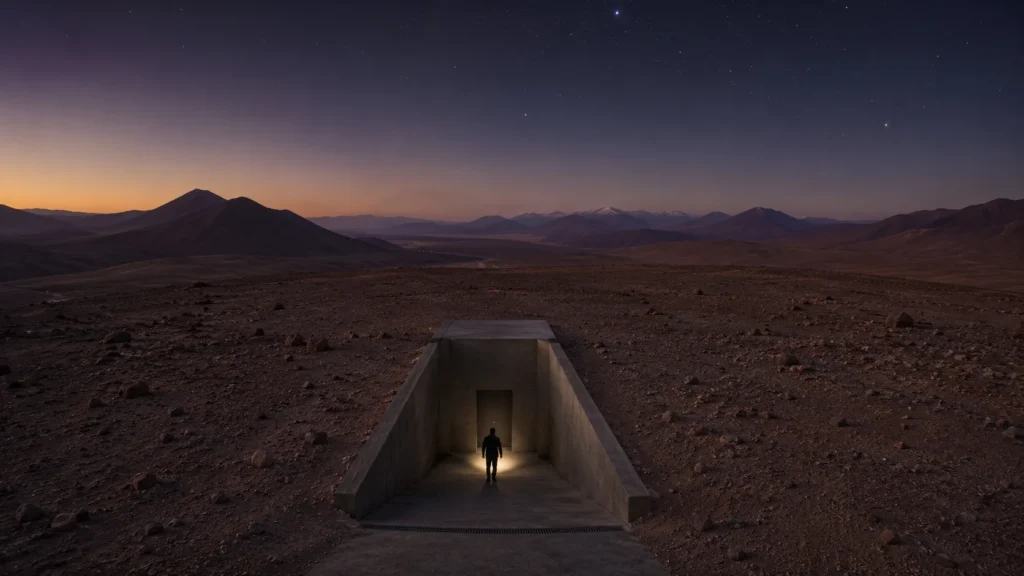
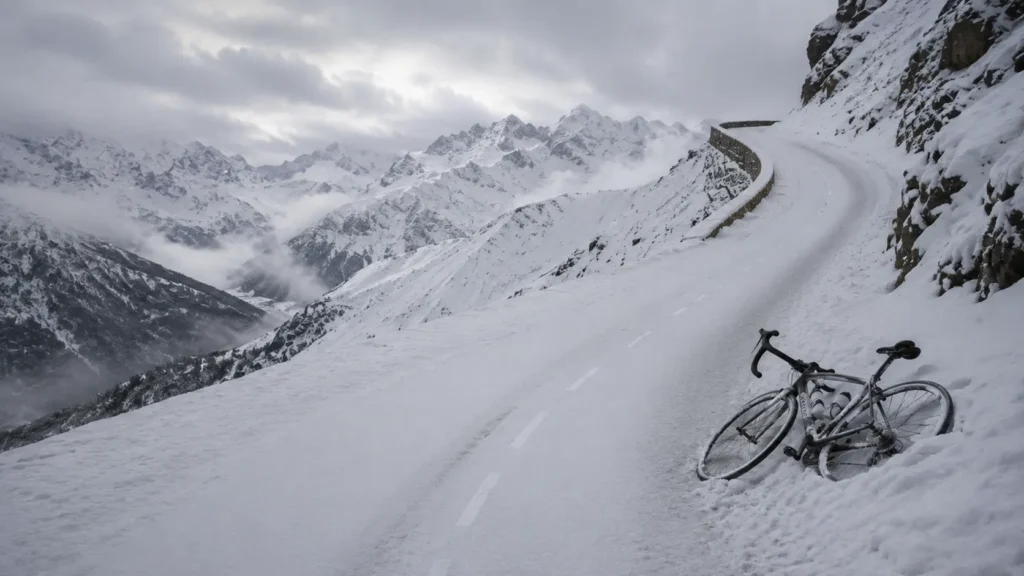
The start line sat at 6,893 metres. To reach it, runners climbed for 11 hours through temperatures of -30 °C and winds up to 100 kilometres per hour. Sixteen people signed up for the World’s Highest Marathon on Chile’s Ojos del Salado, the tallest volcano on Earth. Five made it to the start. Then they ran a marathon. At altitude. In extremely low oxygen. Sara Storey, a 47-year-old British woman, was one of them. “Altogether, I was moving for nearly 30 hours,” she said. “I’ve never been so close to my physical limits as I was then. Having said that, would I do it again? Absolutely.”
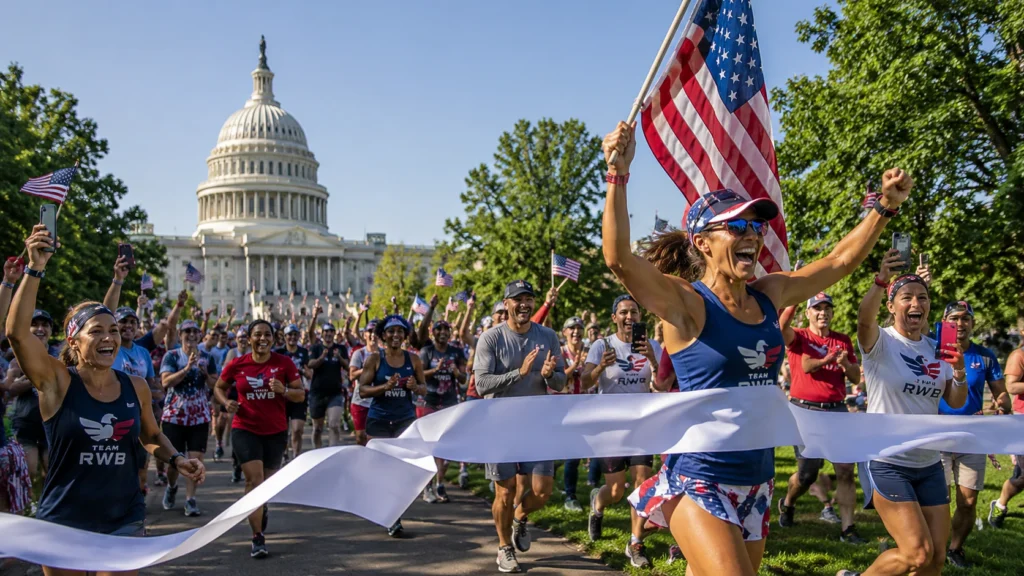
She is not an outlier. She is an early indicator. Pinterest identified “darecations” as one of its top trends for 2026, reporting a 75% increase in searches for adventure tourism and forecasting a boom in “full-throttle, adrenaline-inspired tourism” among Gen Z and Millennials. SportsCover Direct has seen an 182% increase in travellers taking out sports travel insurance over the past two years, with particularly strong growth in trekking, mountaineering, and marathon-related travel. The UTMB World Series, which launched with a single race around the Mont Blanc Massif in 2003, now hosts more than 60 races globally. Annual participation has risen from 50,000 in 2022 to 170,000. Most of them are not elite athletes. They are committed amateurs who train for months to spend up to 30 hours running through mountains.
The traditional holiday promise—relaxation, restoration, a break from effort—is being rejected by a growing segment of the travel market. The new promise is the opposite: exertion, exhaustion, a confrontation with physical limits. The question is why.
But the participation numbers weren’t the story. The story was the Accessibility Equation—who gets to suffer, who sells the suffering, and what happens when a form of travel built on amateur grit becomes a commercial product delivered at scale.
The Organised Adventure
Sports psychologist Dr Josephine Perry, who works with extreme endurance athletes, calls these events “organised adventures.” The term is precise. The adventure is real—the altitude, the cold, the distance, the risk of failure. The organisation is also real—the logistics, the safety protocols, the entry fees, the insurance. The participant does not need to be an explorer. They need to be fit enough to start and determined enough to finish. The infrastructure handles the rest.
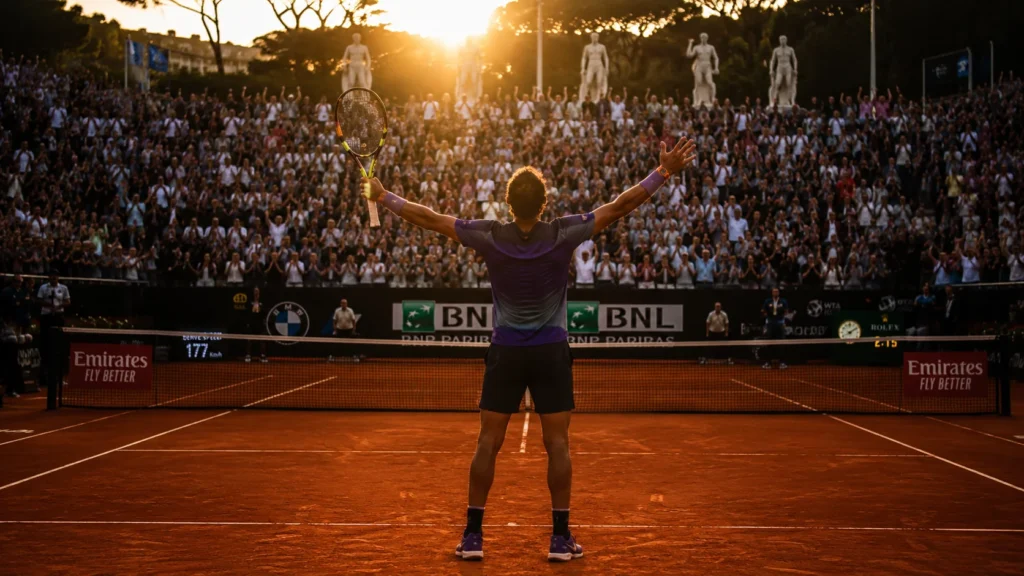
The market has expanded to meet demand. The Marathon des Sables, the iconic multi-day desert race in Morocco, marked its 40th edition in 2026. It now has 10 further races in destinations including Namibia and Jordan. The Ultra Trail de Mont Blanc offers a 171-kilometre route around the Alps. The Barkley Marathons in Tennessee have become legendary for their brutality and secrecy. The Iditarod Invitational includes a 1,000-mile winter route across the Alaskan wilderness. You can run a marathon on Everest. You can run one in a zinc mine in Sweden. The World’s Deepest Marathon took place there in 2025. The World’s Highest Marathon will return in 2027, this time in Bolivia.
The variety is not accidental. It is a product of the same forces that have segmented every other part of the travel industry. The customer who has run a road marathon wants a trail marathon. The customer who has run a trail marathon wants an ultramarathon. The customer who has finished an ultramarathon wants one at altitude, or in the desert, or in the snow. The progression is predictable. The industry has built a ladder for it.
The Mental Health Premium
Gavin Bate, founder of specialist adventure travel firm Adventure Alternative, led the logistics for the World’s Highest Marathon. He sees the rise of extreme adventure travel partly as a reflection of advances in training and sports nutrition. But he also identifies something deeper. “It’s about connection with nature—for a lot of people, the gym environment doesn’t really cut it,” he said. “Many people working in the outdoor adventure sector are experiencing a tsunami of people coming to engage with these activities for mental health reasons.”
The mental health framing is now standard in the marketing of extreme endurance events. It is also, for many participants, genuinely accurate. The physical suffering is not the point. The mental clarity that follows it is. The hours of exertion in an environment that cannot be controlled produce a state that the controlled environment of modern life—the gym, the office, the phone—cannot replicate. Perry describes two types of participants: those who love running and want to be outdoors doing it, and those who find the focus on perfectionism in road running dull. “The ultimate gain at the end is not speed-related metrics,” she said. “It’s about how cool the course was, what you saw along the route and the stories and adventures you bring back.”
The stories matter. Storey’s account of her 30-hour ordeal on Ojos del Salado—”in the battle between the volcano and me, it was a draw”—is not a story about a time or a split. It is a story about a limit. The limit was reached. The limit was survived. The story can be told. The telling is part of the product.
The Comic Relief Effect
Bate points to Comic Relief’s celebrity challenges as one reason extreme adventures have become more visible. “In 2009, when Chris Moyles summited Kilimanjaro for Comic Relief, you would not believe how many people were calling into our office wanting to do it,” he said. “In his own words, he was overweight and a smoker. People felt that if he could do it, then they could too.”
The effect has evolved. Comic Relief has shifted from classic treks to Sara Cox’s extreme ultramarathon and Greg James’ 1,000-kilometre bike ride. The challenges have become harder. The celebrities completing them have become more relatable. The message has remained the same: an ordinary person, with enough determination, can do something extraordinary. The message has been industrialised. The UTMB World Series now processes 170,000 ordinary people a year through extraordinary experiences. The factory works.
Who Gains, Who Loses
The power recalibration is visible across multiple axes.
Participants gain access to experiences that were once the preserve of elite athletes or professional explorers. The infrastructure—the marked courses, the aid stations, the safety protocols, the insurance—democratises suffering. A 47-year-old woman who has never been a professional athlete can attempt the World’s Highest Marathon. She may not finish. She may get closer to her physical limits than she has ever been. The access is real. The cost—entry fees, travel, equipment, training time—is significant. The accessibility is financial as well as physical.
Race organisers gain a growing market. The UTMB World Series has expanded from one event to more than 60 in two decades. The Marathon des Sables has expanded from one desert to 11. The growth shows no sign of slowing. The product is scalable because the demand is not tied to a specific location. The customer who has run a desert race will consider a mountain race. The customer who has run a mountain race will consider a polar race. The ladder extends indefinitely.
Local economies in remote locations gain a new source of revenue. The World’s Highest Marathon brings 16 runners and a support crew to a volcano in Chile. The economic impact is small. The symbolic impact is larger. The race puts Ojos del Salado on a map it was not previously on. The map attracts future races. The races attract future runners. The cycle generates income for communities that have few other tourism assets.
The environment loses. The footprint of 170,000 runners travelling to mountain races, desert races, and polar races is not negligible. The UTMB World Series and Marathon des Sables have sustainability programmes. The programmes mitigate the impact. They do not eliminate it. The tension between the environmental cost of extreme adventure travel and the mental health benefits it provides to participants is unresolved. It is also largely undiscussed in the marketing materials.
The 12-Month Trajectory
The darecation trend will accelerate. Pinterest’s data, SportsCover Direct’s insurance figures, and UTMB’s participation numbers all point in the same direction. More people will seek holidays that hurt. The market will provide them. The ladder will extend further—higher, colder, longer, more remote.
The mental health narrative will intensify. The connection between physical suffering and psychological well-being is real. It is also marketable. The marketing will become more sophisticated. The balance between genuine benefit and commercial exploitation will become harder to assess.
The accessibility question will sharpen. The democratisation of extreme adventure is incomplete. The entry fees, the travel costs, the time required for training, and the equipment needed all favour those with disposable income and flexible schedules. The darecation is accessible to more people than the expedition was. It is not accessible to everyone. The gap between who can afford to suffer and who cannot will become more visible as the market grows.