

 English

























































































































































SpaceX IPO Hits $85.7B After Banks Exercise Greenshoe
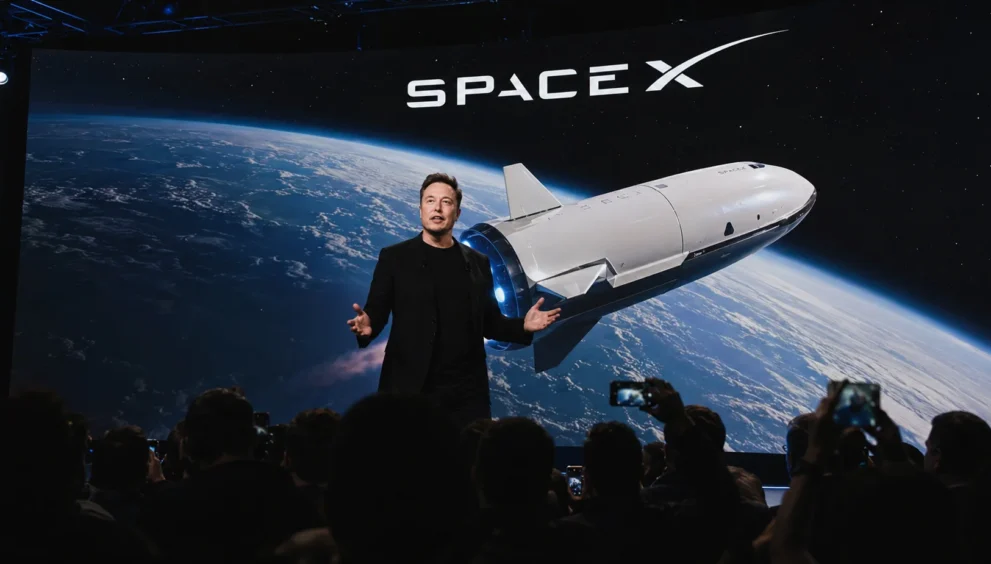
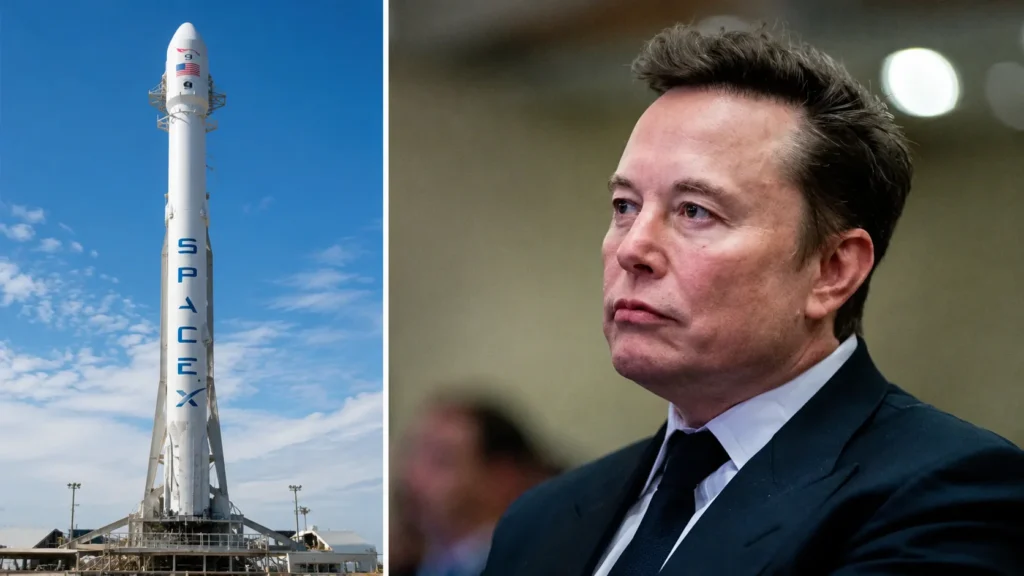
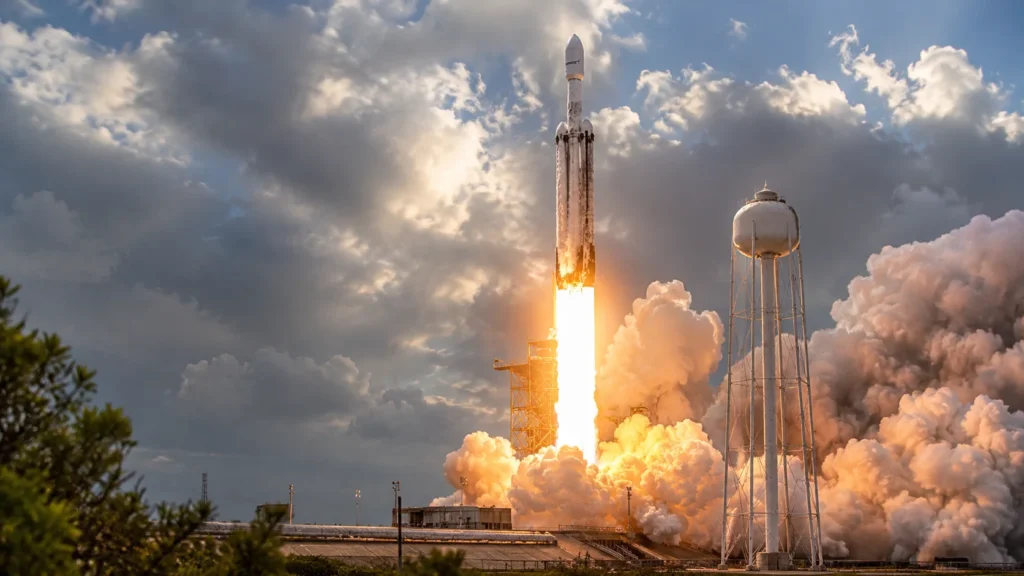
SpaceX has raised a total of $85.7 billion (£64.4 billion) in its initial public offering after the banks managing the listing exercised a greenshoe clause to purchase an additional $10 billion in shares, the company confirmed in a statement on Monday. The extra allocation, an overallotment option that allows underwriters to sell more shares than originally planned when demand exceeds supply, was exercised in full by Goldman Sachs, Bank of America, and JPMorgan, which acquired an additional 83.3 million shares directly from the company. The $10 billion raised through the greenshoe alone would rank among the largest IPOs in history. The original $75 billion raise on Friday had already set the all-time record.
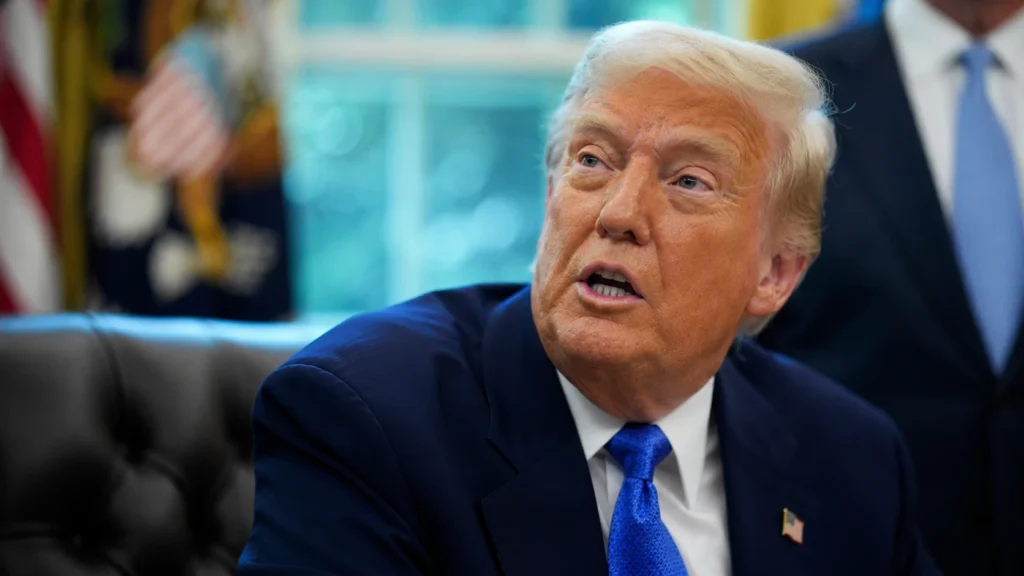
Shares surged more than 14% on their first full day of trading on Monday, reaching $184. The stock was offered to investors at $135, a price that valued the company at $1.8 trillion. Elon Musk told employees the capital would fund a “significant growth phase.” The momentum showed no signs of slowing, even as analysts warned that the loss-making company’s valuation leaves little room for error. The IPO prospectus stated that SpaceX “may not achieve profitability in the future.”
What Is a Greenshoe and Why Was It Exercised?
The greenshoe clause, formally known as an overallotment option, is a standard feature of large initial public offerings. It allows underwriters to sell up to 15% more shares than originally planned when investor demand outstrips the initial supply. The mechanism takes its name from the Green Shoe Manufacturing Company, the first firm to use the provision in its 1960 IPO.
In SpaceX’s case, the underwriters exercised the option in full. The decision signals that institutional and retail demand for the stock was significantly higher than the initial $75 billion allocation could satisfy. The greenshoe is typically used to stabilise a newly listed stock’s price during its volatile early trading days. Here, it functioned primarily as a rationing mechanism, an acknowledgement that $75 billion was not enough.
According to SpaceX statement on completion of IPO, the additional shares were purchased directly from the company, meaning the $10 billion flows to SpaceX’s balance sheet rather than to existing shareholders. Musk told employees the total raise would fund expansion.
From $75 Billion to $85.7 Billion
Friday, June 12: SpaceX debuts on the Nasdaq under the ticker SPCX, raising $75 billion in the largest IPO in history. Shares are offered at $135, valuing the company at $1.8 trillion. The previous record was held by Saudi Aramco, which raised $25.6 billion in 2019. Musk becomes the world’s first trillionaire, according to Bloomberg calculations.
Monday, June 15: Shares surge more than 14% on their first full trading day, reaching $184. The underwriters Goldman Sachs, Bank of America, and JPMorgan exercise the greenshoe clause in full, purchasing an additional 83.3 million shares and bringing the total raise to $85.7 billion. SpaceX confirms the completion of the listing in a statement.
As SpaceX IPO debut analysis previously documented, the offering’s structure preserved Musk’s control of more than 80% of the company through shares with extra voting rights. The greenshoe exercise does not alter that governance arrangement.
The Profitability Question
The IPO prospectus contained a warning that has not dampened investor appetite: SpaceX “may not achieve profitability in the future.” The company has posted losses. The capital raises funds for its operations. The growth story of reusable rockets, Starlink satellite internet, NASA contracts, ambitions for the Moon, and Marsh has convinced the market to price the company at nearly $2 trillion despite the absence of profits.
Analysts have cautioned that the valuation leaves little margin for error. As AI and tech valuation bubble warnings has tracked, the Bank of England has warned of a “sharp correction” in AI-related valuations, while JP Morgan chief executive Jamie Dimon has said some AI investments will “probably be lost.” SpaceX is not solely an AI company; it owns xAI, Musk’s artificial intelligence firm, alongside its rocket and satellite businesses, but the listing is the first of three AI-adjacent mega-IPOs expected this year, with OpenAI and Anthropic set to follow.
The first quarterly earnings report as a public company will face scrutiny that private firms never encounter. The market has priced in the best case. The worst case is still possible.
Who Benefits from the Greenshoe?
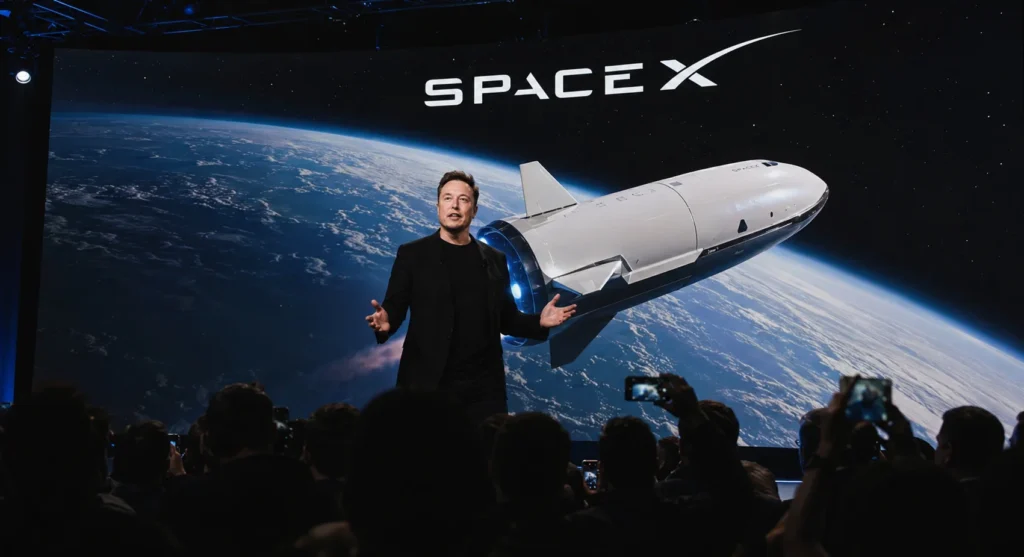
The exercise of the greenshoe option redistributes outcomes across the parties to the IPO.
SpaceX gains an additional $10 billion for its balance sheet without issuing shares that dilute Musk’s voting control. The total raise of $85.7 billion gives the company a capital base unmatched by any competitor in the commercial space sector.
The underwriters Goldman Sachs, Bank of America, and JPMorgan gain additional fees and strengthen their positioning for the next wave of mega-listings. Their successful management of the largest IPO in history is now a credential for future mandates.
Retail and institutional investors who received allocations at $135 gained a 14% paper profit by Monday’s close. Those who bought on the open market at higher prices are exposed to the risk that the stock may decline if the company’s fundamentals do not match its valuation.
Musk’s trillionaire status, calculated by Bloomberg Billionaires Index], remains directly tied to SpaceX’s share price. A sharp decline could strip him of the title as quickly as continued gains could multiply it. The vast majority of his wealth is concentrated in SpaceX equity.