

 English
















































































































































US-Iran Deal Is ‘a Page and a Half’ as Talks Begin
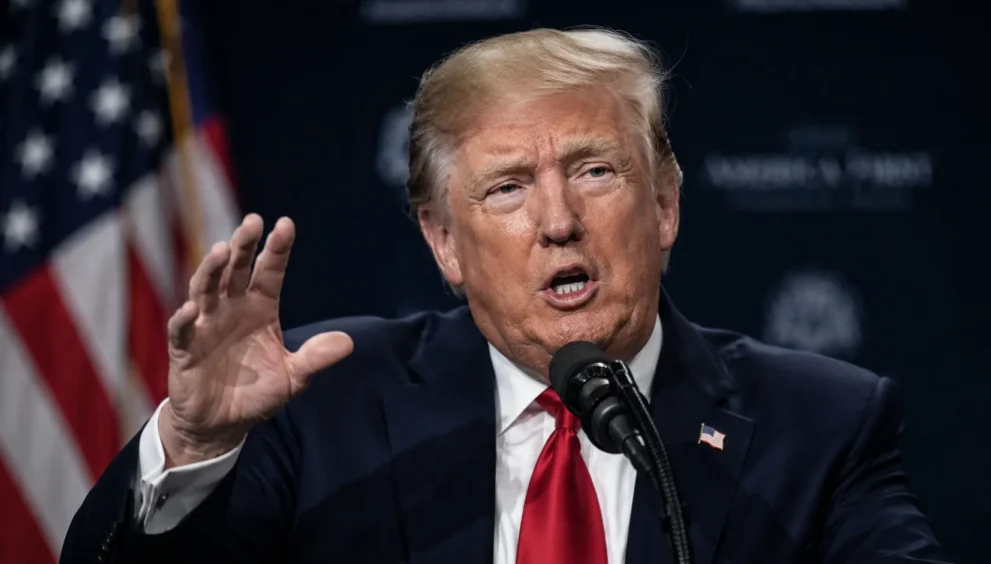
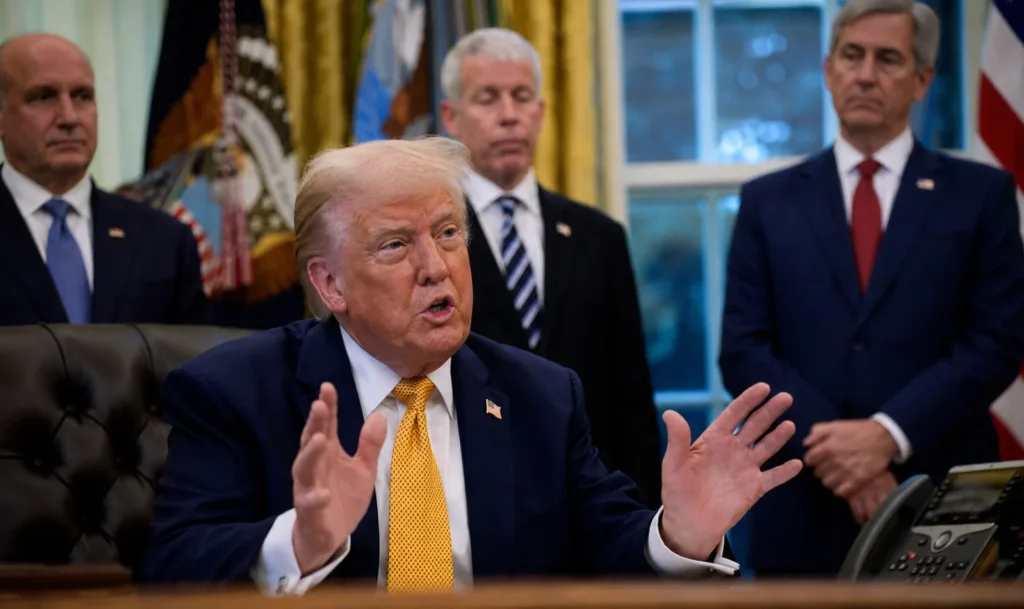
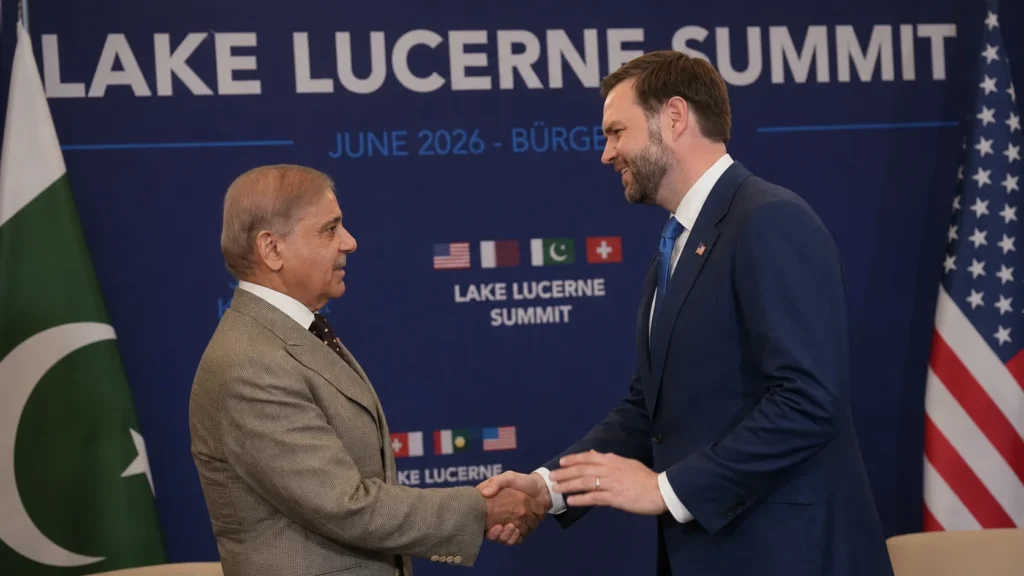
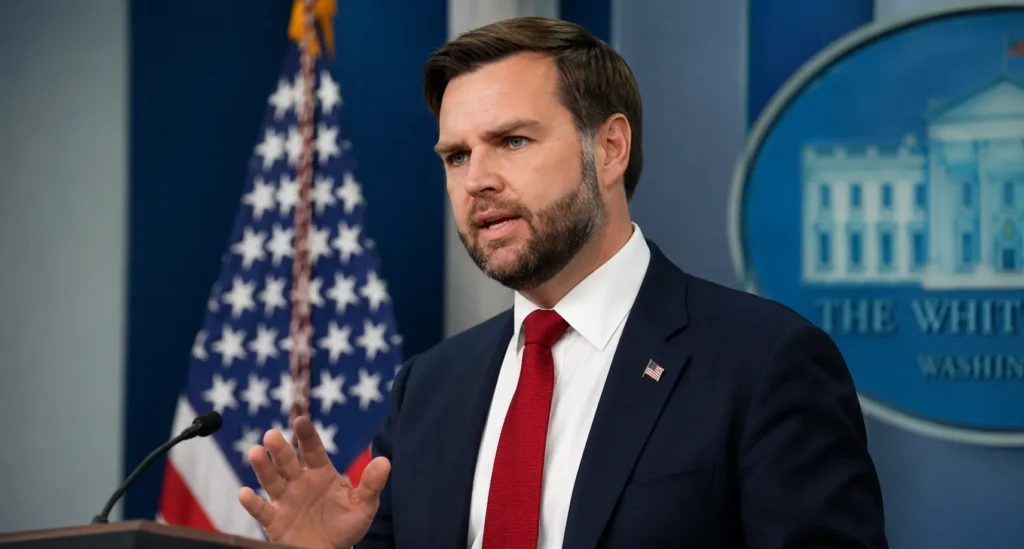
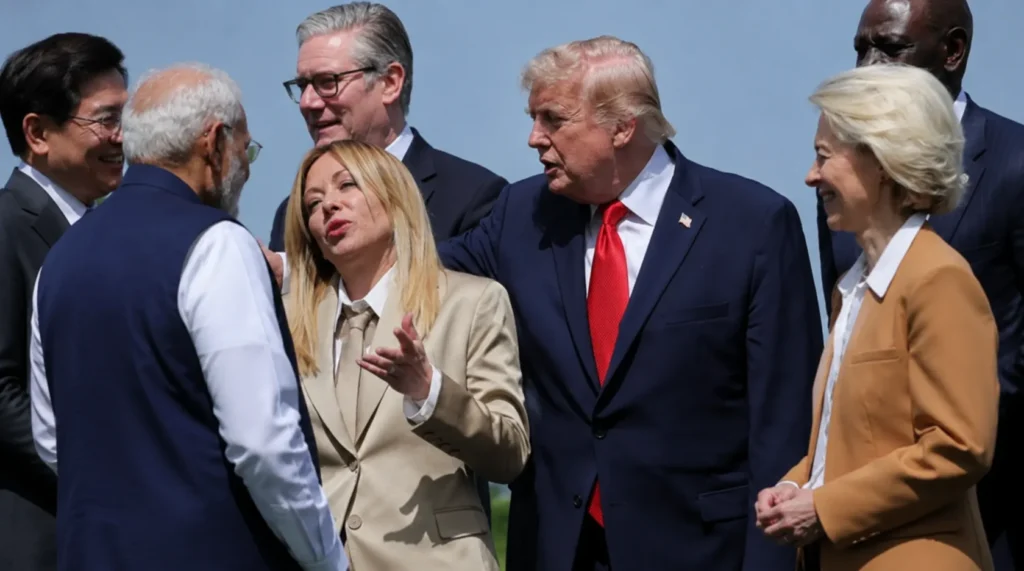
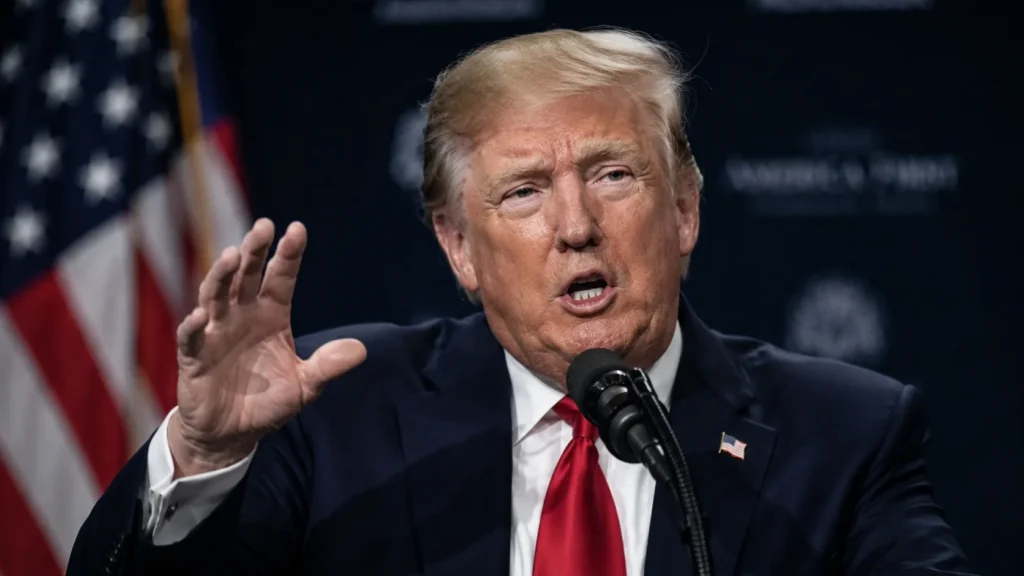
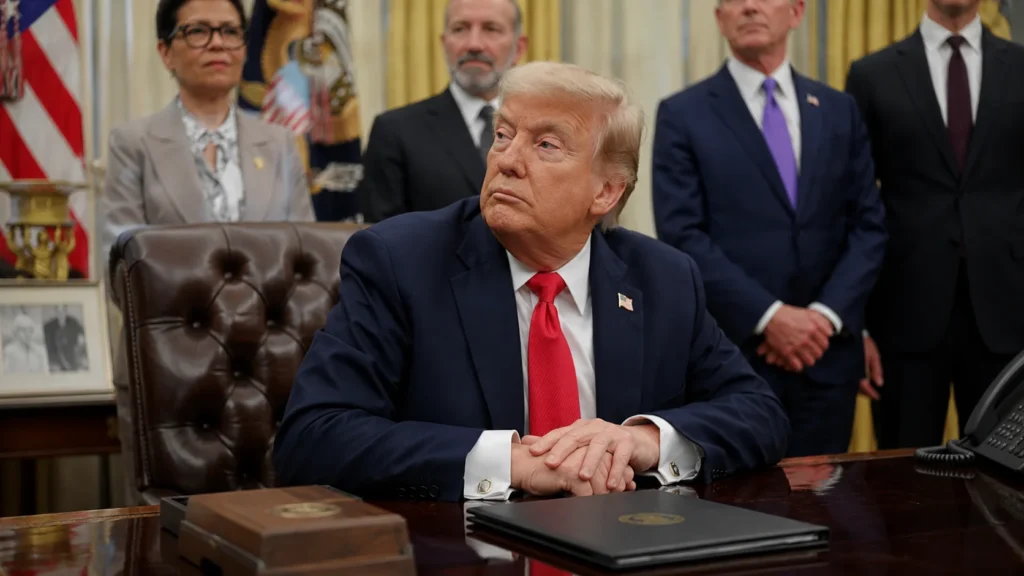
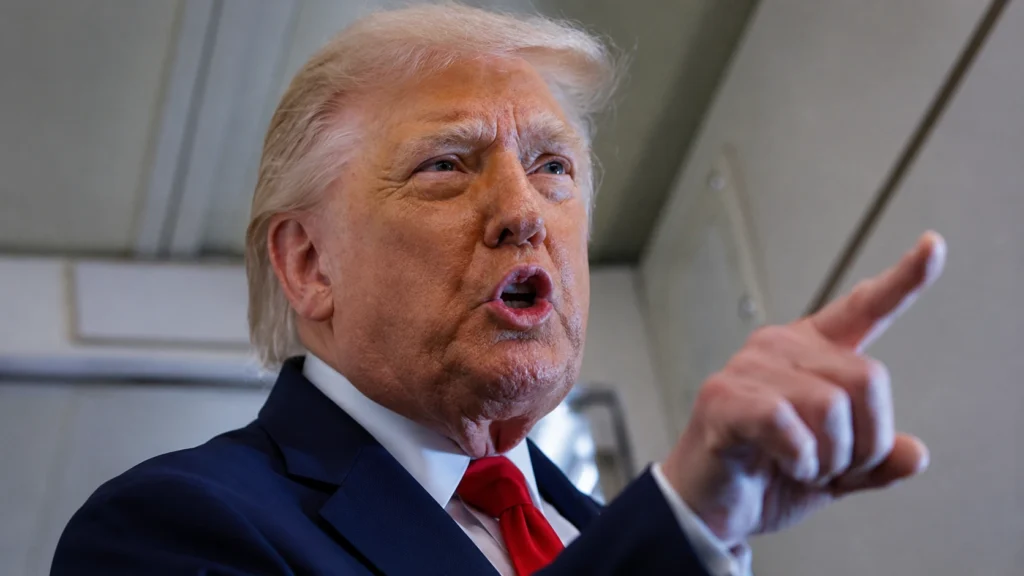
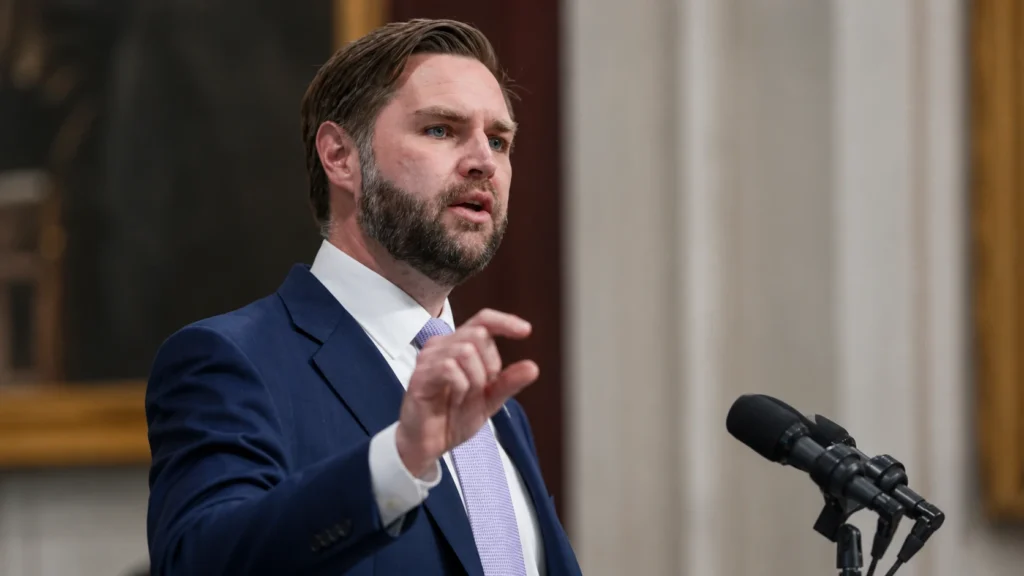
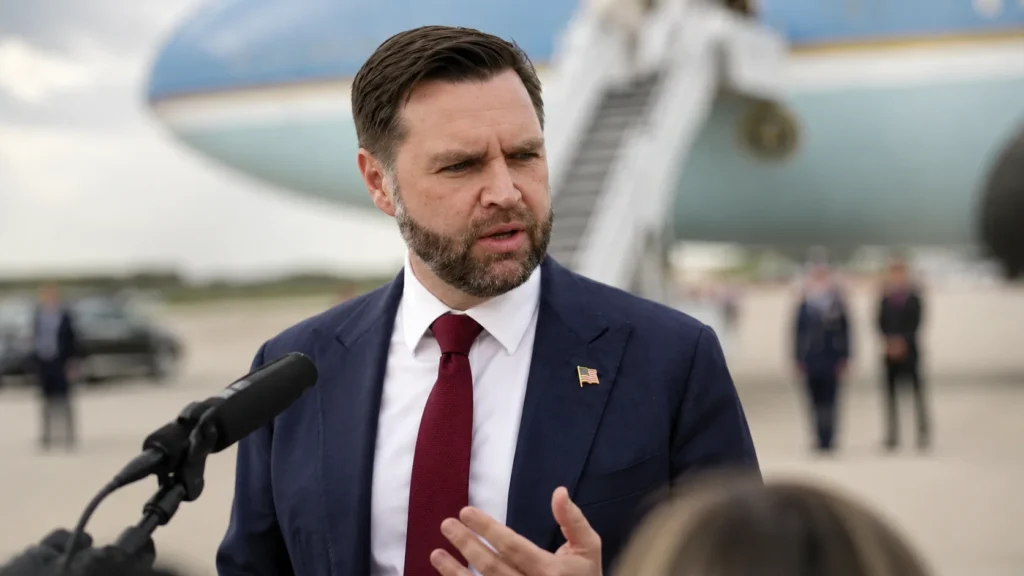
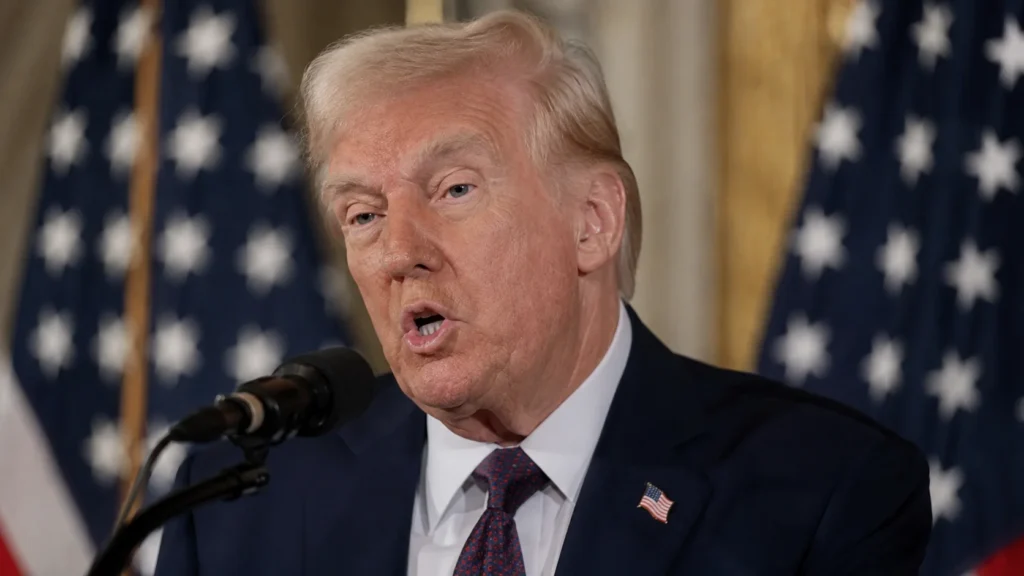
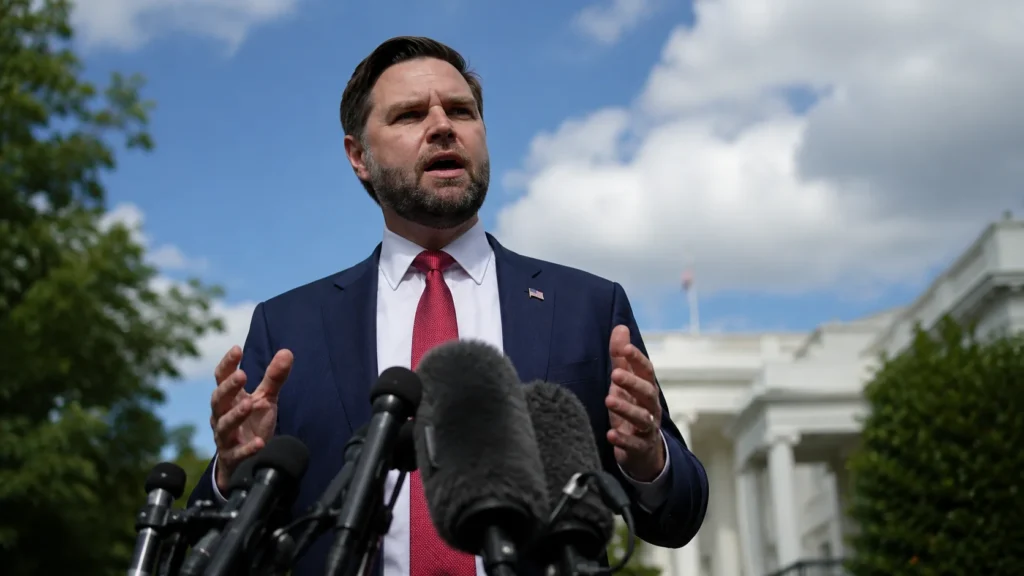
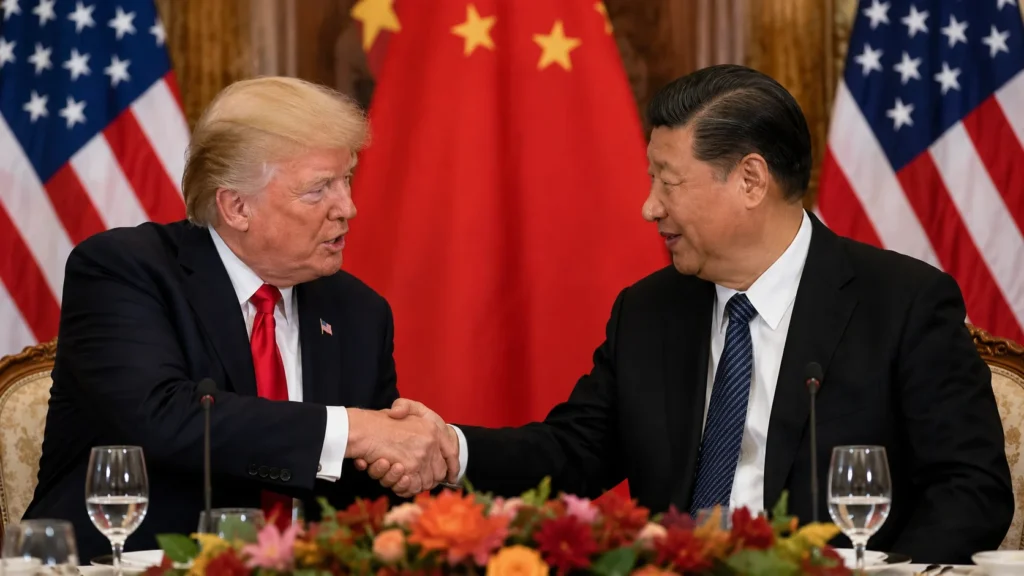
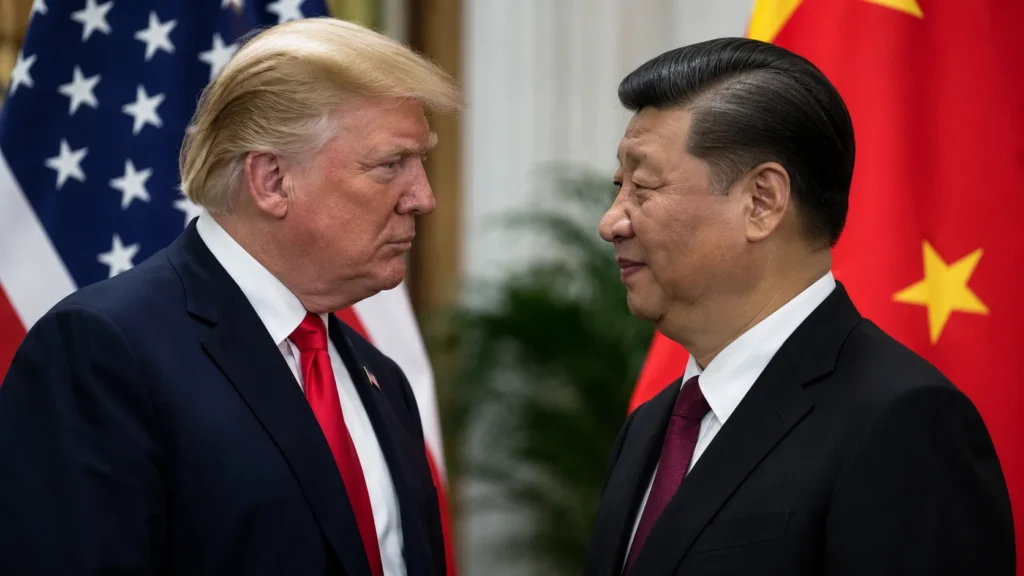
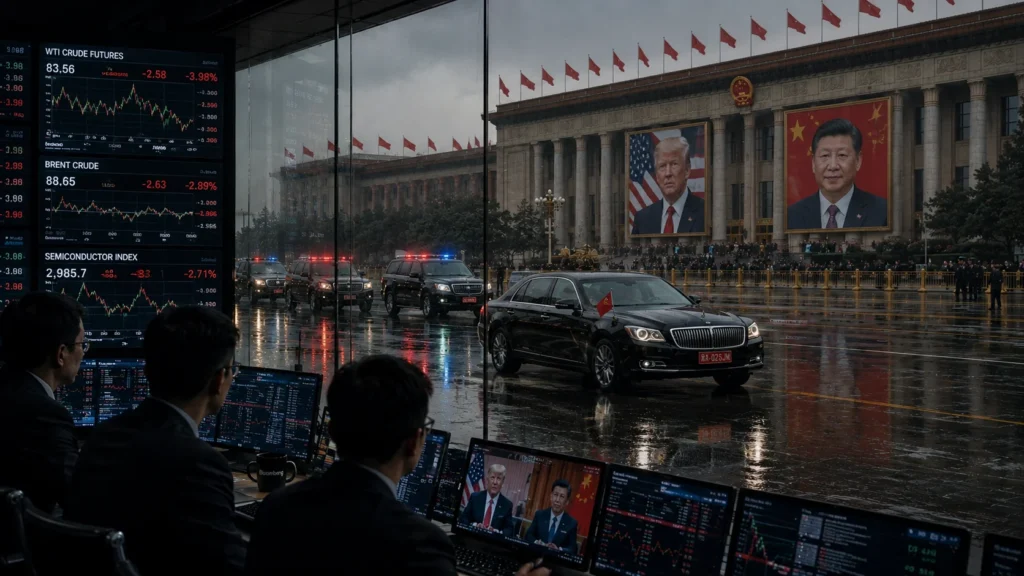
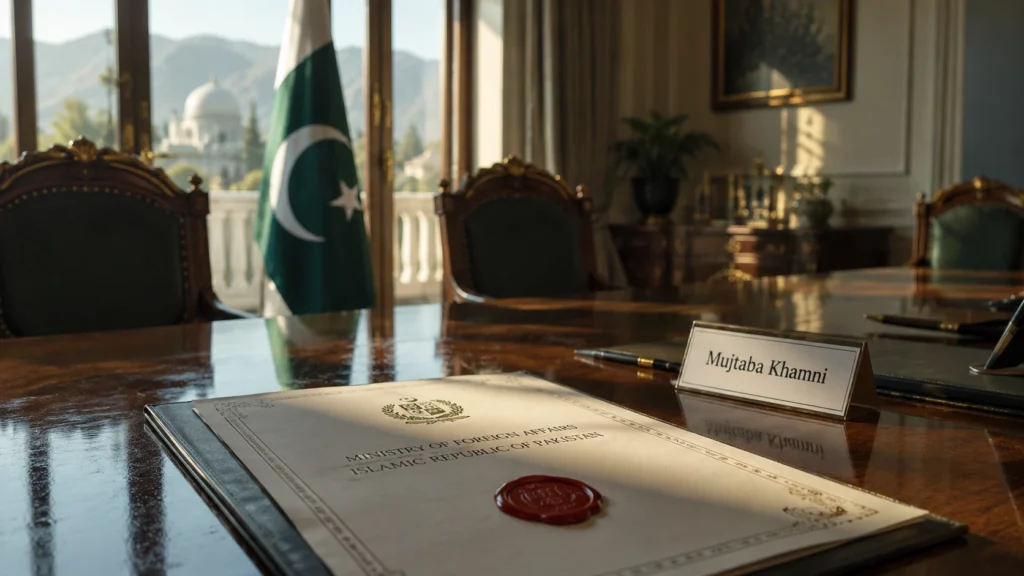
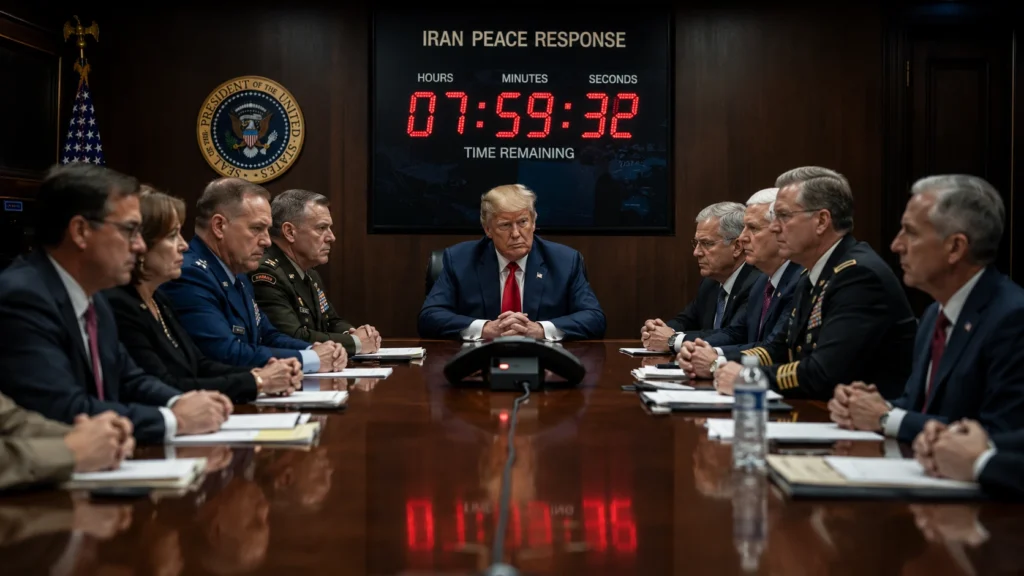
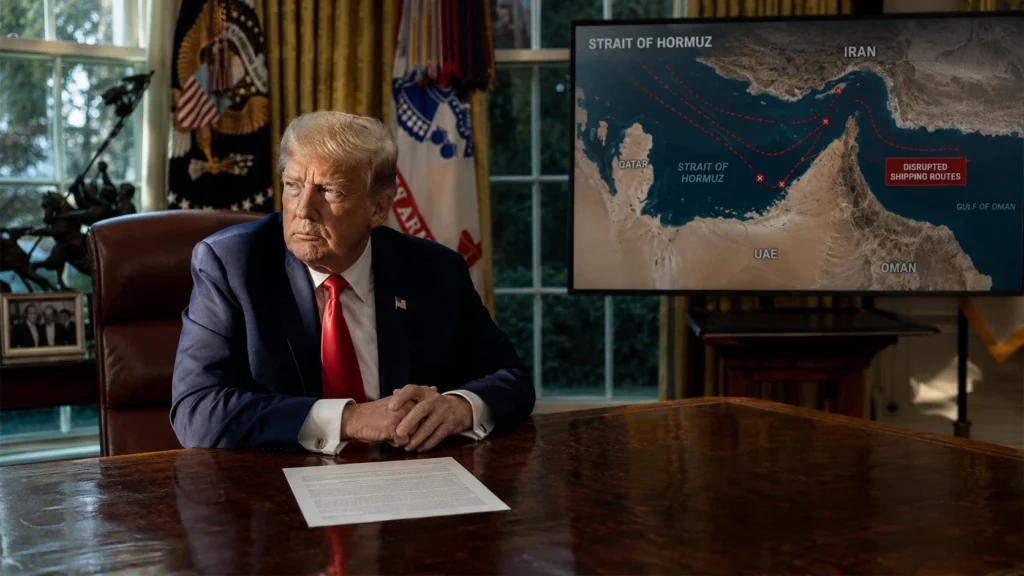
The US-Iran memorandum of understanding that paused the war is “about a page and a half” and “very general,” Vice President JD Vance has disclosed, as both sides prepare for technical negotiations that will determine whether the framework becomes a durable settlement. President Donald Trump, speaking at the G7 summit in France on Monday, said the preliminary agreement had been signed electronically by himself, Vance, and Iranian parliamentary speaker Mohammad Bagher Ghalibaf. The Strait of Hormuz reopens on Friday, when a formal signing ceremony takes place in Geneva. International Atomic Energy Agency inspectors will return to Iran. The ceasefire extends for 60 days. But the hardest questions—enrichment limits, stockpile disposition, sanctions sequencing, and the status of Israeli forces in Lebanon—have been deferred to a technical negotiation phase that begins this week.
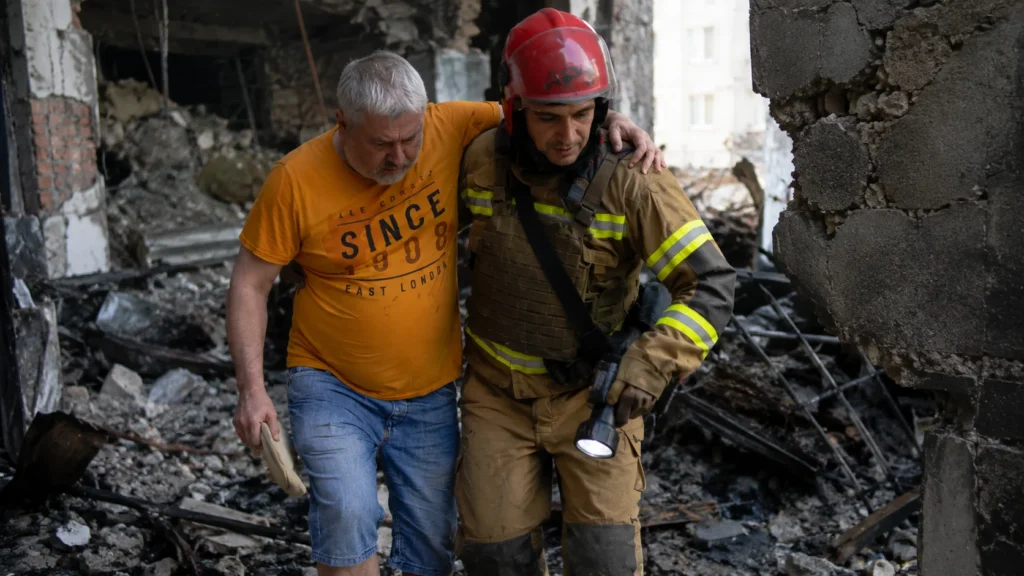
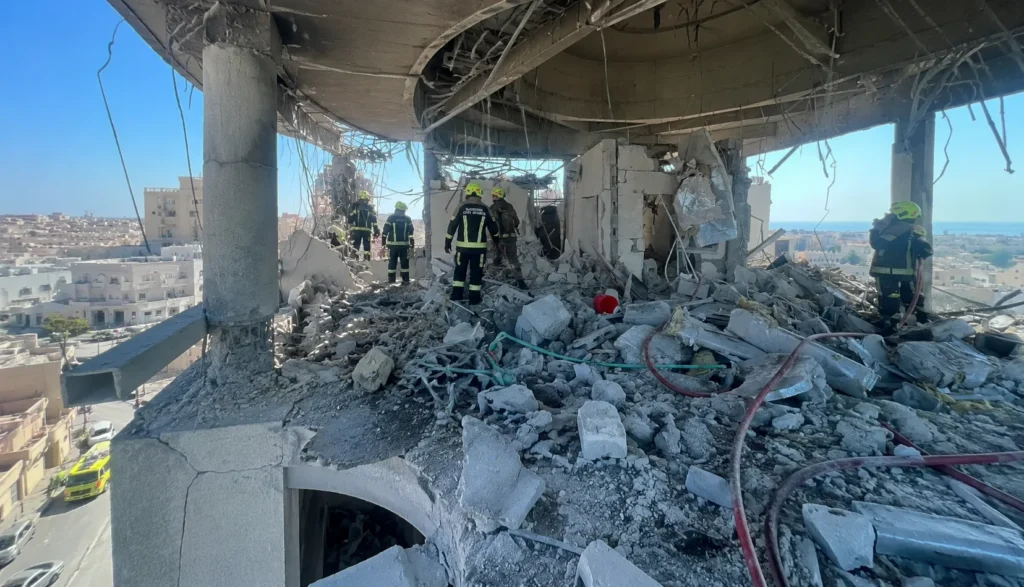
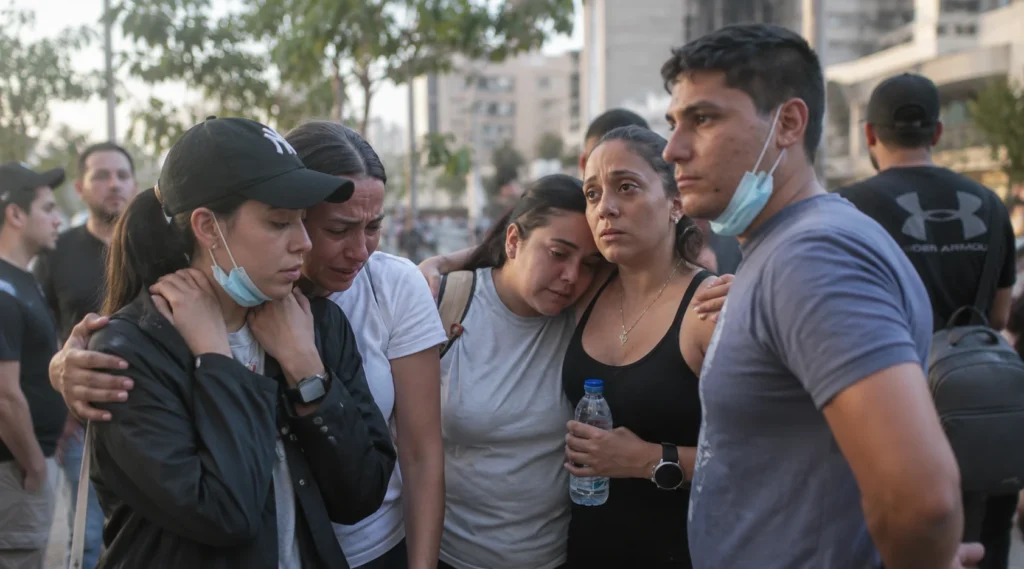
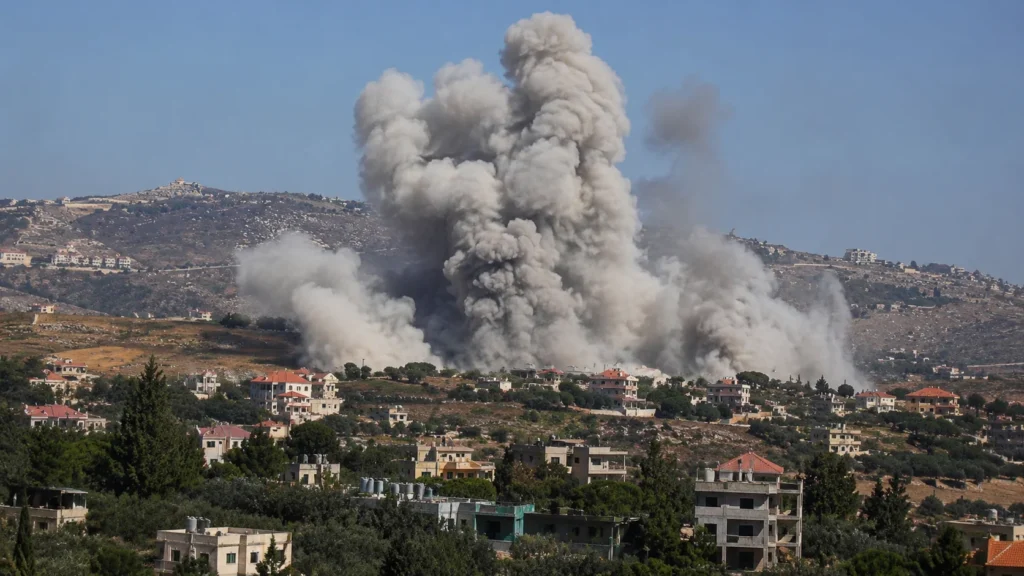
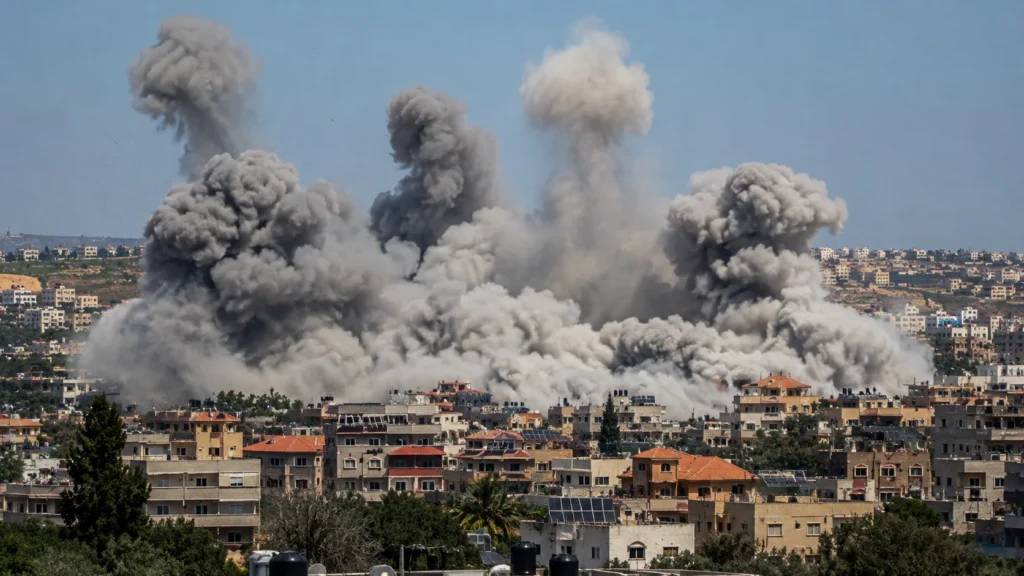
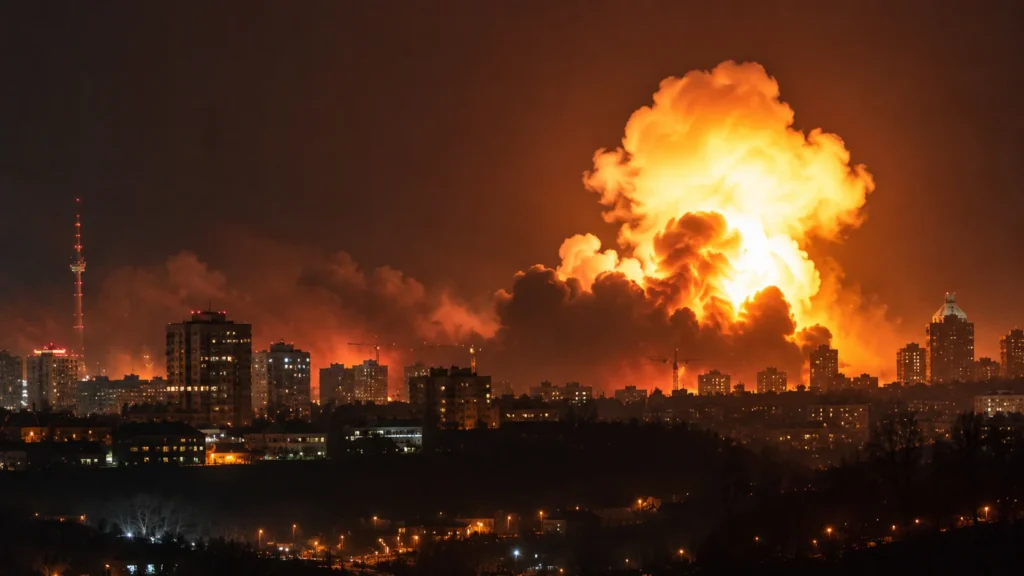
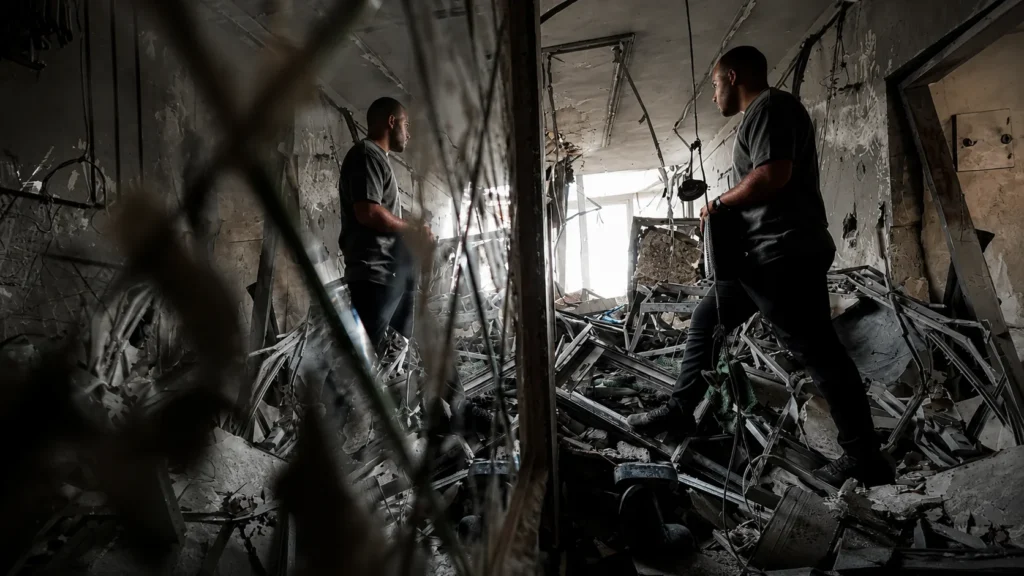
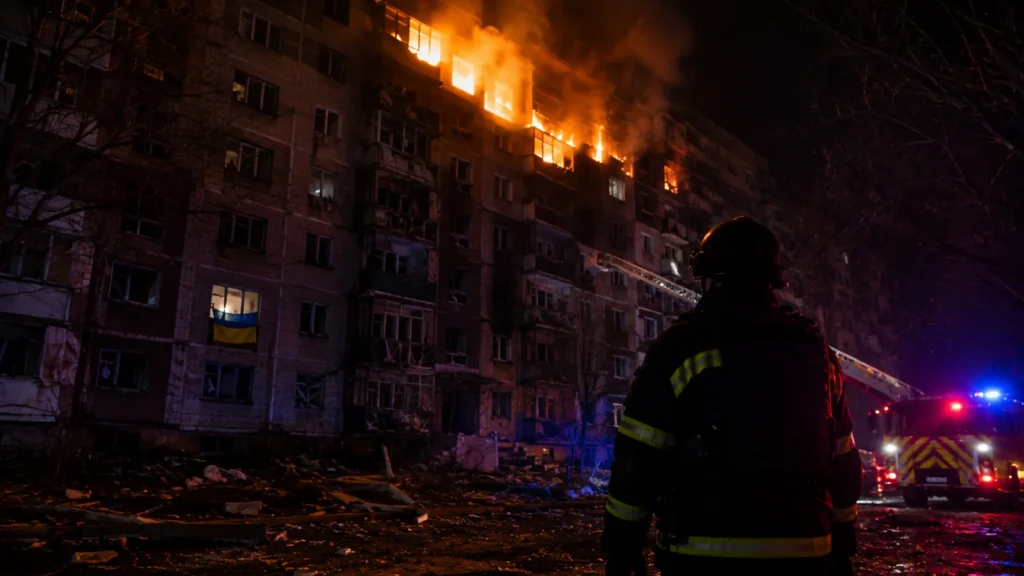
The disclosure of the document’s brevity came as Israeli forces struck a vehicle in southern Lebanon on Monday evening, killing four people in what Lebanese media described as the first such attack since the deal was announced. Hezbollah responded with missiles and drones. The episode exposed the gap between the MOU’s ceasefire clause—which Pakistani mediators said includes “the immediate and permanent termination of military operations on all fronts, including in Lebanon”—and the battlefield reality that the deal does not yet control.
What the Deal Contains—and What It Defers
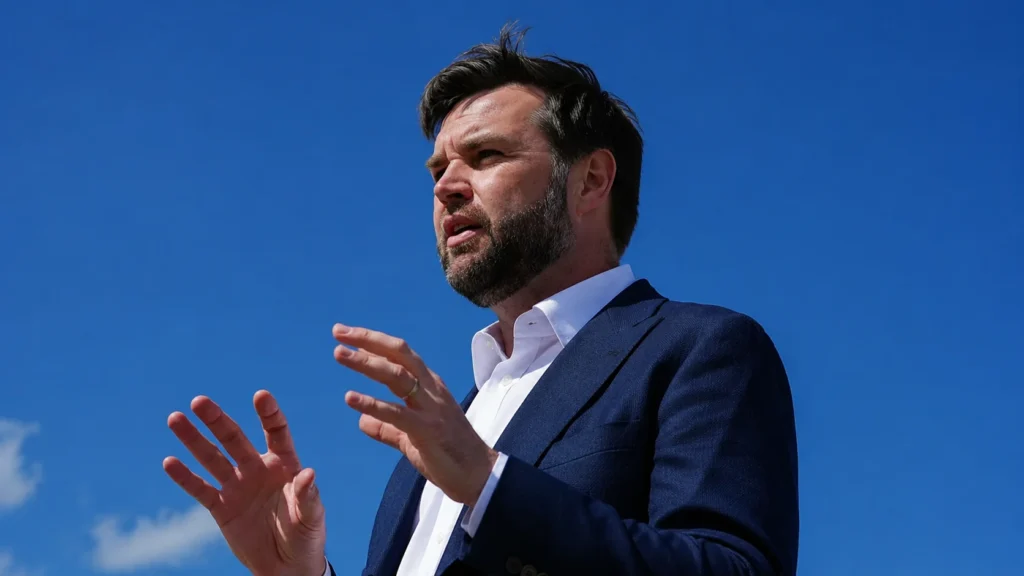
Vance’s description of the MOU as “very general” was unusually candid for a senior official describing a diplomatic agreement. “On a number of issues, we are going to have to figure this stuff out during the technical negotiation phase,” he told CNN, adding that the document sets up a framework “whereby the Iranians get the benefits of the bargain by meeting their obligations under the bargain.”
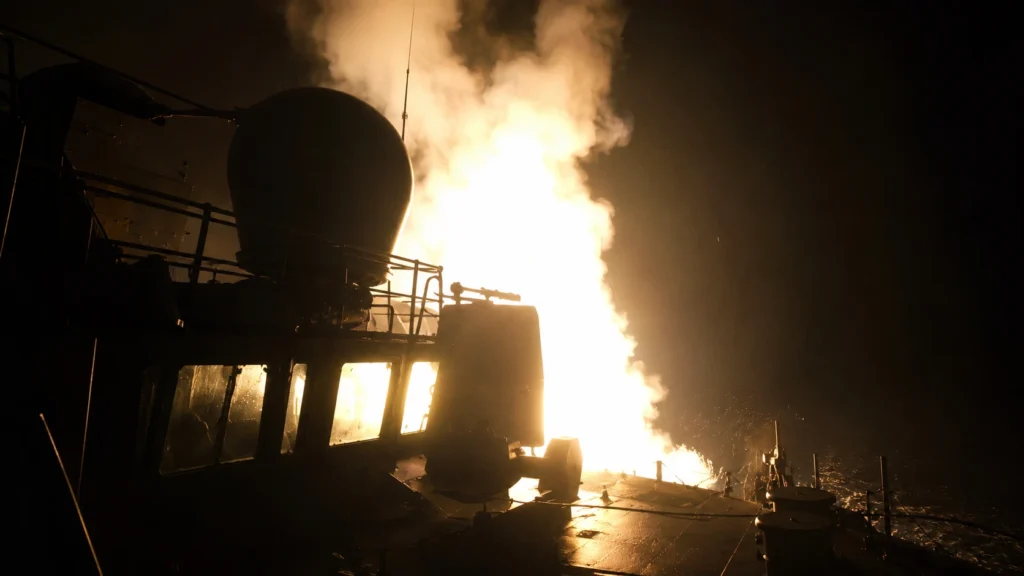
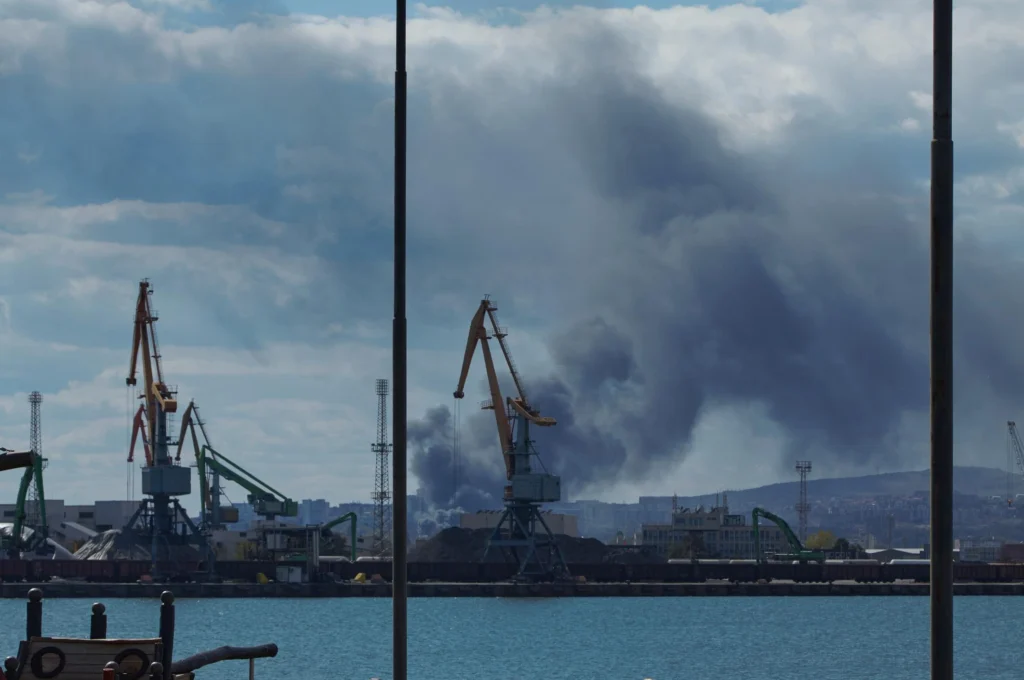
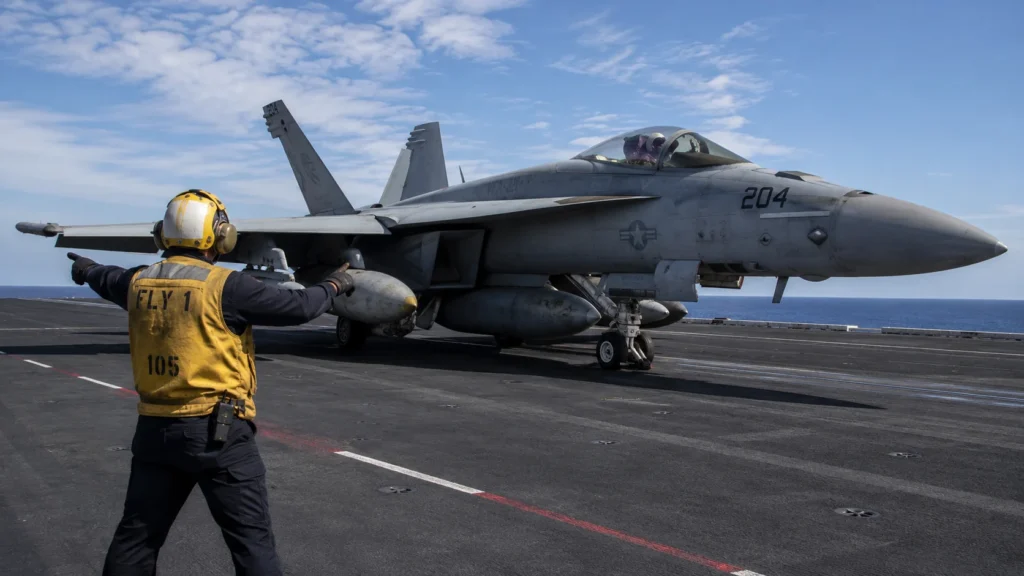
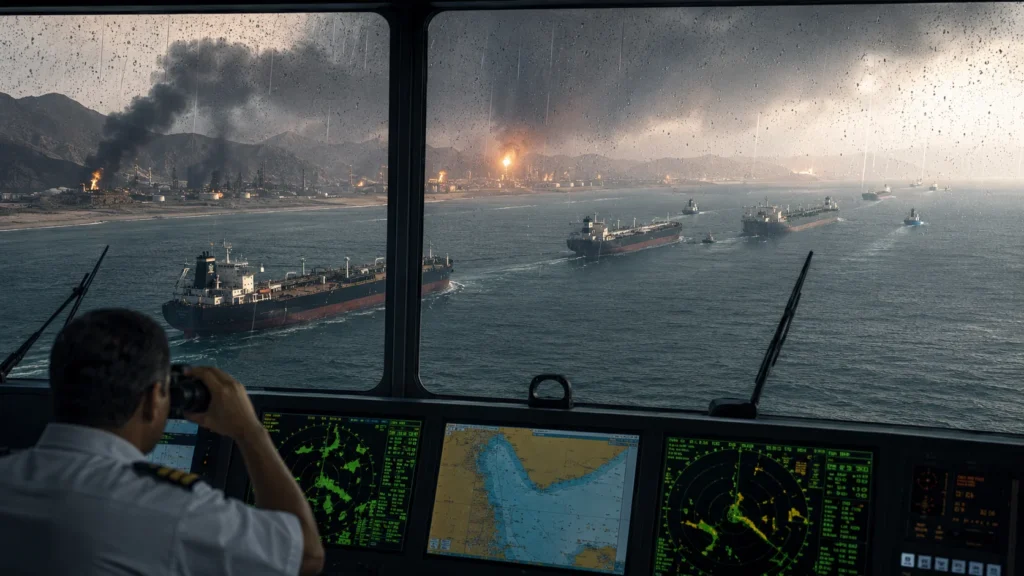
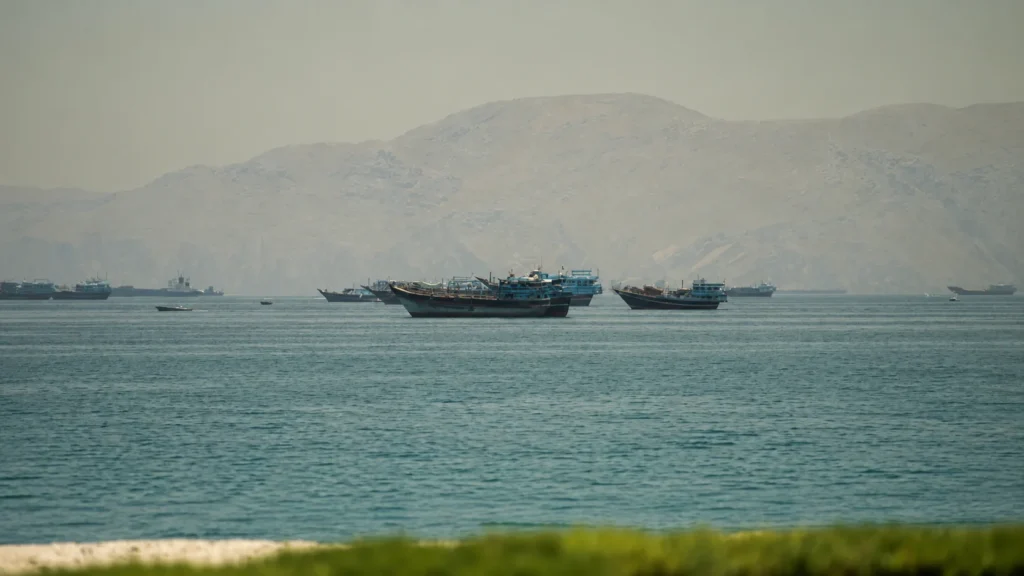
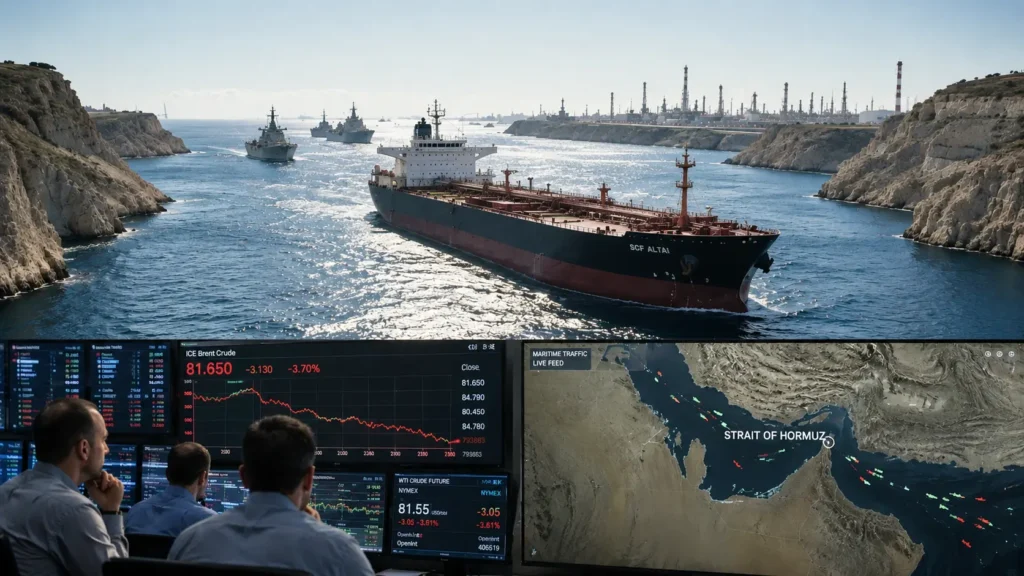
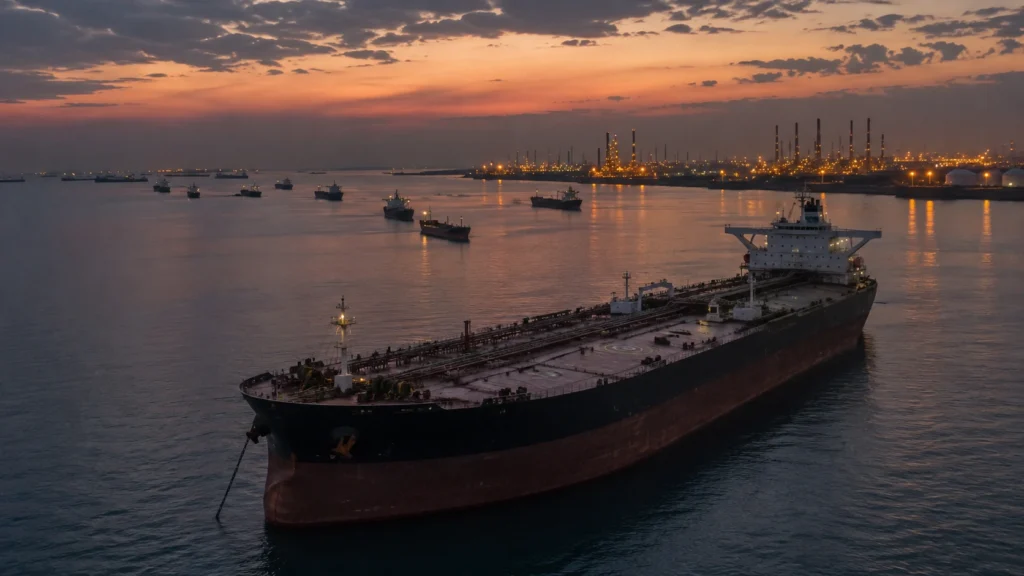
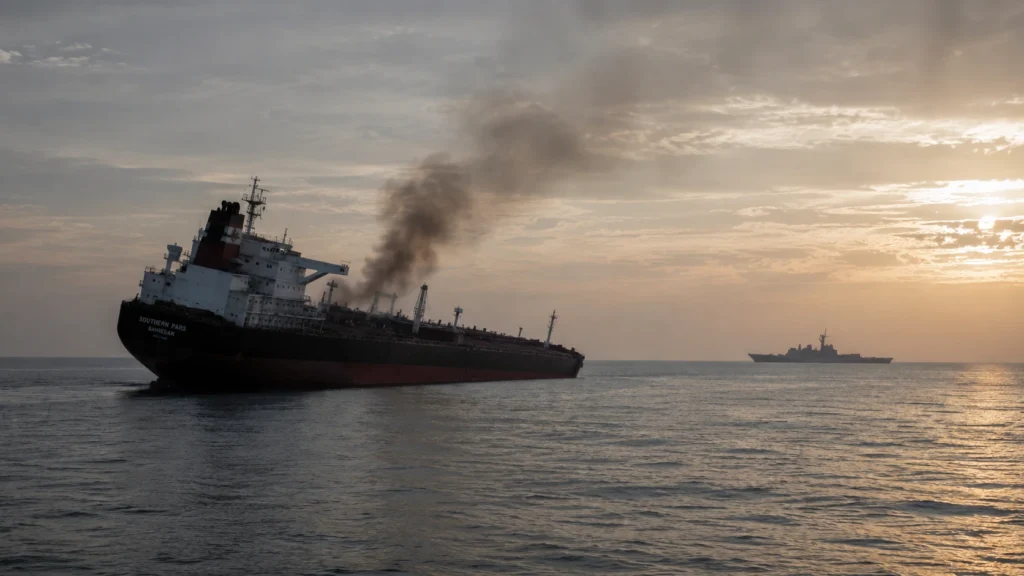
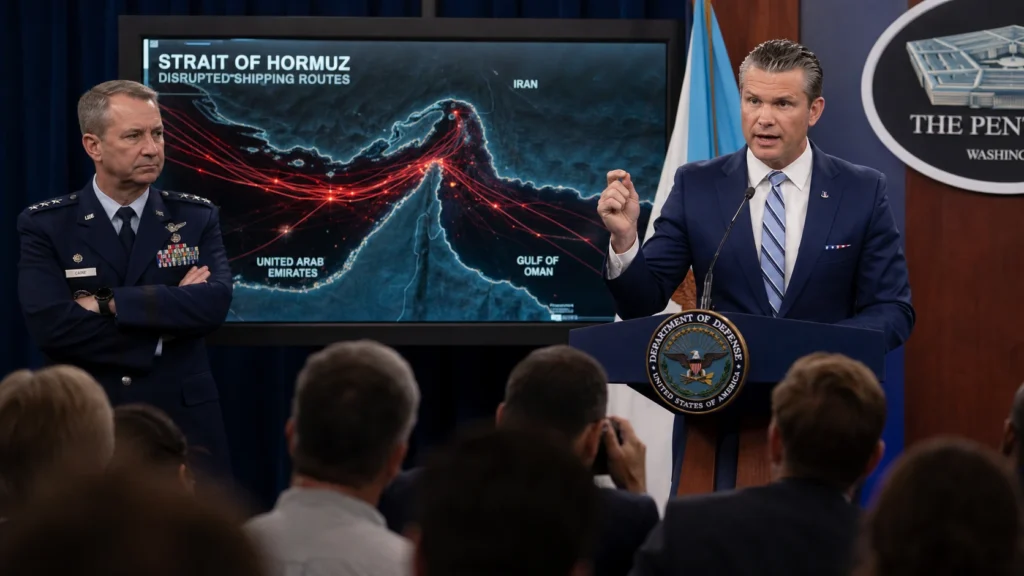
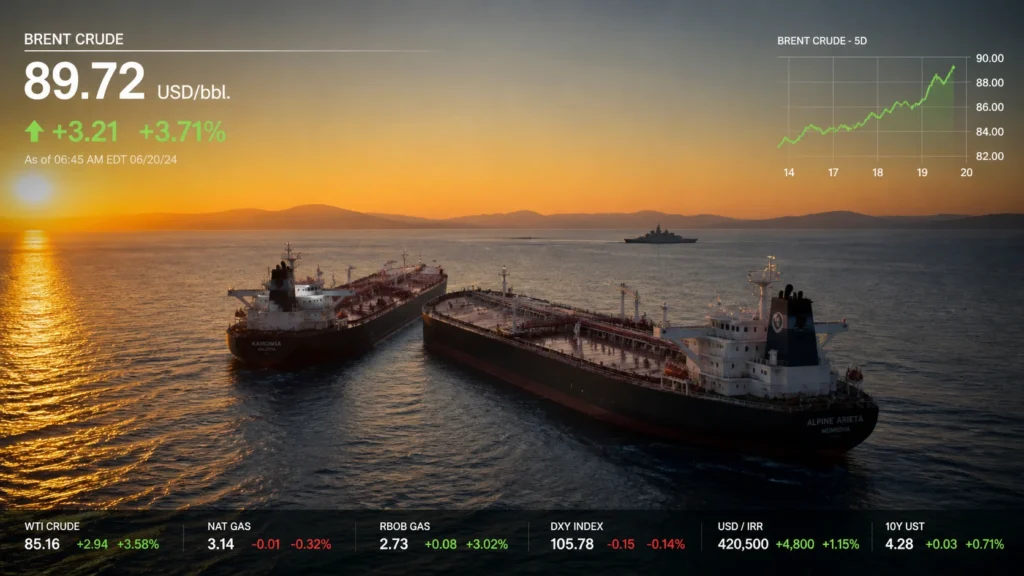
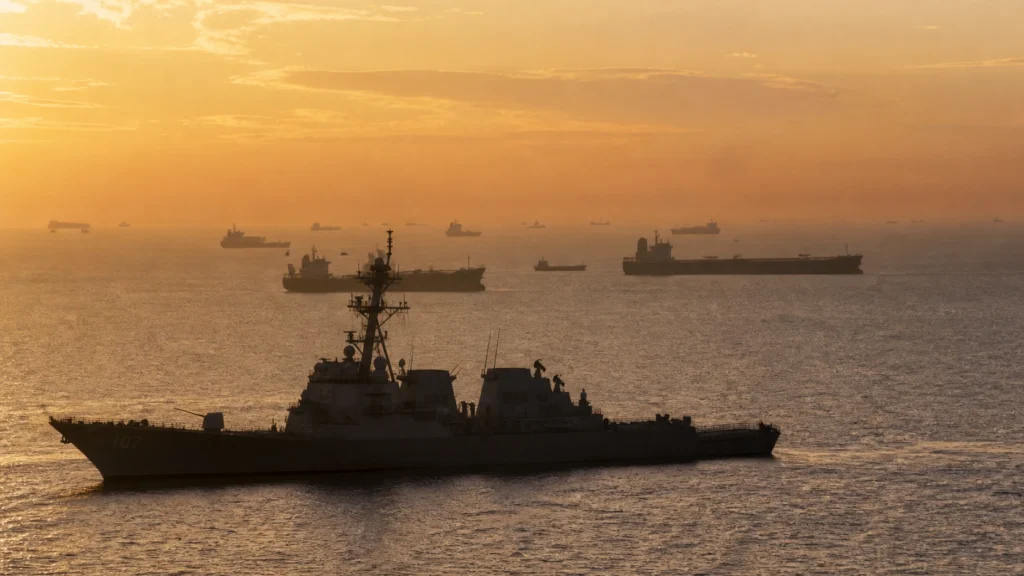
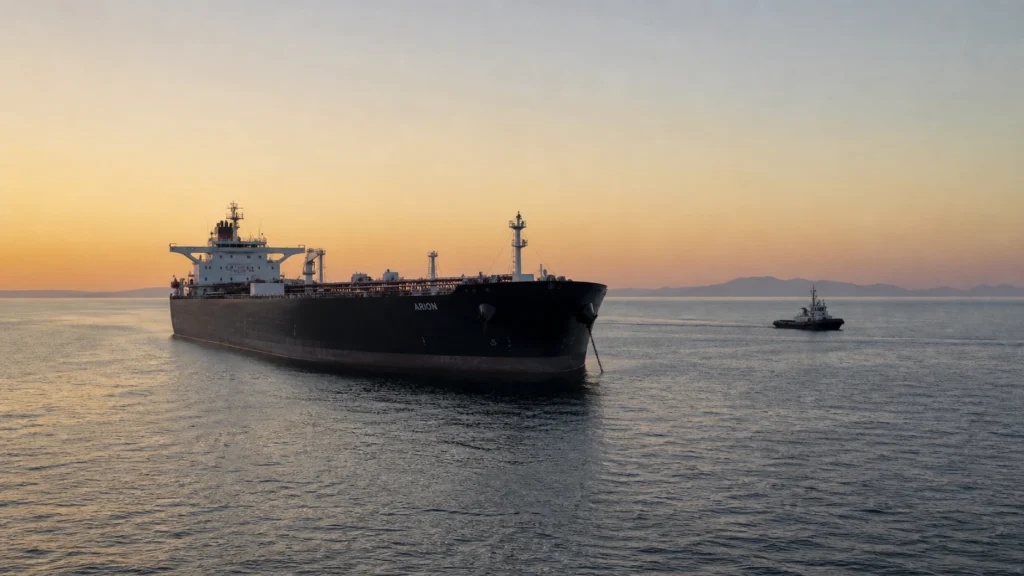
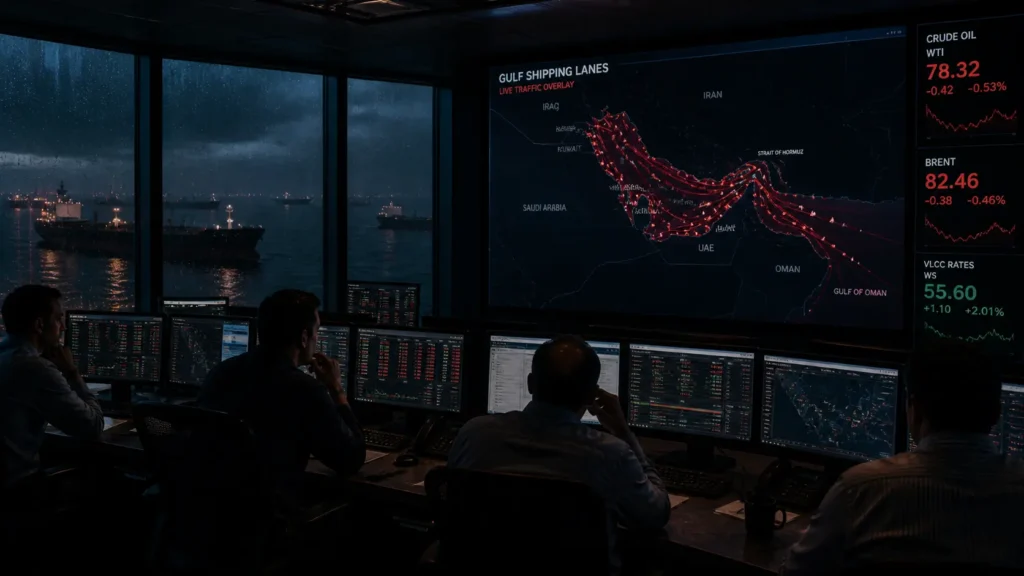
The known provisions are substantial. The Strait of Hormuz, effectively closed since 28 February, reopens on Friday. The US naval blockade of Iranian ports—which, according to US Central Command operational updates, has disabled nine vessels and redirected 142 more since April 13—ends immediately. IAEA inspectors will “absolutely” return to verify the destruction of highly enriched uranium stockpiles. Paragraph one commits Iran to “regional peace and stability,” which Vance said includes stopping the funding of what he termed terrorist organisations.
The unknown provisions are more significant. The limits on uranium enrichment have not been specified. The timeline for stockpile destruction has not been set. The verification mechanism has not been described. The sequencing of sanctions relief remains contested—Iran expects the US to implement its commitments before final negotiations begin; the US expects Iran to negotiate seriously before sanctions are lifted. As previous analysis of US-Iran negotiation patterns documented, this sequencing dispute has been the central sticking point in every round of talks.
The Lebanon Test
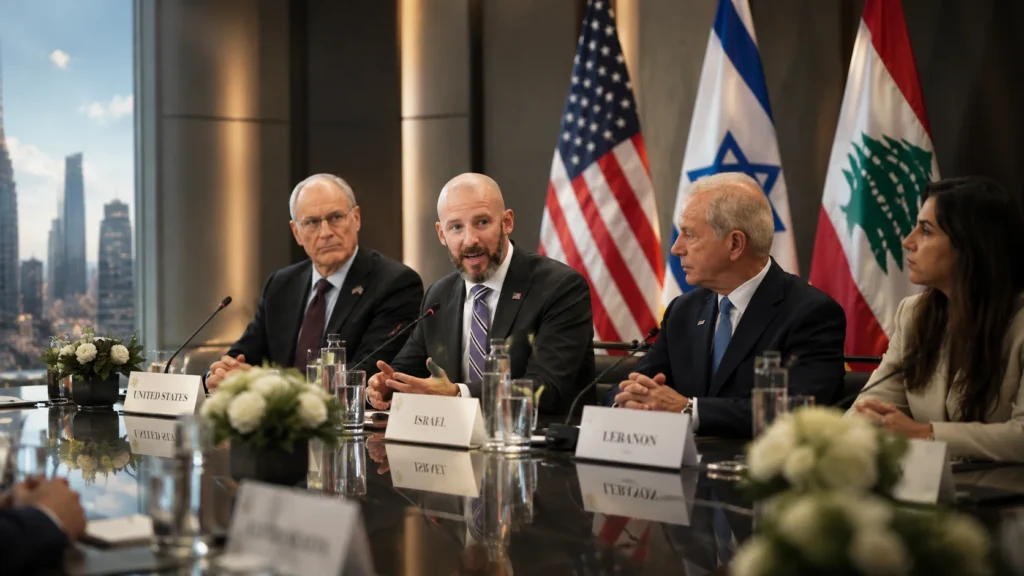
The Pakistani mediators who brokered the deal announced that it includes a clause ending military operations on all fronts, including in Lebanon. US officials later clarified that while Lebanon is covered by the ceasefire framework, the withdrawal of Israeli forces from Lebanese territory is not a condition of the deal. Israel retains the right to self-defence.
Israeli Prime Minister Benjamin Netanyahu said on Monday evening that Israeli forces would remain in security zones in Lebanon, Syria, and Gaza “as long as necessary” and retain the freedom to act against attacks. Hours later, an Israeli strike hit a vehicle in southern Lebanon. Four people were killed. The Israel Defense Forces confirmed the strike, saying it had targeted terrorists.
Iranian Foreign Minister Seyed Abbas Araghchi warned that Iran would view any Israeli attack on Lebanon or continued presence in Lebanese territory as a violation of the interim agreement. His formulation was striking: “In our view, the two parties to this memorandum are the US and Israel on one side, and Iran and Hezbollah on the other.” The US does not share this view. Israel is not a signatory. As Israel’s independent posture on Iran diplomacy has examined, the gap between the deal’s aspirations and Israel’s operational freedom is the gap where the agreement’s durability will be tested.
The Narrative War
The deal is being presented in starkly different terms in different capitals.
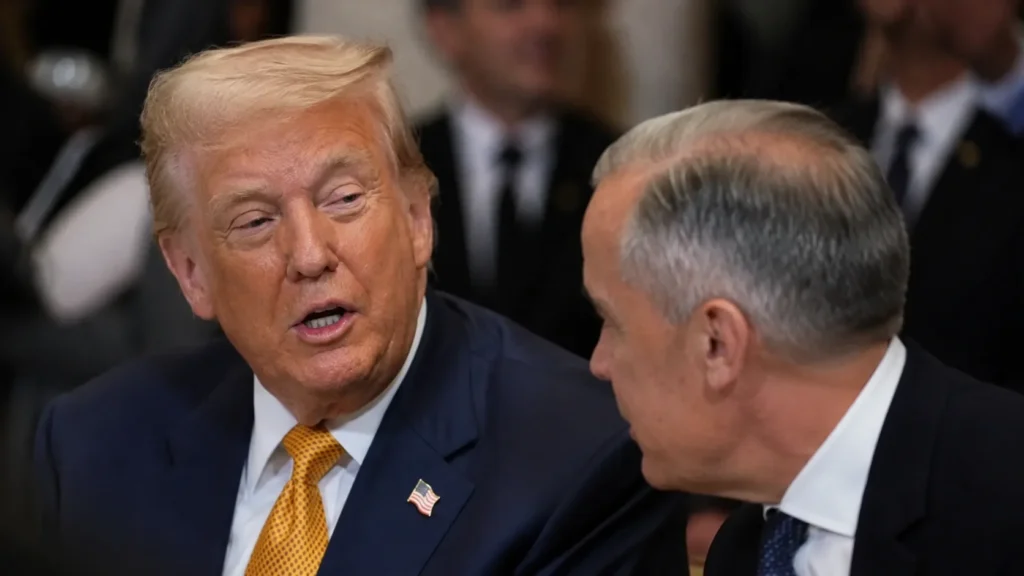
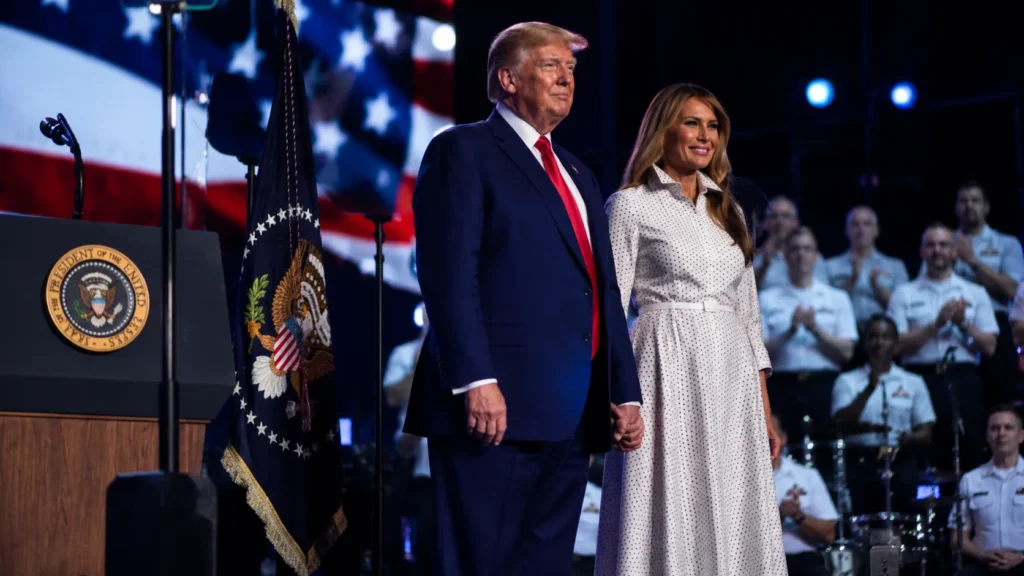
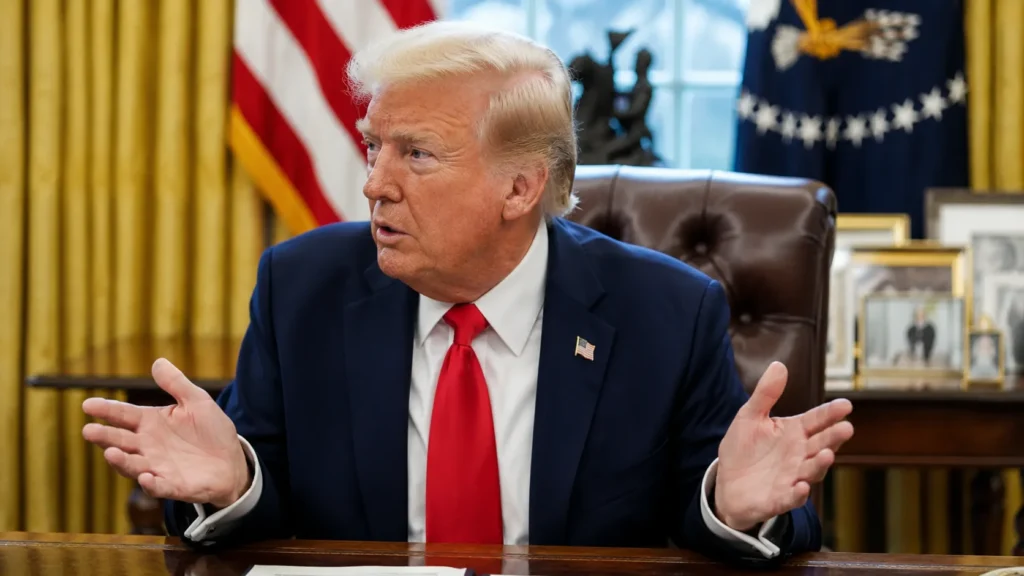
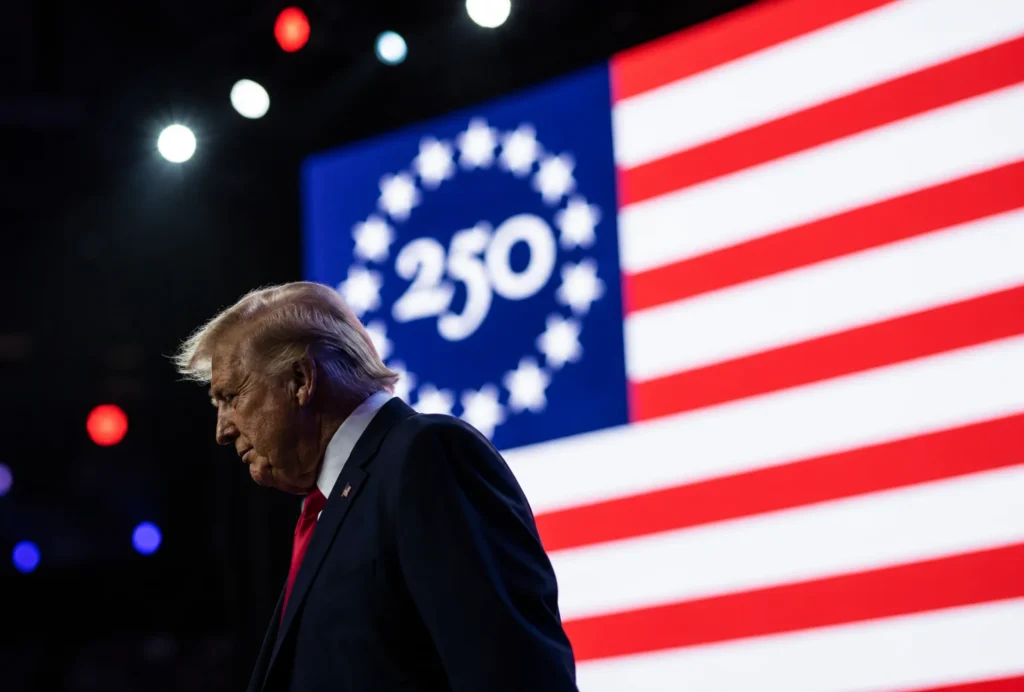
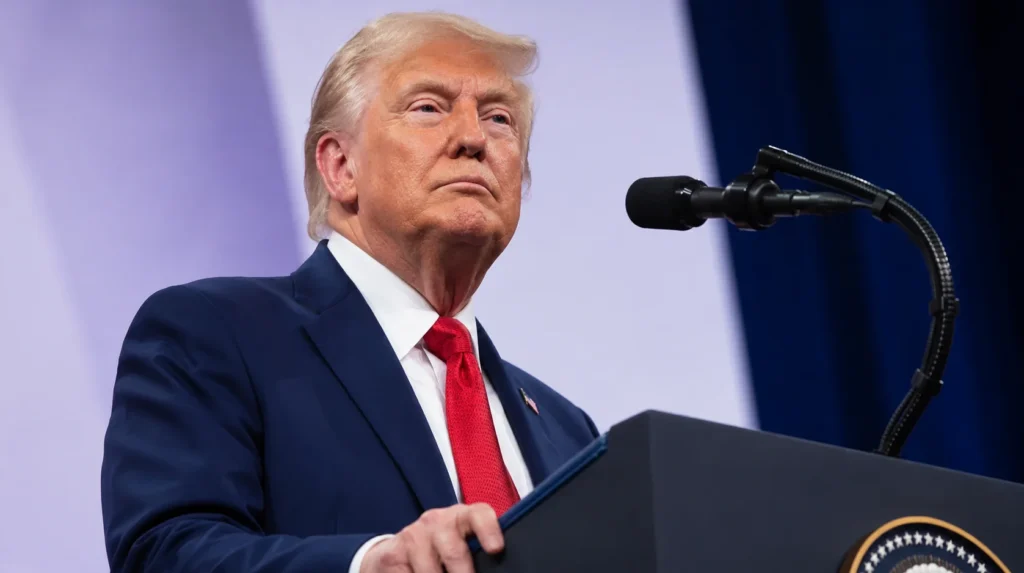
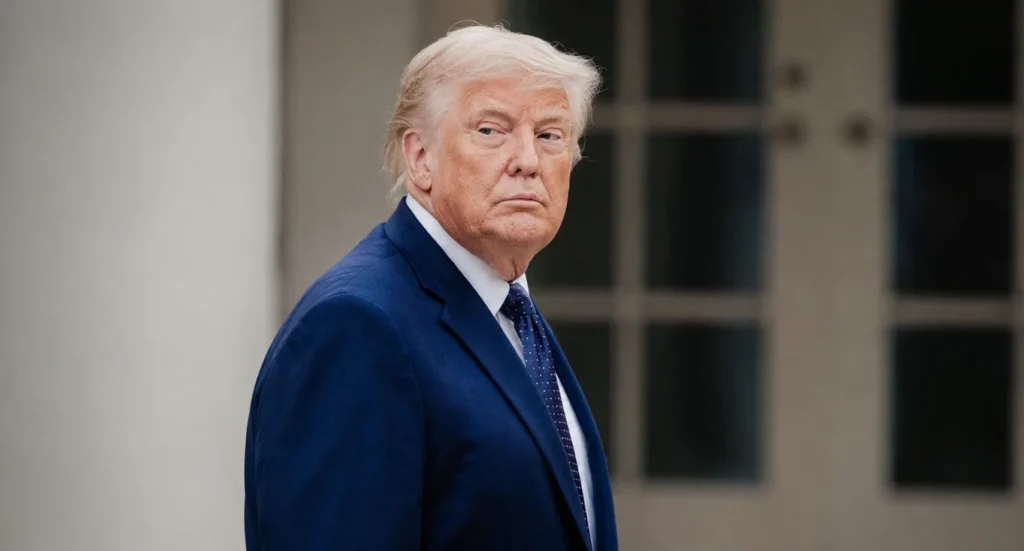
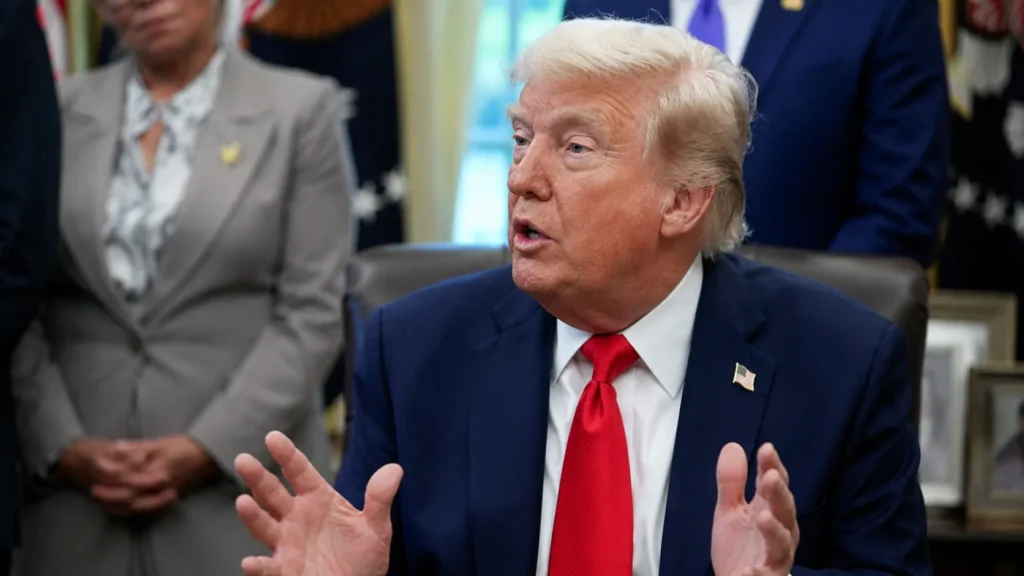
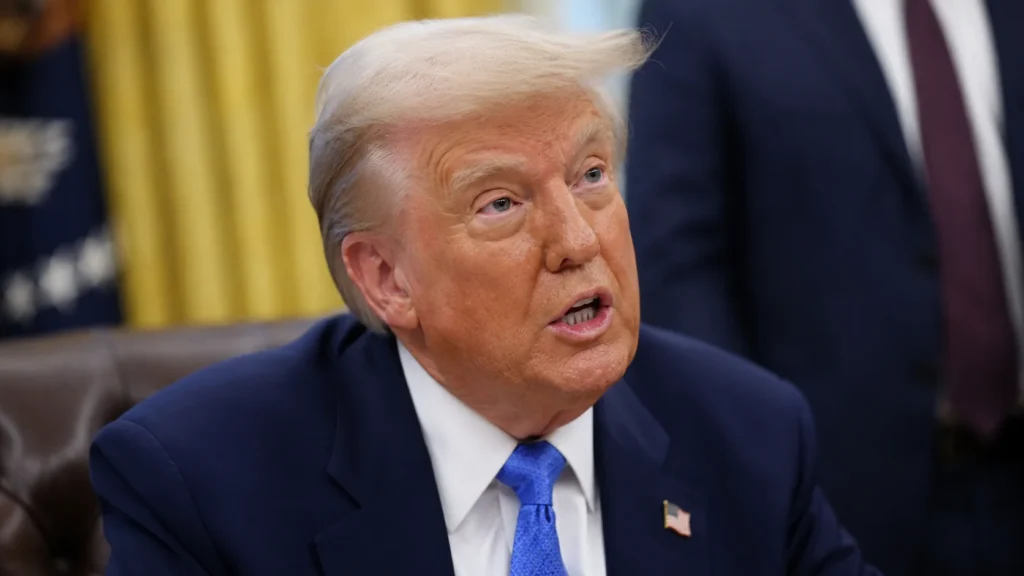
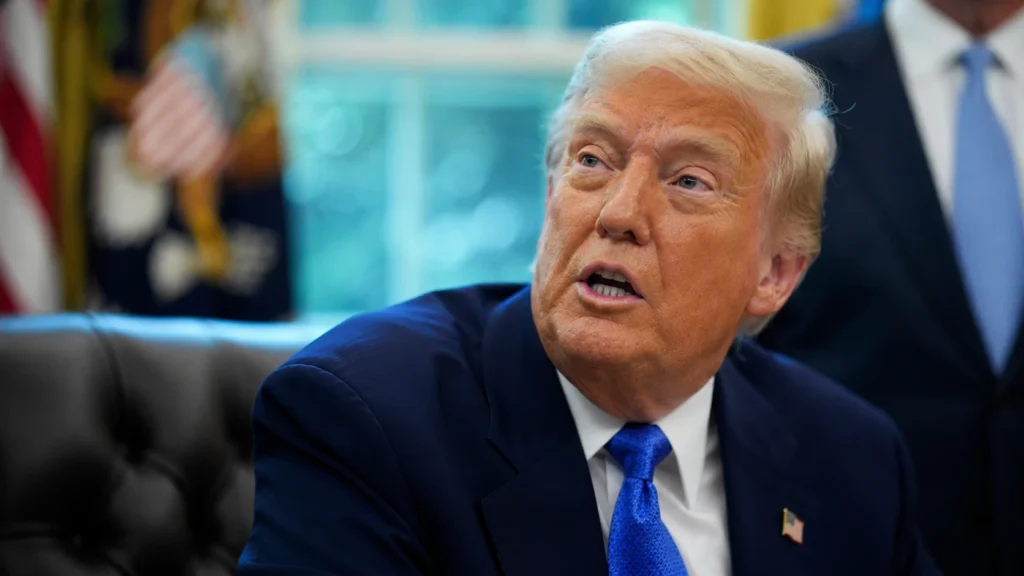
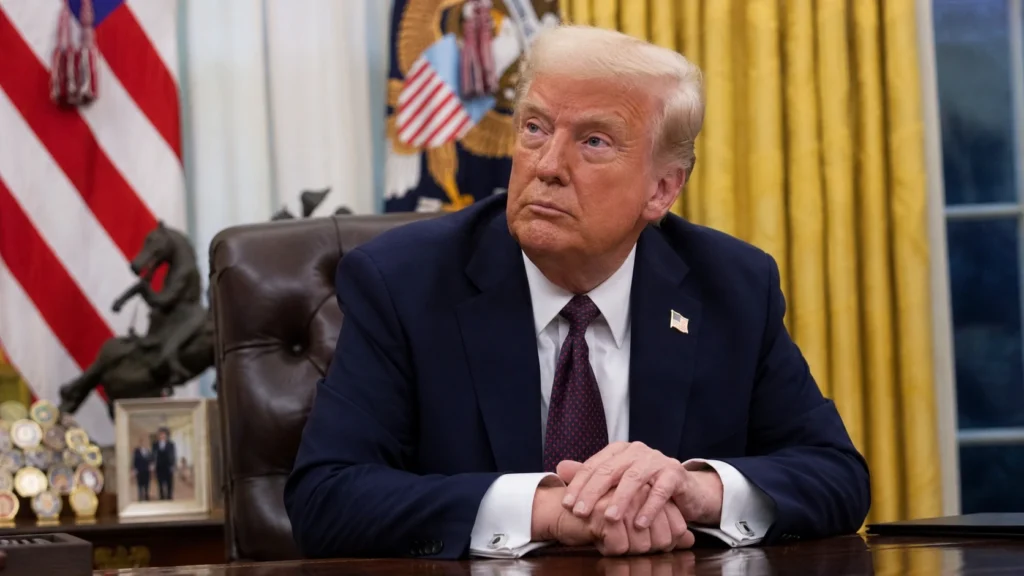
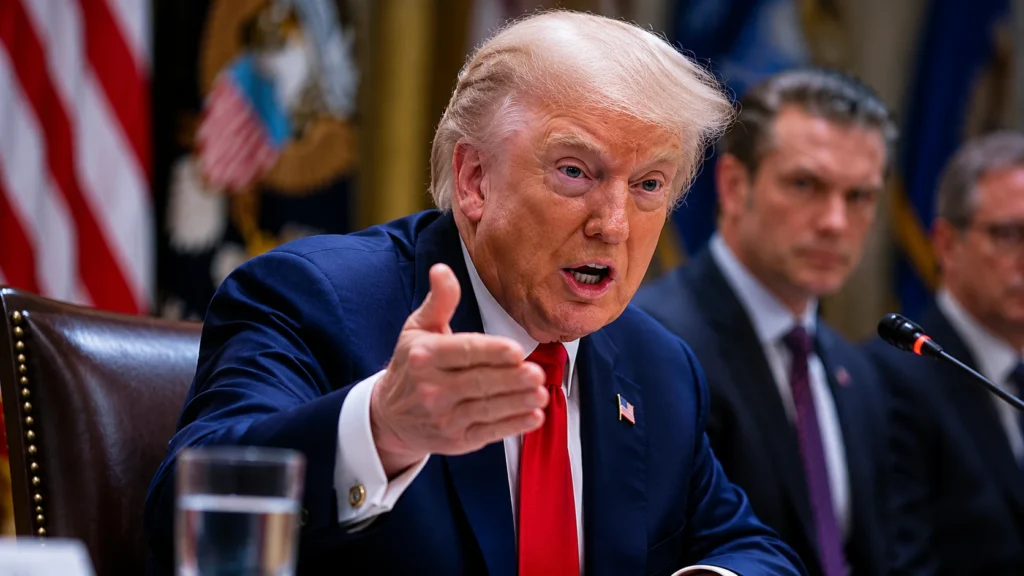
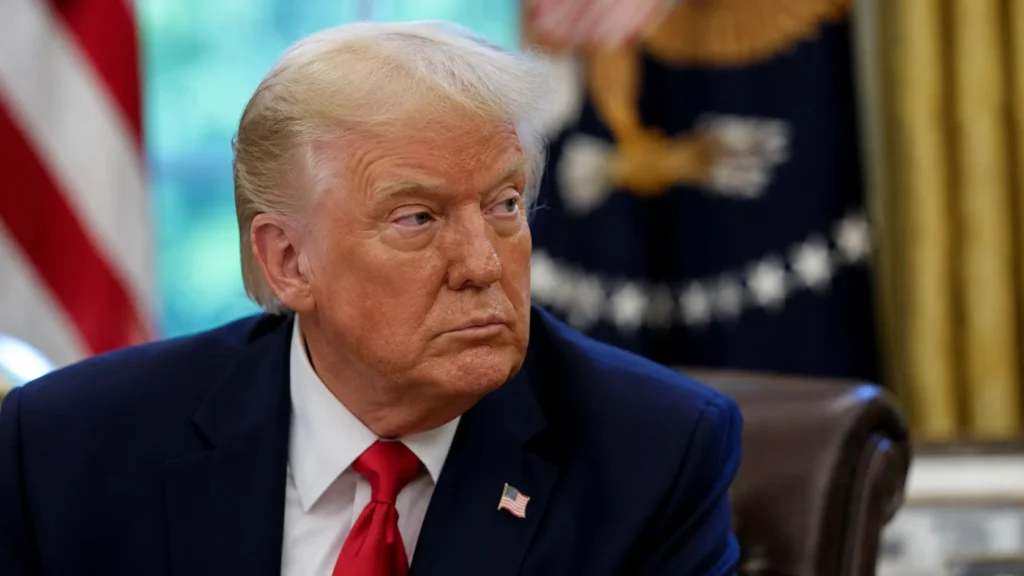
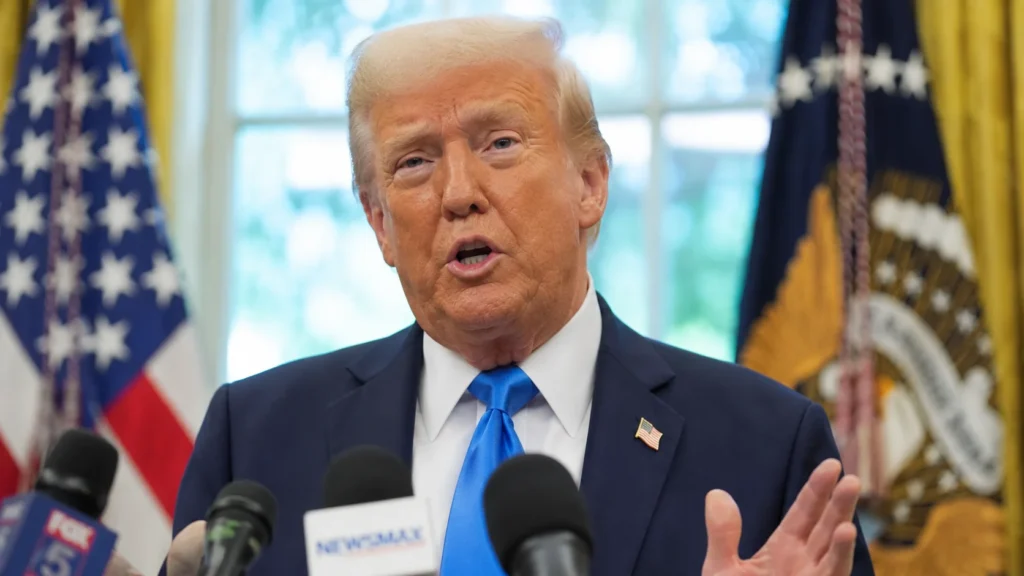
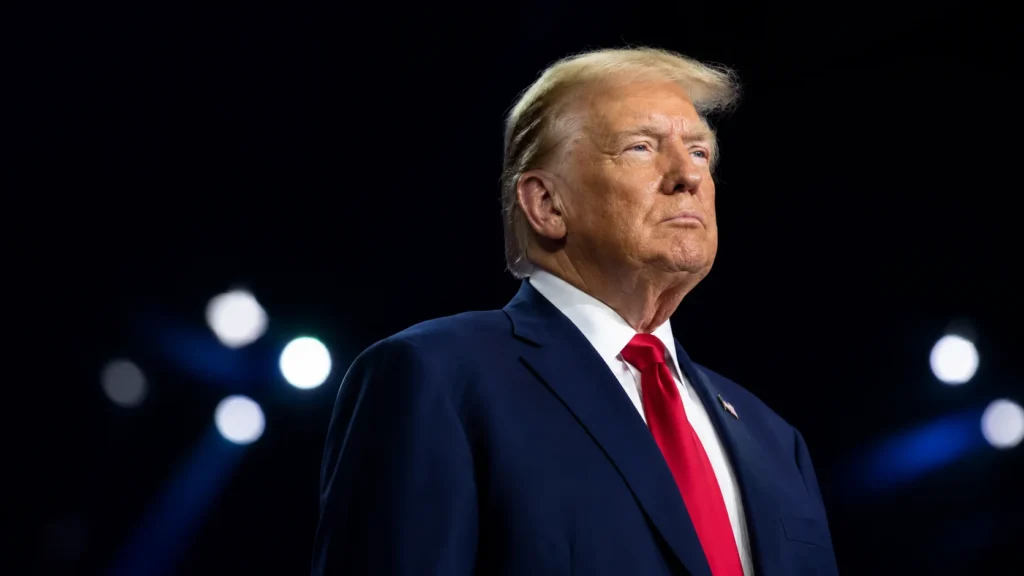
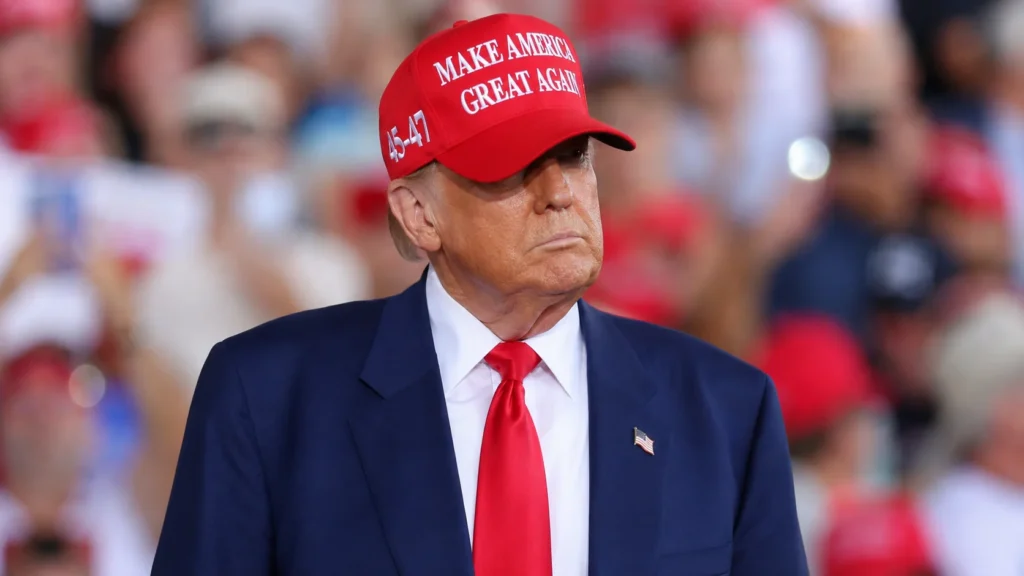
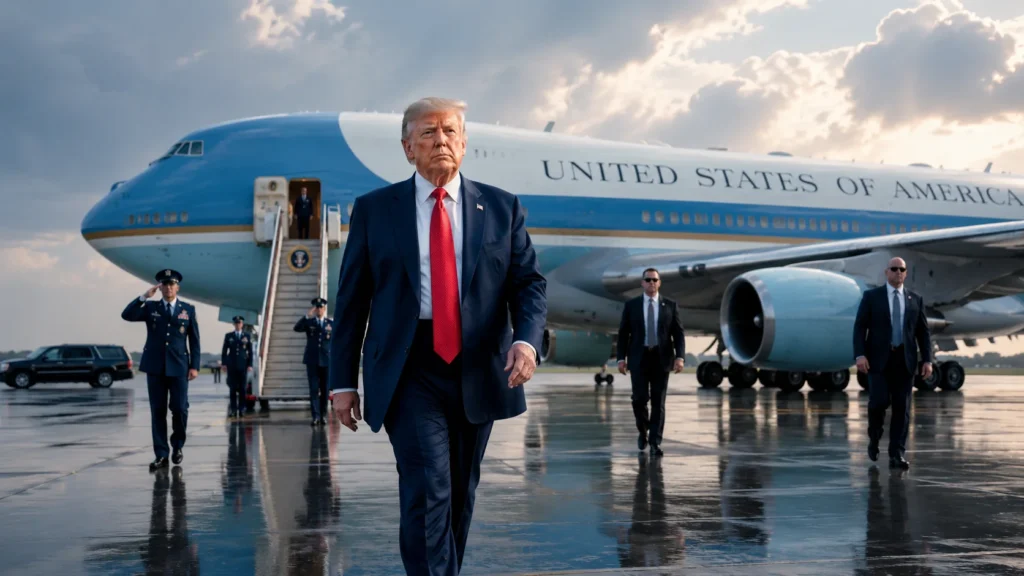
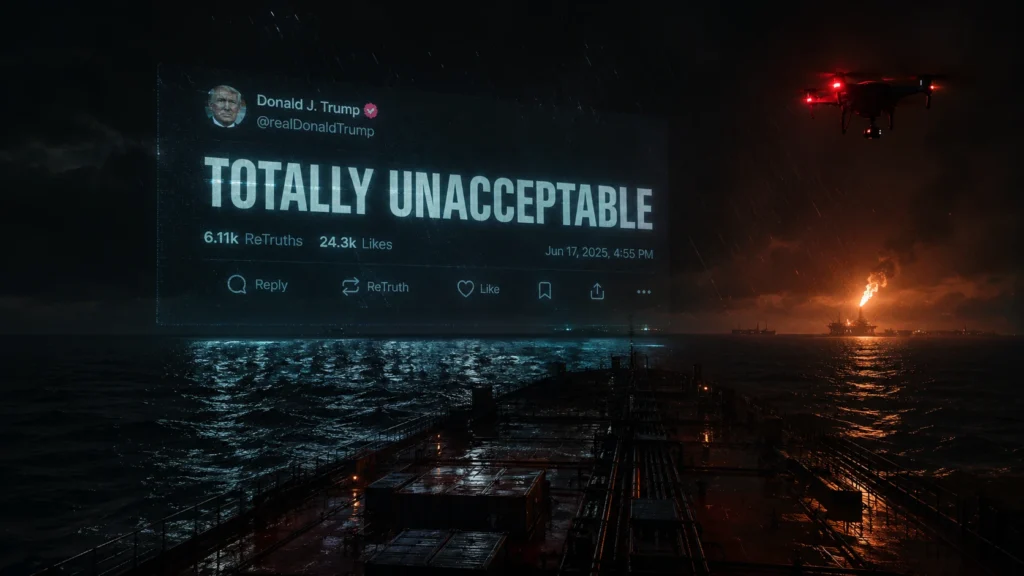
In Washington, Trump presented the agreement at the G7 summit as a victory for his strategy of military pressure followed by diplomatic engagement. He told French President Emmanuel Macron on Monday: “I am very happy to say it’s signed, the deal is all signed.” He said he did not believe the US would “need much help” keeping the Strait of Hormuz open, but added it would not be “a bad idea to have a ship or two” from allied nations. The UK and France had been planning a defensive mission to protect vessels in the waterway.
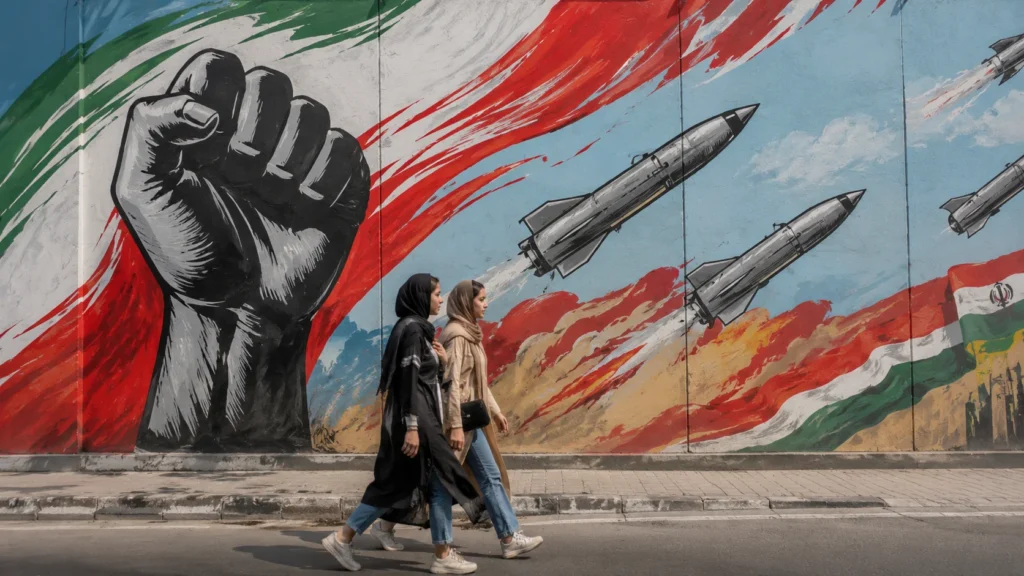
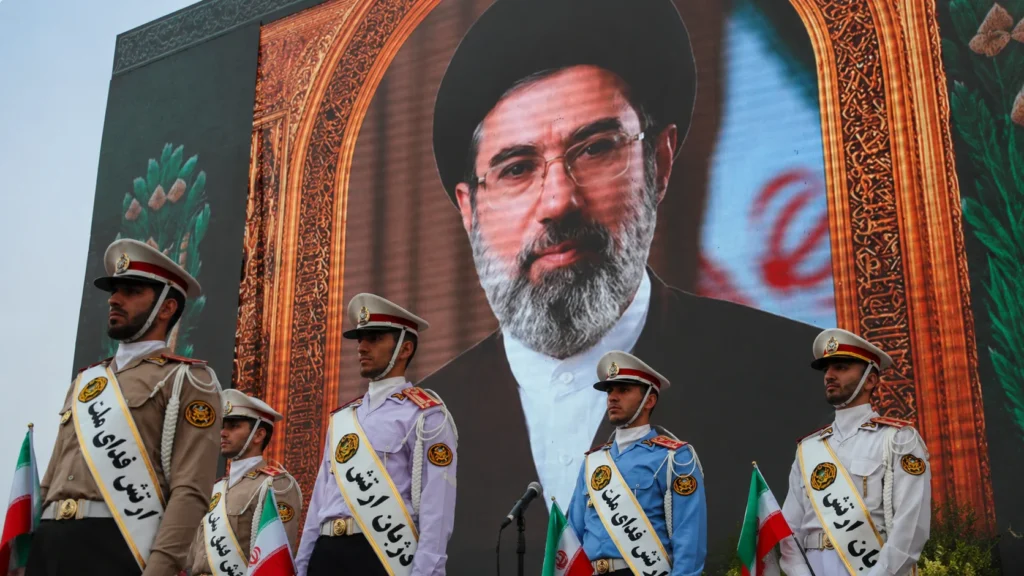
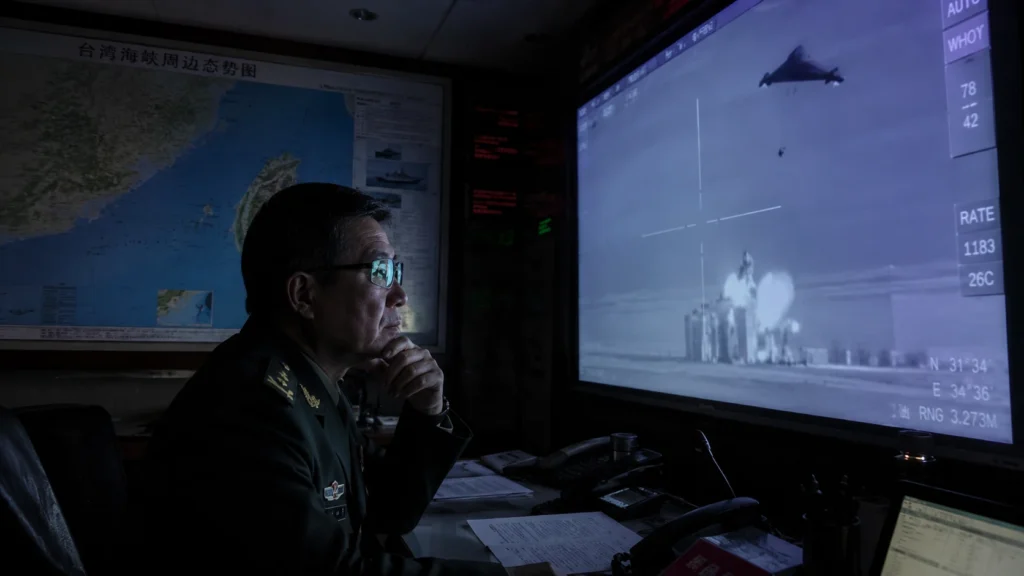
In Tehran, the Iranian military command, Khatam al-Anbiya Central Headquarters, declared that Iran and its proxies had shown the US and Israel that they had “no option but to accept defeat and surrender.” The framing was triumphalist. Iran’s foreign ministry struck a more cautious note, saying Tehran still held “deep mistrust” of the US and describing the agreement as “merely a step towards reducing tensions.” Deputy Foreign Minister Kazem Gharibabadi told state TV that Qatari mediators held “nearly 14 to 15 hours of lengthy talks” in Tehran to reach the initial agreement, according to Iranian state media reports.
In Israel, Netanyahu told a news conference that Iran would not be allowed to obtain nuclear weapons “with or without a deal.” The formulation preserves Israel’s freedom of action and signals that it does not trust the deal’s nuclear provisions.
Lebanese President Joseph Aoun welcomed the agreement and said he looked forward to it translating into “practical steps that will put a definitive end to the cycle of violence.” The practical step on Monday was an Israeli air strike.
What Happens Next
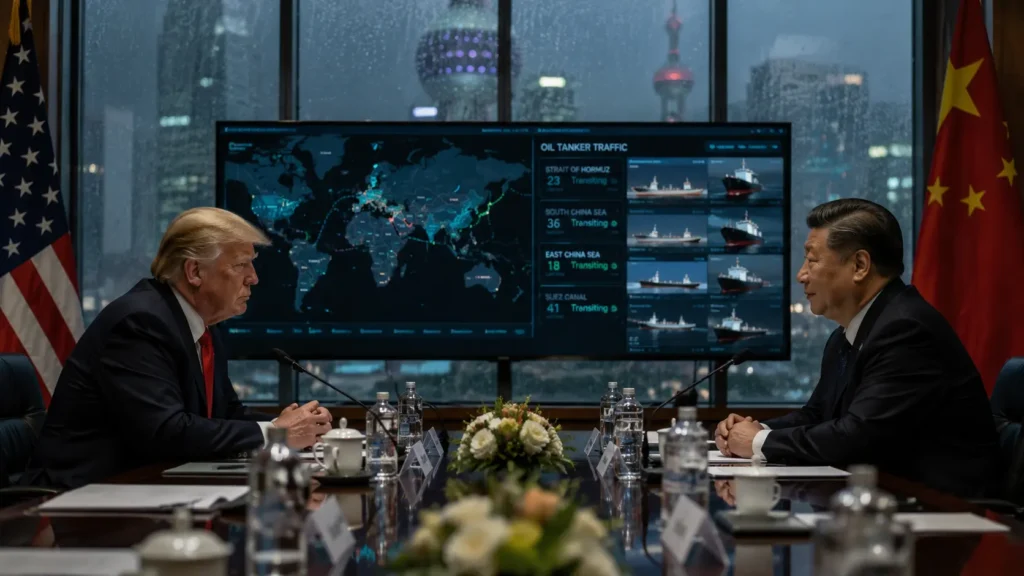
The technical negotiations begin this week. The 60-day clock starts on Friday when the MOU is formally inked in Geneva. The nuclear question—enrichment limits, stockpile disposition, verification—must be resolved within that window. The Lebanon question will be tested every time a strike hits. The sanctions question will be the first indicator of whether the sequencing dispute can be bridged.
The page and a half is the foundation. The technical talks are the structure. The bombs are still falling.
Frequently Asked Questions
How long is the US-Iran memorandum of understanding?
Vice President JD Vance described it as “about a page and a half” and “very general.” The document sets up a framework, with detailed provisions to be negotiated during technical talks beginning this week.
When does the Strait of Hormuz reopen?
The Strait of Hormuz reopens on Friday, June 19, the same day the MOU is formally signed in Geneva. The US naval blockade of Iranian ports ends immediately.
Will nuclear inspectors return to Iran?
Yes. Vance said IAEA inspectors would “absolutely” be allowed back into Iran. The deal commits the US and IAEA to helping Iran destroy its highly enriched uranium stockpile.
Is Israel bound by the ceasefire?
No. Israel is not a signatory to the deal. Netanyahu said Israeli forces would remain in security zones in Lebanon, Syria, and Gaza “as long as necessary.” An Israeli strike killed four people in southern Lebanon on Monday.
What happens after 60 days?
The 60-day ceasefire extension provides a window for technical negotiations on enrichment limits, stockpile disposition, verification, and sanctions relief. If those talks fail, the ceasefire could collapse.