

 English








































































































































































































Tunisia Sacked Their Manager After One Game. The Decision Was Already Made.
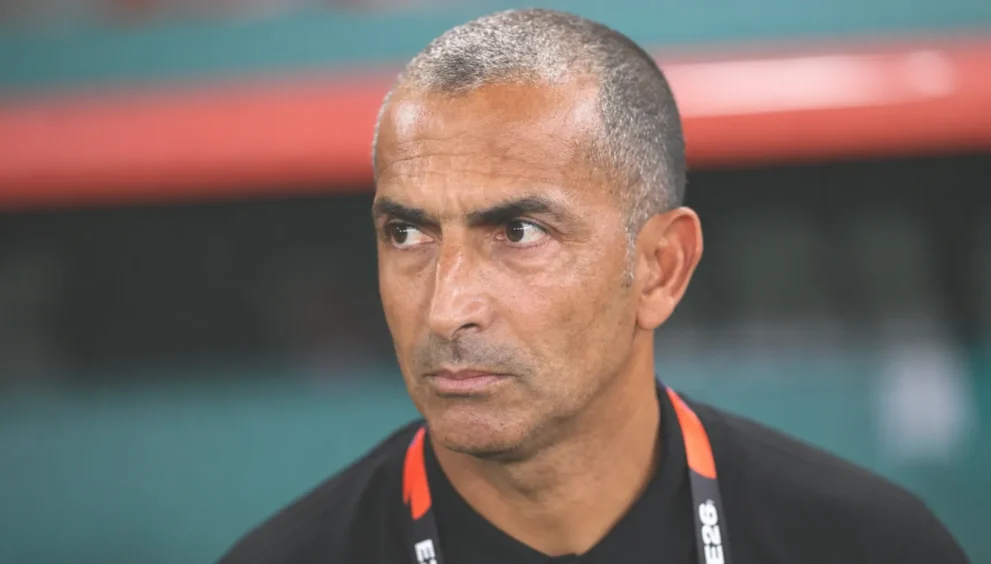
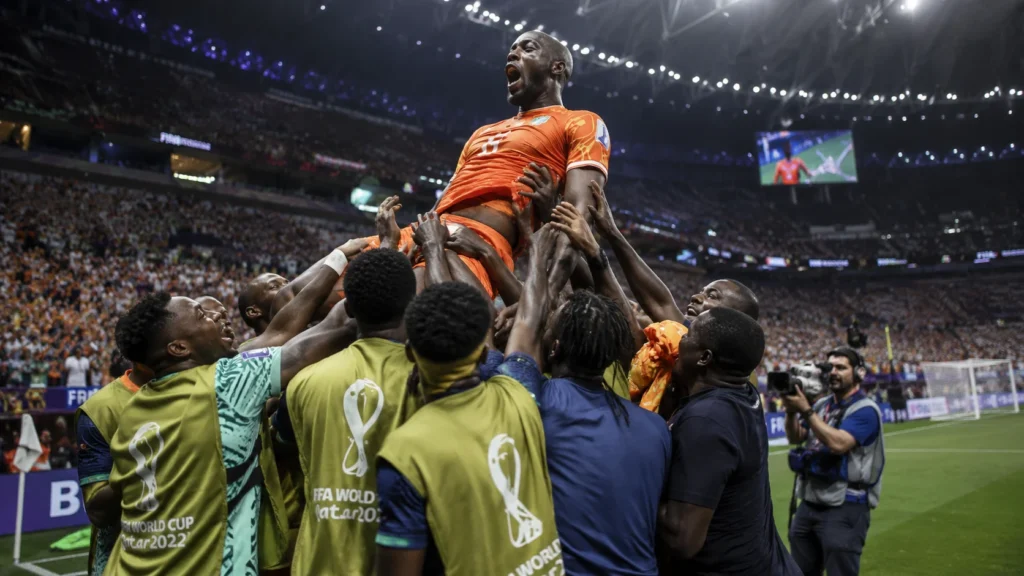
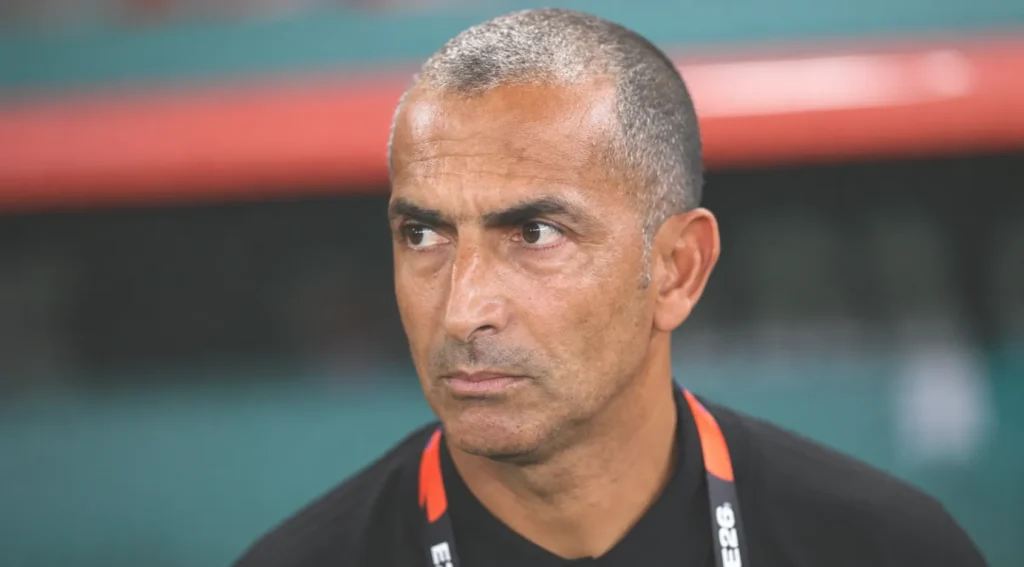
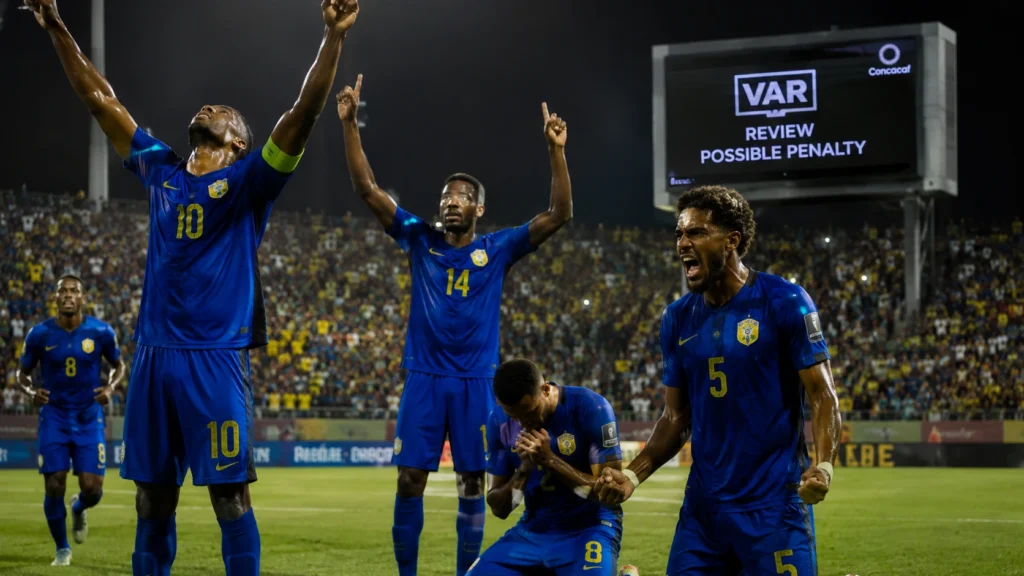
The fifth goal went in. The Swedish players celebrated. The Tunisia bench did not move. Sabri Lamouchi stood at the edge of his technical area, arms crossed, watching a match that had already ceased to be a contest and had become something closer to an autopsy. The final score—5-1, Estadio Monterrey, Guadalupe, Mexico—was not the worst defeat of the World Cup’s opening weekend. It was the one that cost a man his job before anyone else in the tournament had lost theirs.
The reports surfaced immediately after the final whistle. Lamouchi had been sacked. Then, on Monday, he took training. The reprieve lasted less than 24 hours. By the time the Tunisian Football Association released its statement, the language had been calibrated: “mutual agreement,” “contract terminated.” Hervé Renard, the former Morocco and Saudi Arabia manager, had already been appointed until the end of the tournament. The first managerial sacking in World Cup history after a single match was complete.
Lamouchi had been in charge for five months. He won one of his five games—a 1-0 victory over Haiti in his first match. Tunisia lost 1-0 to Austria and 5-0 to Belgium in their warm-up fixtures. The Sweden defeat was not a shock. It was a continuation. The decision to remove him was not a response to 90 minutes of football. The 90 minutes were the evidence the federation needed to do what it had already decided to do.
But this wasn’t about the score. This was about Control vs Chaos—and what happens when a federation concludes that the manager it hired five months ago cannot be trusted with the two matches that remain, and the only thing worse than sacking him now is letting him stay.
The Five-Month Audition
Lamouchi took the job in January, replacing Sami Trabelsi, who left after a last-16 defeat by Mali at the Africa Cup of Nations. The appointment was not a long-term project. It was a World Cup brief. Get Tunisia to the tournament, get them through the group, give the country something to build on. The group contained Sweden, Japan, and the Netherlands. The margin for error was small. The preparation suggested the margin had already been exceeded.
One win in five matches. A 5-0 defeat to Belgium in a warm-up game that was supposed to build confidence. A 1-0 loss to Austria that raised questions about the team’s attacking structure. The Sweden match was the explosion. The five goals conceded were not the product of a single tactical failure. They were the accumulation of problems that had been visible for weeks. The federation had watched the warm-up games. It had seen the shape of the team. It had drawn its conclusions. The Sweden match confirmed them.
The decision to let Lamouchi take training on Monday, after reports of his sacking had already circulated, was strange. It suggested either a federation in internal disagreement or a process that had not been completed before the leaks began. By the time the official announcement came, the strangeness had been replaced by clarity. Renard was in. Lamouchi was out. The first sacking of the tournament had been executed before the second round of group matches had begun.
The Precedent and Its Weight
World Cup sackings are rare. Henryk Kasperczak was dismissed by Tunisia during the 1998 tournament after failing to win either of their first two matches. Cha Bum-kun was sacked by South Korea the same year after two defeats. Julen Lopetegui was dismissed by Spain two days before the 2018 tournament began, punished not for results but for negotiating with Real Madrid without the federation’s knowledge. No manager had ever been sacked after a single World Cup match. Lamouchi now owns that record.
The record is not a reflection of him alone. It is a reflection on a federation that concluded, after 90 minutes of tournament football, that the situation was irretrievable. The conclusion was either panicked or clear-sighted. The next two matches will determine which.
Renard’s appointment is its own statement. He has managed Morocco and Saudi Arabia at World Cups. He knows the tournament’s rhythms. He has taken over teams in crisis before. His brief is not to rebuild. It is to salvage. Tunisia faces Japan and the Netherlands. They need results. They need a performance that suggests the Sweden defeat was an aberration rather than a revelation. Renard has days to produce both.
What the Sacking Reveals
The decision to remove Lamouchi after one match exposes a federation that had lost faith in its manager before the tournament began. The warm-up results—the 5-0 to Belgium, the 1-0 to Austria—had eroded whatever confidence the January appointment had generated. The Sweden match was the moment the erosion became a collapse. The federation acted because it believed acting was less damaging than waiting.
The calculation is high-risk. Sacking a manager mid-tournament destabilises a squad that has already been destabilised by a 5-1 defeat. The players who took the field against Sweden will now take the field against Japan under a manager they did not expect to be playing for. Renard must establish authority, implement a tactical plan, and restore morale in a matter of days. The task is enormous. The alternative—keeping Lamouchi—was judged to be worse.
Lamouchi’s post-match comments were those of a manager who knew what was coming. “We made too many mistakes, and this is not something that we can do,” he said. “We are shooting ourselves in the foot; we are hurting ourselves.” The language was passive. The mistakes were collective. The responsibility was shared. The federation did not share it. It assigned it to him.
What Changes Now
Renard inherits a squad that has conceded five goals in its opening match and must now face Japan, a team that reached the round of 16 in 2022, and the Netherlands, one of the tournament’s more talented sides. The path to the knockout stage is narrow. It may already be closed. Renard’s job is to ensure that Tunisia does not leave the tournament in disgrace. A competitive performance against Japan. A result against the Netherlands. Something that suggests the Sweden match was the end of one story rather than the whole story.
The players will respond, or they will not. The sacking will either galvanise them or confirm their disintegration. The federation that made the decision will be vindicated or exposed. The next match will provide the first evidence. The match after that will provide the verdict.