 English




















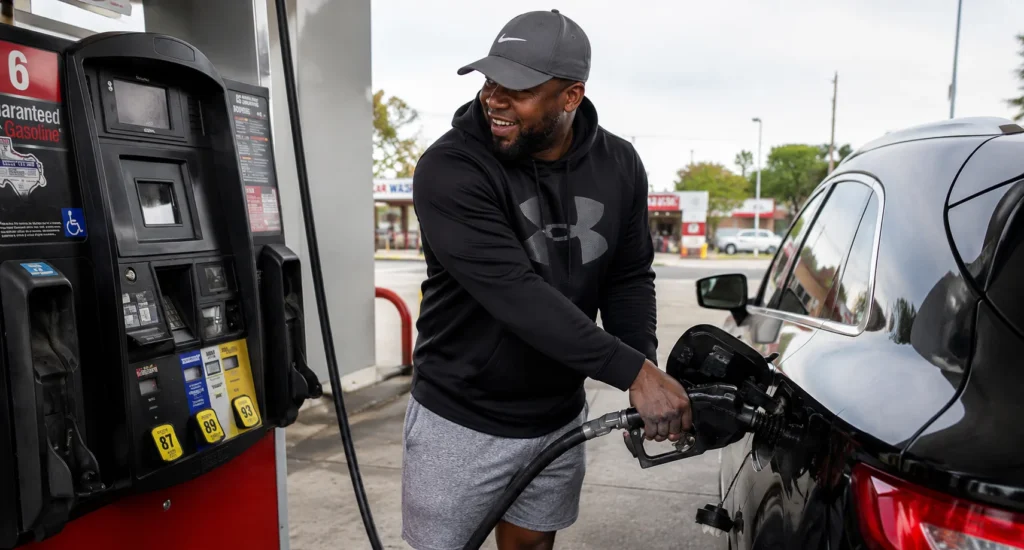
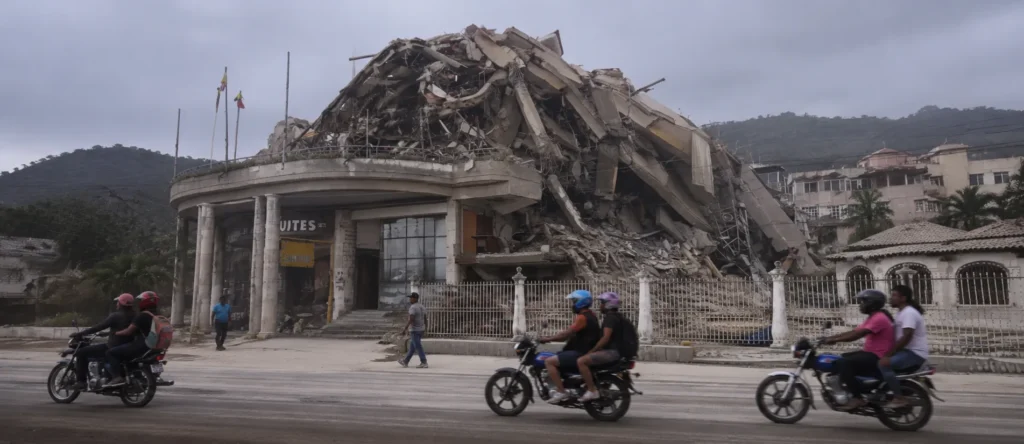
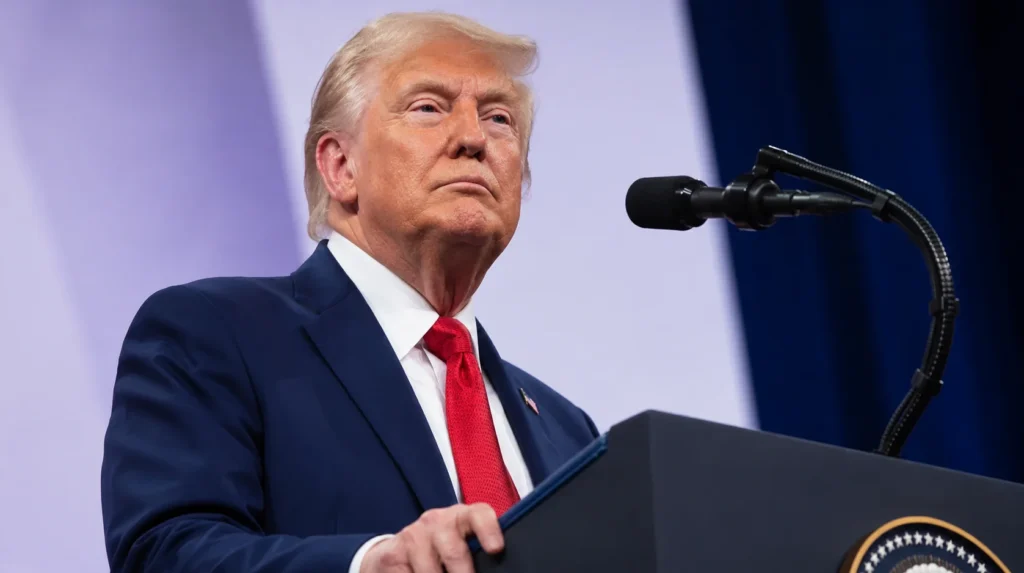























































































































Trump Says Strait Will Be “Toll-Free” as Oil Drops to $78
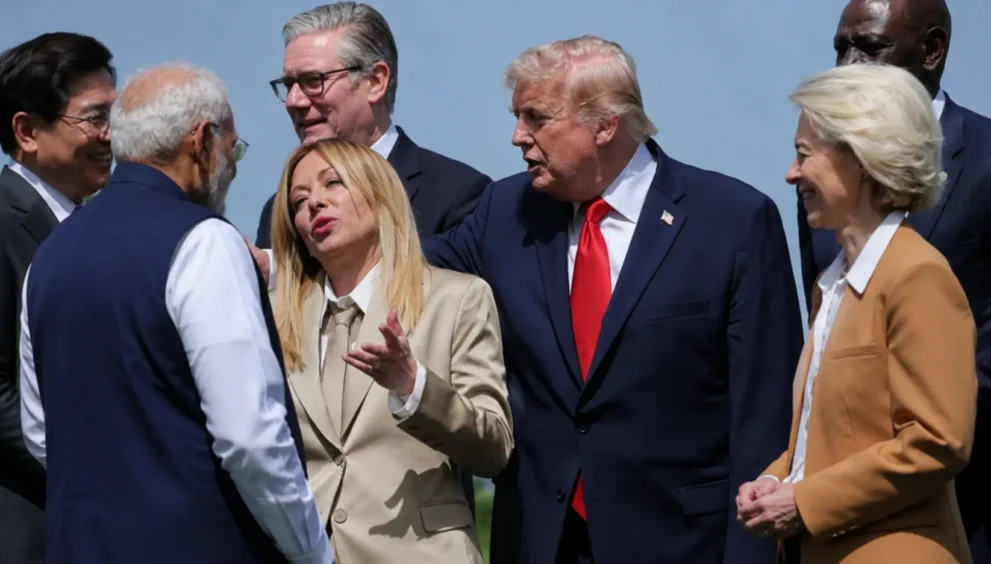
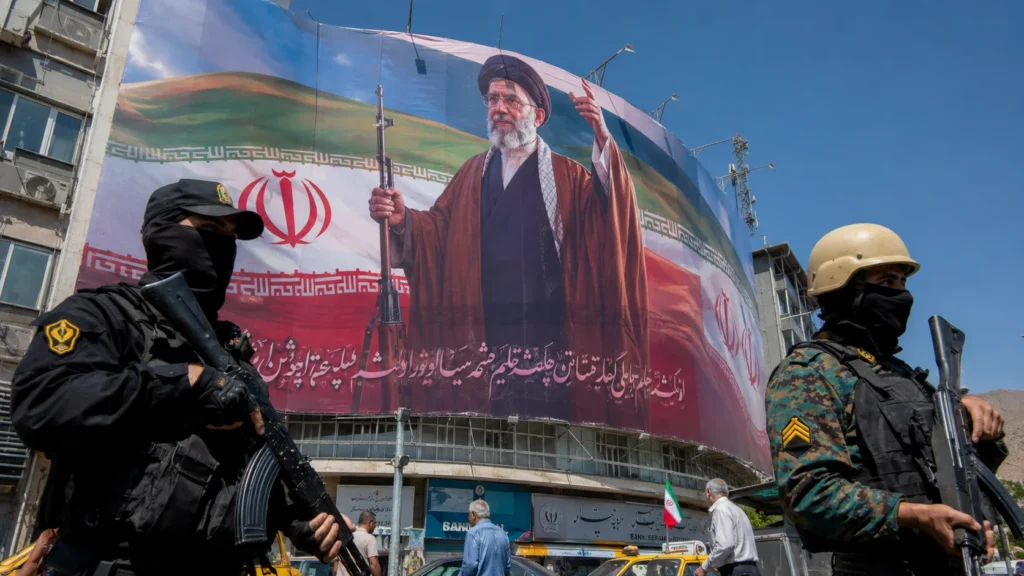
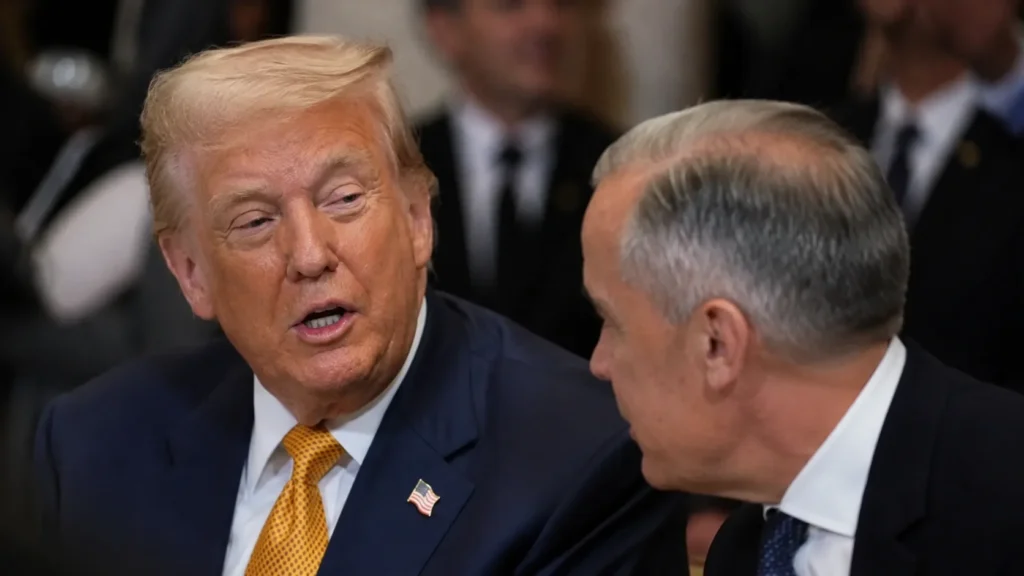
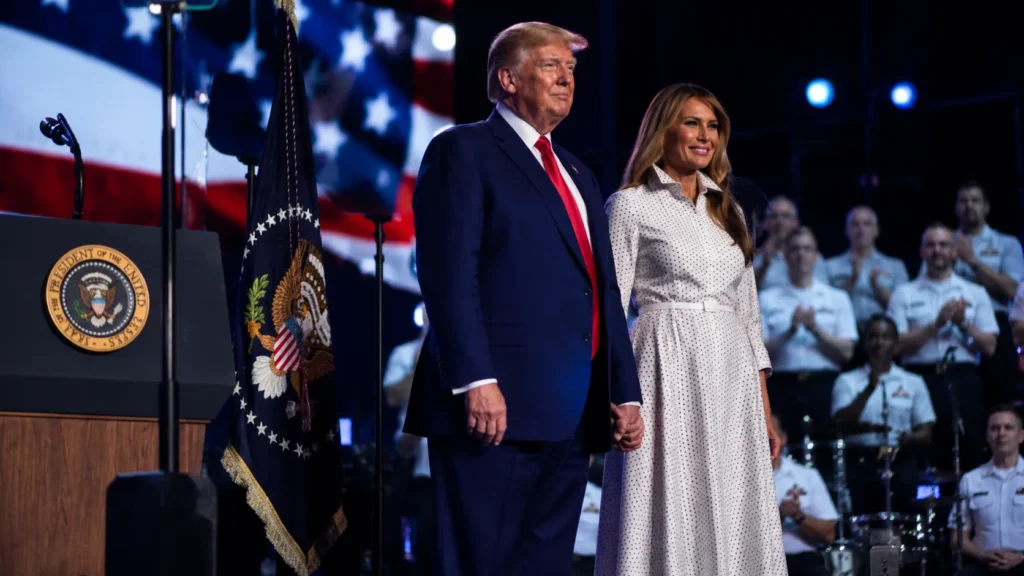
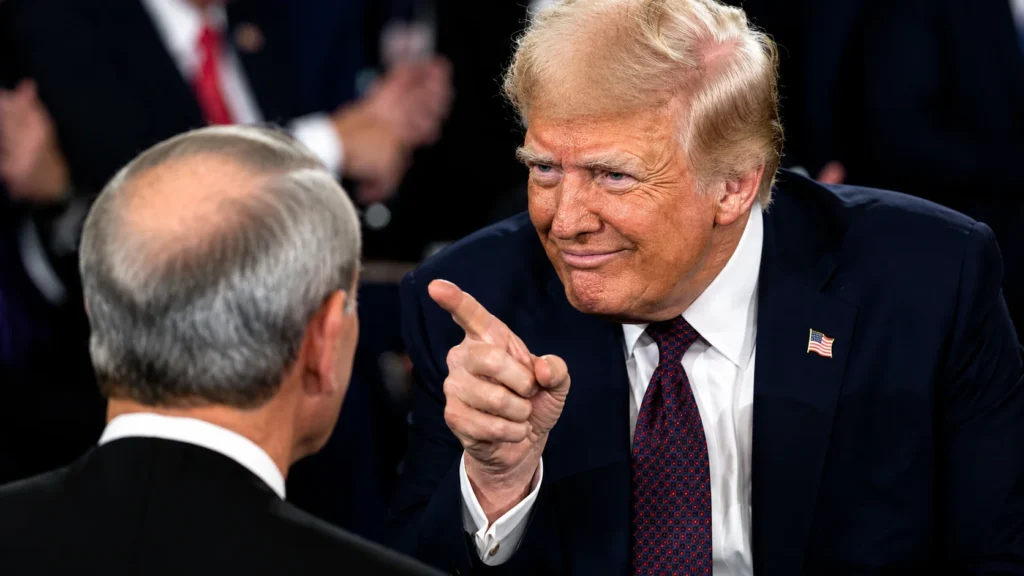
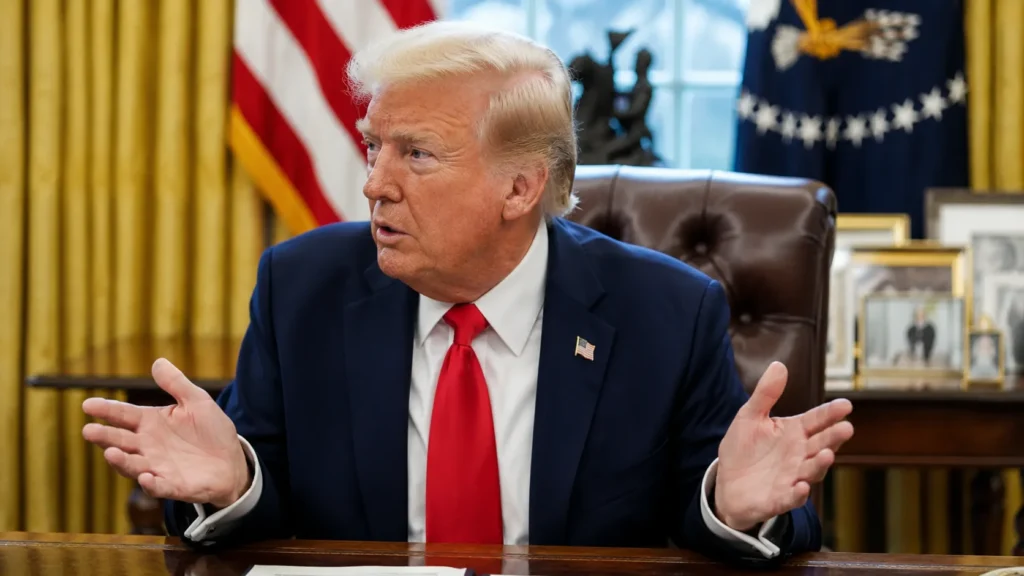
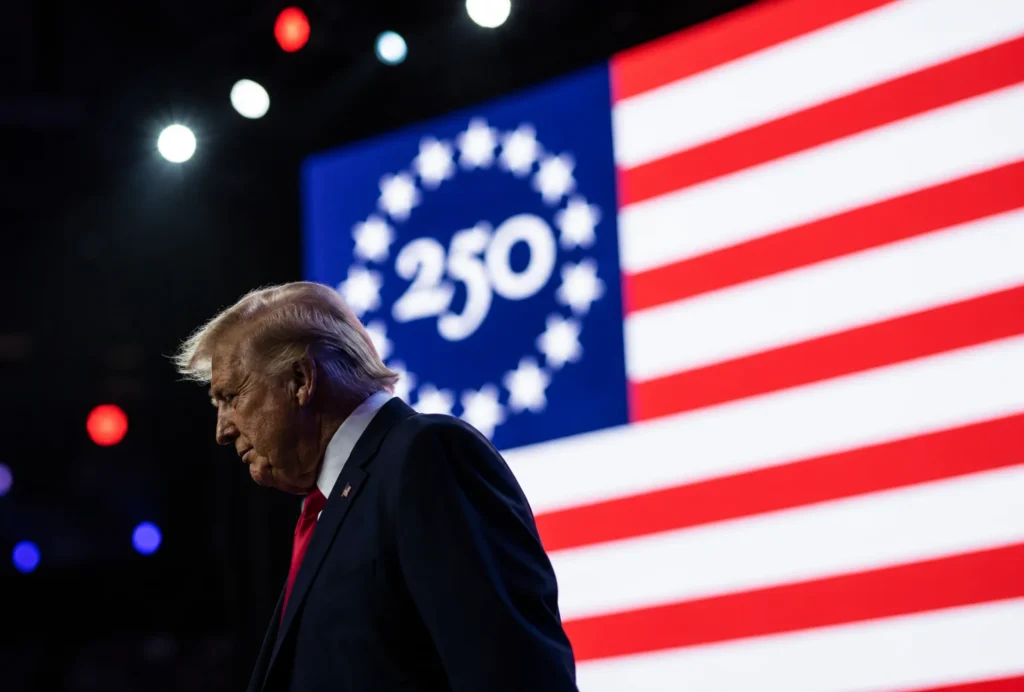
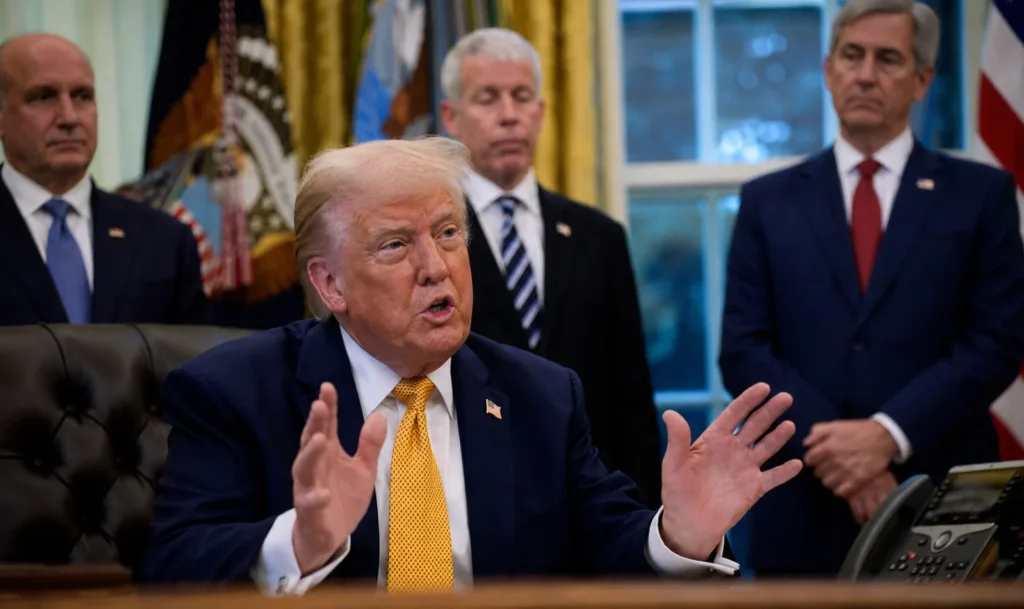
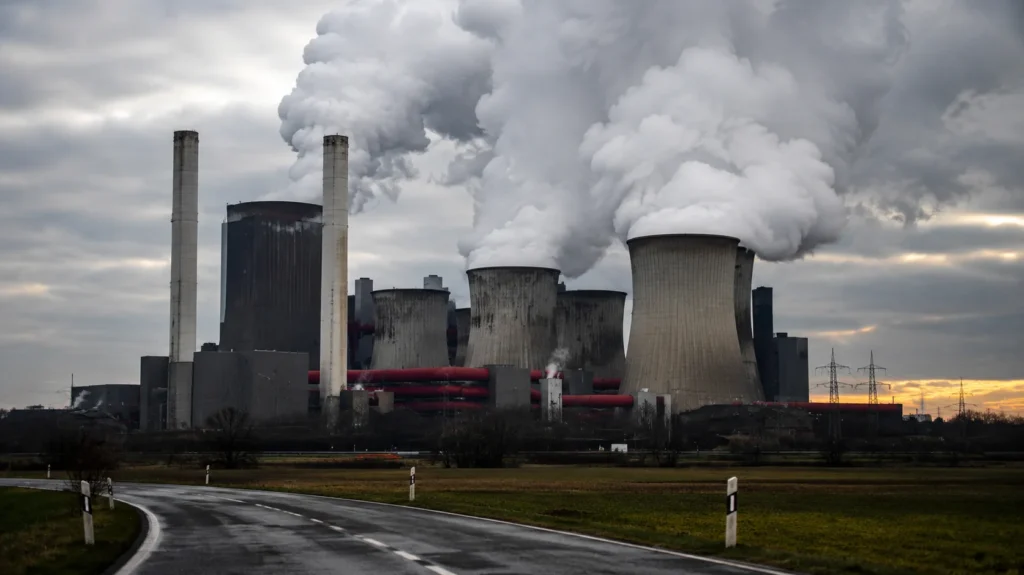
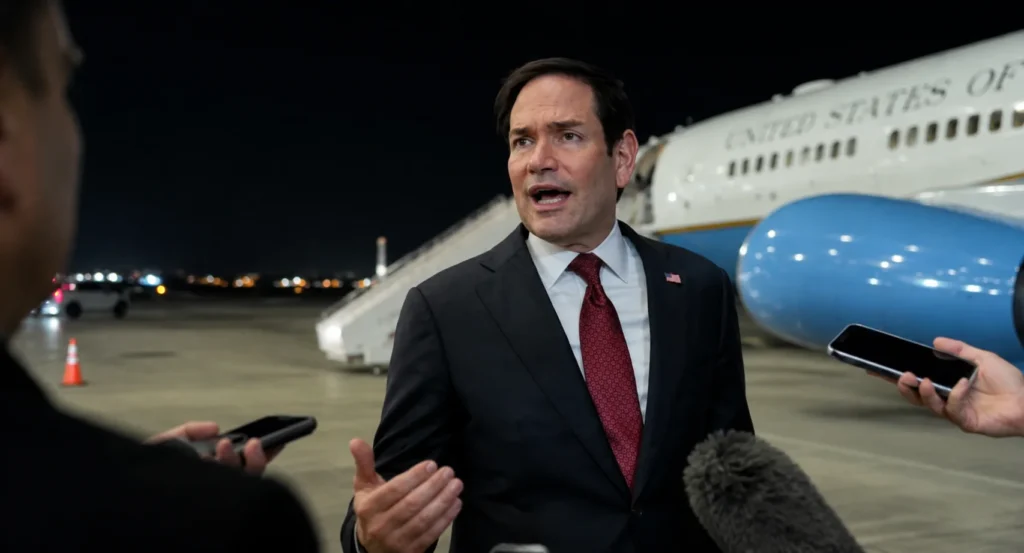
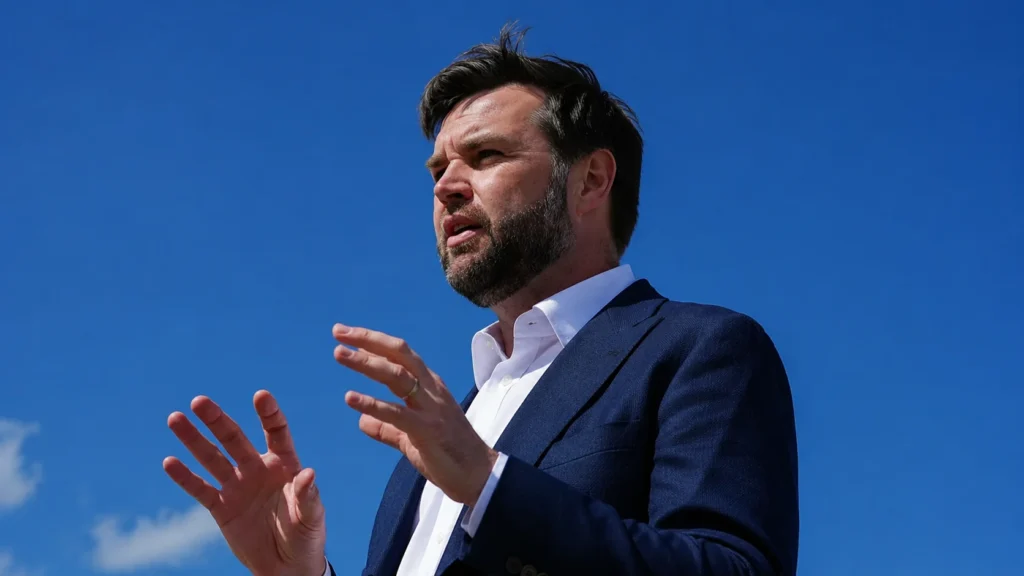
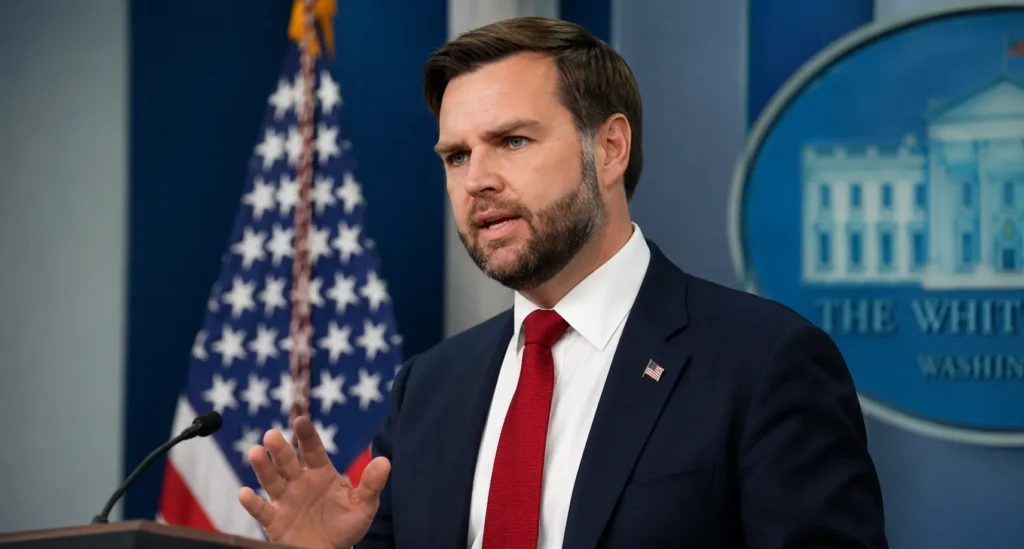
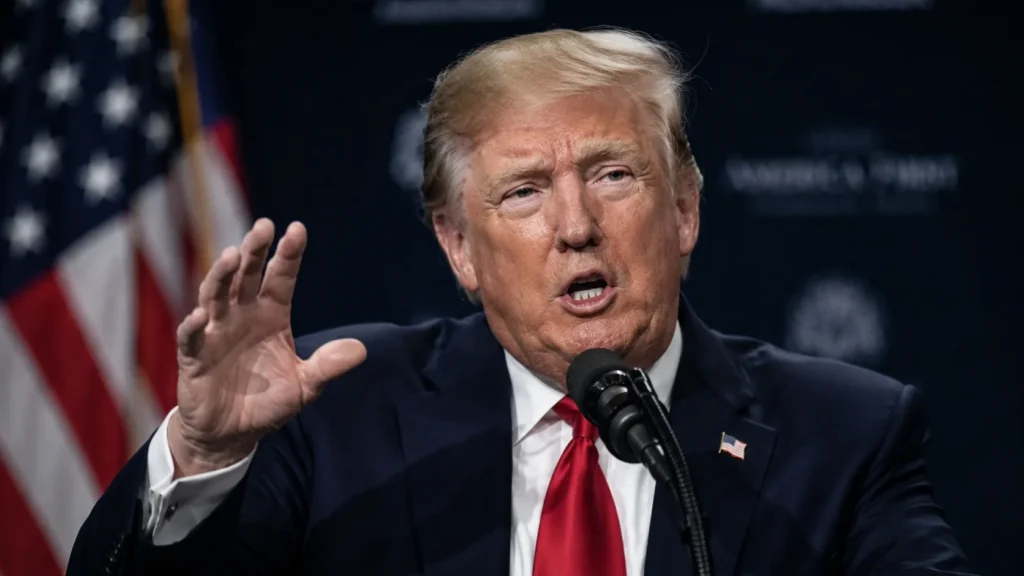
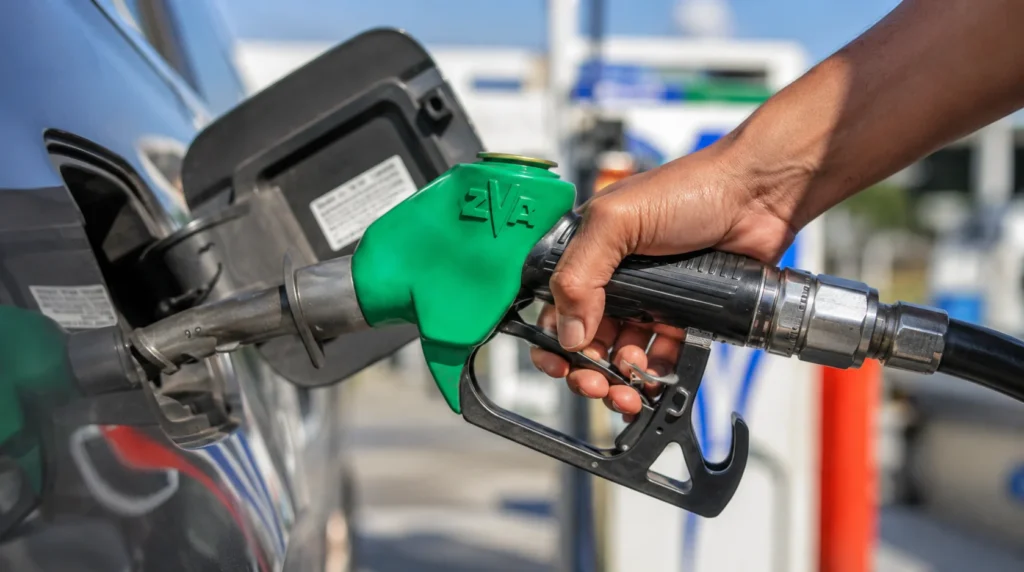
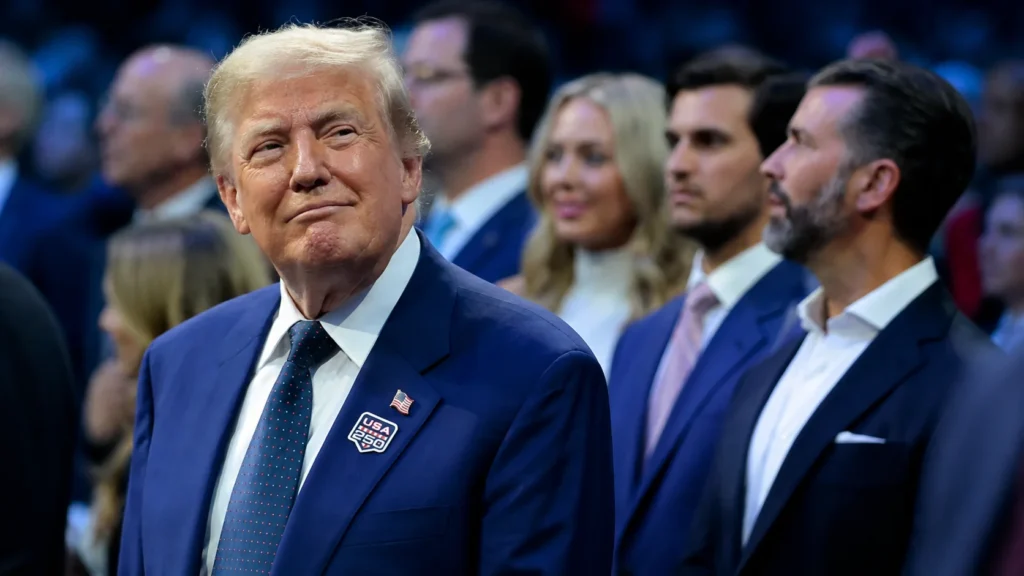
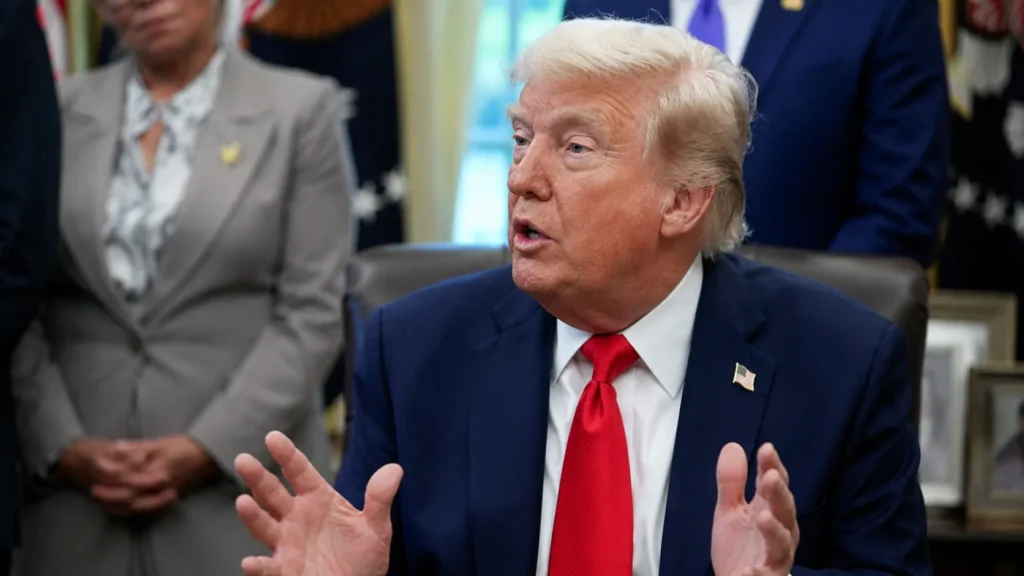
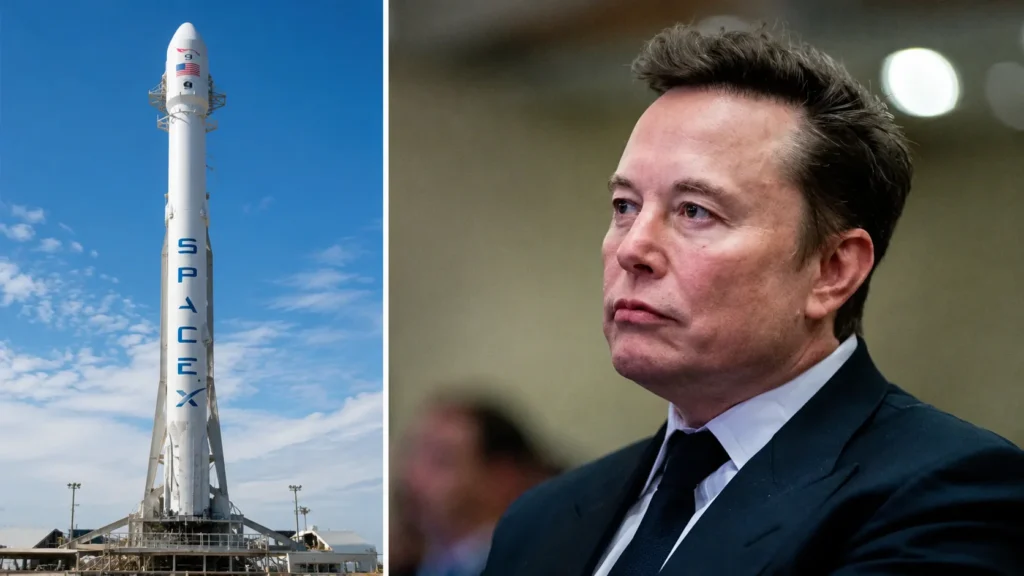
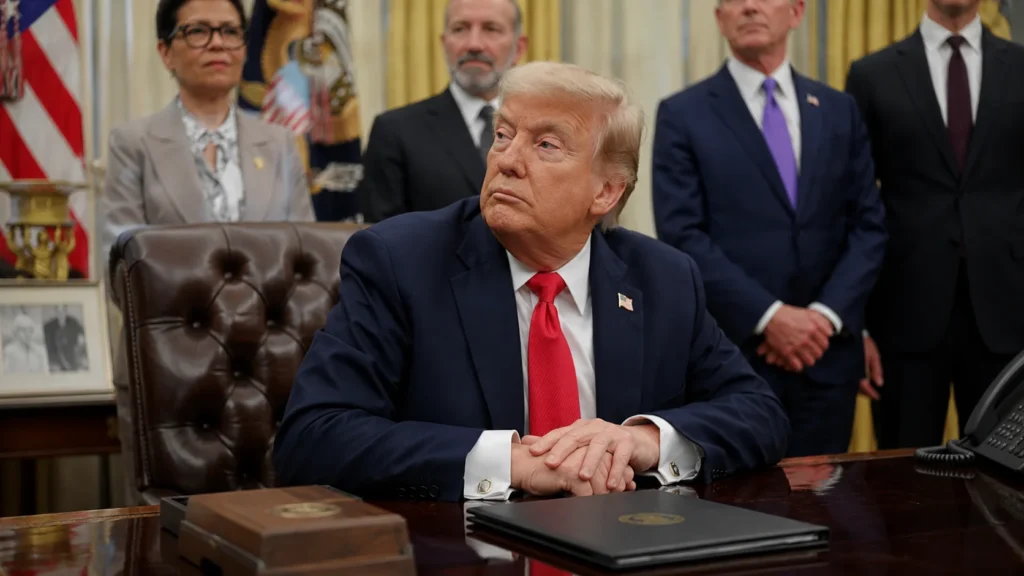
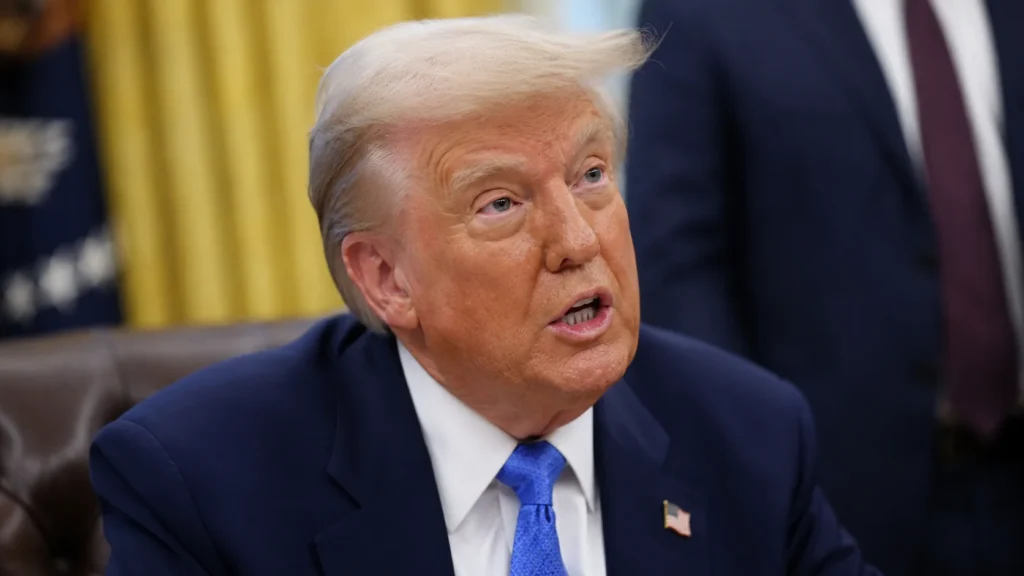
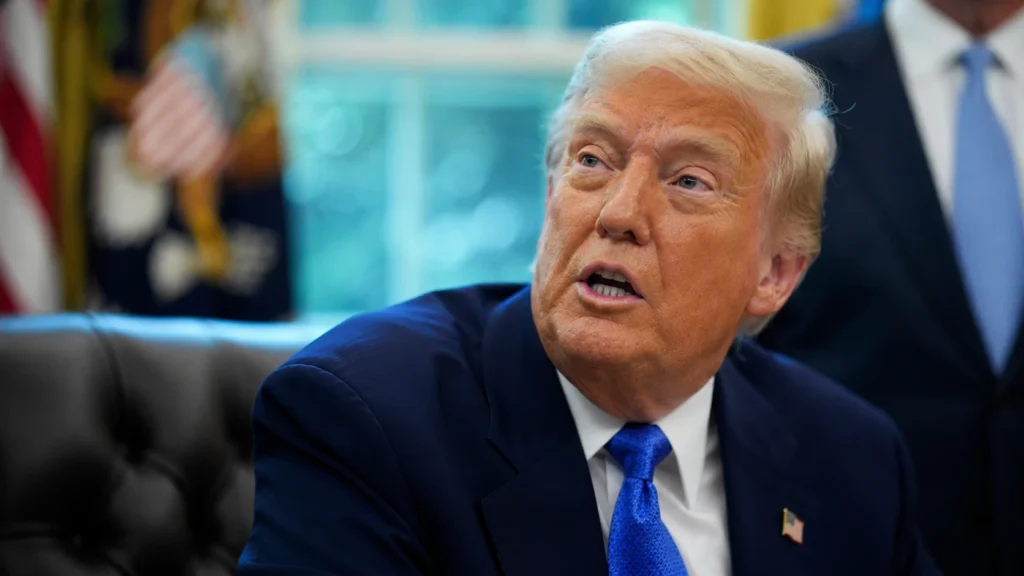
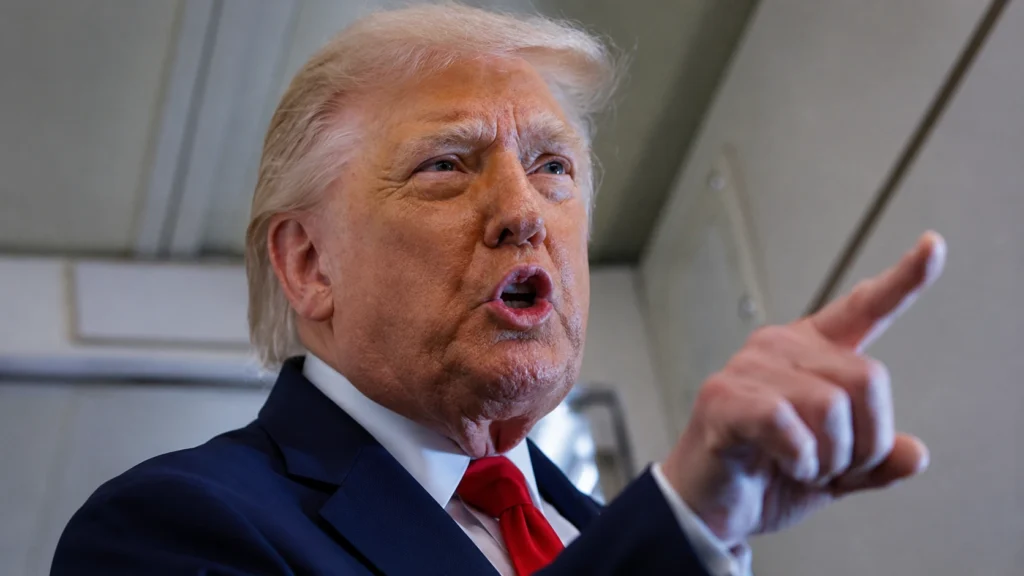
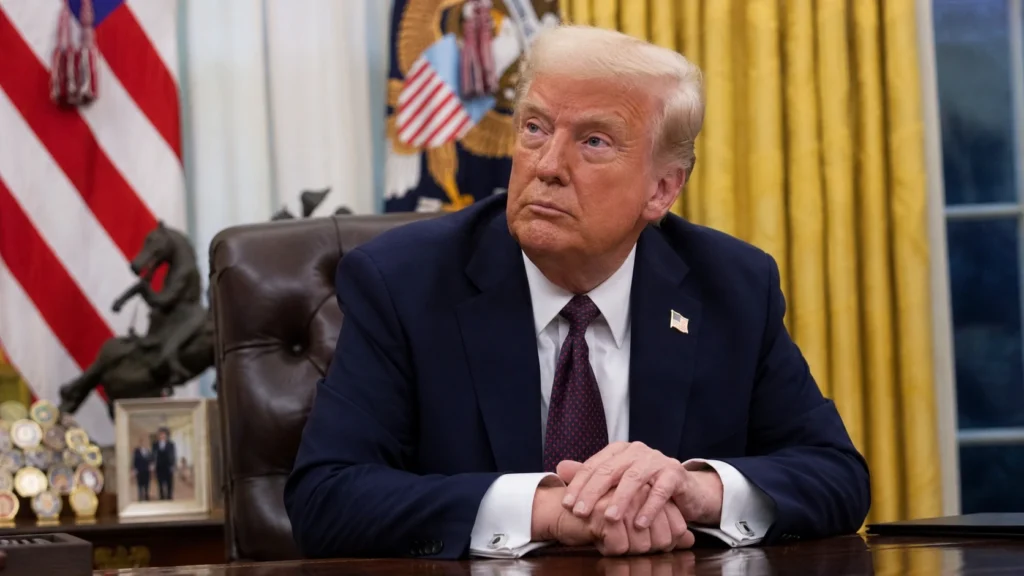
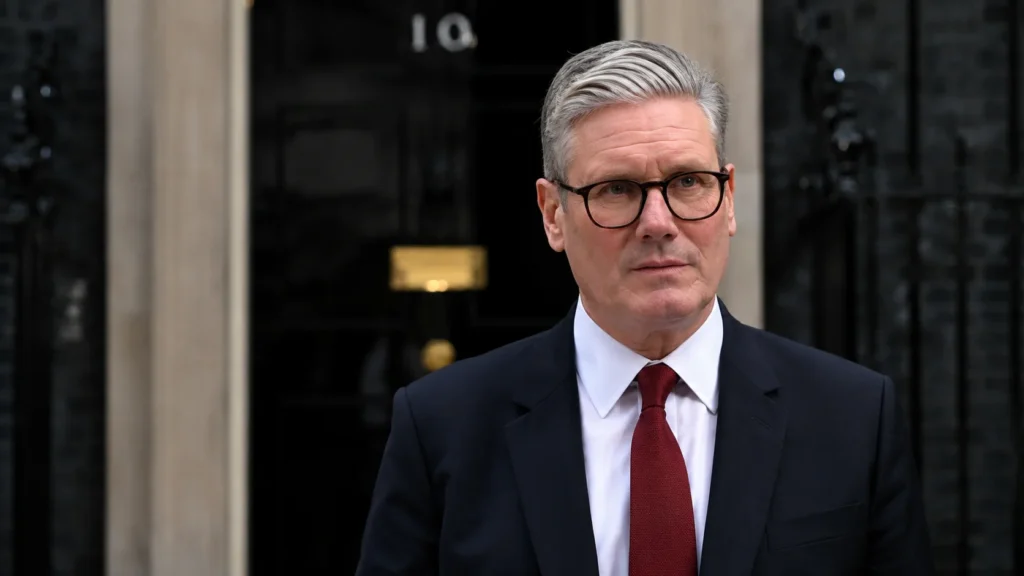
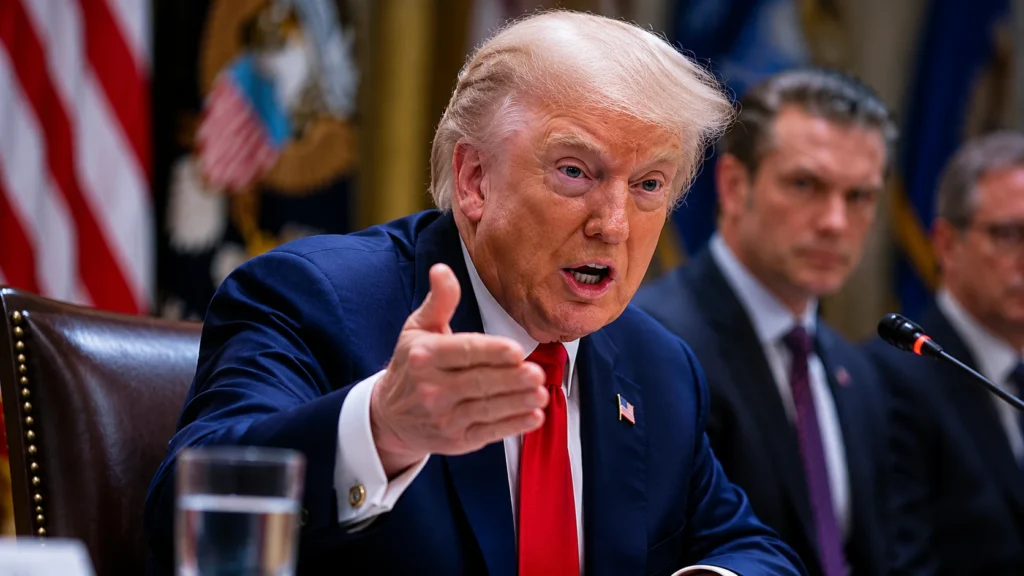
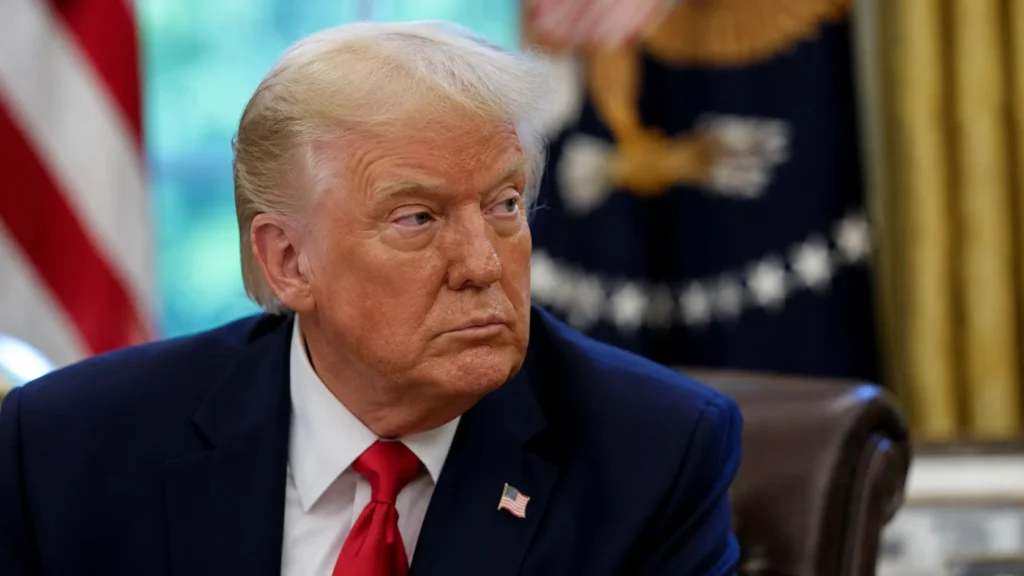
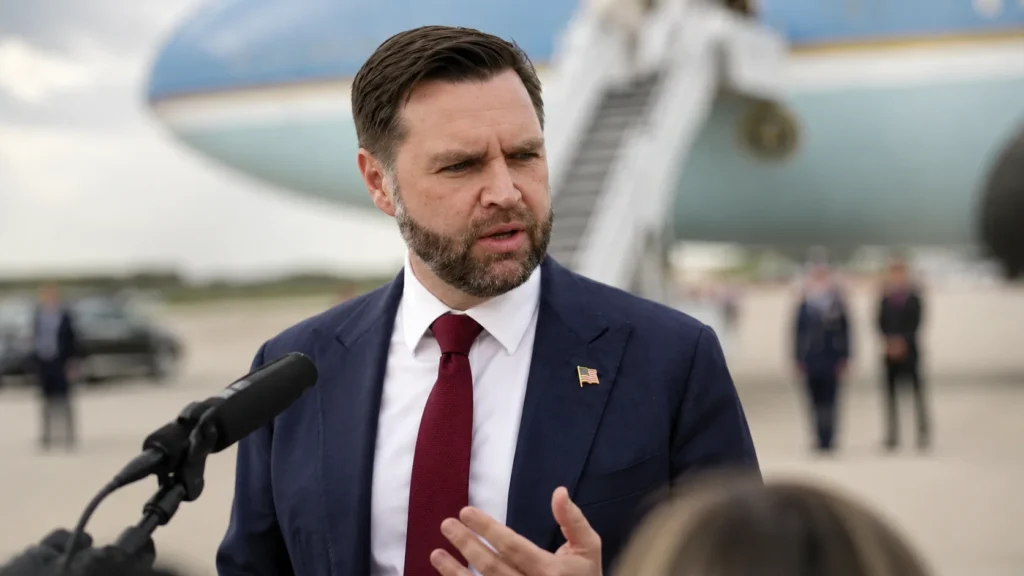
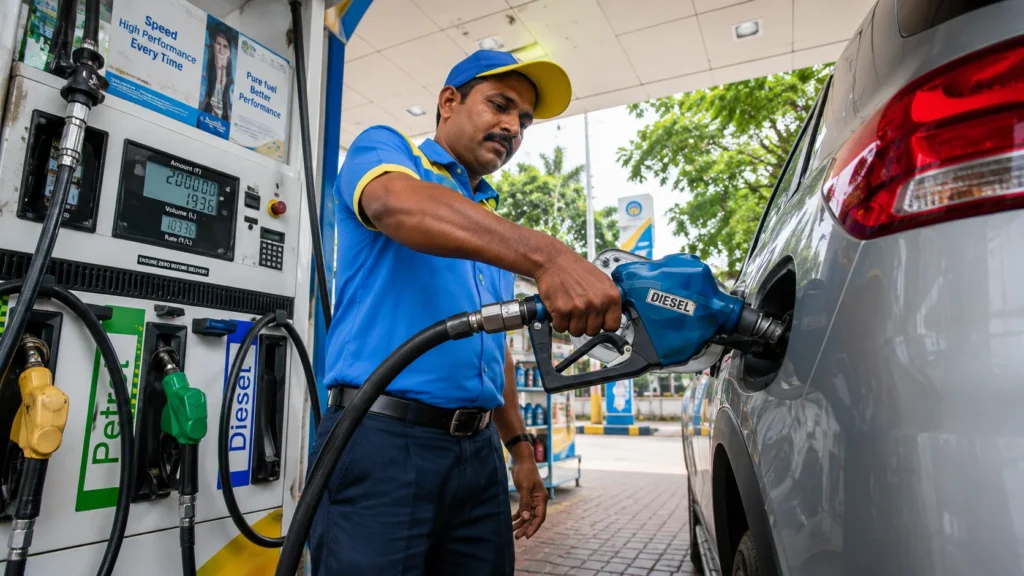
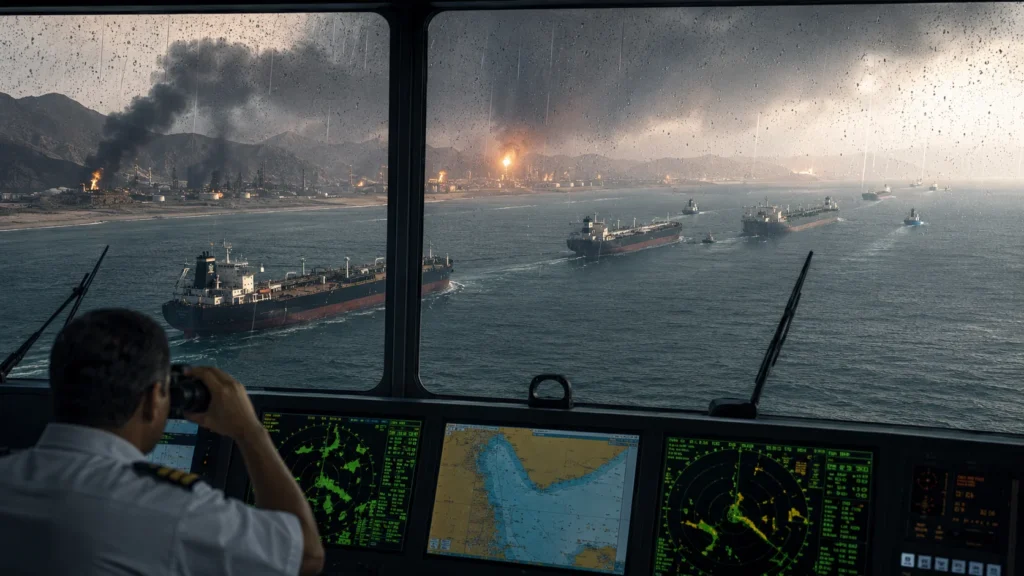
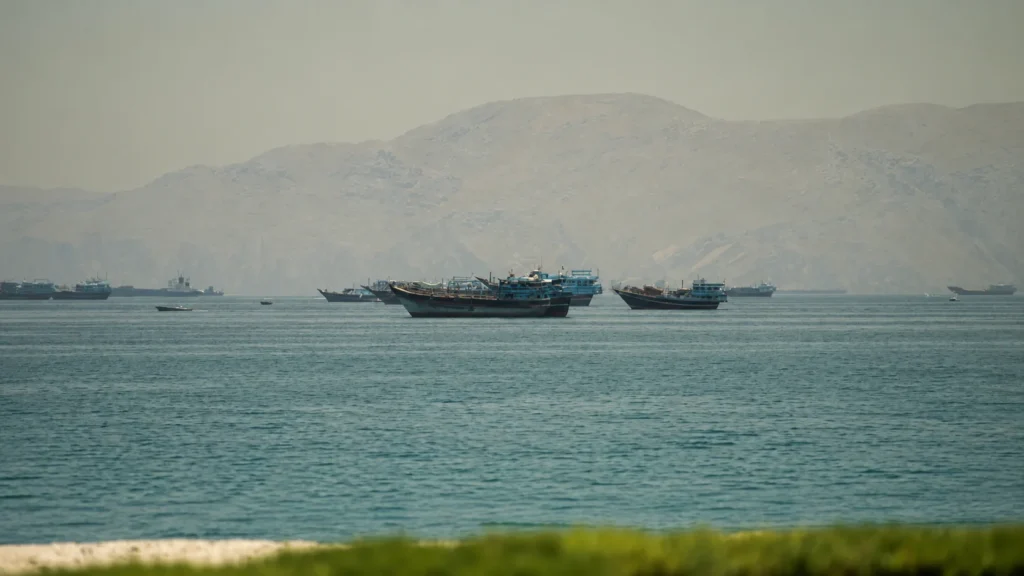
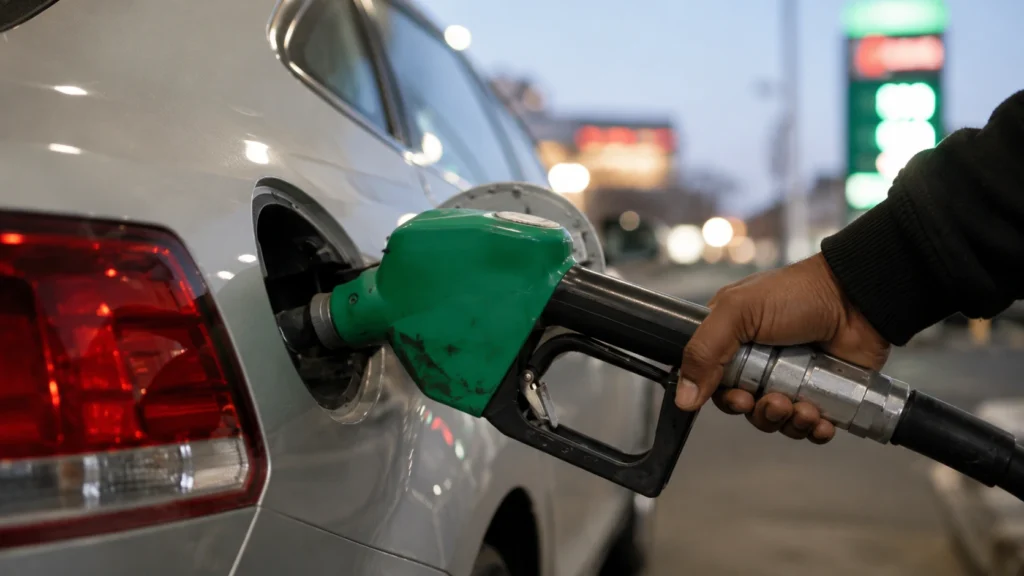
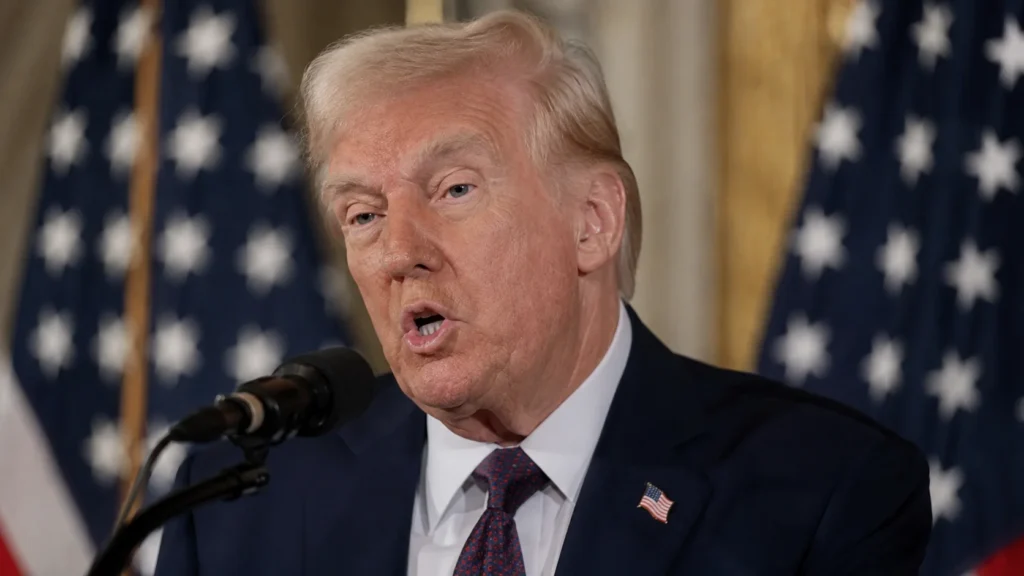
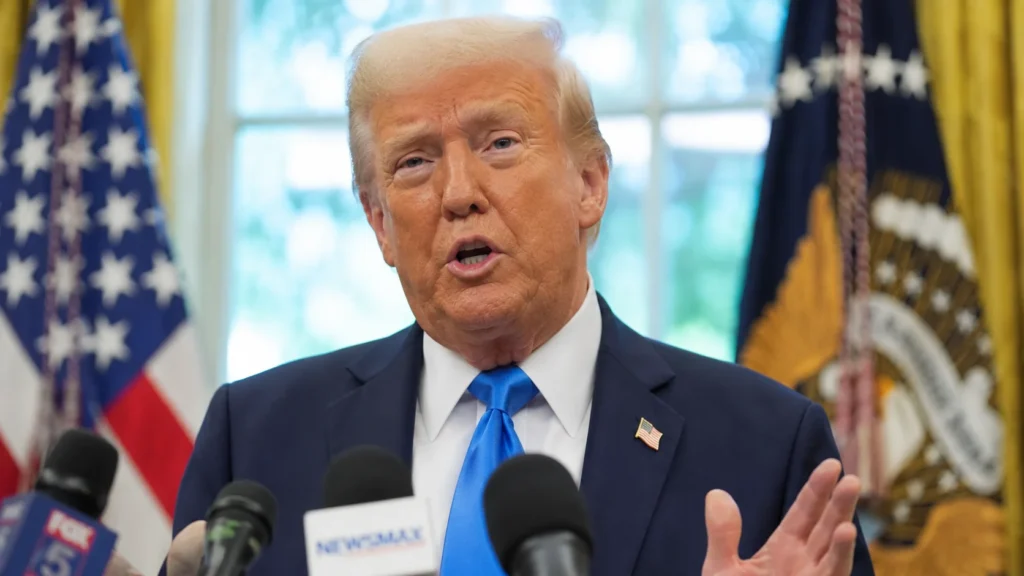
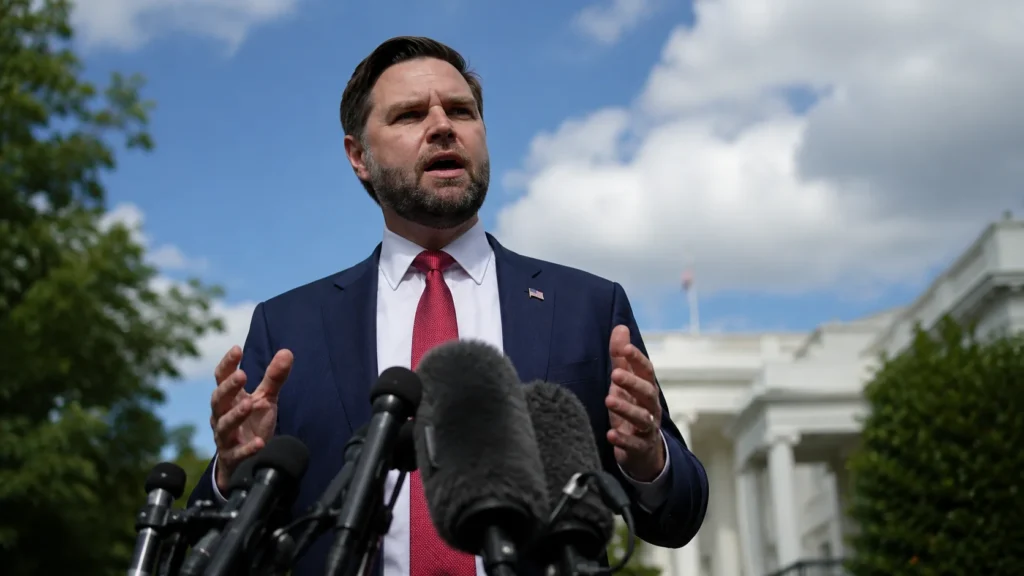
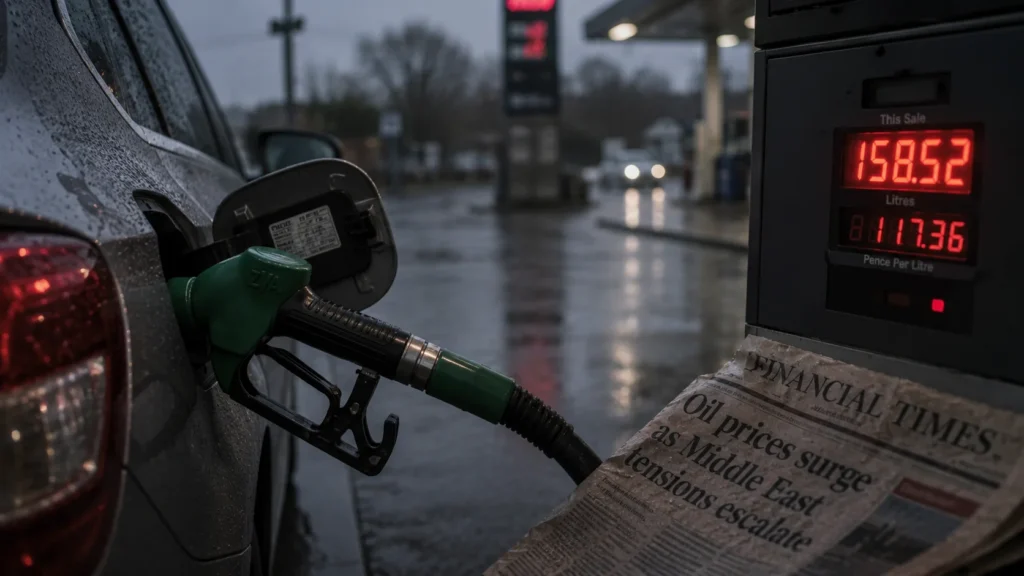
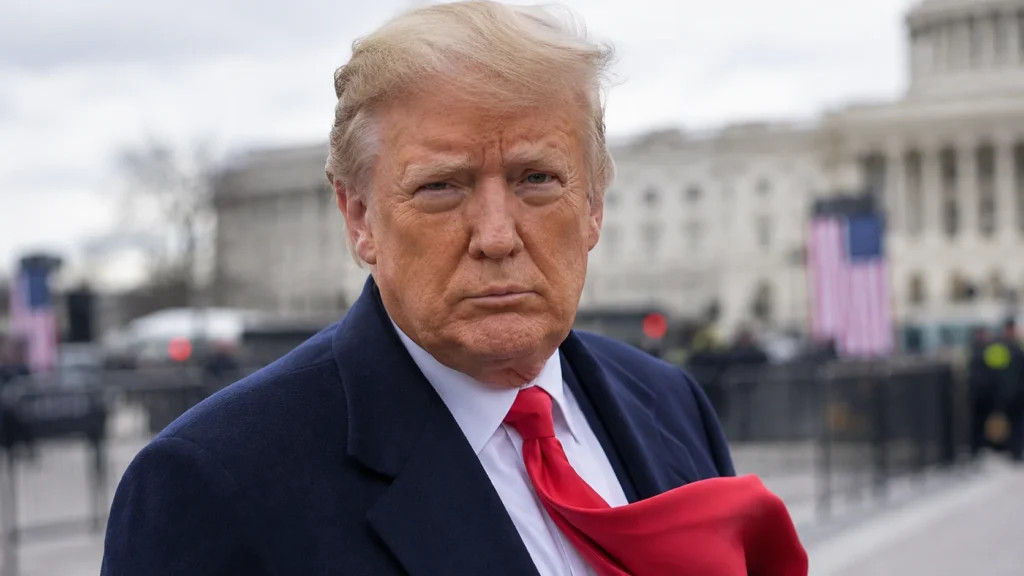
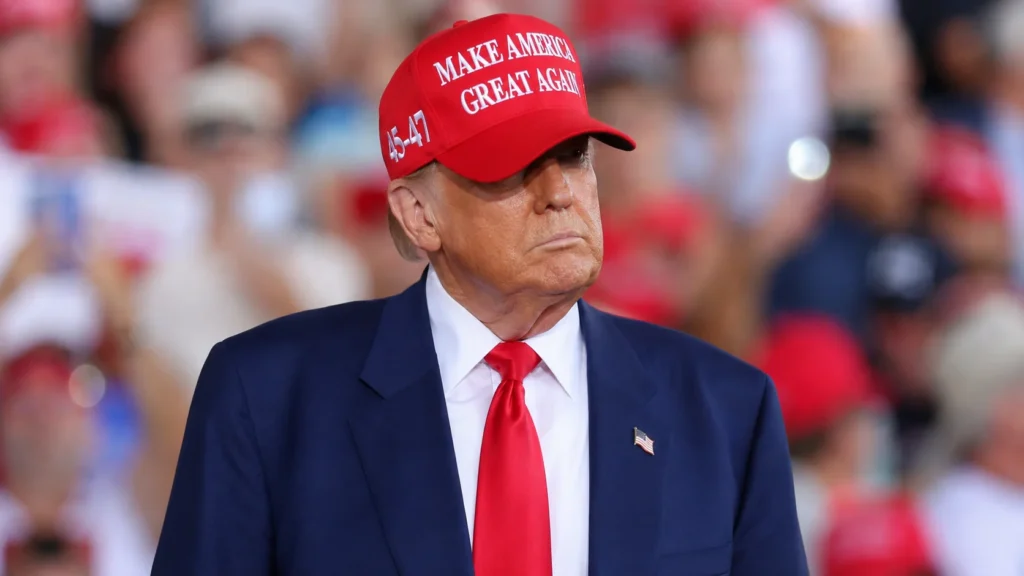
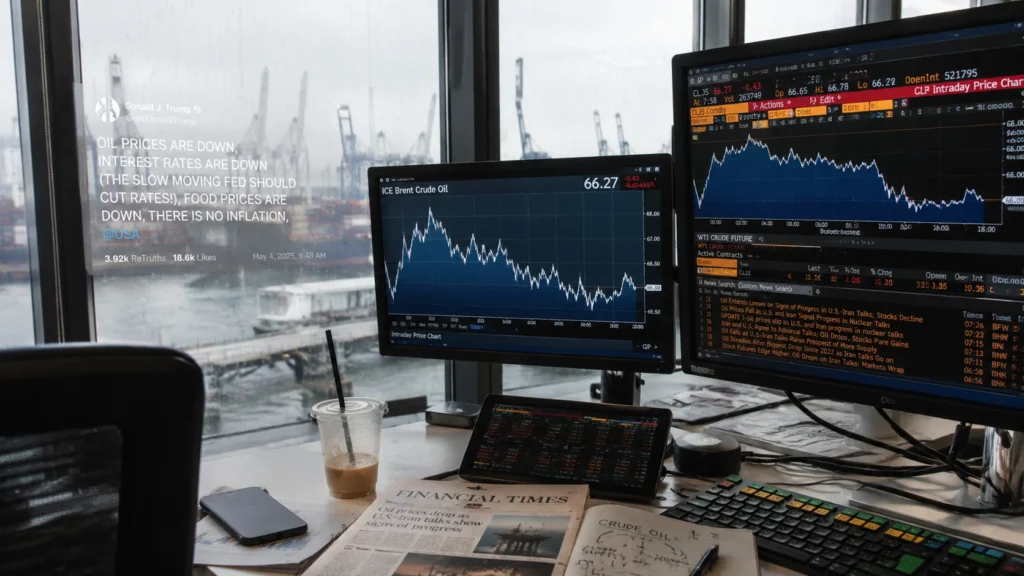
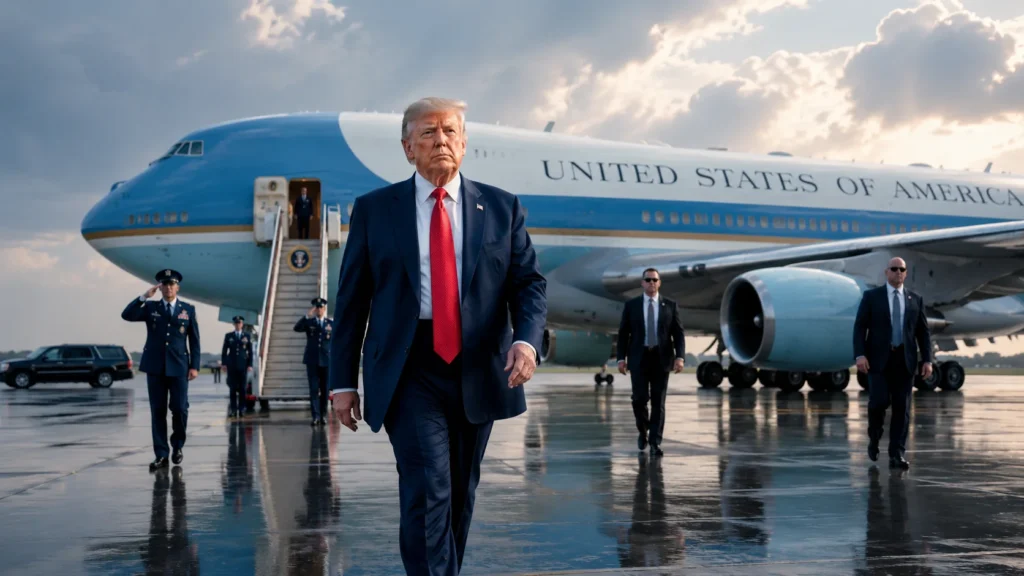
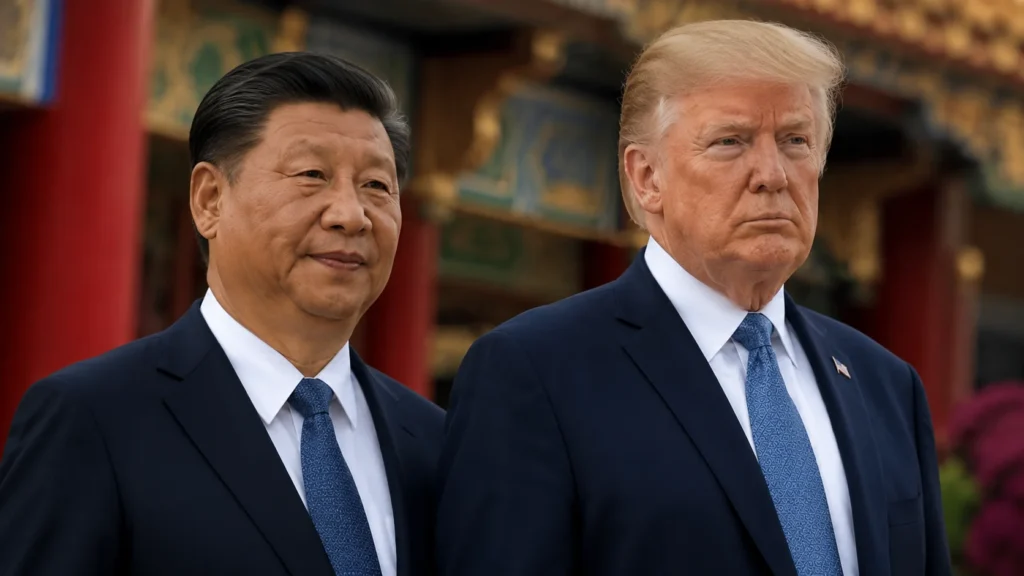
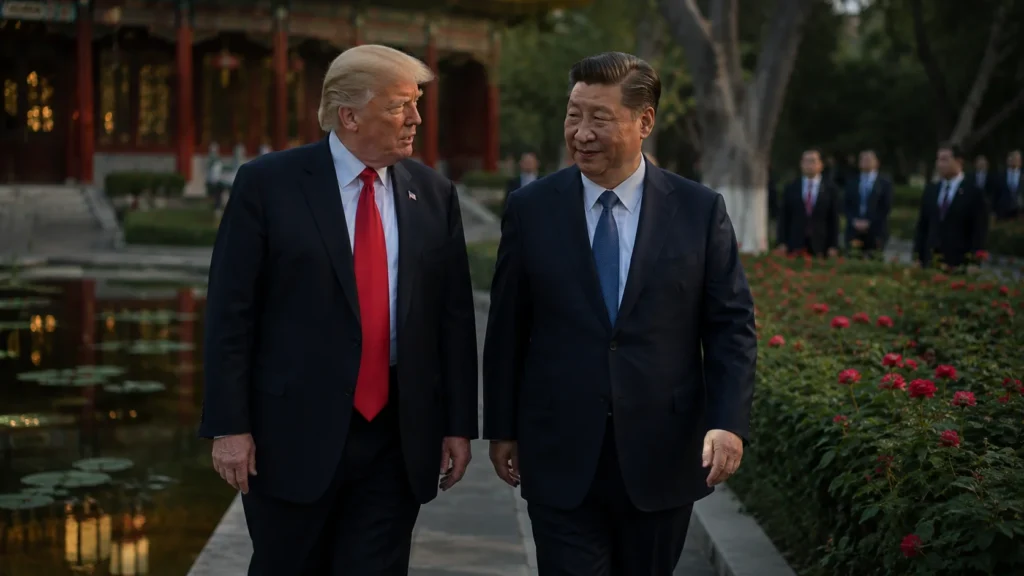
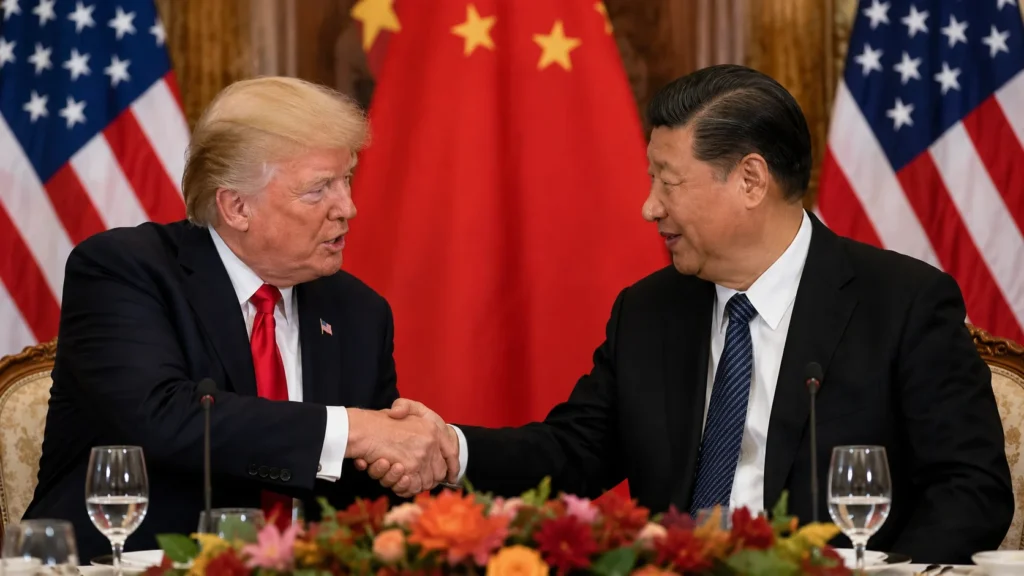
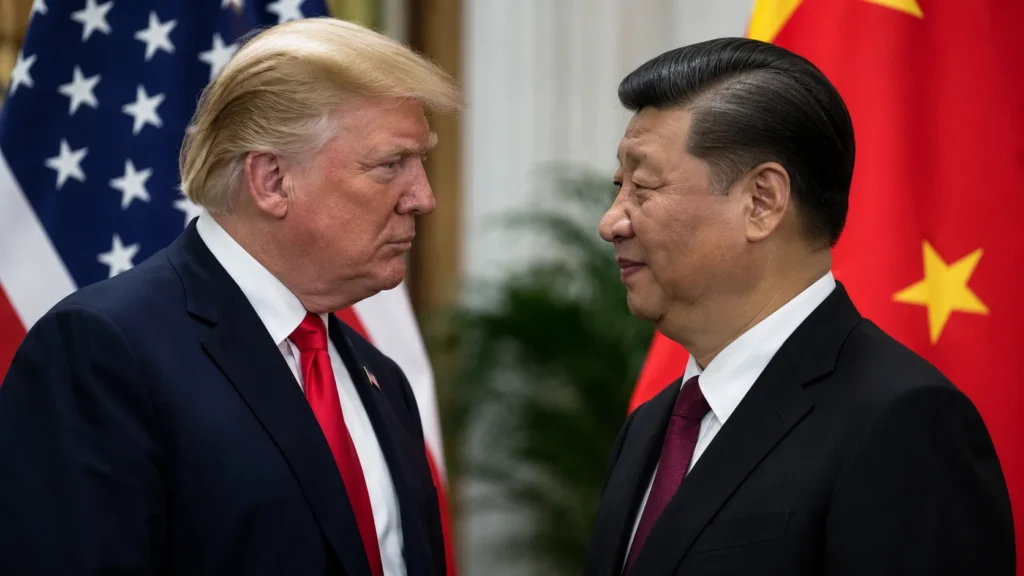
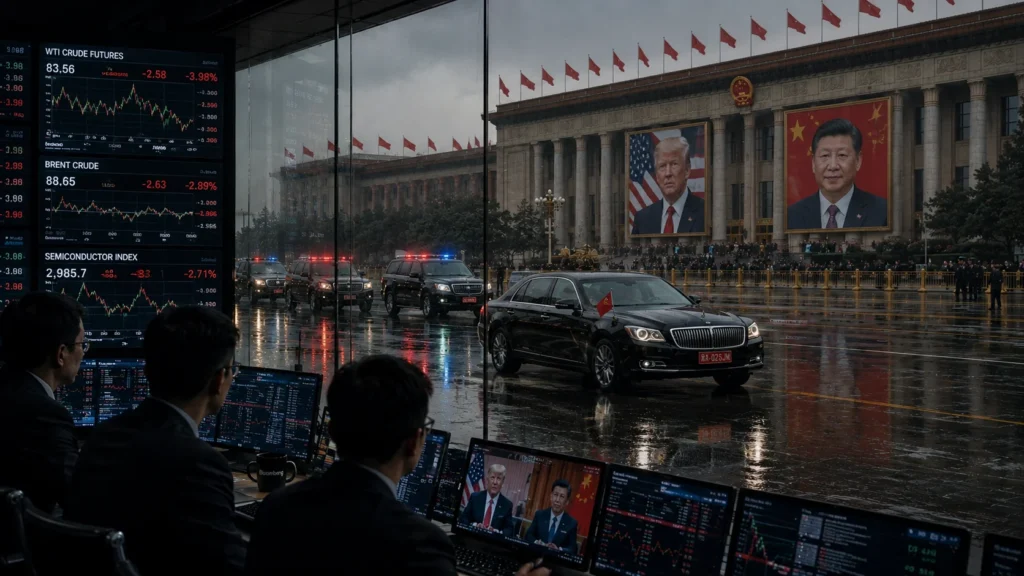
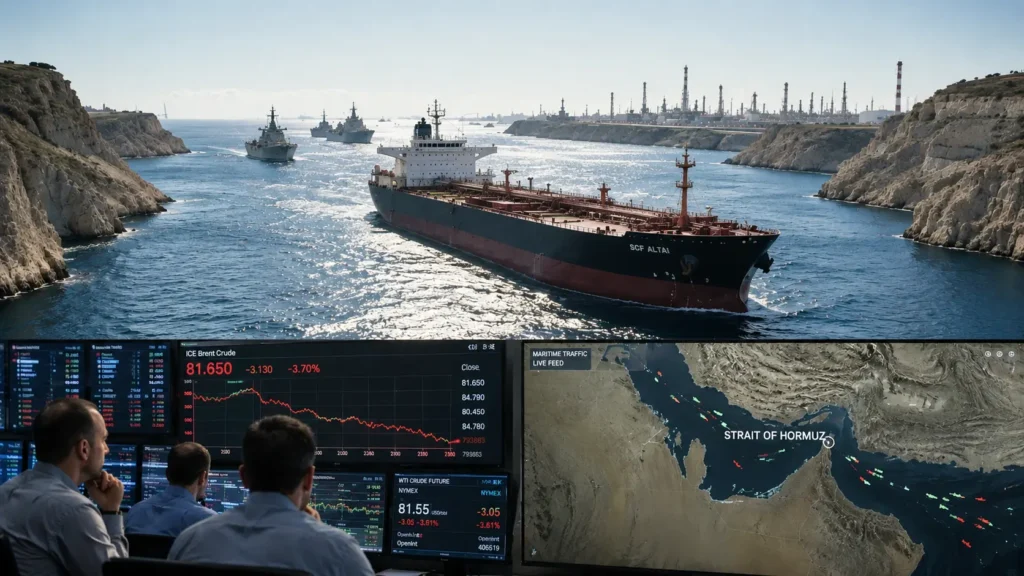
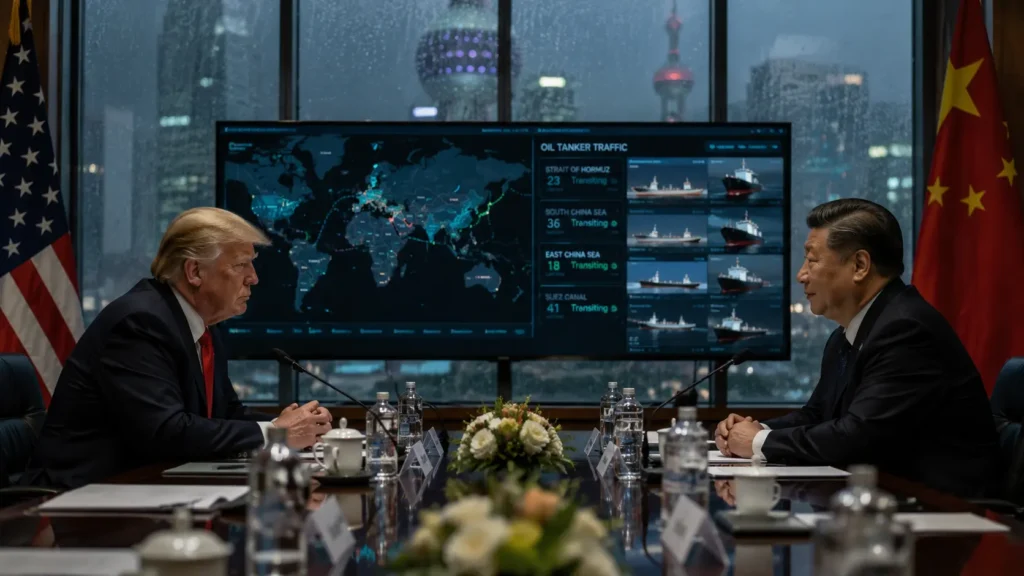
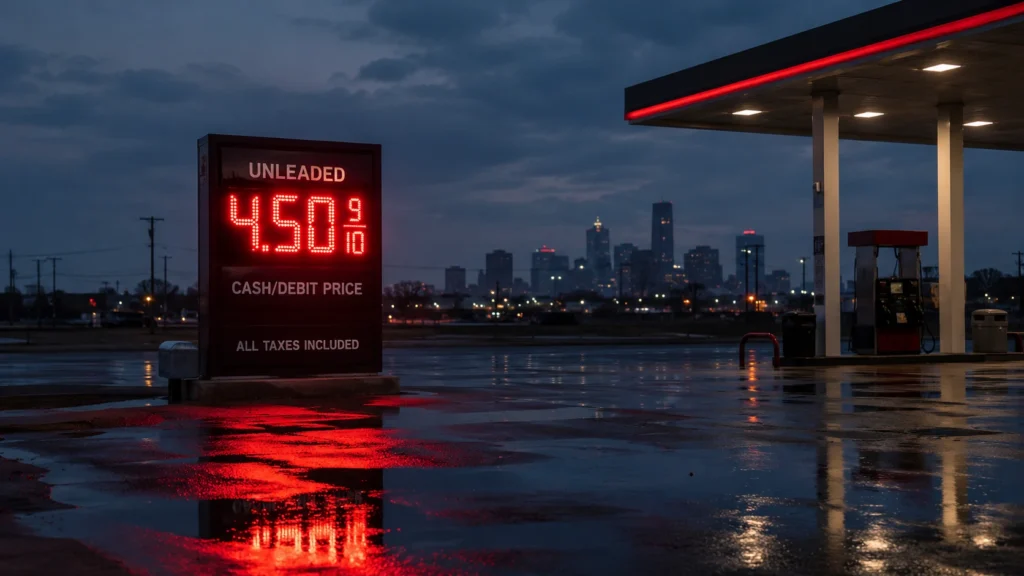
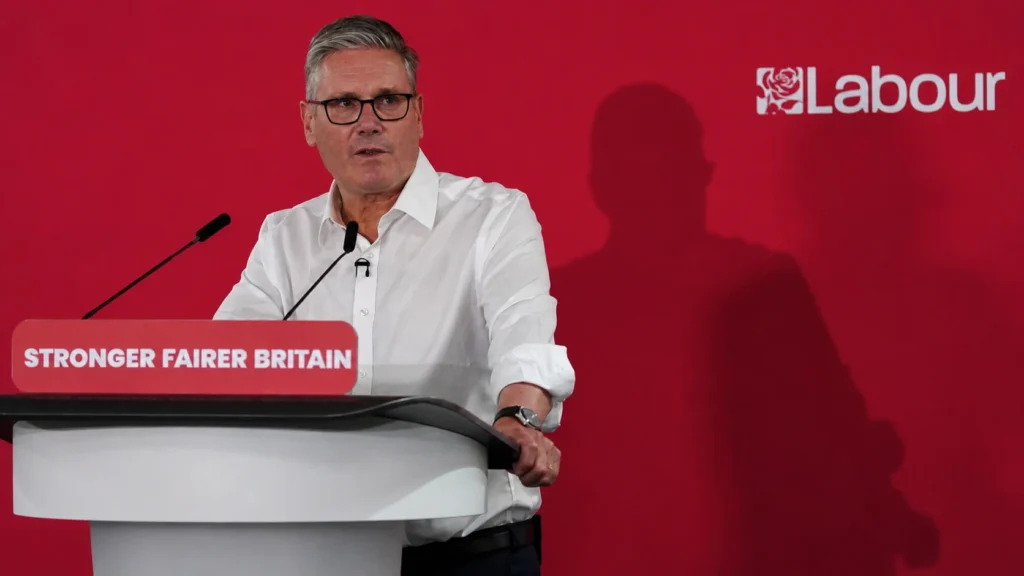
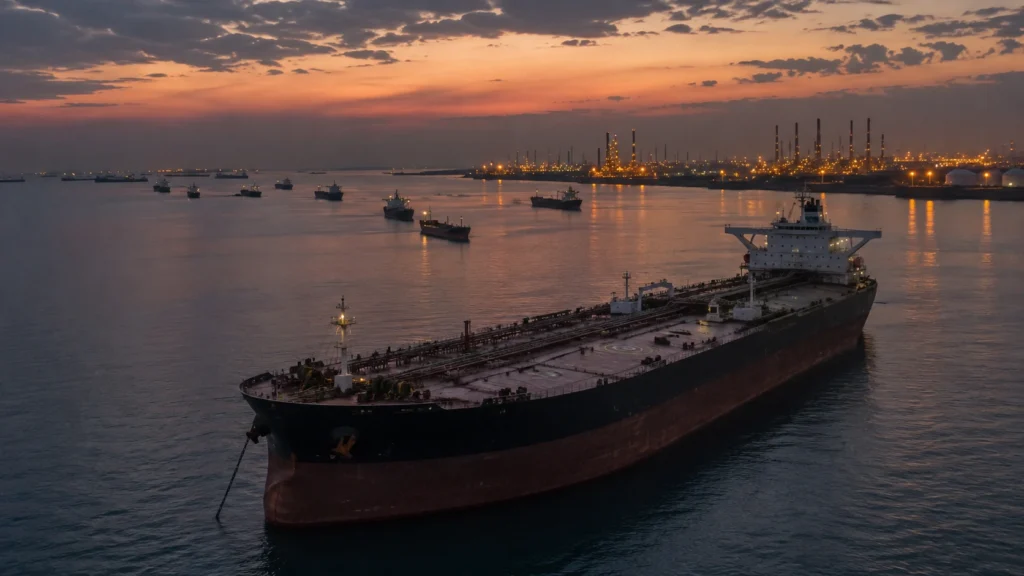
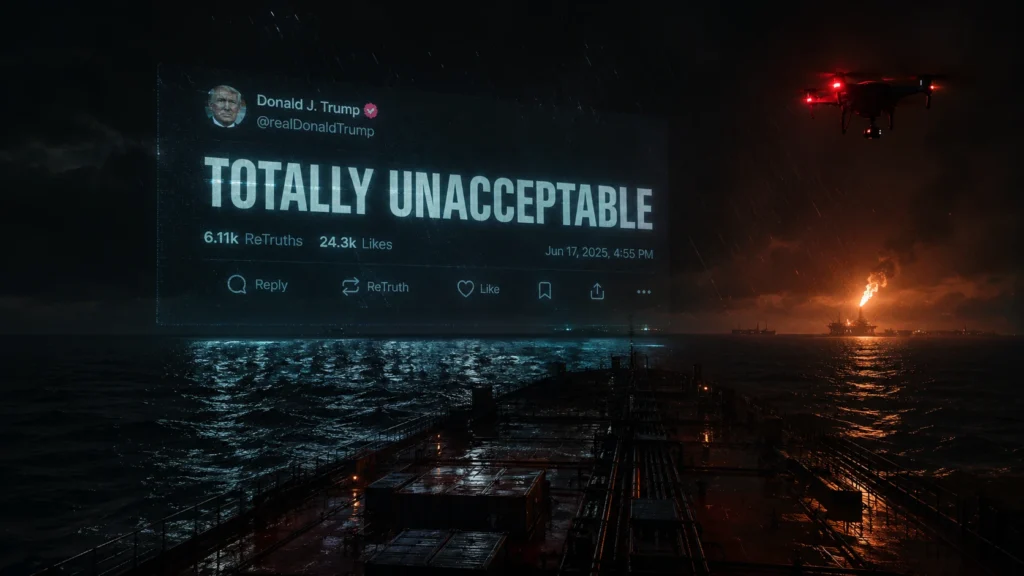
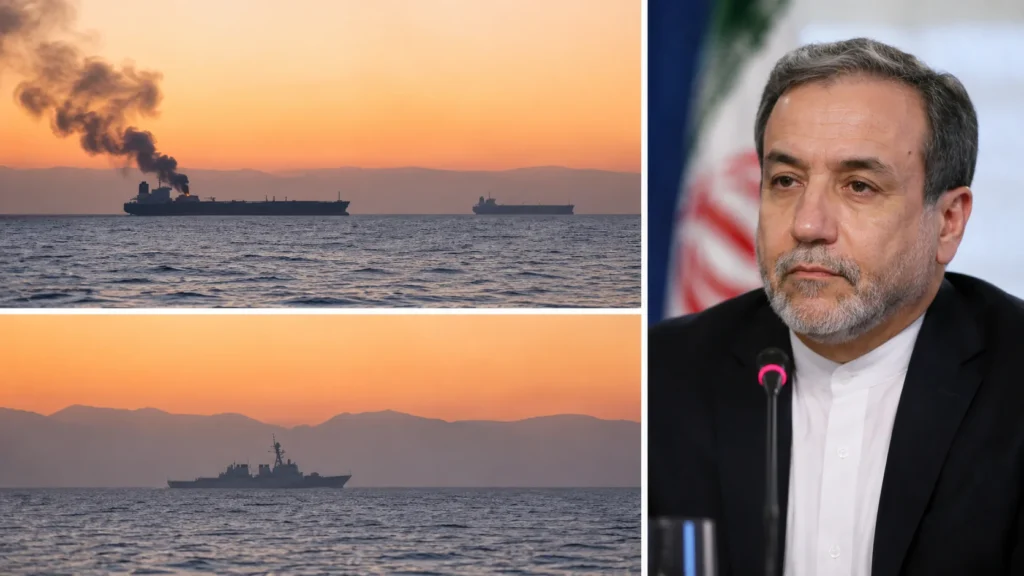
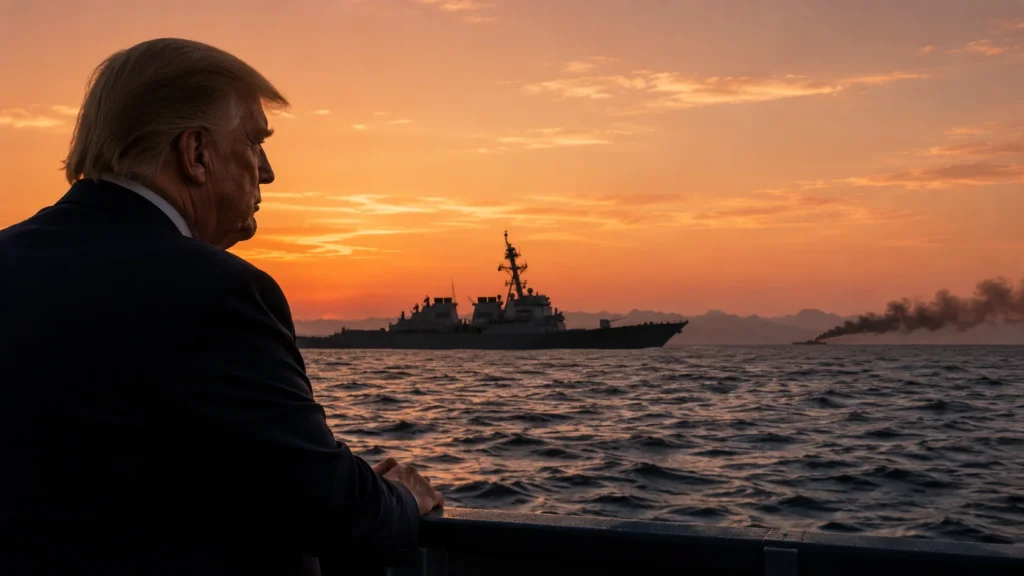
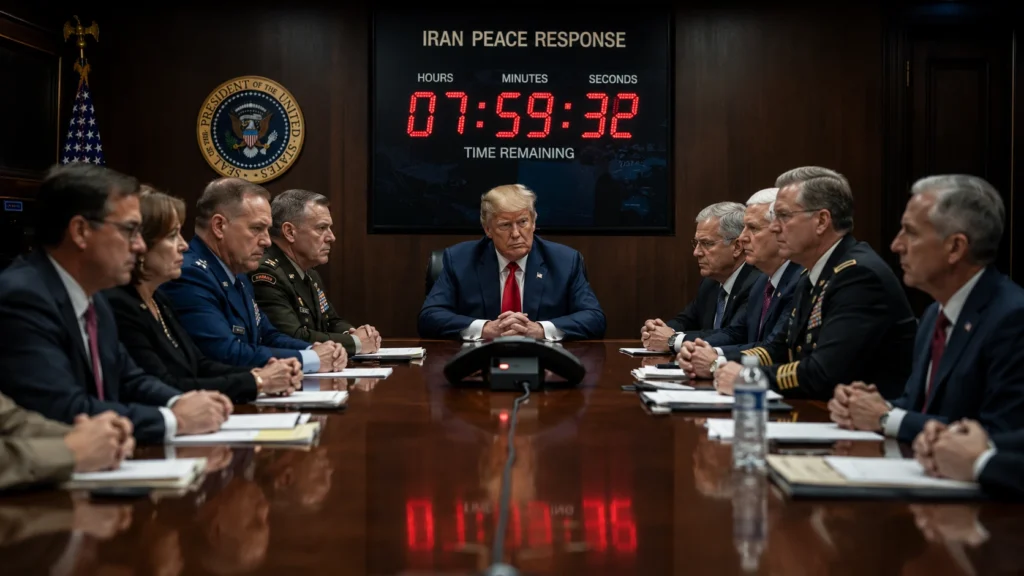
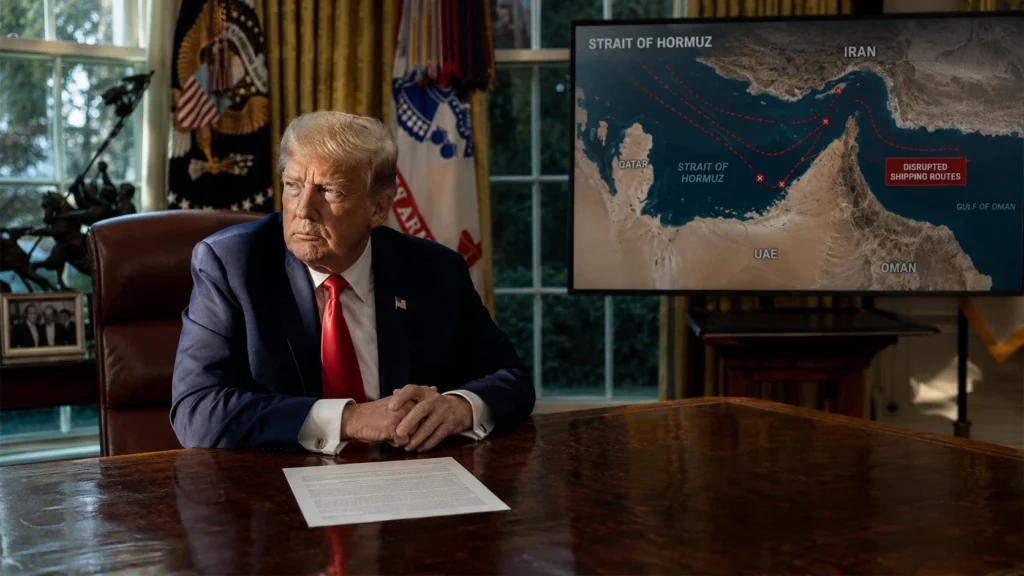
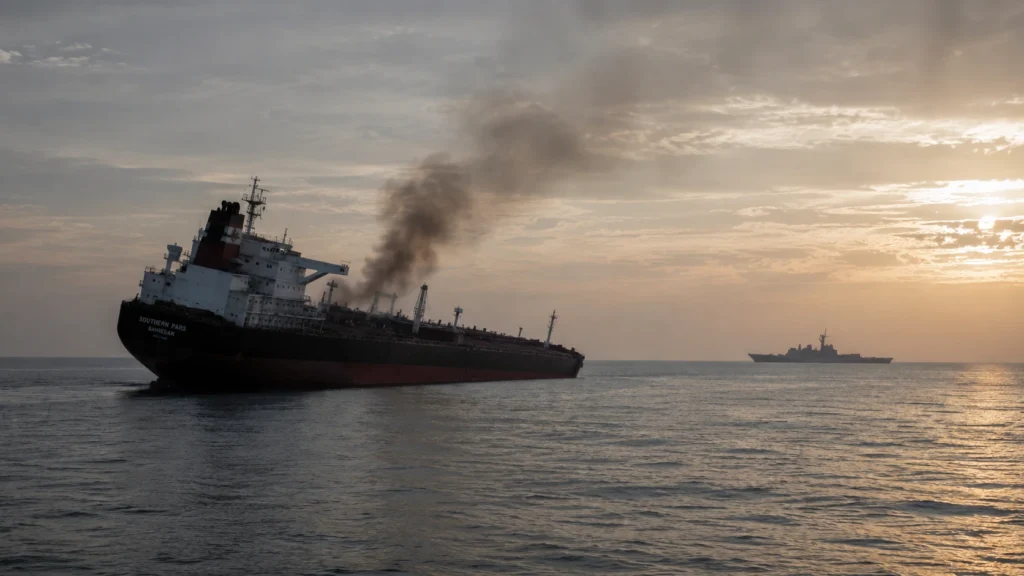
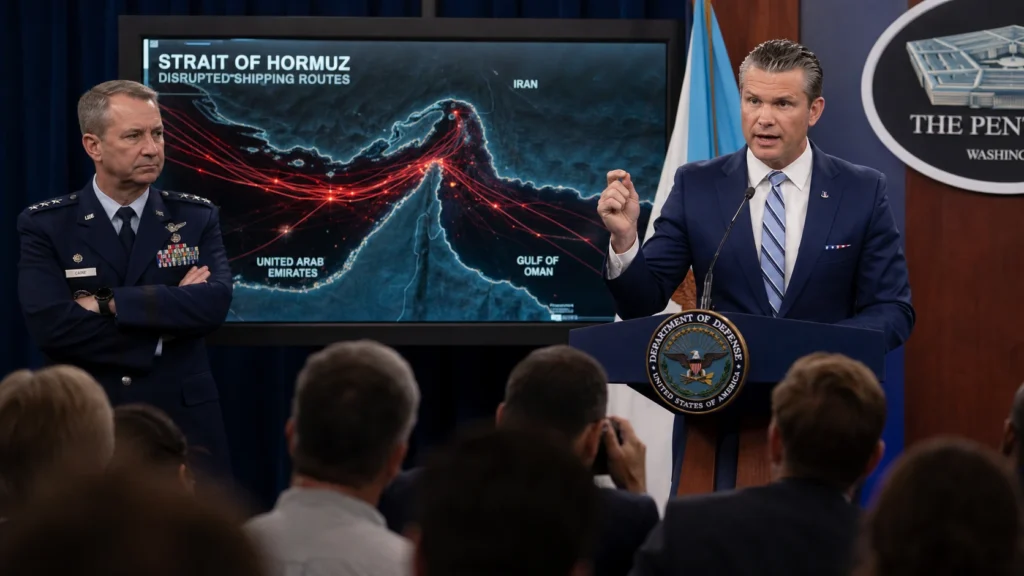
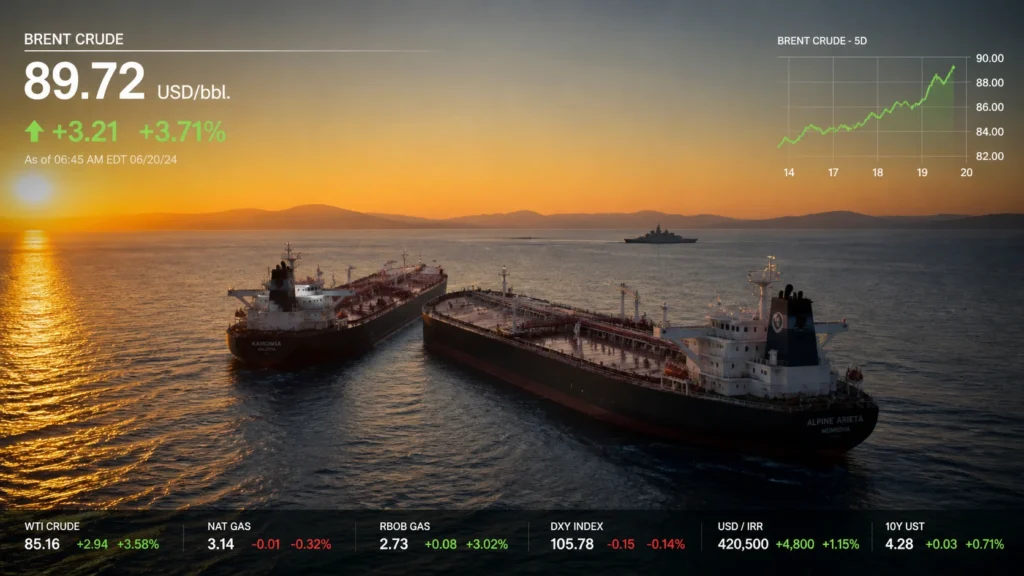
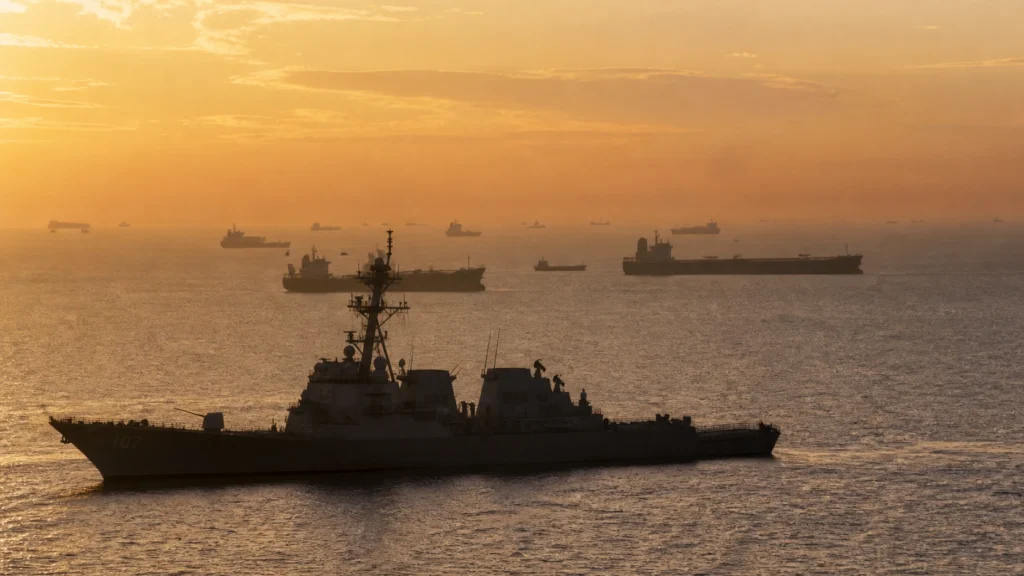
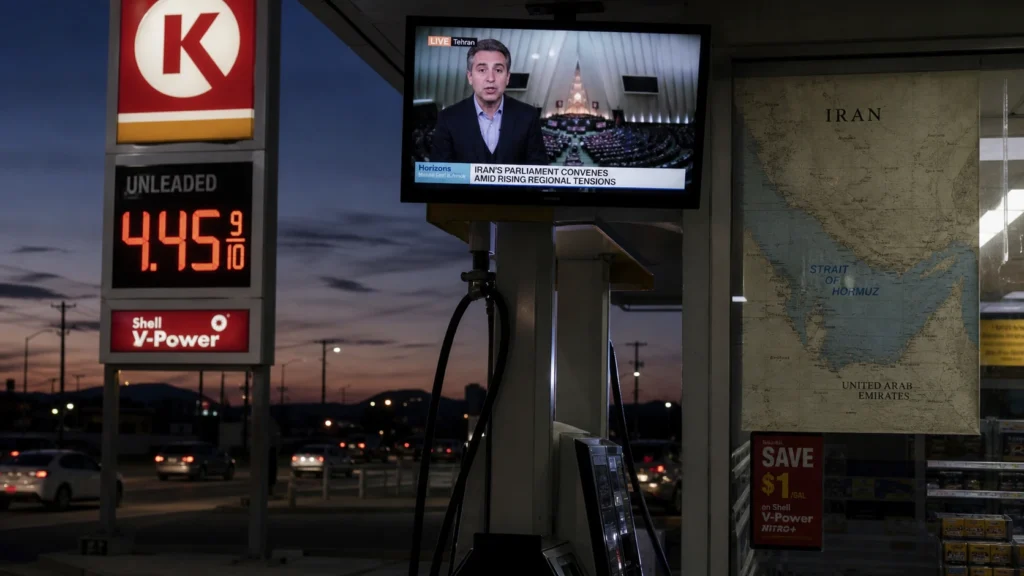
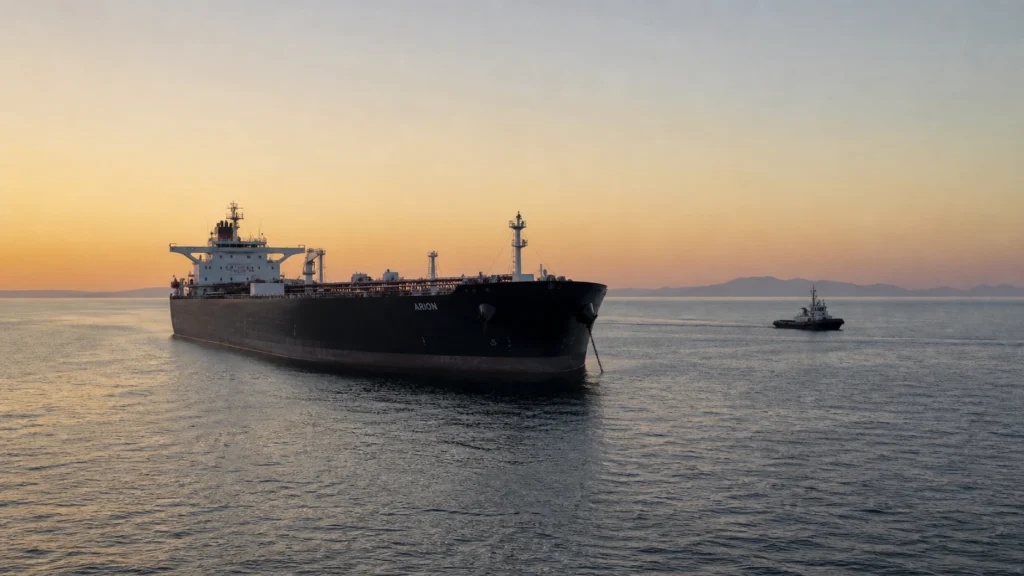
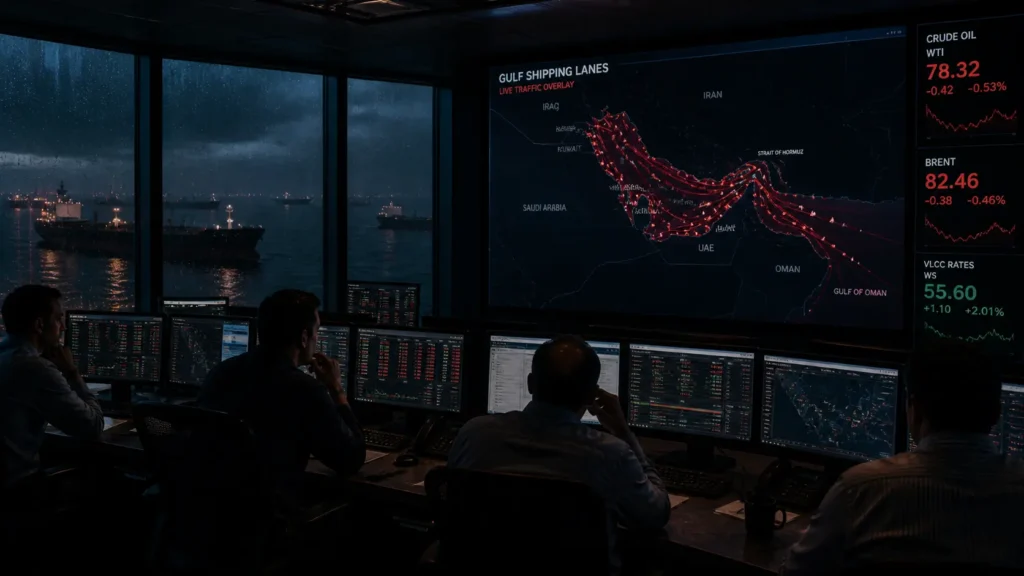
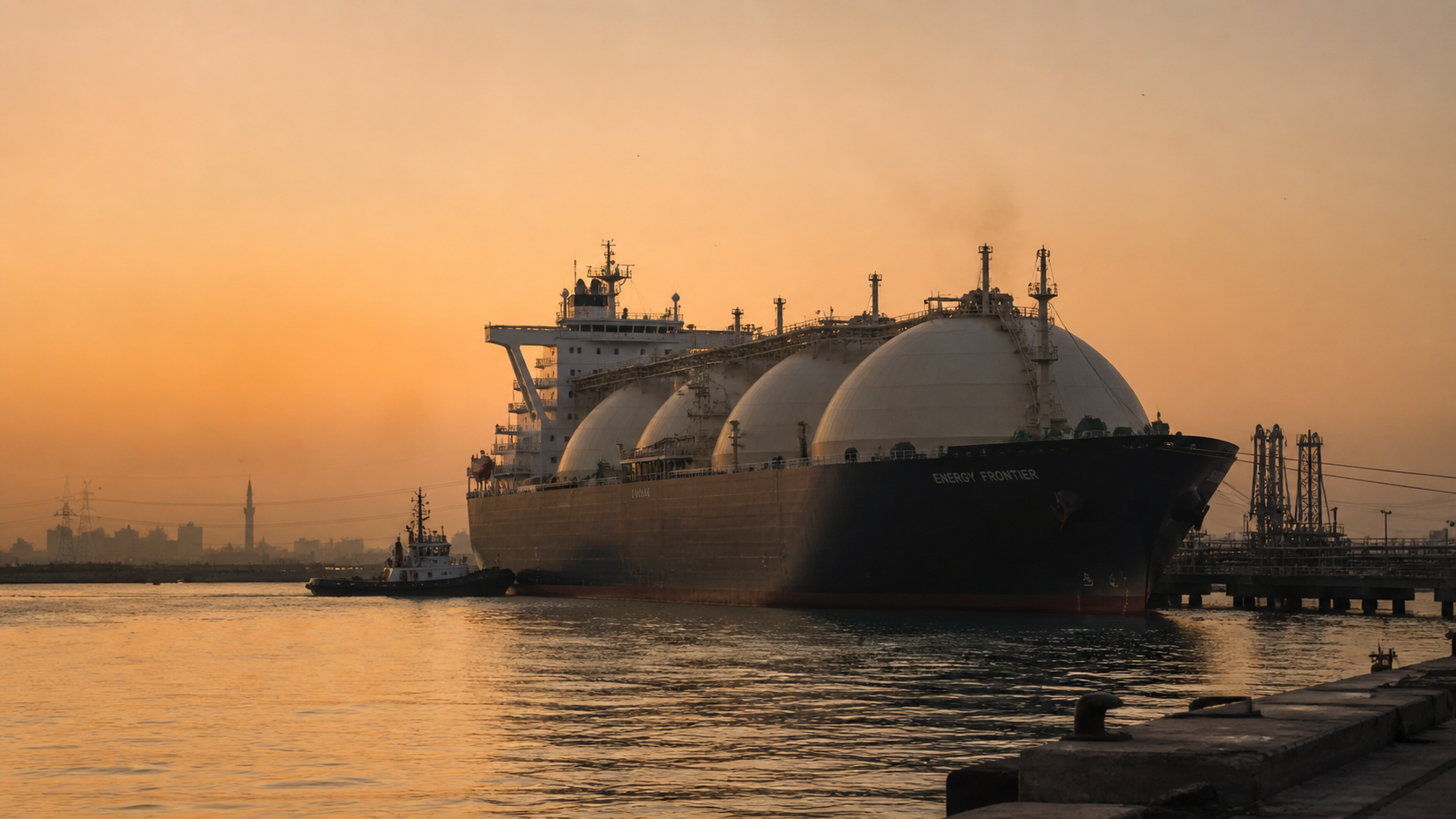
President Donald Trump has announced the Strait of Hormuz will reopen “toll-free” under the US-Iran deal set to be signed on Friday in Switzerland, as Brent crude oil fell to $78 a barrel on Tuesday, down from a peak of $120 during the conflict. Speaking at the G7 summit in France, Trump said the agreement would ensure Tehran “will never have a nuclear weapon” and that the key waterway, which carries roughly a fifth of the world’s oil supply, would resume normal operations. The Wall Street Journal reported that Iran would be able to start selling oil almost immediately under the agreement. A senior US official described the deal as “performance-based,” meaning Iran can access its benefits only by complying with commitments, including the neutralisation of highly enriched uranium.
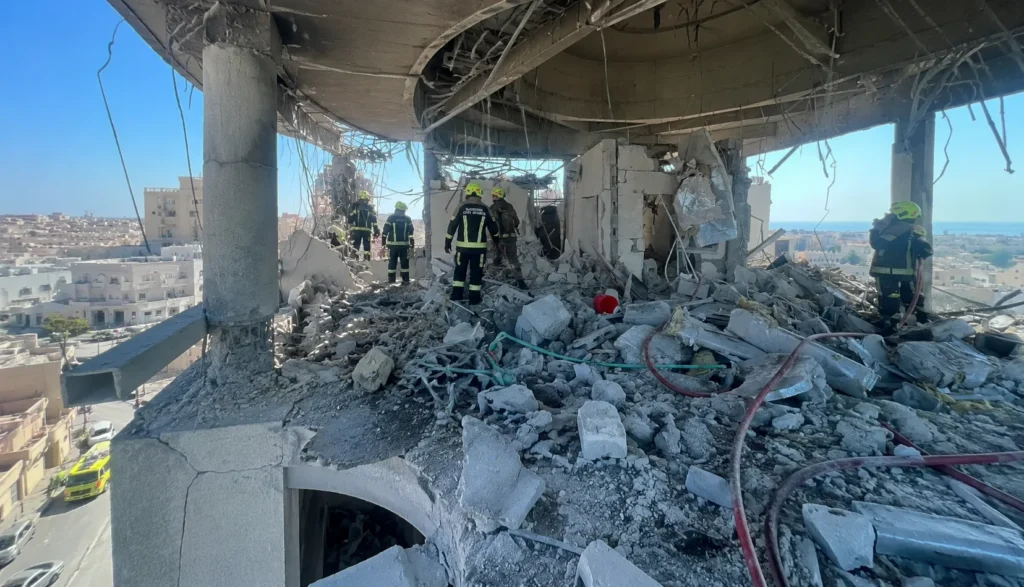
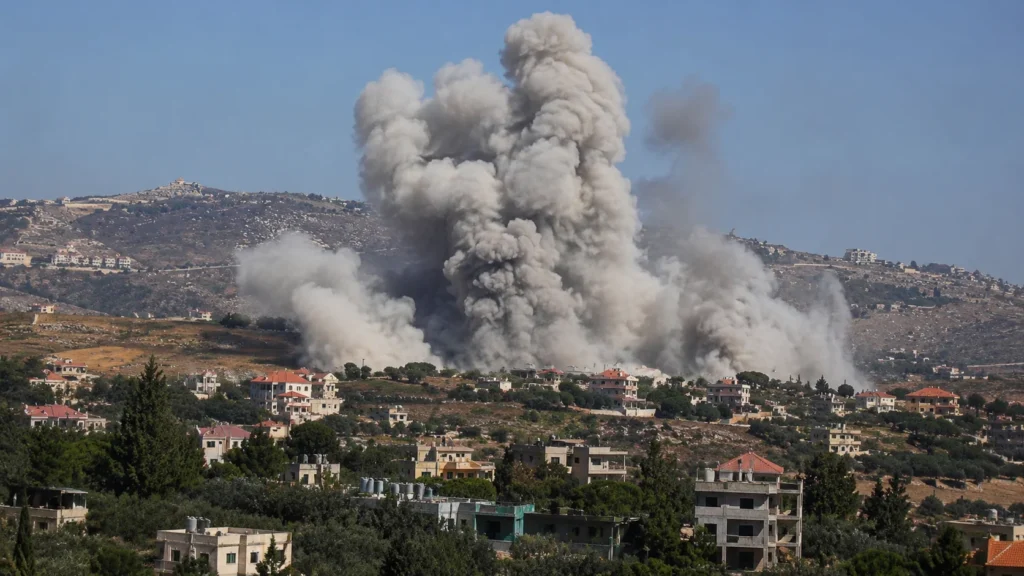
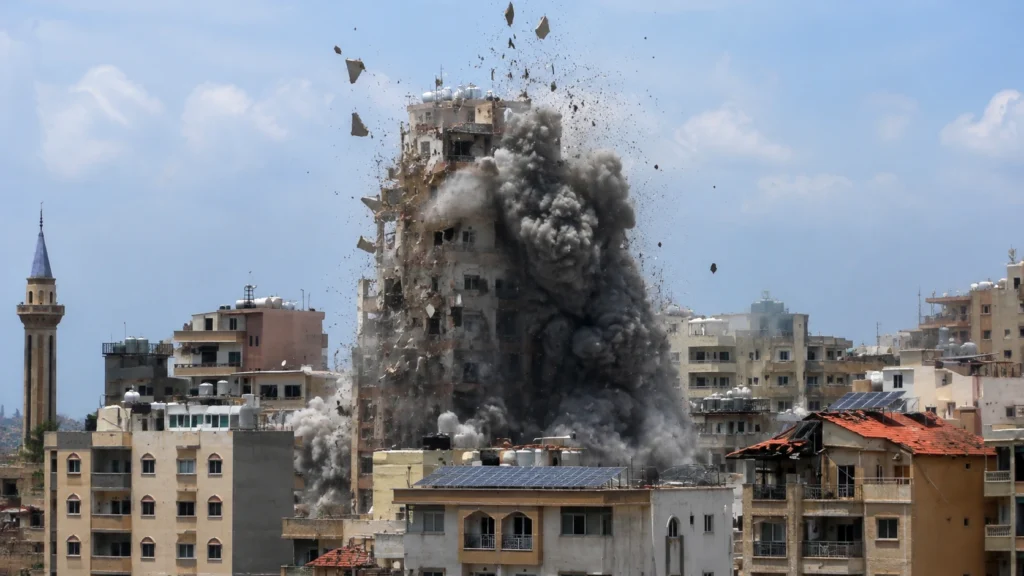
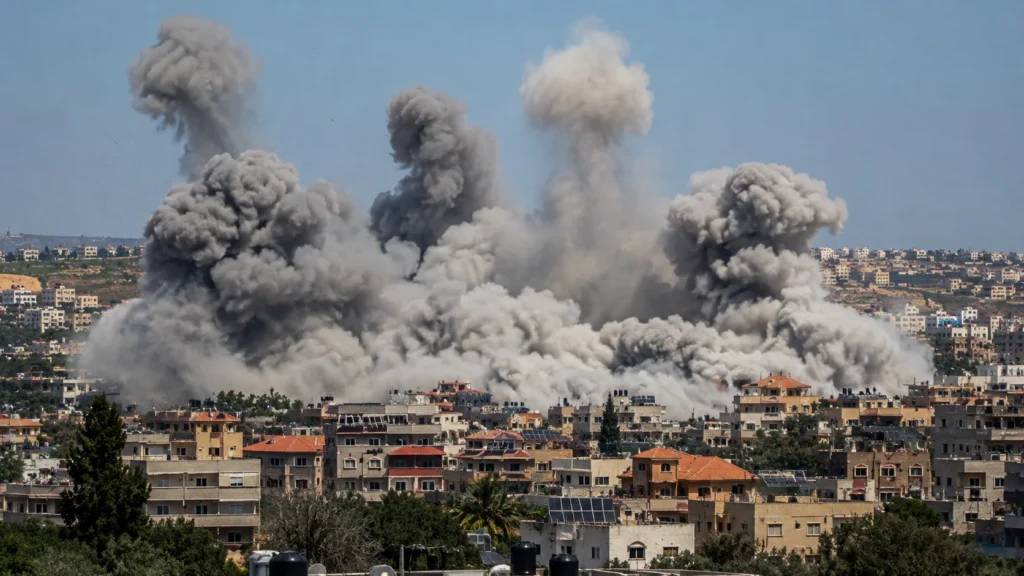
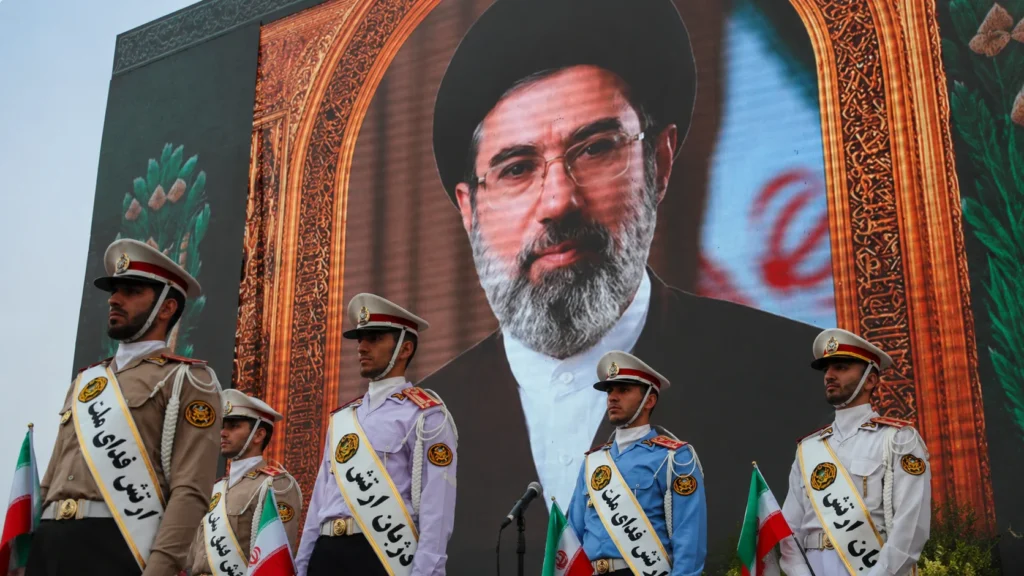
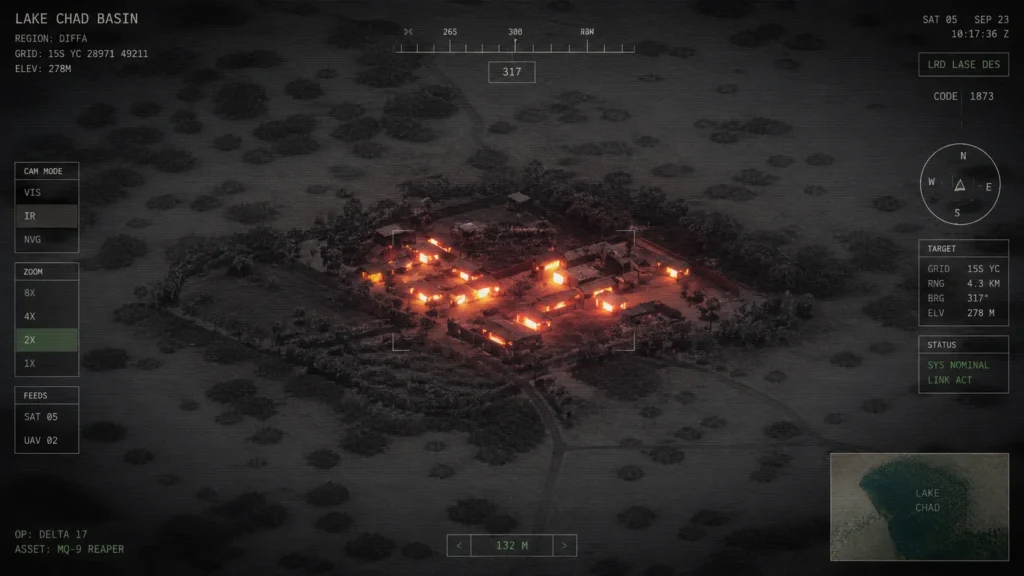
The oil price decline came as the Federal Reserve prepared to meet on Wednesday and the Bank of England on Thursday, with both central banks now expected to hold interest rates steady. On the same day, the Israel Defense Forces struck southern Lebanon, intercepting rockets and destroying a Hezbollah launcher. Hezbollah said Iran had assured it that the IDF would be required to withdraw from southern Lebanon. Trump described the Lebanon conflict as a “minor war” and insisted it would not derail the broader agreement, while continuing his public criticism of Israeli Prime Minister Benjamin Netanyahu in what correspondents called his most outspoken remarks yet.
From $120 to $78: The Oil Price Timeline
The trajectory of Brent crude during the conflict tells the story of how quickly a war premium can be priced in—and how quickly it can be removed.
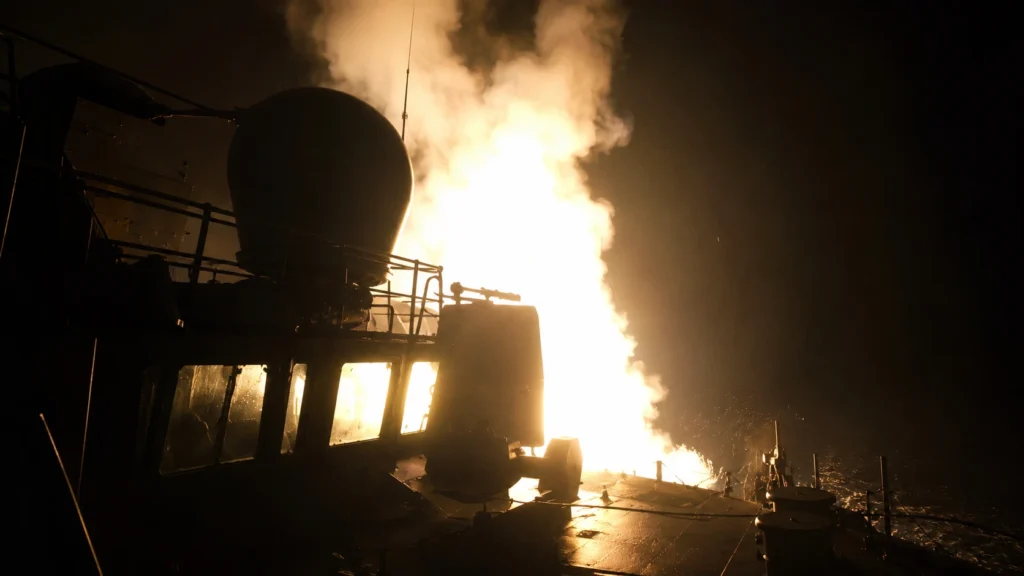
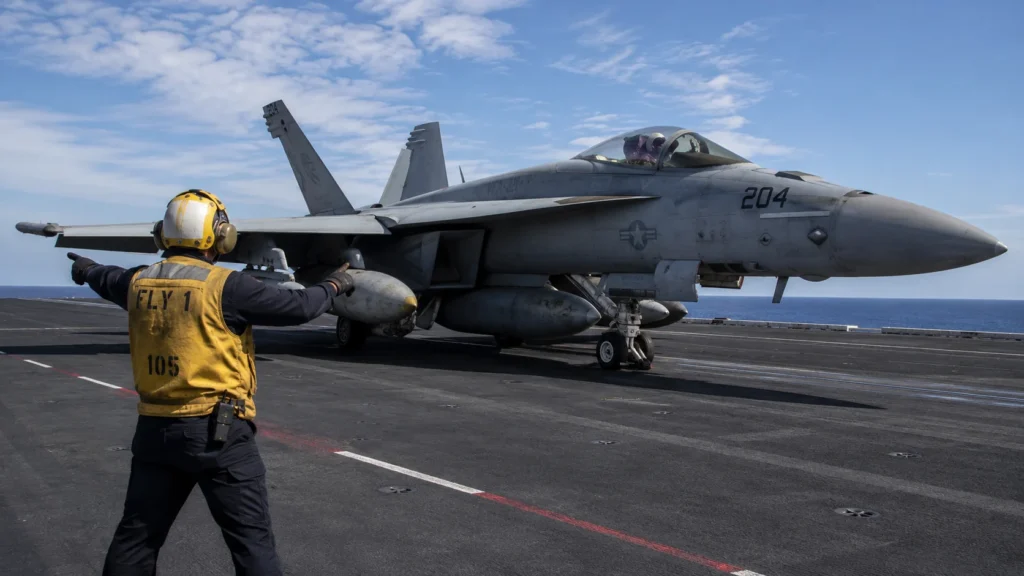
28 February 2026: The US and Israel launch wide-ranging strikes on Iran. Brent crude trades at around $70 a barrel. Iran effectively closes the Strait of Hormuz.
March-April 2026: Oil prices spike, reaching a peak of approximately $120 as the strait’s closure disrupts roughly 20% of global oil and liquefied natural gas flows.
April 2026: A ceasefire is agreed. Prices ease but remain elevated above $90 as intermittent strikes continue, and the ceasefire collapses into what the UN describes as a “lesser-fire.”
June 2026: The US and Iran agree on a framework deal brokered by Pakistan and Qatar. Brent crude drops to $83.24 on 15 June.
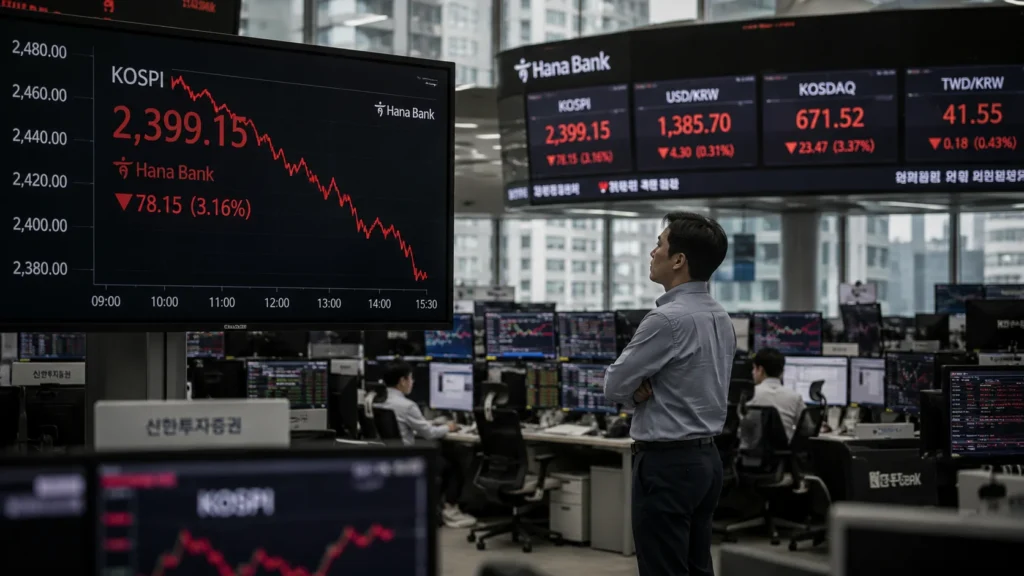
16 June 2026: Trump announces the Strait will reopen “toll-free.” The Wall Street Journal reports Iran can immediately resume oil sales. Brent crude falls to $78.
As impact of Strait of Hormuz closure on global energy markets previously documented, the effective closure of the waterway had been the primary driver of energy price inflation since late February. Its prospective reopening removes that driver. The speed of the decline—from $120 to $78—reflects how quickly markets priced in the worst case and are now pricing in the best.
What the Deal Contains—and What Remains Unpublished
Trump told reporters at the G7 he would likely hold a news conference to read the agreement “word by word.” The full text has not been published. The details that have emerged describe a “performance-based” framework, according to senior US official briefing at G7.
The known provisions include: the Strait of Hormuz reopens on Friday; the US naval blockade of Iranian ports ends; IAEA inspectors return to Iran; Iran commits not to produce nuclear weapons; highly enriched uranium is neutralised; and sanctions relief is contingent on compliance.
The unknown provisions remain significant. Enrichment limits have not been specified. The verification mechanism has not been described. The sequencing of sanctions relief—whether Iran receives it before or after demonstrating compliance—is contested. The Lebanon clause, which Pakistani mediators said includes an end to military operations on all fronts, is being tested in real time.
Trump also claimed the Obama administration’s 2015 nuclear deal allowed Iran “to have a nuclear weapon.” The claim is false. The Joint Comprehensive Plan of Action required Iran to reduce enriched uranium stockpiles by 98%, cap enrichment at 3.67% purity, and accept international monitoring. The IAEA confirmed compliance. The US State Department confirmed in April 2018, weeks before Trump withdrew from the deal, that Iran was “fully implementing” it. JCPOA chief negotiator Cathy Ashton told BBC Verify that if Trump felt the deal was inadequate, “the answer was to build on it, not to rip it up.” As comparison of Iran nuclear agreements has examined, the current deal is roughly a page and a half. The JCPOA was 159 pages. The difference in length is a difference in specificity.
The Lebanon Test
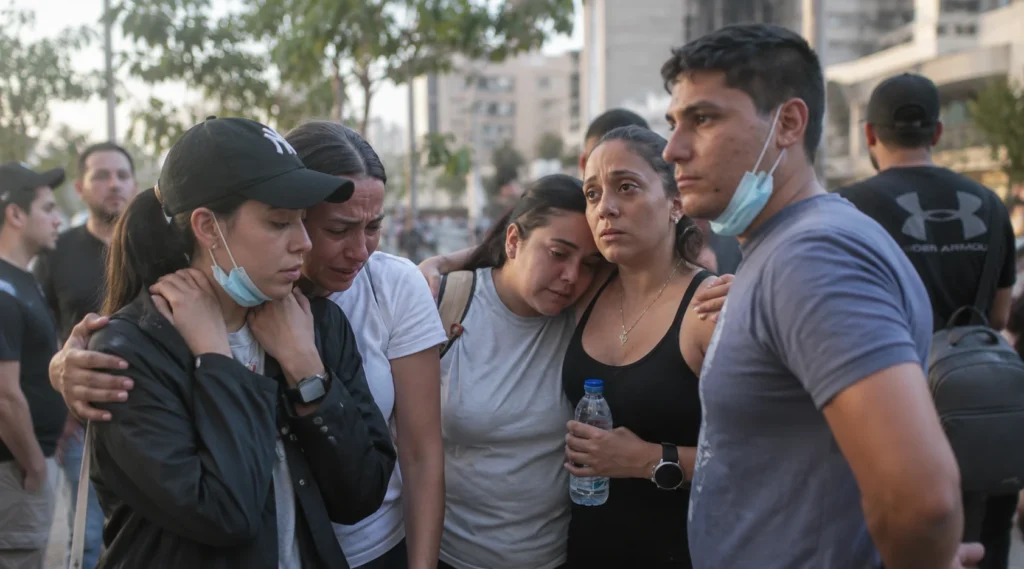
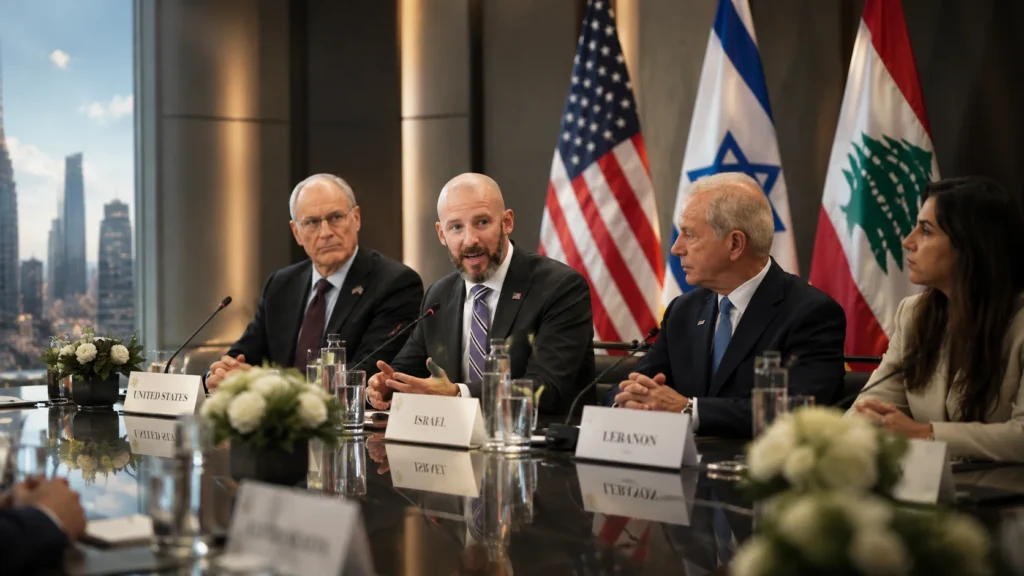
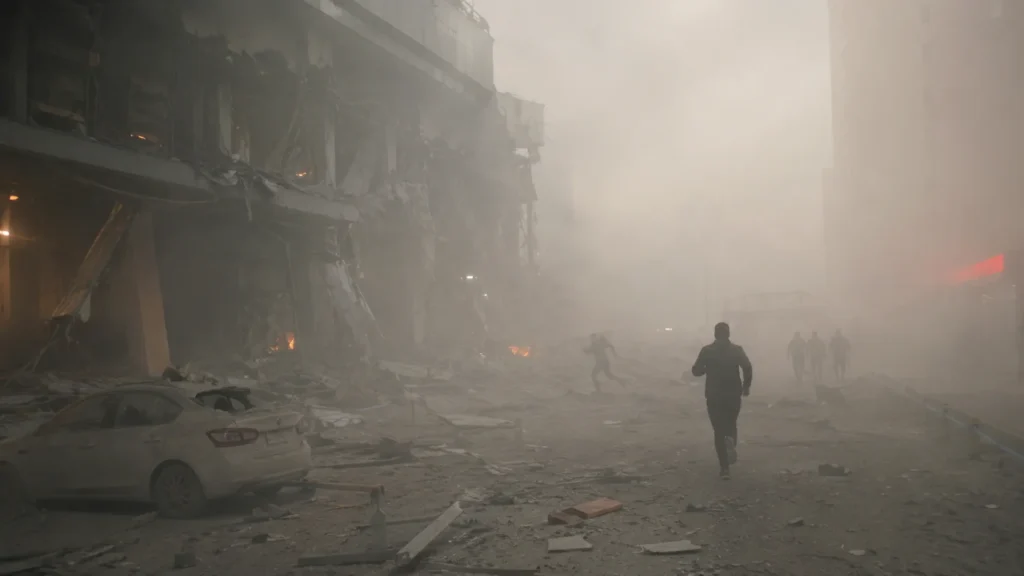
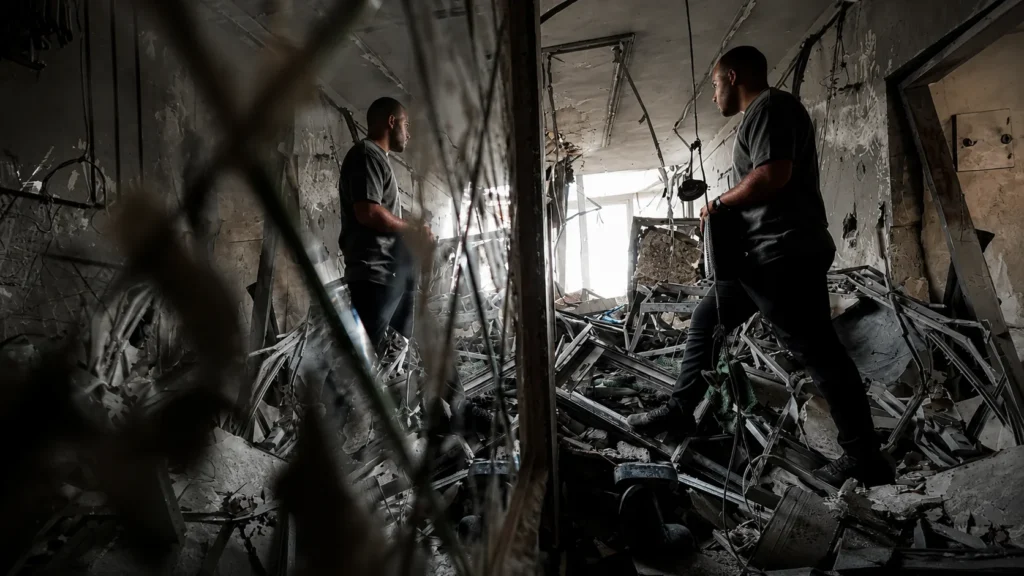
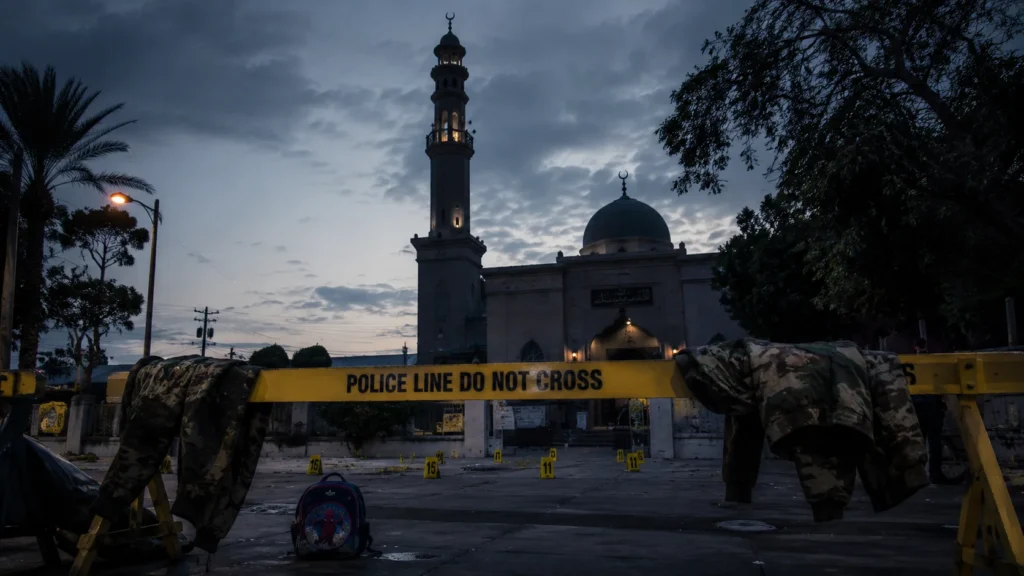
The IDF struck southern Lebanon on Tuesday, saying it intercepted rockets and destroyed a Hezbollah launcher. Hezbollah said Iran had assured it that the IDF would be required to withdraw from southern Lebanon. Trump called the Lebanon conflict a “minor war” and said it would not derail the agreement with Iran.
The contradiction is structural. The deal’s Lebanon clause promises an end to military operations. Israel, which is not a signatory, says its forces will remain in southern Lebanon “as long as necessary.” The strikes continue. The deal has not been signed. It is already being tested.
What the Oil Price Means for Interest Rates
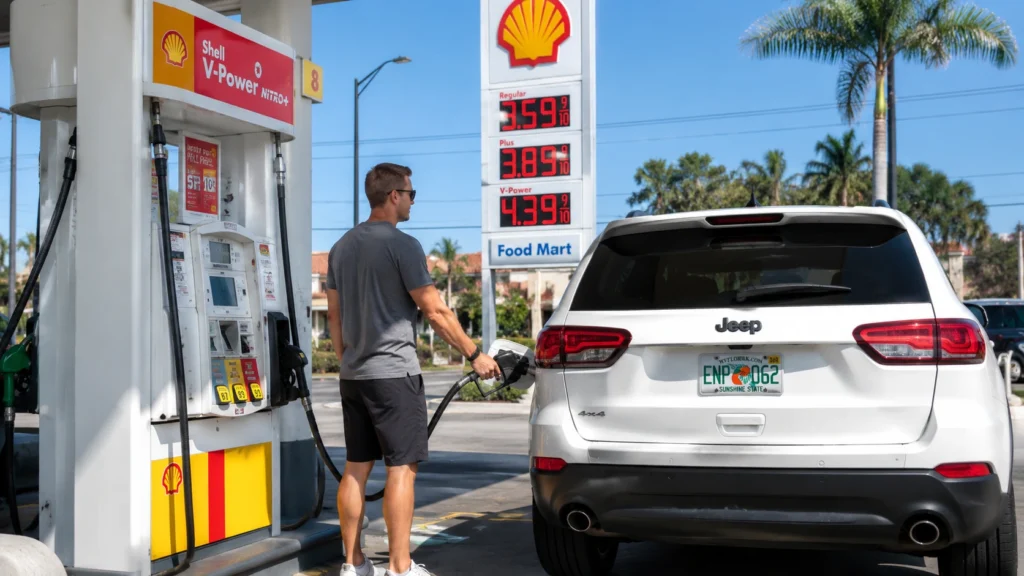
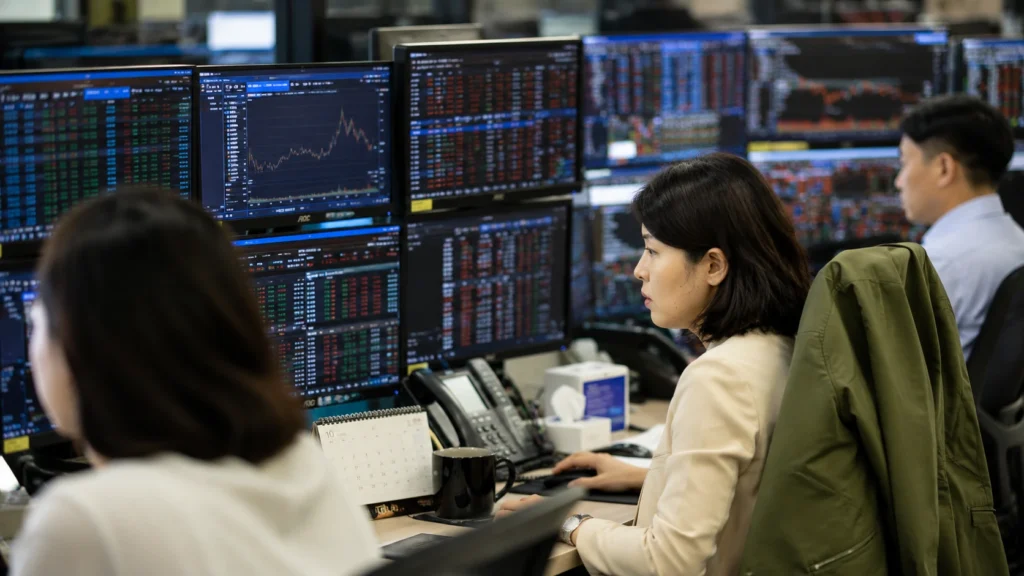
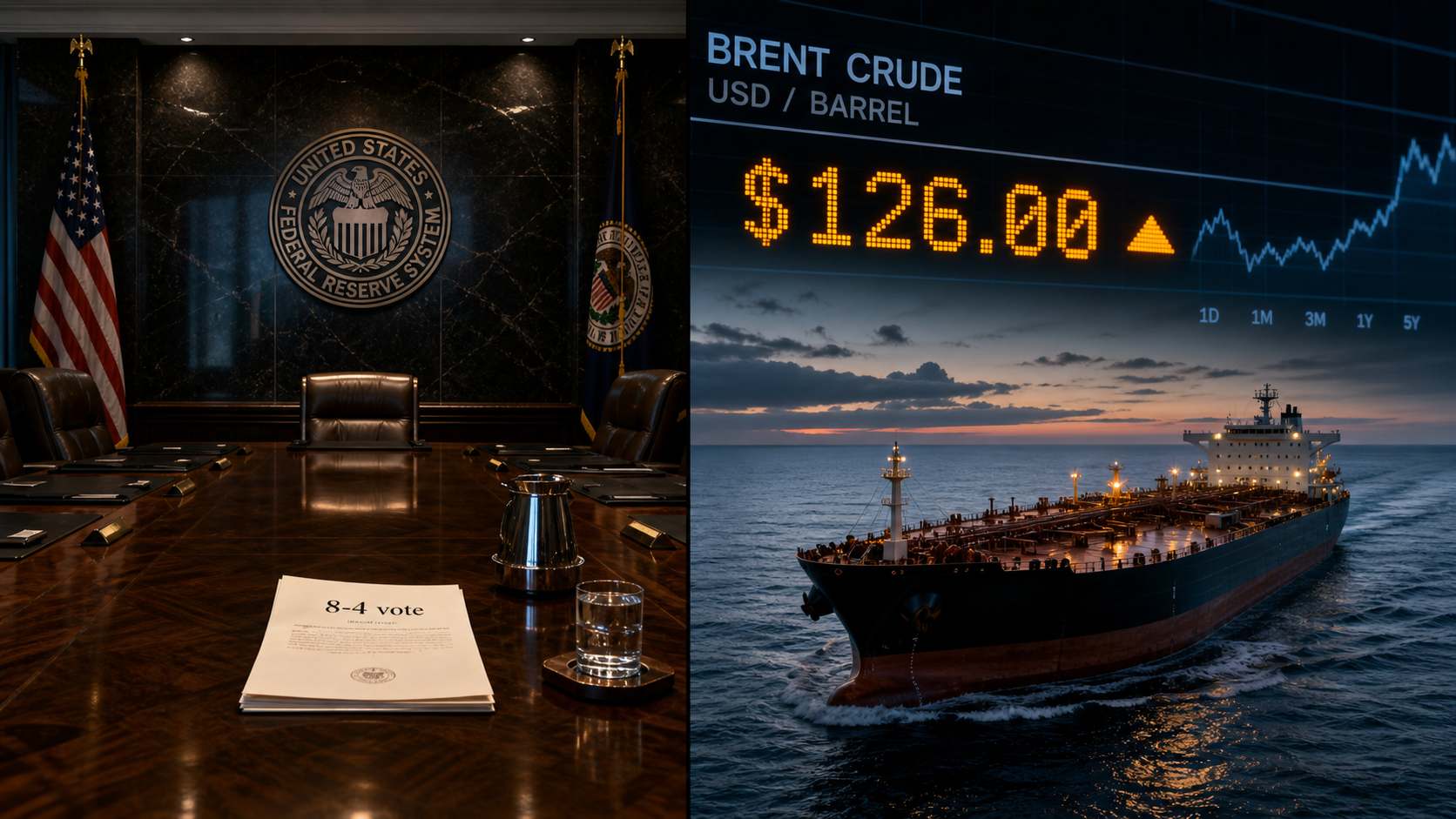
The fall in Brent crude to $78 has direct implications for monetary policy. The Federal Reserve meets on Wednesday and the Bank of England on Thursday. Both had been weighing the risk of persistent energy-driven inflation against the risk of slowing growth. The removal of the oil price risk premium eases inflation expectations and strengthens the case for holding rates steady.
The economic relief is real. It is also contingent. The deal has not been signed. The text has not been published. The “performance-based” structure means Iran’s access to oil revenues—and the additional supply that has driven prices down—depends on compliance. If compliance fails, sanctions snap back, supply contracts, and prices rise. The central banks meeting this week are making decisions under uncertainty. The market has priced the best case. The best case is not yet guaranteed.
Frequently Asked Questions
When does the Strait of Hormuz reopen?
The Strait of Hormuz is scheduled to reopen on Friday, 19 June, when the US-Iran deal is formally signed in Switzerland.
What does “toll-free” mean for the Strait of Hormuz?
The phrase is a political commitment by Trump that Iran will not interfere with maritime traffic. The strait has never charged tolls. The phrase signals that normal commercial transit can resume without Iranian obstruction.
Why did oil prices fall to $78?
Brent crude fell because the deal promises to restore Iranian oil exports and reopen the strait, removing the war premium that had driven prices as high as $120. The Wall Street Journal reports that Iran could resume sales, which would immediately extend the decline.
Is the full text of the US-Iran deal available?
No. The full text has not been published. Trump said he may read it publicly. The deal is understood to be roughly a page and a half, with detailed provisions deferred to a 60-day technical negotiation period.
Has the Lebanon ceasefire held?
No. The IDF struck southern Lebanon on 16 June. Hezbollah fired rockets at Israeli forces. Trump called the conflict a “minor war.” The deal’s Lebanon clause is being tested before the agreement is signed.