

 English





























































































































































































































































































































































She Walked Off Two Runs Short. England Held Its Breath.
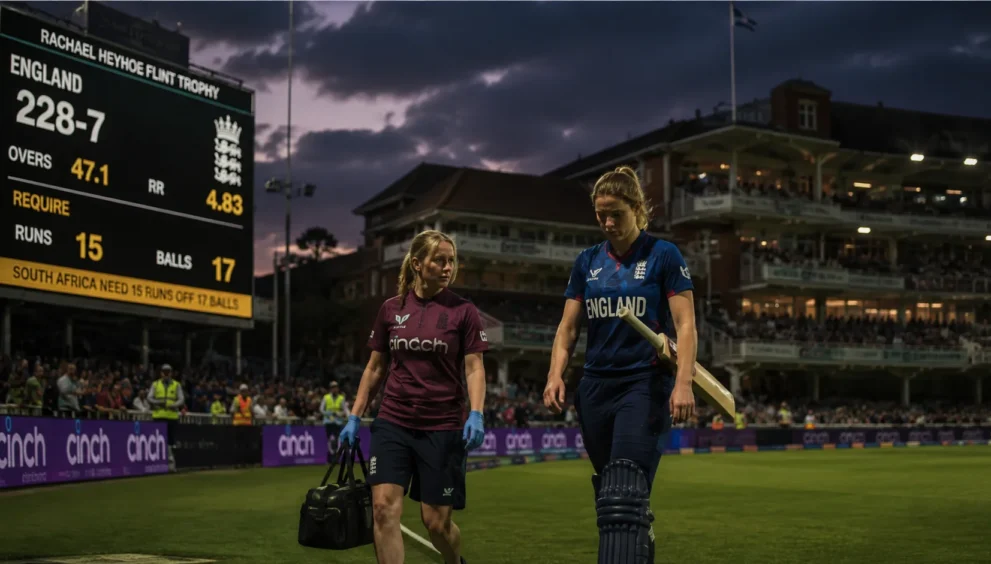
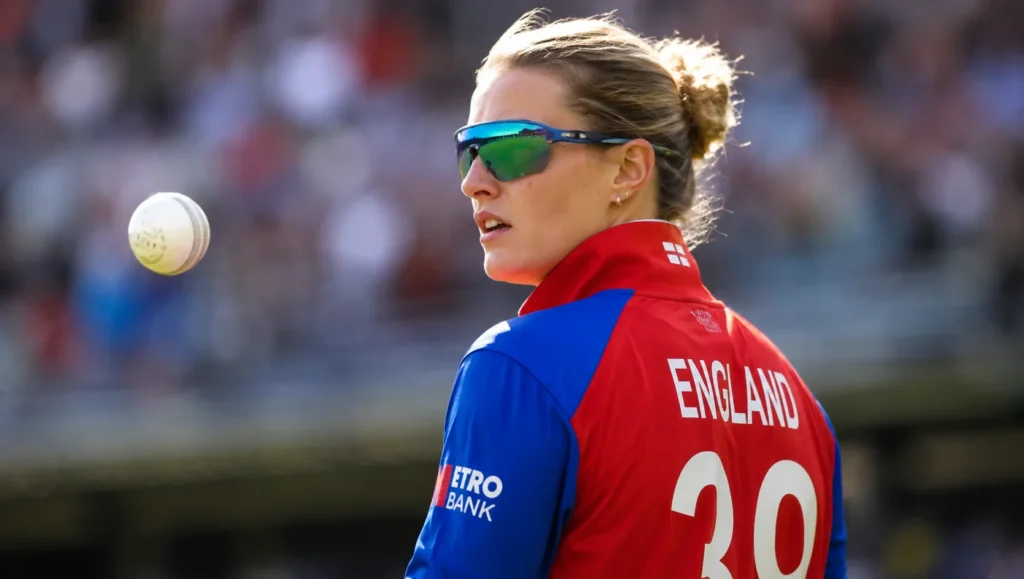
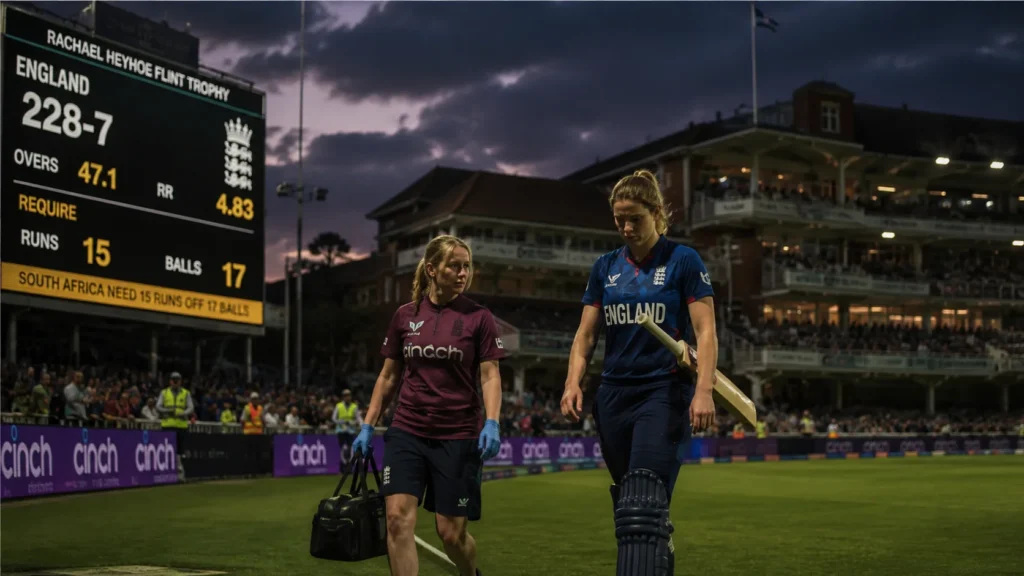
The shot was a four to square leg. Nat Sciver-Brunt had played it with the same fluency she had shown throughout her 48 runs, steering England toward a target of 119 they had no business chasing with any drama. Then she stopped. She called for the physio. She retired hurt. Nine runs were needed for victory. England’s captain, their best batter, their most indispensable player, walked off with tightness in her left calf—the same calf that had torn in April, the same calf that had ruled her out for six weeks before this tournament. She had not finished the job. The job finished without her, England edging home by four wickets with 15 balls to spare. The win was secured. The worry was just beginning.
Her wife, Katherine, the former England international, told BBC Test Match Special: “Nat hasn’t been crying, and that’s a good sign. You know when you’ve done something bad. She’s not that easy to read, but from what I’m seeing, it’s not that bad.” The words were measured. The tone was not. Katherine Sciver-Brunt knows the difference between a precaution and a problem. She was offering the former. England will hope she is right.
Sciver-Brunt herself called the decision “just precautionary” and said she “felt a bit of tightness” and “didn’t want to push it.” The scan in the coming days will determine whether the precaution was sufficient. England plays Scotland on Saturday. Four days. The calendar is unforgiving. The calf is the same one.
But this wasn’t about the win. This was about Control vs Chaos—and what happens when a team that has learned to cope without its captain suddenly faces the prospect of having to do it again, in a home World Cup, with the margin for error shrinking by the day.
The Partnership That Settled the Chase
Before the calf, there was the batting. England were 35 for 3. Danni Wyatt-Hodge had chipped a catch for 16. Amy Jones had done the same for nine. Alice Capsey had been bowled by an Orla Prendergast yorker for five. Ten balls. Three wickets. The chase of 119, which should have been a formality, was suddenly a problem.
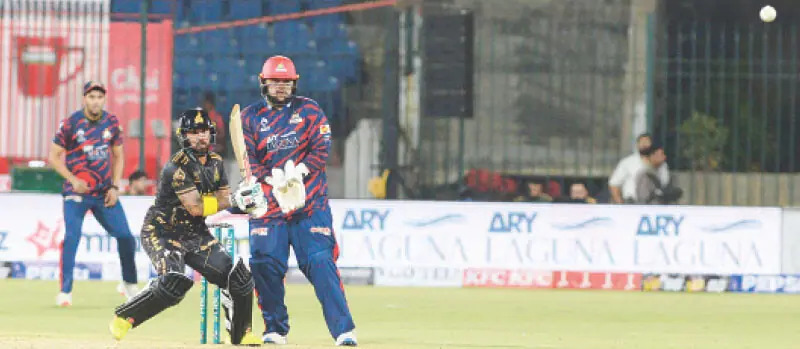
Sciver-Brunt and Heather Knight put on 64. The partnership was not spectacular. It was composed. Ireland’s total of 118 for 9 was never going to be enough unless England made it enough. Ireland has now lost 19 T20 World Cup matches from 19. This performance was more encouraging than their defeat by Scotland, but the history is heavy. England knew it. Sciver-Brunt and Knight batted like they knew it. The runs came without panic. The target shrank. The game moved toward its conclusion.
Then Prendergast pinned Knight lbw for 26. Then Sciver-Brunt hit a four, felt her calf, and walked. Then, Freya Kemp was run out for two. The wobble that followed the retirement was as much confusion as pressure. England were suddenly two wickets down, their captain in the dressing room, their acting captain—Charlie Dean, who had never captained her country before May—watching from the other end. The nine runs were knocked off. The win was recorded. The focus had already shifted.
The Calf That Changed the Calculus
Sciver-Brunt’s left calf first became an issue on 29 April, when she suffered what was described as a “minor” tear playing a domestic match. The tear ruled her out of the white-ball series against New Zealand and India. Dean captained England in her absence. England won both series. The team has shown it can function without its most important player.
But a home World Cup is not a bilateral series. The stakes are different. The scrutiny is different. The margin for error is smaller. Sciver-Brunt is not just England’s best batter. She is the player around whom the batting order coheres. She is the player who makes chases like this one look routine. Without her, the order is thinner, the experience is lighter, the opposition’s belief is firmer. England can win without her. They have proved it. They do not want to have to prove it again.
Knight said afterwards: “We’re really hopeful she’ll be fine, but one thing we have shown over the last couple of series is we’ve been able to do things really well without Nat.” The statement was supportive. It was also a hedge. The hope is genuine. The uncertainty is genuine. The scan will resolve one into the other.
The Bowling That Made the Chase Possible
Ireland’s 118 for 9 was not a competitive total. It became one only because England’s top order made it so. The bowling that restricted Ireland was the reason the chase was small enough to survive the wobble.
Sophie Ecclestone took 3 for 22, varying her pace to have Rebecca Stokell stumped with a quicker ball and inducing looping catches from Arlene Kelly and Cara Murray. Dani Gibson took 2 for 10 in two overs, bowling Prendergast via an inside edge for 25. Charlie Dean took 2 for 11, finding turn with 36% of her deliveries to induce false shots. The only bowler who struggled was Lauren Bell, who conceded a boundary with the first ball of the innings and was hit for four fours by Louise Little in a final over that cost 17.
Ireland’s innings was a familiar story—promising moments, insufficient runs—but the bowling performance that restricted them was a reminder of England’s depth. Ecclestone remains the best spinner in the world. Gibson and Dean provide control and threat through the middle. The attack does not depend on any single bowler. It does depend on Sciver-Brunt’s batting. The distinction matters.
What Changes Now
The scan will be performed over the next four days. If the calf is tight and nothing more, Sciver-Brunt plays against Scotland, the tournament continues as planned, and the retirement against Ireland becomes a footnote. If the calf is something worse, England will enter the knockout phase without their captain, their best batter, and the player who has been the heartbeat of their batting for half a decade.
Dean will captain again if Sciver-Brunt is unavailable. She has done it before. She has won. The team has shown resilience in the absence of its leader. But resilience is a quality you want to draw on occasionally, not continuously. England has two wins from two matches. They are in control of their group. The control is fragile. The calf is the variable. The scan is the verdict.