

 English






































































































































































































































Stokes Isn’t at The Oval. His Shadow Hangs Over Everything.
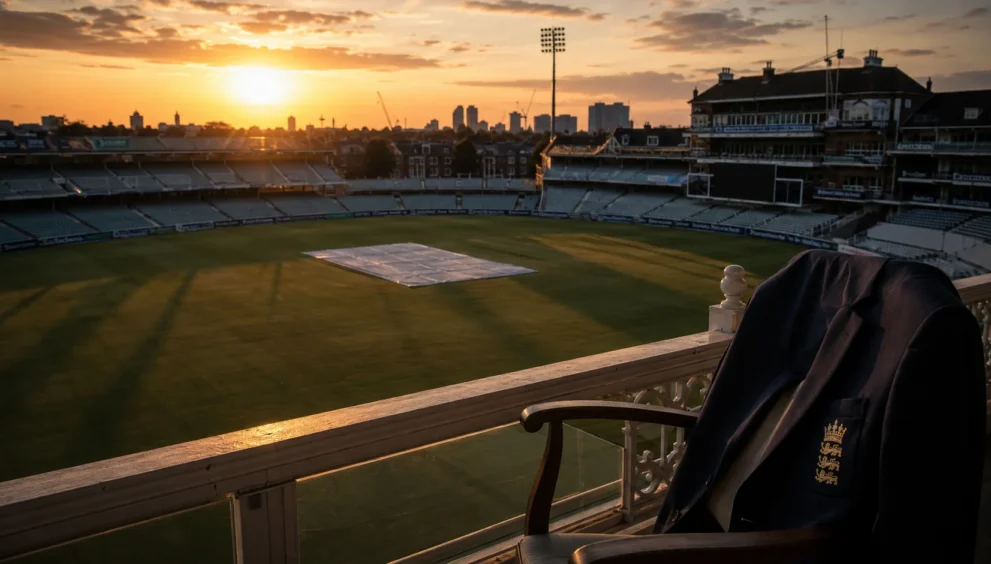
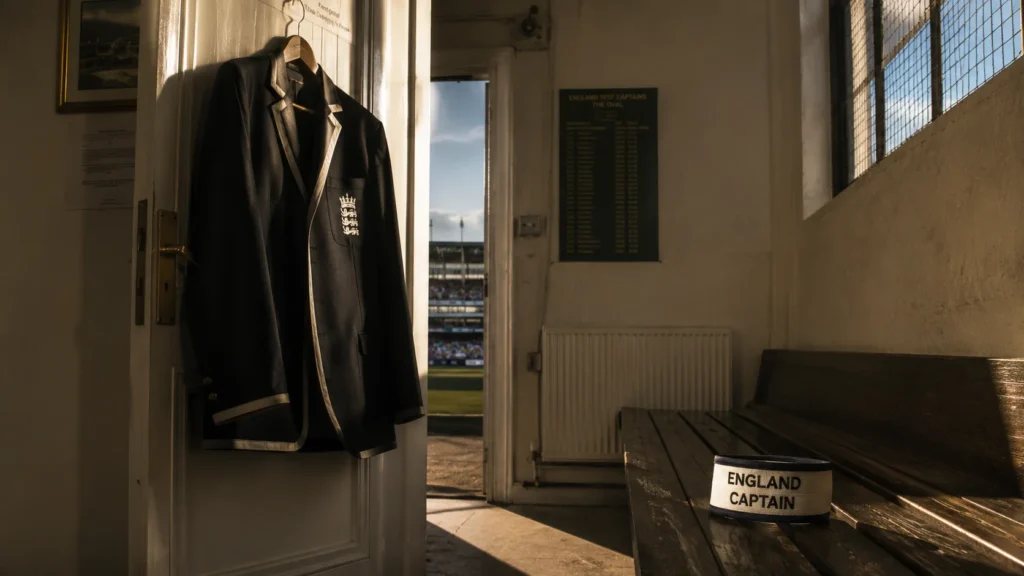
The Test summer has lasted 166 overs. Not enough to fill two complete days. It has included a captain stood down, a security guard punched, a fast bowler suspended, an all-time great retiring, four debutants selected across two matches, a spinner picked who didn’t bowl and then was dropped, a batter who flew to New Zealand and back for the birth of his child, and a wicketkeeper whose second child arrived and ruled him out. English cricket never operates without a crisis. This one is different. This one has Ben Stokes’ name on it, and Stokes is not even in the building.
He will play for Durham against Northamptonshire on Friday. He will not play for England against New Zealand at The Oval on Wednesday. The ECB deny he has been asked to resign as captain. Suggestions that the top brass want to force him out are, reportedly, incorrect. Brendon McCullum described his “worry and concern” for Stokes in sombre terms. Durham coach Ryan Campbell says the all-rounder is in “good spirits.” Joe Root, captaining England in a record-extending 65th Test, says he is taking the job game-by-game and admitted he had been “slightly envious” of Stokes for getting to work with McCullum. Stokes himself has said nothing.
The silence is the story. Neither McCullum nor director of cricket Rob Key has said Stokes will return as captain. Root did not say he wants the job full-time, but he did not say he does not want it, either. The people closest to the situation appear to genuinely not know how it will resolve. The investigation into the London nightclub incident is ongoing. Until its findings are published, no one can say what comes next. The vacuum is filling with speculation. The speculation is filling The Oval.
But this wasn’t about the nightclub. This was about Control vs Chaos—and what happens when a team that was built in one man’s image suddenly has to play without him, while he plays county cricket 300 miles away, and nobody can say when or if he is coming back.
The Team That Stokes Built, Playing Without Him
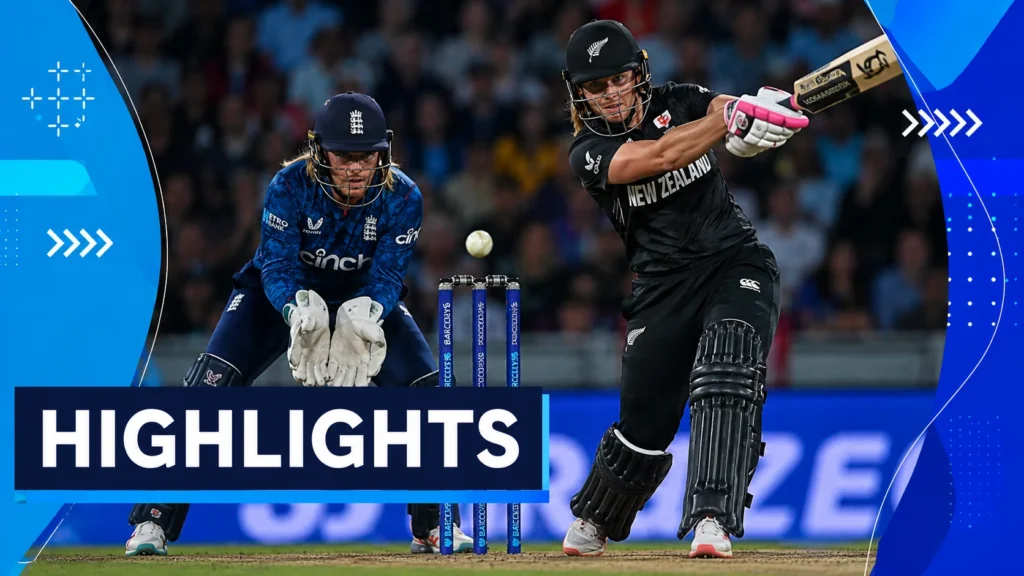
England have not won a series for 18 months. They will win this one if they beat New Zealand at The Oval. The team that takes the field will bear almost no resemblance to the one that played the Ashes Test on this ground in 2023. James Anderson, Stuart Broad, Jonny Bairstow, Moeen Ali, Mark Wood, and Chris Woakes have all moved on. Jack Leach, Zak Crawley, and Ollie Pope have been discarded. The accumulated caps lost in three years represent a generational churn.
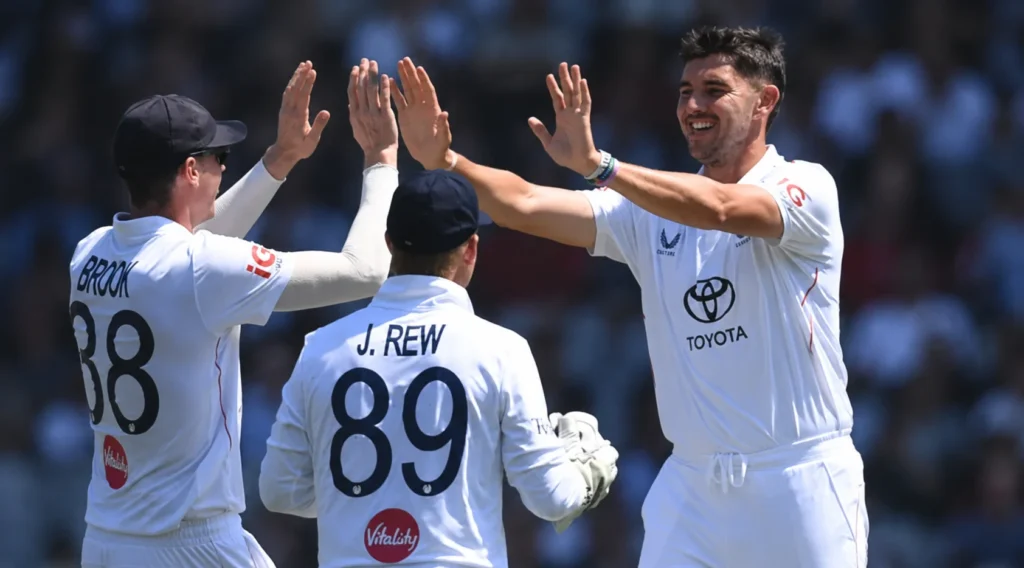
The five changes between Tests—the most since the last time England played New Zealand at The Oval, a defeat in 1999 that ended with captain Nasser Hussain being booed—are partly circumstantial. Gus Atkinson is suspended. Ollie Robinson is injured. Jamie Smith is on paternity leave. But the deeper pattern is of a team in accelerated evolution, forced to find out about itself under pressure. Jordan Cox debuts. Sonny Baker debuts. James Rew may debut. Emilio Gay debuted at Lord’s. Four debutants in a home series for the first time since that same New Zealand summer of 1999, the last before central contracts ended a revolving-door selection policy. The revolution that Stokes and McCullum began is now being stress-tested by the absence of the man who started it.
The selection reflects the gap Stokes leaves. Without his all-round abilities, England must bolster the batting with Cox and add seam bowling with Baker. The balance that Stokes provided—the extra bowler who batted in the top six—was the foundation on which the Bazball project was built. Without it, the structure shifts. The spinner, Shoaib Bashir, is jettisoned. The debutants are asked to fill roles that were designed for a man who is irreplaceable. The team adapts because it must. The adaptation is a tribute to the system Stokes and McCullum created. It is also an acknowledgment that the system’s architect is not there to operate it.
The Silence from the Top
What has not been said matters more than what has. McCullum did not say Stokes will return as captain. Key did not say Stokes will return as captain. Root did not say he does not want the job. The three men who control Stokes’ future have all spoken. None has offered certainty. The uncertainty may be genuine. The investigation may genuinely constrain what they can say. The effect is the same. A leadership vacuum at the top of English cricket, during a home Test match, with a series on the line.
The relationship between Stokes and McCullum has been the subject of persistent speculation since the Ashes. Both men insisted they had not fallen out. It is not hard to imagine a scenario where this latest controversy has re-opened old wounds. It is also possible that the situation is simpler and sadder. Stokes has previously taken a break from cricket for his mental health. Four years as England captain is enough to grind down any man, even one who has built a career on appearing unbreakable. The Ashes would have taken a huge toll. The horrific facial injury sustained while coaching the Durham academy followed swiftly. Some who were close to Stokes at Lord’s said he did not seem himself. He spoke of his relief at the win. Then the celebrations blew up in his face.
If Stokes is struggling, Key, McCullum, and the rest are right to be wary of speculating on when he might return. The caution is humane. It is also destabilising. The team that takes the field at The Oval will do so without knowing whether the captain who built it is coming back. Root will lead them. Root has done this before. Root knows what it costs. Root is doing it again because his friend is in trouble and his team needs him. The story is about leadership. It is also about friendship. The two are now intertwined.
The County Game and the Spectre
Stokes playing for Durham against Northamptonshire on Friday, while England play a Test match at The Oval, is the strangest detail of a strange week. The England captain—stood down, not sacked, not resigned—will line up for his county while his team tries to win a series without him. He is quite likely to do something remarkable. He is Ben Stokes. The remarkable thing is what he does.
His presence in the Durham team will be covered. His absence from the England team will be felt. The spectre will hang over The Oval whether or not anyone speaks his name. The players who take the field will know he is watching. The crowd will know he is watching. The man himself, 300 miles away, will know that his future is being decided by conversations to which he is not currently contributing. The silence is his choice or his necessity. Either way, it is the loudest thing in English cricket.
What Changes Now
England will play a Test match. They will try to win a series for the first time in 18 months. Root will captain. The debutants will play. The crowd will murmur his name when he walks out to bat—not boos, but the low rumble of recognition, the sound of a crowd that understands what it is asking of a man who has already given more than he planned to give. The match will end. The investigation will conclude. Stokes will speak or he will not. The ECB will decide, or it will not. The uncertainty that has hung over English cricket since the night of the Lord’s victory will either lift or settle in for the long haul. The Test match is almost incidental. The spectre is the story.