

 English



























































































































































































































































































Haaland Touched It 11 Times in a Half. He Scored Anyway.
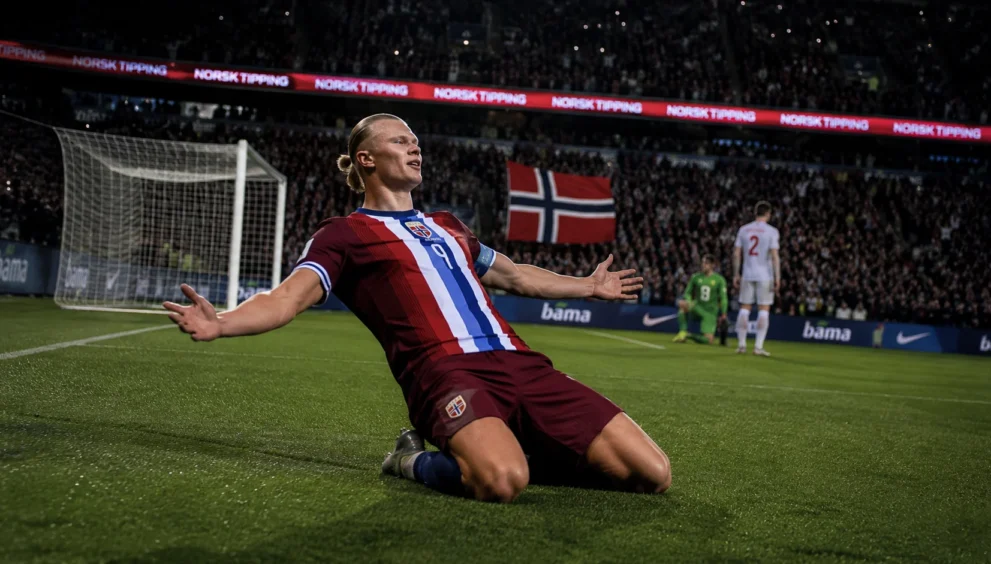
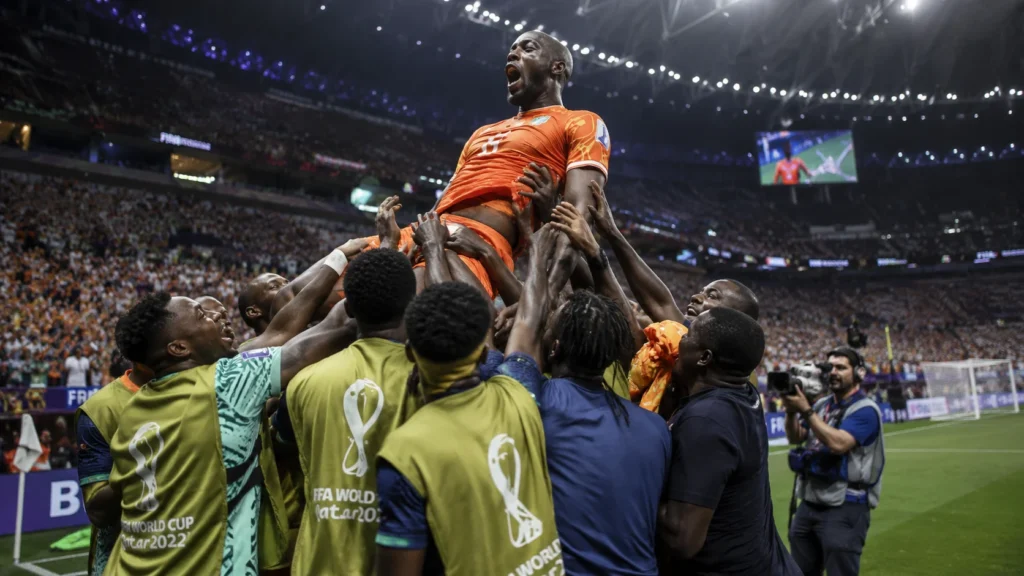
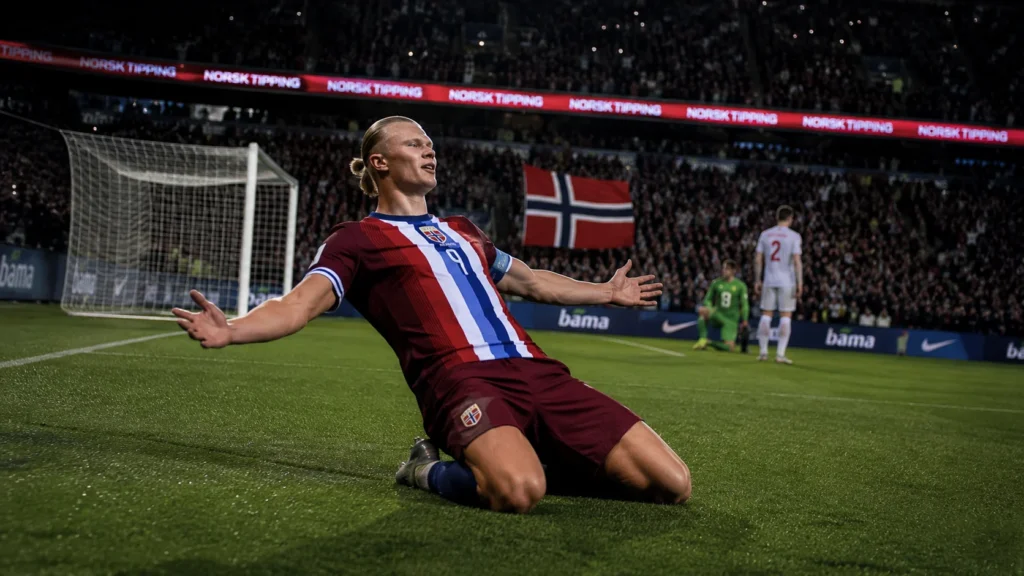
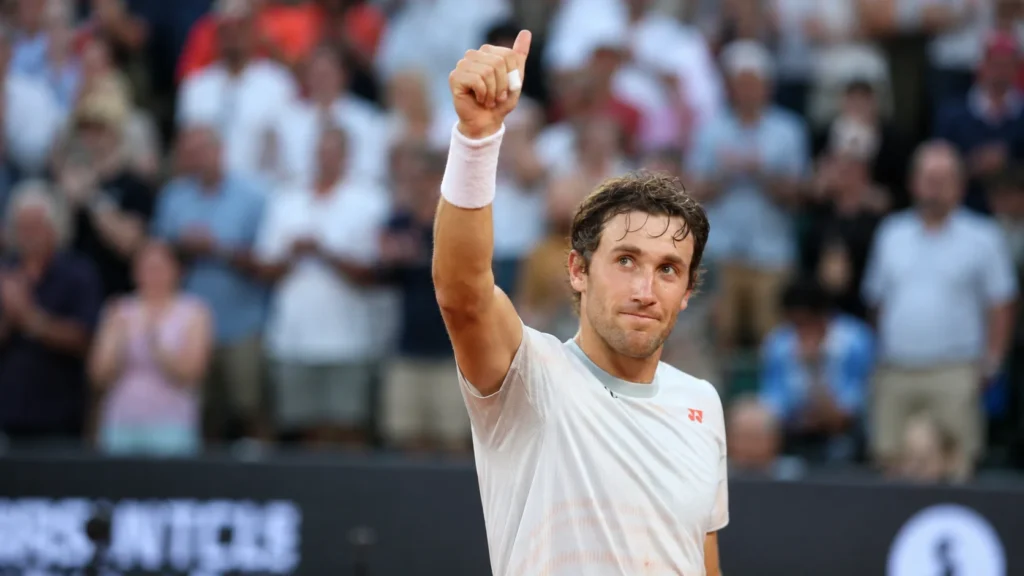
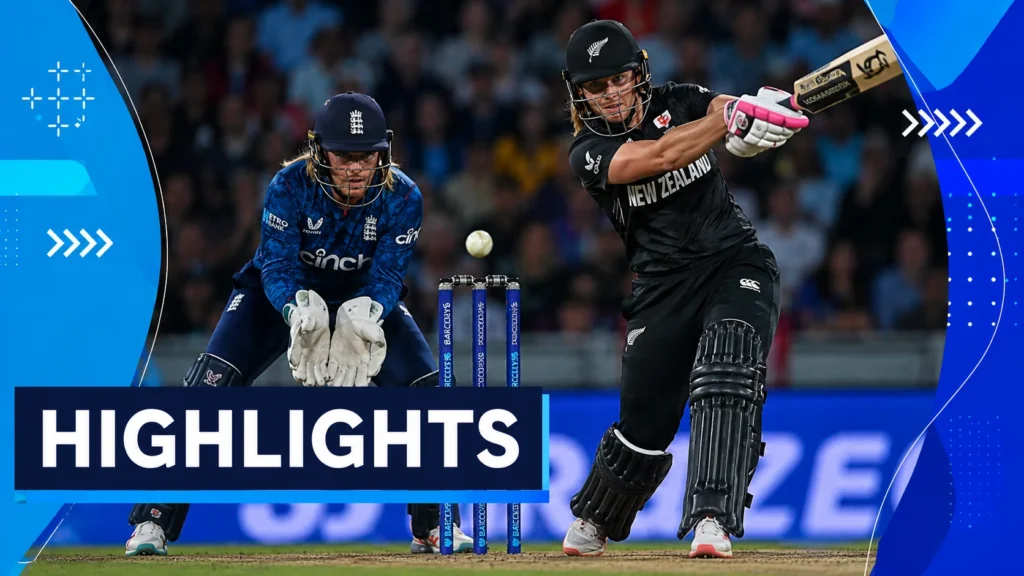
The cross came from the left. David Moller Wolfe whipped it low, the kind of ball that requires a striker to arrive at exactly the right moment, in exactly the right space, with exactly the right instinct. Erling Haaland arrived. He slid. He stabbed it home. Norway’s first World Cup finals goal in 10,220 days—the last, in 1998, came 759 days before he was born. He celebrated like a man who had been waiting his whole life for a moment that, to everyone else, looked inevitable.
He had touched the ball 11 times in the first half. Fewer than any other player on the pitch. His influence could not have been greater. The second goal came from a backpass. Jalal Hassan, the Iraqi goalkeeper, dallied. Haaland chased. Haaland charged. The clearance hit him and rebounded into the net. The third almost followed—another loose pass, another charge, another block by Jalal. A looping header in added time was bundled over the line by Aymen Hussein for an own goal. The hat-trick did not arrive. The statement did.
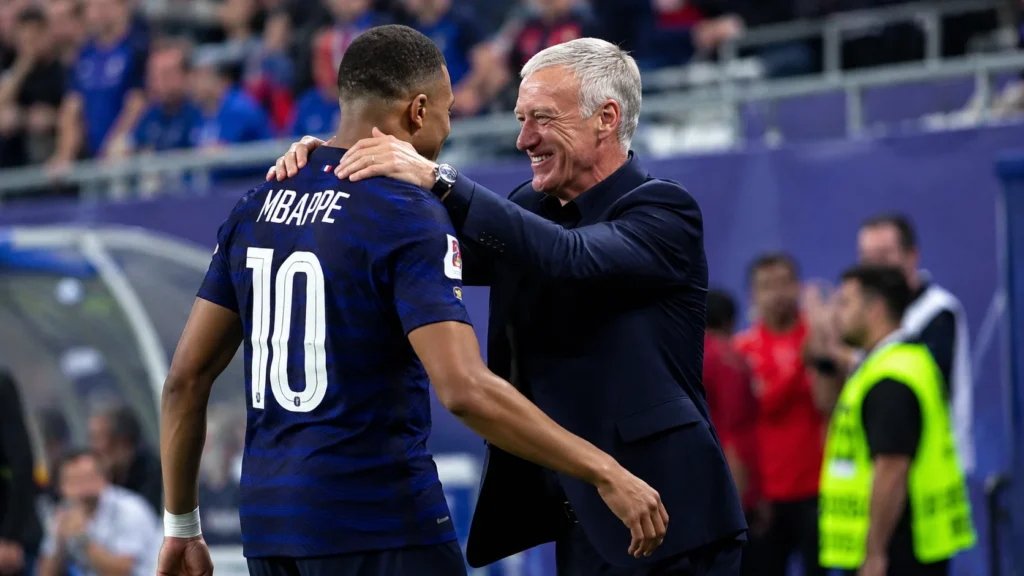
Kylian Mbappe had scored twice for France earlier in the day, becoming Les Bleus’ all-time leading scorer. The World Cup’s great rivalry, the one that will define the next decade, opened its latest chapter within hours. Mbappe threw down the gauntlet. Haaland picked it up. Norway beat Iraq 4-1. The score was almost incidental. The arrival was everything.
But this wasn’t about the goals. This was about Pressure vs Composure—and what happens when a player who has spent his entire career proving that no stage is too big finally walks onto the biggest stage of all and treats it exactly like every other one.
The Goals-Per-Game Ratio That Defies History
Haaland now has 57 goals in 51 appearances for Norway. The ratio exceeds that of Gerd Müller and Sándor Kocsis, two of the most lethal finishers the game has ever known. Only Vivian Woodward, England’s pre-World War I legend, and Poul Nielsen of Denmark in the 1920s have scored at a faster rate among players with at least 50 international goals. The company is sepia-toned. The player is 25.
The numbers are not the story. The story is the way the numbers accumulate. Haaland scores on his Champions League debut. He scored on his Bundesliga debut. He scores twice on his Premier League debut. He scores twice on his World Cup debut. The pattern is not a coincidence. It is a psychological profile. The bigger the occasion, the more he simplifies. The cross arrives. He arrives. The ball goes in. The celebration is joy unmediated by surprise. He expected to score. He always expects to score.
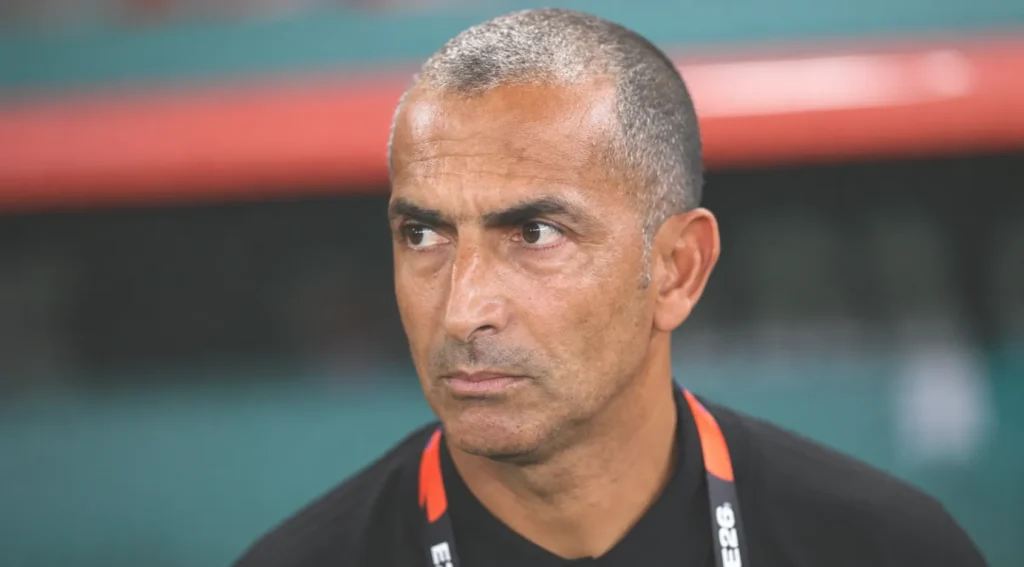
Norway manager Stale Solbakken said: “You can see he lived up to the occasion—it wasn’t too big for him. I had a good feeling before the game; the last training session was very good. I had a feeling he would do it for us today.” The feeling was not hope. It was certain. The training session had told him everything he needed to know. Haaland was ready. Haaland is always ready. The question is why.
The Leadership That Critics Said He Lacked
Ashley Williams, the former Wales defender, identified something that the goals obscured. “I would argue that he did more today for Norway than we see him do for Man City. If there is a criticism, sometimes he is a bit quiet for Man City. Today, he took on a leadership role, and he was driving the team forward. It wasn’t just his finishing, which he has, it was an all-round good performance, and you can see what it meant for his team to be at the World Cup.”
The criticism has followed Haaland for years. He does not touch the ball enough. He does not involve himself in the build-up. He waits for chances rather than creating them. The criticism is not wrong. It is also beside the point. Haaland’s game is not about accumulation. It is about timing. The 11 touches in the first half were not a sign of disengagement. They were a sign of patience. He was waiting for the moment that mattered. When it arrived, he was there.
Against Iraq, he added something else. The chasing down of the backpass for the second goal was not the act of a player conserving energy for the next chance. It was the act of a player who understood that his team needed him to lead, not just to finish. The pressing, the harrying, the “ugly bits” Williams referenced—these were not the things Haaland is famous for. They were the things Norway needed. He provided them. The leadership was not vocal. It was physical. It was visible. It was new.
The Rivalry That Will Define the Decade
Mbappe scored twice earlier in the day. Haaland scored twice in the evening. The synchronicity was too neat to be accidental. The two best players of their generation, separated by 18 months, playing on the same day, on the same stage, producing the same output. The World Cup will be shaped by their rivalry for as long as both remain in the tournament. France is a contender. Norway, as Graham Arnold said afterwards, “could shock a lot of people.” The Iraq head coach, who spoke to Haaland after the final whistle, told him he was “one of the best number nines I’ve ever seen.” The assessment was generous. It was also accurate.
The rivalry with Mbappe is not just about goals. It is about style. Mbappe is speed and grace, a blur of movement who can destroy a defence with his feet or his positioning. Haaland is power and precision, a physical force who arrives at the right place at the right time with the inevitability of a natural law. The two styles are complementary. The two players are not. They are in competition, whether or not they acknowledge it. The World Cup is the arena where the competition will be decided. The first round went to both of them.
What Changes Now
Norway has waited 28 years for a World Cup goal. They have waited even longer for a player who could make them believe they belong here. Haaland has given them both. The 4-1 victory over Iraq is not a guarantee of progress. It is a statement of intent. Solbakken’s team is not here to make up the numbers. They are here because they have a striker who scores at a rate that exceeds the all-time greats and who, on the biggest stage of his career, added leadership to his finishing. The combination is terrifying.
The next match will test whether the leadership was a one-off or a permanent addition. The critics who said Haaland went quiet in big games will watch. The defenders who thought they could handle him will study the tape. The tape will show a player who touched the ball 11 times in a half and scored, who chased a backpass and scored, who pressed and harried and drove his team forward. The tape will show a player who arrived at the World Cup and found it exactly the right size.